
The Hidden Power: Animal Territories Explained (Safari Insights)
Understanding Animal Territories Explained reveals one of the most important yet often overlooked aspects of wildlife behavior on safari. Every animal—from large predators to small herbivores—operates within a defined space that influences how it feeds, breeds, and survives.
Across iconic ecosystems like Serengeti National Park, Masai Mara National Reserve, and Queen Elizabeth National Park, territories shape movement patterns, competition, and interactions between species.
In this guide, we break down Animal Territories Explained, helping you understand how territories work and what they mean for your safari experience.
What Is an Animal Territory?
At its core, Animal Territories Explained refers to a specific area that an animal or group of animals actively occupies and defends against others of the same species. This space is not chosen randomly—it is carefully selected based on the availability of key resources that support survival.
A territory typically includes access to food, water, shelter, and safe breeding grounds. For predators, this may mean an area rich in prey, while for herbivores, it may be land with reliable grazing and water sources. By controlling such a space, an animal reduces competition and increases its chances of survival.
Territories also create structure in the wild. Instead of animals constantly competing in the same place, individuals or groups spread out across the landscape. This reduces overcrowding and helps maintain ecological balance.
However, not all animals defend territories in the same way. Some species maintain strict boundaries and aggressively defend them, while others allow partial overlap, especially between males and females or among individuals that do not directly compete.
There is also a difference between a “territory” and a “home range.” A home range is the general area an animal uses, while a territory is the portion of that range it actively defends. Understanding this distinction is essential in fully grasping Animal Territories Explained.
Why Animals Establish Territories
One of the key elements of Animal Territories Explained is understanding the reasons behind territorial behavior. Animals do not defend space without purpose—territories are directly linked to survival and reproduction.
The most important reason is access to resources. A well-established territory ensures a stable supply of food and water. For predators, this means reliable hunting grounds where prey is available. For herbivores, it means consistent grazing areas that can sustain them over time. By defending these resources, animals reduce competition and avoid constant conflict.
Reproduction is another major driver. In many species, males defend territories to attract females. A strong, resource-rich territory signals health and dominance, making it more attractive to potential mates. In some cases, controlling a territory also means exclusive breeding rights within that area.
Safety and familiarity are equally important. Animals that know their territory well are more likely to survive because they understand where to find shelter, where predators may hide, and which routes offer the safest escape. This familiarity reduces risk and increases efficiency in daily activities.
Territories also help reduce unnecessary confrontation. Instead of constantly competing for space, animals establish boundaries that others recognize and respect. This system minimizes energy loss and injury.
All these factors combined make Animal Territories Explained a fundamental concept in understanding how wildlife organizes itself and survives in the wild.
How Animals Mark Their Territory
Marking territory is a critical part of Animal Territories Explained, as it allows animals to communicate ownership without the need for constant physical confrontation. These signals act as warnings and identifiers, helping maintain order within the ecosystem.
Scent marking is one of the most common methods used by animals. Predators such as lions and leopards spray urine or use gland secretions to leave chemical signals that can be detected by others. These scents carry information about the animal’s identity, strength, and reproductive status, allowing others to assess whether to challenge or avoid the area.
Physical markings are also widely used. Many animals scratch trees, dig into the ground, or leave visible signs that indicate their presence. These marks serve as long-lasting reminders of territorial boundaries.
Vocal communication is another powerful tool. Lions, for example, use loud roars to announce their territory across long distances. These vocal signals can travel several kilometers, warning rivals and reinforcing boundaries without direct contact.
Some herbivores, such as rhinos, use dung piles to mark territory. These piles are often placed in specific locations and revisited regularly, creating a clear and recognizable signal for other animals.
These marking behaviors are essential in reducing conflict. Instead of frequent physical fights, animals rely on communication to maintain boundaries and avoid unnecessary risk. This efficient system is a key aspect of Animal Territories Explained, demonstrating how wildlife uses both chemical and visual signals to coexist within shared environments.
Territory Size and Variation
Another important part of Animal Territories Explained is that territory size is not fixed—it varies widely depending on the species, environment, and availability of resources.
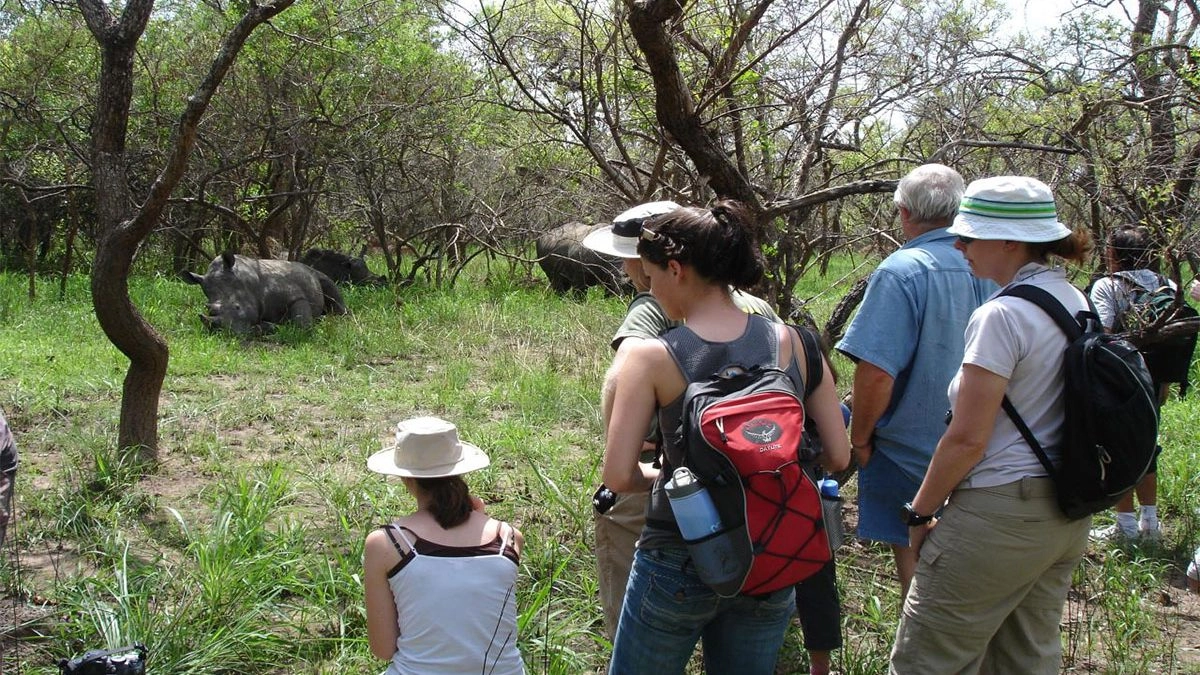
Large predators typically require extensive territories because they need enough space to find prey. For example, a lion pride may control a wide area that supports hunting, water access, and resting zones. If prey is scarce, the territory must be even larger to meet their needs.
In contrast, smaller animals or species living in resource-rich environments can survive within much smaller territories. When food and water are abundant and easily accessible, there is less need to travel long distances or defend large areas.
Environmental conditions also play a major role. During dry seasons, when water and grazing become limited, animals may expand their territories or travel further in search of resources. In wet seasons, when vegetation is plentiful, territories often shrink because animals can meet their needs within a smaller space.
Population density is another factor. In areas with many animals, territories may become smaller and more tightly packed, leading to increased interaction. In less populated regions, territories may be larger and more isolated.
This variation highlights the flexibility within Animal Territories Explained, showing how animals constantly adjust their space to match changing conditions and survival needs.
Territorial Conflicts and Competition
Territorial disputes are a natural and unavoidable part of Animal Territories Explained, especially when boundaries are challenged or resources become limited.
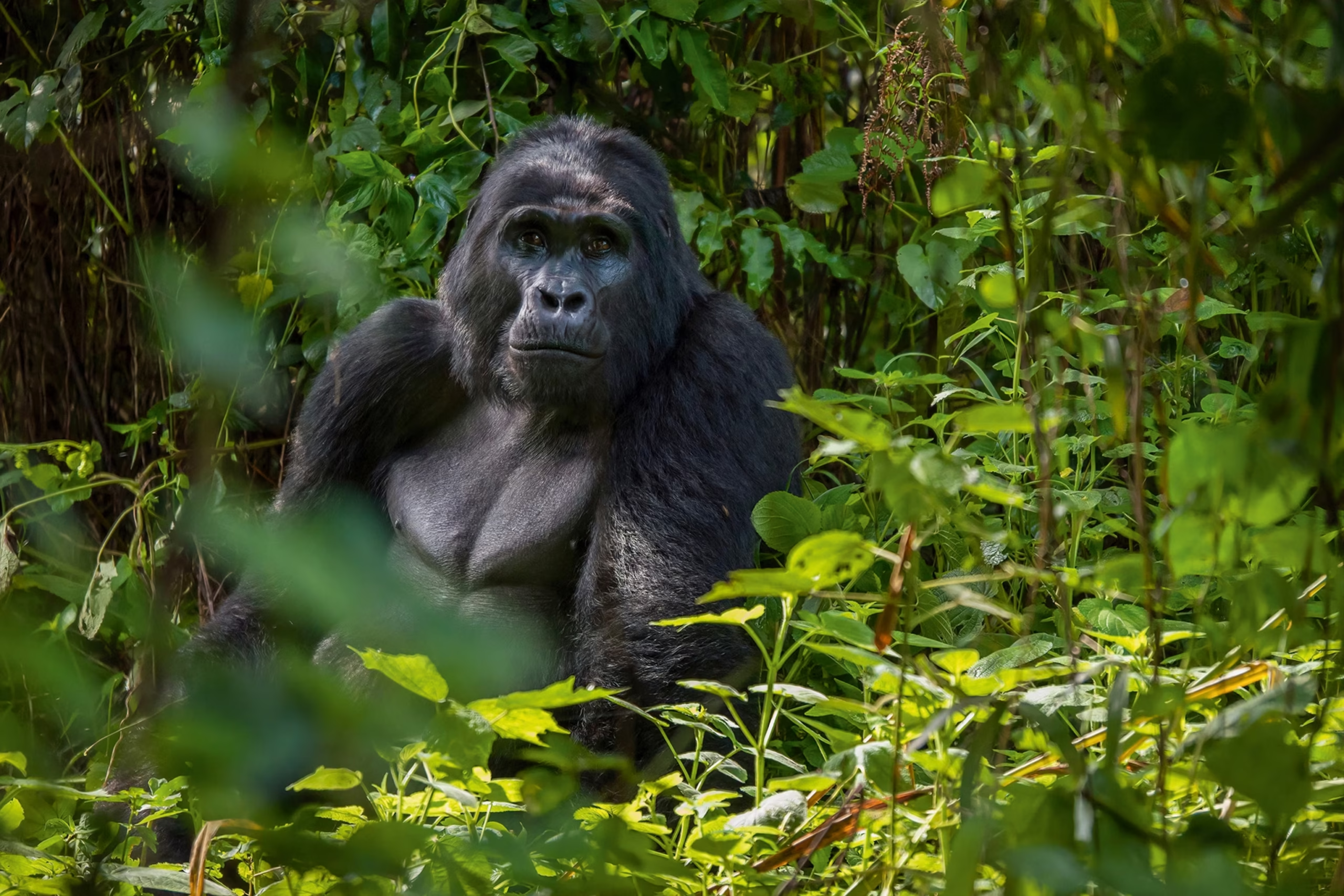
When an intruder enters a territory, the resident animal usually responds with warning signals before any physical confrontation occurs. These warnings may include vocalizations, such as roars or calls, as well as visual displays like raised posture, charging movements, or aggressive body language.
In many cases, these displays are enough to resolve the conflict. The intruder may retreat, avoiding the risk of injury. This is important because injuries in the wild can be life-threatening, reducing an animal’s ability to hunt, feed, or defend itself.
However, when neither side backs down, conflicts can escalate into physical fights. These encounters are often intense but usually brief, as both animals aim to assert dominance quickly. The stronger or more experienced individual typically wins and retains control of the territory.
Competition is not only about defense—it is also about opportunity. Animals may attempt to take over territories that offer better resources or higher chances of reproduction.
This balance between aggression and avoidance is a key part of Animal Territories Explained, ensuring that territories are maintained while minimizing unnecessary risk.
Overlapping Territories and Shared Spaces
Not all territories are strictly exclusive, which adds complexity to Animal Territories Explained. In many ecosystems, animals share space in ways that allow coexistence without constant conflict.
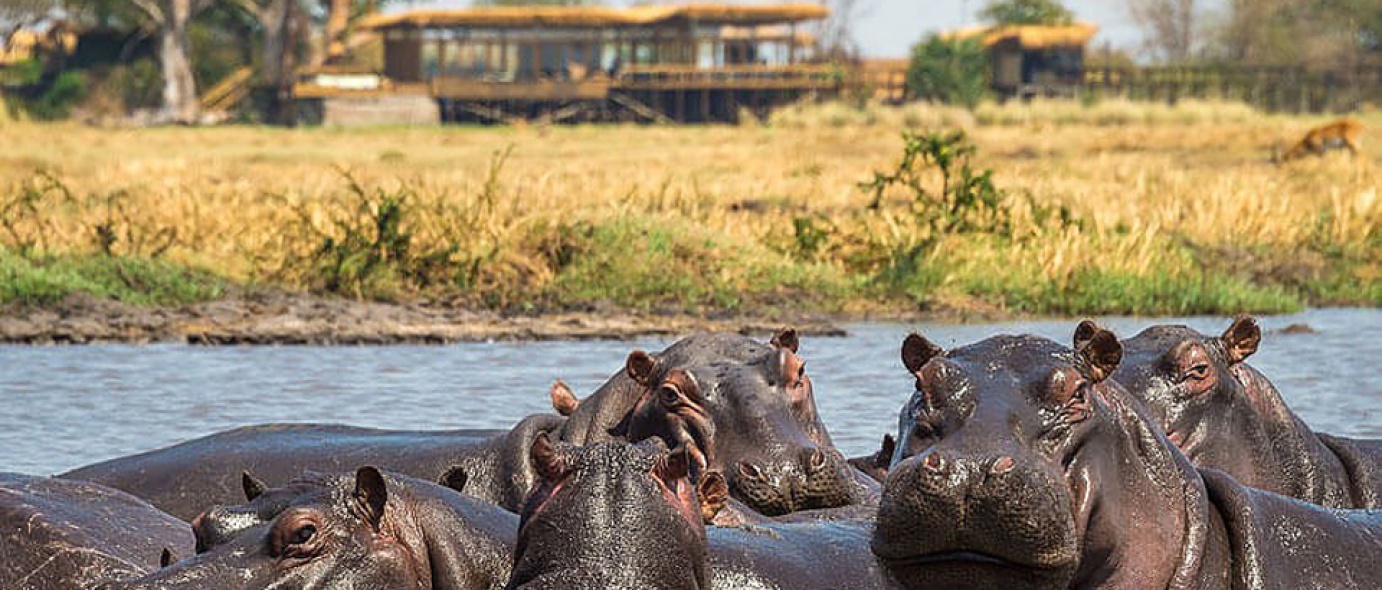
Overlap often occurs between males and females of the same species, particularly during breeding periods. A male’s territory may include the ranges of several females, allowing interaction while still maintaining a level of separation between individuals.
Overlap can also occur between different species. For example, predators and herbivores may occupy the same general landscape but use it in different ways. While herbivores seek food and water, predators use the same area as hunting grounds. This shared use does not necessarily lead to conflict, as each species has its own role in the ecosystem.
Temporal separation is another factor. Some animals use the same area at different times of day to avoid direct encounters. For instance, nocturnal predators may move through areas where herbivores graze during daylight hours.
This layered use of space allows multiple species to coexist within the same environment, each following its own survival strategy. Understanding this dynamic is essential to fully grasp Animal Territories Explained.
What This Means for Your Safari Experience
Understanding Animal Territories Explained greatly enhances your safari experience by adding meaning and structure to what you observe in the wild.
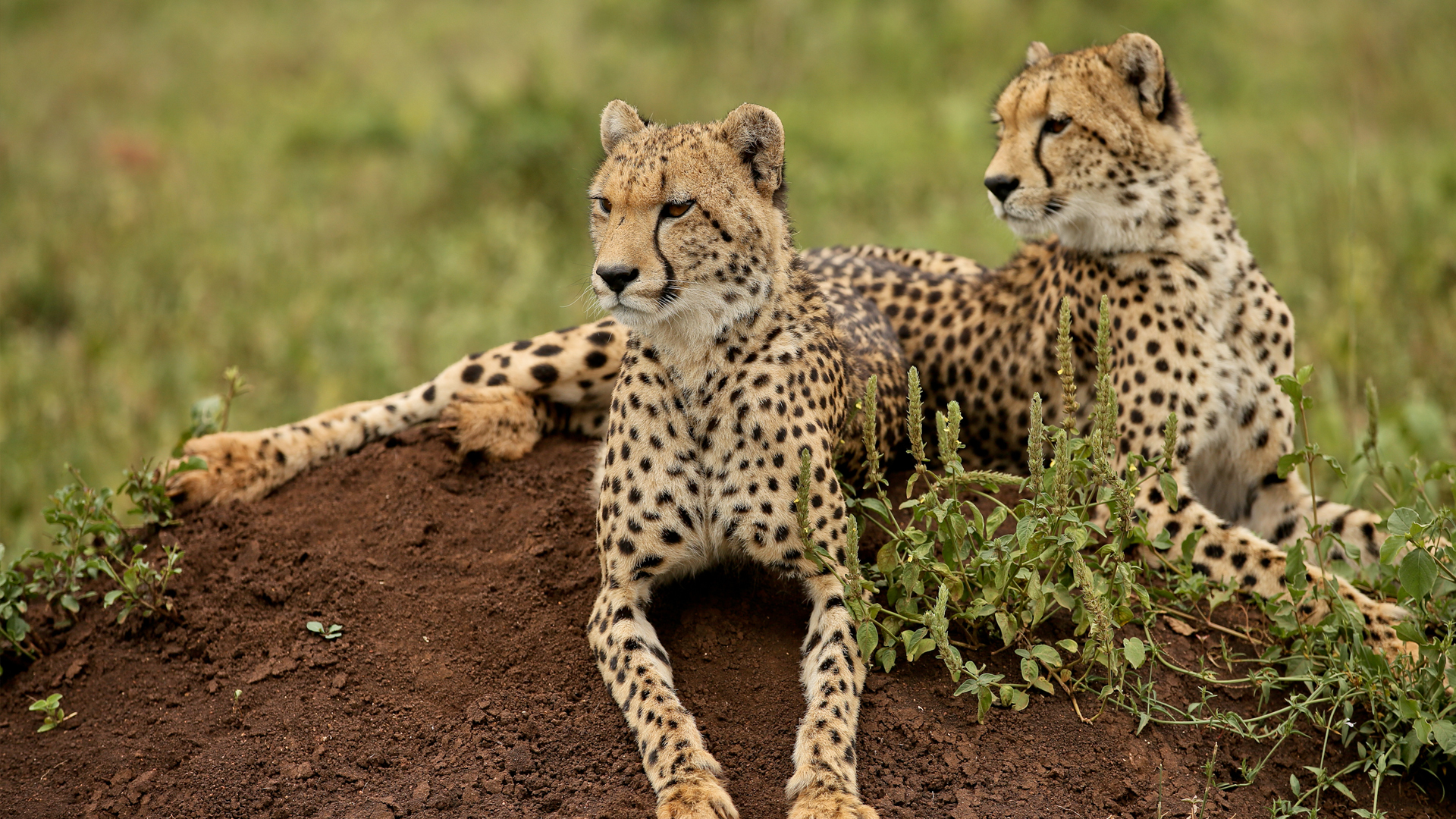
Instead of seeing animals as randomly scattered across the landscape, you begin to recognize patterns. Certain species are more likely to be found in specific areas based on their territorial needs, such as proximity to water, food sources, or shelter.
Guides rely heavily on this knowledge when planning game drives. By understanding where animals are likely to establish territories, they can predict movement patterns and increase your chances of sightings. For example, predators may be found near areas with high prey density, while herbivores may gather in grazing zones.
You may also witness territorial behaviors firsthand. This could include scent marking, vocal displays like roaring, or even confrontations between rival animals. These moments provide deeper insight into how animals interact and maintain balance within their environment.
This understanding transforms your safari from simple observation into a more engaging and educational experience. It allows you to connect the behavior you see with the underlying reasons behind it.
Ultimately, Animal Territories Explained becomes one of the most valuable concepts for interpreting wildlife activity, helping you appreciate the structure, strategy, and complexity of life in the wild.
FAQs About Animal Territories Explained
Do all animals have territories?
No, not all animals maintain fixed territories. Some species are nomadic and move continuously in search of food and water, while others live in large groups where space is shared rather than defended. Understanding this distinction is an important part of Animal Territories Explained, as it highlights the diversity of survival strategies in the wild.
Why do predators need large territories?
Predators require large territories because they depend on sufficient prey to survive. Unlike herbivores that feed on widely available vegetation, predators must hunt animals that are spread out across the landscape. A larger territory increases hunting opportunities and reduces competition, which is a key principle in Animal Territories Explained.
Do animals fight over territory?
Yes, territorial conflicts do occur, but physical fights are not always the first option. Many animals rely on warning signals such as vocalizations, scent marking, or visual displays to avoid direct confrontation. These methods help maintain boundaries while reducing the risk of injury, which is a central idea in Animal Territories Explained.
Can territories change over time?
Yes, territories are dynamic and can expand or shrink depending on environmental conditions. Changes in food availability, water sources, population density, or seasonal shifts can all influence territory size and boundaries. This adaptability is a key feature of Animal Territories Explained, showing how animals respond to changing conditions in their environment.
Plan Your Safari with Experts
At Pieland Gorilla Safaris, we go beyond basic wildlife viewing to give you a deeper understanding of the natural world.

Our experienced guides bring concepts like Animal Territories Explained to life during your safari, helping you interpret animal behavior and movement in real time. Instead of simply seeing wildlife, you begin to understand the reasons behind every sighting.
From Uganda to Kenya and Tanzania, we design carefully crafted itineraries that connect you with nature on a deeper level.
With expert guidance, thoughtful planning, and a passion for authentic experiences, we ensure your safari is both educational and unforgettable.
Start planning your journey today and discover the hidden structure of the wild through a truly immersive safari experience.