
The Ultimate Guide to Border Crossings for East Africa Safaris
Planning a safari across multiple countries in East Africa is an incredible experience, but understanding Border Crossings for East Africa Safaris is essential for a smooth and stress-free journey.

From gorilla trekking in Uganda and Rwanda to wildlife safaris in Kenya and Tanzania, many itineraries involve crossing borders. Knowing how Border Crossings for East Africa Safaris work helps you avoid delays, manage expectations, and travel with confidence.
This guide explains everything you need to know about Border Crossings for East Africa Safaris, including key routes, requirements, and practical insights for seamless travel.
Why Border Crossings for East Africa Safaris Matter
Understanding Border Crossings for East Africa Safaris is critical because your safari experience depends heavily on how efficiently you move between countries. Unlike domestic travel, cross-border movement involves immigration procedures, customs checks, and documentation verification, all of which take time and planning.
Without proper preparation, travelers may face long waiting times, unexpected delays, or even denied entry due to missing documents. This can disrupt carefully planned itineraries and cause missed activities such as game drives or trekking permits.
Each country in East Africa operates independently, with its own immigration rules, visa policies, and border procedures. When planning Border Crossings for East Africa Safaris, it’s important to understand that these systems do not always align perfectly. For example, visa requirements may differ, and some borders are more efficient than others.
Another key factor is timing. Border crossings can become busy, especially during peak travel seasons or at popular crossing points. Arriving at the right time of day can significantly reduce waiting time and improve your overall experience.
Proper planning also allows you to choose the most efficient routes. Some border posts are closer to key safari destinations, making them more convenient for travelers. By understanding Border Crossings for East Africa Safaris, you can minimize unnecessary travel and maximize your time in the parks.
In short, well-managed border crossings are the backbone of a successful multi-country safari.
Common Border Crossings for East Africa Safaris
East Africa has several major border points that are frequently used by safari travelers. Understanding these Border Crossings for East Africa Safaris helps you design efficient routes and avoid unnecessary detours.
Uganda – Rwanda Border
The border between Uganda and Rwanda is one of the most popular and efficient routes in Border Crossings for East Africa Safaris, especially for gorilla trekking itineraries.
The two main crossing points are:
- Cyanika Border Post
- Katuna Border Post
Cyanika is commonly used for travelers heading to the southern sectors of Bwindi Impenetrable National Park, such as Rushaga and Nkuringo. It is often the preferred route due to its proximity to these trekking areas.
Katuna, on the other hand, is better suited for travelers heading toward northern Bwindi or other parts of southwestern Uganda. It is also a major commercial crossing, which can sometimes result in longer processing times.
Traveling from Kigali to Bwindi via these Border Crossings for East Africa Safaris typically takes around 4–5 hours, making it one of the most efficient cross-border routes in the region. This is why many travelers choose to start their gorilla trekking safari in Kigali rather than Entebbe.
The process at these borders is generally straightforward, especially when traveling with an experienced guide who assists with documentation and procedures.
Kenya – Tanzania Border
The Kenya–Tanzania border is one of the most important connections in Border Crossings for East Africa Safaris, particularly for travelers combining classic safari destinations.
The main crossing points include:
- Namanga Border
- Isebania Border
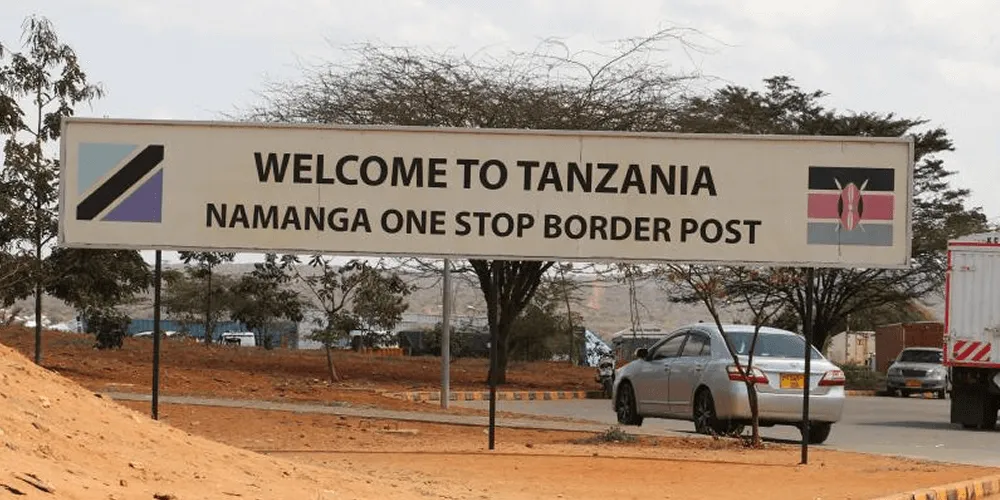
Namanga is the most commonly used crossing for travelers moving between Nairobi and Arusha. It is well-organized and relatively efficient, making it ideal for itineraries that connect Kenya’s parks with Tanzania’s northern circuit.
Isebania is used for direct travel between the Maasai Mara National Reserve and the Serengeti National Park. This route is particularly popular for those following the Great Migration across both countries.
These Border Crossings for East Africa Safaris allow travelers to experience seamless wildlife viewing across ecosystems that are naturally connected, even though they are divided by national borders.
However, crossing between Kenya and Tanzania requires careful planning, as each country has separate visa requirements. Processing times can vary, so it’s important to allow sufficient time in your itinerary.
Uganda – Kenya Border
The Uganda–Kenya border is another important route in Border Crossings for East Africa Safaris, especially for overland journeys linking East Africa’s western and central regions.
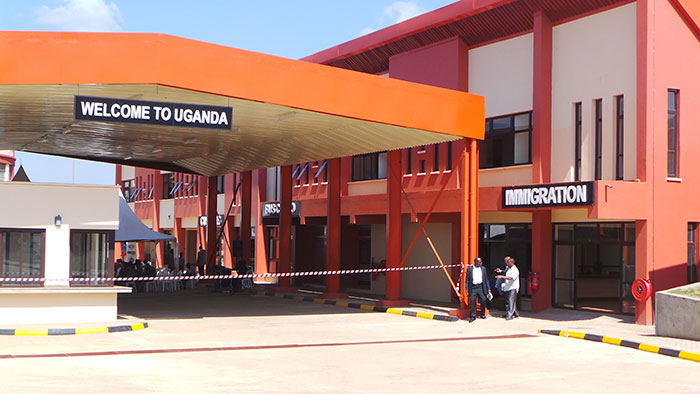
The main crossing points are:
- Malaba Border
- Busia Border
Malaba is the busiest and most widely used crossing, serving both commercial and tourist traffic. While it is well-developed, it can experience congestion, so early travel is recommended.
Busia is a quieter alternative and is often preferred by travelers seeking a faster crossing with fewer crowds.
These Border Crossings for East Africa Safaris are commonly used for itineraries connecting Kenya’s western regions with Uganda’s national parks, such as Kibale, Queen Elizabeth, and Bwindi.
While these crossings are efficient, they still require proper documentation, including valid visas and vaccination certificates. Traveling with a knowledgeable guide simplifies the process and ensures everything runs smoothly.
Understanding these routes allows you to choose the most convenient and efficient crossings, making your overall safari experience more enjoyable.
What to Expect at Border Crossings for East Africa Safaris
When going through Border Crossings for East Africa Safaris, the process is generally straightforward but involves several important steps that every traveler should understand.
The journey begins with exiting the country you are leaving. At this stage, immigration officers will check your passport and place an exit stamp. This confirms that you are officially leaving that country. After this, you proceed to the entry side of the neighboring country.
On arrival at the next country’s immigration office, your passport and visa are checked again. Officers may ask a few basic questions about your travel plans, accommodation, or duration of stay. If your documents are in order, you will receive an entry stamp, allowing you to continue your journey.
Customs checks are also part of Border Crossings for East Africa Safaris. These may include inspection of luggage and, in some cases, the safari vehicle. While these checks are usually quick, they are an important part of the process, especially for cross-border vehicle travel.
In most safari itineraries, your guide plays a key role in assisting with these procedures. Experienced guides understand how Border Crossings for East Africa Safaris work and help handle paperwork, direct you to the correct offices, and ensure everything moves efficiently.
The time required for the entire process can vary. On a quiet day, it may take as little as 30 minutes. During busy periods or at major crossings, it can take a few hours. Factors such as time of day, traffic, and border activity all influence how long Border Crossings for East Africa Safaris will take.
Understanding what to expect helps you remain patient and prepared, turning border crossings into a smooth part of your journey rather than a stressful experience.
Visa Requirements at Border Crossings for East Africa Safaris
Visa requirements are one of the most important aspects of Border Crossings for East Africa Safaris, and having the correct documentation is essential for smooth travel.
Travelers using the East Africa Tourist Visa can move freely between Uganda, Rwanda, and Kenya without needing separate visas. This simplifies cross-border travel significantly and is ideal for multi-country safaris within these three nations.
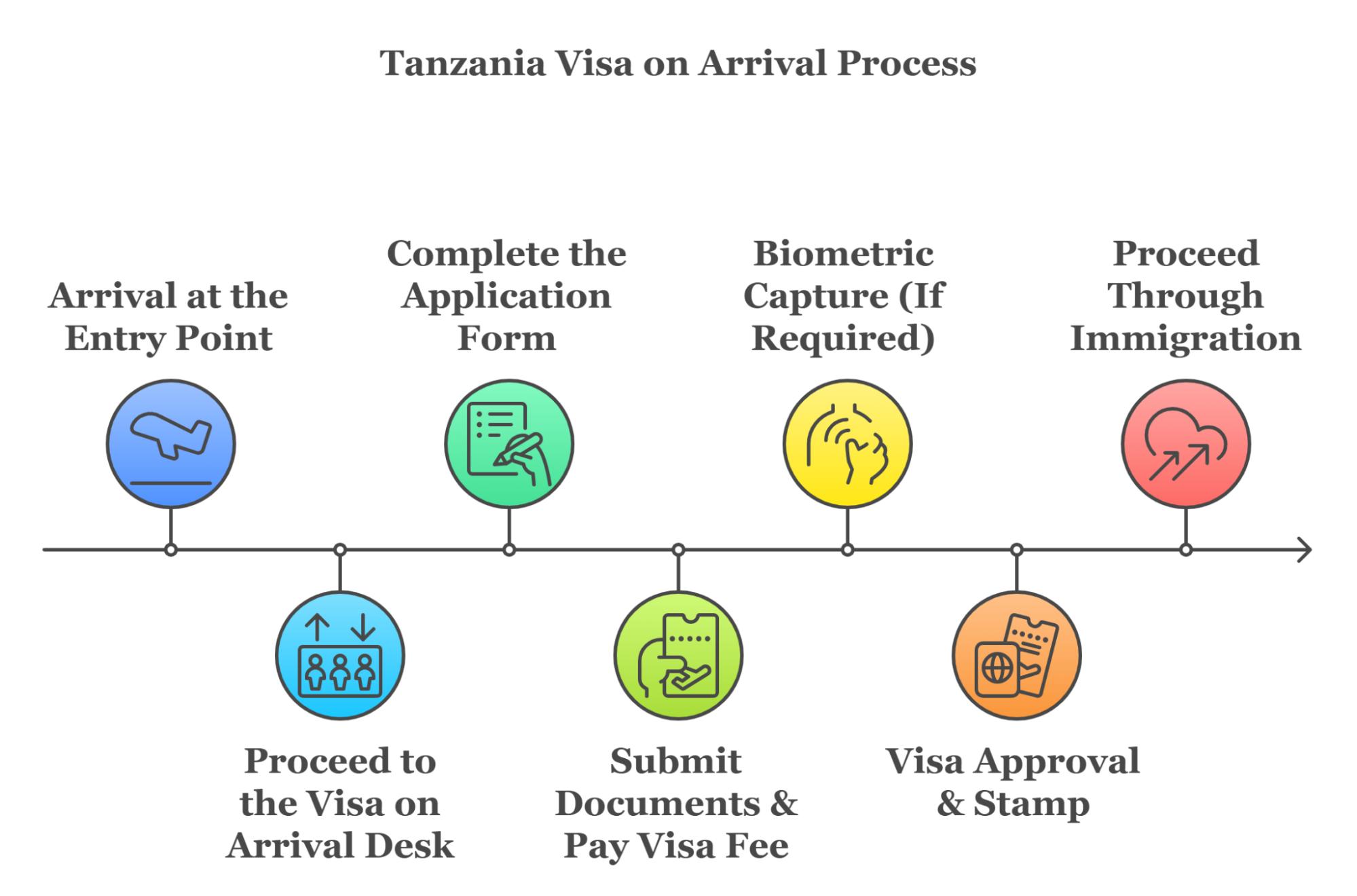
However, not all countries are included in this arrangement. If your itinerary includes Tanzania, you will need a separate visa. This is an important detail that must be considered when planning Border Crossings for East Africa Safaris, as failing to have the correct visa can result in denied entry.
Another key factor is visa type. Some visas allow only single entry, meaning once you leave the country, you cannot return without applying for a new visa. For itineraries that involve crossing borders multiple times, it is essential to ensure your visa allows multiple entries.
Immigration officers may also check additional requirements such as passport validity, which is typically required to be at least six months from your date of entry, and proof of onward travel.
Health requirements, such as a yellow fever vaccination certificate, are also commonly checked at Border Crossings for East Africa Safaris, particularly when traveling between East African countries.
Understanding these visa rules in advance ensures that your border crossings are smooth, efficient, and free from complications.
Tips for Smooth Border Crossings for East Africa Safaris
Preparation is the key to making Border Crossings for East Africa Safaris quick and hassle-free. Small steps taken in advance can make a significant difference in your overall experience.
One of the most important tips is to carry both printed and digital copies of your documents. This includes your passport details, visa approvals, travel itinerary, and vaccination certificates. Having these readily available speeds up the process and avoids unnecessary delays.
Keeping your passport easily accessible is another simple but effective strategy. Border procedures often require you to present your passport multiple times, so having it within reach ensures a smoother flow through immigration.
Timing also plays a major role. Traveling early in the day is highly recommended, as border posts tend to be less crowded in the morning. This can significantly reduce waiting times and make Border Crossings for East Africa Safaris more efficient.
Following your guide’s instructions is equally important. Professional safari guides are familiar with border procedures and know how to navigate them quickly. Their experience ensures that you move through the process smoothly and avoid common pitfalls.
Staying patient and flexible is also key. Even with the best planning, delays can happen, so allowing extra time in your schedule ensures that your safari remains relaxed and enjoyable.
Common Challenges and How to Avoid Them
Even with careful planning, travelers may encounter challenges during Border Crossings for East Africa Safaris. Understanding these challenges in advance allows you to prepare effectively and avoid disruptions.
One of the most common issues is delays. Borders can become busy, especially during peak travel seasons or at major crossing points. Long queues and slow processing can extend waiting times. To minimize this, it is best to cross early in the day and include buffer time in your itinerary.
Documentation issues are another frequent challenge. Missing or incorrect visas, expired passports, or lack of required certificates can lead to serious delays or even denied entry. Double-checking all documents before travel is essential for smooth Border Crossings for East Africa Safaris.
Misunderstanding visa rules can also cause problems. For example, using a single-entry visa when your itinerary requires multiple crossings can create complications. Ensuring you have the correct visa type is a key part of preparation.
Health requirements, such as yellow fever vaccination certificates, are sometimes overlooked. These are often mandatory when traveling between certain countries, and failing to present them can delay your entry.
Lastly, unrealistic scheduling can create unnecessary stress. Planning tight itineraries without allowing time for border procedures can lead to missed activities. Building flexibility into your plans ensures that Border Crossings for East Africa Safaris do not disrupt your overall experience.
By anticipating these challenges and preparing accordingly, you can ensure that your border crossings are smooth, efficient, and stress-free, allowing you to fully enjoy your safari journey.
Driving vs Flying at Border Crossings for East Africa Safaris
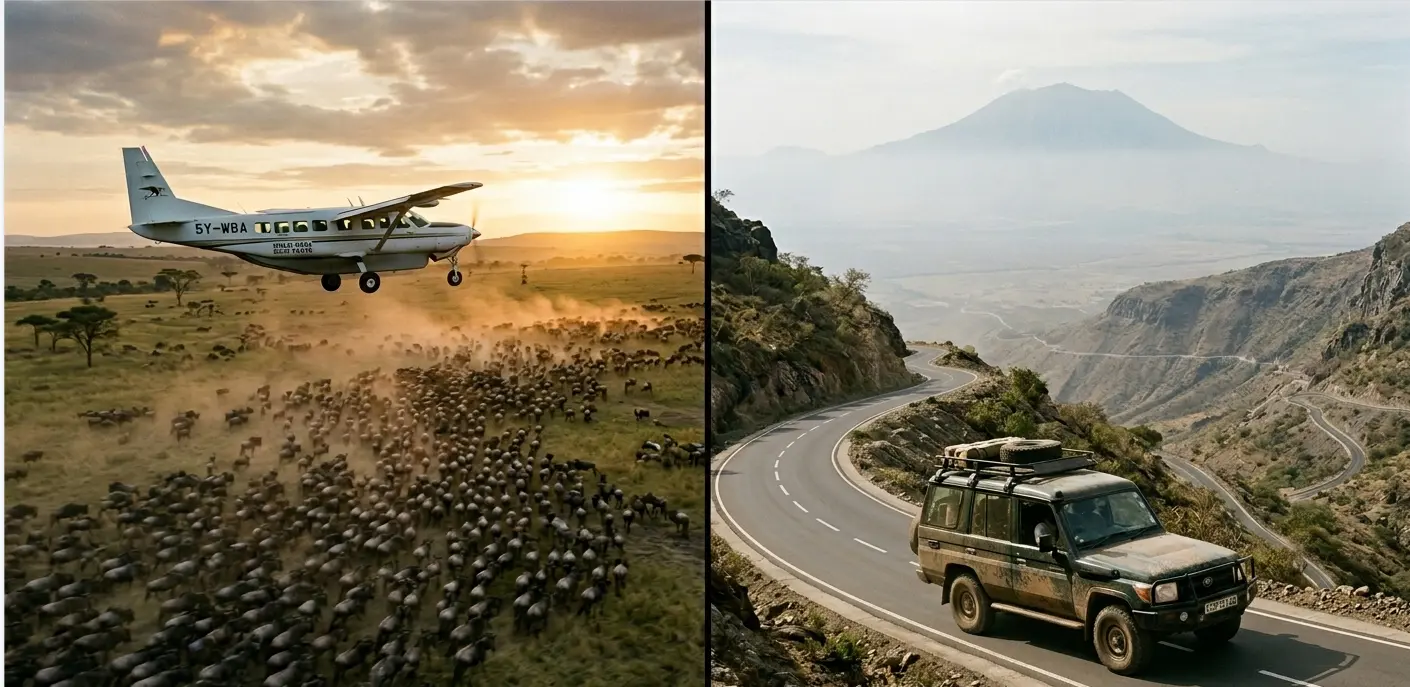
When planning Border Crossings for East Africa Safaris, one of the most important decisions is whether to travel overland by road or connect destinations by air. Each option offers distinct advantages, and choosing the right one can significantly impact your overall experience.
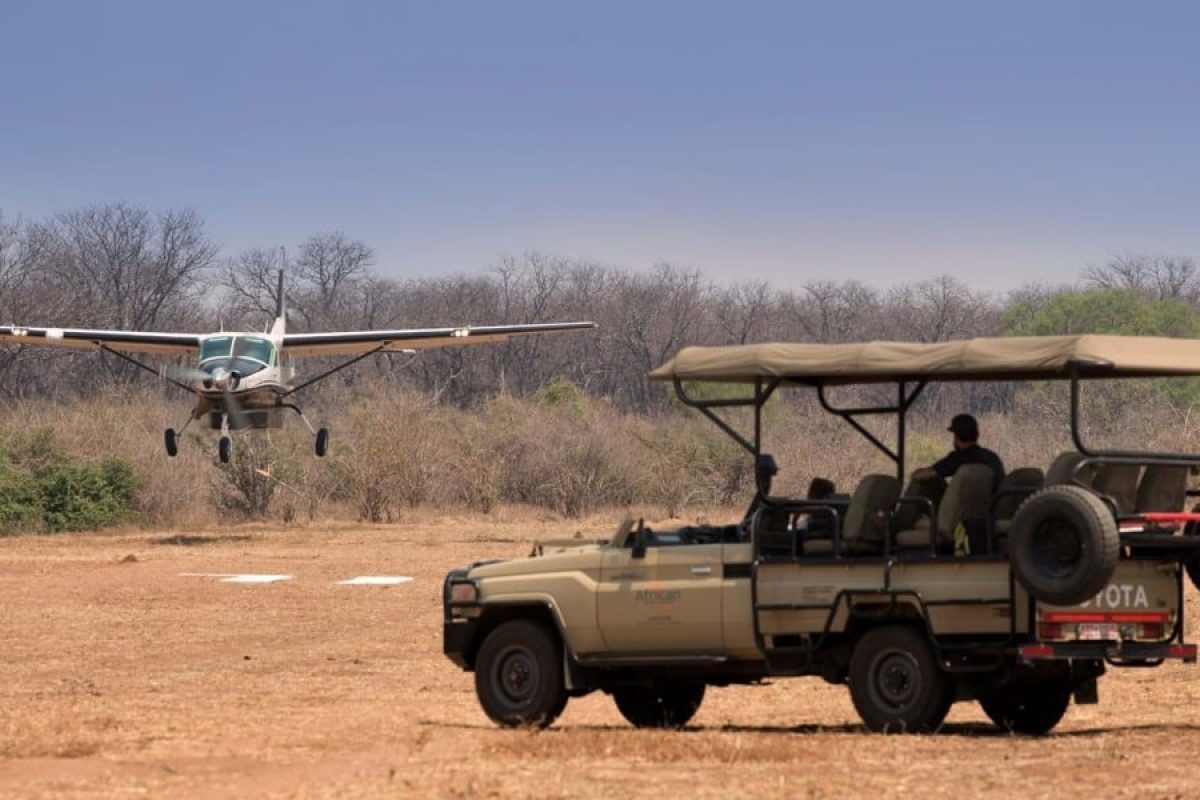
Driving is the most traditional and immersive way to experience Border Crossings for East Africa Safaris. It allows you to move directly across borders, experiencing the landscapes, cultures, and transitions between countries in real time. For example, traveling from Kigali in Rwanda to Bwindi Impenetrable National Park is best done by road, as it is both efficient and scenic. Overland travel also gives you the flexibility to stop along the way, take photos, and observe local life.
However, driving does come with trade-offs. Border procedures can take time, and long road journeys can be physically tiring, especially when combined with multiple crossings. In some cases, road conditions may slow travel further, making journeys longer than expected.
Flying offers a completely different approach to Border Crossings for East Africa Safaris. Instead of physically crossing borders at land points, you move between countries via airports, where immigration procedures are often faster and more streamlined. Flights significantly reduce travel time, allowing you to cover long distances in a fraction of the time it would take by road.
For example, traveling between Uganda and Tanzania is far more efficient by air, as overland travel would require extensive driving and multiple border processes. Flying also reduces fatigue, allowing you to arrive refreshed and ready for activities.
The best approach to Border Crossings for East Africa Safaris is often a combination of both. Driving works well for shorter, scenic routes between neighboring countries, while flying is ideal for longer distances or multi-country itineraries. By balancing these options, you create a journey that is both efficient and enriching.
Plan Your Safari with Experts
At Pieland Gorilla Safaris, we specialize in organizing seamless Border Crossings for East Africa Safaris, ensuring every aspect of your journey is carefully planned and executed.
Our team provides expert guidance on visa requirements, helping you navigate entry rules across Uganda, Kenya, Tanzania, and Rwanda. We also design efficient travel routes, selecting the best border points and timing your crossings to avoid delays.
Beyond logistics, we coordinate your entire safari experience—from comfortable transport and professional guides to carefully selected lodges and activities. This ensures that your Border Crossings for East Africa Safaris are fully integrated into a smooth and well-paced itinerary.
With our expertise, you can travel with confidence, knowing that every detail has been handled. Your journey becomes effortless, allowing you to focus on the wildlife, landscapes, and unforgettable moments that make East Africa so special.
With Pieland Gorilla Safaris, your Border Crossings for East Africa Safaris are not just managed—they are optimized for a truly seamless and enriching safari experience.