
Planning a safari at the right time can dramatically influence both your budget and your overall experience. The Cheapest Time to Go on Safari is typically during the low or green season, when demand decreases and prices across accommodation, transport, and safari packages drop noticeably.
During this period, safari lodges and operators adjust their pricing to attract travelers, making it possible to experience destinations that might otherwise be out of reach during peak months. This does not mean the experience is reduced—in fact, many aspects improve. You often enjoy more personalized service, better lodge availability, and a quieter atmosphere in the parks.
Another important point is that the perception of poor wildlife viewing during the Cheapest Time to Go on Safari is often exaggerated. While conditions differ slightly from the dry season, animals are still present and active. With experienced guides, sightings remain rewarding, and in some cases, even more unique due to seasonal behaviors.
Understanding the Cheapest Time to Go on Safari allows you to approach your trip strategically—balancing affordability with quality, and ensuring you get maximum value without sacrificing the essence of the safari experience.
When Is the Cheapest Time to Go on Safari
The Cheapest Time to Go on Safari generally aligns with the rainy or green seasons, though exact timing varies slightly depending on the region.
In East Africa, particularly in iconic destinations such as Serengeti National Park and Maasai Mara National Reserve, the most affordable periods are:
- March to May – the long rainy season
- November – the short rainy season
These months are widely recognized as the Cheapest Time to Go on Safari because visitor numbers decrease significantly. As a result, lodges reduce their rates, safari packages become more competitive, and availability increases across all levels—from budget to luxury.
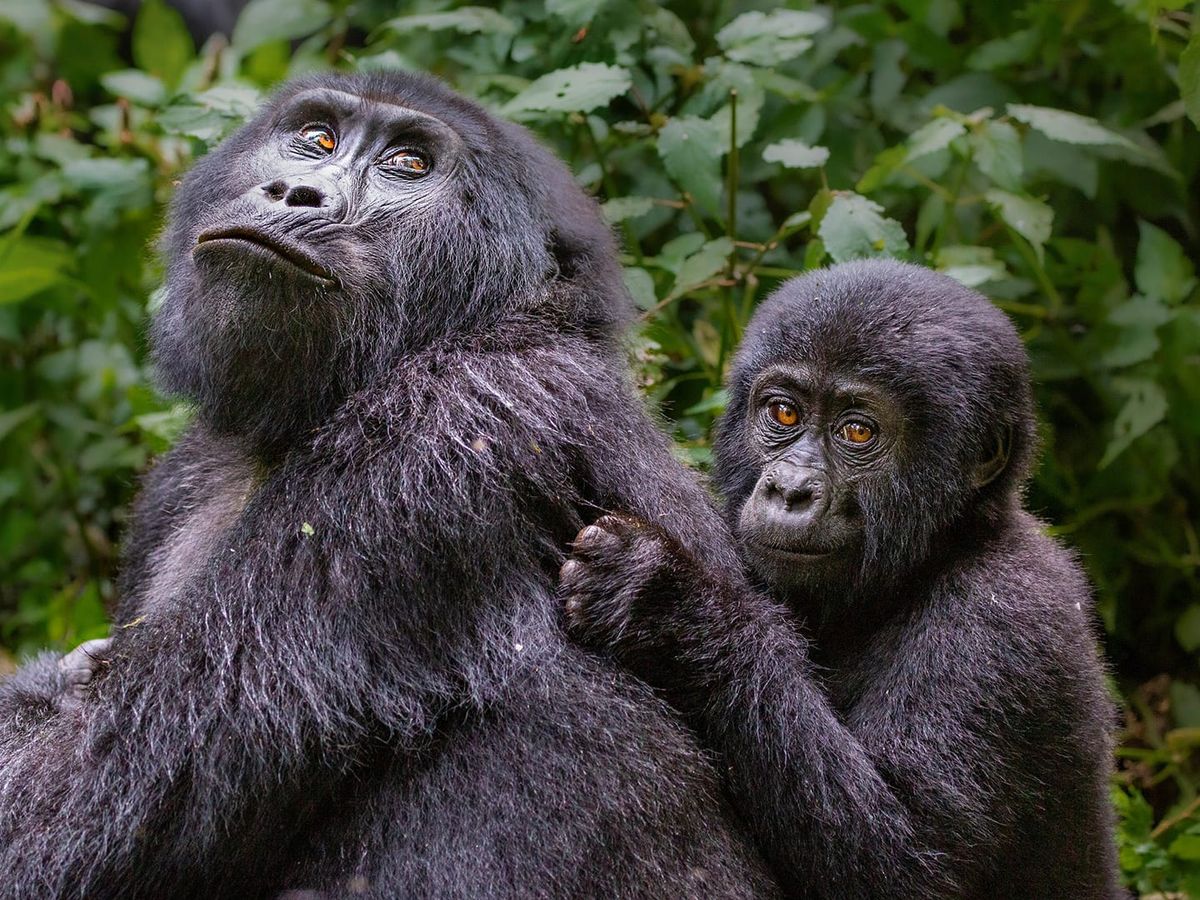
In Uganda and Rwanda, similar seasonal patterns apply. In destinations like Bwindi Impenetrable National Park, rainfall increases during these months, but activities such as gorilla trekking continue throughout the year. In fact, traveling during this time often means fewer trekkers, creating a more exclusive and personal experience.
It is important to note that rain rarely lasts all day. Showers are often short and predictable, leaving plenty of time for game drives and outdoor activities. This makes the Cheapest Time to Go on Safari not only affordable but also highly practical for travelers who plan well.
Why Prices Drop During the Cheapest Time to Go on Safari
There are several key reasons why the Cheapest Time to Go on Safari offers lower prices, and understanding these helps you take advantage of the best travel opportunities.
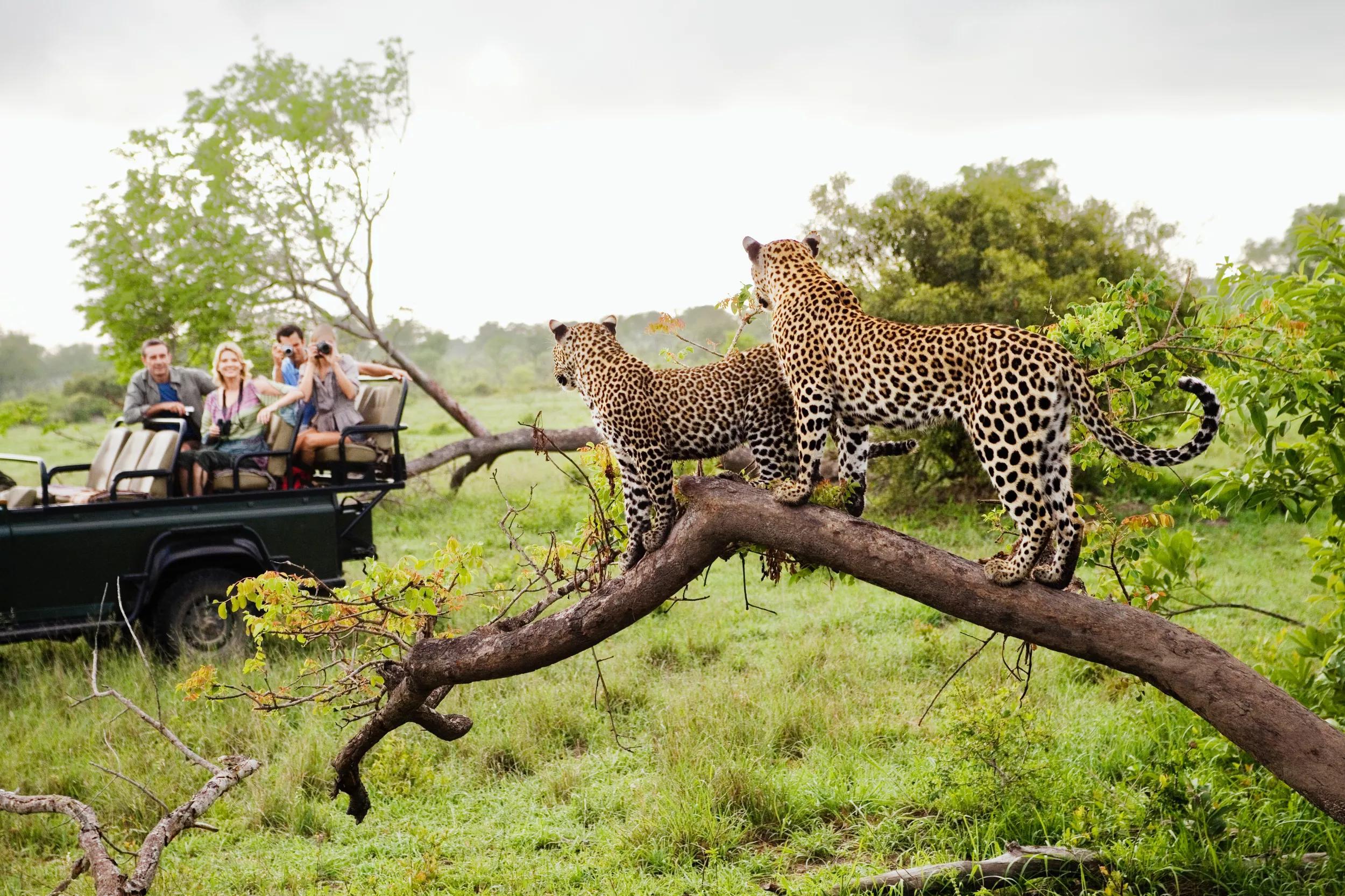
The first factor is weather. Rainy seasons can make travel conditions less predictable, particularly on unpaved roads. Because of this, fewer tourists choose to travel during this period. To maintain occupancy, lodges and operators reduce their rates, making it the Cheapest Time to Go on Safari.
The second factor is demand. Safari tourism is highly seasonal, with peak months attracting large numbers of visitors. During the low season, demand drops significantly, leading to discounts on accommodation, transport, and guided activities.
Another important factor is availability. During peak seasons, many lodges are fully booked months in advance. In contrast, the Cheapest Time to Go on Safari offers greater flexibility. You can choose from a wider range of lodges, guides, and travel dates, often at better prices.
Finally, operators may offer added value during this period, such as complimentary upgrades, extra nights, or special packages. This means that the Cheapest Time to Go on Safari can sometimes provide a higher level of experience for a lower overall cost.
Advantages of Traveling During the Cheapest Time to Go on Safari
Choosing the Cheapest Time to Go on Safari offers several advantages that go beyond cost savings, making it an attractive option for many travelers.
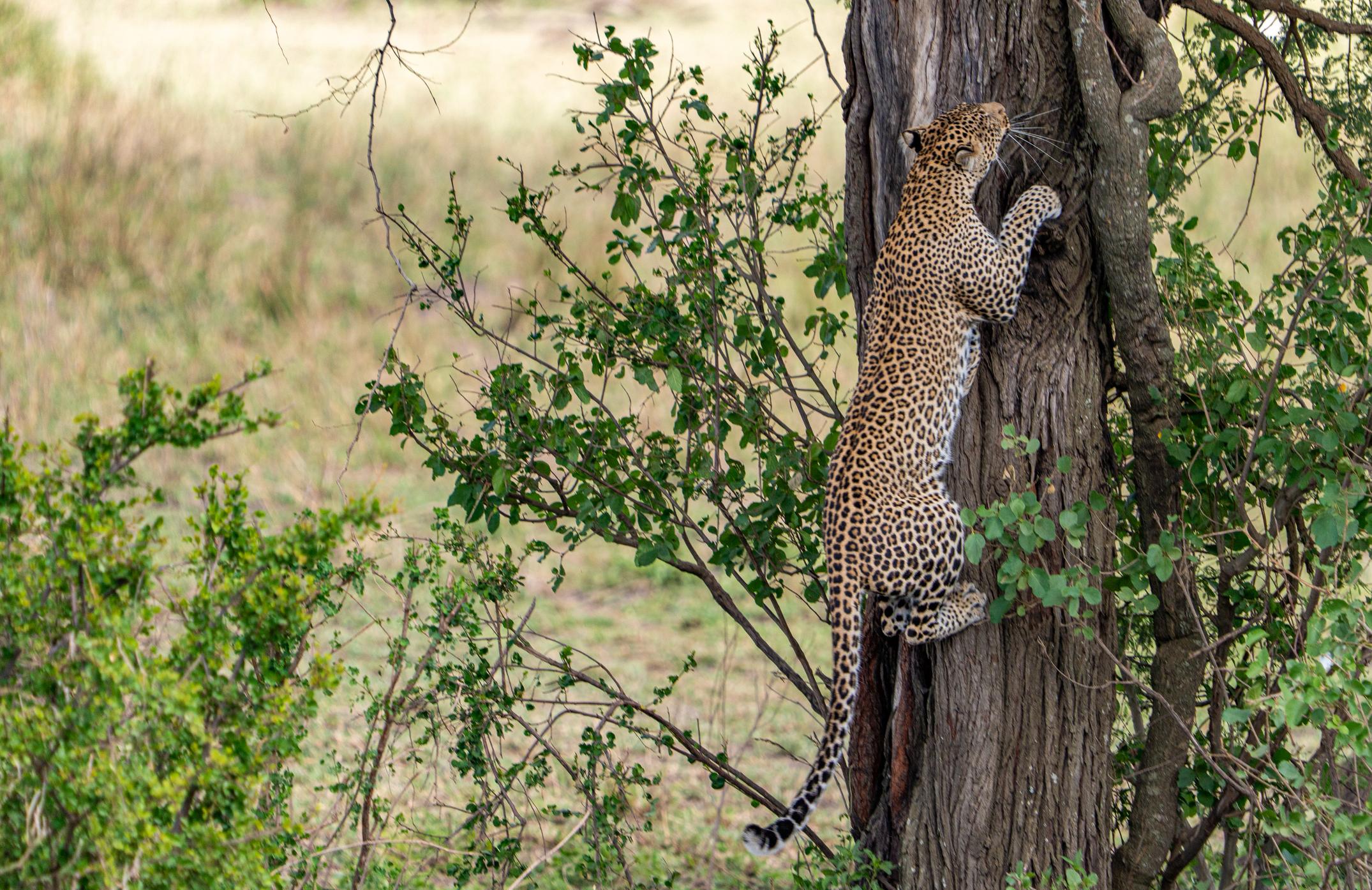
One of the most significant benefits is the absence of crowds. Popular parks that are busy during peak season become quieter, allowing for a more peaceful and intimate experience. You can spend time at wildlife sightings without multiple vehicles, creating a deeper connection to the moment.
The scenery is another major highlight. During the green season, landscapes transform into lush, vibrant environments filled with fresh vegetation. This creates stunning backdrops for photography and enhances the overall beauty of the safari experience.
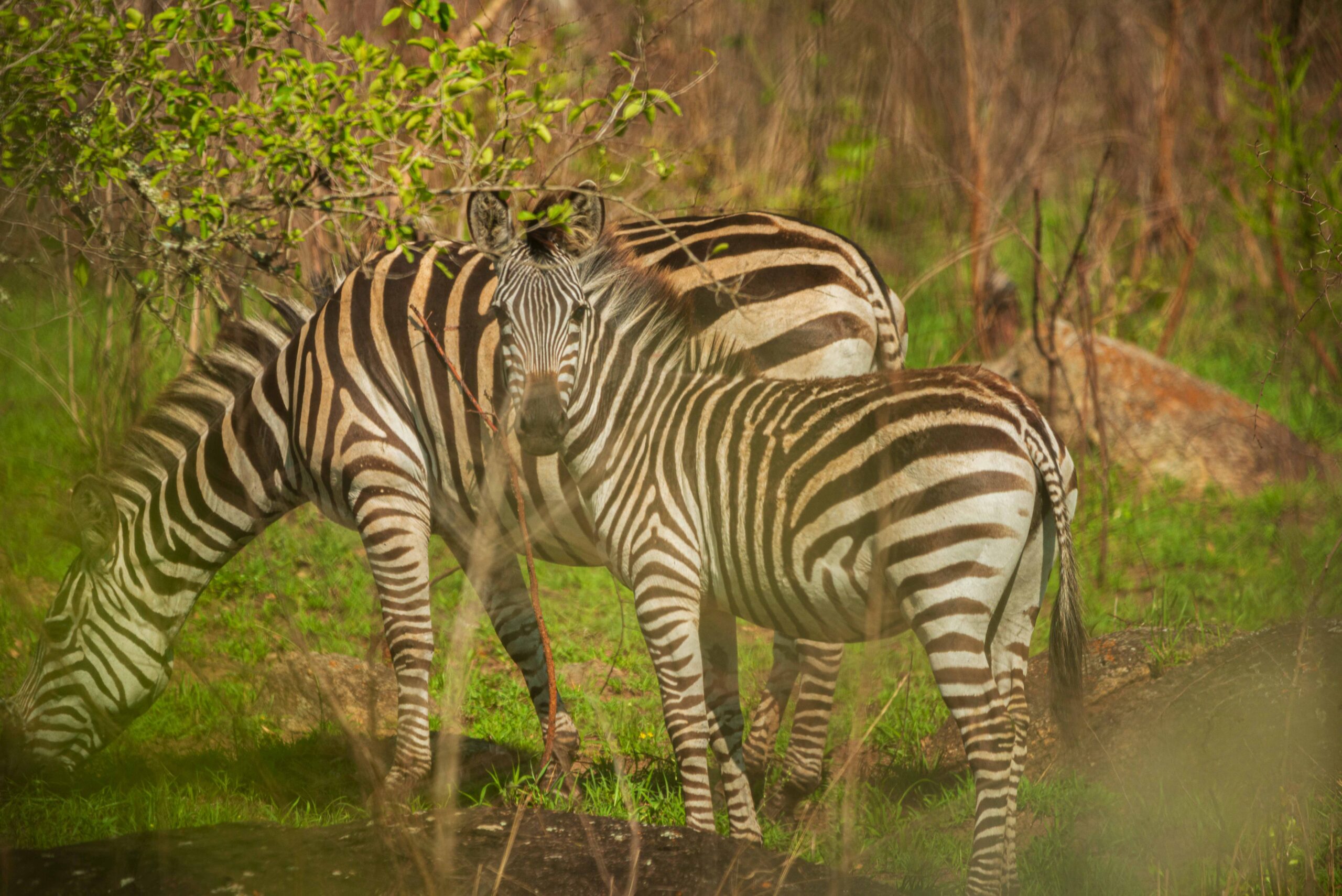
Wildlife behavior can also be particularly rewarding. Many species give birth during this time, increasing the chances of seeing young animals. This, in turn, attracts predators, leading to dynamic and exciting wildlife interactions. For photographers and wildlife enthusiasts, this can be one of the most interesting times to travel.
Birdlife is also at its peak during the Cheapest Time to Go on Safari, with migratory species adding to the diversity. This makes it an excellent time for birdwatching as well as general wildlife viewing.
Additionally, the overall pace of travel is more relaxed. With fewer visitors and more flexible schedules, your safari feels less rushed and more immersive. This allows you to fully appreciate the environment and enjoy each moment without pressure.
In many ways, the Cheapest Time to Go on Safari offers a unique combination of affordability, beauty, and exclusivity—making it one of the most underrated times to explore Africa.
Potential Drawbacks to Consider
While the Cheapest Time to Go on Safari offers excellent value, it is important to understand a few practical considerations so you can plan realistically and avoid surprises.
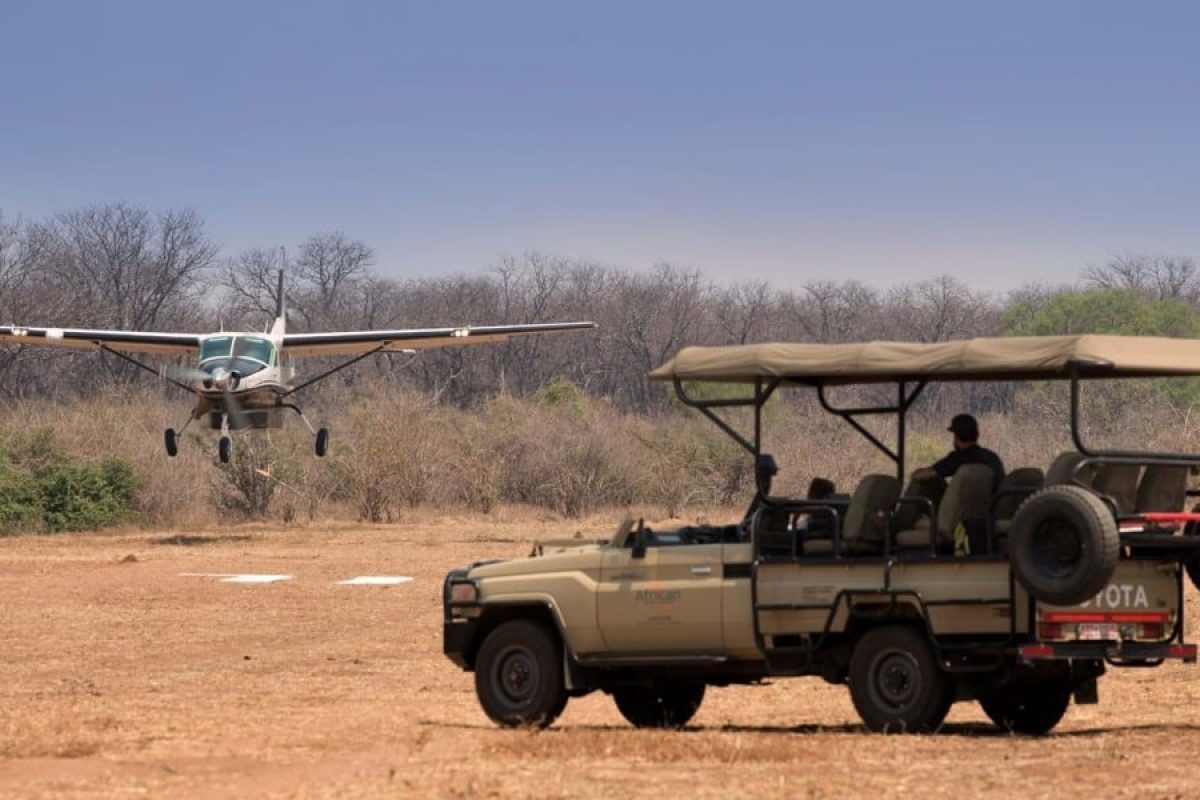
The most common factor is rainfall. During the green season, showers can affect travel conditions, especially on dirt roads within national parks. Some routes may become muddy or temporarily difficult to access, which can slightly limit movement in certain areas. However, experienced guides are highly skilled at navigating these conditions and adjusting routes to ensure you still enjoy productive game drives.
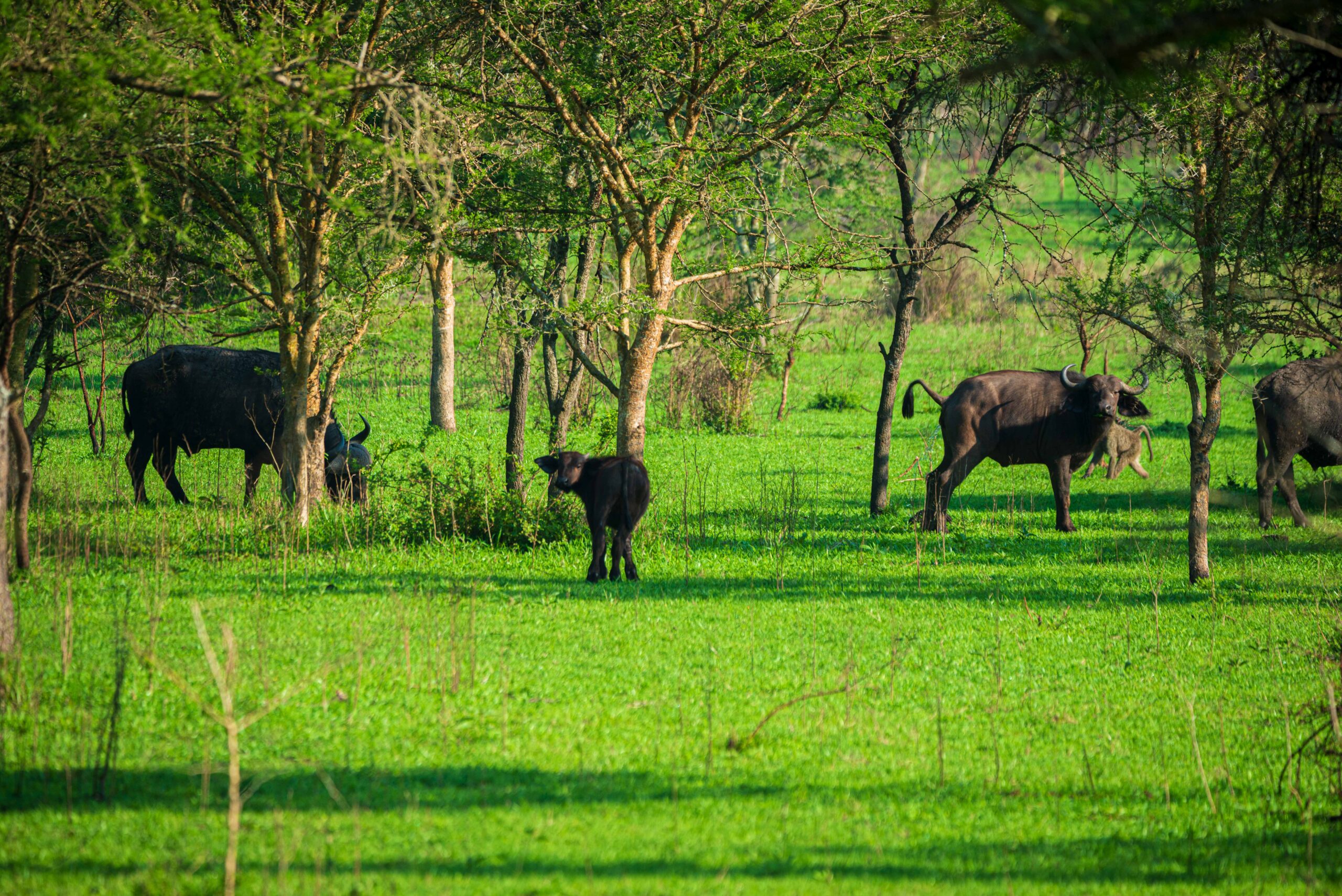
Another consideration is wildlife movement. Because water is more widely available during this time, animals are not as concentrated around rivers and waterholes as they are in the dry season. This can make sightings slightly less predictable. That said, wildlife is still present, and with knowledgeable guides, sightings remain rewarding and often more natural and less crowded.
Weather patterns can also influence daily schedules. Game drives may need to be timed around rainfall, but showers are often short and followed by clear skies. This flexibility becomes part of the experience rather than a limitation.
Importantly, these drawbacks are manageable with proper planning. When you travel with experienced operators and choose the right destinations, the challenges of the Cheapest Time to Go on Safari are outweighed by the benefits of lower costs, fewer crowds, and a more relaxed atmosphere.
Best Destinations for the Cheapest Time to Go on Safari
Not all destinations perform equally during the low season, but some locations are particularly well-suited to the Cheapest Time to Go on Safari, offering excellent experiences despite the seasonal changes.
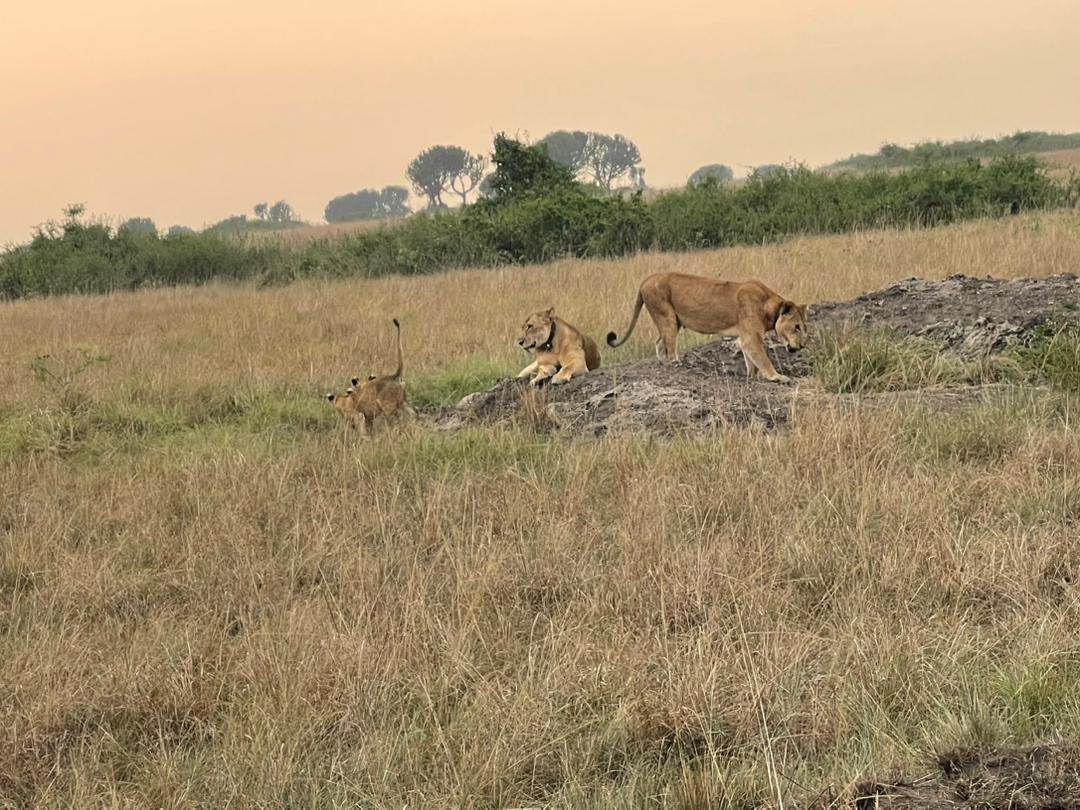
In Serengeti National Park, the green season—especially in the southern plains—coincides with the calving period of the wildebeest migration. This is one of the most fascinating times to visit, as thousands of calves are born within a short period. This attracts predators, creating dramatic wildlife interactions. In addition, birdlife is at its peak, making the park especially appealing for photography and birdwatching.
In Maasai Mara National Reserve, the low season offers a quieter and more intimate safari experience. While the Great Migration may not be at its peak during this time, resident wildlife remains abundant. The reduced number of visitors allows for uninterrupted sightings and a more peaceful atmosphere, making it an excellent destination during the Cheapest Time to Go on Safari.
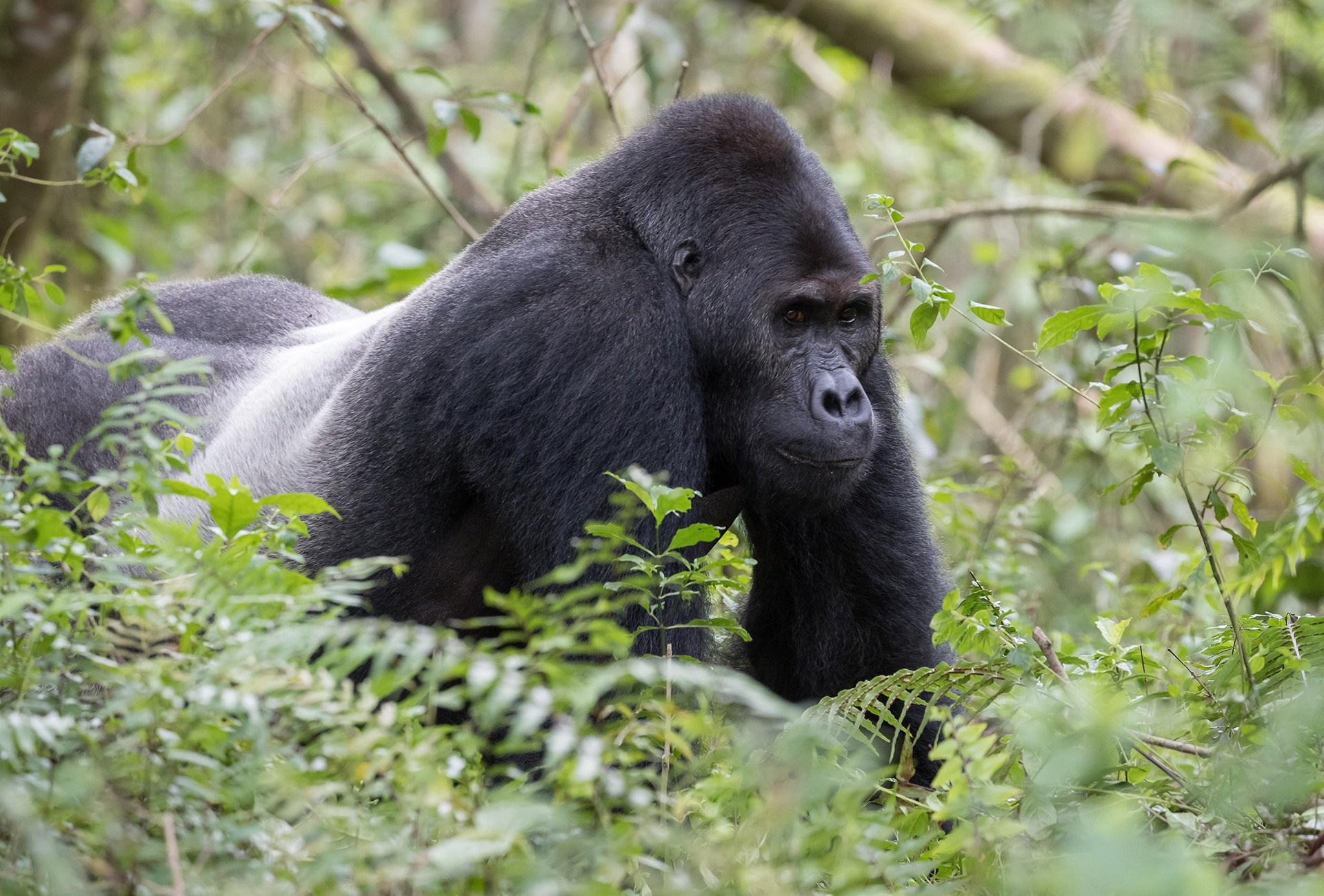
In Bwindi Impenetrable National Park, gorilla trekking continues year-round. Traveling during the low season often means fewer trekkers and greater availability of permits and lodges. While the forest can be wetter and trails slightly more challenging, the experience of encountering gorillas remains just as powerful and rewarding.
These destinations demonstrate that the Cheapest Time to Go on Safari does not mean sacrificing quality. Instead, it offers a different perspective—one that is often quieter, greener, and more exclusive.
How to Maximize Value During the Cheapest Time to Go on Safari
To fully benefit from the Cheapest Time to Go on Safari, thoughtful planning is essential. With the right approach, you can significantly reduce costs while still enjoying a high-quality safari experience.
Choosing experienced safari operators is one of the most important steps. Skilled guides understand seasonal patterns and can adjust itineraries based on weather and wildlife movements. This ensures that your safari remains productive and enjoyable, even during the low season.
Booking in advance is another key strategy. Although this is the low season, the best lodges and deals are still limited. Early planning allows you to secure discounted rates while maintaining access to top-quality accommodation.
Combining destinations is also an effective way to enhance value. Pairing a safari with a relaxing beach stay in Zanzibar creates a well-rounded itinerary that balances adventure and relaxation. This approach not only enriches your experience but can also optimize travel costs.
Flexibility with travel dates further increases your chances of finding the best deals. Even small adjustments in timing can result in significant savings, especially when aligning with promotional offers or seasonal discounts.
By taking these steps, the Cheapest Time to Go on Safari becomes an opportunity to experience Africa in a smarter, more cost-effective way.
Is the Cheapest Time to Go on Safari Worth It
For many travelers, the Cheapest Time to Go on Safari offers exceptional value and a unique perspective on Africa’s wildlife and landscapes.
Lower prices make it possible to access destinations and lodges that might otherwise be out of reach. At the same time, fewer crowds create a more relaxed and personal experience, allowing you to connect more deeply with nature.
Seasonal changes also bring their own rewards. Lush landscapes, vibrant scenery, and unique wildlife behaviors—such as calving seasons—add a different dimension to the safari experience. These moments can be just as memorable, if not more so, than those during peak travel periods.
While conditions may differ slightly from the dry season, the overall experience remains rich and fulfilling. With proper planning and expert guidance, you can enjoy incredible wildlife encounters without the high costs and busy environments of peak season.
The Cheapest Time to Go on Safari is ideal for travelers who value both experience and efficiency—those who want to explore Africa in a meaningful way while making the most of their budget.
Why Book with Pieland Gorilla Safaris
At Pieland Gorilla Safaris, we go beyond simply helping you find the Cheapest Time to Go on Safari—we ensure that your journey during this period is just as rewarding, seamless, and memorable as any peak-season experience.
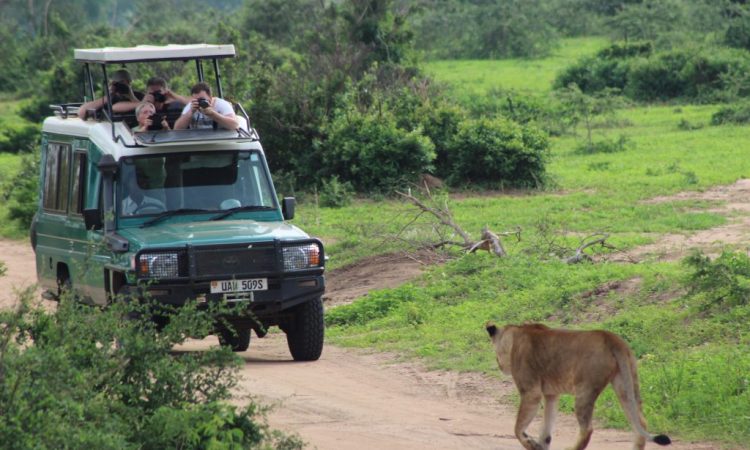
Our approach begins with understanding your travel goals, budget, and expectations. From there, we design a fully tailored itinerary that takes advantage of seasonal pricing while maintaining a high standard of quality. This means carefully selecting lodges that offer the best value during the low season, choosing destinations that perform well despite seasonal changes, and structuring your itinerary to maximize wildlife viewing opportunities.
One of the key advantages of booking with us is our local expertise. We understand how different parks behave during the green season, when and where wildlife is most active, and how to navigate weather conditions effectively. This allows us to adjust routes, timing, and activities so that your safari remains smooth and enjoyable.
We also focus on smart planning. During the Cheapest Time to Go on Safari, it is possible to access better lodges, enjoy more flexible schedules, and even receive upgrades or added experiences. Our team ensures you take full advantage of these opportunities without compromising comfort or experience.
From securing permits and accommodation to organizing transport and guiding, every detail is handled with precision. The result is a safari that feels effortless, cost-effective, and truly unforgettable.
Frequently Asked Questions About Cheapest Time to Go on Safari
What is the Cheapest Time to Go on Safari?
The Cheapest Time to Go on Safari is typically during the green or rainy seasons. In East Africa, this usually falls between March and May (long rains) and around November (short rains). During these months, demand is lower, leading to reduced prices on accommodation and safari packages.
Is wildlife viewing good during the Cheapest Time to Go on Safari?
Yes, wildlife viewing remains very good during the Cheapest Time to Go on Safari. While animals may be more dispersed due to abundant water, there are unique advantages such as calving seasons, increased predator activity, and vibrant landscapes. With experienced guides, sightings are still highly rewarding.
Are safaris safe during the rainy season?
Safaris are safe during the Cheapest Time to Go on Safari when planned with professional operators. Guides are trained to adapt to weather conditions, and vehicles are equipped for challenging terrain. Proper planning ensures a smooth and secure experience.
Do lodges offer discounts during the Cheapest Time to Go on Safari?
Yes, many lodges significantly reduce their rates during the Cheapest Time to Go on Safari. Some also offer added value such as extra nights, complimentary upgrades, or special packages, making this period ideal for travelers seeking luxury at a lower cost.
Can I still do gorilla trekking during this time?
Absolutely. Gorilla trekking is available year-round in destinations like Bwindi Impenetrable National Park and Volcanoes National Park. Traveling during the Cheapest Time to Go on Safari often means fewer trekkers and a more exclusive experience, even though conditions may be slightly wetter.
Plan Your Safari at the Best Time
Understanding the Cheapest Time to Go on Safari is one of the smartest ways to plan a high-value African adventure. It allows you to experience world-class wildlife, stunning landscapes, and exceptional hospitality while keeping costs under control.
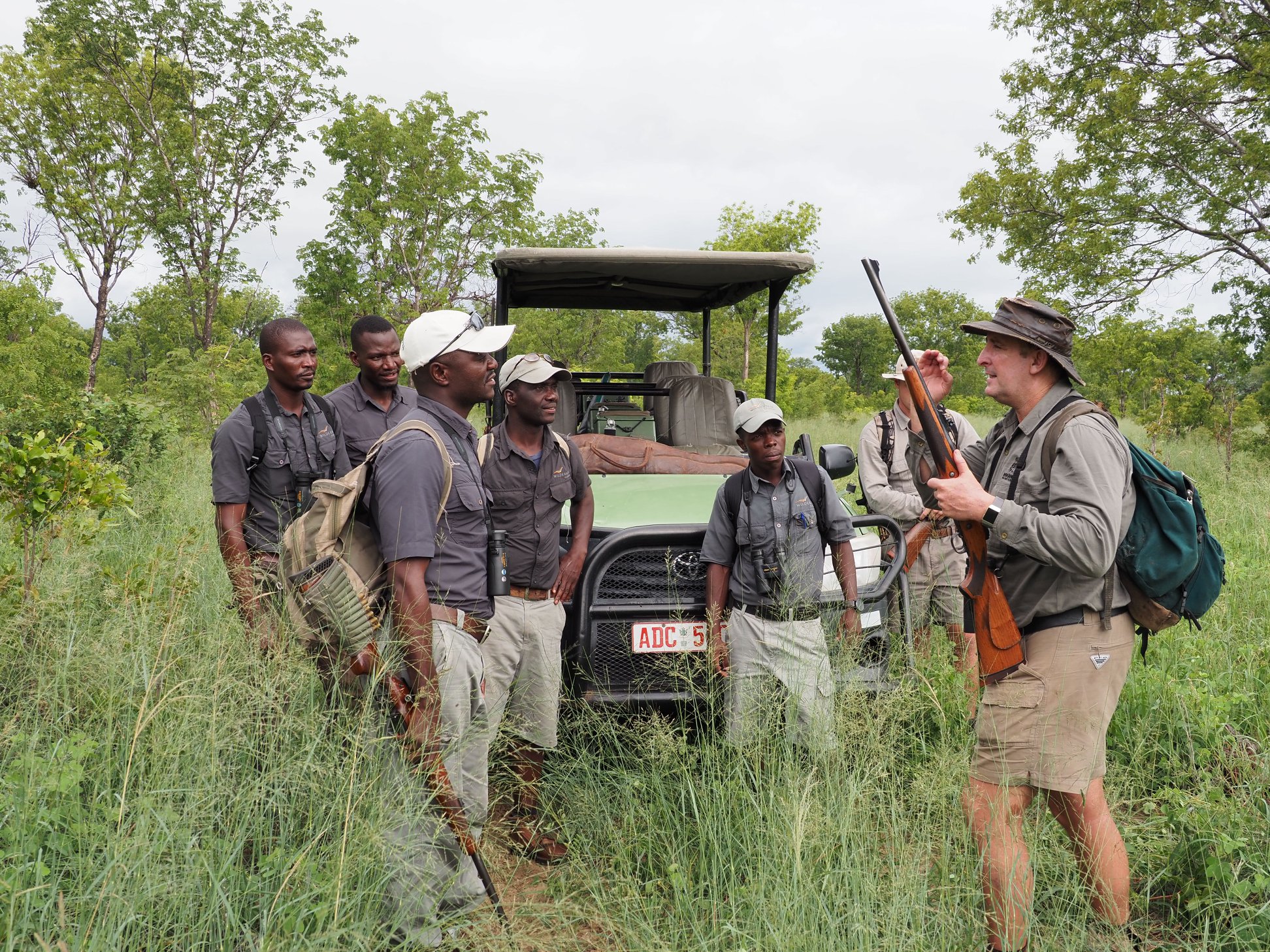
With the right timing, you can enjoy quieter parks, more flexible itineraries, and access to better lodges at reduced rates. When combined with expert planning, this creates a safari that feels both affordable and unforgettable.
The key is not just choosing the cheapest time—but choosing it wisely. With professional guidance, the Cheapest Time to Go on Safari becomes an opportunity to travel differently—more relaxed, more personal, and more rewarding.
REQUEST YOUR SAFARI QUOTE
Start planning your safari with Pieland Gorilla Safaris today and discover how to experience Africa at the right time, for the right value.