
Ultimate Guide to Cultural Experiences in Uganda Safaris for Authentic Travel
Uganda is often celebrated for its wildlife and primates, but what truly sets it apart is its rich cultural diversity. Beyond game drives and trekking, Cultural Experiences in Uganda Safaris offer travelers a deeper, more meaningful connection to the country.
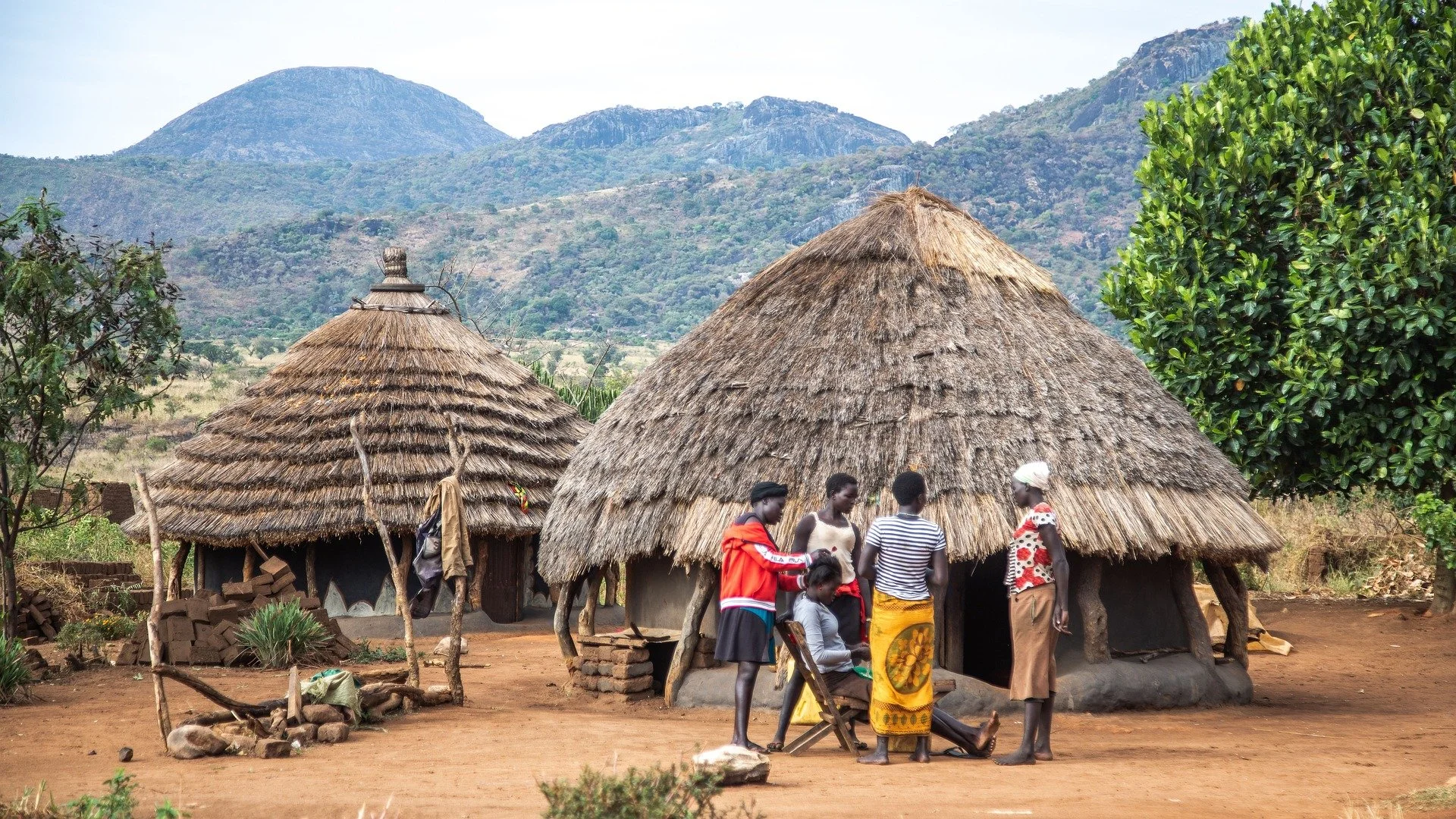
From traditional kingdoms and local communities to music, food, and storytelling, Cultural Experiences in Uganda Safaris reveal the human side of Uganda—one that is vibrant, welcoming, and unforgettable.
Why Cultural Experiences in Uganda Safaris Matter
Including Cultural Experiences in Uganda Safaris transforms your journey from a typical wildlife trip into a well-rounded and immersive adventure.
Uganda is home to more than 50 tribes, each with distinct languages, customs, and traditions. Exploring these cultures allows you to see Uganda not just as a destination, but as a living, breathing society shaped by history and identity. It adds context to the landscapes and wildlife you encounter, helping you understand how people and nature coexist.
What makes Cultural Experiences in Uganda Safaris especially powerful is their interactive nature. Unlike wildlife viewing, where you observe from a distance, cultural encounters invite participation. You engage in conversations, learn traditional practices, and share moments with local communities. These interactions create emotional connections that often become the most memorable parts of a safari.
Cultural experiences also bring authenticity to your journey. They move you beyond surface-level travel and allow you to experience Uganda in a way that feels genuine and personal. This depth is what makes Cultural Experiences in Uganda Safaris so valuable for travelers seeking more than just sightseeing.
Traditional Kingdoms and Heritage
Uganda’s cultural identity is deeply rooted in its traditional kingdoms, many of which still play an important role in modern society. Visiting these heritage sites is a key component of Cultural Experiences in Uganda Safaris.
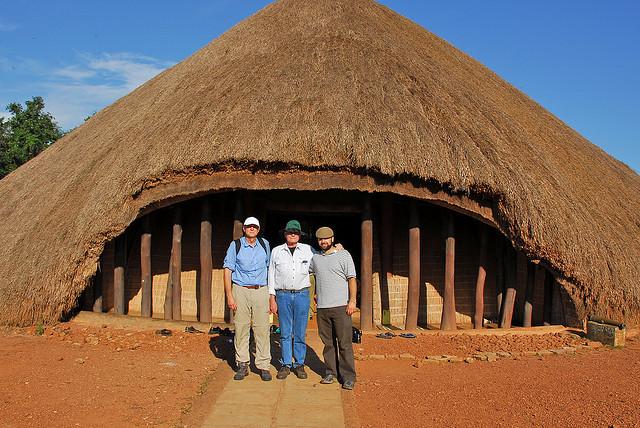
In Kampala, the Kasubi Tombs stand as one of the most significant cultural landmarks in the country. As a UNESCO World Heritage Site, the tombs serve as the burial grounds for Buganda kings and are a symbol of the kingdom’s spiritual and political heritage. The architecture, built using traditional materials, reflects centuries-old craftsmanship, while guided tours provide insight into royal customs, leadership structures, and cultural values.
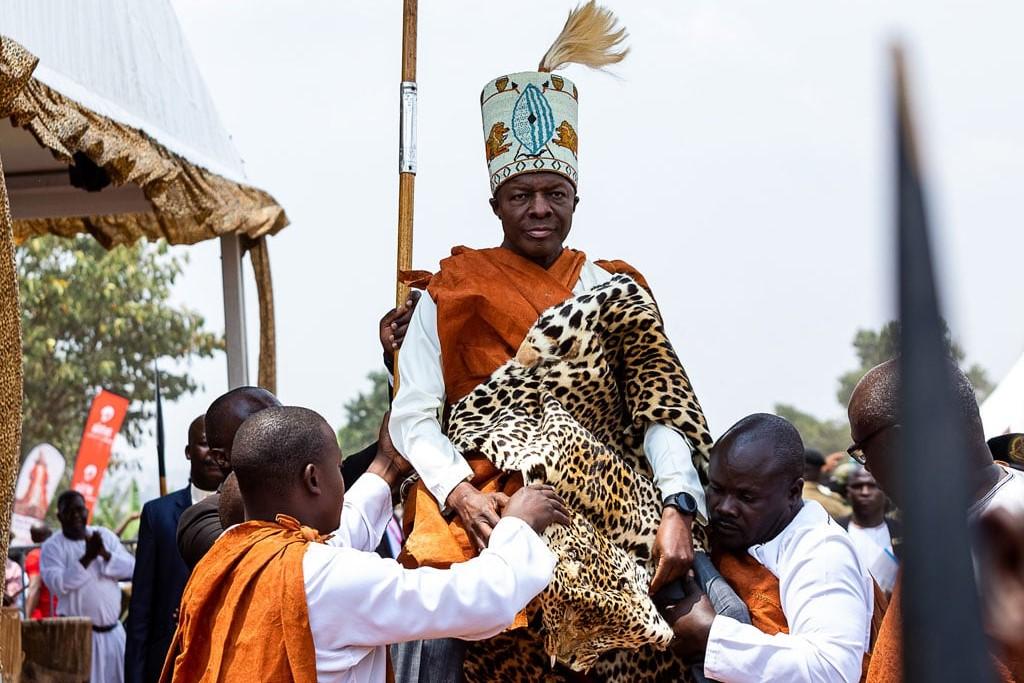
In western Uganda, the Tooro Kingdom offers another perspective on royal heritage. The kingdom is known for its rich traditions, including coronation ceremonies, storytelling, and the preservation of cultural identity. Visiting the palace or engaging with local guides allows you to learn about the role of kingship and its continued relevance in Ugandan society.
These experiences are not just about history—they are about understanding how tradition shapes modern life. By exploring these sites, Cultural Experiences in Uganda Safaris become more meaningful, connecting you to the roots of the country’s identity.
Village Walks and Community Life
One of the most authentic and rewarding aspects of Cultural Experiences in Uganda Safaris is engaging directly with local communities through village walks.
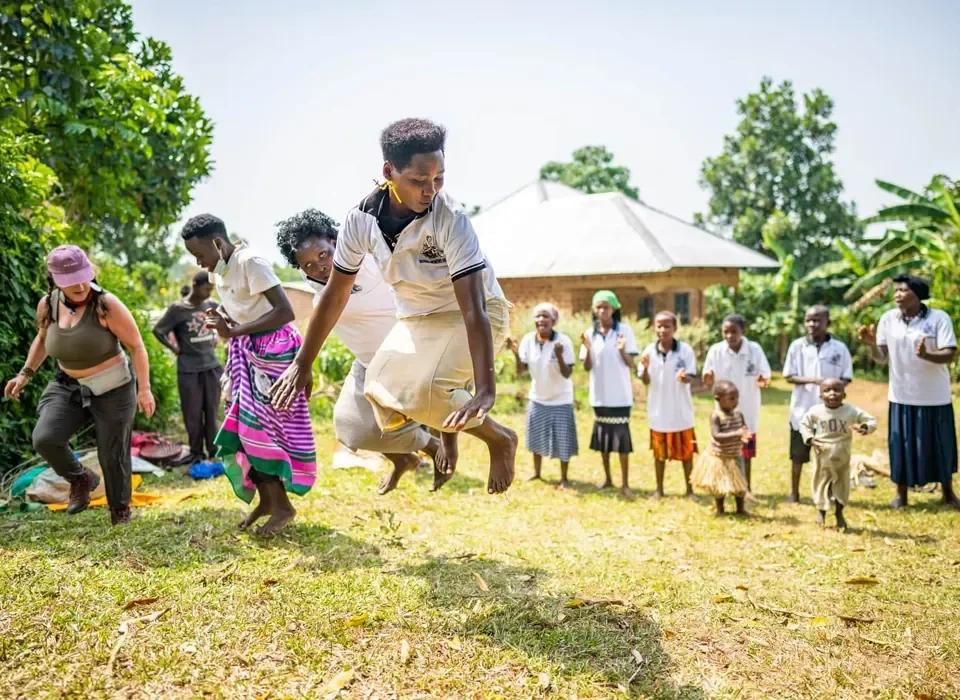
These experiences take you beyond tourist attractions and into everyday life. As you walk through villages, you gain a firsthand understanding of how people live, work, and interact. You may visit traditional homes, observe farming activities, or see how local crafts are made. These moments provide a realistic and unfiltered view of Ugandan life.
Farming plays a central role in many communities, and you may have the opportunity to see how crops such as bananas, coffee, and maize are grown and processed. In some cases, you can even participate in these activities, making the experience more interactive and engaging.
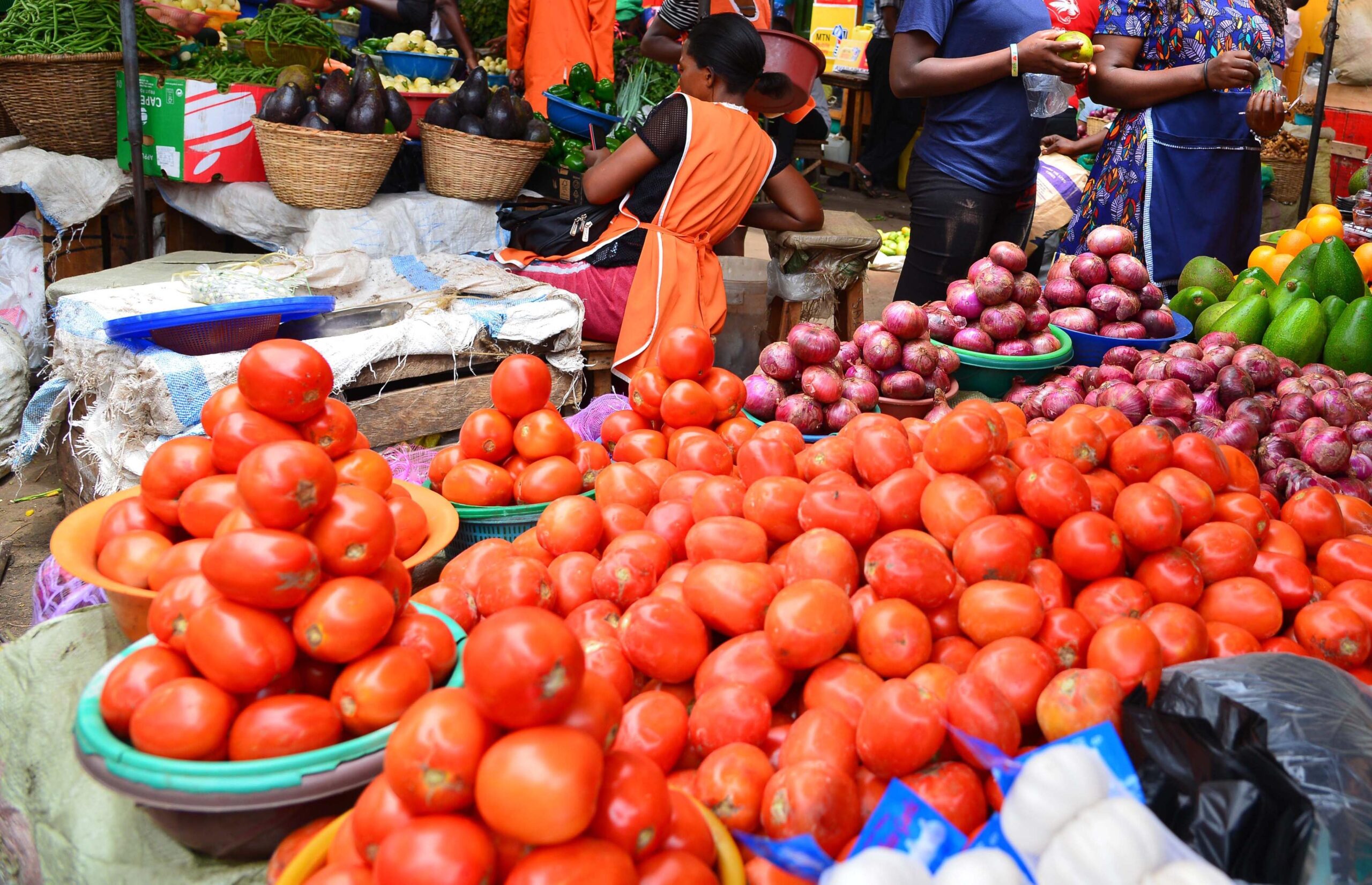
Local markets are another highlight. They are vibrant centers of activity where people gather to trade goods, socialize, and share news. Walking through a market introduces you to local produce, handmade items, and the rhythm of daily life. The colors, sounds, and energy create an atmosphere that is both lively and authentic.
What makes these experiences special is the human connection. Conversations with locals, shared smiles, and simple interactions create lasting impressions. These grassroots encounters are at the heart of Cultural Experiences in Uganda Safaris, turning your journey into something deeply personal and memorable.
Traditional Music, Dance, and Storytelling
Music, dance, and storytelling are essential elements of Cultural Experiences in Uganda Safaris, offering a vibrant and expressive way to understand the country’s heritage.
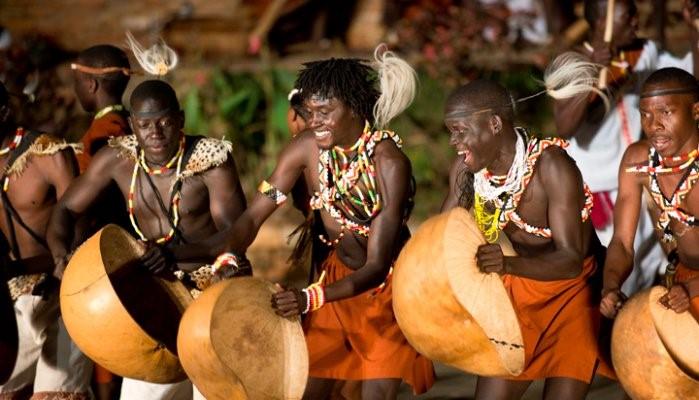
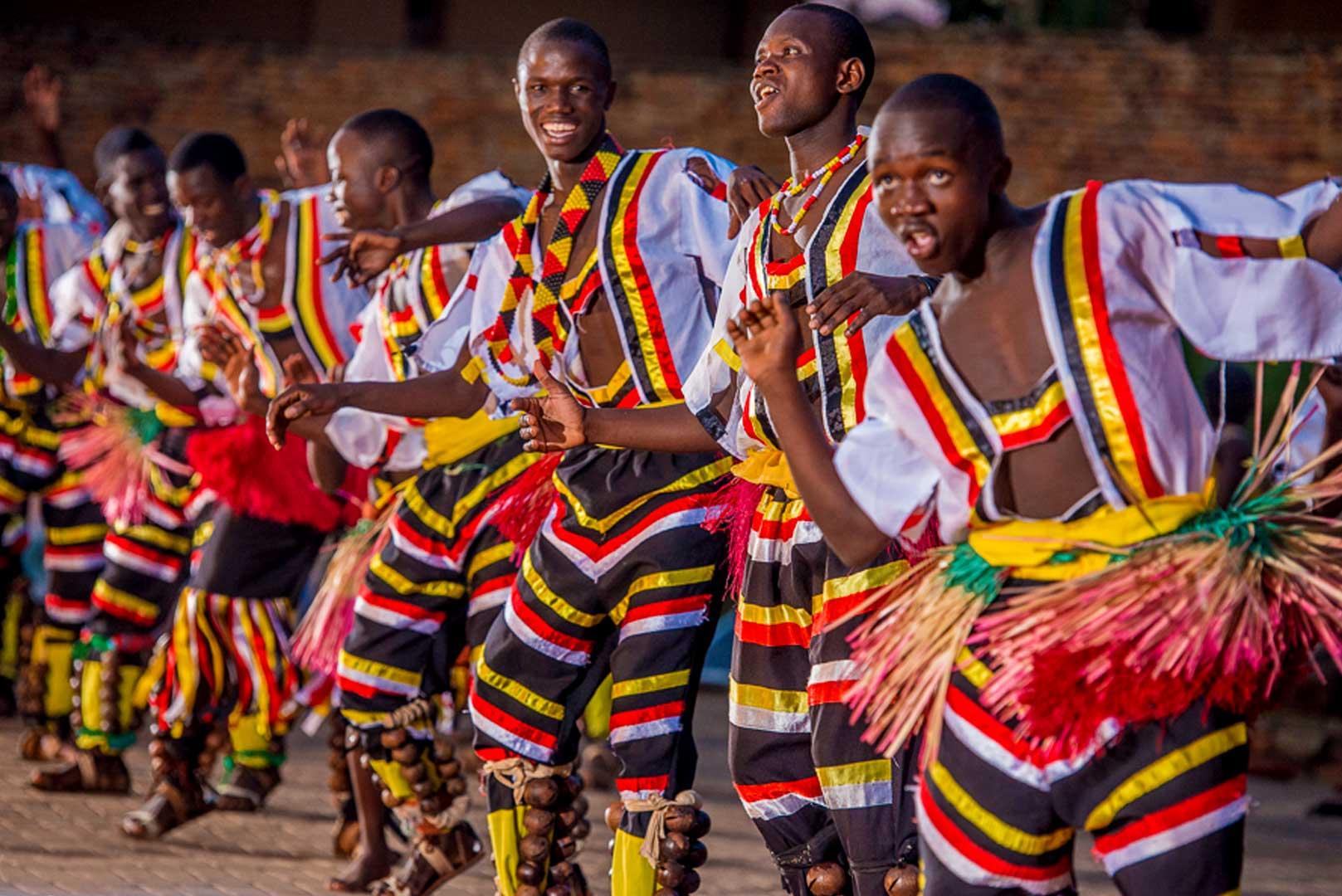
Traditional dance performances are often energetic and visually striking. Dancers wear colorful attire and move in rhythm with drums and other traditional instruments. Each region in Uganda has its own style of dance, reflecting local customs, celebrations, and historical events. Watching these performances gives you insight into the values and traditions of different communities.
Drumming is particularly significant in Ugandan culture. The beat of the drum is more than just music—it is a form of communication, used to convey messages, mark ceremonies, and bring people together. The intensity and rhythm create an atmosphere that is both powerful and engaging.
Storytelling is another important tradition. In many communities, history and knowledge are passed down orally through stories. Elders and guides share tales of ancestors, legends, and moral lessons that have shaped their societies. These stories provide context and meaning, helping you understand the cultural foundations of Uganda.
Participating in or witnessing these traditions brings Cultural Experiences in Uganda Safaris to life. They are not staged performances but living expressions of identity and heritage, offering a deeper connection to the people and their way of life.
Through music, dance, and storytelling, you do not just learn about Uganda—you feel it.
Food and Culinary Experiences
Food is one of the most immersive ways to connect with a destination, and it plays a central role in Cultural Experiences in Uganda Safaris. Through cuisine, you do not just taste Uganda—you understand its traditions, history, and daily life.
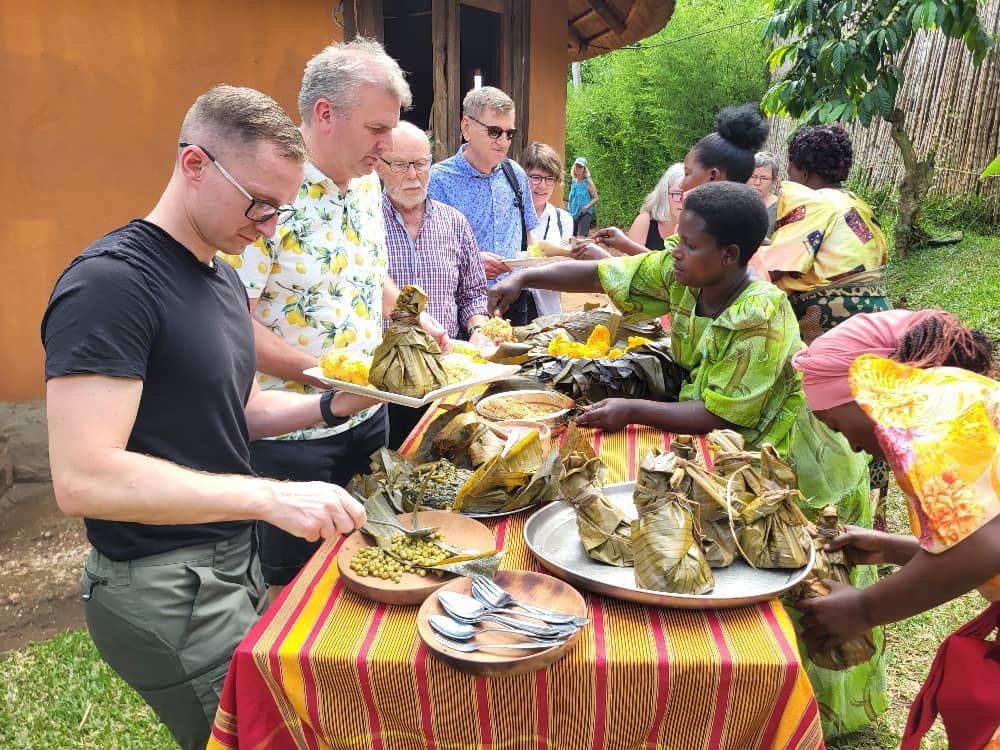
Ugandan food is deeply tied to regional identity. Different parts of the country prepare meals using locally available ingredients, resulting in a rich diversity of flavors and cooking styles. Staples such as matoke (steamed green bananas), groundnut sauce, beans, cassava, sweet potatoes, and grilled meats are widely enjoyed across the country. Each dish reflects a story—of agriculture, climate, and cultural influence.
Street food offers another layer of authenticity. The famous “rolex,” a rolled chapati with eggs and vegetables, is a popular and affordable snack found in towns and cities. Sampling such foods gives you insight into everyday life and how locals eat on the go. These simple yet flavorful experiences are an essential part of Cultural Experiences in Uganda Safaris.
Cooking experiences take this connection even further. Many community visits and lodges offer opportunities to learn how traditional meals are prepared. You may take part in peeling matoke, grinding groundnuts, or cooking over a charcoal stove. These hands-on activities provide a deeper appreciation for the effort and skill involved in preparing local dishes.
Sharing meals with locals is often the highlight. Sitting together, exchanging stories, and enjoying food creates a sense of connection that goes beyond language. It is in these moments that Cultural Experiences in Uganda Safaris become personal and memorable.
Food is not just nourishment—it is a cultural expression. Through it, you experience Uganda in a way that engages all your senses.
Cultural Encounters Near National Parks
One of the unique advantages of Cultural Experiences in Uganda Safaris is how seamlessly they can be combined with wildlife adventures. Many of the most meaningful cultural encounters are located near national parks, allowing you to experience both nature and community in a single journey.
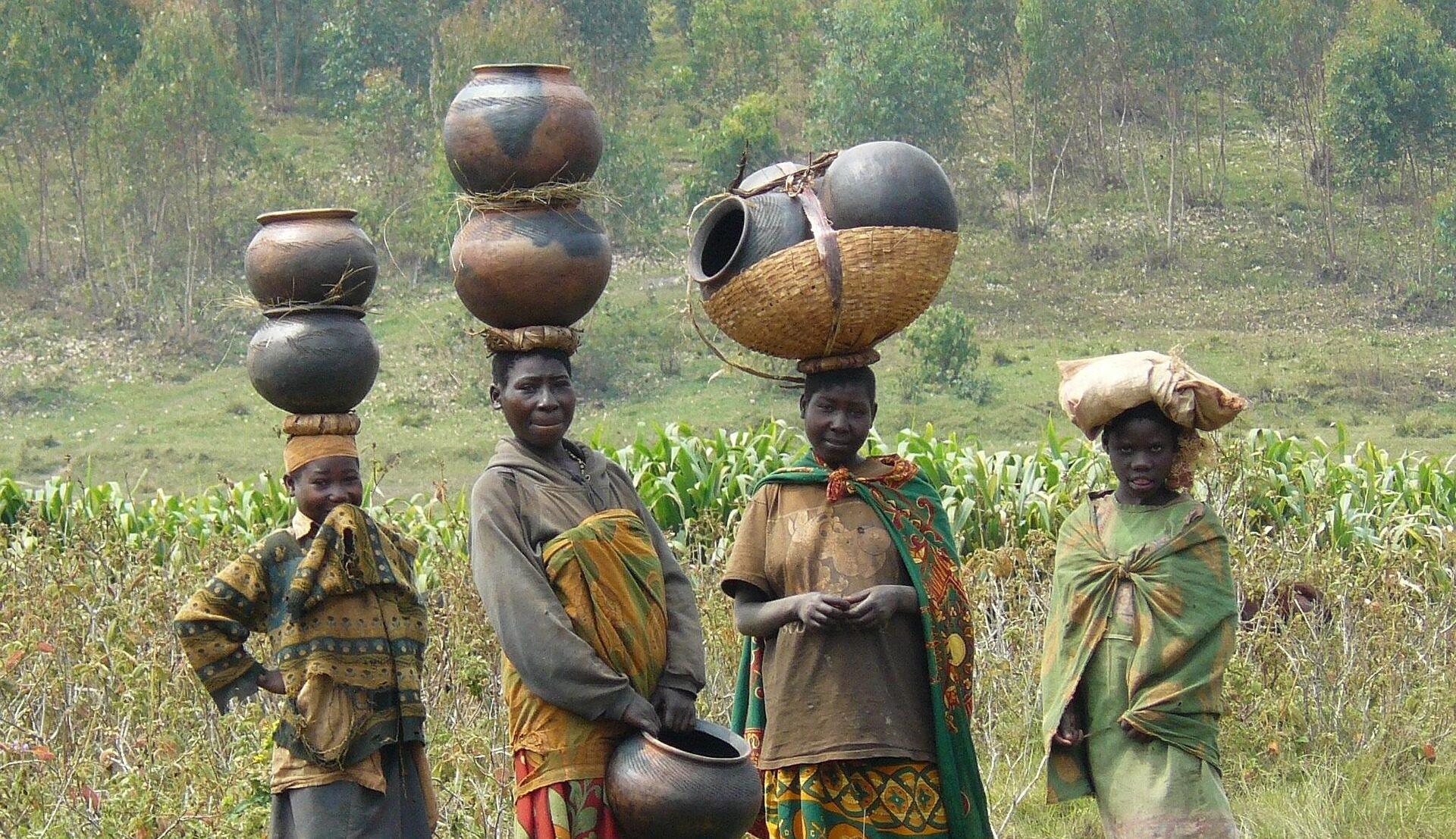
Near Bwindi Impenetrable National Park, the Batwa community offers one of the most powerful cultural experiences in Uganda. Traditionally forest dwellers, the Batwa share their history, survival skills, and deep connection to the forest. Guided cultural walks include demonstrations of hunting techniques, traditional music, and storytelling, providing insight into a way of life that has existed for generations. This is one of the most impactful Cultural Experiences in Uganda Safaris, as it highlights both heritage and resilience.
In northeastern Uganda, the Karamojong people offer a completely different cultural perspective. Their pastoral lifestyle revolves around cattle, which are central to their identity, economy, and social structure. Visiting their communities allows you to learn about traditional homesteads, social customs, and ceremonies. These interactions provide a rare glimpse into a culture that has remained largely unchanged over time, enriching Cultural Experiences in Uganda Safaris with authenticity and depth.
In western Uganda, Ankole culture introduces you to the significance of long-horned cattle, which are symbols of wealth and pride. Cultural visits may include interactions with local herders, storytelling, and insights into traditional practices. These experiences are often set against scenic landscapes, combining cultural learning with natural beauty.
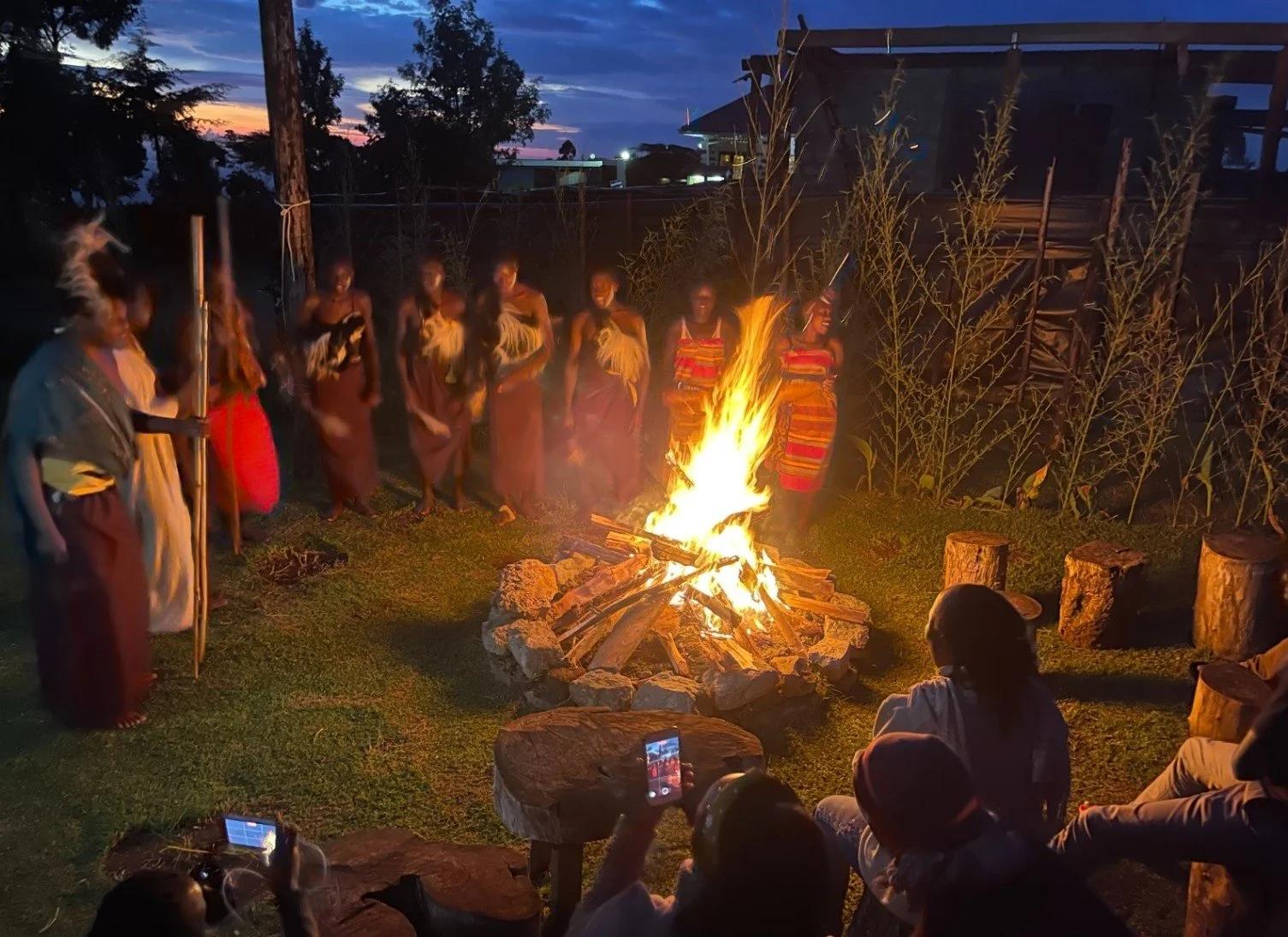
What makes these encounters special is their proximity to wildlife destinations. After a day of game drives or trekking, engaging in Cultural Experiences in Uganda Safaris adds balance and meaning to your itinerary. It allows you to see Uganda not just as a wildlife destination, but as a country shaped by its people and traditions.
Why Choose Pieland Gorilla Safaris
At Pieland Gorilla Safaris, we believe that the true essence of travel lies in connection—connection to people, places, and culture. That is why we place strong emphasis on creating authentic and meaningful Cultural Experiences in Uganda Safaris.
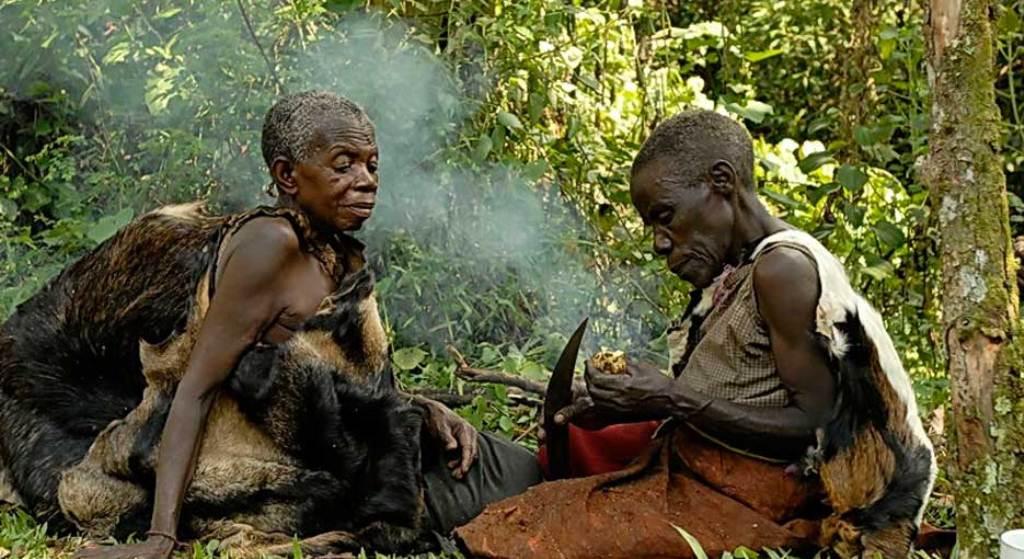
Our approach is rooted in local expertise. Our guides are not only knowledgeable about destinations but also deeply familiar with Uganda’s cultural heritage. They help bridge the gap between travelers and communities, ensuring that every interaction is respectful, informative, and enriching.
We carefully select cultural experiences that are genuine and community-based. Rather than staged performances, we focus on real interactions that reflect everyday life and traditions. This ensures that your Cultural Experiences in Uganda Safaris feel authentic and meaningful.
Customization is another key aspect of our service. Every traveler has unique interests, and we design itineraries that reflect your preferences. Whether you want to focus on food, history, music, or community life, we tailor your journey to include the most relevant Cultural Experiences in Uganda .
We also prioritize responsible tourism. Our partnerships with local communities are designed to support livelihoods and preserve cultural heritage. By choosing Pieland Gorilla Safaris, you contribute to sustainable travel that benefits both visitors and hosts.
Our goal is simple: to ensure that your Cultural Experiences in Uganda Safaris are not only enjoyable but also impactful and unforgettable.
Frequently Asked Questions About Cultural Experiences in Uganda Safaris
Are Cultural Experiences in Uganda Safaris included in wildlife itineraries?
Yes. Many Uganda safari itineraries can include cultural visits alongside gorilla trekking, chimpanzee tracking, game drives, boat cruises and other wildlife activities.
These experiences may be scheduled in the afternoon after a morning activity, during a transfer between national parks or as a dedicated half-day experience. The exact arrangement depends on the route and the communities visited.
Including cultural activities can make a safari more varied by allowing travellers to understand the people, traditions and everyday life surrounding Uganda’s protected areas.
Are cultural experiences in Uganda authentic?
They can be very authentic when they are organised responsibly and involve genuine community participation.
A good cultural visit should allow local people to present their traditions, stories and daily activities in their own way rather than creating an artificial performance purely for tourists.
Travellers should choose experienced safari operators and community-based programmes that respect local customs and ensure communities benefit from tourism.
Can visitors interact directly with local communities?
Yes. Direct interaction is often one of the most rewarding parts of a cultural visit.
Depending on the programme, travellers may speak with local families, farmers, artisans, musicians, community guides or elders.
Some visits also include participation in activities such as cooking, traditional dance, farming, craft making or storytelling.
How long do Cultural Experiences in Uganda Safaris usually take?
The duration can range from one or two hours to a full day.
Short cultural visits are easy to combine with other activities, while longer programmes can provide more time for community walks, demonstrations, storytelling and interaction.
Travellers with limited safari time can still enjoy a meaningful experience without changing the overall structure of their itinerary.
Do travellers need an extra day for a cultural experience?
Not always.
Many cultural visits can be incorporated naturally into an existing safari itinerary without adding another full day.
For example, a community visit may take place after chimpanzee trekking, after gorilla trekking or during an afternoon when no major wildlife activity is scheduled.
What types of cultural activities are available in Uganda?
Uganda offers a wide range of cultural activities.
Travellers may experience traditional dancing, music, local food preparation, farming demonstrations, craft making, storytelling, village walks, coffee experiences, traditional medicine demonstrations and visits to community projects.
The type of activity depends on the region and community being visited.
Where can travellers enjoy Cultural Experiences in Uganda Safaris?
Cultural activities are available in many parts of Uganda.
Popular areas include communities around Bwindi Impenetrable National Park, Kibale National Park, Queen Elizabeth National Park, Lake Bunyonyi, Murchison Falls and other safari regions.
Each area provides a different cultural experience depending on the people, traditions and local environment.
Are cultural visits suitable for families with children?
Yes. Cultural visits can be particularly enjoyable for families because many activities are interactive and educational.
Children may enjoy traditional music, dancing, food preparation, craft making or meeting local children.
Parents should select experiences appropriate to the age and interests of their children.
Can cultural activities be combined with gorilla trekking?
Yes. Cultural experiences are commonly combined with gorilla trekking in Bwindi and other gorilla safari regions.
Many travellers trek mountain gorillas in the morning and visit a nearby community later in the day if they have enough time and energy.
The cultural visit provides a different perspective after the intense forest trekking experience.
What makes Cultural Experiences in Uganda Safaris different from wildlife activities?
Cultural experiences focus on people, traditions and local ways of life rather than animals and landscapes.
A wildlife safari may introduce travellers to gorillas, chimpanzees, elephants, lions and other species, while cultural experiences help visitors understand the communities living around those wildlife areas.
Combining both creates a more complete understanding of Uganda as a destination.
Can travellers visit Batwa communities?
Yes. Batwa cultural experiences are available in parts of southwestern Uganda, particularly around Bwindi and Mgahinga.
These experiences can introduce visitors to aspects of Batwa history, traditional forest knowledge, music, dance and cultural heritage.
They should be organised respectfully through programmes that allow the community to participate directly and benefit from tourism.
What is the Bigodi cultural experience?
The Bigodi cultural experience takes place around the Kibale region.
Travellers may learn about local farming, food production, coffee, traditional practices, community projects and everyday rural life.
It combines particularly well with chimpanzee trekking because visitors can spend the morning in Kibale Forest and the afternoon interacting with communities living nearby.
Can Cultural Experiences in Uganda Safaris include traditional food?
Yes. Food can be an important part of many cultural experiences.
Visitors may see how local dishes are prepared, learn about traditional ingredients or participate in cooking demonstrations.
Depending on the programme, travellers may also have an opportunity to taste locally prepared food.
Are traditional dances part of Uganda cultural tours?
Yes. Music and dance are important aspects of many Ugandan cultures.
Community groups may perform traditional songs and dances that reflect local history, celebrations or social traditions.
Some programmes also invite visitors to participate, making the experience more interactive.
Can travellers learn about traditional farming?
Yes. Agricultural activities are often included in community-based cultural experiences.
Travellers may learn how local people grow bananas, coffee, tea, vegetables or other crops depending on the region.
These visits can also help visitors understand the relationship between farming, local livelihoods and conservation.
Are Cultural Experiences in Uganda Safaris suitable for photographers?
Yes. Cultural experiences can provide excellent photography opportunities, but permission and respect are essential.
Travellers should always ask before photographing individuals, children, homes or private ceremonies.
A responsible photographer should focus on documenting the experience respectfully rather than treating people simply as photographic subjects.
Can visitors participate in craft making?
Yes. Some cultural experiences include demonstrations of basket weaving, pottery, beadwork, wood carving or other traditional crafts.
Visitors may sometimes have an opportunity to participate in the process.
Buying locally made crafts can also provide direct financial support to artisans and community groups.
Are cultural tours available near Bwindi Impenetrable National Park?
Yes. Bwindi is surrounded by communities offering several cultural experiences.
Visitors may participate in village walks, Batwa experiences, local craft demonstrations, music, dance or farming activities.
These experiences combine naturally with mountain gorilla trekking and can help visitors better understand the communities living around the forest.
Why should travellers add Cultural Experiences in Uganda Safaris to a gorilla safari?
Adding a cultural experience gives travellers a broader understanding of Uganda beyond the mountain gorillas.
Gorilla trekking is often the main reason visitors travel to Bwindi, but the communities around the forest are also an important part of the destination.
A cultural visit allows travellers to learn about local livelihoods, traditions and the relationship between conservation and surrounding communities.
Are cultural experiences available near Kibale National Park?
Yes. Communities around Kibale provide a variety of cultural and community-based tourism experiences.
Bigodi is one of the best-known areas for cultural visits.
Travellers can combine chimpanzee trekking with community walks, farming demonstrations, food experiences and other local activities.
Do Cultural Experiences in Uganda Safaris support local communities?
Many well-organised cultural experiences provide direct benefits to local communities.
Tourism fees may support community guides, performers, artisans, local businesses or development projects.
Travellers should choose programmes where local people are active participants rather than simply being observed by visitors.
Can cultural visits help conservation?
Yes. Responsible cultural tourism can support conservation indirectly.
When communities receive economic benefits from tourism, there can be stronger incentives to protect nearby forests, wildlife and natural resources.
Cultural tourism can also create alternative income opportunities that reduce dependence on environmentally damaging activities.
Are cultural activities suitable for older travellers?
Yes. Many cultural activities are physically easier than gorilla trekking, chimpanzee trekking or long nature walks.
Village visits, demonstrations, storytelling, cooking and craft activities can often be adapted to suit different mobility levels.
Travellers should discuss any physical limitations with their safari operator before confirming the programme.
Can Cultural Experiences in Uganda Safaris be private?
Yes. Many cultural activities can be organised privately for couples, families or small groups.
A private experience may allow more time for questions, conversation and interaction with community guides.
It can also be easier to adapt the pace to individual interests.
Can solo travellers join cultural experiences?
Yes. Solo travellers can participate in cultural activities either privately or as part of a small group.
These experiences can be especially valuable for solo visitors because they provide opportunities for direct social interaction.
The exact arrangement depends on the community programme and safari itinerary.
Are cultural experiences available during luxury safaris?
Yes. Cultural activities can be included in budget, midrange and luxury safaris.
Luxury travellers may prefer private community visits, personalised guiding or experiences scheduled around a premium safari itinerary.
The cultural experience itself should remain respectful and community-focused regardless of the traveller’s accommodation category.
Can Cultural Experiences in Uganda Safaris be included in short itineraries?
Yes. Even short Uganda safaris can include cultural activities.
A two- or three-hour community visit may fit naturally after a major wildlife activity or during a transfer day.
Travellers do not necessarily need to extend a safari by another full day.
What should travellers wear during a cultural visit?
Comfortable and respectful clothing is generally recommended.
Lightweight trousers, skirts, shirts and comfortable walking shoes are suitable for most community visits.
Visitors should avoid clothing that may be considered overly revealing, particularly when visiting rural communities or places of cultural importance.
Should travellers bring gifts to local communities?
Gifts are not usually necessary unless the community programme specifically recommends them.
Giving money, sweets or items directly to children can create unintended problems.
Travellers who want to contribute should ask their guide about appropriate ways to support community projects, schools, artisans or local organisations.
How do Cultural Experiences in Uganda Safaris benefit travellers?
They provide a deeper understanding of Uganda’s people and traditions.
Travellers gain opportunities to ask questions, hear personal stories, learn about local livelihoods and experience aspects of daily life that cannot be understood through wildlife viewing alone.
These encounters often become some of the most memorable parts of a safari.
Are cultural visits safe for international travellers?
Generally, yes, when they are organised through experienced operators and established community programmes.
Travellers are normally accompanied by guides who understand the local area and cultural expectations.
Visitors should follow their guide’s instructions and use the same sensible precautions they would during any organised travel activity.
Can cultural experiences include local markets?
Yes. Some itineraries include visits to local markets.
Markets can provide insight into everyday trade, food, clothing, crafts and community life.
Visitors should be respectful when taking photographs and follow the advice of their guide, especially in busy market environments.
Are Cultural Experiences in Uganda Safaris good for first-time visitors?
Yes. Cultural experiences are particularly valuable for first-time travellers because they provide context for the places visited during the safari.
A visitor may see beautiful landscapes and wildlife but understand much more about Uganda after interacting with local communities.
This can make the entire journey feel more meaningful and connected.
Can travellers learn about coffee production in Uganda?
Yes. Coffee experiences are available in several regions.
Visitors may learn how coffee is grown, harvested, dried, roasted and prepared.
Some experiences allow travellers to participate in different stages of the process before tasting locally prepared coffee.
Can visitors learn about traditional medicine?
Some community programmes include demonstrations or explanations of traditional plant use and local healing knowledge.
These experiences should be understood as cultural education rather than medical advice.
Visitors can learn how certain communities traditionally used plants and natural resources in everyday life.
Why are Cultural Experiences in Uganda Safaris important for responsible tourism?
They can help ensure that tourism benefits people living near national parks and safari destinations.
When visitors spend money on local guides, crafts, cultural programmes and community enterprises, more tourism revenue remains within the local area.
Responsible cultural tourism can therefore complement wildlife conservation and support sustainable livelihoods.
Can travellers combine cultural experiences with chimpanzee trekking?
Yes. This combination works particularly well around Kibale National Park.
Travellers can spend the morning trekking chimpanzees and later visit Bigodi or another nearby community.
The contrast between forest wildlife and local culture creates a more varied and complete day.
Can cultural visits be customised around travellers’ interests?
Yes. Many programmes can be adapted depending on what the traveller is most interested in learning about.
Some visitors may prefer food and cooking, while others are more interested in farming, crafts, music, history or community development.
Travellers should communicate their interests during the planning stage.
Are Cultural Experiences in Uganda Safaris suitable for honeymooners?
Yes. Cultural experiences can add a personal and meaningful dimension to a honeymoon safari.
Couples may enjoy private village walks, coffee experiences, cooking activities, music or craft demonstrations alongside gorilla trekking and wildlife activities.
These experiences can make the journey feel more connected to Uganda rather than focusing only on lodges and wildlife.
Do travellers need to speak a local language?
No. Travellers do not need to speak a Ugandan local language.
Community guides or safari guides normally assist with communication where English is not widely used.
Learning a few simple greetings can nevertheless be appreciated and may help create a warmer interaction with local people.
Can Cultural Experiences in Uganda Safaris be combined with wildlife game drives?
Yes. Cultural activities can be combined easily with game drives when the itinerary is planned properly.
Travellers might enjoy a morning game drive followed by an afternoon community visit, or complete a cultural activity while travelling between wildlife destinations.
This creates a balanced safari that combines wildlife, landscapes and human stories.
How should travellers behave during Cultural Experiences in Uganda Safaris?
Travellers should approach community visits with curiosity, respect and an open mind.
Visitors should follow their guide’s advice, request permission before photographing people, dress appropriately and avoid making assumptions about local customs or lifestyles.
The most rewarding cultural experiences are based on genuine interaction and mutual respect rather than simply observing people as tourist attractions.
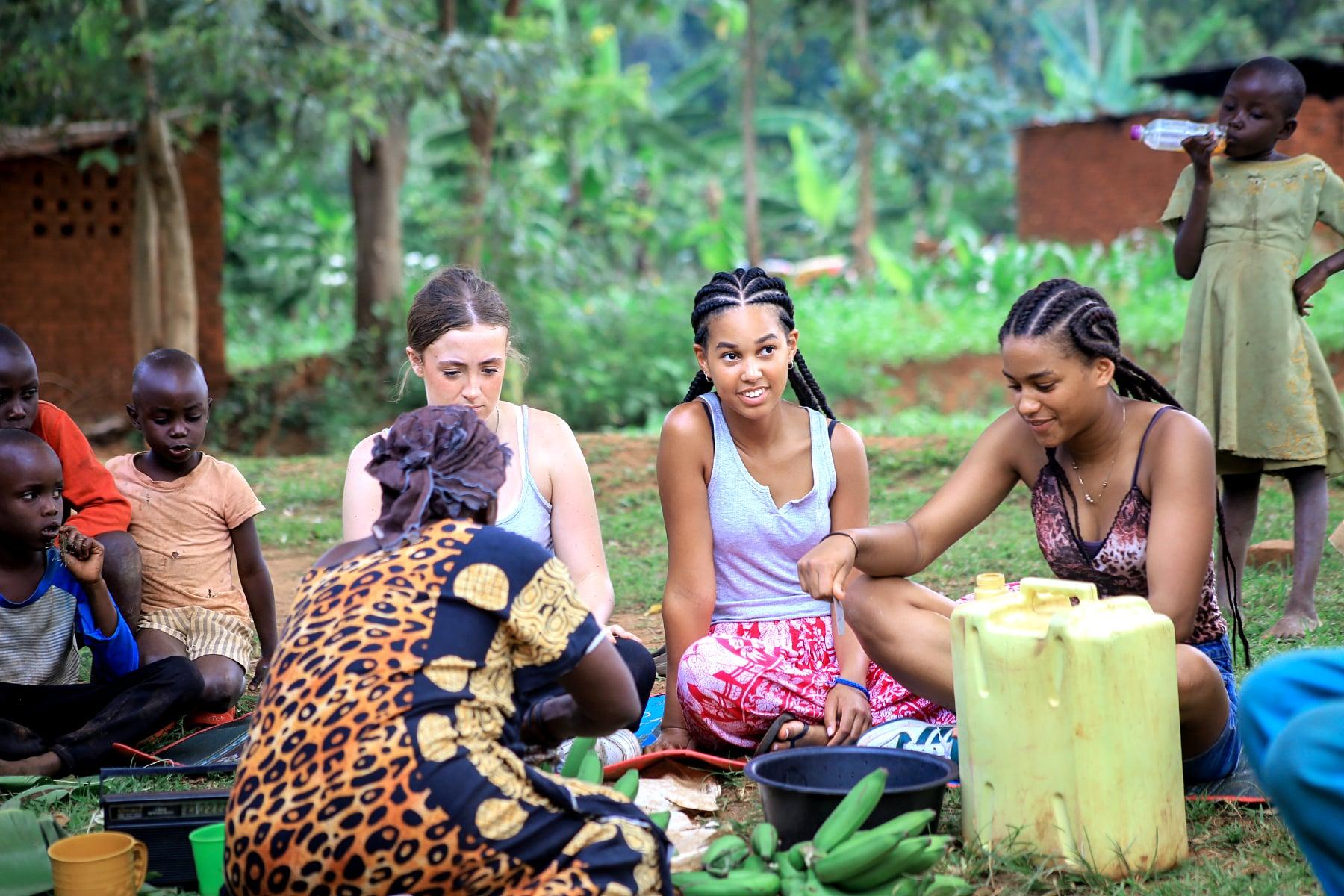
By including Cultural Experiences in Uganda Safaris, you go beyond sightseeing and step into a world of authentic interaction and discovery. These experiences allow you to see Uganda through the eyes of its people, creating memories that last far beyond your trip.
Let Pieland Gorilla Safaris guide you through carefully curated and enriching Cultural Experiences in Uganda Safaris, designed to connect you with the heart of the country.
Start planning your journey today and discover the cultural soul of Uganda.