
The Ultimate Showdown: Driving vs Flying on Safari – What’s Better?
When comparing Driving vs Flying on Safari, you are choosing between two completely different ways of experiencing Africa. Each option shapes not only how you move between destinations but also how you connect with the journey itself.
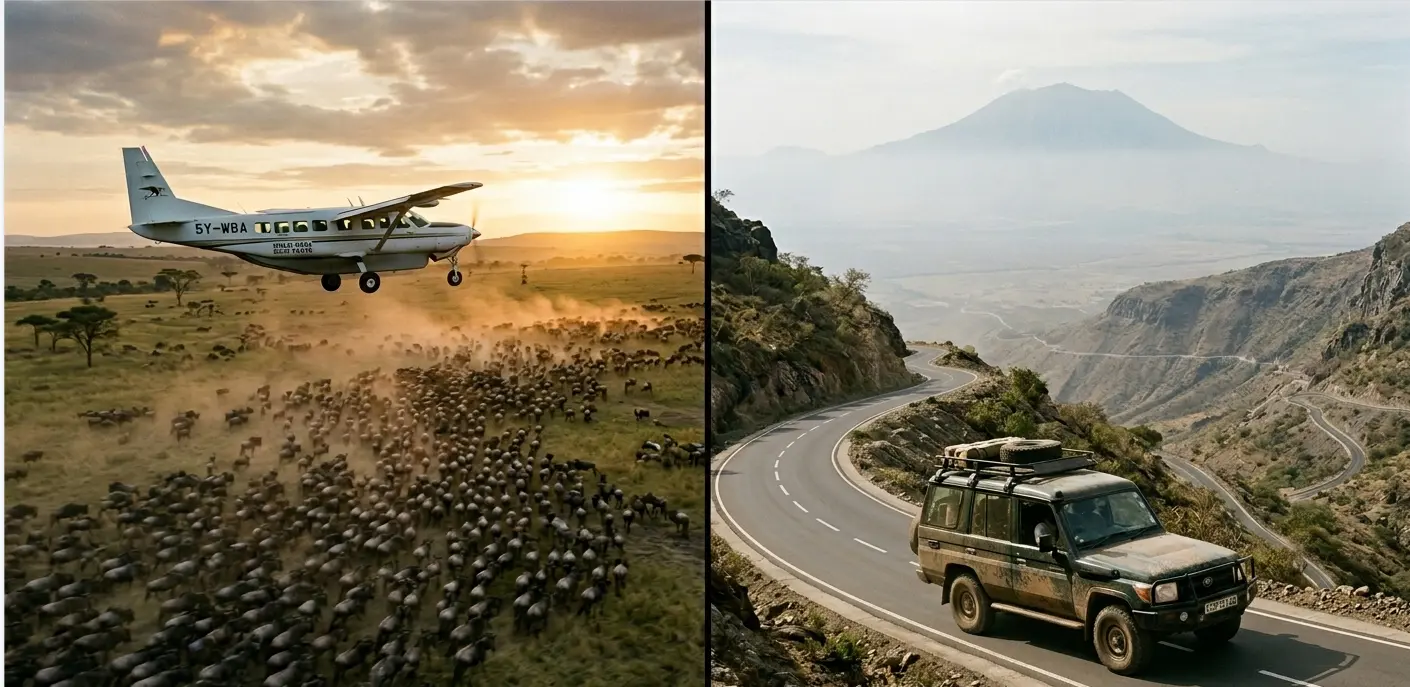
Driving offers a gradual, immersive transition between landscapes. You witness the shift from bustling towns to quiet rural areas, from farmland to wilderness. Every mile becomes part of the story. In contrast, flying focuses on speed and efficiency. It allows you to bypass long distances and arrive quickly, often landing in remote airstrips right in the heart of national parks.
The choice between Driving vs Flying on Safari ultimately depends on what matters most to you. If you value time, comfort, and convenience, flying may be the better option. If you prefer a deeper connection to the land and a more exploratory experience, driving becomes more appealing.
Other important factors include your itinerary structure, the number of destinations, and the overall pace of your trip. A well-planned safari often considers Driving vs Flying on Safari as a strategic decision rather than a fixed choice.
Driving on Safari: The Experience
Driving remains the most classic and widely recognized way to explore Africa. For many travelers, it represents the true essence of safari—being on the ground, surrounded by landscapes, and fully immersed in the journey.
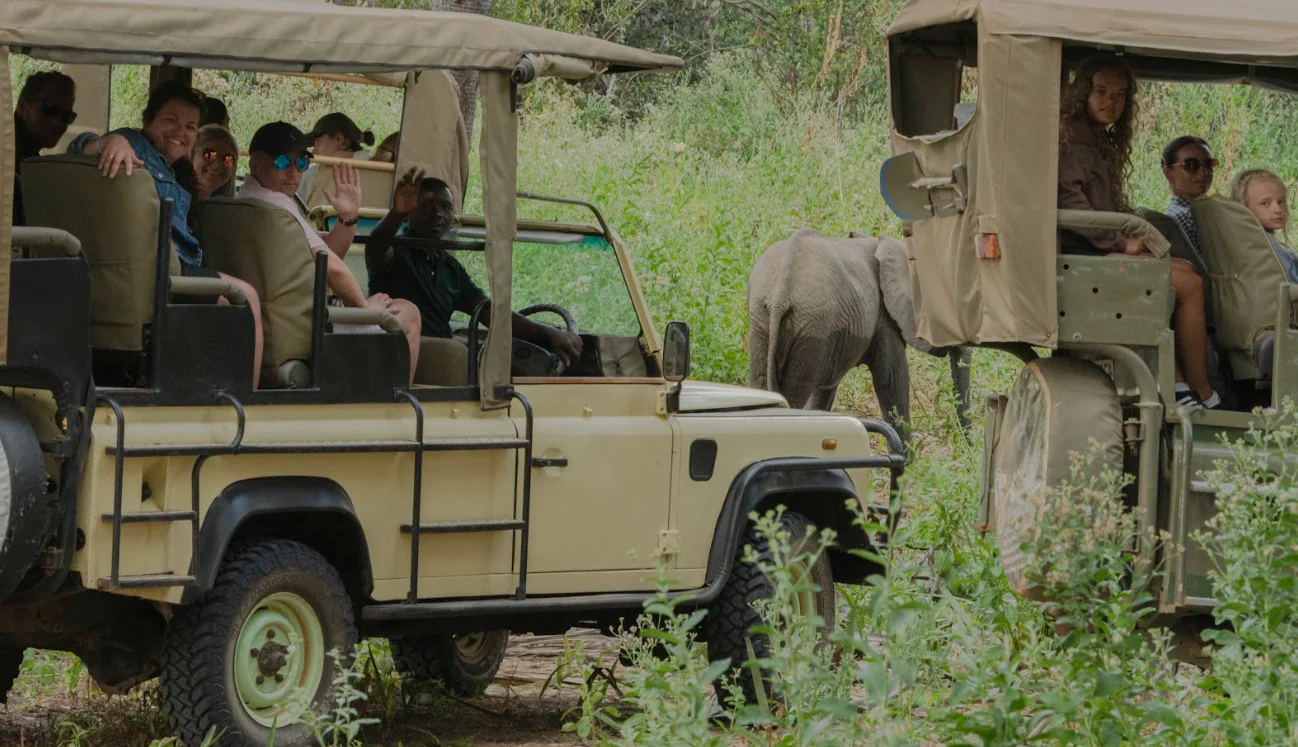
When choosing Driving vs Flying on Safari, driving provides a richer sense of place. You are not just moving between parks; you are experiencing the transition between them. Along the way, you pass through villages, interact with local communities, and observe daily life beyond the wildlife areas.
In destinations like Uganda, road safaris are particularly rewarding. Traveling from Entebbe to Bwindi Impenetrable National Park or Queen Elizabeth National Park reveals rolling hills, tea plantations, roadside markets, and scenic viewpoints. These moments add depth to your safari and create a more complete travel experience.
Driving also allows for spontaneity. You can stop for photos, stretch your legs, or even encounter wildlife along the road. This flexibility is a major advantage when considering Driving vs Flying on Safari, especially for travelers who enjoy a slower, more exploratory pace.
Another key benefit is cost. Driving is generally more affordable than flying, making it ideal for budget and midrange safaris. It also works well for itineraries within a single country where distances are manageable.
However, driving does come with challenges. Long travel hours can be tiring, particularly on multi-country safaris or routes involving remote parks. Road conditions can vary, and some journeys may take a full day. This is where the balance between Driving vs Flying on Safari becomes important.
Flying on Safari: The Experience
Flying offers a completely different perspective—one that prioritizes comfort, efficiency, and access to remote destinations. It transforms your safari into a seamless journey where time is maximized for experiences rather than travel.
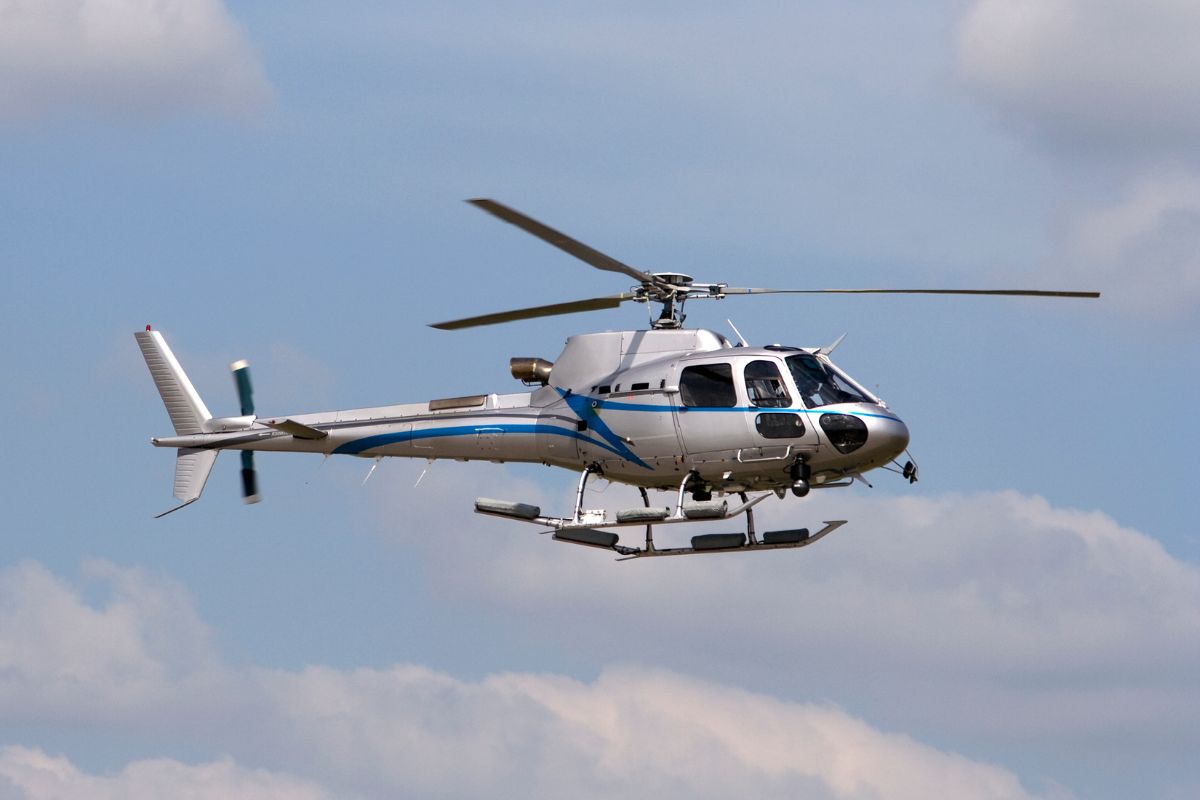
When evaluating Driving vs Flying on Safari, flying is the best option for covering long distances quickly. Instead of spending 8 to 10 hours on the road, you can reach your next destination in just 1 to 2 hours. This is especially valuable when connecting distant regions or countries.
For example, traveling between Uganda and Tanzania is far more practical by air. Similarly, reaching remote wildlife areas like Serengeti National Park is often faster and more comfortable with scheduled or charter flights.
Flying also reduces travel fatigue significantly. Instead of arriving tired after a long drive, you land refreshed and ready for activities. This is a major advantage in Driving vs Flying on Safari, especially for travelers with limited time or those seeking a more relaxed experience.
Another unique benefit is the aerial perspective. Flying over savannahs, rivers, and wildlife habitats provides a completely different view of Africa’s landscapes. These scenic flights often become a highlight of the journey.
Luxury safaris typically lean toward flying because it enhances exclusivity and efficiency. Guests can move effortlessly between destinations while staying in high-end lodges located in remote areas. In this context, the Driving vs Flying on Safari decision often favors flying for its convenience and premium experience.
The main drawback is cost. Flights add to the overall safari budget, and multiple flight segments can significantly increase expenses. However, many travelers find the time saved and comfort gained to be well worth the investment.
Driving vs Flying on Safari: Key Differences
When comparing Driving vs Flying on Safari, the real differences go beyond simple transport—they shape how your entire journey feels, flows, and unfolds.
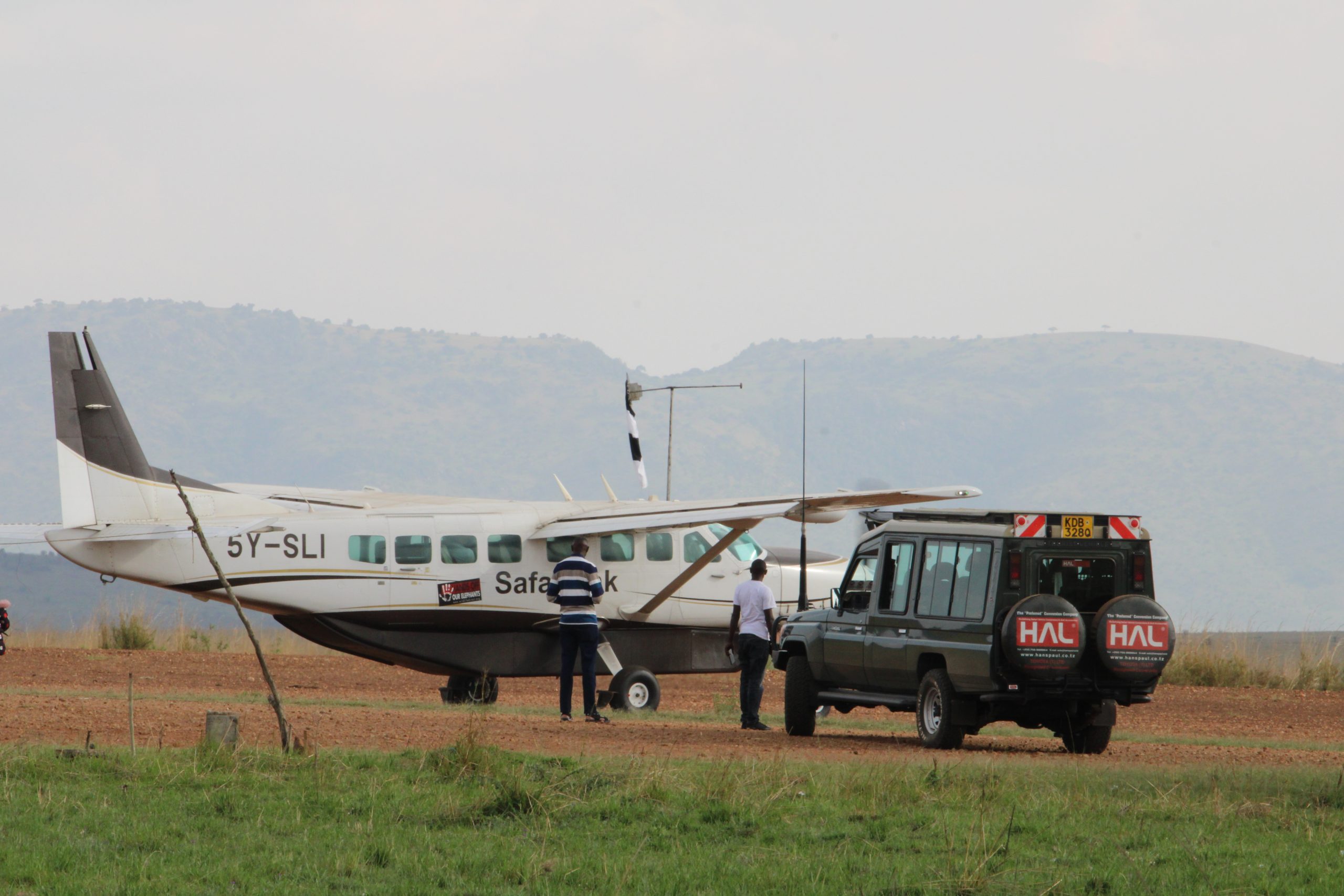
Experience is the most noticeable distinction. Driving is immersive and grounded. You experience Africa gradually, watching landscapes evolve from urban centers to rural villages and finally into wild ecosystems. Along the way, you may encounter roadside markets, local communities, and even unexpected wildlife sightings. This creates a deeper sense of connection. Flying, in contrast, is about perspective and efficiency. You trade the slow build-up for sweeping aerial views and direct access to remote wilderness areas. It is less about the journey in between and more about arriving quickly at your next highlight.
Efficiency is where flying clearly stands out in Driving vs Flying on Safari. East Africa’s distances can be significant, and what takes 8–10 hours by road can often be covered in under 2 hours by air. This time-saving advantage allows you to spend more hours on game drives, trekking, or relaxing at your lodge rather than in transit. Driving, while slower, can be more practical for shorter distances and regions where attractions are clustered together.
Cost is another major consideration. Driving is significantly more budget-friendly because it avoids internal flight costs. This makes it ideal for travelers seeking value without sacrificing core experiences. Flying, however, adds a premium to your safari due to aircraft operations, park airstrips, and limited seating. When evaluating Driving vs Flying on Safari, it’s important to balance budget with the value of time saved.
Comfort also differs. Road journeys can be long and occasionally tiring, especially on rough or winding roads. However, modern 4×4 safari vehicles are designed for comfort, with air conditioning and ample space. Flying eliminates long hours on the road, reducing fatigue and offering a smoother travel experience. For many travelers, this comfort factor is a deciding point in Driving vs Flying on Safari.
Ultimately, the key differences come down to what you value more—immersion and affordability, or speed and convenience.
When to Choose Driving on Safari
Driving becomes the ideal choice in Driving vs Flying on Safari when your priority is experience, value, and connection to the landscape.
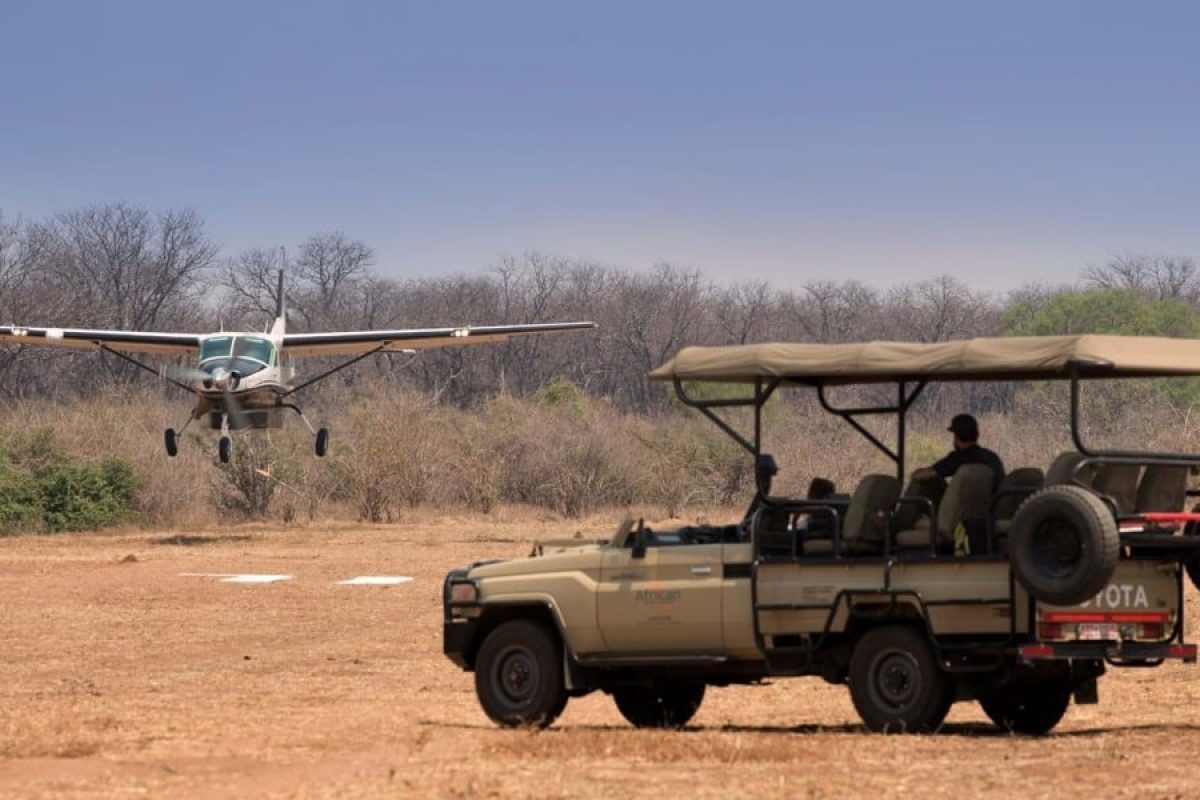
If you are traveling on a budget, driving is the most practical option. It significantly reduces costs while still allowing you to explore major safari destinations. For many travelers, this makes a Driving vs Flying on Safari decision straightforward.
Driving is also perfect if you enjoy road trips and scenic journeys. The experience of traveling through countryside, passing local villages, and seeing everyday life unfold adds richness to your safari. In countries like Uganda, these road journeys are part of the adventure, offering beautiful scenery and cultural insights that you would miss when flying.
Another situation where driving works best is when your itinerary is within one country. Routes such as Kibale National Park to Queen Elizabeth National Park and onward to Bwindi Impenetrable National Park are well-connected by road. Distances are manageable, and the journey itself becomes an enjoyable part of the safari.
Driving is also ideal when you want flexibility. You can stop for photos, take breaks, or explore unexpected points of interest along the way. This level of freedom is something that Driving vs Flying on Safari clearly favors on the driving side.
However, it’s important to consider your tolerance for long travel hours. If you enjoy the journey as much as the destination, driving is a rewarding and enriching option.
When to Choose Flying on Safari
Flying is the preferred choice in Driving vs Flying on Safari when time, comfort, and efficiency are your top priorities.
If you have limited time, flying becomes essential. It allows you to cover large distances quickly and include multiple destinations in a shorter itinerary. Instead of spending days on the road, you can maximize your time enjoying wildlife experiences.
Flying is also ideal when visiting multiple countries. A Driving vs Flying on Safari itinerary that includes destinations like Uganda and Tanzania would involve very long and complex road travel. Flights simplify these connections, making the journey smooth and practical.
Comfort and convenience are another major reason to choose flying. You avoid long hours on the road and arrive at your destination refreshed. This is particularly valuable for travelers who prefer a relaxed pace or are celebrating special occasions such as honeymoons.
Luxury safaris almost always favor flying. Many high-end lodges are located in remote areas with private or nearby airstrips, making air travel the most efficient way to reach them. In this context, Driving vs Flying on Safari often leans heavily toward flying as it enhances the overall experience.
A perfect example is combining gorilla trekking in Uganda with a safari in Serengeti National Park. Traveling by road would be impractical, while flying creates a seamless transition between two completely different ecosystems.
While flying increases the overall cost, many travelers find the time saved and comfort gained to be worth the investment. In the end, choosing flying in Driving vs Flying on Safari allows you to focus more on the experiences that truly matter.
Best Option: Combine Driving and Flying
For many travelers, the smartest approach to Driving vs Flying on Safari is not choosing one over the other—but blending both into a single, well-designed itinerary. This hybrid strategy allows you to enjoy the strengths of each mode of travel while minimizing their limitations.
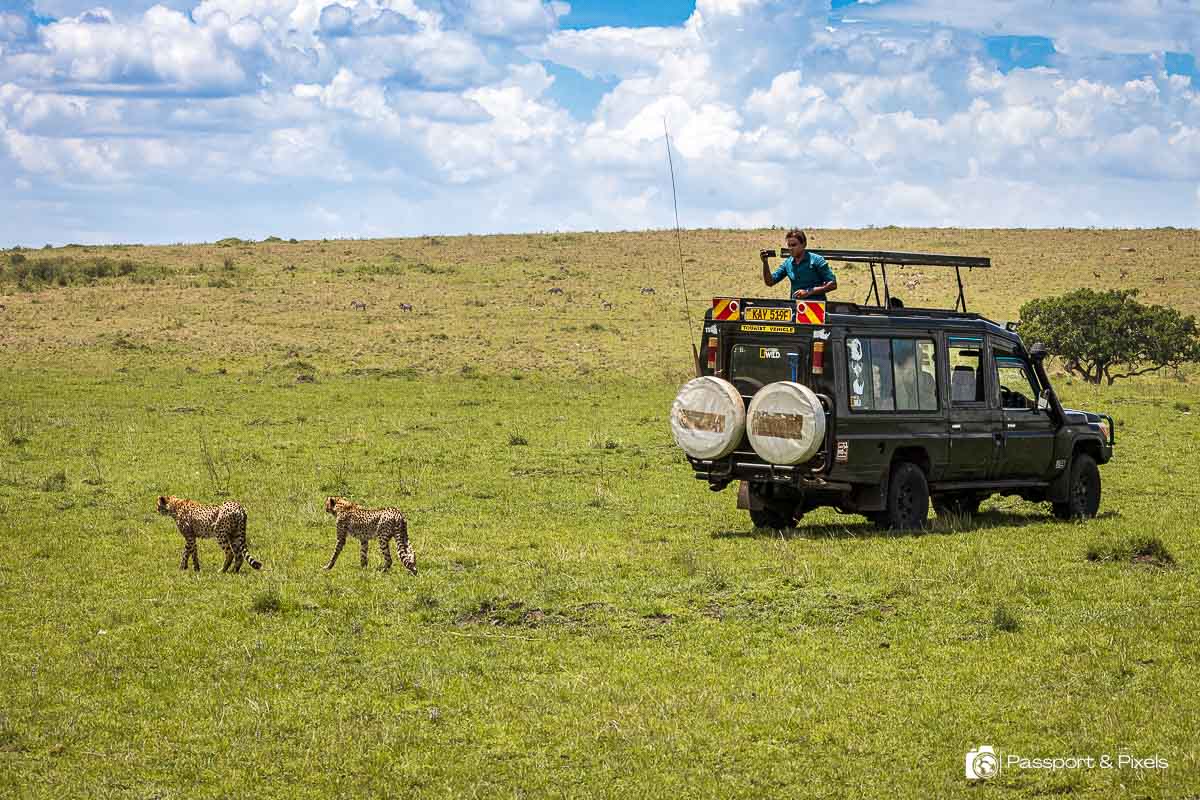
Driving within regions gives you the opportunity to connect with the landscape in a meaningful way. You experience the gradual transitions between environments, interact with local communities, and enjoy scenic routes that are often just as memorable as the parks themselves. In countries like Uganda, driving between destinations such as Kibale National Park, Queen Elizabeth National Park, and Bwindi Impenetrable National Park creates a rich, immersive experience.
Flying, on the other hand, becomes essential when covering long distances or connecting different countries. Instead of spending an entire day on the road, you can take a short flight and arrive quickly at your next destination. For example, a typical Driving vs Flying on Safari combination might involve driving within Uganda and then flying to Tanzania for a Serengeti safari or continuing to Zanzibar for a beach extension.
This balanced approach enhances your safari in several ways. It reduces travel fatigue, maximizes your time in each destination, and ensures you don’t miss out on the scenic and cultural elements that make Africa unique. The result is a journey that feels both adventurous and seamless.
Ultimately, combining both options is often the most effective way to optimize Driving vs Flying on Safari, giving you the best of both worlds.
Cost Comparison: Driving vs Flying on Safari
Cost plays a central role in deciding between Driving vs Flying on Safari, and understanding how each option impacts your budget helps you plan more effectively.
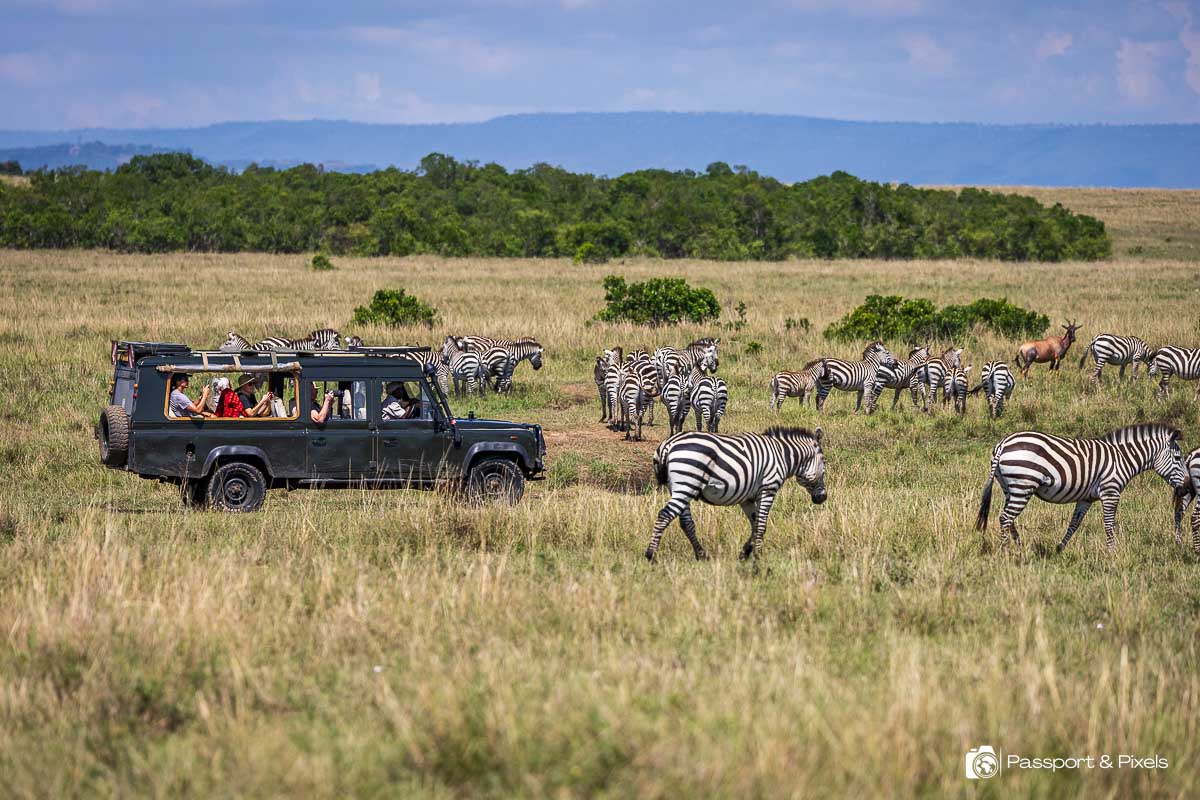
Driving safaris are generally more affordable because they rely on ground transport rather than internal flights. This makes them ideal for budget and midrange travelers who want to explore multiple destinations without significantly increasing costs. Expenses are mainly tied to vehicle usage, fuel, guide services, and accommodation.
Flying safaris, however, introduce additional costs. Internal flights typically range from $200 to $500 or more per segment, depending on the route and season. When multiple flights are included in an itinerary, the total cost of a Driving vs Flying on Safari can increase substantially.
Luxury fly-in safaris represent the higher end of the spectrum. These itineraries often include charter or scheduled light aircraft flights, exclusive lodges, and personalized services. While the cost is higher, the experience is significantly elevated in terms of comfort, privacy, and efficiency.
That said, cost should not be evaluated in isolation. When considering Driving vs Flying on Safari, it’s important to factor in the value of time saved. Spending less time in transit means more time enjoying game drives, trekking, or relaxing at your lodge. For many travelers, this added value justifies the higher cost of flying.
In the end, the best choice depends on your priorities. A well-balanced Driving vs Flying on Safari often allocates budget strategically—saving on shorter road transfers while investing in flights for longer connections.
Final Verdict: Driving vs Flying on Safari
There is no single right answer to Driving vs Flying on Safari because every traveler’s needs and preferences are different. The decision ultimately comes down to what you value most in your safari experience.
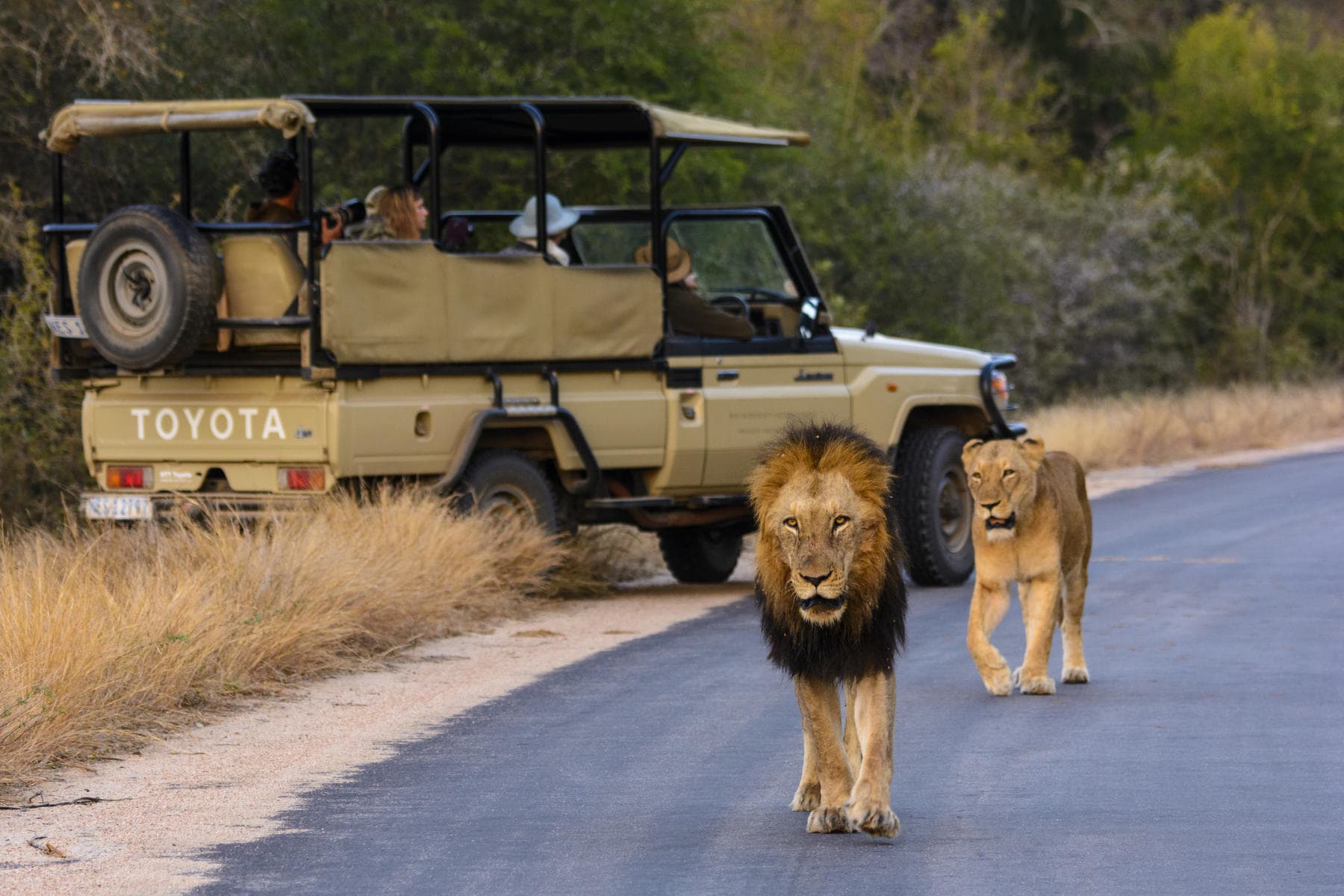
If you are drawn to adventure, scenic journeys, and cultural immersion, driving offers a deeper and more connected experience. It allows you to see Africa beyond the wildlife parks and appreciate the landscapes and communities that define the region.
If your priority is time, comfort, and convenience, flying becomes the better choice. It allows you to move efficiently between destinations, reduce travel fatigue, and focus more on the highlights of your safari.
For most travelers, the ideal solution lies in balance. Combining both options creates a journey that is immersive without being exhausting, efficient without losing depth. This is why many of the best itineraries are designed around a mix of Driving vs Flying on Safari.
The final verdict is simple: the best safari is not about choosing one option over the other, but about using each in the right way at the right time.
Plan Your Driving vs Flying on Safari Experience with Experts
Designing the perfect balance in Driving vs Flying on Safari requires careful planning, local knowledge, and experience. At Pieland Gorilla Safaris, we specialize in creating tailored itineraries that maximize both comfort and experience.
We help you determine where driving adds value and where flying saves time. From arranging comfortable 4×4 safari vehicles for road journeys to booking reliable internal flights across Uganda, Kenya, Tanzania, and Rwanda, every detail is handled with precision.
Our team ensures your itinerary flows seamlessly, with well-timed transfers, carefully selected lodges, and expert guides who enhance every stage of your journey. Whether you are planning a budget adventure, a midrange safari, or a luxury fly-in experience, we design your Driving vs Flying on Safari to match your expectations perfectly.
With expert support, your safari becomes effortless. The right balance of Driving vs Flying on Safari transforms your trip into a smooth, efficient, and unforgettable African adventure.