
Planning your first African safari can feel overwhelming—but with the right approach, it becomes one of the most exciting and rewarding travel experiences you will ever have.
This First-Time Safari Planning Guide is designed to simplify the process, helping you move from uncertainty to confidence. From choosing destinations to understanding costs and timing, every step matters in creating a smooth and unforgettable journey.
Why You Need a First-Time Safari Planning Guide
A safari is not a typical holiday. It is a carefully coordinated experience that combines wildlife viewing, remote travel, accommodation, and expert guidance into one seamless itinerary.
This is why a structured First-Time Safari Planning Guide is essential. Without proper planning, it is easy to overlook key details such as permit availability, travel distances, or the best time to visit.
Understanding how safaris work allows you to make informed decisions from the beginning. It helps you choose destinations that match your interests, plan realistic travel schedules, and avoid common mistakes that can affect your experience.
A well-prepared traveler enjoys more than just the destination—they enjoy the entire journey. With the right guidance, your first safari becomes smooth, organized, and stress-free, allowing you to fully immerse yourself in the experience.
Choosing the Right Safari Destination
Selecting the right destination is one of the most important steps in this First-Time Safari Planning Guide, as it defines the type of experience you will have.
East Africa is widely regarded as one of the best safari regions in the world due to its diversity of wildlife, landscapes, and experiences.
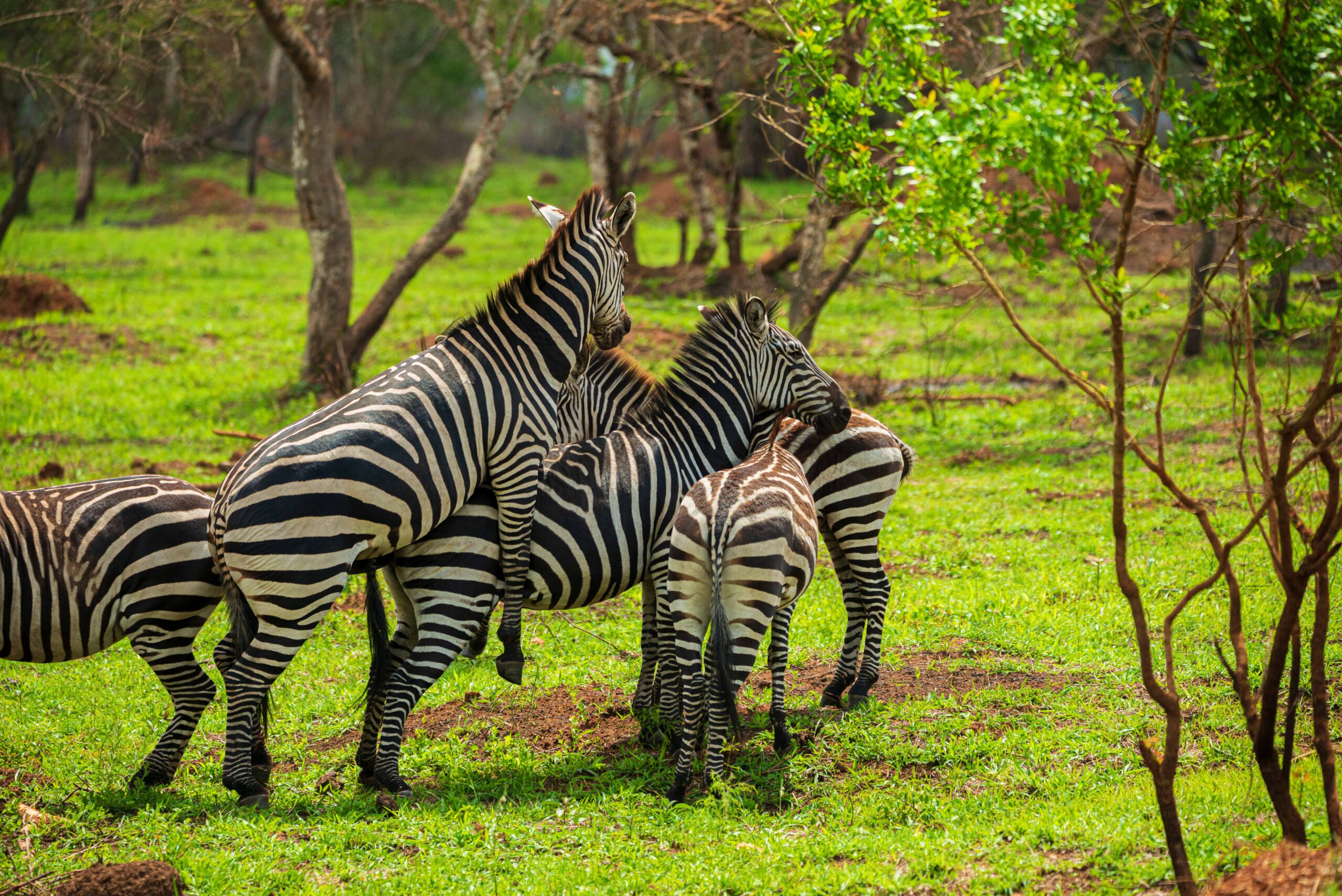
In Serengeti National Park, vast plains stretch endlessly, creating the perfect setting for the Great Migration. This is one of the most iconic wildlife events on the planet, where millions of wildebeest and zebras move in search of fresh grazing.
Maasai Mara National Reserve offers exceptional Big Five sightings, often within a short time frame. Its open landscapes make wildlife viewing easier, especially for first-time travelers who want guaranteed encounters.
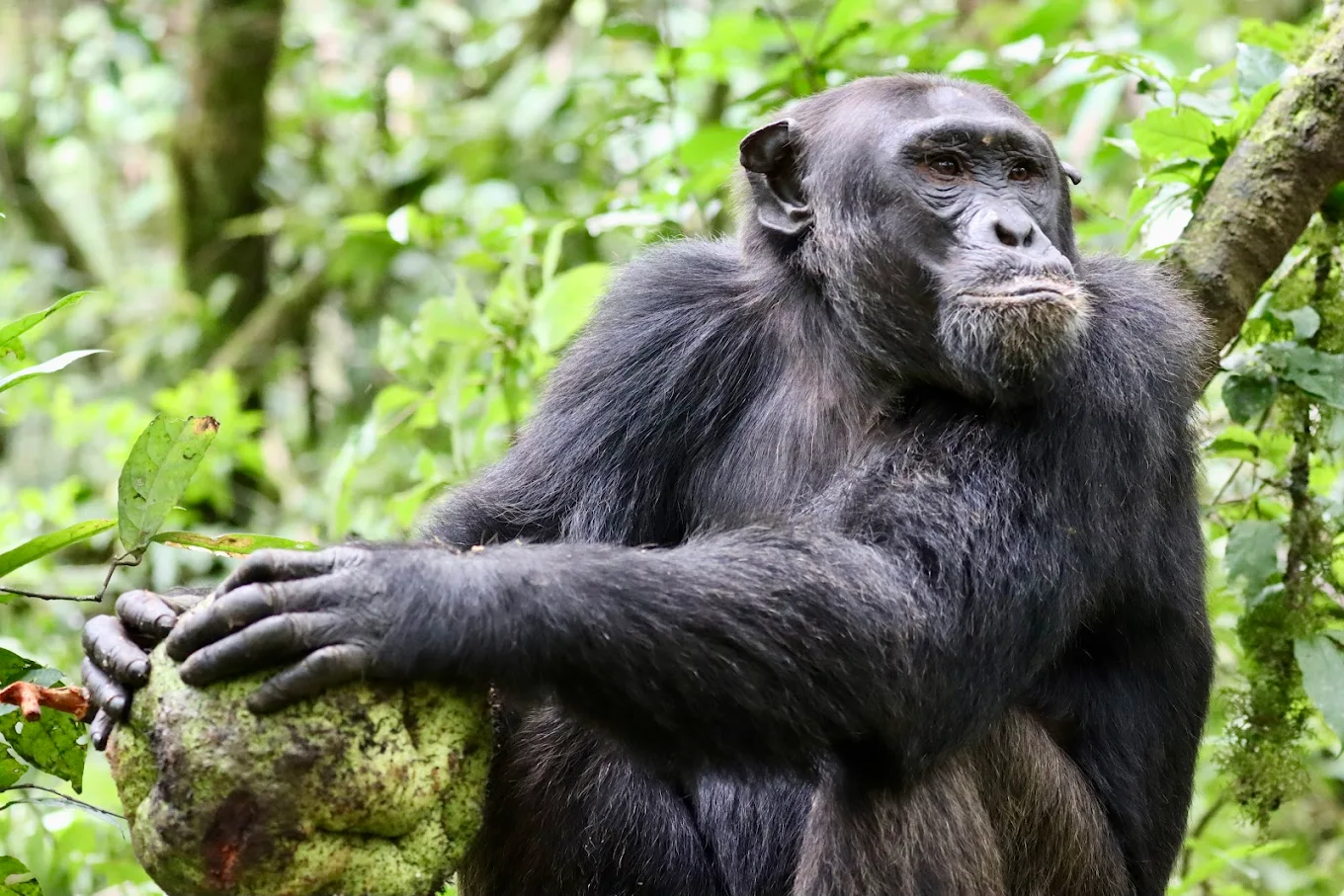
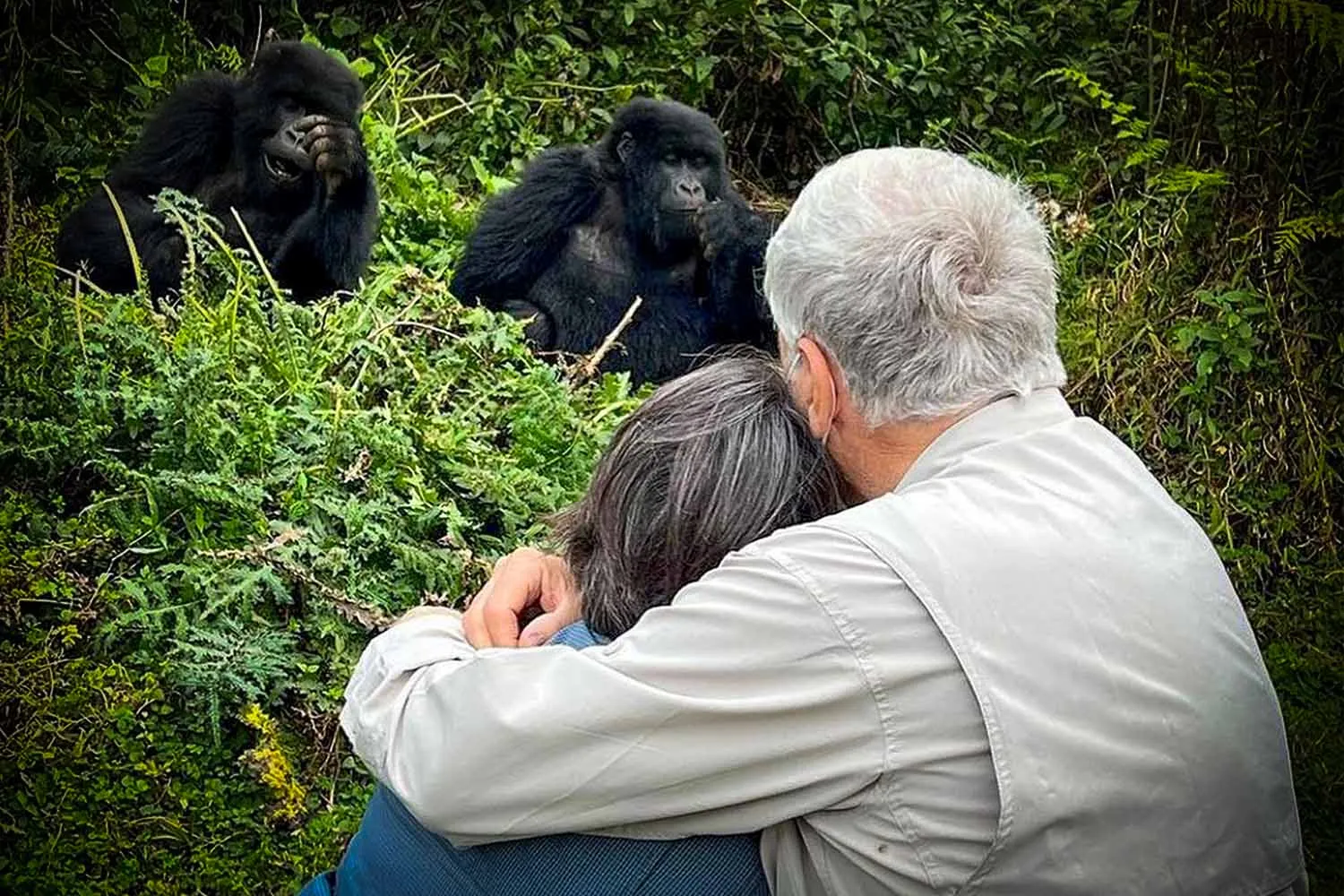
For those seeking a more intimate and unique experience, Bwindi Impenetrable National Park provides the opportunity to trek through dense forest and encounter mountain gorillas in their natural habitat. This is a once-in-a-lifetime experience that stands apart from traditional safaris.
Queen Elizabeth National Park offers a blend of savannah, wetlands, and forest ecosystems, making it ideal for travelers who want variety. From game drives to boat safaris, it delivers a well-rounded experience.
Choosing the right destination depends on what excites you most—whether it is large herds, rare primates, diverse landscapes, or a combination of all three.
Deciding the Best Time to Travel
Timing plays a critical role in shaping your safari experience, making it an essential part of this First-Time Safari Planning Guide.

The dry season, typically from June to September and December to February, is considered the best time for wildlife viewing. During these months, vegetation is thinner, and animals gather around water sources, making them easier to spot.
However, this period also attracts more visitors, which means higher prices and increased demand for lodges and permits.
The green or wet season, usually from March to May and October to November, offers a completely different experience. Landscapes become lush and vibrant, creating stunning scenery for photography. There are fewer crowds, and prices are often lower, making it a great option for budget-conscious travelers.
Wildlife is still present year-round, but sightings may require more patience during the wet season due to thicker vegetation.
Understanding seasonal differences helps you align your travel dates with your expectations. Whether you prioritize wildlife density, scenery, or affordability, timing is a key factor in planning your safari.
Setting Your Safari Budget
Budget planning is a central part of this First-Time Safari Planning Guide, as it determines the level of comfort, flexibility, and exclusivity you will experience.
Safaris are generally categorized into three main levels, each offering a different type of experience.
Budget safaris are designed for affordability. They often involve shared vehicles and simpler accommodations, but still provide access to national parks and guided wildlife experiences. This option is ideal for travelers who want to experience a safari without a high cost.
Midrange safaris offer a balance between comfort and value. Accommodation is more comfortable, often in well-appointed lodges, and itineraries may include private transport or smaller group sizes. This is the most popular choice for many travelers.
Luxury safaris focus on exclusivity and premium service. Guests stay in high-end lodges with exceptional amenities, personalized service, and unique experiences such as private game drives or fly-in transfers.
Your budget influences every aspect of your safari—from where you stay to how you travel between destinations. However, it is important to note that a memorable safari is not defined by cost alone. With careful planning, excellent experiences are possible at every budget level.
Choosing the Right Type of Safari
Another key step in this First-Time Safari Planning Guide is deciding on the type of safari that best suits your travel style.
Private safaris offer the highest level of flexibility. You have a dedicated vehicle and guide, allowing you to customize your itinerary, travel at your own pace, and focus on your specific interests. This option is ideal for couples, families, or travelers seeking a personalized experience.
Group safaris are more budget-friendly, as costs are shared among participants. While they follow fixed itineraries, they still provide access to professional guides and quality wildlife experiences. This option is suitable for solo travelers or those looking to reduce costs.
Fly-in safaris are designed for convenience and efficiency. By using domestic flights, you can quickly move between distant destinations, maximizing your time for wildlife viewing rather than travel.

Road safaris offer a more immersive journey. Traveling by vehicle allows you to experience changing landscapes, local communities, and scenic routes along the way. While they take longer, they add depth to the overall experience.
Each safari type offers a unique balance of cost, comfort, and experience. Choosing the right one ensures that your trip aligns with your expectations and travel preferences.
Understanding Safari Itineraries
A well-designed itinerary is the backbone of a successful safari, making it one of the most important elements in this First-Time Safari Planning Guide. Unlike typical holidays, safaris require careful coordination of distances, park access, and daily activities to ensure a smooth and enjoyable experience.
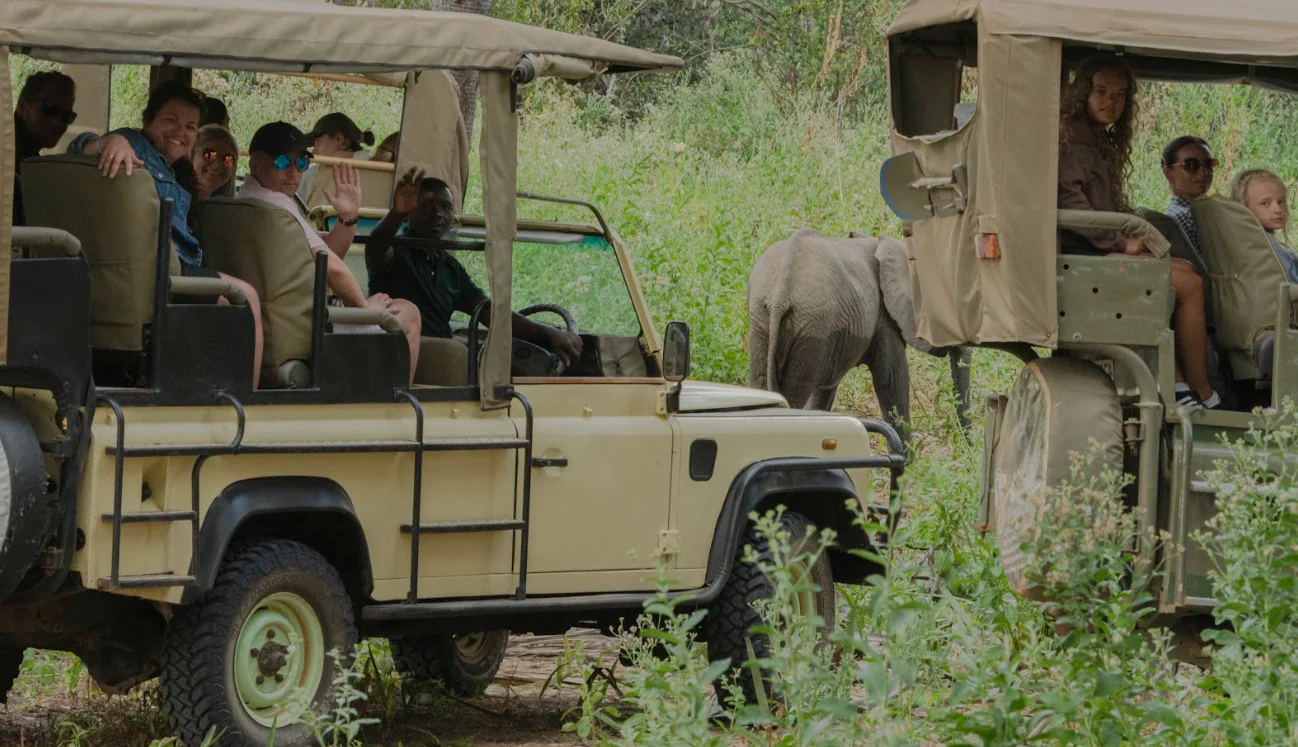
Your safari usually begins with arrival and transfer. Depending on your destination, this may involve a road journey or a short domestic flight to your first lodge. These transfers are not just logistical—they often introduce you to the landscapes and culture of the region, setting the tone for your journey.
Game drives are the highlight of every safari and are typically scheduled twice a day—early in the morning and late in the afternoon. These are the times when wildlife is most active, giving you the best chances of seeing animals in their natural environment. In parks like Serengeti National Park or Queen Elizabeth National Park, these drives are carefully planned by experienced guides to maximize sightings.
In addition to game drives, many itineraries include optional activities that enrich your experience. Boat safaris offer a unique perspective of wildlife along rivers and lakes, allowing you to see animals gathering at water sources. Cultural visits provide insight into local communities, traditions, and ways of life, adding depth to your journey beyond wildlife viewing.
Relaxation time is equally important. Safaris are designed to balance activity with rest, giving you time to enjoy your surroundings, unwind at the lodge, and take in the scenery. Whether it is sitting by the pool, enjoying panoramic views, or simply listening to the sounds of nature, these moments enhance the overall experience.
Balancing travel time and activities is key. A well-planned itinerary avoids long, exhausting journeys and ensures that each day feels rewarding rather than rushed. This is why careful itinerary design is a central part of any First-Time Safari Planning Guide—it ensures that every moment of your safari is enjoyable and well-paced.
Accommodation: What to Expect
Accommodation plays a major role in shaping your safari experience, influencing both comfort and overall enjoyment. In this First-Time Safari Planning Guide, understanding the different types of lodges helps you choose what best suits your travel style and budget.
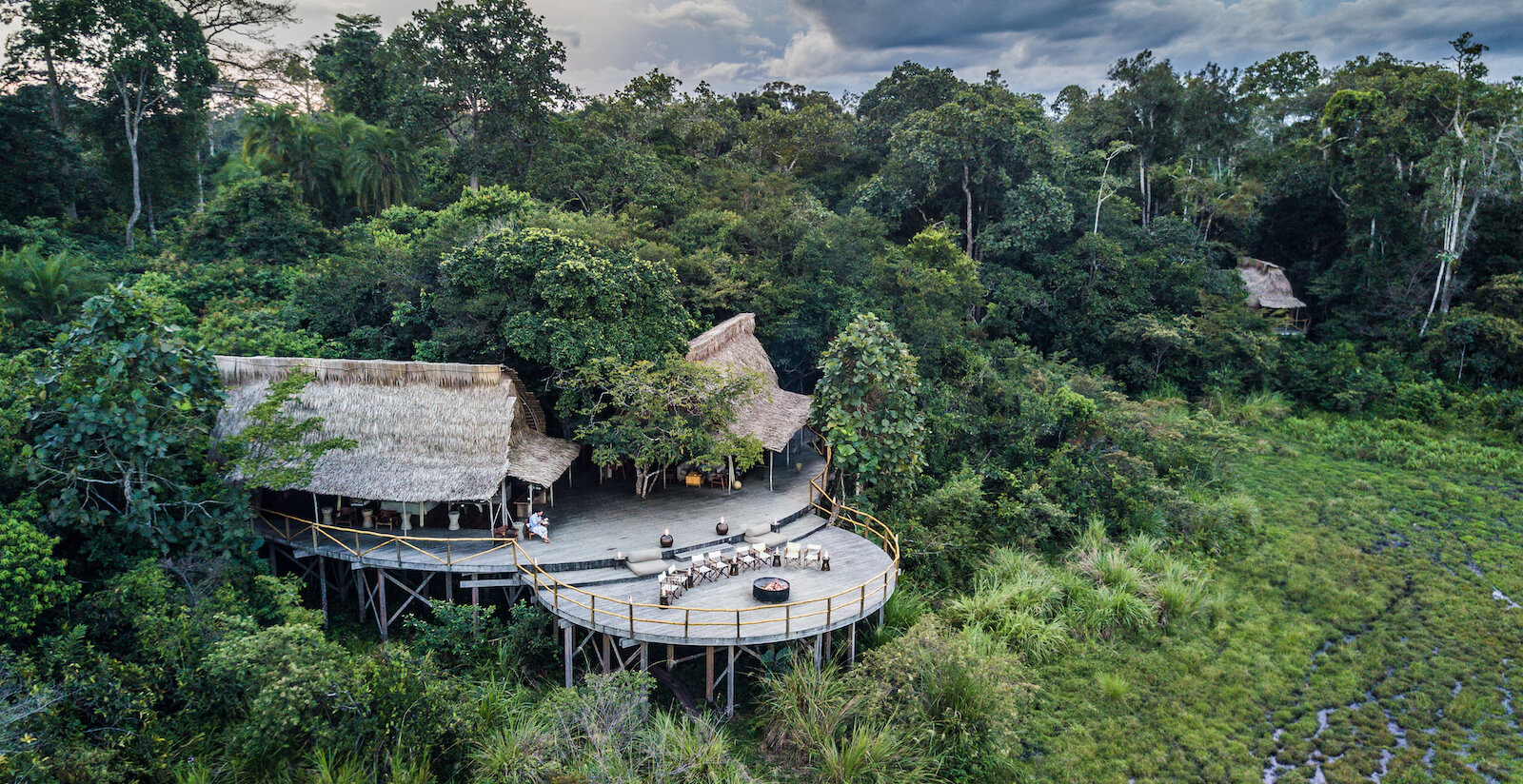
Safari accommodations generally fall into three main categories, each offering a distinct experience.
Budget camps provide a simple and affordable option. These accommodations focus on essential comfort while keeping costs low. They are ideal for travelers who prioritize wildlife experiences over luxury amenities, offering a close connection to nature.
Midrange lodges are the most popular choice for first-time travelers. They provide a comfortable stay with well-equipped rooms, good service, and often scenic locations. These lodges strike a balance between affordability and quality, making them suitable for a wide range of travelers.
Luxury safari lodges offer a premium experience with exceptional comfort and personalized service. Spacious suites, fine dining, private decks, and stunning views are common features. Many luxury lodges are located in exclusive areas, providing privacy and unique wildlife encounters.
Most safari accommodations operate on a full-board basis, meaning all meals are included. This simplifies your travel experience, as you do not need to worry about meal planning while moving between destinations.
In locations such as Maasai Mara National Reserve and Bwindi Impenetrable National Park, lodges are designed to blend with the natural environment while maintaining high standards of comfort and safety.
Understanding accommodation options allows you to align your expectations with your budget, making it a crucial part of this First-Time Safari Planning Guide.
Packing for Your First Safari
Packing correctly is essential for comfort and convenience throughout your journey. This First-Time Safari Planning Guide emphasizes practical and thoughtful packing to ensure you are prepared for all aspects of your safari.
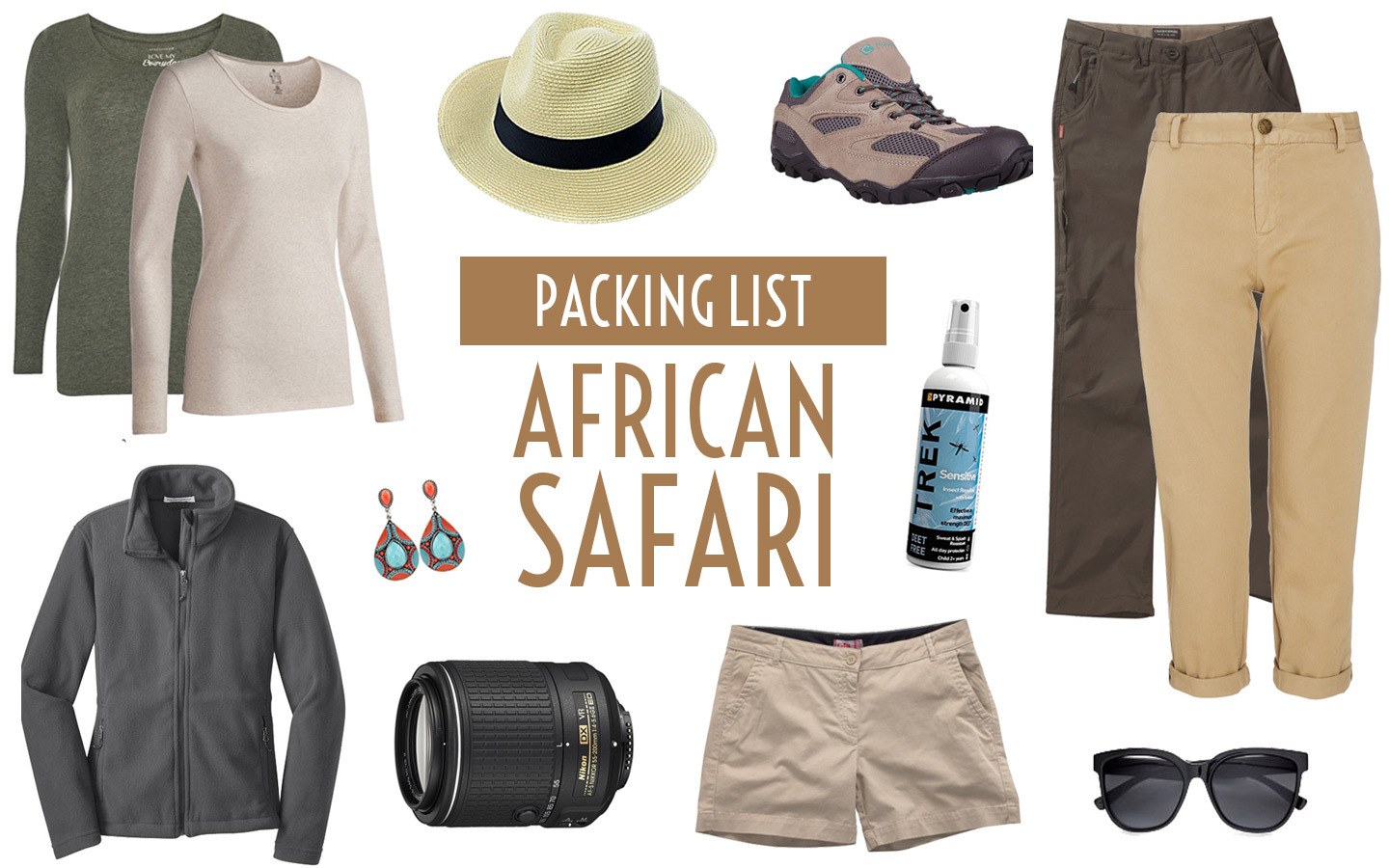
Clothing should be functional and suitable for varying conditions. Neutral-colored clothing—such as beige, khaki, or olive—is recommended because it blends with the environment and avoids attracting insects. Lightweight fabrics are ideal for daytime, while a light jacket or sweater is useful for early mornings and evenings when temperatures can be cooler.
Comfortable walking shoes are important, especially if your itinerary includes activities like nature walks or trekking. Proper footwear ensures you can move easily and safely in different terrains.
Sun protection is another key consideration. A hat and sunglasses help protect you from strong sunlight, particularly in open savannah areas. Sunscreen is also essential to prevent sunburn during long hours outdoors.
A camera is a must-have for capturing unforgettable wildlife moments, while binoculars enhance your viewing experience by allowing you to observe animals more closely from a distance.
Other useful items include insect repellent, a reusable water bottle, and a small daypack for carrying essentials during excursions. Keeping your luggage light and organized is especially important if your safari includes domestic flights with luggage restrictions.
Packing smart ensures that you remain comfortable, prepared, and focused on enjoying your safari experience, making it an important step in this First-Time Safari Planning Guide.
Health and Safety Preparation
Health and safety preparation is a critical part of ensuring a smooth and worry-free safari. This First-Time Safari Planning Guide highlights the importance of preparing in advance so you can travel with confidence.
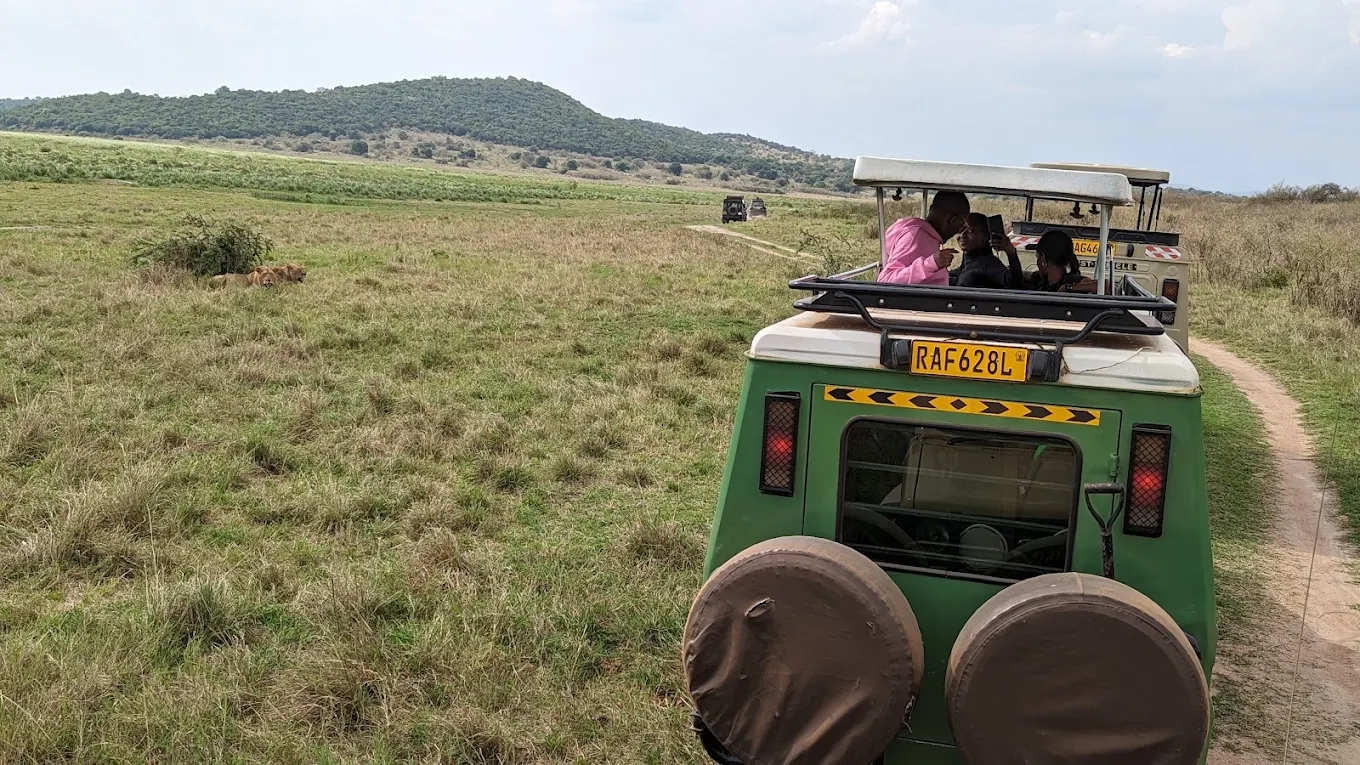
Before your trip, it is essential to check vaccination requirements for your destination. Some countries require proof of specific vaccinations, while others strongly recommend them for your protection. Consulting a travel clinic ensures that you meet all necessary health guidelines.
Malaria prevention is another important consideration in many safari regions. Taking prescribed anti-malarial medication, using insect repellent, and wearing protective clothing during the evening can significantly reduce risk.
Travel insurance is highly recommended, particularly for safaris that take place in remote areas. A comprehensive policy should cover medical emergencies, evacuation, and trip interruptions, providing peace of mind throughout your journey.
Carrying personal medications and a basic first-aid kit is also advisable. This ensures that you are prepared for minor health concerns without relying on external facilities.
Safaris are generally very safe when properly planned and managed. With the right preparation, health risks are minimal, allowing you to focus fully on enjoying your experience.
Booking Your Safari
Booking is one of the most important steps in this First-Time Safari Planning Guide, and doing it correctly can make the difference between a smooth, well-organized trip and a stressful experience with limited options.
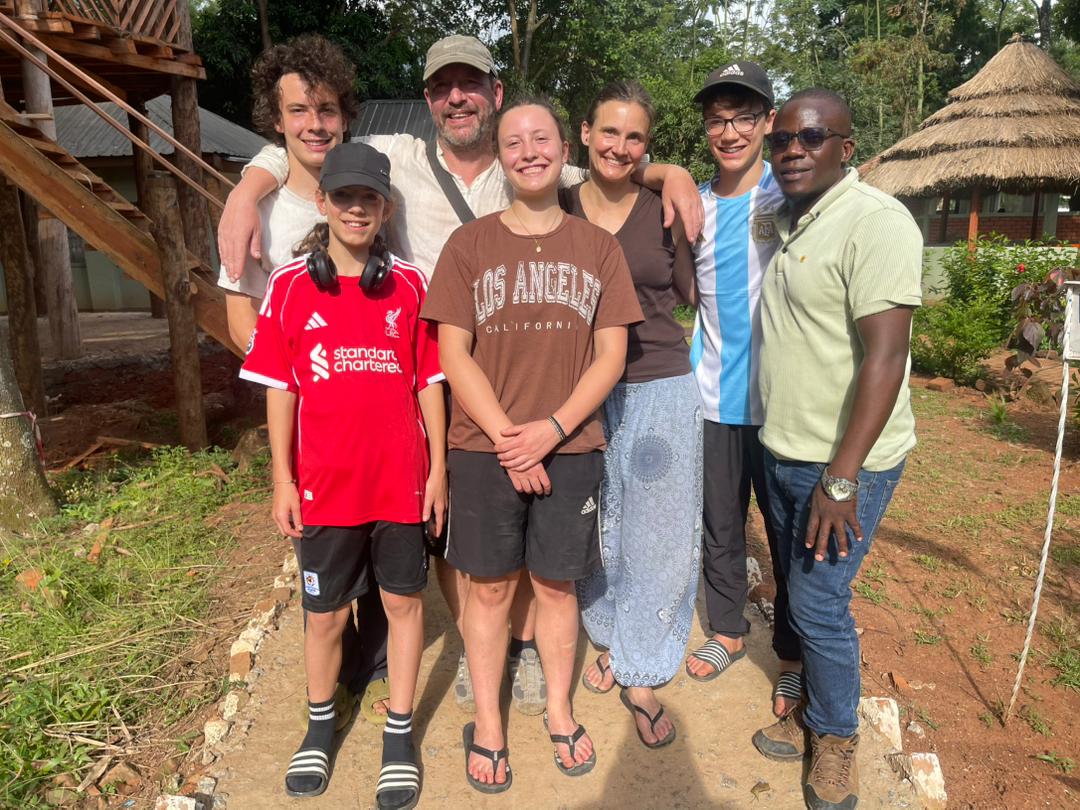
Safari travel involves multiple components that must be secured in advance—accommodation, permits, transport, and guides. Because many of these elements have limited availability, early booking is highly recommended.
Ideally, you should begin booking your safari 3 to 6 months in advance. This is especially important if you plan to travel during peak seasons or include high-demand experiences such as gorilla trekking in Bwindi Impenetrable National Park. Gorilla permits are limited and often sell out months ahead, making early confirmation essential.
Working with a trusted safari operator is equally important. An experienced operator handles all logistics, from securing permits and booking lodges to organizing transport and guides. They also provide expert advice tailored to your preferences, ensuring your itinerary is realistic, well-paced, and aligned with your expectations.
Early planning gives you access to better accommodation choices, preferred travel dates, and a wider range of itinerary options. It also allows time to prepare travel documents, vaccinations, and flights without pressure.
In this First-Time Safari Planning Guide, booking early is not just a recommendation—it is a key strategy for creating a seamless and rewarding safari experience.
Common Mistakes First-Time Travelers Should Avoid
Even with the best intentions, first-time travelers can make simple mistakes that affect their safari experience. This First-Time Safari Planning Guide highlights these common pitfalls so you can avoid them and plan more effectively.
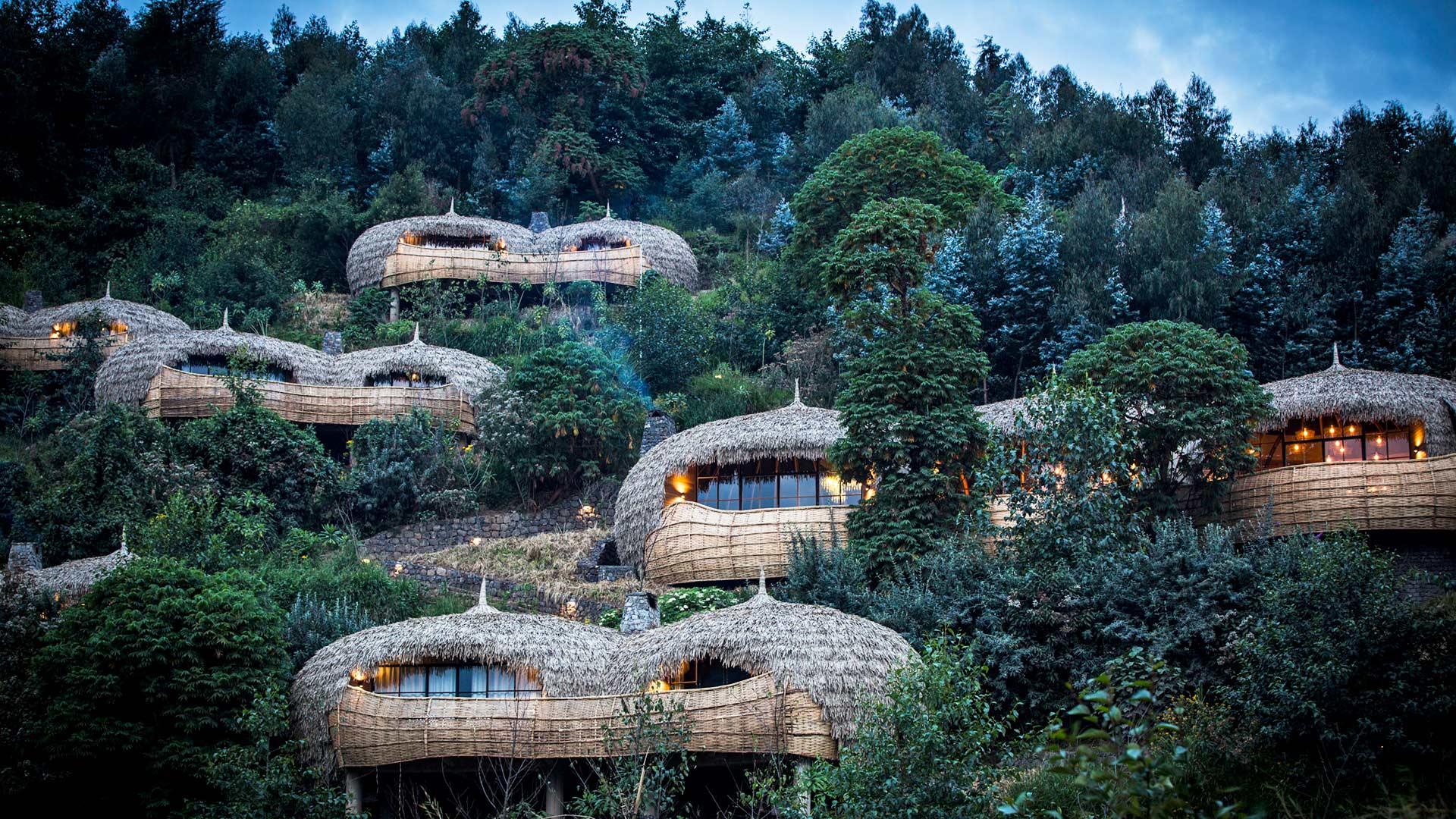
One of the most frequent mistakes is booking too late. Waiting until the last minute often results in limited availability, higher prices, and fewer options for lodges and permits. Early planning ensures you have access to the best choices.
Underestimating travel distances is another common issue. Safari destinations may appear close on a map, but road conditions and terrain can make travel times longer than expected. A well-planned itinerary accounts for this, ensuring you do not spend too much time in transit.
Choosing the wrong season can also impact your experience. Each season offers different conditions for wildlife viewing, scenery, and pricing. Understanding these differences helps you align your expectations with reality.
Ignoring expert advice is another mistake that can lead to poor planning decisions. Safari specialists have in-depth knowledge of destinations, logistics, and timing. Their guidance helps you avoid unnecessary challenges and maximize your experience.
By being aware of these common mistakes, you can plan more confidently and ensure your safari runs smoothly from start to finish.
What Makes a Safari Truly Unforgettable
A safari is more than just a trip—it is a collection of moments that stay with you for a lifetime. This First-Time Safari Planning Guide emphasizes that what makes a safari truly unforgettable goes beyond simply seeing animals.
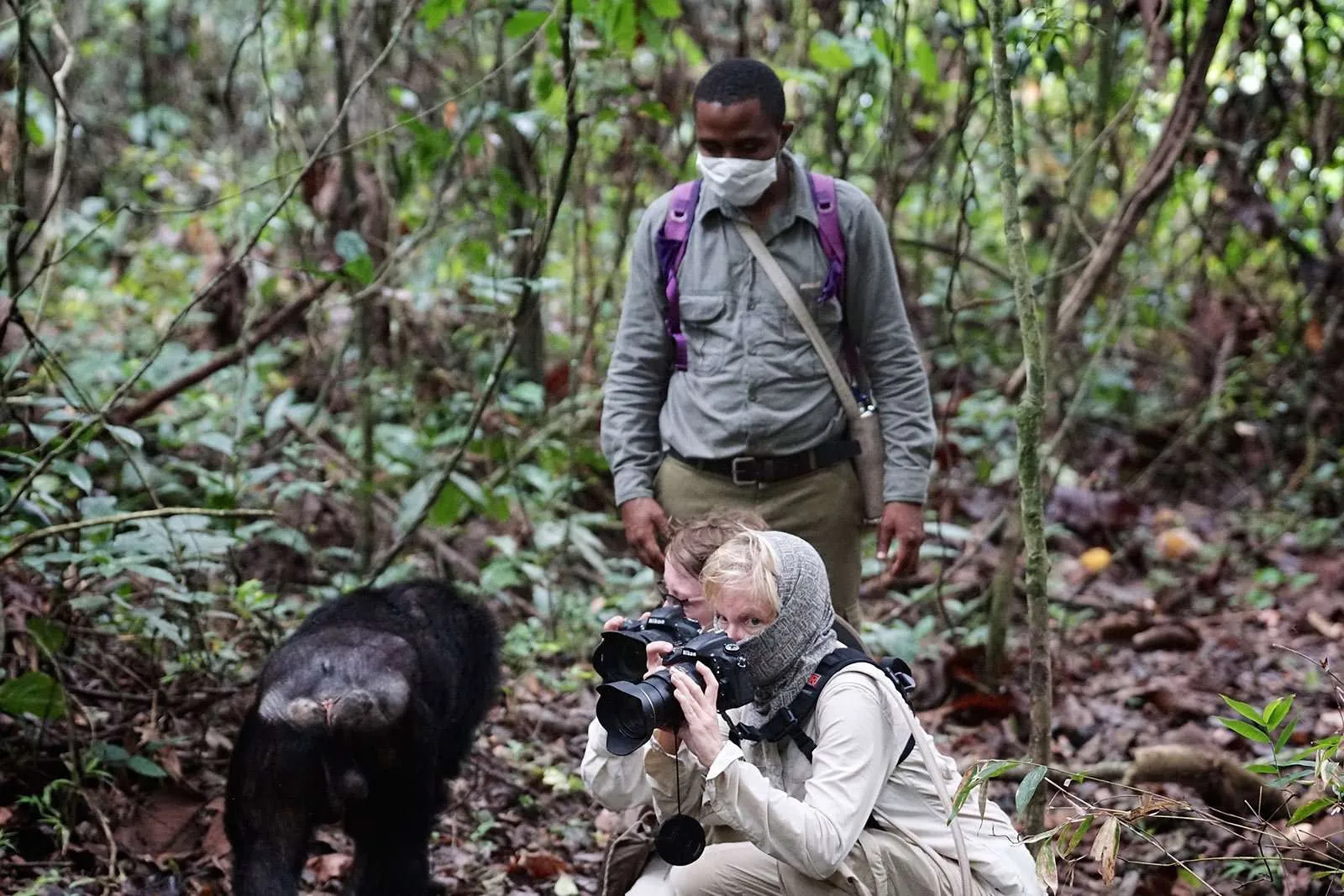
Expert guides play a central role in shaping your experience. Their knowledge of wildlife behavior, ecosystems, and local culture transforms each game drive into a meaningful and educational journey. They know where to go, when to go, and how to interpret what you see.
A well-planned itinerary ensures that every day feels balanced and rewarding. It allows you to experience a variety of activities without feeling rushed, while also giving you time to relax and absorb your surroundings.
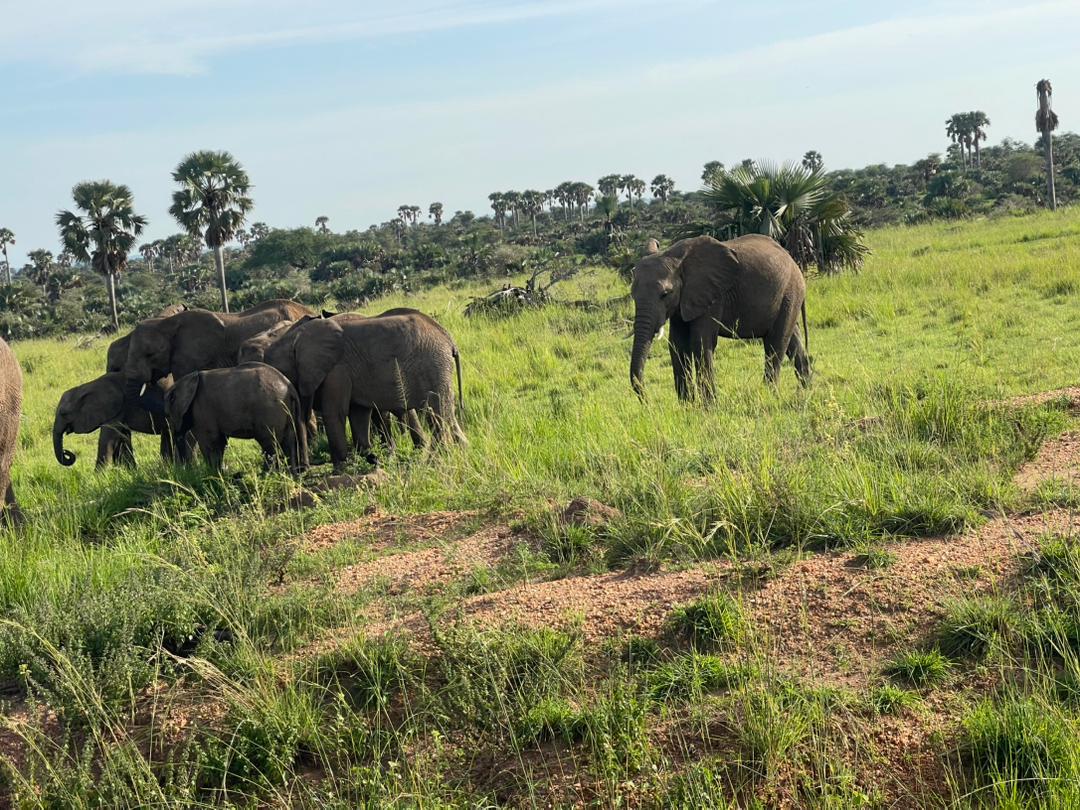
Unique wildlife encounters are, of course, the highlight of any safari. Whether it is watching elephants gather at a waterhole or witnessing predators in action, these moments create powerful memories that cannot be replicated elsewhere.
Seamless logistics tie everything together. Smooth transfers, comfortable accommodation, and well-coordinated activities allow you to focus entirely on the experience rather than worrying about details.
In destinations like Serengeti National Park or Maasai Mara National Reserve, these elements combine to create a safari that is not only enjoyable but truly extraordinary.
Plan Your First Safari with Confidence
At Pieland Gorilla Safaris, we specialize in helping first-time travelers turn their safari dreams into reality.
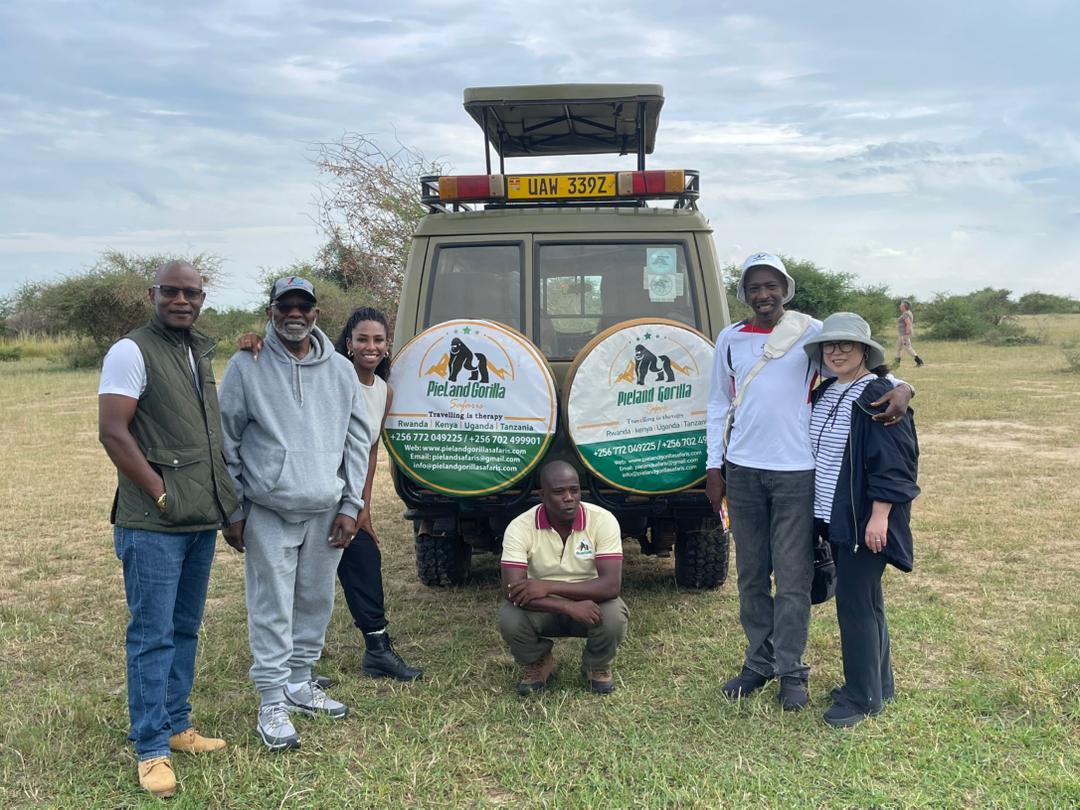
From selecting the perfect destination to managing every logistical detail, we ensure your journey is seamless and tailored to your needs. Our team provides expert advice, reliable support, and personalized itineraries designed to match your interests and budget.
We understand that your first safari is a once-in-a-lifetime experience, and we are committed to making it exceptional from start to finish.
With expert planning, trusted guidance, and attention to detail, your safari becomes more than just a trip—it becomes a lifetime experience you will never forget.