
Shocking Truth: Last-Minute Safari Deals – Are They Real or a Myth?
Planning an African safari is often associated with early booking, careful planning, and securing permits months in advance. Yet many travelers still wonder whether Last-Minute Safari Deals are a real opportunity or simply a marketing promise that rarely delivers.

The truth is more nuanced. Yes, Last-Minute Safari Deals do exist—but they are not always as flexible or discounted as travelers might expect. Understanding how they actually work behind the scenes helps you avoid disappointment and take advantage of genuine opportunities when they arise.
What Are Last-Minute Safari Deals?
To truly understand Last-Minute Safari Deals, it is important to define what “last-minute” means in the context of safari travel.
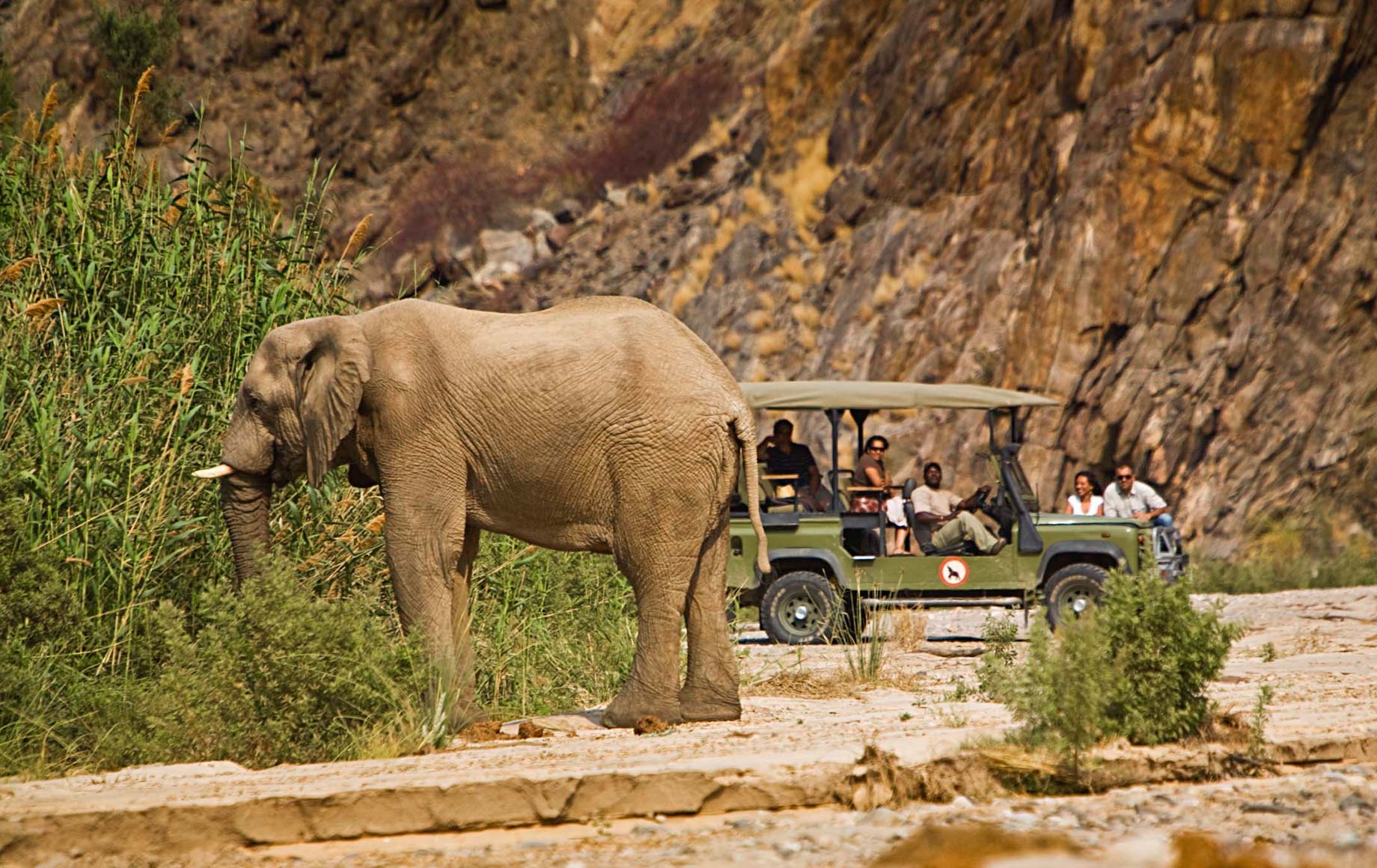
Unlike city breaks or beach holidays where last-minute can mean booking a few days before departure, safaris operate on a different timeline. Due to the complexity of logistics, availability of lodges, and limited permits, last-minute in this context typically refers to bookings made within two to six weeks before travel.
Safaris involve multiple moving parts—remote accommodations, transport coordination, park access, and sometimes special permits. Because of this, everything cannot be arranged instantly, and availability becomes the key factor.
Last-Minute Safari Deals usually arise when there is unsold inventory that needs to be filled quickly. This often includes lodge rooms that remain unbooked close to the travel date or cancellations that open up unexpected space. Safari operators may also adjust pricing to make these remaining spots more attractive to travelers who are ready to book quickly.
Flexibility is essential. Travelers who can adjust their travel dates, accept alternative lodges, or choose different routes are far more likely to benefit from Last-Minute Safari Deals. Without this flexibility, options can be very limited.
It is also important to understand that these deals are not always heavily discounted packages. In many cases, only certain components—such as accommodation—may be reduced, while other costs remain fixed.
Why Last-Minute Safari Deals Exist
The reason Last-Minute Safari Deals exist is directly tied to how safari operations are structured and managed.
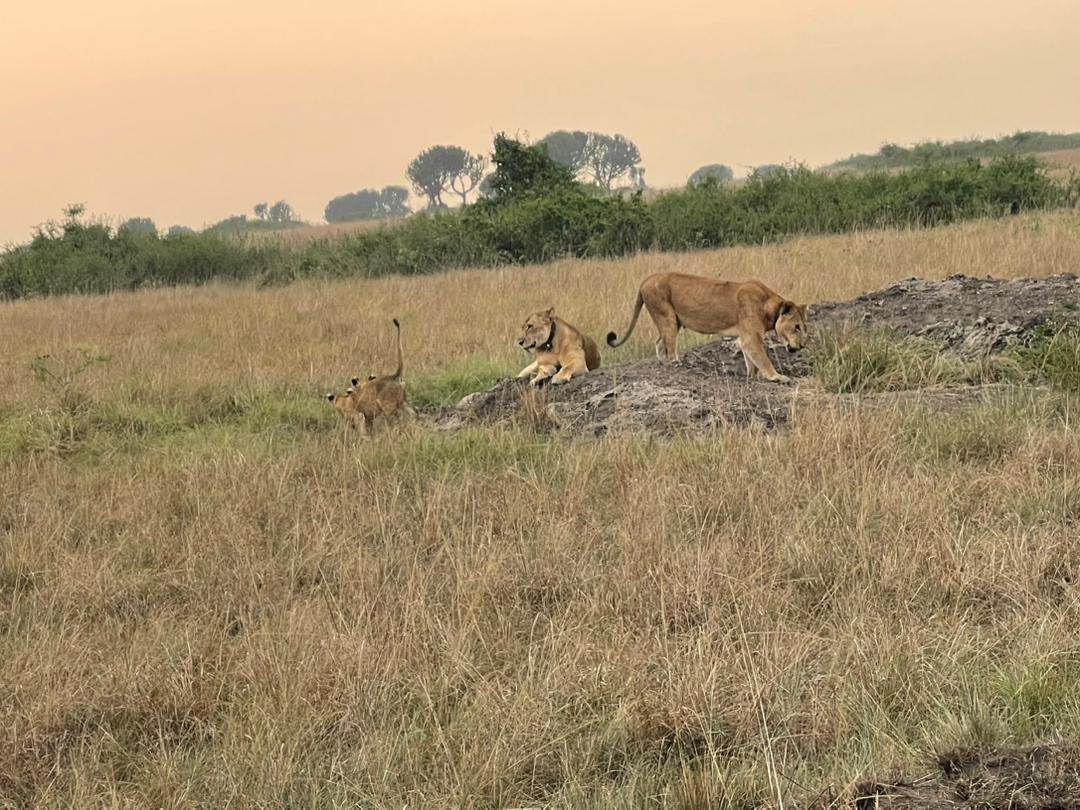
Safari lodges, especially those located in remote wilderness areas, operate with high fixed costs. Whether a lodge is fully booked or half empty, it still incurs expenses such as staffing, maintenance, energy supply, and logistics. Because of this, empty rooms represent lost revenue that cannot be recovered once the date passes.
To minimize these losses, lodges sometimes offer discounted rates close to the travel date. Safari operators may then pass these discounts on to travelers as part of Last-Minute Safari Deals, making it possible to fill remaining availability.
This situation can occur even in highly sought-after destinations like Serengeti National Park or Maasai Mara National Reserve. While these parks are usually in high demand, occasional cancellations, changes in travel patterns, or unexpected gaps in bookings can create short-term opportunities.
However, it is important to understand that these deals are not predictable. They depend entirely on availability, which changes constantly. This is why Last-Minute Safari Deals are considered opportunistic rather than guaranteed.
In some cases, operators may also create flexible packages using available inventory across different lodges or routes. This allows them to offer a complete safari experience even when specific properties are fully booked.
Ultimately, Last-Minute Safari Deals exist because safari operators aim to balance occupancy and operational efficiency. When conditions align, travelers can benefit—but only if they are ready to act quickly.
The Biggest Limitation: Permits
One of the most important factors affecting Last-Minute Safari Deals is the availability of permits, particularly for highly regulated activities such as gorilla trekking.
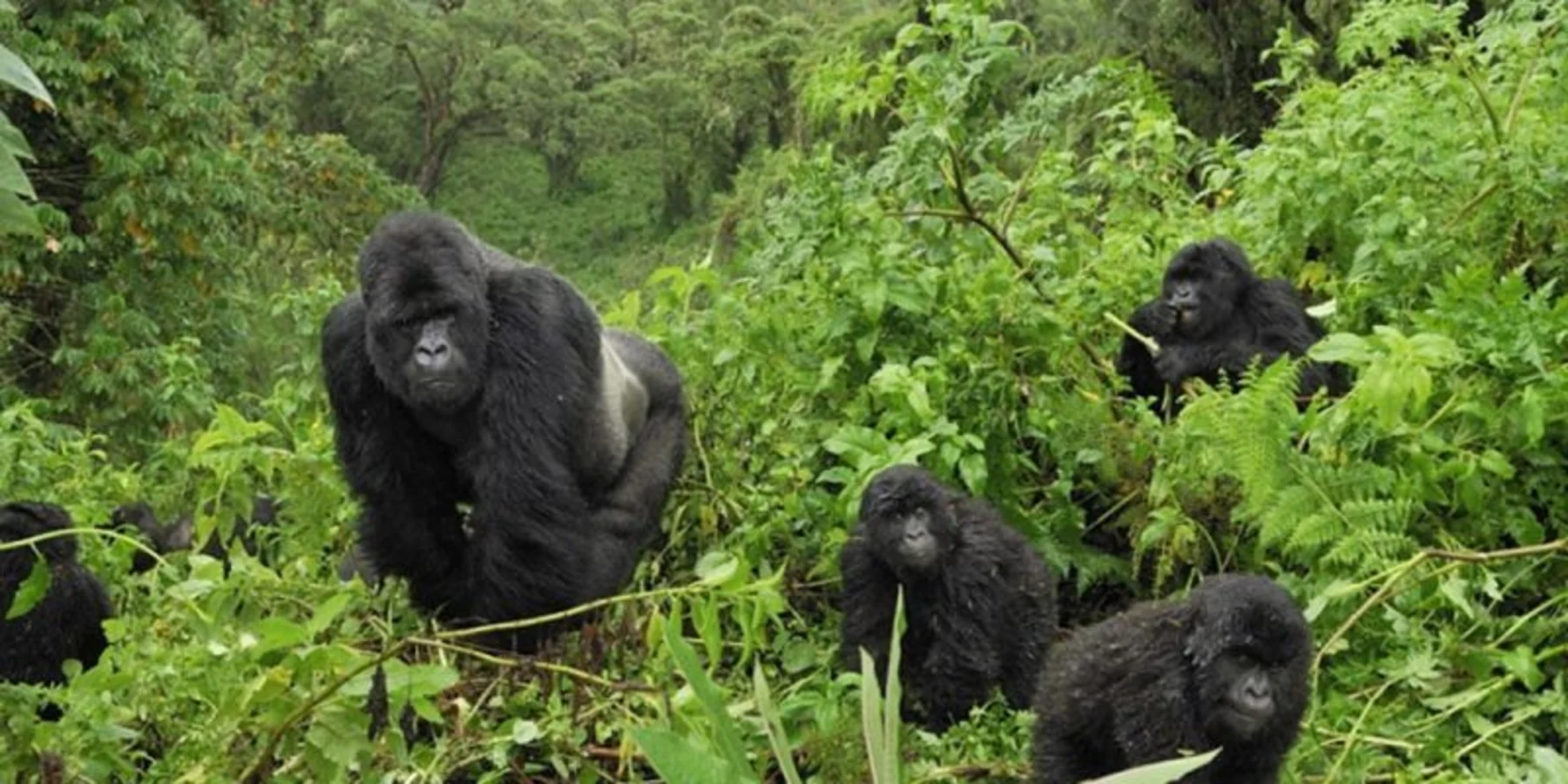
In destinations like Bwindi Impenetrable National Park, gorilla permits are issued in strictly limited numbers each day. These permits are controlled by authorities such as the Uganda Wildlife Authority to ensure sustainable tourism and protect endangered species.
Because of their limited availability, these permits are often booked months in advance—especially during peak travel seasons. Once they are sold out, no additional permits can be issued, regardless of demand.
This creates a major limitation for Last-Minute Safari Deals. Even if accommodation and transport are available at discounted rates, the absence of permits means that certain experiences cannot be included.
In rare cases, last-minute opportunities may arise if travelers cancel and permits become available again. However, these situations are unpredictable and cannot be relied upon when planning a trip.
This is why Last-Minute Safari Deals are generally more suitable for classic wildlife safaris that do not depend on permit-based activities. Parks that focus on game drives, such as those in savannah regions, offer greater flexibility and are more likely to have availability.
Understanding this limitation is crucial. It highlights that while Last-Minute Safari Deals can offer value, they are not always applicable to every type of safari experience—especially those involving highly sought-after permits.
When Last-Minute Safari Deals Are Worth It
There are specific situations where Last-Minute Safari Deals can offer genuine value, but success depends largely on flexibility and timing. Unlike traditional travel discounts, safari deals are not guaranteed—they appear when conditions allow, and the right traveler can benefit significantly.
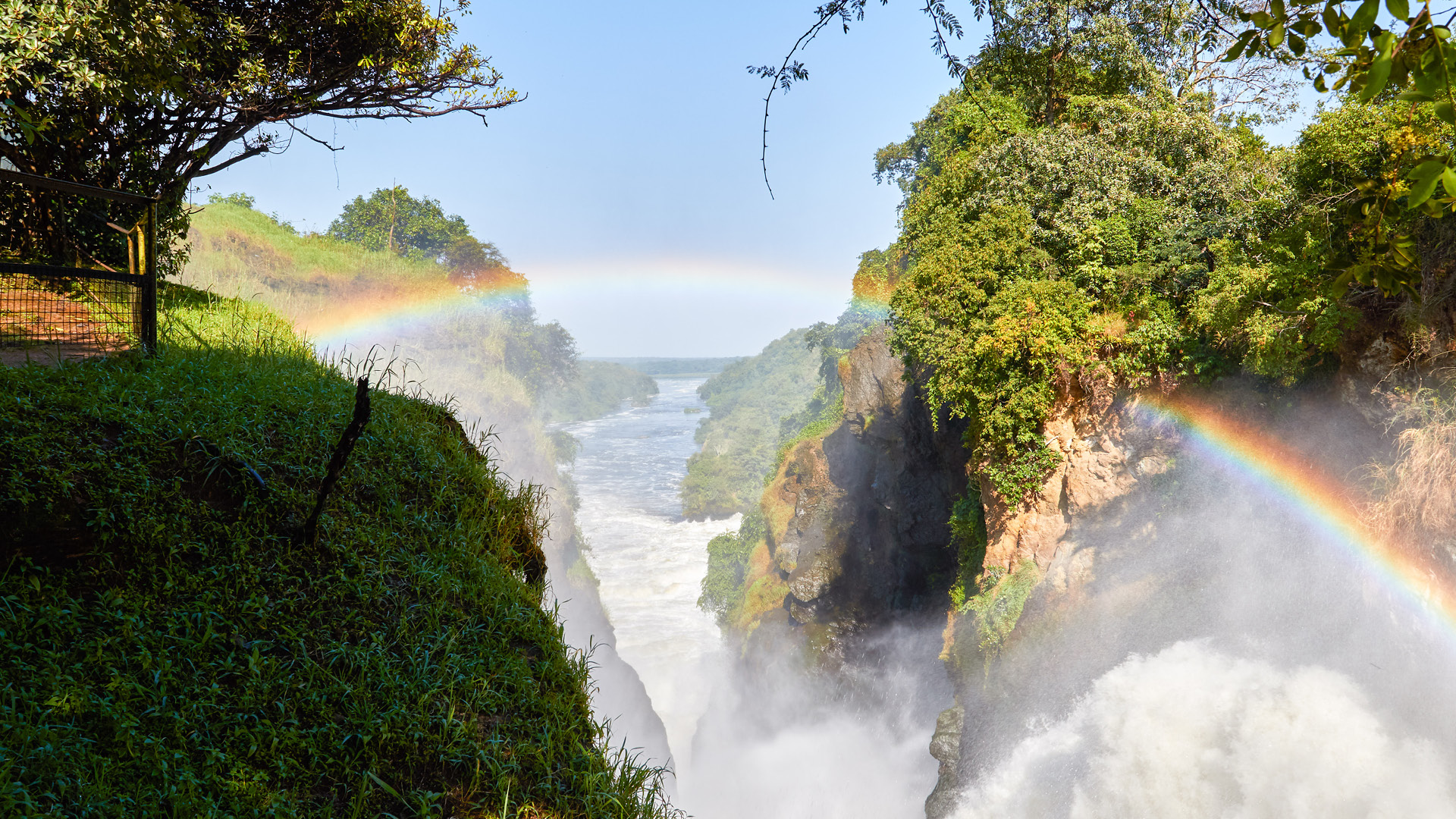
One of the best times to take advantage of Last-Minute Safari Deals is during the low or green season. During these periods, demand is lower, and lodges are more likely to have unsold inventory. To avoid empty rooms, they may reduce rates or offer added value such as extra nights or included activities.
Flexibility with travel dates is another key advantage. Travelers who are not restricted to specific schedules can respond quickly when opportunities arise. This flexibility allows safari operators to match available lodges and routes with minimal constraints, making it easier to build a discounted itinerary.
Being open to different destinations or accommodation options also increases your chances. Instead of focusing on a specific lodge or park, travelers who consider multiple locations are more likely to find availability. For example, wildlife destinations such as Queen Elizabeth National Park often provide more flexibility because they do not rely heavily on limited permits.
Last-Minute Safari Deals also work best for simpler safari experiences. Classic wildlife safaris that focus on game drives are easier to organize on short notice compared to permit-based trips. Without the need for pre-booked permits, operators can assemble itineraries more quickly.
Travelers who are ready to make quick decisions and adapt to available options are in the best position to benefit. In these cases, Last-Minute Safari Deals can deliver excellent value while still offering a high-quality experience.
When Last-Minute Safari Deals Are Not Ideal
While appealing, Last-Minute Safari Deals are not always the right choice for every traveler. In fact, for certain types of trips, relying on last-minute availability can lead to limitations rather than savings.
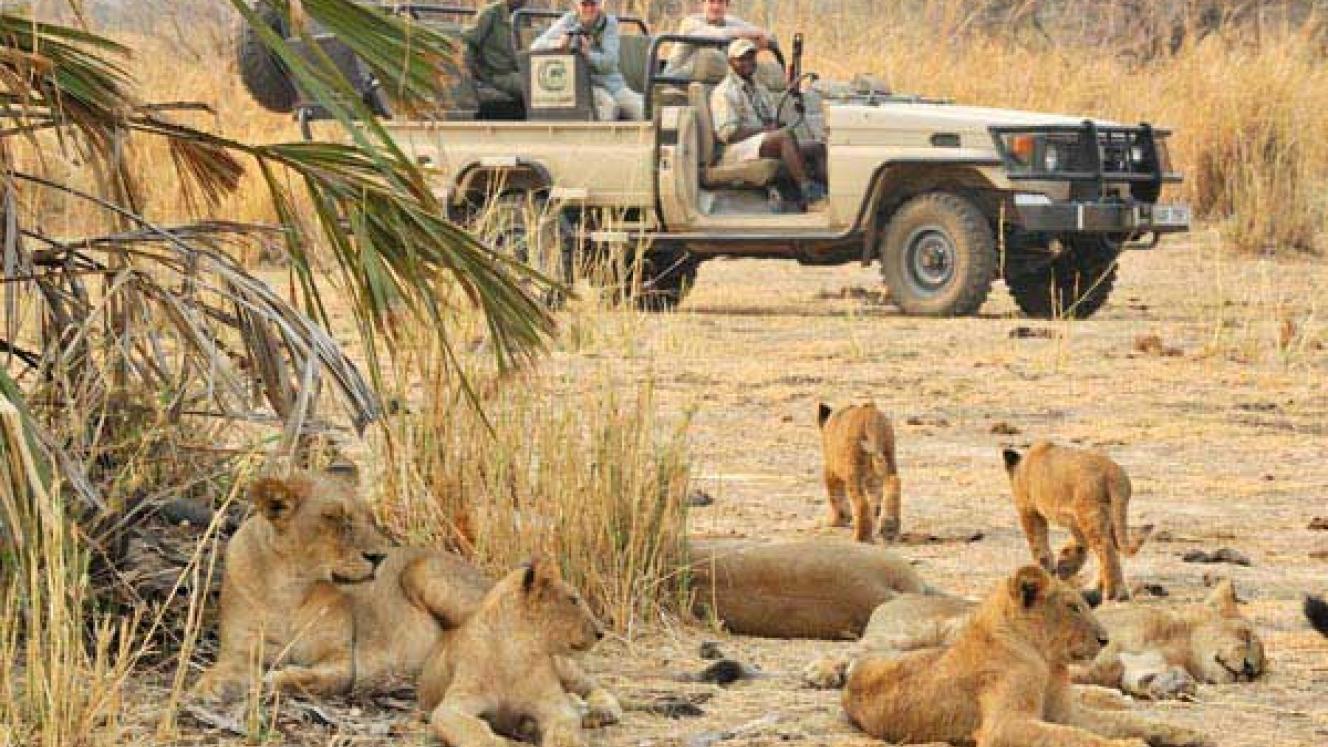
If your travel dates are fixed, last-minute deals become much harder to secure. Availability may not align with your schedule, especially during busy travel periods. This can reduce your options or force you to compromise on important aspects of your safari.
Travelers seeking high-end luxury lodges during peak seasons may also find that Last-Minute Safari Deals are rarely available. Premium properties in destinations like Serengeti National Park or Maasai Mara National Reserve are often booked well in advance, leaving little to no room for last-minute discounts.
Permit-based itineraries present another challenge. Safaris that include gorilla trekking or chimpanzee tracking require permits that are limited and pre-booked months ahead. Without these permits, the experience cannot be included, making last-minute planning unreliable for such trips.
Additionally, travelers who prefer fully customized itineraries may find last-minute options restrictive. Tailor-made safaris require time to plan, coordinate, and confirm, which is not always possible when booking close to the travel date.
In these situations, waiting for Last-Minute Safari Deals can actually reduce the quality of your experience or lead to higher costs due to limited availability.
Are Last-Minute Safari Deals Cheaper?
A common assumption is that Last-Minute Safari Deals always offer significant savings. While this can be true in certain cases, it is not a universal rule.
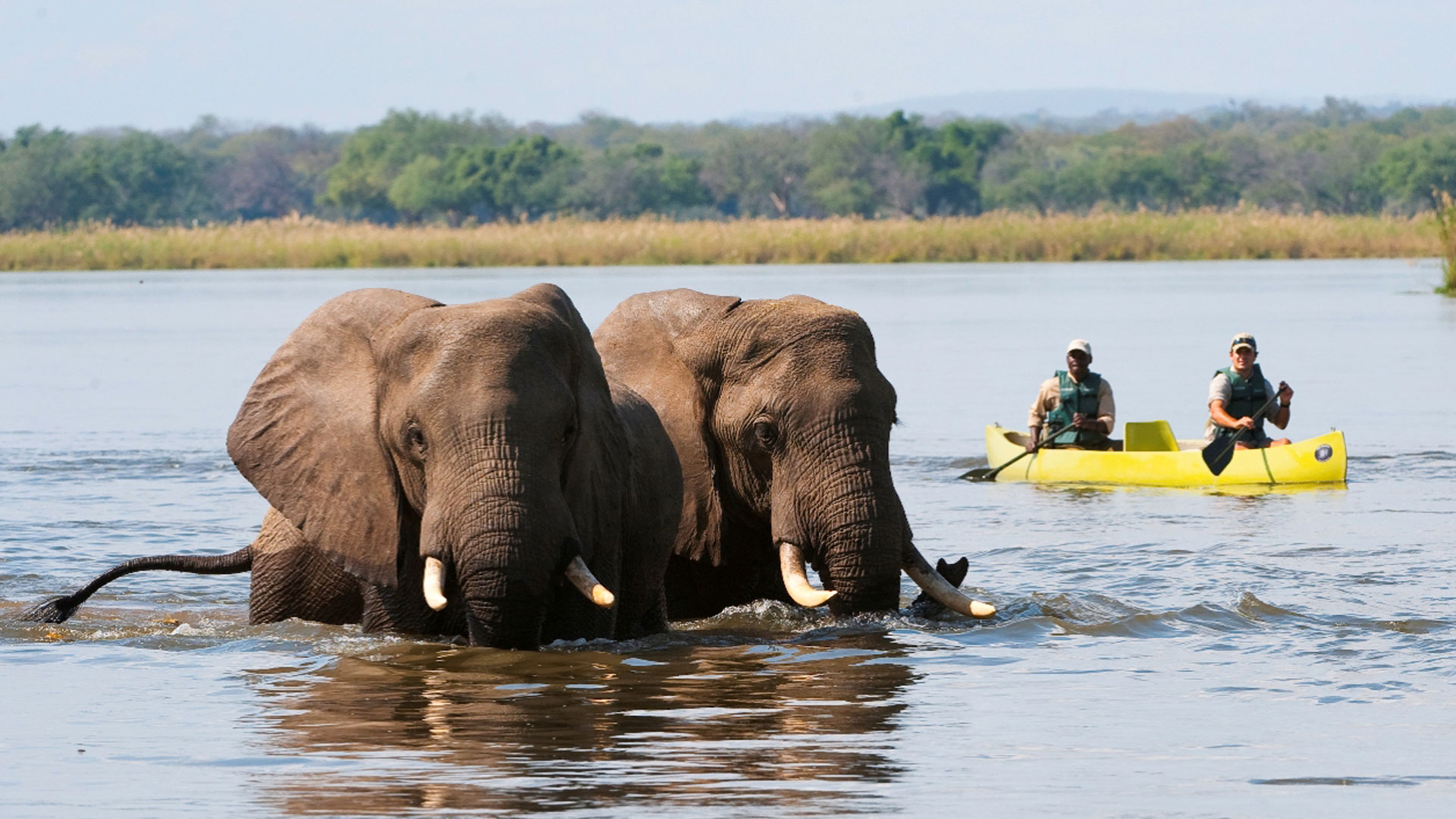
Safari pricing is made up of multiple components, and not all of them can be discounted. While lodges may reduce accommodation rates to fill empty rooms, other costs remain fixed. These include park entry fees, permits, transport, fuel, and guide services—all of which are essential and non-negotiable.
For example, visiting Bwindi Impenetrable National Park still requires a gorilla permit, regardless of when you book. Similarly, park fees in major safari destinations are set by authorities and do not change based on last-minute availability.
This means that the overall reduction in price may be smaller than expected. In some cases, the savings apply only to certain parts of the itinerary, rather than the entire package.
On the other hand, booking early often provides access to a wider range of options, including better lodge choices, preferred travel dates, and well-structured itineraries. This can result in better overall value, even if the upfront cost appears higher.
Understanding this balance helps clarify how Last-Minute Safari Deals fit into the broader pricing structure. They can offer value—but only under the right conditions.
The Risk Factor
Booking Last-Minute Safari Deals comes with a level of uncertainty that travelers should carefully consider.
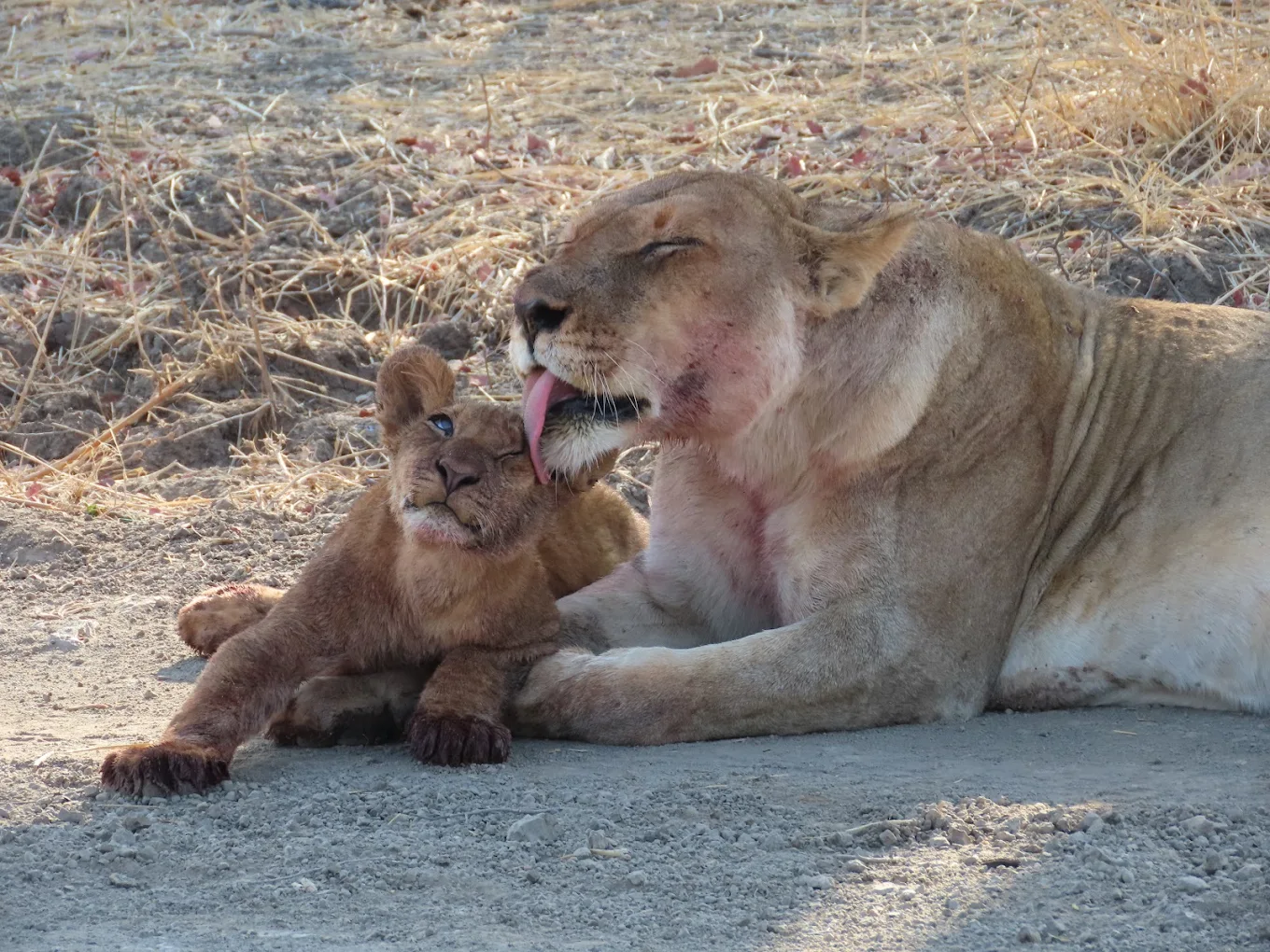
One of the main risks is limited availability. Popular destinations and lodges may already be fully booked, leaving fewer choices. This can affect the quality of your safari if you are forced to settle for options that do not fully match your expectations.
Travelers may also need to compromise on key aspects such as accommodation standards, travel dates, or itinerary structure. Instead of selecting your ideal safari, you may need to adapt to what is available at short notice.
Another important consideration is preparation time. Booking a safari involves more than just confirming accommodation. Travelers need to arrange international flights, visas, vaccinations, travel insurance, and packing for different environments. With Last-Minute Safari Deals, there is less time to handle these details, which can create additional stress.
There is also the risk of missing out on key experiences. Without sufficient planning time, it may not be possible to include certain activities or destinations that require advance booking.
For some travelers, this flexibility and spontaneity are part of the adventure. For others, the uncertainty can reduce the overall enjoyment of the trip.
Ultimately, understanding the risks associated with Last-Minute Safari Deals allows you to make an informed decision. With the right expectations and a flexible approach, they can be rewarding—but they are not always the most reliable way to plan a safari.
The Smart Way to Approach Last-Minute Safari Deals
If you are considering Last-Minute Safari Deals, taking a strategic approach is the difference between finding real value and facing unnecessary limitations. These deals are not about chasing the lowest price—they are about recognizing the right opportunity and acting quickly when it appears.

Flexibility is the most important advantage you can have. Travelers who can adjust their travel dates, departure locations, or even destinations are far more likely to secure good options. Instead of focusing on one specific park or lodge, keeping your options open allows safari planners to match your trip with what is currently available.
Being open to alternative lodges or routes also increases your chances. For example, if a preferred lodge is fully booked, an experienced safari planner may recommend a comparable property in the same region or suggest a nearby park that offers similar wildlife experiences. In regions like Queen Elizabeth National Park, this flexibility can lead to excellent last-minute itineraries without compromising the overall experience.
Working with an experienced safari operator is essential when navigating Last-Minute Safari Deals. Availability changes quickly, and operators have access to real-time information on lodge space, transport options, and park access. They can quickly identify viable combinations and secure bookings before availability disappears.
Another important factor is readiness. Travelers who are prepared with travel documents, flexible schedules, and a clear budget can make faster decisions. Since last-minute opportunities do not last long, hesitation can mean missing out entirely.
It is also important to approach these deals with realistic expectations. Last-Minute Safari Deals are based on what is available at the time, not on creating a perfect, fully customized itinerary. You may need to compromise slightly on lodge selection, route structure, or travel timing.
However, for travelers who are adaptable and open-minded, these deals can offer excellent value and memorable experiences. The key is to see Last-Minute Safari Deals as opportunities rather than guarantees.
Final Verdict: Last-Minute Safari Deals
So, are Last-Minute Safari Deals real?

The answer is yes—but with important conditions. These deals exist, but they are not consistent, predictable, or suitable for every type of safari. They depend entirely on availability, timing, and flexibility.
For travelers who can adapt quickly, travel outside peak seasons, and remain open to different options, Last-Minute Safari Deals can provide meaningful savings and rewarding experiences. They are particularly effective for classic wildlife safaris where permits are not a limiting factor.
However, for those planning once-in-a-lifetime trips—especially safaris that include specific destinations, luxury lodges, or permit-based activities—waiting for last-minute availability is risky. In these cases, early booking remains the most reliable way to secure the best experience.
Understanding this balance is essential. Last-Minute Safari Deals are not a replacement for careful planning—they are an alternative strategy for a specific type of traveler.
When used correctly, they can be valuable. When misunderstood, they can lead to missed opportunities.
Plan Your Safari with Confidence
At Pieland Gorilla Safaris, we believe that every traveler deserves clarity and confidence when planning their journey. Whether you are booking months in advance or exploring Last-Minute Safari Deals, our approach is always transparent, honest, and tailored to your needs.
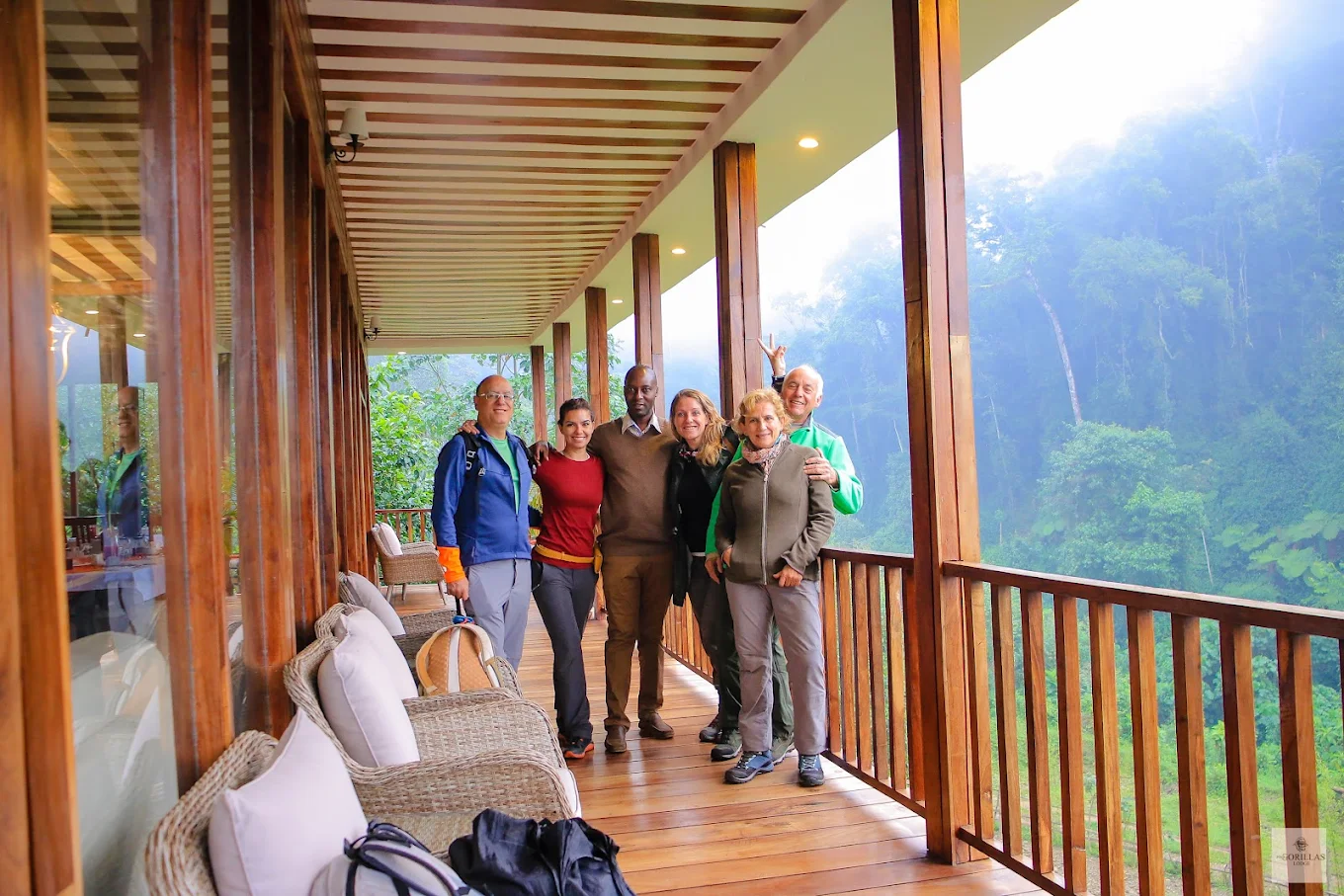
We carefully assess availability, timing, and your travel preferences to recommend the best possible options. Our goal is not just to find a deal, but to create a safari that delivers real value—balancing cost, comfort, and unforgettable experiences.
With deep knowledge of destinations, strong relationships with lodges, and real-time access to availability, we help you make informed decisions quickly and confidently.
No matter when you choose to book, your safari should feel seamless, rewarding, and truly worth it. With the right guidance, even Last-Minute Safari Deals can lead to extraordinary journeys.