Ultimate Comparison: Fly-In Safaris vs Road Safaris – Which Is the Best Way to Explore Africa?
Choosing between Fly-In Safaris vs Road Safaris is one of the most important decisions when planning your African adventure. While both options offer unforgettable wildlife encounters and breathtaking landscapes, the way you travel can significantly shape your overall experience.
A fly-in safari emphasizes speed, comfort, and seamless movement between destinations, while a road safari focuses on immersion, exploration, and the journey itself. Understanding the differences in Fly-In Safaris vs Road Safaris allows you to choose the option that best aligns with your time, budget, and travel style.
What Are Fly-In Safaris?
Fly-in safaris are designed for efficiency and comfort, using light aircraft to transport travelers between key safari destinations.
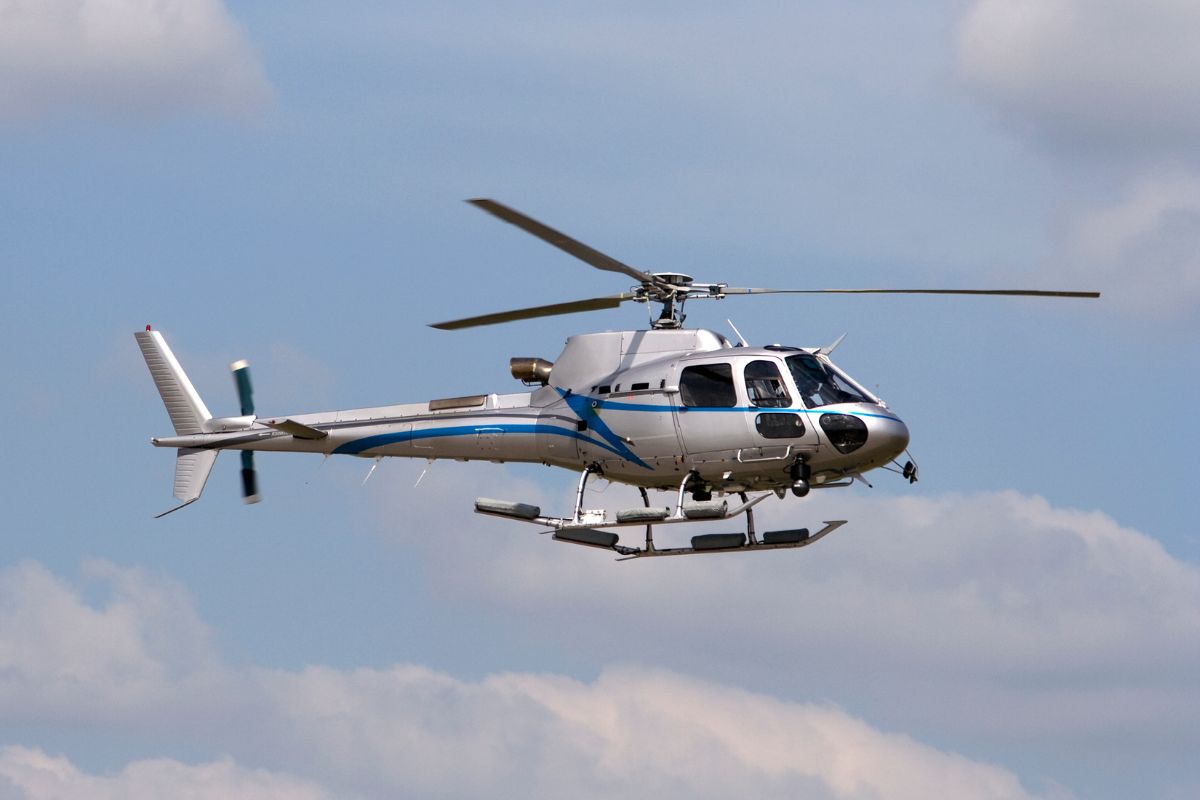
In the Fly-In Safaris vs Road Safaris comparison, this option stands out for its ability to save time while enhancing the overall experience. Instead of spending long hours traveling overland, you can reach remote parks and lodges quickly, often within one to two hours. This means more time for game drives, relaxation, and enjoying your surroundings.
Flights typically connect iconic safari regions such as Serengeti National Park or remote airstrips near Bwindi Impenetrable National Park. These connections allow access to exclusive areas that might otherwise be difficult to reach.
One of the most memorable aspects of fly-in safaris is the aerial perspective. From above, you gain a unique view of Africa’s landscapes—winding rivers, vast savannahs, scattered wildlife herds, and dramatic terrain. This adds a completely different dimension to your safari experience.
Fly-in safaris are especially suited for travelers who value comfort, have limited time, or prefer a more luxurious and seamless travel style.
What Are Road Safaris?
Road safaris offer a more grounded and immersive way to explore Africa, traveling between destinations in specially designed 4×4 safari vehicles.
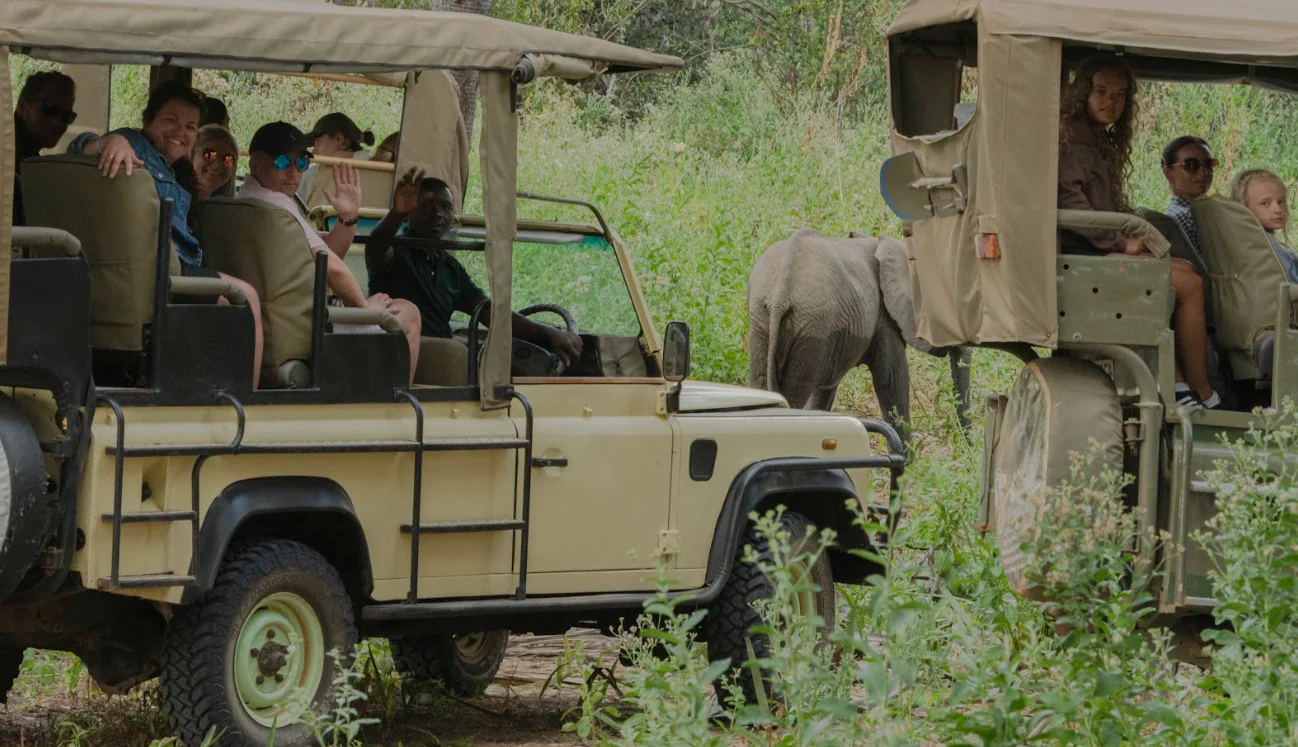
In the Fly-In Safaris vs Road Safaris comparison, road safaris are defined by their sense of adventure and connection to the land. Instead of simply moving from one destination to another, the journey itself becomes part of the experience.
As you travel, you pass through local villages, farmlands, and diverse landscapes, gaining insight into daily life and culture. This adds depth to your safari, allowing you to experience more than just wildlife.
Road safaris are particularly popular in destinations like Uganda and Kenya, where scenic routes connect national parks and reserves. Along the way, you may encounter roadside markets, interact with local communities, and observe changing ecosystems.
The slower pace of road safaris allows you to appreciate the gradual transition between landscapes—from open savannahs to forested regions or rolling hills. This creates a richer and more layered travel experience.
Road safaris are ideal for travelers who enjoy exploration, cultural interaction, and the feeling of truly journeying through a destination.
Travel Time and Convenience
Travel time is one of the most defining differences in Fly-In Safaris vs Road Safaris, and it plays a major role in shaping your itinerary.
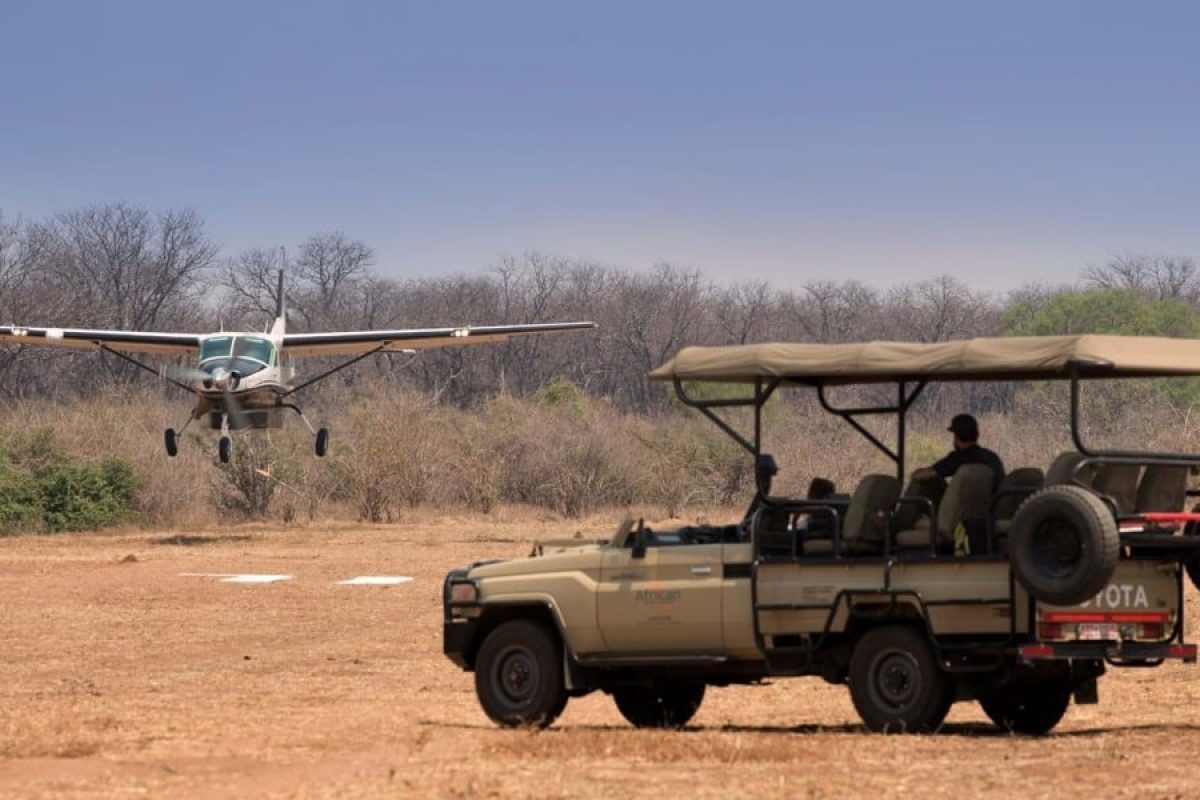
Fly-in safaris offer unmatched convenience. Long journeys that might take eight to ten hours by road can often be reduced to a short flight. This efficiency allows you to spend more time enjoying safari activities and less time in transit. For travelers with limited schedules, this can make a significant difference in the overall quality of the trip.
In addition, fly-in travel reduces physical fatigue. Instead of enduring long drives on sometimes rough roads, you can relax during short flights and arrive at your destination refreshed and ready to explore.
Road safaris, while slower, provide a different kind of value. The extended travel time becomes an opportunity to experience the landscape in detail. You can observe how the environment changes from one region to another, stop for photos, and engage with local communities along the way.
However, road travel can be physically demanding, especially over long distances. Early departures and extended hours in the vehicle are common, particularly in countries with vast distances between parks.
In the Fly-In Safaris vs Road Safaris comparison, fly-in safaris offer speed, efficiency, and comfort, while road safaris provide a slower, more immersive journey that allows you to connect deeply with the destination.
Scenic Experience
The scenic dimension is one of the most fascinating differences in Fly-In Safaris vs Road Safaris, as each offers a completely distinct way of experiencing Africa’s landscapes.
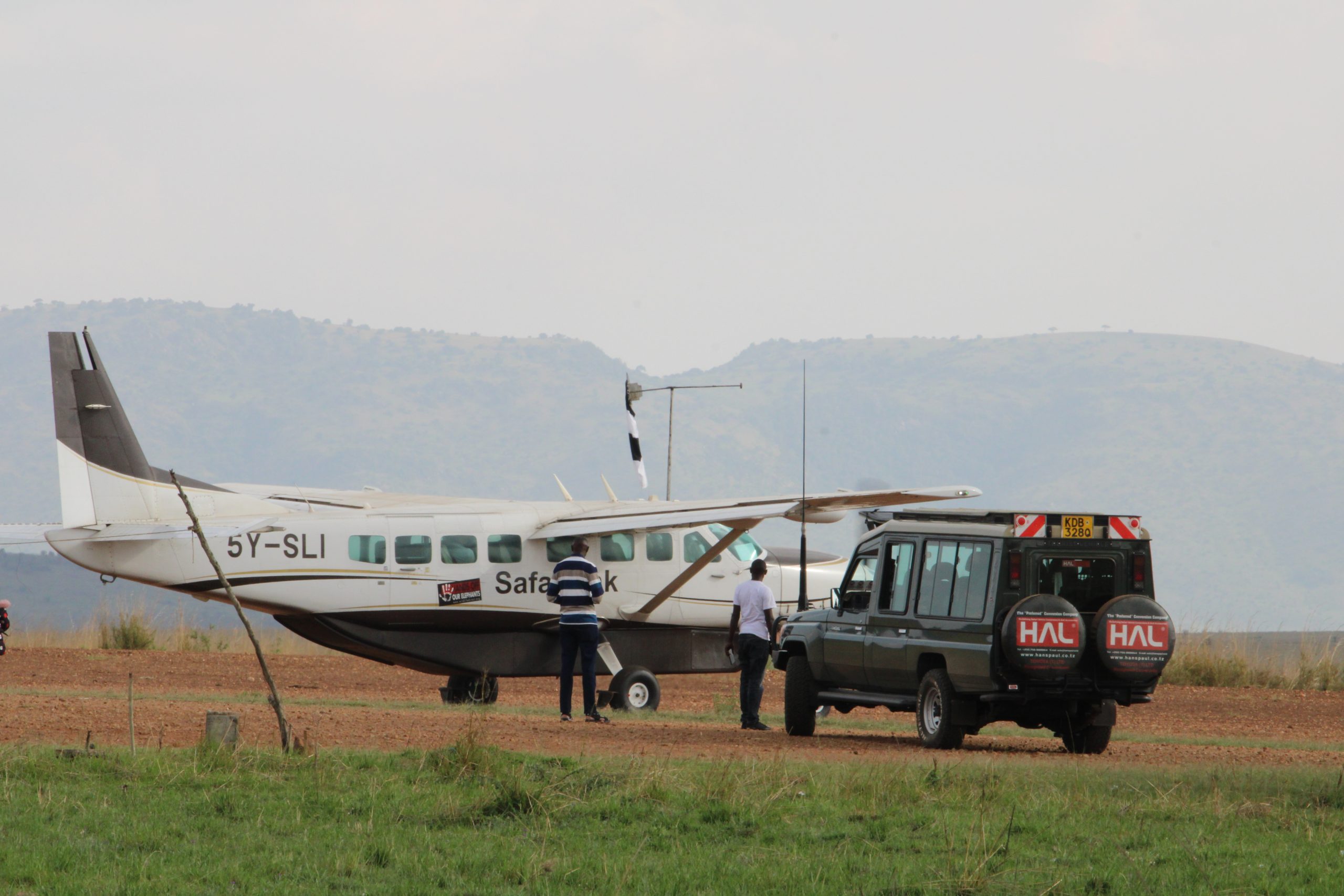
Fly-in safaris provide a dramatic aerial perspective that few travelers ever forget. As your aircraft lifts off, the landscape unfolds beneath you in a way that is impossible to appreciate from the ground. Vast savannahs stretch endlessly, rivers carve their way through the terrain, and patches of wildlife may appear as moving patterns across the land. Flying over regions such as Serengeti National Park reveals the true scale of Africa—its openness, its diversity, and its raw natural beauty.
This bird’s-eye view is not just visually impressive; it also gives context to the ecosystems you explore. You begin to understand how rivers, plains, and forests connect, and how wildlife moves across these spaces.
Road safaris, by contrast, offer a deeply immersive, ground-level experience. Instead of observing the landscape from above, you are part of it. You notice the details—the texture of the vegetation, the movement of smaller animals, the sounds of birds, and the rhythm of local life along the way.
Traveling through areas like Uganda or Kenya allows you to witness everyday life in villages, interact with local communities, and see how landscapes transition gradually from one region to another.
In the Fly-In Safaris vs Road Safaris comparison, fly-in safaris deliver breathtaking panoramic views and a sense of scale, while road safaris provide a richer, more intimate connection to the environment and culture.
Cost Comparison
Cost plays a major role in the Fly-In Safaris vs Road Safaris decision, and understanding the differences helps you plan realistically.
Fly-in safaris are typically positioned in the higher price range due to several factors. These include domestic flights, airport transfers, and the use of smaller aircraft, which are more expensive to operate. Additionally, fly-in itineraries are often paired with high-end or luxury lodges located in remote areas, further increasing the overall cost.
However, this cost reflects the level of convenience, exclusivity, and time-saving benefits provided. Travelers are able to access remote destinations quickly and enjoy a more seamless, premium experience.
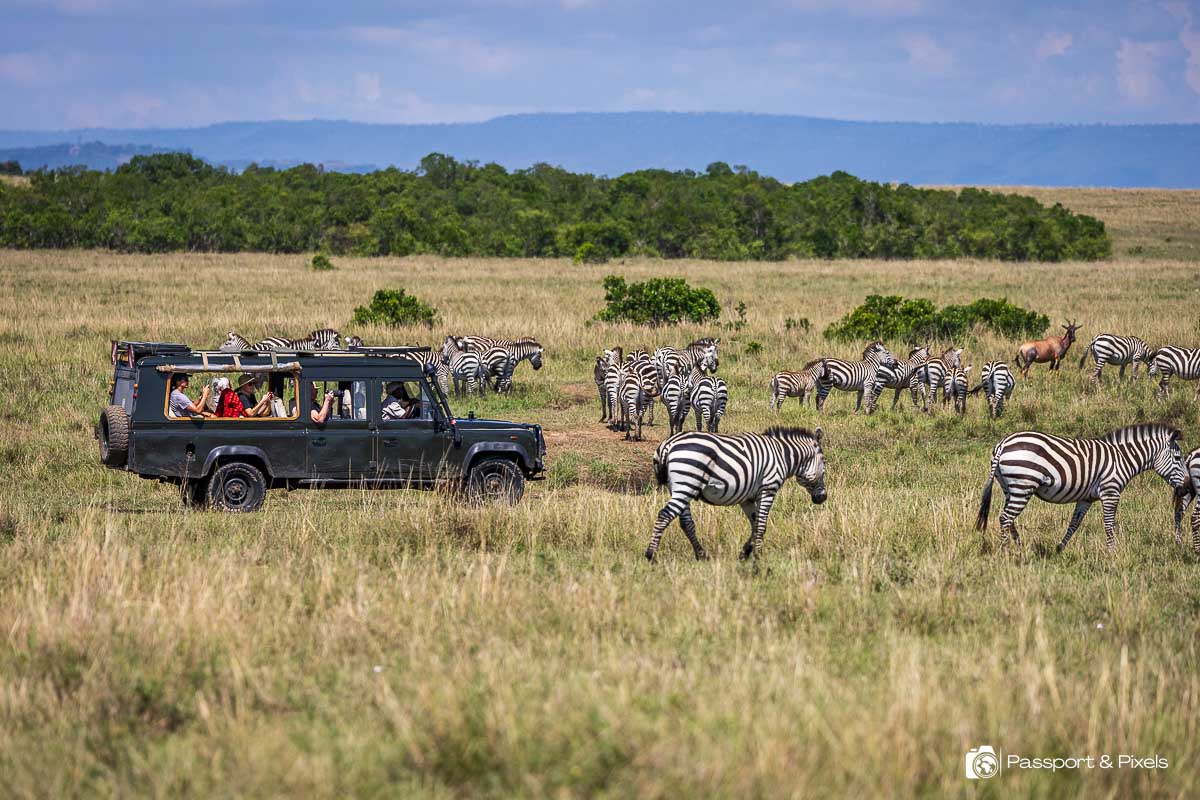
Road safaris, on the other hand, are more budget-friendly. By traveling overland, you eliminate the cost of flights and reduce overall expenses. Shared logistics, such as group transport and mid-range accommodations, can further lower costs.
This makes road safaris accessible to a wider range of travelers, including those looking for value without sacrificing the essence of a safari experience.
In the Fly-In Safaris vs Road Safaris comparison, road safaris offer affordability and flexibility for budget-conscious travelers, while fly-in safaris provide a premium experience that prioritizes comfort and efficiency.
Comfort and Experience
Comfort levels vary significantly in Fly-In Safaris vs Road Safaris, and this can greatly influence your overall enjoyment of the journey.
Fly-in safaris are designed to minimize physical effort and maximize relaxation. Short flights replace long drives, allowing you to arrive at your destination quickly and comfortably. This reduces fatigue and gives you more energy to enjoy game drives, lodge amenities, and other activities.
The experience also feels more seamless. Transfers are well-coordinated, and the transition between destinations is smooth and efficient. This makes fly-in safaris particularly appealing for travelers who prefer a stress-free and refined travel style.
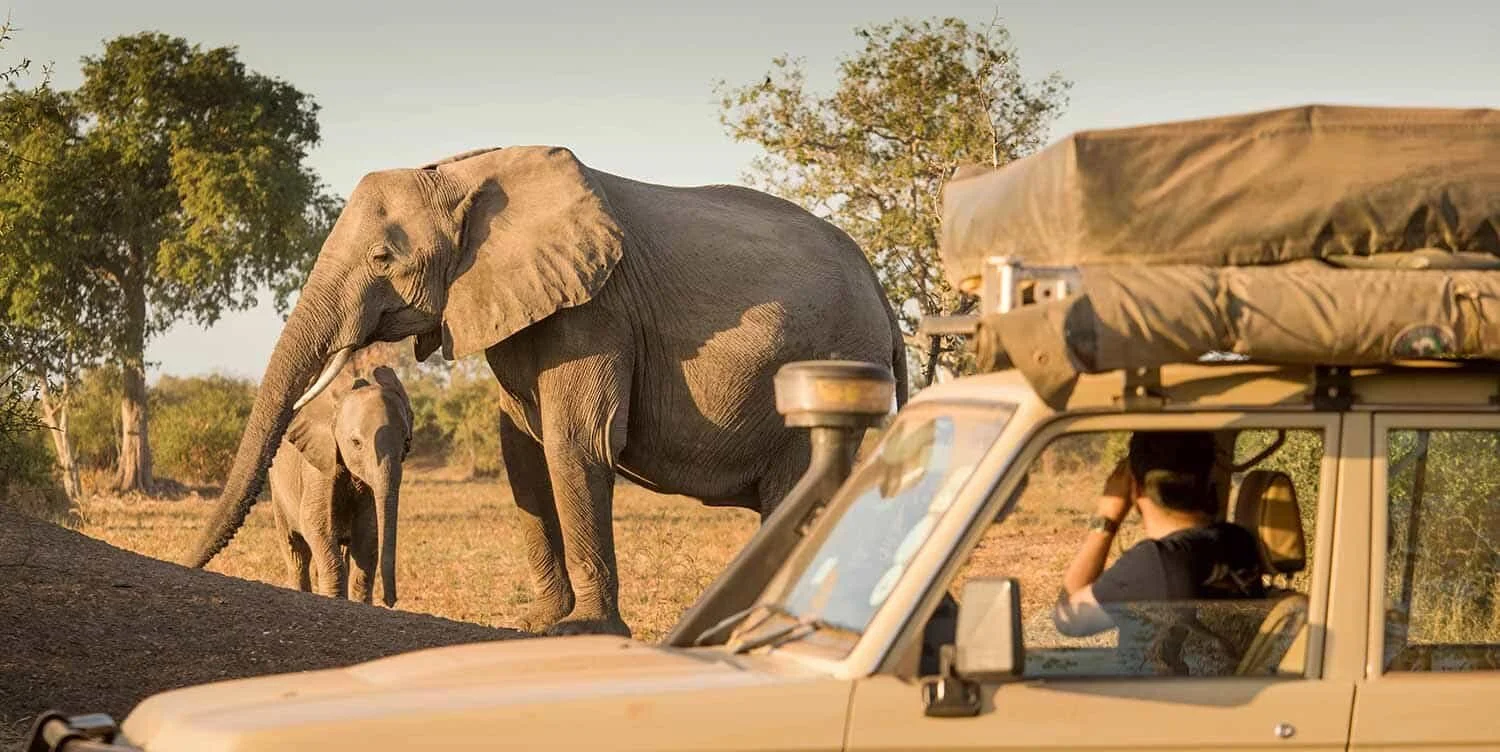
Road safaris, while more physically demanding, offer a different kind of reward. Long drives can be tiring, especially on uneven terrain, but they also create a sense of adventure and discovery. You are not just moving between destinations—you are experiencing the journey itself.
There is a certain satisfaction in covering distances overland, watching landscapes change, and feeling connected to the environment in a more direct way.
In the Fly-In Safaris vs Road Safaris comparison, fly-in safaris prioritize comfort, ease, and relaxation, while road safaris emphasize adventure, exploration, and a deeper connection to the journey.
Accessibility to Remote Areas
Access to remote and exclusive locations is another key difference in Fly-In Safaris vs Road Safaris.
Fly-in safaris excel in reaching destinations that are otherwise difficult or time-consuming to access. Many of Africa’s most exclusive lodges and wildlife areas are located far from major roads, making air travel the most practical option. By flying directly to small airstrips, you can access pristine wilderness areas with fewer visitors and a greater sense of privacy.
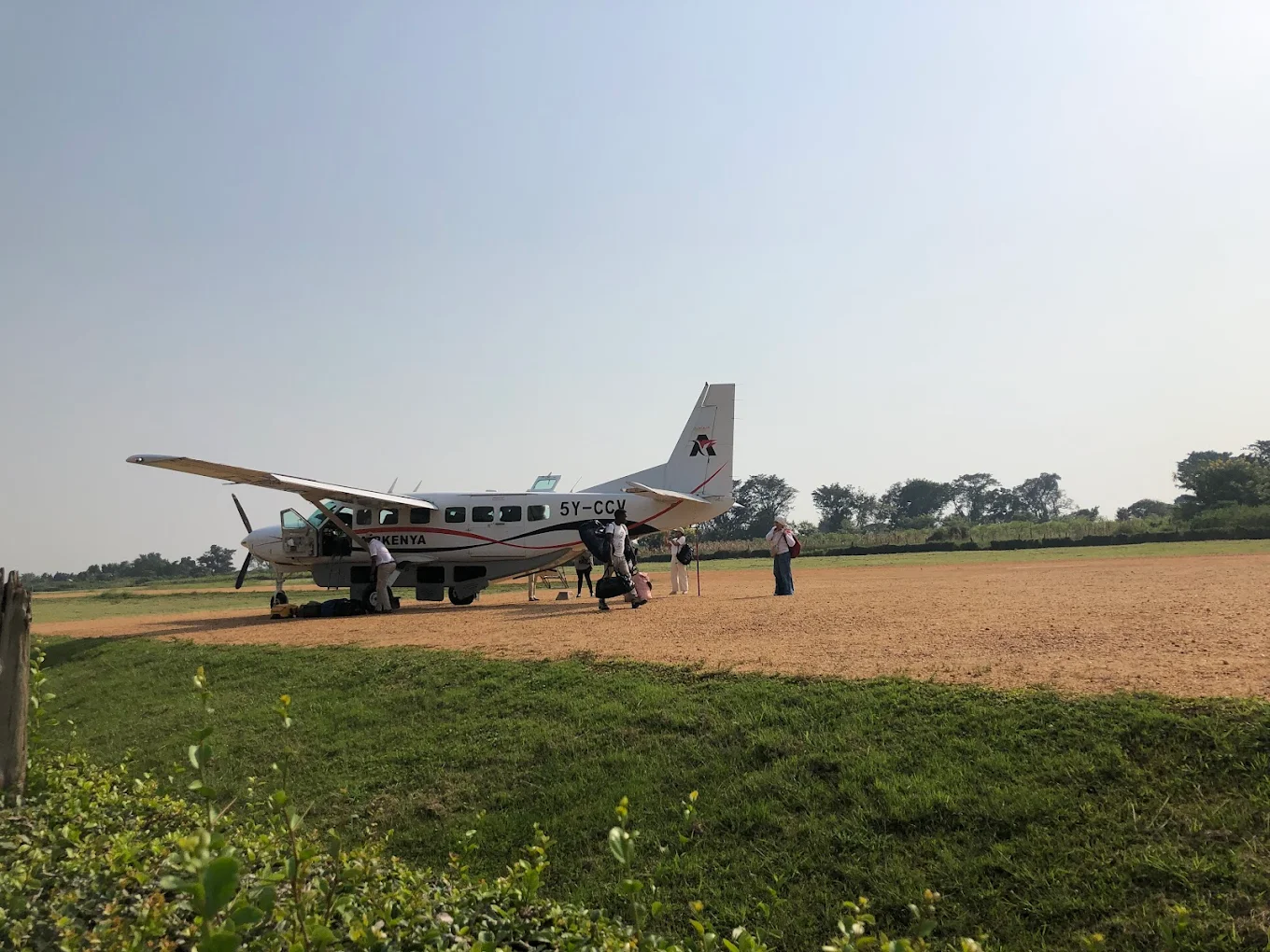
This opens up opportunities to explore untouched environments, where wildlife encounters are more intimate and the overall experience feels more exclusive.
Road safaris, while more limited in reach, still provide access to many of Africa’s most popular and rewarding safari destinations. National parks with established road networks can be easily explored by vehicle, offering excellent wildlife viewing and scenic experiences.
However, reaching more remote areas by road often requires significant travel time and careful planning.
In the Fly-In Safaris vs Road Safaris comparison, fly-in safaris offer unmatched access to remote and exclusive locations, while road safaris provide reliable access to well-known parks and a more grounded travel experience.
Which Option Is Right for You?
Choosing between Fly-In Safaris vs Road Safaris ultimately comes down to what matters most to you as a traveler—your time, comfort level, budget, and the kind of experience you want to have.
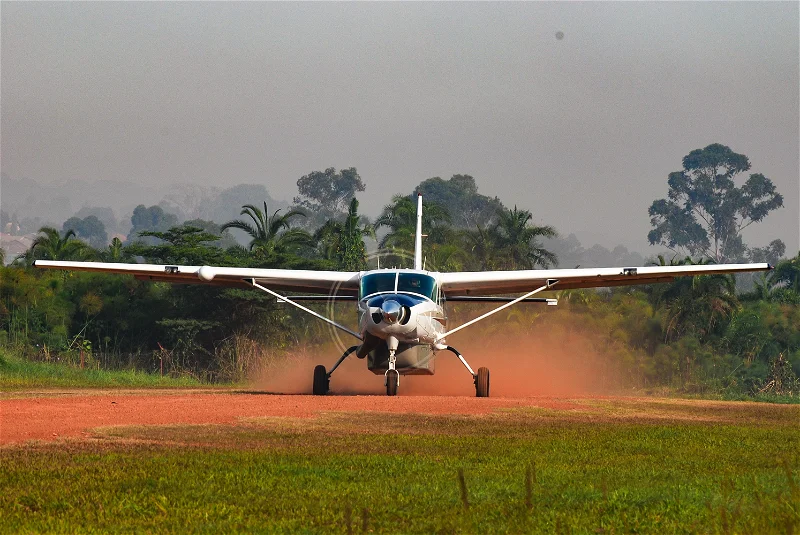
If your priority is efficiency and comfort, a fly-in safari is often the best choice. This option allows you to avoid long hours on the road and instead travel quickly between destinations, giving you more time to enjoy game drives, relax at your lodge, and fully immerse yourself in the safari experience. It is especially ideal for travelers with limited time or those seeking a more luxurious and seamless journey.
Fly-in safaris also provide access to remote and exclusive locations that are difficult to reach by road. These areas often offer fewer crowds and more intimate wildlife encounters, making the experience feel more private and refined. The added bonus of aerial views enhances the journey, giving you a unique perspective of Africa’s landscapes.
On the other hand, if you value adventure and cultural connection, a road safari may be the better fit. Traveling overland allows you to experience the journey in a deeper and more meaningful way. You pass through local communities, witness changing landscapes, and gain insight into everyday life along the way.
Road safaris are also more budget-friendly, making them accessible to a wider range of travelers. They are perfect for those who enjoy the process of travel itself and want to explore Africa at a slower, more immersive pace.
In the Fly-In Safaris vs Road Safaris comparison, there is no single “best” option. The right choice is the one that aligns with your personal travel style—whether that means prioritizing comfort and efficiency or embracing adventure and exploration.
Why Book with Pieland Gorilla Safaris
Planning a safari involves many moving parts, and deciding between Fly-In Safaris vs Road Safaris is just one of them.
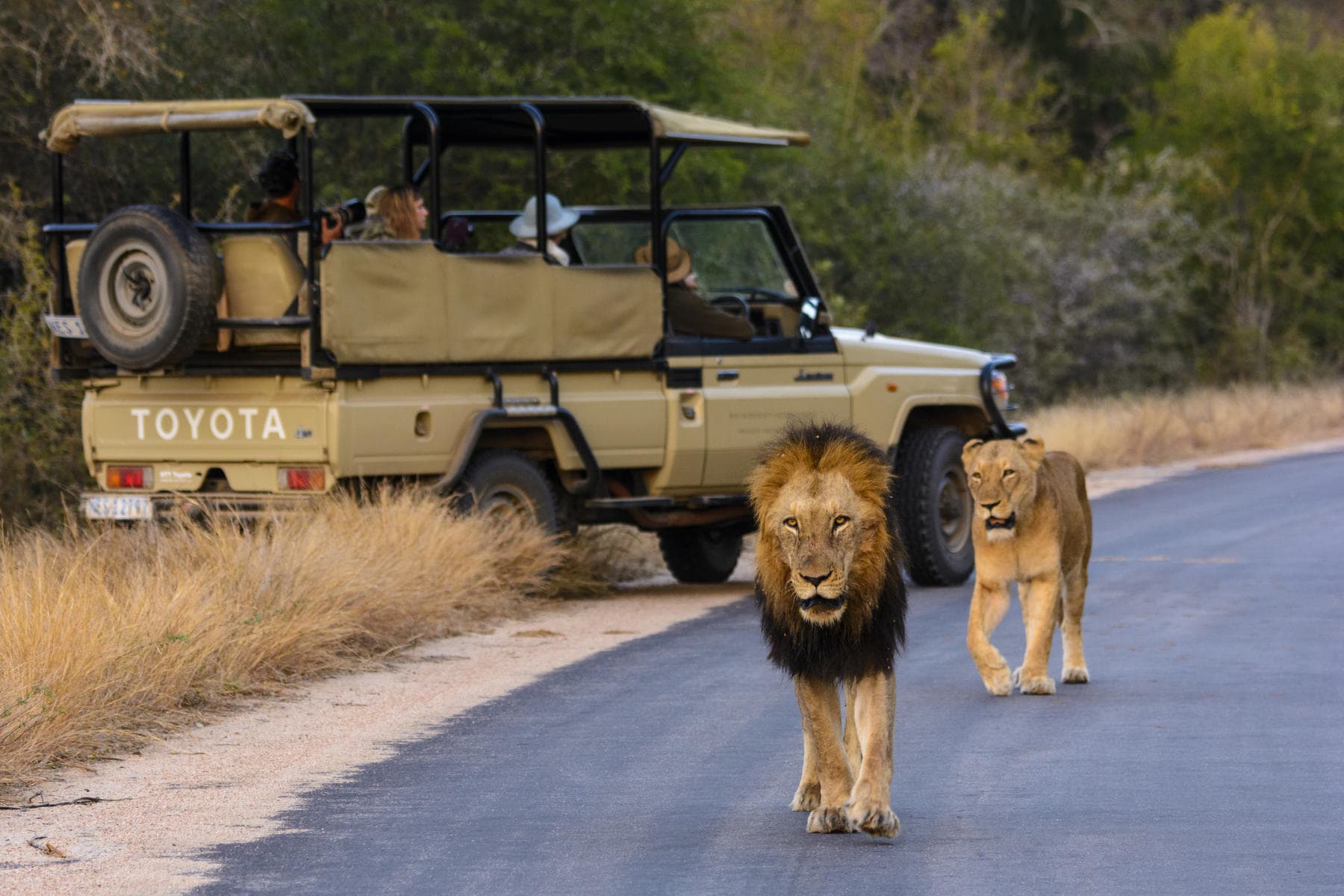
At Pieland Gorilla Safaris, we take the time to understand your preferences, travel goals, and budget to recommend the most suitable option for you. Whether you are looking for a luxury fly-in experience or a scenic road journey, we ensure that every element of your trip is carefully planned.
Our approach focuses on creating balanced itineraries that maximize your experience. In many cases, we combine both fly-in and road safari elements to give you the benefits of each—saving time where necessary while still allowing for immersive overland exploration.
We handle all logistics, including transport, accommodation, and guided activities, ensuring a smooth and stress-free journey. With our local expertise across destinations such as Uganda, Kenya, and Tanzania, we design experiences that are both efficient and enriching.
With Pieland Gorilla Safaris, your Fly-In Safaris vs Road Safaris decision becomes easier, and your overall safari experience becomes seamless, enjoyable, and unforgettable.
FAQs About Fly-In Safaris vs Road Safaris
Which option is better for first-time travelers?
Both options work well for first-time visitors. Fly-in safaris are easier and more comfortable, while road safaris provide a deeper introduction to the landscapes and culture.
Are fly-in safaris safe?
Yes, fly-in safaris are very safe. They are operated by experienced pilots using well-maintained aircraft and follow strict aviation standards.
Can I combine both options?
Yes, many travelers choose to combine Fly-In Safaris vs Road Safaris. This allows you to enjoy the efficiency of flying while still experiencing the richness of overland travel.
Which option is more scenic?
Both offer unique scenic value. Fly-in safaris provide sweeping aerial views, while road safaris offer detailed, ground-level perspectives and cultural insights.
Plan Your Safari Experience
Understanding the differences between Fly-In Safaris vs Road Safaris allows you to design a safari that truly matches your expectations.
Each option offers its own advantages—whether it is the speed and exclusivity of flying or the depth and adventure of traveling by road. With the right planning, your safari becomes more than just a trip; it becomes a well-balanced and memorable journey.
Let Pieland Gorilla Safaris help you create an itinerary that combines the best of both worlds, ensuring your experience is perfectly tailored, seamless, and unforgettable from start to finish.
Request a free quote for African safari.