
The Fascinating Secrets: How Elephants Communicate in the Wild
Understanding How Elephants Communicate reveals one of the most intelligent and emotionally rich systems in the animal kingdom. Elephants are not only the largest land mammals, but also among the most socially complex, relying on advanced communication to survive, bond, and coordinate their lives.

Across iconic African destinations like Amboseli National Park, Chobe National Park, and Queen Elizabeth National Park, elephants are constantly exchanging information using a wide range of signals.
In this guide, we explore How Elephants Communicate in the wild—from powerful low-frequency sounds to subtle physical interactions—and why these communication methods are essential for their survival and social structure.
The Power of Low-Frequency Sounds
One of the most fascinating aspects of How Elephants Communicate is their use of low-frequency sounds, commonly referred to as infrasound. These deep, rumbling calls are often below the range of human hearing, yet they are incredibly effective for long-distance communication.
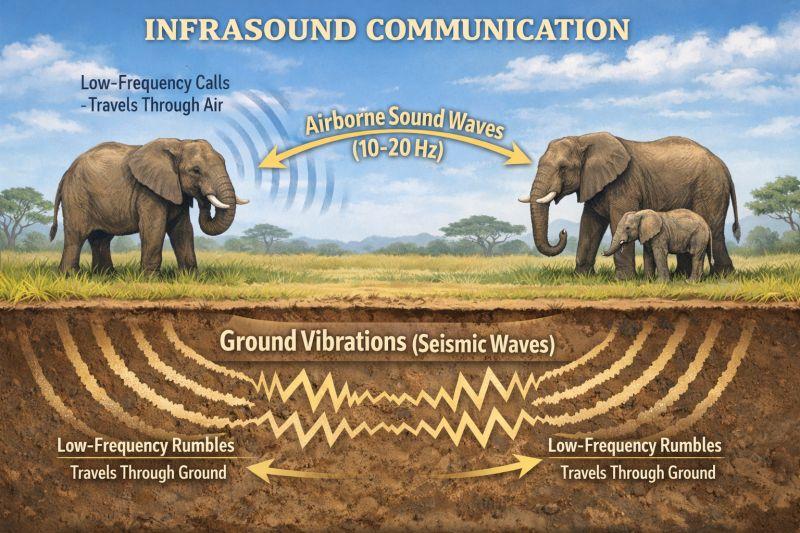
Elephants can produce these sounds using their vocal cords, and the vibrations travel through both the air and the ground. Because of their low frequency, these calls can move across several kilometers without losing strength. This allows elephants to stay in contact with other members of their herd—even when they are far apart or separated by dense vegetation.
These low-frequency signals carry different meanings depending on tone, duration, and intensity. For example, a specific rumble can signal movement, prompting distant herd members to begin traveling in the same direction. Another type of call may warn of danger, such as predators or human presence, allowing others to react quickly even before they see the threat.
In large and open ecosystems, where visibility is often limited by distance or terrain, this system becomes incredibly important. It allows elephants to maintain cohesion, locate one another, and make collective decisions across vast landscapes.
This long-range communication system is a powerful reason How Elephants Communicate is so effective. It enables coordination and awareness on a scale that very few land animals can achieve.
Communication Through Touch
Touch is one of the most personal and immediate forms of interaction in How Elephants Communicate, especially within close family groups. Elephants use their trunks—highly sensitive and flexible appendages—to express a wide range of emotions and messages.
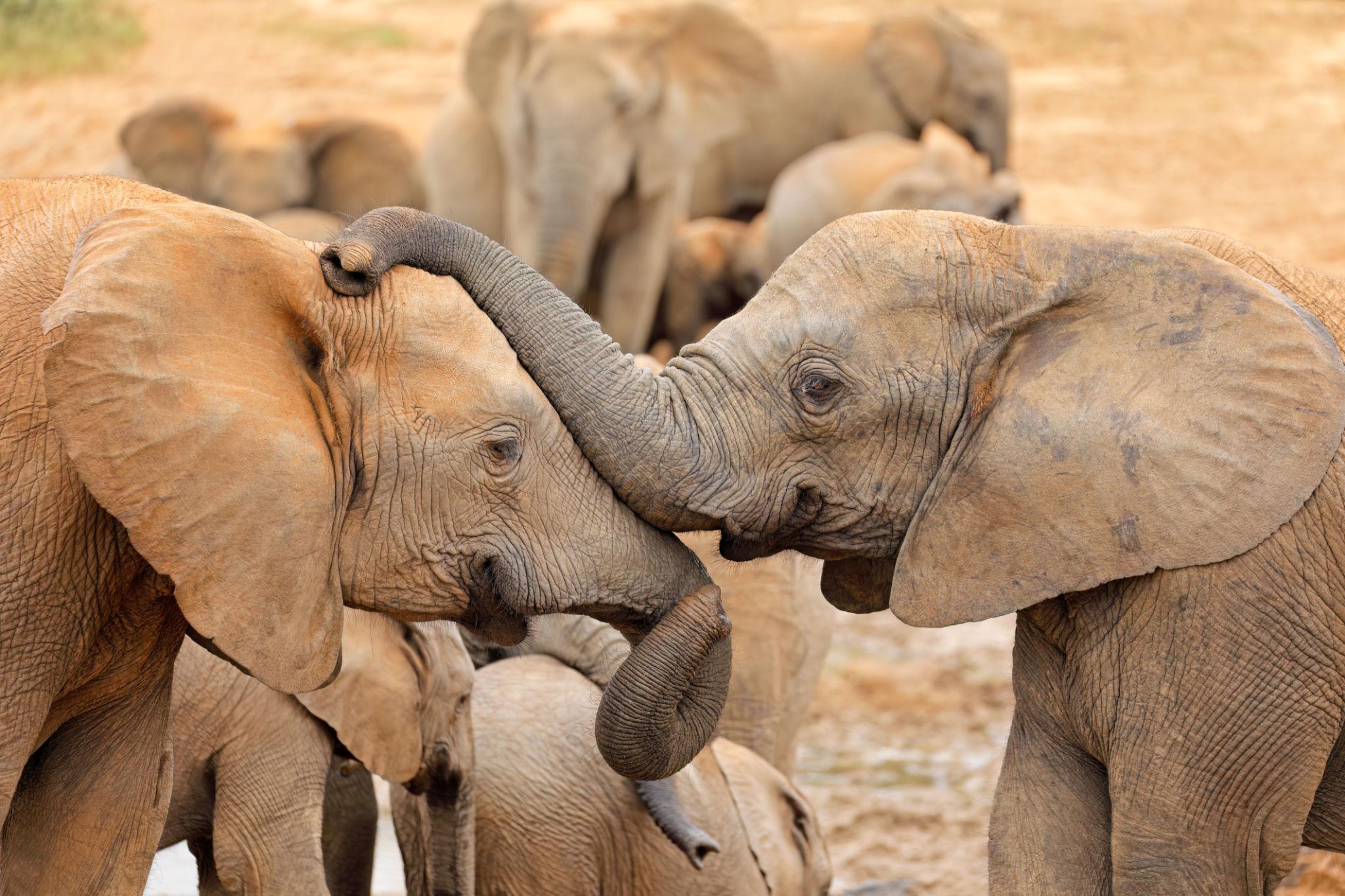
A simple touch can carry deep meaning. Elephants greet each other by intertwining trunks, gently touching faces, or brushing against one another’s bodies. These actions reinforce social bonds and help maintain strong relationships within the herd.
Touch is also essential in caregiving. Mothers rely heavily on physical contact to guide and protect their calves. A mother may use her trunk to steer a young elephant away from danger, reassure it during stressful moments, or keep it close while moving. This constant physical connection plays a crucial role in the calf’s development and sense of security.
In moments of distress, elephants use touch to comfort one another. Members of the herd may gather around an injured or upset individual, using their trunks to provide reassurance. This behavior highlights not only the emotional depth of elephants but also the importance of physical communication in maintaining group unity.
Touch also helps establish hierarchy and social structure. Subtle physical cues can indicate dominance, submission, or cooperation without the need for aggression.
In tightly bonded elephant families, physical interaction is a daily and essential part of life. It strengthens trust, ensures coordination, and supports emotional well-being. This makes touch one of the clearest and most meaningful expressions of How Elephants Communicate in the wild.
Body Language and Visual Signals
Another essential element of How Elephants Communicate is body language, which plays a critical role in close-range interactions. Elephants rely heavily on visual cues to express intentions, emotions, and warnings, often without making a sound.

Posture is one of the most immediate signals. A calm, relaxed elephant will have loose movements, gently swaying its trunk or tail, signaling that there is no threat. In contrast, a tense posture—such as a raised head, stiff body, or forward-leaning stance—can indicate alertness or potential aggression.
Ear position is especially important. When an elephant spreads its ears wide, it is often trying to appear larger and more intimidating, usually as a warning to perceived threats. Rapid ear flapping can signal agitation, while slow, relaxed movements indicate comfort.
The trunk is also highly expressive. An elephant may raise its trunk to investigate scents in the air, signaling curiosity or caution. A curled or tightly held trunk can indicate tension, while a loosely swinging trunk reflects calmness. Sudden trunk movements can act as quick alerts to the herd.
These visual signals are vital when elephants are in close proximity, allowing them to react instantly to changes in their environment. For example, if one elephant detects danger and shifts its posture, others can quickly pick up on that signal and respond without delay.
This silent but powerful system adds depth to How Elephants Communicate, making their interactions both immediate and highly effective in maintaining group awareness and safety.
Seismic Communication: Talking Through the Ground
One of the most unique and advanced aspects of How Elephants Communicate is their ability to use seismic signals—essentially communicating through vibrations in the ground.
Elephants generate these vibrations through their movements, such as walking, stamping, or producing low-frequency vocalizations. These signals travel through the earth and can be detected by other elephants using specialized sensory cells located in their feet and trunks.
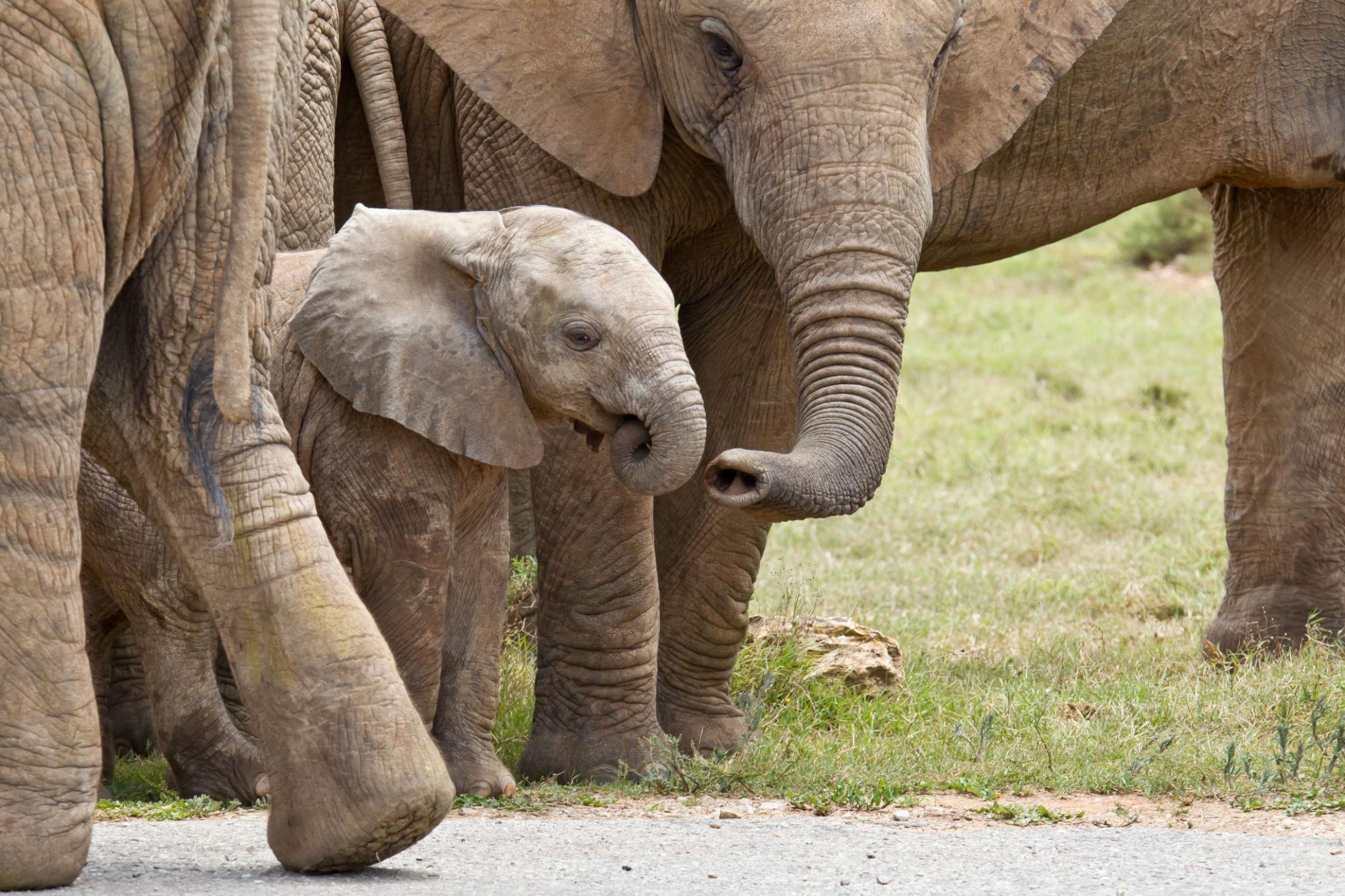
When an elephant senses these vibrations, it often pauses and places more weight on one foot or presses its trunk to the ground to better interpret the signal. This behavior allows them to gather information about distant herd members, including their direction, movement, and even emotional state.
Seismic communication is particularly useful in environments where visibility is limited, such as dense vegetation or vast open plains. It enables elephants to stay connected even when they are separated by long distances or physical barriers.
This form of communication also plays a role in coordinating group movement, especially during migration or when searching for water. Messages transmitted through the ground can guide herds toward resources or away from danger without the need for visual contact.
As an extension of their vocal communication, seismic signaling demonstrates just how advanced How Elephants Communicate truly is, allowing them to maintain strong connections across large and challenging landscapes.
Emotional Intelligence and Social Bonds
Elephants are widely recognized for their emotional intelligence, and this deeply influences How Elephants Communicate. Their ability to experience and express complex emotions shapes the way they interact with one another on a daily basis.
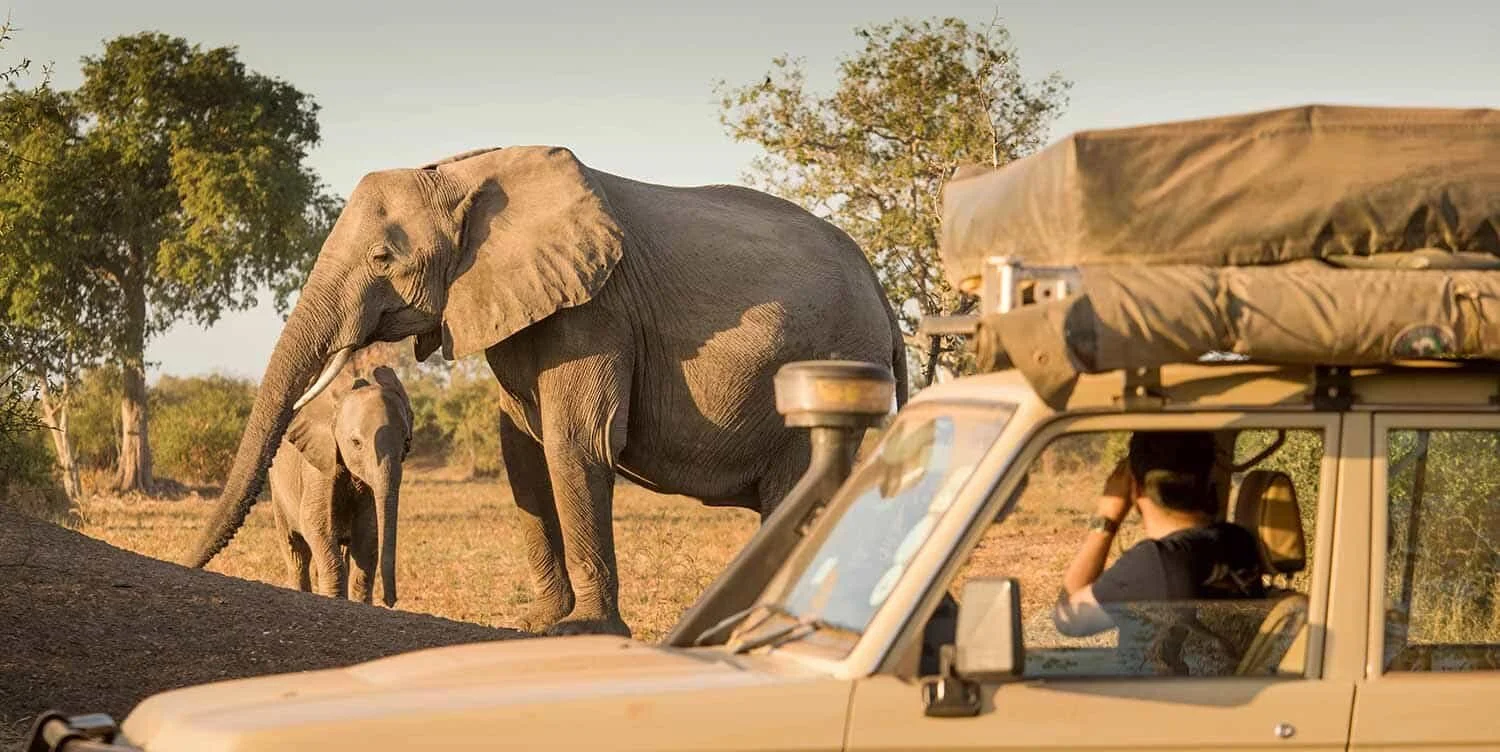
Within a herd, relationships are built on trust, memory, and continuous communication. Elephants recognize each other individually and maintain long-term bonds, often staying connected with family members for life. These relationships are reinforced through frequent interaction, including vocalizations, touch, and body language.
Elephants display a wide range of emotions, including joy, excitement, grief, and empathy. When a member of the herd is distressed, others respond immediately, often gathering around and offering comfort through gentle touches and low, soothing sounds. This supportive behavior highlights their strong sense of community and awareness of one another’s emotional state.
Grief is one of the most striking examples. Elephants have been observed showing clear signs of mourning when a herd member dies, lingering near the body and returning to the site later. These actions suggest a deep emotional connection and memory.
This emotional depth strengthens social bonds and ensures the stability of the herd. Communication is not only about survival—it is also about maintaining relationships, resolving tension, and supporting one another.
This powerful combination of intelligence and empathy is a defining feature of How Elephants Communicate, setting elephants apart as one of the most socially advanced species in the wild.
Communication for Survival
Understanding How Elephants Communicate goes beyond observing behavior—it reveals how essential communication is to their survival in the wild. Every signal exchanged within a herd serves a purpose, often directly linked to safety, movement, and decision-making.

One of the most critical roles of communication is warning of danger. When an elephant detects a predator such as a lion, it may produce a specific rumble, change posture, or create vibrations through the ground. These signals quickly alert other members of the herd, allowing them to respond immediately—whether by grouping together, moving away, or protecting vulnerable members.
Communication is also vital in guiding herd movement. Elephants are constantly on the move in search of food and water, and decisions are often led by experienced matriarchs. Through low-frequency calls and body signals, the herd can coordinate direction and maintain cohesion, even when spread out over large distances.
Locating water sources is another survival priority. In dry seasons, elephants rely on memory and communication to guide the herd toward reliable water points. Signals shared between individuals can help direct movement toward these essential resources, ensuring the group’s survival during harsh conditions.
Protecting young calves is perhaps the most emotionally driven aspect of How Elephants Communicate. Adults use a combination of vocal sounds, touch, and positioning to keep calves safe. When a threat is detected, the herd may form a protective circle around the young, guided by immediate and coordinated communication.
Each message shared—whether through sound, movement, or vibration—can determine whether the herd avoids danger or encounters it. This constant flow of information reinforces How Elephants Communicate as a powerful and necessary survival system in the wild.
What This Means for Your Safari Experience
For travelers, understanding How Elephants Communicate transforms a simple wildlife sighting into a meaningful and insightful experience. Instead of just watching elephants, you begin to interpret their behavior and interactions on a deeper level.
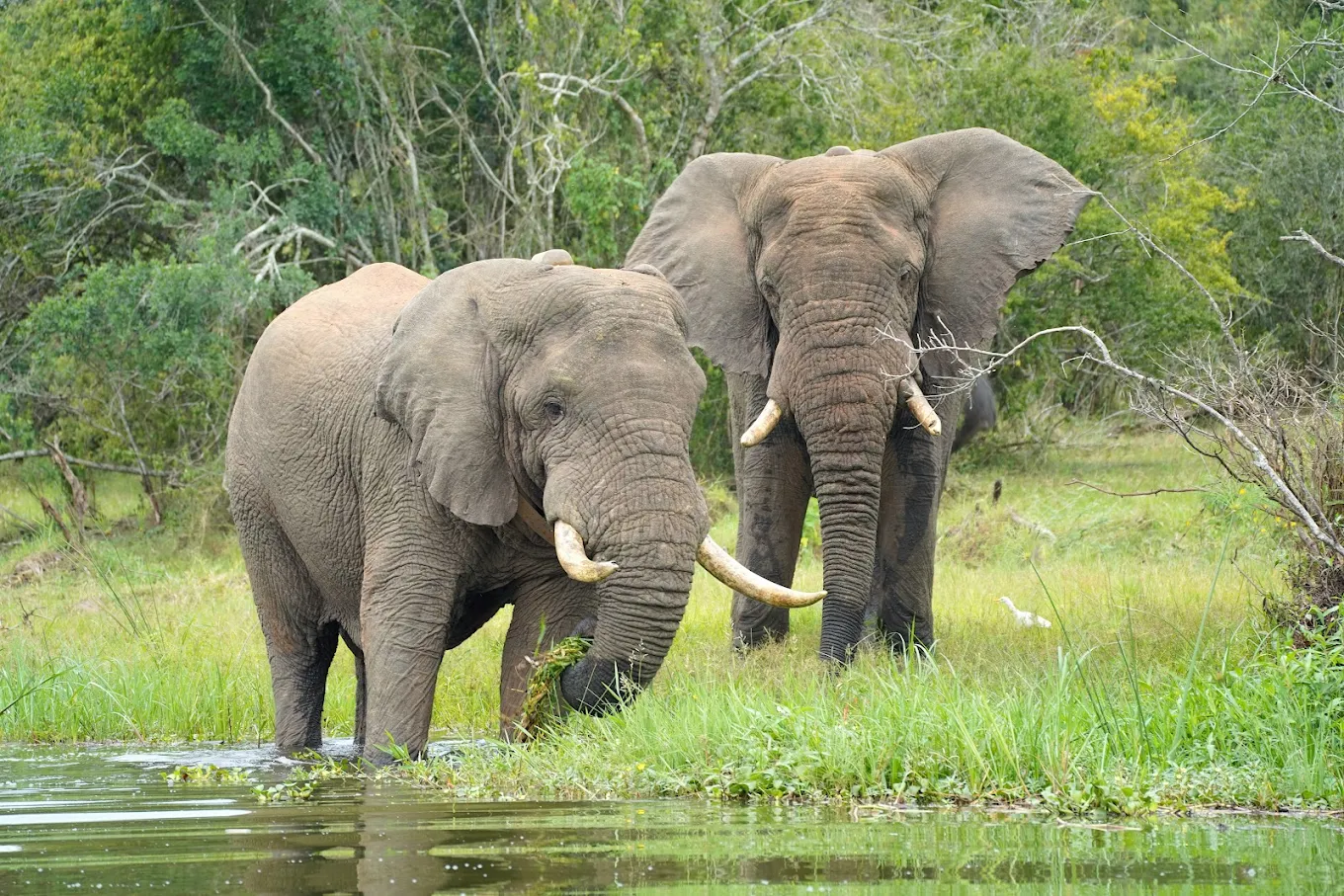
When observing elephants on safari, you may notice subtle but important details. A gentle trunk touch between individuals may signal reassurance or greeting. A sudden shift in posture across the herd could indicate awareness of a distant threat. Low rumbling sounds, often barely audible, may be part of a much larger conversation happening beyond human perception.
Protective herd formations are especially powerful to witness. When calves are present, adults position themselves strategically, communicating silently to ensure safety. These coordinated movements reflect strong bonds and constant awareness within the group.
Understanding these behaviors allows you to appreciate the intelligence and emotional depth behind every action. What might seem like simple movement is actually part of a complex communication system guiding the herd’s survival and relationships.
This deeper awareness brings to life the true meaning of How Elephants Communicate, making every safari encounter more engaging, educational, and unforgettable.
FAQs About How Elephants Communicate
Do elephants really communicate over long distances?
Yes, one of the most impressive aspects of How Elephants Communicate is their ability to send low-frequency sounds that can travel several kilometers. These infrasound calls allow elephants to stay connected even when they are far apart, helping them coordinate movement and remain aware of each other’s location.
Can humans hear elephant communication?
Humans can hear some elephant sounds, such as trumpets and certain rumbles, but a large part of How Elephants Communicate happens at frequencies too low for human ears. These inaudible vibrations still carry important messages between elephants across long distances.
Why do elephants touch each other so often?
Touch is a central part of How Elephants Communicate. Elephants use their trunks to greet, comfort, and guide one another. This physical interaction helps strengthen social bonds, reassure members of the herd, and maintain close relationships.
Do elephants communicate emotions?
Yes, emotional expression is a defining feature of How Elephants Communicate. Elephants show empathy, grief, joy, and even cooperation. They respond to each other’s emotional states through sound, touch, and behavior, reinforcing strong social connections within the herd.
Plan Your Safari with Experts
At Pieland Gorilla Safaris, we take you beyond ordinary wildlife viewing by helping you truly understand animal behavior in the wild.

From Uganda to Kenya and Botswana, our safaris are carefully designed to offer meaningful encounters, allowing you to witness How Elephants Communicate in real time across diverse ecosystems.
Whether you are exploring Queen Elizabeth National Park or discovering the elephant-rich landscapes of Chobe National Park, we ensure every detail of your journey is thoughtfully planned.
Start planning your safari today and discover the hidden language of the wild through unforgettable experiences.