The Incredible Skill: How Guides Track Animals Without GPS
Understanding How Guides Track Animals Without GPS reveals one of the most impressive and underrated skills on an African safari. While modern technology exists, expert safari guides rely on deep knowledge of the wild, sharp observation, and years of experience to locate animals.
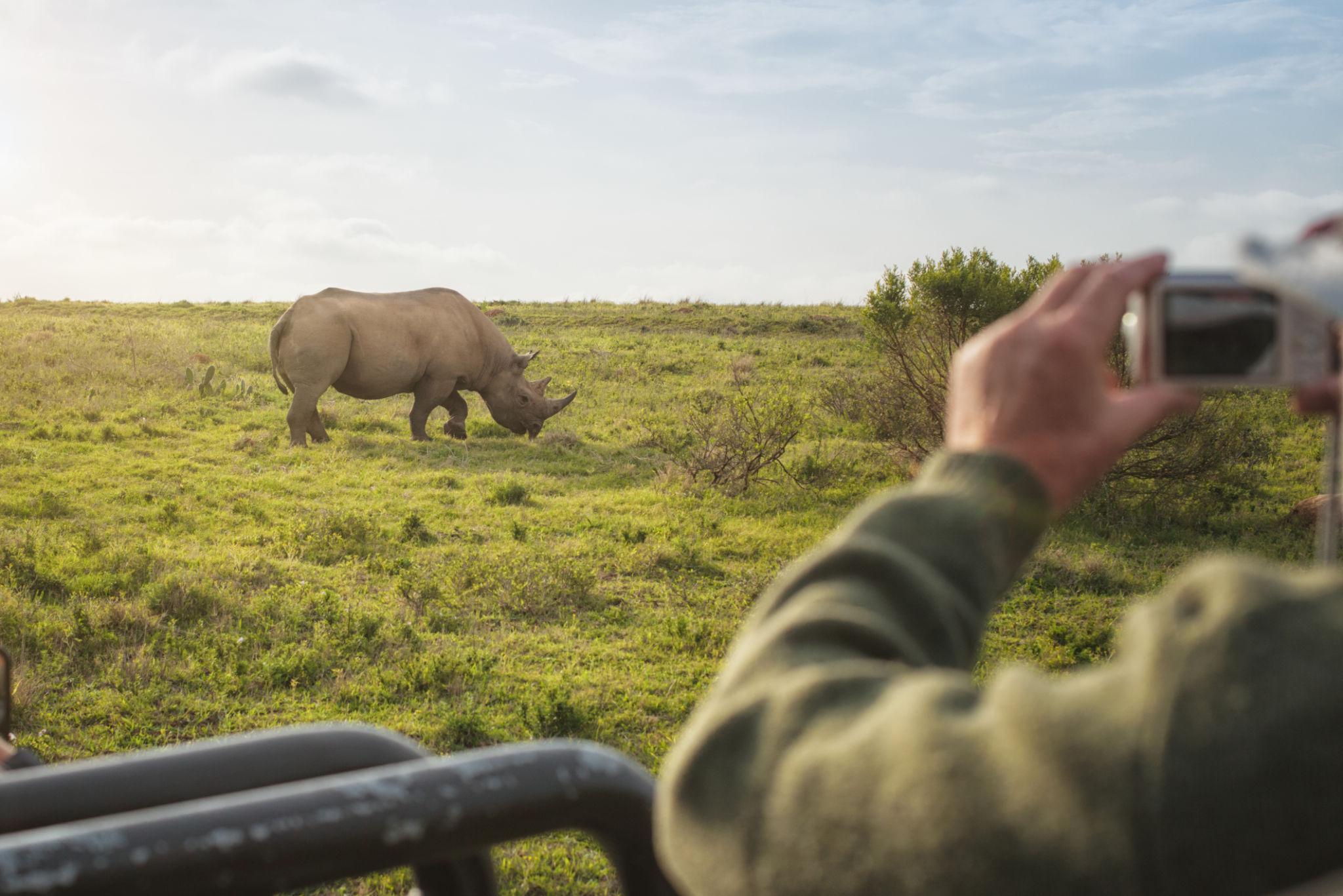
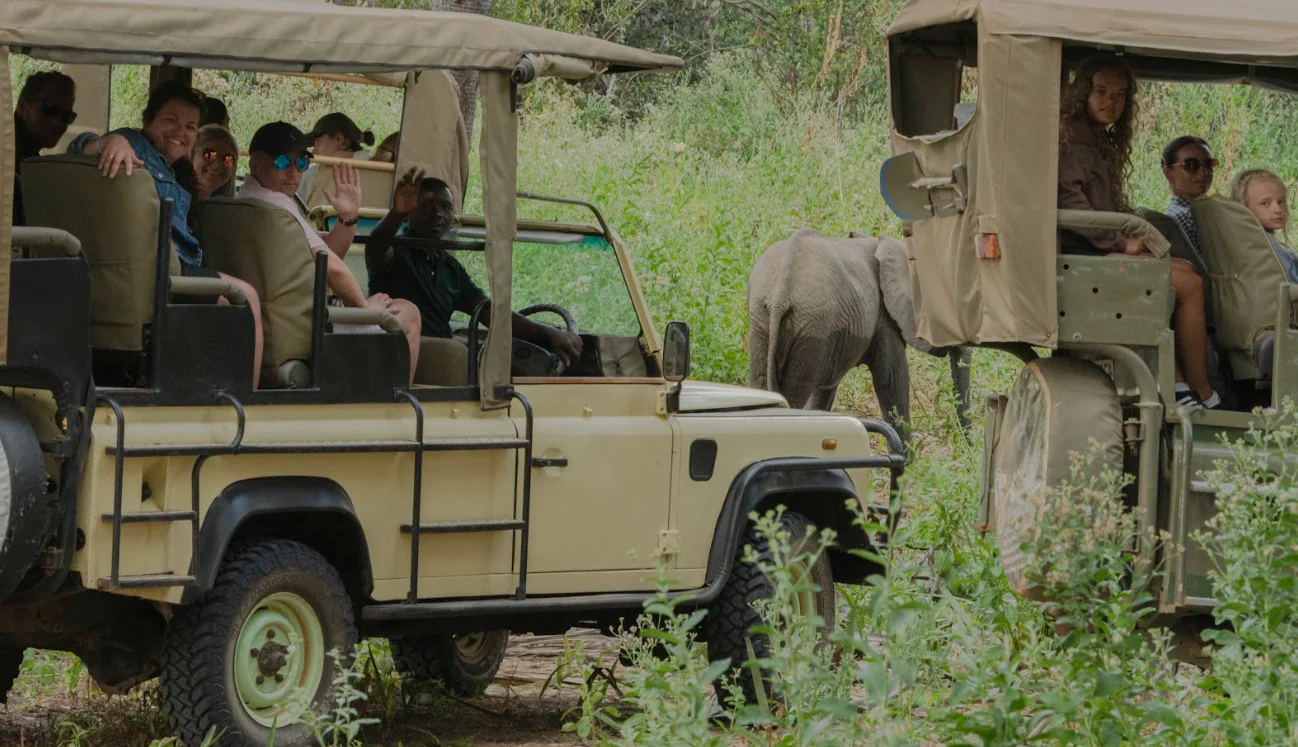
Across destinations like Queen Elizabeth National Park, Serengeti National Park, and Masai Mara National Reserve, tracking is both an art and a science passed down through generations.
In this guide, we explore How Guides Track Animals Without GPS, uncovering the techniques, signs, and instincts that make successful wildlife tracking possible.
Reading Animal Tracks and Footprints
One of the most fundamental aspects of How Guides Track Animals Without GPS is the ability to read and interpret tracks left on the ground. To a trained guide, footprints are not just marks in the soil—they are detailed clues that reveal the identity, behavior, and recent activity of an animal.
Each species leaves a unique imprint. A lion’s track is typically round with no visible claw marks, while a hyena’s footprint is more oval and often shows claws. Hoofed animals like antelope and buffalo leave split hoof prints that vary in size and spacing depending on the species and speed of movement. By studying these shapes, guides can quickly determine what animal has passed through the area.
Beyond identifying the animal, tracks provide insight into movement and timing. Fresh tracks have clearly defined edges and may still show fine details such as skin texture or pressure marks. Older tracks appear faded, partially covered by dust, or disturbed by wind and other animals. This allows guides to estimate how recently the animal was present—whether it passed minutes ago or several hours earlier.
The spacing and pattern of tracks also tell a story. Tracks that are widely spaced may indicate running or fleeing, while closely spaced prints suggest slow, relaxed movement. A sudden change in direction could signal that the animal reacted to something in its environment.
Guides often follow these tracks across different types of terrain, piecing together a continuous path. Even when tracks disappear on hard ground or rocky surfaces, experienced trackers look for small signs—such as displaced stones or slight disturbances—to continue the trail.
This ability to read and interpret footprints is a cornerstone of How Guides Track Animals Without GPS, turning the ground itself into a map of wildlife activity.
Interpreting Animal Behavior
Another critical element of How Guides Track Animals Without GPS is a deep understanding of animal behavior. Knowing how animals think, move, and respond to their environment allows guides to predict where they are likely to be at any given time.
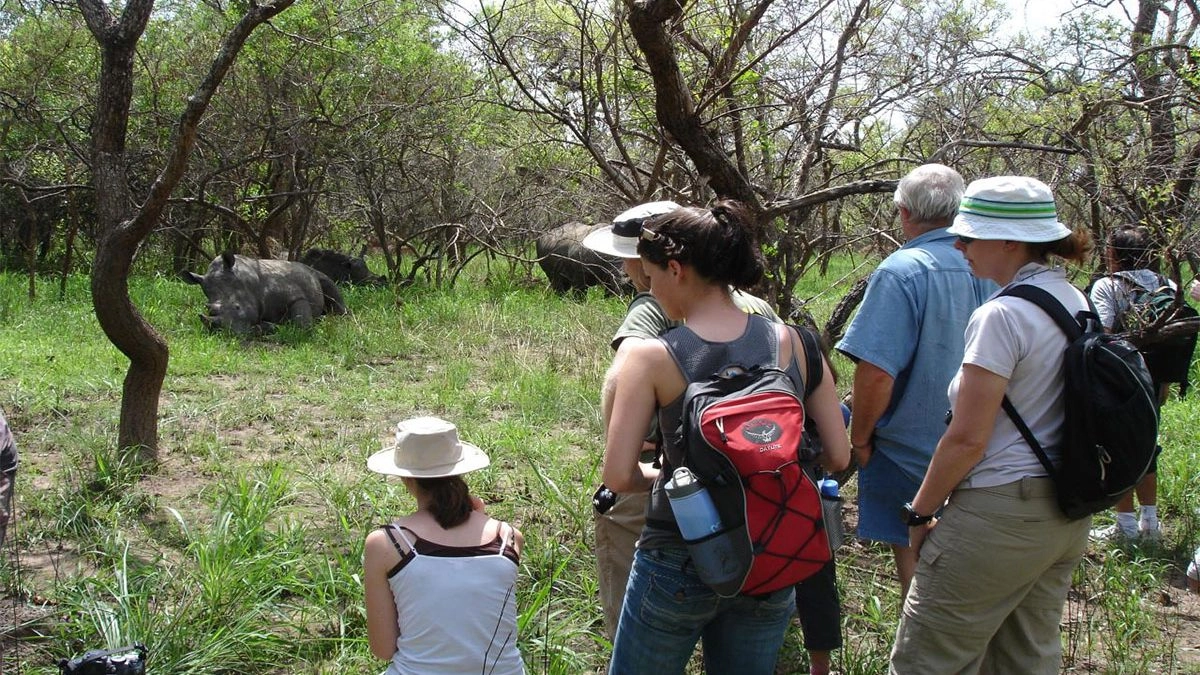
Animals follow daily routines influenced by factors such as food, water, temperature, and safety. Predators, for example, often rest during the heat of the day and become active in the early morning or evening. Guides know to check shaded areas, riverbanks, or tall grass where predators might be resting after a night hunt.
Herbivores, on the other hand, tend to move between feeding and watering areas. Elephants may follow established routes between grazing grounds and water sources, while antelope often graze in open areas where they can detect predators more easily. By understanding these patterns, guides can anticipate movement and position themselves strategically.
Seasonal changes also play a role. During dry periods, animals are more likely to gather around limited water sources, increasing the chances of sightings. In wetter seasons, they may spread out as food becomes more abundant.
Behavioral clues in the moment are just as important. A herd suddenly becoming alert, birds calling loudly, or animals moving in a specific direction can all indicate the presence of a predator nearby. Guides read these signals in real time, adjusting their tracking approach accordingly.
This combination of knowledge, observation, and anticipation is what makes How Guides Track Animals Without GPS so effective. Instead of searching randomly, guides use behavior to narrow down possibilities and increase the likelihood of successful sightings.
For safari travelers, this means that every stop, turn, or pause during a game drive is often based on careful reasoning and experience—not chance.