
Planning an African safari often raises one important question—How Safari Pricing Works and why costs can vary so widely. At first glance, safari pricing can seem complicated, but once you understand the structure behind it, everything becomes far more transparent.
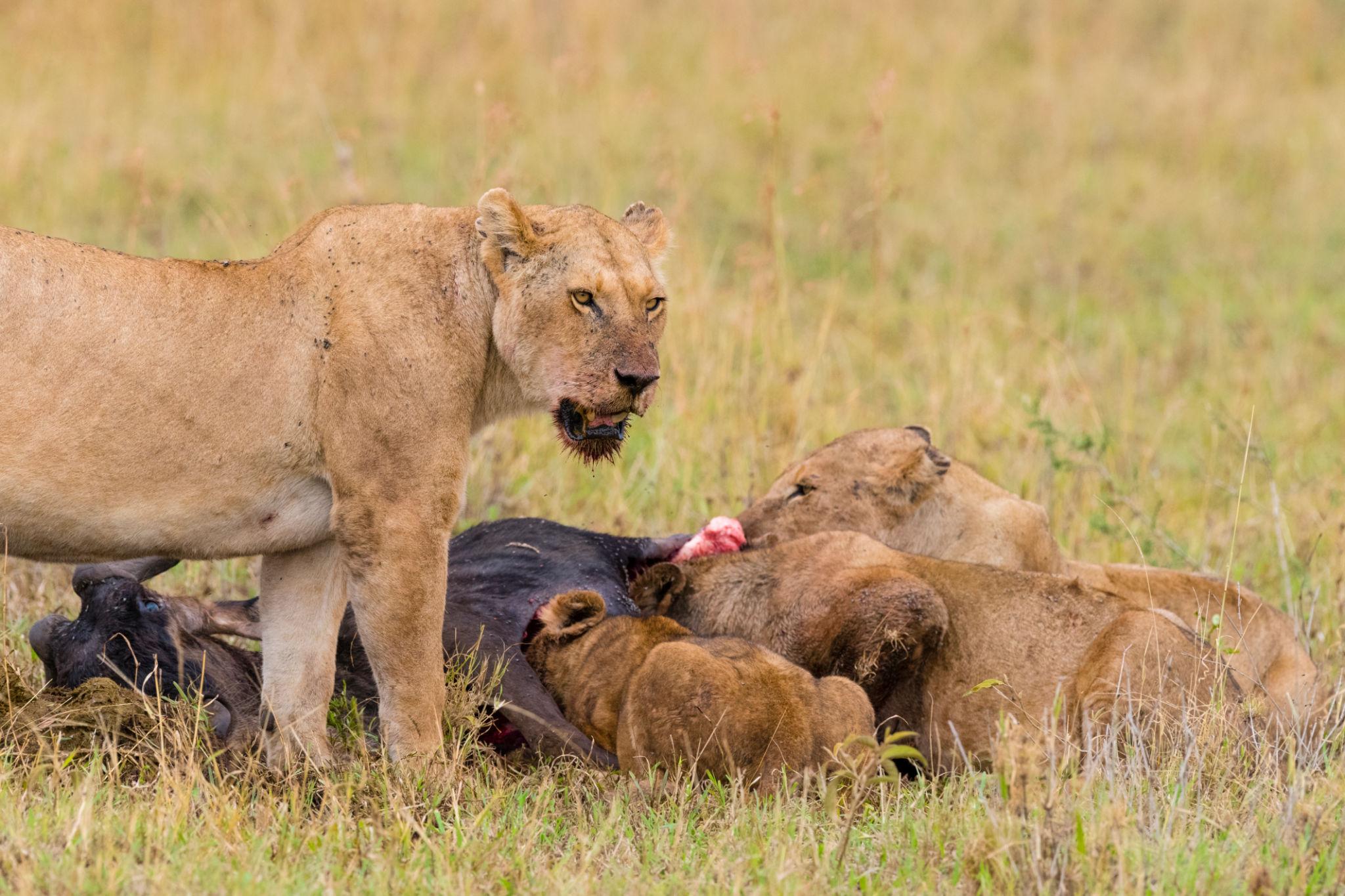
A safari is not a single product with a fixed price. It is a carefully assembled experience made up of multiple essential components—permits, accommodation, transport, conservation fees, and expert planning. Each of these elements contributes to the overall cost in a meaningful way.
This guide breaks down How Safari Pricing Works in detail, helping you understand exactly where your money goes and why a safari delivers far more value than it may initially appear.
Understanding How Safari Pricing Works
To truly understand How Safari Pricing Works, it is important to recognize that a safari is a customized package rather than a one-size-fits-all product.
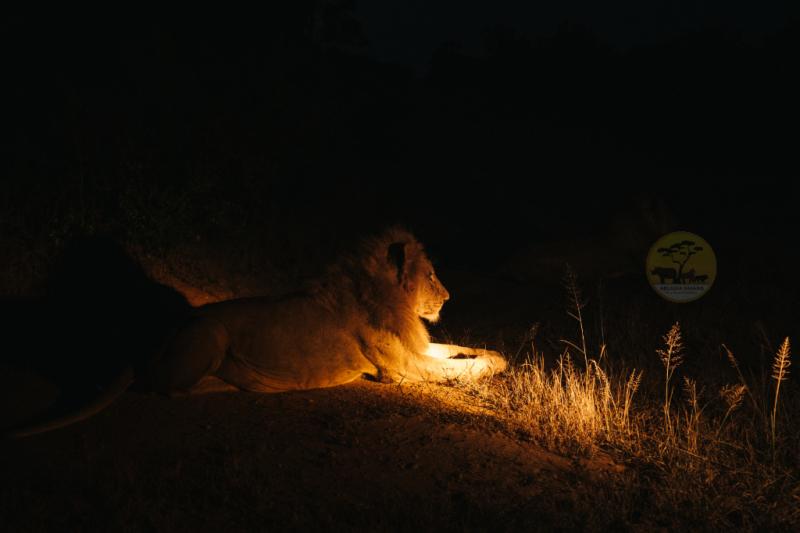
Unlike a typical vacation where you might book flights, hotels, and activities separately, a safari brings everything together into a single, well-coordinated itinerary. This includes transportation, park access, accommodation, guiding services, and daily activities—all managed seamlessly from start to finish.
Several key factors determine the final cost of a safari. The number of days plays a major role, as longer safaris naturally involve more accommodation nights, park fees, and operational costs. The destinations included also matter, as different parks and regions have varying entry fees and logistical requirements.
The level of accommodation significantly influences pricing as well. A luxury lodge with premium services will cost more than a midrange or budget option. Similarly, the type of safari—whether private or group-based—affects how costs are distributed among travelers.
Seasonal demand is another important factor. During peak travel seasons, prices increase due to high demand and limited availability, while lower seasons may offer more affordable options.
All these elements are combined to create a final itinerary, which is why How Safari Pricing Works varies from one traveler to another. The flexibility of safari planning allows you to adjust these components to match your budget and travel style.
The Biggest Cost Factor: Permits and Park Fees
One of the most significant aspects of How Safari Pricing Works is the cost of permits and park entry fees. These are often fixed costs set by governments and conservation authorities, and they form a large portion of the overall safari price.
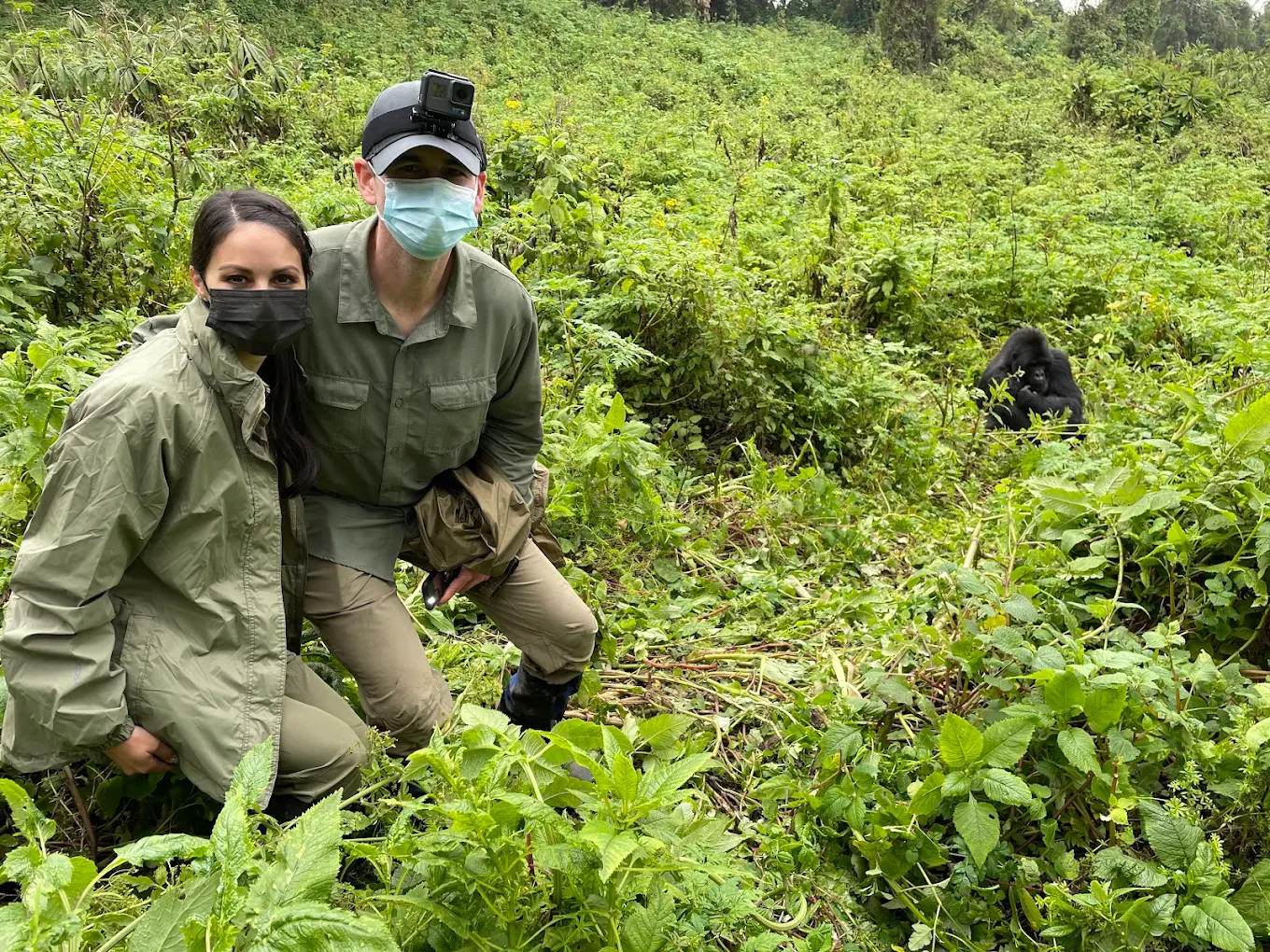
For example, visiting Bwindi Impenetrable National Park for gorilla trekking requires a permit that is issued in limited numbers each day. These permits are managed by organizations such as the Uganda Wildlife Authority, ensuring that tourism remains sustainable and does not harm the environment or wildlife.
Because these permits are strictly controlled and in high demand, they contribute significantly to safari pricing. They are also usually non-negotiable and must be paid in advance, which is why they are a key factor in How Safari Pricing Works.
In addition to permits, park entry fees apply in major safari destinations such as Serengeti National Park and Maasai Mara National Reserve. These fees are used to maintain the parks, protect wildlife, and support conservation efforts.
Unlike many other travel expenses, these fees are not controlled by safari operators. Instead, they are regulated at a national level, which means they remain consistent regardless of which company you book with.
Understanding this helps clarify an important point—when analyzing How Safari Pricing Works, a large portion of the cost is tied directly to conservation and access to protected areas rather than profit margins.
Accommodation: Budget to Ultra-Luxury
Accommodation is one of the most flexible and influential components in How Safari Pricing Works. It allows travelers to adjust their safari experience based on comfort preferences and budget.
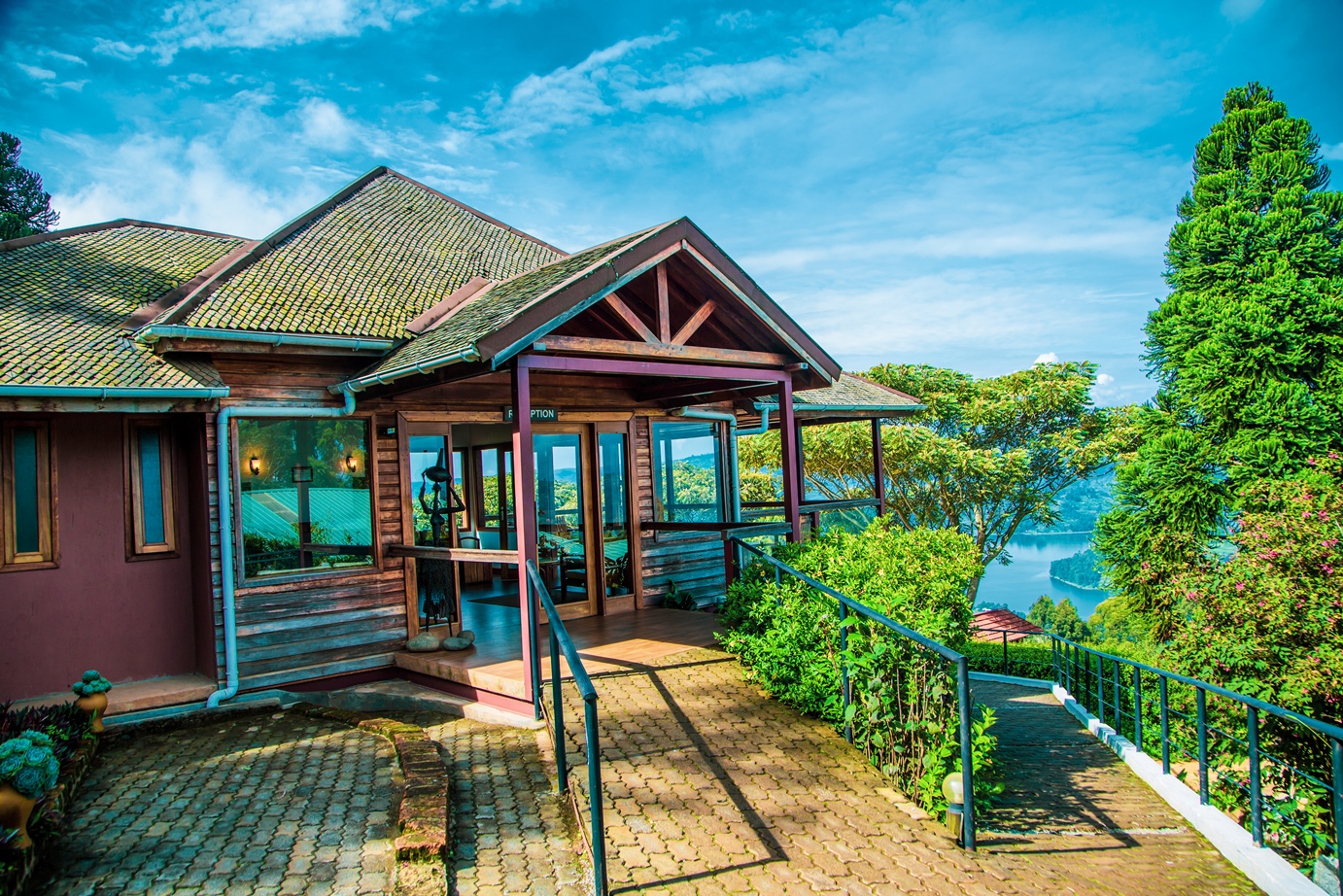
Safari lodges range from simple, budget-friendly camps to ultra-luxury properties offering world-class service. The variation in pricing is influenced by several key factors.
Location plays a major role. Lodges situated in remote or exclusive areas often cost more because of the logistical challenges involved in operating them. Supplies, staff, and materials must be transported over long distances, increasing operational costs.
The level of comfort and exclusivity also affects pricing. Luxury lodges may offer spacious suites, private decks, fine dining, and personalized services, while midrange lodges provide a comfortable and well-equipped stay without the premium extras.
Included services are another important consideration. Many safari lodges operate on a full-board basis, meaning meals and sometimes drinks and activities are included in the price. This bundled approach adds convenience and value but also contributes to the overall cost.
For example, staying near Ngorongoro Crater in a high-end lodge can significantly increase your safari budget compared to staying in a midrange property in a less exclusive area.
Accommodation choices give travelers the ability to shape their safari experience. By selecting different lodge categories, you can control a large portion of your total cost while still enjoying the core safari experience.
This flexibility is a key reason why How Safari Pricing Works varies so widely—it allows each itinerary to be tailored to individual preferences without compromising the quality of the journey.
Transport and Logistics Costs
Transport is one of the most important and often underestimated elements when understanding How Safari Pricing Works. Unlike typical travel where transport is straightforward, safaris involve complex logistics across remote and sometimes challenging terrain.

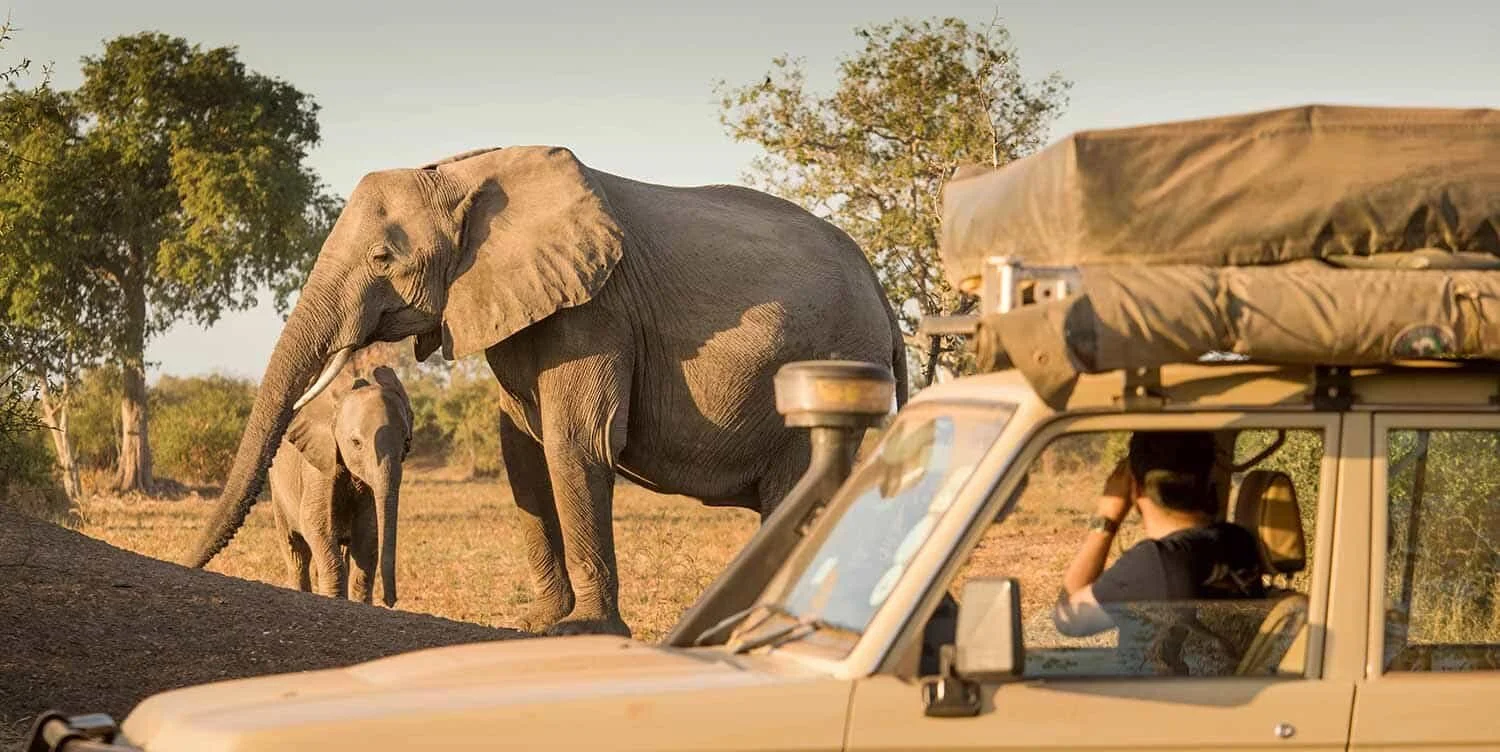
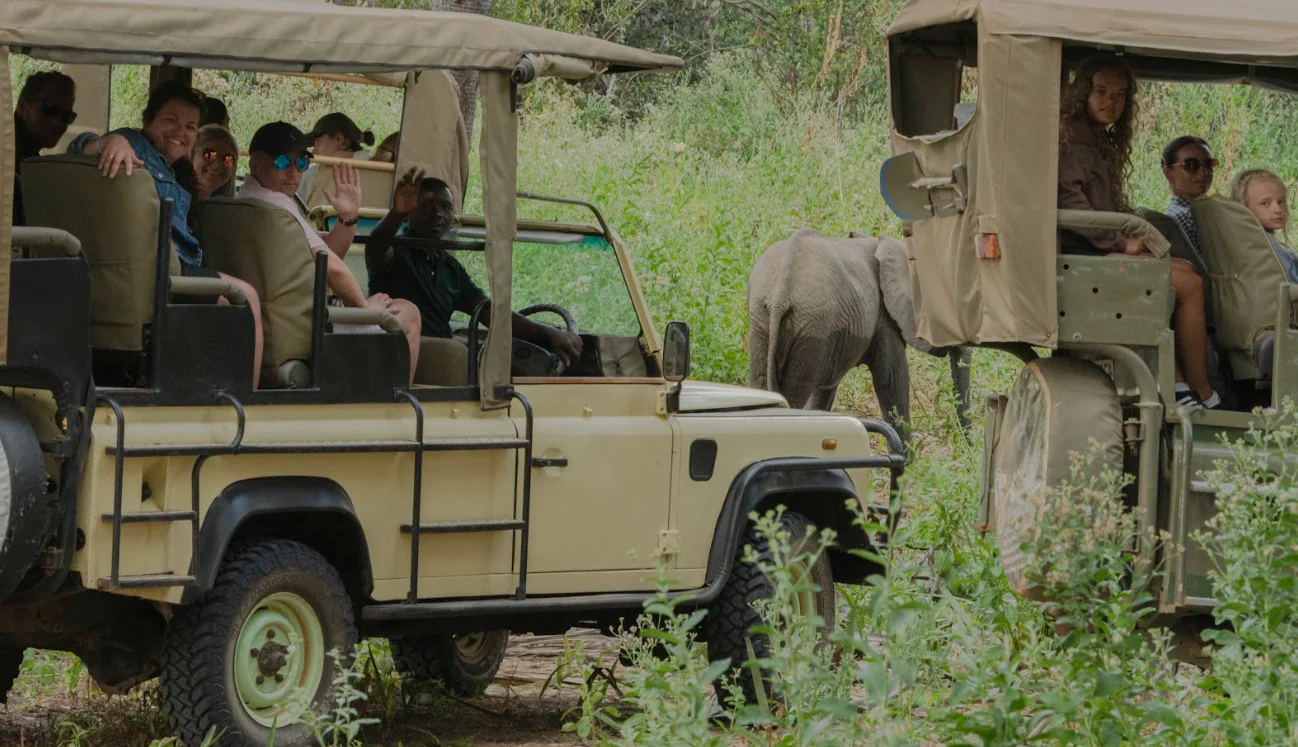
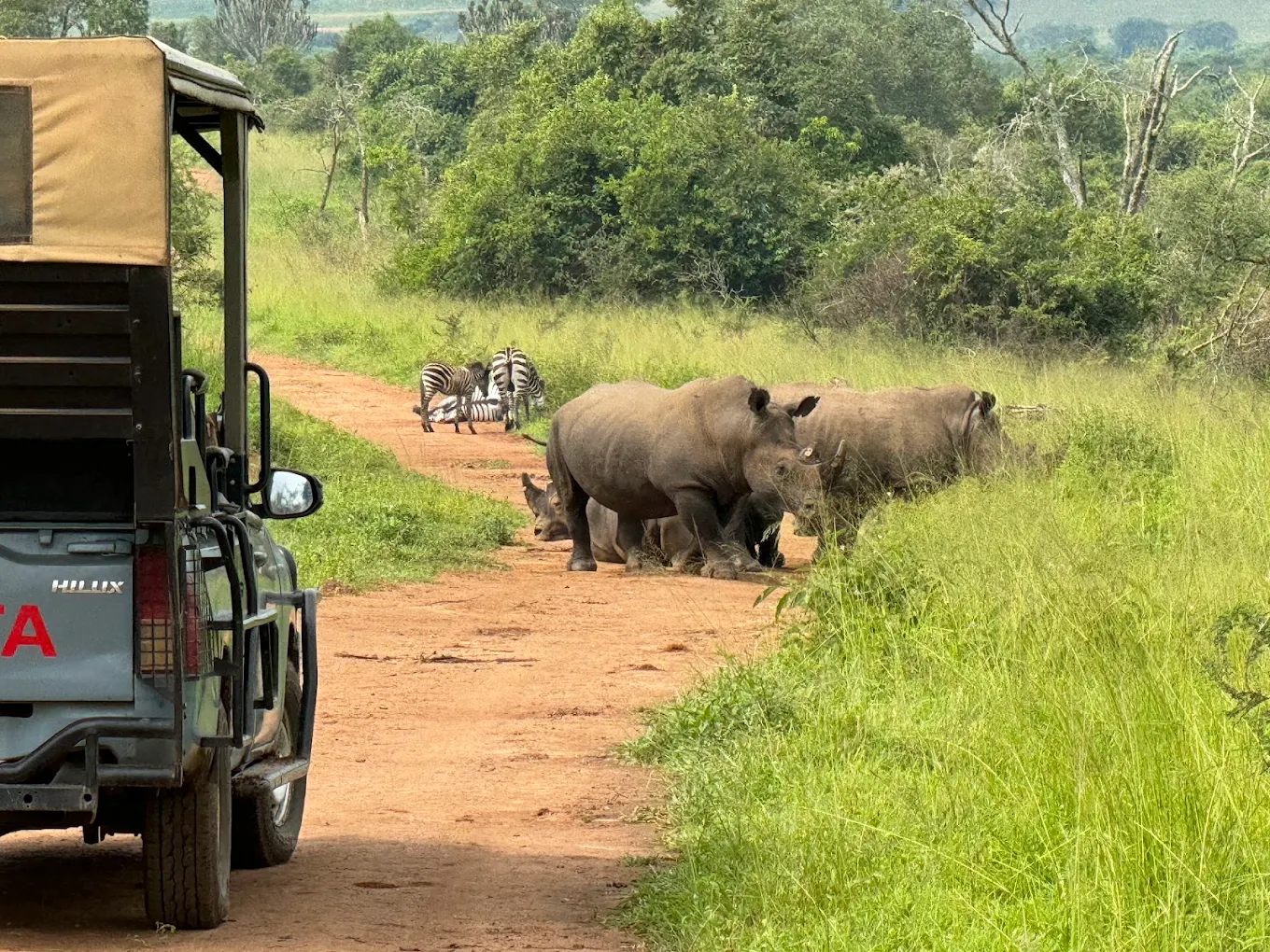
Safari vehicles are not standard cars—they are specially modified 4×4 Land Cruisers built for off-road conditions and optimal wildlife viewing. These vehicles are equipped with features such as pop-up roofs, reinforced suspension, and spacious seating, all designed to enhance comfort and visibility during game drives.
Operating these vehicles comes with significant costs. Fuel consumption is high due to long distances and rough terrain. Maintenance is also intensive, as vehicles must be kept in excellent condition to ensure safety and reliability in remote areas. Regular servicing, spare parts, and repairs are all part of the behind-the-scenes investment.
Another key cost is the driver-guide, who not only operates the vehicle but also serves as your expert throughout the safari. Their role includes navigation, wildlife tracking, safety management, and guest support, making them an essential part of the experience.
Road usage and park access also contribute to transport costs. Many national parks have designated routes and entry systems that require permits and fees, adding another layer to the logistics.
In some itineraries, domestic flights are included to reduce travel time between distant locations. For example, services operated by Aerolink Uganda allow travelers to access remote safari regions quickly and comfortably, avoiding long road journeys.
All these logistical components—vehicles, fuel, guides, road access, and flights—work together to create a seamless safari experience. This is why transport plays such a significant role in How Safari Pricing Works, often forming a substantial portion of the overall cost.
The Role of Safari Guides and Expertise
When exploring How Safari Pricing Works, one of the most valuable elements to consider is the role of the safari guide. While often overlooked in cost discussions, guide expertise is what transforms a safari from a simple trip into a truly enriching experience.
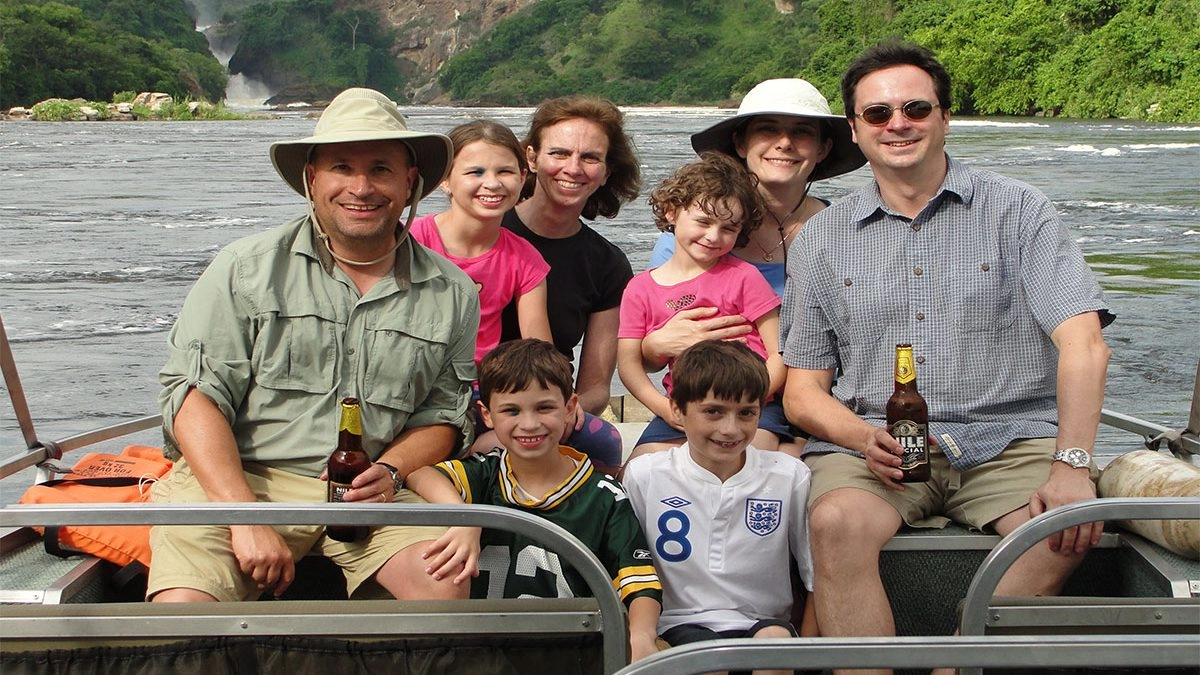
Professional safari guides undergo extensive training to understand wildlife behavior, ecosystems, and safety protocols. Their ability to read the environment—spotting tracks, interpreting sounds, and predicting animal movement—greatly increases your chances of meaningful wildlife encounters.
Guides are skilled in tracking animals across vast landscapes, whether it is locating a pride of lions in Serengeti National Park or identifying bird species in diverse habitats. They also provide valuable insights into animal behavior, helping travelers understand what they are observing rather than simply seeing it.
Safety is another critical responsibility. Safaris take place in wild environments where animals roam freely, and having a knowledgeable guide ensures that all interactions are conducted responsibly and safely.
Beyond technical skills, guides enhance the overall experience through storytelling, cultural knowledge, and personalized service. They adapt the safari to your interests, whether you are focused on photography, birding, or general wildlife viewing.
This level of expertise is built into the pricing structure because it is essential to delivering a high-quality safari. When considering How Safari Pricing Works, it is important to recognize that you are not just paying for transport—you are investing in knowledge, experience, and professional guidance.
Seasonality and Demand
Seasonality is a key factor that significantly influences How Safari Pricing Works. The time of year you choose to travel can affect both the cost and the overall experience of your safari.
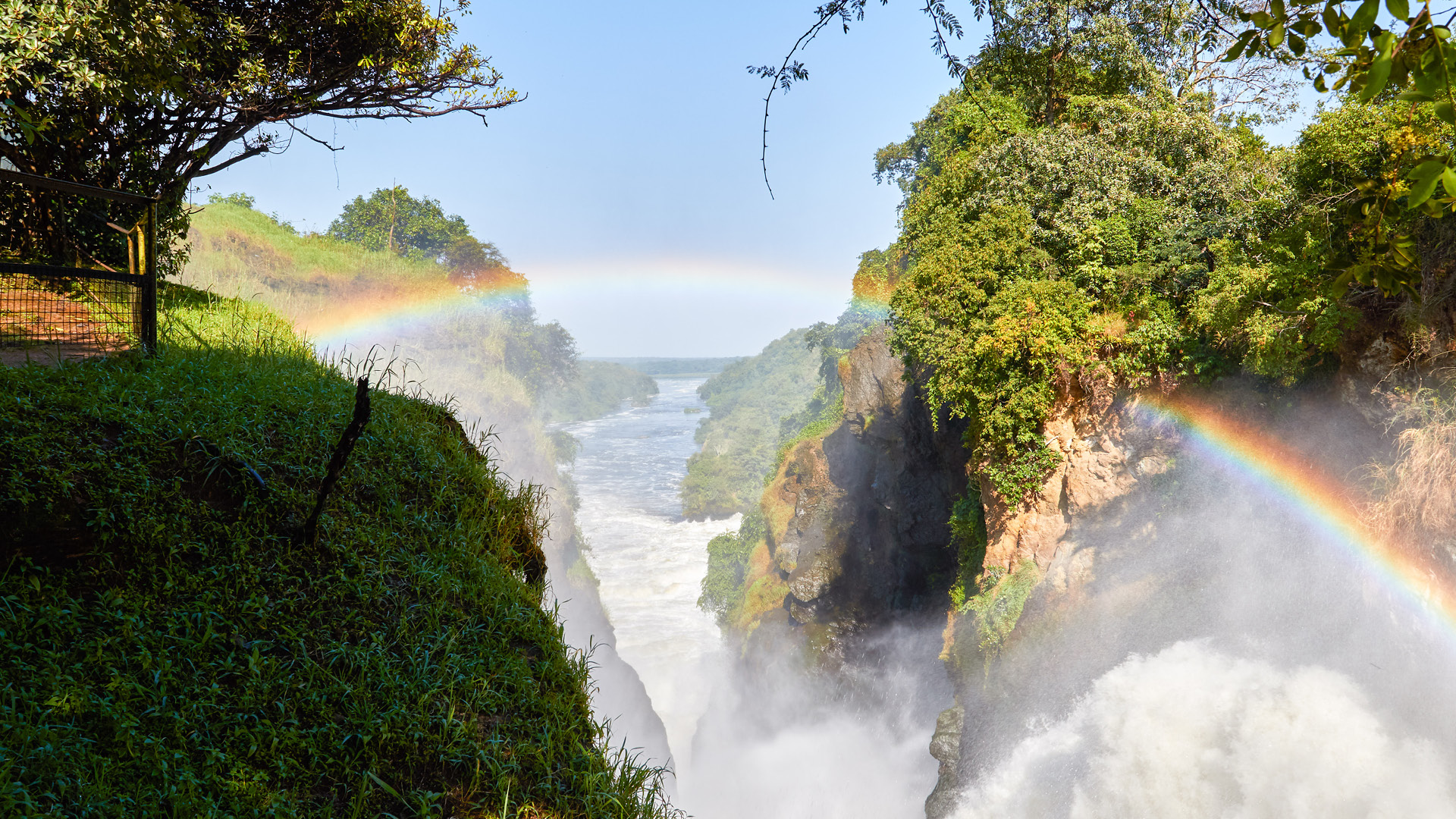
High seasons, typically from June to September and December to February, are the most popular times for safari travel. During these periods, wildlife viewing conditions are often at their best. Dry weather makes it easier to spot animals as they gather around water sources, and vegetation is less dense.
Because of these favorable conditions, demand increases significantly. Lodges fill up quickly, permits become limited, and prices rise accordingly. In destinations like Maasai Mara National Reserve, peak season also coincides with major wildlife events such as the Great Migration, further driving demand.
In contrast, the low or green season offers a different experience. Prices are generally lower, making safaris more accessible for budget-conscious travelers. Parks are less crowded, allowing for a more private and relaxed experience. Landscapes are lush and vibrant, providing excellent opportunities for photography.
However, wildlife can be slightly harder to spot due to thicker vegetation, and occasional rains may affect travel conditions. Despite this, many travelers find the green season rewarding for its tranquility and value.
Understanding these seasonal differences helps explain why prices fluctuate and is a crucial part of How Safari Pricing Works. Choosing the right season depends on your priorities—whether you value peak wildlife viewing or a more affordable and quieter experience.
Private vs Group Safaris
Another major factor in How Safari Pricing Works is whether you choose a private safari or a group safari. This decision has a direct impact on both cost and overall experience.
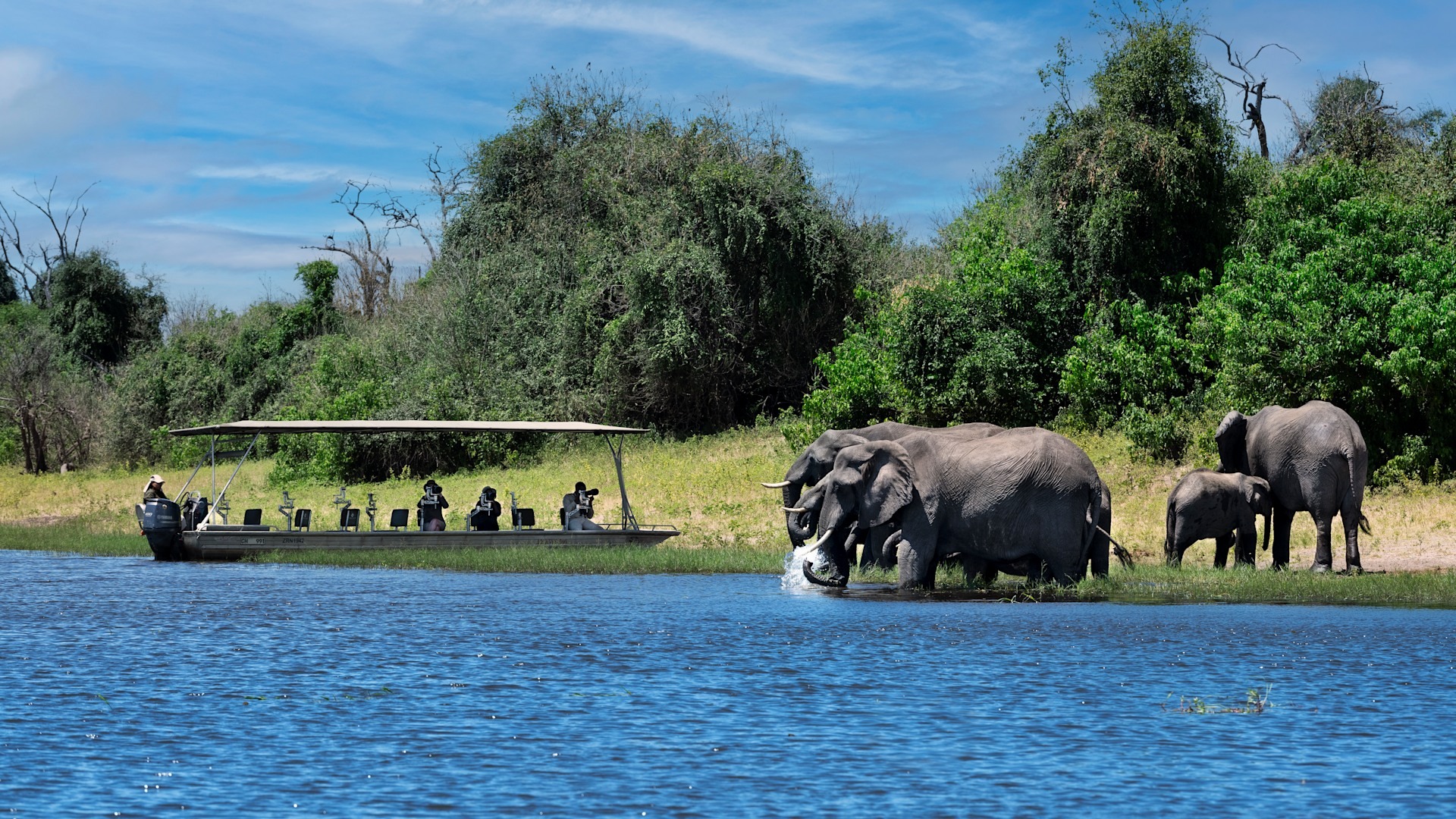
Private safaris offer a high level of flexibility and exclusivity. You have a dedicated vehicle and guide, allowing you to customize your itinerary, travel at your own pace, and focus on your specific interests. Whether you want to spend extra time observing a particular animal or adjust your schedule, a private safari gives you full control.
This level of personalization comes at a higher cost because expenses such as the vehicle, guide, and fuel are not shared. For couples, families, or small groups, private safaris often provide the best balance between comfort and value.
Group safaris, on the other hand, are designed to be more budget-friendly. Costs are shared among multiple travelers, making them more accessible. These safaris usually follow fixed itineraries and schedules, which means less flexibility but still a well-organized experience.
Despite the lower cost, group safaris still include professional guides, park access, and wildlife experiences. The main difference lies in the shared nature of the journey rather than the quality of the safari itself.
Choosing between private and group options is an important step in understanding How Safari Pricing Works. It allows travelers to align their budget with their preferred level of comfort, flexibility, and exclusivity.
Behind-the-Scenes Operational Costs
One of the most overlooked aspects of How Safari Pricing Works is what happens behind the scenes. While travelers see the final itinerary, a significant amount of coordination and management takes place long before the safari begins.
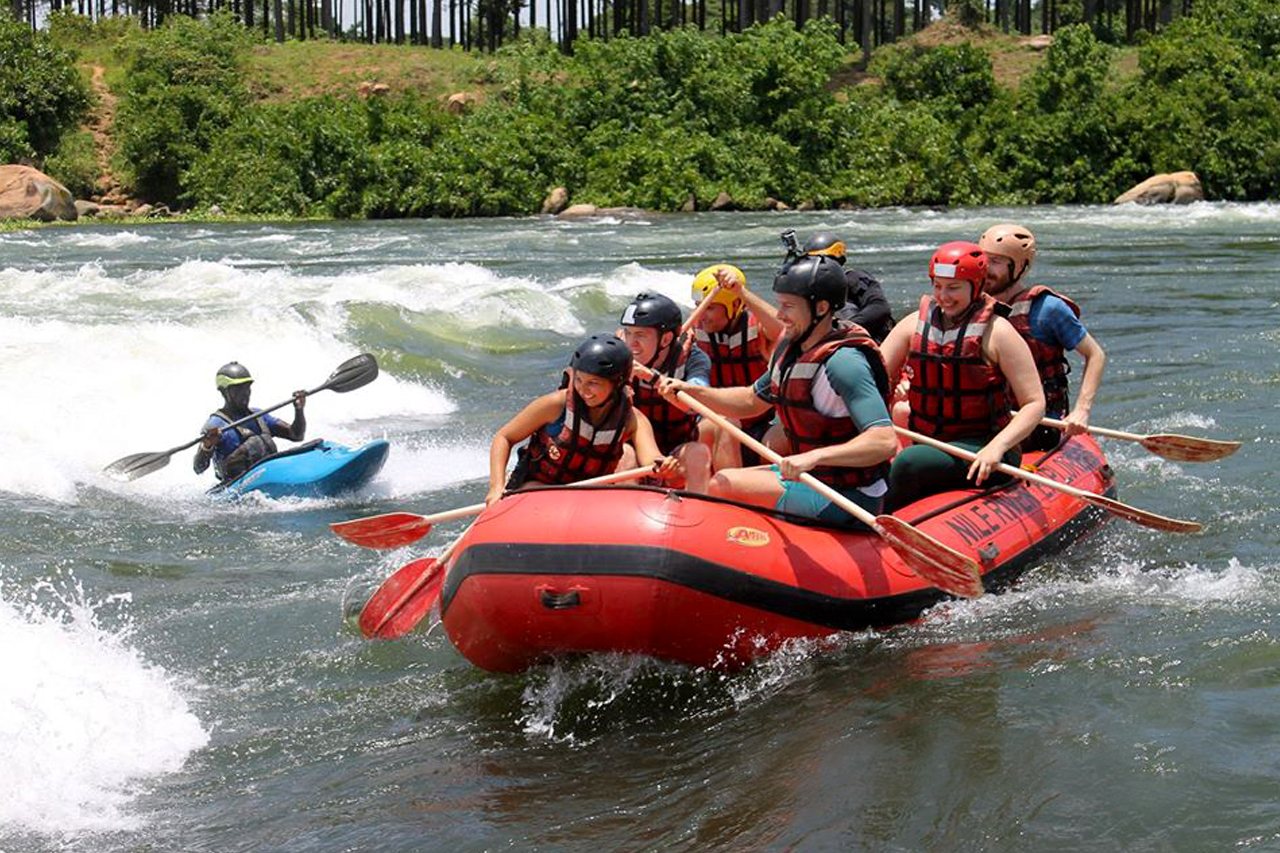
Safari operators handle a wide range of responsibilities that are essential to delivering a seamless experience. This starts with securing permits and accommodation, which often requires real-time availability checks and immediate payments—especially for high-demand destinations like Bwindi Impenetrable National Park.
Transport coordination is another major task. Operators organize vehicles, assign experienced driver-guides, and plan routes that balance efficiency with wildlife viewing opportunities. In multi-destination safaris, this can involve coordinating road transfers and flights across different regions.
There is also a strong focus on logistics management. This includes monitoring travel schedules, ensuring timely pickups, handling park entry requirements, and managing any unexpected changes along the way. Safaris take place in remote environments, so having a system in place to respond quickly to challenges is essential.
Customer support is equally important. From the moment a traveler makes an inquiry to the completion of the safari, operators provide guidance, answer questions, and ensure that every detail is clearly communicated. This level of support adds confidence and reliability to the entire experience.
These behind-the-scenes efforts are a core part of How Safari Pricing Works. Without professional coordination, organizing a safari independently would be extremely complex and time-consuming. The operational structure ensures that travelers can focus on enjoying the journey rather than managing logistics.
Why Safari Pricing May Seem High
At first glance, safari pricing can appear expensive, leading many travelers to question How Safari Pricing Works. However, the cost reflects the unique nature of safari travel and the environments in which it operates.
Safaris take place in protected areas where tourism is carefully controlled. Parks such as Serengeti National Park and Maasai Mara National Reserve have strict regulations designed to preserve wildlife and ecosystems. These limits reduce overcrowding but also mean that fewer visitors can access these areas at any given time.
Operational costs are also significantly higher than in typical travel destinations. Lodges are often located in remote areas where supplies must be transported over long distances. Infrastructure such as electricity, water, and waste management must be maintained independently, increasing the cost of operations.
Skilled labor is another key factor. Professional guides, hospitality staff, and logistics teams are trained to deliver high-quality service in challenging environments. Their expertise is essential to the safari experience and is reflected in the pricing.
Conservation contributions are built into many safari costs as well. Park fees, permits, and tourism revenue support wildlife protection, anti-poaching initiatives, and community development programs. This means that part of what you pay goes directly toward preserving the destinations you are visiting.
When all these factors are considered, the question of How Safari Pricing Works becomes clearer. The cost is not simply about accommodation or transport—it reflects the complexity, exclusivity, and sustainability of the experience.
How to Adjust Safari Costs
Understanding How Safari Pricing Works gives you the flexibility to tailor your safari to your budget without compromising the quality of your experience.
One of the most effective ways to reduce costs is by traveling during the low or green season. During these periods, prices are generally lower due to reduced demand, while the landscapes are more vibrant and less crowded.
Choosing midrange or budget accommodation can also significantly lower your overall cost. Many midrange lodges still offer excellent comfort and service, allowing you to enjoy a high-quality safari without the premium price of luxury properties.
Joining a group safari is another practical option. By sharing transport and guide services with other travelers, costs are distributed, making the safari more affordable. While this reduces flexibility, it still provides a well-structured and rewarding experience.
Reducing internal flights can also help manage costs. While flights save time, road transfers are often more economical and can still offer scenic and engaging travel experiences across regions such as Queen Elizabeth National Park.
Adjusting these elements allows you to shape your safari according to your priorities. This flexibility is a key part of How Safari Pricing Works, making safaris accessible to a wide range of travelers.
Plan Your Safari with Confidence
At Pieland Gorilla Safaris, transparency and trust are at the heart of everything we do. We take time to explain How Safari Pricing Works so you have a clear understanding of what you are paying for and why it matters.
Every itinerary is thoughtfully designed to balance cost, comfort, and unforgettable experiences. From selecting the right destinations to coordinating every detail behind the scenes, our goal is to ensure your safari delivers exceptional value.
With expert planning, reliable service, and a deep understanding of safari logistics, your journey becomes more than just a trip—it becomes an experience worth every moment.