
The Life-Changing Impact: How Safari Travel Changes First-Time Visitors
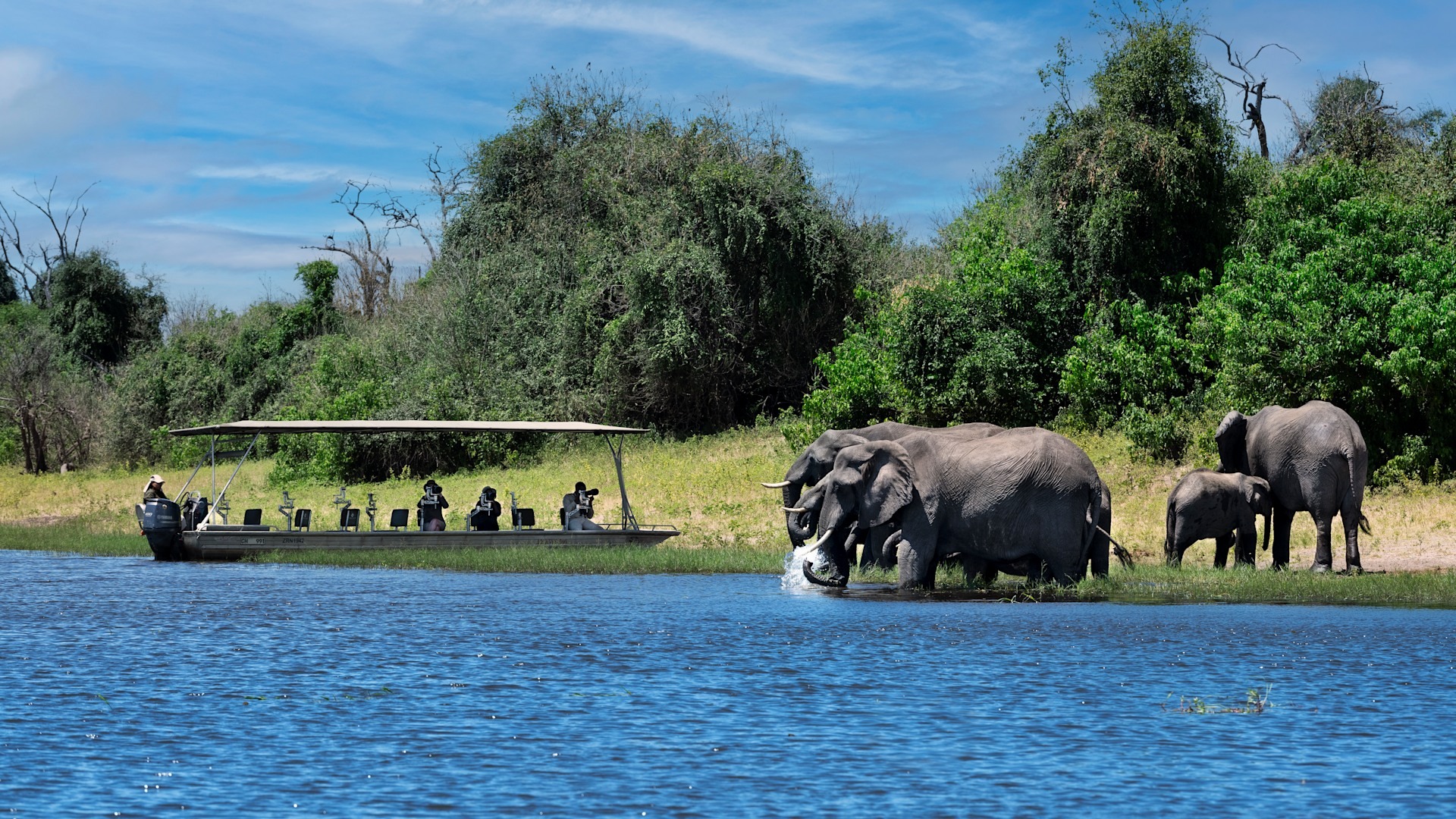
For many travelers, a safari begins as a dream—but it quickly becomes something far more meaningful. The reality of How Safari Travel Changes First-Time Visitors is that it goes beyond sightseeing and becomes a deeply personal experience.
At first, you may focus on what you expect to see—wildlife, landscapes, iconic scenes. But once you arrive, those expectations begin to shift. The experience becomes less about ticking off highlights and more about how each moment unfolds.
Curiosity turns into connection. You begin to feel the environment rather than just observe it. The sounds, the space, and the rhythm of nature all start to influence how you experience each day.
Understanding How Safari Travel Changes First-Time Visitors means recognizing that the transformation is subtle but powerful. It does not happen all at once—it builds through each encounter, each quiet moment, and each new perspective you gain along the way.
What you take home is not just memory—it is a different way of seeing.
How Safari Travel Changes First-Time Visitors: A New Way of Seeing Nature
One of the most immediate changes is how you begin to see and understand nature.
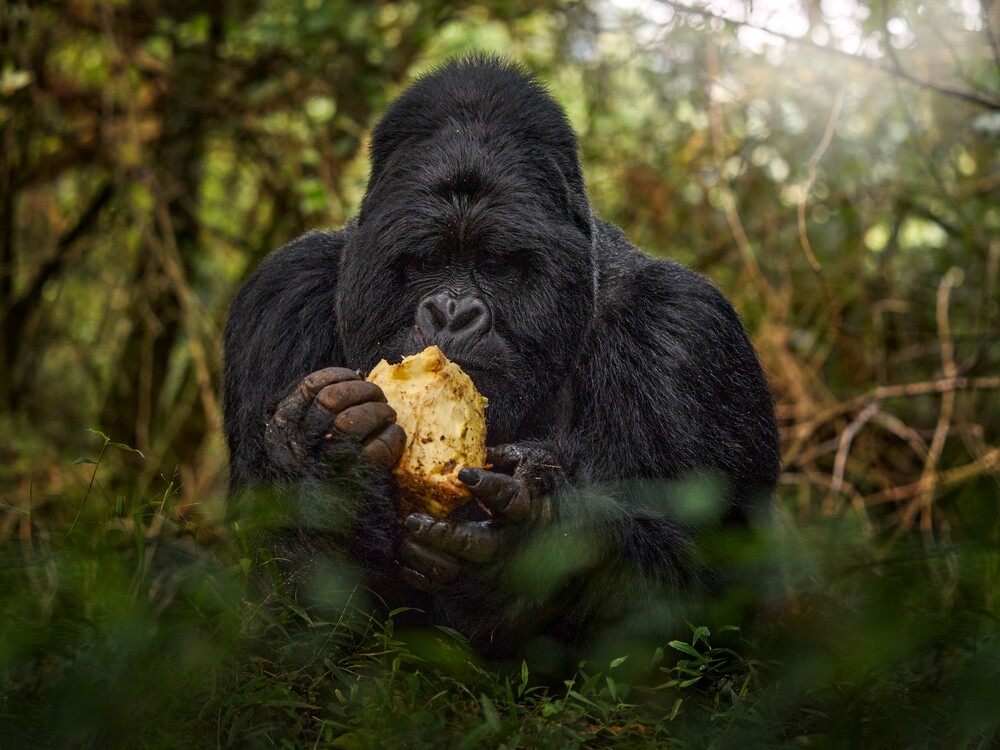
Before a safari, nature often feels distant—something you watch through documentaries, images, or short encounters. On safari, that distance disappears.
In places like Kenya, Tanzania, and Uganda, you are placed directly within the environment. There are no barriers between you and the landscape. Wildlife moves freely, ecosystems function naturally, and everything unfolds in real time.
This changes your perception.
Animals are no longer abstract or symbolic. You see their behavior, their interactions, and their role within the environment. You begin to understand that each species is part of a larger system.
You also start to notice the environment itself—the way light changes across the land, how weather influences movement, and how different habitats support different forms of life.
This awareness deepens your connection.
In How Safari Travel Changes First-Time Visitors, nature becomes something you experience fully. It is no longer just something you look at—it becomes something you feel, understand, and respect.
That shift often stays with you long after the safari ends.
How Safari Travel Changes First-Time Visitors: Slowing Down Your Mind
Another profound transformation happens in the way you experience time.
Modern life is often fast-paced. There are constant distractions, schedules, and demands for attention. On safari, that pace changes completely.

Mornings begin early, often before sunrise, when the environment is quiet and fresh. Instead of rushing, you ease into the day. Activities unfold naturally, guided by wildlife movement and natural conditions rather than strict timing.
Midday brings a slower rhythm. There is time to rest, reflect, and absorb what you have already experienced. Evenings offer calm, with space to think about the day and enjoy the atmosphere.
This natural flow begins to influence your mind.
Without constant interruptions, your thoughts become clearer. You begin to notice details that you would normally overlook—the sound of birds, the subtle movement of animals, the changing colors of the landscape.
Your attention becomes more focused.
In How Safari Travel Changes First-Time Visitors, this slower pace creates a sense of clarity and presence. You are no longer thinking ahead or multitasking—you are fully engaged in the moment.
This shift can feel unfamiliar at first, but it quickly becomes one of the most rewarding parts of the experience.
You begin to realize that slowing down does not mean missing out—it means experiencing more.
And once you feel that difference, it becomes something you want to carry with you beyond the safari.
How Safari Travel Changes First-Time Visitors: Emotional Connection
A safari is not just something you see—it is something you feel. One of the most powerful aspects of How Safari Travel Changes First-Time Visitors is the emotional connection that develops naturally throughout the journey.

In the wilderness, moments often unfold quietly, without announcement. You might watch animals interacting within a group, observe behavior that feels familiar, or simply sit in a landscape that feels untouched. These experiences can create emotions you did not expect—calm, awe, respect, and sometimes even a sense of humility.
Unlike structured attractions, nothing feels staged. Everything happens as part of a natural rhythm, and that authenticity deepens the emotional impact.
In destinations like Uganda, experiences such as gorilla trekking bring this connection even closer. Being in the presence of a gorilla family, observing their behavior and interactions, creates a moment that feels deeply personal. There is a quiet understanding that forms—one that goes beyond observation.
These emotional responses are not temporary. They stay with you.
In How Safari Travel Changes First-Time Visitors, this connection transforms the journey from a simple trip into something meaningful. You are not just remembering what you saw—you are remembering how it made you feel.
How Safari Travel Changes First-Time Visitors: A Sense of Perspective
Time spent in the wild often leads to a shift in perspective that is both subtle and lasting.
When you are surrounded by vast landscapes, natural systems, and freely moving wildlife, your sense of scale begins to change. The world feels larger, more complex, and more interconnected.

In places like Kenya and Tanzania, open plains stretch far beyond what the eye can easily take in. This vastness creates a sense of space that feels almost limitless.
At the same time, you begin to notice balance within the environment. Every element has a role—animals, plants, weather, and terrain all contribute to the functioning of the ecosystem.
This awareness leads to reflection.
You may start to think differently about time, priorities, and what matters most. The simplicity of life in the wilderness contrasts with the complexity of daily routines, creating a new way of looking at your own life.
In How Safari Travel Changes First-Time Visitors, this shift in perspective becomes one of the most lasting outcomes. It does not fade when the trip ends—it continues to influence how you think and feel.
How Safari Travel Changes First-Time Visitors: Learning Through Experience
A safari is also a deeply educational experience, but unlike traditional learning, it happens naturally and effortlessly.
Guides play a key role in this process. Their knowledge of wildlife behavior, ecosystems, and local environments adds depth to every moment. What might seem like a simple sighting becomes a story—explained, interpreted, and understood.
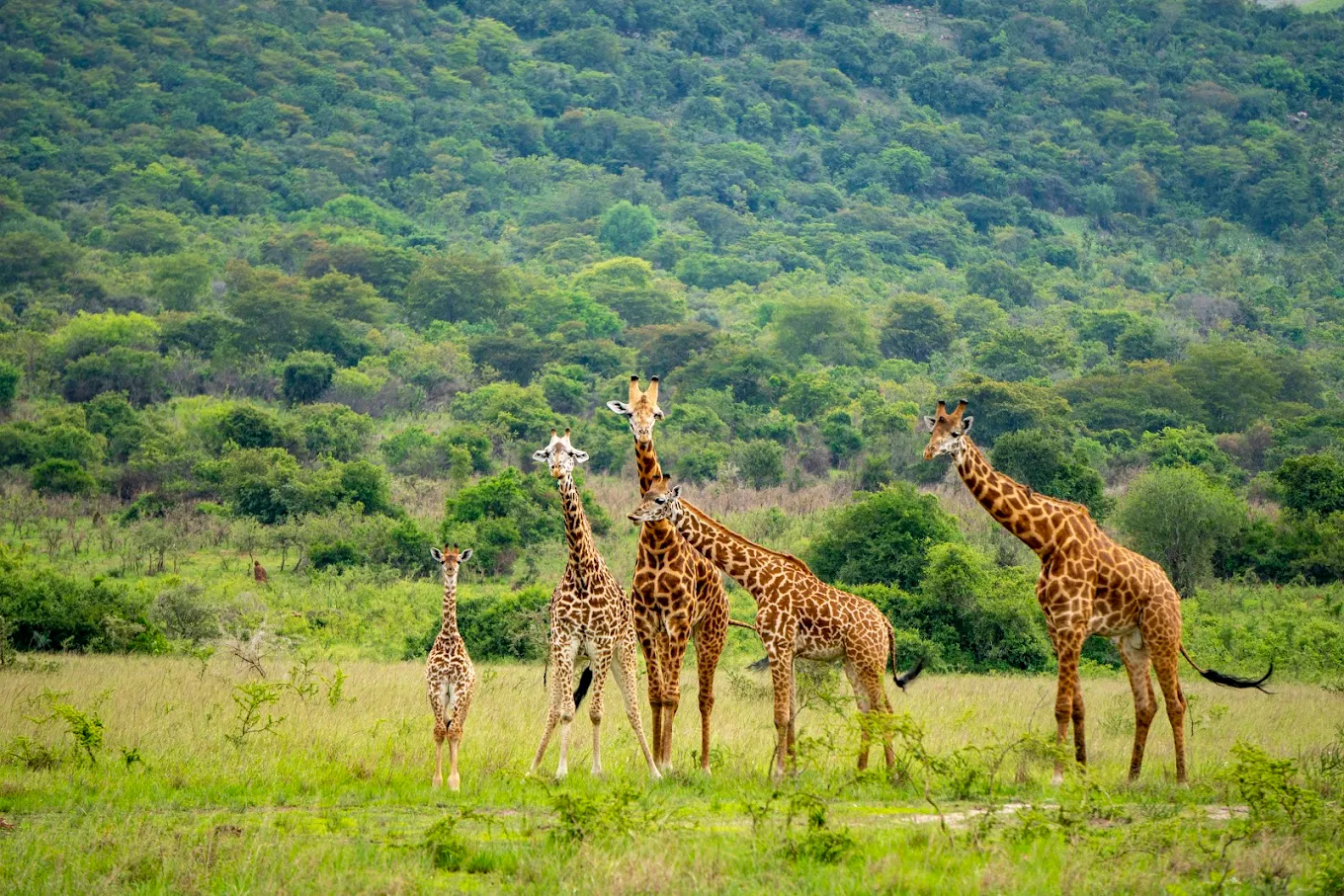
You begin to notice connections.
Why certain animals are found in specific areas. How behavior changes depending on time of day. How weather and seasons influence movement and interaction.
In destinations like Uganda, Kenya, and Tanzania, this learning happens continuously. It is not confined to a single moment—it is part of the entire journey.
What makes this experience unique is that it does not feel forced. You are not studying—you are observing, asking questions, and absorbing information as it becomes relevant.
Because of this, the knowledge stays with you.
In How Safari Travel Changes First-Time Visitors, learning becomes part of the transformation. You leave not only with memories, but with a deeper understanding of the natural world and how everything within it is connected.
How Safari Travel Changes First-Time Visitors: Appreciation for Simplicity

Life on safari often feels refreshingly simple, and that simplicity becomes one of the most meaningful transformations. This is a key part of How Safari Travel Changes First-Time Visitors.
Away from busy schedules, notifications, and constant noise, your environment becomes quieter and more focused. There is no pressure to multitask or rush from one activity to another. Instead, the day follows a natural flow shaped by the rhythm of the wilderness.
In places like Kenya, Tanzania, and Uganda, this simplicity becomes part of the experience itself. Mornings begin calmly, afternoons slow down naturally, and evenings allow time to reflect.
As this pace settles in, your attention shifts.
You begin to appreciate small moments—the quiet of early morning, the sound of nature around you, or the stillness of a landscape stretching into the distance. These moments might seem ordinary at first, but they quickly become meaningful.
In How Safari Travel Changes First-Time Visitors, this appreciation for simplicity often carries beyond the safari. You return home with a new awareness of how little is needed to feel present and fulfilled.
How Safari Travel Changes First-Time Visitors: Creating Lasting Memories
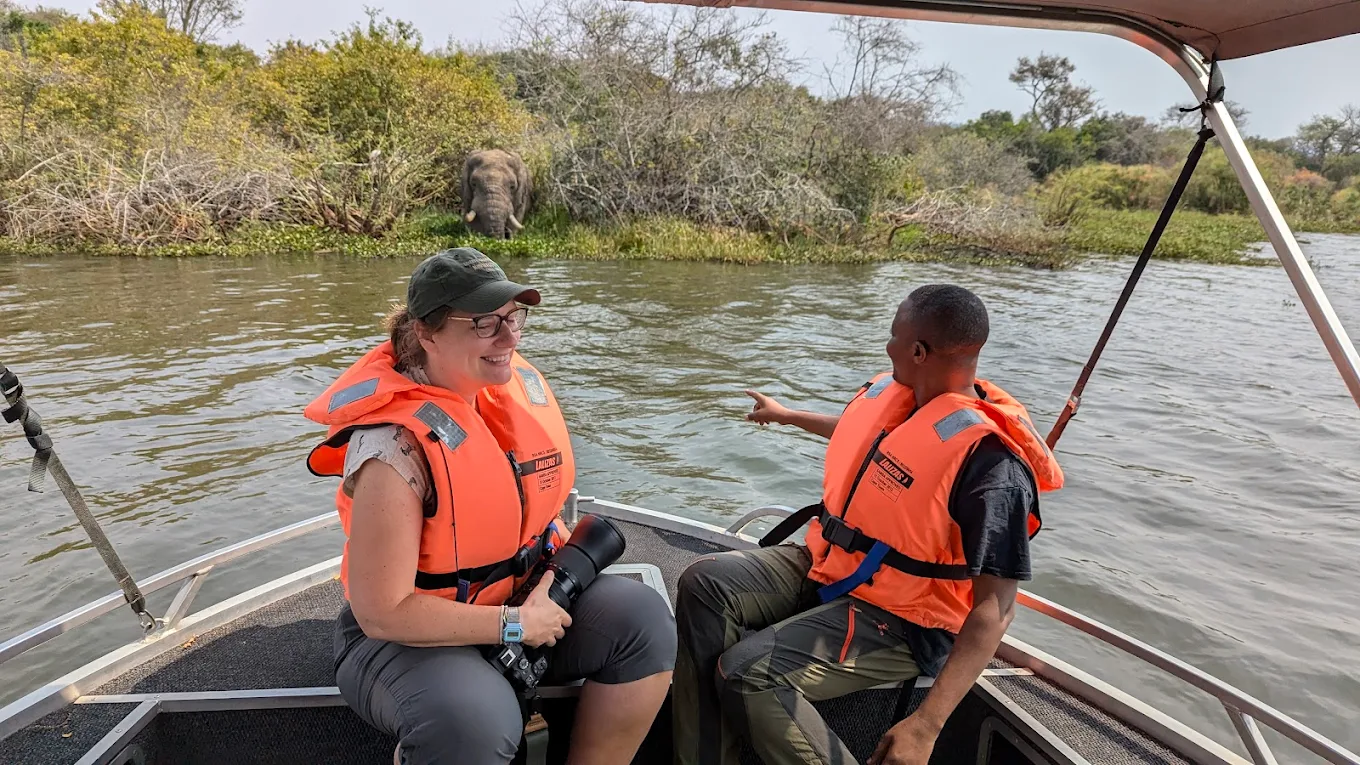
Safari experiences tend to stay with you in a way that is both vivid and emotional. This is another important aspect of How Safari Travel Changes First-Time Visitors.
Unlike many trips where memories blend together over time, safari moments remain distinct. You remember specific experiences clearly—the first wildlife sighting, the atmosphere of the environment, and the emotions you felt in each moment.
These memories are not only visual. They are connected to feelings.
You may recall the excitement of an unexpected encounter, the calm of a quiet morning, or the sense of awe when surrounded by vast landscapes. These emotional connections strengthen the memory, making it last longer.
Because of this, the experience does not fade easily.
In How Safari Travel Changes First-Time Visitors, these lasting memories continue to resurface, reminding you of how the journey felt rather than just what you saw.
Over time, they become part of your personal story.
How Safari Travel Changes First-Time Visitors: The Desire to Return
One of the most common outcomes of a first safari is the desire to return. This is a natural result of How Safari Travel Changes First-Time Visitors.
Each destination offers something different. The open plains of Kenya and Tanzania provide expansive landscapes and diverse wildlife, while the forests of Uganda offer more intimate and immersive experiences.
Even within the same destination, no two safaris are ever the same. Wildlife moves, seasons change, and new experiences emerge each time.
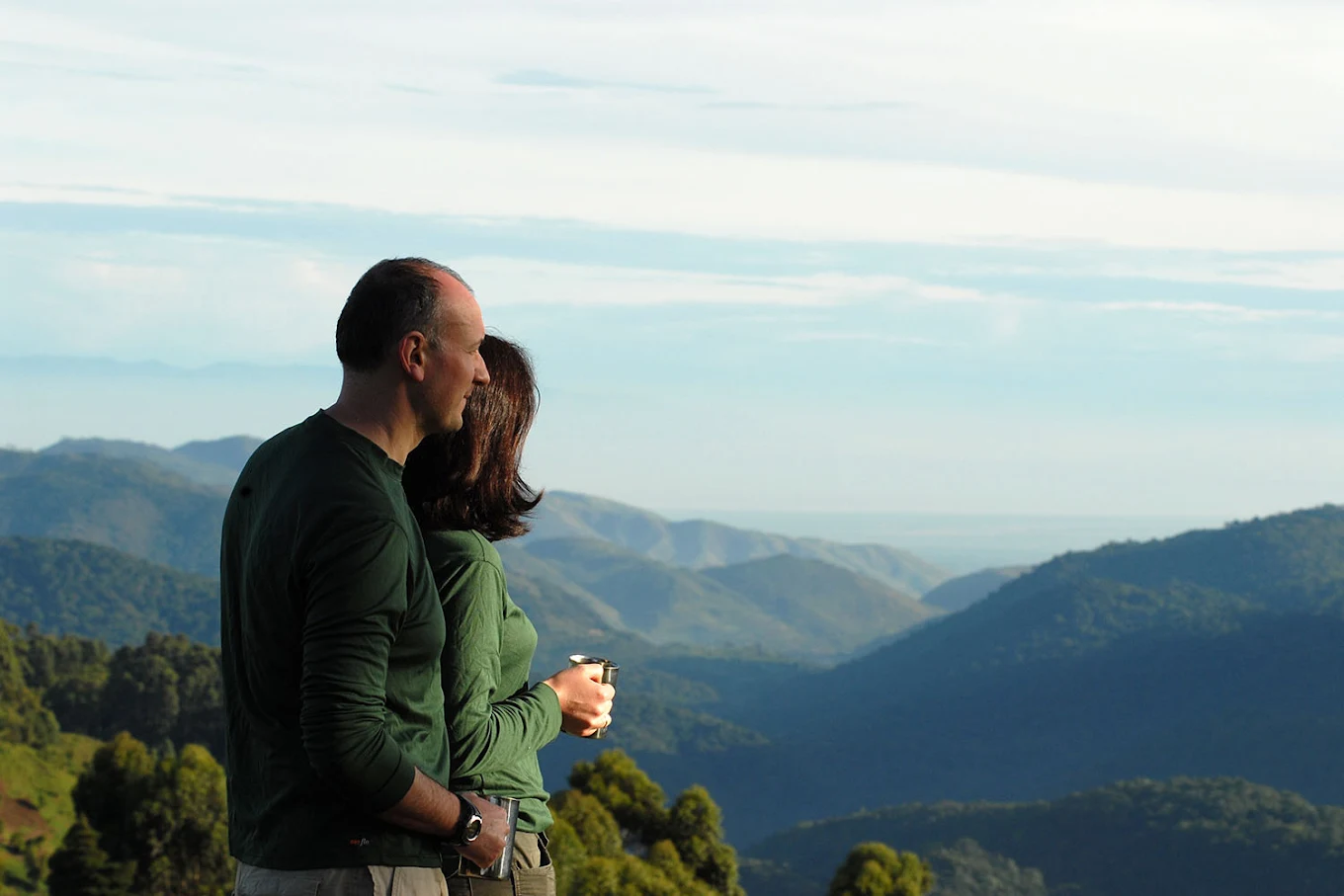
Because of this, a safari never feels complete.
Instead, it feels like the beginning of a larger journey—one that continues with each return. You are not repeating the same experience; you are expanding it.
In How Safari Travel Changes First-Time Visitors, this desire to come back reflects the depth of the experience. It is not just about seeing more—it is about reconnecting with a feeling that is difficult to find elsewhere.
That is what makes a safari so powerful. It does not end when the trip is over—it stays with you, and it calls you back.
Frequently Asked Questions About How Safari Travel Changes First-Time Visitors
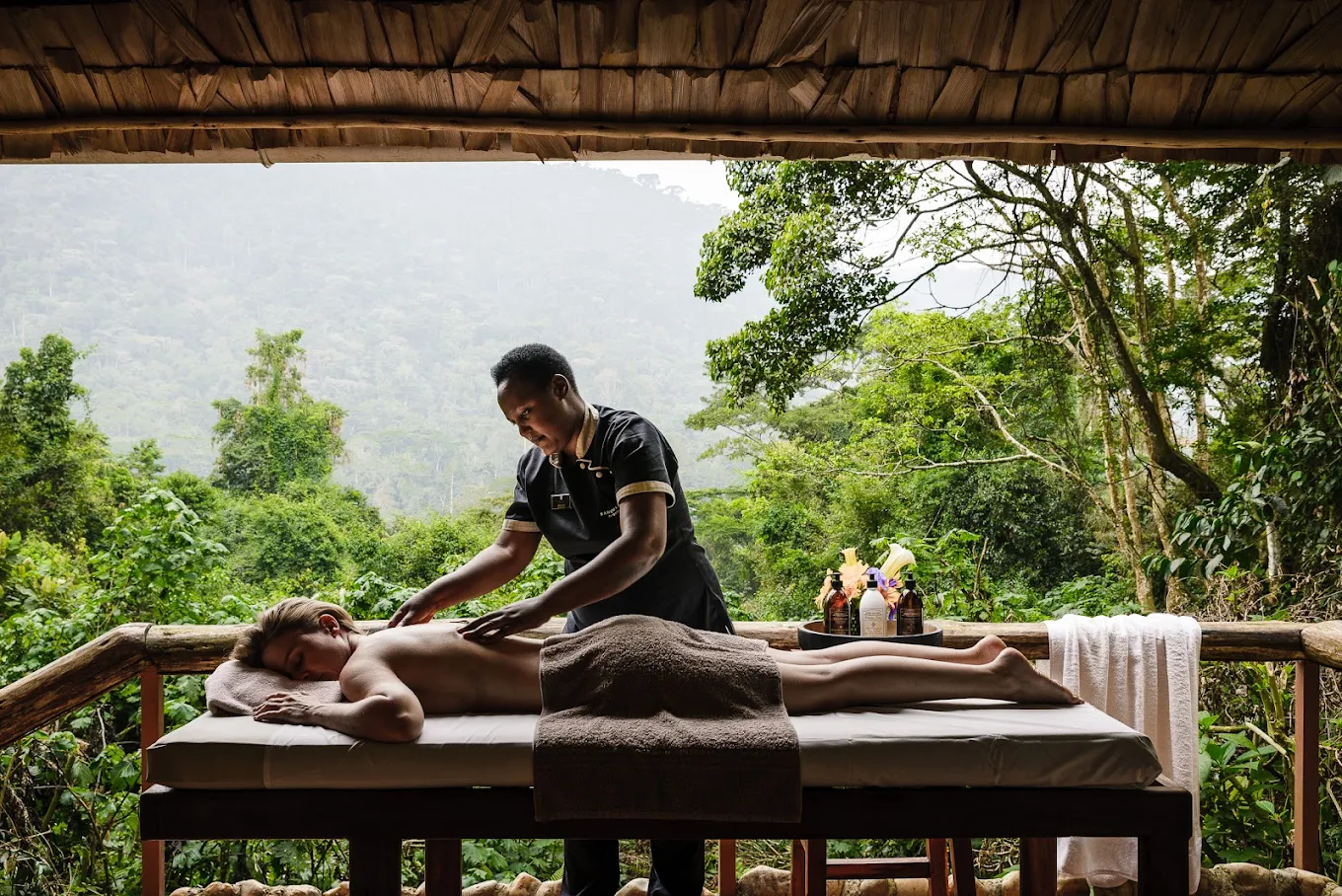
How does safari travel change first-time visitors emotionally?
The transformation in How Safari Travel Changes First-Time Visitors often begins emotionally. Many travelers feel a deeper connection to nature, experience moments of reflection, and develop a stronger sense of presence during their journey.
Is safari travel suitable for someone visiting Africa for the first time?
Yes, it is one of the best ways to experience Africa. How Safari Travel Changes First-Time Visitors is especially powerful for first-time travelers because everything feels new, authentic, and immersive.
What destinations are best for first-time safari travelers?
Top destinations include Uganda, Kenya, and Tanzania. Each offers unique landscapes and wildlife experiences that shape How Safari Travel Changes First-Time Visitors in different ways.
How long should a first safari be?
A safari of 5 to 10 days is ideal. This allows enough time to fully experience How Safari Travel Changes First-Time Visitors through multiple activities and environments.
Do I need to prepare mentally for a safari?
Being open to new experiences is the most important preparation. In How Safari Travel Changes First-Time Visitors, flexibility and curiosity help you fully enjoy the journey.
Will a safari feel physically demanding?
Some activities can require effort, such as early mornings or walking experiences. However, these are part of How Safari Travel Changes First-Time Visitors, adding to the sense of achievement and authenticity.
Why do people say a safari changes your perspective?
Spending time in nature often shifts how you think about life, time, and priorities. This is a core part of How Safari Travel Changes First-Time Visitors, as it creates lasting personal insights.
Plan Your Safari Experience with Experts
At Pieland Gorilla Safaris, we understand exactly How Safari Travel Changes First-Time Visitors, and we design every journey to bring out that transformation.
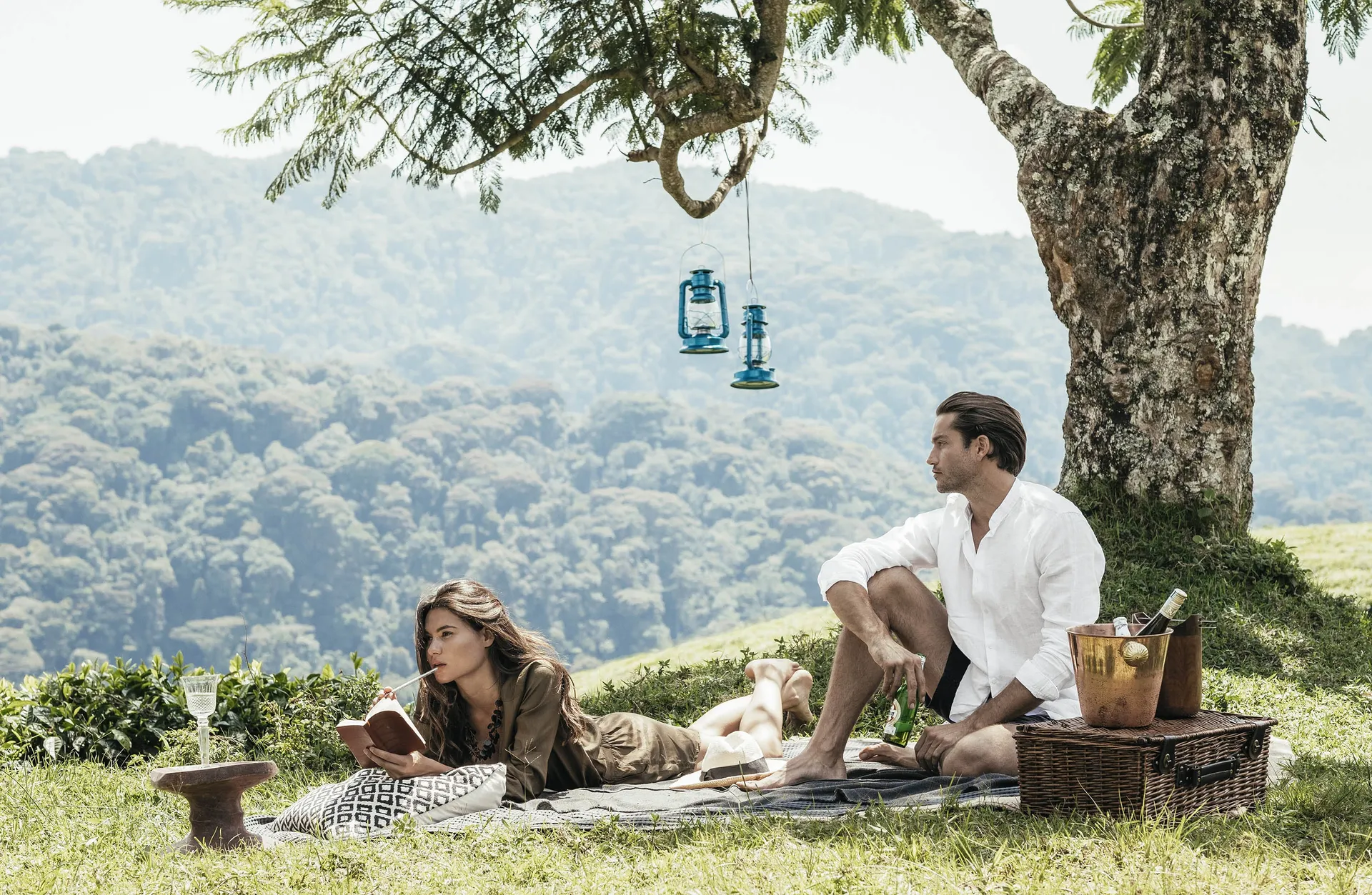
A safari should feel natural, not rushed. That is why we focus on creating experiences rather than simply organizing itineraries. Each journey is carefully crafted to allow you to connect with the environment, the wildlife, and the rhythm of the wilderness.
We begin by selecting the right destinations across Uganda, Kenya, and Tanzania based on your travel style and expectations. Whether you are drawn to open savannahs, forest experiences, or a combination of both, your itinerary is tailored to maximize your experience.
Expert guides play a central role in shaping your journey. Their knowledge and understanding of wildlife behavior turn every moment into something meaningful. They help you see beyond the surface, adding depth to each experience.
Every logistical detail is handled seamlessly—from accommodations to transfers—so that you can focus entirely on the experience itself. Carefully selected lodges ensure comfort while keeping you close to nature, allowing you to fully experience each day from morning to evening.
Through this approach, your safari becomes more than just a trip. It becomes a journey that reflects exactly How Safari Travel Changes First-Time Visitors—immersive, emotional, and unforgettable.
Our goal is simple: to ensure your safari is not only smooth but truly transformative, leaving you with memories and perspectives that stay with you long after you return home.