
The Hidden Secrets: Leopard Behavior Explained for Safari Travelers
Understanding Leopard Behavior Explained for Safari Travelers opens the door to one of Africa’s most elusive and fascinating predators. Leopards are known for their secrecy, intelligence, and remarkable adaptability, making them one of the most exciting animals to encounter on safari.
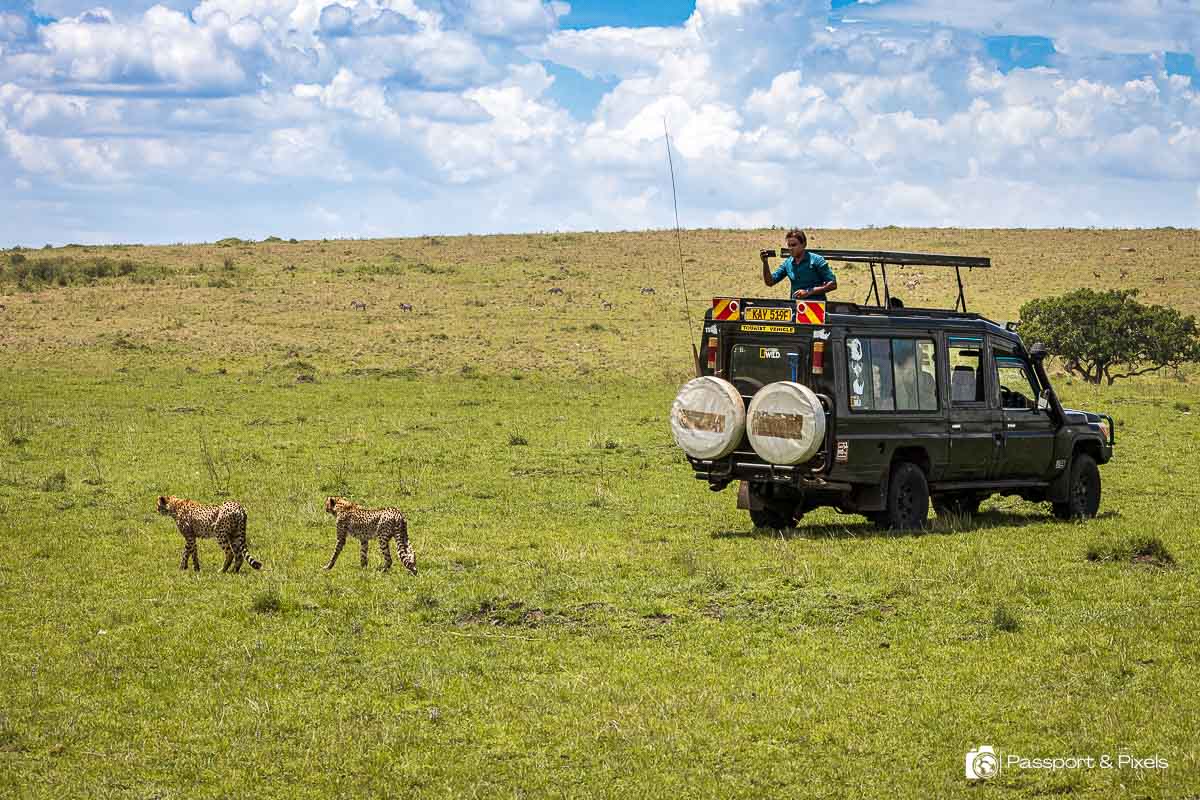
Across iconic destinations like Kruger National Park, Serengeti National Park, and Queen Elizabeth National Park, leopards thrive in a variety of habitats while remaining incredibly difficult to spot.
In this guide, we explore Leopard Behavior Explained for Safari Travelers, helping you understand how these solitary predators live, hunt, and survive in the wild.
Solitary and Secretive Nature
One of the most important aspects of Leopard Behavior Explained for Safari Travelers is their solitary lifestyle. Unlike lions, which live in prides, leopards prefer to operate alone. This independence allows them to move quietly through their territory without drawing attention from competitors or prey.
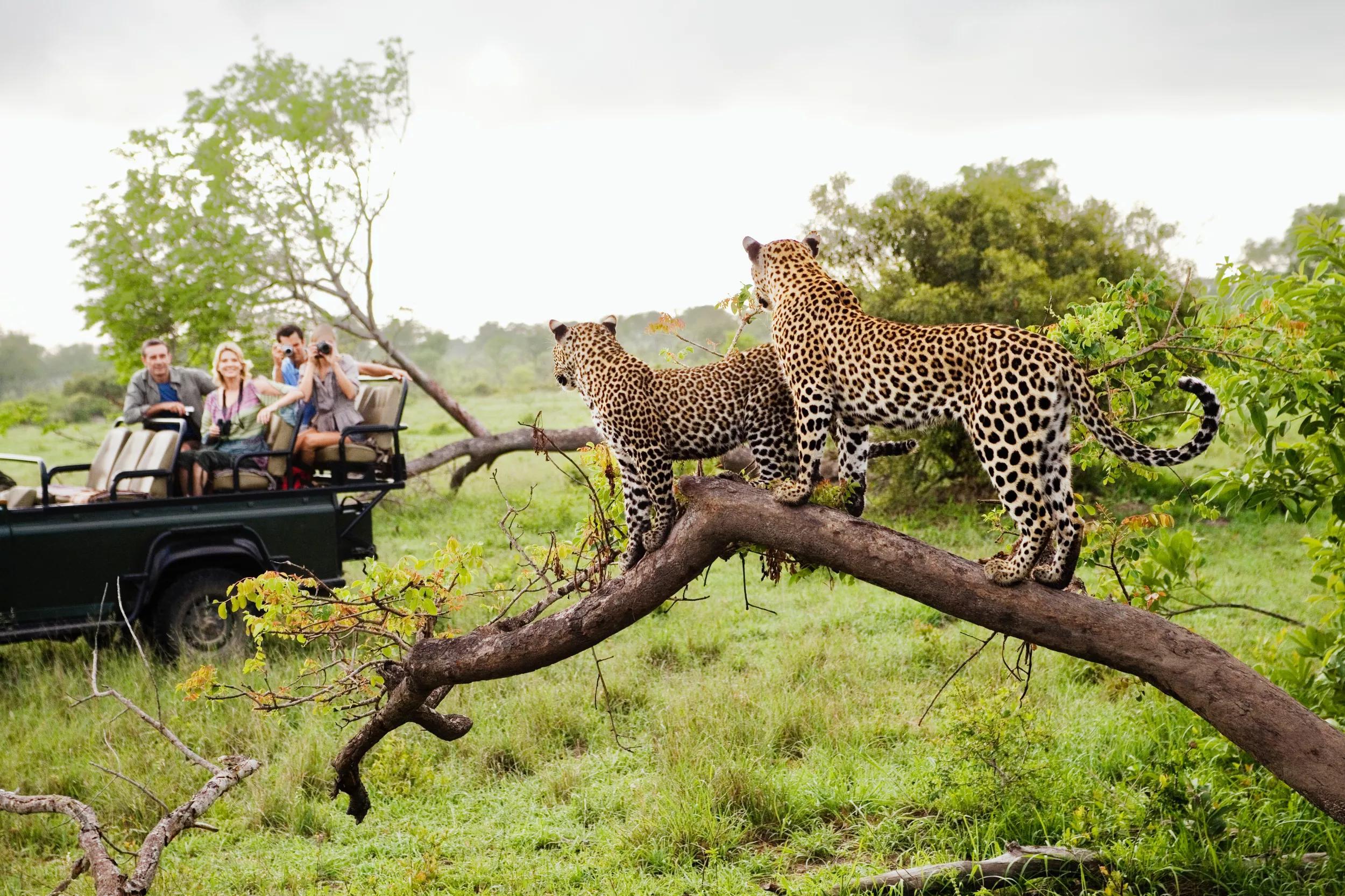
Each leopard controls its own territory, which it carefully marks using scent markings such as urine sprays, feces, and scratch marks on trees. These signals communicate boundaries to other leopards, helping avoid unnecessary confrontations. Males typically occupy larger territories that may overlap with those of several females, while females maintain smaller, more defined areas.
Their secretive nature is a survival advantage. Leopards are incredibly cautious and prefer to avoid conflict whenever possible. They are most active during times when other predators are less dominant, often adjusting their movements to stay undetected.
Camouflage plays a crucial role in this behavior. Their rosette-patterned coat allows them to blend seamlessly into their surroundings, whether they are hiding in tall grass, resting among rocks, or lying along tree branches. Even when they are nearby, they can be almost impossible to see.
This combination of solitude, stealth, and camouflage is central to Leopard Behavior Explained for Safari Travelers, making every sighting feel rare, intimate, and unforgettable.
Exceptional Climbing Ability
Another defining feature of Leopard Behavior Explained for Safari Travelers is their extraordinary climbing ability. Leopards are among the strongest and most agile climbers in the animal kingdom, and they use this skill as a key survival strategy.
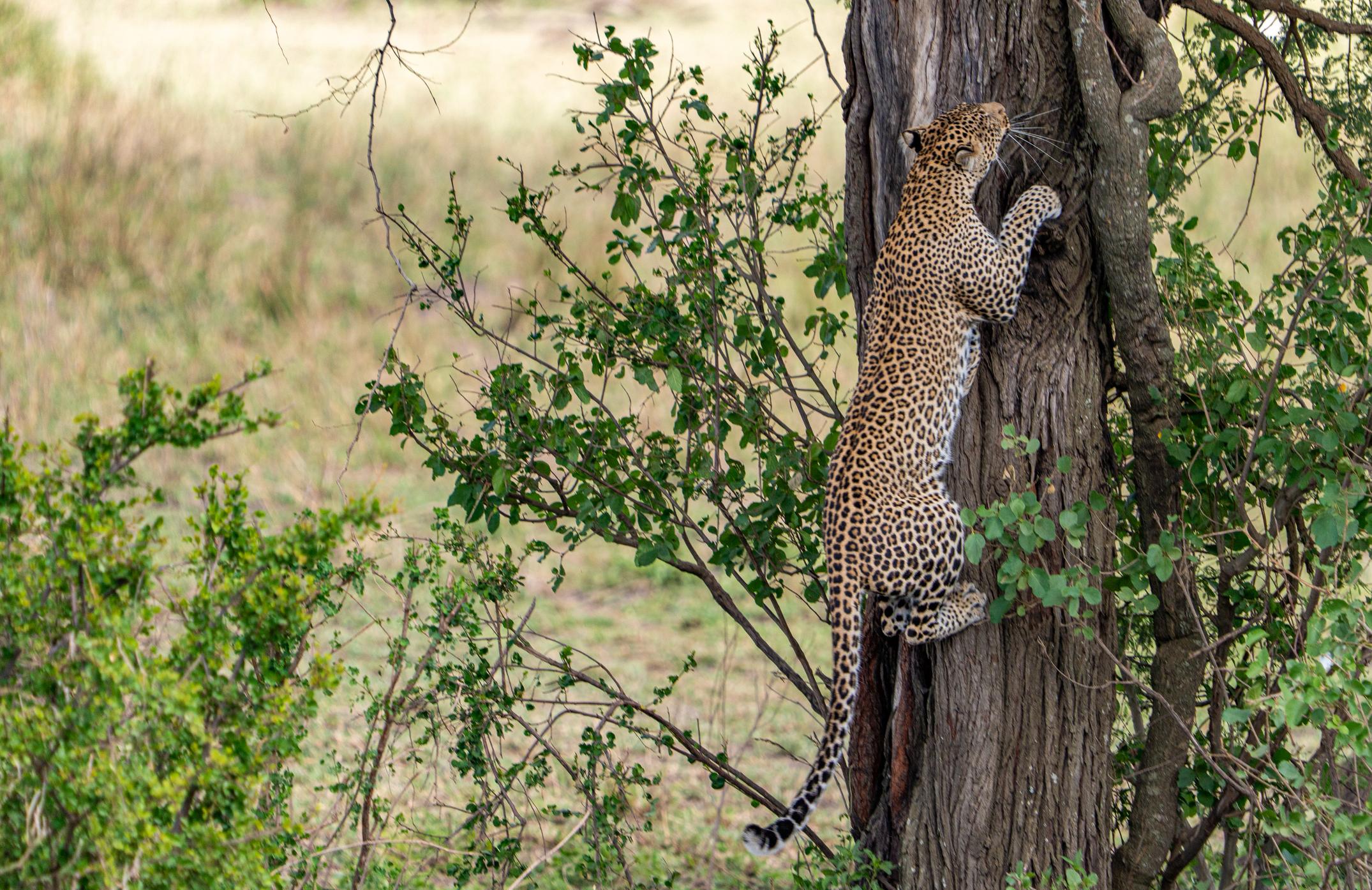
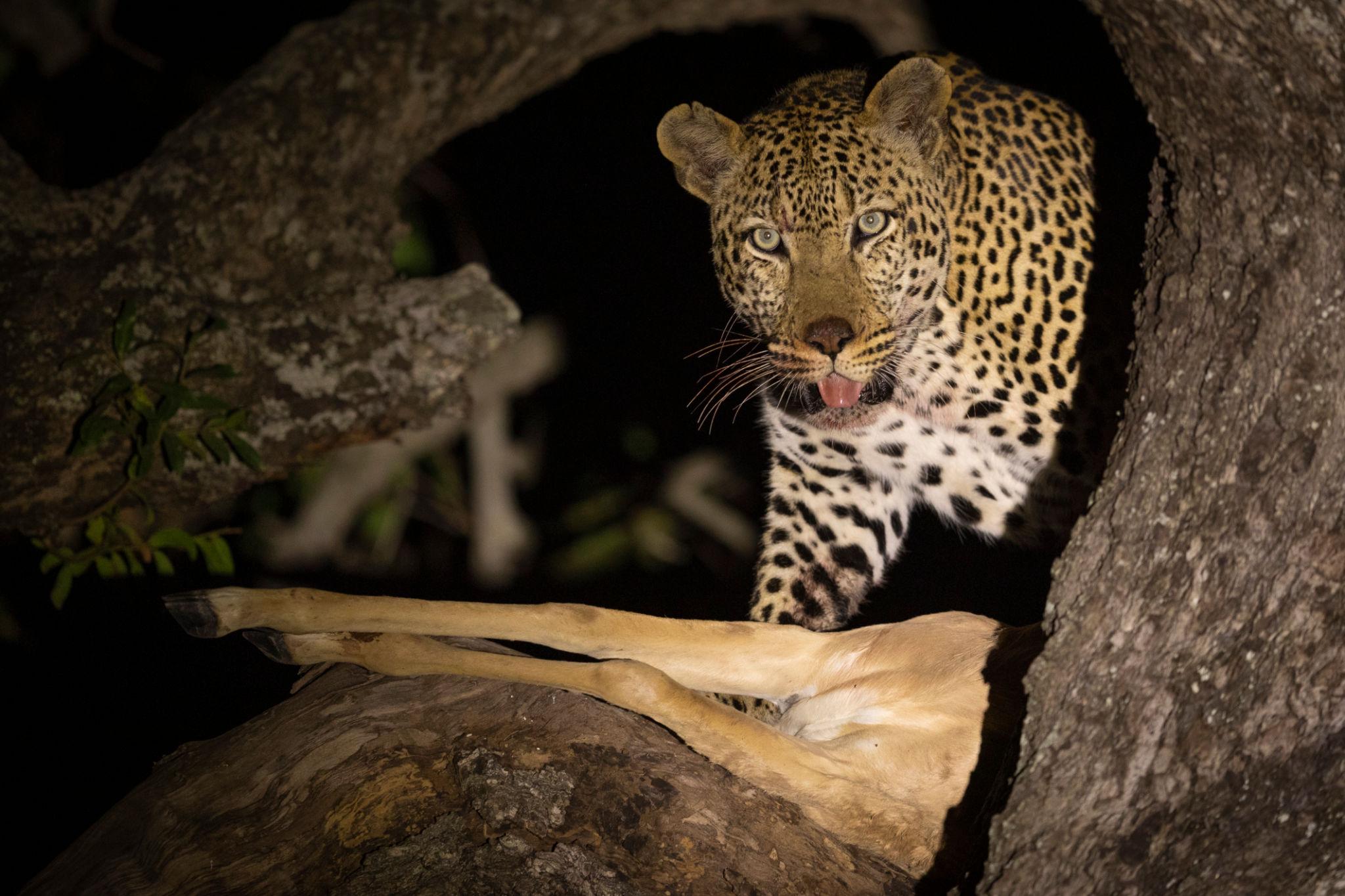
After making a kill, a leopard will often drag its prey up into a tree. This behavior may seem unusual, but it serves a very important purpose—protecting the food from scavengers such as hyenas and even larger predators like lions. By placing their kill high in the branches, leopards ensure they can return and feed over several days without losing their hard-earned meal.
The strength required for this is remarkable. Leopards can lift prey that weighs as much as or even more than their own body weight and carry it vertically up a tree trunk. This demonstrates not only physical power but also precision and balance.
Trees also serve as safe resting places. During the day, leopards often lie stretched out along branches, where they can stay cool, avoid ground-based threats, and observe their surroundings. From this elevated position, they can monitor movement below without being detected.
For safari travelers, spotting a leopard in a tree—especially with a kill—is one of the most iconic and rewarding experiences. This behavior is a standout example of Leopard Behavior Explained for Safari Travelers, highlighting both their intelligence and adaptability.
Hunting Style and Strategy
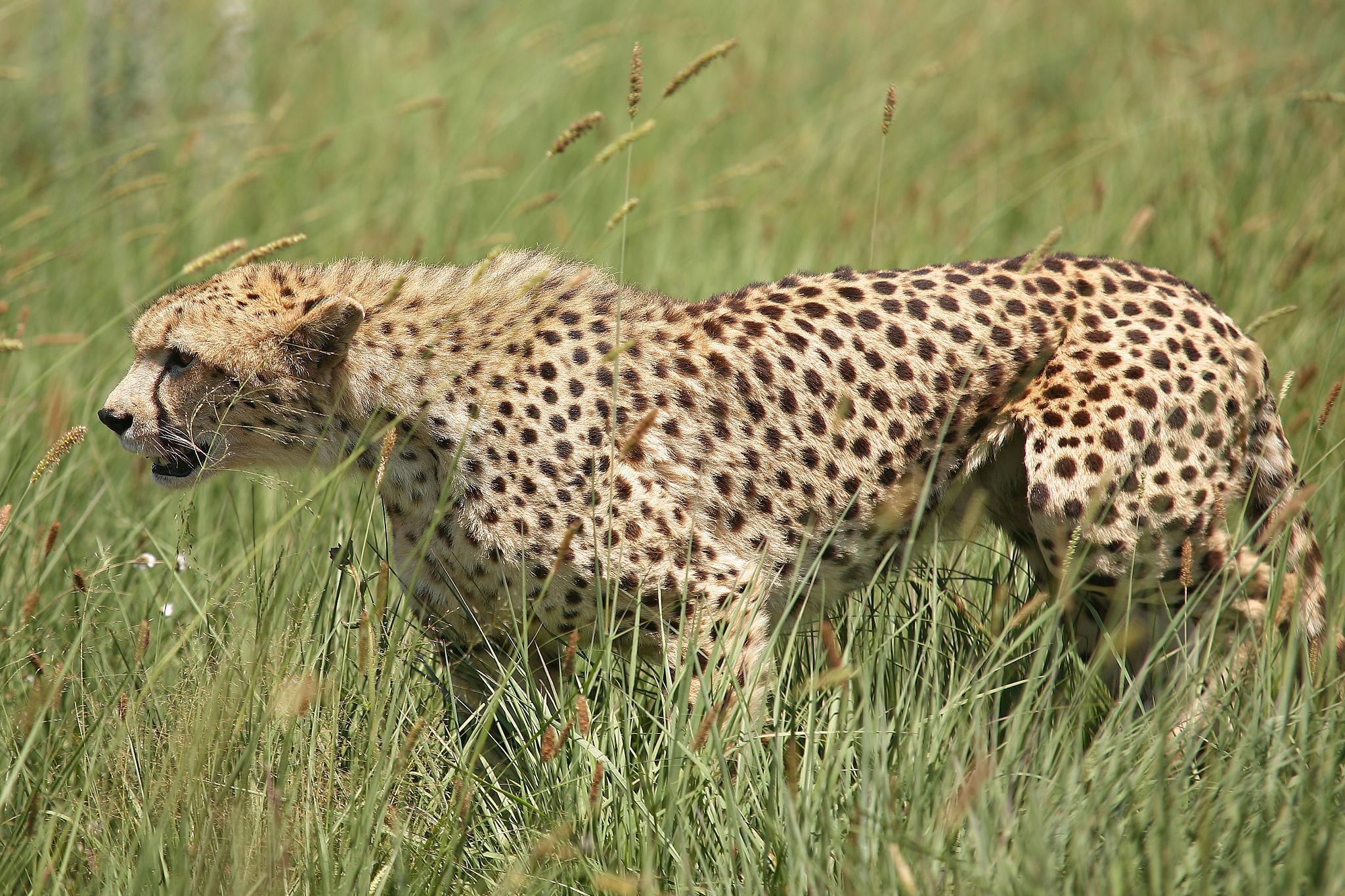
Hunting lies at the core of Leopard Behavior Explained for Safari Travelers, and it is here that their stealth and precision truly stand out. Unlike cheetahs, which rely on speed, or lions, which often hunt in groups, leopards depend on patience, silence, and surprise.
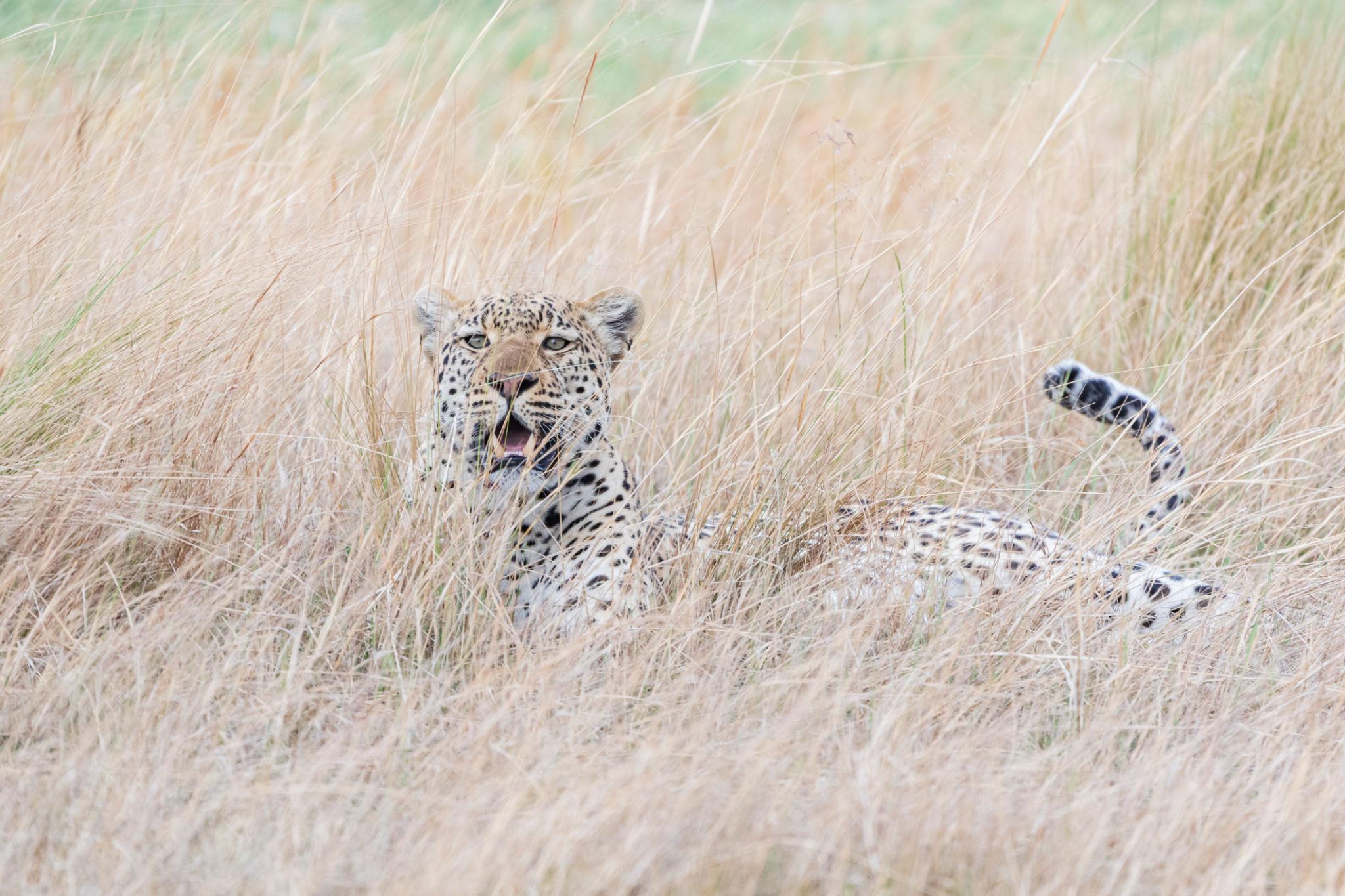
A leopard begins its hunt by carefully observing its surroundings, selecting a target that is vulnerable or isolated. It then stalks its prey slowly and deliberately, using cover such as grass, bushes, or shadows to remain hidden. Every movement is controlled, minimizing noise and avoiding detection.
The goal is to get as close as possible—often within just a few meters—before launching a sudden, explosive attack. This short burst of speed and power is usually enough to catch the prey off guard. Leopards typically aim for the neck, using their strong jaws to deliver a quick and effective kill.
Their diet is highly varied, which is another reason they are so successful. Leopards can hunt a wide range of animals, from small rodents and birds to medium-sized antelope. This flexibility allows them to adapt to different environments and food availability.
Hunting alone requires efficiency. Every attempt uses valuable energy, so leopards must balance patience with precision. Their success depends on choosing the right moment and executing the attack flawlessly.
This stealth-based, highly adaptable hunting approach is essential to Leopard Behavior Explained for Safari Travelers, demonstrating how intelligence and strategy make leopards one of Africa’s most effective predators.
Nocturnal and Elusive Activity
A major reason leopards are rarely seen is their activity pattern, which is central to understanding Leopard Behavior Explained for Safari Travelers. Leopards are primarily nocturnal, meaning they are most active during the night when conditions favor their hunting style.
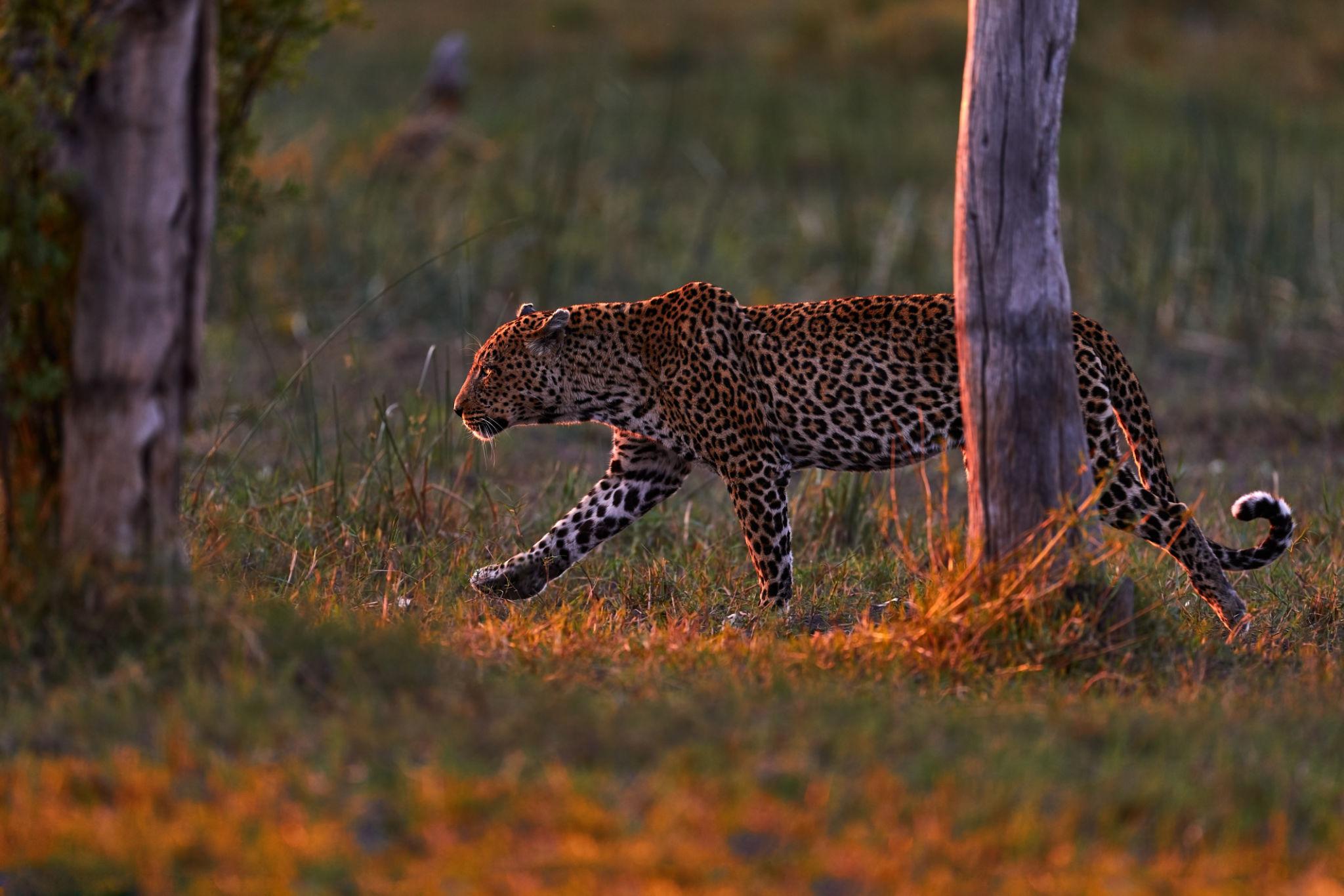
Under the cover of darkness, leopards can move quietly across their territory with reduced risk of detection. Their excellent night vision allows them to spot prey in low light, while their stealth gives them an advantage over animals that rely more heavily on sight. This makes nighttime the most effective period for hunting.
During the day, leopards tend to rest in secure and hidden locations. These may include dense vegetation, rocky outcrops, or more commonly, tree branches where they are elevated above ground-level threats. Resting during daylight hours also helps them conserve energy and avoid the heat of the African sun.
This pattern of activity explains why leopard sightings can be unpredictable. Early mornings and late evenings—when they transition between rest and activity—are often the best times to encounter them. Even then, patience and a trained eye are essential.
This elusive lifestyle is a defining feature of Leopard Behavior Explained for Safari Travelers, reinforcing why spotting a leopard in the wild is considered a special and rewarding experience.
Communication and Territory
Although leopards are solitary animals, communication remains an important part of Leopard Behavior Explained for Safari Travelers. Instead of direct interaction, they rely on indirect methods to send messages and establish boundaries.
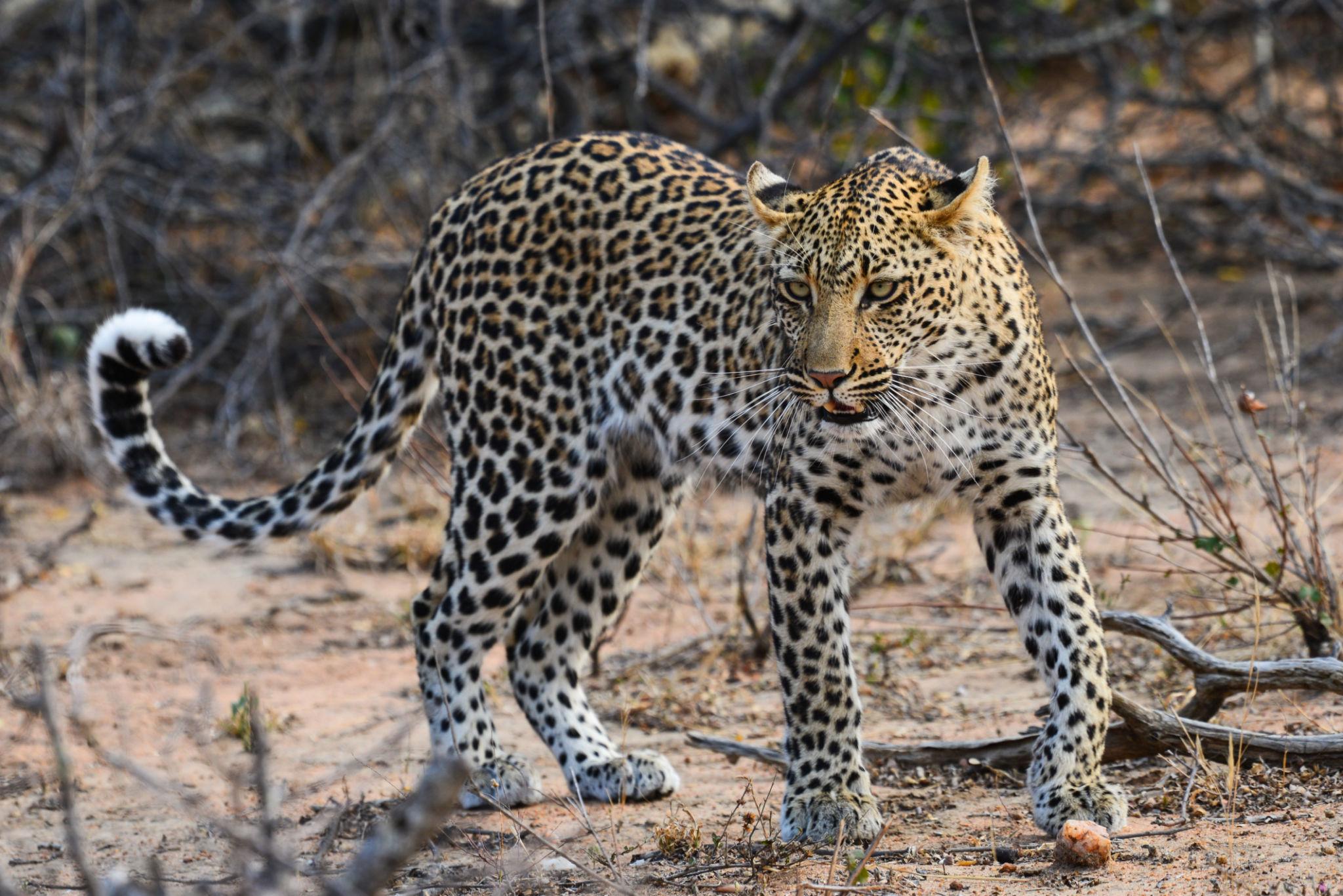
Scent marking is one of the primary ways leopards communicate. They spray urine on vegetation or leave scent marks along paths and territory edges. These chemical signals carry information about identity, reproductive status, and territorial ownership, allowing other leopards to recognize and respond without confrontation.
Leopards also use scratch marks on trees as visual indicators of their presence. These marks can serve both as territorial warnings and as a way to maintain claw sharpness. In some cases, they may revisit and reinforce these markings to keep their territory clearly defined.
Vocal communication is less frequent but still significant. Leopards produce deep, rasping calls—often described as a sawing sound—which can be heard over long distances. These calls are typically used to announce presence, attract mates, or warn rivals.
Territory size varies depending on habitat and food availability. In areas with abundant prey, territories may be smaller, while in more challenging environments, leopards may cover larger ranges. Males often have territories that overlap with those of several females, but overlap between males is usually avoided.
This system of communication helps reduce conflict and maintain balance within leopard populations. It is a key element of Leopard Behavior Explained for Safari Travelers, offering insight into how these solitary animals coexist without constant confrontation.
Adaptability Across Habitats
One of the most remarkable aspects of Leopard Behavior Explained for Safari Travelers is the leopard’s extraordinary adaptability. Few predators can survive in as many different environments as leopards do.
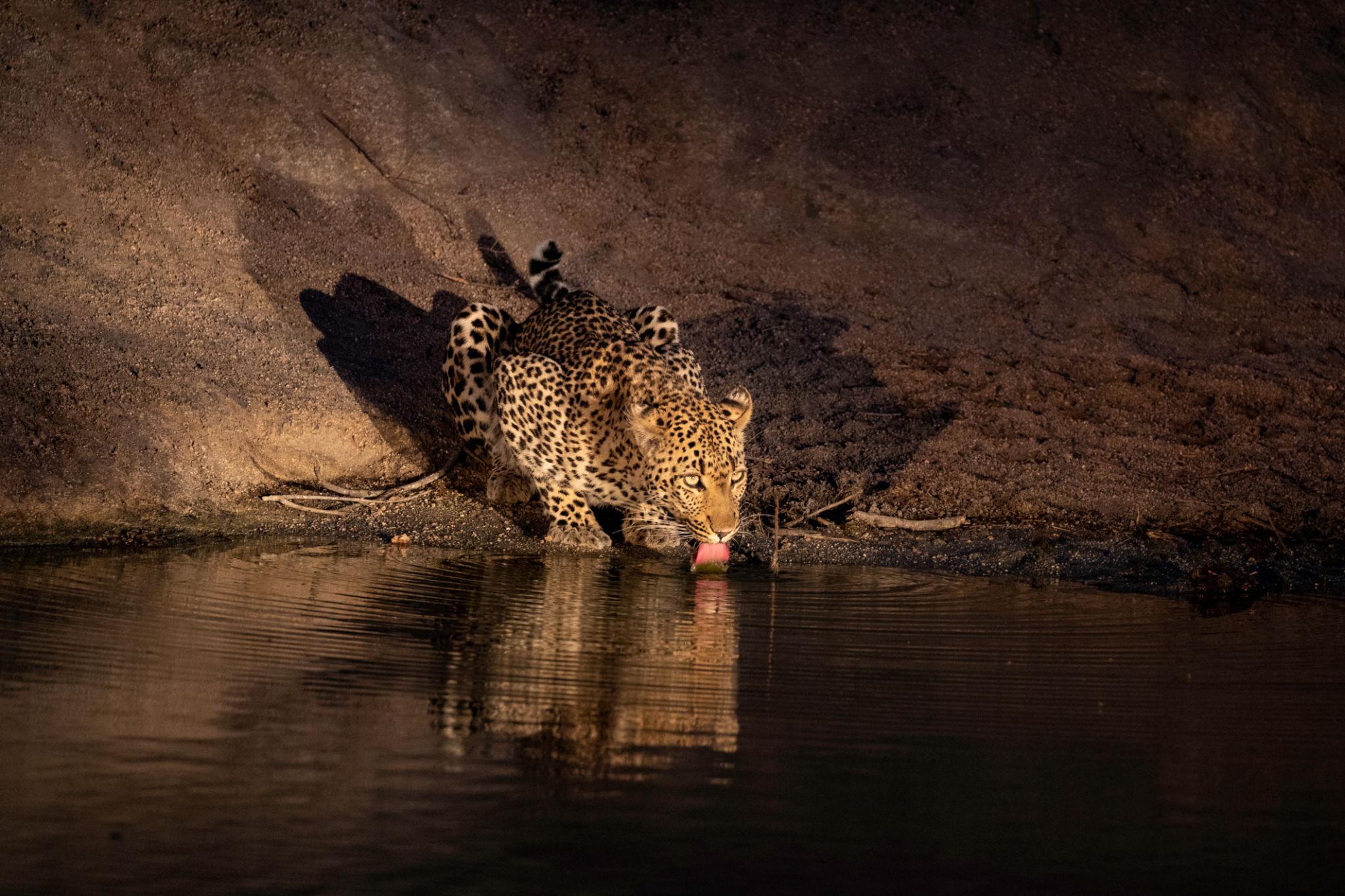
They are found in a wide range of habitats, including savannahs, forests, mountains, and even semi-urban areas. This ability to adjust to different landscapes makes them one of the most widespread big cats in Africa and beyond.
A major factor behind this adaptability is their flexible diet. Leopards are opportunistic hunters and can feed on a variety of prey depending on what is available. This includes everything from small animals like rodents and birds to larger prey such as antelope. This dietary flexibility allows them to survive even in areas where other predators might struggle.
Their behavior also adapts to their surroundings. In areas with higher competition from larger predators, leopards may become more nocturnal or use trees more frequently to avoid conflict. In regions closer to human activity, they may alter their movement patterns to remain hidden and avoid detection.
This ability to adjust both behavior and strategy ensures their survival in changing conditions. It highlights the intelligence and resilience that define Leopard Behavior Explained for Safari Travelers.
Ultimately, this adaptability is what makes leopards so successful and so fascinating to observe. It allows them to thrive in environments where other predators cannot, reinforcing their reputation as one of Africa’s most versatile and elusive big cats.
What This Means for Your Safari Experience
For travelers, understanding Leopard Behavior Explained for Safari Travelers can significantly improve your chances of spotting one of Africa’s most elusive predators. Leopards are not easily seen, but knowing how they behave gives you a valuable advantage during a safari.
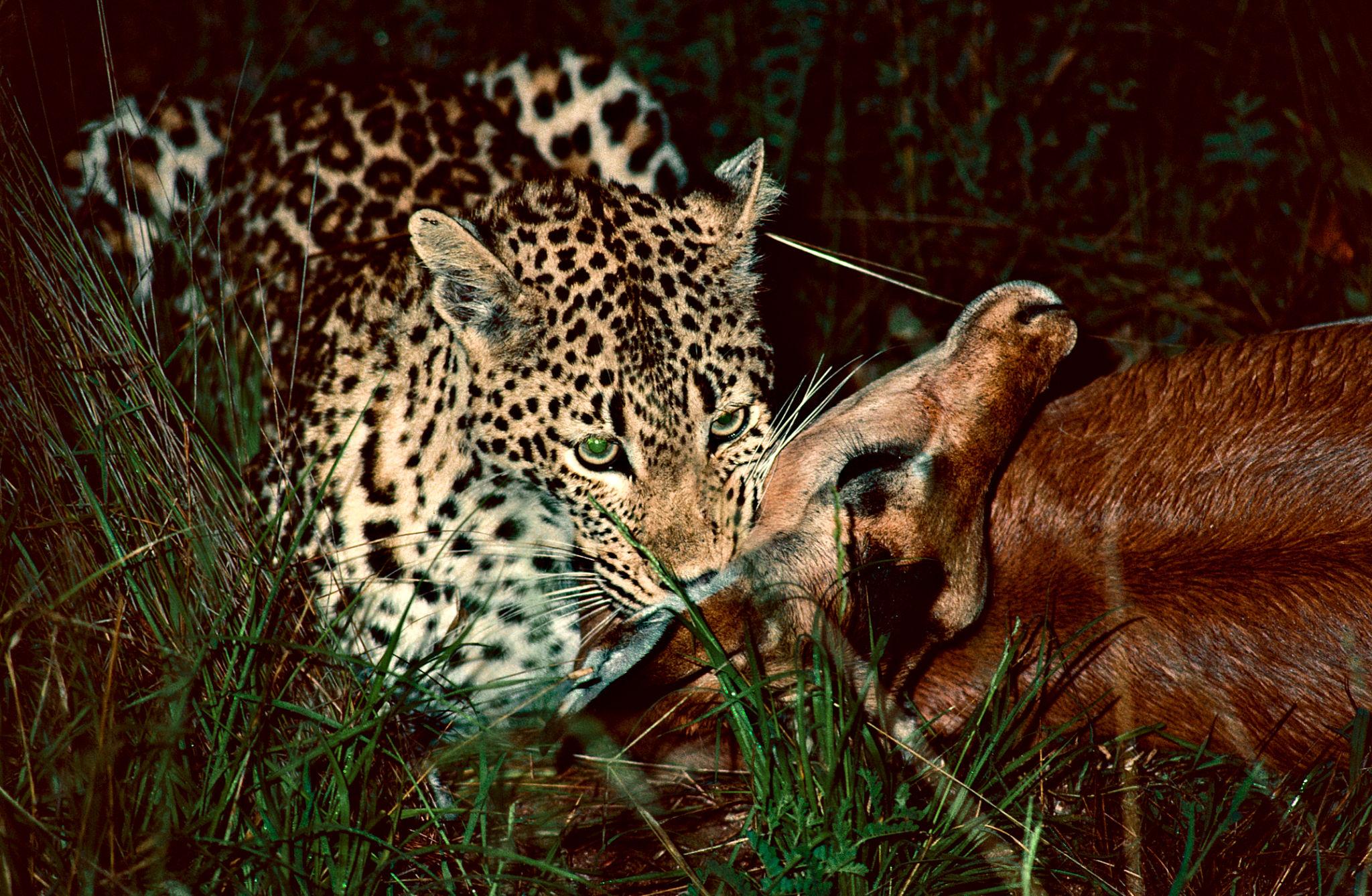
Timing is one of the most important factors. Leopards are most active during early morning and late evening, when temperatures are cooler and light conditions favor their movement. Planning game drives around these times increases your chances of encountering them as they begin or end their nightly activities.
Location also matters. During the day, leopards often rest in trees or dense vegetation, using elevation and cover to remain hidden. Scanning tree branches carefully—especially large fig or acacia trees—can sometimes reveal a resting leopard or even one guarding a kill. In the evenings, they may be found walking along tracks, riverbanks, or open paths as they begin to hunt.
Patience is essential. Leopard sightings rarely happen instantly. Guides often rely on subtle clues such as alarm calls from birds or antelope, fresh tracks, or movement in the grass. Following these signs can lead to unforgettable encounters.
When a sighting does happen, it is often quiet and intimate. Unlike more social predators, leopards move alone and interact minimally, which makes observing them feel rare and personal. This exclusivity is part of what makes understanding Leopard Behavior Explained for Safari Travelers so rewarding.
Leopard Behavior Explained for Safari Travelers: Final Insight
In summary, Leopard Behavior Explained for Safari Travelers reveals a predator perfectly adapted to survive through stealth, strength, and intelligence. Every aspect of a leopard’s behavior—from its solitary nature to its climbing ability and hunting strategy—serves a specific purpose in ensuring its survival.
Leopards do not rely on dominance or numbers like some other predators. Instead, they depend on precision, patience, and the ability to remain unseen. This makes them one of the most efficient hunters in the wild.
Understanding these behavioral patterns transforms the safari experience. Instead of simply looking for animals, you begin to interpret signs, anticipate movement, and appreciate the complexity behind each action. This deeper awareness enhances not only your chances of spotting a leopard but also your overall connection to the natural world.
Ultimately, Leopard Behavior Explained for Safari Travelers is not just about observing a predator—it is about understanding a master of survival in its purest form.
FAQs About Leopard Behavior Explained for Safari Travelers

Why are leopards so hard to see?
Leopards are difficult to spot because they are solitary, mostly nocturnal, and highly camouflaged. They prefer to stay hidden and avoid attention, making sightings rare and special.
Do leopards always stay in trees?
No, leopards use trees mainly for resting and protecting their prey. They spend a significant amount of time on the ground, especially when hunting or moving through their territory.
When is the best time to see leopards?
The best chances are during early morning and late evening when leopards are most active. These times align with their natural hunting and movement patterns.
Are leopards dangerous to humans?
Leopards generally avoid humans and prefer to stay hidden. While they are powerful predators, they rarely pose a threat unless provoked or threatened.
Plan Your Safari with Experts
At Pieland Gorilla Safaris, we focus on creating authentic and immersive wildlife experiences that go beyond ordinary sightseeing.
From Uganda to Tanzania and South Africa, our safaris are carefully designed to increase your chances of encountering elusive predators while helping you understand Leopard Behavior Explained for Safari Travelers in real time.
With experienced guides, well-planned itineraries, and deep local knowledge, we ensure every moment of your journey is meaningful and memorable.
Start planning your safari today and discover the hidden world of Africa’s most mysterious and captivating big cat.