
Mount Kilimanjaro National Park: The Ultimate Guide to Africa’s Highest Peak
Introduction to Mount Kilimanjaro National Park
Mount Kilimanjaro National Park stands as one of Africa’s most iconic travel destinations and a dream for adventurers worldwide. Dominated by the legendary Mount Kilimanjaro, this park offers more than just a climb—it delivers a life-changing journey through diverse ecosystems, breathtaking landscapes, and personal triumph.
Rising to 19,336 feet (5,895 meters), Mount Kilimanjaro is the highest free-standing mountain on Earth and one of the famous Seven Summits. Every year, over 30,000 climbers attempt to reach its peak, drawn by its beauty, accessibility, and the challenge it presents.
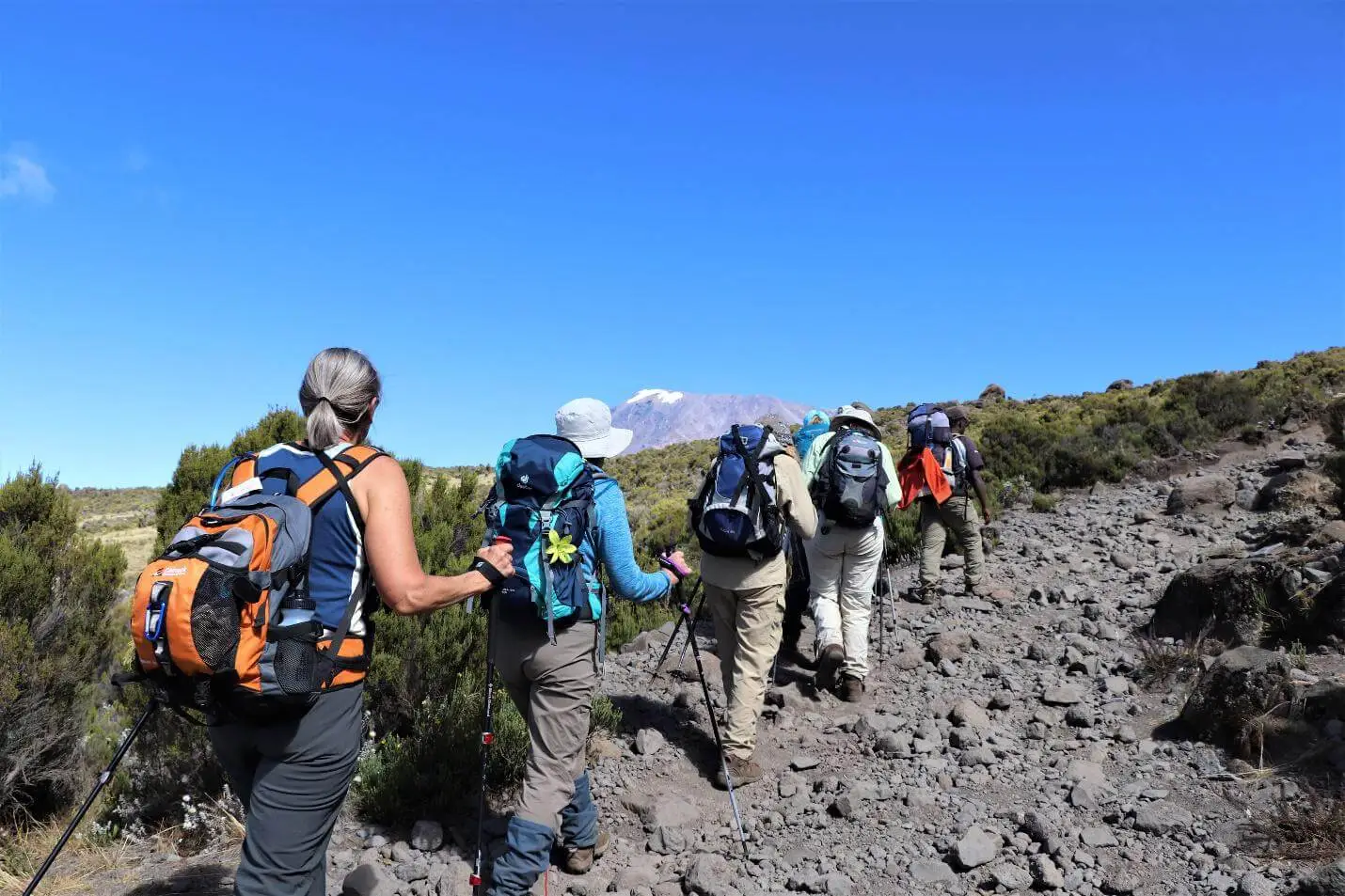
This highly optimized pillar page explores everything you need to know about Mount Kilimanjaro National Park—from trekking routes and ecological zones to why it should be on your travel list.
Sample Kilimanjaro Trekking Itinerary (8 Days – Lemosho Route)
Day 1: Arrival in Tanzania
Arrival and transfer to your hotel near Kilimanjaro.
Day 2: Lemosho Gate to Forest Camp
Begin your trek through lush rainforest.
Day 3: Forest Camp to Shira Camp
Transition into moorland with scenic views.
Day 4: Shira Camp to Lava Tower to Barranco Camp
Acclimatization day with altitude gain and descent.
Day 5: Barranco Camp to Karanga Camp
Climb the famous Barranco Wall.
Day 6: Karanga Camp to Barafu Camp
Prepare for summit night.
Day 7: Summit Day – Uhuru Peak
Midnight ascent to the summit, followed by descent.
Day 8: Descent and Departure
Return to base and transfer to your hotel.
Would you like to inquire about Mount Kirimanjaro?
Why Visit Mount Kilimanjaro National Park?
Mount Kilimanjaro National Park is not just about reaching the summit. It is about the journey, the landscapes, and the unforgettable experiences along the way.
1. Africa’s Highest Peak
Standing on Uhuru Peak is a moment of pure achievement. From the summit, you witness panoramic views that stretch across Tanzania and beyond—an experience few places on Earth can match.
2. A UNESCO World Heritage Site
Recognized globally for its natural beauty and ecological significance, Mount Kilimanjaro was designated a UNESCO World Heritage Site, highlighting its importance as a global treasure.
3. Diverse Landscapes in One Climb
Few destinations offer such dramatic ecological transitions in a single journey. From farmland to glaciers, Kilimanjaro delivers unmatched diversity.
4. Accessible Adventure
Unlike many high peaks, Kilimanjaro does not require technical climbing skills. With proper preparation, determination, and guidance, it is achievable for many travelers.
The Five Ecological Zones of Mount Kilimanjaro
Climbing Mount Kilimanjaro is like walking from the equator to the Arctic in just a few days. The mountain features five unique ecological zones:
Bushland Zone (1,800m)
This lower region is home to the Chagga people, known for farming bananas, maize, and coffee. It offers a glimpse into local culture and daily life.
Rainforest Zone (2,800m)
A lush and vibrant ecosystem filled with wildlife such as colobus monkeys and exotic birds. This is one of the most scenic parts of the trek.
Moorland Zone (4,000m)
Here, vegetation becomes sparse, and temperatures begin to drop. The landscape opens up, offering wide views and unique plant species.
Alpine Desert Zone (5,000m)
A dramatic, rocky environment with minimal vegetation. This zone challenges climbers with thin air and harsh conditions.
Arctic Zone (5,895m)
The final stage leading to Uhuru Peak. Covered in ice and rock, this zone offers a surreal and unforgettable summit experience.
Best Routes to Climb Mount Kilimanjaro
Choosing the right route is key to your success and experience. Each route offers unique scenery, difficulty levels, and success rates.
Marangu Route (Coca-Cola Route)
The easiest and most popular route, featuring hut accommodations. However, its shorter duration often leads to lower success rates due to poor acclimatization.
Machame Route
One of the most scenic and popular routes, taking about 7–8 days. It offers excellent acclimatization and higher success rates.
Lemosho Route
Widely considered the best route for success and views. With an 8–9 day itinerary, it provides optimal acclimatization and less crowding.
Rongai Route
Approaching from the north, this route is quieter and offers a different perspective of the mountain.
Umbwe Route
The most challenging and steep route, suited for experienced climbers.
Shira Route
A longer route starting at higher altitude, offering a gradual ascent and good success rates.
What Makes Climbing Kilimanjaro Special?
Climbing Kilimanjaro is more than a trek—it is a transformative journey.
You will walk through forests filled with wildlife, climb above the clouds, and stand on a glacier at sunrise. The journey tests your endurance, builds resilience, and rewards you with unmatched views and personal achievement.
Reaching the summit places you among a select group of adventurers who have conquered Africa’s highest mountain.
Best Time to Climb Mount Kilimanjaro
The best time to visit Mount Kilimanjaro National Park is during the dry seasons:
June to October: Best weather and visibility
January to March: Fewer crowds and clear skies
Avoid April and May due to heavy rains, which make trails slippery and challenging.
What to Pack for Kilimanjaro Trekking
Proper preparation is key to a successful climb. Essential items include:
Warm layered clothing
Hiking boots
Sleeping bag
Trekking poles
Hydration system
Energy snacks
Packing correctly ensures comfort and safety throughout your journey.
Fitness and Preparation for Kilimanjaro
Climbing Kilimanjaro does not require technical skills, but it demands physical and mental preparation.
Training should include hiking, cardio workouts, and altitude preparation if possible. Acclimatization is critical, and choosing longer routes improves your chances of success.
Frequently Asked Questions About Mount Kilimanjaro
Is Kilimanjaro difficult to climb?
It is challenging but achievable with proper preparation and a good itinerary.
How long does it take to climb Kilimanjaro?
Most climbs take between 5 and 9 days, depending on the route.
Do I need prior climbing experience?
No technical climbing skills are required.
What is the success rate?
Success depends on the route and duration, with longer routes offering higher success rates.
Plan Your Kilimanjaro Adventure
Climbing Mount Kilimanjaro is one of the most rewarding travel experiences in Africa. From diverse landscapes to the thrill of reaching the summit, every step of the journey is unforgettable.
With expert planning, the right route, and proper preparation, your Kilimanjaro adventure can become a once-in-a-lifetime achievement.
If you’re ready to take on Africa’s highest peak, now is the perfect time to start planning your journey.

