
The Ultimate Guide to Planning a Multi-Country Africa Safari
Choosing a Multi-Country Africa Safari transforms a good trip into an extraordinary one. Instead of experiencing just one ecosystem, you step into a journey that evolves from one destination to another—each with its own rhythm, wildlife, and culture.
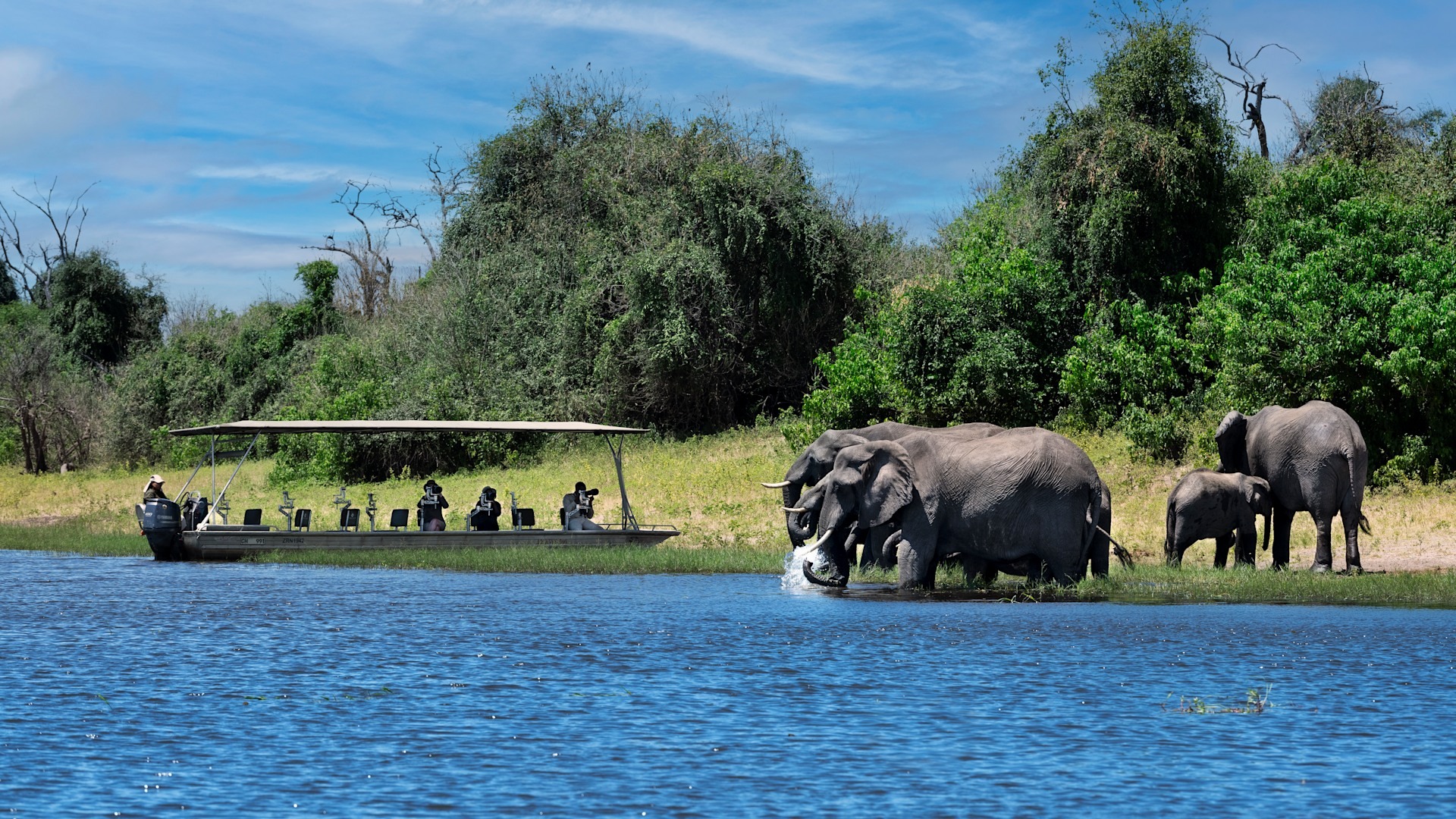
A major reason travelers choose a Multi-Country Africa Safari is the sheer diversity it offers. In one itinerary, you can trek endangered mountain gorillas in Uganda, witness the dramatic Great Migration across Tanzania, and stand in awe of the powerful Victoria Falls. These are experiences that no single country can fully provide on its own.
Another advantage of a Multi-Country Africa Safari is the ability to blend different safari styles seamlessly. You might begin with dense rainforest trekking, transition into open savannah game drives, and end your journey relaxing on tropical beaches. This natural progression keeps the experience fresh and exciting throughout.
Efficiency is also a key factor. Since most travelers are flying long distances to reach Africa, a Multi-Country Africa Safari ensures that every day counts. Instead of returning for multiple trips, you experience multiple highlights in one well-structured itinerary.
There is also a deeper, more meaningful aspect. A Multi-Country Africa Safari exposes you to different cultures, languages, and ways of life. From local communities near national parks to vibrant cities, the journey becomes more than just wildlife—it becomes a cultural exploration.
East Africa Combinations
East Africa remains the most iconic region for a Multi-Country Africa Safari, largely because of how naturally its destinations connect. Countries like Uganda, Rwanda, Kenya, and Tanzania are geographically close, making cross-border travel relatively smooth and efficient.
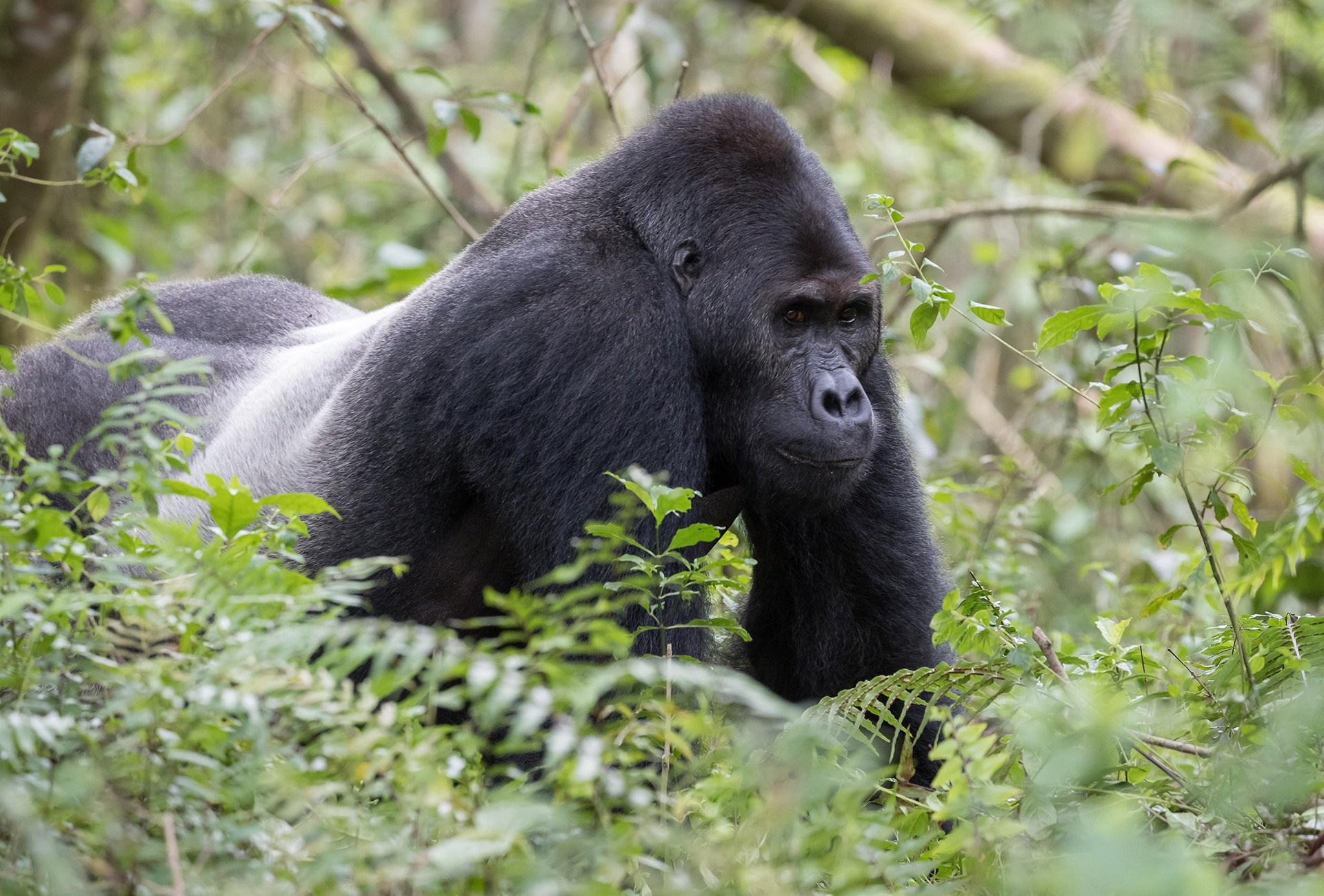
One of the most sought-after combinations is Uganda and Rwanda. This pairing is ideal for primate lovers, offering unforgettable encounters with mountain gorillas and chimpanzees in lush rainforest settings. The experience is intimate, immersive, and unlike traditional safaris.
Another classic route is Kenya and Tanzania. This is the heart of the Great Migration, where millions of wildebeest and zebras move across the plains of the Maasai Mara National Reserve and Serengeti National Park. A Multi-Country Africa Safari here delivers dramatic river crossings, predator action, and endless wildlife sightings.
For travelers seeking balance, Tanzania combined with Zanzibar offers the perfect blend. After thrilling game drives in the Serengeti and the breathtaking Ngorongoro Crater, you can unwind on white-sand beaches with turquoise waters.
What makes East Africa especially ideal for a safari is the high concentration of wildlife and the variety of experiences within relatively short distances. It is the ultimate destination for first-time safari travelers looking for classic, world-famous encounters.
Southern Africa Combinations
Southern Africa offers a completely different perspective on a Multi-Country Africa Safari, focusing more on exclusivity, unique landscapes, and immersive activities. Countries such as Zimbabwe, Zambia, Botswana, Namibia, and South Africa create exceptional combinations.
A popular starting point is the pairing of Zimbabwe and Zambia, centered around Victoria Falls. Known as one of the Seven Natural Wonders of the World, this destination adds a dramatic and scenic highlight to any Multi-Country Africa Safari.
Botswana and South Africa are often combined for a premium safari experience. Botswana’s Okavango Delta offers water-based safaris in pristine wilderness, while Kruger National Park provides excellent Big Five sightings with a wide range of accommodation options.
For something truly unique, Namibia and Botswana create a striking contrast. The red dunes of Sossusvlei meet the lush waterways of the Okavango Delta, giving your Multi-Country Africa Safari a dramatic shift in scenery and atmosphere.
Southern Africa is particularly appealing for travelers seeking fewer crowds and a more exclusive feel. Many safaris here are conducted in private reserves or remote concessions, offering a sense of privacy and personalized service that elevates the entire experience.
A safari in this region is less about ticking boxes and more about immersing yourself in nature, luxury, and unique safari styles such as walking safaris, canoe safaris, and helicopter scenic flights.
How to Plan a Multi-Country Africa Safari Step by Step
1. Define Your Safari Goals
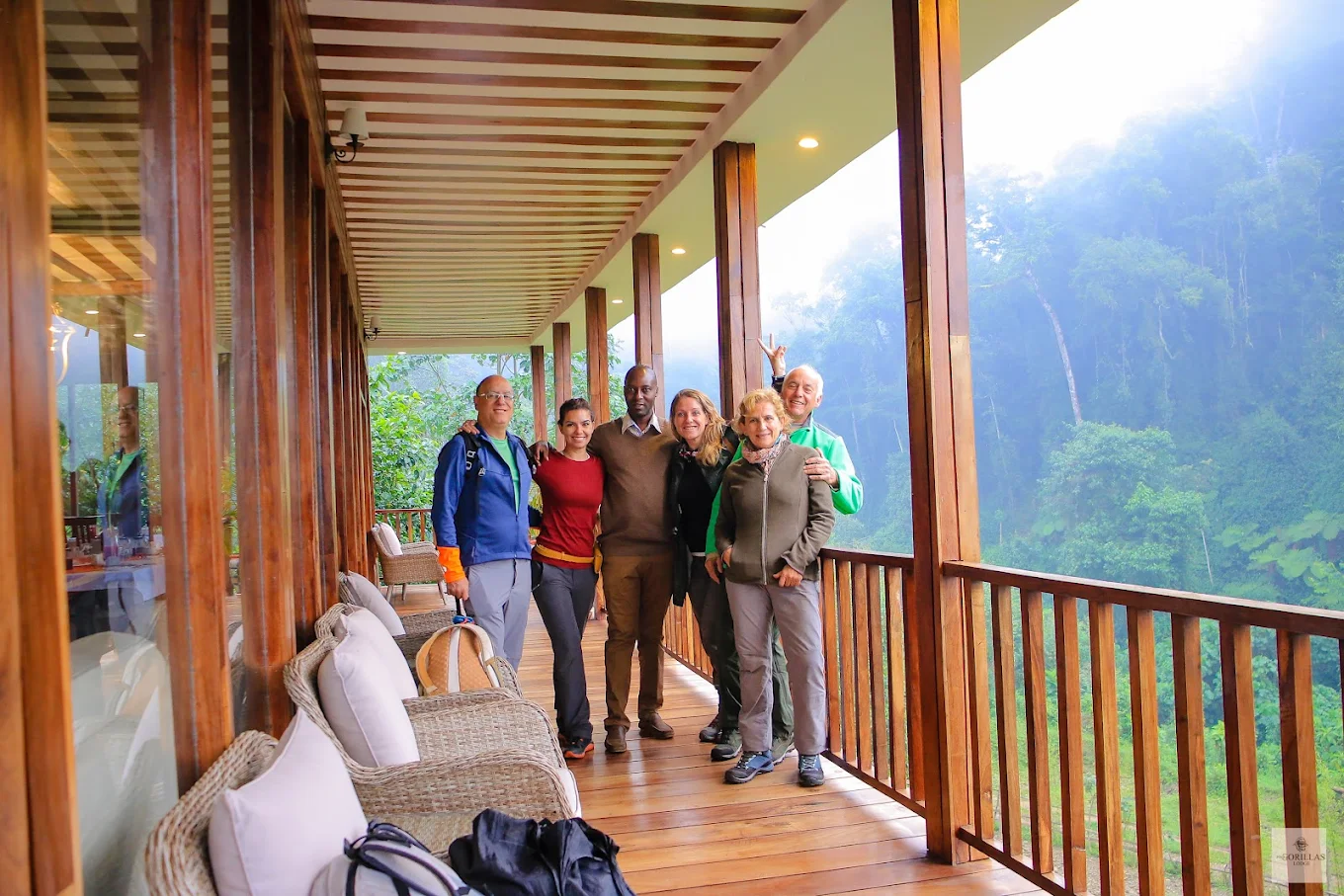
The foundation of a successful Multi-Country Africa Safari begins with clarity. Before choosing destinations or lodges, you need to define what truly excites you about Africa. Some travelers dream of standing face-to-face with mountain gorillas in Uganda, while others are drawn to vast savannahs filled with lions, elephants, and migrating herds in Tanzania or Kenya.
If your focus is primates, your Multi-Country Africa Safari should prioritize rainforest destinations like Bwindi Impenetrable National Park or Volcanoes National Park. If you’re after classic wildlife and the Big Five, then open ecosystems such as Serengeti National Park or Maasai Mara National Reserve should be central to your plan.
Many travelers choose a balanced Multi-Country Africa Safari, combining gorilla trekking, game drives, and cultural experiences. This approach gives you a deeper connection to Africa, blending wildlife encounters with human stories and landscapes.
Defining your goals also helps determine your pace. A photography-focused safari may require more time in fewer locations, while a highlights-focused Multi-Country Africa Safari may include multiple destinations within a shorter timeframe.
2. Choose the Right Route
Routing is one of the most important elements of a smooth Multi-Country Africa Safari. Africa is vast, and poor planning can lead to long, exhausting travel days that reduce your time in the wild.
The key is to connect destinations that naturally flow together. For example, arriving in Kigali and driving to Bwindi Impenetrable National Park is far more efficient than traveling from Entebbe by road. From there, a short flight can link you to Serengeti National Park, creating a seamless primate-to-safari transition.

Similarly, starting in Nairobi allows easy access to Maasai Mara National Reserve, with a natural continuation into the Serengeti across the border. In Southern Africa, a route from Livingstone to Victoria Falls and onward to Chobe National Park is one of the most efficient and rewarding short combinations.
A well-designed safari minimizes backtracking and uses a mix of road transfers and light aircraft flights. Domestic and regional flights are often the best way to connect distant parks, saving valuable time and adding a scenic dimension to your journey.
Good routing doesn’t just save time—it improves the entire experience. A thoughtfully planned Multi-Country Africa Safari feels smooth, logical, and enjoyable from start to finish.
3. Decide on Travel Style
Your travel style shapes every aspect of your Multi-Country Africa Safari, from accommodation and transport to the overall pace and comfort of the journey.
A budget safari typically involves group tours, shared vehicles, and simple lodges or tented camps. This option is cost-effective and social, making it ideal for younger travelers or those looking to experience Africa affordably.
Midrange safaris offer a balance between comfort and value. You can expect well-located lodges, private or small-group experiences, and reliable transport. For many travelers, this is the most practical way to enjoy a Multi-Country Africa Safari without compromising too much on comfort.
Luxury safaris, on the other hand, elevate the experience completely. These often include fly-in transfers between destinations, high-end lodges with personalized service, and exclusive wildlife viewing areas. A luxury Multi-Country Africa Safari allows you to maximize your time in each location while enjoying exceptional comfort and privacy.
Choosing the right style depends on your budget, expectations, and travel goals. A honeymoon or special occasion may call for a luxury Multi-Country Africa Safari, while an adventure-focused trip might lean toward midrange or budget options.
Ultimately, your travel style determines how your safari feels—whether it’s adventurous, relaxed, or indulgent—and ensures the journey matches your vision perfectly.
4. Understand Visa and Entry Requirements
One of the most important logistical steps in planning a Multi-Country Africa Safari is understanding visa and entry requirements for each destination. Since your journey crosses borders, every country has its own rules, fees, and documentation processes.
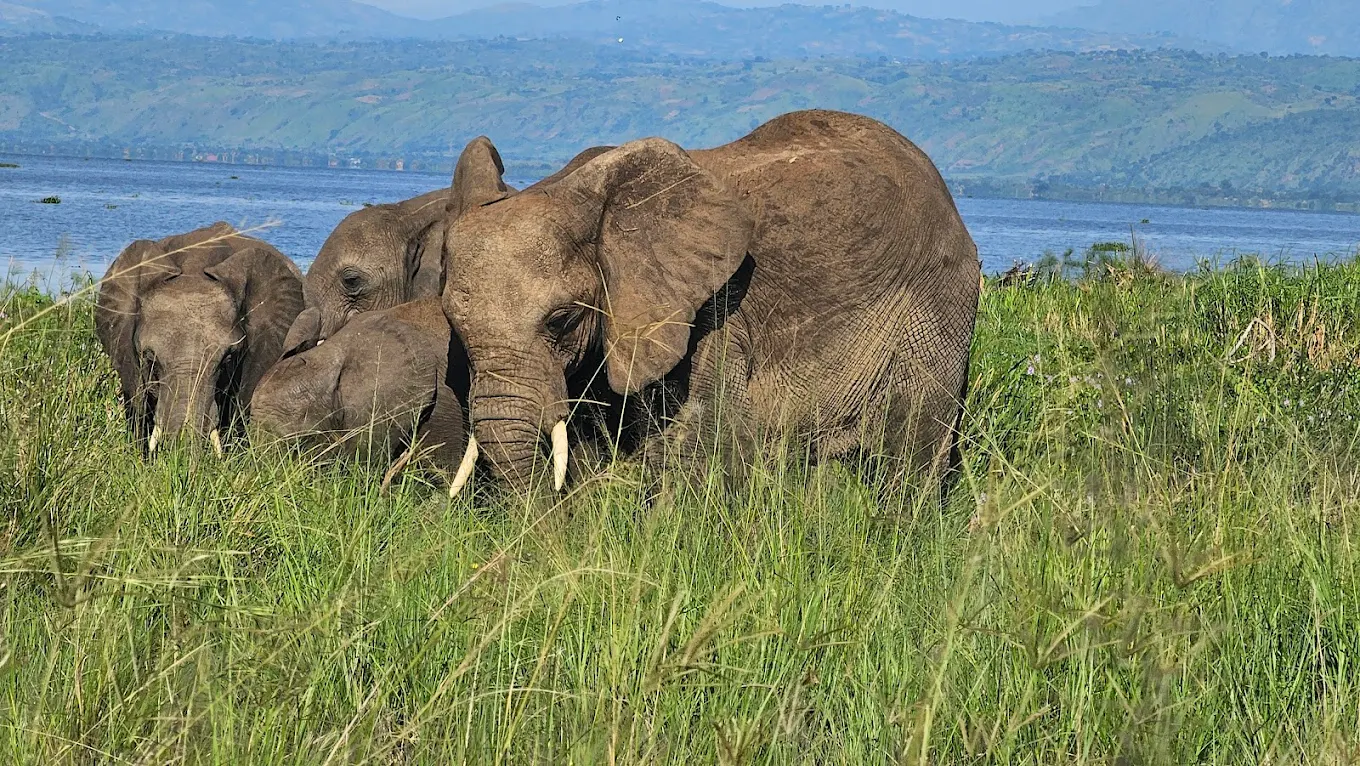
In East Africa, the process is simplified through the East Africa Tourist Visa, which allows travel between Uganda, Rwanda, and Kenya using a single visa. This is ideal for a Multi-Country Africa Safari, especially when combining gorilla trekking with classic wildlife safaris.
In Southern Africa, travelers visiting Zambia and Zimbabwe can use the KAZA Univisa, which is perfect for exploring Victoria Falls and nearby regions like Botswana’s Chobe.
Beyond visas, you should also consider:
- Passport validity (usually at least 6 months)
- Yellow fever vaccination requirements (especially for East Africa)
- Entry forms and possible e-visa applications
Proper planning of these requirements ensures your safari is seamless, avoiding delays or unexpected complications at border crossings.
5. Plan the Best Time to Travel
Timing plays a huge role in shaping your Multi-Country Africa Safari experience. Africa’s seasons vary by region, but understanding general patterns helps you align your trip with the best wildlife viewing and weather conditions.
From June to October, the dry season dominates most safari regions. This is widely considered the best time for a safari because animals gather around water sources, making wildlife easier to spot. It’s also the prime period for witnessing the Great Migration in Kenya and Tanzania.
December to February is another excellent window, offering a mix of good wildlife viewing and pleasant weather. This is a great time for travelers combining multiple destinations in a Multi-Country Africa Safari, especially when adding beach extensions like Zanzibar.
From March to May, the low or green season brings fewer crowds and lush landscapes. While some roads may be more challenging, this period offers unique photography opportunities and lower lodge rates, making your Multi-Country Africa Safari more cost-effective.
Choosing the right season ensures that your safari aligns perfectly with your expectations, whether you prioritize wildlife, scenery, or budget.
6. Book Permits and Flights Early
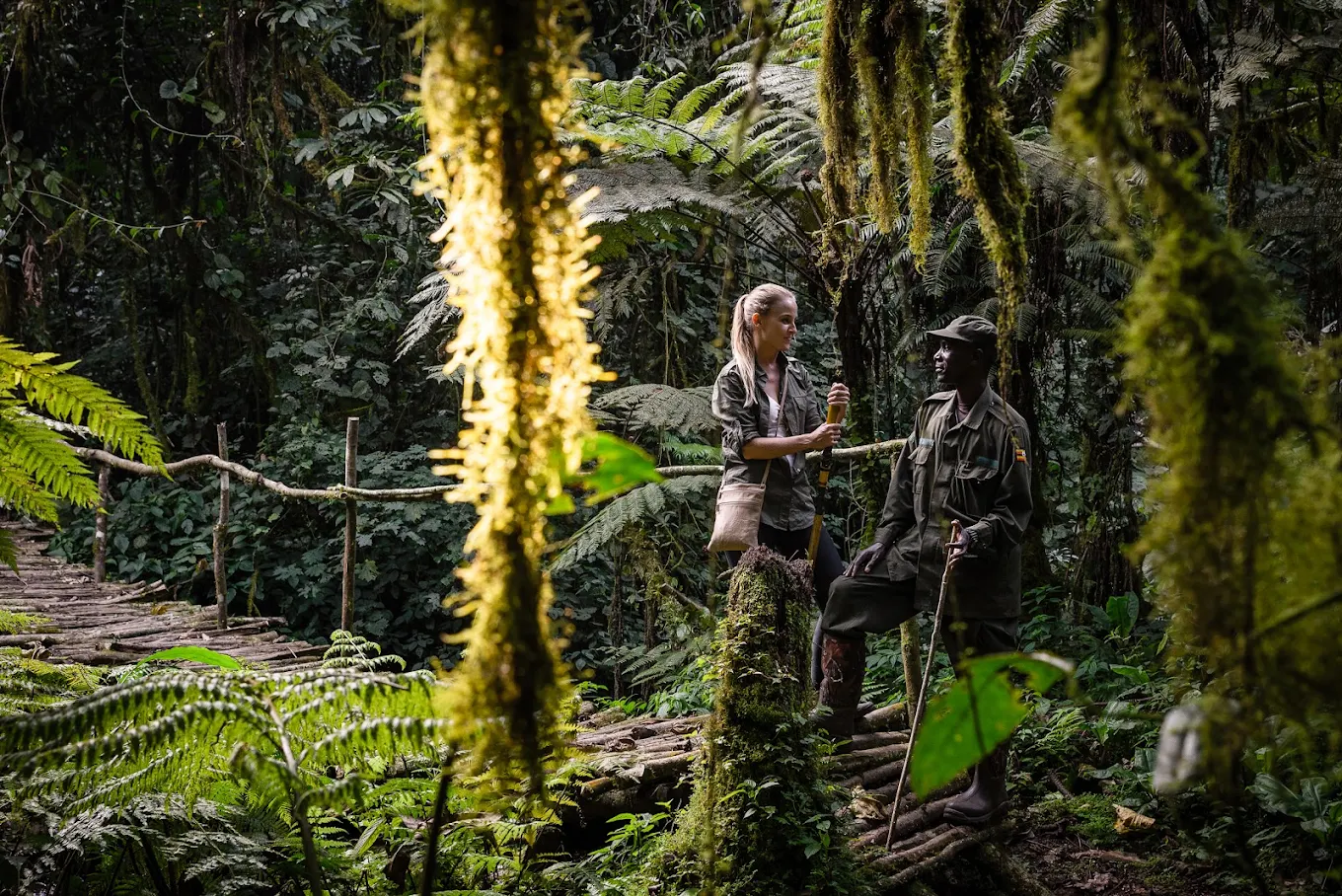
Advance booking is essential when organizing a Multi-Country Africa Safari, especially for high-demand experiences and logistics. Some activities have strict daily limits, and availability can sell out months in advance.
Gorilla trekking permits in Uganda and Rwanda are a prime example. These permits are limited per day to protect the gorillas, making early booking critical for securing your preferred dates within your Multi-Country Africa Safari.
Internal flights are another key element. Many routes between safari destinations—such as from Bwindi to the Serengeti or from Arusha to remote parks—are best done by light aircraft. Booking these early ensures smoother connections and better pricing.
Accommodation also plays a major role. The best lodges, especially in prime wildlife areas, fill up quickly during peak seasons. Securing them early guarantees that your safari includes top locations and experiences.
Planning ahead not only ensures availability but also allows for better coordination of your entire itinerary. A well-booked Multi-Country Africa Safari feels effortless, with every detail aligned for a smooth and unforgettable journey.
Sample Multi-Country Africa Safari Itinerary
A well-designed Multi-Country Africa Safari should feel like a natural journey, not a rushed checklist. The goal is to move from one ecosystem to another in a way that builds excitement while allowing time to fully experience each destination.
A classic and highly effective route begins in Uganda, where the first few days are dedicated to one of Africa’s most intimate wildlife encounters—gorilla trekking in Bwindi Impenetrable National Park. This part of the Multi-Country Africa Safari is immersive and physical, taking you deep into rainforest terrain where you spend time observing mountain gorillas in their natural habitat. It sets a powerful emotional tone for the journey.
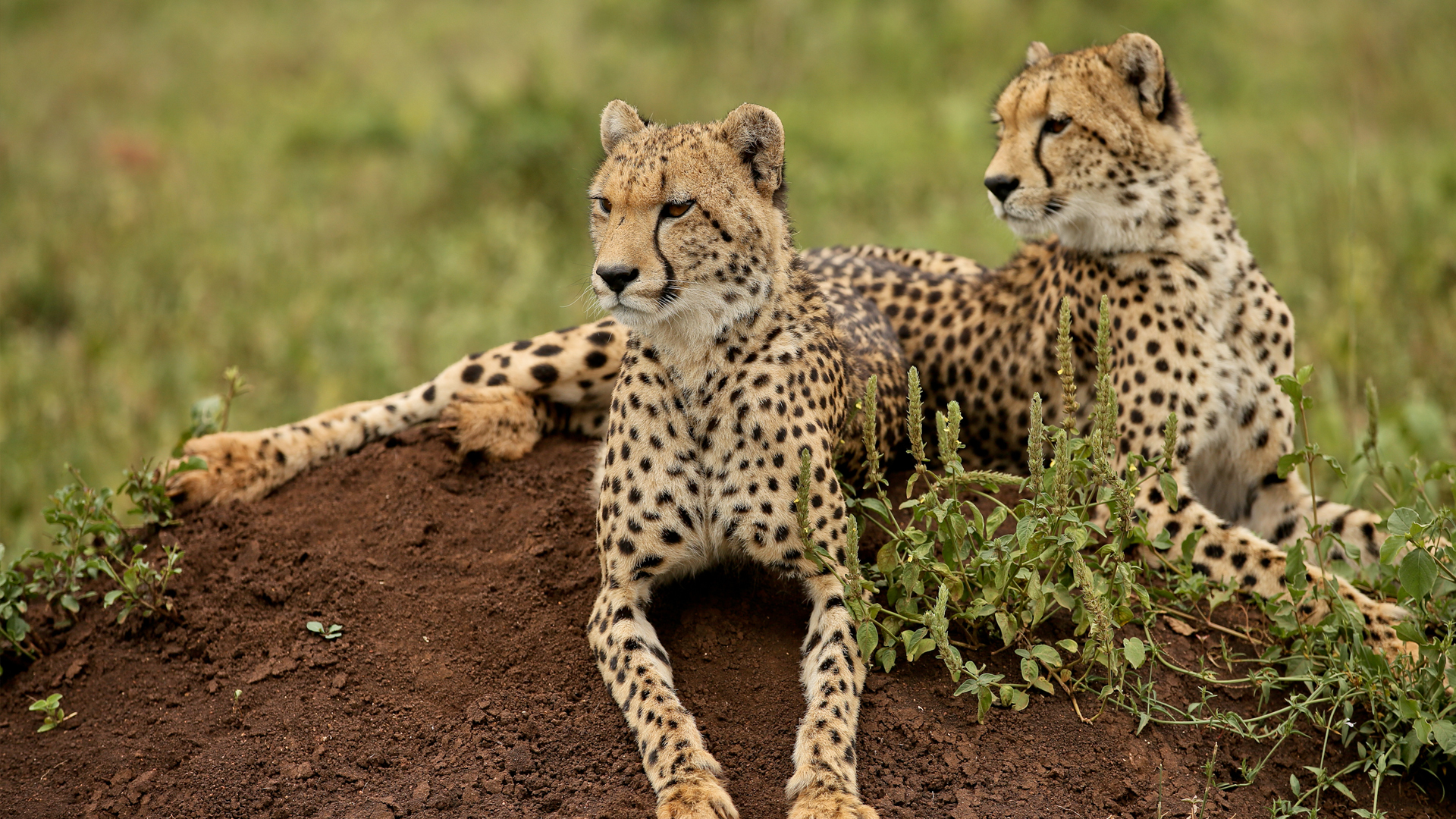
From there, the itinerary transitions smoothly into open savannah landscapes with a flight into Tanzania. The next phase focuses on the iconic Serengeti National Park, where game drives reveal lions, elephants, cheetahs, and vast herds of wildlife. This contrast—from dense forest to endless plains—is what makes a Multi-Country Africa Safari so compelling.
The journey then continues to the breathtaking Ngorongoro Crater, a unique ecosystem that offers one of the highest concentrations of wildlife in Africa. Here, your Multi-Country Africa Safari becomes more scenic and relaxed, with incredible views and excellent chances of spotting the Big Five in a single day.
Finally, the itinerary concludes with a flight to Zanzibar, where the pace slows down completely. After days of adventure, the white-sand beaches and turquoise waters provide the perfect setting to unwind. This ending balances the intensity of the earlier days, making the safari feel complete and well-paced.
This type of itinerary works exceptionally well because it combines primates, classic safari wildlife, dramatic landscapes, and beach relaxation into one seamless experience.
Cost of a Multi-Country Africa Safari
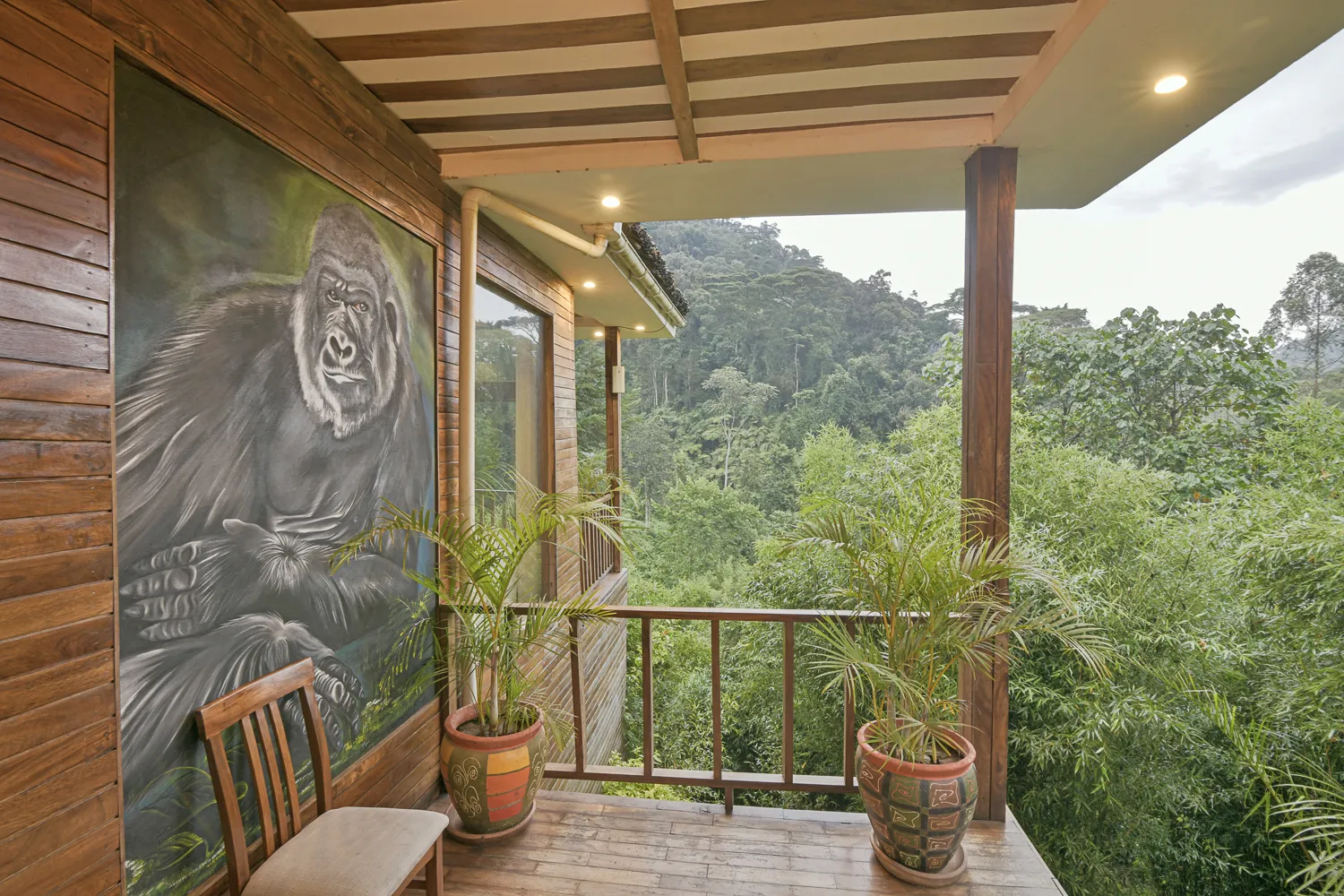
The cost of a Multi-Country Africa Safari varies widely depending on how the trip is designed. Several factors influence the final price, and understanding them helps you plan realistically and avoid surprises.
The number of countries included plays a major role. A Multi-Country Africa Safari covering two countries will generally be more affordable than one spanning three or four, mainly due to additional flights, visas, and logistics.
Accommodation level is another key factor. Budget safaris use simple lodges and shared transport, while midrange options provide more comfort and private experiences. A luxury Multi-Country Africa Safari includes high-end lodges, personalized service, and often fly-in transfers, which significantly increases the overall cost.
Internal flights are one of the biggest cost components. Because distances between destinations can be large, many itineraries rely on light aircraft or regional flights to maintain efficiency. While these flights add cost, they greatly enhance the comfort and flow of a safari.
Activities also influence pricing. Gorilla trekking permits in Uganda or Rwanda, for example, are premium experiences that significantly impact the total budget.
In general, travelers can expect:
- Budget Multi-Country Africa Safari: $3,500–$5,000 per person
- Midrange Multi-Country Africa Safari: $5,000–$8,000 per person
- Luxury Multi-Country Africa Safari: $9,000–$20,000+ per person
While a Multi-Country Africa Safari may appear costly, it delivers exceptional value by combining multiple bucket-list experiences into one trip. Instead of paying for separate journeys, you experience diverse regions, wildlife, and cultures in a single, well-organized itinerary.
Common Challenges and How to Avoid Them
Planning a Multi-Country Africa Safari comes with complexities, but with the right approach, these challenges can be easily managed.
One of the most common issues is long travel distances. Africa is vast, and poorly planned routes can lead to exhausting journeys. The solution is smart routing—choosing destinations that connect logically and using flights where necessary. A well-structured safari minimizes travel fatigue and maximizes time in the field.
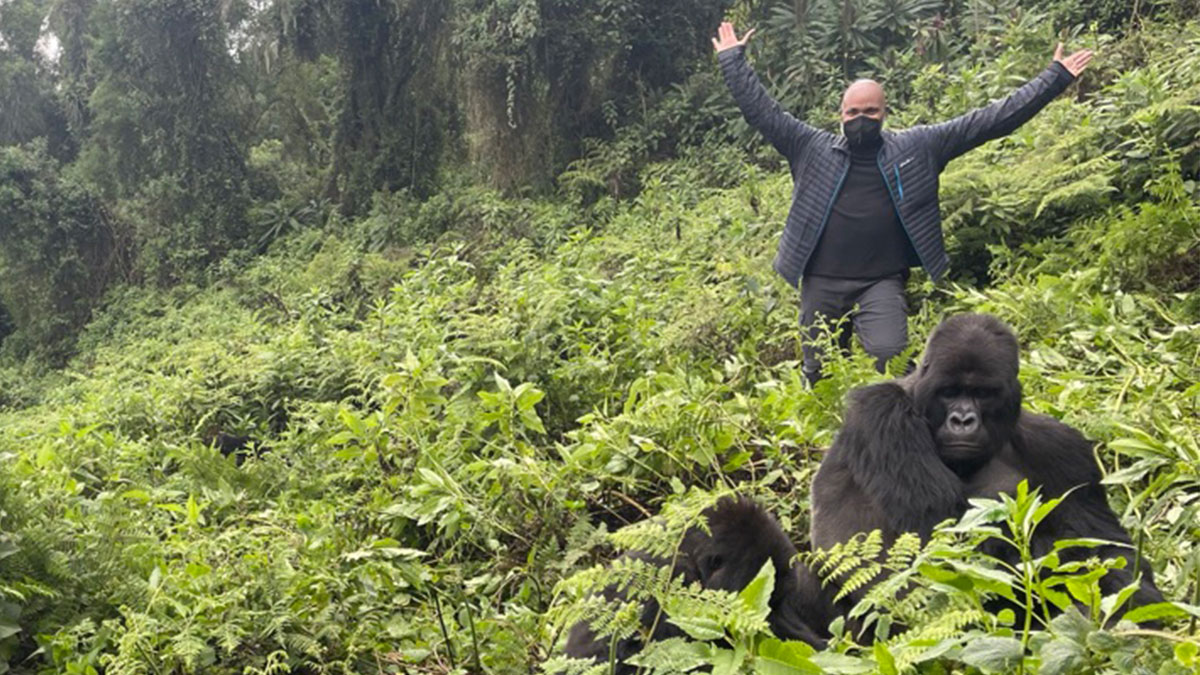
Visa and border requirements can also create confusion. Each country has its own entry rules, and missing a requirement can disrupt your plans. Preparing documents in advance and understanding regional visa options ensures your Multi-Country Africa Safari runs smoothly.
Another frequent challenge is poor itinerary pacing. Trying to include too many destinations in a short time can make the trip feel rushed. A successful safari focuses on quality over quantity, allowing enough time in each location to fully enjoy the experience.
Seasonal mismatches can also affect your safari. Visiting different regions at the wrong time may limit wildlife viewing or impact travel conditions. Aligning your itinerary with the best travel windows ensures your Multi-Country Africa Safari delivers the experience you expect.
Ultimately, the easiest way to avoid these challenges is to work with experienced safari planners. Professionals understand logistics, timing, and destination combinations, ensuring your Multi-Country Africa Safari is seamless, efficient, and unforgettable from start to finish.
Frequently Asked Questions About Multi-Country Africa Safari
How many countries should I include?
A well-balanced Multi-Country Africa Safari typically includes two to three countries. This allows you to experience variety without feeling rushed. For example, combining Uganda with Tanzania or Kenya gives you both primate encounters and classic wildlife safaris. Adding more than three countries can make a Multi-Country Africa Safari feel too fast-paced unless you have extra time.
Is it safe to travel across multiple countries?
Yes, a professionally organized Multi-Country Africa Safari is very safe. Most safari routes are well-established, and experienced guides handle all logistics, including border crossings, transfers, and park entry procedures. Traveling with a trusted operator ensures your safari runs smoothly and securely from start to finish.
Can I combine gorilla trekking and the Big Five?
Absolutely. This is one of the biggest advantages of a Multi-Country Africa Safari. You can trek mountain gorillas in Bwindi Impenetrable National Park or Volcanoes National Park, then continue to the savannahs of Serengeti National Park or Maasai Mara National Reserve for Big Five game drives. This combination creates a diverse and unforgettable Multi-Country Africa Safari.
How long should the trip be?
A Multi-Country Africa Safari ideally lasts between 10 and 14 days. This duration allows enough time to explore multiple destinations without rushing. Shorter trips can still work but may require fewer locations, while longer journeys allow for a more relaxed and immersive Multi-Country Africa Safari experience.
Plan Your Multi-Country Africa Safari with Experts
Planning a seamless Multi-Country Africa Safari requires experience, local knowledge, and attention to detail. At Pieland Gorilla Safaris, we specialize in crafting journeys that flow effortlessly across borders while maximizing your time in each destination.

From arranging gorilla permits in Uganda and Rwanda to organizing flights into Tanzania for Serengeti safaris, every part of your safari is carefully coordinated. We select the right lodges, plan efficient routes, and provide expert guides who enhance every moment of your journey.
Whether your dream is to witness the Great Migration, trek through rainforest in search of gorillas, or unwind on the beaches of Zanzibar, we design a Multi-Country Africa Safari that matches your travel style and expectations.
With the right planning and expert support, your safari becomes more than just a trip—it becomes a once-in-a-lifetime experience crafted perfectly for you.