
The Ultimate Drama: Predator vs Prey – What You Might Witness on Safari
Understanding Predator vs Prey is at the heart of every authentic African safari experience. It represents the raw, unscripted interaction between hunters and the hunted—an ongoing story that shapes the rhythm of the wild.
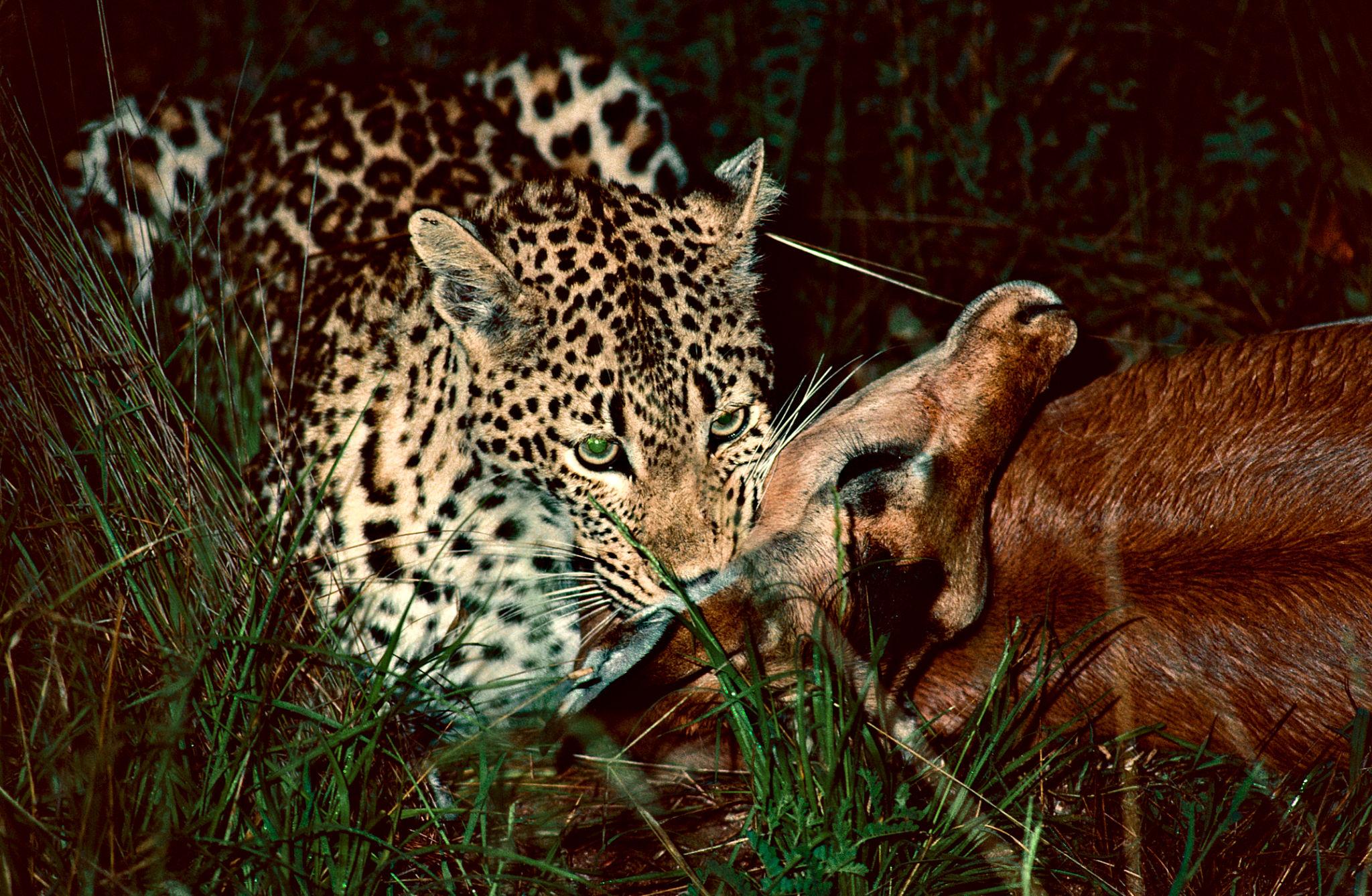
Across iconic ecosystems like Serengeti National Park, Masai Mara National Reserve, and Queen Elizabeth National Park, this delicate balance unfolds every day. Each encounter, whether successful or not, contributes to the survival of species and the stability of the ecosystem.
In this guide, we explore Predator vs Prey, what it means, what you might witness on safari, and how these interactions define Africa’s wildlife experience.
The Natural Balance of the Wild
At its core, Predator vs Prey represents a finely tuned natural balance that keeps ecosystems healthy and sustainable. Predators and prey are deeply interconnected, each shaping the behavior and evolution of the other over time.
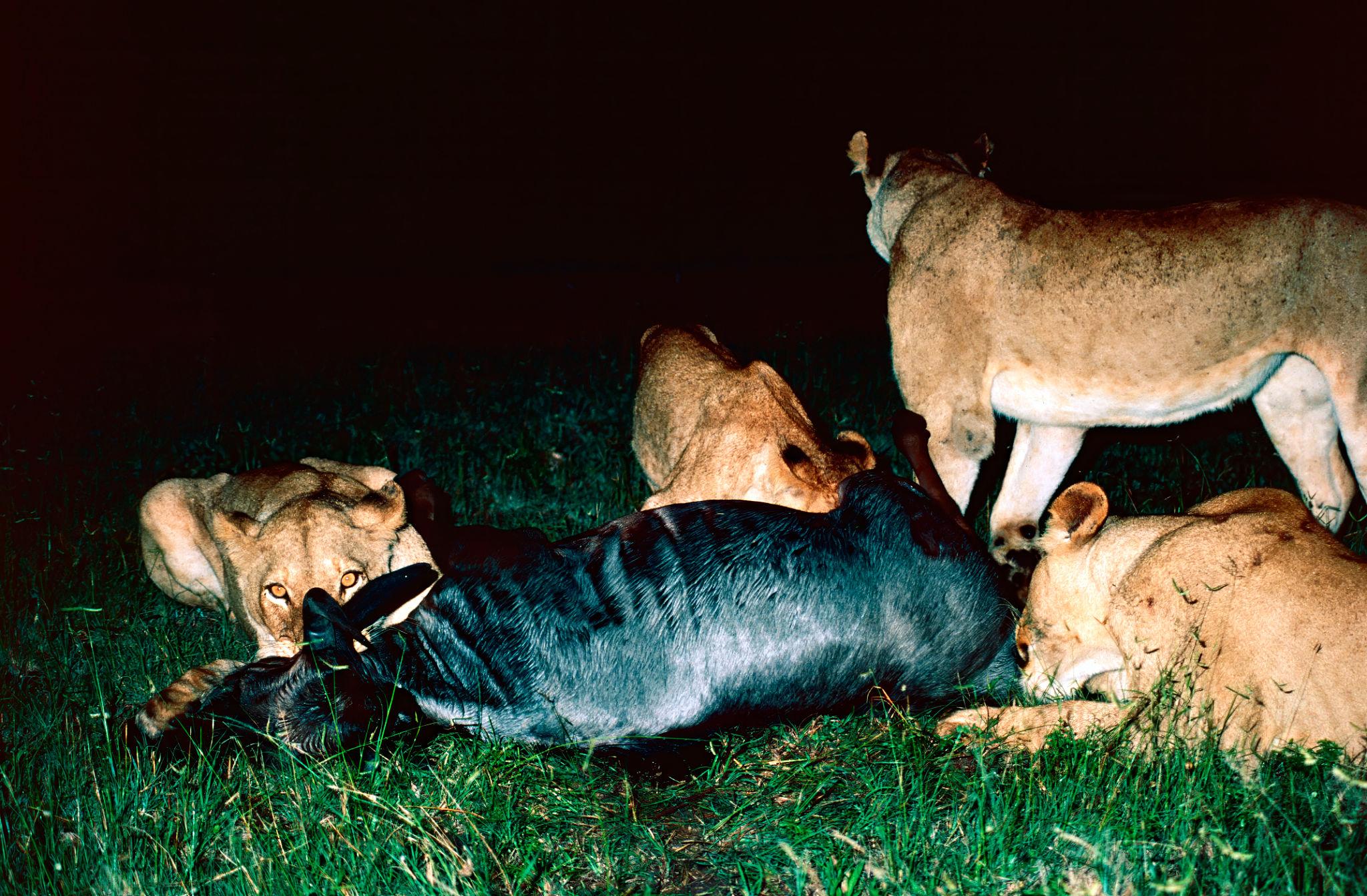
Predators such as lions, leopards, and cheetahs depend entirely on prey animals for survival. Without a stable prey population, predators cannot thrive. At the same time, prey species such as antelope, zebras, and buffalo must constantly adapt to avoid becoming food. This ongoing interaction drives natural selection, ensuring that only the strongest, fastest, and most alert individuals survive and reproduce.
This balance prevents overpopulation. If prey animals were left unchecked, they could overgraze the land, leading to habitat degradation and food shortages. Predators help regulate these populations, maintaining a healthy ecosystem.
At the same time, prey animals influence predator behavior. Their alertness, speed, and group dynamics force predators to refine their hunting techniques. This creates an ongoing cycle of adaptation on both sides.
Every movement in the wild—whether it is a herd grazing, a predator stalking, or an animal fleeing—forms part of this larger system. This is what makes Predator vs Prey such a fundamental and fascinating aspect of nature.
Hunting Strategies of Predators
One of the most compelling elements of Predator vs Prey is the diversity of hunting strategies used by predators. Each species has developed specialized techniques that match its physical abilities and environment.
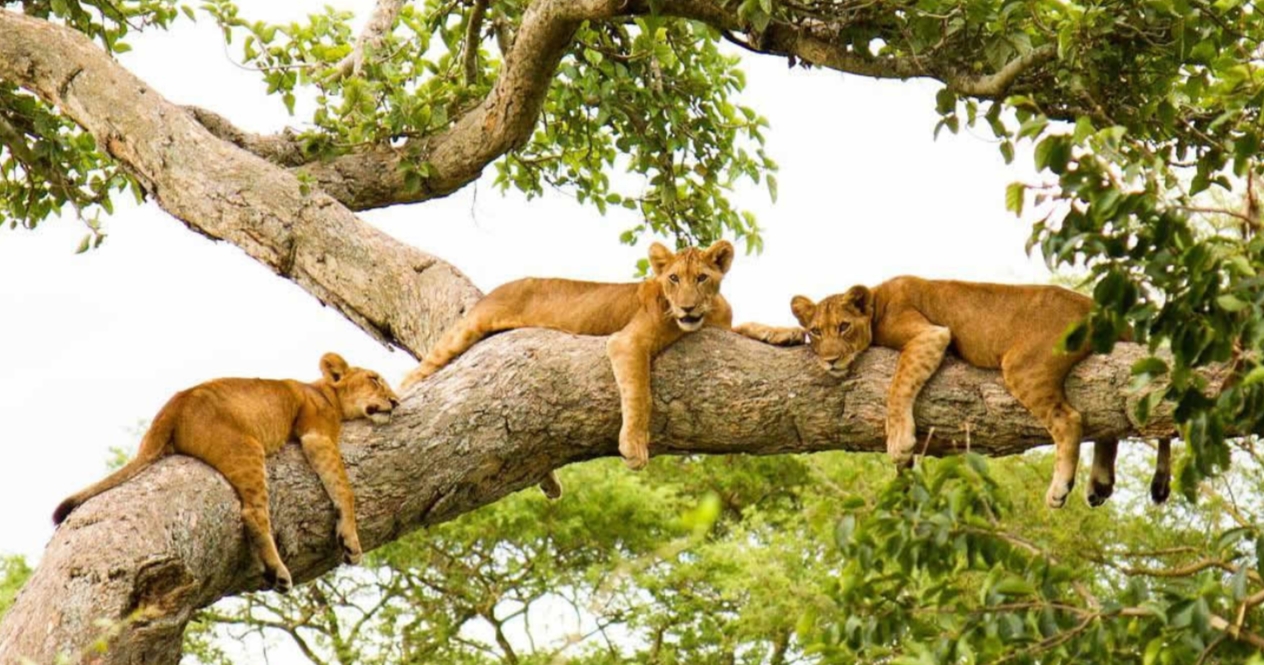
Lions, for example, are social hunters. They work in coordinated groups, using teamwork to surround and isolate prey. Some members of the pride may drive the herd forward while others lie in wait, creating an effective ambush. This strategy allows them to take down larger animals that would be impossible to hunt alone.
Leopards, on the other hand, rely on stealth and patience. They move silently through vegetation, carefully closing the distance before launching a sudden and powerful attack. Their success depends on remaining unseen until the final moment.
Cheetahs use an entirely different approach. Built for speed, they rely on explosive acceleration to chase down prey in open terrain. Their hunts are short but intense, requiring precision timing and energy efficiency.
Hyenas often combine endurance and intelligence, sometimes chasing prey over long distances or stealing kills from other predators. Crocodiles, lurking in rivers, depend on ambush, striking suddenly when animals come to drink or cross.
These varied techniques highlight the intelligence, adaptability, and specialization involved in Predator vs Prey. Each hunt is a calculated effort, shaped by experience, environment, and instinct.
For safari travelers, understanding these strategies adds depth to every sighting, turning observation into insight.
Survival Tactics of Prey Animals
While predators are highly skilled, prey animals are equally remarkable in their ability to survive. This balance is a critical part of Predator vs Prey, where survival depends on constant awareness and quick decision-making.
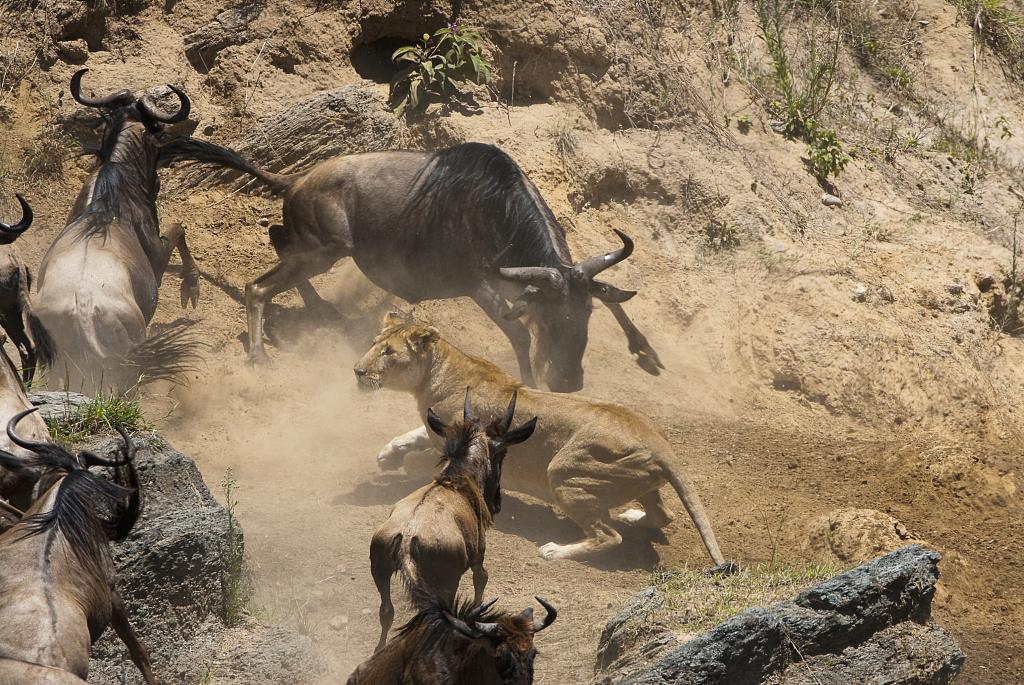
Many prey species have evolved exceptional senses. Their wide-set eyes allow them to detect movement from multiple directions, giving them a broader field of vision. Their hearing and sense of smell are also highly developed, helping them detect predators even before they are visible.
Group behavior is another key survival strategy. Animals often move in herds, where many individuals watch for danger at the same time. This collective vigilance increases the chances of detecting threats early and reacting quickly.
Alarm calls play a crucial role. When one animal senses danger, it produces a specific sound that alerts the entire group. These calls can even be understood by different species, creating a shared warning system across the ecosystem.
Speed and agility are also vital. Many prey animals rely on quick bursts of movement or sudden changes in direction to escape predators. Others depend on endurance, outrunning predators over longer distances.
Camouflage adds another layer of protection. Some animals blend into their surroundings, making it difficult for predators to detect them in the first place.
This constant need to adapt and respond ensures that Predator vs Prey remains a dynamic and evolving interaction. Every escape, every chase, and every near miss reflects the ongoing battle for survival in the wild.
The Role of Timing and Opportunity
Timing is one of the most critical factors in Predator vs Prey encounters, often determining whether a hunt succeeds or fails. Predators do not act randomly—they carefully choose moments when their chances of success are highest.
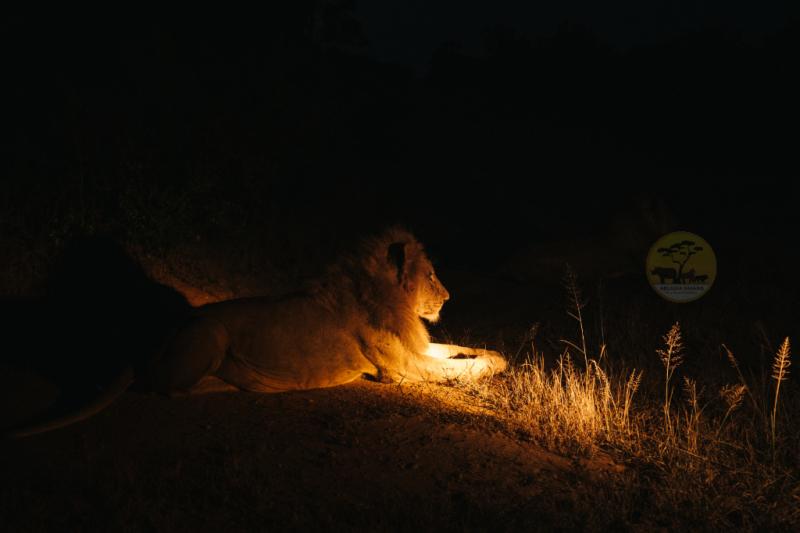
Early morning, late evening, and nighttime are prime hunting periods. During these times, temperatures are cooler, light is softer, and prey animals may be less alert. Low visibility gives predators an advantage, allowing them to approach undetected. For species like lions and leopards, darkness and shadows become powerful tools.
Predators also look for vulnerability. They often target individuals that are young, injured, inexperienced, or separated from the group. This is not just opportunistic—it is an energy-saving strategy. Hunting requires effort, and selecting the right target increases efficiency and survival.
Environmental conditions further influence Predator vs Prey interactions. Tall grass can hide a stalking predator, while open plains may favor fast chasers like cheetahs. Wind direction can carry scent, alerting prey, while terrain such as riverbanks or rocky areas can either help or hinder movement.
For safari travelers, this means that witnessing Predator vs Prey depends heavily on timing and positioning. Experienced guides understand these patterns and often anticipate potential encounters by reading the environment, tracking animal behavior, and interpreting subtle signs in the bush.
Being in the right place at the right moment is what turns an ordinary game drive into an extraordinary wildlife experience.
Dramatic Moments You Might Witness
On safari, Predator vs Prey unfolds in a wide range of dramatic and unforgettable ways. These moments are often filled with tension, anticipation, and sudden bursts of action.
You might witness a lion pride slowly and silently stalking a herd, each member taking a strategic position before the chase begins. The air becomes still, and then suddenly, everything explodes into motion as the hunt begins.
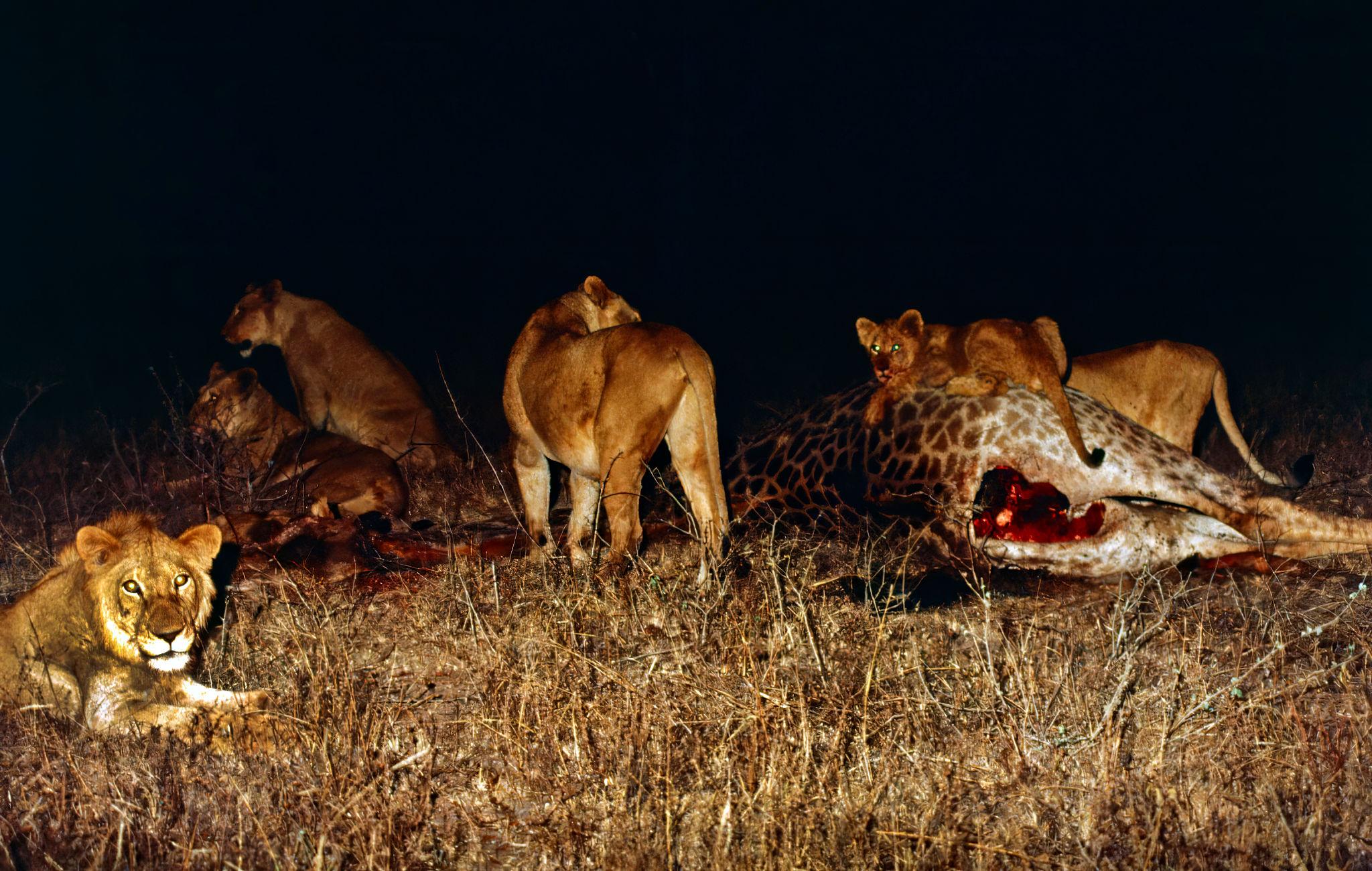
In open savannahs, a cheetah may launch into a high-speed pursuit, accelerating with incredible force as it chases down a gazelle. These hunts are short but intense, often decided within seconds.
In more concealed environments, a leopard may ambush its prey with precision, using stealth and surprise. After a successful hunt, it may drag the kill into a tree, creating one of the most iconic safari scenes.
Not all encounters end in success. In many cases, prey animals escape, demonstrating remarkable speed, agility, and awareness. These near-misses are just as exciting, highlighting the balance between predator skill and prey survival.
What makes Predator vs Prey so captivating is its unpredictability. No two encounters are ever the same, and every moment holds the possibility of something extraordinary.
The Emotional Reality of Nature
For many travelers, witnessing Predator vs Prey can be both thrilling and emotionally intense. It is a powerful reminder that the wild operates under its own natural laws.
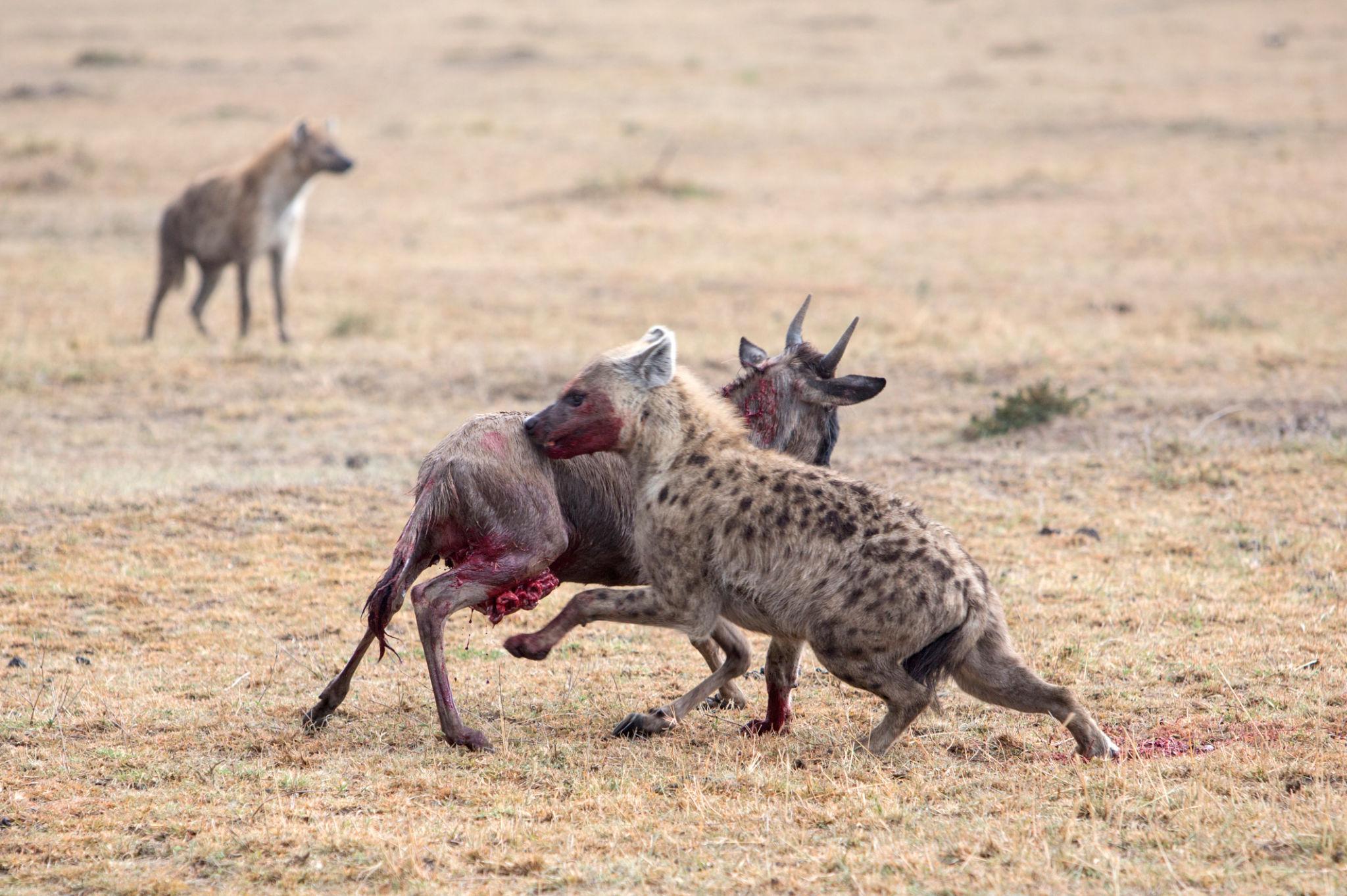
Predators must hunt to survive, and prey animals must constantly adapt to avoid becoming food. This interaction is not driven by cruelty but by necessity. It is a fundamental part of how ecosystems function and remain balanced.
While it can be difficult to watch certain moments, especially when a hunt is successful, these events reflect the authenticity of nature. They show the reality of life in the wild—where every animal plays a role in maintaining the balance of the ecosystem.
Understanding this helps shift perspective. Instead of seeing these interactions as harsh, travelers begin to appreciate them as essential processes that sustain life.
Recognizing the deeper meaning of Predator vs Prey allows for a more respectful and informed safari experience, where every encounter is seen as part of a larger, interconnected system.
What This Means for Your Safari Experience
Understanding Predator vs Prey transforms your safari from simple wildlife viewing into a deeper, more immersive experience.
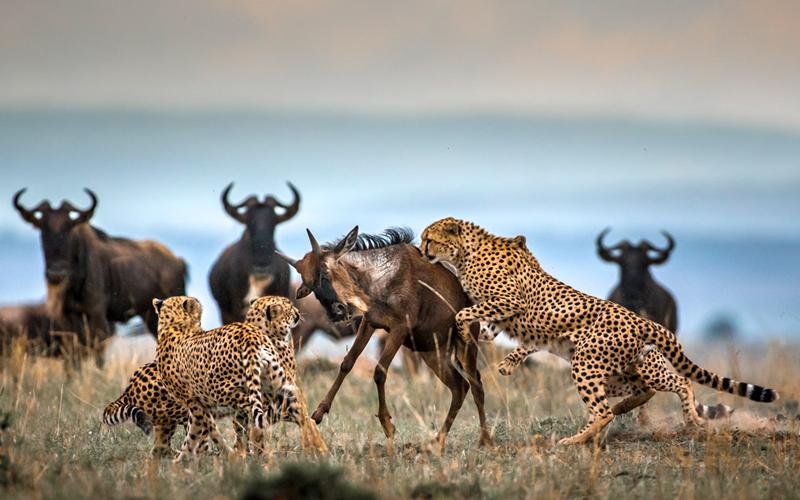
Instead of just observing animals, you begin to interpret behavior. A herd suddenly becoming alert, birds calling loudly, or a predator moving low through the grass all become meaningful signs of potential action. These subtle cues help you anticipate what might happen next.
Guides play a crucial role in this process. They use their knowledge and experience to track animals, read footprints, listen to alarm calls, and interpret changes in the environment. This expertise greatly increases your chances of witnessing Predator vs Prey moments.
Patience and observation are equally important. Wildlife encounters cannot be forced, but staying attentive and allowing nature to unfold increases the likelihood of seeing something extraordinary.
This deeper understanding adds excitement and purpose to every game drive. It turns each moment into an opportunity to learn, observe, and connect with the natural world.
Ultimately, Predator vs Prey becomes one of the most engaging and educational aspects of a safari, offering not just unforgettable sights but a true appreciation of how nature works.
FAQs About Predator vs Prey
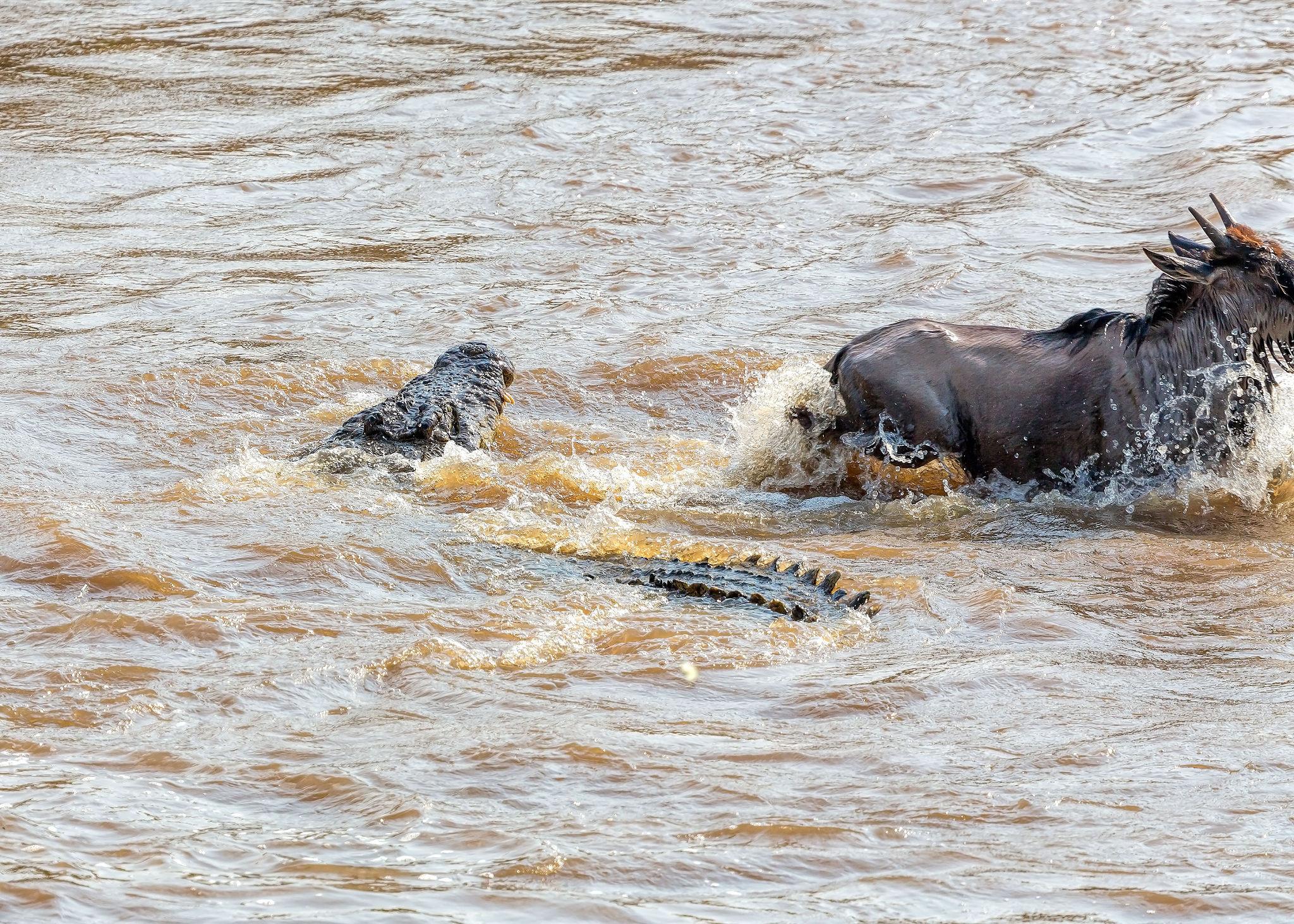
Is it common to see predators hunting on safari?
Witnessing an active hunt is one of the most exciting parts of Predator vs Prey, but it is never guaranteed. Hunting depends on many factors, including timing, location, and animal behavior. Some days you may see predators resting, while on others you may observe intense stalking or even a full chase. Being in wildlife-rich areas and traveling with experienced guides greatly increases your chances.
Do predators always succeed in hunts?
No, success is far from guaranteed in Predator vs Prey interactions. In fact, many hunts fail. Predators must carefully calculate their energy use, and even the most skilled hunters can miss opportunities due to alert prey, unfavorable wind direction, or difficult terrain. These failed attempts are just as important, showing how challenging survival is in the wild.
Is it safe to watch predator-prey interactions?
Yes, observing Predator vs Prey is safe when you are on a guided safari with trained professionals. Safari guides understand animal behavior and maintain appropriate distances to ensure both your safety and that of the wildlife. Vehicles are positioned strategically so you can observe without interfering with natural events.
What is the best time to witness these interactions?
The best time to experience Predator vs Prey is during early morning and late evening game drives. These are the periods when predators are most active and conditions favor hunting. Cooler temperatures and softer light make it easier for predators to move undetected, increasing the chances of witnessing real action.
Plan Your Safari with Experts
At Pieland Gorilla Safaris, we design experiences that bring you closer to the true rhythm of the wild, where Predator vs Prey unfolds naturally and authentically.
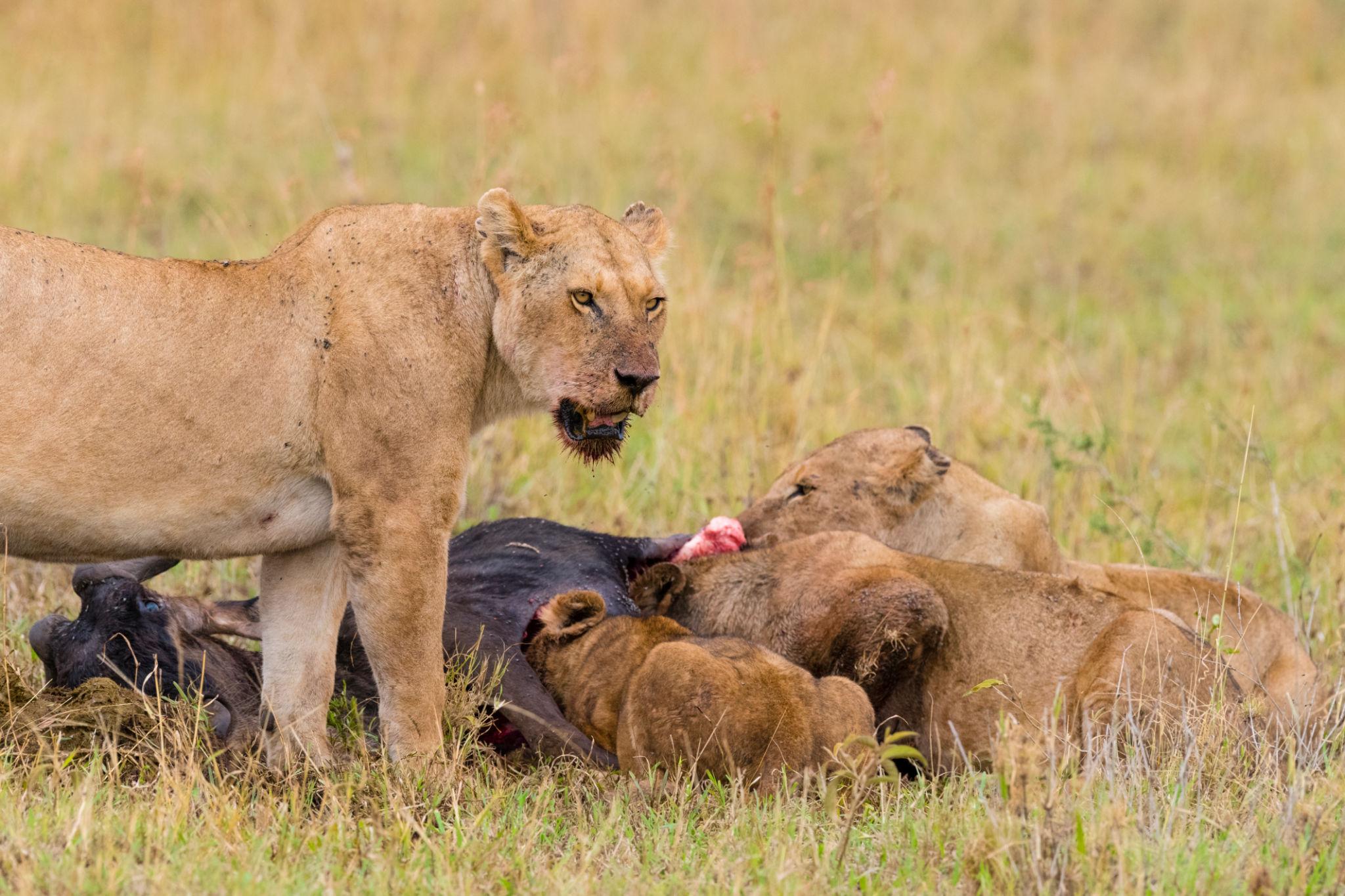
Our safaris across Uganda, Kenya, and Tanzania are carefully planned to maximize your chances of witnessing real wildlife interactions. With expert guides who understand animal behavior, tracking techniques, and ecosystem dynamics, you gain more than just sightings—you gain insight.
Whether you are exploring Queen Elizabeth National Park, Serengeti National Park, or Masai Mara National Reserve, we ensure you are in the right place at the right time to experience the drama and beauty of nature.
Every safari is designed to be immersive, educational, and unforgettable—allowing you to truly understand Predator vs Prey as it happens in real time.
Start planning your safari today and experience the raw, powerful drama of Africa’s wildlife at its finest.