
Ultimate Guide to Private Conservancies vs National Parks in Kenya: Which Safari Experience Is Best?
Planning a safari in Kenya often comes down to one important decision, Private Conservancies vs National Parks. Both offer incredible wildlife experiences, yet they differ significantly in terms of exclusivity, activities, crowd levels, and overall safari style.
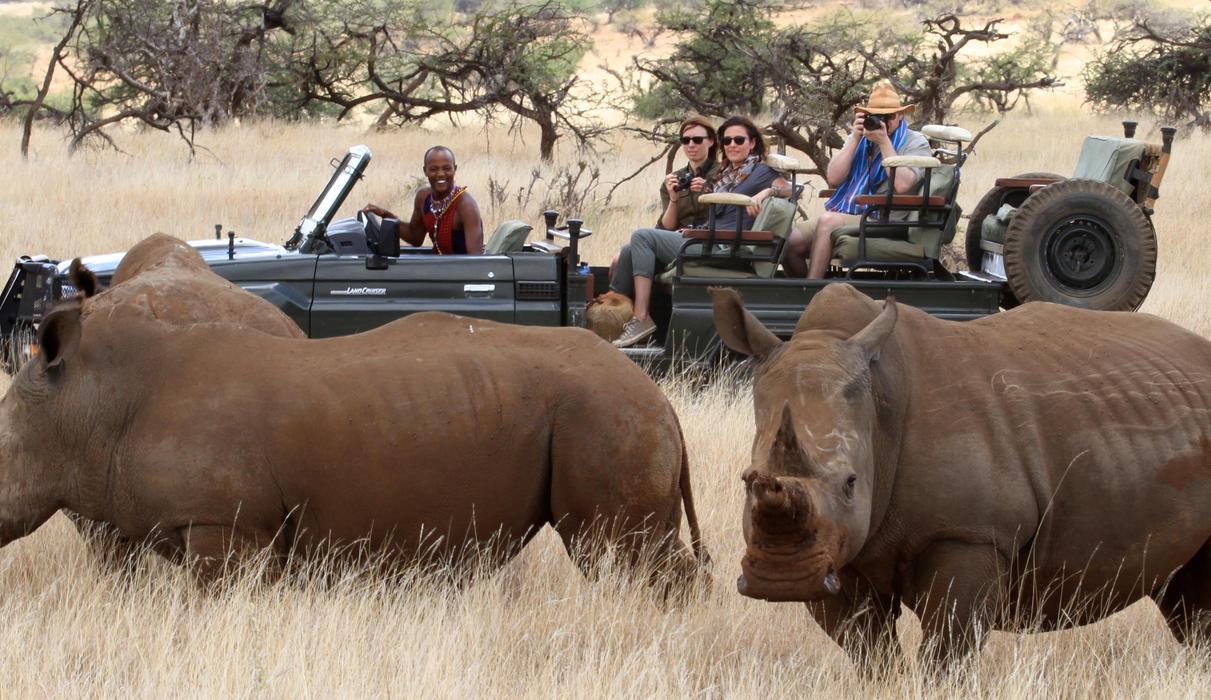
Kenya is unique in that it provides access to both traditional national parks like Masai Mara National Reserve and privately managed conservancies such as those in the Laikipia Plateau. Understanding the differences between Private Conservancies vs National Parks helps you design a safari that matches your expectations perfectly.
This guide explores every aspect of Private Conservancies vs National Parks, helping you choose the right experience for your Kenyan adventure.
What Are Private Conservancies vs National Parks?
To fully understand Private Conservancies vs National Parks, it’s important to look beyond simple definitions and consider how each operates and what that means for your safari experience.
National parks and reserves are government-managed conservation areas established to protect wildlife and ecosystems. These parks are open to the public and operate under national regulations that prioritize conservation while allowing tourism. In this safari comparison, national parks are often larger in size, with well-developed infrastructure, clear road networks, and a wide range of accommodation options both inside and around the parks.
Because they are publicly accessible, national parks attract a higher number of visitors. This accessibility is one of their biggest strengths, making them ideal for travelers who want a classic safari experience with reliable wildlife viewing and relatively straightforward logistics.
Private conservancies, in contrast, are typically established through partnerships between local communities, private landowners, and conservation organizations. These areas are managed with a strong focus on sustainability, wildlife protection, and community benefits. In the Private Conservancies vs National Parks comparison, conservancies prioritize low visitor numbers, ensuring minimal environmental impact and a more exclusive safari experience.
Access to conservancies is often restricted to guests staying within specific lodges, which helps maintain privacy and limits overcrowding. This model not only enhances the visitor experience but also supports conservation and local livelihoods.
Understanding this structural difference is essential when evaluating this safari comparison, as it directly influences everything from crowd levels to the type of activities available.
Wildlife Experience: Private Conservancies vs National Parks
Wildlife viewing is at the heart of the Private Conservancies vs National Parks debate, and both options offer exceptional opportunities, though in different ways.
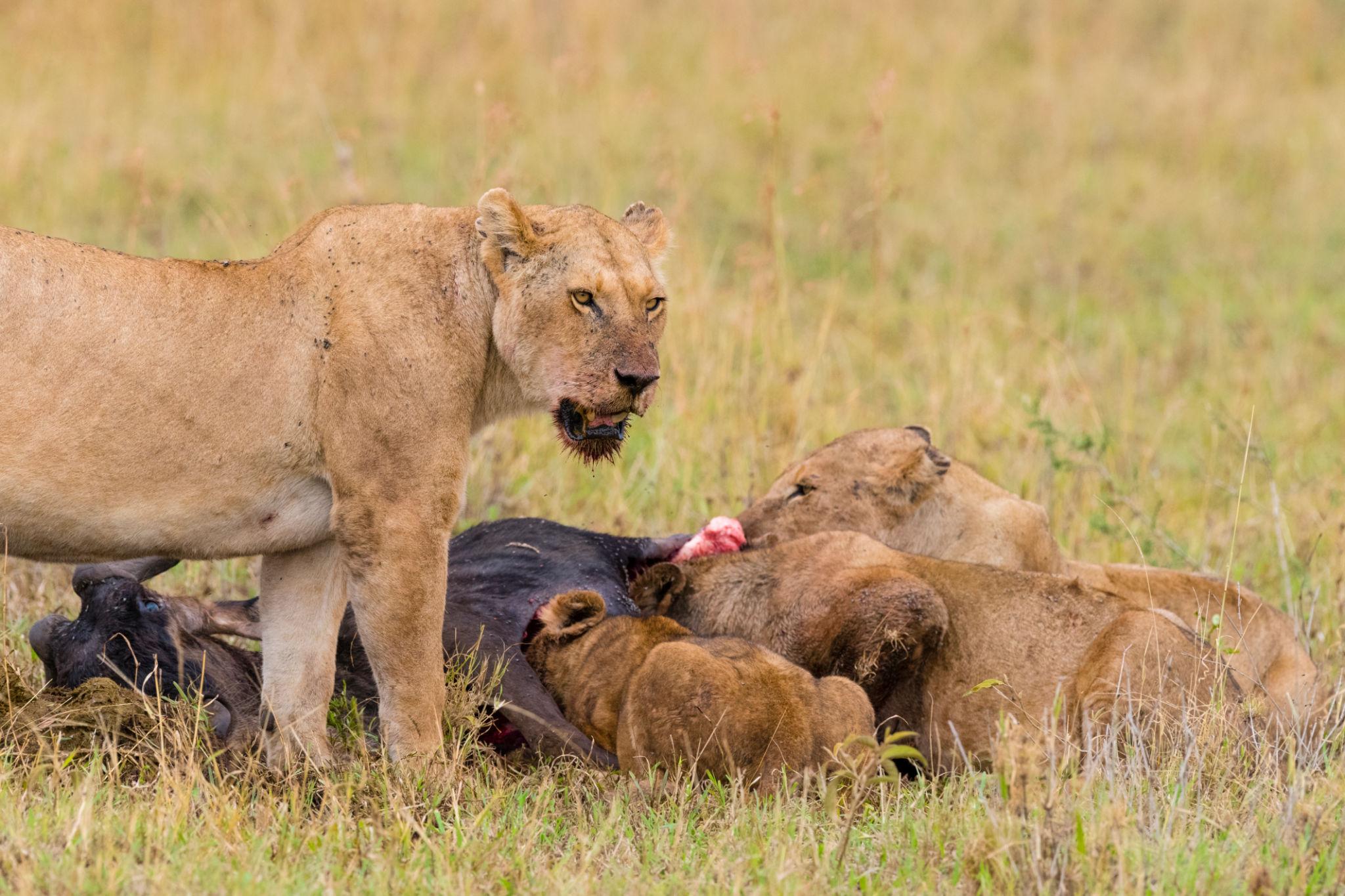
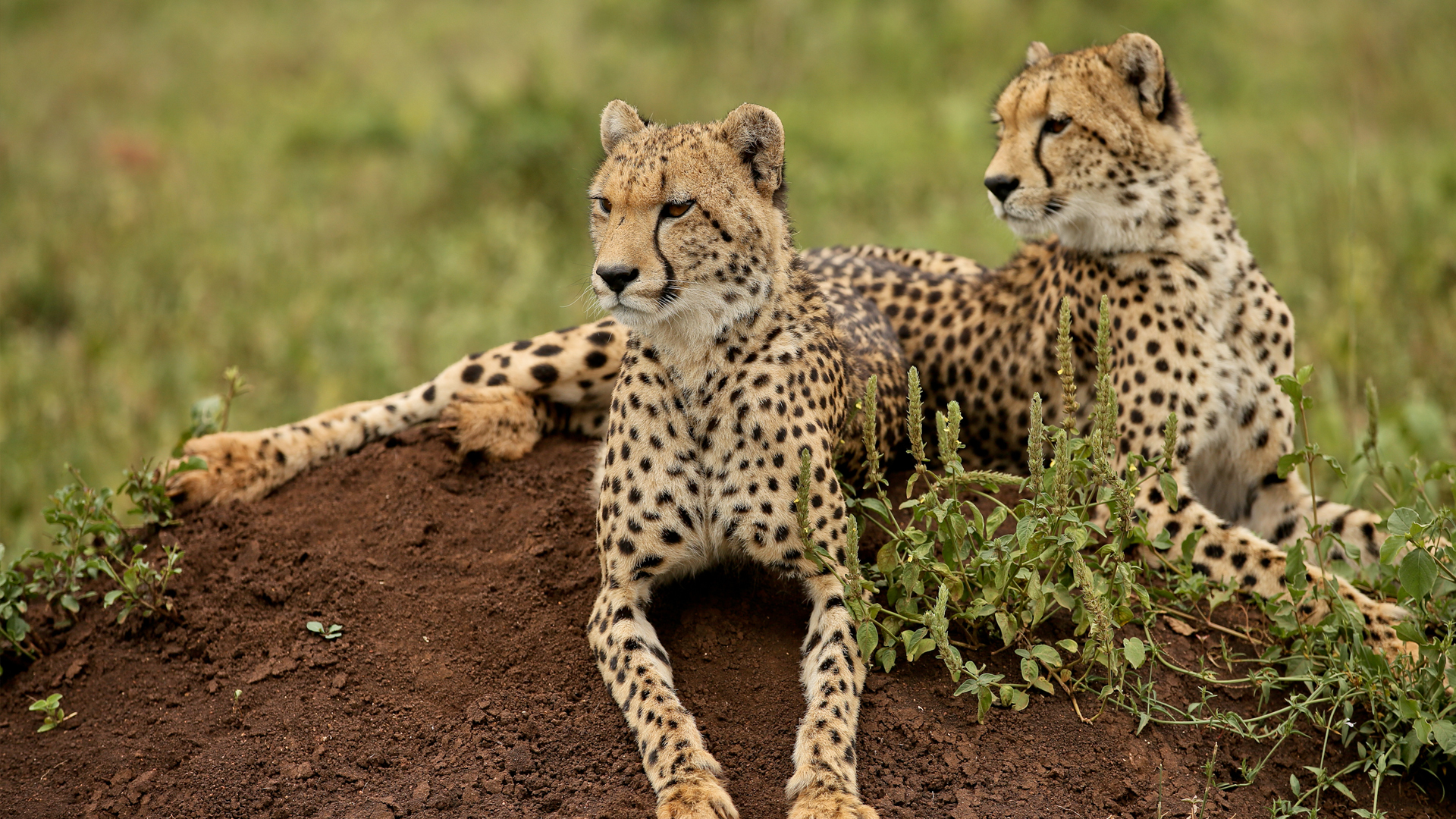
National parks such as the Masai Mara are renowned for their high concentration of wildlife. Large herds of herbivores roam the plains, attracting predators like lions, cheetahs, and hyenas. This creates a dynamic and action-packed safari environment where sightings are frequent and often dramatic. In the Private Conservancies vs National Parks comparison, national parks are ideal for travelers who want to maximize their chances of seeing a wide variety of animals within a short time.
Another advantage of national parks is predictability. Because of the abundance of wildlife, even first-time visitors can enjoy consistent sightings, making them a strong choice in this safari comparison discussion.
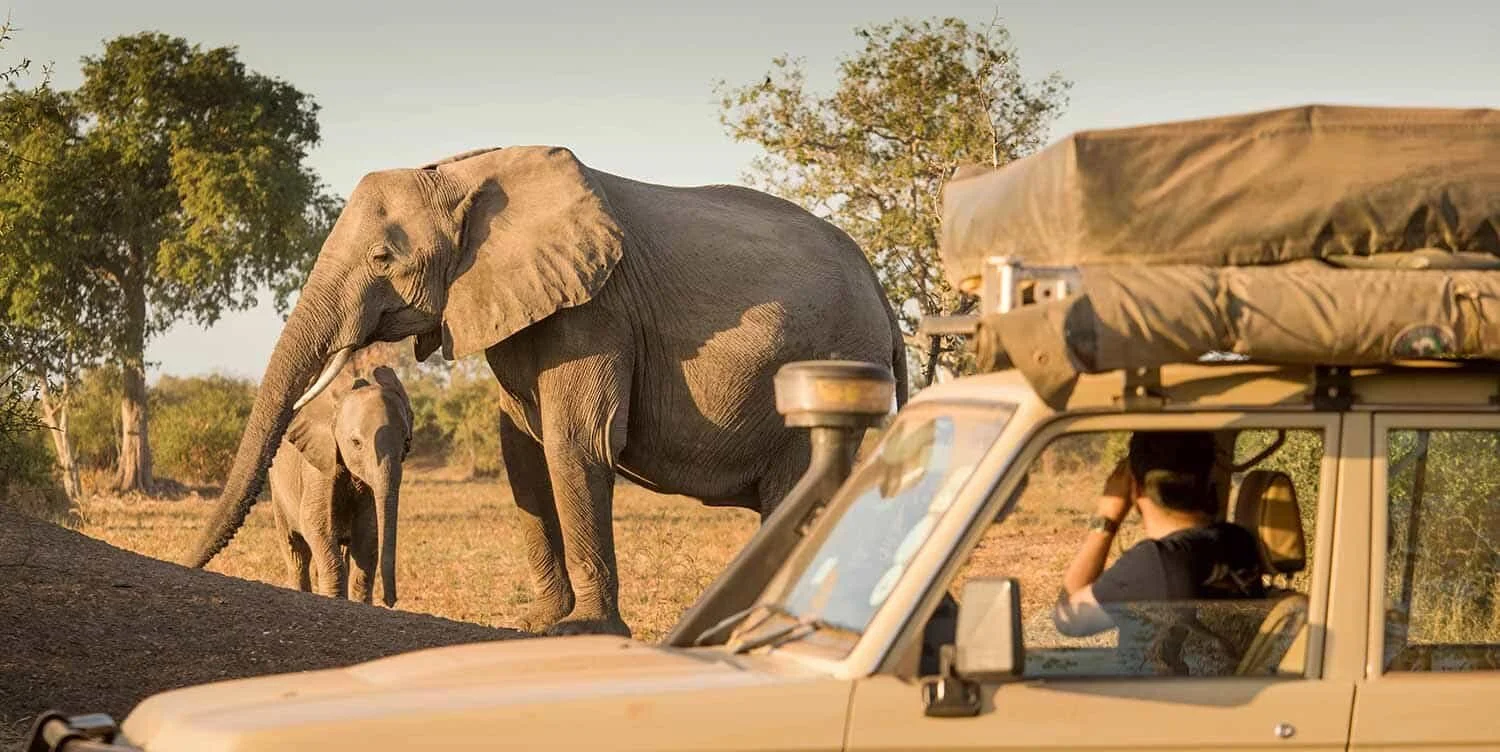
Private conservancies, however, offer a more refined and immersive wildlife experience. With fewer vehicles in the area, sightings are less crowded, allowing for longer and more relaxed observation. Instead of rushing from one sighting to another, you can spend time watching animal behavior in detail—whether it’s a pride of lions interacting or elephants moving quietly through the bush.
In some conservancies, off-road driving is permitted, giving guides the flexibility to follow wildlife more closely and position vehicles for optimal viewing. This is a significant advantage inthis safari comparison, as it allows for more personalized and in-depth encounters.
Ultimately, both options deliver outstanding wildlife experiences. The choice in this safari comparison comes down to whether you prefer high-energy, frequent sightings or quieter, more intimate encounters.
Crowds and Exclusivity: Private Conservancies vs National Parks
One of the most noticeable differences in Private Conservancies vs National Parks is the level of crowding and how it impacts your safari experience.
National parks are popular for a reason—they offer incredible wildlife and are accessible to a wide range of travelers. However, this popularity can lead to busy conditions, particularly during peak seasons or major events like the Great Migration. At popular sightings, it is not uncommon to find several vehicles gathered around a single animal. While this does not diminish the quality of the wildlife, it can affect the sense of wilderness and privacy.
In the context of this safari comparison, this is one of the key trade-offs of choosing a national park: high wildlife density comes with higher visitor numbers.
Private conservancies take a different approach by strictly limiting the number of guests. This creates a more peaceful and exclusive environment where game drives feel private and unhurried. You are less likely to encounter other vehicles, and when you do, the experience remains calm and respectful.
This exclusivity enhances the overall safari atmosphere. You can enjoy quiet moments in nature, listen to the sounds of the bush without interruption, and fully immerse yourself in the environment. For many travelers, this sense of solitude is what defines the appeal of this safari comparison.
For those seeking privacy, personalized service, and a deeper connection with nature, the balance in this safari comparison strongly favors private conservancies.
Activities and Flexibility: Private Conservancies vs National Parks
Another major distinction in Private Conservancies vs National Parks lies in the range of activities available and how flexible your safari experience can be.
In national parks such as Masai Mara National Reserve, activities are carefully regulated to protect wildlife and ecosystems. Game drives follow designated tracks, and off-road driving is generally not permitted. While this ensures long-term conservation, it also creates a more structured safari environment. In thethis safari comparison, this means your experience is largely centered around traditional daytime game drives.
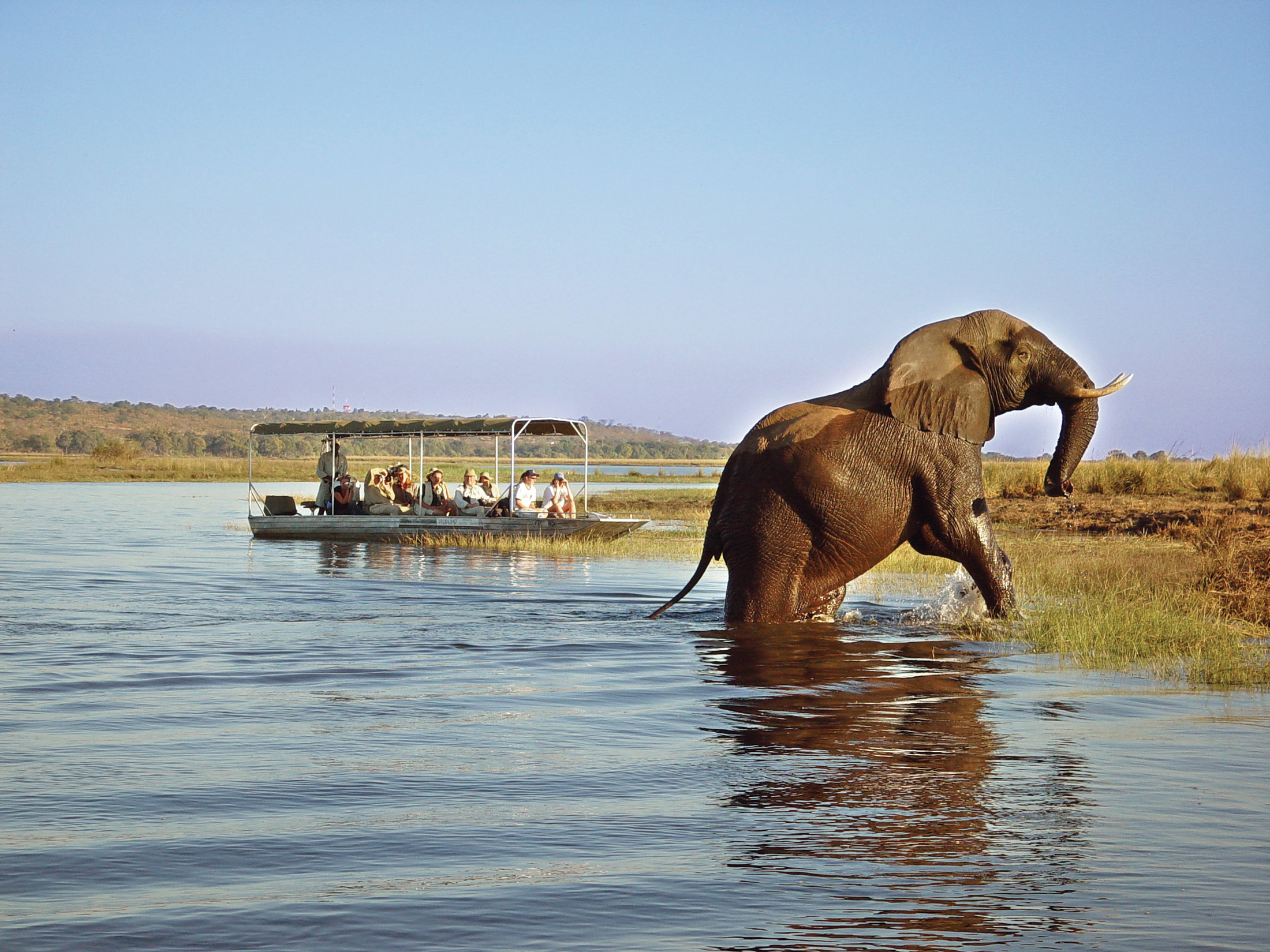
Although some national parks offer additional experiences like hot air balloon safaris or cultural visits, these are often limited and not as flexible in timing or location. The overall experience remains consistent, predictable, and focused on wildlife viewing.
Private conservancies, however, redefine what a safari can be. Because they operate under private management with controlled visitor numbers, they offer far greater flexibility. Activities can be tailored to guest preferences, creating a more personalized and immersive experience. In the this safari comparison comparison, this is one of the most significant advantages of conservancies.
Walking safaris allow you to explore the bush on foot, guided by experts who interpret tracks, plants, and smaller wildlife often missed from a vehicle. Night game drives, rarely permitted in national parks, reveal a completely different side of the ecosystem, where nocturnal animals such as leopards, hyenas, and bush babies become active.
Experiences like bush dinners and sundowners add a social and atmospheric element to your safari, allowing you to enjoy meals or drinks in scenic outdoor settings. Cultural interactions with local communities provide insight into traditions, lifestyles, and conservation partnerships, adding depth to your journey.
This flexibility transforms a safari from a simple wildlife-viewing trip into a multi-dimensional experience. When evaluating this safari comparison, conservancies clearly offer a richer variety of activities and a more dynamic way to engage with the environment.
Cost Comparison: Private Conservancies vs National Parks
Cost is a key consideration when deciding between Private Conservancies vs National Parks, and the difference often reflects the level of exclusivity and service provided.
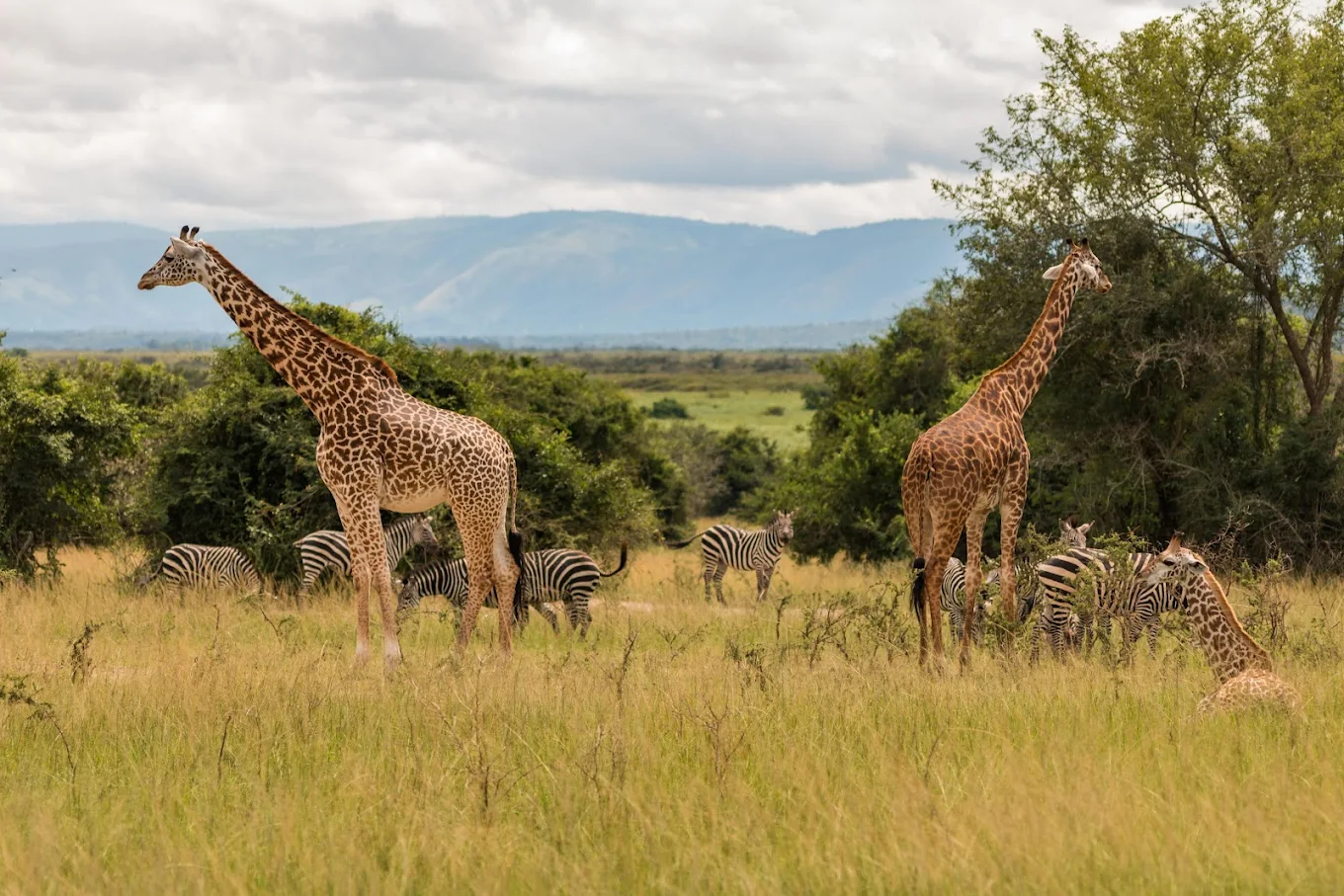
National parks cater to a broad spectrum of travelers. Accommodation options range from budget-friendly camps to mid-range lodges and high-end luxury properties. This diversity makes national parks more accessible, allowing travelers to experience a Private Conservancies vs National Parks safari without requiring a high budget.
Park entry fees are standardized, and the competitive nature of tourism in these areas helps keep overall costs relatively manageable. For many travelers, national parks provide excellent value, especially when considering the high density of wildlife and the quality of guiding.
Private conservancies, by contrast, tend to operate at a higher price point. This is largely due to their low-density tourism model, where fewer guests are hosted at any given time. The cost typically includes exclusive access to the conservancy, personalized service, and a wider range of activities.
In this safari comparison comparison, this higher cost translates into a more premium experience. Guests benefit from private or small-group game drives, flexible schedules, and access to unique activities not available in national parks. Lodges in conservancies are often more intimate, with higher staff-to-guest ratios and enhanced comfort.
Choosing between this safari comparison ultimately depends on your budget and priorities. If affordability and classic safari experiences are your focus, national parks are ideal. If you value privacy, exclusivity, and tailored experiences, private conservancies offer a compelling upgrade.
Accessibility and Locations: Private Conservancies vs National Parks
Accessibility is another important factor in this safari comparison, especially for travelers with limited time or specific logistical preferences.
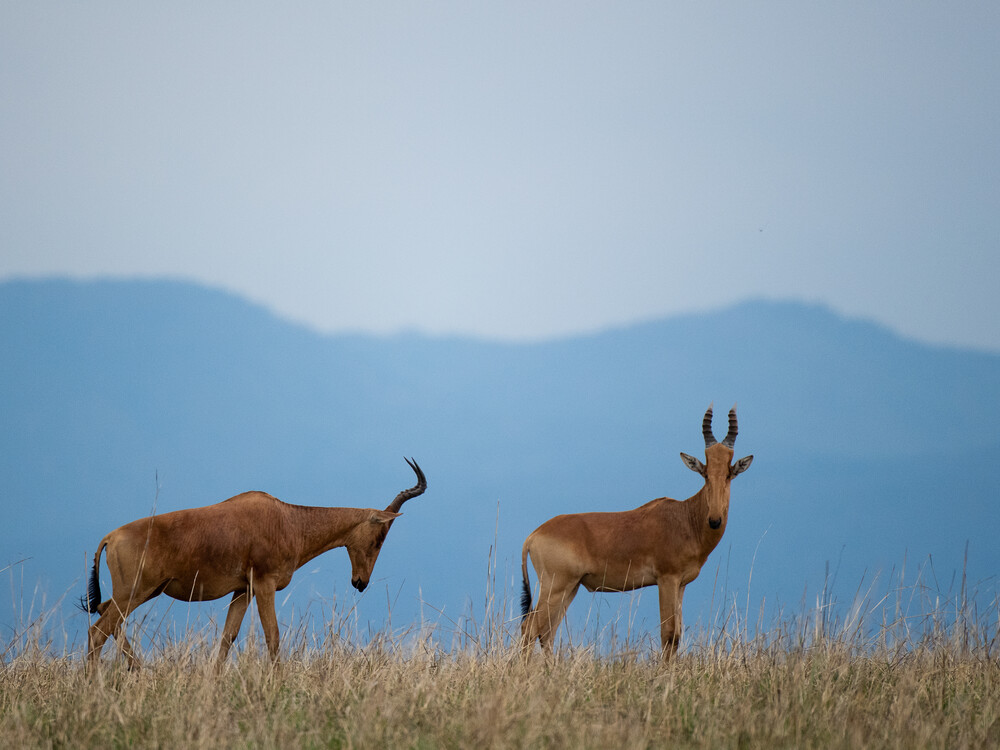
National parks are generally easier to reach. Many are well connected by road and have multiple airstrips served by frequent domestic flights from Nairobi. This makes planning straightforward and allows for efficient travel between destinations. In the Private Conservancies vs National Parks debate, this ease of access is a major advantage of national parks.
For example, reaching the Masai Mara is relatively simple, with daily flights and established road routes. This accessibility makes it a convenient choice for first-time visitors or those on shorter itineraries.
Private conservancies, on the other hand, are often located in more remote and less developed regions. While they are still accessible by scheduled or charter flights, the journey may require additional coordination. Road transfers can be longer and more adventurous, passing through less populated areas.
However, this remoteness is also what makes conservancies so appealing. Being further away from busy tourist routes enhances the sense of exclusivity and immersion. In this safari comparison comparison, what may seem like a logistical challenge becomes part of the experience.
Traveling to a conservancy often feels like entering a private wilderness, where the environment is quieter, less disturbed, and more intimate. For many travelers, this trade-off is worthwhile, as it elevates the overall safari experience.
When considering this safari comparison, accessibility favors national parks for convenience, while private conservancies offer a deeper sense of escape and exclusivity through their remote locations.
Which Is Better: Private Conservancies vs National Parks?
There is no single answer to the Private Conservancies vs National Parks question—it ultimately depends on your travel style, expectations, and the type of safari experience you are looking for.
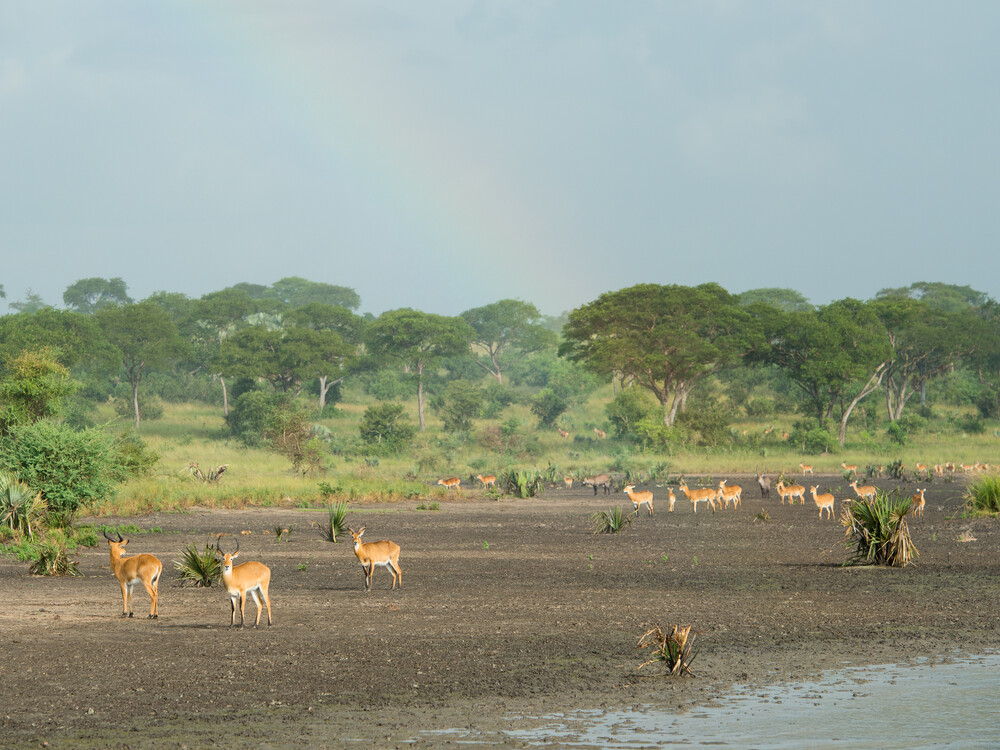
National parks such as the Masai Mara National Reserve are ideal for travelers who want the classic African safari. These parks offer high wildlife density, meaning you are more likely to see a wide range of animals within a short time. The experience is often fast-paced and exciting, with frequent sightings of predators, large herds, and iconic landscapes. In the Private Conservancies vs National Parks comparison, national parks are perfect for those who want action, variety, and value for money.
Private conservancies, on the other hand, cater to travelers seeking a more refined and exclusive experience. Located in regions such as the Laikipia Plateau, these conservancies offer privacy, fewer vehicles, and a more relaxed pace. Game drives feel more personal, and you have the freedom to spend longer periods observing wildlife without interruption. In the Private Conservancies vs National Parks debate, conservancies appeal to those who prioritize quality over quantity.
Another key difference lies in the overall atmosphere. National parks are vibrant and dynamic, while private conservancies feel intimate, and immersive. This makes the decision in this safari comparison less about which is better and more about which suits your preferred travel experience.
Ultimately, the best choice in this safari comparison is the one that aligns with your goals—whether that is experiencing the iconic highlights of Kenya or enjoying a more secluded and personalized safari.
Can You Combine Private Conservancies vs National Parks?
One of the best ways to fully experience Private Conservancies vs National Parks is not to choose between them, but to combine both into a single itinerary.
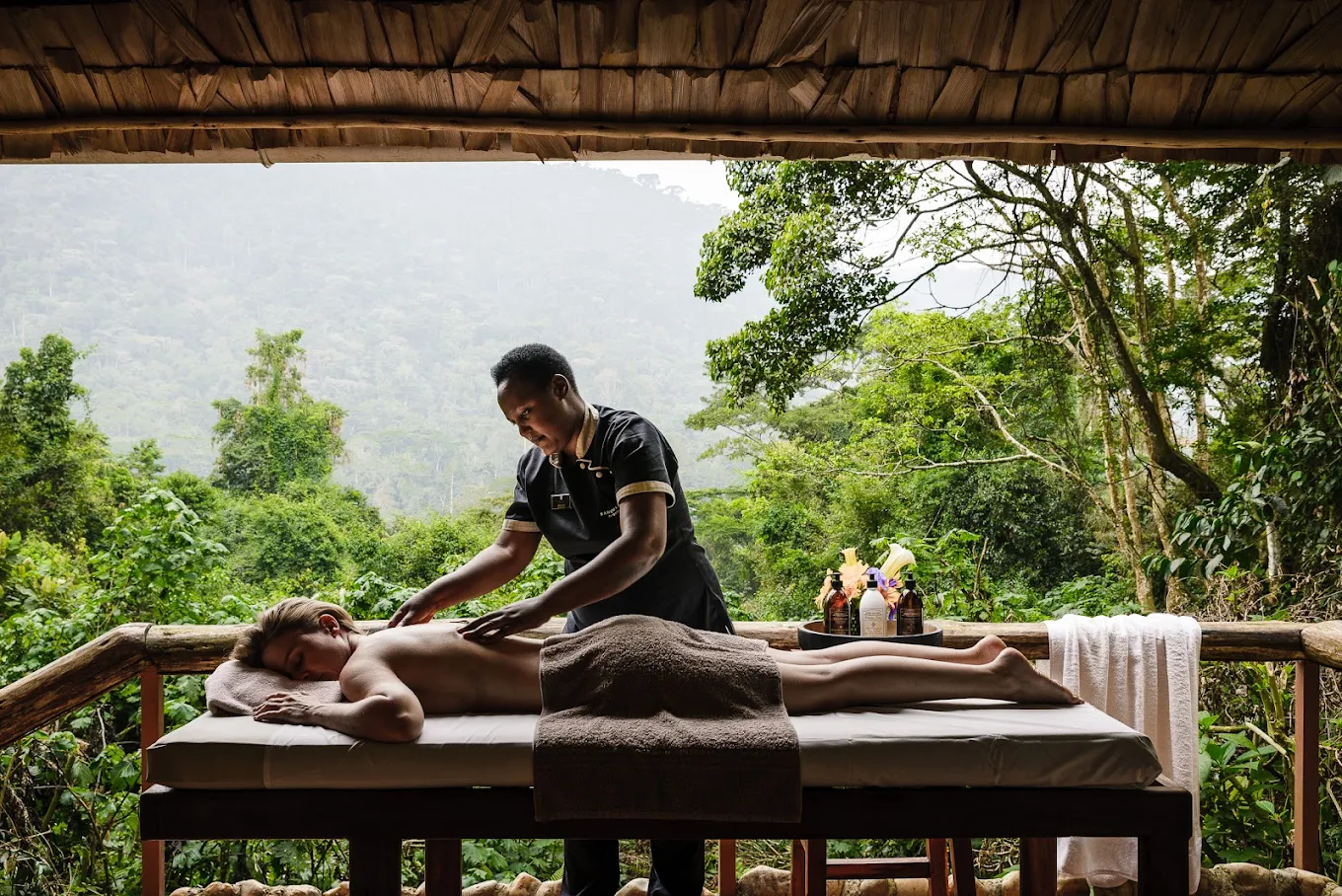
A well-planned safari might begin in the Masai Mara, where you can enjoy high-energy game drives and witness large concentrations of wildlife. This provides the classic safari foundation that many travelers expect. From there, transitioning into a nearby private conservancy offers a completely different perspective—one that is quieter, more exclusive, and deeply immersive.
This combination creates a natural balance in the Private Conservancies vs National Parks experience. You benefit from the strengths of both: the excitement and abundance of national parks, and the privacy and flexibility of conservancies.
Logistically, combining the two is straightforward. Many conservancies are located adjacent to major national parks, making transfers easy and efficient. This allows you to move seamlessly between environments without long travel times.
By combining both options, you eliminate the need to choose in this safari comparison comparison. Instead, you create a richer and more complete safari experience that captures the full diversity of Kenya’s wildlife and landscapes.
FAQs About Private Conservancies vs National Parks
Are private conservancies better than national parks?
There is no definitive answer. In the this safari comparison, conservancies offer exclusivity, privacy, and unique activities, while national parks provide higher wildlife density and more frequent sightings. The better choice depends on your preferences.
Are conservancies more expensive?
Yes, in this safari comparison, conservancies are generally more expensive due to their low guest numbers, personalized services, and premium experiences. However, many travelers find the added value worth the cost.
Can I visit both on one safari?
Absolutely. Combining both is one of the best ways to experiencethis safari comparison. It allows you to enjoy the advantages of each while creating a more dynamic and varied itinerary.
Which is best for first-time travelers?
National parks are often recommended for first-time visitors because of their accessibility and high wildlife density. However, adding a conservancy can elevate the overall this safari comparison experience by introducing exclusivity and unique activities.
Plan Your Private Conservancies vs National Parks Safari with Experts
At Pieland Gorilla Safaris, we specialize in helping you navigate the Private Conservancies vs National Parks decision with confidence and ease.
We take the time to understand your travel goals, preferences, and budget, then design a safari that perfectly matches your expectations. Whether you want to focus on the classic appeal of national parks or explore the exclusivity of private conservancies, we create tailored itineraries that bring out the best of both worlds.
From selecting the ideal locations to arranging accommodations, transfers, and expert guides, every detail of your Private Conservancies vs National Parks safari is handled with precision. Our goal is to ensure your journey is seamless, comfortable, and filled with unforgettable moments.
Start planning your safari today and discover the perfect balance between Private Conservancies vs National Parks in Kenya—crafted just for you.