
The Ultimate Guide: Rare Wildlife Sightings in East Africa
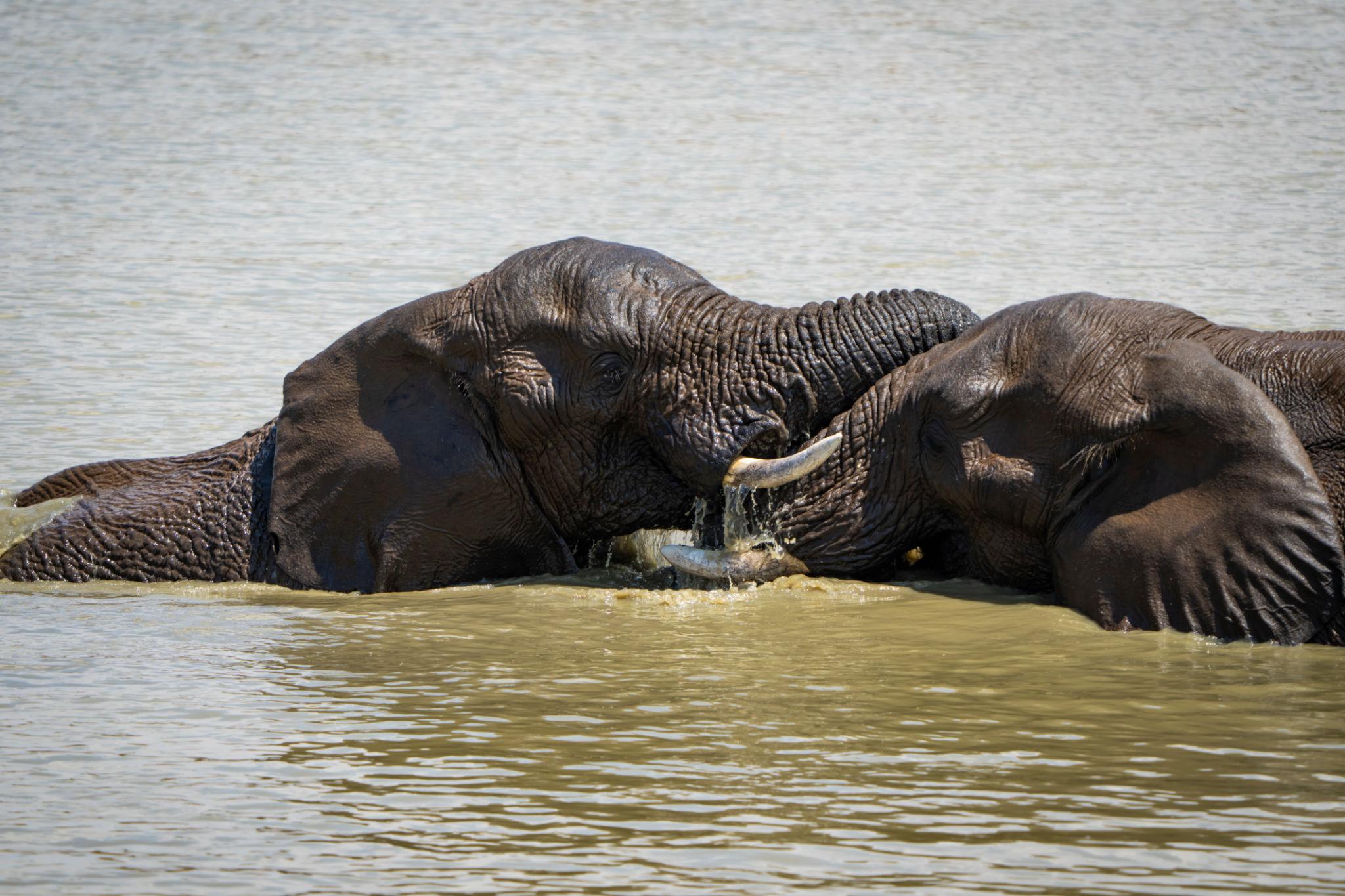
Experiencing Rare Wildlife Sightings in East Africa is one of the most exciting and rewarding aspects of an African safari. While many travelers come for the Big Five, it is often the rare and unexpected encounters that leave the deepest impression.
Across diverse landscapes in Uganda, Kenya, and Tanzania, there are unique species and elusive animals that are far less commonly seen—but incredibly special when encountered.
In this guide, we explore Rare Wildlife Sightings in East Africa, where to find them, and how to increase your chances of witnessing these extraordinary moments.
What Makes Wildlife Sightings Rare?
Understanding Rare Wildlife Sightings in East Africa begins with identifying the factors that make certain animals difficult to encounter in the wild. Rarity is not just about numbers—it is shaped by behavior, environment, and timing.
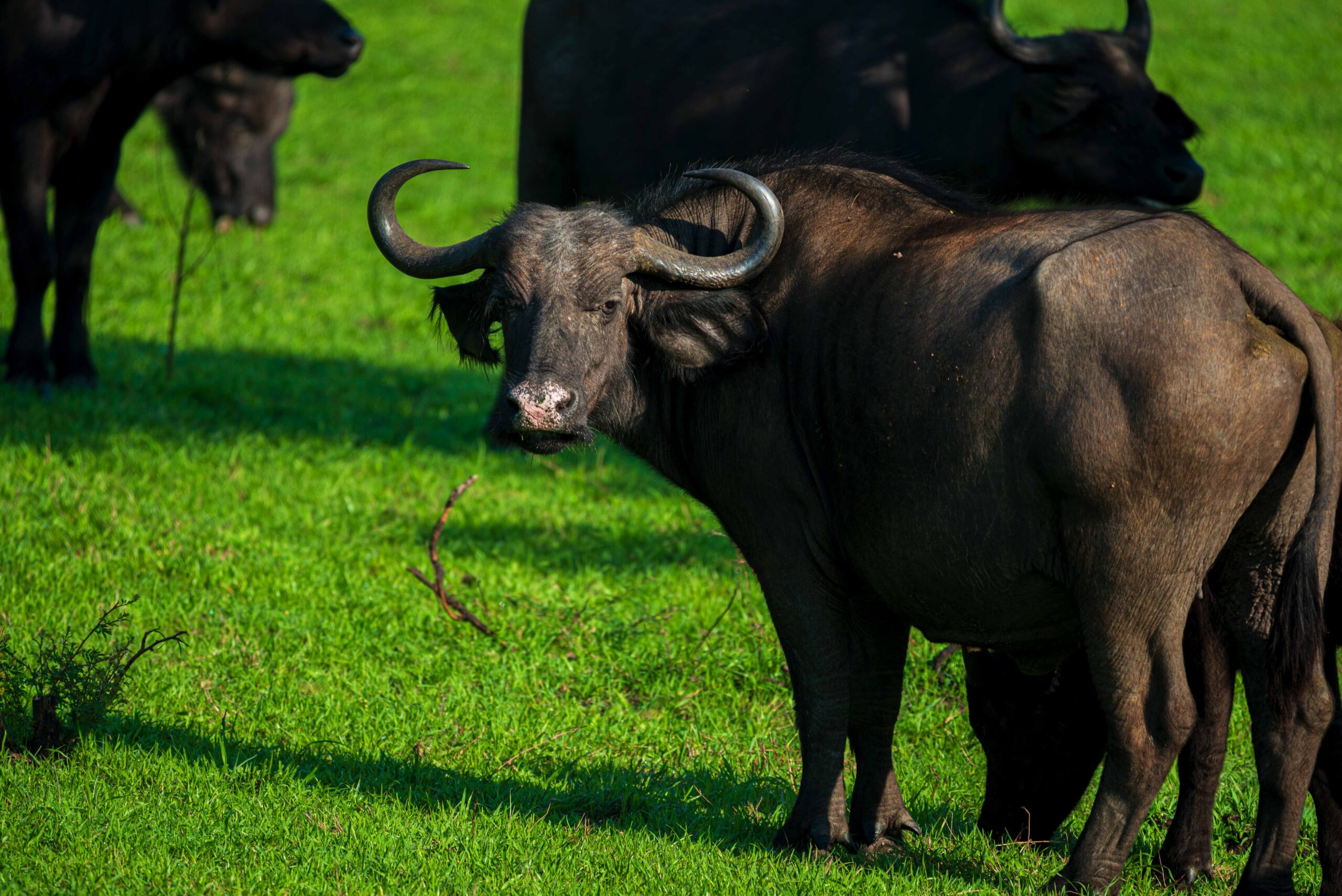
Low population size is one of the most obvious reasons. Some species exist in limited numbers due to natural factors or conservation challenges, which immediately reduces the likelihood of sightings. Even in protected areas, these animals may only be found in specific zones.
Behavior also plays a major role. Many rare animals are naturally elusive. They may move quietly, avoid open spaces, or remain hidden in dense vegetation. Species like leopards or certain antelope are experts at blending into their surroundings, making them difficult to detect even when they are nearby.
Habitat is another key factor. Some animals live in remote or hard-to-access environments such as thick forests, swamps, or mountainous terrain. These areas limit visibility and often require specialized tracking or guided experiences to explore.
Activity patterns further influence rarity. Nocturnal animals, or those active at dawn and dusk, are less likely to be seen during standard daytime game drives. This timing mismatch contributes significantly to Rare Wildlife Sightings in East Africa.
Finally, conservation measures can restrict access to certain areas. While these efforts are essential for protecting endangered species, they also mean that sightings are often limited to controlled or guided experiences.
Together, these factors explain why Rare Wildlife Sightings in East Africa are so special—each encounter is shaped by a combination of rarity, timing, and skill.
Rare Primates and Forest Species
One of the most unique aspects of Rare Wildlife Sightings in East Africa is the opportunity to encounter rare primates within dense forest ecosystems. These environments offer a completely different safari experience compared to open savannahs.
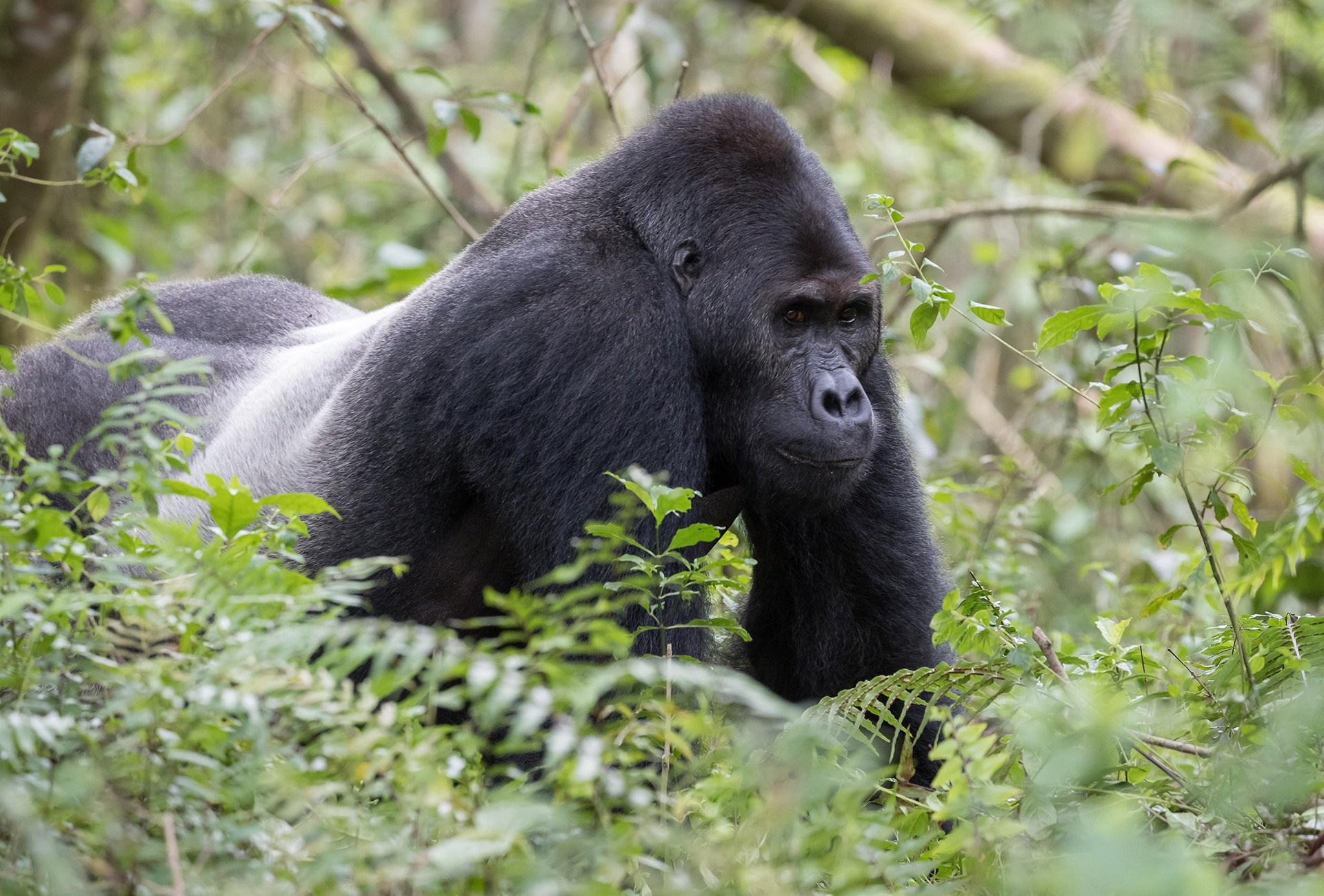
In Uganda, Bwindi Impenetrable National Park is one of the most famous locations for mountain gorilla trekking. Although the experience is organized and guided, the encounter itself feels deeply personal and rare. Walking through thick forest and coming face-to-face with a gorilla family is unlike any other wildlife experience.
In Kibale National Park, chimpanzees can be observed in their natural habitat. These highly intelligent primates move quickly through the forest, and tracking them requires patience and skill. Alongside chimpanzees, other primates such as colobus monkeys and red-tailed monkeys add to the diversity of sightings.
Forest habitats are naturally more challenging for wildlife viewing. Dense vegetation limits visibility, and animals can move out of sight quickly. However, this difficulty is part of what makes these encounters so rewarding.
These experiences highlight a different side of Rare Wildlife Sightings in East Africa, where exploration, tracking, and immersion in nature are essential parts of the journey.
Elusive Big Cats and Predators
Big cats are among the most sought-after animals in Rare Wildlife Sightings in East Africa, yet they are also some of the hardest to find.
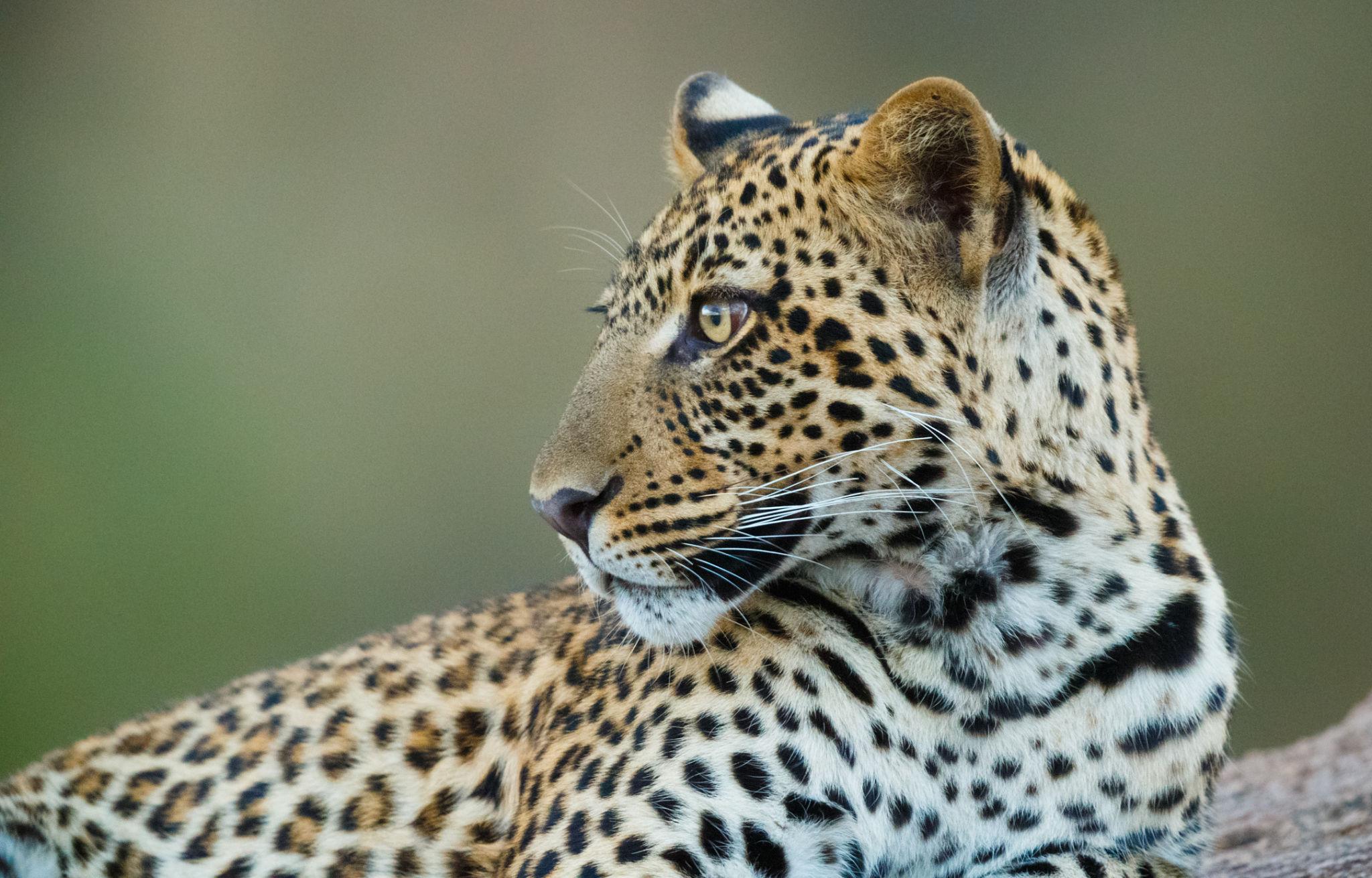
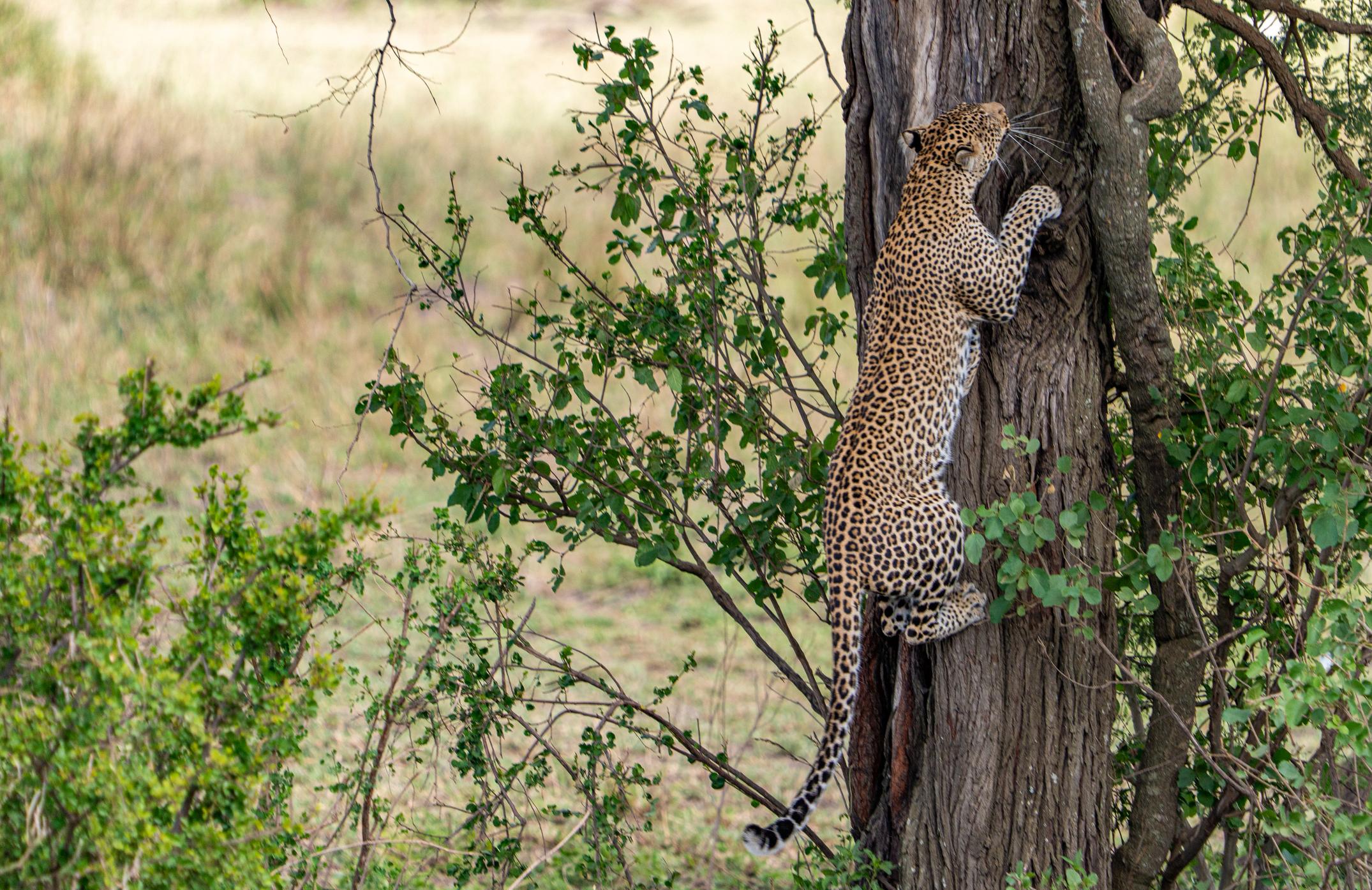
Leopards, in particular, are known for their elusive nature. Even in prime locations like Serengeti National Park and Masai Mara National Reserve, spotting a leopard often requires patience, timing, and expert guidance. These cats are masters of camouflage, often resting in trees or hidden in dense vegetation during the day.
Cheetahs, while more visible in open plains, are still considered rare sightings due to their relatively low numbers and wide-ranging movements. Their presence is often unpredictable, and they may move quickly across large distances.
Hyenas, though more common, can offer rare and fascinating sightings when observed displaying unique behaviors such as coordinated hunting, social interaction, or scavenging dynamics.
Predators are also influenced by timing. Many are most active during early morning, late evening, or night, which limits the chances of seeing them during standard safari hours.
These factors make predator encounters a key highlight of Rare Wildlife Sightings in East Africa. When they do occur, they are often among the most memorable moments of a safari, combining excitement, rarity, and insight into the dynamics of the wild.
Unique and Rare Herbivores
Beyond predators, Rare Wildlife Sightings in East Africa also include a fascinating range of herbivores that are far less commonly seen but equally rewarding to encounter. These species often require very specific habitats, which naturally limits where and how often they can be found.
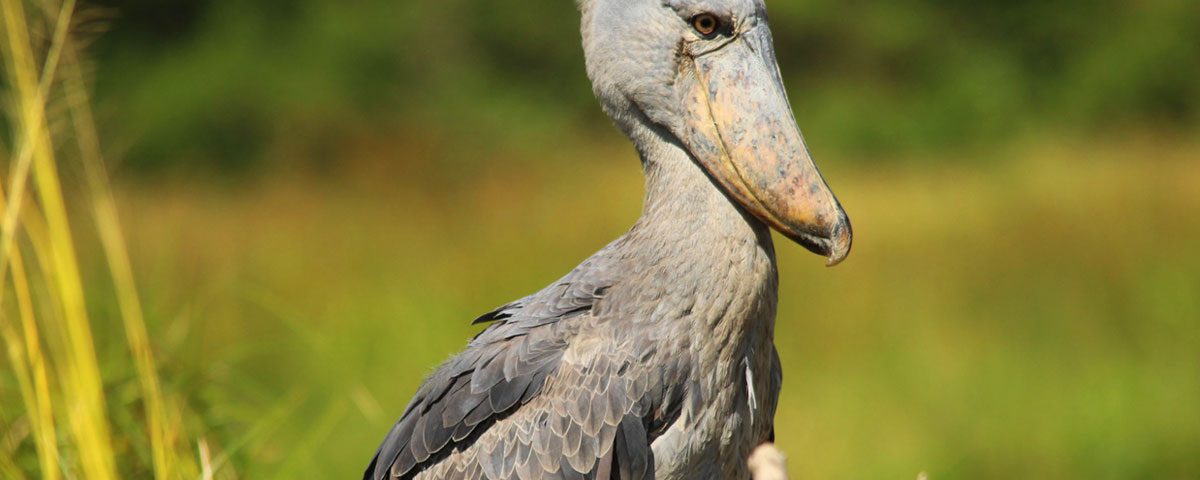
One of the most sought-after sightings is the elusive shoebill stork, commonly found in wetlands such as Mabamba Swamp. Although technically a bird, it is often grouped among rare wildlife experiences due to its prehistoric appearance and highly specialized habitat. Spotting one requires patience, quiet movement, and sometimes a canoe journey through papyrus channels.
The sitatunga antelope is another rare species, perfectly adapted to swampy environments. With its elongated hooves, it can move through marshy terrain where other animals cannot. However, this same adaptation makes it difficult to observe, as it spends much of its time hidden among reeds and water vegetation.
In northern Kenya, the Grevy’s zebra stands out as a rarer relative of the common plains zebra. It is distinguished by its narrower stripes and preference for arid environments. Its limited range and smaller population make it one of the more unique highlights of Rare Wildlife Sightings in East Africa.
These herbivores demonstrate that rarity is not only about predators. It is also about specialization—animals that thrive in unique environments are naturally harder to find, making each sighting especially meaningful.
Conservation Areas and Special Sightings
Many of the best opportunities for Rare Wildlife Sightings in East Africa are closely tied to conservation areas and protected ecosystems. These regions are carefully managed to preserve biodiversity and support vulnerable species.
For example, Ngorongoro Crater offers a unique and enclosed ecosystem where wildlife is concentrated within a relatively small area. This increases the likelihood of spotting certain rare species that might otherwise be difficult to find in more open landscapes.
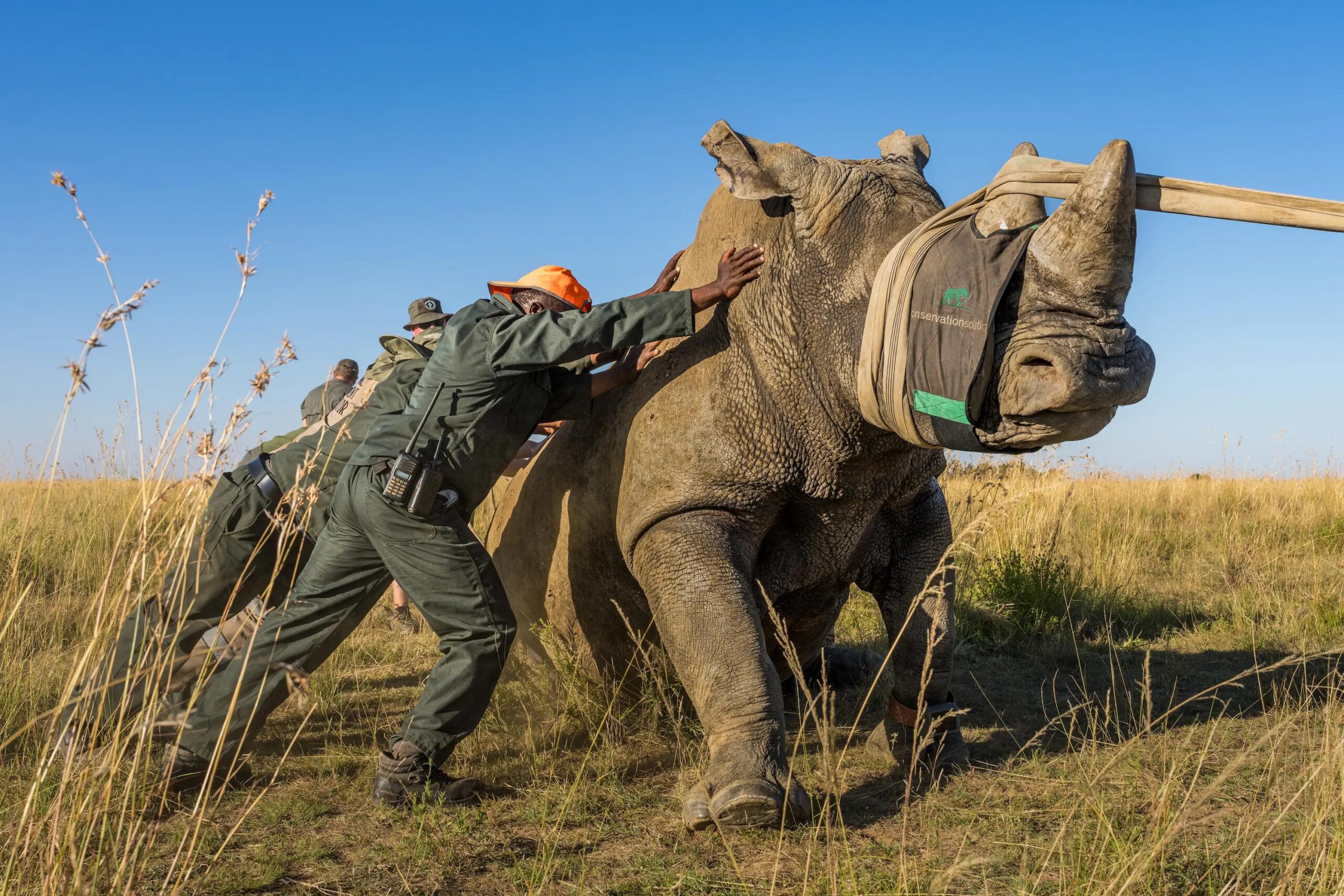
In Kenya, private conservancies play a significant role in supporting rare wildlife. These areas often have controlled visitor numbers, reduced human impact, and dedicated conservation programs. As a result, animals feel more secure, and sightings—especially of elusive species—can be more frequent and intimate.
Conservation areas also provide safe habitats for endangered species, allowing populations to recover and grow. While access to these areas may be more structured, the reward is a higher chance of experiencing truly special encounters.
This connection between protection and accessibility is a key part of Rare Wildlife Sightings in East Africa, showing how conservation efforts directly enhance safari experiences.
Seasonal and Time-Based Rarity
Timing is one of the most important factors influencing Rare Wildlife Sightings in East Africa. Wildlife movement and visibility change throughout the year, often in response to environmental conditions.
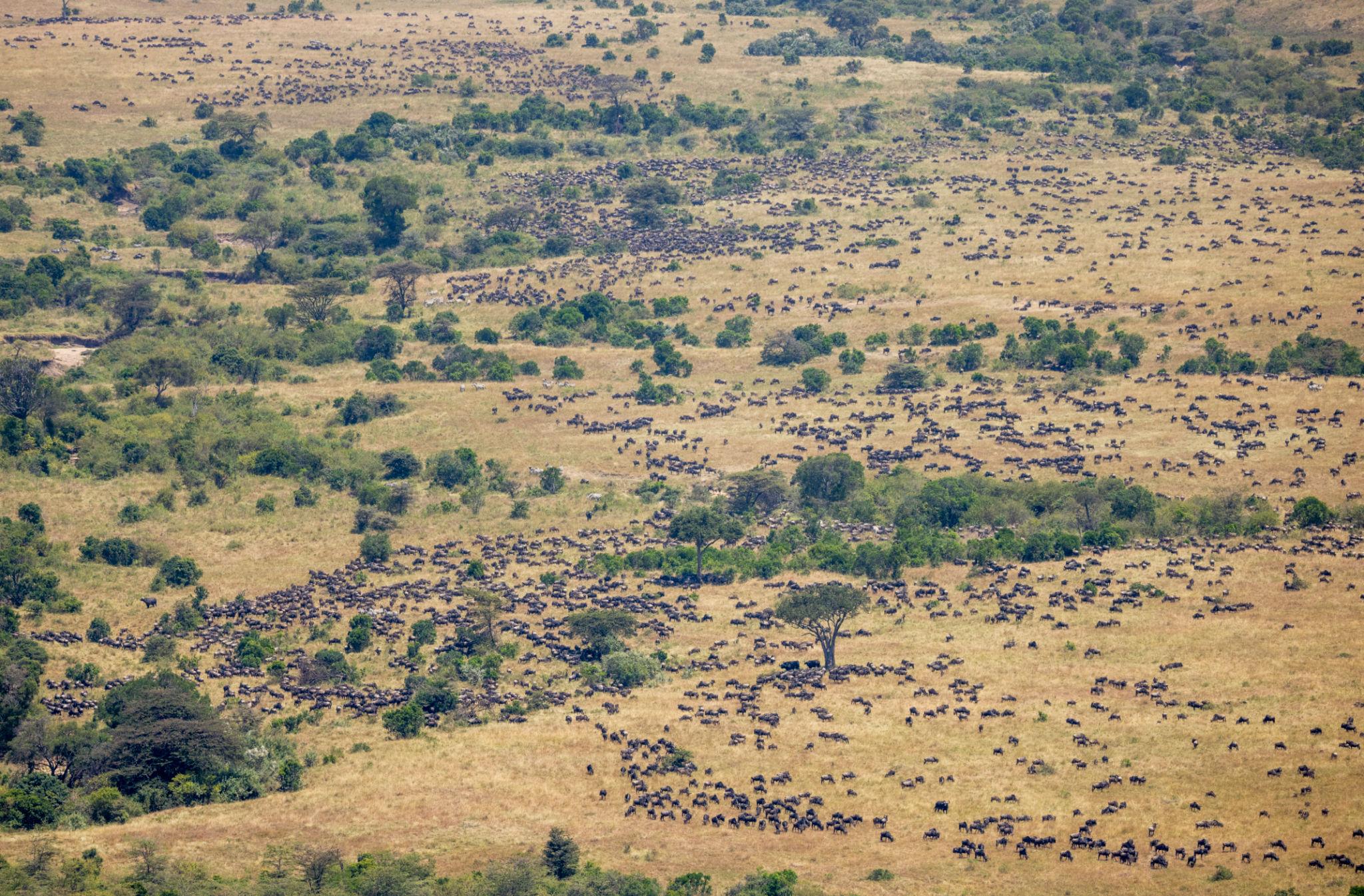
Seasonal patterns such as rainfall and temperature affect where animals go and how they behave. During the dry season, many animals gather around water sources, making them easier to locate. This can increase the chances of spotting species that are otherwise widely dispersed.
In contrast, the wet season brings abundant vegetation and water, allowing animals to spread out across larger areas. While this can make sightings more challenging, it may also provide opportunities to see unique behaviors such as breeding or migration.
Migration cycles also play a role. Certain species move across regions in response to changing conditions, creating temporary opportunities for rare sightings in specific locations.
Time of day is equally important. Some animals are more active during early morning or late evening, while others may only appear at night. Aligning game drives with these activity periods significantly improves the chances of success.
Understanding these patterns is essential for planning Rare Wildlife Sightings in East Africa, ensuring that your safari aligns with the best possible conditions.
How to Increase Your Chances
While rare sightings can never be guaranteed, there are several ways to improve your chances of experiencing Rare Wildlife Sightings in East Africa.
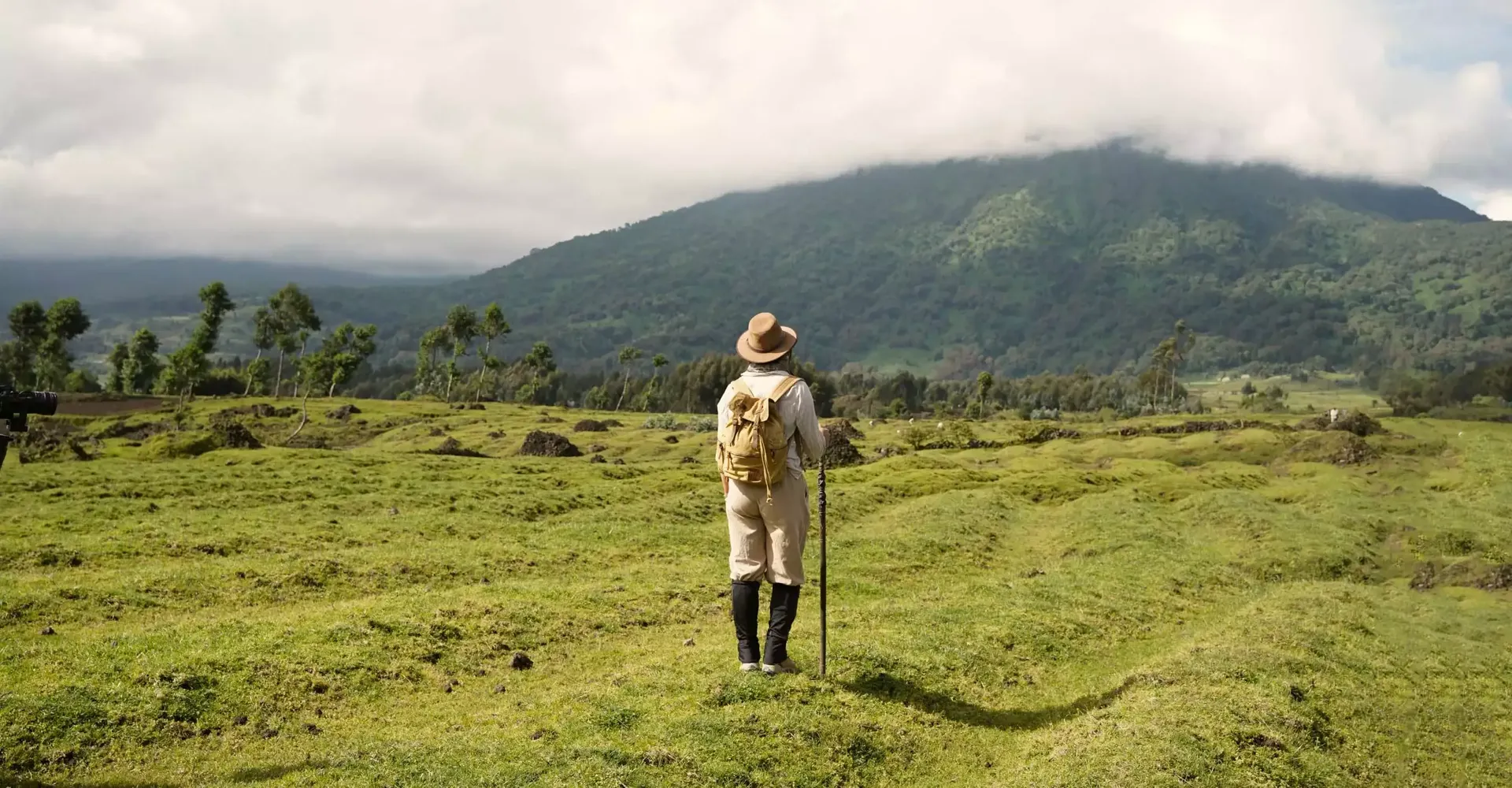
Traveling with experienced guides is one of the most important factors. Professional guides understand animal behavior, habitats, and movement patterns, allowing them to predict where elusive species may be found. Their ability to read tracks, interpret sounds, and observe subtle signs can make a significant difference.
Choosing the right destination is equally important. Certain parks and conservancies are known for specific rare species, so selecting locations based on your interests increases the likelihood of success. Spending more time in these areas also improves your chances, as rare sightings often require patience.
Timing your activities strategically can also help. Early morning and late evening game drives are typically the most productive, as animals are more active during these periods. Being consistent and allowing time for exploration increases opportunities for unexpected encounters.
Patience and attentiveness are key. Rare wildlife does not appear on demand, but those who remain observant and engaged are often rewarded. Sometimes, the most memorable sightings happen when you least expect them.
These strategies are essential for maximizing Rare Wildlife Sightings in East Africa, turning your safari into a journey filled with discovery, anticipation, and unforgettable moments.
What This Means for Your Safari Experience
Understanding Rare Wildlife Sightings in East Africa transforms your safari from a simple checklist of animals into a deeper, more meaningful journey. Instead of focusing only on commonly seen wildlife, you begin to appreciate the uniqueness and significance of each rare encounter.
A rare sighting carries a different kind of excitement. It is not just about seeing an animal—it is about the effort, timing, and knowledge that made that moment possible. Whether it is spotting an elusive species in dense habitat or witnessing a rarely observed behavior, these experiences become powerful highlights of your trip.
This perspective also sharpens your awareness. You become more attentive to your surroundings, more patient during game drives, and more engaged in the process of tracking and observation. Even subtle signs—like distant movement or unusual calls—take on new meaning.
Rare encounters also deepen your connection to nature. They reveal the complexity of ecosystems, the specialization of species, and the delicate balance required for survival. You begin to understand that every sighting, no matter how brief, is part of a much larger story.
Ultimately, Rare Wildlife Sightings add a sense of discovery and authenticity to your safari, making every moment feel purposeful and unforgettable.
Rare Wildlife Sightings in East Africa: Final Insight
In summary, Rare Wildlife Sightings in East Africa are defined by a combination of rarity, unpredictability, and uniqueness. These encounters are shaped by multiple factors, including habitat preferences, animal behavior, conservation efforts, and seasonal timing.
They cannot be guaranteed, and that is precisely what makes them so valuable. The unpredictability adds excitement, while the rarity makes each moment feel special. Unlike common sightings, rare encounters often stay with travelers long after the safari ends.
These experiences represent the true essence of the wild—where nature operates on its own terms, and every encounter is earned rather than expected.
For travelers, Rare Wildlife Sightings are more than just highlights—they are the moments that define the journey and create lasting memories.
FAQs About Rare Wildlife Sightings in East Africa
What is the rarest animal to see in East Africa?
Some of the rarest sightings include species like the shoebill stork and highly elusive predators such as leopards. These animals are difficult to find due to their behavior, habitat, or limited population, making them standout moments in Rare Wildlife Sightings in East Africa.
Are rare sightings guaranteed on safari?
No, rare sightings can never be guaranteed. However, careful planning, choosing the right destinations, and traveling with experienced guides can significantly improve your chances of experiencing Rare Wildlife Sightings in East Africa.
When is the best time for rare sightings?
The best time depends on the species you are hoping to see. In general, early mornings and dry seasons are often more productive, as animals gather around water sources and are more active. Timing is a key factor in Rare Wildlife Sightings in East Africa.
Do I need a special safari for rare animals?
In some cases, yes. Certain species live in specific habitats such as forests, wetlands, or remote regions, which may require specialized itineraries or guided experiences. These tailored safaris are often the best way to access Rare Wildlife Sightings.
Plan Your Safari with Experts
At Pieland Gorilla Safaris, we specialize in creating experiences that go beyond the ordinary, focusing on meaningful and memorable encounters in the wild.

Our expert guides are trained to help you discover Rare Wildlife Sightings, using their deep knowledge of animal behavior, habitats, and seasonal patterns to position you in the best possible locations.
From Uganda to Kenya and Tanzania, we design carefully planned safaris that maximize your chances of encountering rare and extraordinary wildlife.
Every itinerary is crafted to balance adventure, comfort, and discovery—ensuring that your journey is not only successful but also deeply enriching.
Start planning your safari today and experience the rare, hidden, and unforgettable side of East Africa.