
Essential Guide: Safari Health & Vaccination Requirements for Safe Travel
Planning an African safari is exciting, but proper preparation is just as important as choosing your destination. Understanding Health & Vaccination Requirements ensures that your journey is not only unforgettable but also safe, comfortable, and stress-free from start to finish.
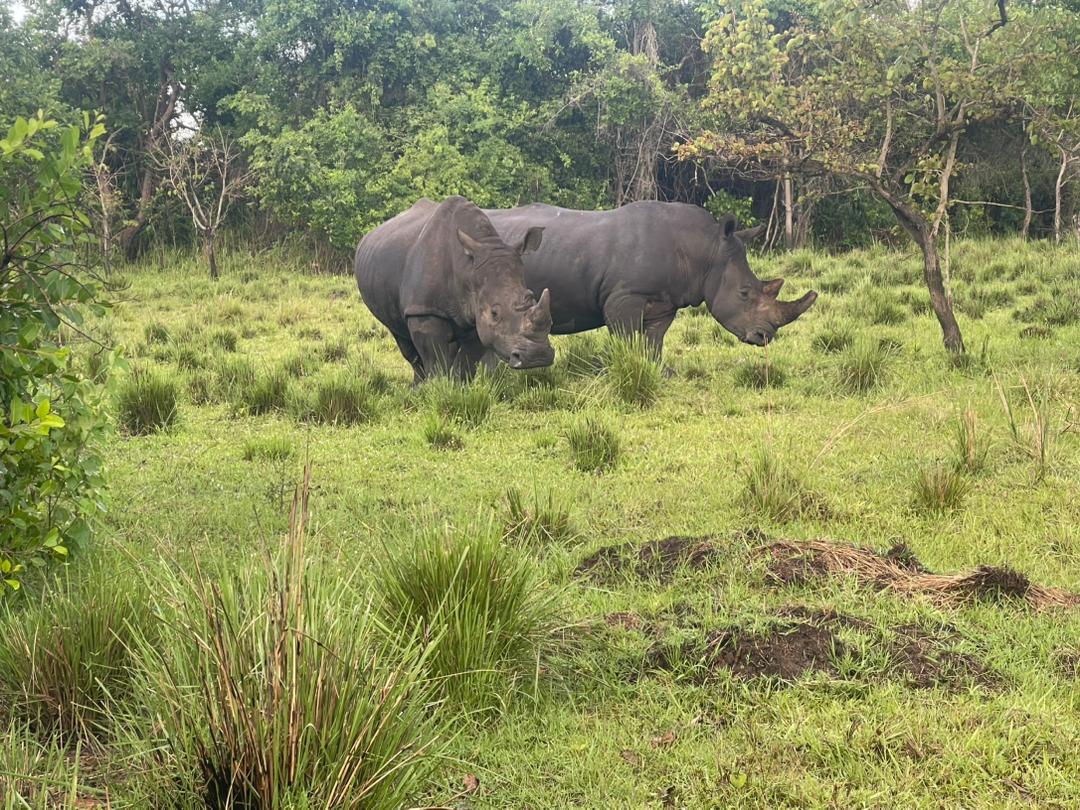
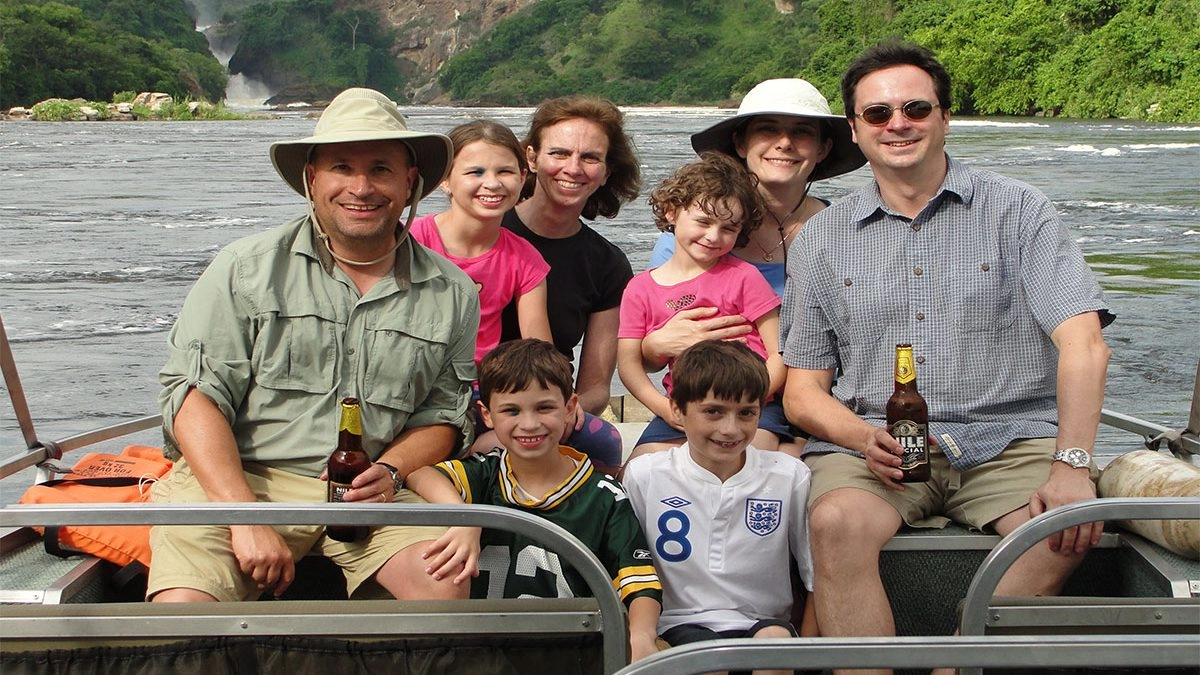
After lunch, continue to Murchison Falls National Park, entering through the southern gate. You will proceed to the Top of the Falls, where the Nile dramatically squeezes through a narrow gorge before crashing below. The view is breathtaking, with mist rising and rainbows forming above the falls.
Check into your lodge for dinner and overnight stay.
Safari travel takes you through diverse environments—from tropical forests to open savannahs—each with its own health considerations. Being well-prepared allows you to fully enjoy the experience without unnecessary risks or disruptions.
This guide explains Health & Vaccination Requirements in detail, helping you travel with confidence and peace of mind.
Understanding Health & Vaccination Requirements
Before traveling, it is important to understand that Health & Vaccination Requirements are not the same for every traveler. They depend on several factors, including your destination, travel history, duration of stay, and overall health condition.
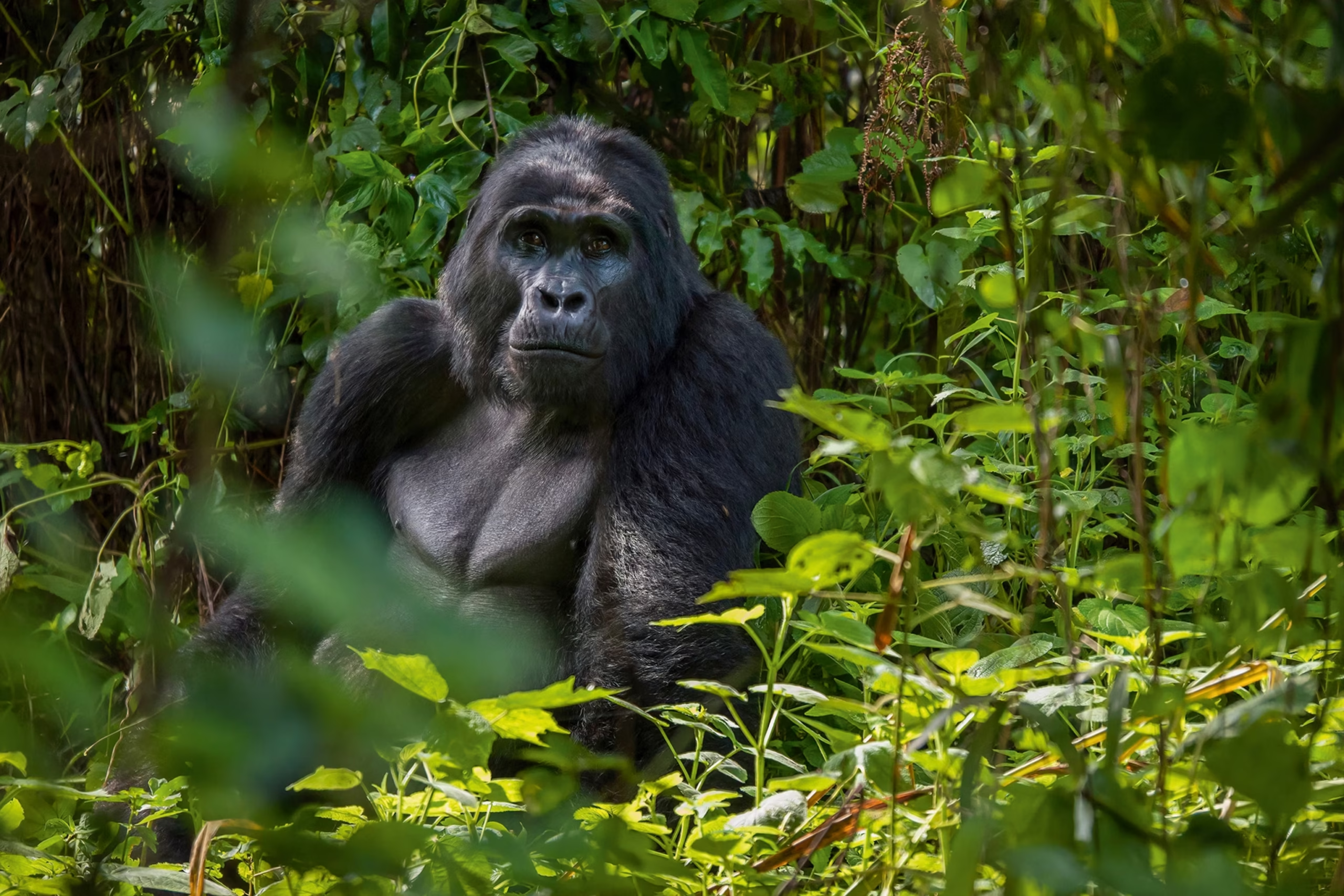
Countries in East Africa such as Uganda, Rwanda, and Kenya have specific guidelines designed to protect both visitors and local populations. These guidelines are based on regional health risks and global travel standards.
For example, some travelers may require proof of vaccination depending on where they are arriving from, while others may only need recommended immunizations. This is why understanding your personal travel route is a key part of meeting Health & Vaccination Requirements.
These measures are not meant to complicate your travel—they are designed to prevent the spread of infectious diseases and ensure that tourism remains safe and sustainable. By following them, you are protecting yourself, other travelers, and the communities you visit.
It is always advisable to consult a travel health specialist or clinic before your trip. They can assess your itinerary and provide tailored advice on the specific Health & Vaccination Requirements you need to meet.
Mandatory Vaccinations for Safari Travel
Some Health & Vaccination Requirements are mandatory, meaning they are required for entry into certain countries.
Yellow Fever Vaccination
The most important and widely required vaccination for safari travel is the Yellow Fever vaccine. Many African countries require proof of this vaccination, especially if you are traveling from or passing through regions where Yellow Fever is present.
Upon arrival, travelers may be asked to present an official Yellow Fever vaccination certificate, often referred to as the “Yellow Card.” This document serves as proof that you have been vaccinated and are protected against the disease.
Without this certificate, entry into the country may be delayed, denied, or require vaccination at the border under controlled conditions. This is why Yellow Fever vaccination is considered one of the most critical Health & Vaccination Requirements for safari travel.
The vaccine is typically administered at least 10 days before travel to ensure it becomes effective. In many cases, it provides long-term or even lifelong protection, making it a one-time preparation for many travelers.
Because Yellow Fever is a serious but preventable disease, strict regulations are in place to control its spread. Meeting this requirement ensures both your safety and compliance with international travel regulations.
Recommended Vaccinations
In addition to mandatory requirements, several vaccinations are strongly recommended as part of Health & Vaccination Requirements. These vaccines help protect against diseases that may be present in certain regions, particularly in rural or remote areas where safaris often take place.
Common recommended vaccinations include Hepatitis A and B, which protect against infections that can be transmitted through contaminated food, water, or bodily fluids. Typhoid is another important vaccine, especially for travelers who may be exposed to local food and water conditions.
Tetanus vaccination is essential as well, particularly for travelers engaging in outdoor activities such as trekking or walking safaris. Rabies vaccination may be recommended for those planning extended stays, visiting remote areas, or participating in activities that involve close contact with animals.
Routine vaccinations such as measles, mumps, and rubella should also be up to date before travel. These are standard immunizations but remain an important part of overall Health & Vaccination Requirements.
While these vaccines are not always required for entry, they provide an additional layer of protection that can significantly reduce health risks during your safari. The goal is not just to meet entry requirements but to ensure your well-being throughout the journey.
Consulting a qualified travel clinic is the best way to determine which vaccinations are appropriate for your specific itinerary. They can provide personalized recommendations based on your travel plans, ensuring that all relevant Health & Vaccination Requirements are met well in advance of your departure.
Malaria Prevention
Malaria remains one of the most important considerations when preparing for a safari, making it a central part of Health & Vaccination Requirements. Many safari destinations lie within tropical and subtropical regions where malaria is present, so taking preventive measures is essential for a safe and comfortable journey.
Although there is currently no widely used malaria vaccine for most travelers, prevention is highly effective when the right steps are followed. Healthcare providers often recommend anti-malarial medication, which should be taken before, during, and after your trip according to medical advice. These medications significantly reduce the risk of infection when used correctly.
In addition to medication, practical protective measures play a vital role. Using insect repellent that contains DEET or other proven ingredients helps prevent mosquito bites, especially during early mornings and evenings when mosquitoes are most active. Wearing long-sleeved clothing and trousers during these times adds another layer of protection.
Accommodation also contributes to malaria prevention. Many safari lodges in areas such as Bwindi Impenetrable National Park and Serengeti National Park are well-equipped with mosquito nets, screened windows, and other protective measures. However, personal precautions remain essential regardless of where you stay.
Understanding and following malaria prevention guidelines is a key part of Health & Vaccination Requirements. With proper preparation, the risk can be minimized, allowing you to enjoy your safari with peace of mind.
General Health Precautions on Safari
Beyond vaccinations and malaria prevention, everyday health practices are an important part of Health & Vaccination Requirements. Safari environments can vary greatly, from humid forests to dry savannahs, and adapting to these conditions helps maintain your well-being throughout the trip.
One of the most important precautions is ensuring safe drinking water. Travelers are advised to drink bottled or properly filtered water at all times. This reduces the risk of waterborne illnesses, which can occur if untreated water is consumed.
Food safety is another key consideration. Eating freshly prepared, well-cooked meals is generally safe, especially in reputable lodges. However, it is advisable to avoid raw or undercooked food, particularly in remote areas where hygiene standards may vary.
Maintaining good hand hygiene is essential. Washing hands regularly or using hand sanitizers helps prevent the spread of germs, especially during travel days or shared activities.
Staying hydrated is equally important, particularly in warm climates where dehydration can occur quickly. Drinking enough fluids throughout the day helps maintain energy levels and overall health.
These simple yet effective habits form an essential part of Health & Vaccination Requirements, ensuring that your safari experience remains comfortable and uninterrupted.
Travel Insurance and Medical Preparedness
A comprehensive travel insurance policy is a critical component of Health & Vaccination Requirements, especially when traveling to remote safari destinations.
Safaris often take place far from major cities, meaning that access to advanced medical facilities may be limited. In the event of illness or injury, evacuation to a well-equipped hospital may be necessary. Travel insurance that includes emergency medical evacuation ensures that you receive timely care without financial strain.
A good policy should cover emergency medical treatment, evacuation services, and trip interruptions. This protects you not only from unexpected health issues but also from travel disruptions such as delays or cancellations.
Medical preparedness goes beyond insurance. Travelers should carry a basic medical kit that includes personal medications, pain relievers, antiseptics, and any prescribed treatments. Having these essentials readily available can make a significant difference during your trip.
Incorporating travel insurance and basic medical preparation into your planning is an essential part of Health & Vaccination Requirements, providing both safety and peace of mind.
When to Prepare Your Vaccinations
Timing plays a crucial role in meeting Health & Vaccination Requirements effectively. Preparing too late can lead to unnecessary stress or incomplete protection, while early planning ensures everything is in place before departure.
Travelers are advised to consult a healthcare provider or travel clinic at least four to eight weeks before their safari. This allows sufficient time for vaccines to take effect and, if necessary, for multiple doses to be administered.

Some vaccinations require a specific schedule, and others may take time to build immunity. Starting early ensures that you are fully protected by the time your journey begins.
Early preparation also provides an opportunity to discuss malaria prevention, travel insurance, and any personal health considerations. This comprehensive approach ensures that all aspects of Health & Vaccination Requirements are addressed well in advance.
By planning ahead, you can avoid last-minute complications and focus on enjoying your safari experience with confidence.
Special Considerations for Gorilla and Chimpanzee Trekking
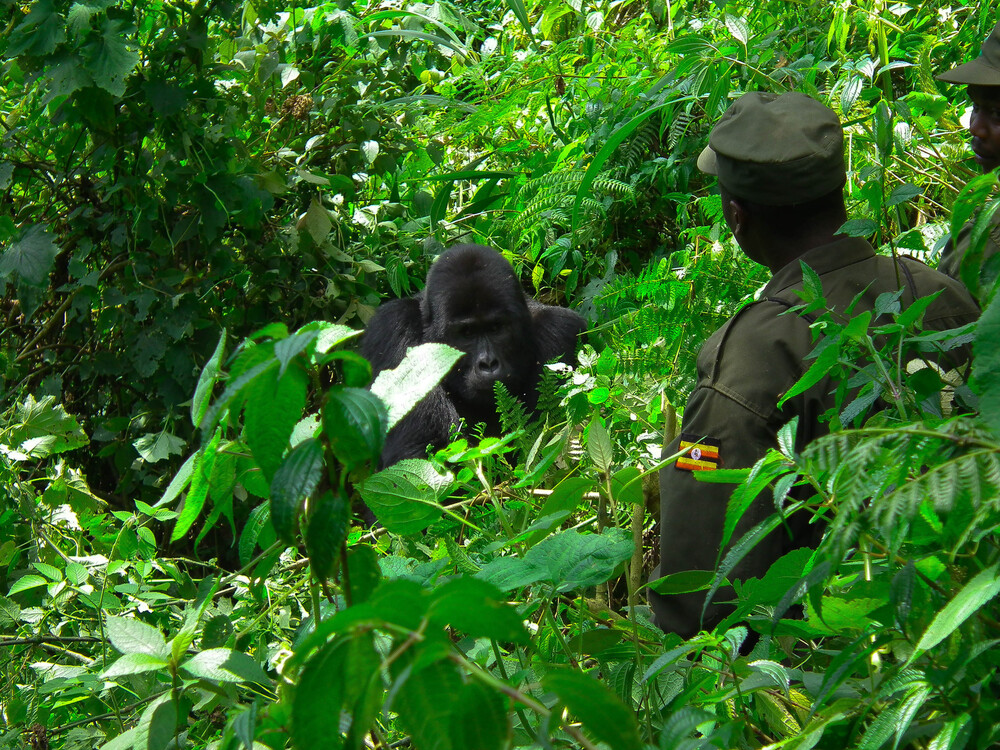
For activities such as gorilla trekking in Bwindi Impenetrable National Park, additional Health & Vaccination Requirements go beyond standard safari travel guidelines. These experiences involve close proximity to primates, which share a high percentage of their DNA with humans, making them vulnerable to human diseases.
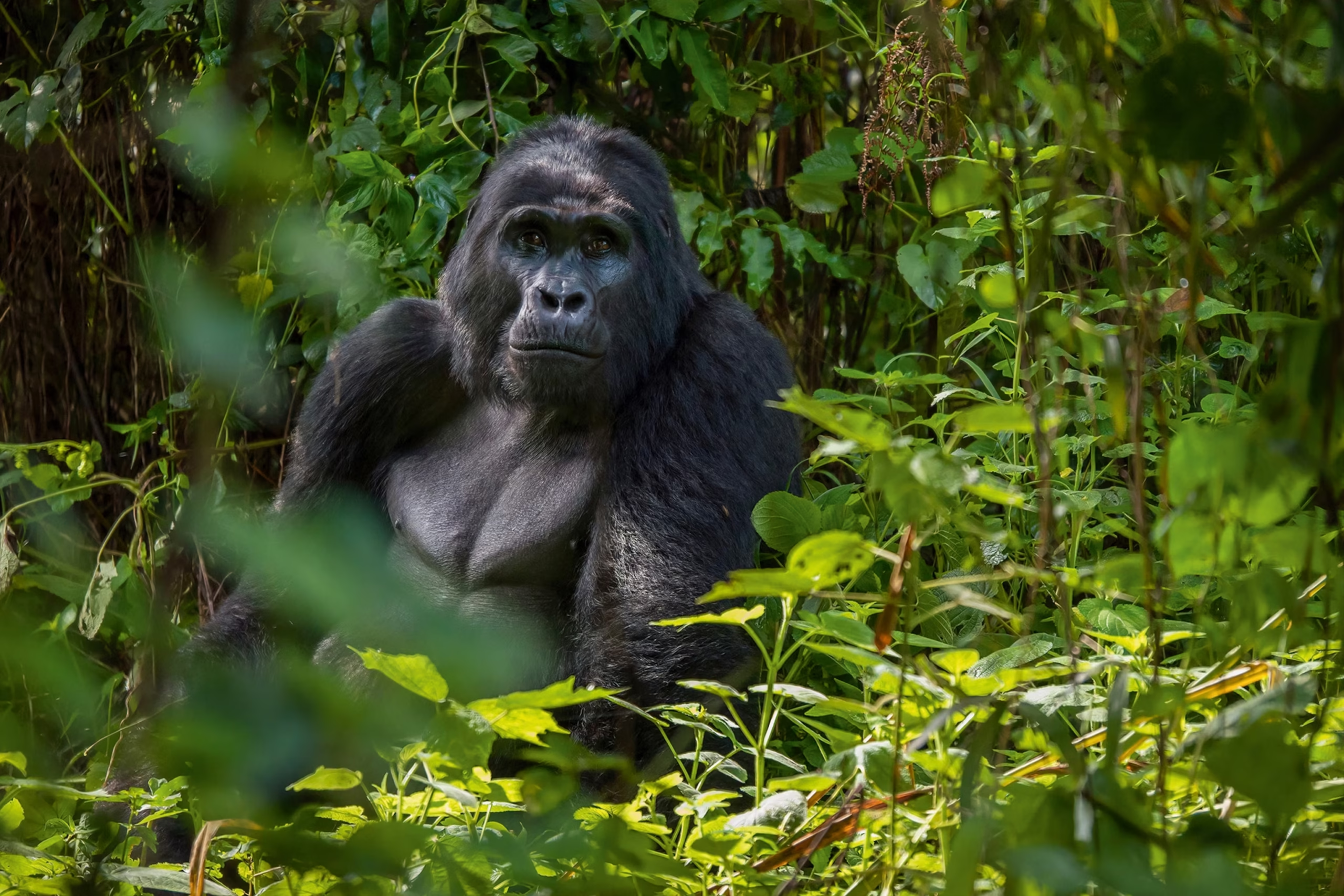
Because of this, strict health protocols are in place to protect both visitors and wildlife. Even a common cold or flu can pose a serious risk to gorillas and chimpanzees. As a result, travelers are strongly advised not to participate in trekking if they feel unwell, even with mild symptoms. Rangers and park authorities may carry out health checks before allowing visitors to proceed.
Maintaining a safe distance—usually around 7 meters—is another critical requirement. This minimizes the risk of disease transmission while still allowing for a meaningful and unforgettable wildlife encounter. Visitors are also expected to follow all ranger instructions carefully, as guides are trained to manage interactions in a safe and responsible way.
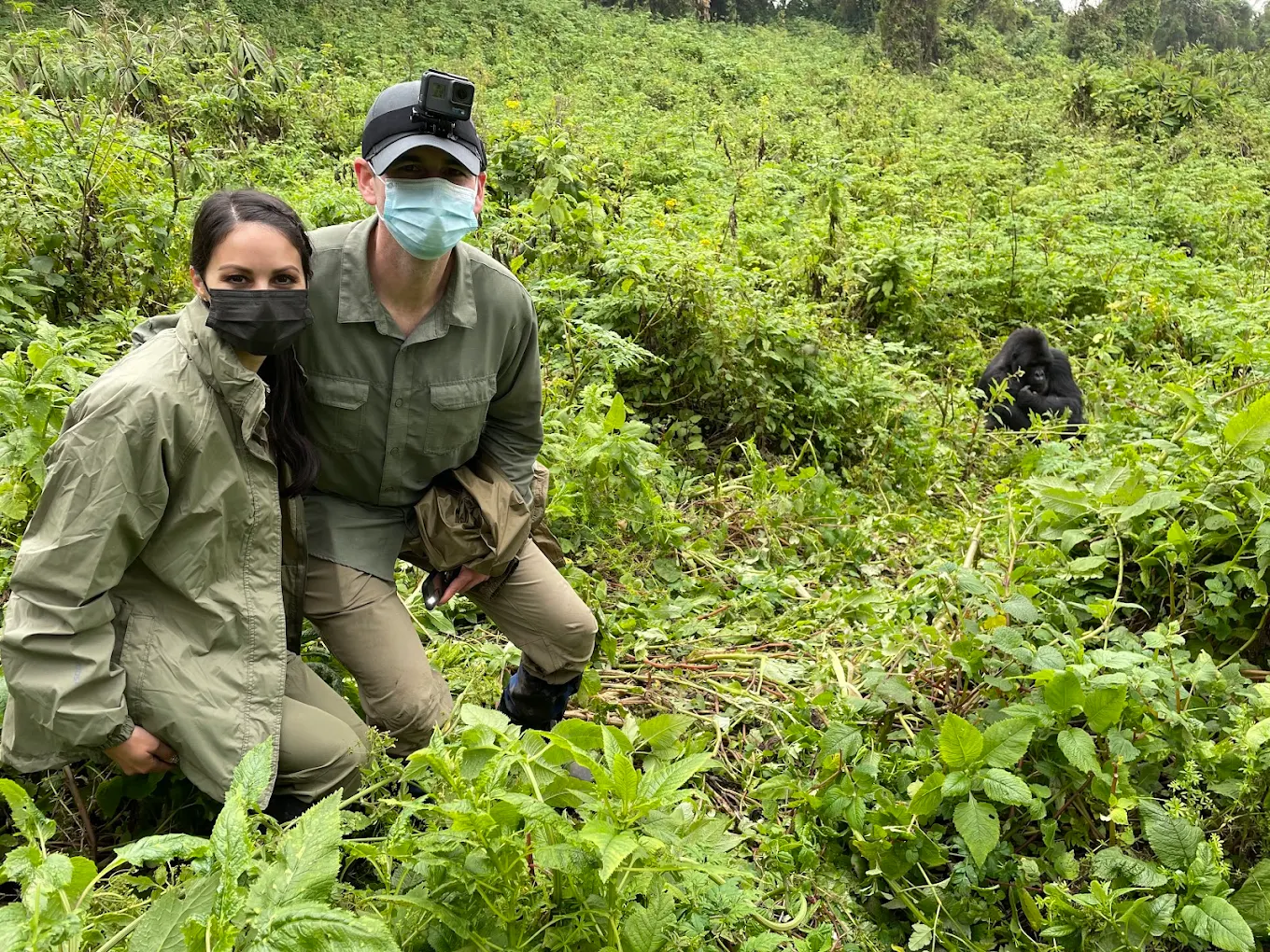
Hygiene practices are equally important. In some cases, travelers may be required to sanitize their hands before the trek or wear face masks during the experience, depending on current health guidelines.
These precautions are a vital part of Health & Vaccination Requirements, ensuring that tourism does not negatively impact endangered species. By following these rules, travelers contribute to conservation efforts while enjoying one of the most unique wildlife experiences in the world.
Why Health & Vaccination Requirements Matter
Understanding Health & Vaccination Requirements is not just about meeting entry regulations—it is about ensuring that your safari is safe, smooth, and enjoyable from start to finish.
Proper preparation significantly reduces the risk of illness during travel. Safaris often take place in remote environments where access to medical facilities may be limited, so prevention is always better than treatment. Being well-prepared allows you to focus on the experience rather than worrying about health concerns.
Meeting Health & Vaccination Requirements also ensures compliance with international travel regulations. Many countries require proof of certain vaccinations, and failing to meet these requirements can result in delays or denied entry.
Beyond personal safety, these measures play a crucial role in responsible tourism. By following recommended guidelines, travelers help protect local communities from the spread of infectious diseases and support conservation efforts in protected areas.
In destinations where wildlife conservation is a priority, such as Serengeti National Park, health regulations help maintain the balance between tourism and environmental protection.
Ultimately, Health & Vaccination Requirements are designed to benefit everyone—travelers, local communities, and wildlife alike.
Plan Your Safari with Confidence
At Pieland Gorilla Safaris, we make preparing for your journey simple, clear, and reassuring—especially when it comes to Health & Vaccination Requirements.
From your first inquiry, our team provides personalized guidance based on your destination, travel dates, and activities. Whether you are planning gorilla trekking, wildlife safaris, or a multi-country itinerary, we ensure you understand all Health & Vaccination Requirements well in advance.
We keep you updated with the latest travel health guidelines, including vaccination recommendations, entry requirements, and safety measures across destinations like Uganda, Rwanda, and Kenya. Our goal is to remove uncertainty so you can prepare with confidence.
Beyond advice, we support you throughout the process—answering questions, helping you plan timelines for vaccinations, and ensuring that every detail aligns with current Health & Vaccination Requirements. This level of preparation allows you to travel without stress or last-minute surprises.
Your safety and comfort are always our priority. With expert planning, reliable information, and dedicated support, your safari becomes more than just a trip—it becomes a smooth, secure, and unforgettable experience.
With the right preparation and guidance, you can focus on what truly matters: enjoying every moment of your African safari.