
The Ultimate Guide to Safari Travel Times Between Major Parks Explained
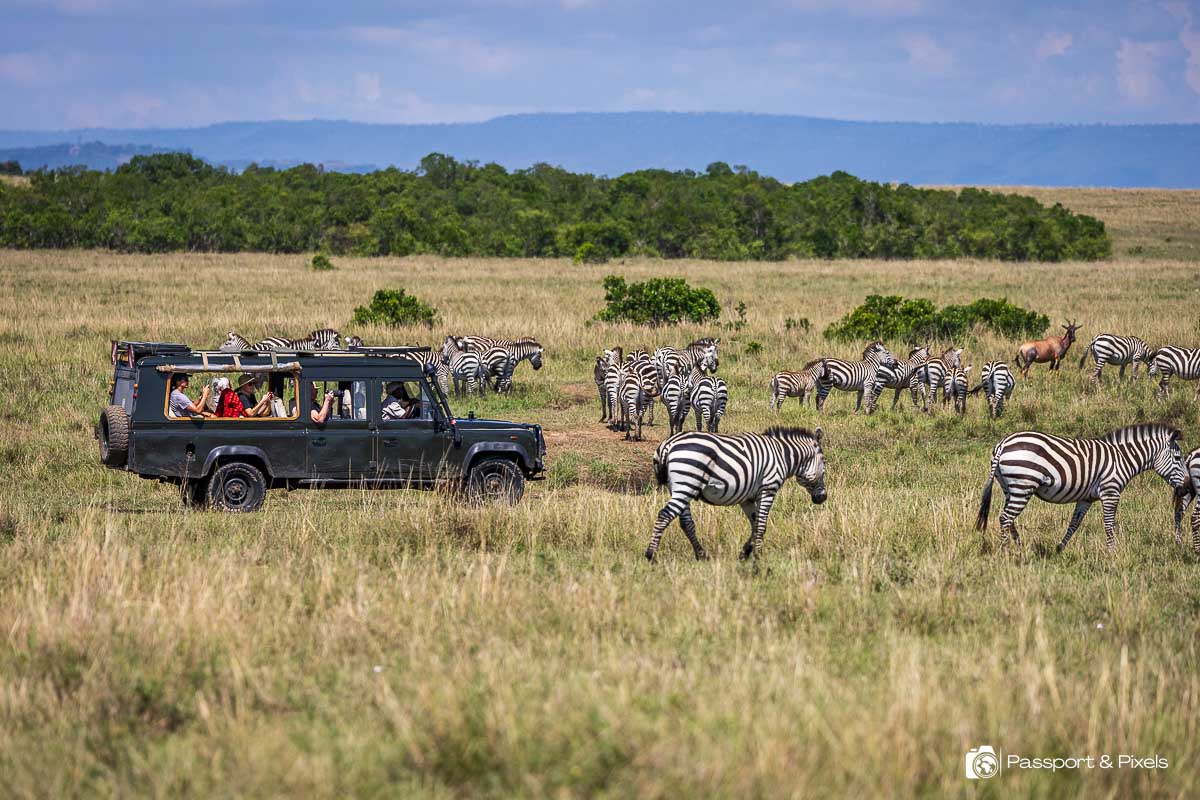
Planning an African safari goes beyond simply choosing destinations—it’s about understanding how long it takes to move between them. Knowing Safari Travel Times Between Major Parks is essential for building a smooth, enjoyable, and well-paced itinerary.
In regions like Uganda, Kenya, Tanzania, and Rwanda, distances can be longer than they appear on a map. Travel is often influenced by road conditions, terrain, and weather rather than just kilometers. Understanding Safari Travel Times Between Major Parks helps you avoid rushed schedules and ensures you maximize your time actually enjoying wildlife and experiences.
This guide explains everything you need to know about Safari Travel Times Between Major Parks, helping you plan your safari with confidence and clarity.
Why Safari Travel Times Between Major Parks Matter
Understanding Safari Travel Times Between Major Parks is one of the most important aspects of safari planning, especially for first-time travelers. Many people assume that parks are close together and easy to access, but in reality, travel between destinations can take several hours or even a full day.
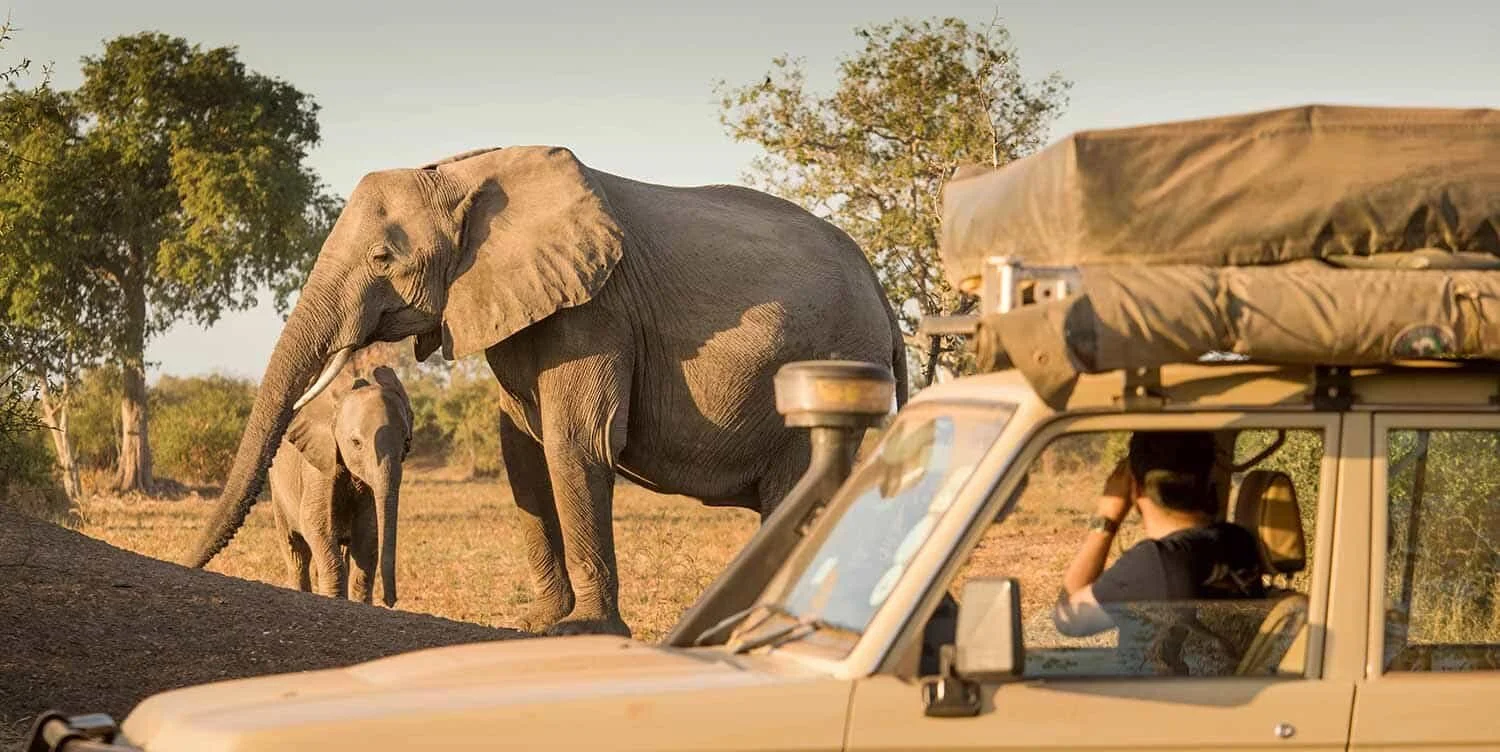
When travel times are underestimated, itineraries can become rushed and exhausting. You may find yourself spending more time in a vehicle than on game drives, which reduces the overall quality of your safari. By accurately planning Safari Travel Times Between Major Parks, you create a more relaxed and enjoyable journey.
In East Africa, road conditions vary widely. Some routes are smooth and paved, while others are rough, winding, or affected by seasonal rains. This means that travel time depends not only on distance but also on terrain and weather conditions. For example, a 200-kilometer journey may take much longer than expected due to road quality.
Another important factor is how travel impacts wildlife viewing. Long transfers can limit the number of game drives you can fit into your itinerary. When you understand Safari Travel Times Between Major Parks, you can plan to arrive early enough to enjoy afternoon or evening activities rather than losing an entire day to travel.
Proper planning also helps you decide when to drive and when to fly. Short distances may be enjoyable by road, offering scenic views and cultural interactions, while longer routes are often better covered by air to save time and reduce fatigue.
Ultimately, understanding Safari Travel Times Between Major Parks ensures your itinerary is realistic, comfortable, and focused on maximizing your safari experience.
Safari Travel Times Between Major Parks in Uganda
Uganda is one of the most diverse safari destinations in Africa, offering a combination of primate experiences, wildlife safaris, and scenic landscapes. However, understanding Safari Travel Times Between Major Parks is essential to fully enjoy what the country has to offer.
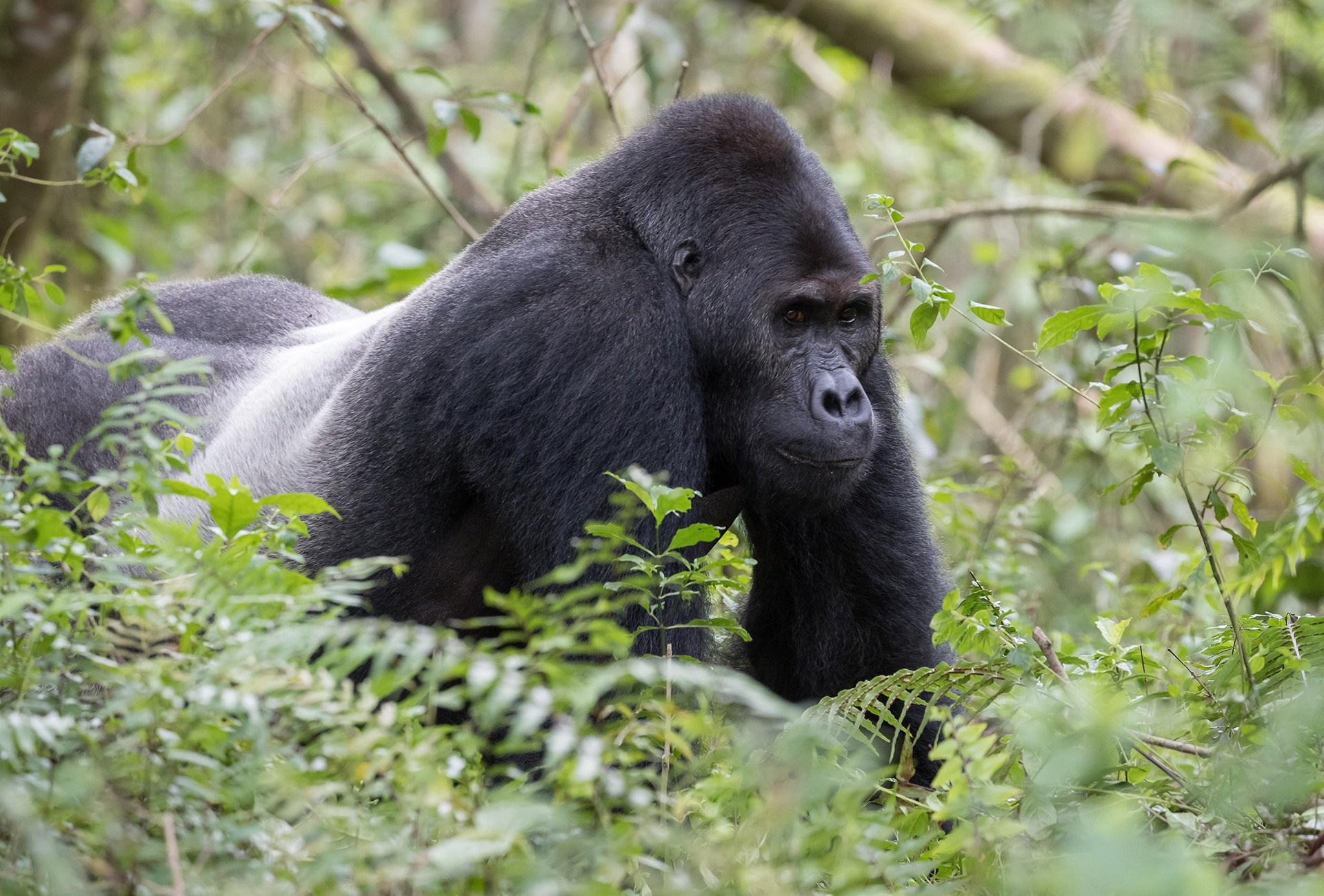
A typical safari begins in Entebbe, the main international gateway. From here, traveling to Kibale National Park takes approximately 5–6 hours by road. This journey passes through rolling hills, tea plantations, and rural communities, making it a scenic introduction to Uganda.
From Kibale, the transfer to Queen Elizabeth National Park is relatively short, taking about 2–3 hours. This is one of the more comfortable segments of Safari Travel Times Between Major Parks, allowing you to arrive with enough time for an afternoon game drive or boat safari.
The journey from Queen Elizabeth to Bwindi Impenetrable National Park takes approximately 4–5 hours, depending on the sector you are visiting. This route can be more challenging due to hilly terrain and unpaved roads, but it is also incredibly scenic.
Returning from Bwindi to Entebbe by road can take 9–10 hours, which is quite long for most travelers. Because of this, many itineraries include a domestic flight option, reducing travel time to about one hour. This highlights how understanding Safari Travel Times Between Major Parks helps you choose the most efficient and comfortable option.
Overall, Uganda safaris are best planned with careful pacing. Combining road travel for shorter distances and flights for longer routes ensures a balanced and enjoyable experience.
Safari Travel Times Between Major Parks in Kenya
Kenya is one of Africa’s most iconic safari destinations, known for its well-developed infrastructure and diverse wildlife areas. However, understanding Safari Travel Times Between Major Parks is still essential for planning an efficient itinerary.
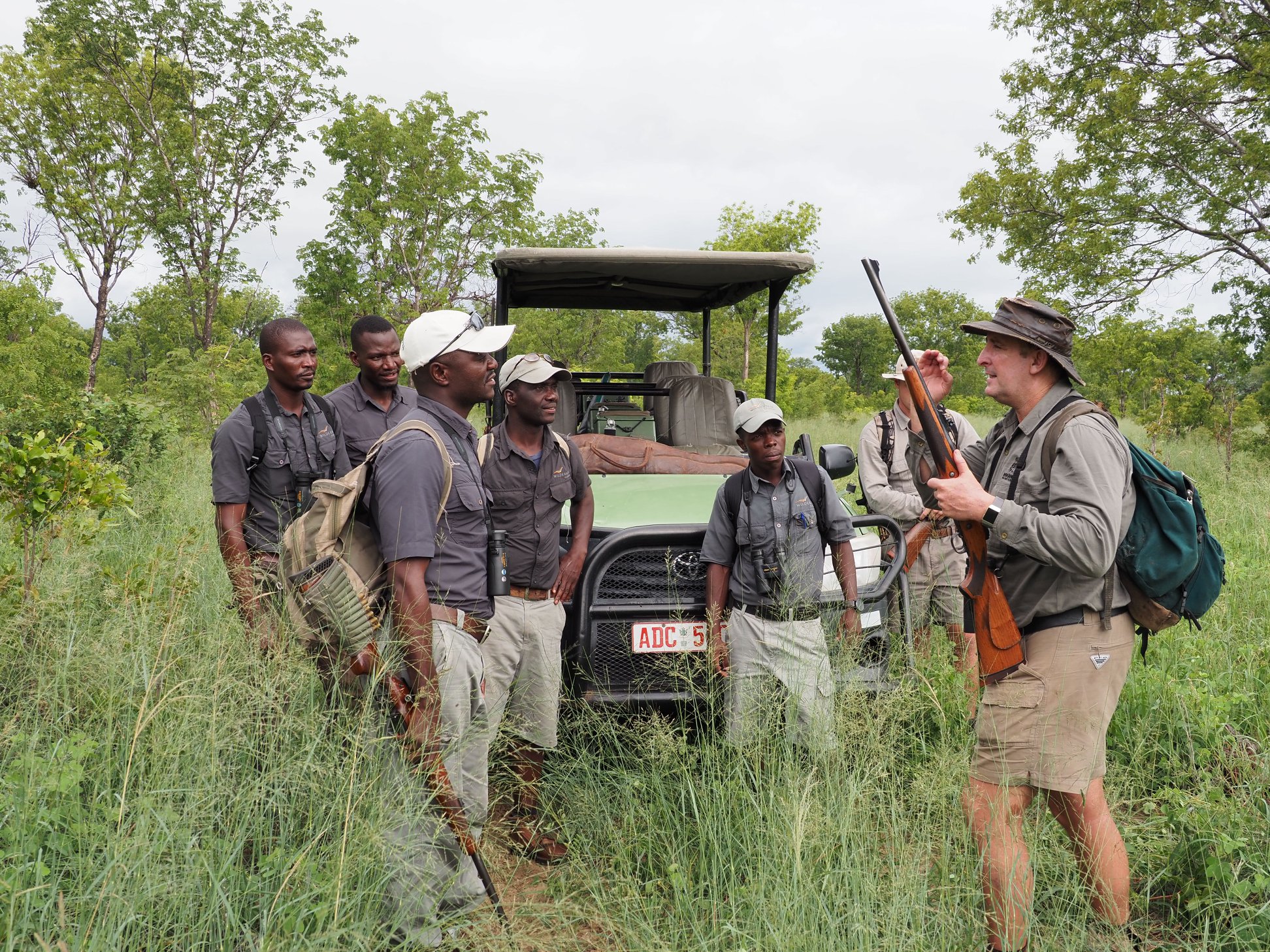
Most safaris begin in Nairobi, the main entry point. From Nairobi to Maasai Mara National Reserve, travel takes approximately 5–6 hours by road. While this route is popular, it can be bumpy in sections, especially closer to the reserve. Alternatively, a domestic flight takes about one hour and offers a more comfortable option.
Traveling from Nairobi to Amboseli National Park takes around 4–5 hours by road. This journey is relatively straightforward and rewards travelers with views of Mount Kilimanjaro as they approach the park.
The route between Maasai Mara and Lake Nakuru National Park takes approximately 4–5 hours. This transfer allows you to explore different ecosystems, from open plains to lake environments rich in birdlife.
These Safari Travel Times Between Major Parks show that Kenya offers a mix of manageable road journeys and convenient flight options. For shorter distances, driving works well and adds to the experience. For longer routes or tighter schedules, flying can save time and reduce fatigue.
Understanding Safari Travel Times Between Major Parks in Kenya allows you to plan a safari that is both efficient and enjoyable, ensuring you spend more time experiencing wildlife and less time in transit.
Safari Travel Times Between Major Parks in Tanzania
Tanzania is one of Africa’s largest safari destinations, and understanding Safari Travel Times Between Major Parks is essential for building a smooth and realistic itinerary. Distances between parks can be significant, and travel often involves a mix of paved roads, gravel tracks, and conservation area routes.
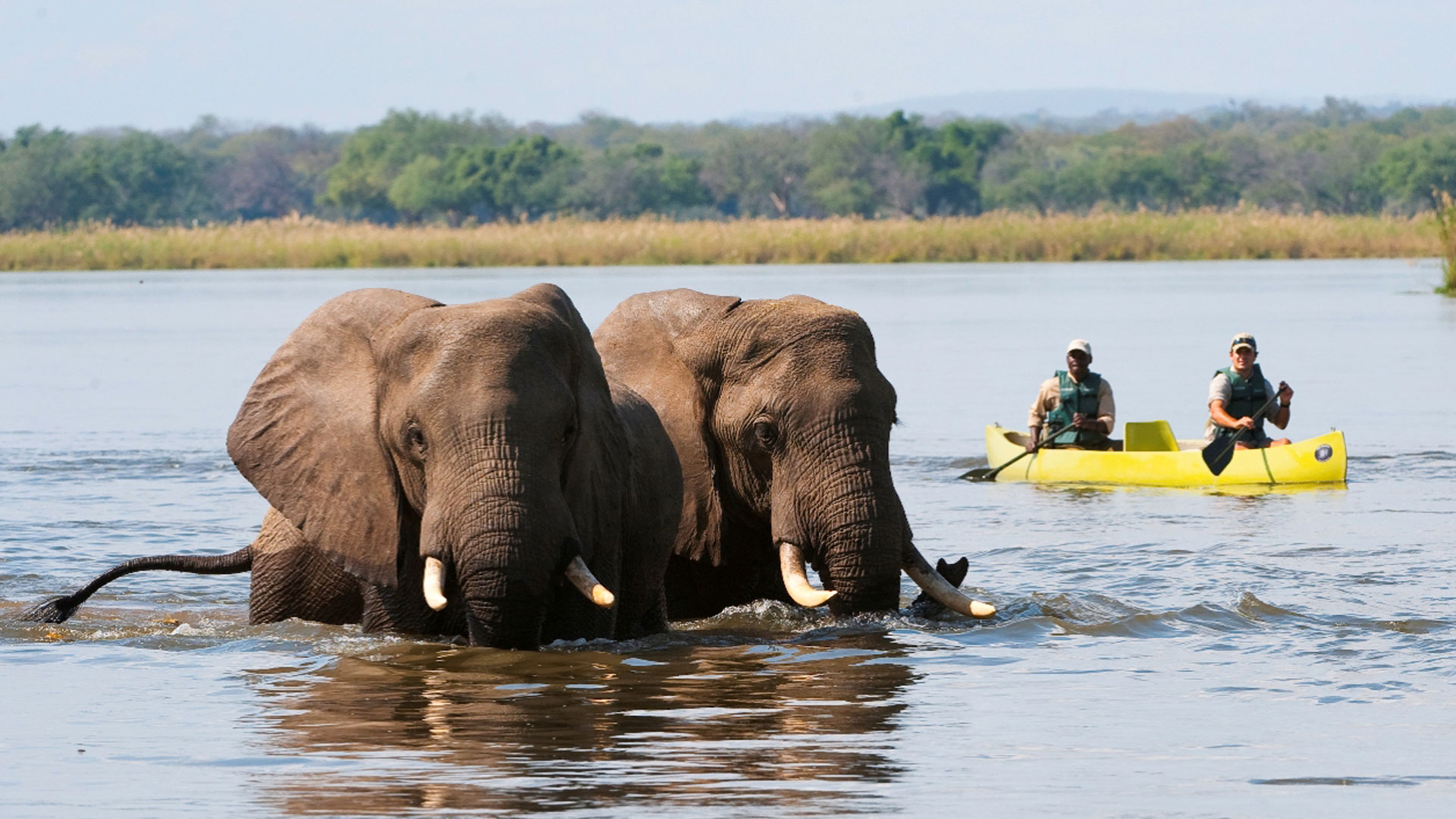
Most safaris begin in Arusha, the main gateway to Tanzania’s northern circuit. From Arusha to Tarangire National Park, the journey takes approximately 2–3 hours by road. This is one of the shorter and more comfortable segments of Safari Travel Times Between Major Parks, making it an ideal starting point for a safari.
From Tarangire, the drive to the Ngorongoro Crater takes around 3–4 hours. The route passes through scenic highlands and gradually climbs toward the crater rim, offering stunning views along the way. While the distance is manageable, the terrain can slow travel, reinforcing the importance of planning Safari Travel Times Between Major Parks carefully.
The journey from Ngorongoro to Serengeti National Park is longer, taking approximately 4–6 hours depending on the exact location within the Serengeti. This route is partly unpaved and crosses vast open landscapes, which can make the journey feel longer but also incredibly scenic.
Because of these distances, many travelers choose to fly between key destinations. Domestic flights from the Serengeti back to Arusha or onward to other regions can reduce travel time dramatically, turning a long road journey into a short and comfortable flight.
These Safari Travel Times Between Major Parks highlight the importance of balancing road transfers with flights. While driving offers scenic value, flying is often the best option for longer distances, especially when time is limited.
Cross-Country Safari Travel Times Between Major Parks
When planning a multi-country safari, understanding Safari Travel Times Between Major Parks becomes even more critical. Crossing borders introduces additional logistics, including immigration procedures, flight connections, and coordination between different regions.
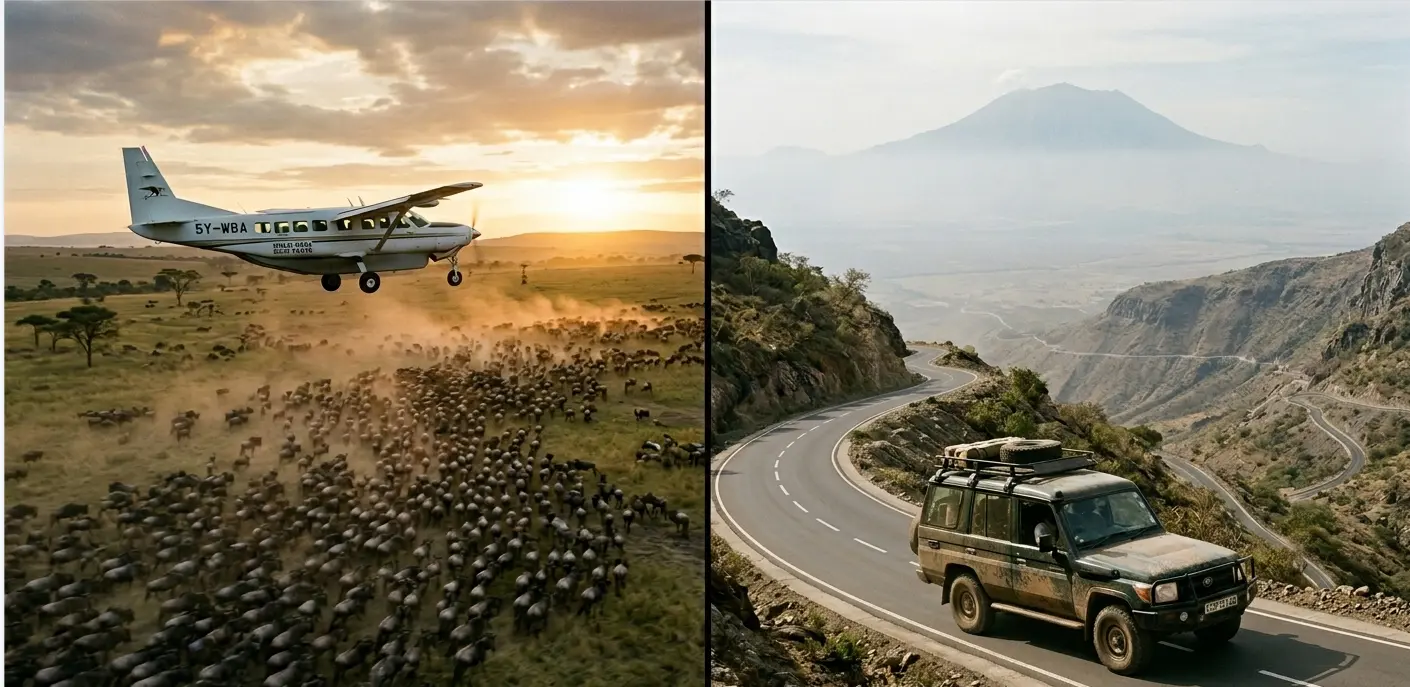
A common and efficient route begins in Kigali, with a 4–5 hour drive to Bwindi Impenetrable National Park. This is one of the most popular cross-border connections because it provides faster access to gorilla trekking compared to traveling from Entebbe.
From Bwindi, reaching Serengeti National Park typically involves a combination of road transfer and flights, taking around 4–6 hours in total. This transition highlights how Safari Travel Times Between Major Parks can vary depending on the mode of transport and connections used.
Another common route is from Nairobi to the Serengeti, which takes approximately 5–6 hours when combining road and air travel. Direct overland travel is less practical due to border logistics and long distances, making flights the preferred option.
These cross-border Safari Travel Times Between Major Parks clearly show that flying is often the most efficient way to connect different countries. It reduces travel fatigue, simplifies logistics, and allows you to spend more time enjoying safari activities rather than navigating long transfers.
Planning multi-country safaris without considering these travel times can lead to unrealistic itineraries. Proper understanding ensures your journey remains smooth and enjoyable.
Driving vs Flying: Impact on Safari Travel Times Between Major Parks
When evaluating Safari Travel Times Between Major Parks, the choice between driving and flying plays a major role in shaping your itinerary.
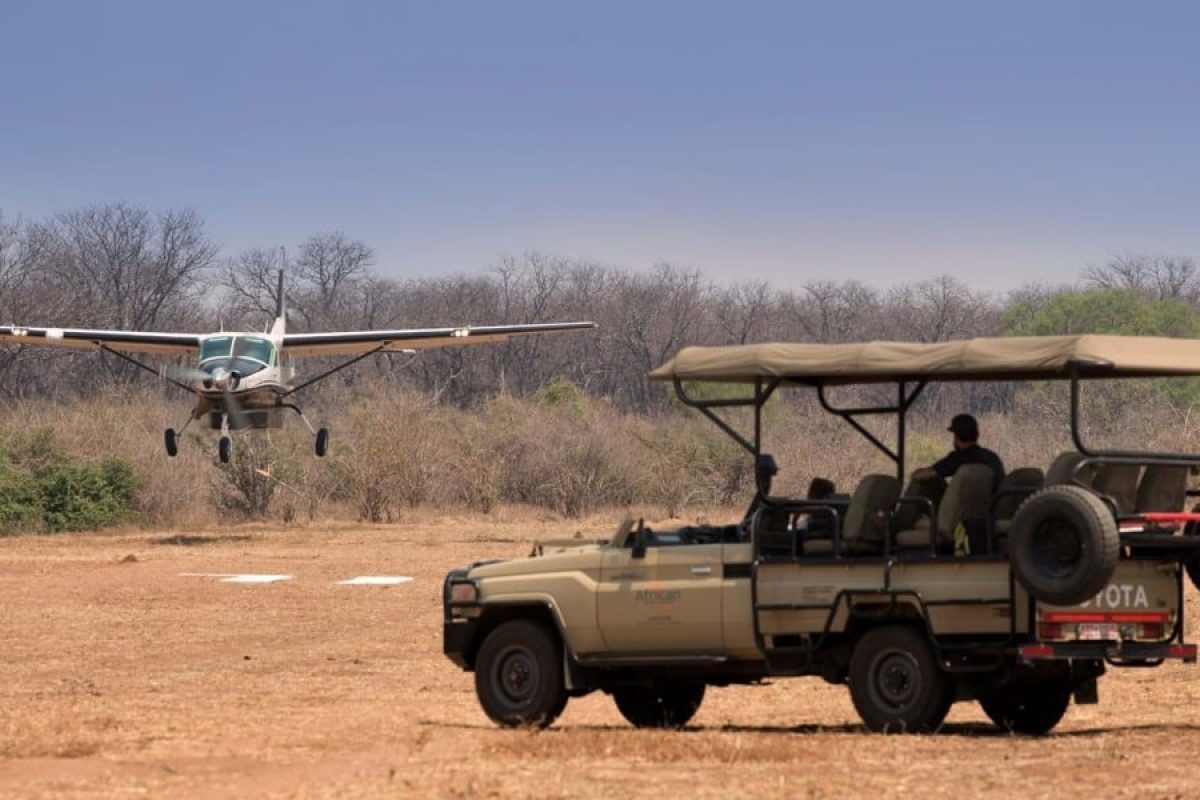
Driving offers a more immersive experience. It allows you to see the countryside, interact with local communities, and enjoy scenic transitions between destinations. However, it also requires more time, especially on longer routes or in areas with challenging road conditions. For shorter distances, driving can be both practical and enjoyable.
Flying, on the other hand, significantly reduces travel time. What might take an entire day by road can often be completed in just one or two hours by air. This makes flying particularly valuable for long distances or when connecting different countries. In terms of Safari Travel Times Between Major Parks, flights can save you valuable time that can be spent on game drives or relaxation.
Another advantage of flying is reduced fatigue. Long road journeys can be tiring, especially when repeated over several days. Flights allow you to arrive at your destination refreshed and ready for activities, improving the overall safari experience.
However, flying comes at a higher cost. When deciding between options, it’s important to weigh the value of time saved against the additional expense. In many cases, a combination of both methods works best—driving for shorter scenic routes and flying for longer connections.
Balancing these choices ensures your Safari Travel Times Between Major Parks enhance your itinerary rather than limit it. A well-planned safari uses both driving and flying strategically to create a journey that is efficient, comfortable, and deeply rewarding.
Frequently Asked Questions About Safari Travel Times Between Major Parks
How long should I spend traveling between parks on safari?
When planning Safari Travel Times Between Major Parks, it’s best to limit travel to 4–6 hours per day where possible. Longer journeys can be tiring and reduce your time for game drives and activities. For longer distances, flights are often recommended.
Is it better to drive or fly between safari destinations?
This depends on distance and your preferences. Driving works well for shorter routes and offers scenic experiences, while flying is ideal for long distances. Understanding Safari Travel Times Between Major Parks helps you decide the best option for each segment of your itinerary.
Do road conditions affect safari travel times?
Yes, significantly. In East Africa, travel times are influenced by terrain, weather, and road quality. Even short distances can take longer than expected, which is why planning Safari Travel Times Between Major Parks accurately is essential.
Can I visit multiple parks in a short safari?
It is possible, but not always recommended. If travel times are too long, you may spend more time moving than exploring. A well-planned itinerary considers Safari Travel Times Between Major Parks to ensure a balance between travel and experience.
How early should transfers start?
Most road transfers begin early in the morning to avoid heat, traffic, and delays. Starting early also allows you to arrive in time for afternoon activities. This is a key strategy when managing Safari Travel Times Between Major Parks.
Are domestic flights reliable for safaris?
Yes, domestic flights across Uganda, Kenya, Tanzania, and Rwanda are widely used and reliable. They are an excellent way to reduce long travel times and improve overall comfort.
How many nights should I stay in each park?
To make the most of Safari Travel Times Between Major Parks, it’s recommended to spend at least 2–3 nights in each destination. This allows for multiple game drives and a more relaxed experience.
Plan Your Safari with Experts

At Pieland Gorilla Safaris, we understand that managing Safari Travel Times Between Major Parks is the foundation of a successful safari. A well-designed itinerary is not just about where you go—it’s about how smoothly you get there.
We specialize in creating seamless journeys that balance travel time with meaningful experiences. From organizing comfortable 4×4 road transfers to coordinating efficient domestic flights, every aspect of your itinerary is carefully planned. Whether you are traveling within Uganda, exploring the plains of Kenya, venturing into Tanzania, or combining destinations with Rwanda, we ensure your route is logical and efficient.
Our approach focuses on reducing travel fatigue while maximizing your time in the wild. We carefully select routes, schedule transfers at optimal times, and recommend when to drive and when to fly. This ensures that your Safari Travel Times Between Major Parks enhance your experience rather than limit it.
With expert planning, your safari becomes effortless. You spend less time worrying about logistics and more time enjoying wildlife, landscapes, and unforgettable moments. At Pieland Gorilla Safaris, we turn complex travel planning into a smooth and enriching journey tailored perfectly to you.