
Ultimate Guide to Serengeti Migration by Month: Complete Wildlife Calendar Explained
The Great Migration is one of the most spectacular wildlife events on Earth, and understanding the Serengeti Migration by Month is the key to planning the perfect safari. This natural movement of millions of wildebeest, zebras, and gazelles across Serengeti National Park and into Masai Mara National Reserve follows a continuous cycle driven by rainfall and the search for fresh grazing.
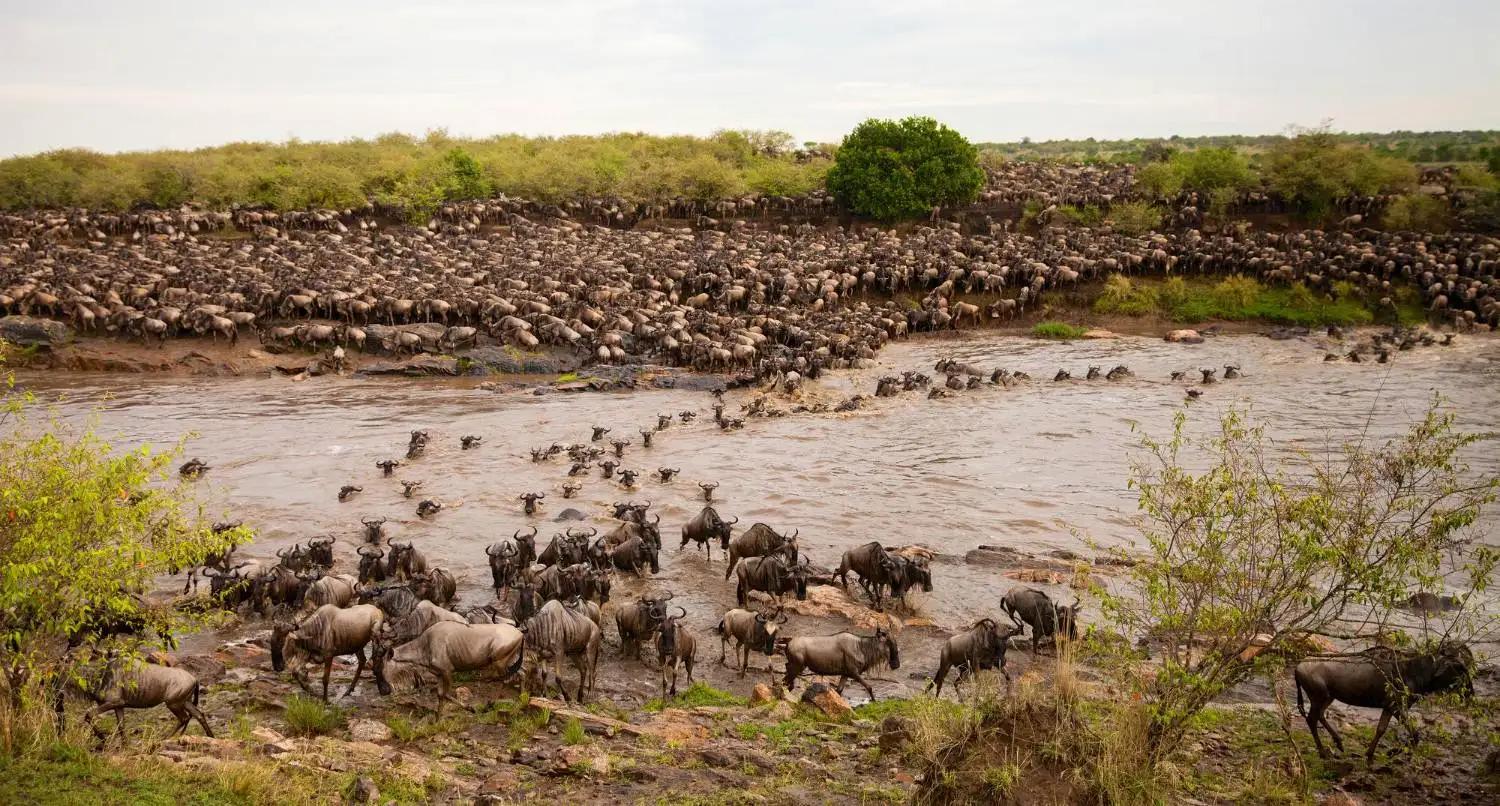
For travelers, knowing the Serengeti Migration by Month allows you to align your travel dates with specific highlights—whether you want to witness the birth of thousands of calves, dramatic predator action, or the famous river crossings.
This guide expands each phase of the Serengeti Migration by Month, giving you a deeper understanding of what happens throughout the year.
January to March – Calving Season in the Southern Serengeti
The year begins with one of the most fascinating and action-packed stages of the Serengeti Migration by Month—the calving season.

During this period, the herds settle in the southern Serengeti and the Ndutu plains, where nutrient-rich grasslands provide the ideal conditions for giving birth. Over a span of a few weeks, hundreds of thousands of wildebeest calves are born. At peak times, thousands of calves can be born in a single day, making this one of the most intense and productive phases of the Serengeti Migration by Month.
This abundance of vulnerable newborns attracts a high concentration of predators. Lions, cheetahs, hyenas, and even jackals take advantage of this opportunity, leading to frequent and dramatic hunting scenes. For wildlife enthusiasts, this is one of the most thrilling periods in the Serengeti Migration by Month, as predator-prey interactions are at their peak.
The landscape during these months is lush and green, thanks to recent rains. This not only creates beautiful scenery but also supports large concentrations of wildlife beyond the migrating herds. Visibility is still good despite the greenery, and the open plains allow for excellent photography.
Another unique aspect of this stage of the Serengeti Migration by Month is the behavior of the animals. You will witness maternal instincts, herd protection strategies, and the first steps of newborn calves—all of which add emotional depth to the safari experience.
For travelers interested in life cycles, predator action, and dramatic wildlife moments, January to March stands out as one of the most rewarding times in the Serengeti Migration by Month.
April to May – Movement Begins During the Green Season
As the long rains continue, the herds begin their gradual movement northward. This transitional phase of the Serengeti Migration by Month is characterized by long, continuous columns of animals stretching across the plains.

During April and May, the migration moves through the central Serengeti. The landscape remains lush and vibrant, with tall grasses and scattered trees creating a rich and scenic environment. While this makes wildlife slightly harder to spot, it enhances the overall beauty of the safari, offering a different perspective on the Serengeti Migration by Month.
This stage is less about dramatic events and more about the scale and rhythm of movement. Watching thousands of animals move together in a steady, purposeful direction is one of the most awe-inspiring aspects of the Serengeti Migration by Month. It highlights the instinctive patterns that drive this natural phenomenon.
Predator activity remains present, though less concentrated than during the calving season. The abundance of water and grazing means animals are more dispersed, which can make sightings feel more natural and less crowded.
One of the biggest advantages of this period is the lack of tourists. Because it is considered the low season, you can enjoy a quieter and more exclusive safari experience. Lodges are less busy, and game drives feel more personal.
Although rain can occasionally affect travel conditions, it is often intermittent rather than constant. With proper planning, this stage of the Serengeti Migration by Month offers a peaceful and visually stunning safari experience that is often overlooked.
June to July – Grumeti River Crossings
As the rains fade and the dry season begins, the herds continue their journey into the western corridor of the Serengeti. This marks the start of one of the most exciting phases of the Serengeti Migration by Month—the Grumeti River crossings.

The Grumeti River presents the first major obstacle for the migrating herds. While not as famous as the Mara River, these crossings are equally dramatic and often less crowded. Crocodiles inhabit the river, waiting for opportunities as herds attempt to cross, adding tension and unpredictability to this stage of the Serengeti Migration by Month.
The surrounding landscape begins to dry out, and vegetation becomes thinner, improving visibility for wildlife viewing. Herds gather in large numbers near water sources, attracting predators and increasing the chances of witnessing hunting behavior.
This period is particularly appealing for travelers who want to experience river crossings without the peak-season crowds. It offers a balance between action and exclusivity, making it a standout phase in the Serengeti Migration by Month.
By late July, the herds begin moving further north toward the northern Serengeti. This transition sets the stage for the most famous part of the Serengeti Migration by Month—the Mara River crossings—where the migration reaches its most dramatic and iconic peak.
For those seeking excitement, movement, and slightly fewer tourists, June to July provides a powerful and rewarding chapter in the Serengeti Migration by Month journey.
August to October – Mara River Crossings and Peak Season
This is the most iconic and dramatic stage of the Serengeti Migration by Month, when the herds reach the northern Serengeti and begin crossing into the Masai Mara National Reserve.
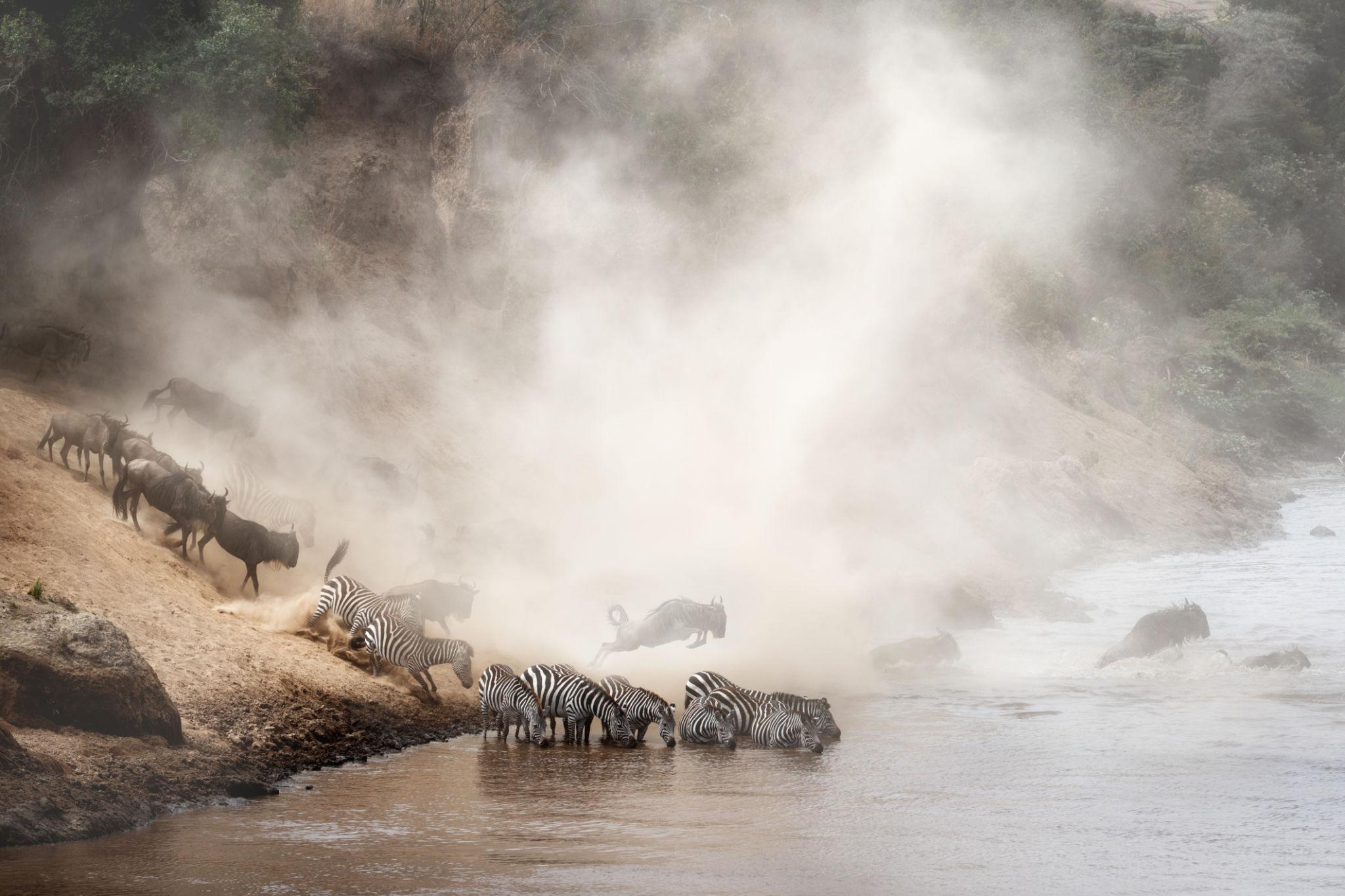
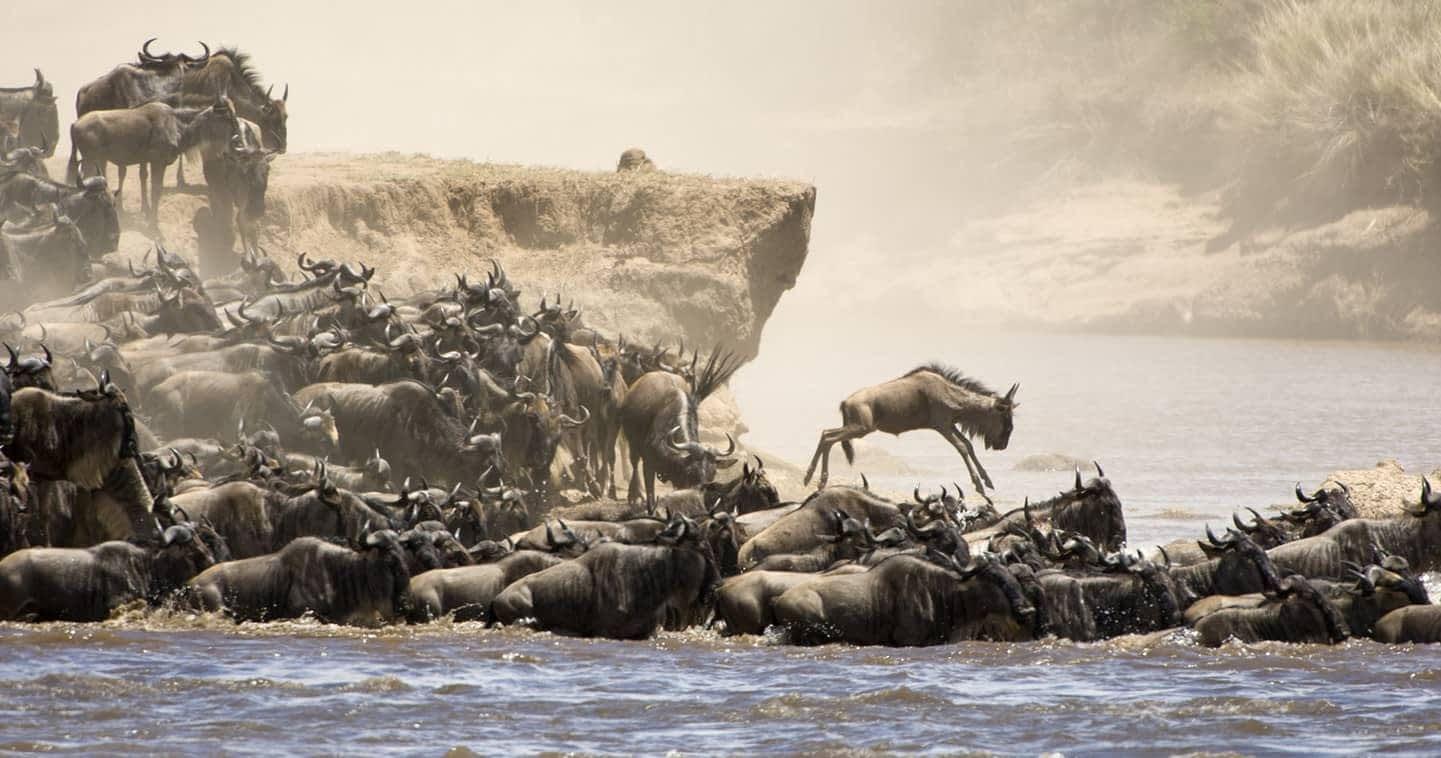
During these months, the Mara River becomes the focal point of the migration. Thousands of wildebeest and zebras gather along the riverbanks, often hesitating for hours or even days before attempting to cross. When they finally move, the scene is intense and chaotic—animals plunge into fast-moving, crocodile-filled waters, creating one of the most powerful wildlife spectacles in the world.
This stage defines the peak of the Serengeti Migration by Month and is often the main reason travelers plan their safaris around this period. The unpredictability of the crossings adds to the excitement. No two crossings are ever the same, and witnessing one is considered a once-in-a-lifetime experience.
Wildlife viewing during this time is exceptional. The concentration of animals attracts a high number of predators, including lions, leopards, and hyenas. Predator-prey interactions are frequent, making this one of the most action-packed phases of the Serengeti Migration by Month.
However, this popularity also brings larger crowds. Both the northern Serengeti and Masai Mara become busy, and accommodations are often fully booked months in advance. Planning early is essential if you want to experience the Serengeti Migration by Month during this peak season.
For travelers seeking the most dramatic and unforgettable moments, August to October stands out as the ultimate highlight of the Serengeti Migration by Month.
November to December – Return to the Serengeti
As the short rains begin, the migration enters its final phase of the year. This stage of the Serengeti Migration by Month sees the herds gradually moving south from Kenya back into the Serengeti.
The rains trigger the growth of fresh grass in the southern plains, drawing the animals back toward the areas where the cycle began. The landscape transforms once again, becoming green and vibrant, which creates a beautiful setting for game viewing.
While this phase lacks the dramatic river crossings seen earlier in the Serengeti Migration by Month, it offers a more peaceful and relaxed safari experience. Wildlife remains abundant, and sightings are still rewarding, but with far fewer tourists compared to the peak season.
This period is also ideal for travelers who prefer a quieter atmosphere. Game drives feel more exclusive, and you can spend more time observing animals without competition from other vehicles.
November to December is a transitional yet important part of the Serengeti Migration by Month, as it marks the return to the southern plains and the beginning of a new cycle. For those seeking scenic beauty, fewer crowds, and consistent wildlife viewing, it remains a highly rewarding time to visit.
Best Time for Serengeti Migration by Month
Choosing the ideal timing depends on what you want to experience within the Serengeti Migration by Month, as each phase offers something different.
For calving and intense predator action, January to March is the best period. This is when thousands of newborn animals attract predators, creating dramatic and emotional wildlife encounters.
For river crossings, the most sought-after highlight of the Serengeti Migration by Month, June to October is the peak period. This is when the herds face major river obstacles, leading to some of the most thrilling moments in nature.
For travelers who prefer fewer crowds and more scenic landscapes, April, May, and November are excellent choices. These months offer a quieter and more relaxed experience while still providing access to large herds and beautiful surroundings.
Each stage of the Serengeti Migration by Month has its own appeal. Understanding these differences allows you to align your travel plans with your expectations, ensuring you experience the migration in the most meaningful way.
Where to Stay During Serengeti Migration by Month
Location is one of the most important factors when planning around the Serengeti Migration by Month, as the herds move continuously throughout the year.

From January to March, the southern Serengeti and Ndutu region are the best places to stay. This is where the calving season takes place, offering close access to newborn animals and predator activity.
During the transitional months of April and May, the central Serengeti becomes a strategic location. This area allows you to follow the herds as they move north, providing flexibility and consistent wildlife viewing during this phase of the Serengeti Migration by Month.
From July to October, the northern Serengeti and nearby areas of the Masai Mara are ideal. This is where the famous river crossings occur, making it the most sought-after location during the Serengeti Migration by Month.
In November and December, as the herds return south, moving back toward central and southern Serengeti ensures you remain close to the migration.
Choosing the right location at the right time is essential to fully experience the Serengeti Migration by Month. By aligning your accommodation with the movement of the herds, you maximize your chances of witnessing the most exciting moments of this incredible natural phenomenon.
FAQs About Serengeti Migration by Month
Is the migration always moving?
Yes, the migration is continuous and never truly stops. The herds are constantly on the move in search of fresh grass and water, following rainfall patterns across Serengeti National Park and into Masai Mara National Reserve. Understanding the Serengeti Migration by Month allows you to track this movement and position yourself in the right location at the right time.
When are river crossings most likely?
River crossings are most common from June to October, particularly at the Grumeti and Mara Rivers. This is one of the most dramatic stages of the Serengeti Migration by Month, where large herds attempt to cross crocodile-filled waters while predators wait nearby. These moments are unpredictable, making them both thrilling and unique.
Can I see the migration year-round?
Yes, the migration can be seen throughout the year. The key is understanding that its location changes depending on the season. The Serengeti Migration by Month cycle ensures that at any given time, large herds are present somewhere within the ecosystem—it’s simply a matter of knowing where to go.
Which month is best overall?
August and September are often considered the best months in the Serengeti Migration by Month for witnessing dramatic river crossings and high predator activity. However, the “best” month ultimately depends on what you want to experience, whether it’s calving season, movement, or fewer crowds.
Plan Your Serengeti Migration by Month Safari with Experts
At Pieland Gorilla Safaris, we specialize in designing journeys around the Serengeti Migration by Month, ensuring you are always in the right place at the right time.
We carefully track the movement of the herds and select the best locations, lodges, and travel routes to maximize your experience. Whether your goal is to witness the calving season in the southern plains or the dramatic river crossings in the north, we create personalized itineraries that bring the Serengeti Migration by Month to life.
From seamless transfers between Tanzania and Kenya to expertly guided game drives, every detail of your safari is handled with precision and care.
REQUEST OUR SAFARI QUOTE
Start planning today and experience the Serengeti Migration by Month in the most unforgettable and perfectly timed way.