The Skeleton Coast is one of Africa’s most hauntingly beautiful and mysterious destinations, where raw nature and history collide in dramatic fashion. Stretching along the Atlantic Ocean in Namibia, this remote coastline is defined by powerful waves, shifting sands, and an atmosphere that feels almost untouched by time.
What makes the Skeleton Coast so compelling is not just its appearance, but the feeling it evokes. It is a place of silence, isolation, and immense scale, where the forces of wind, ocean, and desert continuously shape the land.
For travelers seeking something beyond the ordinary, the Skeleton Coast offers an experience that is both visually striking and emotionally powerful. It is not a typical destination—it is an encounter with one of the most extreme and unique environments on Earth.
Where Is the Skeleton Coast?
The Skeleton Coast lies along the northern Atlantic shoreline of Namibia and forms part of Skeleton Coast National Park, a protected area that preserves its wild and remote character.
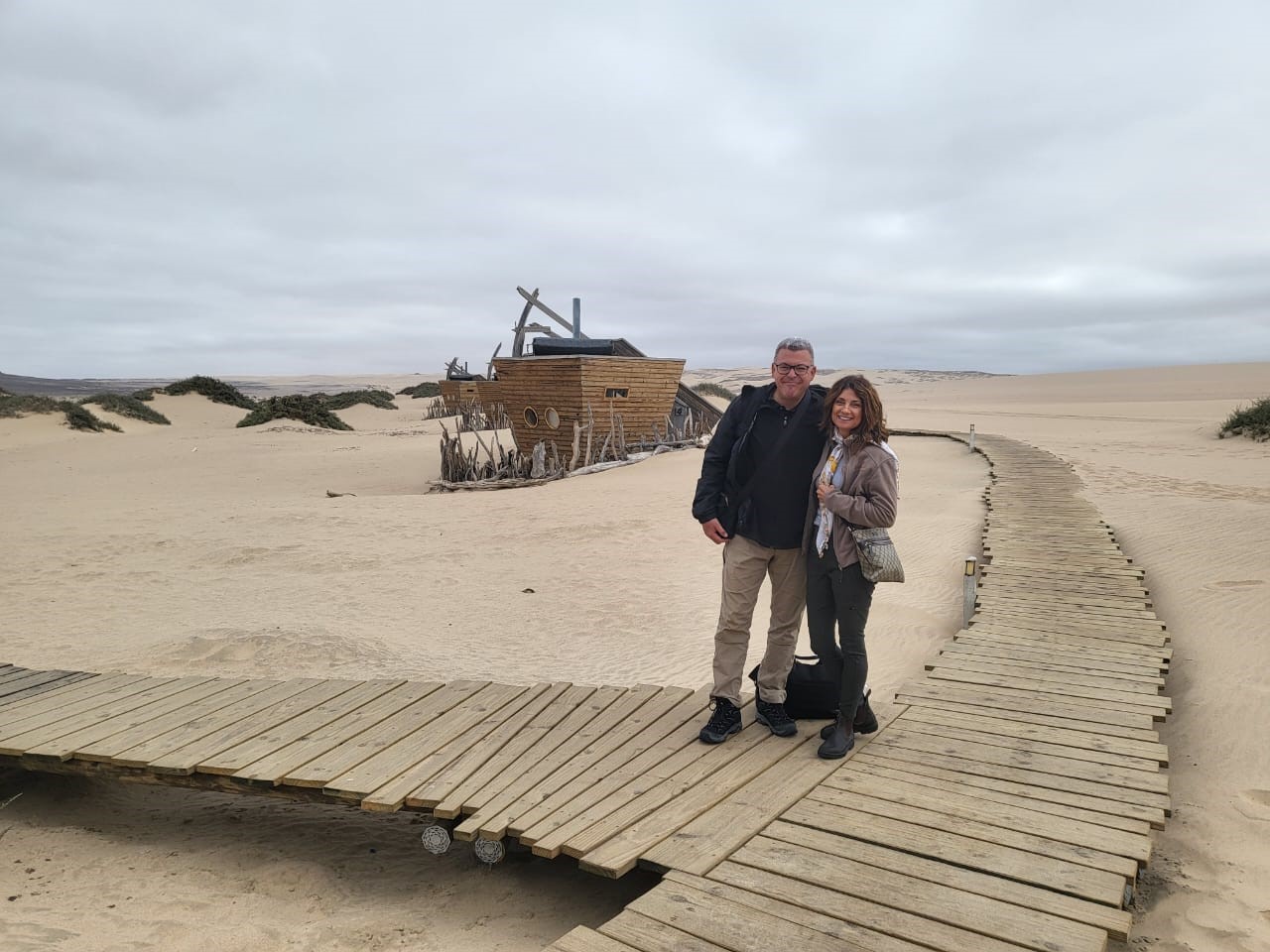
This rugged stretch of coastline extends from the Ugab River in the south to the Kunene River, which marks the border with Angola. The region is vast, sparsely populated, and largely inaccessible without proper planning, which is one of the reasons it remains so untouched.
Geographically, the Skeleton Coast sits between two powerful natural forces—the Namib Desert and the Atlantic Ocean. The desert pushes its dunes toward the sea, while the ocean brings cold currents and dense fog inland. This meeting point creates a landscape that feels both harsh and captivating.
The remoteness of the Skeleton Coast is a key part of its appeal. With limited infrastructure and controlled access, visitors experience a sense of true wilderness that is increasingly rare in modern travel.
Why Is It Called the Skeleton Coast?
The name Skeleton Coast carries both historical and natural significance, reflecting the dramatic and often unforgiving nature of this region.
For centuries, the coastline has been one of the most dangerous in the world for sailors. Thick fog, caused by the cold Atlantic waters meeting warm desert air, reduces visibility and disorients navigation. Combined with strong currents and shifting sandbanks, these conditions have led to numerous shipwrecks along the shore.
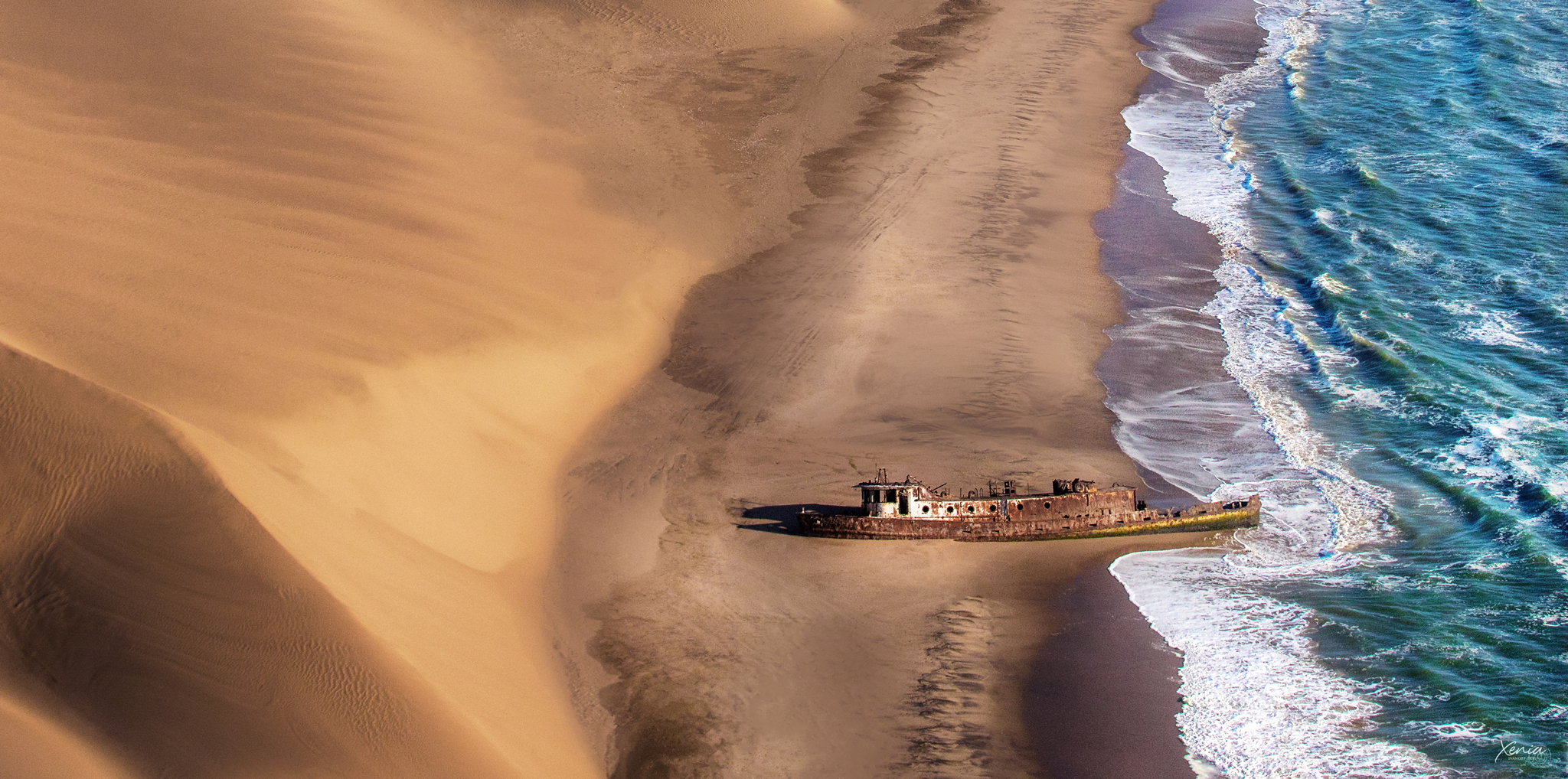
Many of these wrecks still remain, partially buried in sand or exposed to the elements. Their rusted structures stand as silent reminders of past journeys that ended abruptly on this coastline.
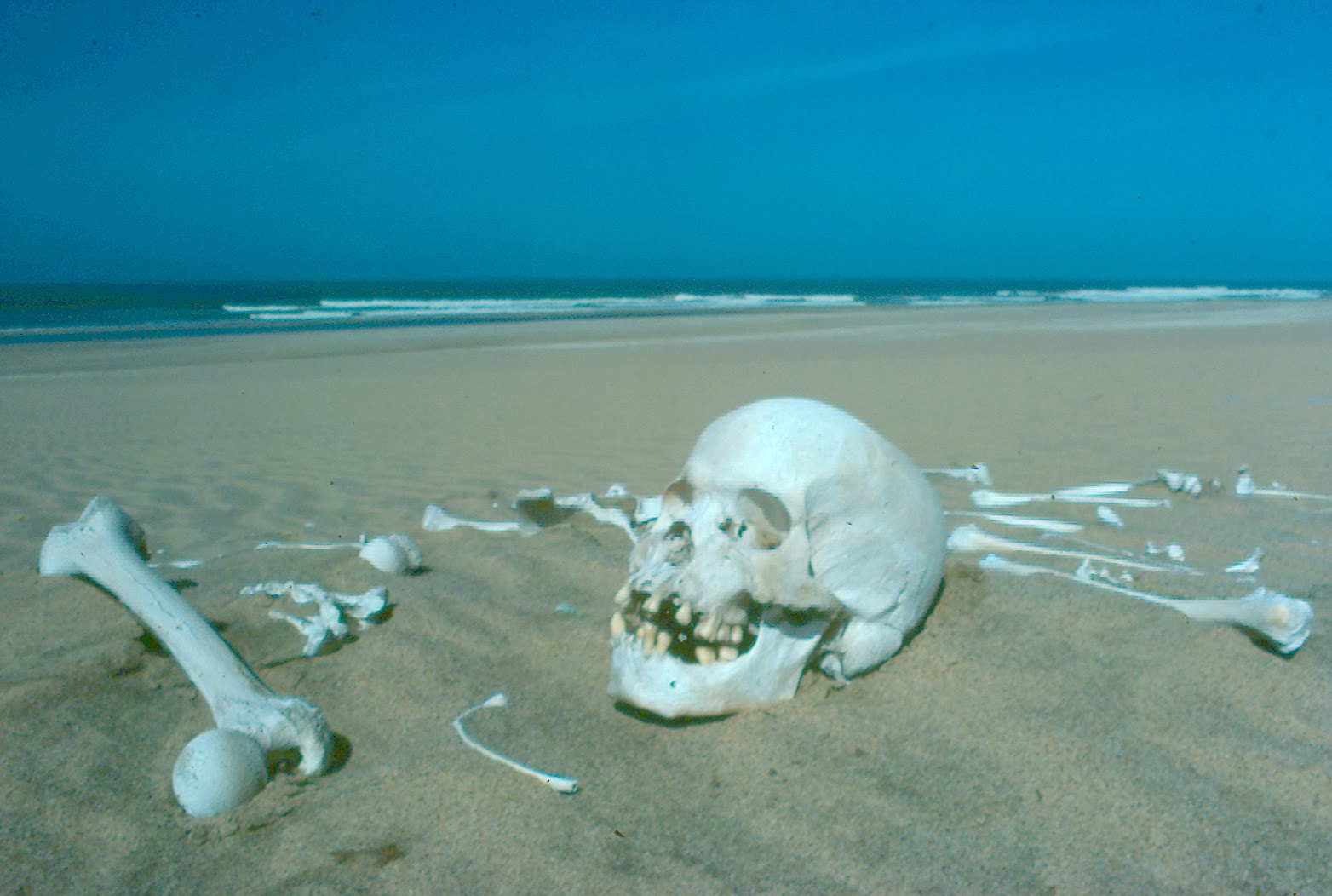
In addition to shipwrecks, the Skeleton Coast was historically known for the remains of whales and seals that washed ashore. These bones, bleached by the sun and scattered across the sand, contributed to the eerie and desolate image of the region.
Together, these elements give the Skeleton Coast its name and its reputation—a place where nature’s power is both beautiful and unforgiving.
Unique Landscape and Scenery
The landscape of the Skeleton Coast is one of the most distinctive and visually powerful in Africa, defined by stark contrasts and natural drama.
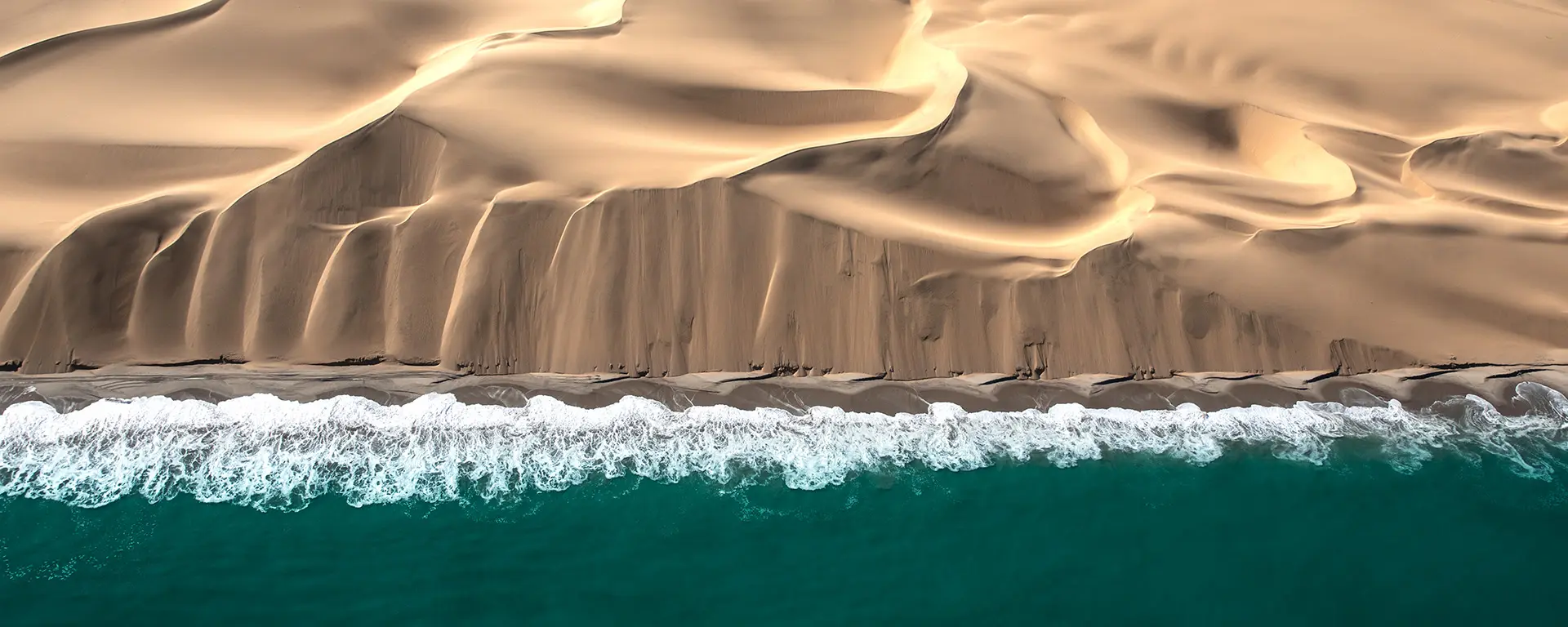
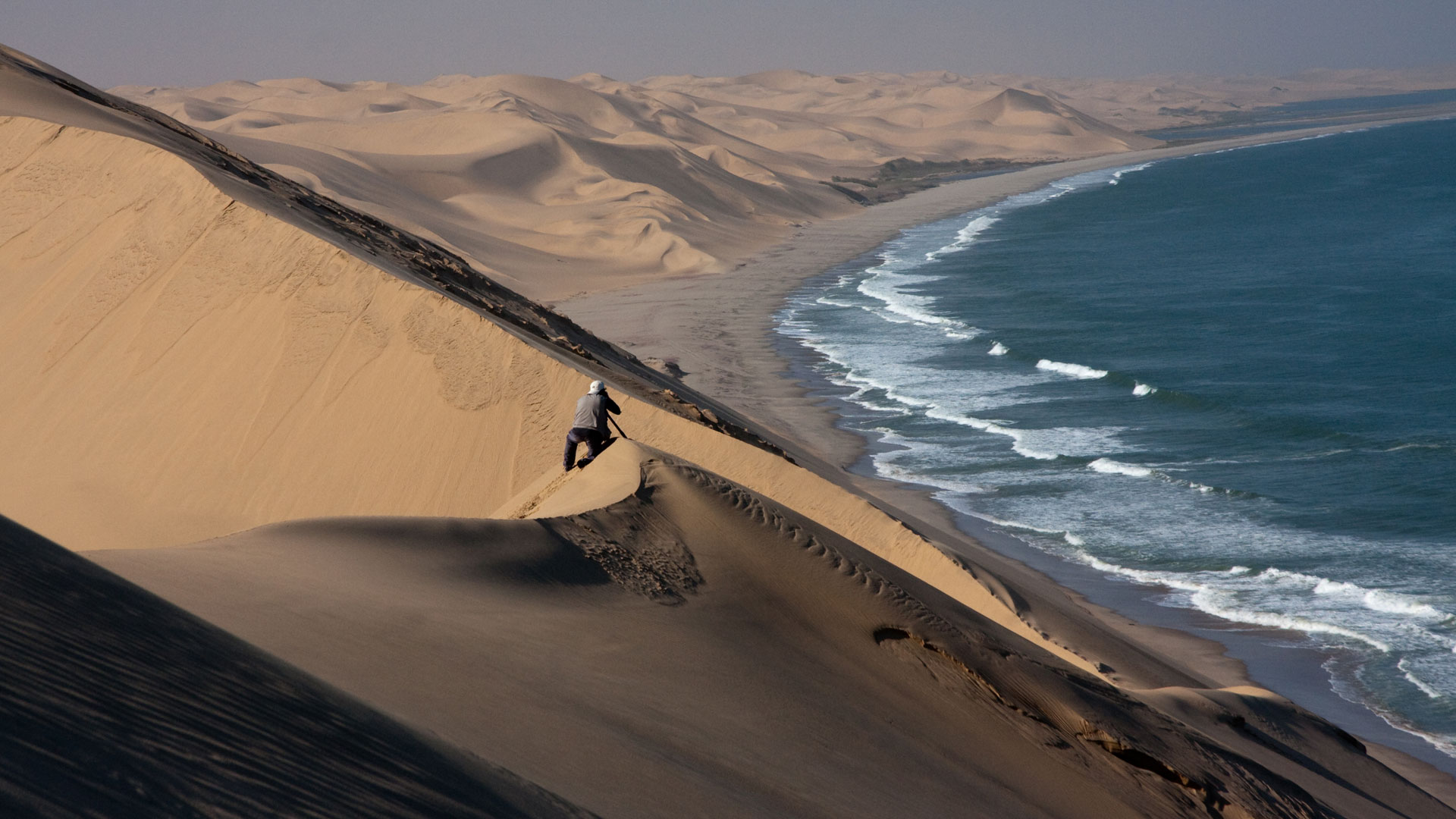
Here, the golden sands of the Namib Desert meet the deep blue and often turbulent waters of the Atlantic Ocean. The result is a striking visual boundary where land and sea collide. Towering dunes roll toward the coastline, sometimes reaching right up to the water’s edge, creating scenes that feel almost surreal.
The terrain is constantly changing. Wind reshapes the dunes, while ocean currents alter the shoreline. Rocky outcrops, dry riverbeds, and scattered vegetation break up the vastness, adding texture and variation to the landscape.
One of the most defining features of the Skeleton Coast is the presence of fog. Generated by the cold Benguela Current, this fog drifts inland, often blanketing the coast in a soft, misty layer. It reduces visibility, creating a mysterious atmosphere, but also provides vital moisture for plants and animals in this otherwise dry environment.
Unlike lush safari destinations, the Skeleton Coast is defined by minimalism. There are no dense forests or abundant greenery—only open space, subtle details, and dramatic contrasts. This simplicity is what makes the scenery so powerful.
The Skeleton Coast is not about abundance—it is about raw beauty, scale, and the quiet intensity of a landscape shaped by nature’s extremes.
Wildlife on the Skeleton Coast
Despite its harsh and seemingly lifeless environment, the Skeleton Coast supports a surprisingly resilient and fascinating range of wildlife.
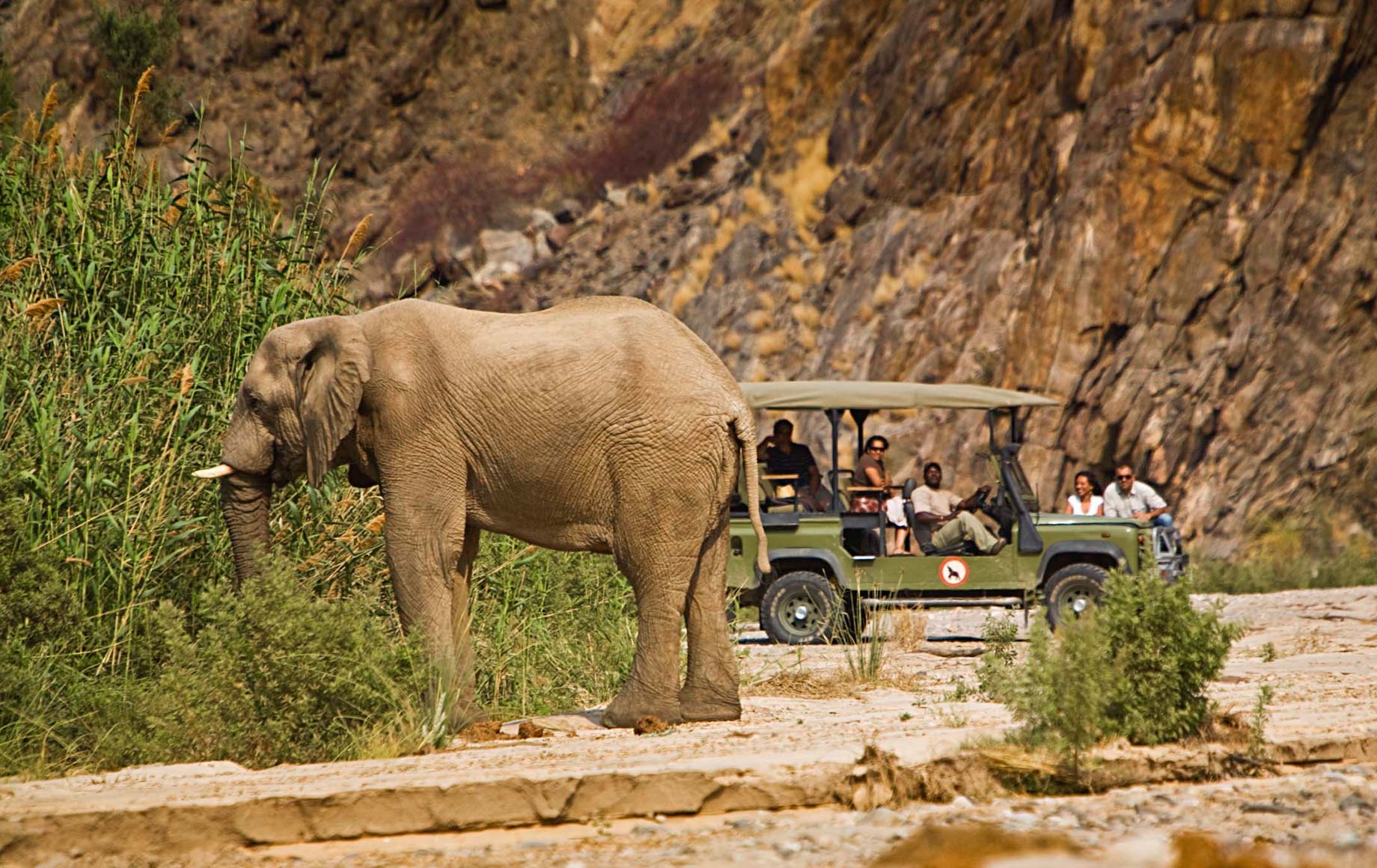
Inland areas of Skeleton Coast National Park are home to desert-adapted species that have evolved to survive in extreme conditions. These include desert elephants that travel long distances in search of water, lions that have adapted their hunting behavior to sparse prey, and hyenas that scavenge along the coastline. Their ability to survive in such an unforgiving environment is one of the most remarkable aspects of the Skeleton Coast.
Along the shoreline, marine life becomes more prominent. One of the most famous wildlife sites is Cape Cross Seal Reserve, where thousands of Cape fur seals gather in dense colonies. The sound, movement, and sheer number of seals create a powerful sensory experience. These colonies also attract predators such as jackals and occasionally lions, leading to dynamic and sometimes dramatic interactions.
Birdlife is also well adapted to this environment. Coastal species thrive along the ocean, while others rely on fog and sparse vegetation inland. Flamingos, cormorants, and gulls are often seen along certain sections of the coast.
What makes wildlife on the Skeleton Coast so unique is not abundance, but adaptation. Every animal you encounter has survived against the odds, making each sighting feel rare and meaningful.
Shipwrecks and Historical Significance
Shipwrecks are among the most iconic and haunting features of the Skeleton Coast, giving the region its reputation as one of the most mysterious coastlines in the world.
For centuries, the combination of dense fog, powerful currents, and shifting sandbanks has made navigation along this coast extremely dangerous. Many ships—ranging from early exploration vessels to more modern cargo ships—ran aground here, unable to escape the relentless forces of nature.
Today, the remains of these vessels are scattered along the shoreline. Some are partially buried in sand, with only fragments visible, while others stand more prominently against the ocean backdrop, slowly being reclaimed by the elements. These wrecks are not just remnants of the past—they are powerful symbols of human vulnerability in the face of nature.
Exploring these sites feels like stepping into history. Each wreck has a story, often involving survival against extreme conditions or tragic endings. Over time, the desert and ocean have transformed these structures into part of the landscape itself.
The presence of these relics gives the Skeleton Coast a museum-like quality—one shaped not by people, but by time, weather, and the relentless movement of sand and sea.
Climate and Harsh Conditions
The climate of the Skeleton Coast is one of extremes, and it plays a major role in shaping both the landscape and the experience of visiting this region.
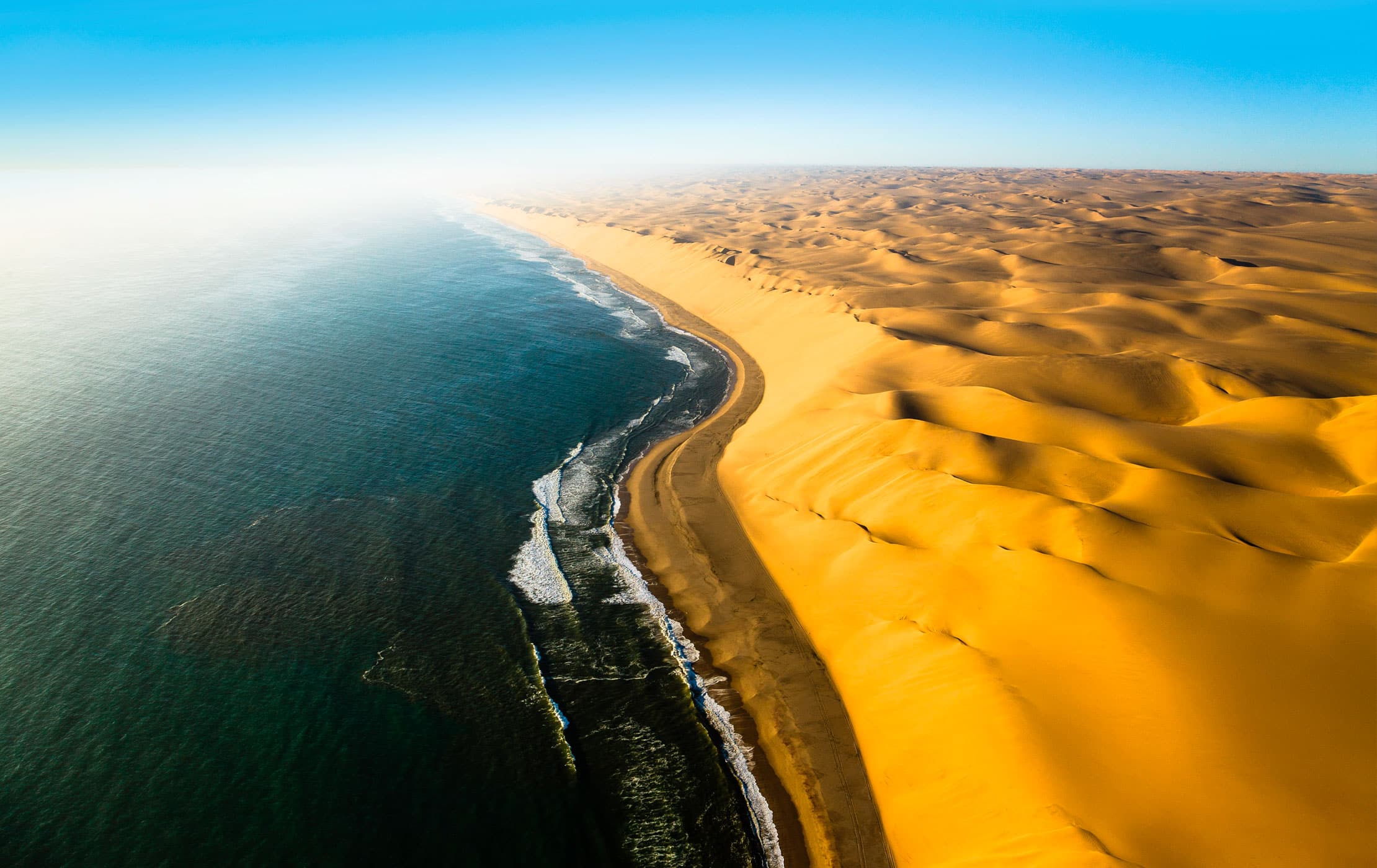
Rainfall is extremely limited, making this one of the driest places in Africa. However, the coast is heavily influenced by the cold Benguela Current from the Atlantic Ocean. This current creates dense fog that frequently rolls inland, sometimes covering large areas for hours at a time.
This fog is essential for life. It provides moisture to plants and animals that would otherwise struggle to survive in such an arid environment. Many species have adapted to rely on fog as their primary water source.
Temperatures can vary significantly. Days may be warm, while nights can become surprisingly cool. The wind is another constant factor, often shaping the dunes and contributing to the ever-changing landscape.
These harsh conditions define the Skeleton Coast. They limit human presence, preserve the natural environment, and create a sense of isolation that is central to the experience. It is this combination of difficulty and beauty that makes the region so compelling.
Best Time to Visit the Skeleton Coast
Choosing the right time to visit is an important part of planning your Skeleton Coast journey, as conditions can vary throughout the year.
The cooler months, from May to October, are generally considered the best time to explore the region. During this period, temperatures are more moderate, making travel and outdoor activities more comfortable. The reduced heat also allows for longer periods of exploration without fatigue.
Visibility can be affected by fog at any time of year, but this is part of what gives the Skeleton Coast its distinctive atmosphere. The mist adds a layer of mystery, softening the landscape and creating dramatic, moody scenes that are especially appealing for photography.
During the warmer months, temperatures can rise, particularly inland, which may make travel less comfortable. However, these months can also offer clearer skies at times and different lighting conditions.
Ultimately, the best time depends on your priorities. For comfort and easier travel, the cooler season is ideal. For those seeking dramatic scenery and a more atmospheric experience, the presence of fog can enhance the uniqueness of the Skeleton Coast.
Planning your visit carefully ensures you experience this extraordinary destination at its best.
How to Experience the Skeleton Coast
Experiencing the Skeleton Coast is unlike visiting typical safari destinations. Its remoteness and protected status mean that access is limited, which helps preserve its untouched beauty.
Most visitors explore the region through guided tours. These tours are led by experienced professionals who understand the terrain, weather patterns, and safety requirements. Guided experiences also provide valuable insights into the history, wildlife, and geology of the area, making the journey more meaningful.
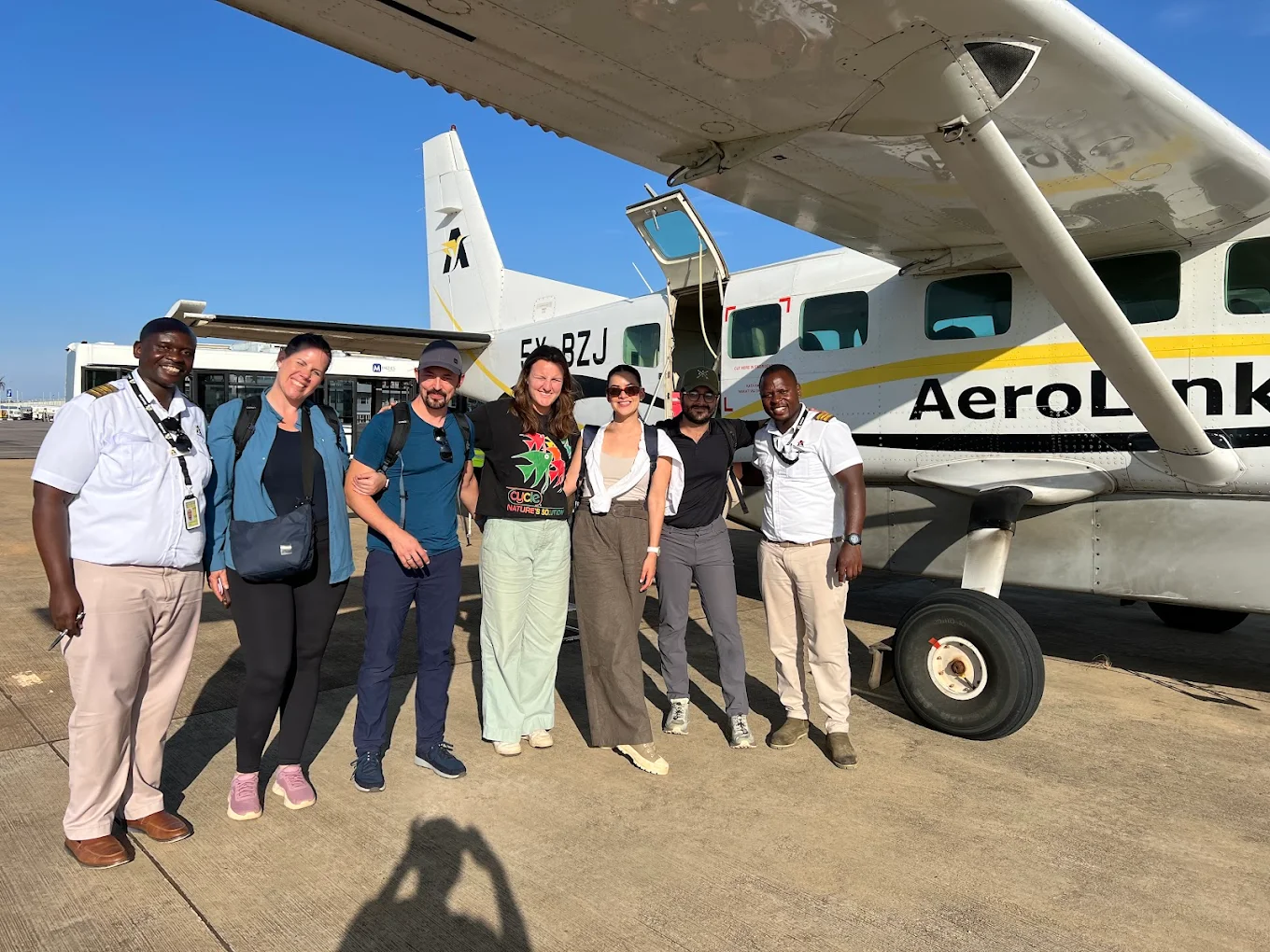
Fly-in safaris are another popular and highly recommended way to experience the Skeleton Coast. These trips offer breathtaking aerial views of the coastline, revealing shipwrecks, winding riverbeds, and vast stretches of desert meeting the ocean. Seeing the landscape from above highlights its scale and isolation in a way that is difficult to appreciate from the ground.
For those seeking more independence, self-drive travel is possible in certain southern sections, but it requires careful planning, appropriate vehicles, and necessary permits. Many parts of Skeleton Coast National Park are restricted, particularly in the northern regions, where access is only allowed with licensed guides.
Regardless of how you choose to explore, the Skeleton Coast is not a destination for spontaneous travel. It rewards those who plan carefully, offering an experience that feels exclusive, remote, and deeply connected to nature.
Why Book with Pieland Gorilla Safaris
Exploring the Skeleton Coast requires more than just a destination—it requires expertise, planning, and local knowledge to ensure a safe and rewarding journey.
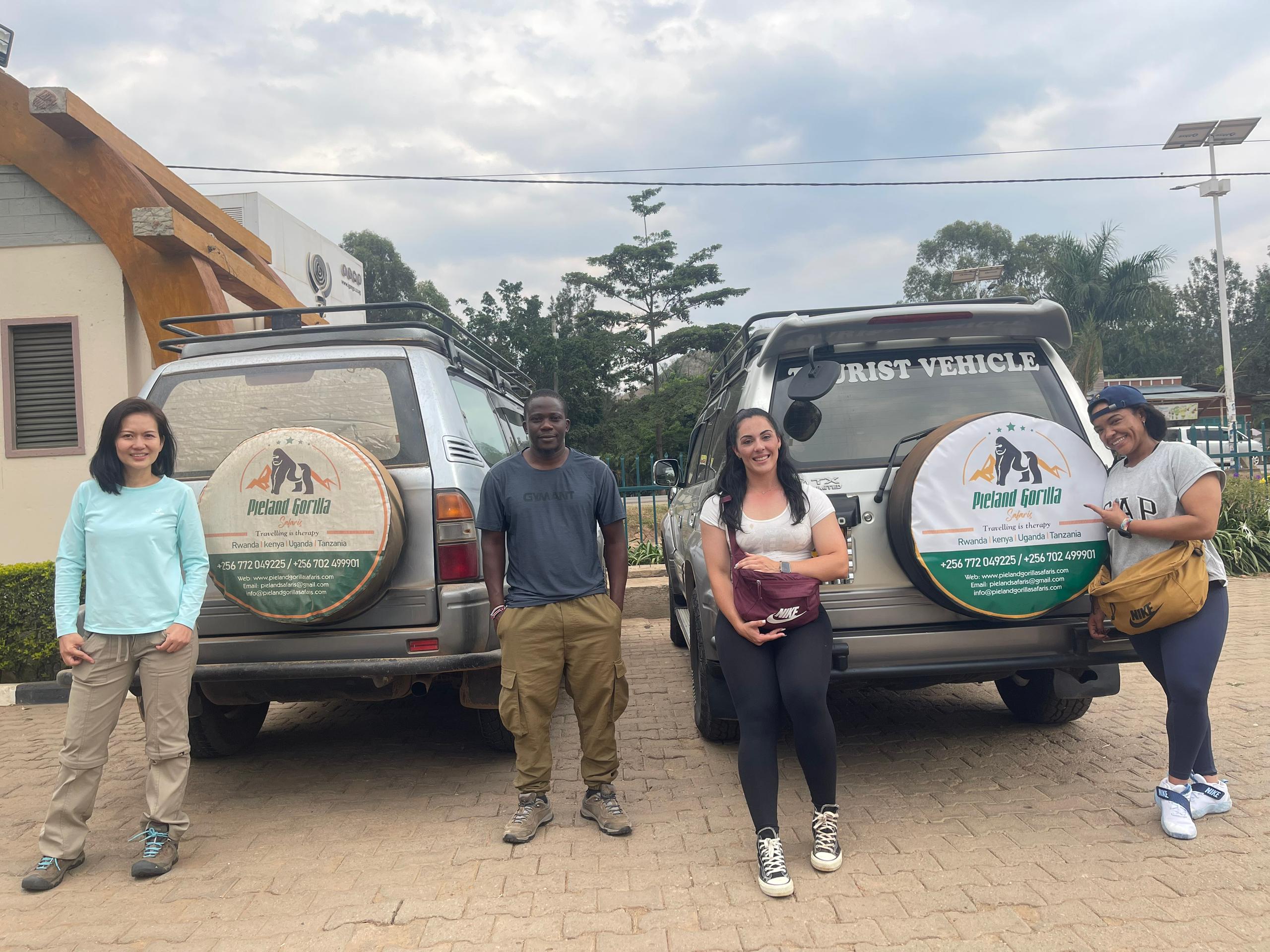
At Pieland Gorilla Safaris, we specialize in crafting tailored experiences that allow you to explore this remote region with confidence. We take care of all logistics, including permits, guided tours, transport arrangements, and carefully selected accommodations.
Our approach ensures that your journey is not only smooth but also optimized for the best possible experience. We help you choose the right time to visit, the most suitable mode of travel—whether by air or road—and the best locations to explore.
With our support, you gain access to trusted guides and well-planned itineraries that maximize your time while maintaining safety and comfort.
Booking with Pieland Gorilla Safaris transforms your Skeleton Coast journey into a seamless and unforgettable adventure, allowing you to focus entirely on the experience.
FAQs About Skeleton Coast
Is the Skeleton Coast safe to visit?
Yes, the Skeleton Coast is safe when visited with proper planning and guidance. Due to its remote and sometimes harsh environment, traveling with experienced guides or through organized tours is highly recommended.
Can I visit independently?
Some southern areas allow self-drive exploration, but much of the Skeleton Coast—especially the northern sections—requires guided access and permits. Independent travel is possible but requires preparation and knowledge of the terrain.
What makes the Skeleton Coast unique?
Its uniqueness comes from the rare combination of desert and ocean, the presence of historic shipwrecks, dense coastal fog, and its extreme remoteness. Few places in the world offer such a dramatic and untouched environment.
How many days should I spend?
Spending 2 to 4 days is ideal to fully experience the Skeleton Coast. This allows enough time to explore key areas, view shipwrecks, and appreciate the landscape without rushing.
Plan Your Skeleton Coast Adventure
The Skeleton Coast offers one of the most distinctive travel experiences in Africa—a place where nature, history, and isolation come together in powerful ways.
It is not a destination defined by crowds or convenience, but by raw beauty, silence, and scale. Every moment spent here feels unique, whether you are standing beside a shipwreck, watching fog roll across the dunes, or observing wildlife that has adapted to survive in extreme conditions.
With thoughtful planning, your journey becomes more than a visit—it becomes an exploration of one of the world’s last truly wild places.
Let Pieland Gorilla Safaris help you design a Skeleton Coast adventure that captures its mystery, beauty, and unforgettable spirit.