Ultimate Tanzania vs Namibia Safari Experience – Honest Comparison for the Perfect African Journey
Choosing between a Tanzania vs Namibia Safari Experience is a unique decision that depends entirely on the type of journey you want to have in Africa. While both destinations offer unforgettable travel experiences, they appeal to very different expectations. Tanzania represents the classic image of an African safari—abundant wildlife, open savannahs, and daily game drives filled with activity. Namibia, in contrast, offers a quieter and more visually dramatic experience, where landscapes dominate and the sense of space becomes part of the adventure.
A carefully planned Tanzania vs Namibia Safari Experience helps travelers move beyond general ideas and clearly define what matters most to them. Tanzania is ideal for those who want to be surrounded by wildlife and experience constant movement in nature. The rhythm of the safari is shaped by animal activity, with each day bringing new encounters. Namibia, however, attracts travelers who appreciate stillness, scenic beauty, and the emotional impact of vast, untouched environments. It is less about how many animals you see and more about how deeply you connect with the surroundings.
Understanding these contrasts ensures that your Tanzania vs Namibia Safari Experience is not just well planned, but perfectly aligned with your expectations. Whether you are drawn to intense wildlife encounters or the quiet beauty of dramatic desert landscapes, your choice will define how you experience Africa.
Understanding the Tanzania vs Namibia Safari Experience
A Tanzania vs Namibia Safari Experience is not simply a comparison of destinations—it is a choice between two distinct travel styles that shape the entire journey. Tanzania offers a structured and wildlife-driven safari, where each day revolves around game drives in some of Africa’s most famous national parks. The experience is active, engaging, and often filled with continuous sightings that create a strong sense of excitement.
In Tanzania, the safari feels dynamic because wildlife is consistently present. Large ecosystems support significant populations of animals, which means that game drives are rarely quiet. Travelers often move from one sighting to another, observing predators, herds, and birdlife throughout the day. This creates a sense of momentum and energy that defines the Tanzanian safari experience.
Namibia offers a completely different pace. A Tanzania vs Namibia Safari Experience in Namibia is more about the journey itself rather than constant wildlife encounters. Travel often involves long scenic drives through remote regions, where the landscapes gradually change from deserts to mountains and open plains. Wildlife is present but more widely dispersed, making each sighting feel more meaningful and less routine.
This slower pace allows travelers to absorb the environment more deeply. The silence, the open horizons, and the sense of isolation create a more reflective experience. In a Tanzania vs Namibia Safari Experience, Tanzania feels lively and wildlife-focused, while Namibia feels calm, scenic, and immersive in a different, more atmospheric way.
Landscape and Scenery in a Tanzania vs Namibia Safari Experience
The landscapes encountered in a Tanzania vs Namibia Safari Experience are among the most defining differences between the two destinations. Each country offers a distinct visual identity that shapes how travelers perceive and remember their journey.
Tanzania is characterized by its classic safari scenery, where life is constantly visible across the landscape. The Serengeti National Park is one of the most iconic ecosystems in the world, known for its vast savannah plains that stretch endlessly under open skies. These plains are not just visually impressive—they are alive with movement, as herds of animals migrate and predators follow closely behind. The environment feels dynamic, with wildlife playing a central role in shaping the scenery.
The Ngorongoro Crater adds another layer to Tanzania’s landscapes. This natural enclosure creates a unique setting where wildlife is concentrated within a defined area, surrounded by steep crater walls. The contrast between the elevated rim and the lush crater floor creates dramatic views and a sense of contained wilderness that is both visually striking and ecologically rich.
Namibia, in contrast, offers landscapes that are less about movement and more about visual impact and scale. The Namib Desert is one of the oldest deserts in the world, and its towering dunes create an almost surreal environment. In places like Sossusvlei, the red sand dunes rise sharply against clear blue skies, forming some of the most recognizable and photographed scenes in Africa. The simplicity of the landscape, combined with its scale, creates a powerful sense of stillness.
Etosha National Park offers yet another distinct environment, defined by vast salt pans and open, arid terrain. The landscape here feels expansive and minimal, with wildlife often gathering around waterholes, creating isolated but compelling scenes. Unlike Tanzania’s continuous wildlife presence, Namibia’s scenery emphasizes contrast, space, and the relationship between life and the environment.
In a Tanzania vs Namibia Safari Experience, Tanzania offers landscapes that feel vibrant, green, and full of life, where wildlife is constantly part of the scene. Namibia delivers landscapes that are dramatic, minimalist, and visually powerful, where the environment itself becomes the main attraction.
Wildlife Experience in a Tanzania vs Namibia Safari Experience
Wildlife is at the heart of any Tanzania vs Namibia Safari Experience, but the way animals are encountered—and how those encounters feel—differs greatly between the two destinations.
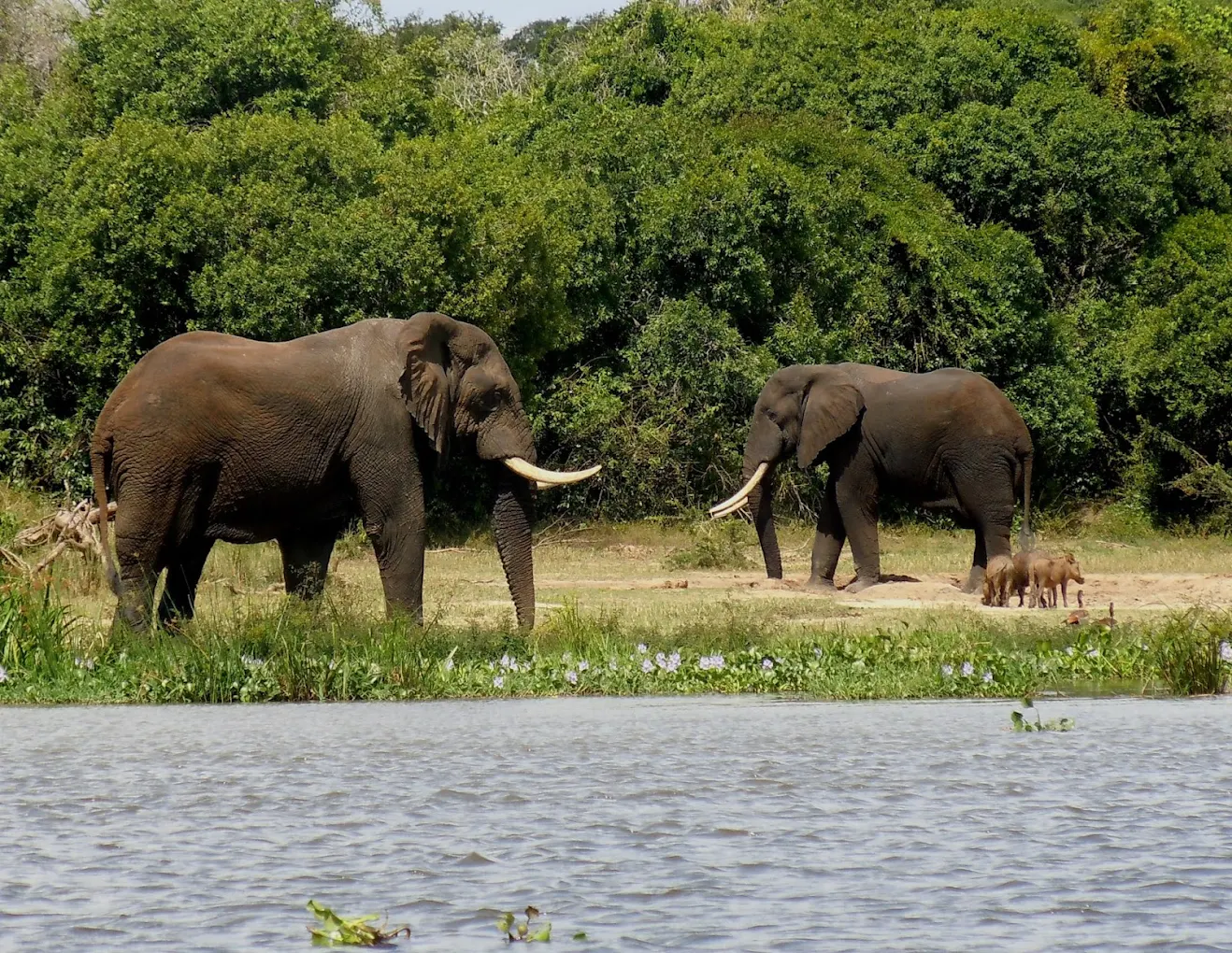
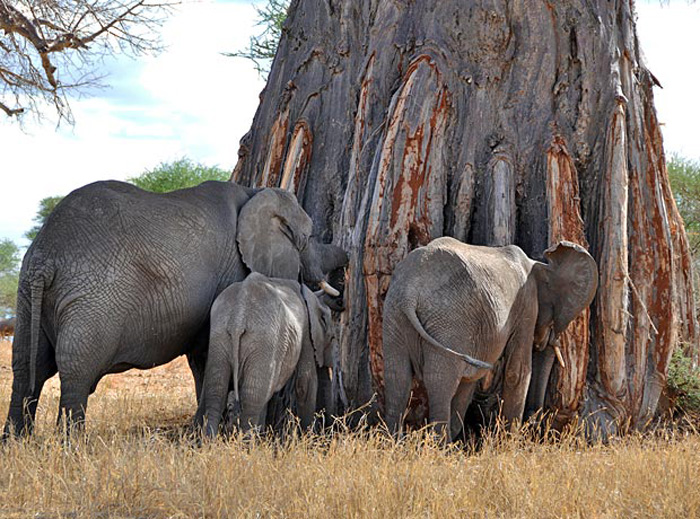
Tarangire Elephants
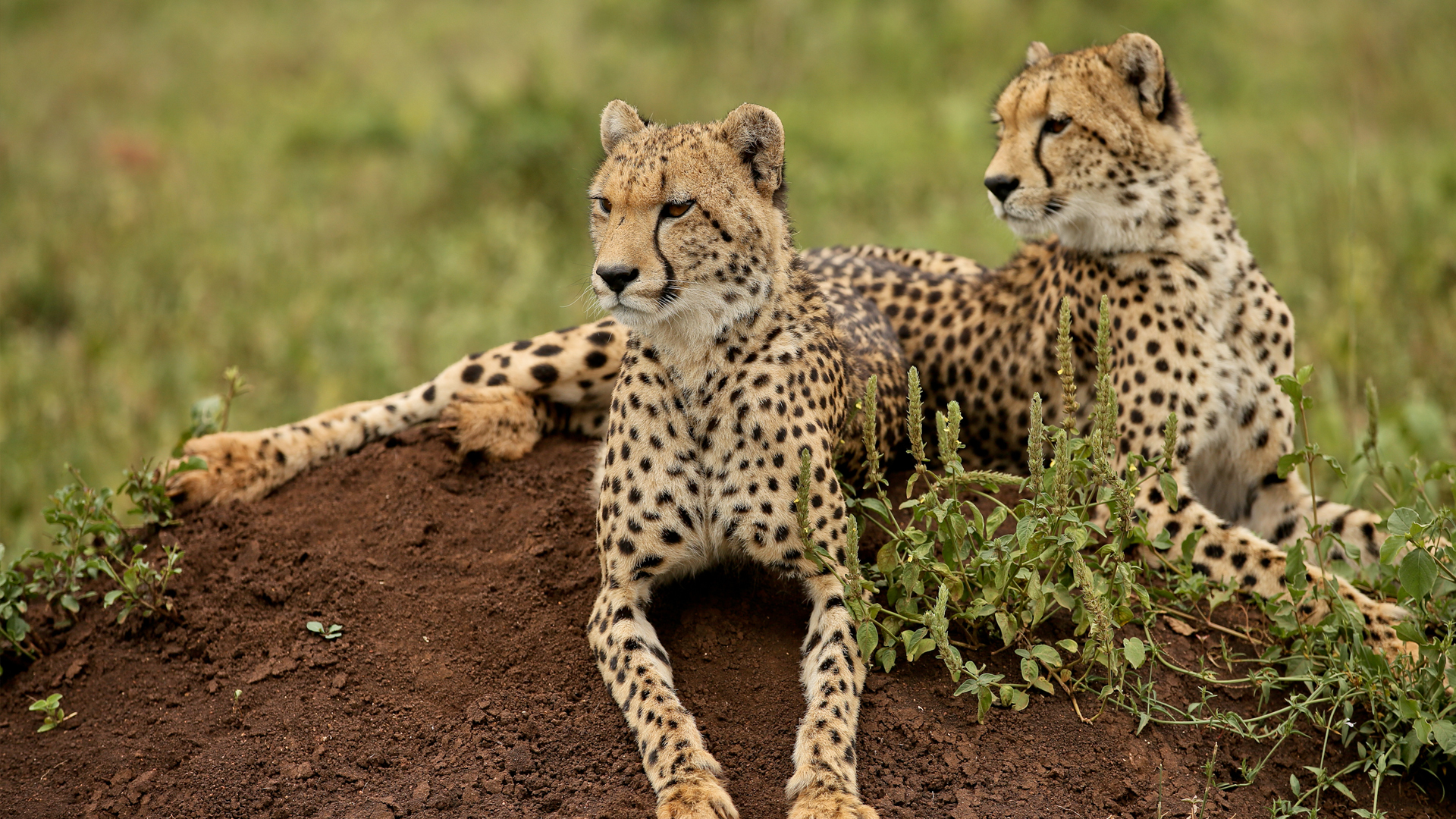
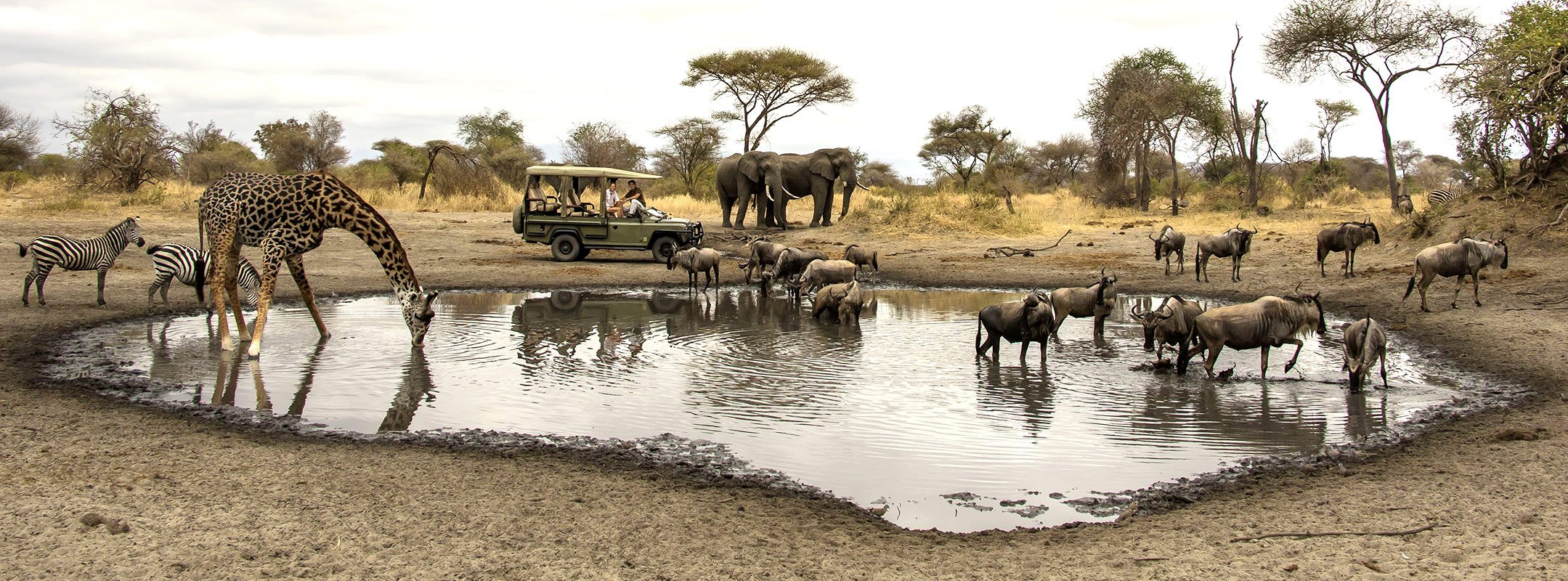
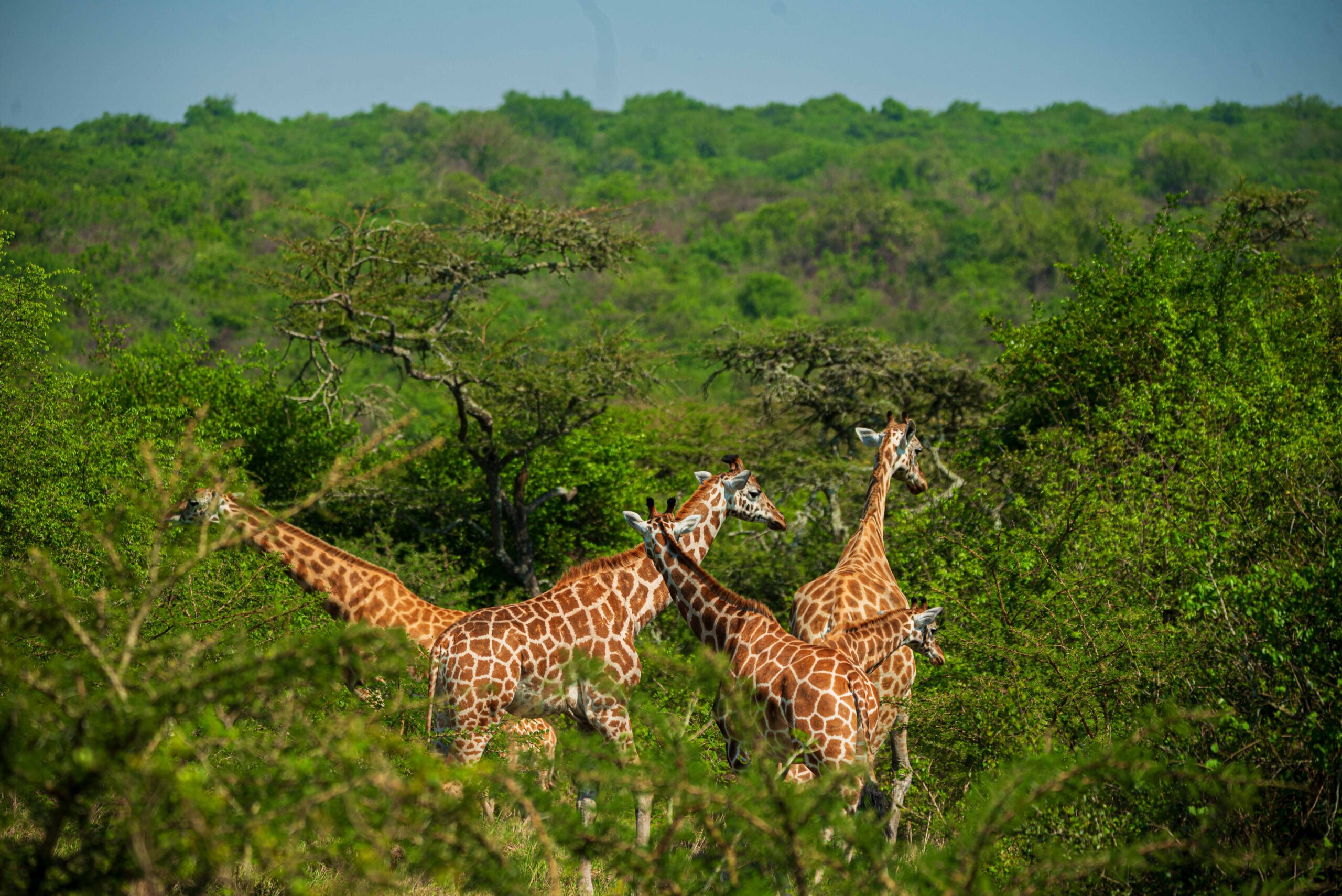
In Tanzania, wildlife is abundant and constantly present. The Serengeti National Park is one of the richest ecosystems on earth, supporting vast populations of herbivores and predators. Game drives here are often continuous in action, with herds stretching across the plains and predators following closely behind. Sightings of lions, cheetahs, elephants, and large groups of antelope are frequent, and the density of wildlife creates a strong sense of excitement throughout the day. The experience feels dynamic, with very little downtime between encounters.
Another major advantage in Tanzania is the diversity of ecosystems within a relatively connected safari circuit. From open savannahs to woodland areas and crater environments, each setting offers different species and behaviors. This variation adds depth to the Tanzania vs Namibia Safari Experience, making Tanzania ideal for travelers who want to see a wide range of animals in a relatively short period.
Namibia offers a more subtle and distinctive wildlife experience. In places like Etosha National Park, animals are adapted to survive in dry and often harsh conditions. Instead of encountering wildlife everywhere, sightings are more concentrated around waterholes, where animals gather to drink. This creates a different rhythm to the safari, where patience and observation play a larger role.
Species in Namibia are uniquely adapted to desert environments. Oryx, with their striking appearance, are commonly seen moving across arid landscapes, while desert-adapted elephants and lions demonstrate remarkable resilience. Each sighting feels more deliberate and often more rewarding because it is less predictable. The quieter pace allows travelers to spend longer observing animal behavior without the pressure of moving quickly to the next sighting.
In a Tanzania vs Namibia Safari Experience, Tanzania offers high-density wildlife and frequent encounters that create an active and engaging safari. Namibia, on the other hand, provides a more tranquil and reflective wildlife experience, where each sighting feels unique and closely tied to the surrounding environment.
The Great Migration and Unique Highlights
One of the most defining elements of a Tanzania vs Namibia Safari Experience is the presence—or absence—of large-scale wildlife events that shape the journey.
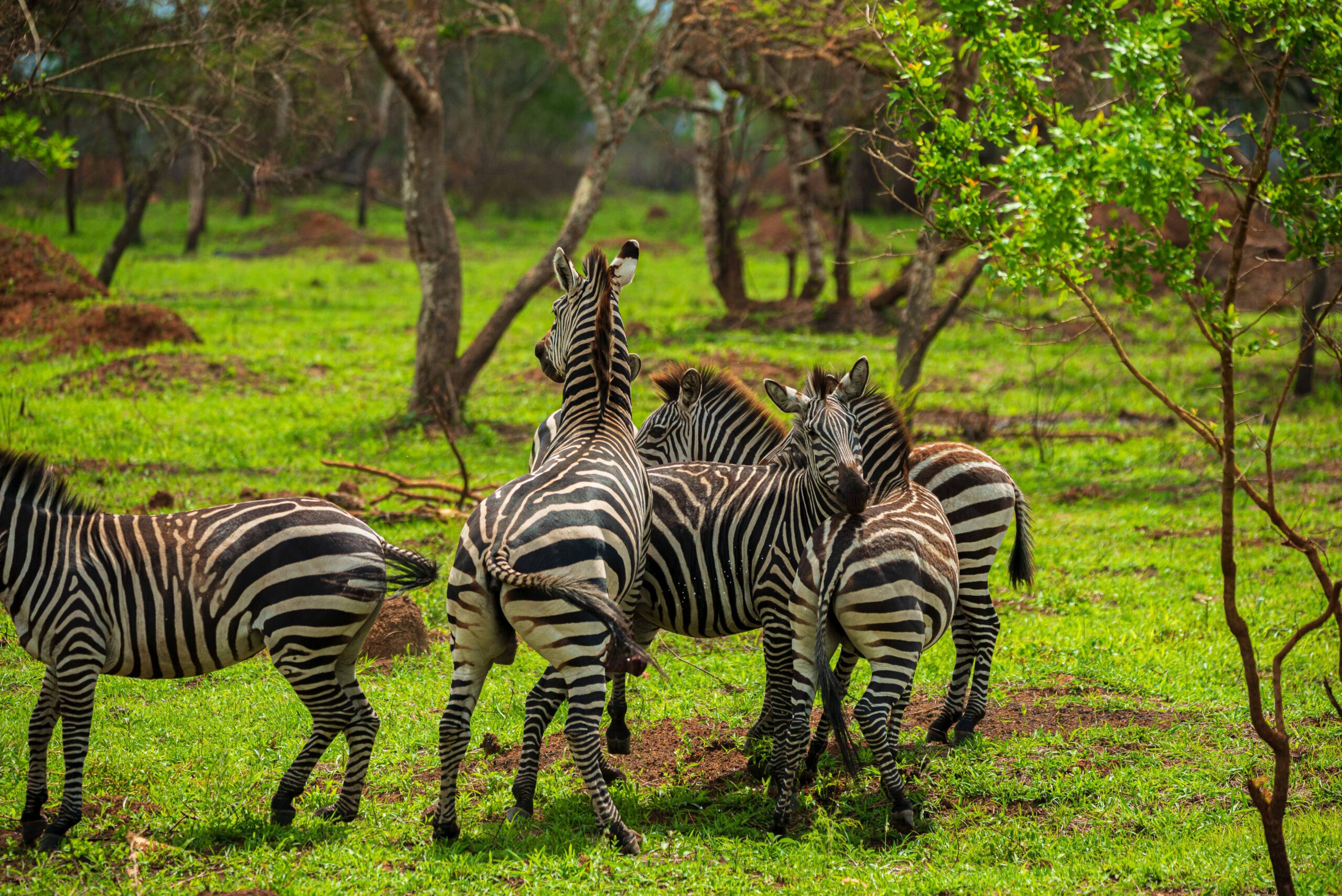
Tanzania is home to the Great Migration, one of the most extraordinary natural spectacles in the world. Across the Serengeti National Parkecosystem, millions of wildebeest, zebras, and gazelles move in a continuous cycle driven by seasonal rains. This movement creates dramatic scenes of survival, from calving seasons on the southern plains to high-risk river crossings further north. The scale and intensity of the migration add a powerful sense of motion and unpredictability to the safari, making it one of the most sought-after experiences in Africa.
Namibia does not offer a migration of this magnitude, but it provides equally compelling highlights in a completely different way. The focus shifts from wildlife movement to landscape-driven experiences. The towering dunes of Sossusvlei rise dramatically against the sky, creating some of the most iconic and visually striking scenes on the continent. Along the Skeleton Coast, rugged shores and scattered shipwrecks tell a story of isolation and natural power.
The silence of the desert, the vast open horizons, and the ever-changing light create moments that are just as memorable as wildlife encounters. These experiences appeal to travelers who value atmosphere and visual impact over constant action.
In a Tanzania vs Namibia Safari Experience, Tanzania is driven by movement, energy, and large-scale wildlife events, while Namibia is defined by stillness, dramatic scenery, and unique natural wonders that leave a lasting impression.
Cost Differences in a Tanzania vs Namibia Safari Experience
Cost is an important factor when planning a Tanzania vs Namibia Safari Experience, and the overall investment can vary significantly depending on travel style and expectations.
Tanzania is generally positioned at a higher price point, particularly for classic guided safaris in renowned parks. Entry fees for areas like the Serengeti and the Ngorongoro Crater are relatively high, and accommodation within or near these parks often reflects their prime location. In addition, most safaris in Tanzania are fully guided, which includes professional drivers, vehicles, and structured itineraries. While this increases the cost, it also ensures a seamless and well-organized experience where every detail is handled for the traveler.
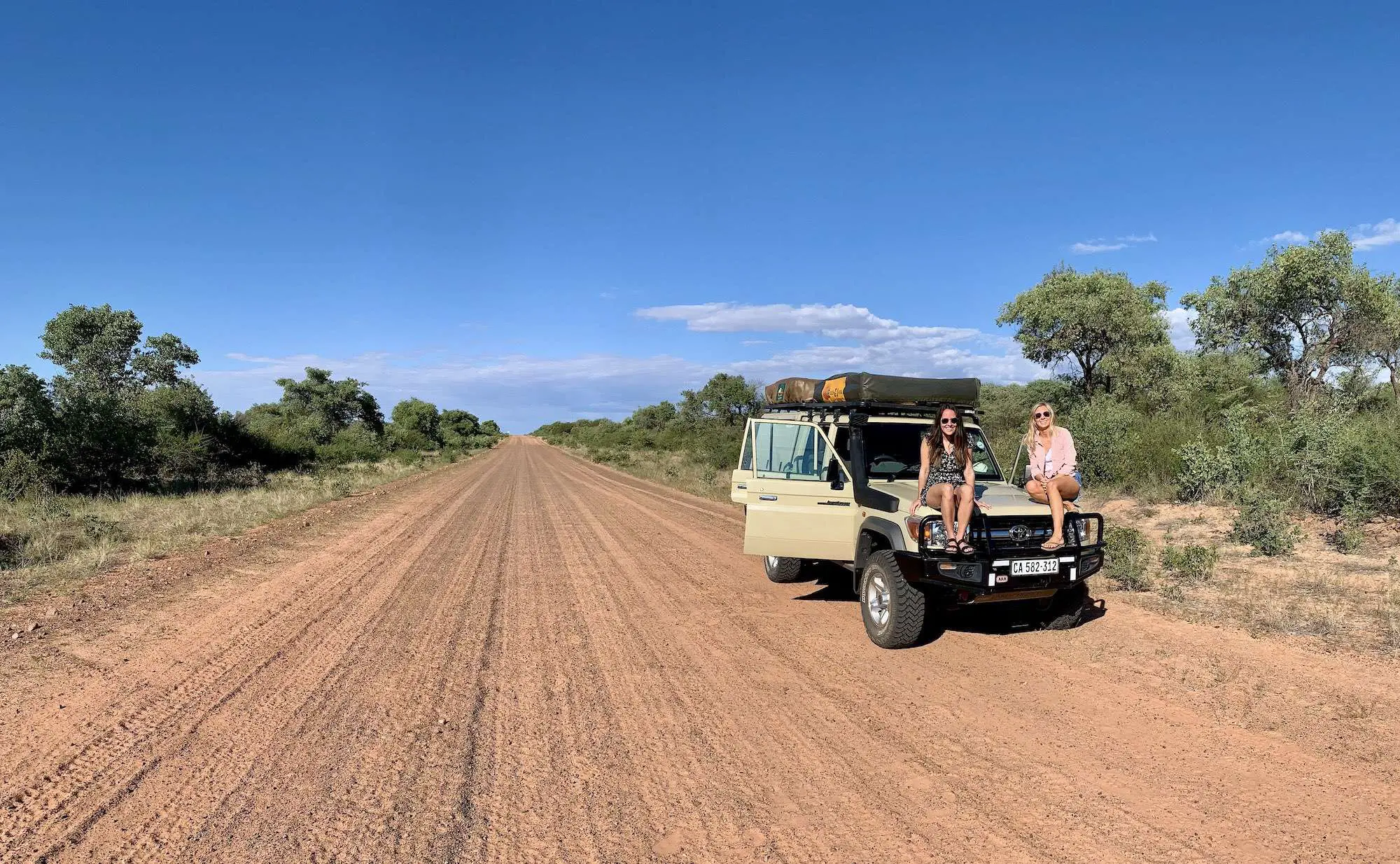
Namibia offers a more flexible pricing structure, largely due to its suitability for self-drive safaris. Travelers have the option to rent vehicles and explore the country independently, which can significantly reduce costs. Accommodation options range widely, from high-end lodges to more budget-friendly campsites, allowing travelers to tailor their experience according to their budget.
The nature of travel in Namibia also influences cost. While distances are long, the absence of mandatory guided services gives travelers more control over how they allocate their budget. This flexibility makes Namibia particularly appealing for those who enjoy independent travel and want to balance cost with experience.
In a Tanzania vs Namibia Safari Experience, Tanzania tends to be more structured and higher in overall cost, offering a comprehensive and guided safari. Namibia, by contrast, provides greater flexibility and the potential for a more cost-efficient journey, especially for travelers comfortable with self-drive exploration.
Accessibility and Travel in a Tanzania vs Namibia Safari Experience
Accessibility is a defining factor when planning a Tanzania vs Namibia Safari Experience, as it shapes how smoothly your journey unfolds and how much time is spent traveling versus exploring.
Tanzania benefits from a well-established safari infrastructure that supports both comfort and efficiency. International arrivals typically connect through major hubs, after which a network of domestic flights links key destinations such as the Serengeti National Park and Ngorongoro Crater. While distances between parks can be significant, the availability of scheduled flights and experienced safari operators ensures that travel remains organized and relatively seamless. Guided transfers, professional driver-guides, and structured itineraries reduce uncertainty and allow travelers to focus entirely on the experience.
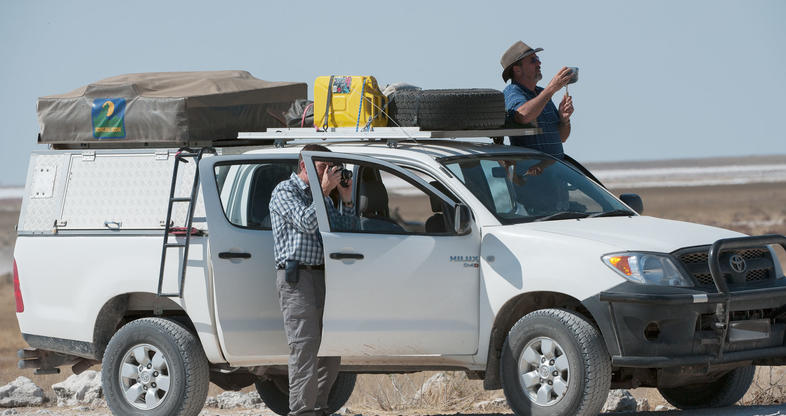
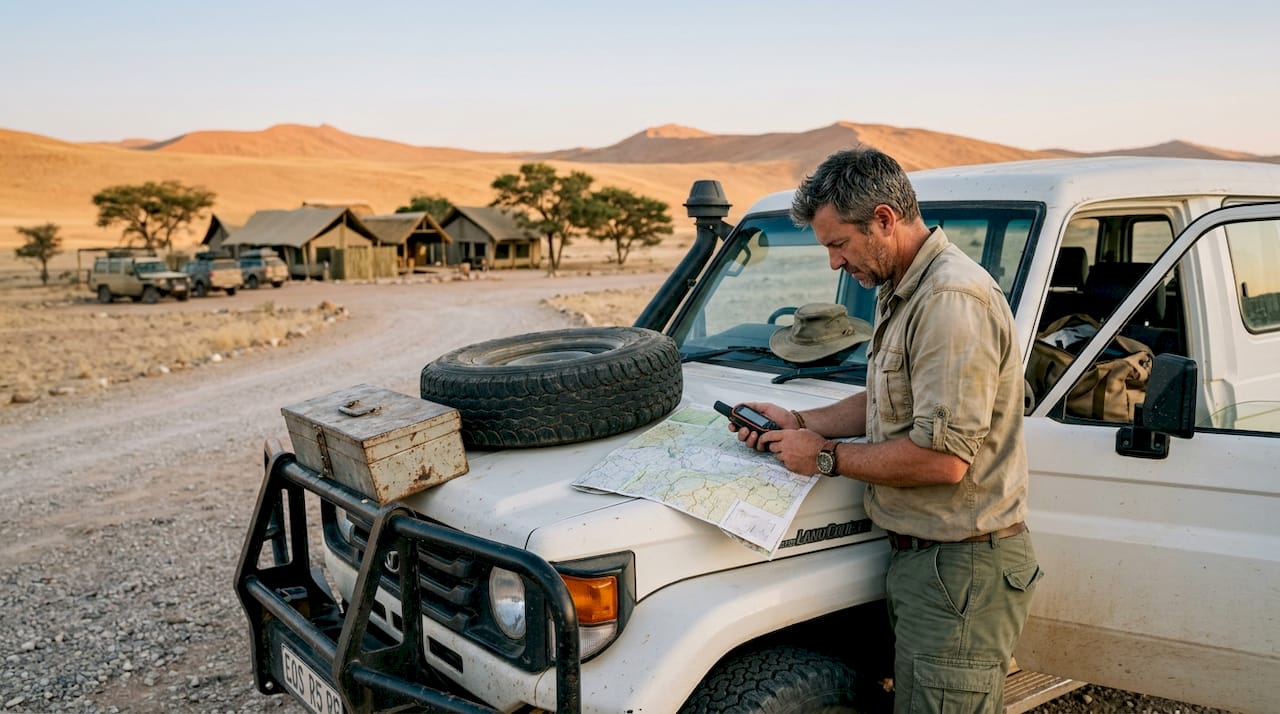
Namibia presents a more independent and exploratory approach to travel. This Safari in Namibia often involves self-drive journeys across vast and open landscapes. The road network is generally well maintained, making it suitable even for travelers with limited off-road experience. However, distances between destinations can be long, requiring careful planning and a willingness to spend extended time on the road. This aspect of travel is not a drawback for many visitors—in fact, it becomes part of the adventure, offering changing scenery and a deeper connection to the environment.
Best for First-Time Travelers in a Tanzania vs Namibia Safari Experience
For first-time visitors to Africa, choosing between destinations in a Tanzania vs Namibia Safari Experience can shape their entire impression of the continent. Both countries offer extraordinary introductions, but the style of travel differs significantly.
Tanzania is often the preferred option for first-time safari travelers because it delivers a classic and well-rounded experience. The combination of abundant wildlife, guided safaris, and organized itineraries makes it easy to navigate without prior experience. Travelers are supported throughout their journey, from airport arrival to daily game drives, which removes much of the complexity associated with planning a safari. The consistent presence of wildlife also ensures that first-time visitors quickly experience the highlights they have imagined.
Namibia offers a different kind of introduction—one that is more independent and centered around exploration. A Tanzania vs Namibia Safari Experience in Namibia is ideal for travelers who are comfortable with self-drive travel and who want to experience Africa at their own pace. Instead of focusing on frequent wildlife sightings, the journey emphasizes landscapes, scenic drives, and unique environments. This makes Namibia particularly appealing to those who value flexibility and enjoy discovering destinations in a more personal way.
In a Tanzania vs Namibia Safari Experience, Tanzania is better suited for first-time safari seekers looking for a structured and wildlife-rich journey, while Namibia appeals to more adventurous travelers who want a unique and self-guided introduction to Africa.
Best for Photographers in a Tanzania vs Namibia Safari Experience
Photography plays a major role in shaping a Tanzania vs Namibia Safari Experience, as each destination offers distinct visual opportunities that appeal to different styles of photography.
Tanzania is one of the best places in the world for capturing wildlife in action. The high density of animals in areas like theSerengeti National Park provides constant opportunities to photograph predators, large herds, and dramatic interactions. Scenes such as hunts, river crossings, and group dynamics create powerful and dynamic compositions. The variety of ecosystems also allows photographers to capture different moods and settings within a single journey, from open plains to crater landscapes.
Namibia, by contrast, is a dream destination for landscape and artistic photography. The visual appeal lies in simplicity, contrast, and scale. Locations such as Sossusvlei offer dramatic light conditions, where shadows shift across towering dunes and create ever-changing patterns. The open skies, minimal vegetation, and lack of crowds allow photographers to experiment with composition, perspective, and light in ways that are not always possible in busier wildlife areas.
In this Safari, Tanzania is ideal for photographers seeking action, wildlife behavior, and storytelling through movement, while Namibia excels in landscape photography, offering clean, powerful, and visually striking compositions that emphasize space and atmosphere.
When to Choose Tanzania in a Tanzania vs Namibia Safari Experience
Tanzania becomes the ideal choice in a Tanzania vs Namibia Safari Experience when your priority is wildlife—abundance, variety, and the feeling of being constantly surrounded by life. It is perfectly suited for travelers who want a classic safari where each day is filled with sightings and movement across some of Africa’s most iconic ecosystems.
In destinations like the Serengeti National Park, wildlife encounters are frequent and often unfold in dramatic ways. Large herds move across the plains, predators follow closely behind, and the scale of activity creates a strong sense of energy throughout the journey. The Ngorongoro Crater adds a unique dimension, offering dense wildlife populations within a compact area, making it one of the best places in Africa to see multiple species in a single day.
A Tanzania vs Namibia Safari Experience strongly favors Tanzania if you want to witness large-scale natural events such as the Great Migration, where millions of animals move across the landscape in a continuous cycle. This level of wildlife interaction and intensity is unmatched and defines Tanzania as one of the most rewarding safari destinations in the world.
Tanzania is also the better option for travelers who prefer guided experiences, where logistics, guiding, and daily planning are handled professionally. This allows you to focus entirely on the safari without worrying about navigation or planning.
In a Tanzania vs Namibia Safari Experience, choose Tanzania if you are looking for rich wildlife encounters, iconic safari settings, and an immersive experience driven by the movement and diversity of animals.
When to Choose Namibia in a Tanzania vs Namibia Safari Experience
Namibia becomes the preferred choice in a Tanzania vs Namibia Safari Experience when your focus shifts from wildlife density to landscape, atmosphere, and personal exploration. It is ideal for travelers who want to experience Africa in a quieter, more contemplative way, where the journey itself is just as important as the destinations.
The landscapes of Namibia are among the most visually striking in the world. In places like Sossusvlei, towering red dunes rise dramatically against the sky, creating powerful contrasts of light and shadow. The Namib Desert offers vast open spaces that feel almost untouched, while Etosha National Park provides a unique safari setting where wildlife gathers around waterholes in an otherwise arid environment.
A Tanzania vs Namibia Safari Experience clearly favors Namibia for travelers seeking fewer crowds and a stronger sense of solitude. Game drives and scenic routes often feel private, allowing for uninterrupted moments and a deeper connection with the surroundings. The slower pace encourages reflection, making the experience feel more personal and less structured.
Namibia is also particularly appealing to those who enjoy self-drive travel. The ability to explore at your own pace, stop where you choose, and design your own route adds a sense of freedom that is rarely found in traditional safari destinations.
In a Tanzania vs Namibia Safari, choose Namibia if you value dramatic landscapes, independence, and a peaceful journey that emphasizes scenery, space, and atmosphere over constant wildlife activity.
FAQs About Tanzania vs Namibia Safari Experience
Is Tanzania or Namibia better for safari? The answer depends on what you are looking for in a Tanzania vs Namibia Safari Experience. Tanzania is better for wildlife-focused safaris with frequent sightings and iconic parks, while Namibia is better for landscapes, scenic travel, and a more relaxed and visually driven experience.
Which is cheaper? In a Tanzania vs Namibia Safari Experience, Namibia can often be more affordable, especially for travelers who choose self-drive options and flexible accommodation. Tanzania tends to be more expensive due to park fees, guided services, and premium safari lodges.
Which offers more wildlife? Tanzania clearly offers higher wildlife density and more frequent sightings. A Tanzania vs Namibia Safari Experience in Tanzania is ideal for those who want consistent encounters with a wide range of animals, including predators and large herds.
Is Namibia good for first-time travelers? Yes, Namibia can be an excellent choice for first-time visitors who are comfortable with independent travel. A Tanzania vs Namibia Safari Experience in Namibia is especially rewarding for those who enjoy road trips, photography, and exploring at their own pace.
Can I combine both destinations? Yes, combining both creates a highly diverse and rewarding Tanzania vs Namibia Safari. Travelers can enjoy Tanzania’s wildlife-rich environments alongside Namibia’s dramatic landscapes, resulting in a well-rounded African adventure.
Plan Your Safari with Pieland Gorilla Safaris
Planning the perfect Tanzania vs Namibia Safari Experience requires more than choosing a destination—it involves understanding timing, logistics, and how to balance your expectations with the realities of travel in Africa. At Pieland Gorilla Safaris, we specialize in creating personalized journeys that reflect exactly what you want from your safari.
Whether you are drawn to Tanzania’s wildlife-rich ecosystems or Namibia’s breathtaking desert landscapes, we design itineraries that bring out the best of each destination. From selecting the right lodges and routes to arranging flights, transfers, and experienced guides, every detail is carefully planned to ensure a smooth and enjoyable journey.
Our expertise allows us to match your travel style with the right experience, whether that means a fully guided safari, a luxury escape, or a more independent adventure. With the right planning, your Safari Experience becomes more than just a trip—it becomes a meaningful journey filled with unforgettable moments.
Let us help you turn your vision into a perfectly crafted African safari.