
The Mesmerizing Reality: The Sounds of Africa at Night – Safari Experience Explained

When the sun sets and darkness takes over, a completely different world begins to emerge. The experience of The Sounds of Africa at Night is one of the most powerful and unforgettable parts of any safari.
During the day, your attention is guided by what you can see—animals, landscapes, and movement. At night, that changes completely. Vision fades into the background, and your awareness shifts to sound. Every noise becomes meaningful, every silence intentional.
In this setting, your senses adjust naturally. You begin to listen more closely, interpret more deeply, and feel more connected to your surroundings. The absence of light does not reduce the experience—it intensifies it.
Understanding The Sounds of Africa at Night allows you to experience the wilderness in a way that is more immersive and emotional. It is not simply about identifying sounds—it is about feeling the presence of life around you, even when it is unseen.
The Sounds of Africa at Night: A Living Soundscape

As darkness settles, the wilderness transforms into a complex and layered soundscape. What may have seemed quiet during the day becomes rich with activity once night falls.
In destinations like Kenya, Tanzania, and Uganda, the night is far from silent. Instead, it is filled with continuous, overlapping sounds that create a sense of movement and life.
Each layer of sound plays a role. Some are constant, forming a steady background. Others appear briefly—sharp, distinct, and attention-grabbing. Together, they create a rhythm that feels both unpredictable and perfectly balanced.
As you listen, you begin to recognize patterns. Certain sounds repeat, while others come and go. Over time, this builds a deeper awareness of the environment.
The experience of The Sounds of Africa at Night becomes immersive. You are no longer just hearing isolated noises—you are listening to an entire ecosystem in motion.
Even without seeing anything, you understand that life continues actively around you. The wilderness does not rest; it simply changes how it expresses itself.
The Sounds of Africa at Night: Calls of Predators
One of the most striking and memorable elements of The Sounds of Africa at Night is the presence of predators.
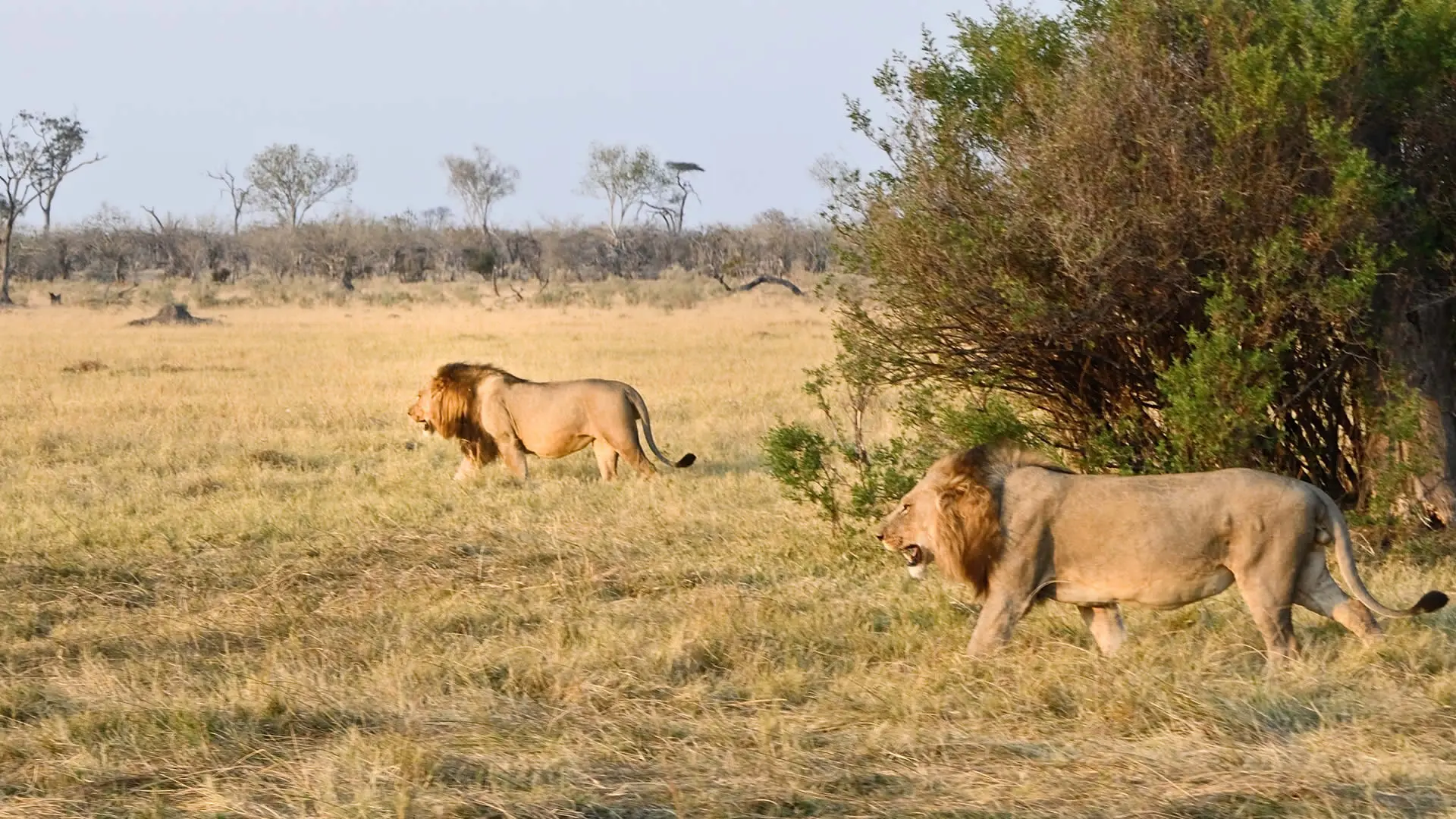
At night, their voices carry across the landscape. A distant roar may echo through the darkness, or a low growl may emerge unexpectedly. These sounds are not constant, but when they occur, they immediately capture your attention.
Without visual reference, the experience feels more intense. You cannot see where the sound is coming from, how far away it is, or what is happening. Your imagination fills in the gaps, making the moment more vivid and powerful.
In places like Kenya and Tanzania, open landscapes allow these calls to travel over long distances, creating a sense of scale. In more enclosed environments like Uganda, the sounds may feel closer, more immediate, and more immersive.
These calls serve a purpose in the natural world—communication, territory, or coordination. But for you, they create an emotional response.
There is a mix of excitement and awareness. You are reminded that the wilderness is active, dynamic, and completely alive. You are not just listening—you are experiencing a moment that feels raw and real.
Within The Sounds of Africa at Night, predator calls stand out because they connect you directly to the untamed nature of the environment.
They highlight a simple truth: even in darkness, the wilderness is never still.
The Sounds of Africa at Night: The Chorus of Insects and Birds

Beyond the dramatic calls of larger animals, a steady and intricate background of sound fills the night. This layer is often the most constant, shaping the overall atmosphere in subtle but powerful ways.
Insects form the foundation of The Sounds of Africa at Night. Their rhythms are continuous, almost hypnotic, creating a natural pulse that runs through the darkness. These sounds may seem simple at first, but as you listen more closely, you begin to notice variations—different tones, patterns, and intensities blending together.
This constant presence gives the environment a sense of movement, even when everything appears still. It creates continuity, reminding you that life is active at every level.
Occasionally, night-active birds add a distinct contrast to this background. Their calls are sharper, more defined, and often spaced out. When one echoes through the darkness, it breaks the rhythm briefly, drawing your attention before fading again.
In regions like Uganda, where forests are dense, these sounds feel layered and close, surrounding you completely. In open areas such as Kenya or Tanzania, the same sounds travel farther, creating a more expansive and open acoustic experience.
Together, insects and birds create a natural harmony. It is not structured like music, yet it feels balanced and complete.
Within The Sounds of Africa at Night, this chorus becomes the steady backdrop that holds everything together.
The Sounds of Africa at Night: Movement You Cannot See

One of the most intriguing aspects of The Sounds of Africa at Night is the experience of hearing movement without being able to see it.
In the darkness, your senses shift. Without visual confirmation, your attention sharpens naturally. A small sound—a rustle in the grass, a branch shifting, or a faint set of footsteps—can feel much more significant than it would during the day.
Each sound invites curiosity. You begin to wonder what caused it, how close it might be, and what is happening just beyond your sight.
This uncertainty does not feel uncomfortable—it feels engaging.
In fact, it is one of the elements that makes nighttime in the wilderness so unique. Your imagination becomes part of the experience, filling in the gaps and creating a deeper connection to the environment.
In places like Tanzania and Kenya, where landscapes are more open, these movements may feel distant yet noticeable. In more enclosed environments such as Uganda, the sounds can feel closer, adding a sense of immediacy.
Within The Sounds of Africa at Night, unseen movement adds a layer of mystery. It reminds you that the wilderness is active in ways you cannot fully observe.
That sense of the unknown is what makes the experience so memorable.
The Sounds of Africa at Night: The Feeling of Being Surrounded by Nature

Listening to The Sounds of Africa at Night creates a powerful sense of immersion that is difficult to experience elsewhere.
During the day, your focus is often directed toward specific sights—animals, landscapes, or movement. At night, that focus expands. Sound comes from every direction, surrounding you completely.
You are no longer just observing the environment—you are inside it.
The sounds do not come from one place. They come from behind you, beside you, far in the distance, and sometimes unexpectedly close. This creates a feeling that is both calming and deeply engaging.
There is a sense of connection that develops naturally. You become aware that you are part of a living system, sharing space with countless forms of life.
At the same time, there is also a reminder of the wildness around you. The environment feels real, active, and untamed. This balance—between calm and awareness—is what defines the nighttime experience.
In The Sounds of Africa at Night, this feeling of being surrounded becomes one of the most powerful elements.
It is not just about listening. It is about being present, fully aware, and connected to the wilderness in a way that feels complete and unforgettable.
The Sounds of Africa at Night: Emotional Impact

The emotional effect of The Sounds of Africa at Night often surprises travelers because it goes beyond what they expect from a safari experience.
At first, the darkness may feel unfamiliar. Gradually, as your senses adjust, the sounds begin to shape how you feel. The steady rhythm of insects, the distant calls of animals, and the gentle movement of the environment create a sense of calm that feels natural and grounding.
For many, this becomes deeply peaceful. The absence of visual distractions allows your mind to settle. Breathing slows, thoughts become clearer, and you begin to feel fully present in the moment.
At the same time, there is another layer to the experience.
Unpredictable sounds—sudden calls, movement in the distance, or a change in rhythm—can bring a sense of excitement and heightened awareness. Your attention sharpens, and you become more alert to everything around you.
This balance between calm and alertness is what makes The Sounds of Africa at Night so unique.
You are relaxed, yet aware. Peaceful, yet engaged.
In both cases, the emotional response is strong. Whether it is calm reflection or quiet excitement, the experience creates a lasting impression. It becomes one of those moments that stays with you long after the safari ends—not because of what you saw, but because of how you felt.
The Sounds of Africa at Night: Why It Is So Memorable

What makes The Sounds of Africa at Night truly unforgettable is its authenticity.
Nothing is staged. Nothing is controlled. Every sound you hear is part of a natural system unfolding in real time.
This authenticity creates a deeper level of connection. You are not observing something designed for you—you are experiencing nature as it exists.
Because of this, the experience feels immersive. You are surrounded by real, unscripted activity, and every sound has meaning within the environment.
Another reason it stands out is its contrast to daytime experiences. During the day, your focus is guided by sight. At night, sound becomes your primary connection. This shift changes how you engage with the wilderness.
You begin to listen more carefully, interpret more deeply, and imagine what lies beyond your view.
In The Sounds of Africa at Night, this combination of authenticity and sensory shift creates a memory that feels complete. It is not just something you remember—it is something you felt.
That is why many travelers consider nighttime soundscapes to be one of the highlights of their safari. They offer a different perspective—one that is quieter, deeper, and more immersive.
Frequently Asked Questions About The Sounds of Africa at Night

Are the sounds of Africa at night safe?
Yes, the experience of The Sounds of Africa at Night is safe when you are staying in properly managed safari lodges or camps. These accommodations are designed to keep guests secure while still allowing you to hear and feel the natural environment around you.
What kind of sounds can I expect at night on safari?
During The Sounds of Africa at Night, you may hear insects, birds, distant animal calls, and movement in the surrounding landscape. Some sounds are continuous, while others appear suddenly, creating a dynamic and immersive experience.
Will I hear predators at night?
It is possible. In The Sounds of Africa at Night, you might hear distant calls from animals such as lions or hyenas, depending on your location. These sounds are not constant but can be one of the most memorable parts of the experience.
Is it difficult to sleep with the sounds of Africa at night?
Most travelers adjust quickly. The natural rhythm of The Sounds of Africa at Night often becomes calming rather than disruptive. Many people find it more peaceful than urban noise once they become familiar with it.
Do all safari destinations have the same night sounds?
No, the experience of The Sounds of Africa at Night varies by location. In Kenya and Tanzania, sounds may feel more open and spread out, while in Uganda, especially in forested areas, they can feel closer and more layered.
Can I experience night safaris as part of this?
Yes, in some areas. While not all national parks allow night drives, private conservancies and certain reserves offer guided night safaris where you can actively experience The Sounds of Africa at Night along with nocturnal wildlife.
Why are nighttime sounds so memorable?
The reason The Sounds of Africa at Night stay with you is because they engage your senses differently. Without relying on sight, you become more aware of your surroundings, creating a deeper and more emotional connection to the wilderness.
Do I need to prepare for nighttime experiences on safari?
Preparation is simple. Comfortable clothing, a light jacket, and an open mindset are all you need to enjoy The Sounds of Africa at Night. Being ready to listen and experience without expectations enhances the moment.
Will I feel scared hearing sounds at night?
Some travelers feel a sense of excitement or heightened awareness at first. However, in The Sounds of Africa at Night, this feeling usually shifts into fascination and appreciation as you become more familiar with the environment.
Is this experience included in all safaris?
Yes, if you stay in wilderness lodges or camps. Even without night drives, simply spending the night in the wild allows you to experience The Sounds of Africa at Night naturally.
Plan Your Safari Experience with Experts

At Pieland Gorilla Safaris, we understand how powerful experiences like The Sounds of Africa at Night are in shaping a complete and meaningful safari journey.
A well-designed safari is not only about what happens during the day. It is about experiencing the full rhythm of the wilderness—from sunrise to sunset and into the night.
We create itineraries that allow you to fully engage with both sides of the experience.
Carefully selected lodges are positioned in locations where the natural environment is present around you at all times. This ensures that even when you are resting, you remain connected to the wilderness.
Our planning focuses on balance. Each day includes opportunities for activity, exploration, and quiet reflection. This allows you to experience the energy of daytime safaris and the depth of nighttime immersion.
Across destinations like Uganda, Kenya, and Tanzania, we design journeys that bring you closer to nature in a way that feels natural and seamless.
Expert guides enhance every part of the experience, helping you understand not only what you see, but also what you hear. They provide insight into the environment, allowing you to fully appreciate moments like The Sounds of Africa at Night.
Your safari should not be limited to daylight hours.
It should include the full experience—the movement, the stillness, the light, and the sound.
That is how truly unforgettable journeys are created.