Virunga Mountain Gorilla Trekking
Overview of Virunga National Park
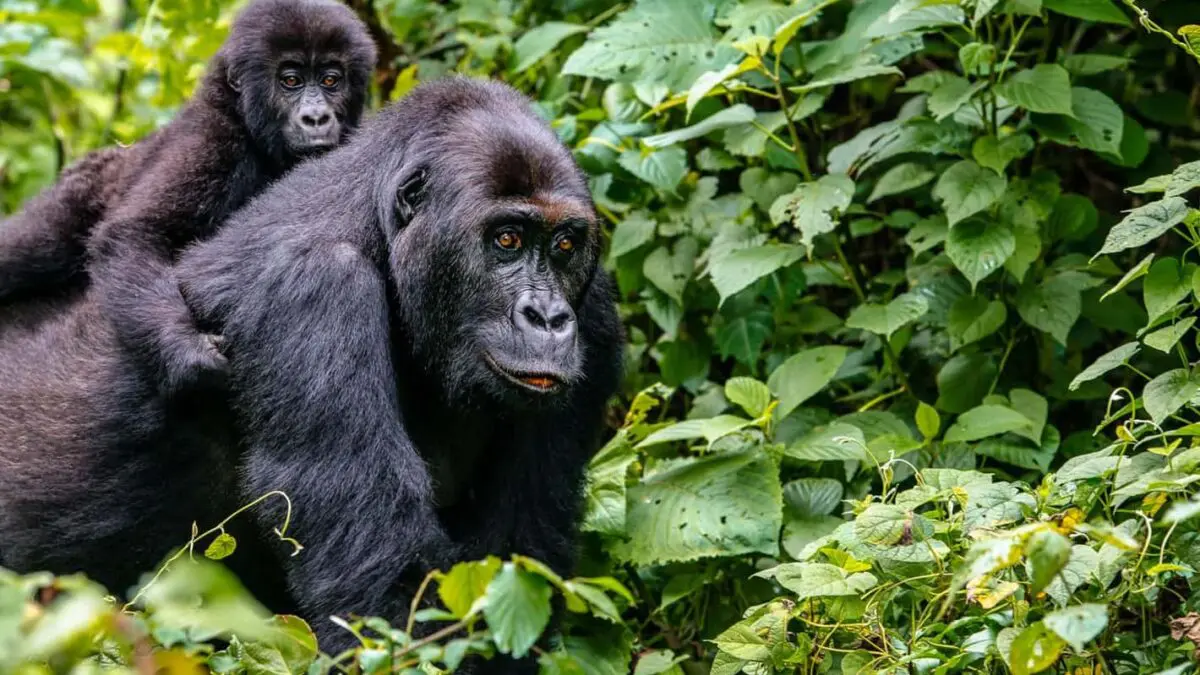
Virunga mountain gorilla trekking is typicall done in the Virunga National Park, located in the Democratic Republic of the Congo (DRC) .This Park is the Africa’s oldest national park and a UNESCO World Heritage Site. Established in 1925, the park spans over 7,800 square kilometers of diverse landscapes, ranging from volcanic mountains to lowland forests, grasslands, and wetlands. It is renowned for its breathtaking natural beauty and rich ecological diversity. Virunga is one of the most biodiverse places on the planet, hosting over 2,000 plant species, 700 bird species, and countless mammal species.
Virunga is famous for being the home of the endangered mountain gorillas and is a vital sanctuary for their conservation. The park is also a haven for wildlife such as forest elephants, bush elephants, chimpanzees, buffaloes, hippopotamuses, and rare bird species. The park is situated at the intersection of the Virunga Volcanic Range and Lake Tanganyika, making it a natural wonder of significant global importance.
Importance of Mountain Gorillas
Mountain gorillas are one of the most endangered primate species in the world, with only around 1,000 individuals remaining in the wild. These gorillas live in the dense forests of the Virunga Mountains, which span across three countries: the DRC, Rwanda, and Uganda. Virunga National Park is home to half of the world’s remaining mountain gorillas, making it one of the best destinations for gorilla trekking.
These incredible creatures are highly social and live in family groups, led by a dominant silverback. Seeing these majestic animals in their natural environment is not only a once-in-a-lifetime opportunity but also plays a crucial role in supporting conservation efforts. Trekking to see the mountain gorillas in Virunga provides vital funding for their protection and helps raise awareness about the threats they face, including habitat loss, poaching, and the effects of climate change.
Why Choose Virunga mountain gorilla trekking?
Rich Biodiversity
Virunga National Park is one of the richest ecosystems on Earth, offering a diverse array of wildlife in addition to mountain gorillas. The park is a sanctuary for forest elephants, chimpanzees, baboons, and a variety of antelope species like the bongo. Additionally, the park hosts over 700 bird species, including the Shoebill, African Fish Eagle, and hornbills. With such a range of flora and fauna, Virunga offers a complete wildlife experience for visitors.
The park’s unique landscape, which includes the active volcano Mount Nyiragongo, lava lakes, rainforests, and savannas, contributes to this biodiversity. This makes trekking through Virunga not only a chance to observe gorillas but also an opportunity to experience an extraordinary range of wildlife and ecosystems, all within the same park.
Accessibility to Adventurers
While Virunga is in a remote region of the DRC, it remains relatively accessible for adventure travelers. The park is located just a short distance from Goma, the largest city in the DRC’s eastern region. From Goma, it’s possible to reach the park in a few hours by road. Most visitors arrive in Goma via international flights that land at Goma International Airport. From there, organized transport and tours take travelers directly into the park.
Virunga offers guided treks that vary in difficulty depending on the location of the gorilla families. Some treks are shorter and less strenuous, while others can be more challenging, involving steep climbs and dense forest walks. This variety allows trekkers of all fitness levels to experience the gorillas in their natural habitat. It’s the ideal destination for adventurers seeking both a physical challenge and a profound wildlife experience.
Conservation Efforts
Virunga National Park plays an incredibly important role in the conservation of the mountain gorilla population. The park is at the forefront of efforts to combat poaching, reduce human-wildlife conflict, and protect the gorillas’ natural habitats. The park has implemented strict anti-poaching measures and works closely with local communities to raise awareness about the importance of preserving the gorillas and other wildlife in the area.
The park also plays a significant role in the habituation of gorilla families, which allows visitors to safely and respectfully interact with these incredible creatures in the wild. The income generated from trekking permits directly contributes to these conservation efforts, funding park operations, wildlife monitoring, and educational programs for local communities.
Virunga’s commitment to conservation is not just about protecting gorillas; it is about ensuring the long-term survival of all the species that call the park home. By choosing Virunga for your gorilla trekking experience, you are not only embarking on an unforgettable adventure but also actively contributing to the protection and preservation of one of the world’s most iconic species.
Virunga Mountain Gorilla Trekking Experience
Trekking Overview
Virunga National Park offers an unforgettable mountain gorilla trekking experience, providing a rare chance to encounter one of the world’s most endangered species in their natural habitat. The treks are led by expert park rangers and local guides, all of whom are trained to ensure the safety of both visitors and gorillas.
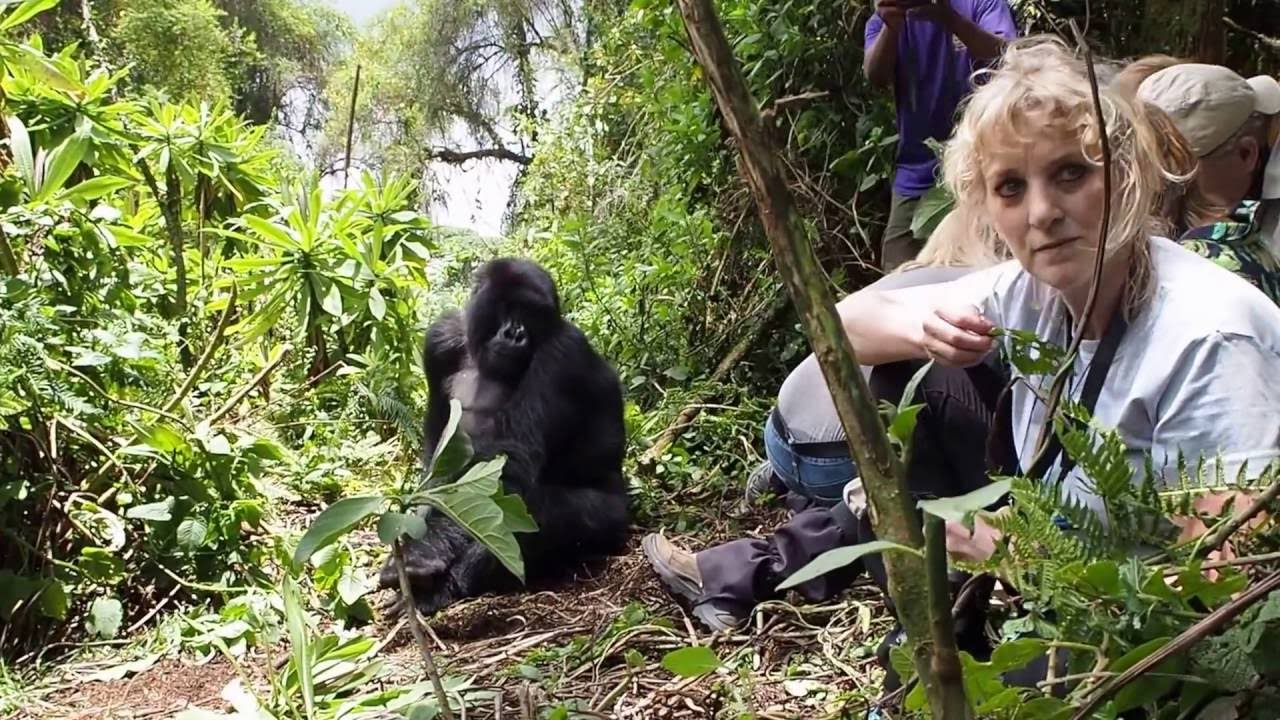
The trek begins early in the morning at the starting point of the park, where groups are briefed on safety guidelines and trekking protocols. You’ll be assigned to a specific gorilla family group, and the trek will take you through lush forests, volcanic slopes, and sometimes swampy regions, where the gorillas are located.
The goal is to find the designated family group of mountain gorillas, after which you will spend one hour with them, observing their behavior and taking photos. During this time, visitors are advised to remain calm, respectful, and maintain a safe distance from the gorillas.
Trek Difficulty
The difficulty of the trek in Virunga depends on the location of the assigned gorilla group. The trek can be moderate to strenuous, with the park’s rugged terrain and steep inclines adding to the challenge. Some of the paths can be muddy and slippery, especially during the rainy season, which makes it crucial to wear sturdy hiking boots and appropriate clothing.
The distance to the gorilla families varies: you might trek from 1 to 4 hours to find the gorillas. Some gorilla families live in more accessible areas that require a shorter trek, while others live in the more remote regions of the park, requiring a longer and more physically demanding hike.
While the trek can be demanding, the experience is rewarding, and trekkers of various fitness levels can participate. Porters are available to assist with carrying backpacks and providing additional support, especially for those who may need help with the steeper climbs.
Duration for Virunga mountain gorilla trekking
The duration of the mountain gorilla trek can vary based on the terrain and location of the assigned gorilla group. On average, treks last around 1 to 4 hours. However, depending on the gorilla group’s position on the mountain slopes, the trek may take longer or shorter.
The actual time spent with the gorillas is one hour, which is the maximum allowed to ensure the well-being of the gorillas and avoid disrupting their natural behavior. The trek itself is quite physically engaging, and trekkers should prepare for a half-day activity that involves hiking through the forest and rugged terrain.
After the trek, many visitors choose to return to their accommodations and rest, though some opt for other activities in Virunga, such as hiking Mount Nyiragongo or enjoying a scenic boat trip on Lake Tanganyika.
What You’ll See
During your trek, you’ll experience more than just gorillas. Virunga is one of the most biodiverse parks in Africa, and you’ll be trekking through lush forests, volcanic landscapes, and mountainous terrains that are home to a wealth of wildlife.
- Mountain Gorillas: The highlight of your trek will be the mountain gorillas, who live in family groups and are usually led by a dominant silverback. You’ll witness their natural behaviors, from feeding to playing, grooming, and interacting with each other.
- Other Wildlife: While gorillas are the main attraction, you may also encounter chimpanzees, forest elephants, buffaloes, and a variety of antelope species along your trek. Birdwatching is also popular in Virunga, where you can spot rare species like the African Fish Eagle or hornbills.
- Unique Flora: The forest itself is home to rare plants and flowers, including the giant lobelia and endemic tree species that thrive in the park’s unique volcanic soil.
Gorilla Families You’ll Visit on your Virunga mountain gorilla trekking
Virunga National Park is home to several habituated mountain gorilla families, each with their own unique dynamics. The park is part of the greater Virunga massif, which spans across three countries and contains the majority of the world’s remaining mountain gorillas.
The gorilla families in Virunga are habituated to human presence, meaning they are accustomed to seeing trekkers and are less likely to be disturbed by their presence. Visitors are assigned to a specific family group for the trek.
- Mapuwa Family: One of the more famous families, the Mapuwa family is known for its dynamic silverback and playful young gorillas. They live in an area with relatively moderate trekking, offering a great option for first-time trekkers.
- Bageni Family: The Bageni family is located in a more remote part of Virunga, meaning it can require a more strenuous trek. This family group is renowned for its large silverback, and observing them is a highlight for serious wildlife enthusiasts.
- Other Families: There are several other gorilla families in Virunga, including the Munyaga, Lulinda, and Karisimbi families, each with their own unique traits and behaviors.
The trek to see the mountain gorillas of Virunga is a life-changing adventure, offering unparalleled access to one of the most majestic creatures on Earth. The experience is designed not only to create memorable moments but also to support critical conservation efforts that help preserve these magnificent animals and their habitat.
Best Time for Gorilla Trekking in Virunga
Dry Season (June – September)
The dry season in Virunga, from June to September, is widely regarded as the best time for gorilla trekking. During this period, the trails are drier, making the trek more comfortable, especially for first-time trekkers or those who may not be used to hiking in rugged terrain. The weather is typically mild, with less rain and clearer skies, allowing trekkers to enjoy stunning views of the Virunga Mountains and surrounding landscapes.
- Advantages of the Dry Season:
- Drier Trails: The forest paths are less muddy and slippery, making trekking easier and safer.
- Ideal for Photography: With clearer skies and better visibility, it’s the best time for capturing amazing photographs of the gorillas and the lush surroundings.
- Comfortable Trekking Conditions: The temperatures are cooler and more comfortable, as the humidity levels are lower compared to the wet season.
- Booking Tips: As this is the peak season for gorilla trekking, permits can sell out quickly, especially for the most popular trekking groups. It is recommended to book your permit well in advance, ideally several months before your travel date.
Wet Season (October – May)
While the wet season in Virunga, from October to May, can present more challenging conditions, it offers certain benefits for those who don’t mind the occasional rain.
- Advantages of the Wet Season:
- Fewer Tourists: With less demand during the rainy season, the park is quieter, allowing for a more intimate trekking experience without large crowds.
- Greener Landscape: The forest is lush and vibrant, providing a breathtaking backdrop for trekking and photography.
- Lower Permit Prices: Some tour operators may offer lower rates during the wet season due to the fewer tourists visiting.
- Challenges During the Wet Season:
- Muddy Trails: Rain can make the trails muddy and slippery, which can make the trek more physically demanding and require more stamina.
- Unpredictable Weather: Heavy downpours are common, and trekkers may encounter wet conditions that could affect visibility and comfort.
- Booking Tips: If you’re traveling during the wet season, be prepared for potential weather delays and pack accordingly. While the park remains open year-round, flexibility is key when planning your visit.
Virunga Trekking Costs & Permits
Permit Price
The gorilla trekking permit for Virunga National Park costs USD 400 per person for a one-hour visit with the mountain gorillas. The permit fee covers park entry, the guided trek, and wildlife monitoring efforts carried out by the park staff.
What’s Included in the Permit Price:
-
- Park Entry: Access to Virunga National Park for the trekking experience.
- Guided Trek: An experienced guide will lead you through the forest and help you find the gorillas, ensuring your safety and adherence to park guidelines.
- Wildlife Conservation: The permit fee goes towards supporting conservation efforts, including anti-poaching measures and habitat protection for the gorillas.
- Additional Fees: While the USD 400 covers the permit itself, additional costs may arise for other activities, such as hiking Mount Nyiragongo or visiting other sections of the park.
Additional Costs (Transport, Accommodation)
While the trekking permit covers the primary costs, there are additional expenses to consider when planning your trip to Virunga National Park:
- Transport:
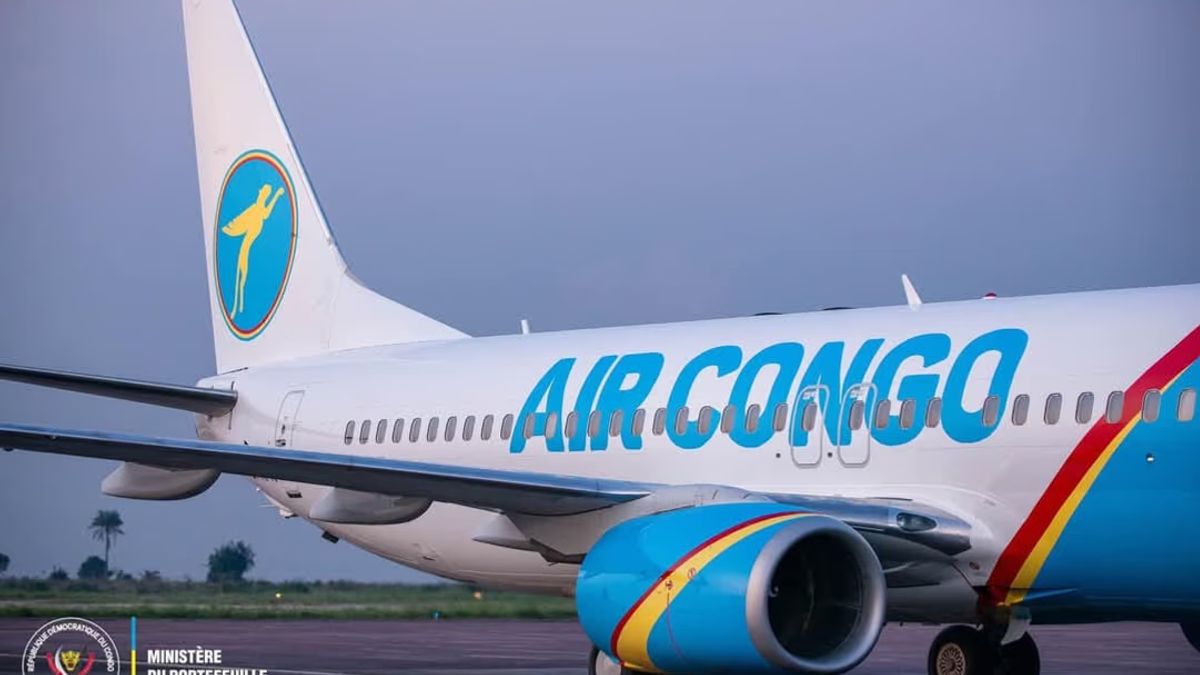
- Flights to Goma: The most common entry point to Virunga is Goma, a city in eastern DRC. Flights are available from Kigali (Rwanda) and Nairobi (Kenya) to Goma International Airport. Flight costs vary depending on your departure point and booking time.
- Transfers to the Park: After arriving in Goma, you’ll need to take a road transfer to Virunga National Park. Most tour operators offer guided transfer services, with costs varying depending on the distance and vehicle type.
- Flights to Goma: The most common entry point to Virunga is Goma, a city in eastern DRC. Flights are available from Kigali (Rwanda) and Nairobi (Kenya) to Goma International Airport. Flight costs vary depending on your departure point and booking time.
- Accommodation:
- Luxury Options: For those seeking comfort, Mikeno Lodge and Virunga Lodge offer luxurious stays with stunning views of the mountains. Prices range from USD 250 to USD 500 per night, depending on the accommodation type and season.
- Mid-Range & Budget Options: More affordable options are available near the park, such as community-run lodges or guesthouses, with prices typically ranging from USD 50 to USD 150 per night.
- Camping: There are also camping options for those seeking a more adventurous, budget-friendly stay.
- Porters: It’s highly recommended to hire a porter during your trek, especially if you’re not accustomed to hiking in the rugged conditions of the Virunga Mountains. Porters typically cost USD 15 to USD 25 per day and provide assistance with carrying your belongings, as well as offering support during the trek.
How to Get to Virunga National Park
Access via Goma
The nearest major city to Virunga National Park is Goma, located in eastern DRC near the Rwandan border. Goma serves as the main gateway for travelers heading to the park. The city has good transport connections from various regions, including Kigali (Rwanda), Nairobi (Kenya), and other African cities.
- From Goma to the Park: Once you arrive in Goma, it takes around 1 to 2 hours by road to reach the park’s main trekking areas. Visitors often travel with tour operators who organize airport transfers and guide services.
Flight and Transfer Options
- Flights to Goma:
- International Flights: While Goma’s airport has limited international flights, there are direct flights from Kigali (Rwanda), which is a popular entry point for travelers heading to Virunga. A flight from Kigali to Goma takes approximately 1 hour.
- Regional Flights: Some flights also arrive from Nairobi (Kenya) or other East African hubs.
- Transfers from Goma to Virunga: From Goma, visitors typically use private transport or organized group transfers to the park. Many tour operators include these transfers in their packages. Roads in the region can be rough, so it’s best to travel with a local guide familiar with the routes.
- Alternative Entry from Rwanda:
- Via Kigali (Rwanda): Travelers can fly into Kigali and take a 4-5 hour drive to Virunga, entering from the Rwandan side at Cyanika or Gatuna Border. Many prefer this route due to ease of access and the relatively safe and comfortable roads.
Travel insight for Virunga mountain gorilla trekking
Visiting Virunga National Park for a mountain gorilla trekking experience is an adventure that combines breathtaking nature, rich wildlife, and a meaningful contribution to conservation. By carefully planning for the best time to visit, understanding the associated costs, and knowing how to get to the park, you’ll ensure a seamless and unforgettable trip to one of Africa’s most iconic and vital natural reserves.
Accommodation Near Virunga
Luxury Stays (e.g., Mikeno Lodge)
Virunga National Park offers a variety of luxury accommodations that allow you to experience both comfort and proximity to nature. These lodges are ideal for those looking to enjoy the beauty of the park while being treated to premium services.
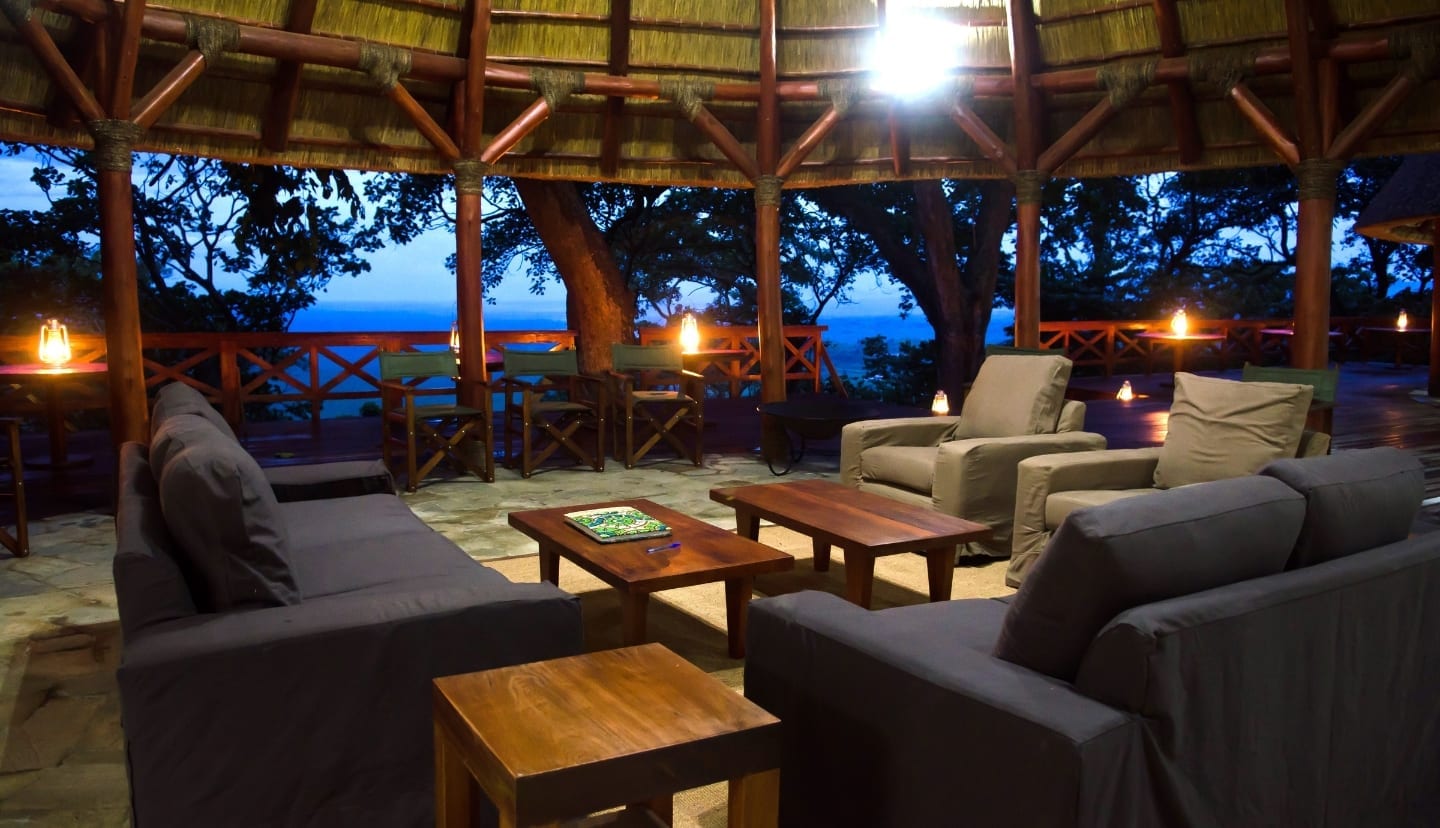
- Mikeno Lodge:
- Located just outside the park, Mikeno Lodge offers a luxurious stay with breathtaking views of the Virunga Mountains. The lodge is famous for its secluded location and intimate atmosphere, providing an exclusive escape for visitors.
- The lodge features spacious stone cottages, each with its own fireplace, private patio, and panoramic views of the surrounding mountains. The on-site restaurant serves high-quality local and international dishes, while the bar offers a selection of drinks and cozy ambiance.
- Rates for Mikeno Lodge generally range from USD 250 to USD 500 per night, depending on the season and type of room.
- Virunga Lodge:
- Another luxury option is Virunga Lodge, which is known for its stunning views of both the Virunga Mountains and Lake Ruhondo. This lodge provides en-suite rooms with private balconies, offering a panoramic experience of the natural surroundings.
- Guests can enjoy a range of activities, including guided nature walks, visits to the gorilla habituation centers, and spa treatments. The lodge is also committed to eco-friendly practices, ensuring that your stay has minimal environmental impact.
- Rates at Virunga Lodge typically range from USD 350 to USD 700 per night.
Budget Options for Virunga mountain gorilla trekking
For those on a tighter budget, there are affordable accommodations available near Virunga National Park that still offer a comfortable stay while keeping costs down.
- Guesthouses:
- There are several local guesthouses in Goma and near the park entrance that offer basic but comfortable accommodation for travelers. These options typically provide private rooms with basic amenities, including hot showers, free Wi-Fi, and local meals.
- Prices for guesthouses range from USD 50 to USD 150 per night, depending on the location and season. They are ideal for budget-conscious travelers who don’t mind sacrificing some luxury for a more authentic local experience.
- Campgrounds:
- For those seeking a more adventurous and budget-friendly experience, camping is available in the vicinity of Virunga. Some eco-camps offer basic tented accommodations with shared facilities, ideal for backpackers or travelers looking to immerse themselves in nature.
- Zongo Camp is a popular choice for campers, offering affordable rates and an opportunity to stay close to the park’s entrance. Rates for camping typically start at around USD 30 per night for a basic tented accommodation.
- Community-Based Lodges:
- Several community-run lodges offer affordable stays while supporting local conservation and development projects. These lodges are typically located in rural areas near the park entrance, providing a unique opportunity to interact with local communities and learn about their culture.
- Rates for community-based lodges range from USD 40 to USD 80 per night.
Safety and Travel Considerations
Travel Safety and Security for Virunga mountain gorilla trekking
Virunga National Park is located in an area that has historically faced security challenges due to the proximity of conflict zones. However, the situation has improved significantly in recent years, and the park is now much safer for travelers, thanks to efforts by the park authorities and international organizations.
- Security Measures: Visitors are required to travel with armed park rangers during their trek to ensure the safety of both tourists and the wildlife. These rangers are trained to handle any potential security risks and provide expert guidance during treks.
- Travel Warnings: It’s important to stay updated on the security situation before traveling to Virunga. Checking for any government travel advisories and seeking advice from a reputable tour operator can help ensure your safety.
- Local Support: Tour operators with local knowledge are highly recommended, as they understand the region’s security landscape and can provide the necessary guidance for a safe trip.
Guides and Porters
- Guides: A trained guide will accompany you on your gorilla trek, ensuring that the experience is both informative and safe. Guides have in-depth knowledge of the park, its wildlife, and the mountain gorillas. They are also experts in interpreting the gorillas’ behavior and leading safe treks through the forest.
- Cost: The guides are usually included in the trekking permit fee, but tips are appreciated for their expertise and service.
- Porters: Hiring a porter is highly recommended, especially for travelers who may not be accustomed to trekking in rugged terrain. Porters help with carrying your bags and providing additional support during the trek. They are invaluable for ensuring that trekkers remain comfortable and have a successful experience.
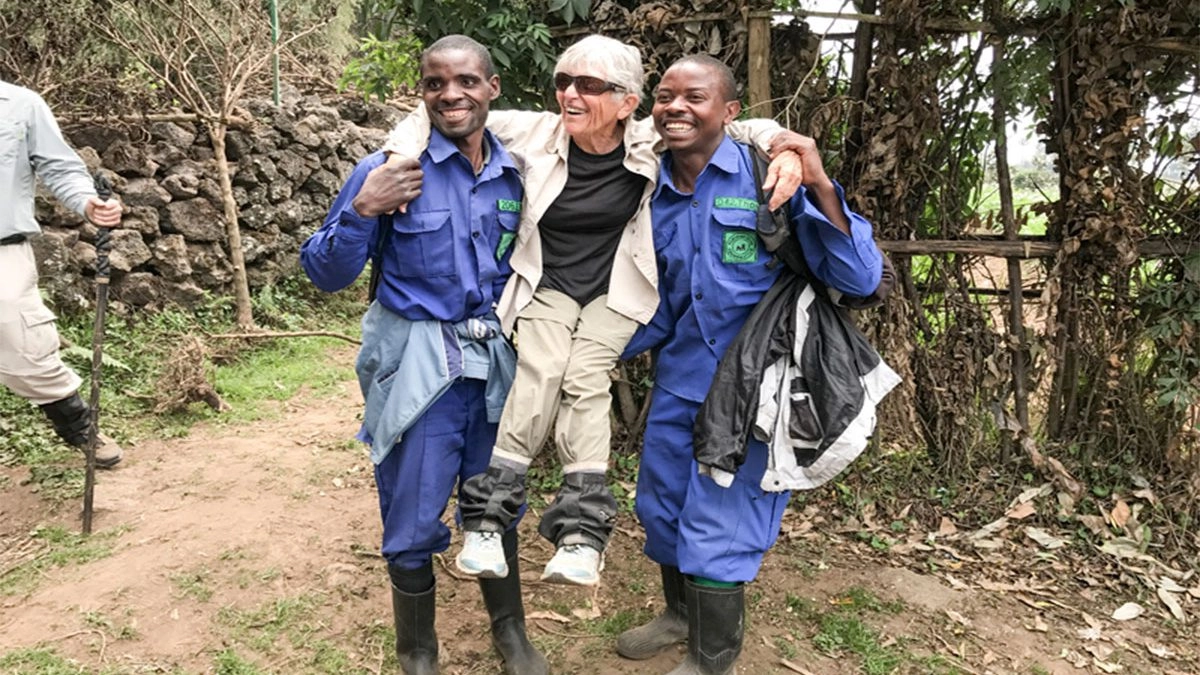
- Cost: Porters typically charge around USD 15 to USD 25 per day, depending on the trek’s length and difficulty.
Health Precautions
- Vaccinations: Before traveling to Virunga, ensure that you are up-to-date with necessary vaccinations. Yellow fever, typhoid, hepatitis A, and malaria prophylaxis are commonly recommended for travelers to this region. It’s best to consult a travel clinic before your trip to get specific recommendations based on your medical history and itinerary.
- Health Insurance: It is strongly recommended to have travel health insurance that covers potential emergencies, including medical evacuations. Ensure your insurance provider covers adventure travel in remote areas.
- Altitude Considerations: Virunga is located at a high altitude, so trekkers may experience altitude sickness, especially if ascending to Mount Nyiragongo or higher elevation areas. To mitigate this risk, it’s recommended to acclimatize properly and take it slow during your trek. Hydration and resting frequently are essential to reduce the chances of altitude-related issues.
- Medical Facilities: The closest medical facilities are in Goma, although the options may be limited. For serious medical emergencies, air evacuations may be required, making it crucial to have appropriate insurance in place.
Accommodation Insight
When planning your trip to Virunga National Park, choosing the right accommodation and ensuring proper safety and health precautions are key to having a successful and enjoyable experience. From luxury lodges to budget-friendly guesthouses, there are accommodations for every type of traveler. Understanding the safety measures and the need for local guides and porters will ensure a smooth and secure trekking experience with the majestic mountain gorillas.
Packing Tips for Your Gorilla Trek
Clothing
The right clothing is crucial to ensure comfort and protection during your gorilla trekking experience in Virunga National Park, where you’ll be navigating rugged terrain and dense forests. Here’s what to pack:
- Sturdy Hiking Boots: A pair of waterproof, ankle-supporting hiking boots is essential for trekking through muddy, slippery, and uneven terrain. They provide grip and protection from rocks and thorns.
- Long-Sleeved Shirt and Pants: To protect yourself from scratches, insects, and the sun, it’s recommended to wear lightweight, moisture-wicking long sleeves and long pants. Choose quick-drying materials that won’t retain moisture if it rains.
- Waterproof Jacket: The weather in Virunga can be unpredictable, so a waterproof jacket will protect you from rain. It’s advisable to opt for a breathable, lightweight jacket to stay comfortable.
- Gloves: Protect your hands from thorns, bushes, and the cold by wearing lightweight gloves.
- Hat and Sunglasses: A wide-brimmed hat will provide shade and keep the sun off your face, while sunglasses will protect your eyes from the glare.
- Gaiters: Gaiters are a good addition to protect your legs and boots from mud, water, and thorns, especially during the wet season.
Gear
In addition to appropriate clothing, there are a few essential items of gear to bring to ensure a successful and enjoyable trek:
- Daypack: A small daypack is perfect for carrying essentials such as water, snacks, and extra layers. It should be lightweight and waterproof to protect your items.
- Camera with Zoom Lens: Wildlife photography is a must on the trek. A camera with a zoom lens will allow you to capture the gorillas without getting too close. Ensure that your camera is protected in a waterproof bag.
- Binoculars: Bring binoculars for a closer look at the diverse wildlife of Virunga, from birds to forest elephants.
- Walking Poles: Trekking poles can be very useful for balance and support, especially on steep or slippery terrain.
- Headlamp/Flashlight: If you’re staying in remote accommodations, a headlamp or flashlight can help you navigate after dark, especially if you’re camping.
Other Essentials
These additional items will ensure that you have a safe and comfortable trek:
- Water and Snacks: It’s important to stay hydrated, so bring at least 1-2 liters of water. Energy snacks like granola bars, dried fruit, and nuts are also useful to keep your energy levels up during the trek.
- First-Aid Kit: A basic first-aid kit with items such as bandages, pain relief, antiseptic wipes, and personal medications should be carried with you.
- Personal Identification: Don’t forget your passport, trekking permit, and travel insurance details. These should be kept in a waterproof bag.
- Insect Repellent: Apply insect repellent on exposed skin to prevent mosquito bites and other insects in the forest.
- Plastic Bags: Pack some plastic bags for dirty or wet clothing.
Why Book with Pieland Gorilla Safaris
Expertly Designed Itineraries
At Pieland Gorilla Safaris, we specialize in crafting customized itineraries that cater to your interests and schedule. Our team of experts will guide you through every aspect of your gorilla trekking experience, from the best times to visit to the optimal gorilla families to trek. We focus on:
- Tailored Experiences: Whether you want a luxury experience or a more authentic, budget-friendly trek, we design itineraries that match your preferences and budget.
- Multi-Day Itineraries: Our itineraries often combine gorilla trekking with visits to other attractions in the region, such as chimpanzee trekking, game drives, and volcano hikes, offering a comprehensive East African adventure.
Local Knowledge
With years of experience and deep local connections, Pieland Gorilla Safaris provides you with access to the best guides, accommodations, and insider knowledge of the region. Our team is based in Uganda and has extensive experience with Virunga National Park, ensuring that:
- Local Expertise: Our guides are local to the region and possess unparalleled knowledge of the terrain, wildlife, and gorilla families, ensuring a more authentic and insightful trekking experience.
- Cultural Sensitivity: We work closely with local communities to ensure our tours are ethically conducted, supporting the region’s conservation efforts and community development initiatives.
Exclusive Access
Booking with Pieland Gorilla Safaris offers you exclusive access to some of the best trekking experiences in Virunga, including:
- Privileged Trekking Groups: We ensure that our clients are assigned to some of the best and most accessible gorilla families, maximizing the likelihood of having an intimate, personal encounter with the gorillas.
- VIP Services: For those seeking a premium experience, we offer VIP packages that include luxury accommodation, private guides, and even helicopter transfers to make your journey smoother and more luxurious.
- Seamless Planning: From visa assistance to permit booking, we handle all the logistics, ensuring your trip is stress-free from start to finish.
Conclusion
Booking with Pieland Gorilla Safaris guarantees an unforgettable and seamless adventure in Virunga. With our expertly crafted itineraries, deep local knowledge, and access to exclusive experiences, we ensure that your gorilla trekking journey will be both memorable and impactful, contributing to the conservation of these magnificent animals.
Talk to the Gorilla safari expert in Virunga National Park.
FAQs About Virunga mountain gorilla trekking
How physically demanding is the gorilla trekking experience in Virunga?
The trek’s difficulty can vary depending on the location of the gorillas, but it is generally moderate to strenuous, especially in areas with steep inclines or wet conditions.
What should I bring with me for the trek to Virunga?
You should pack sturdy hiking boots, waterproof clothing, a daypack, a camera, and insect repellent. A walking stick and gloves are also highly recommended for comfort.
Is it safe to go gorilla trekking in Virunga National Park?
Yes, the park has safety measures in place, including armed park rangers for protection. The area is generally safe for trekkers, although it’s important to stay updated on travel advisories.
Can I trek with young children in Virunga National Park?
The trek is physically demanding, and most visitors are required to be at least 15 years old. Children may not be allowed, depending on the trek’s difficulty and the park’s regulations.
What is the best time of year to visit Virunga for gorilla trekking?
The best time is during the dry season, from June to September, when the trails are drier, and weather conditions are more favorable for trekking.
Do I need a visa to visit the Democratic Republic of Congo?
Yes, most visitors need a visa to enter the DRC. It is recommended to apply for a tourist visa in advance, especially for those traveling for gorilla trekking.
Can I visit Virunga National Park from Rwanda?
Yes, you can enter Virunga from Rwanda. A 4-5 hour drive from Kigali will take you to the park’s Cyanika or Gatuna Border, where you can cross into the DRC.
How much does a gorilla trekking permit for Virunga National Park cost?
The permit costs USD 400 per person for a one-hour visit with the mountain gorillas. This price includes park entry, a guided trek, and wildlife monitoring.
Are there any restrictions on the number of people allowed to trek with the gorillas?
Yes, only a limited number of trekkers are allowed to visit each gorilla family to minimize the impact on the animals. It is advisable to book your permit well in advance.
Can I take photos during the gorilla trekking experience?
Yes, you can take photos, but flash photography is prohibited to protect the gorillas. Visitors are encouraged to observe and capture their experience respectfully.
How long will I spend with the gorillas during the trek?
You will spend a maximum of one hour with the gorillas, which is the recommended time to avoid disturbing their natural behavior.
Are there any other activities available in Virunga National Park besides gorilla trekking?
Yes, Virunga offers additional activities like hiking Mount Nyiragongo, visiting lava lakes, and enjoying boat trips on Lake Tanganyika.
Is there an age limit for trekking in Virunga?
Yes, trekkers must be at least 15 years old to participate in gorilla trekking. There is no upper age limit, but participants must be physically fit for the trek.
What kind of wildlife can I expect to see in Virunga besides gorillas?
In addition to gorillas, you may see forest elephants, chimpanzees, buffaloes, antelope species like the bongo, and a variety of bird species, including the African Fish Eagle.
How far will I have to trek to find the gorillas in Virunga?
Trekking distances can vary from 1 to 4 hours, depending on where the gorillas are located. Some families live in more accessible areas, while others require longer hikes through more remote terrain.
What happens if I don’t find the gorillas on my trek?
If you don’t find the gorillas, the rangers will continue searching, and you will be refunded or given a chance to return on a different day, depending on park policies.
Are there any health precautions I need to take before visiting Virunga?
Vaccinations for yellow fever, typhoid, hepatitis A, and malaria prophylaxis are commonly recommended. Always consult with a travel clinic before your trip.
Can I hire a porter for the trek?
Yes, hiring a porter is highly recommended, especially for those who need help with carrying gear or navigating challenging terrain. Porters cost around USD 15 to USD 25 per day.
What should I know about the park’s conservation efforts before visiting?
Virunga National Park is committed to protecting its wildlife, particularly mountain gorillas. The income generated from trekking permits goes towards anti-poaching efforts, wildlife monitoring, and community education.
How do I book my gorilla trekking permit for Virunga National Park?
You can book permit directly through the Virunga National Park or through a reputable tour operator like Pieland Gorilla Safaris to assist with permits, transport, and accommodation.