
The Ultimate Visa Guide for Multi-Country Safaris in Africa
Planning a safari across multiple countries is an exciting way to experience Africa’s diversity, but understanding visa requirements is essential. This Visa Guide for Multi-Country Safaris helps you navigate entry rules, avoid delays, and ensure a smooth journey across borders.

From gorilla trekking in Uganda and Rwanda to wildlife safaris in Kenya and Tanzania, a well-planned Visa Guide for Multi-Country Safaris ensures your trip runs seamlessly.
This guide covers everything you need to know about visas, entry requirements, and travel logistics for a successful Visa Guide for Multi-Country Safaris experience.
Why You Need a Visa Guide for Multi-Country Safaris
A Visa Guide for Multi-Country Safaris is essential because every African country has its own immigration rules, visa policies, and entry procedures. When traveling across borders, even small misunderstandings can lead to delays, extra costs, or denied entry.

One of the biggest challenges travelers face is assuming that visa requirements are similar across countries. In reality, each destination has its own system—some offer visas on arrival, others require advance applications, and some have regional visa agreements. Without a proper Visa Guide for Multi-Country Safaris, it’s easy to overlook these differences.
In regions like East and Southern Africa, cross-border travel is very common. For example, a typical itinerary might involve arriving in one country, trekking gorillas in another, and continuing to a third for a classic wildlife safari. A clear Visa Guide for Multi-Country Safaris helps you understand how to move between these countries smoothly and legally.
Another important factor is timing. Some visas must be applied for in advance, while others can be obtained on arrival. Knowing when and where to apply is a key part of planning a successful Visa Guide for Multi-Country Safaris.
Documentation is equally important. Travelers are often required to present passports with sufficient validity, proof of onward travel, and vaccination certificates. Missing any of these can disrupt your journey.
Ultimately, having a well-prepared Visa Guide for Multi-Country Safaris ensures your trip is stress-free, allowing you to focus on the experience rather than administrative challenges.
East Africa Tourist Visa Explained
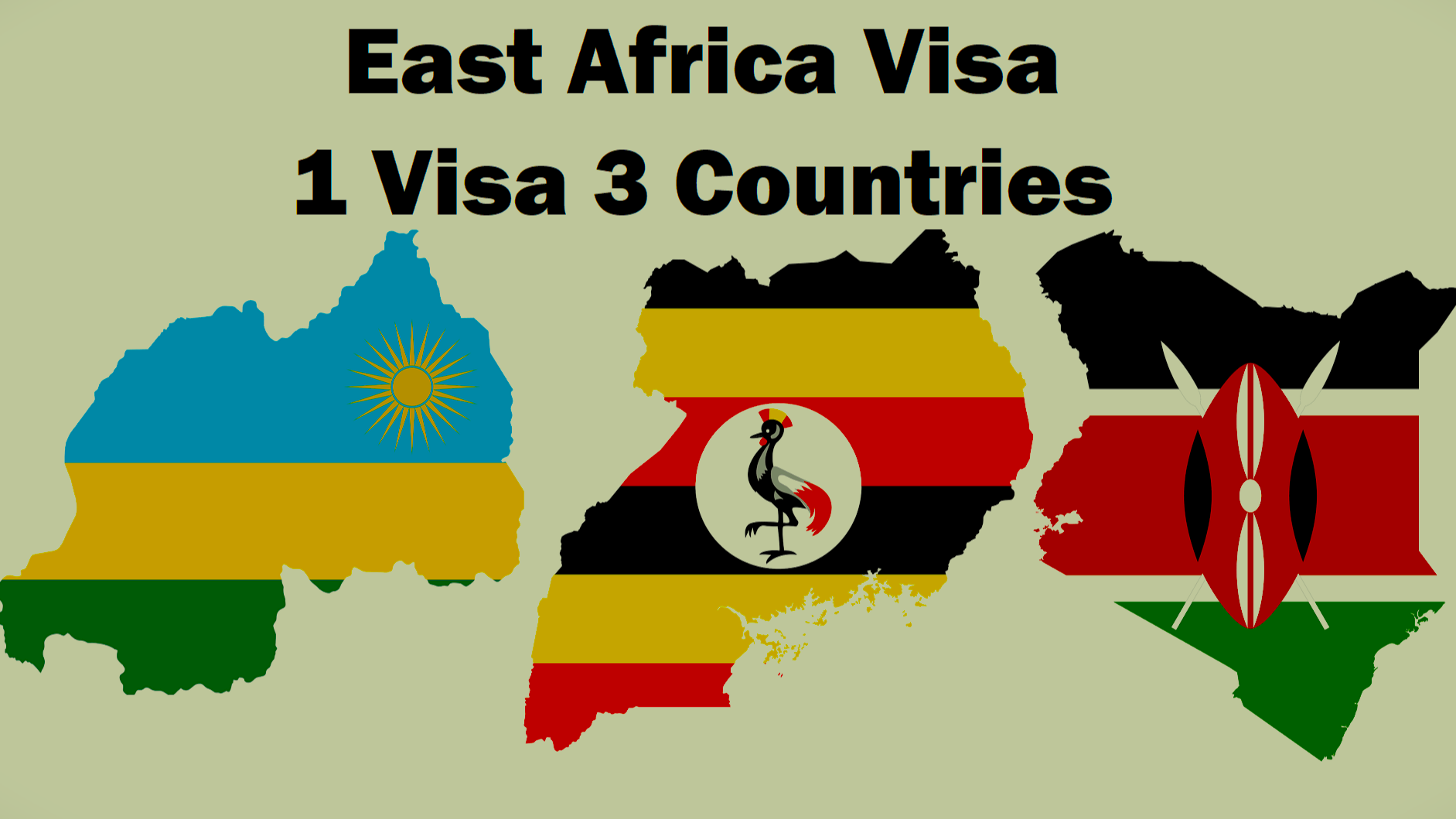
One of the most valuable tools in any Visa Guide for Multi-Country Safaris is the East Africa Tourist Visa. This visa simplifies travel across multiple countries and is especially useful for itineraries focused on East Africa.
The East Africa Tourist Visa allows seamless travel between:
- Uganda
- Rwanda
- Kenya
With a single application, travelers can enter all three countries without needing separate visas. This makes it a key component of a well-planned Visa Guide for Multi-Country Safaris, especially for those combining gorilla trekking with traditional wildlife safaris.
The visa is typically valid for 90 days, giving you enough time to explore multiple destinations at a relaxed pace. It also allows multiple entries within the participating countries, meaning you can cross borders without needing to reapply.
The cost is approximately $100, which is more economical than purchasing separate visas for each country. This makes it both a convenient and cost-effective option in a Visa Guide for Multi-Country Safaris.
However, there are important rules to understand. The visa must be obtained from the country where you first enter. For example, if your journey begins in Rwanda, you must apply through Rwanda. From there, you can travel freely between the three countries.
It’s also important to note that this visa only covers these three nations. If your itinerary includes destinations like Tanzania, you will need a separate visa for that country.
The East Africa Tourist Visa is one of the biggest advantages when planning a Visa Guide for Multi-Country Safaris in the region. It simplifies logistics, reduces costs, and makes cross-border travel much more efficient.
By understanding how this visa works, you can build a smoother, more flexible itinerary and fully enjoy your safari without unnecessary complications.
Planning a safari across multiple countries is an exciting way to experience Africa’s diversity, but understanding visa requirements is essential. This Visa Guide for Multi-Country Safaris helps you navigate entry rules, avoid delays, and ensure a smooth journey across borders.
From gorilla trekking in Uganda and Rwanda to wildlife safaris in Kenya and Tanzania, a well-planned Visa Guide for Multi-Country Safaris ensures your trip runs seamlessly.
This guide covers everything you need to know about visas, entry requirements, and travel logistics for a successful Visa Guide for Multi-Country Safaris experience.
Why You Need a Visa Guide for Multi-Country Safaris
A Visa Guide for Multi-Country Safaris is essential because every African country has its own immigration rules, visa policies, and entry procedures. When traveling across borders, even small misunderstandings can lead to delays, extra costs, or denied entry.

One of the biggest challenges travelers face is assuming that visa requirements are similar across countries. In reality, each destination has its own system—some offer visas on arrival, others require advance applications, and some have regional visa agreements. Without a proper Visa Guide for Multi-Country Safaris, it’s easy to overlook these differences.
In regions like East and Southern Africa, cross-border travel is very common. For example, a typical itinerary might involve arriving in one country, trekking gorillas in another, and continuing to a third for a classic wildlife safari. A clear Visa Guide for Multi-Country Safaris helps you understand how to move between these countries smoothly and legally.
Another important factor is timing. Some visas must be applied for in advance, while others can be obtained on arrival. Knowing when and where to apply is a key part of planning a successful Visa Guide for Multi-Country Safaris.
Documentation is equally important. Travelers are often required to present passports with sufficient validity, proof of onward travel, and vaccination certificates. Missing any of these can disrupt your journey.
Ultimately, having a well-prepared Visa Guide for Multi-Country Safaris ensures your trip is stress-free, allowing you to focus on the experience rather than administrative challenges.
East Africa Tourist Visa Explained
One of the most valuable tools in any Visa Guide for Multi-Country Safaris is the East Africa Tourist Visa. This visa simplifies travel across multiple countries and is especially useful for itineraries focused on East Africa.
The East Africa Tourist Visa allows seamless travel between:
- Uganda
- Rwanda
- Kenya
With a single application, travelers can enter all three countries without needing separate visas. This makes it a key component of a well-planned Visa Guide for Multi-Country Safaris, especially for those combining gorilla trekking with traditional wildlife safaris.
The visa is typically valid for 90 days, giving you enough time to explore multiple destinations at a relaxed pace. It also allows multiple entries within the participating countries, meaning you can cross borders without needing to reapply.
The cost is approximately $100, which is more economical than purchasing separate visas for each country. This makes it both a convenient and cost-effective option in a Visa Guide for Multi-Country Safaris.
However, there are important rules to understand. The visa must be obtained from the country where you first enter. For example, if your journey begins in Rwanda, you must apply through Rwanda. From there, you can travel freely between the three countries.
It’s also important to note that this visa only covers these three nations. If your itinerary includes destinations like Tanzania, you will need a separate visa for that country.
The East Africa Tourist Visa is one of the biggest advantages when planning a Visa Guide for Multi-Country Safaris in the region. It simplifies logistics, reduces costs, and makes cross-border travel much more efficient.
By understanding how this visa works, you can build a smoother, more flexible itinerary and fully enjoy your safari without unnecessary complications.
Tanzania Visa Requirements
When planning a Visa Guide for Multi-Country Safaris, it’s important to understand that Tanzania is not part of the East Africa Tourist Visa. This means travelers must obtain a separate visa if their itinerary includes destinations like the Serengeti National Park or the Ngorongoro Crater.
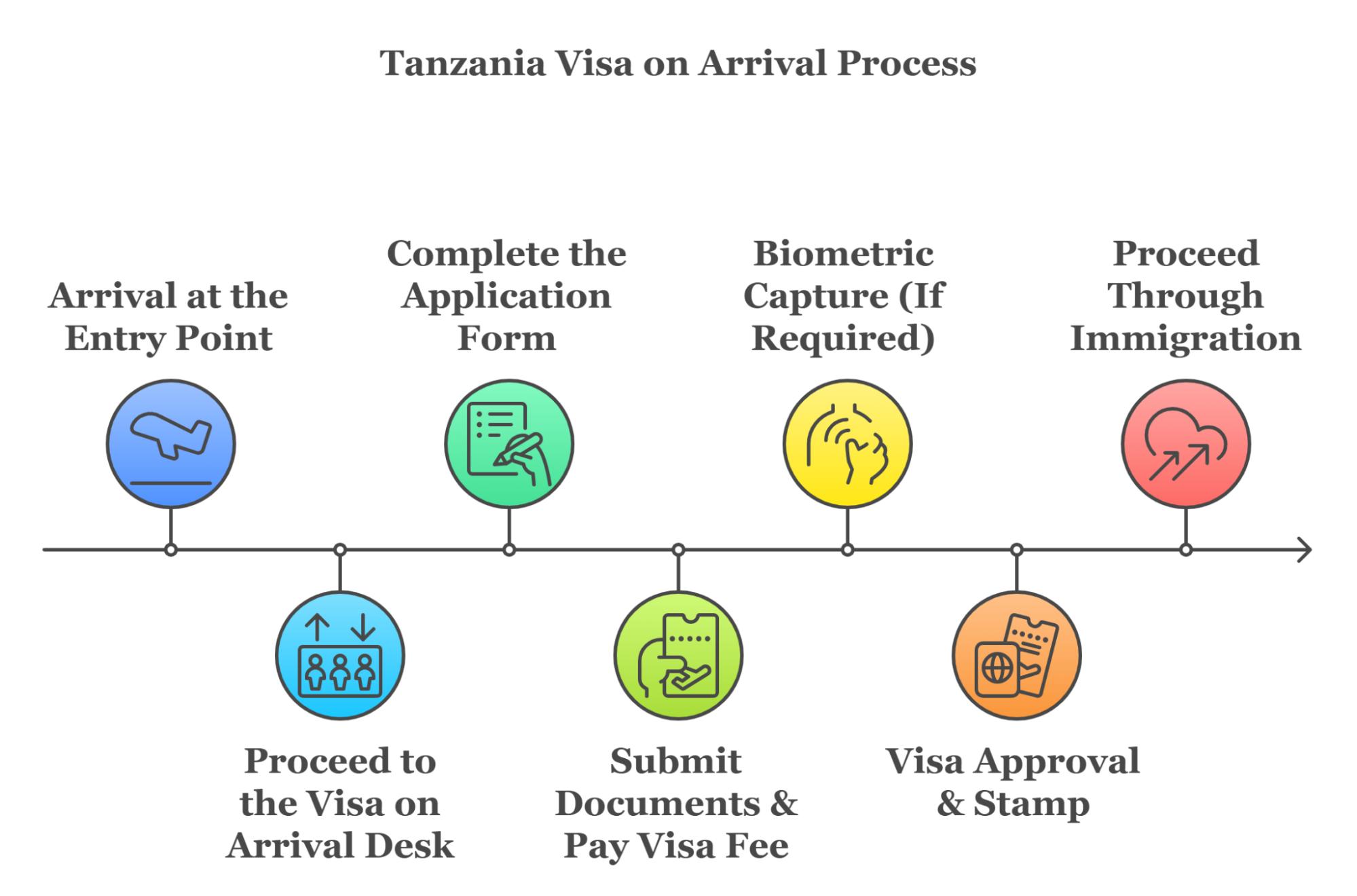
There are two main ways to obtain a Tanzanian visa. The first option is a visa on arrival, which is available at major international airports such as those in Arusha, Kilimanjaro, and Dar es Salaam. This is a convenient option for many travelers, but it may involve waiting in queues depending on arrival times.
The second option is applying for an e-visa online before travel. This is often recommended as part of a well-prepared Visa Guide for Multi-Country Safaris, as it allows you to complete the process in advance and avoid delays upon arrival. The application typically requires uploading passport details, travel plans, and a passport-sized photo.
The standard visa fee is around $50 for most nationalities, although some travelers—such as U.S. citizens—may pay higher fees depending on bilateral agreements. It is important to check your specific nationality requirements as part of your Visa Guide for Multi-Country Safaris.
Another key consideration is entry and exit points. If you are entering Tanzania from another country like Kenya or Uganda, ensure that your visa type allows for your specific travel route. This is particularly important for multi-country itineraries.
Including Tanzania in your Visa Guide for Multi-Country Safaris requires careful planning, but with the right preparation, the process is straightforward and manageable.
KAZA Univisa for Southern Africa
For travelers exploring Southern Africa, the KAZA Univisa is a valuable component of a comprehensive Visa Guide for Multi-Country Safaris. It simplifies cross-border travel and is especially useful for itineraries centered around one of Africa’s most iconic landmarks, Victoria Falls.

The KAZA Univisa allows travel between:
- Zambia
- Zimbabwe
This visa is particularly beneficial for travelers who want to experience both sides of Victoria Falls, as well as take excursions into nearby regions such as Botswana’s Chobe National Park.
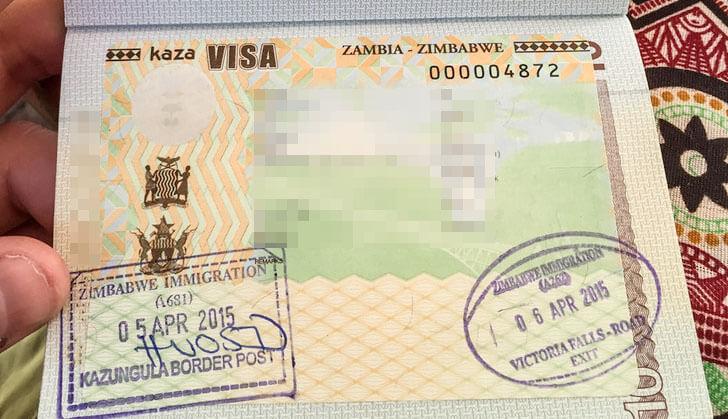
The visa typically costs around $50 and is valid for up to 30 days. One of its key advantages is that it allows multiple border crossings between Zambia and Zimbabwe, making it highly flexible for short multi-country trips.
In the context of a Visa Guide for Multi-Country Safaris, this visa eliminates the need to purchase separate entry permits for each country, saving both time and money. It also simplifies logistics, especially for travelers moving between Livingstone and Victoria Falls towns.
However, availability of the KAZA Univisa can vary depending on border posts and current regulations, so it’s important to confirm its availability before travel. Including it in your Visa Guide for Multi-Country Safaris ensures smoother movement and a more enjoyable experience in Southern Africa.
Common Visa Requirements for Multi-Country Safaris
A complete Visa Guide for Multi-Country Safaris must also address the general entry requirements that apply across most African destinations. These requirements are essential for ensuring smooth border crossings and avoiding unexpected issues.

The most important requirement is a valid passport. Most countries require that your passport be valid for at least six months beyond your travel dates. Additionally, you should have at least one or two blank pages available for visa stamps and entry/exit records.
Proof of onward or return travel is often required. Immigration officers may ask for evidence that you will leave the country, such as a return flight ticket or an itinerary showing your next destination. This is a standard part of any Visa Guide for Multi-Country Safaris.
Health requirements are also important. A yellow fever vaccination certificate is commonly required, especially when traveling between East African countries such as Uganda, Rwanda, and Kenya. Without this certificate, you may be denied entry or required to take additional health precautions.
Some countries may also require proof of accommodation bookings or sufficient funds for your stay. While not always strictly enforced, these documents are part of a thorough Visa Guide for Multi-Country Safaris and should be prepared in advance.
Finally, it’s important to check visa validity and entry conditions. Some visas are single-entry, while others allow multiple entries. Understanding these details ensures you don’t encounter issues when crossing borders during your safari.
By meeting these common requirements, your Visa Guide for Multi-Country Safaris becomes a reliable tool for ensuring a smooth, stress-free journey across Africa.
Tips for a Smooth Visa Experience
Planning ahead is the foundation of a successful Visa Guide for Multi-Country Safaris. Even though many African countries have simplified visa processes, proper preparation ensures you avoid delays and enjoy a seamless journey.

One of the most important steps is applying for visas in advance wherever possible. While some destinations offer visas on arrival, applying online before travel can save time at airports and border crossings. This is especially helpful during peak travel seasons when queues can be long.
Carrying printed copies of your documents is equally important. Immigration systems can sometimes experience delays or connectivity issues, so having physical copies of your visa approval, passport details, and travel itinerary ensures you are always prepared. This is a key part of a reliable Visa Guide for Multi-Country Safaris.
In addition to printed documents, keeping digital backups is essential. Store copies of your passport, visas, and travel confirmations on your phone or in a secure cloud account. This provides an extra layer of security in case documents are misplaced.
Another critical step is checking entry requirements based on your nationality. Visa rules can vary significantly depending on where you are from, and what applies to one traveler may not apply to another. A thorough Visa Guide for Multi-Country Safaris always includes checking updated requirements before departure.
Finally, always confirm entry rules shortly before travel. Visa policies can change, and staying updated ensures your journey remains smooth from start to finish.
Common Mistakes to Avoid
Even experienced travelers can encounter challenges if they overlook key details in a Visa Guide for Multi-Country Safaris. Avoiding common mistakes can save you time, money, and unnecessary stress.

One of the most frequent errors is assuming that all countries share the same visa system. While regional visas exist, such as those covering parts of East Africa, not all destinations are included. For example, Tanzania requires a separate visa, which is often overlooked.
Another common mistake is misunderstanding re-entry rules. Some visas are single-entry, meaning once you leave the country, you cannot return without obtaining a new visa. This is particularly important when crossing borders multiple times during a safari.
Overlooking vaccination requirements is another issue. Many countries in East Africa, including Uganda and Rwanda, require a yellow fever vaccination certificate. Failing to present this document can lead to delays or denied entry.
Travelers also sometimes forget to check visa validity dates. Arriving too early or staying beyond the allowed period can create complications. Ensuring your visa covers your entire travel period is a key part of a well-prepared Visa Guide for Multi-Country Safaris.
By understanding and avoiding these common mistakes, you can ensure your journey remains smooth and uninterrupted.
Plan Your Multi-Country Safari with Experts
At Pieland Gorilla Safaris, we understand that navigating visa requirements can feel overwhelming, especially when visiting multiple countries. That’s why we provide expert support for every Visa Guide for Multi-Country Safaris itinerary.
Our team offers personalized guidance on visa requirements, helping you understand exactly what is needed for your journey across Uganda, Kenya, Tanzania, and Rwanda. We also assist with planning border crossings, ensuring your route is efficient and aligned with visa regulations.
Beyond visas, we coordinate your entire travel experience—from airport pickups and park transfers to accommodation and activities. This integrated approach ensures that your Visa Guide for Multi-Country Safaris is not just about paperwork, but part of a smooth and well-organized journey.
With expert support, you can travel with confidence, knowing that every detail has been carefully handled. Your safari becomes effortless, allowing you to focus on creating unforgettable memories across Africa.