
The Brutal Reality: What Happens When Predators Fail a Hunt
Understanding What Happens When Predators Fail a Hunt reveals a powerful and often overlooked side of life in the wild. While successful hunts are dramatic and memorable, failure is actually far more common—and it plays a crucial role in shaping animal behavior and survival.
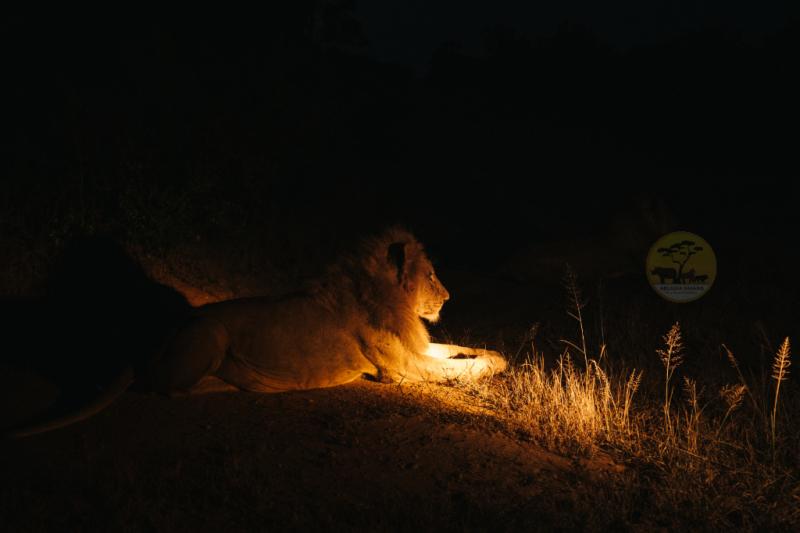
Across ecosystems like Serengeti National Park, Masai Mara National Reserve, and Queen Elizabeth National Park, predators face constant challenges that often lead to unsuccessful hunts.
In this guide, we explore What Happens When Predators Fail a Hunt, what it means for predators and prey, and how it impacts the entire ecosystem.
Hunting Is Not Always Successful
One of the most important facts about What Happens When Predators Fail a Hunt is that failure is actually the norm rather than the exception. While documentaries often highlight dramatic kills, the reality in the wild is very different—most hunts do not end successfully.
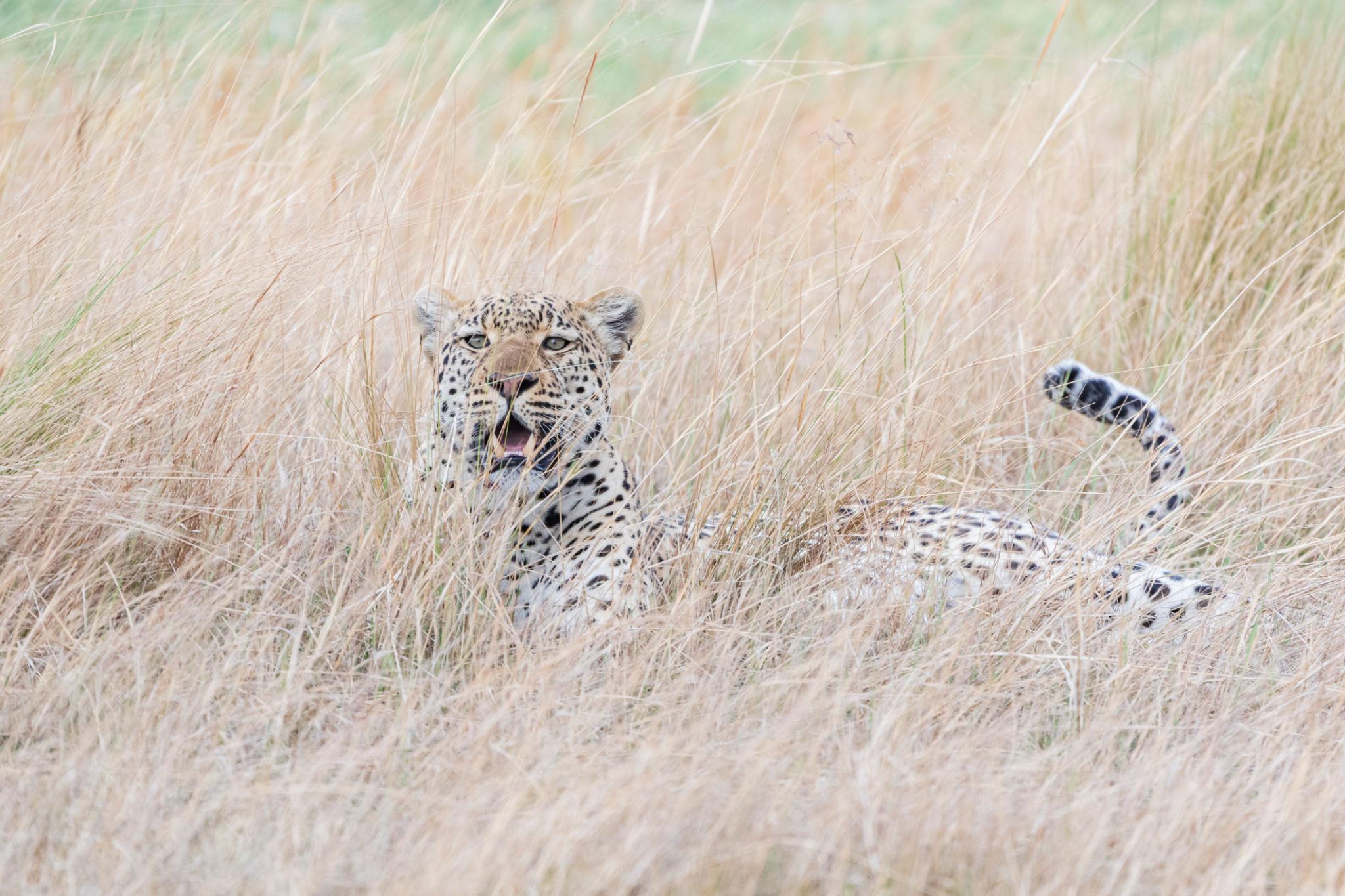
Predators must deal with highly alert and adaptive prey. Many herbivores have evolved sharp senses, allowing them to detect movement, sound, or scent from a distance. A slight shift in wind direction can carry a predator’s scent toward the prey, immediately alerting them and ending the hunt before it even begins.
Timing also plays a crucial role. If a predator attacks too early, it may be spotted and chased off. If it waits too long, the prey may move out of range. Terrain can further complicate matters—open plains may favor speed, while dense vegetation can either help conceal a predator or obstruct its movement.
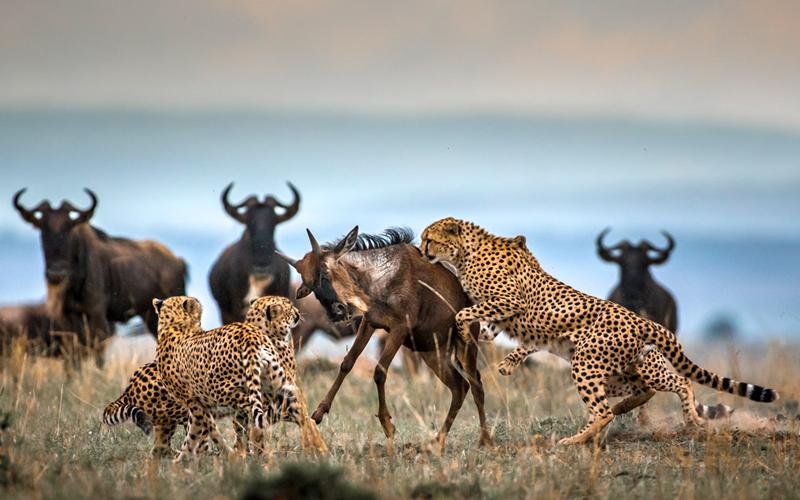
Even highly specialized hunters face challenges. Lions, despite their strength and teamwork, may fail if coordination breaks down. Cheetahs, known for their incredible speed, often abandon chases if the prey escapes the initial sprint, as continuing would risk dangerous exhaustion.
This constant struggle highlights a core truth of What Happens When Predators Fail a Hunt—success is never guaranteed, and survival depends on persistence, patience, and repeated effort rather than perfection.
Energy Loss and Physical Cost
A failed hunt comes at a significant physical cost, which is central to understanding What Happens When Predators Fail a Hunt. Hunting is one of the most energy-intensive activities in the animal kingdom, requiring bursts of speed, strength, and focus.
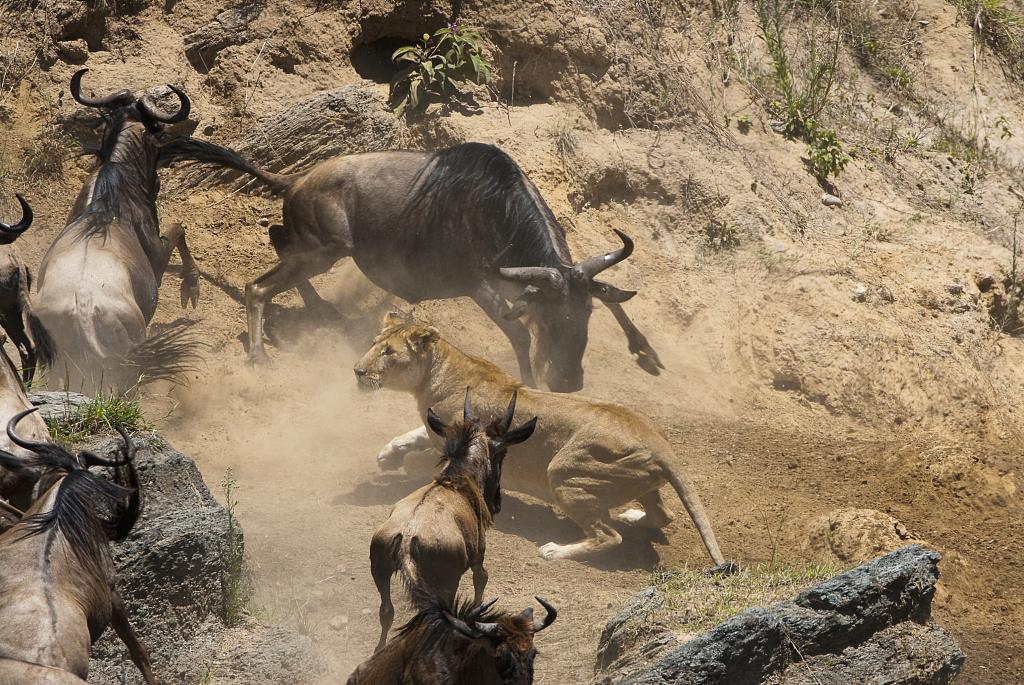
Predators begin by stalking, which can take considerable time and patience. This is followed by a sudden chase or ambush, where energy is expended rapidly. In species like cheetahs, a single high-speed chase can push the body to its limits, raising body temperature and requiring long recovery periods.
When a hunt fails, all that energy is lost without any nutritional gain. This creates a difficult balance—predators must decide when it is worth attempting another hunt and when they need to rest and conserve energy.
Repeated failed attempts can weaken predators over time. Without sufficient food, they may lose strength, reducing their ability to hunt effectively in the future. This is particularly dangerous for solitary predators that do not have the support of a group.
In extreme cases, prolonged failure can lead to starvation. This harsh reality emphasizes how critical each hunting attempt is and reinforces the importance of efficiency.
This balance between effort, risk, and reward is a defining feature of What Happens When Predators Fail a Hunt, illustrating how survival in the wild is closely tied to energy management.
Learning and Adaptation
Failure is not wasted—it is an essential part of growth and survival. One of the most important aspects of What Happens When Predators Fail a Hunt is the role of learning and adaptation.
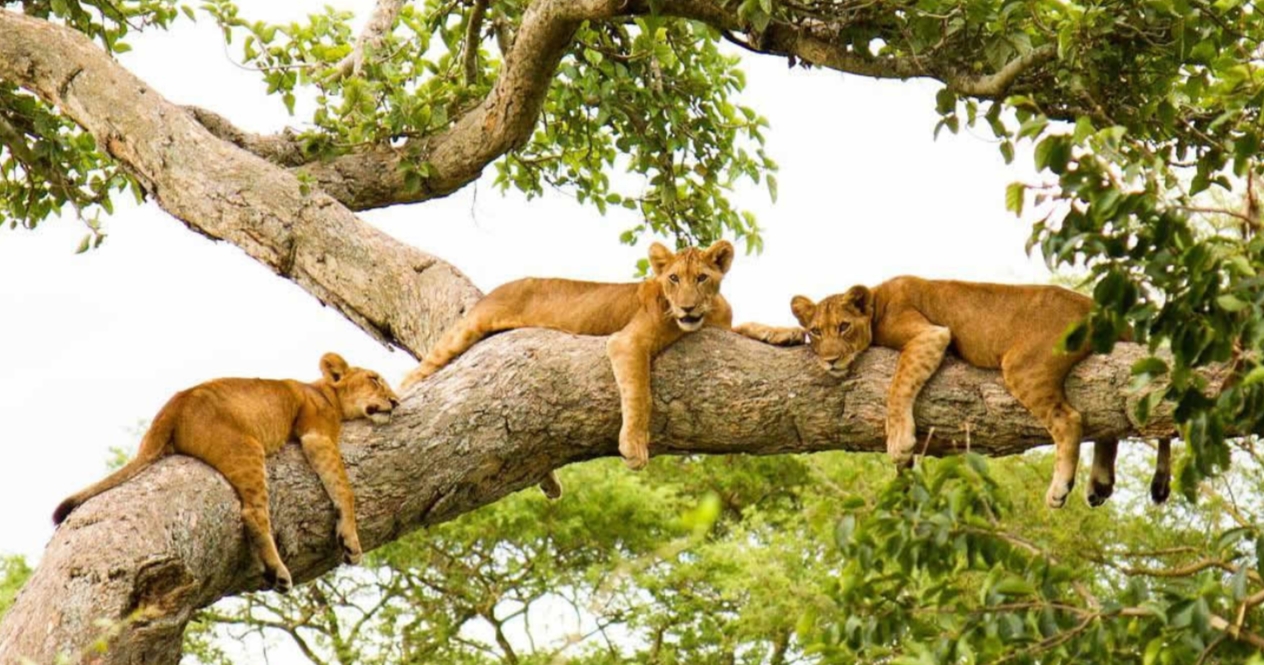
Young predators, in particular, rely heavily on experience to develop their skills. They often practice hunting through trial and error, learning how to stalk, approach, and time their attacks. Early failures are common, but each attempt builds knowledge and improves technique.
Adult predators also continue to adapt. They adjust their strategies based on environmental conditions, prey behavior, and past experiences. For example, a predator may learn to approach from downwind, use terrain for cover, or target specific types of prey that are easier to catch.
In group hunters like lions, coordination improves over time. Members learn their roles within the group, refining teamwork to increase success rates. In solitary hunters, experience leads to better decision-making and more efficient use of energy.
Adaptation also occurs on a broader scale. As prey animals become more alert and responsive, predators must continuously evolve their tactics to remain effective. This creates an ongoing cycle of improvement on both sides.
This continuous learning process is a vital part of What Happens When Predators Fail a Hunt, ensuring that even unsuccessful attempts contribute to future success and long-term survival.
Increased Risk for Predators
Failed hunts can also increase danger, adding another layer to What Happens When Predators Fail a Hunt. Hunting pushes predators to their physical limits, and when a chase ends without success, the consequences go beyond simple disappointment.
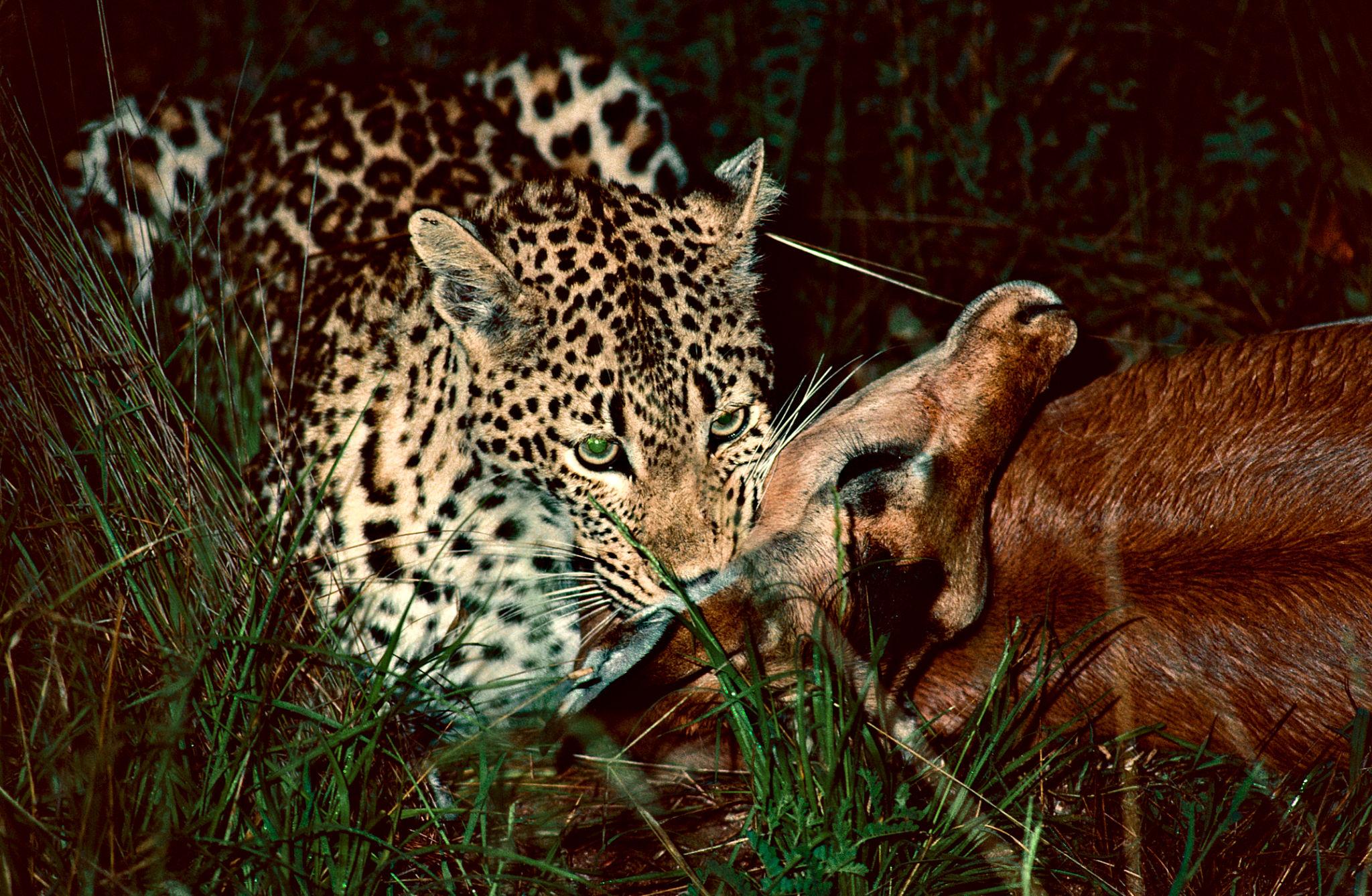
A predator that has just completed a high-energy chase is often exhausted, overheated, and temporarily less alert. In this vulnerable state, it may be at risk from competitors such as other predators or scavengers. For example, hyenas or rival predators may move into the same area, sensing opportunity when a hunter is weakened.
There is also a higher risk of injury. During a failed attempt, predators may collide with obstacles, misjudge distances, or be kicked or struck by prey. Even minor injuries in the wild can become serious, as they reduce the predator’s ability to hunt effectively in the future.
In some cases, repeated failure leads to desperation. A hungry predator may attempt riskier hunts, targeting larger or more dangerous animals that it would normally avoid. These high-risk decisions can result in severe injury or even death.
This constant exposure to danger highlights the harsh reality of What Happens When Predators Fail a Hunt, where every failed attempt carries physical and survival consequences.
Opportunity for Prey Survival
While failure presents challenges for predators, it represents success for prey. This is a crucial part of What Happens When Predators Fail a Hunt, as each escape contributes directly to survival and continuity.
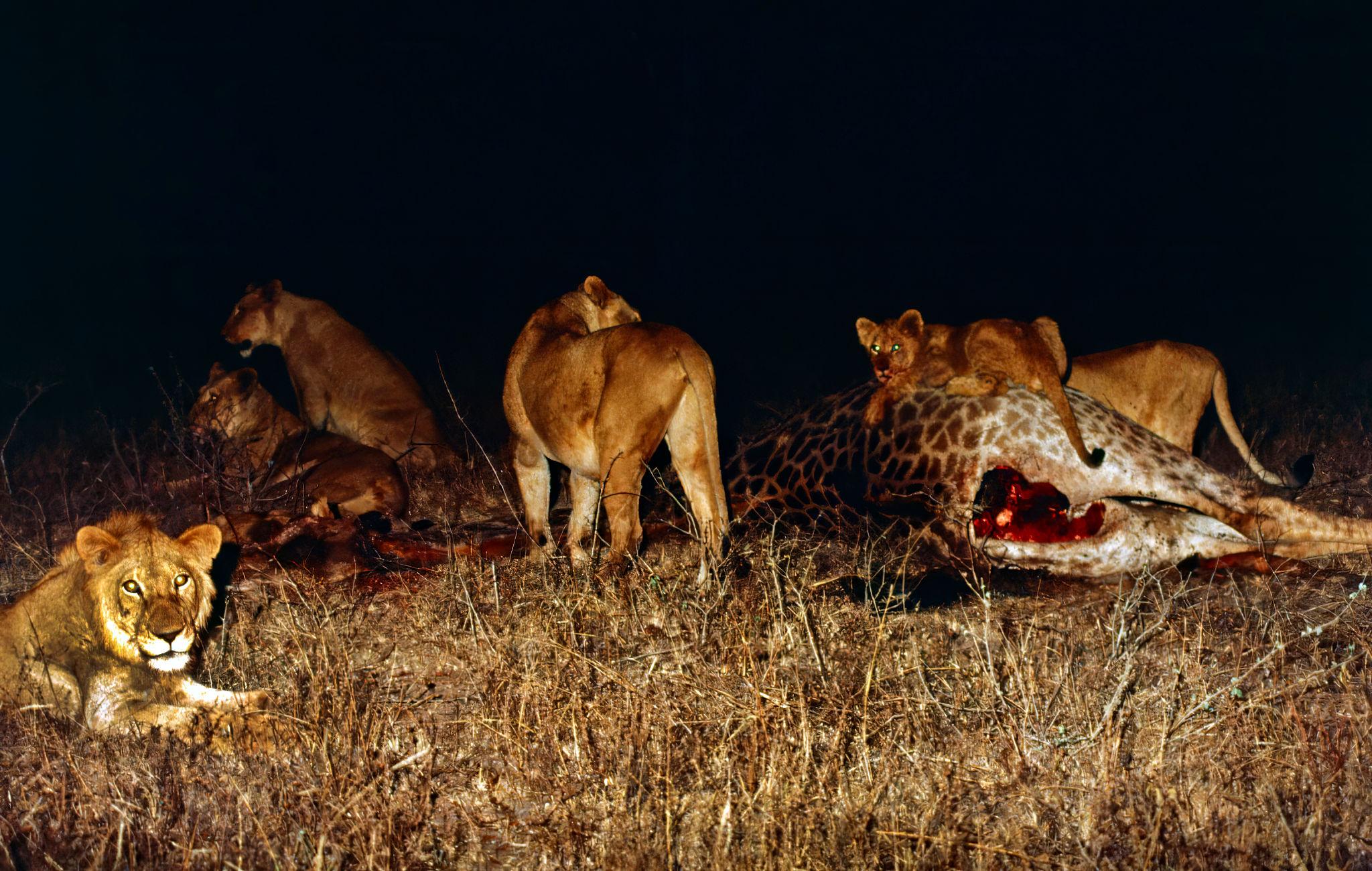
When prey animals successfully evade a predator, they gain another chance to live, reproduce, and pass on their genetic traits. Over time, this strengthens the population. Faster, more alert, and more coordinated individuals are more likely to survive and reproduce, reinforcing these traits in future generations.
Group behavior also improves through repeated encounters. Herd animals learn to respond quickly to danger, communicate through alarm calls, and move together in coordinated ways to confuse or outrun predators.
Young animals gain experience with each escape, learning how to react, where to run, and how to stay within the safety of the group. This learning process is essential for long-term survival.
This dynamic interaction ensures that What Happens When Predators Fail a Hunt plays a vital role in shaping both predator and prey populations, driving continuous adaptation and evolution.
The Ecosystem Balance
Failure is not just an individual event—it plays a key role in maintaining ecological balance. Understanding What Happens When Predators Fail a Hunt shows that the natural world depends on both success and failure to remain stable.
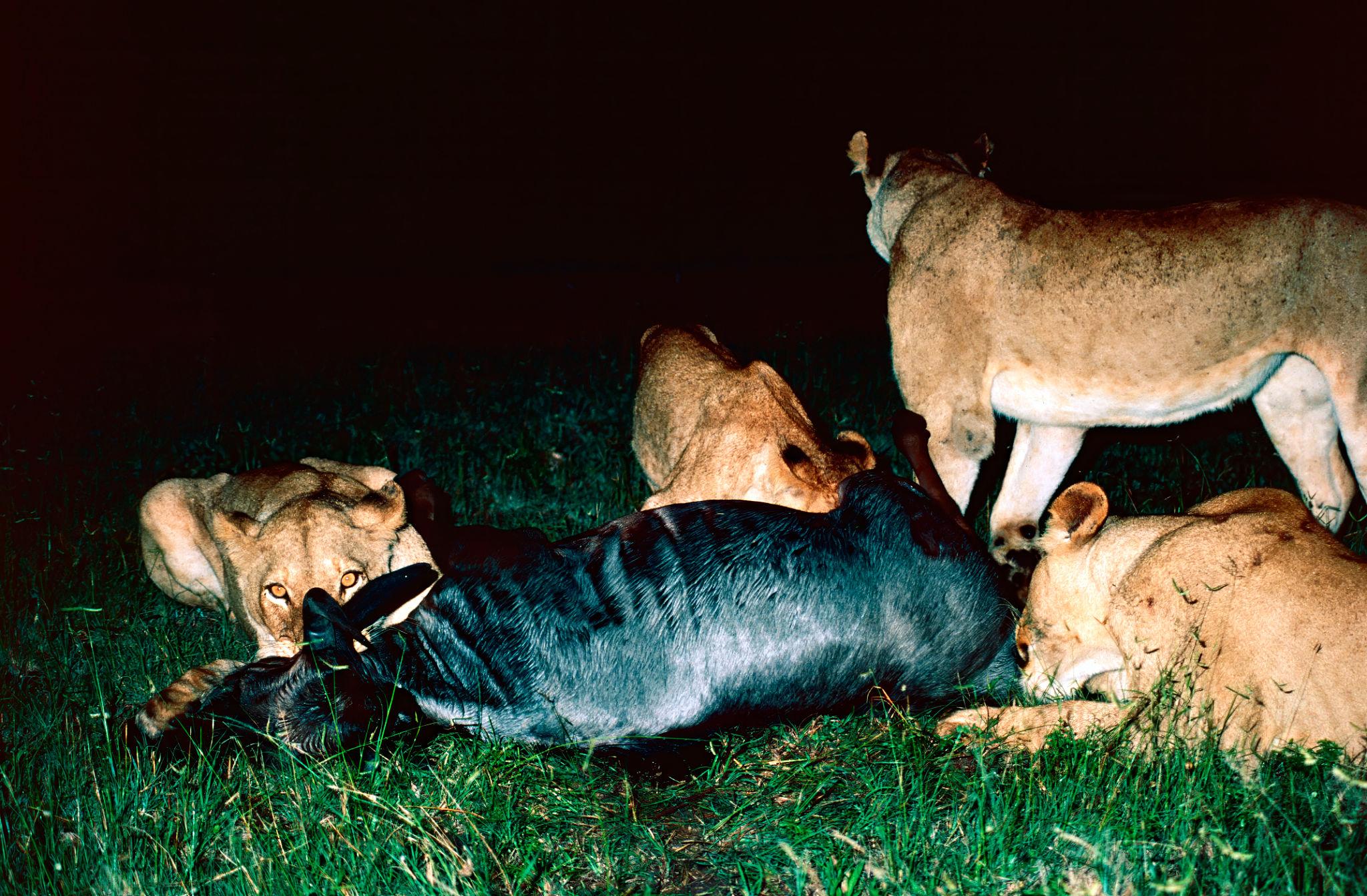
If predators succeeded in every hunt, prey populations would decline rapidly, leading to imbalance and potential collapse of ecosystems. Failed hunts ensure that enough prey survive to sustain both their own populations and the predators that depend on them.
At the same time, predators must continue to hunt regularly to meet their energy needs. This creates a constant cycle of interaction between predator and prey, where neither side dominates completely.
This balance supports biodiversity and keeps ecosystems functioning properly. Each failed hunt contributes to this equilibrium, ensuring that resources are not depleted too quickly and that natural processes continue.
This is why What Happens When Predators Fail a Hunt is not just about individual survival—it is about maintaining the delicate balance of life in the wild.
What This Means for Your Safari Experience
For travelers, understanding What Happens When Predators Fail a Hunt adds a deeper level of meaning to every safari moment. It shifts the focus from simply witnessing dramatic kills to appreciating the full story of survival.
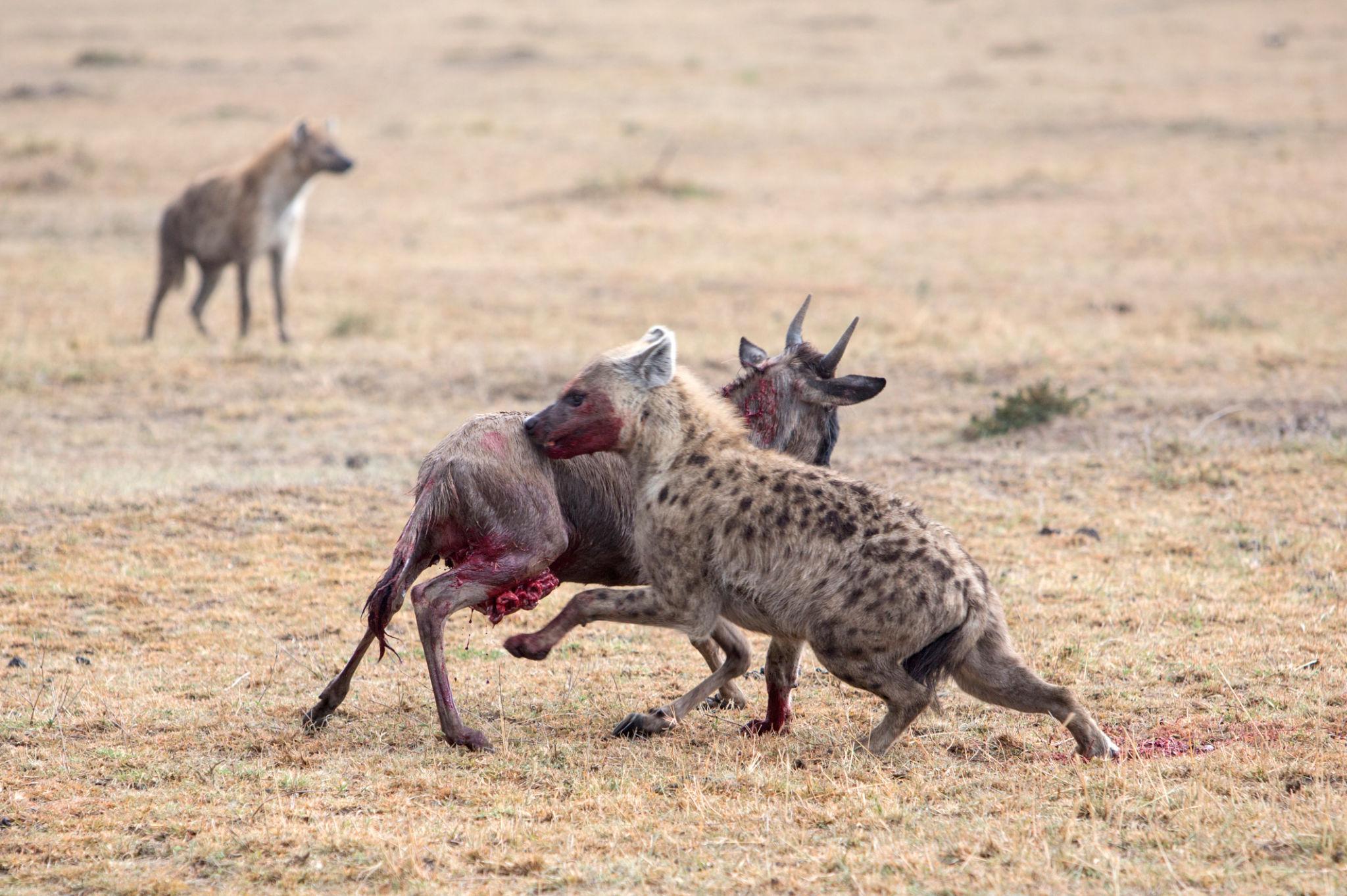
You may witness a chase that ends with the prey escaping, and these moments can be just as thrilling as successful hunts. The tension of the pursuit, the speed of the animals, and the sudden turns of events create unforgettable experiences.
These encounters highlight the unpredictability of nature. No guide can guarantee a successful hunt, but every attempt offers insight into animal behavior and the challenges of survival.
By understanding the process—the stalking, the chase, and the split-second decisions—you begin to see the wild in a more complete and realistic way. Each movement becomes meaningful, and every outcome tells part of the story.
This perspective makes What Happens When Predators Fail a Hunt an essential part of the safari experience, turning every encounter into an opportunity to learn, observe, and connect with the natural world.
FAQs About What Happens When Predators Fail a Hunt
Do predators fail more often than they succeed?
Yes, most predators have relatively low success rates, which is a key part of What Happens When Predators Fail a Hunt. Hunting is challenging and depends on many factors such as timing, prey awareness, and environmental conditions. In many cases, predators may only succeed in a small percentage of their attempts, making persistence essential for survival.
What do predators do after a failed hunt?
After a failed attempt, predators usually stop to rest and recover energy. Hunting is physically demanding, and immediate recovery is necessary before attempting another chase. In some cases, they may remain in the same area if prey is nearby, or they may relocate to a different spot where chances of success are higher. This recovery phase is an important part of What Happens When Predators Fail a Hunt.
Can repeated failure lead to death?
Yes, repeated failure can have serious consequences. If predators are unable to secure food over an extended period, they may become weak, lose strength, and eventually face starvation. This highlights the harsh reality of What Happens When Predators Fail a Hunt, where survival depends on consistent success over time.
Is it common to see failed hunts on safari?
Yes, it is quite common to witness failed hunts during a safari. Many chases end with prey escaping, often demonstrating incredible speed and awareness. These moments are an authentic reflection of the wild and provide valuable insight into What Happens When Predators Fail a Hunt.
Plan Your Safari with Experts
At Pieland Gorilla Safaris, we believe in showing you the complete story of the wild—not just the dramatic highlights, but also the real challenges animals face every day.

Our expert guides bring What Happens When Predators Fail a Hunt to life by explaining animal behavior, tracking patterns, and interpreting events as they unfold. This allows you to understand not just what you are seeing, but why it is happening.
Across Uganda, Kenya, and Tanzania, we design immersive safaris that connect you deeply with nature and its realities.
Every journey is crafted to be educational, exciting, and authentic—giving you a true understanding of survival in the wild.
Start planning your safari today and experience the full story of nature, where every moment—success or failure—matters.