The Extraordinary Wonder: What Makes the Great Migration So Unique
Understanding What Makes the Great Migration So Unique is key to appreciating one of the most extraordinary wildlife events on Earth. Each year, millions of animals move across vast ecosystems in search of fresh grass and water, creating a continuous story of survival, movement, and renewal.

This natural phenomenon unfolds between Serengeti National Park and Masai Mara National Reserve, forming a powerful cycle driven by seasonal rains.
In this guide, we explore What Makes the Great Migration So Unique, from its immense scale to its dramatic moments and the unforgettable safari experiences it offers.
The Sheer Scale of the Migration
One of the most defining answers to What Makes the Great Migration So Unique is its extraordinary scale. Nowhere else on Earth does such a massive number of large mammals move together across open landscapes in a synchronized, seasonal journey.
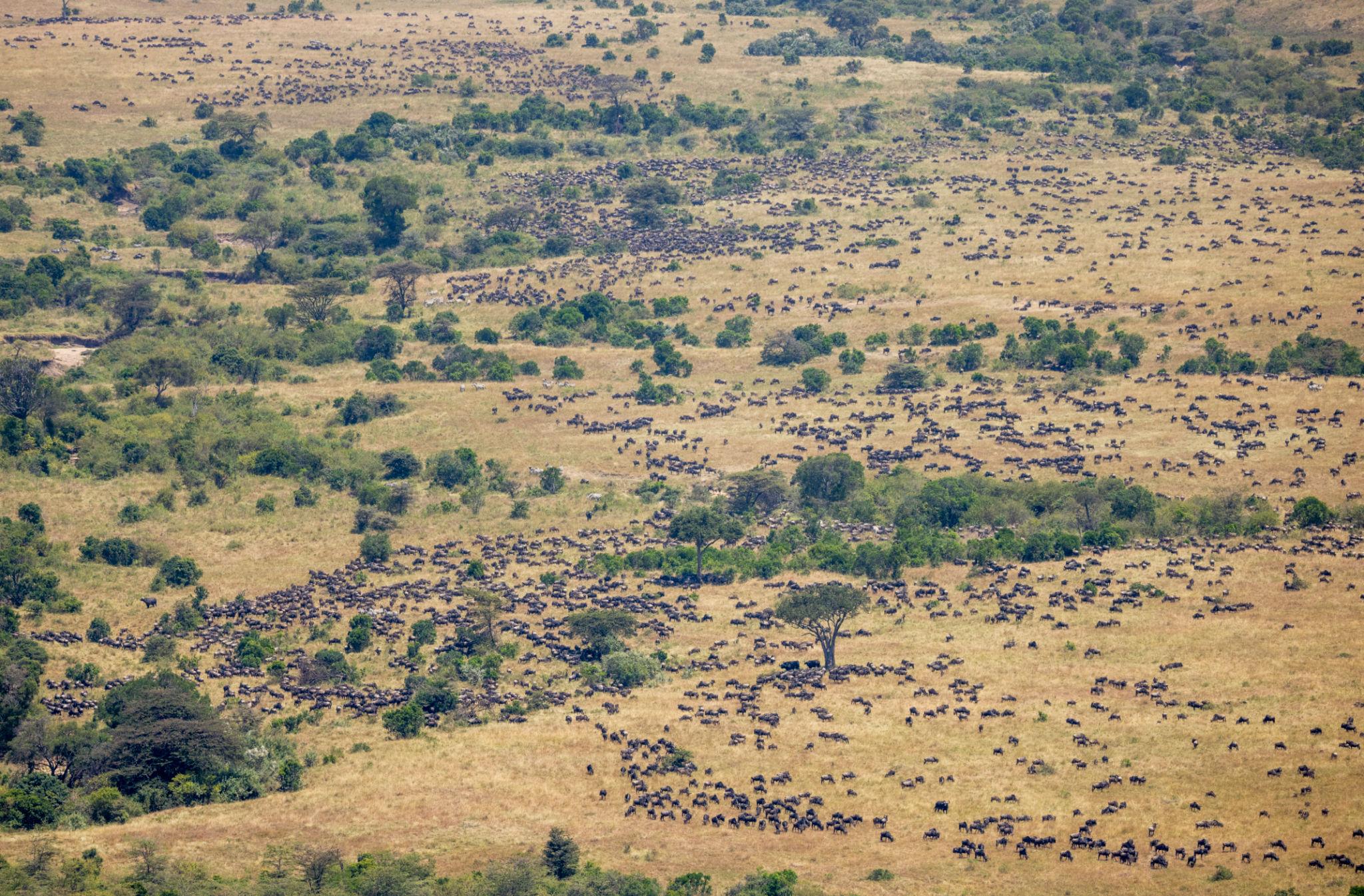
More than 1.5 million wildebeest lead the migration, joined by hundreds of thousands of zebras and gazelles. These animals do not move randomly—they travel in vast, organized herds that stretch across kilometers of savannah. At times, the sheer density of wildlife creates what appears to be a living, moving carpet across the plains.
This scale has a powerful ecological impact. As the herds move, they graze grasslands, fertilize the soil, and shape the landscape. Their presence supports a wide range of other species, from predators to scavengers and even birds that follow the movement.
From a visitor’s perspective, the experience is overwhelming in the best way possible. Seeing such immense numbers of animals in one place creates a sense of awe that is difficult to match. It is not just about spotting wildlife—it is about witnessing a natural phenomenon on a grand scale.
This unmatched magnitude is a major reason What Makes the Great Migration So Unique, setting it apart from any other wildlife event in the world.
A Continuous Circular Journey
Another key element of What Makes the Great Migration So Unique is its continuous, year-round nature. Unlike many migrations that have a clear start and end point, the Great Migration is an ongoing cycle that never truly stops.
The movement is driven by rainfall patterns, which determine where fresh grazing and water can be found. As the rains shift across the region, the herds follow, creating a circular route through the Serengeti and into the Masai Mara before returning south again.
This journey includes several distinct phases. Early in the year, the herds gather in the southern Serengeti for the calving season, where thousands of wildebeest calves are born within a short period. As the dry season approaches, the animals begin moving northward in search of better grazing conditions. Eventually, they reach the rivers of the northern Serengeti and Masai Mara, before turning back once the rains return to the south.
What makes this cycle so remarkable is its predictability combined with variation. While the general pattern repeats each year, exact timings and routes can shift depending on weather conditions. This means that no two migrations are ever exactly the same.
This constant movement is central to What Makes the Great Migration So Unique, ensuring that there is always a dynamic and evolving wildlife experience waiting for visitors throughout the year.
Dramatic River Crossings
One of the most iconic and emotionally intense aspects of What Makes the Great Migration So Unique is the dramatic river crossings. These moments represent the peak of danger and determination within the migration.
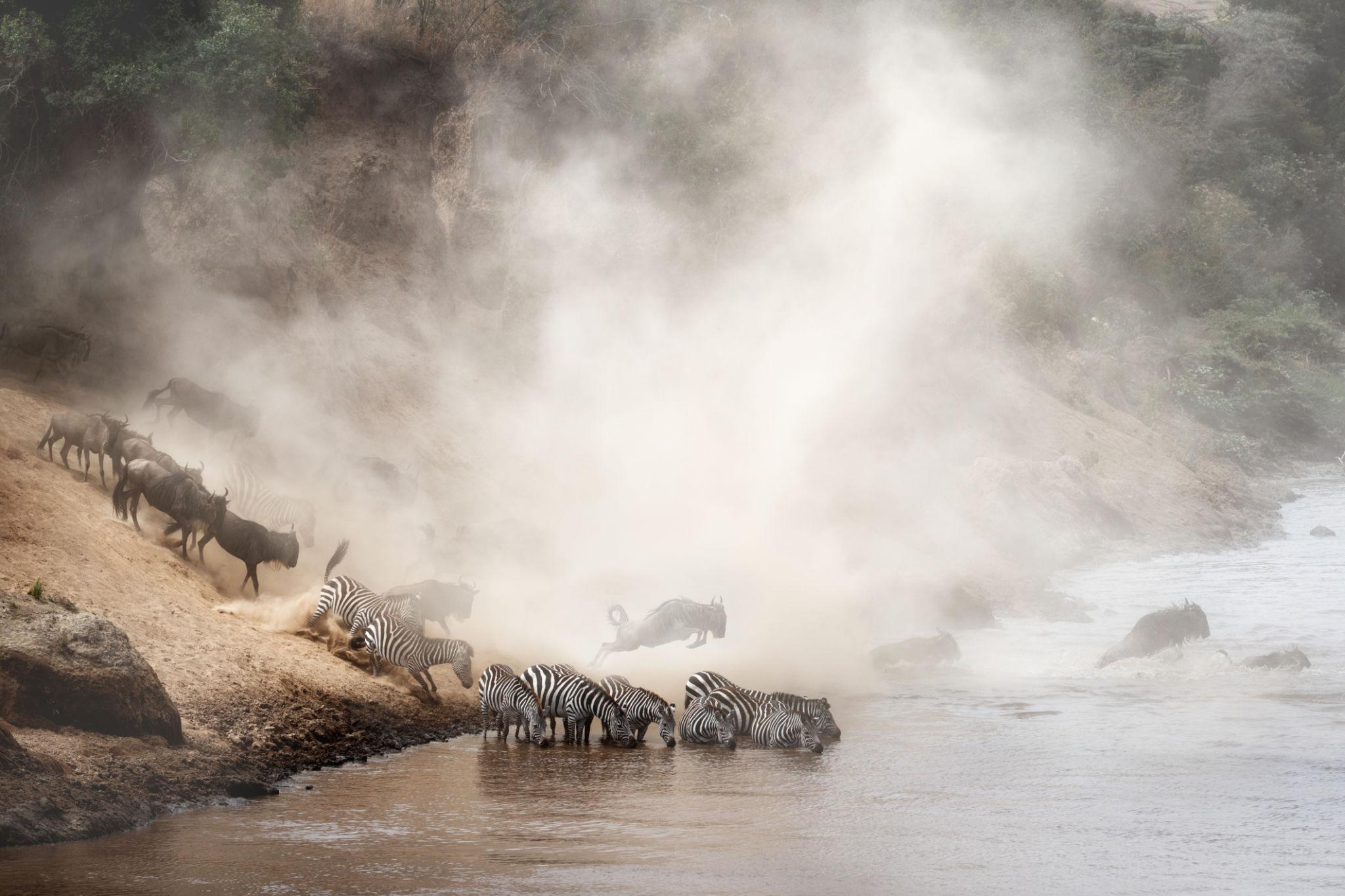
As the herds reach rivers such as the Mara River, they face one of the greatest challenges of their journey. The crossings are unpredictable and often chaotic. Animals gather along the riverbanks, sometimes for hours or even days, building tension before making the decision to cross.
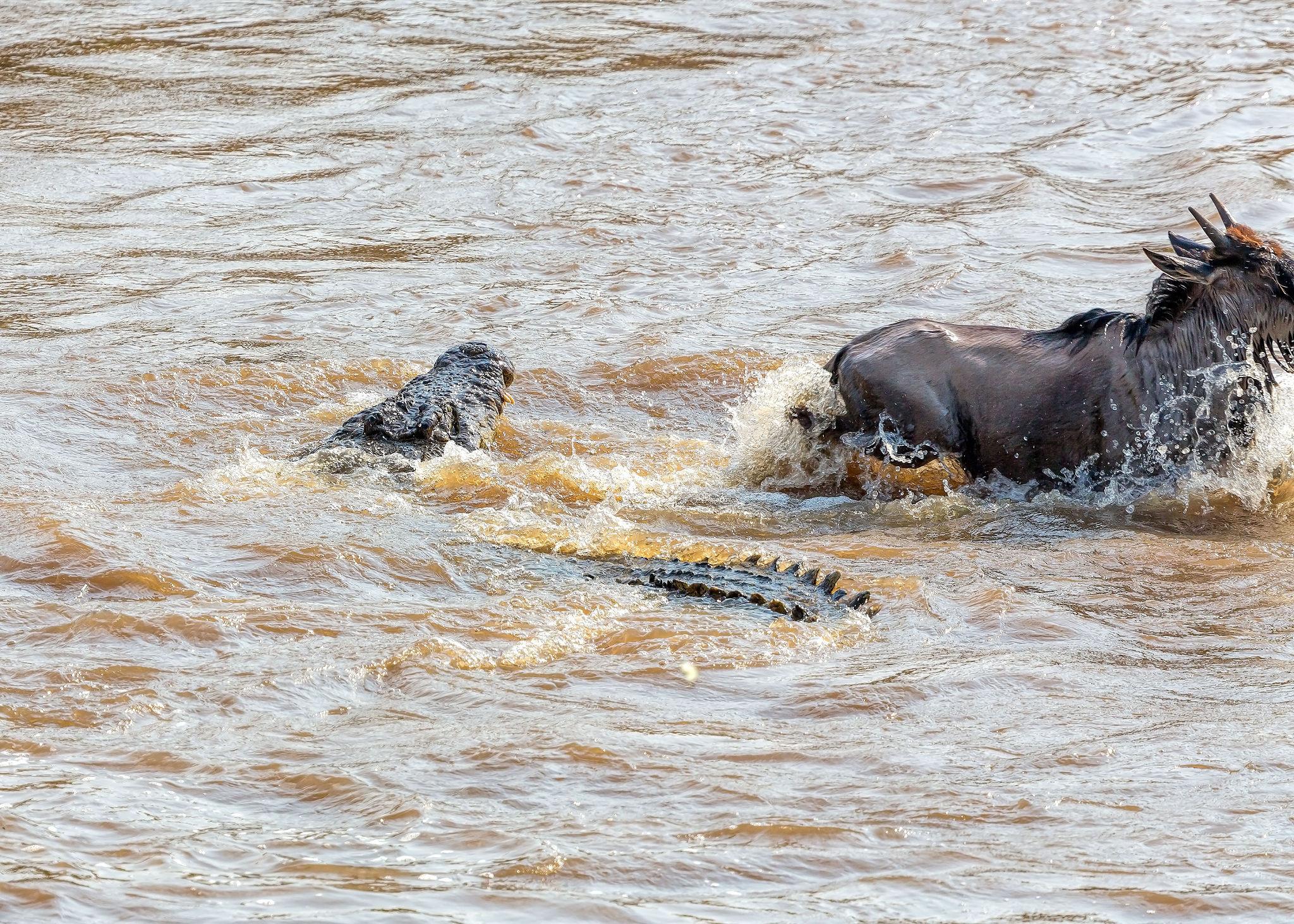
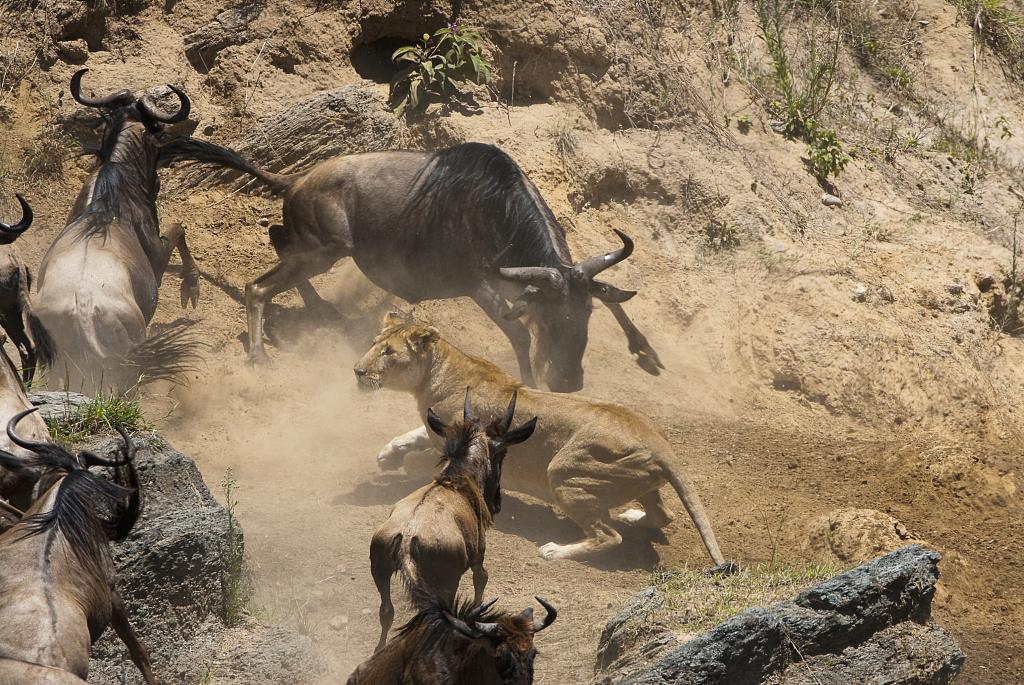
When the movement begins, it happens suddenly. Thousands of animals surge into the water, creating a powerful and chaotic scene. Strong currents, steep banks, and the presence of predators—especially crocodiles—turn the crossing into a life-or-death struggle.
Not all animals make it across. Some are swept away by the current, while others fall victim to predators. Yet the herd continues to move, driven by instinct and the need to reach better grazing areas on the other side.
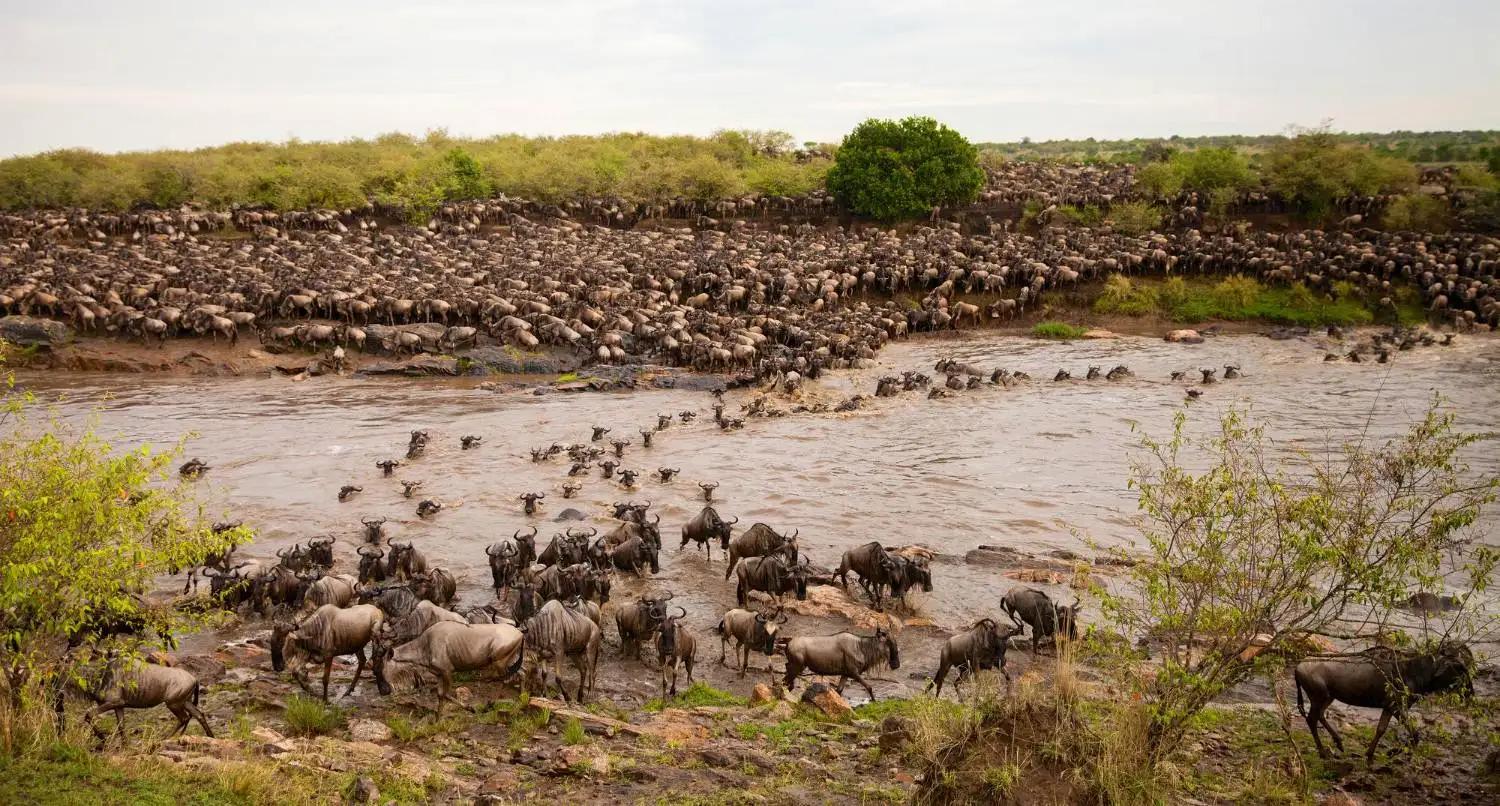
These crossings are not just about danger—they are also about resilience and determination. They highlight the raw reality of survival in the wild, where every decision carries risk.
This dramatic and often emotional spectacle is one of the strongest reasons What Makes the Great Migration So Unique, leaving a lasting impression on anyone who witnesses it firsthand.
Predator-Prey Interaction at Its Peak
One of the most intense aspects of What Makes the Great Migration So Unique is the constant interaction between predators and prey. The movement of millions of herbivores creates an endless food source, attracting some of Africa’s most powerful predators.
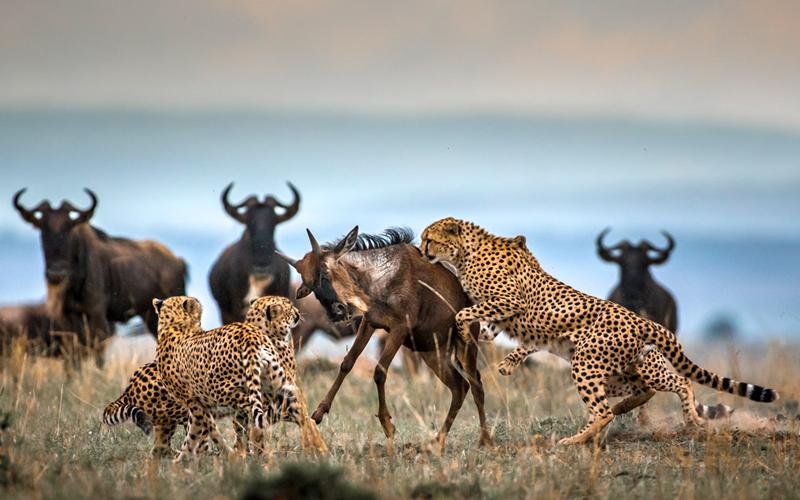
Lions, cheetahs, hyenas, and crocodiles closely follow the migrating herds, adapting their movements to stay near this abundance of prey. Unlike in other ecosystems where predators must search widely for food, here they are surrounded by opportunity. This results in frequent hunting attempts and dramatic encounters.
Each predator uses a different strategy. Lions often hunt in groups, targeting larger animals like wildebeest, especially at night or in tall grass. Cheetahs rely on speed and precision, chasing down smaller or weaker individuals during the day. Hyenas use endurance and teamwork, sometimes stealing kills from other predators. Crocodiles, on the other hand, lie in wait at river crossings, striking with sudden force.
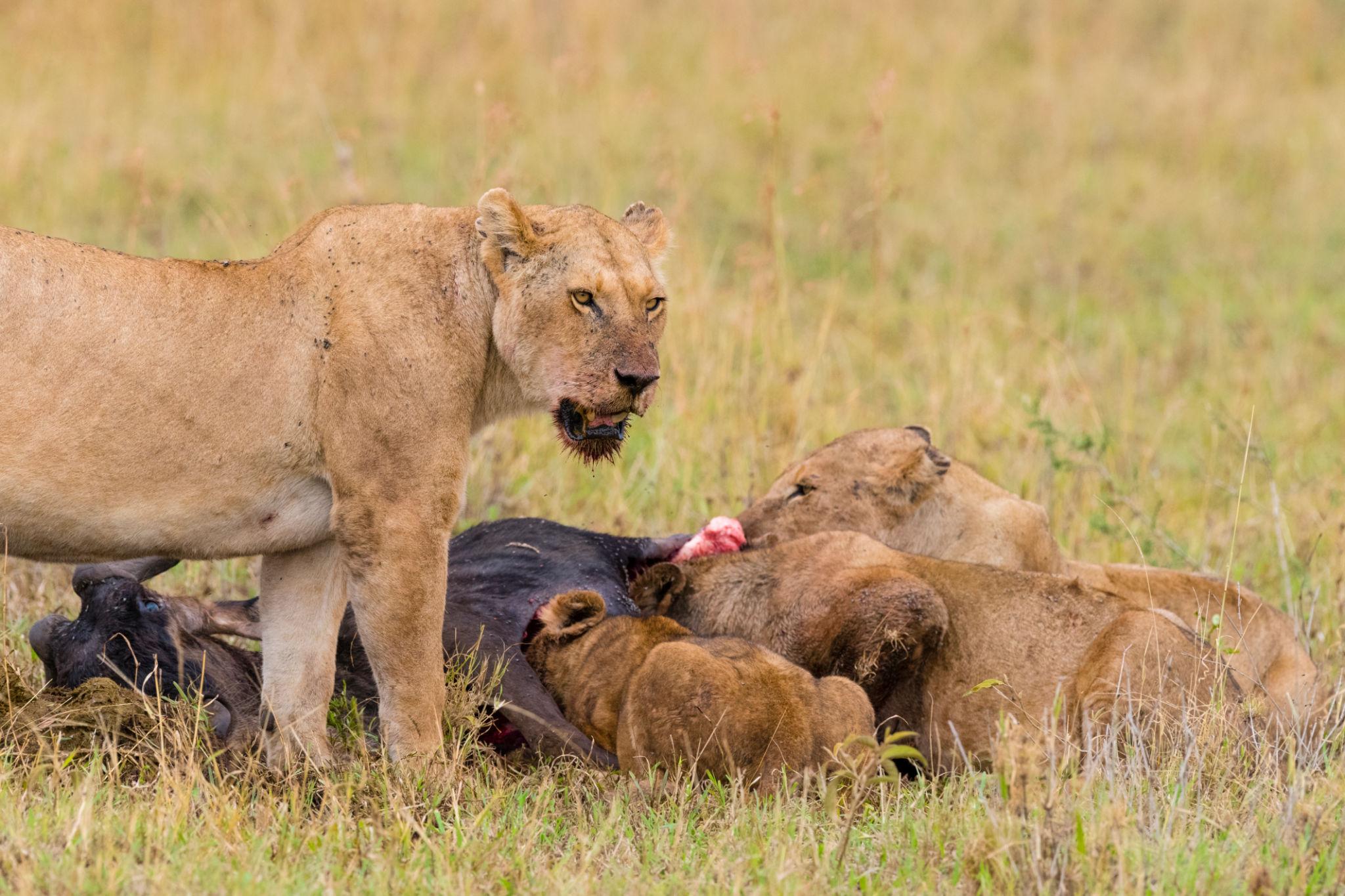
For the migrating animals, survival becomes a daily challenge. They must remain constantly alert, relying on group movement and instinct to reduce risk. The sheer number of animals offers some protection, but danger is always present.
This continuous tension between life and death is a defining reason What Makes the Great Migration So Unique. It creates one of the most dynamic and action-filled wildlife environments on the planet.
The Calving Season: New Life Begins
A more gentle yet equally powerful element of What Makes the Great Migration So Unique is the calving season, which takes place primarily in the southern plains of the Serengeti National Park.
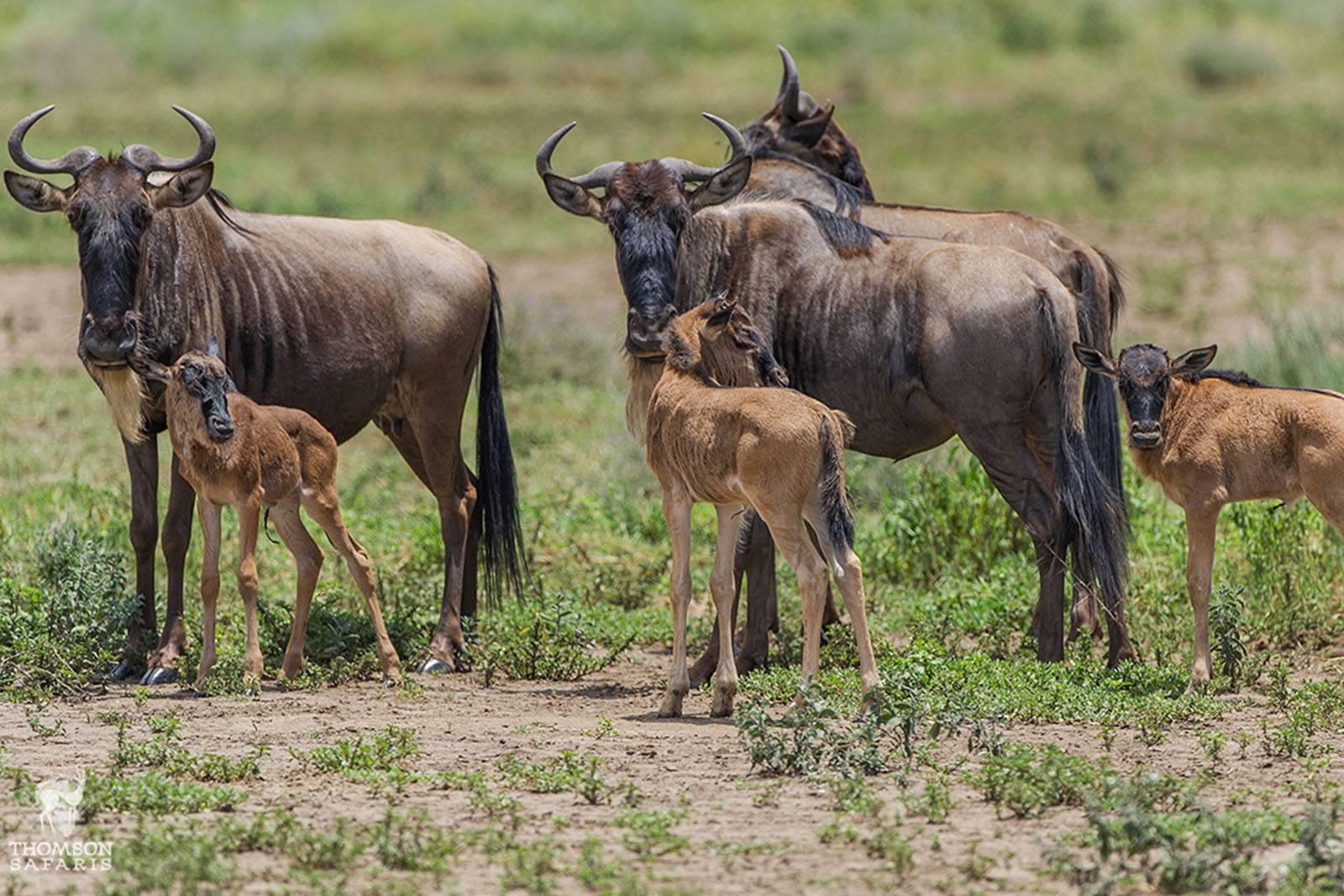
During a short window, usually between January and March, hundreds of thousands of wildebeest calves are born within a few weeks. This synchronized birthing is a survival strategy. By overwhelming predators with sheer numbers, the chances of individual calves surviving increase significantly.
The first moments of life are critical. Within minutes of being born, a calf must stand and begin walking. Within hours, it can run alongside the herd. This rapid development is essential, as the migration does not stop to accommodate the young.
Despite the vulnerability of newborns, the calving season is a time of abundance. The presence of so many young animals also attracts predators, leading to increased hunting activity. This creates a powerful contrast between life and loss, making the season both beautiful and intense.
This cycle of birth and survival adds emotional depth to What Makes the Great Migration So Unique, showcasing not only the struggle for survival but also the renewal of life.
Adaptation and Survival Instincts
At its core, What Makes the Great Migration So Unique is the extraordinary instinct that drives it. These animals navigate vast distances across unfamiliar terrain without maps or guidance, relying entirely on natural cues and inherited behavior.
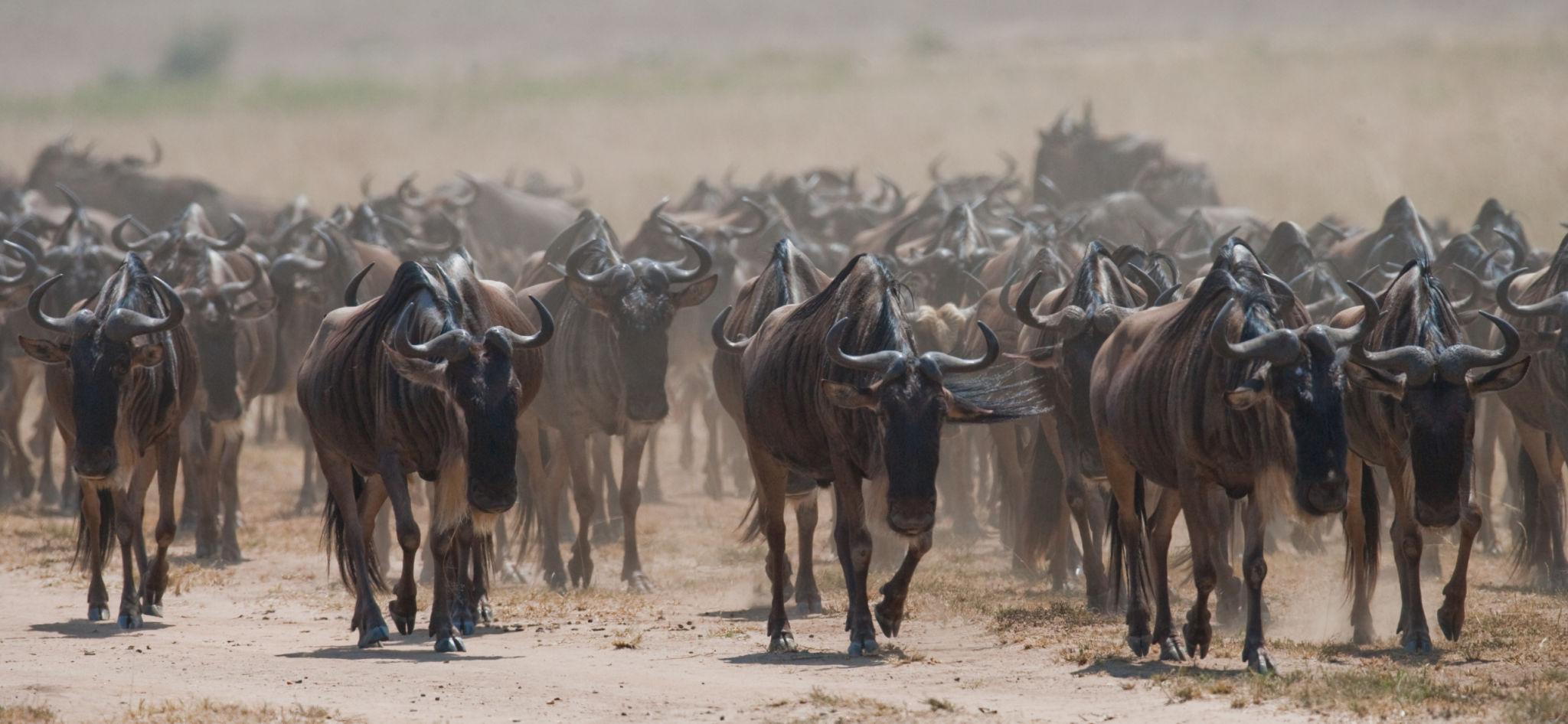
Rainfall is the primary driver. The herds instinctively follow the scent of rain and the growth of fresh grass, moving toward areas where food and water are available. This instinct has been passed down through generations, allowing the migration to continue year after year.
The journey is not easy. Animals face exhaustion, hunger, and constant threats from predators. Rivers, droughts, and changing conditions all present challenges that must be overcome. Yet the herds persist, driven by the need to survive.
This ability to adapt is remarkable. Whether adjusting their route due to environmental changes or responding to immediate threats, the animals display resilience and determination at every stage.
This deep-rooted instinct and adaptability are central to What Makes the Great Migration So Unique, highlighting the raw and unfiltered power of nature.
What This Means for Your Safari Experience
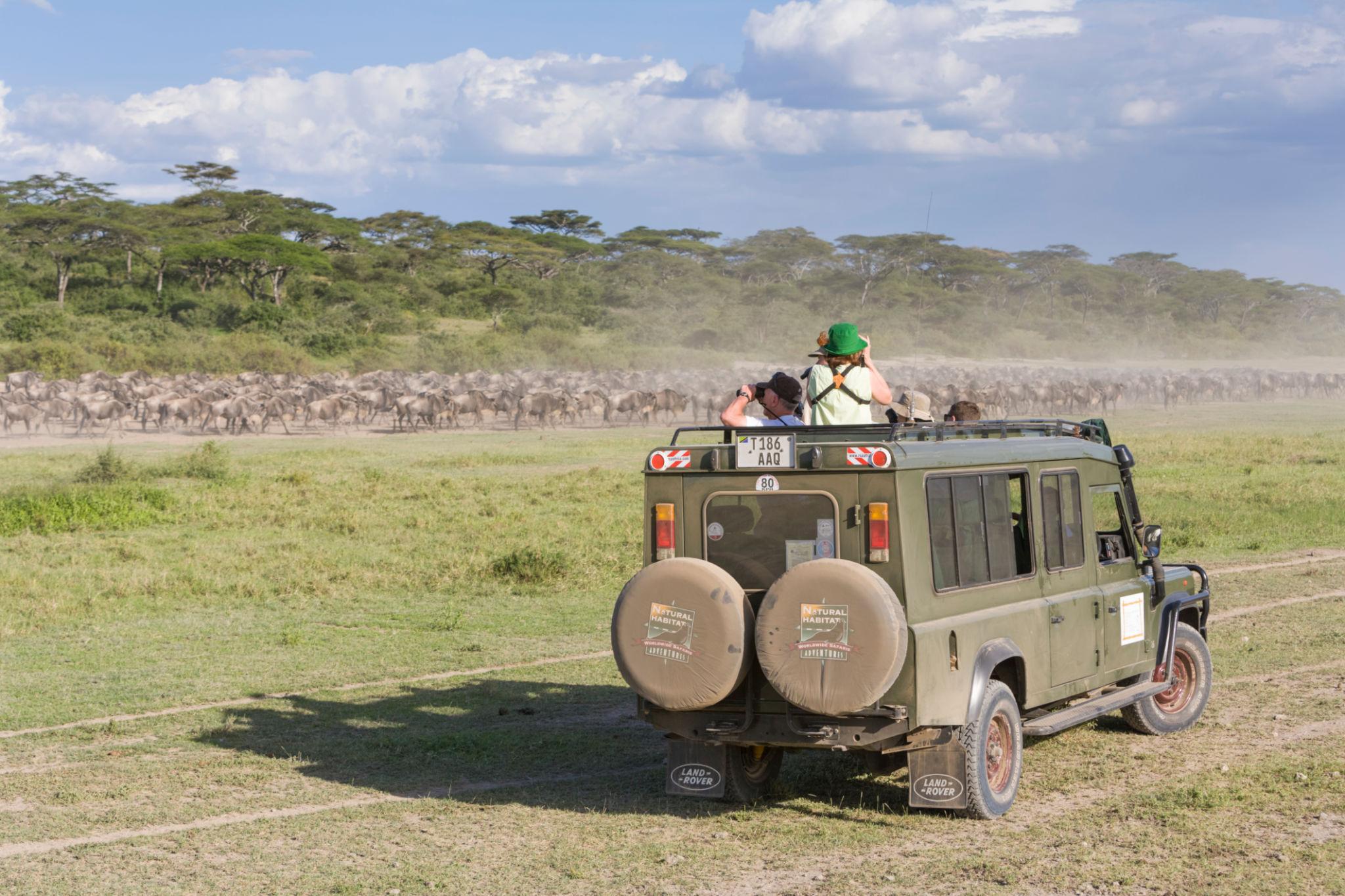
For travelers, understanding What Makes the Great Migration So Unique is essential when planning a safari. The migration is not a single event but a year-round phenomenon, meaning the experience changes depending on when and where you visit.
At certain times of the year, you may witness the calving season, where vast numbers of newborn animals take their first steps. At other times, you may encounter massive herds moving across open plains, creating breathtaking landscapes filled with life. During the dry season, the focus often shifts to river crossings, where dramatic scenes unfold.
This variation ensures that every safari is different. Even returning to the same location at a different time can offer a completely new perspective. The unpredictability adds excitement, as each day brings the possibility of unique wildlife encounters.
Beyond the migration itself, the surrounding ecosystem is equally vibrant. Predators, scavengers, and other species all contribute to the experience, making it rich and diverse.
This ever-changing nature is a key part of What Makes the Great Migration So Unique, turning every safari into a deeply personal and unforgettable journey.
What Makes the Great Migration So Unique: Final Insight
What Makes the Great Migration So Unique lies in its extraordinary combination of scale, continuous movement, intense danger, and constant renewal of life.
This is not simply a seasonal event—it is a living, breathing ecosystem in motion. Every stage of the journey, from quiet grazing on open plains to dramatic river crossings, tells a powerful story of survival. The migration reflects the balance of nature, where life and loss exist side by side, shaping one of the most remarkable natural spectacles on Earth.
What truly defines What Makes the Great Migration So Unique is its unpredictability and authenticity. No two moments are ever the same, and every encounter offers something new. Whether witnessing a herd stretching across the horizon or a sudden burst of movement during a crossing, the experience leaves a lasting impression.
FAQs About What Makes the Great Migration So Unique
When is the best time to see the Great Migration?
The best time depends on the experience you are looking for. The calving season usually takes place early in the year, offering scenes of new life, while river crossings typically occur mid-year and provide dramatic action.
Where does the Great Migration take place?
The migration primarily occurs between Serengeti National Park and Masai Mara National Reserve, forming a circular route driven by rainfall.
Is the migration predictable?
While the migration follows seasonal patterns, exact timings can vary depending on rainfall and environmental conditions. This natural variation makes each year slightly different.
Can I see the migration year-round?
Yes, different stages of the migration happen throughout the year in different locations. With proper planning, it is possible to experience some part of the migration at almost any time.
Plan Your Safari with Experts
At Pieland Gorilla Safaris, we specialize in designing immersive wildlife experiences across East Africa, tailored to match the timing and highlights of the migration.
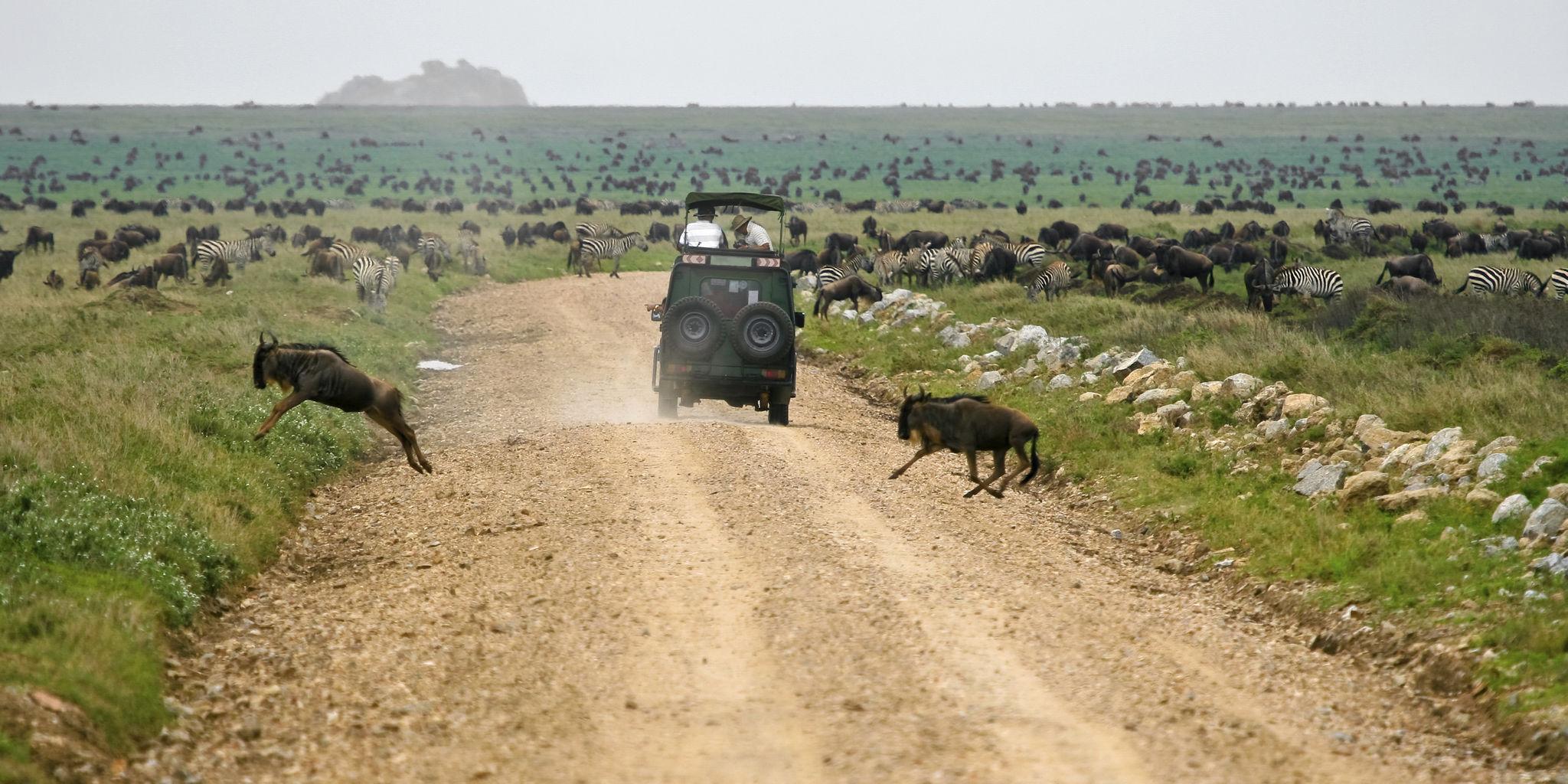
From Tanzania to Kenya, our expertly crafted itineraries ensure you are in the right place at the right time to fully experience What Makes the Great Migration So Unique. Whether your goal is to witness dramatic river crossings or the incredible calving season, we handle every detail with precision and care.
With deep local knowledge and a passion for authentic experiences, we make your safari seamless, enriching, and unforgettable.
Start planning your journey today and experience one of nature’s greatest spectacles in its purest form.