
The Ultimate Guide to What to Expect on Long Safari Drives
Planning an African safari often includes long road journeys between destinations. Understanding What to Expect on Long Safari Drives helps you prepare mentally and physically, turning travel time into an enjoyable and meaningful part of your adventure.
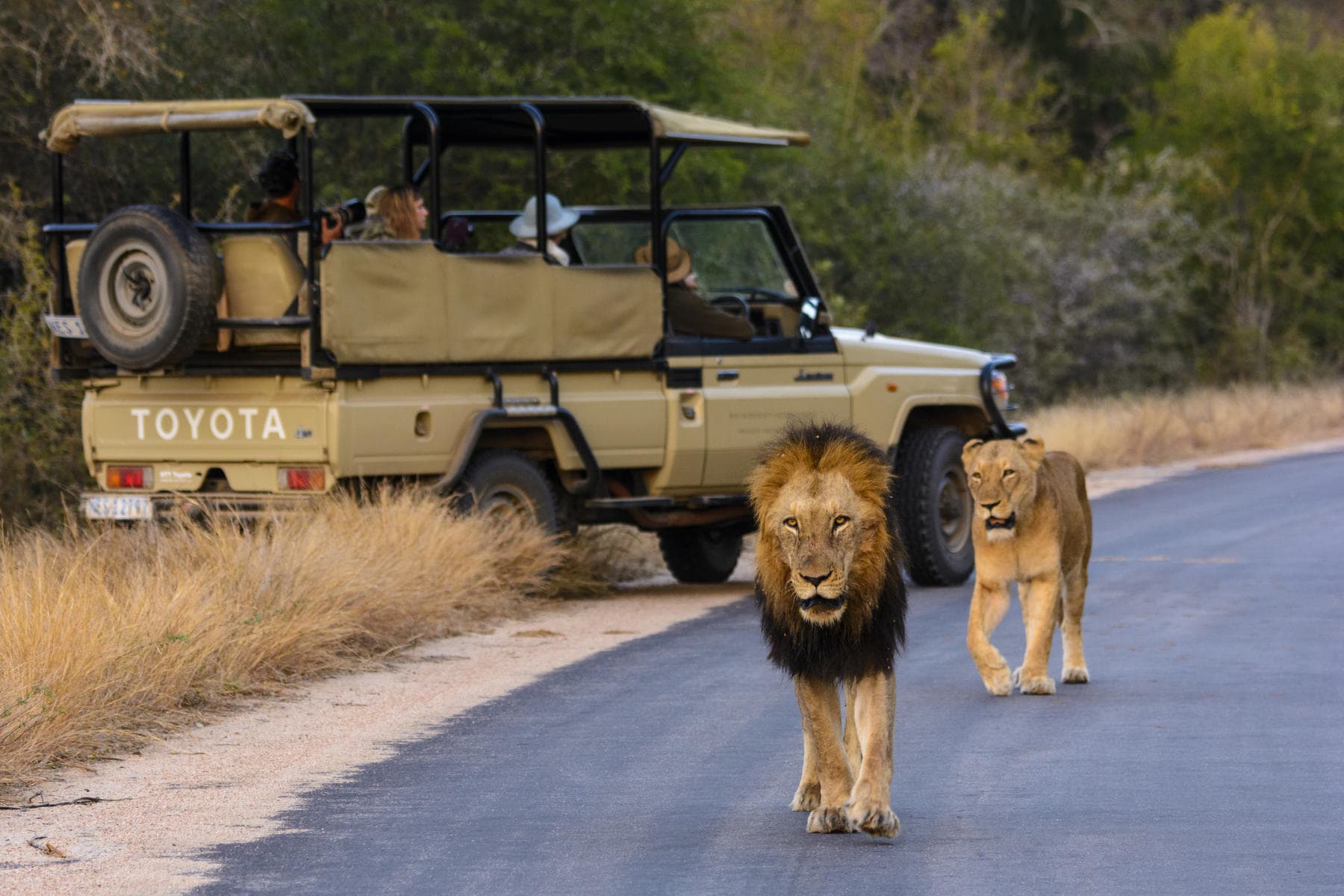
In destinations like Uganda, Kenya, and Tanzania, distances between parks can be significant. Knowing What to Expect on Long Safari Drives ensures your journey is comfortable, realistic, and rewarding rather than exhausting or rushed.
This guide explains everything you need to know about What to Expect on Long Safari Drives, from road conditions to travel comfort and the unique experiences you encounter along the way.
Why Long Safari Drives Are Part of the Experience
Understanding What to Expect on Long Safari Drives begins with recognizing that the journey itself is an essential part of the safari—not just a means of getting from one destination to another.
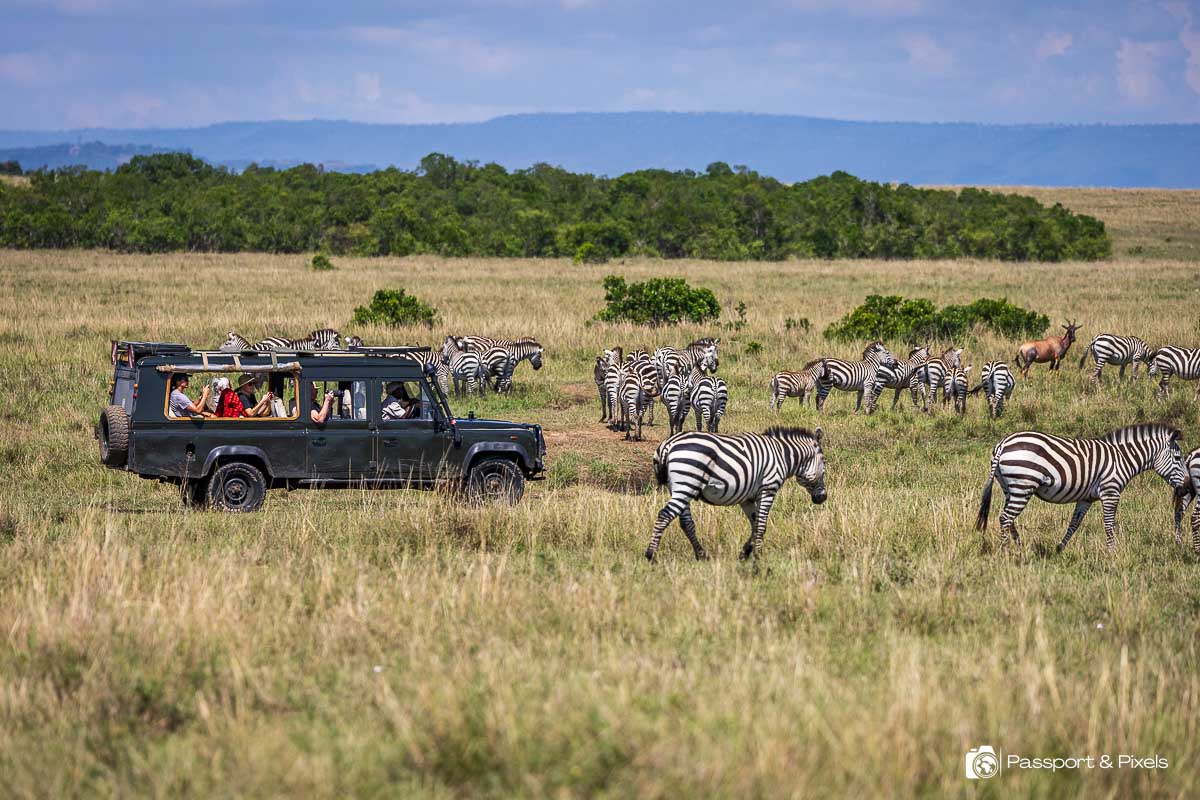
Unlike typical vacations where transfers are often overlooked, safari travel offers a deeper connection to the region. As you move between parks, you pass through changing landscapes—lush highlands, open savannahs, forests, lakes, and rural communities. This constant transition gives you a broader understanding of the country beyond the national parks.
These drives also provide insight into local life. You may pass roadside markets, schools, farms, and small towns, offering a glimpse into everyday life in Africa. These cultural encounters enrich your safari and make the journey more meaningful.
Another important aspect of What to Expect on Long Safari Drives is the possibility of spontaneous wildlife sightings. Even outside protected parks, it is not uncommon to see animals such as antelopes, monkeys, or birds along the الطريق. These unexpected moments add excitement and variety to the journey.
By understanding this, you begin to see long drives not as delays but as part of the adventure—an opportunity to experience Africa in a more complete and authentic way.
Road Conditions and Travel Times
One of the most important elements of What to Expect on Long Safari Drives is understanding the reality of road conditions and how they affect travel time.
In East Africa, major highways connecting cities are generally paved and relatively smooth. However, once you leave urban areas and head toward national parks, road conditions change significantly. Many park access roads are gravel or dirt tracks, which can be uneven, dusty, or muddy depending on the season.
During the dry season, these roads can be dusty, and travel may involve constant vibrations. In the rainy season, roads can become slippery and more challenging to navigate, sometimes increasing travel time considerably.
Travel time is not determined by distance alone. Terrain plays a major role. Mountainous areas, winding roads, and rough surfaces can slow down travel even over short distances. This is why understanding What to Expect on Long Safari Drives is critical when planning your itinerary.
For example:
- Entebbe to Bwindi Impenetrable National Park takes approximately 9–10 hours due to terrain and road conditions
- Nairobi to Maasai Mara National Reserve takes around 5–6 hours
- Arusha to Serengeti National Park takes about 6–8 hours depending on the route
These examples highlight how travel times can vary widely, even when distances seem manageable.
Planning with realistic expectations ensures that your safari remains enjoyable and well-paced rather than rushed or tiring.
Comfort and Safari Vehicles
Comfort is a key factor in What to Expect on Long Safari Drives, and the type of vehicle used plays a major role in your overall experience.
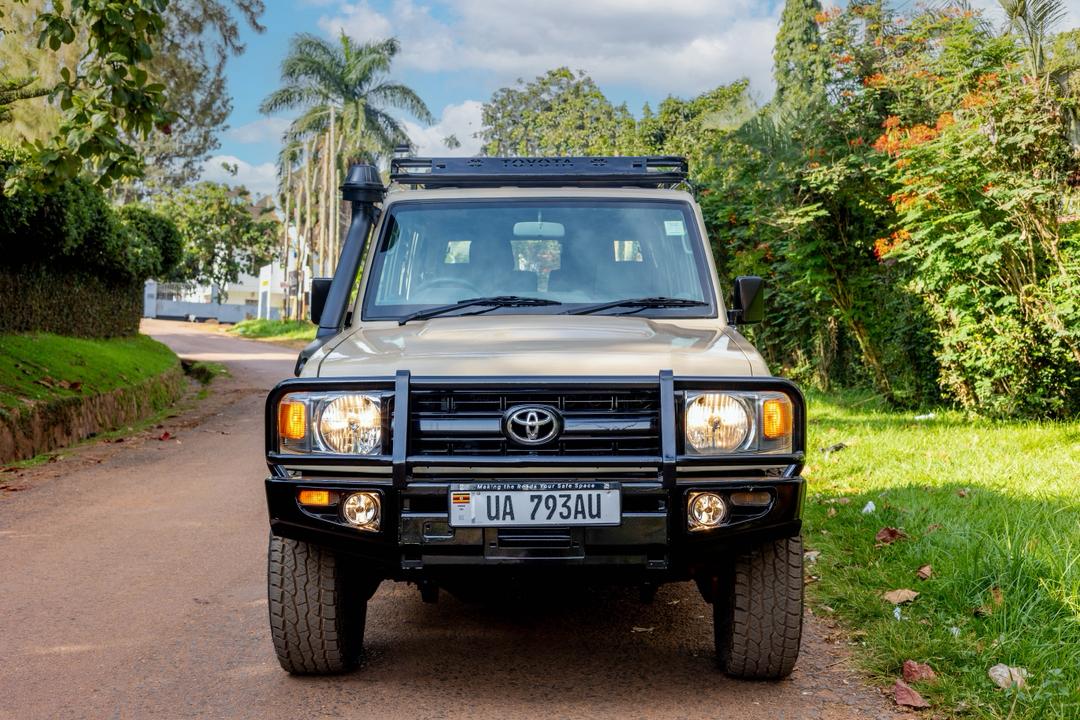
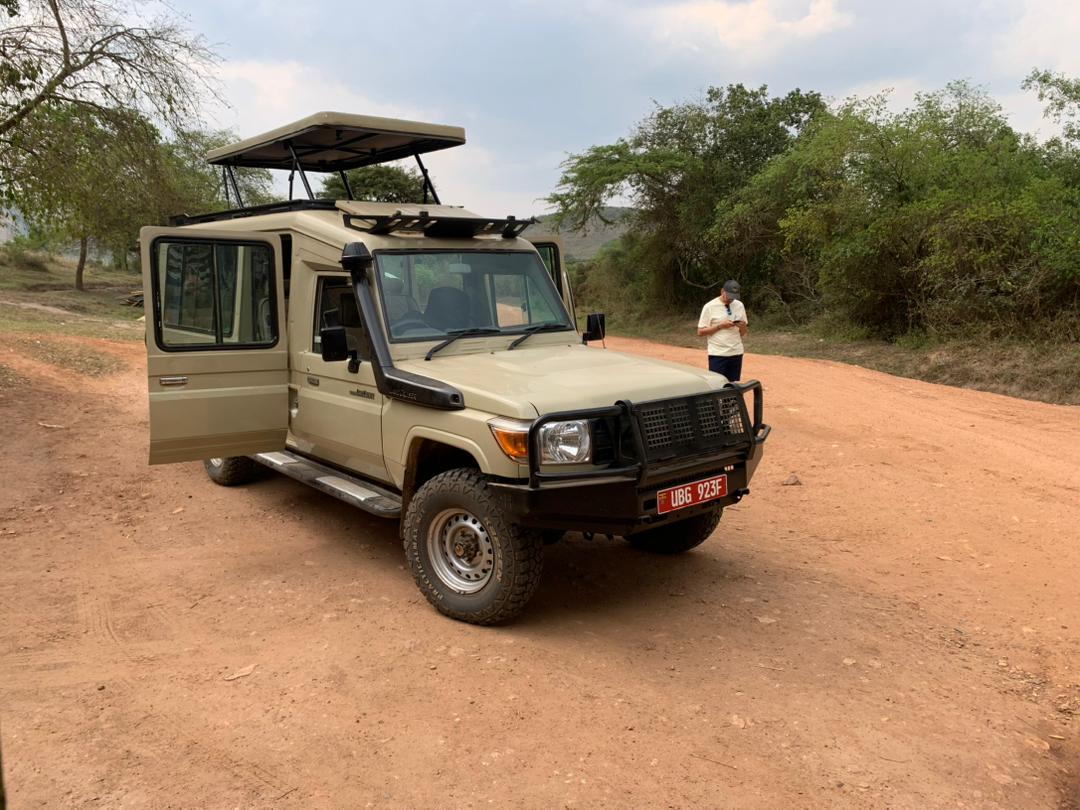
Most safaris in East Africa use specially designed 4×4 vehicles, commonly Toyota Land Cruisers. These vehicles are built to handle rough terrain while providing a good level of comfort for passengers.
They typically feature pop-up roofs, which allow you to stand and enjoy panoramic views during game drives. Seating is designed for visibility, ensuring each traveler has a good view of the surroundings. Many vehicles are also equipped with air conditioning, which is particularly helpful during long drives in warm conditions.
Despite these features, spending several hours on the road can still be physically demanding. The constant movement, especially on rough roads, can lead to fatigue. This is why regular stops are important. Drivers usually plan breaks for stretching, restroom visits, and refreshments, helping maintain comfort throughout the journey.
Another important aspect of What to Expect on Long Safari Drives is preparation. Wearing comfortable clothing, staying hydrated, and bringing small essentials such as snacks or travel pillows can make a significant difference.
While safari vehicles are designed for durability and functionality, understanding their limitations helps you set realistic expectations. With the right preparation, long drives become much more manageable and even enjoyable.
Scenery and Cultural Encounters
One of the most enriching aspects of What to Expect on Long Safari Drives is the ever-changing scenery and the cultural encounters you experience along the way. These journeys take you far beyond national parks, offering a broader perspective of the region you are exploring.

As you travel through Uganda, Kenya, or Tanzania, the landscapes shift dramatically. You may begin your day in lush green highlands, pass through open savannahs, and later drive alongside lakes or through forested areas. Each region presents a different natural environment, making the journey visually dynamic and engaging.
Beyond the scenery, cultural encounters add depth to your safari. You will pass through villages, roadside markets, and small towns where daily life unfolds naturally. Seeing farmers in the fields, children walking to school, or vendors selling fresh produce offers a genuine connection to local communities.
These moments are not staged—they are authentic glimpses into everyday life. They provide context to your safari, helping you understand the people and cultures that coexist with the wildlife.
Understanding What to Expect on Long Safari Drives allows you to appreciate these experiences as meaningful highlights rather than simply part of the journey. For many travelers, these cultural interactions become just as memorable as the wildlife itself.
Breaks, Stops, and Travel Rhythm
Long journeys are carefully structured, and understanding the rhythm of travel is an important part of What to Expect on Long Safari Drives.
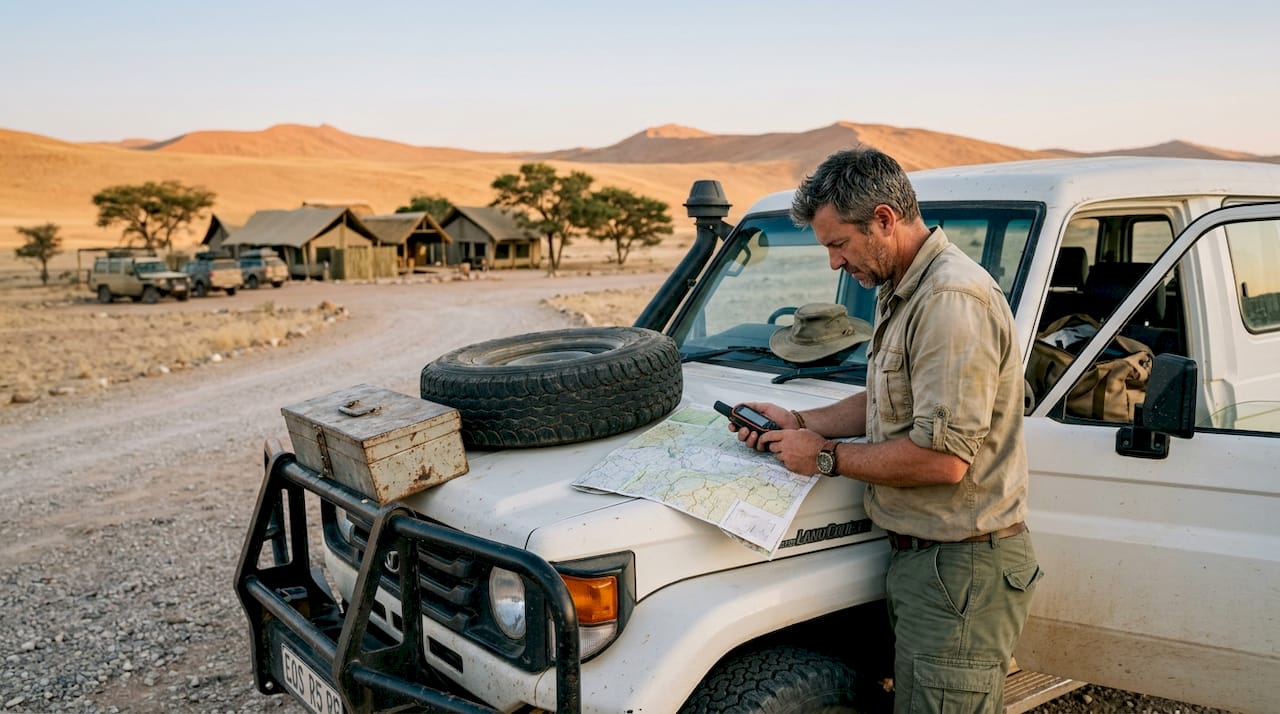
Safari drives are not continuous from start to finish. Professional guides plan regular stops to ensure comfort and maintain a relaxed pace. These breaks are essential, especially on longer routes, and they help prevent fatigue.
Typically, stops are made for restroom breaks, meals, or refreshments. Depending on the route, you may stop at local restaurants, lodges, or designated rest points. These pauses give you time to stretch, refresh, and recharge before continuing the journey.
Scenic stops are another highlight. Drivers often pause at viewpoints where you can take photos, enjoy the landscape, and simply take in the surroundings. These moments break up the journey and add variety to the drive.
The timing and frequency of stops depend on distance, road conditions, and traveler preferences. A well-paced journey ensures that What to Expect on Long Safari Drives includes a balance between movement and relaxation.
By understanding this rhythm, you can approach long drives with a more relaxed mindset, knowing that the journey is designed to be comfortable and enjoyable.
Tips to Enjoy Long Safari Drives
Preparation plays a key role in shaping What to Expect on Long Safari Drives, and a few simple steps can significantly enhance your experience.
Bringing snacks and water is essential, especially on longer routes where stops may be spaced out. Staying hydrated and energized helps you remain comfortable throughout the journey.
Protection from the sun is also important. Sunglasses, sunscreen, and a hat can make a big difference, particularly when driving through open landscapes where shade is limited.
A camera or binoculars adds another layer of enjoyment. Long drives often present unexpected opportunities for wildlife sightings or scenic photography, and being prepared allows you to capture these moments.
Comfortable clothing is equally important. Lightweight, breathable fabrics and relaxed footwear help you stay at ease during extended periods in the vehicle.
Entertainment can also enhance the experience. Listening to music, engaging in conversation, or simply enjoying the passing scenery can make time feel shorter and more enjoyable.
Understanding What to Expect on Long Safari Drives allows you to prepare thoughtfully and turn what might seem like a long journey into an enjoyable and memorable part of your safari adventure.
Driving vs Flying: Alternatives to Long Drives
When planning What to Expect on Long Safari Drives, it’s important to understand that you are not limited to road travel—there are flexible alternatives that can significantly improve your overall experience.
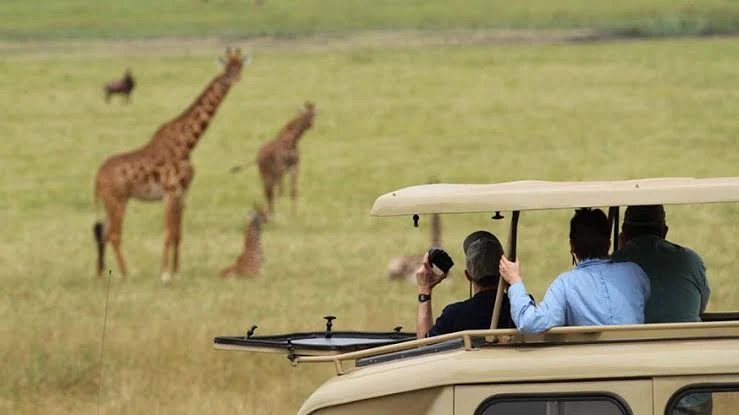
Driving remains the most immersive option. It allows you to experience landscapes, local culture, and gradual transitions between regions. For shorter distances or routes within one country, driving is often the best choice. It gives you a deeper connection to the environment and makes the journey itself part of the safari.
However, for longer distances, flying becomes a highly valuable alternative. Domestic flights across Uganda, Kenya, and Tanzania can reduce travel time dramatically. What might take 8–10 hours by road can often be completed in 1–2 hours by air. This not only saves time but also reduces fatigue, allowing you to spend more energy on activities like game drives and trekking.
Many well-designed itineraries combine both options. For example, you might drive between nearby parks to enjoy scenic routes, then fly between distant regions to avoid long, tiring transfers. This hybrid approach is often the most effective way to manage What to Expect on Long Safari Drives.
Choosing between driving and flying depends on your schedule, budget, and travel style. Travelers with more time may prefer road journeys for the experience, while those with limited time often benefit from flying. Understanding these options ensures that your safari is both efficient and enjoyable.
Plan Your Safari with Experts
At Pieland Gorilla Safaris, we understand that managing What to Expect on Long Safari Drives is essential to creating a comfortable and memorable journey.
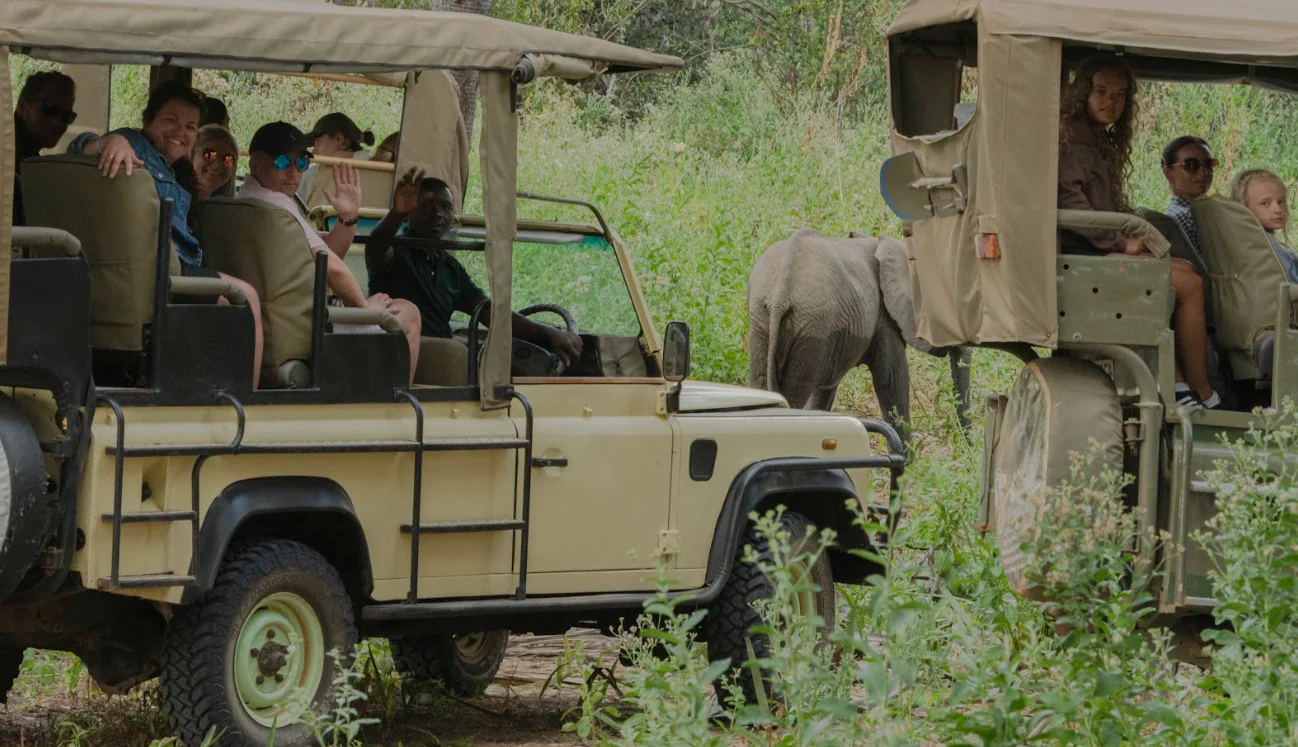
Our team carefully designs each itinerary to balance travel time with meaningful experiences. We select the best routes, schedule appropriate stopovers, and recommend when to drive and when to fly based on your preferences and timeline.
We provide reliable 4×4 safari vehicles that are built for comfort and durability, along with experienced guides who ensure your journey is smooth and well-paced. Their knowledge of routes, road conditions, and timing allows you to travel confidently and without stress.
Whether you are exploring the landscapes of Uganda, the savannahs of Kenya, or the vast plains of Tanzania, we ensure that every part of your journey is thoughtfully planned.
With expert guidance, your experience of What to Expect on Long Safari Drives becomes not just manageable, but enjoyable—transforming long journeys into an integral and rewarding part of your safari adventure.