
The Ultimate Truth: Why Lions Hunt More at Night
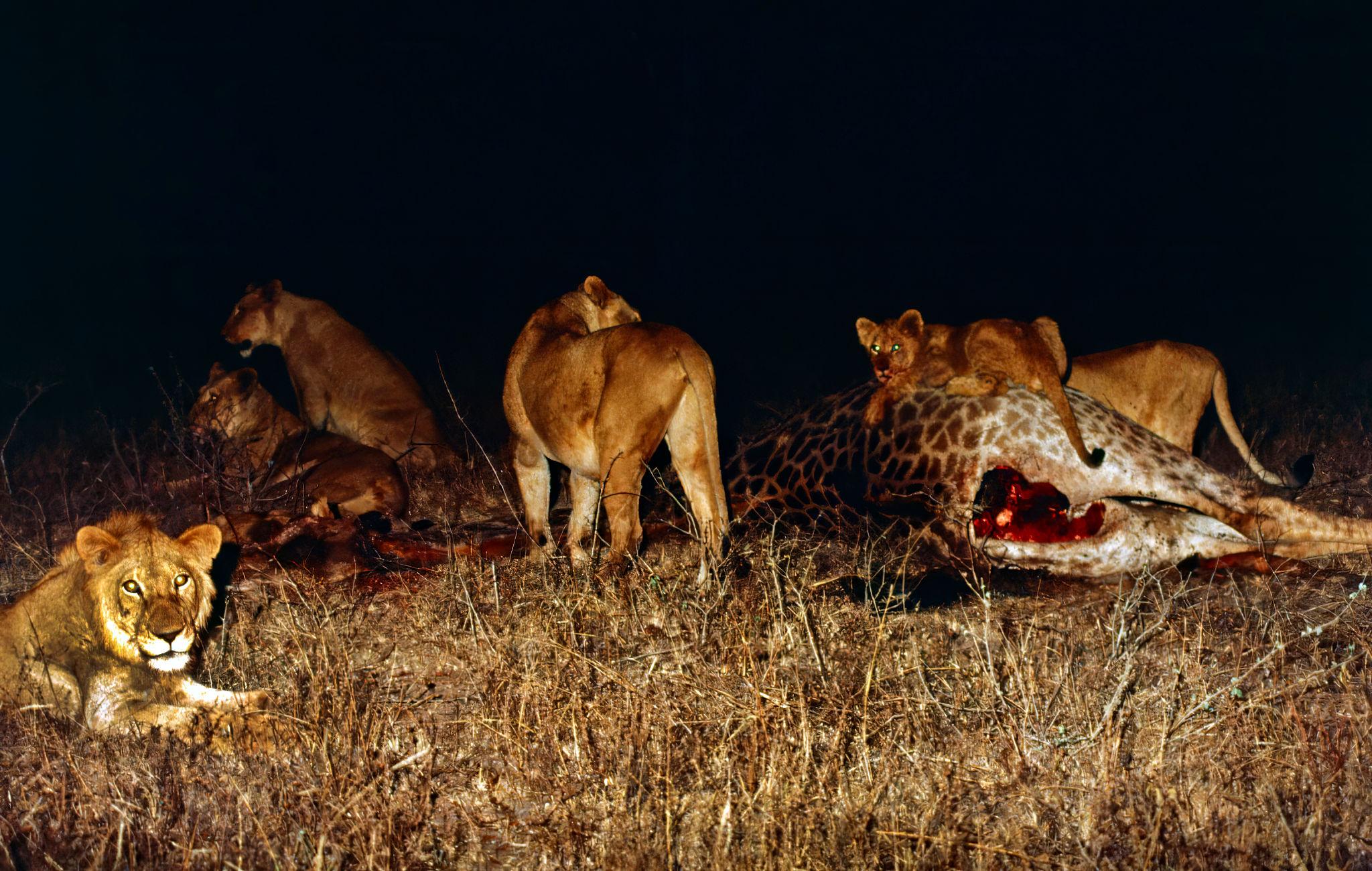
Understanding Why Lions Hunt More at Night is one of the most fascinating aspects of African wildlife behavior. Lions are powerful predators, but their success is not just about strength—it is about strategy, timing, and survival instincts refined over thousands of years.
Across iconic destinations like Serengeti National Park, Masai Mara National Reserve, and Queen Elizabeth National Park, this behavior unfolds every evening as darkness transforms the savannah into an active hunting ground.
In this guide, we break down exactly Why Lions Hunt More at Night, focusing on the science behind their behavior, their survival strategies, and how these factors combine to make them highly effective nocturnal hunters.
The Advantage of Darkness
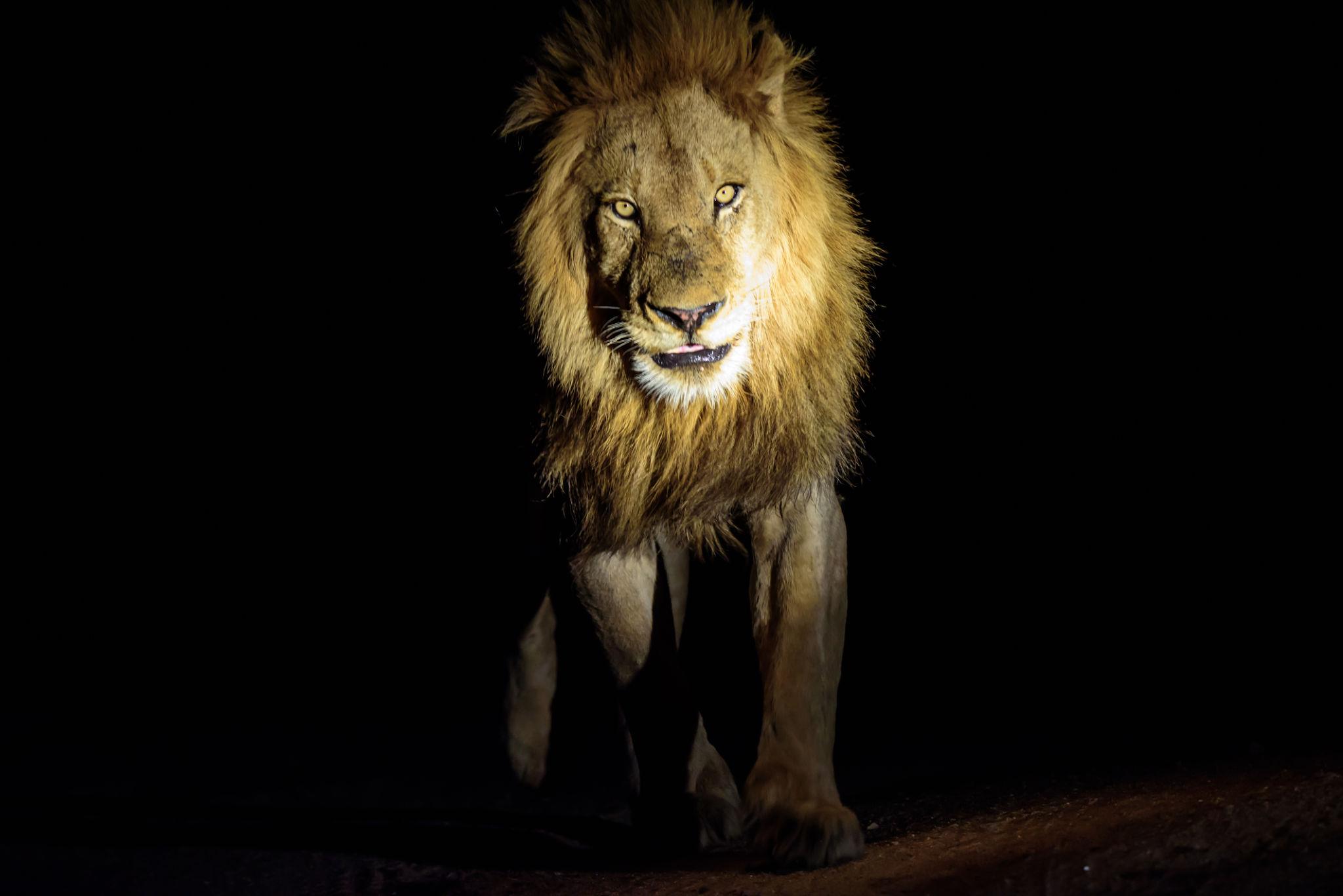
One of the strongest explanations for Why Lions Hunt More at Night lies in their exceptional ability to operate in low-light conditions. Lions possess a biological adaptation known as the tapetum lucidum, a reflective layer behind the retina that significantly enhances their night vision. This feature allows them to make the most of even minimal light, such as moonlight or starlight, giving them a clear visual advantage after sunset.
In contrast, most prey species—including antelope, zebras, and buffalo—are primarily adapted for daylight activity. While some of these animals have decent night awareness, they rely more heavily on hearing and group vigilance rather than sharp vision. This imbalance creates a crucial window of opportunity for lions.
Darkness also reduces visibility across the landscape, making it harder for prey to detect movement. Lions, with their tawny coats blending into the dim environment, can move closer without being noticed. This stealth approach is essential because lions are not built for long-distance chases; they depend on getting as close as possible before launching a short, explosive attack.
This combination of enhanced vision, camouflage, and reduced detection risk clearly explains Why Lions Hunt More at Night—the environment itself shifts in their favor, tipping the balance between predator and prey.
Cooler Temperatures Increase Efficiency
Another important factor behind Why Lions Hunt More at Night is the impact of temperature on energy use and physical performance. The African savannah can be extremely hot during the day, with temperatures often rising above 30°C (86°F). In such conditions, even short bursts of activity can lead to rapid exhaustion.
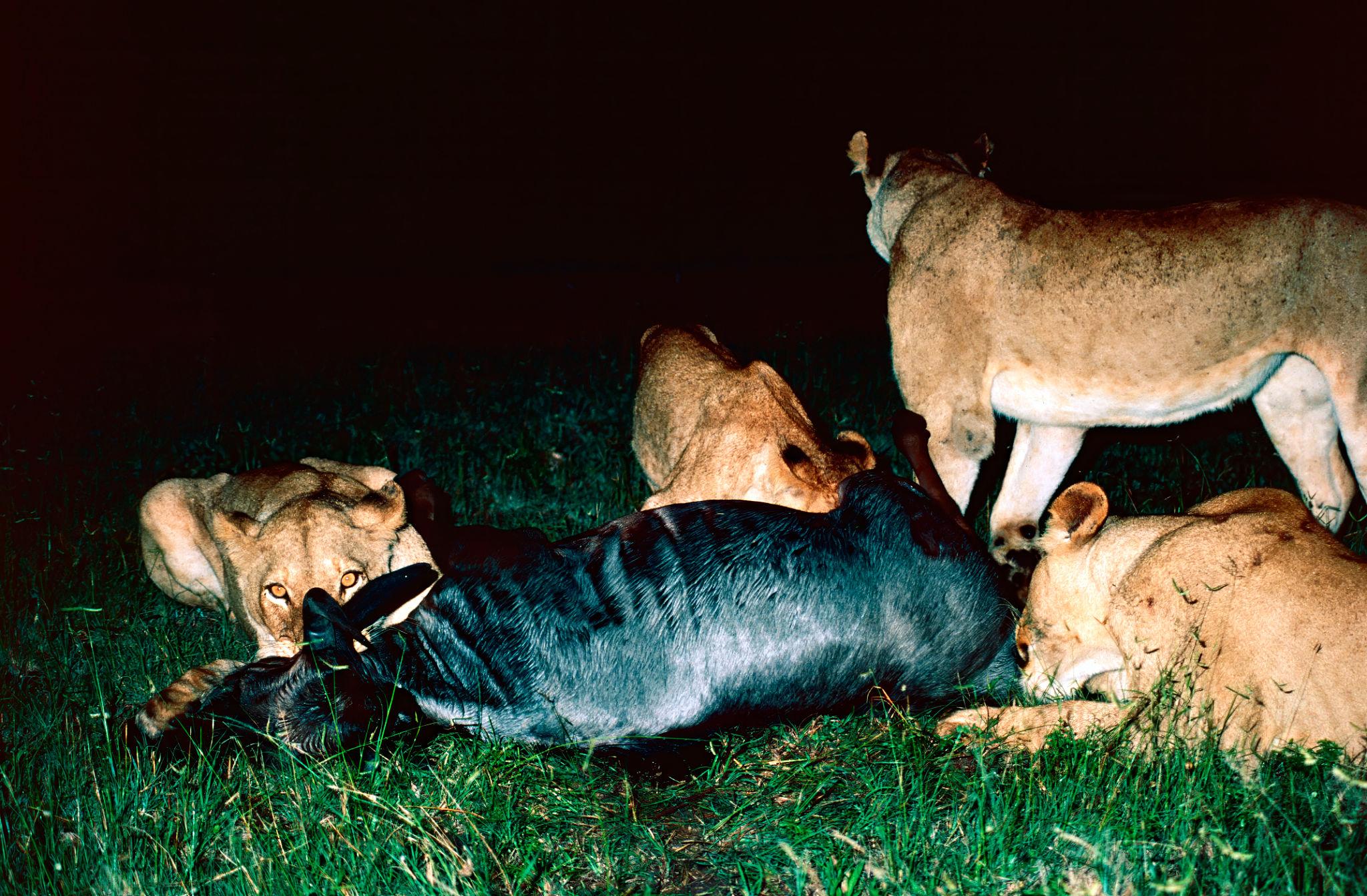
Lions are large, muscular animals, and their hunting technique requires intense energy over a short period. Attempting this in the heat of the day would significantly reduce their chances of success and increase the risk of overheating. As a result, lions spend much of the daytime resting, often lying in shade to conserve energy.
Nighttime brings a dramatic drop in temperature, creating far more favorable conditions for movement and coordination. In cooler air, lions can travel longer distances without fatigue, maintain focus during hunts, and recover more quickly after exertion. This allows them to be more patient and strategic in their approach.
Additionally, cooler temperatures improve group coordination within the pride. Hunting often involves multiple individuals taking on different roles, such as flanking or ambushing. These coordinated efforts require stamina and timing, both of which are easier to sustain in a cooler environment.
Energy efficiency is a critical survival factor in the wild. Every failed hunt costs energy, and too many failures can weaken a lion over time. By choosing to hunt when conditions are cooler and more favorable, lions maximize their chances of success while minimizing unnecessary energy loss.
This practical balance between effort and reward is a key reason Why Lions Hunt More at Night, ensuring they remain effective predators in a challenging and competitive ecosystem.
Stealth and Ambush Strategy
Lions are classic ambush predators, and this hunting style plays a central role in understanding Why Lions Hunt More at Night. Unlike animals built for endurance, lions rely on short bursts of speed and power. Their success depends heavily on how close they can get to their prey before launching an attack.
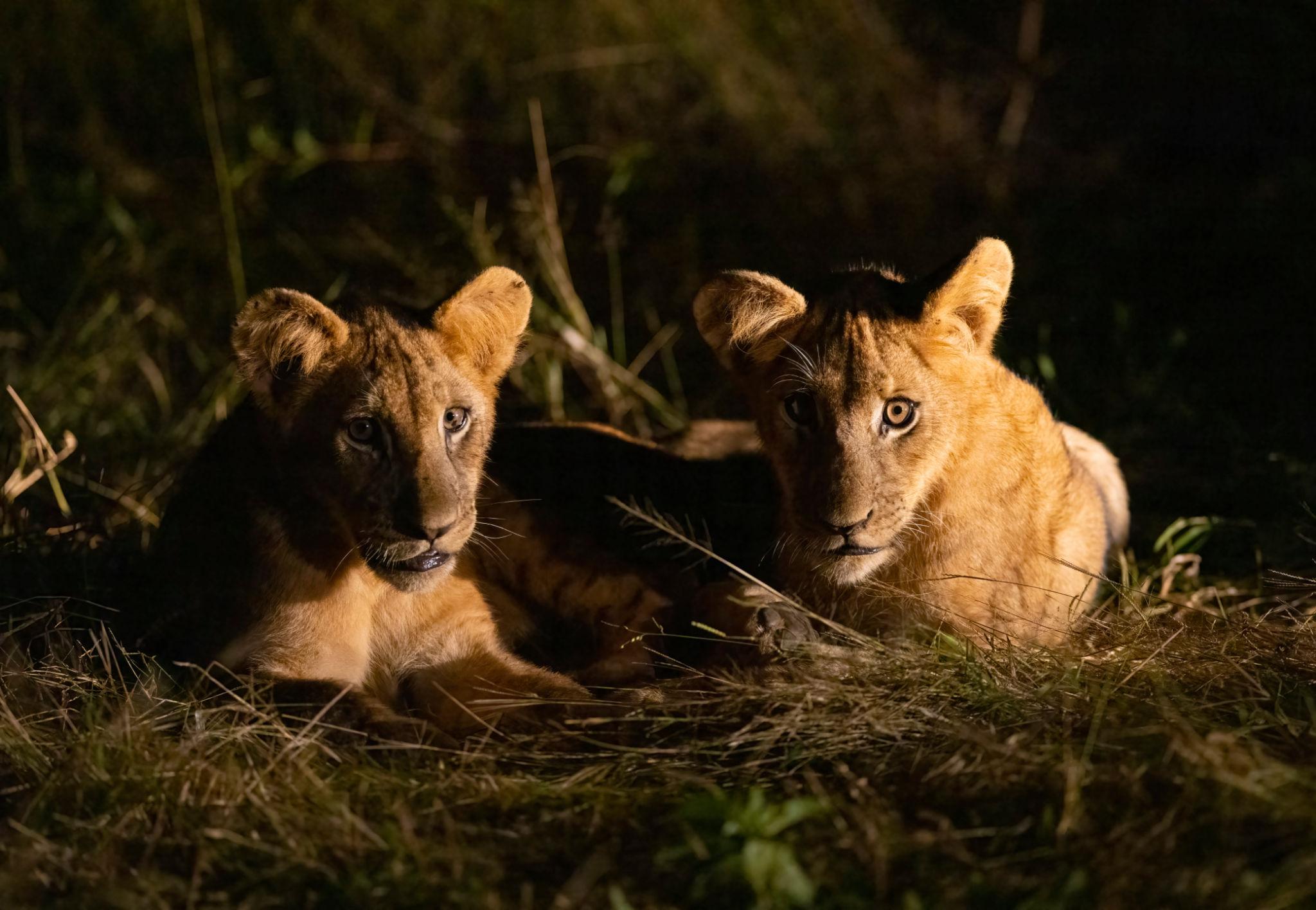
Darkness gives lions a natural advantage by reducing visibility across the savannah. Their tawny coats blend almost perfectly into the dim surroundings, allowing them to move slowly and silently without being easily detected. This camouflage is far less effective during the day, when sunlight exposes their movements from a distance.
At night, prey animals struggle to see clearly, especially in open grasslands. Lions take advantage of this by stalking their targets carefully, often lowering their bodies close to the ground and using vegetation, shadows, and terrain for cover. They may spend several minutes—or even longer—closing the gap before initiating the final charge.
This hunting method is energy-efficient. Instead of chasing prey over long distances, lions rely on precision and timing. When they finally attack, it is usually from a very close range, increasing the likelihood of a successful kill.
This dramatic improvement in stealth and approach explains Why Lions Hunt More at Night—the darkness allows them to turn their natural hunting style into a highly effective strategy.
Teamwork and Pride Coordination
Another major factor behind Why Lions Hunt More at Night is their unique social structure. Lions are the only big cats that live and hunt in organized groups known as prides. This teamwork gives them a significant advantage, especially when hunting larger or more alert prey.
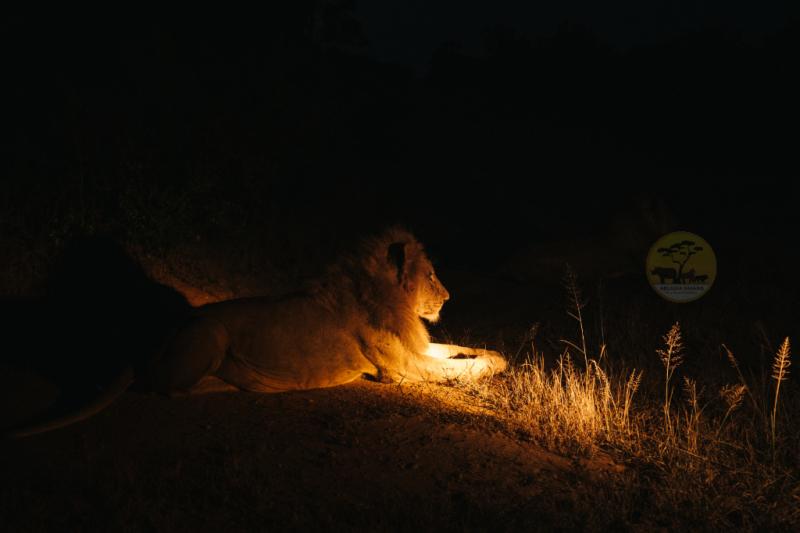
Nighttime conditions enhance this coordination. Under the cover of darkness, lions can spread out and take up strategic positions without being easily noticed. Some members of the pride act as drivers, slowly pushing prey in a specific direction, while others position themselves ahead to ambush.
Communication during these hunts is often subtle, relying on body language, movement, and sometimes low vocal signals. The reduced visibility at night creates confusion among prey animals, making it harder for them to detect where danger is coming from. This confusion benefits the lions, allowing them to execute coordinated attacks with greater success.
Team hunting also enables lions to target larger animals such as buffalo, which would be difficult for a single lion to overpower. The ability to work together efficiently is amplified at night, when stealth and surprise are at their peak.
This cooperative behavior is a key reason Why Lions Hunt More at Night, as it allows prides to maximize their strength and increase their overall hunting success.
Reduced Competition from Other Predators
While many African predators are active at night, competition is still an important factor in explaining Why Lions Hunt More at Night. Lions must not only catch their prey but also protect it from scavengers and rival predators.
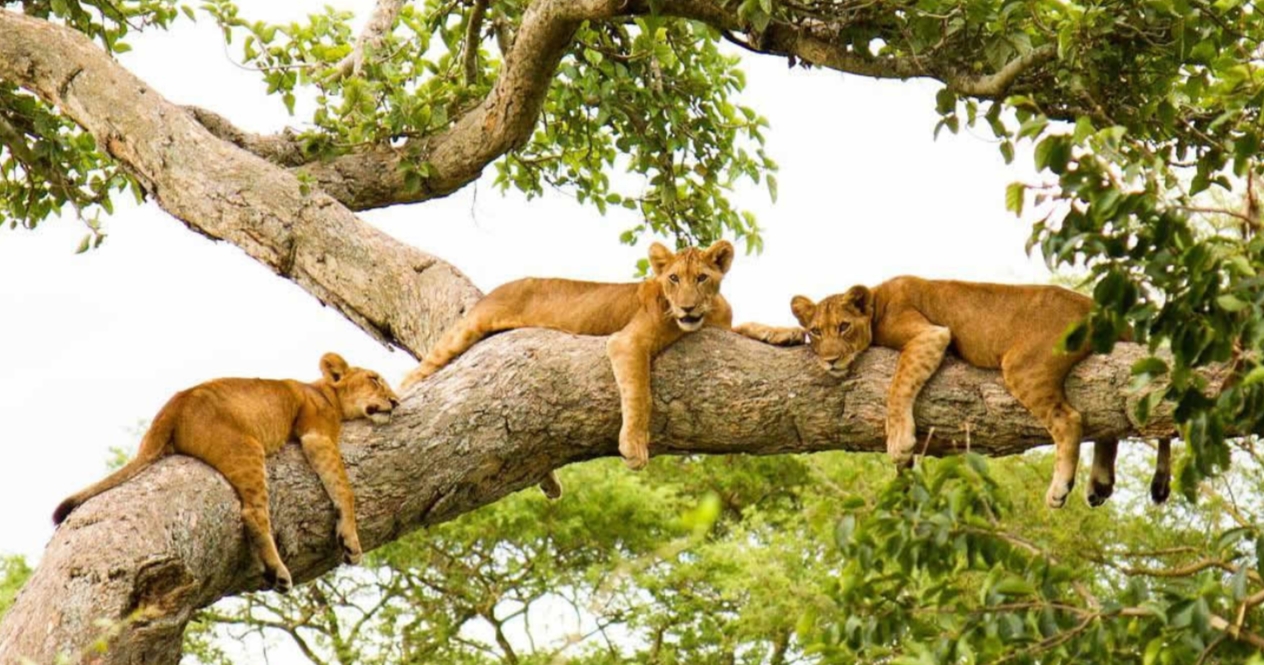
Hyenas, for example, are highly opportunistic and often attempt to steal kills from lions. By hunting at specific times during the night, lions can reduce the likelihood of immediate confrontations or position themselves better to defend their catch.
Timing is crucial. Lions may begin their hunts when other predators are less active or spread out, giving them a temporary advantage. This strategic timing allows them to secure kills more efficiently and consume a significant portion before competitors arrive.
In addition, avoiding unnecessary conflicts is important for survival. Fights with other predators can lead to injuries, which may reduce a lion’s ability to hunt in the future. By choosing optimal hunting periods at night, lions minimize these risks while maximizing their rewards.
This balance between securing food and avoiding conflict further explains Why Lions Hunt More at Night, highlighting how strategy and timing are just as important as strength in the wild.
Prey Behavior at Night
Prey animals do not remain the same once the sun goes down, and this shift is a key part of understanding Why Lions Hunt More at Night. As darkness falls, many herbivores adjust their behavior to cope with reduced visibility and increased risk.
Instead of relying on sight, prey species such as antelope and zebras depend more on their hearing and sense of smell. While these senses are effective, they are not always enough to detect a silent, well-coordinated predator like a lion. This creates gaps in awareness that lions are quick to exploit.
Many prey animals also reduce their movement at night to conserve energy and avoid drawing attention. Some choose to rest in open areas where they believe they can detect danger from a distance. However, this strategy can backfire. In low light, it becomes difficult to judge distance and direction, making it easier for lions to approach undetected.
Group dynamics also change at night. While herds may stay together for safety, confusion can spread quickly if a predator attacks. Limited visibility makes it harder for individuals to react in a coordinated way, increasing the chances of a successful ambush.
This constant adjustment between predator and prey behavior is central to Why Lions Hunt More at Night. Lions take advantage of every weakness in their prey’s nighttime defenses, turning the darkness into a powerful hunting ally.
Higher Hunting Success Rates
One of the most compelling reasons Why Lions Hunt More at Night is the clear difference in hunting success rates between day and night. Hunting is physically demanding and often risky, so lions must choose the time when their chances of success are highest.
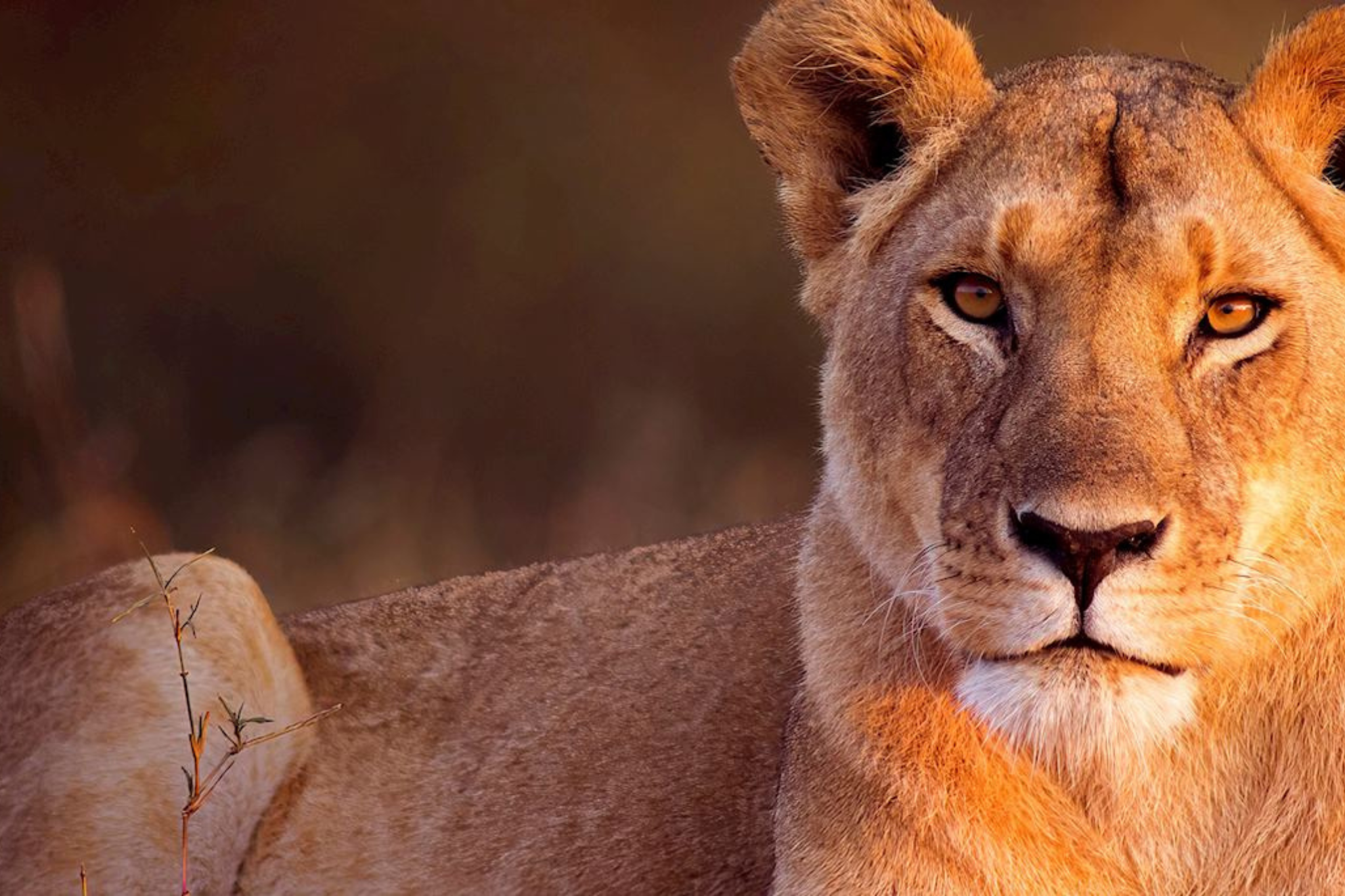
Research and field observations consistently show that lions succeed more often in darkness. This is largely due to the combination of better night vision, improved stealth, and reduced alertness among prey animals. Each of these factors increases the probability of a successful kill.
Failed hunts come at a cost. Every chase consumes valuable energy, and repeated failures can weaken a lion, making it harder to hunt in the future. For prides with cubs, the stakes are even higher, as regular food intake is essential for survival.
By focusing their efforts at night, lions reduce wasted energy and increase efficiency. Even a small improvement in success rate can make a significant difference over time. This strategic approach ensures that lions maintain their strength and remain dominant predators within their ecosystem.
This balance between effort and reward strongly reinforces Why Lions Hunt More at Night, as it aligns perfectly with their need to conserve energy while maximizing results.
What This Means for Your Safari Experience
For travelers, understanding Why Lions Hunt More at Night can completely transform how a safari is planned and experienced. While daytime game drives offer incredible wildlife viewing, much of the real predator action happens after sunset.
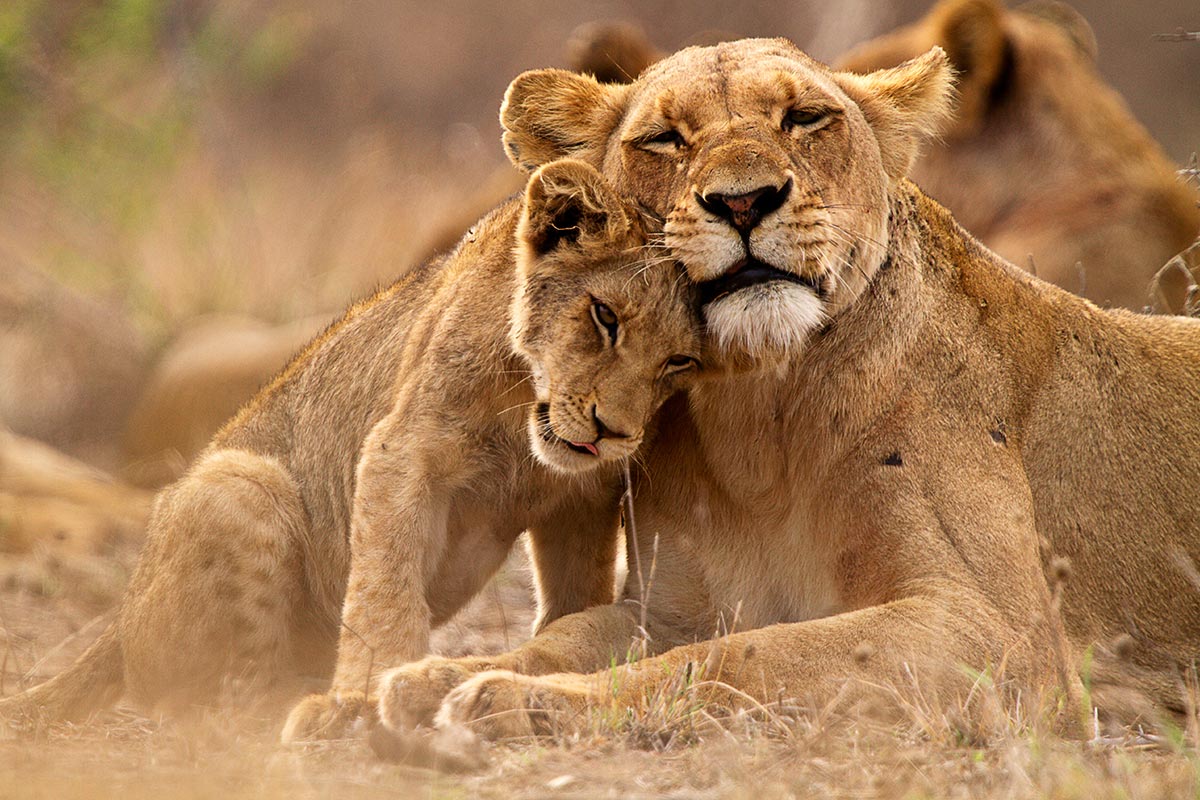
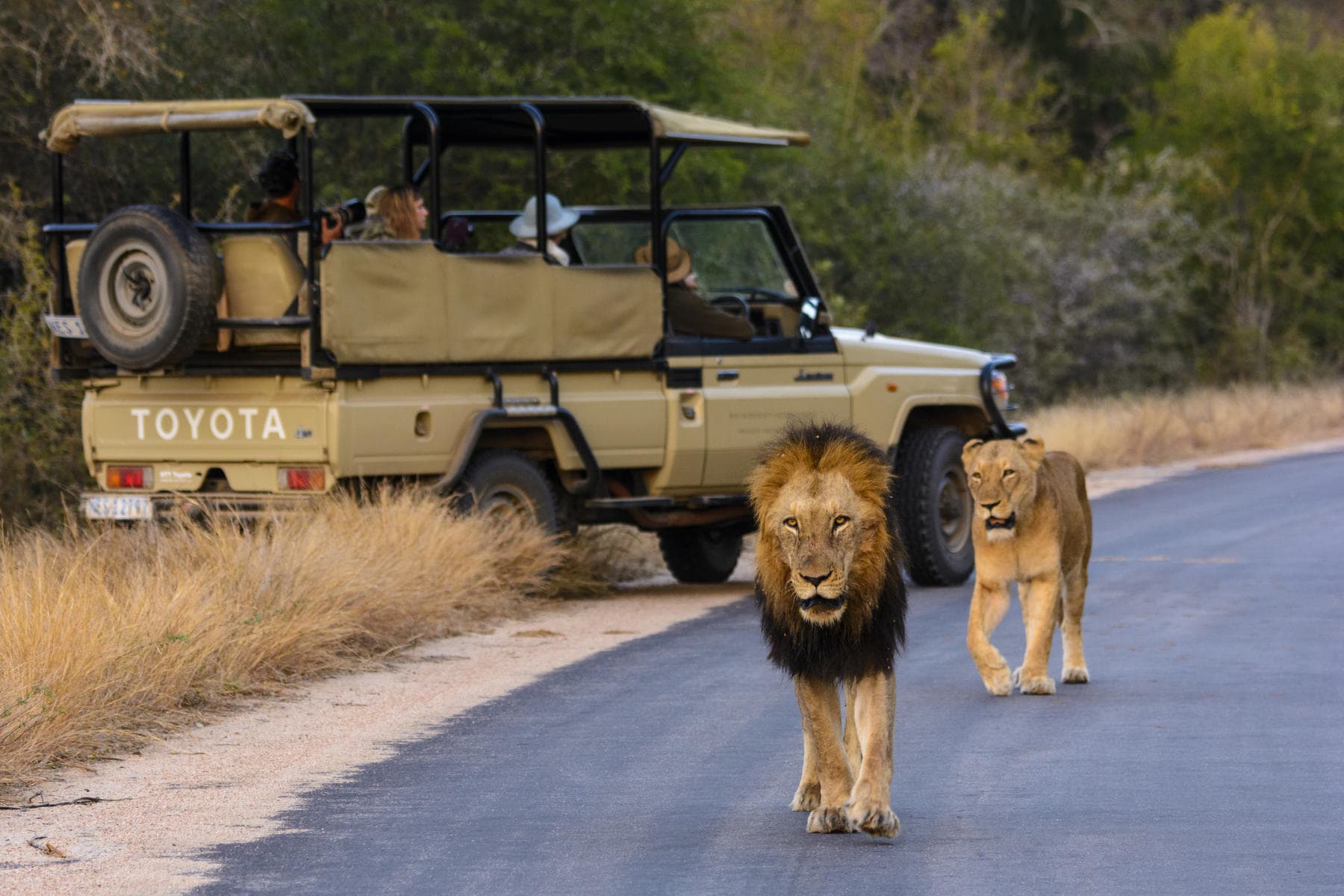
Night game drives—available in selected parks such as Lake Mburo National Park and parts of Queen Elizabeth National Park—provide a unique opportunity to witness lions when they are most active. Equipped with spotlights and guided by experienced rangers, these drives reveal a different side of the African wilderness.
During a night safari, you may observe lions on the move, communicating with subtle sounds, or even preparing for a hunt. The atmosphere is completely different from daytime viewing, with heightened tension and anticipation as predators and prey interact in the dark.
You may also encounter other nocturnal species, adding depth to the experience and helping you understand the full ecosystem at work. Seeing how lions behave in their natural hunting environment gives deeper meaning to the concept of Why Lions Hunt More at Night.
For many travelers, this becomes one of the most memorable parts of their journey. It is not just about seeing wildlife—it is about witnessing nature’s strategy unfold in real time.
Why Lions Hunt More at Night: Final Insight
In summary, Why Lions Hunt More at Night is driven by a powerful combination of biological advantages, environmental conditions, and carefully developed hunting strategies.
Their enhanced night vision allows them to see clearly in low light, while cooler temperatures reduce energy loss and make movement more efficient. At the same time, darkness improves their ability to stalk prey undetected, and their teamwork within prides becomes even more effective under cover of night. All these factors combine to significantly increase their hunting success.
Rather than being a simple habit, this behavior is a refined survival strategy that has evolved over generations. Every aspect—from timing to coordination—plays a role in ensuring lions remain among the most successful predators in the wild. This clearly defines Why Lions Hunt More at Night as a critical adaptation for survival.
FAQs About Why Lions Hunt More at Night
Do lions ever hunt during the day?
Yes, lions can hunt during the day, but it is less common. They usually do so when they are extremely hungry or when an easy opportunity presents itself.
Are lions completely nocturnal?
No, lions are not strictly nocturnal. They are crepuscular, meaning they are most active during dawn and dusk, although much of their hunting still happens at night.
Can tourists see lions hunting?
It is possible, though not guaranteed. Sightings of active hunts are rare but can occur, especially during guided night game drives in selected parks.
Why don’t lions hunt in the heat?
Hunting in high temperatures leads to rapid exhaustion. Since hunting requires intense bursts of energy, lions avoid the heat to maintain strength and improve their chances of success.
Plan Your Safari with Experts
At Pieland Gorilla Safaris, we bring you closer to nature by designing experiences that go beyond ordinary wildlife viewing.
From Uganda to Kenya and Tanzania, our itineraries are carefully crafted to maximize your chances of witnessing authentic predator behavior, including understanding Why Lions Hunt More at Night in real, unforgettable settings.
Whether you are looking for a classic safari or a specialized night game drive in destinations like Lake Mburo National Park or Queen Elizabeth National Park, we ensure every detail is handled with expertise and care.
Start planning your African safari today and experience the wild at its most powerful and authentic.