
The Irresistible Truth: Why Safaris Are More Addictive Than You Think

At first, a safari may seem like just another travel experience. But many travelers quickly discover something unexpected—Why Safaris Are More Addictive than they ever imagined.
What begins as a single journey often becomes something much deeper. You return home, but part of you remains in the wilderness. The memories are not just visual—they are emotional. You remember how it felt to be there, how time slowed down, and how every moment carried a sense of meaning.
Over time, those memories do not fade. Instead, they resurface. A photo, a sound, or even a quiet moment can bring everything back. That is when the desire to return begins to grow.
Understanding Why Safaris Are More Addictive is not about exaggeration. It is about recognizing that safaris offer something fundamentally different from other types of travel. They combine discovery, emotion, and connection in a way that creates a lasting impact.
It is not just a trip you remember—it is an experience you continue to feel.
Why Safaris Are More Addictive: The Power of Unpredictability

One of the strongest reasons behind Why Safaris Are More Addictive is the unpredictable nature of the experience.
Unlike structured travel, a safari does not follow a fixed script. Each day unfolds naturally, shaped by the movement of wildlife and the changing environment. There are no guarantees, no exact schedules for sightings, and no way to predict what will happen next.
That uncertainty becomes part of the excitement.
As you move through the landscape, there is always a sense of anticipation. You scan the horizon, listen for sounds, and remain alert to every detail. Even the smallest sign—a movement in the distance or a change in the environment—can lead to something remarkable.
In regions like Kenya, Tanzania, and Uganda, this unpredictability is constant. The same route can feel completely different from one day to the next.
This creates a unique form of engagement. You are not passively observing—you are actively participating in the search, the discovery, and the experience itself.
Because no two moments are identical, the safari never feels repetitive. Instead, it feels open-ended, with endless possibilities.
This is a key part of Why Safaris Are More Addictive. The experience does not feel complete—it feels ongoing. There is always more to see, more to understand, and more to explore.
That sense of “what if” stays with you, long after the journey ends.
Why Safaris Are More Addictive: Emotional Connection to Nature

Another powerful reason behind Why Safaris Are More Addictive is the deep emotional connection that develops during the experience.
Time in the wilderness changes how you feel in subtle but lasting ways. Away from constant distractions, your attention shifts naturally. You begin to notice more, feel more, and engage more deeply with your surroundings.
Moments that seem simple become meaningful.
Watching animals interact—whether it is a herd moving together, a parent caring for its young, or wildlife simply existing in its natural rhythm—creates a sense of connection that feels real and immediate.
You are not just observing from a distance. You are witnessing life as it happens, without interruption or control.
In places like Uganda, experiences such as gorilla trekking take this connection even further. Being close to a gorilla family, observing their behavior and presence, creates a moment that feels almost personal.
These experiences go beyond visual memory. They create emotional impressions.
You begin to feel more present. The environment encourages you to slow down, to pay attention, and to appreciate the moment as it unfolds.
Over time, this changes how you see things—not just on safari, but in everyday life.
That is why Why Safaris Are More Addictive is rooted in emotion. The connection you develop is not temporary. It stays with you, shaping how you remember the experience and drawing you back to it again and again.
It is not just about returning to a place—it is about returning to a feeling.
Why Safaris Are More Addictive: The Variety of Experiences
A safari is never just one activity—it is a collection of diverse, layered experiences that come together to create something far richer than a typical trip. This diversity is a major reason Why Safaris Are More Addictive.
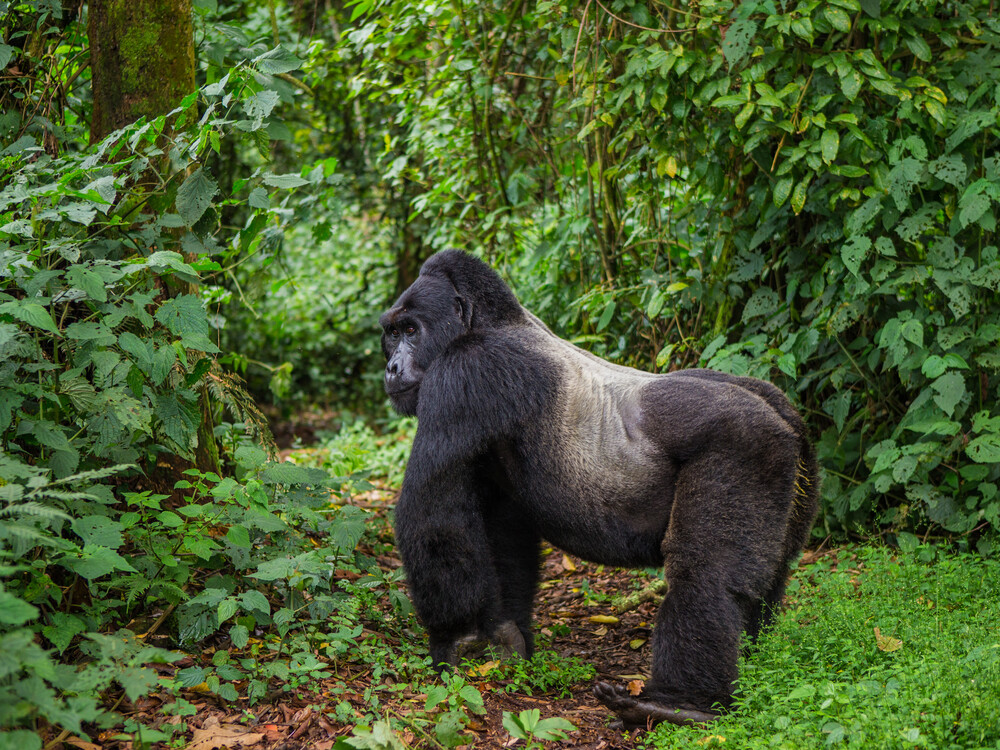
Game drives are often the core, offering opportunities to explore vast landscapes and encounter wildlife in motion. Each drive feels different, shaped by time of day, weather, and animal behavior.
Walking safaris introduce a completely new perspective. Instead of observing from a vehicle, you move slowly through the environment, paying attention to smaller details—tracks, plants, and subtle signs of life that are often overlooked.
Cultural encounters add another dimension. Visiting local communities allows you to understand traditions, lifestyles, and the human connection to the land. These experiences bring depth and context to your journey.
Then there are unique highlights such as gorilla trekking in Uganda. This experience stands apart, offering a close and personal encounter that feels both rare and deeply emotional.
Across regions like Kenya and Tanzania, the combination of activities ensures that no two days feel the same.
Because of this variety, the experience never feels repetitive. Each activity adds a new layer, keeping you engaged and curious.
That constant change is a key part of Why Safaris Are More Addictive—there is always something new to explore, even within a single destination.
Why Safaris Are More Addictive: The Sense of Discovery
Every safari carries a strong sense of exploration. You are not simply visiting a place—you are uncovering it gradually.
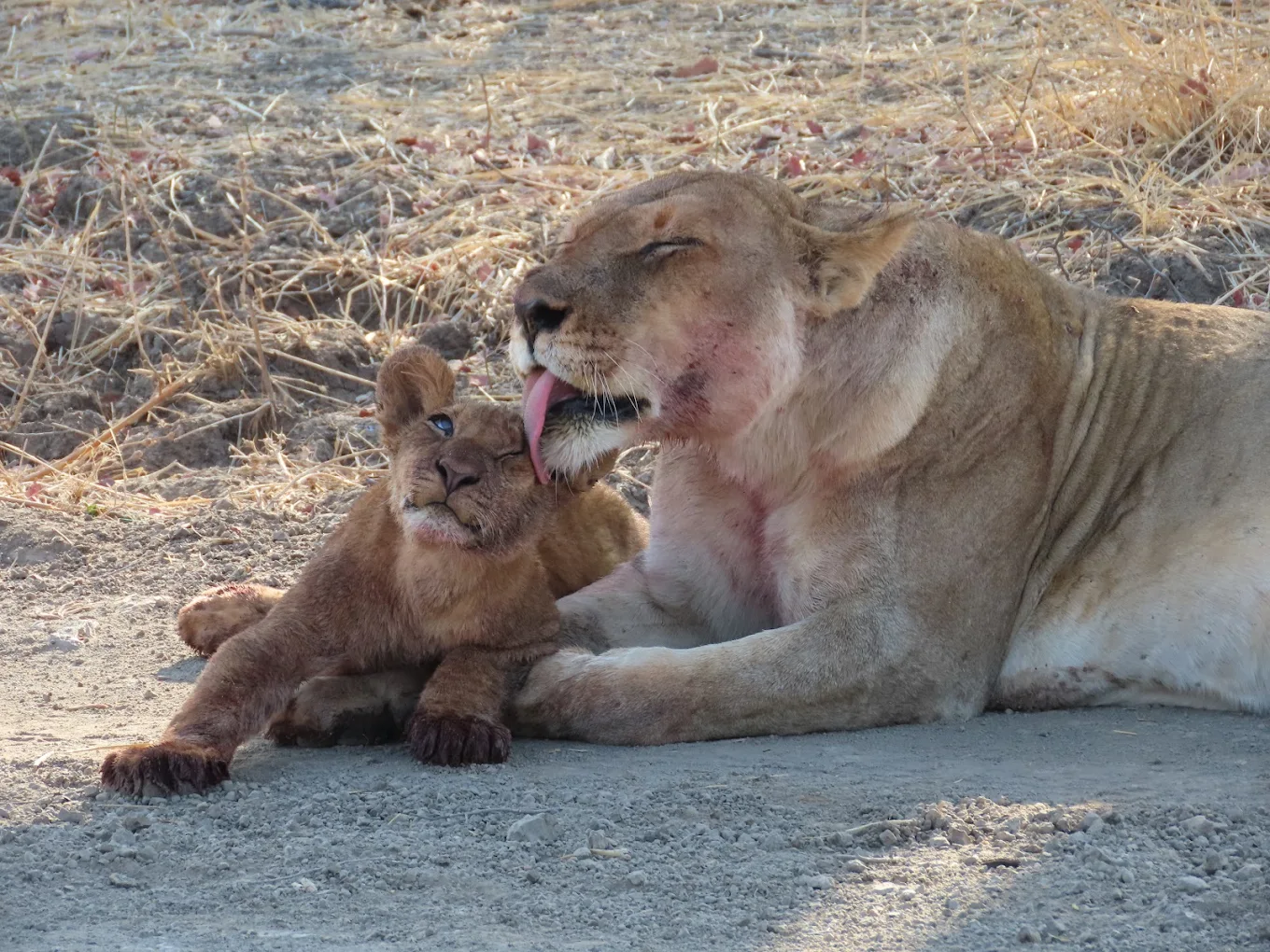
The landscape does not reveal itself all at once. It unfolds over time, shaped by movement, light, and perspective. Wildlife appears unexpectedly, often when you least expect it, adding to the feeling of discovery.
This process creates a deeper level of engagement.
You begin to pay closer attention to your surroundings. Small details become important. A distant movement, a sound, or a change in the environment can signal something significant.
In Why Safaris Are More Addictive, this sense of discovery becomes central to the experience. It keeps your mind active and your curiosity alive.
Unlike structured travel, where everything is planned and predictable, a safari allows for exploration in real time. You are part of the process, not just an observer.
Over time, this creates a stronger connection to the journey itself. The path you take, the moments you encounter, and the way everything unfolds become just as important as the final outcome.
That is what makes it so compelling—you are constantly discovering, learning, and experiencing something new.
Why Safaris Are More Addictive: The Rhythm of the Wild
Life on safari follows a natural rhythm that feels very different from everyday routines. This shift in pace is another important reason Why Safaris Are More Addictive.

Mornings begin early, often before sunrise. The air is cool, the environment is quiet, and the day starts with a sense of freshness and possibility.
Midday brings a slower pace. After the energy of the morning, there is time to rest, reflect, and absorb what you have experienced. This balance prevents the journey from feeling rushed or overwhelming.
Evenings offer a moment of calm. As the sun sets, the atmosphere softens, creating space for reflection and relaxation.
This natural flow—activity, rest, and reflection—creates a sense of balance that feels both comfortable and rewarding.
Without constant noise, schedules, or distractions, you begin to slow down. Your focus shifts to the present moment, and you become more aware of your surroundings.
In Why Safaris Are More Addictive, this rhythm becomes something you want to return to. It feels natural, grounding, and deeply satisfying.
Once you experience it, the contrast with everyday life becomes clear. The simplicity, the balance, and the connection to nature create a feeling that is difficult to replace.
That is why the rhythm of the wild stays with you—it is not just a schedule, but a way of experiencing life differently.
Why Safaris Are More Addictive: The Memories Stay Vivid

Safari memories have a unique quality—they stay sharp, detailed, and emotionally rich long after the journey ends. This is a key reason Why Safaris Are More Addictive.
Instead of blending together like many trips, individual moments stand out clearly. You remember the exact feeling of your first wildlife sighting, the soundscape of the wilderness, or the way the landscape opened up in front of you.
These memories are not just visual. They are tied to emotion, which makes them stronger and more lasting. The excitement of a close encounter, the calm of a quiet morning, or the awe of a vast horizon all become part of how you remember the experience.
Because of this emotional connection, the memories do not fade easily. They resurface unexpectedly, bringing back not just images but feelings.
In Why Safaris Are More Addictive, this lasting clarity plays a major role. The experience continues to live with you, making you want to relive it.
Why Safaris Are More Addictive: There Is Always More to Explore
Africa offers a level of diversity that keeps the safari experience endlessly fresh. This variety is another reason Why Safaris Are More Addictive.

Each region presents a different environment. The open savannahs of Kenya and Tanzania offer wide landscapes and classic wildlife scenes, while the forests of Uganda provide a more intimate and immersive experience.
Seasons also bring change. Wildlife behavior shifts throughout the year, migrations occur, and landscapes transform depending on rainfall and climate.
Because of this, no safari ever feels complete.
Every trip reveals something new, but it also shows how much more there is to discover. One destination leads to another, one experience leads to the next.
In Why Safaris Are More Addictive, this ongoing discovery creates a natural desire to return. You are not repeating the same experience—you are continuing it.
Frequently Asked Questions About Why Safaris Are More Addictive
Why do people feel the need to go on safari again?
The reason behind Why Safaris Are More Addictive is the emotional connection they create. The combination of nature, wildlife, and unique experiences leaves a lasting impression that makes people want to return.
Are safaris the same every time?
No, every safari is different. In Why Safaris Are More Addictive, unpredictability plays a major role. Wildlife behavior, seasons, and locations all change, ensuring that no two experiences are ever the same.
Which countries are best for repeat safaris?
Top destinations include Kenya, Tanzania, and Uganda. Each offers a unique environment, contributing to the diversity that explains Why Safaris Are More Addictive.
Do I need a different itinerary each time?
Yes, changing destinations, activities, or seasons enhances the experience. In Why Safaris Are More Addictive, variety ensures that each return trip feels fresh and exciting.
Is safari suitable for first-time travelers?
Absolutely. A first safari often becomes the reason travelers understand Why Safaris Are More Addictive, as it introduces them to a completely new way of experiencing travel.
How long should a safari be to feel complete?
A safari of 5 to 10 days is ideal for a well-rounded experience. However, in Why Safaris Are More Addictive, even a shorter trip can create a strong desire to return.
What makes safari different from other types of travel?
Unlike typical trips, safaris focus on nature, unpredictability, and immersion. These elements are central to Why Safaris Are More Addictive, creating deeper and more meaningful experiences.
Why Safaris Are More Addictive: The Feeling of Being Present

One of the most subtle yet powerful reasons Why Safaris Are More Addictive is the sense of presence they create.
Away from daily routines and constant distractions, your focus shifts naturally. You begin to pay attention to what is happening around you—sounds, movement, light, and atmosphere.
There is no need to rush or multitask. Instead, you observe, listen, and experience each moment fully.
This level of awareness is rare in everyday life. It creates a sense of clarity and calm that feels both refreshing and meaningful.
During a safari, time feels different. Moments are not rushed—they are experienced. This allows you to connect more deeply with your surroundings.
In Why Safaris Are More Addictive, this feeling of presence becomes something you want to experience again. It is not just about the destination—it is about how you feel while you are there.
Once you discover that level of awareness, it becomes something you naturally seek to return to.