
The Hidden Truth: Why You Rarely See Rhinos (And Where to Find Them)
Understanding Why You Rarely See Rhinos is key to appreciating one of Africa’s most endangered and elusive animals. Rhinos are powerful, ancient creatures, yet spotting one in the wild is often considered a rare and special experience.
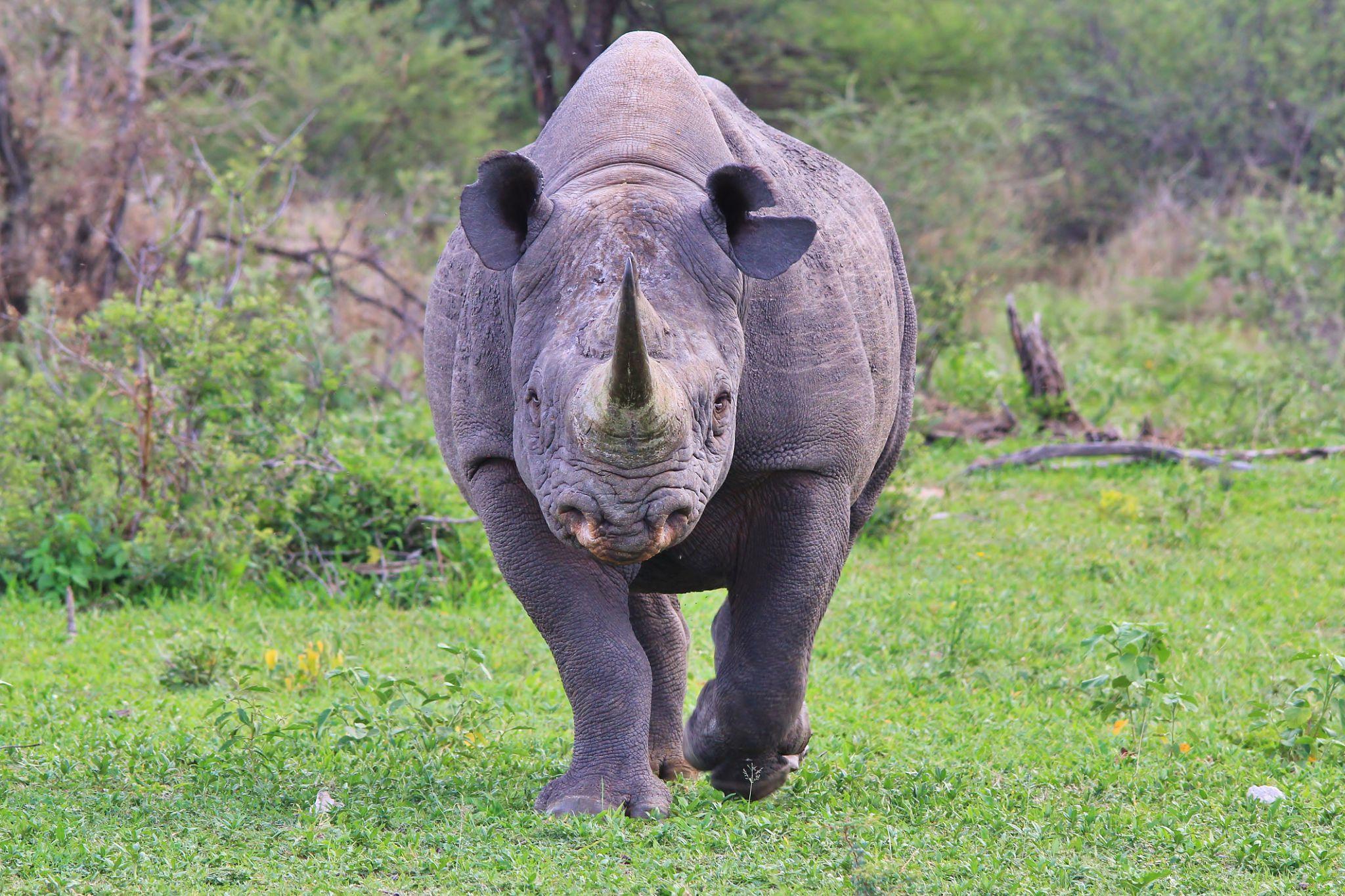
Across Africa, from Murchison Falls National Park to Kruger National Park and Ol Pejeta Conservancy, conservation efforts are helping protect rhinos, but sightings still require patience and the right planning.
In this guide, we explore Why You Rarely See Rhinos, the challenges they face, and exactly where you can find them on safari.
Low Population Numbers
One of the primary reasons Why You Rarely See Rhinos is their low population compared to other wildlife species. While Africa is rich in biodiversity, rhinos exist in far smaller numbers than animals like elephants, zebras, or antelope, making encounters naturally less frequent.
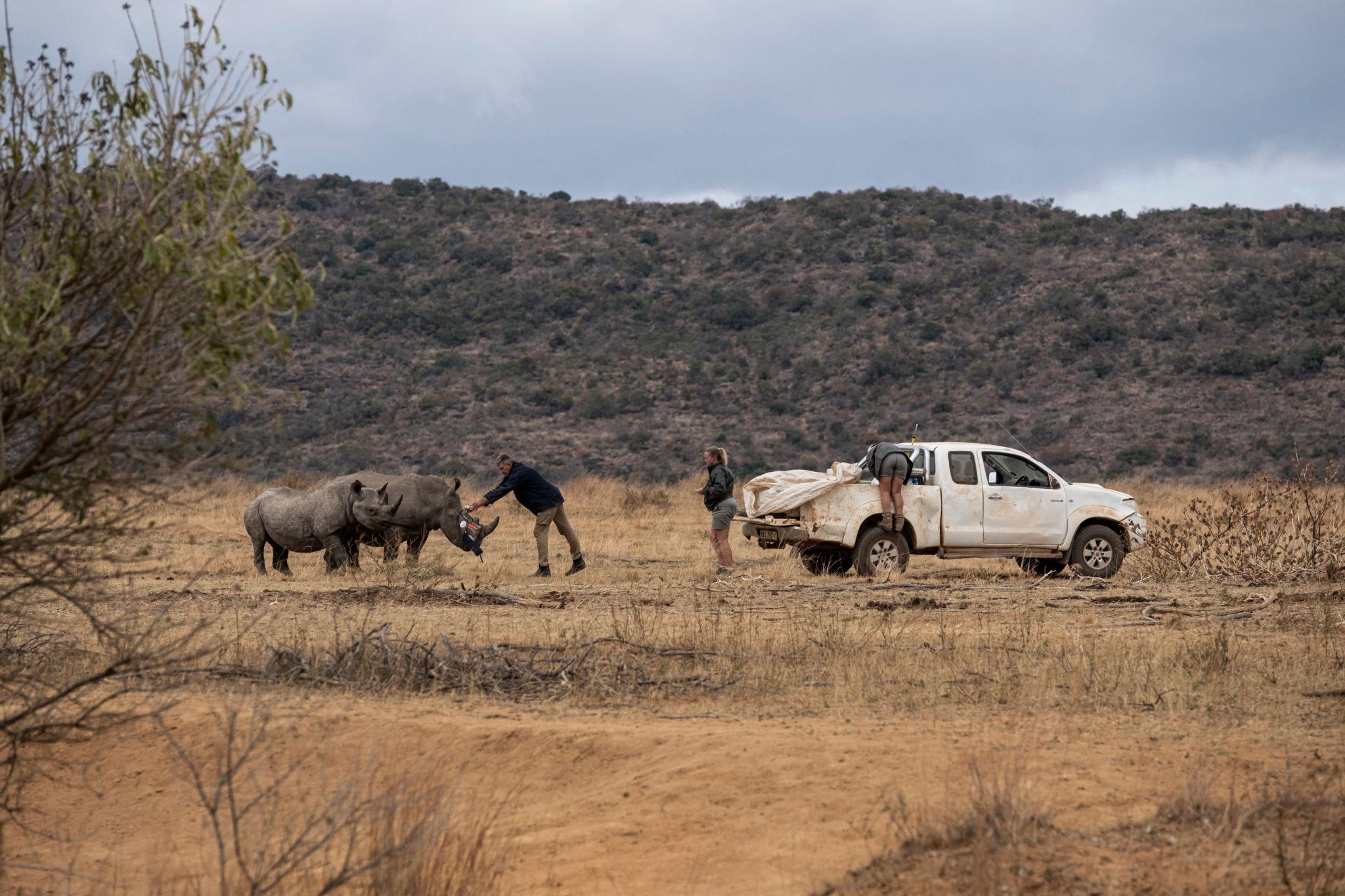
Decades of intense poaching, driven largely by the illegal trade in rhino horn, have drastically reduced populations across the continent. In the past, rhinos roamed widely across many regions of Africa, but today their distribution is much more limited. Although conservation efforts have made significant progress in protecting and slowly increasing numbers in certain areas, recovery takes time.
Rhinos also have relatively slow reproduction rates. A female rhino typically gives birth to one calf after a long gestation period of about 15 to 16 months, and several years may pass before she reproduces again. This slow population growth makes it difficult for their numbers to rebound quickly, even under strong protection.
Because of these factors, rhinos are often concentrated in carefully managed parks and conservancies where anti-poaching measures are strong. This controlled distribution means that, unlike more widespread animals, rhinos are not commonly encountered across all safari destinations.
This combination of historical decline, slow reproduction, and limited distribution strongly reinforces Why You Rarely See Rhinos in the wild today.
Solitary and Secretive Behavior
Another important factor behind Why You Rarely See Rhinos is their natural behavior. Rhinos, particularly black rhinos, are known for being solitary and highly private animals. Unlike species that move in large herds, rhinos often live alone or in very small groups, which reduces the chances of spotting them.
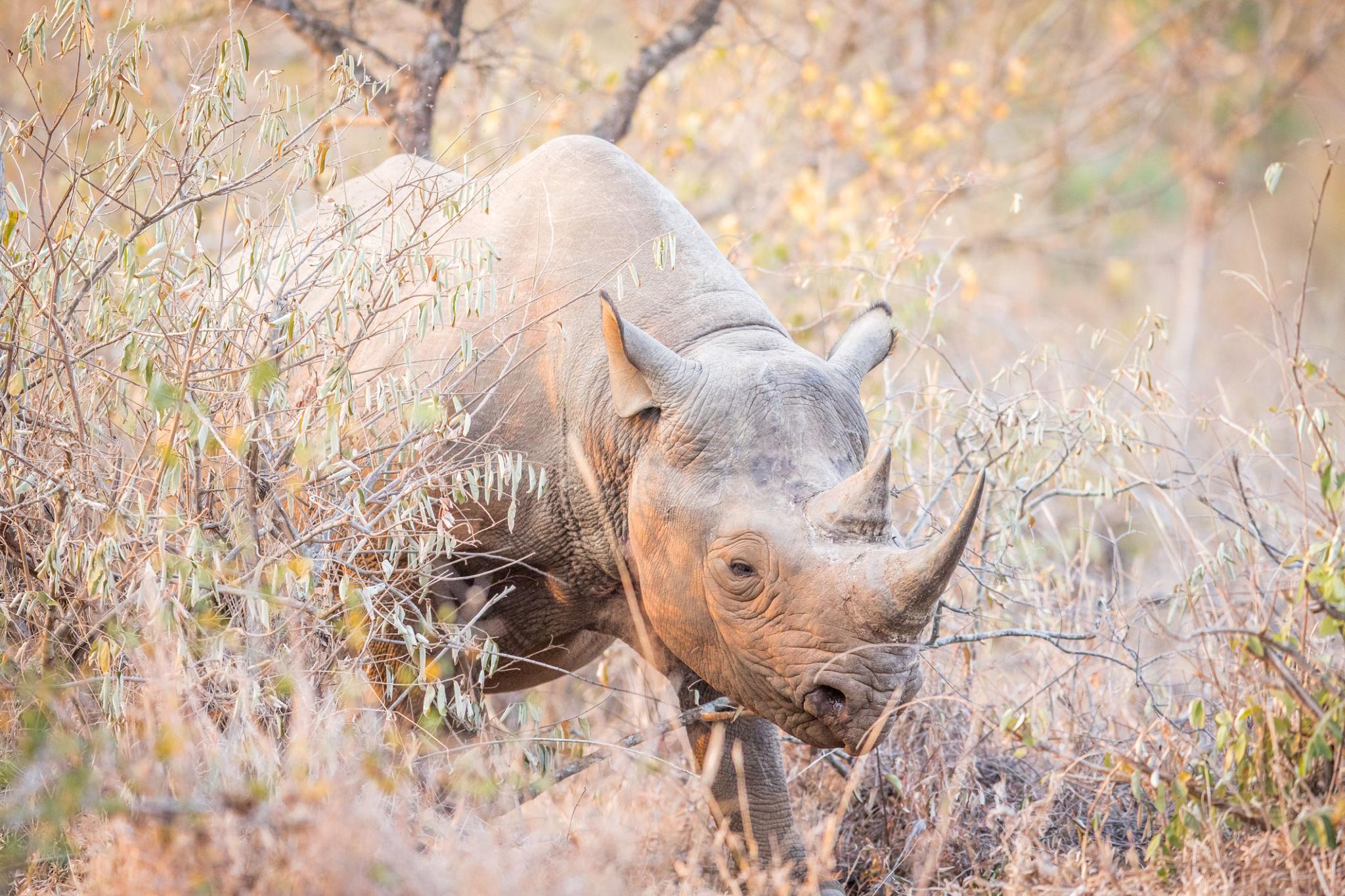
Their preference for dense vegetation further adds to their elusiveness. Rhinos commonly inhabit thick bush, woodland, or scrub areas where they can remain hidden from both predators and perceived threats. These environments provide excellent cover but limit visibility for safari travelers.
Rhinos also tend to move quietly and cautiously through their surroundings. Despite their large size, they can be surprisingly discreet, especially when navigating through dense vegetation. This makes them difficult to detect unless you are very close or guided by an experienced tracker.
Their behavior is also influenced by a strong sense of caution. Rhinos have relatively poor eyesight but excellent hearing and smell, which makes them highly sensitive to disturbances. As a result, they often avoid areas with human activity, retreating deeper into cover when they sense movement or noise.
Unlike animals that gather in open plains where they are easier to observe, rhinos rely on isolation and concealment as part of their survival strategy. This reduces competition and risk but also makes sightings far less frequent.
This combination of solitude, caution, and preference for hidden habitats is a major reason Why You Rarely See Rhinos, even in regions where they are known to exist.
Nocturnal and Shy Activity Patterns
A key explanation for Why You Rarely See Rhinos is their natural activity pattern. Rhinos are most active during the cooler parts of the day—early morning, late evening, and throughout the night. These periods allow them to move, feed, and interact while avoiding the intense daytime heat.
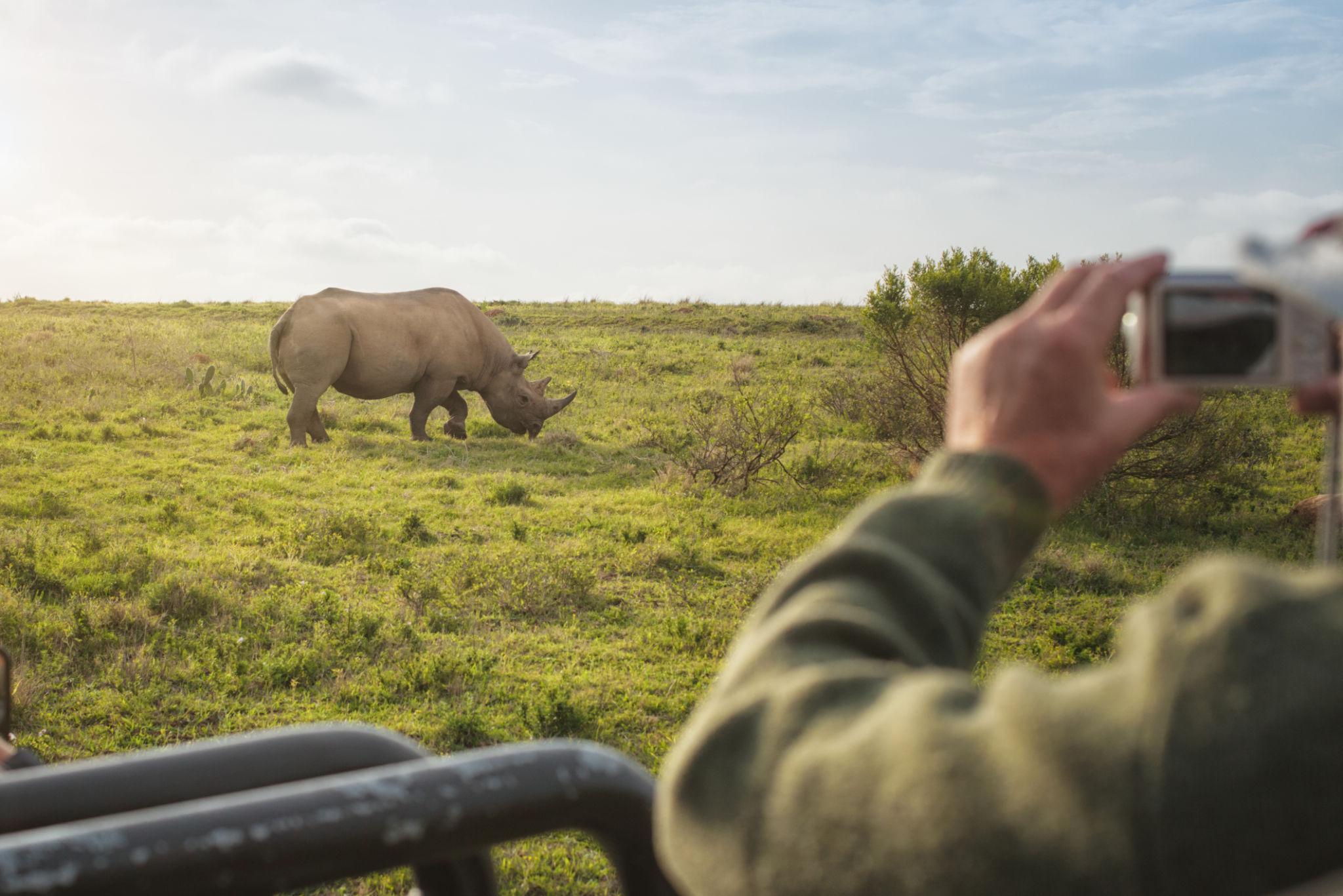
During the day, rhinos tend to rest in shaded areas or seek out mud wallows. Wallowing helps regulate body temperature, protect their skin from parasites, and keep them comfortable in harsh conditions. While resting, they remain largely inactive and often hidden in thick vegetation, making them extremely difficult to spot.
Because most safari game drives take place during daylight hours, visitors often miss the peak periods of rhino activity. By the time tourists are out searching, rhinos may already be concealed and inactive.
Their shy and cautious nature adds another layer to Why You Rarely See Rhinos. Rhinos are highly sensitive to their surroundings, relying on strong hearing and smell to detect potential threats. When they sense human presence, they often move away quietly or retreat deeper into cover.
This combination of nocturnal behavior and natural caution significantly reduces the chances of encountering rhinos during a typical safari.
Habitat Preference and Terrain
Habitat plays a major role in Why You Rarely See Rhinos, as these animals tend to favor environments that naturally limit visibility.
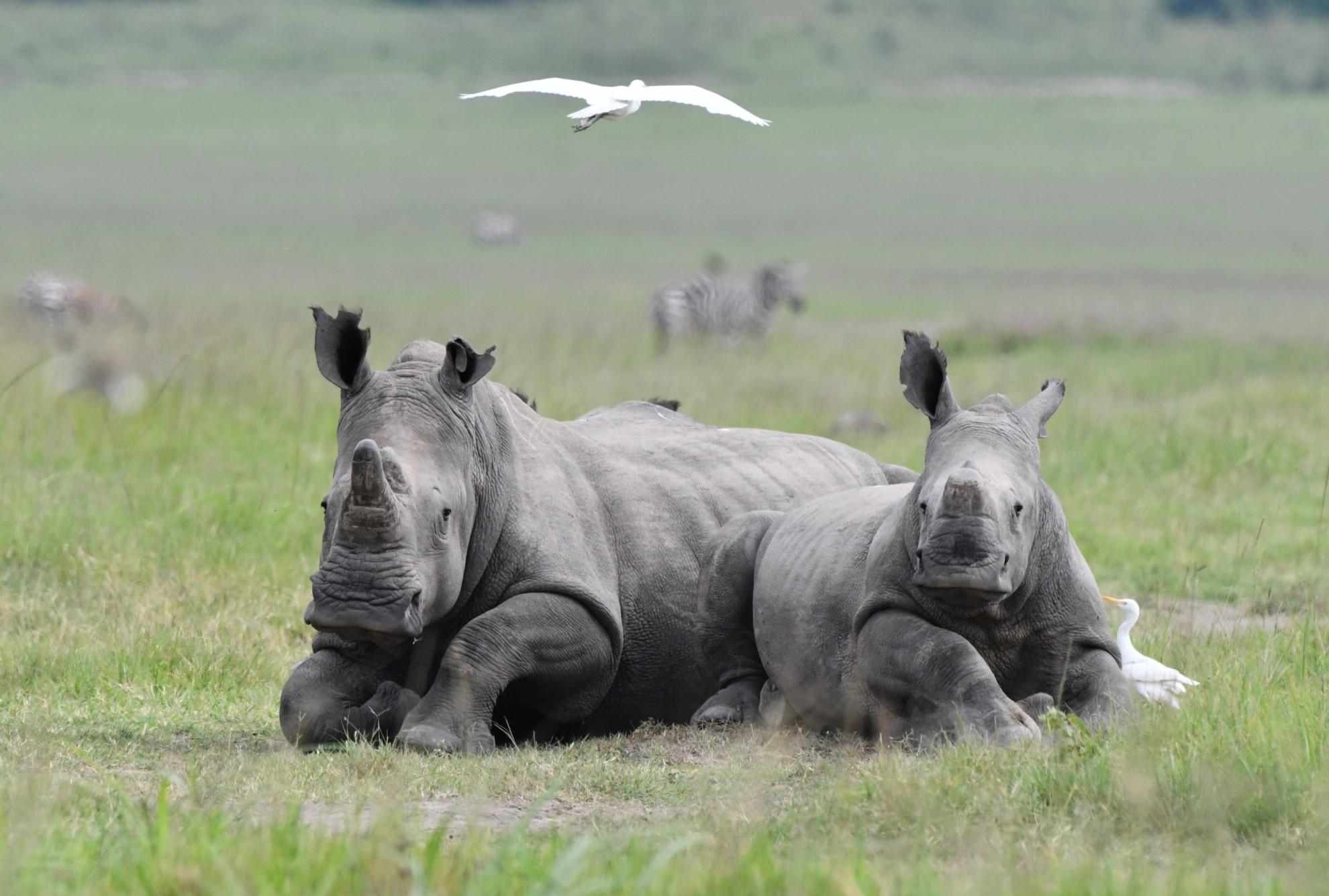
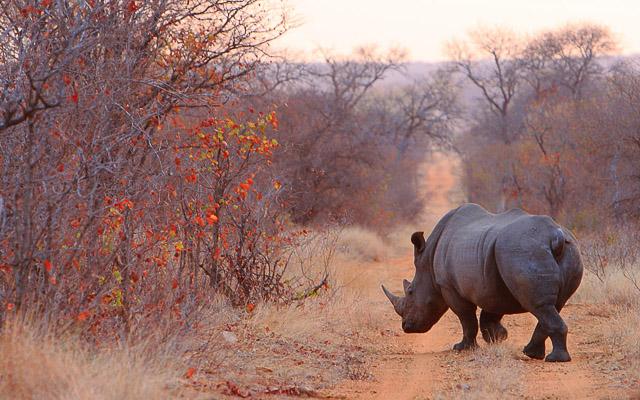
Rhinos commonly inhabit dense bushlands, woodlands, and rugged terrain. These areas provide essential resources such as food, shade, and protection, but they also make it challenging for visitors to spot wildlife. Thick vegetation can easily conceal even a large animal like a rhino.
Unlike species that roam open savannahs, rhinos prefer staying close to cover. This allows them to feel secure and reduces their exposure to threats. However, it also means that they are rarely seen out in the open where sightings would be easier.
Terrain also plays a role. In some regions, rhinos move through uneven landscapes, riverine forests, or areas with tall grasses. These natural features create additional obstacles for visibility during game drives.
This preference for hidden and protective environments is another strong reason Why You Rarely See Rhinos, as their habitat works in their favor but against easy observation.
Impact of Conservation and Protection
Conservation efforts are essential to understanding Why You Rarely See Rhinos today. Due to the ongoing threat of poaching, rhinos are among the most heavily protected animals in Africa.
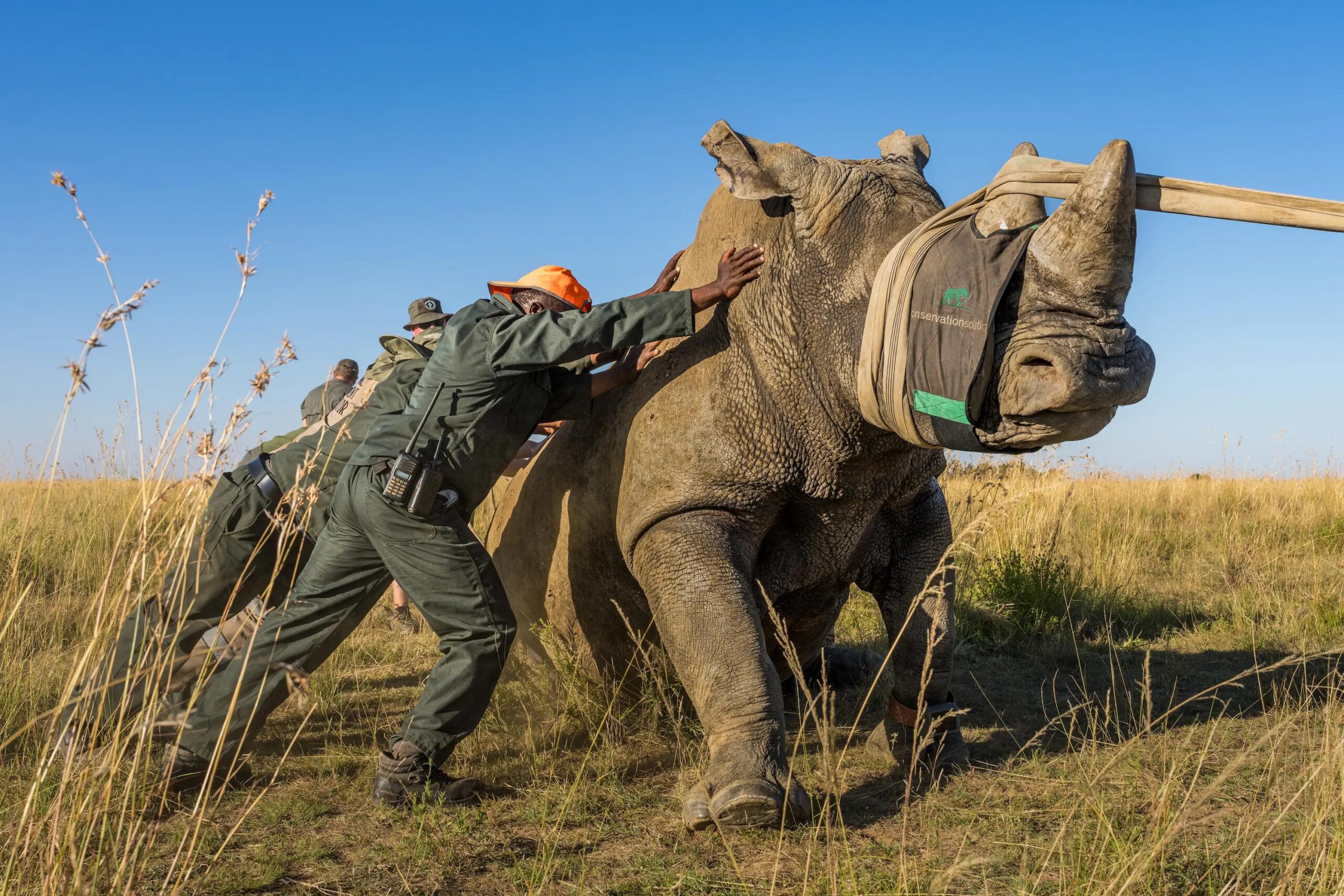
Many rhinos are now located in highly secured reserves, private conservancies, or designated sanctuaries where strict anti-poaching measures are in place. These areas often have controlled access, limited visitor numbers, and specific rules designed to protect the animals.
While these protections are critical for the survival of rhinos, they also reduce the chances of casual or widespread sightings. Unlike more common wildlife that can be seen across multiple parks, rhinos are often concentrated in specific, well-guarded locations.
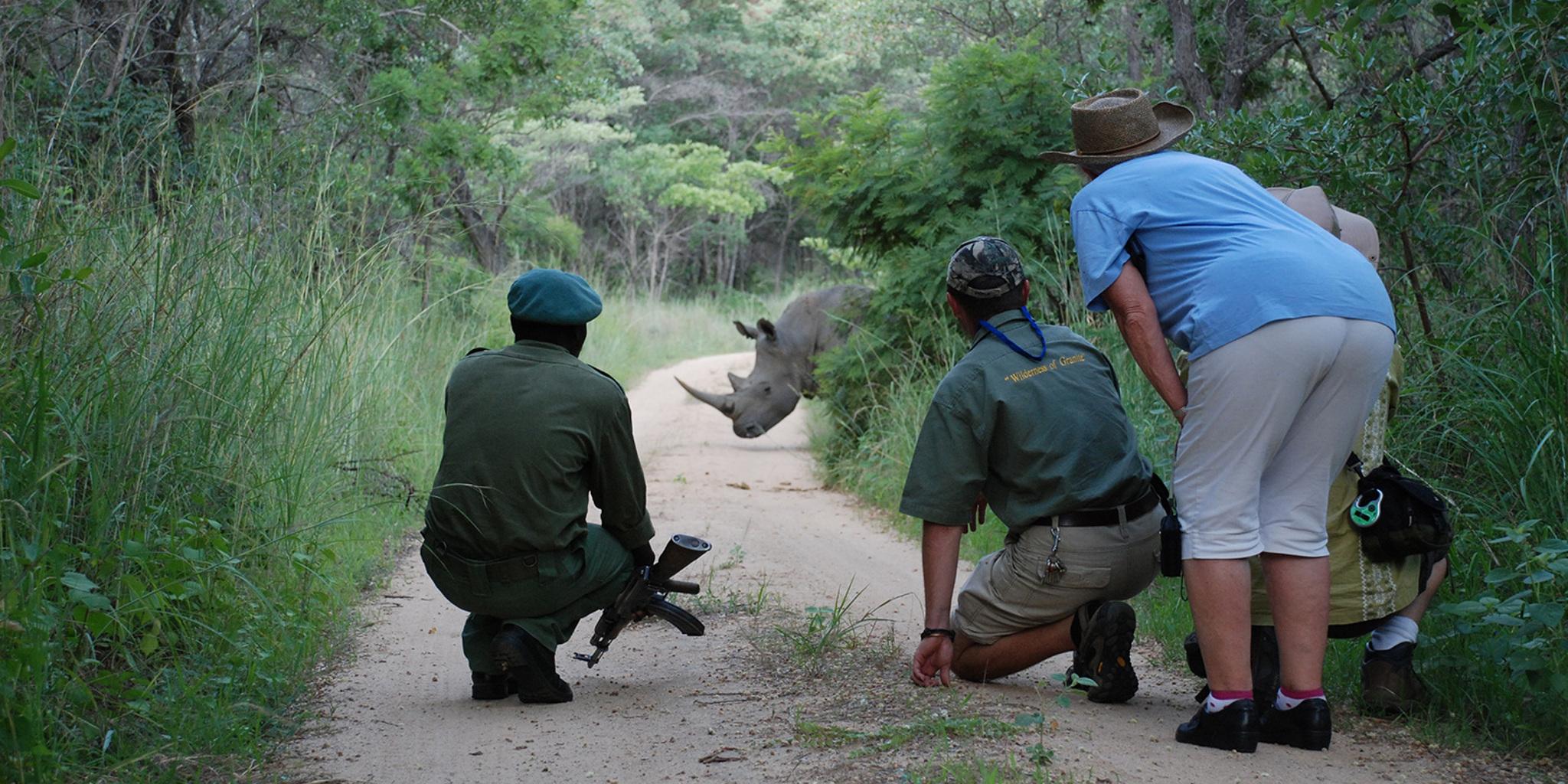
In some cases, visitors must take guided experiences—such as escorted walks or specialized tracking activities—to see rhinos. This controlled approach ensures safety for both the animals and visitors but limits spontaneous encounters.
This balance between conservation and accessibility is a key part of Why You Rarely See Rhinos, reflecting the ongoing effort to protect these endangered giants while still allowing meaningful wildlife experiences.
Where to Find Rhinos in Africa
Despite the challenges, knowing where to go can greatly improve your chances of understanding Why You Rarely See Rhinos—and actually seeing them in the wild.
Certain destinations have become known for their strong conservation efforts and higher likelihood of sightings. One of the best places in Uganda is Ziwa Rhino Sanctuary, where rhinos can be tracked on foot with experienced guides. This offers a unique and close-up experience that is not commonly available elsewhere.
In Kenya, Ol Pejeta Conservancy is a leading conservation area that hosts both black and white rhinos. Its protected environment and active management make sightings more reliable.
In Southern Africa, Kruger National Park remains one of the most well-known locations for rhino encounters within a large, natural ecosystem.
Visiting these specific destinations helps overcome many of the challenges behind Why You Rarely See Rhinos, offering better opportunities while supporting conservation efforts.
What This Means for Your Safari Experience
For travelers, understanding Why You Rarely See Rhinos helps set realistic expectations and enhances the overall safari experience.
Rhino sightings are not guaranteed and often require patience, timing, and the right location. Unlike more visible animals, encountering a rhino is a rare and meaningful moment that stands out during any safari.
Planning your trip around known rhino habitats or protected areas significantly increases your chances. Choosing destinations with active conservation programs and experienced guides can make a major difference.
When a sighting does happen, it feels special because of its rarity. Watching a rhino in its natural environment is not just about seeing wildlife—it is about witnessing a conservation success story in progress.
This understanding of Why You Rarely See Rhinos transforms expectations into appreciation, making every encounter more valuable and memorable.
Why You Rarely See Rhinos: Final Insight
In summary, Why You Rarely See Rhinos is shaped by a combination of biological, environmental, and human factors that all work together to limit sightings in the wild.
Rhinos exist in relatively low numbers compared to other large mammals, and their slow reproduction rate means populations take time to recover. At the same time, their naturally secretive behavior and preference for dense, protective habitats make them difficult to observe even in areas where they are present.
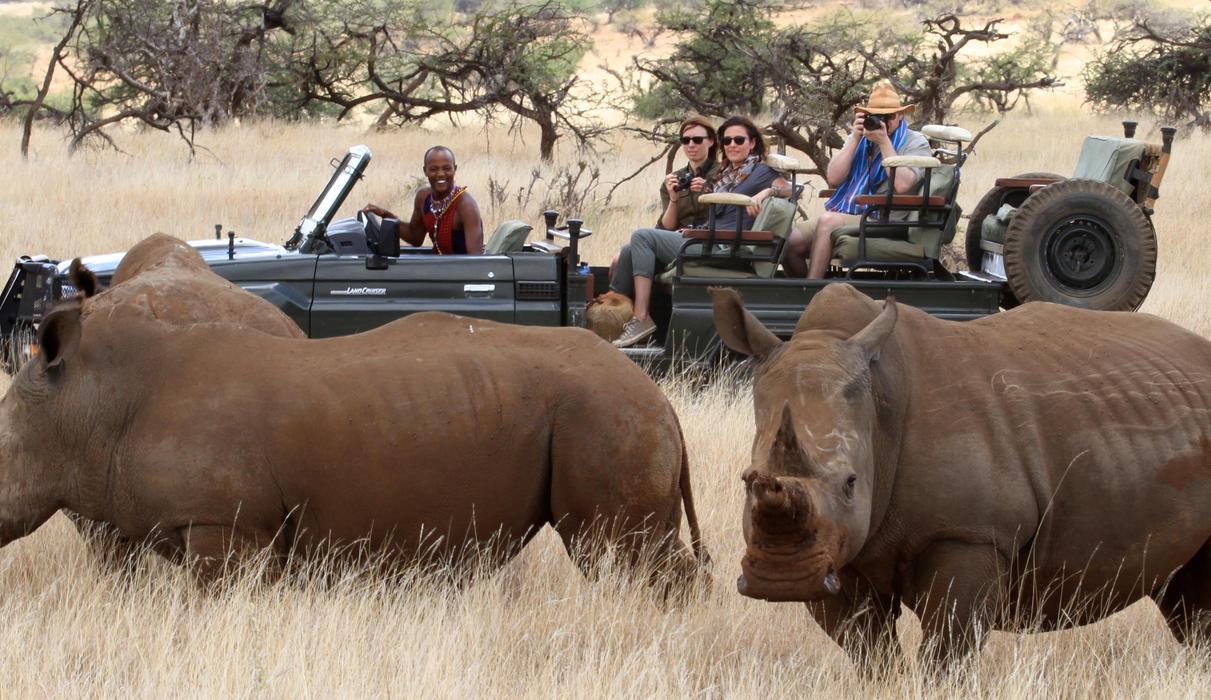
Conservation efforts, while essential, also play a role. To protect rhinos from poaching, many are kept in highly secured and carefully monitored areas. This means sightings are often limited to specific locations rather than across wide-ranging safari landscapes.
All these elements combine to explain Why You Rarely See Rhinos—but they also make each encounter incredibly meaningful. A rhino sighting is not just another wildlife moment; it represents survival, protection, and the success of conservation efforts.
For many travelers, seeing a rhino becomes one of the most powerful highlights of their safari, precisely because it is rare. It transforms a simple sighting into a deeper connection with Africa’s wildlife and the ongoing efforts to preserve it.
FAQs About Why You Rarely See Rhinos
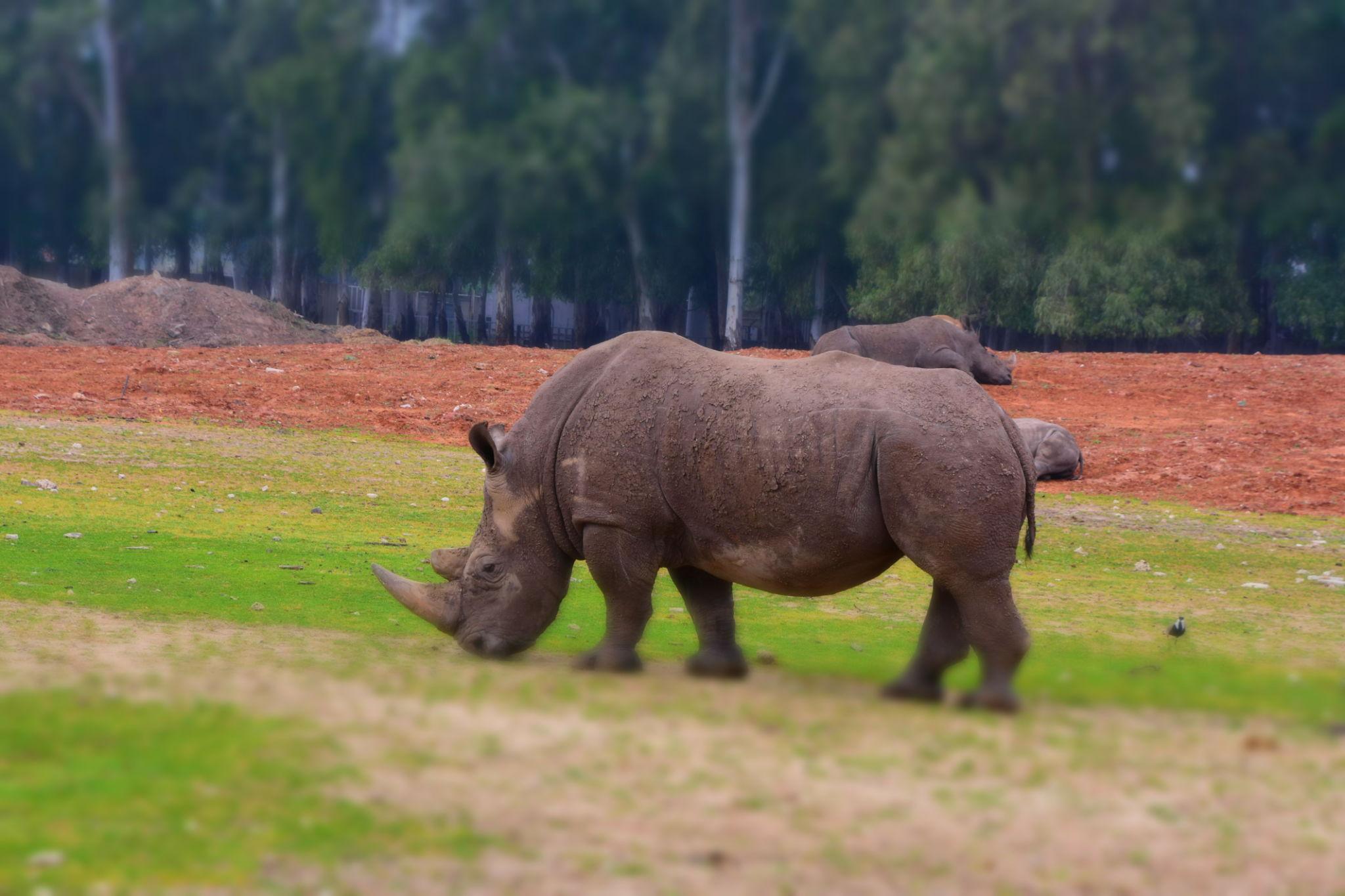
Why are rhinos endangered?
Rhinos are primarily endangered due to poaching and habitat loss. Their horns are highly valued on illegal markets, which has led to decades of intense hunting pressure. In addition, expanding human populations have reduced and fragmented their natural habitats, making survival more challenging.
Are rhinos hard to find on safari?
Yes, rhinos can be difficult to find, especially in large national parks where they roam freely in dense vegetation. However, visiting well-protected conservancies and sanctuaries significantly increases your chances of seeing them.
Where is the best place to see rhinos in Uganda?
The best place is Ziwa Rhino Sanctuary. This sanctuary is dedicated to rhino conservation and offers guided tracking experiences that allow visitors to see rhinos up close in a safe and controlled environment.
Can you track rhinos on foot?
Yes, in selected locations like Ziwa Rhino Sanctuary, visitors can enjoy guided walking safaris. Accompanied by trained rangers, you can safely approach rhinos while learning about their behavior, conservation, and habitat. This experience is both thrilling and educational, offering a unique perspective that is not possible from a vehicle.
Plan Your Safari with Experts
At Pieland Gorilla Safaris, we specialize in creating tailored safari experiences that bring you closer to Africa’s most extraordinary wildlife, including its rarest and most protected species.

From Uganda to Kenya and South Africa, our team carefully selects destinations and timings that maximize your chances of encountering rhinos while helping you fully understand Why You Rarely See Rhinos in their natural environment.
We work with trusted conservation areas, experienced guides, and well-planned itineraries to ensure your safari is not only successful but also meaningful. Every journey is designed to balance wildlife viewing with education and conservation awareness.
Start planning your safari today and experience Africa’s most elusive giants in a way that is authentic, responsible, and truly unforgettable.