
1 Day Gorilla Habituation in Bwindi Impenetrable National Park
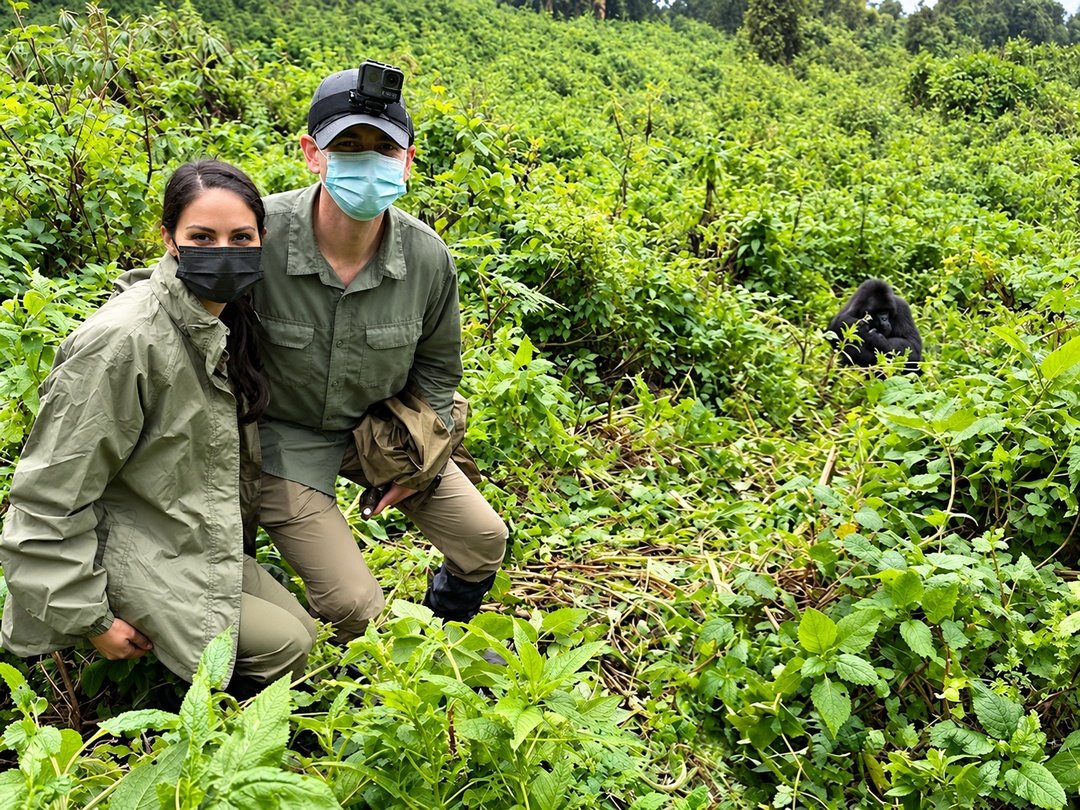
A 1 Day Gorilla Habituation in Bwindi Impenetrable National Park is designed for travellers who want a deeper and longer encounter with mountain gorillas than the standard gorilla trekking experience. Instead of spending only a short observation period with a fully habituated gorilla family, the gorilla habituation experience allows you to accompany researchers, trackers and Uganda Wildlife Authority rangers as they continue the gradual process of familiarising a gorilla family with human presence.
This full-day experience takes place in the southern part of Bwindi Impenetrable National Park, particularly around the Rushaga sector, where gorilla habituation activities are conducted. You enter the forest early in the morning and may spend several hours searching for the gorillas before beginning the extended observation period once they are located. The experience is ideal for wildlife photographers, primate enthusiasts, repeat gorilla trekkers and travellers who want more time observing gorilla behaviour in a natural forest environment.
Unlike a normal one-day excursion from Kampala or Entebbe, this itinerary assumes that you are already staying close to Bwindi the night before. That is the most practical way to complete a 1 Day Gorilla Habituation in Bwindi Impenetrable National Park, because the briefing starts early in the morning and the activity can continue for much of the day.
1 Day Gorilla Habituation in Bwindi Impenetrable National Park
Overview
Your day begins before sunrise at your lodge in the southern Bwindi region. After an early breakfast, you travel to the designated briefing point where Uganda Wildlife Authority rangers explain the rules, expected forest conditions and how you should behave around the gorillas.
You then enter Bwindi Impenetrable Forest with a small group accompanied by experienced trackers, researchers and rangers. Unlike standard gorilla trekking, where the main objective is to locate a fully habituated gorilla family, the habituation experience gives you insight into how researchers gradually accustom wild gorillas to carefully controlled human presence.
The trek may involve steep slopes, thick vegetation, muddy sections and uneven forest trails. How long you walk before locating the gorillas depends entirely on where the family has moved since the previous day. Once the gorillas are found, you begin the most rewarding part of the experience: extended time observing their behaviour while the habituation team continues its work.
You may watch gorillas feeding, grooming, resting, playing and interacting with one another while researchers identify individuals and monitor changes in behaviour. After the experience, you trek back through the forest and return to your lodge for a late lunch or relaxation.
Trip Summary of 1 Day Gorilla Habituation in Bwindi Impenetrable National Park
Destination: Bwindi Impenetrable National Park
Gorilla sector: Rushaga area, southern Bwindi
Main activity: Gorilla Habituation Experience
Safari duration: 1 Day
Recommended starting point: Lodge near Rushaga or Nkuringo
Minimum age: 15 years
Best for: Wildlife photographers, primate lovers, repeat gorilla trekkers and travellers wanting an extended gorilla encounter
Accommodation: Not included within the one-day itinerary unless added on request
Detailed 1 Day Gorilla Habituation in Bwindi Impenetrable National Park
Early Morning – Transfer to the Gorilla Habituation Briefing Point
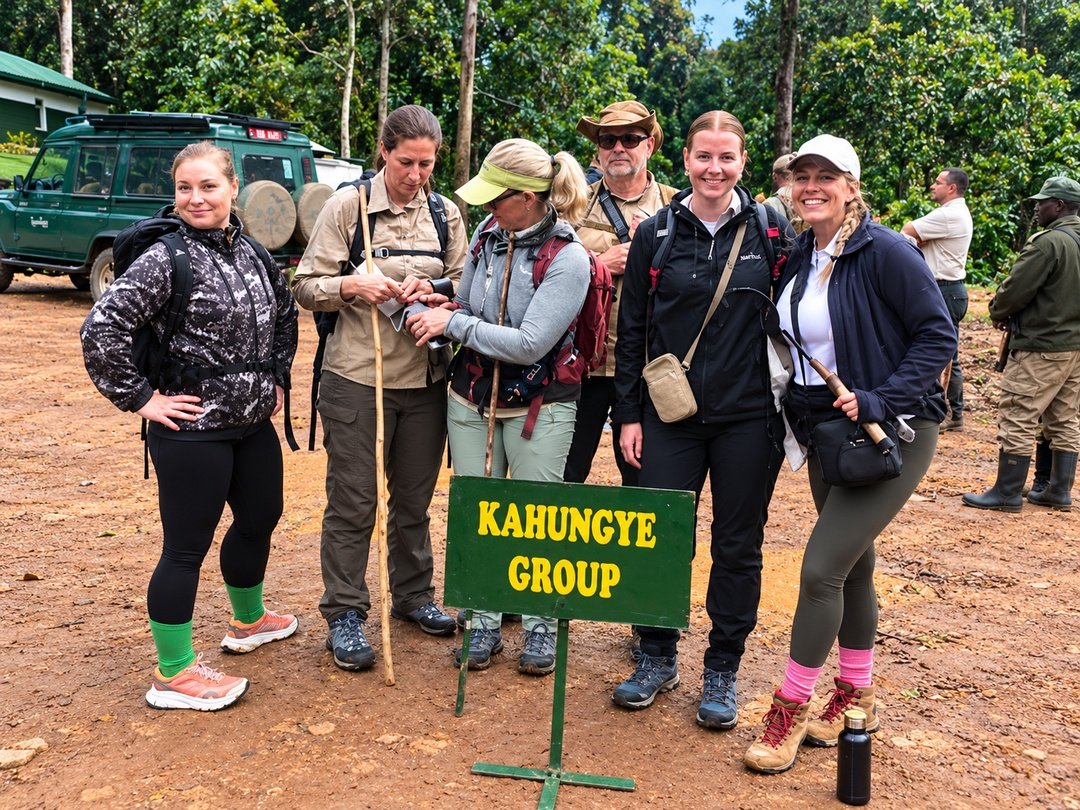
Your 1 Day Gorilla Habituation in Bwindi Impenetrable National Park begins early, usually before the forest becomes fully active with the morning light. You wake up at your lodge near southern Bwindi, have an early breakfast and prepare your daypack with drinking water, packed lunch, camera equipment, waterproof clothing and other trekking essentials.
Your safari guide then transfers you to the designated Uganda Wildlife Authority briefing point in the Rushaga area. Because gorilla habituation starts early, staying near the sector the previous night is highly recommended. Attempting to begin this experience after a long same-day transfer from Kigali, Kampala or Entebbe would make the itinerary unnecessarily difficult and could cause you to miss the briefing.
At the briefing point, Uganda Wildlife Authority staff introduce you to the experience and explain the forest rules. You are advised about maintaining an appropriate distance from the gorillas, following ranger instructions, avoiding sudden movements and respecting the animals throughout the encounter.
The rangers may also explain how gorilla habituation differs from ordinary gorilla trekking. The objective is not simply to find the gorillas and observe them as tourists. You are joining professionals who are gradually helping a wild gorilla family become accustomed to carefully managed human presence.
Morning – Enter Bwindi Impenetrable Forest
After the briefing, you begin walking into Bwindi Impenetrable National Park with your ranger team. The forest is one of the most biologically rich landscapes in Uganda, with thick vegetation, towering trees, vines, ferns and steep valleys creating a genuinely wild trekking environment.
The first stage of the experience is the search for the gorilla family. Rangers and trackers use signs such as broken vegetation, feeding remains, nests, dung and previous movement patterns to determine where the gorillas may have travelled.
This search can take a relatively short time or several hours. Mountain gorillas move freely through the forest, and their location cannot be predicted with complete accuracy. This unpredictability is one of the reasons a 1 Day Gorilla Habituation in Bwindi Impenetrable National Park feels more like a genuine field experience than a scheduled wildlife viewing activity.
The trek itself is also part of the adventure. You may climb steep forest slopes, cross streams, move through dense undergrowth and follow narrow trails created by wildlife rather than conventional walking paths.
Porters are highly recommended. A porter can carry your backpack and assist you across difficult terrain, allowing you to conserve energy for the most important part of the day.
Locating the Gorilla Family
The atmosphere changes quickly when trackers begin finding fresh signs that the gorillas are nearby. The pace may slow as the team listens for movement, vocalisations or vegetation being disturbed deeper inside the forest.
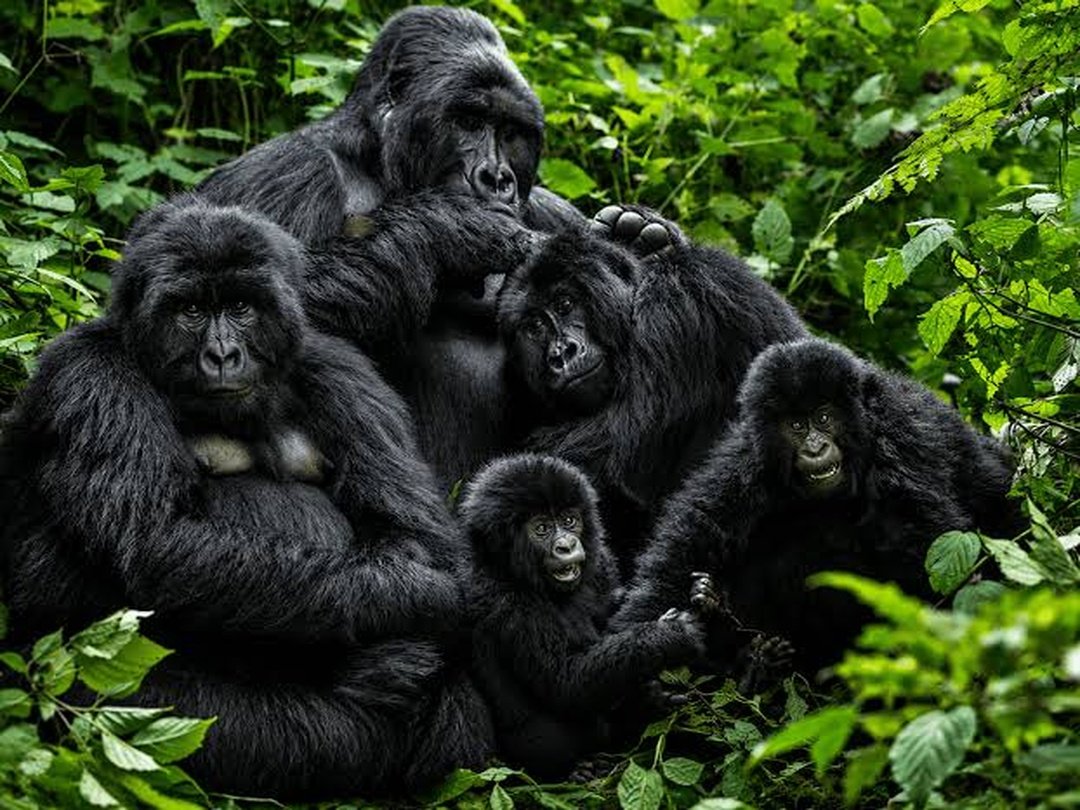
Eventually, you may catch your first glimpse of a mountain gorilla through the vegetation. It could be a silverback sitting quietly among leaves, a female feeding nearby or younger gorillas moving energetically through the forest.
This first encounter is often one of the most memorable moments of the entire 1 Day Gorilla Habituation in Bwindi Impenetrable National Park. Unlike viewing wildlife from a safari vehicle, you are standing inside the gorillas’ natural forest environment with very little separating you from the sounds, smells and movement of the rainforest.
Your ranger will guide you into an appropriate position while ensuring that the group follows the required gorilla-viewing rules.
Extended Gorilla Habituation Experience
The main reason travellers choose gorilla habituation instead of standard gorilla trekking is the extended observation opportunity.
During the habituation process, you may spend significantly more time around the gorillas than during a conventional trek, subject to the rules and instructions given by Uganda Wildlife Authority staff. This additional time allows you to notice details that can easily be missed during a shorter encounter.
You may watch an adult gorilla carefully strip leaves from a branch, mothers carrying or nursing infants, juveniles chasing one another through the vegetation or a dominant silverback monitoring the surrounding forest.
For photographers, the longer encounter can be particularly rewarding. Forest photography is challenging because light levels change constantly, vegetation can obstruct subjects and gorillas rarely remain in one position for long. Having additional observation time can improve your chances of capturing different behaviours rather than concentrating all your attention into a brief viewing period.
The experience also has an important educational dimension. Researchers and trackers spend significant time learning the movements, personalities and behavioural patterns of individual gorillas. Depending on conditions during your trek, you may gain insight into how individuals are identified, how the family responds to human presence and how the habituation process is monitored.
This does not mean that the gorillas are trained or domesticated. They remain completely wild animals. Habituation simply allows them gradually to become more tolerant of controlled human presence for conservation, research and carefully managed tourism.
Understanding Gorilla Behaviour During the Experience
One of the greatest advantages of a 1 Day Gorilla Habituation in Bwindi Impenetrable National Park is the opportunity to observe different aspects of gorilla behaviour over a longer period.
Gorillas may spend considerable time feeding because their diet consists largely of vegetation. You may see them pulling leaves, breaking stems or moving slowly between feeding areas.
Social interactions can be equally fascinating. Young gorillas may play while females remain close to infants and the dominant silverback maintains awareness of what is happening around the group.
At other times, the family may simply rest. Although this may seem less dramatic, quiet periods can offer some of the best opportunities to appreciate individual expressions and the subtle relationships between family members.
Every habituation experience is different because the gorillas determine the pace of the encounter. There is no guaranteed sequence of behaviours, and this natural unpredictability is part of what makes the activity so rewarding.
Afternoon – Trek Back Through Bwindi Forest
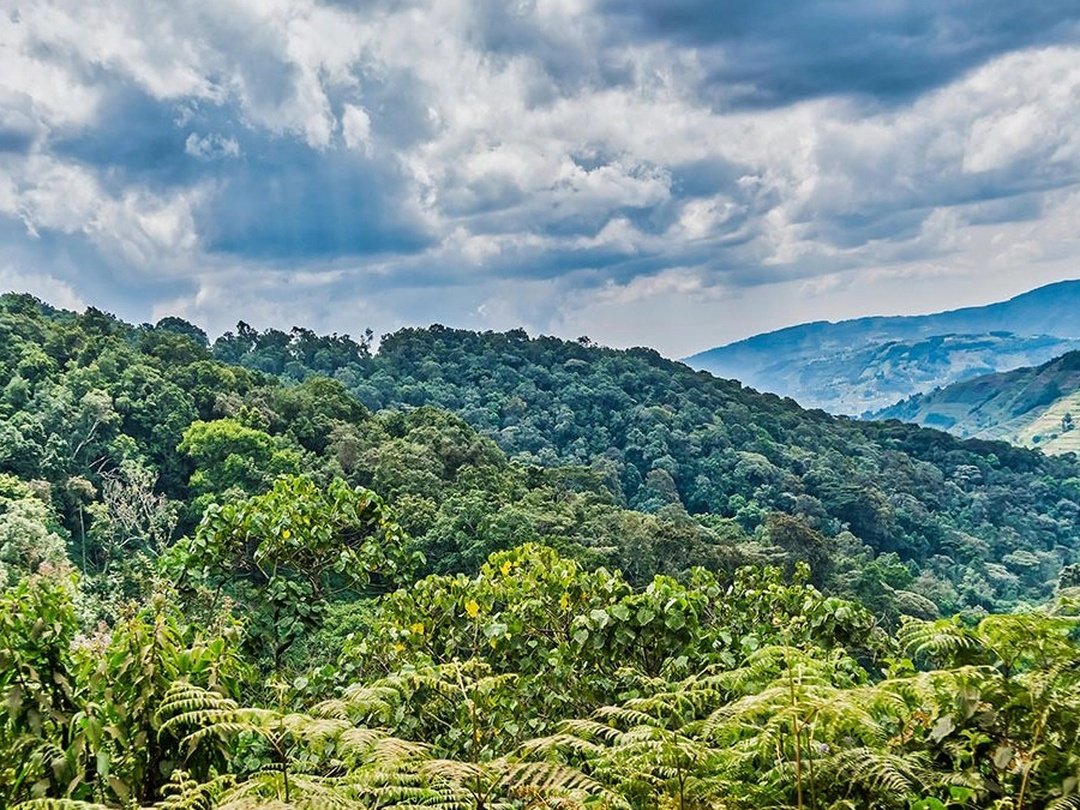
After completing the habituation experience, you begin the trek back through Bwindi Impenetrable Forest. Depending on the location of the gorillas, this return walk may be relatively short or may require another substantial hike.
By this point, you will likely appreciate why good walking shoes, sufficient drinking water and reasonable physical preparation are so important. The combination of steep terrain, humidity and several hours in the forest can make gorilla habituation physically demanding.
Once you return to the briefing area, you meet your safari guide and transfer back to your lodge. Depending on the time you finish, you may have a late lunch, shower and spend the remainder of the afternoon relaxing.
The day ends with one of Uganda’s most immersive wildlife memories: several hours spent inside Bwindi’s ancient rainforest observing mountain gorillas while accompanying the specialists responsible for monitoring and habituating them.
Why Choose 1 Day Gorilla Habituation in Bwindi Impenetrable National Park Instead of Standard Gorilla Trekking?
The main difference is depth of experience.
Standard gorilla trekking is ideal for travellers who want to see mountain gorillas without committing most of the day to one activity. Gorilla habituation, however, is better suited to travellers who want a more intensive encounter and greater insight into gorilla research and behaviour.
The habituation experience generally involves a longer period in the forest, greater involvement with trackers and researchers and additional time around the gorillas once the applicable observation period begins.
This makes the experience particularly appealing to serious photographers. Gorilla behaviour changes continuously, and additional time can provide more opportunities for portraits, family interactions, feeding behaviour and environmental photographs.
It can also appeal to travellers completing a second gorilla experience. Someone who has already completed ordinary gorilla trekking may find habituation gives them a substantially different perspective.
Where Does 1 Day Gorilla Habituation in Bwindi Impenetrable National Park Take Place?
Gorilla habituation is associated with the southern part of Bwindi Impenetrable National Park, especially the Rushaga sector.
This is why accommodation location matters. Bwindi has several gorilla trekking sectors, and staying in the wrong part of the park can leave you facing a lengthy early-morning transfer.
For a 1 Day Gorilla Habituation in Bwindi Impenetrable National Park, you should ideally stay close to Rushaga the previous night. Properties around Rushaga and nearby Nkuringo can provide practical access depending on your confirmed briefing location.
Your exact sector and reporting point should always be confirmed when your gorilla habituation permit is booked.
How Long Does Gorilla Habituation Take?
You should reserve practically the entire day for the experience.
The duration depends on how long it takes to locate the gorilla family, where the animals move during the encounter and how far you have to trek back afterwards.
Some travellers may finish earlier in the afternoon, while others can spend considerably longer in the forest. For this reason, you should avoid booking another major activity immediately afterwards.
The longer duration is one of the defining features of the 1 Day Gorilla Habituation in Bwindi Impenetrable National Park and one of the reasons it is especially attractive to travellers seeking a deeper primate experience.
Gorilla Habituation Permit
A gorilla habituation permit is required before entering the forest for this experience. Under the Uganda Wildlife Authority tariff published for July 2024–June 2026, the permit was listed at USD 1,500 for foreign non-residents, USD 1,000 for foreign residents, USD 1,000 for Rest of Africa visitors and UGX 750,000 for East African citizens. Because tariffs are periodically revised, travellers should confirm the rate applicable to their exact travel dates before booking.
Permits are limited and should be secured before accommodation and transport arrangements are finalised, particularly if your travel dates cannot be changed.
Foreign non-resident permits are handled under Uganda Wildlife Authority booking procedures through licensed tourism operators, so advance organisation is important.
Who Can Do the 1 Day Gorilla Habituation in Bwindi Impenetrable National Park Experience?
The experience is suitable for travellers who are reasonably comfortable walking for several hours over uneven terrain. You do not need to be an athlete, but a reasonable level of fitness will make the day much more enjoyable.
Participants must meet the minimum age requirement for gorilla activities. Travellers should also be prepared for unpredictable weather, mud, steep slopes and dense vegetation.
Anyone with serious mobility concerns should discuss their physical requirements before booking so the itinerary can be planned realistically.
What to Wear for the 1 Day Gorilla Habituation in Bwindi Impenetrable National Park
Wear lightweight long trousers and a long-sleeved shirt to protect your arms and legs from vegetation and insects. Strong waterproof hiking boots with good grip are among the most important pieces of equipment because Bwindi’s trails can become slippery after rain.
Gardening gloves can help when holding branches or vegetation during steep sections. A light waterproof jacket is useful because rainfall can occur throughout the year.
A small daypack should carry drinking water, packed lunch, camera equipment and rain protection. Avoid taking unnecessary weight because you may be walking for several hours.
What to Carry During 1 Day Gorilla Habituation in Bwindi Impenetrable National Park
Bring sufficient drinking water, a packed lunch, your passport or identification required for permit verification, a waterproof layer, camera equipment and personal medication.
Extra batteries and memory cards are particularly useful for photographers because the extended encounter can produce many more photographic opportunities than ordinary gorilla trekking.
A walking stick can also help on steep or slippery terrain and is often available locally.
Best Time for 1 Day Gorilla Habituation in Bwindi
The experience operates throughout the year, so there is no single month when gorilla habituation becomes possible or impossible.
The relatively drier periods can provide easier trekking conditions because trails may be less muddy, although Bwindi remains a tropical rainforest and rain can occur at any time.
Wetter months can make trekking more demanding, but the forest is particularly green and visitor numbers may sometimes be lower.
Your decision should therefore consider not only weather but also permit availability, accommodation availability and how the habituation day fits within the rest of your Uganda safari.
Can You Do Gorilla Habituation From Kigali?
Yes, travellers arriving through Rwanda can combine Kigali with gorilla habituation in southern Bwindi. However, you should normally cross into Uganda and stay near Rushaga on the day before the experience.
Trying to leave Kigali early in the morning and reach the gorilla briefing on the same day is not recommended because border procedures, road conditions and early briefing requirements make the schedule unreliable.
A better itinerary is to travel from Kigali to Bwindi the previous afternoon, spend the night near Rushaga and begin the 1 Day Gorilla Habituation in Bwindi Impenetrable National Park early the following morning.
Can You Do Gorilla Habituation From Entebbe?
Yes, but not comfortably as a same-day road trip.
Bwindi is far from Entebbe, so travellers starting there should either travel to Bwindi the previous day or use a domestic flight to southwestern Uganda and continue by road to their lodge.
The one-day itinerary refers specifically to the habituation activity itself rather than including a long transfer from Entebbe and back.
Safari Inclusions of 1 Day Gorilla Habituation in Bwindi Impenetrable National Park
- Gorilla habituation permit
- Professional safari guide
- 4×4 safari transportation for the day’s transfers
- Drinking water
- Packed lunch during the experience
Safari Exclusions of 1 Day Gorilla Habituation in Bwindi Impenetrable National Park
- International flights
- Visa fees
- Personal travel insurance
- Tips and gratuities
Who Should Book This Safari?
The 1 Day Gorilla Habituation in Bwindi Impenetrable National Park is ideal if mountain gorillas are the main reason for your journey to Uganda and you want more than a standard viewing experience.
It is particularly suitable for photographers, wildlife enthusiasts, researchers at heart and travellers who appreciate spending time quietly observing animal behaviour rather than moving quickly between several attractions.
It is also an excellent choice for travellers combining Rwanda and Uganda. You can begin in Kigali, cross into southern Uganda, complete the habituation experience and then continue towards Lake Bunyonyi, Queen Elizabeth National Park, Kibale National Park or back to Rwanda.
Why This 1 Day Gorilla Habituation Experience Is Special
There are many remarkable wildlife experiences in Africa, but few involve entering an ancient rainforest on foot and spending several hours alongside researchers following wild mountain gorillas.
The experience feels different from an ordinary wildlife sighting because you are not separated from the environment by a vehicle. You hear branches breaking, birds calling and gorillas moving through vegetation only metres away.
You also gain a clearer appreciation for the work required before a gorilla family can be visited through tourism. Habituation takes patience, repeated observation and careful monitoring, making this experience both an adventure and an insight into mountain gorilla conservation.
For travellers wanting the most immersive gorilla experience available in Uganda, a 1 Day Gorilla Habituation in Bwindi Impenetrable National Park remains one of the strongest choices.
Book Your 1 Day Gorilla Habituation in Bwindi Impenetrable National Park
Plan your gorilla habituation experience around your preferred travel dates, accommodation category and wider Uganda or Rwanda safari. We can arrange your gorilla habituation permit, transport, lodge near Rushaga and additional safari experiences before or after Bwindi.
Whether you are travelling from Kigali, Entebbe or already exploring southwestern Uganda, your itinerary can be customised so you arrive in Bwindi comfortably and are ready for the early-morning habituation briefing.
Book My Gorilla Habituation Experience
Frequently Asked Questions About 1 Day Gorilla Habituation in Bwindi Impenetrable National Park
What is gorilla habituation in Bwindi Impenetrable National Park?
Gorilla habituation is a specialised primate experience where visitors join Uganda Wildlife Authority rangers, trackers and researchers as they follow a mountain gorilla family that is gradually becoming accustomed to controlled human presence. Unlike ordinary gorilla trekking, the experience gives you more time to observe natural gorilla behaviour while also learning how conservation teams identify individuals, monitor movements and study the family over time.
Where does gorilla habituation take place in Bwindi Impenetrable National Park?
Gorilla habituation is associated with the southern part of Bwindi Impenetrable National Park, particularly around the Rushaga sector. Travellers should always confirm the exact briefing point before travel because your permit and assigned activity determine where you need to report on the morning of the experience.
How long do you spend with the gorillas during gorilla habituation?
The gorilla habituation experience provides a much longer observation period than standard gorilla trekking. The exact timing depends on the official rules in force and when the ranger team considers the observation period to have started, so travellers should follow the instructions given during the morning briefing.
Is gorilla habituation better than standard gorilla trekking?
Gorilla habituation can be better for travellers who want more time with mountain gorillas, a deeper understanding of gorilla behaviour and greater interaction with trackers and researchers. Standard gorilla trekking is shorter and usually more affordable, so the better option depends on your budget, available time and level of interest in primates.
Is the gorilla habituation experience physically difficult?
The experience can be physically demanding because Bwindi has steep slopes, thick vegetation, muddy trails and uneven forest terrain. Some trekkers may walk for several hours before reaching the gorillas, so reasonable fitness, suitable footwear and realistic expectations are important.
What is the minimum age for gorilla habituation in Bwindi?
Participants are generally required to be at least 15 years old. This age requirement exists because the trek can be physically demanding and visitors must be able to follow strict behaviour and safety instructions around mountain gorillas.
Can beginners take part in gorilla habituation?
Yes. You do not need previous trekking experience to join gorilla habituation, but you should be comfortable walking through uneven forest terrain for several hours. Travellers who exercise regularly and prepare with some walking or hiking before their safari generally find the experience easier.
Do I need a permit for 1 Day Gorilla Habituation in Bwindi Impenetrable National Park?
Yes. Every visitor must have a valid gorilla habituation permit before joining the experience. The permit controls visitor numbers, supports conservation and gives you access to the authorised ranger-led habituation activity on your booked date.
How early should I book my gorilla habituation permit?
It is best to book as early as possible, especially if your travel dates are fixed or you are travelling during a popular safari season. Gorilla habituation permits are limited, and waiting until shortly before travel can reduce the chances of finding availability on your preferred date.
Can I do gorilla habituation from Kigali?
Yes. Kigali is a practical gateway for travellers heading to southern Bwindi, but you should normally cross into Uganda and stay close to Rushaga the day before the activity. This allows you to reach the briefing point comfortably in the early morning without depending on a long same-day transfer and border crossing.
Can I do gorilla habituation from Entebbe in one day?
A same-day road journey from Entebbe is not realistic because Bwindi is too far away and the activity begins early in the morning. You should travel to Bwindi the previous day or use a domestic flight combined with a road transfer to the southern part of the park.
What should I wear for gorilla habituation in Bwindi?
Wear long trousers, a long-sleeved shirt, waterproof hiking boots with good grip and a lightweight rain jacket. Neutral, comfortable clothing is ideal because you may move through thick vegetation, wet forest and muddy sections during the trek.
Should I hire a porter for gorilla habituation?
Hiring a porter is strongly recommended. A porter can carry your daypack, help you negotiate steep or slippery sections and reduce fatigue during a long trek, allowing you to concentrate more fully on the gorilla experience.
Can I take photographs during gorilla habituation?
Yes. Photography is permitted, but you must follow ranger instructions throughout the encounter. Forest lighting can be challenging, so photographers should be prepared for changing light, dense vegetation and moving subjects.
Can I use flash photography around mountain gorillas?
No. Flash photography should not be used around mountain gorillas because it can disturb or startle them. Your ranger will explain the photography rules during the briefing before you enter the forest.
Is gorilla habituation available throughout the year?
Yes. Gorilla habituation can be done throughout the year, subject to permit availability and operational conditions. Different months offer different trekking conditions, but mountain gorillas remain in the forest year-round.
What happens if it rains during the gorilla habituation trek?
The activity usually continues in rain unless rangers determine that conditions are unsafe. Bwindi is a tropical rainforest, so rainfall is always possible, which is why waterproof clothing, suitable footwear and protection for cameras are important.
Will I definitely see mountain gorillas during gorilla habituation?
The chances of seeing gorillas are very high because experienced trackers closely monitor the gorilla families and their movements. However, mountain gorillas are wild animals living in a natural forest, so sightings should never be described as absolutely guaranteed.
Is lunch included during the gorilla habituation experience?
A packed lunch is usually carried because the experience may keep you in the forest for much of the day. Travellers should also carry enough drinking water and energy snacks to remain comfortable during the trek.
Where should I stay before gorilla habituation?
You should stay near the southern Bwindi briefing area, particularly around Rushaga or nearby Nkuringo depending on your confirmed starting point. Staying close to the activity location reduces early-morning travel and helps you arrive for the briefing on time.
Is 1 Day Gorilla Habituation in Bwindi Impenetrable National Park worth it?
Yes, especially for travellers who want more than a short gorilla encounter. The experience offers extended time around mountain gorillas, greater insight into conservation work and more opportunities to observe feeding, resting, grooming and social behaviour.
What time does the gorilla habituation experience start?
The day normally begins early in the morning with transfer from your lodge to the briefing point. After the ranger briefing, you enter the forest with trackers and researchers to begin searching for the assigned gorilla family.
How long does the entire gorilla habituation day take?
You should reserve most of the day for the experience. The total duration depends on where the gorillas are located, the terrain, weather conditions and how far they move while you are in the forest.
How many people take part in one gorilla habituation experience?
Visitor numbers are strictly controlled to minimise disturbance to the gorillas and maintain the quality of the experience. The exact group size is determined by the wildlife authorities and should be confirmed when your permit is arranged.
What is the main difference between gorilla habituation and gorilla trekking?
Standard gorilla trekking focuses on visiting a fully habituated gorilla family for a shorter observation period. Gorilla habituation involves accompanying researchers and trackers with a family still undergoing the habituation process, giving visitors a longer and more educational experience.
Is gorilla habituation suitable for wildlife photographers?
Yes. It is one of the best gorilla experiences for photographers because the longer observation period creates more opportunities to capture different expressions, family interactions, feeding behaviour and environmental portraits.
What camera equipment is useful for gorilla habituation?
A camera that performs well in low light is useful because Bwindi can be dark beneath the forest canopy. Extra batteries, spare memory cards and a weather-resistant camera bag are also recommended because conditions can change quickly.
What should I carry during the gorilla habituation trek?
Carry drinking water, a packed lunch, personal medication, rain protection, camera equipment and any identification required for permit verification. Keep your backpack as light as possible because you may be carrying it for several hours.
Do I need hiking boots for gorilla habituation?
Yes. Waterproof hiking boots with strong grip are highly recommended because trails can be steep, muddy and slippery. Ordinary trainers may not provide enough support or traction in difficult sections of the forest.
Are walking sticks useful during gorilla habituation?
Yes. A walking stick can provide extra balance on steep slopes, muddy ground and uneven paths. Walking sticks are particularly useful after rainfall when the forest trails become more slippery.
Is gorilla habituation safe?
Yes, when you follow ranger instructions and park regulations. The experience is led by trained professionals who understand gorilla behaviour, forest conditions and the procedures required to keep visitors and wildlife safe.
Can I do gorilla habituation if I am not very fit?
Possibly, but you should be realistic about your physical ability. The trek can involve several hours of walking through steep and uneven terrain, so improving your fitness before travel and hiring a porter can make the experience significantly easier.
What happens if I become tired during the trek?
Tell your ranger or porter if you are struggling. The team can help you maintain a manageable pace, and a porter can assist with your bag and difficult sections of the trail.
Can I combine gorilla habituation with Queen Elizabeth National Park?
Yes. Bwindi combines very well with Queen Elizabeth National Park, allowing you to follow the gorilla habituation experience with game drives, wildlife viewing and other safari activities.
Can I combine gorilla habituation with Kibale National Park?
Yes. Travellers interested in primates can combine gorilla habituation in Bwindi with chimpanzee trekking in Kibale National Park, creating a rewarding Uganda primate safari.
Can I combine gorilla habituation with Lake Bunyonyi?
Yes. Lake Bunyonyi is a popular place to relax before or after gorilla habituation. Its calm setting makes it particularly suitable for travellers who want a slower day after a demanding forest trek.
Can I combine gorilla habituation with a Rwanda safari?
Yes. Many travellers start or finish their journey in Kigali and combine southern Bwindi with Rwanda. This can work particularly well for travellers visiting Volcanoes National Park, Kigali or other destinations in Rwanda.
Is 1 Day Gorilla Habituation suitable for solo travellers?
Yes. Solo travellers can book the experience independently as long as they have a valid permit and the necessary transfers. You will join the ranger-led forest activity with other permitted participants.
Is gorilla habituation suitable for couples?
Yes. It can be an unforgettable experience for couples, particularly those interested in wildlife, photography or adventurous travel. It can also be included in a honeymoon or private Uganda safari.
Can families do gorilla habituation?
Families can participate if every person joining the activity meets the minimum age requirement and is physically prepared for the trek. Families travelling with younger children will need to arrange alternative activities for those who cannot join the gorilla experience.
How far in advance should I book 1 Day Gorilla Habituation in Bwindi Impenetrable National Park?
Booking several months ahead is advisable, especially if your dates cannot change. Early booking gives you a better chance of securing the permit, accommodation and transport arrangements that best fit your itinerary.
What is the best time of year for gorilla habituation in Bwindi?
The experience is possible throughout the year. Drier periods may provide easier walking conditions, while wetter months can make trails muddier but keep the forest exceptionally green and atmospheric.
Does gorilla habituation involve more walking than normal gorilla trekking?
It can. Because you are following a family undergoing the habituation process, the day may involve more time in the forest and more movement than a standard trek. The actual distance varies from one experience to another.
Can gorillas move while I am observing them?
Yes. Mountain gorillas move naturally through the forest while feeding, resting and interacting. Visitors may need to move carefully with the ranger team to maintain an appropriate viewing position.
How close can I get to the mountain gorillas?
Visitors must follow the minimum-distance rules explained by the rangers. Gorillas may sometimes move closer on their own, but you should never deliberately approach or touch them.
What happens if a gorilla approaches me?
Remain calm, follow the ranger’s instructions and avoid sudden movements. Do not attempt to touch the gorilla or move closer for photographs.
Can I touch a mountain gorilla during habituation?
No. Mountain gorillas are wild animals and should never be touched. Physical distance helps protect both visitors and gorillas from unnecessary stress and disease transmission.
Can I eat or drink near the gorillas?
No. Food and drinks should not be consumed during the close gorilla observation period. Your ranger will explain when and where it is appropriate to eat your packed lunch or drink water.
Can I join gorilla habituation if I am sick?
Travellers showing symptoms of contagious illness may be prevented from joining because gorillas are susceptible to some human diseases. If you feel unwell before the trek, inform your guide or park authorities immediately.
Are toilets available inside Bwindi Forest?
There are no conventional toilet facilities deep inside the forest. Rangers provide guidance on appropriate procedures if you need to use the toilet during the trek.
Do I need travel insurance for gorilla habituation?
Travel insurance is strongly recommended for a safari involving gorilla habituation. Your policy should ideally cover medical emergencies, trip cancellation and activities involving hiking in remote areas.
Can elderly travellers do gorilla habituation?
Some older travellers can complete the experience successfully if they are fit and comfortable with long forest walks. Age alone is less important than mobility, stamina and general health, so individual circumstances should be discussed before booking.
Can I use a porter if I have mobility concerns?
Yes. Porters can provide valuable assistance on steep and slippery terrain. However, travellers with significant mobility limitations should discuss their needs before confirming the safari so suitable arrangements can be considered.
What animals might I see besides mountain gorillas?
Bwindi supports many other species, including monkeys, forest birds, butterflies and smaller forest animals. The main purpose of the day is gorilla habituation, so other wildlife sightings should be considered an additional bonus.
Is Bwindi Impenetrable National Park a rainforest?
Yes. Bwindi is a dense tropical forest with thick vegetation, high biodiversity and varied terrain. Its rainforest environment is an important part of what makes the gorilla habituation experience so immersive.
Why is the habituation process important?
Habituation allows researchers and conservation teams to monitor specific gorilla families more closely while gradually preparing selected groups for controlled tourism. This can support research, conservation monitoring and sustainable tourism.
Are the gorillas domesticated during habituation?
No. Mountain gorillas remain completely wild. Habituation simply means they gradually become more tolerant of carefully managed human presence without being trained, fed or domesticated.
Can I do gorilla habituation and standard gorilla trekking on the same safari?
Yes. Some travellers choose to do both experiences on separate days. This allows you to compare the deeper habituation experience with a standard visit to a fully habituated gorilla family.
How many nights should I stay in Bwindi for a 1 Day Gorilla Habituation experience?
At least one night before the activity is essential, and many travellers also stay the night afterwards. A two-night stay around southern Bwindi generally provides a more comfortable schedule.
Can I leave Bwindi immediately after gorilla habituation?
You can, but it may not be ideal after a long and physically demanding day. Staying another night allows you to rest properly before beginning a long road transfer the following morning.
Why should I choose 1 Day Gorilla Habituation in Bwindi Impenetrable National Park?
The experience is ideal for travellers who want a deeper encounter with mountain gorillas rather than a short wildlife sighting. It combines extended observation, rainforest trekking, conservation education and close exposure to the work of researchers and trackers, making it one of Uganda’s most immersive primate experiences.