Price of Gorilla Trekking Safari in Uganda |Complete Cost Guide for 2026-2030
Introduction to Price of Gorilla Trekking Safari in Uganda
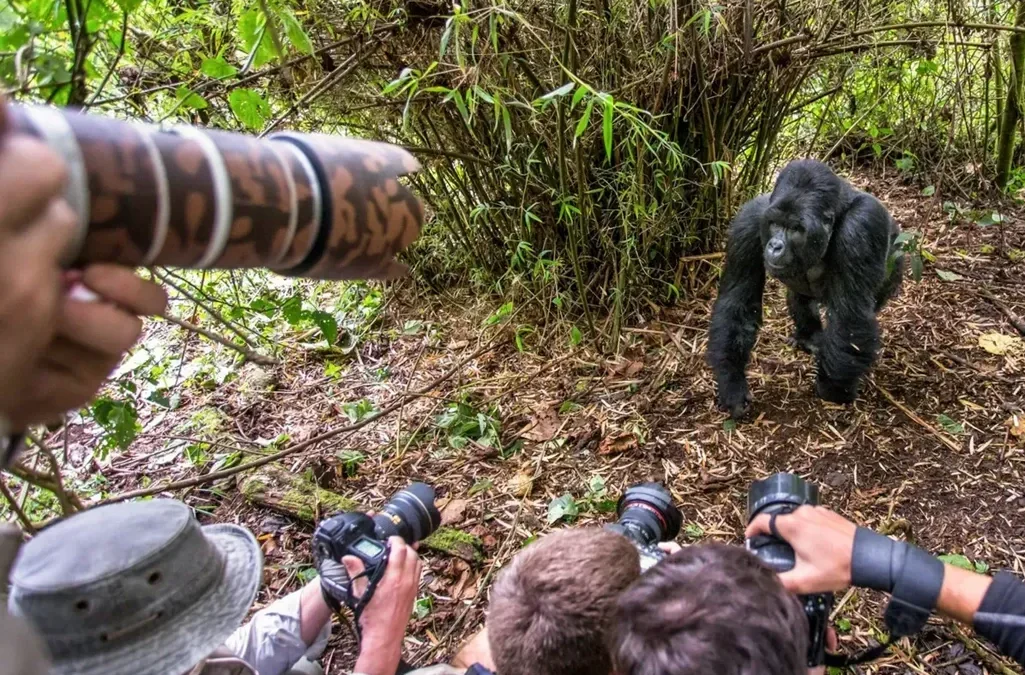
The price of a gorilla trekking safari in Uganda is one of the most frequently researched topics among travelers planning to see endangered mountain gorillas in their natural habitat. Gorilla trekking is considered one of Africa’s most extraordinary wildlife experiences, offering visitors a rare opportunity to spend time observing habituated gorilla families deep within the ancient forests of southwestern Uganda. While many travelers initially focus on the cost of the safari, understanding what contributes to the overall price reveals why gorilla trekking remains one of the most valuable and rewarding wildlife adventures available anywhere in the world.
Uganda is home to more than half of the world’s remaining mountain gorilla population, found primarily in Bwindi Impenetrable National Park and Mgahinga Gorilla National Park. Every year, thousands of visitors travel from across the globe to experience these remarkable primates in their natural environment. The cost of a gorilla trekking safari varies depending on several factors, including permit fees, accommodation standards, transportation arrangements, travel season, and the length of the itinerary. As a result, safari prices can range from affordable budget packages to highly exclusive luxury experiences designed for discerning travelers.
Unlike traditional wildlife safaris where animals are viewed from a vehicle, gorilla trekking involves guided hikes through dense rainforest terrain in search of mountain gorilla families. This unique activity requires extensive conservation efforts, highly trained guides and rangers, strict visitor regulations, and continuous protection of gorilla habitats. These factors contribute significantly to the overall cost of a gorilla trekking safari while ensuring the long-term survival of one of the world’s most endangered species.
Gorilla Trekking Safari Price at a Glance
| Safari Type | Average Cost |
|---|---|
| Budget | USD 1,100 – 1,800 |
| Mid-Range | USD 2,000 – 4,500 |
| Luxury | USD 4,500 – 8,000+ |
| Ultra-Luxury | USD 8,000 – 15,000+ |
| Gorilla Permit | USD 800 |
Request a Personalized Gorilla Safari Quote.
Overview of Gorilla Trekking Safari Costs in Uganda
The total price of a gorilla trekking safari in Uganda typically consists of several components, with the gorilla permit representing the largest single expense. Every visitor participating in gorilla trekking must purchase a valid permit issued by the Uganda Wildlife Authority. This permit grants access to one gorilla trek and contributes directly to conservation programs, anti-poaching initiatives, community development projects, ranger salaries, and habitat protection efforts.
Beyond the permit fee, safari costs also include accommodation, transportation, meals, guide services, park fees, and other logistical arrangements. Travelers can choose from a wide range of options depending on their budget and travel preferences. Budget safaris often utilize basic lodges and shared transportation, while luxury packages may feature charter flights, private guides, exclusive lodges, spa facilities, and personalized services.
The duration of the safari also affects the overall price. A short two or three-day gorilla trekking safari generally costs less than an extended itinerary that combines gorilla trekking with wildlife safaris, chimpanzee tracking, cultural encounters, or visits to multiple national parks. As a result, travelers have significant flexibility in designing a safari that aligns with both their budget and desired level of comfort.
Factors That Influence the Price of a Gorilla Trekking Safari
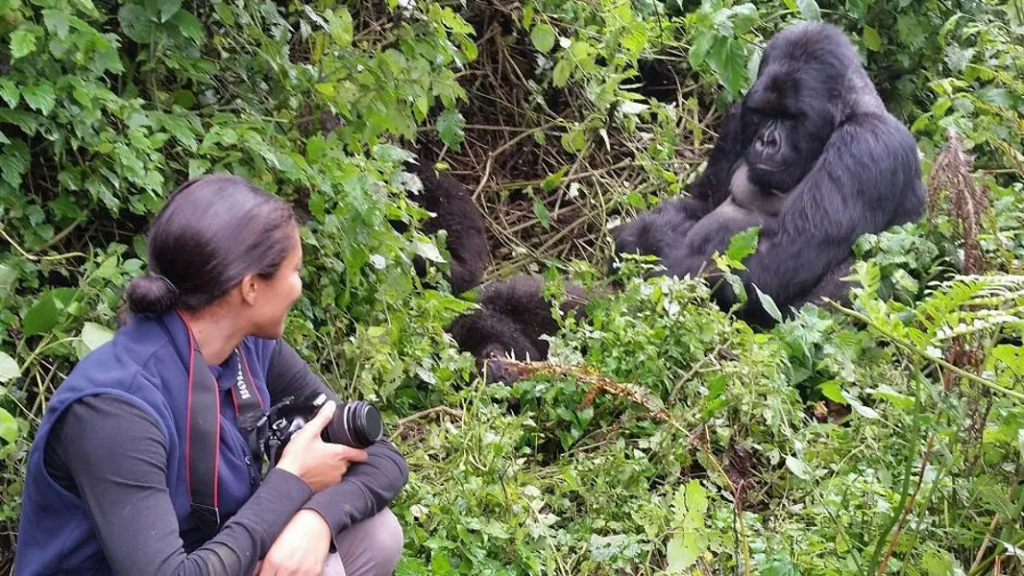
Several important factors determine the final cost of a gorilla trekking safari in Uganda. Understanding these variables helps travelers make informed decisions and select the safari option that best suits their expectations.
The gorilla permit fee remains the most influential factor because it is mandatory for all trekkers. Permit availability is limited to protect gorillas from excessive human interaction, making permits highly sought after, especially during peak travel seasons.
Accommodation choices significantly impact pricing as well. Uganda offers everything from budget guesthouses and safari camps to award-winning luxury lodges overlooking the forests where gorillas live. Travelers seeking premium experiences can expect higher costs due to enhanced comfort, personalized service, gourmet dining, and exclusive locations.
Transportation is another major consideration. Many visitors travel by road from Kampala or Entebbe to the gorilla trekking regions, while others prefer domestic flights that reduce travel time and increase convenience. Fly-in safaris generally command higher prices but offer a more comfortable and time-efficient experience.
The time of year also influences safari costs. During high seasons, demand for permits and accommodation rises significantly, often leading to higher rates. In contrast, low-season travel can provide better value through discounted lodge prices and special safari offers.
Group size affects costs as well. Private safaris tend to be more expensive because transportation and guide services are dedicated exclusively to one party. Shared or group safaris allow travelers to divide expenses, resulting in lower per-person costs.
Why Uganda Offers Exceptional Value for Money
When comparing gorilla trekking destinations, Uganda consistently stands out as offering some of the best value for money in Africa. While neighboring destinations also provide remarkable gorilla experiences, Uganda combines affordability, biodiversity, and safari variety in a way few countries can match.
One of Uganda’s greatest advantages is that travelers can enjoy the same unforgettable encounter with mountain gorillas while often spending considerably less on their overall safari compared to similar experiences elsewhere. Visitors spend a full hour observing a habituated gorilla family regardless of whether they trek in Uganda or another destination, making Uganda particularly attractive for travelers seeking exceptional experiences at a more accessible cost.
Beyond gorilla trekking, Uganda offers a diverse range of wildlife and adventure activities that can easily be incorporated into a single itinerary. Travelers can combine gorilla trekking with chimpanzee tracking in Kibale National Park, game drives in Queen Elizabeth National Park, boat safaris on the Kazinga Channel, wildlife viewing in Murchison Falls National Park, cultural encounters with local communities, and hiking adventures in the Rwenzori Mountains. This variety allows visitors to maximize the value of their trip without requiring multiple expensive journeys across different countries.
Uganda’s well-developed tourism infrastructure further enhances affordability by offering accommodation options across all budget levels. Whether travelers seek economical safari lodges, comfortable mid-range properties, or ultra-luxury wilderness retreats, there are choices available that cater to different financial plans while maintaining high standards of service and safety.
Most importantly, the money spent on a gorilla trekking safari in Uganda contributes directly to conservation success. Revenue generated through permits and tourism helps protect mountain gorillas, supports surrounding communities, funds ranger patrols, and preserves critical rainforest ecosystems. For many travelers, knowing that their investment supports both conservation and local livelihoods adds tremendous value to an already life-changing wildlife experience.
As a result, the price of a gorilla trekking safari in Uganda should not simply be viewed as a travel expense but as an investment in one of the world’s most extraordinary wildlife encounters, while simultaneously contributing to the protection of endangered mountain gorillas for future generations.
How Much Does a Gorilla Trekking Safari in Uganda Cost
The cost of a gorilla trekking safari in Uganda varies depending on several important factors, including the gorilla permit fee, accommodation category, transportation method, length of the safari, travel season, and whether the trip is private or shared. While many travelers focus on finding the lowest price, understanding the components that make up a gorilla trekking safari provides a clearer picture of the value offered by different packages.
Uganda has established itself as one of Africa’s leading gorilla trekking destinations because it offers exceptional wildlife experiences at prices that are generally more competitive than comparable gorilla safaris elsewhere. Whether you are a backpacker seeking a budget adventure or a luxury traveler looking for exclusive services, Uganda provides options across every price range.
The majority of gorilla trekking safaris take place in Bwindi Impenetrable National Park and Mgahinga Gorilla National Park, where visitors have the opportunity to encounter habituated mountain gorilla families under the supervision of experienced guides and park rangers. Safari costs can range from under $1,500 per person for budget packages to well over $10,000 per person for ultra-luxury fly-in experiences.
The final price depends largely on the level of comfort, exclusivity, and additional experiences included in the itinerary.
Average Cost of Gorilla Trekking Safaris
For most travelers, the average price of a gorilla trekking safari in Uganda falls between $1,500 and $4,500 per person. This price range typically covers the gorilla permit, accommodation, transportation, meals, guide services, and park-related logistics.
A standard 3-day gorilla trekking safari often represents the most popular option among international visitors because it provides sufficient time to travel to the gorilla trekking region, complete the trek, and return comfortably. Depending on accommodation choices, these itineraries generally fall within the mid-range category and offer excellent value for money.
Longer itineraries that combine gorilla trekking with chimpanzee tracking, wildlife safaris, cultural experiences, or birdwatching excursions naturally cost more due to additional accommodation nights, transportation requirements, and activity fees. However, many travelers prefer extended safaris because they maximize their time in Uganda and provide a more comprehensive wildlife experience.
When evaluating safari prices, travelers should always confirm what is included in the quoted rate. Some packages include all permits, transfers, accommodation, meals, and activities, while others may exclude items such as flights, visas, travel insurance, porter fees, or premium beverages.
Budget Gorilla Trekking Safari Prices
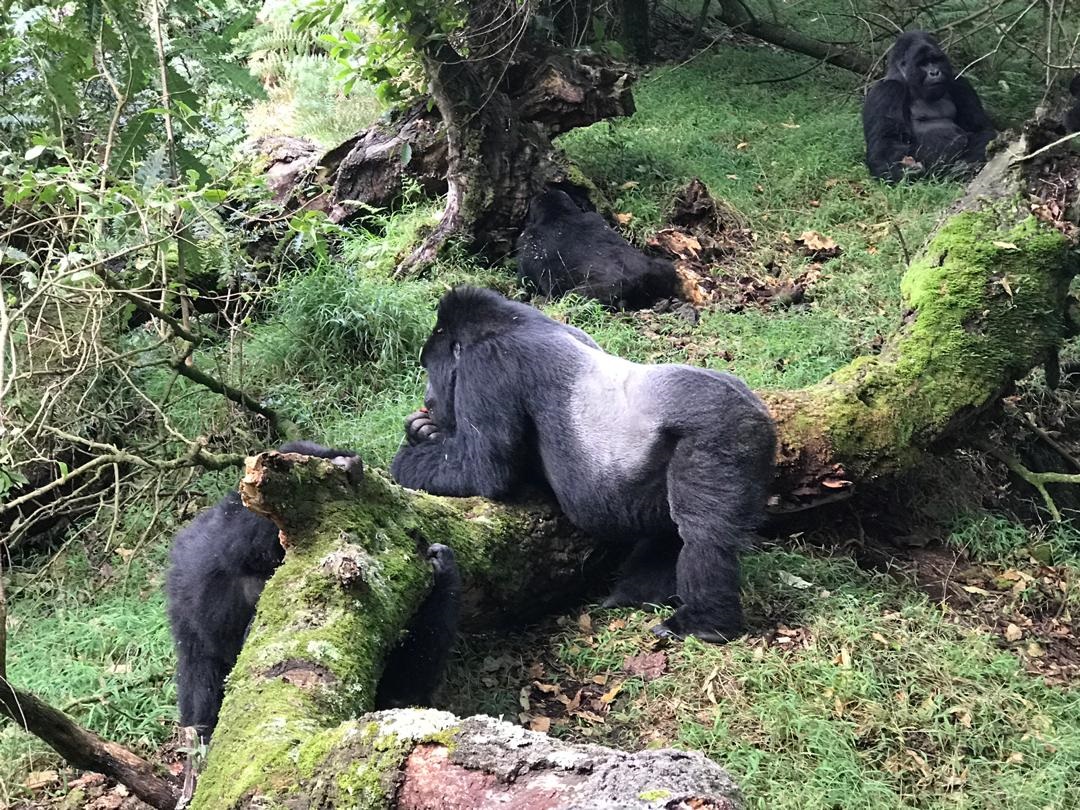
Budget gorilla trekking safaris are designed for travelers seeking the most affordable way to experience mountain gorillas without sacrificing safety or the quality of the trekking experience itself. Since every visitor receives the same gorilla trekking permit and spends the same amount of time with a gorilla family, budget travelers enjoy the same wildlife encounter as luxury guests.
Budget gorilla trekking safaris generally range from approximately $1,100 to $1,800 per person depending on group size and itinerary length. Shared transportation, basic but comfortable accommodation, and simpler meal plans help keep costs manageable.
Most budget safaris utilize guesthouses, community lodges, budget safari camps, or basic lodges located near the gorilla trekking sectors. While these accommodations may lack luxury amenities such as spas or private butlers, they typically provide clean rooms, comfortable beds, hot showers, and access to the trekking starting points.
Budget packages are particularly popular among solo travelers, students, backpackers, photographers, and adventure enthusiasts who prioritize the gorilla experience over accommodation luxury. Group departures often reduce costs further by allowing travelers to share transportation expenses.
Traveling during the low season can also significantly lower accommodation costs while maintaining the same gorilla trekking experience.
Mid-Range Gorilla Trekking Safari Prices
Mid-range gorilla trekking safaris represent the most popular category among international visitors because they balance affordability with comfort. These safaris typically range from $2,000 to $4,500 per person depending on duration, season, and included activities.
Mid-range accommodations often feature spacious en-suite rooms, quality dining experiences, attractive forest settings, reliable service, and enhanced comfort levels. Many lodges offer stunning views of the surrounding mountains and forests while remaining conveniently located near gorilla trekking headquarters.
Travelers choosing mid-range safaris generally enjoy private transportation, professional safari guides, upgraded meals, and more personalized services compared to budget packages. The overall experience is significantly more comfortable while remaining financially accessible for many travelers.
Mid-range itineraries frequently combine gorilla trekking with other Ugandan highlights such as chimpanzee tracking in Kibale National Park, game drives in Queen Elizabeth National Park, boat safaris, community visits, and nature walks.
For many travelers, mid-range safaris offer the best overall value because they provide excellent accommodation, quality service, and memorable wildlife experiences without the premium costs associated with luxury travel.
Luxury Gorilla Trekking Safari Prices
Luxury gorilla trekking safaris are designed for travelers seeking superior comfort, exceptional service, exclusive experiences, and premium accommodations. Prices generally start around $4,500 per person and can exceed $8,000 depending on the itinerary and level of exclusivity.
Luxury lodges near Uganda’s gorilla trekking regions often feature spacious cottages, private decks, fireplaces, fine dining, wellness facilities, personalized concierge services, and breathtaking views overlooking the rainforest. Many properties are internationally recognized for their hospitality standards and conservation initiatives.
Luxury safaris frequently include private vehicles, highly experienced guides, customized itineraries, premium beverages, cultural experiences, and seamless logistical arrangements. Guests often enjoy personalized attention from arrival to departure, ensuring a smooth and memorable journey.
Many luxury travelers choose to combine gorilla trekking with stays at high-end safari properties throughout Uganda, creating an immersive wildlife itinerary that includes gorillas, chimpanzees, lions, elephants, leopards, and diverse birdlife.
The added comfort and convenience make luxury gorilla trekking safaris particularly attractive to honeymooners, families, photographers, retirees, and travelers celebrating special occasions.
Ultra-Luxury Gorilla Trekking Experiences
Ultra-luxury gorilla trekking experiences represent the highest level of safari travel available in Uganda. These exclusive journeys often exceed $8,000 to $15,000 per person and can be significantly higher depending on customization, charter flights, and accommodation selections.
Ultra-luxury safaris emphasize privacy, exclusivity, and personalized service. Travelers often arrive via scheduled or private charter flights directly to airstrips near the gorilla trekking destinations, dramatically reducing travel time while enhancing comfort.
Accommodation may include some of Africa’s finest wilderness lodges featuring private villas, personal butlers, spa treatments, gourmet dining, wine cellars, helicopter transfers, and tailored experiences. Every aspect of the journey is carefully designed around the traveler’s preferences.
These safaris frequently incorporate exclusive conservation experiences, private cultural encounters, luxury photographic opportunities, and customized wildlife itineraries that extend beyond gorilla trekking. Guests may combine gorilla encounters with private game drives, luxury river cruises, chimpanzee tracking, and bespoke adventures throughout East Africa.
For travelers seeking the ultimate African wildlife experience, ultra-luxury gorilla trekking safaris provide unparalleled access to mountain gorillas while delivering world-class hospitality and extraordinary levels of comfort. Despite their premium price, many visitors consider these journeys among the most meaningful and unforgettable travel experiences available anywhere in the world.
Gorilla Trekking Safari Price Comparison in Uganda
| Feature | Budget Gorilla Trekking Safari | Mid-Range Gorilla Trekking Safari | Luxury Gorilla Trekking Safari |
|---|---|---|---|
| Typical Price Range (Per Person) | $1,100 – $1,800 | $2,000 – $4,500 | $4,500 – $8,000+ |
| Gorilla Permit | Included | Included | Included |
| Accommodation Type | Budget lodges, guesthouses, safari camps like Rushaga Gorilla Camp, Broadbill Forest Camp & Gorilla Valley Lodge | Comfortable lodges with en-suite facilities like Ichumbi Gorilla, Lodge ,Bakiga Lodge ,Gorilla Mist Camp | High-end luxury lodges and boutique safari properties like Mahogany Springs, Clouds Mountain Gorilla Lodge, Sanctuary Gori ,lla Forest Camp |
| Room Standard | Basic but clean and comfortable | Spacious rooms with added amenities | Premium suites, cottages, or private villas |
| Meals | Standard meals | Quality meals with varied menus | Gourmet dining and personalized menus |
| Transportation | Shared safari vehicle or group transport | Private or small-group safari vehicle | Private luxury 4×4 vehicle or fly-in transfers |
| Guide Services | Professional driver-guide | Experienced professional guide | Senior guide with personalized service |
| Airport Transfers | Sometimes excluded | Usually included | Included with VIP service |
| Domestic Flights | Rarely included | Optional upgrade | Frequently included |
| Privacy Level | Low to moderate | Moderate to high | Very high |
| Group Size | Often shared departures | Small private groups or families | Fully private safaris |
| Lodge Location | Near trekking sectors | Prime locations close to park headquarters | Exclusive forest-edge locations with premium views |
| Wi-Fi Availability | Limited in some lodges | Generally available | High-speed connectivity where possible |
| Spa & Wellness Facilities | Usually unavailable | Available at select lodges | Common feature at luxury properties |
| Laundry Services | Limited or paid extra | Available at many lodges | Usually complimentary |
| Personalized Itinerary | Limited customization | Moderate customization | Fully tailor-made experiences |
| Ideal For | Backpackers, solo travelers, students, budget-conscious visitors | Couples, families, small groups, value-seeking travelers | Honeymooners, VIP travelers, photographers, luxury safari enthusiasts |
| Overall Experience | Affordable and adventure-focused | Comfort and value balanced | Exclusive, premium, and highly personalized |
Quick Summary
| Safari Category | Best For | Average 3-Day Safari Cost |
|---|---|---|
| Budget Gorilla Trekking Safari | Travelers seeking the lowest possible cost | $1,100 – $1,800 |
| Mid-Range Gorilla Trekking Safari | Travelers seeking comfort and value | $2,000 – $4,500 |
| Luxury Gorilla Trekking Safari | Travelers seeking premium experiences | $4,500 – $8,000+ |
Important Note: Regardless of whether you choose a budget, mid-range, or luxury gorilla trekking safari, the actual gorilla trekking experience remains the same. All visitors receive a valid gorilla permit, are guided by trained rangers, and spend one hour observing a habituated mountain gorilla family in the wild. The primary difference in price comes from accommodation standards, transportation arrangements, and the level of comfort and exclusivity provided throughout the safari.
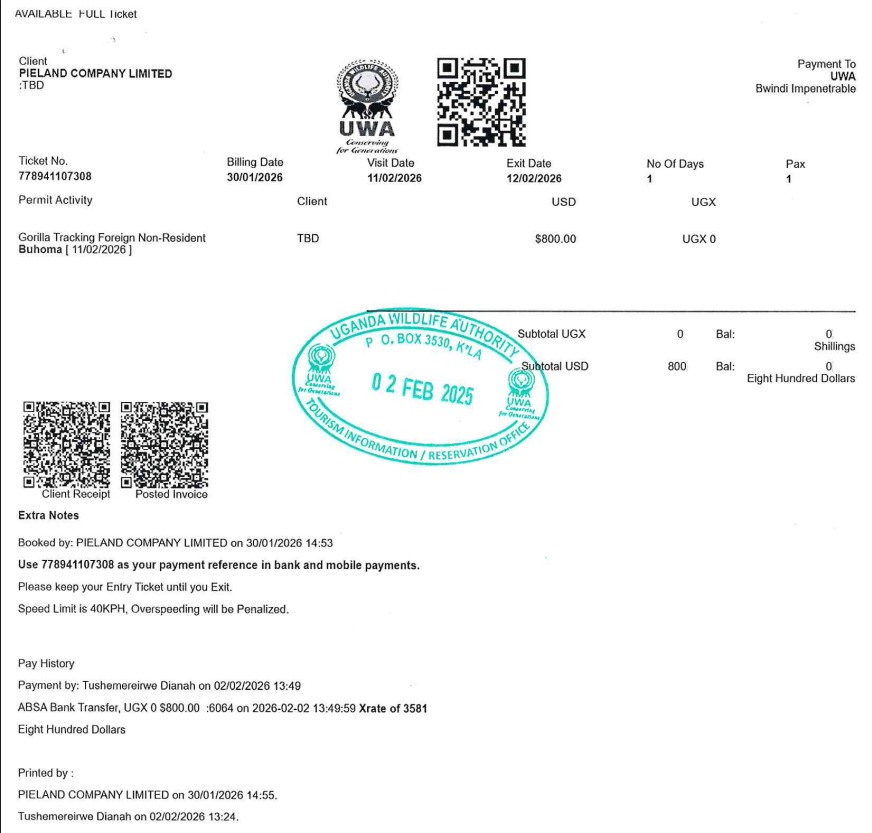
The gorilla permit is the single most important component of any gorilla trekking safari in Uganda. Every visitor wishing to trek mountain gorillas in either Bwindi Impenetrable National Park or Mgahinga Gorilla National Park must possess a valid gorilla permit issued by the Uganda Wildlife Authority (UWA).
Many travelers initially view the gorilla permit as expensive, but understanding its purpose reveals why it is one of the most important conservation tools in Africa. Gorilla permit revenue directly funds mountain gorilla conservation, anti-poaching patrols, ranger salaries, veterinary interventions, habitat protection, scientific research, and community development projects around gorilla habitats.
Without permit revenue, the remarkable conservation success that has helped mountain gorilla populations recover over recent decades would not have been possible.
The permit grants visitors access to one guided gorilla trek and a maximum of one hour in the presence of a habituated mountain gorilla family. Strict visitor limits ensure that gorillas are protected from excessive human interaction while maintaining a sustainable tourism model that benefits both wildlife and local communities.
Current Uganda Gorilla Permit Price
Uganda offers one of the most competitively priced gorilla trekking permits in Africa while providing the same unforgettable mountain gorilla experience available elsewhere. Gorilla permits are available throughout the year, though demand is highest during the dry seasons when trekking conditions are generally more favorable.
The cost of the permit varies according to visitor residency status. International tourists, foreign residents living in East Africa, and East African citizens all pay different rates as determined by Uganda Wildlife Authority policies.
Because only a limited number of permits are available each day, early booking is strongly recommended, particularly for travel during peak months. Many travelers secure their permits six to twelve months in advance to guarantee availability in their preferred trekking sector.
Uganda Gorilla Permit Prices
| Visitor Category | Gorilla Trekking Permit Cost |
|---|---|
| Foreign Non-Residents | USD 800 per person |
| Foreign Residents | USD 700 per person |
| East African Citizens | UGX 300,000 per person |
These fees apply to a standard gorilla trekking experience that includes one hour with a habituated gorilla family.
What the Gorilla Permit Includes
Many travelers wonder exactly what they receive when purchasing a gorilla permit. The permit is far more than simply an entry ticket to the forest.
A Uganda gorilla permit includes:
| Included Service | Description |
|---|---|
| Gorilla Trekking Activity | Access to one guided gorilla trek |
| One Hour with Gorillas | Up to 60 minutes observing a habituated gorilla family |
| Professional Ranger Guides | Experienced UWA ranger leadership throughout the trek |
| Security Personnel | Armed ranger escorts where necessary |
| Conservation Contribution | Direct support for gorilla protection programs |
| Community Revenue Sharing | Funding for local communities surrounding parks |
| Park Entry for Trekking Day | Access to the gorilla trekking sector on the permit date |
| Pre-Trek Briefing | Comprehensive safety and conservation briefing |
The permit does not include accommodation, transportation, visas, porter services, tips, meals, flights, or travel insurance. These are usually covered separately through safari packages or individual arrangements.
Foreign Non-Residents Permit Fees
Foreign non-residents constitute the majority of international gorilla trekkers visiting Uganda. This category applies to travelers who live outside East Africa and are visiting Uganda specifically for tourism purposes.
The current permit fee for foreign non-residents is USD 800 per person.
Although this may initially appear expensive, it remains highly competitive when compared to other gorilla trekking destinations. Many travelers choose Uganda specifically because it offers exceptional value while maintaining world-class conservation standards.
For international visitors, the permit often represents between 30% and 60% of the total safari cost, depending on the chosen accommodation category and itinerary duration.
The permit price helps sustain one of the world’s greatest conservation success stories while allowing visitors access to an experience that very few people on Earth will ever have.
Foreign Residents Permit Fees
Foreign residents are individuals who legally reside within East African countries and possess valid residency documentation. This category includes expatriates, international workers, diplomats, researchers, and long-term residents living in Uganda or neighboring East African nations.
The current gorilla permit fee for foreign residents is USD 700 per person.
This reduced rate recognizes the contribution foreign residents make to regional economies while encouraging tourism participation among expatriate communities.
To qualify for the resident rate, travelers must present valid residency permits or documentation at the time of booking and trekking.
The resident permit offers substantial savings while providing the same trekking experience, access to the same gorilla families, and identical conservation benefits as the foreign non-resident permit.
East African Citizens Permit Fees
Uganda Wildlife Authority also provides significantly discounted permits for citizens of East African Community member states. This initiative promotes domestic and regional tourism while encouraging local populations to participate in conservation-based tourism.
East African citizens currently pay UGX 300,000 per person for a gorilla trekking permit.
Eligible countries include Uganda, Kenya, Tanzania, Rwanda, Burundi, South Sudan, and other qualifying East African Community member states subject to prevailing regulations.
To access this rate, visitors must provide valid national identification documents, passports, or citizenship verification during booking and permit collection.
The discounted pricing allows more East Africans to experience one of the continent’s greatest wildlife treasures while fostering regional conservation awareness.
Gorilla Habituation Permit Cost
For travelers seeking a more immersive gorilla encounter, Uganda offers the unique Gorilla Habituation Experience available exclusively in selected sectors of Bwindi Impenetrable National Park.
Unlike standard gorilla trekking, where visitors spend one hour with a fully habituated gorilla family, the habituation experience allows participants to spend up to four hours alongside researchers, trackers, conservationists, and rangers as they monitor and gradually accustom gorillas to human presence.
This experience provides unparalleled insight into gorilla behavior, family dynamics, feeding habits, communication patterns, and conservation efforts.
Gorilla Habituation Permit Fees
| Visitor Category | Gorilla Habituation Permit Cost |
|---|---|
| Foreign Non-Residents | USD 1,500 per person |
| Foreign Residents | USD 1,000 per person |
| East African Citizens | UGX 750,000 per person |
Only a small number of habituation permits are issued daily, making them considerably more exclusive than standard gorilla trekking permits.
Gorilla Trekking vs Gorilla Habituation Permit Comparison
| Feature | Gorilla Trekking Permit | Gorilla Habituation Permit |
|---|---|---|
| Time with Gorillas | 1 Hour | Up to 4 Hours |
| Permit Cost (Foreign Non-Resident) | USD 800 | USD 1,500 |
| Number of Visitors Per Group | Up to 8 | Maximum 4 |
| Gorilla Family Status | Fully Habituated | Semi-Habituated |
| Exclusivity | High | Very High |
| Photography Opportunities | Excellent | Exceptional |
| Conservation Interaction | Standard | Extensive |
| Overall Experience | Classic Gorilla Trekking | Deep Conservation Experience |
For wildlife enthusiasts, photographers, researchers, and travelers seeking the most comprehensive mountain gorilla encounter available anywhere in Africa, the Gorilla Habituation Experience is often regarded as the ultimate gorilla safari activity and one of the most extraordinary wildlife experiences on the planet.
Factors Affecting the Price of a Gorilla Trekking Safari in Uganda
One of the most common questions travelers ask when planning a gorilla trekking safari is why prices vary so significantly between different tour packages. While every visitor who purchases a gorilla permit enjoys the same one-hour encounter with mountain gorillas, the total safari cost can differ by thousands of dollars depending on several key factors.
Understanding these factors allows travelers to make informed decisions, compare safari quotations accurately, and choose an experience that aligns with their budget and expectations. From the length of the safari to accommodation choices and transportation preferences, every element contributes to the final price of a gorilla trekking adventure in Uganda.
The good news is that Uganda offers options for virtually every type of traveler, from budget-conscious adventurers to luxury safari enthusiasts seeking the most exclusive wildlife experiences.
Duration of the Safari
The length of the safari is one of the biggest factors influencing the overall cost of a gorilla trekking safari in Uganda. Generally, the longer the itinerary, the higher the total price due to increased accommodation nights, transportation expenses, meals, guide services, and park activities.
A short two or three-day gorilla trekking safari is often the most affordable option because it focuses primarily on reaching the gorilla trekking destination, completing the trek, and returning to the starting point. These itineraries are popular among travelers with limited time or those primarily interested in seeing mountain gorillas.
Longer safaris may extend to five, seven, ten, or even fourteen days and often combine gorilla trekking with visits to other destinations such as Queen Elizabeth National Park, Kibale National Park, Murchison Falls National Park, and Lake Mburo National Park.
Although extended itineraries cost more, they often provide better overall value because travelers experience multiple wildlife encounters, cultural activities, boat safaris, and chimpanzee tracking adventures within a single journey.
Accommodation Category
Accommodation selection has a major impact on safari pricing and often represents the second-largest expense after the gorilla permit itself. Uganda offers accommodation ranging from simple guesthouses and budget lodges to some of Africa’s most luxurious safari properties.
Budget accommodations focus on providing clean rooms, basic facilities, and convenient access to trekking sectors. These properties appeal to travelers prioritizing the gorilla experience over luxury amenities.
Mid-range lodges provide enhanced comfort, larger rooms, quality dining, scenic locations, and additional facilities while remaining affordable for most travelers.
Luxury lodges near gorilla trekking areas often feature private cottages, panoramic forest views, gourmet cuisine, personalized service, wellness facilities, premium beverages, and exclusive safari experiences. Some properties are considered among the finest wilderness lodges in Africa.
The difference between staying at a budget lodge and an ultra-luxury property can add several thousand dollars to the total safari price, even when the gorilla trekking experience itself remains identical.
Accommodation Category Comparison
| Accommodation Level | Typical Price Impact | Features |
|---|---|---|
| Budget | Lowest Cost | Basic rooms, standard meals, essential amenities |
| Mid-Range | Moderate Cost | En-suite rooms, quality dining, comfortable facilities |
| Luxury | High Cost | Premium suites, fine dining, personalized services |
| Ultra-Luxury | Highest Cost | Private villas, butler service, spa facilities, exclusive experiences |
Transportation Method
Transportation significantly influences the cost of a gorilla trekking safari because Uganda’s gorilla habitats are located in the country’s southwestern region, several hours from major international gateways.
Most travelers arrive through Entebbe and travel by road to the gorilla trekking regions. Road transfers are generally the most economical transportation option and allow visitors to experience Uganda’s landscapes, towns, and countryside along the journey.
Private road safaris are more expensive than shared group departures because vehicle and fuel costs are not divided among multiple travelers.
For travelers prioritizing comfort and time efficiency, domestic flights provide a premium alternative. Scheduled and charter flights connect Entebbe with airstrips near gorilla trekking destinations, significantly reducing travel time.
Fly-in safaris offer greater convenience but increase the overall safari cost substantially due to aircraft operating expenses and airport transfer requirements.
Transportation Cost Comparison
| Transportation Type | Cost Level | Travel Experience |
|---|---|---|
| Shared Road Transfer | Lowest | Cost-effective and social |
| Private Road Transfer | Moderate | Flexible and personalized |
| Scheduled Domestic Flight | High | Faster and more comfortable |
| Private Charter Flight | Premium | Exclusive and highly convenient |
Number of Travelers
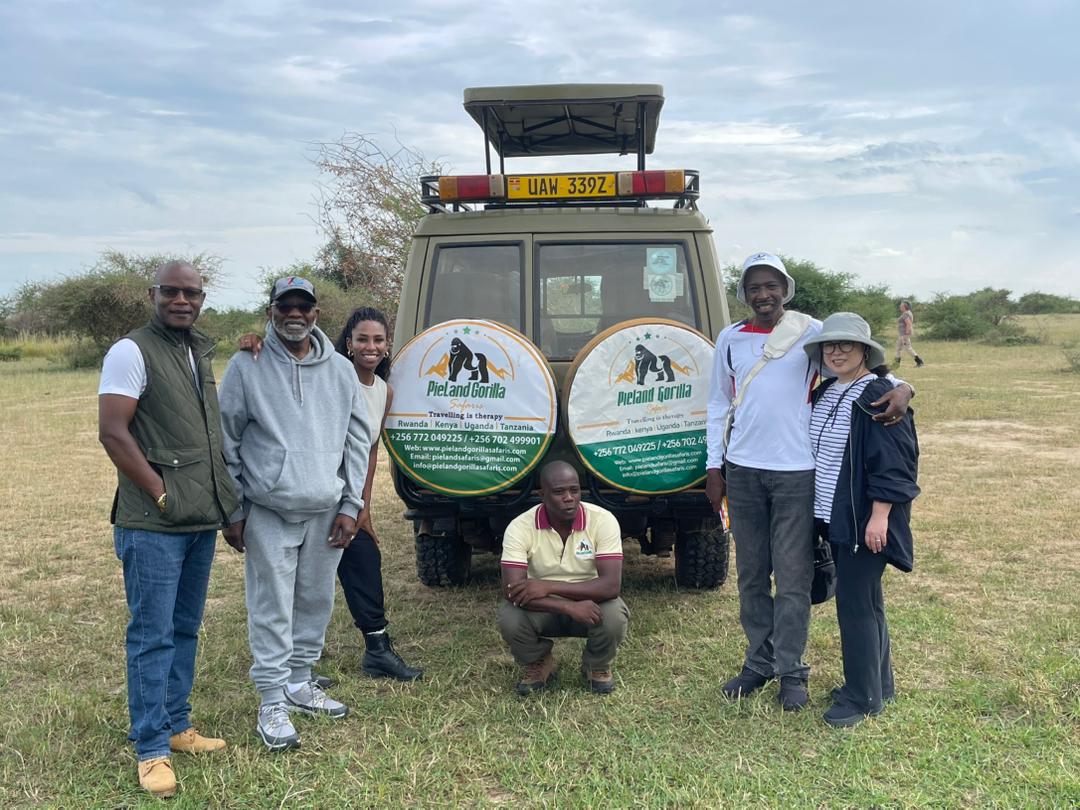
Group size plays a significant role in determining the per-person cost of a gorilla trekking safari. Many safari expenses, including transportation, fuel, guide services, and vehicle operation costs, can be shared among multiple travelers.
As a result, larger groups often enjoy significantly lower per-person rates than solo travelers.
A solo traveler booking a private safari absorbs the full cost of transportation and guide services. In contrast, a family or group of friends can divide these expenses, reducing individual costs while maintaining the same quality of experience.
Group departures and scheduled safaris are especially popular among budget-conscious travelers because they allow participants to share operational expenses while still enjoying professional guiding services.
Private safaris remain more expensive but offer greater flexibility, customized itineraries, and exclusive use of safari vehicles.
Group Size Impact on Safari Costs
| Number of Travelers | Cost Per Person |
|---|---|
| Solo Traveler | Highest |
| 2 Travelers | Moderate |
| 4 Travelers | Lower |
| 6+ Travelers | Lowest |
Travel Season
The time of year you choose to travel can influence the overall cost of your gorilla trekking safari. Uganda experiences both peak travel seasons and lower-demand periods, affecting accommodation rates and safari package pricing.
Peak seasons generally coincide with drier weather conditions when trekking trails are easier to navigate and wildlife viewing opportunities are excellent. During these periods, accommodation demand is high, and premium lodges may reach full occupancy months in advance.
Low seasons often bring reduced accommodation rates, special offers, and promotional safari packages. Travelers willing to visit during these periods can often save significantly while still enjoying excellent gorilla trekking experiences.
It is important to note that gorilla permit prices remain constant throughout the year. The savings associated with low-season travel primarily come from accommodation discounts and reduced demand for safari services.
Seasonal Pricing Comparison
| Season | Cost Level | Availability |
|---|---|---|
| Peak Season | Highest | Limited availability |
| Shoulder Season | Moderate | Good availability |
| Low Season | Lowest | Excellent availability |
Additional Activities Included
Many travelers choose to combine gorilla trekking with other wildlife and cultural experiences, which naturally increases the overall safari price. Uganda offers a remarkable diversity of attractions that can be incorporated into gorilla trekking itineraries.
Popular additions include chimpanzee tracking in Kibale National Park, wildlife safaris in Queen Elizabeth National Park, boat cruises along the Kazinga Channel, game drives in Murchison Falls National Park, birdwatching excursions, cultural community visits, and nature walks.
Each additional activity introduces new permit fees, accommodation requirements, transportation costs, and guide services. However, these experiences also increase the overall value of the safari by providing a broader understanding of Uganda’s wildlife, landscapes, and cultures.
Many travelers discover that combining gorilla trekking with other activities creates a more complete African safari experience and often represents better value than making separate trips in the future.
Common Add-On Activities and Their Impact on Safari Cost
| Activity | Impact on Total Price |
|---|---|
| Gorilla Trekking Only | Base Cost |
| Chimpanzee Tracking | Moderate Increase |
| Wildlife Safari Extension | Moderate to High Increase |
| Boat Safari | Small Increase |
| Cultural Experiences | Small Increase |
| Gorilla Habituation Experience | Significant Increase |
| Fly-In Safari Upgrade | Significant Increase |
Ultimately, the price of a gorilla trekking safari in Uganda is determined by a combination of these factors. By understanding how each element affects overall costs, travelers can design a safari that balances affordability, comfort, and unforgettable wildlife experiences while maximizing the value of their investment.
Cost Breakdown of a Gorilla Trekking Safari in Uganda
Understanding the individual components that make up the price of a gorilla trekking safari in Uganda helps travelers accurately budget for their adventure and compare safari packages more effectively. While many tour operators advertise a single package price, that amount is usually made up of several different costs, each playing an important role in delivering a safe, enjoyable, and conservation-focused experience.
The overall cost of a gorilla trekking safari can vary considerably depending on accommodation standards, transportation preferences, travel duration, and additional activities included. However, regardless of whether you choose a budget, mid-range, or luxury safari, the same core cost components remain relevant.
Breaking down these expenses provides a clearer understanding of where your money goes and how gorilla tourism directly contributes to wildlife conservation and community development in Uganda.
Gorilla Permit
The gorilla permit is the most significant expense in most gorilla trekking safaris and often accounts for a large percentage of the total trip cost. Every visitor must possess a valid permit issued by the Uganda Wildlife Authority before participating in a gorilla trek.
The permit grants access to one habituated gorilla family and allows visitors to spend up to one hour observing mountain gorillas in their natural habitat. Permit revenue supports conservation programs, ranger patrols, anti-poaching operations, veterinary care, scientific research, habitat protection, and local community projects.
For many travelers, the permit alone represents between 30% and 70% of the total safari budget depending on the level of accommodation selected.
Gorilla Permit Costs
| Visitor Category | Permit Cost |
|---|---|
| Foreign Non-Resident | USD 800 |
| Foreign Resident | USD 700 |
| East African Citizen | UGX 300,000 |
| Gorilla Habituation Permit (FNR) | USD 1,500 |
Accommodation Costs
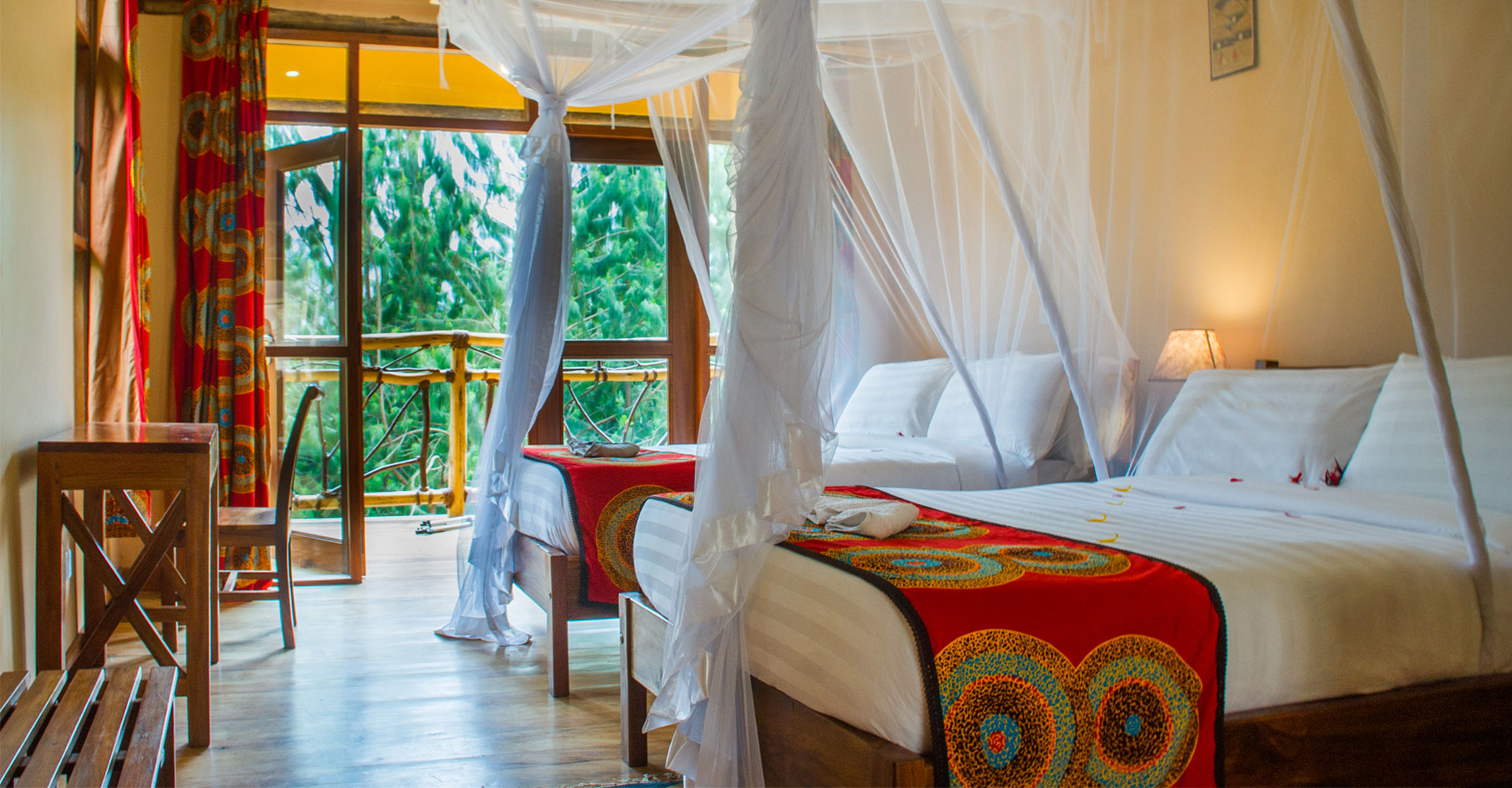
Accommodation is usually the second-largest component of a gorilla trekking safari budget. Uganda offers a wide range of lodging options near gorilla trekking sectors, allowing travelers to choose accommodation that matches their comfort preferences and financial plans.
Budget lodges provide clean and comfortable facilities at affordable rates. Mid-range properties offer enhanced comfort, scenic settings, and improved services, while luxury lodges deliver exceptional hospitality, gourmet dining, premium amenities, and exclusive forest views.
Accommodation costs vary based on location, room type, season, and lodge reputation. Lodges closest to trekking headquarters often command higher rates due to convenience and demand.
Average Accommodation Costs Per Night
| Accommodation Category | Average Cost Per Person Per Night |
|---|---|
| Budget | USD 50 – 150 |
| Mid-Range | USD 150 – 350 |
| Luxury | USD 350 – 900 |
| Ultra-Luxury | USD 900 – 2,500+ |
Transportation Expenses
Transportation costs can vary considerably depending on how travelers choose to reach Uganda’s gorilla trekking regions. Most visitors travel by road from Entebbe or Kampala to southwestern Uganda.
Road safaris remain the most popular option because they are cost-effective and provide opportunities to enjoy Uganda’s diverse landscapes. Private vehicles offer flexibility but cost more than shared departures.
Domestic flights are increasingly popular among luxury travelers seeking shorter travel times and greater convenience. Fly-in gorilla safaris significantly reduce road travel but add substantial transportation costs.
Transportation Cost Estimates
| Transportation Option | Estimated Cost |
|---|---|
| Shared Road Transfer | USD 100 – 300 |
| Private Road Safari Vehicle | USD 250 – 600 per day |
| Scheduled Domestic Flight | USD 300 – 500 one-way |
| Charter Flight | USD 1,500 – 5,000+ |
Park Entry Fees
Many travelers assume the gorilla permit covers all park-related costs. While the permit grants access to the gorilla trekking activity itself, additional national park entry fees may apply when combining gorilla trekking with other wildlife experiences.
Visitors extending their itineraries to include game drives, chimpanzee tracking, boat safaris, or birdwatching in other national parks may incur separate conservation and park entrance fees.
For gorilla-only itineraries, these costs are often incorporated into safari packages and may not appear separately.
Common Additional Park Fees
| Activity | Additional Fee Requirement |
|---|---|
| Gorilla Trekking Only | Usually included in permit |
| Wildlife Game Drives | Separate park entry fees |
| Chimpanzee Tracking | Separate permit required |
| Boat Safaris | Additional activity fee |
| Nature Walks | May require extra permits |
Meals and Drinks
Food and beverage costs vary depending on the type of safari package selected. Most organized gorilla trekking safaris include meals as part of the overall package, particularly breakfast, lunch, and dinner.
Budget accommodations typically offer simple but satisfying meals, while luxury lodges provide gourmet dining experiences featuring local and international cuisine.
Premium alcoholic beverages, imported wines, specialty cocktails, and certain premium dining experiences may not be included and could incur additional charges.
Meal Cost Estimates
| Meal Type | Approximate Cost if Purchased Separately |
|---|---|
| Breakfast | USD 10 – 25 |
| Lunch | USD 15 – 35 |
| Dinner | USD 20 – 80 |
| Luxury Fine Dining | USD 80 – 200+ |
| Bottled Water & Soft Drinks | USD 2 – 10 |
Guide and Ranger Fees
Professional guides and rangers are essential to the gorilla trekking experience. Every gorilla trek is led by highly trained Uganda Wildlife Authority rangers who possess extensive knowledge of gorilla behavior, forest ecology, conservation, and visitor safety.
The cost of ranger services is generally included within the gorilla permit fee. Safari driver-guides accompanying visitors throughout the itinerary are usually included within package pricing as well.
These professionals play a crucial role in ensuring that gorilla trekking remains safe, educational, and environmentally responsible.
Guide Services Overview
| Service | Typically Included? |
|---|---|
| UWA Ranger Guide | Yes |
| Gorilla Trek Briefing | Yes |
| Security Escort | Yes |
| Safari Driver Guide | Usually Included |
| Private Specialist Guide | Additional Cost Possible |
Porter Fees
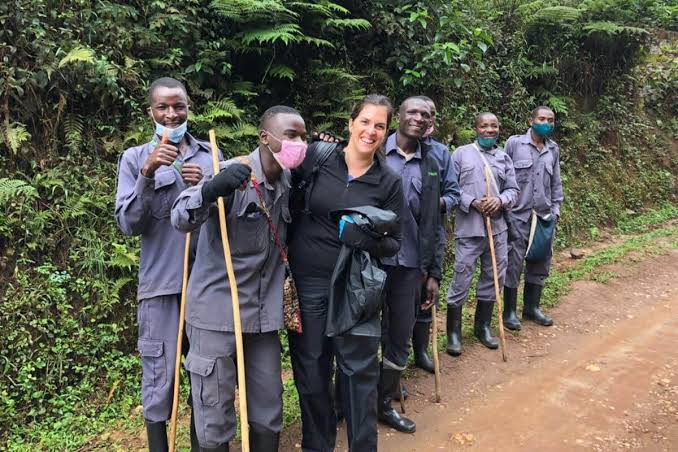
Hiring a porter is one of the best investments a traveler can make during gorilla trekking. Porters assist with carrying backpacks, cameras, water bottles, and other personal items while helping trekkers navigate steep and muddy forest trails.
Beyond convenience, porter services provide direct employment opportunities for local community members, many of whom previously relied on forest resources for survival.
Even physically fit travelers often find porter assistance beneficial due to the challenging terrain encountered during some treks.
Porter Service Costs
| Service | Average Fee |
|---|---|
| Standard Porter | USD 15 – 25 |
| Personal Assistant Porter | USD 20 – 40 |
| Sedan Chair Support Team | USD 300 – 500+ |
Many conservation organizations actively encourage visitors to hire porters because the income generated supports local livelihoods and strengthens community support for gorilla conservation.
Tips and Gratuities
Although tipping is not mandatory, it is widely appreciated and considered standard practice throughout Uganda’s tourism industry. Tips recognize excellent service and provide meaningful additional income to guides, porters, lodge staff, and drivers.
The amount given depends on the level of service received, the length of the safari, and individual traveler preferences.
Most safari operators provide guidance on tipping practices, but travelers ultimately decide how much they wish to contribute.
Recommended Tipping Guidelines
| Service Provider | Suggested Tip |
|---|---|
| Gorilla Ranger Guide | USD 10 – 20 per person |
| Porter | USD 10 – 20 |
| Safari Driver Guide | USD 10 – 30 per day |
| Lodge Staff | USD 5 – 15 per day |
| Housekeeping Staff | USD 2 – 5 per day |
Sample Cost Breakdown for a 3-Day Gorilla Trekking Safari
| Expense Category | Budget Safari | Mid-Range Safari | Luxury Safari |
|---|---|---|---|
| Gorilla Permit | USD 800 | USD 800 | USD 800 |
| Accommodation | USD 150 | USD 600 | USD 2,000 |
| Transportation | USD 250 | USD 500 | USD 1,500 |
| Meals | Included | Included | Included |
| Guide Services | Included | Included | Included |
| Porter | USD 20 | USD 20 | USD 20 |
| Tips & Gratuities | USD 50 | USD 100 | USD 200 |
| Estimated Total | USD 1,270 | USD 2,020 | USD 4,520+ |
This breakdown demonstrates that while the gorilla permit remains constant across all safari categories, accommodation, transportation, and service levels create the largest differences in overall safari pricing. Understanding these cost components enables travelers to choose a gorilla trekking safari that matches both their budget and desired travel experience while ensuring a memorable encounter with Uganda’s magnificent mountain gorillas.
Budget Gorilla Trekking Safari Prices
A budget gorilla trekking safari is the most affordable way to experience one of Africa’s greatest wildlife encounters. Contrary to what many first-time travelers assume, choosing a budget safari does not mean compromising on the actual gorilla trekking experience. Every visitor, regardless of whether they book a budget, mid-range, or luxury package, receives the same gorilla permit, treks to the same habituated gorilla families, and spends the same one hour observing mountain gorillas in their natural habitat.
The primary differences between budget and more expensive safari packages lie in accommodation standards, transportation arrangements, meal options, and the level of exclusivity provided. Budget gorilla trekking safaris focus on delivering the essential components of the experience while minimizing unnecessary expenses.
Uganda remains one of the most affordable destinations for gorilla trekking, making it particularly attractive to backpackers, students, solo travelers, adventure seekers, and travelers looking to maximize value without sacrificing the quality of the wildlife encounter.
2-Day Budget Gorilla Trekking Safari
A 2-day budget gorilla trekking safari is the shortest and often the least expensive gorilla trekking itinerary available in Uganda. These safaris are ideal for travelers with limited time or those already staying near the gorilla trekking regions.
Typically, the journey begins with an early morning departure from nearby locations, followed by travel to the trekking sector, overnight accommodation, and gorilla trekking the following day before returning to the starting point.
Because transportation distances are shorter and accommodation requirements are limited to one night, the overall cost remains relatively low. However, travelers departing from Kampala or Entebbe may find a two-day itinerary physically demanding due to the long driving distances involved.
Typical 2-Day Budget Gorilla Safari Costs
| Number of Travelers | Estimated Cost Per Person |
|---|---|
| Solo Traveler | USD 1,200 – 1,500 |
| 2 Travelers | USD 1,000 – 1,300 |
| 4 Travelers | USD 900 – 1,100 |
| 6+ Travelers | USD 850 – 1,000 |
Most 2-day budget packages include:
- Gorilla permit
- One night accommodation
- Transportation
- Driver-guide
- Meals
- Bottled drinking water
3-Day Budget Gorilla Trekking Safari
The 3-day budget gorilla trekking safari is by far the most popular and practical option for travelers visiting Uganda. It provides a more relaxed travel schedule while remaining affordable.
Most itineraries include a full day of travel to the gorilla trekking region, gorilla trekking on the second day, and the return journey on the third day. This schedule allows travelers to rest before and after trekking while enjoying some of Uganda’s beautiful countryside.
For many visitors, a 3-day itinerary offers the best balance between cost, comfort, and convenience.
Typical 3-Day Budget Gorilla Safari Costs
| Number of Travelers | Estimated Cost Per Person |
|---|---|
| Solo Traveler | USD 1,350 – 1,700 |
| 2 Travelers | USD 1,150 – 1,450 |
| 4 Travelers | USD 1,000 – 1,250 |
| 6+ Travelers | USD 950 – 1,150 |
A standard 3-day budget safari usually includes:
- Gorilla permit
- Two nights accommodation
- Full transportation
- Driver-guide
- Meals throughout the safari
- Fuel costs
- Government taxes
This remains one of the most requested gorilla trekking packages because it provides excellent value while allowing sufficient time for the experience.
4-Day Budget Gorilla Trekking Safari
A 4-day budget gorilla trekking safari provides additional flexibility and opportunities to include other activities while maintaining an affordable overall cost.
Many travelers use the extra day to visit local communities, enjoy nature walks, explore scenic viewpoints, or combine gorilla trekking with another wildlife experience. The additional day also reduces travel fatigue and creates a more relaxed itinerary.
Four-day safaris are especially attractive to international visitors who have traveled long distances and want to maximize their time in Uganda.
Typical 4-Day Budget Gorilla Safari Costs
| Number of Travelers | Estimated Cost Per Person |
|---|---|
| Solo Traveler | USD 1,500 – 1,900 |
| 2 Travelers | USD 1,250 – 1,600 |
| 4 Travelers | USD 1,100 – 1,400 |
| 6+ Travelers | USD 1,050 – 1,300 |
Most 4-day budget safaris include:
- Gorilla permit
- Three nights accommodation
- Ground transportation
- Driver-guide services
- Meals
- Community visits or optional activities
Although slightly more expensive than shorter itineraries, many travelers find the additional comfort and flexibility well worth the modest increase in cost.
Budget Accommodation Options
One of the biggest reasons budget gorilla trekking safaris remain affordable is the availability of excellent budget accommodation near the gorilla trekking sectors. These lodges and guesthouses focus on providing clean, comfortable, and practical facilities without luxury extras.
Budget accommodations are available near the major trekking sectors of Bwindi Impenetrable National Park, including Buhoma, Rushaga, Ruhija, and Nkuringo, as well as near Mgahinga Gorilla National Park.
Despite their lower rates, many budget properties offer stunning views of the forest and surrounding mountains, friendly hospitality, hot meals, and convenient access to trekking headquarters.
Typical Budget Accommodation Costs
| Accommodation Type | Average Cost Per Night |
|---|---|
| Budget Guesthouse | USD 30 – 60 |
| Community Lodge | USD 40 – 80 |
| Budget Safari Lodge | USD 60 – 120 |
| Budget Eco-Lodge | USD 80 – 150 |
Common features often include:
- En-suite or shared bathrooms
- Restaurant services
- Hot showers
- Solar power backup
- Forest or mountain views
- Wi-Fi in common areas
Ways to Reduce Costs
Gorilla trekking is often considered a premium wildlife activity, but there are several effective ways to significantly reduce the overall cost of a safari without affecting the quality of the gorilla encounter itself.
One of the most effective strategies is joining a group safari. Sharing transportation and guide expenses among multiple travelers can substantially lower the per-person cost.
Traveling during the low season can also generate significant savings. While gorilla permits remain fixed in price, many lodges offer discounted rates during periods of lower demand, reducing overall safari expenses.
Choosing road transfers instead of domestic flights can further reduce costs. Although road journeys take longer, they remain the most economical way to reach Uganda’s gorilla trekking regions.
Booking budget accommodations rather than luxury lodges also produces major savings while still providing comfortable lodging and access to the same trekking experience.
Best Ways to Save Money on Gorilla Trekking
| Cost-Saving Strategy | Potential Savings |
|---|---|
| Join a Group Safari | High |
| Travel During Low Season | Moderate to High |
| Choose Budget Lodges | High |
| Use Road Transfers | Moderate |
| Book Early | Moderate |
| Share Transportation | High |
| Limit Additional Activities | Moderate |
Ultimately, a budget gorilla trekking safari proves that witnessing mountain gorillas in the wild does not have to be reserved for luxury travelers. With careful planning, shared transportation, budget-friendly accommodation, and strategic travel dates, visitors can enjoy one of the world’s most extraordinary wildlife experiences at a surprisingly affordable cost while still contributing directly to gorilla conservation and local community development.
Mid-Range Gorilla Trekking Safari Prices
Mid-range gorilla trekking safaris are the most popular choice among travelers visiting Uganda because they provide an excellent balance between affordability and comfort. These safaris are designed for visitors who want more than basic accommodation and transportation but do not necessarily require the premium services associated with luxury travel.
A mid-range gorilla trekking safari typically includes comfortable en-suite accommodation, private transportation, professional driver-guides, quality meals, and personalized service while maintaining a reasonable overall budget. For many travelers, this category delivers the best value for money because it enhances the overall safari experience without dramatically increasing costs.
The majority of international visitors booking gorilla trekking safaris in Uganda choose mid-range packages because they offer comfortable lodges, scenic locations, quality dining, and reliable safari services at a fraction of the cost of luxury alternatives.
3-Day Mid-Range Gorilla Trekking Safari
A 3-day mid-range gorilla trekking safari is the most requested gorilla trekking package in Uganda. It provides sufficient time for travel to the gorilla trekking region, the trekking experience itself, and a comfortable return journey.
Most itineraries begin with a scenic drive from Entebbe or Kampala to the gorilla trekking sector, followed by overnight accommodation at a comfortable lodge near the park. The second day is dedicated to gorilla trekking, while the third day allows for a relaxed return journey.
Mid-range travelers benefit from upgraded accommodations, private transportation, superior meal quality, and more personalized service than budget safari guests.
Typical 3-Day Mid-Range Gorilla Safari Costs
| Number of Travelers | Estimated Cost Per Person |
|---|---|
| Solo Traveler | USD 2,200 – 3,200 |
| 2 Travelers | USD 1,900 – 2,800 |
| 4 Travelers | USD 1,700 – 2,400 |
| 6+ Travelers | USD 1,500 – 2,200 |
Typical Inclusions
| Included Service | Included |
|---|---|
| Gorilla Permit | ✓ |
| 2 Nights Mid-Range Accommodation | ✓ |
| Private Transportation | ✓ |
| Professional Driver Guide | ✓ |
| Meals | ✓ |
| Bottled Drinking Water | ✓ |
| Park Activity Coordination | ✓ |
4-Day Mid-Range Gorilla Trekking Safari
A 4-day mid-range gorilla trekking safari offers a more relaxed pace and greater flexibility. The additional day allows travelers to enjoy Uganda’s landscapes, visit local communities, or incorporate optional activities into their itinerary.
Many travelers prefer four-day itineraries because they reduce travel fatigue and provide a more immersive experience in the gorilla trekking region. The extra night also allows visitors to spend more time enjoying the lodge facilities and surrounding scenery.
Four-day safaris are particularly popular among couples, families, photographers, and travelers seeking a deeper connection with Uganda’s natural beauty.
Typical 4-Day Mid-Range Gorilla Safari Costs
| Number of Travelers | Estimated Cost Per Person |
|---|---|
| Solo Traveler | USD 2,500 – 3,800 |
| 2 Travelers | USD 2,100 – 3,200 |
| 4 Travelers | USD 1,900 – 2,800 |
| 6+ Travelers | USD 1,800 – 2,500 |
Typical Inclusions
| Included Service | Included |
|---|---|
| Gorilla Permit | ✓ |
| 3 Nights Mid-Range Accommodation | ✓ |
| Private Transportation | ✓ |
| Professional Guide | ✓ |
| Meals Throughout Safari | ✓ |
| Community Visit or Nature Walk | Often Included |
| Drinking Water | ✓ |
Popular Mid-Range Lodges
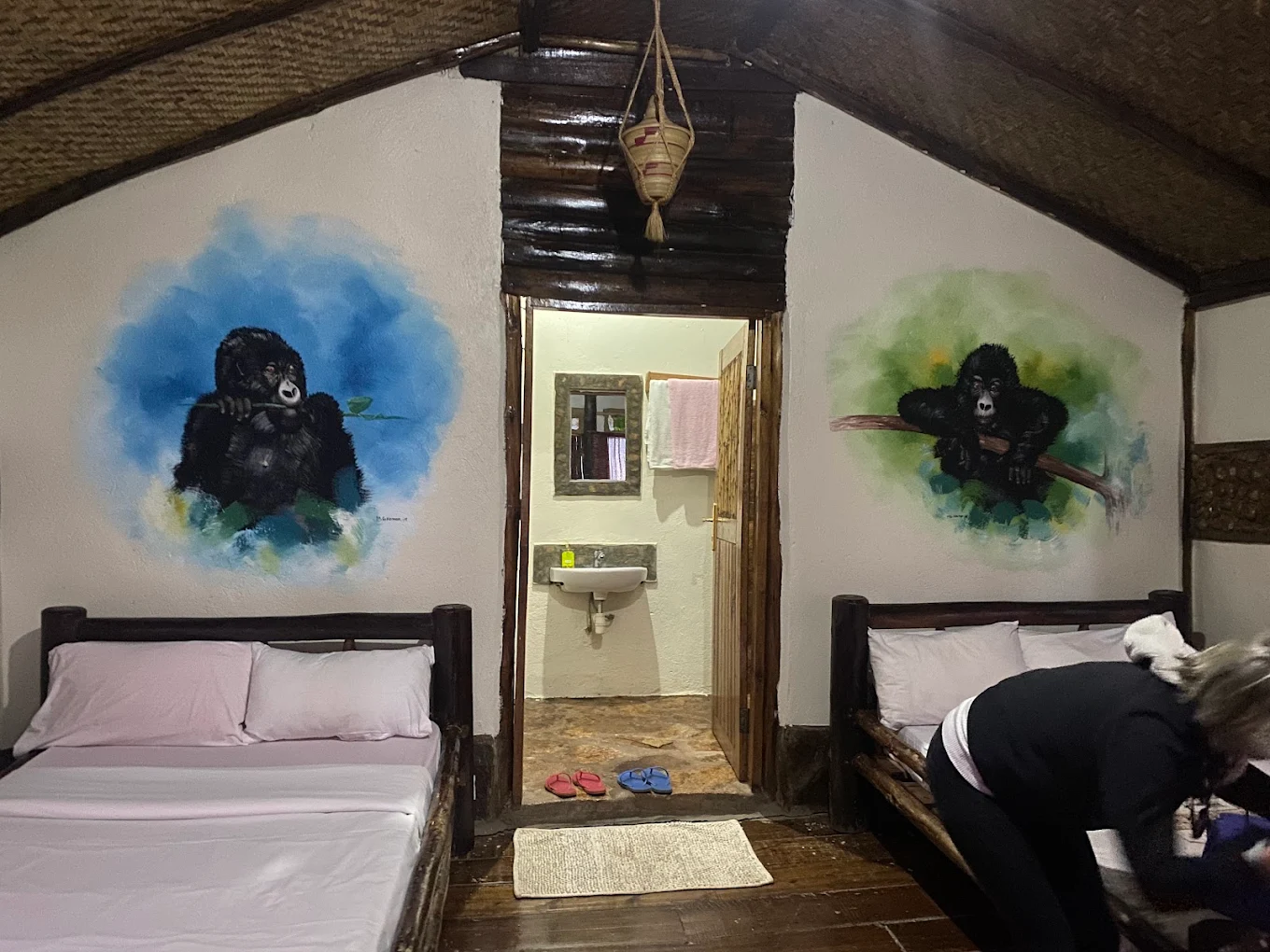
One of the biggest advantages of choosing a mid-range gorilla trekking safari is access to some of Uganda’s most charming and comfortable lodges. These properties provide excellent service, attractive surroundings, quality food, and convenient access to trekking headquarters without the premium prices charged by luxury lodges.
Mid-range lodges are often strategically located near the gorilla trekking sectors of Bwindi Impenetrable National Park and Mgahinga Gorilla National Park, making them ideal bases for gorilla trekking adventures.
Popular Mid-Range Accommodation Options
| Lodge Area | Typical Mid-Range Lodge Style |
|---|---|
| Buhoma Sector | Forest lodges with scenic views |
| Rushaga Sector | Comfortable safari lodges close to trekking start points |
| Ruhija Sector | Mountain-view lodges with birdwatching opportunities |
| Nkuringo Sector | Eco-lodges overlooking the Virunga Volcanoes |
| Mgahinga Area | Nature-focused lodges near the park entrance |
Common Mid-Range Lodge Features
| Feature | Availability |
|---|---|
| En-Suite Bathrooms | ✓ |
| Hot Showers | ✓ |
| Restaurant and Bar | ✓ |
| Wi-Fi Access | Usually Available |
| Forest or Mountain Views | ✓ |
| Private Balconies | Often Available |
| Laundry Services | Usually Available |
| Cultural Entertainment | Sometimes Available |
Value for Money Experiences
The reason mid-range gorilla trekking safaris remain the most popular option is their exceptional value for money. Travelers receive many of the benefits associated with luxury travel while paying significantly less.
Mid-range guests typically enjoy private safari vehicles, spacious accommodations, quality dining experiences, experienced guides, and personalized service. At the same time, they avoid the substantial premiums associated with charter flights, ultra-luxury villas, private butlers, and exclusive luxury amenities.
For many visitors, the difference in the actual gorilla trekking experience between mid-range and luxury safaris is minimal because all trekkers spend the same amount of time with the gorillas. The additional cost primarily relates to accommodation style and transportation upgrades.
Why Mid-Range Safaris Offer Excellent Value
| Benefit | Mid-Range Safari Advantage |
|---|---|
| Gorilla Experience | Same as luxury travelers |
| Accommodation Quality | Comfortable and scenic |
| Transportation | Private and reliable |
| Guide Services | Professional and experienced |
| Meals | High-quality dining |
| Cost Efficiency | Excellent balance of comfort and affordability |
| Privacy | More personalized than group budget safaris |
| Overall Value | Outstanding |
For most travelers planning a gorilla trekking safari in Uganda, the mid-range category represents the ideal middle ground. It delivers comfort, convenience, and memorable safari experiences while maintaining reasonable costs, making it one of the smartest ways to enjoy Uganda’s world-famous mountain gorillas and surrounding wilderness.
Luxury Gorilla Trekking Safari Prices
Luxury gorilla trekking safaris represent the highest level of comfort, exclusivity, and personalized service available for travelers visiting Uganda’s mountain gorillas. These safaris are designed for visitors who want to combine one of the world’s most extraordinary wildlife experiences with premium accommodations, private transportation, exceptional dining, and seamless travel arrangements.
While the gorilla trekking activity itself remains the same for all visitors, luxury safaris significantly enhance every aspect of the journey before and after the trek. Guests enjoy elegant lodges overlooking ancient rainforests, personalized attention from professional guides, private safari vehicles, gourmet cuisine, and access to some of East Africa’s finest wilderness properties.
Luxury gorilla trekking safaris typically range from USD 4,500 to USD 10,000+ per person, depending on the duration of the safari, accommodation standards, transportation methods, and additional activities included.
For honeymooners, photographers, families, executives, and travelers celebrating special occasions, luxury gorilla trekking offers an unforgettable combination of adventure, exclusivity, and world-class hospitality.
Luxury Gorilla Safari Packages
Luxury gorilla safari packages are carefully designed to provide maximum comfort while minimizing logistical challenges. Most luxury itineraries include premium accommodation, private transportation, experienced guides, full-board meals, gorilla permits, and personalized services throughout the safari.
Unlike budget or mid-range safaris, luxury packages often incorporate additional experiences such as private cultural visits, scenic helicopter flights, wellness treatments, wine pairings, and exclusive wildlife encounters.
Luxury travelers also benefit from greater itinerary flexibility, allowing them to customize their experience according to personal interests and travel preferences.
Typical Luxury Gorilla Safari Package Prices
| Safari Duration | Estimated Price Per Person |
|---|---|
| 3-Day Luxury Gorilla Safari | USD 4,500 – 6,500 |
| 4-Day Luxury Gorilla Safari | USD 5,500 – 8,000 |
| 5-Day Luxury Gorilla Safari | USD 6,500 – 10,000 |
| 7-Day Luxury Gorilla & Wildlife Safari | USD 8,000 – 15,000+ |
Typical Luxury Safari Inclusions
| Service | Included |
|---|---|
| Gorilla Permit | ✓ |
| Luxury Accommodation | ✓ |
| Private Safari Vehicle | ✓ |
| Professional Driver Guide | ✓ |
| Full-Board Meals | ✓ |
| Airport Transfers | ✓ |
| Drinking Water & Refreshments | ✓ |
| Personalized Itinerary Planning | ✓ |
| Concierge Services | Often Included |
Luxury Lodges Near Bwindi
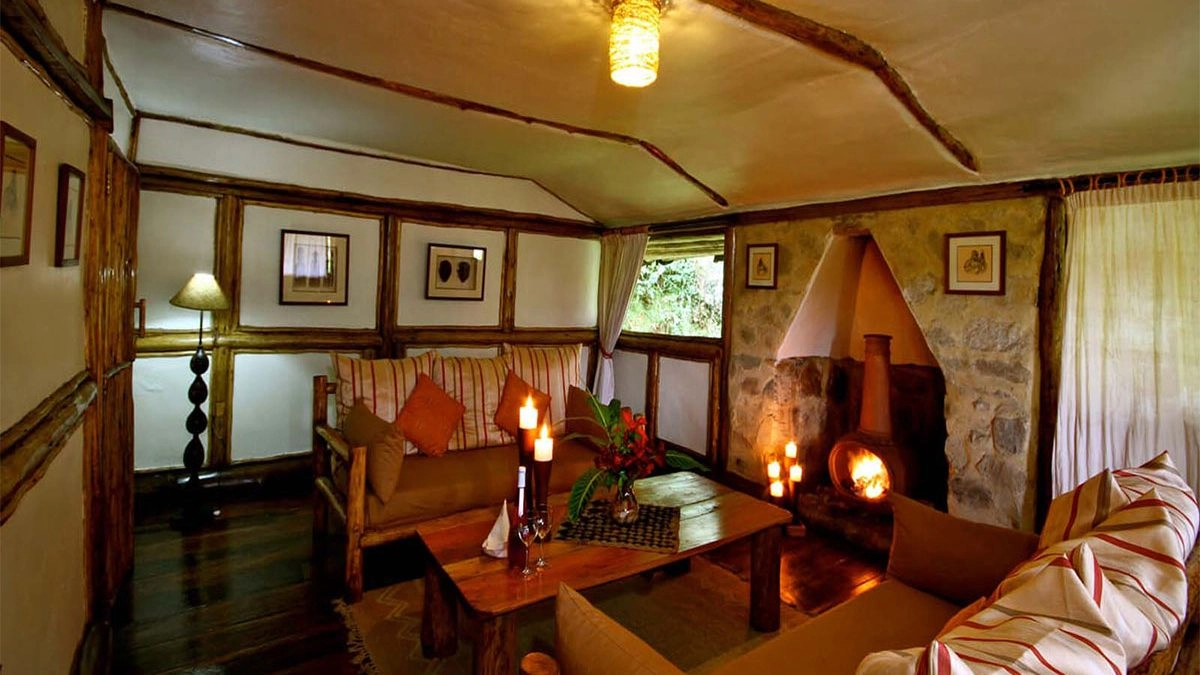
The quality of accommodation is one of the defining features of a luxury gorilla trekking safari. Uganda is home to a collection of exceptional forest lodges that provide remarkable comfort while maintaining close proximity to gorilla trekking sectors.
Many luxury lodges are strategically positioned along forest edges, offering panoramic views of the rainforest canopy, mist-covered mountains, and surrounding valleys. These properties blend luxury hospitality with environmental sustainability and conservation principles.
Guests can expect spacious cottages, private decks, fireplaces, fine dining restaurants, premium bedding, spa treatments, and attentive service designed to complement the gorilla trekking experience.
Luxury Lodge Features
| Feature | Luxury Lodge Experience |
|---|---|
| Accommodation | Private cottages and suites |
| Dining | Gourmet cuisine |
| Views | Forest, mountain, and valley panoramas |
| Service | Personalized hospitality |
| Wellness Facilities | Spa and massage treatments |
| Privacy | High |
| Sustainability | Strong conservation focus |
| Photography Opportunities | Exceptional |
Luxury vs Standard Accommodation
| Feature | Mid-Range Lodge | Luxury Lodge |
|---|---|---|
| Room Size | Comfortable | Spacious suites |
| Dining Experience | Quality meals | Fine dining |
| Service Level | Professional | Highly personalized |
| Scenic Location | Good | Exceptional |
| Spa Facilities | Limited | Common |
| Private Decks | Sometimes | Frequently |
| Exclusive Experiences | Limited | Extensive |
Fly-In Gorilla Trekking Safaris
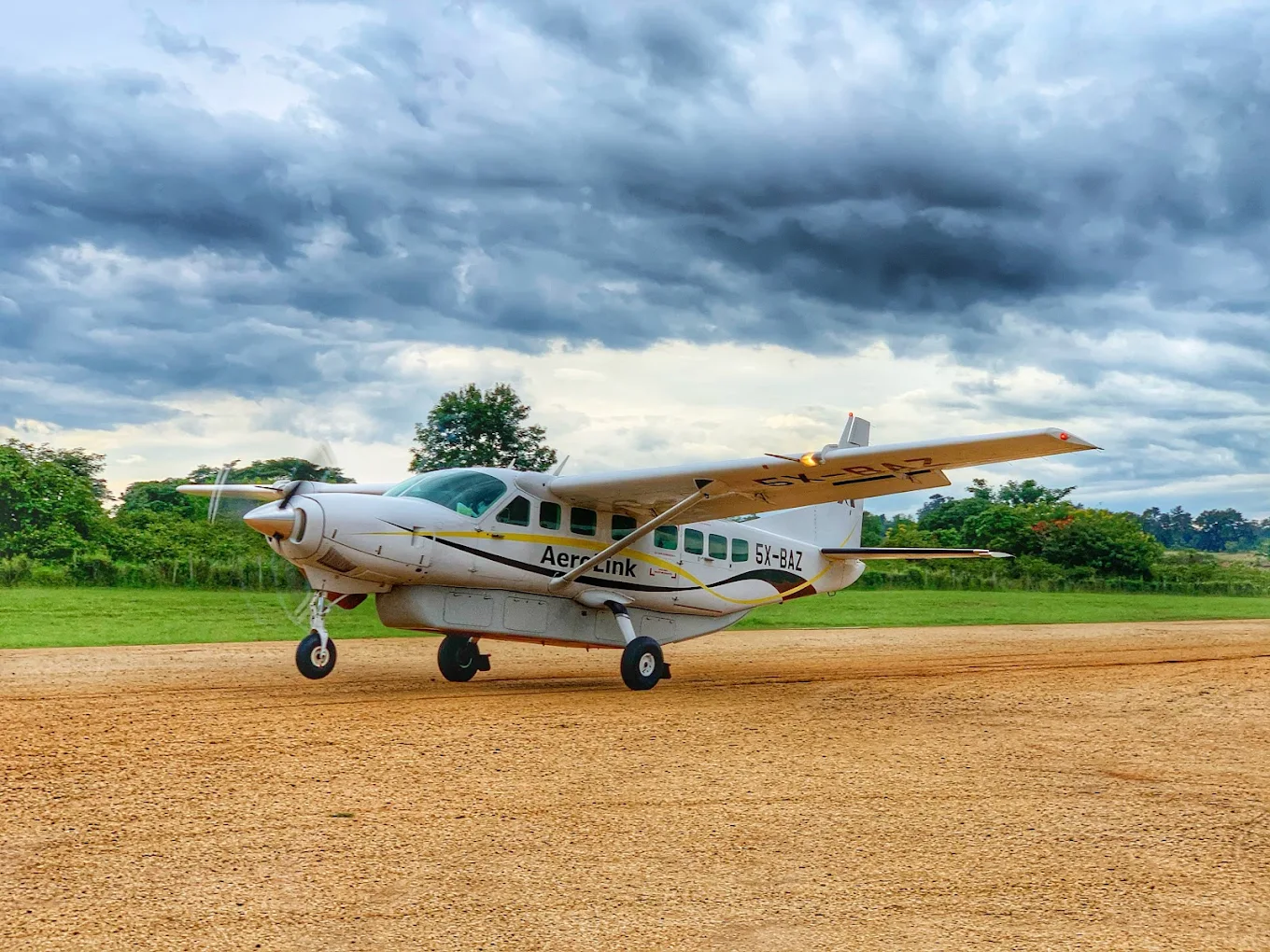
Fly-in gorilla trekking safaris are among the most sought-after luxury travel experiences in Uganda. Instead of spending long hours driving from Entebbe to southwestern Uganda, travelers fly directly to airstrips located near the gorilla trekking regions.
This option dramatically reduces travel time and increases overall comfort, making it especially attractive to high-end travelers, families, photographers, honeymooners, and visitors with limited vacation time.
A road transfer from Entebbe to Bwindi may take eight to ten hours, while a domestic flight typically reduces travel time to approximately one hour, followed by a short lodge transfer.
Fly-in safaris allow guests to maximize their time enjoying luxury lodges, wildlife experiences, and gorilla trekking rather than spending extended periods on the road.
Fly-In Safari Cost Comparison
| Travel Method | Estimated Cost Impact |
|---|---|
| Road Transfer | Lowest Cost |
| Scheduled Domestic Flight | + USD 300 – 600 |
| Return Domestic Flights | + USD 600 – 1,200 |
| Private Charter Flight | + USD 2,000 – 8,000+ |
Advantages of Fly-In Gorilla Safaris
| Benefit | Description |
|---|---|
| Time Saving | Significant reduction in travel time |
| Comfort | Less travel fatigue |
| Scenic Flights | Spectacular aerial views |
| Convenience | Faster access to lodges |
| Luxury Experience | Seamless travel arrangements |
| Photography Opportunities | Unique aerial perspectives |
Private Gorilla Trekking Experiences
Privacy is one of the most important reasons travelers choose luxury gorilla trekking safaris. While gorilla trekking itself is managed according to strict conservation guidelines, luxury safari packages provide exclusivity throughout the rest of the journey.
Private safaris allow guests to enjoy dedicated vehicles, customized schedules, personal guides, flexible departure times, and tailor-made experiences that reflect individual interests.
Luxury travelers can combine gorilla trekking with private wildlife safaris, helicopter excursions, cultural encounters, wellness retreats, conservation activities, and photography-focused adventures.
These customized itineraries are especially popular among honeymooners, families, corporate travelers, celebrities, and individuals seeking the highest level of privacy and personalized service.
Private Gorilla Safari Features
| Luxury Feature | Benefit |
|---|---|
| Private Vehicle | Flexible travel schedule |
| Dedicated Guide | Personalized attention |
| Customized Itinerary | Tailored experiences |
| Exclusive Lodge Stays | Enhanced privacy |
| Private Transfers | Seamless logistics |
| Luxury Dining | Personalized culinary experiences |
| VIP Airport Services | Greater convenience |
| Conservation Experiences | Exclusive access opportunities |
Luxury Gorilla Safari Price Factors
| Factor | Impact on Price |
|---|---|
| Lodge Category | Very High |
| Domestic Flights | High |
| Charter Flights | Very High |
| Safari Duration | High |
| Private Vehicle | Moderate |
| Group Size | Moderate |
| Additional Activities | Moderate to High |
| Travel Season | Moderate |
For travelers seeking the finest gorilla trekking experience available in Uganda, luxury safaris deliver exceptional comfort, personalized service, and unforgettable wildlife encounters. Although they command a higher price than budget and mid-range options, luxury gorilla trekking safaris transform an already extraordinary adventure into a once-in-a-lifetime journey that combines the thrill of meeting mountain gorillas with some of Africa’s most exclusive safari experiences.
Gorilla Trekking Safari Prices by Duration
The duration of a gorilla trekking safari is one of the most important factors influencing the overall cost of the trip. While the gorilla permit remains a fixed expense regardless of itinerary length, additional days increase accommodation costs, transportation expenses, guide services, meals, and optional activities.
Shorter safaris are ideal for travelers focused solely on gorilla trekking, while longer itineraries provide opportunities to experience more of Uganda’s incredible wildlife, landscapes, and cultural attractions. Understanding how safari duration affects pricing helps travelers choose an itinerary that aligns with both their budget and travel goals.
It is important to note that longer safaris often offer better overall value because transportation and permit costs are spread across multiple days and experiences rather than concentrated into a very short itinerary.
Gorilla Trekking Safari Cost by Duration Overview
| Safari Duration | Budget Safari | Mid-Range Safari | Luxury Safari |
|---|---|---|---|
| 1 Day | USD 900 – 1,400 | USD 1,200 – 1,800 | USD 2,000 – 4,000+ |
| 2 Days | USD 1,000 – 1,500 | USD 1,500 – 2,500 | USD 3,500 – 5,500+ |
| 3 Days | USD 1,150 – 1,700 | USD 1,900 – 3,200 | USD 4,500 – 6,500+ |
| 4 Days | USD 1,300 – 2,000 | USD 2,200 – 3,800 | USD 5,500 – 8,000+ |
| 5 Days | USD 1,600 – 2,500 | USD 2,800 – 5,000 | USD 6,500 – 10,000+ |
| 7 Days | USD 2,000 – 3,500 | USD 3,500 – 7,000 | USD 8,000 – 15,000+ |
1-Day Gorilla Trekking Safari Cost
A 1-day gorilla trekking safari is the shortest gorilla trekking itinerary available in Uganda. It is only practical for travelers staying close to the trekking regions or visitors crossing from neighboring Rwanda into southwestern Uganda.
The safari usually begins very early in the morning with transfer to the gorilla trekking headquarters, followed by briefing, trekking, and return transportation on the same day.
Because accommodation costs are eliminated, the overall price can be relatively low. However, this option requires excellent logistics and can be physically demanding due to early departures and long travel hours.
Typical Cost Breakdown
| Expense | Estimated Cost |
|---|---|
| Gorilla Permit | USD 800 |
| Transportation | USD 100 – 400 |
| Guide Services | Included |
| Meals | USD 10 – 50 |
| Total Estimated Cost | USD 900 – 1,400+ |
Best For
- Travelers already near Bwindi
- Visitors crossing from Rwanda
- Business travelers with limited time
- Repeat gorilla trekkers
2-Day Gorilla Trekking Safari Cost
The 2-day gorilla trekking safari is one of the most affordable options for international visitors. It includes one overnight stay near the trekking sector and allows slightly more flexibility than a one-day trip.
Travelers typically arrive near the park on the first day, spend the night in a lodge, complete the gorilla trek on the second day, and then return.
This itinerary minimizes accommodation expenses while providing a more comfortable trekking schedule.
Typical Cost Breakdown
| Expense | Estimated Cost |
|---|---|
| Gorilla Permit | USD 800 |
| Accommodation | USD 50 – 500 |
| Transportation | USD 150 – 600 |
| Meals | Included or USD 30 – 100 |
| Total Estimated Cost | USD 1,000 – 5,500+ |
Advantages
- Lower overall cost
- Reduced accommodation expenses
- Ideal for short vacations
- Efficient use of travel time
3-Day Gorilla Trekking Safari Cost
The 3-day gorilla trekking safari is the most popular itinerary among travelers visiting Uganda. It provides sufficient time for travel, gorilla trekking, and relaxation without feeling rushed.
Most tours include transportation from Kampala or Entebbe, two nights of accommodation, gorilla trekking, meals, and guide services.
For many visitors, this itinerary offers the best balance between cost, comfort, and overall experience.
Typical Cost Breakdown
| Expense | Budget | Mid-Range | Luxury |
|---|---|---|---|
| Gorilla Permit | USD 800 | USD 800 | USD 800 |
| Accommodation | USD 150 | USD 600 | USD 2,000+ |
| Transportation | USD 250 | USD 500 | USD 1,500+ |
| Meals & Services | Included | Included | Included |
| Total Cost | USD 1,150 – 1,700 | USD 1,900 – 3,200 | USD 4,500 – 6,500+ |
Best For
- First-time visitors
- Couples
- Families
- Independent travelers
4-Day Gorilla Trekking Safari Cost
A 4-day gorilla trekking safari allows for a more relaxed pace and often includes additional activities such as community visits, nature walks, or scenic sightseeing.
The extra day reduces travel fatigue and gives travelers more time to enjoy the beautiful surroundings of southwestern Uganda.
Many photographers and wildlife enthusiasts prefer four-day itineraries because they provide greater flexibility.
Typical Cost Breakdown
| Expense Category | Estimated Range |
|---|---|
| Gorilla Permit | USD 800 |
| Accommodation (3 Nights) | USD 200 – 2,500+ |
| Transportation | USD 250 – 2,000+ |
| Meals & Activities | Included or Additional |
| Total Cost | USD 1,300 – 8,000+ |
Benefits
- More relaxed schedule
- Additional cultural experiences
- Better photography opportunities
- Increased comfort
5-Day Gorilla Trekking Safari Cost
Five-day gorilla trekking safaris are increasingly popular because they allow travelers to combine gorilla trekking with another major Ugandan wildlife experience.
Many itineraries pair gorilla trekking with chimpanzee tracking in Kibale National Park or wildlife viewing in Queen Elizabeth National Park.
Although the total cost increases, travelers receive significantly greater value through multiple wildlife encounters and broader safari experiences.
Typical Cost Breakdown
| Included Component | Estimated Cost Contribution |
|---|---|
| Gorilla Permit | USD 800 |
| Additional Activities | USD 50 – 300+ |
| Accommodation (4 Nights) | USD 300 – 3,500+ |
| Transportation | USD 400 – 2,500+ |
| Total Estimated Cost | USD 1,600 – 10,000+ |
Common Additions
- Chimpanzee tracking
- Wildlife game drives
- Boat cruises
- Cultural tours
- Birdwatching
Week-Long Gorilla Trekking Safari Cost
A week-long gorilla trekking safari offers the most comprehensive Uganda safari experience and delivers exceptional value for travelers visiting East Africa.
These itineraries typically combine gorilla trekking with multiple national parks, wildlife safaris, chimpanzee tracking, boat cruises, cultural experiences, and scenic drives.
While week-long safaris require a larger budget, they allow visitors to experience Uganda’s extraordinary biodiversity while maximizing international travel investment.
A seven-day itinerary often includes visits to destinations such as:
- Bwindi Impenetrable National Park
- Queen Elizabeth National Park
- Kibale National Park
- Lake Mburo National Park
Typical Week-Long Safari Costs
| Safari Type | Estimated Cost Per Person |
|---|---|
| Budget | USD 2,000 – 3,500 |
| Mid-Range | USD 3,500 – 7,000 |
| Luxury | USD 8,000 – 15,000+ |
What Is Usually Included?
| Service | Included |
|---|---|
| Gorilla Permit | ✓ |
| Accommodation | ✓ |
| Transportation | ✓ |
| Meals | ✓ |
| Professional Guide | ✓ |
| Wildlife Activities | ✓ |
| Park Entry Fees | ✓ |
| Cultural Experiences | Often Included |
Which Safari Duration Offers the Best Value?
| Duration | Best For | Value Rating |
|---|---|---|
| 1 Day | Travelers near Bwindi | Moderate |
| 2 Days | Budget-conscious visitors | Good |
| 3 Days | First-time gorilla trekkers | Excellent |
| 4 Days | Relaxed travel experience | Excellent |
| 5 Days | Gorilla + wildlife combination | Outstanding |
| 7 Days | Complete Uganda safari | Exceptional |
For most travelers, a 3-day or 4-day gorilla trekking safari offers the best balance between affordability, comfort, and experience. However, those seeking a broader wildlife adventure often find that 5-day and week-long gorilla trekking safaris provide the greatest overall value, allowing them to experience Uganda’s mountain gorillas alongside chimpanzees, lions, elephants, hippos, and some of Africa’s most spectacular.
Gorilla Trekking Safari Prices by Region
One of the lesser-known factors affecting the cost of a gorilla trekking safari in Uganda is the specific region or trekking sector where the trek takes place. Although the gorilla permit price remains the same throughout Uganda, overall safari costs can vary depending on accommodation availability, accessibility, transportation requirements, lodge standards, and the popularity of each trekking area.
Uganda’s mountain gorillas are found in two protected areas: Bwindi Impenetrable National Park and Mgahinga Gorilla National Park. Within Bwindi, gorilla trekking is organized across four distinct sectors: Rushaga, Buhoma, Ruhija, and Nkuringo.
Each region offers a unique trekking experience, different accommodation options, varying levels of accessibility, and distinct price ranges. Understanding these regional differences helps travelers choose the area that best matches their budget, fitness level, and travel preferences.
Gorilla Trekking Regions at a Glance
| Region/Sector | Accessibility | Accommodation Range | Overall Cost Level |
|---|---|---|---|
| Buhoma | Excellent | Budget to Luxury | Moderate to High |
| Rushaga | Excellent | Budget to Luxury | Moderate |
| Ruhija | Good | Budget to Mid-Range | Moderate |
| Nkuringo | Challenging | Mid-Range to Luxury | Moderate to High |
| Mgahinga | Good | Budget to Luxury | Moderate |
Bwindi Impenetrable National Park Prices
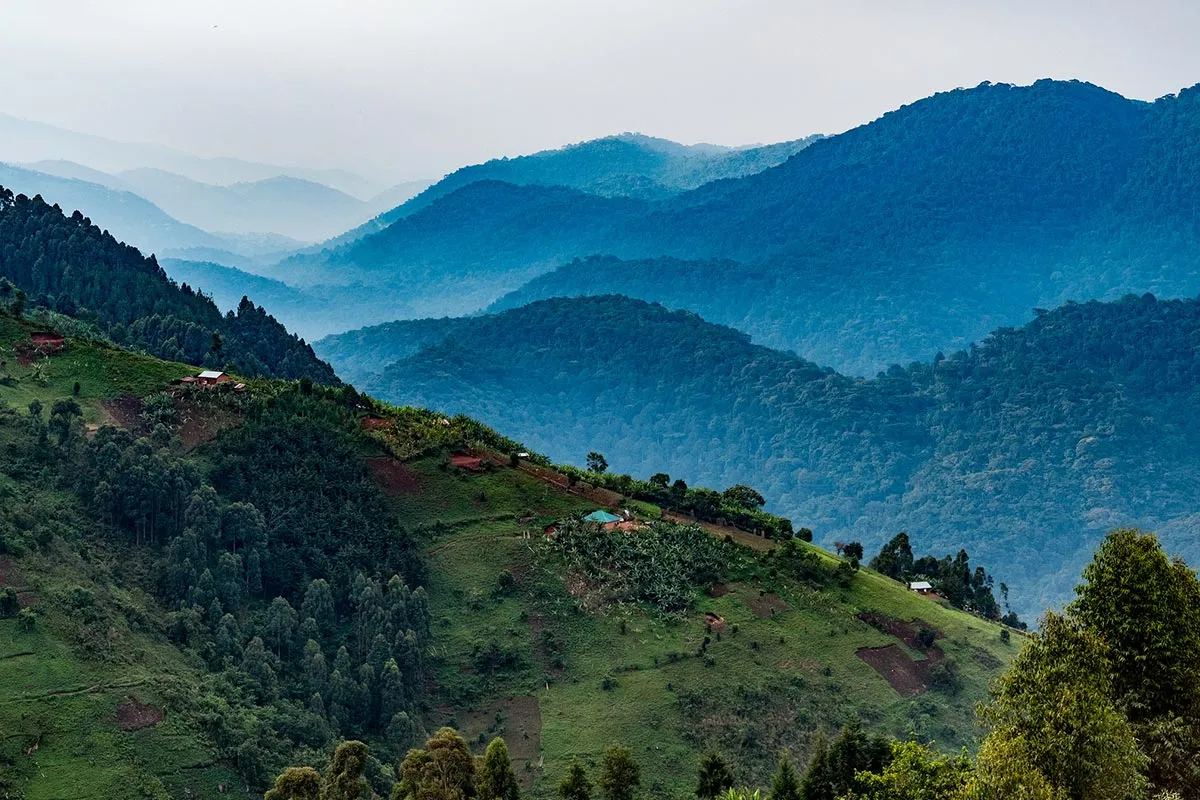
Bwindi Impenetrable National Park is Uganda’s most famous gorilla trekking destination and is home to the majority of the country’s habituated mountain gorilla families. The park contains multiple trekking sectors, allowing visitors to choose from a wide range of accommodation and safari options.
Because Bwindi hosts the largest number of gorilla families available for trekking, it also offers the greatest variety of safari packages and price points. Budget travelers can find affordable community lodges and guesthouses, while luxury visitors can stay at some of Africa’s most prestigious wilderness lodges.
Safari costs in Bwindi are largely determined by accommodation standards and transportation rather than permit fees, since permits are priced uniformly across Uganda.
Typical Bwindi Gorilla Safari Prices
| Safari Category | 3-Day Safari Cost Per Person |
|---|---|
| Budget | USD 1,150 – 1,700 |
| Mid-Range | USD 1,900 – 3,200 |
| Luxury | USD 4,500 – 7,500+ |
Why Prices Vary in Bwindi
| Factor | Impact on Cost |
|---|---|
| Sector Location | Moderate |
| Lodge Category | High |
| Road Accessibility | Moderate |
| Travel Season | Moderate |
| Transportation Method | High |
Mgahinga Gorilla National Park Prices
Mgahinga Gorilla National Park is Uganda’s smallest national park and offers a more intimate gorilla trekking experience compared to Bwindi. The park lies within the spectacular Virunga Volcanoes region and is known for its breathtaking scenery and lower visitor numbers.
Although permit costs are identical to those in Bwindi, safari prices can differ slightly due to accommodation availability and transportation logistics.
Many travelers choose Mgahinga because of its quieter trekking environment, scenic volcanic landscapes, and opportunities to combine gorilla trekking with volcano hiking and cultural experiences involving the Batwa community.
Typical Mgahinga Safari Prices
| Safari Category | 3-Day Safari Cost Per Person |
|---|---|
| Budget | USD 1,100 – 1,600 |
| Mid-Range | USD 1,800 – 3,000 |
| Luxury | USD 4,000 – 7,000+ |
Advantages of Mgahinga
| Benefit | Impact |
|---|---|
| Fewer Visitors | Higher Exclusivity |
| Spectacular Volcano Views | Excellent Photography |
| Easier Logistics from Rwanda | Reduced Travel Costs |
| Cultural Experiences | Added Value |
Rushaga Sector Safari Costs
Rushaga is the largest gorilla trekking sector within Bwindi and contains the highest concentration of habituated gorilla families. It is also the location of Uganda’s famous Gorilla Habituation Experience.
Because of the large number of gorilla families available, permit availability is generally better in Rushaga than in some other sectors. This makes it one of the most popular destinations for travelers planning gorilla trekking safaris.
Rushaga offers accommodation across every budget category, making it one of the most flexible sectors in terms of pricing.
Typical Rushaga Safari Costs
| Safari Category | 3-Day Safari Cost Per Person |
|---|---|
| Budget | USD 1,100 – 1,650 |
| Mid-Range | USD 1,800 – 3,000 |
| Luxury | USD 4,000 – 7,000+ |
Why Rushaga Is Popular
| Advantage | Benefit |
|---|---|
| Multiple Gorilla Families | Better Permit Availability |
| Gorilla Habituation Experience | Unique Opportunity |
| Wide Accommodation Selection | Flexible Pricing |
| Good Accessibility | Lower Transportation Costs |
Buhoma Sector Safari Costs
Buhoma is the oldest and most established gorilla trekking sector in Uganda. It was the first area where gorilla tourism began and remains one of the country’s most sought-after destinations.
The sector offers excellent infrastructure, beautiful forest scenery, and some of Uganda’s most renowned safari lodges. Because of its popularity and concentration of premium accommodations, safari prices in Buhoma are often slightly higher than in other sectors.
Many luxury travelers prefer Buhoma due to its accessibility, lodge quality, and long-standing reputation.
Typical Buhoma Safari Costs
| Safari Category | 3-Day Safari Cost Per Person |
|---|---|
| Budget | USD 1,250 – 1,800 |
| Mid-Range | USD 2,000 – 3,500 |
| Luxury | USD 5,000 – 8,500+ |
Buhoma Price Influencers
| Factor | Influence |
|---|---|
| Premium Lodges | High |
| Strong Demand | High |
| Accessibility | Moderate |
| Scenic Value | Moderate |
Ruhija Sector Safari Costs
Ruhija is often considered Bwindi’s hidden gem. Located in the eastern section of the park, it is known for exceptional birdwatching opportunities, quieter trekking experiences, and breathtaking mountain scenery.
Accommodation options in Ruhija tend to be more limited than in Rushaga or Buhoma, but this often results in a more peaceful and authentic wilderness experience.
Ruhija generally offers some of the best value-for-money gorilla trekking safaris in Uganda.
Typical Ruhija Safari Costs
| Safari Category | 3-Day Safari Cost Per Person |
|---|---|
| Budget | USD 1,100 – 1,600 |
| Mid-Range | USD 1,800 – 2,900 |
| Luxury | USD 4,000 – 6,500+ |
Why Travelers Choose Ruhija
| Benefit | Value |
|---|---|
| Fewer Crowds | Excellent |
| Birdwatching Opportunities | Exceptional |
| Scenic Views | Outstanding |
| Competitive Accommodation Rates | High |
Nkuringo Sector Safari Costs
Nkuringo is located in the southern part of Bwindi and is renowned for its dramatic mountain landscapes, stunning viewpoints, and exclusive safari atmosphere.
The terrain in Nkuringo is often steeper than in other sectors, making treks more physically demanding but also exceptionally rewarding. Many luxury lodges have chosen Nkuringo because of its spectacular scenery and secluded setting.
As a result, accommodation costs are often slightly higher than in other sectors, particularly for luxury travelers.
Typical Nkuringo Safari Costs
| Safari Category | 3-Day Safari Cost Per Person |
|---|---|
| Budget | USD 1,200 – 1,700 |
| Mid-Range | USD 2,000 – 3,200 |
| Luxury | USD 5,000 – 8,000+ |
What Makes Nkuringo Special
| Feature | Impact |
|---|---|
| Spectacular Mountain Views | Premium Experience |
| Exclusive Atmosphere | Higher Demand |
| Luxury Lodges | Increased Cost |
| Challenging Terrain | Adventure Appeal |
Regional Cost Comparison
| Region | Budget | Mid-Range | Luxury |
|---|---|---|---|
| Rushaga | Lowest | Moderate | High |
| Ruhija | Low | Moderate | Moderate |
| Mgahinga | Low | Moderate | High |
| Buhoma | Moderate | High | Highest |
| Nkuringo | Moderate | Moderate-High | High |
For travelers seeking the most affordable gorilla trekking safari, Rushaga and Ruhija generally offer the best value. Those prioritizing luxury accommodations and established infrastructure often prefer Buhoma, while Nkuringo appeals to travelers seeking exclusivity and spectacular scenery. Mgahinga Gorilla National Park remains an excellent alternative for visitors looking for fewer crowds, volcanic landscapes, and a more intimate gorilla trekking experience.
Ultimately, the gorillas themselves are equally remarkable across all regions. The primary differences in safari prices stem from accommodation choices, accessibility, transportation logistics, and the unique character of each trekking sector rather than the quality of the gorilla encounter itself.
Fly-In vs Road Gorilla Trekking Safari Costs
One of the biggest decisions travelers face when planning a gorilla trekking safari in Uganda is whether to travel by road or take a domestic flight to the gorilla trekking regions. Both options ultimately lead to the same incredible experience of encountering mountain gorillas, but they differ significantly in cost, travel time, comfort, convenience, and overall safari style.
For many travelers, transportation is the second-largest expense after the gorilla permit. Choosing between a fly-in safari and a road safari can therefore have a major impact on the overall price of the trip.
Road transfers remain the most popular choice because they are affordable and allow visitors to experience Uganda’s diverse landscapes. Fly-in safaris, on the other hand, are designed for travelers seeking maximum comfort, reduced travel times, and a more exclusive safari experience.
Understanding the advantages, disadvantages, and costs of each option helps travelers select the transportation method that best suits their budget and travel preferences.
Fly-In vs Road Safari Cost Overview
| Transportation Option | Budget Impact | Travel Time | Comfort Level |
|---|---|---|---|
| Road Safari | Lowest Cost | Longest | Moderate |
| Scheduled Domestic Flight | Higher Cost | Short | High |
| Charter Flight | Premium Cost | Shortest | Very High |
Cost of Driving to Bwindi
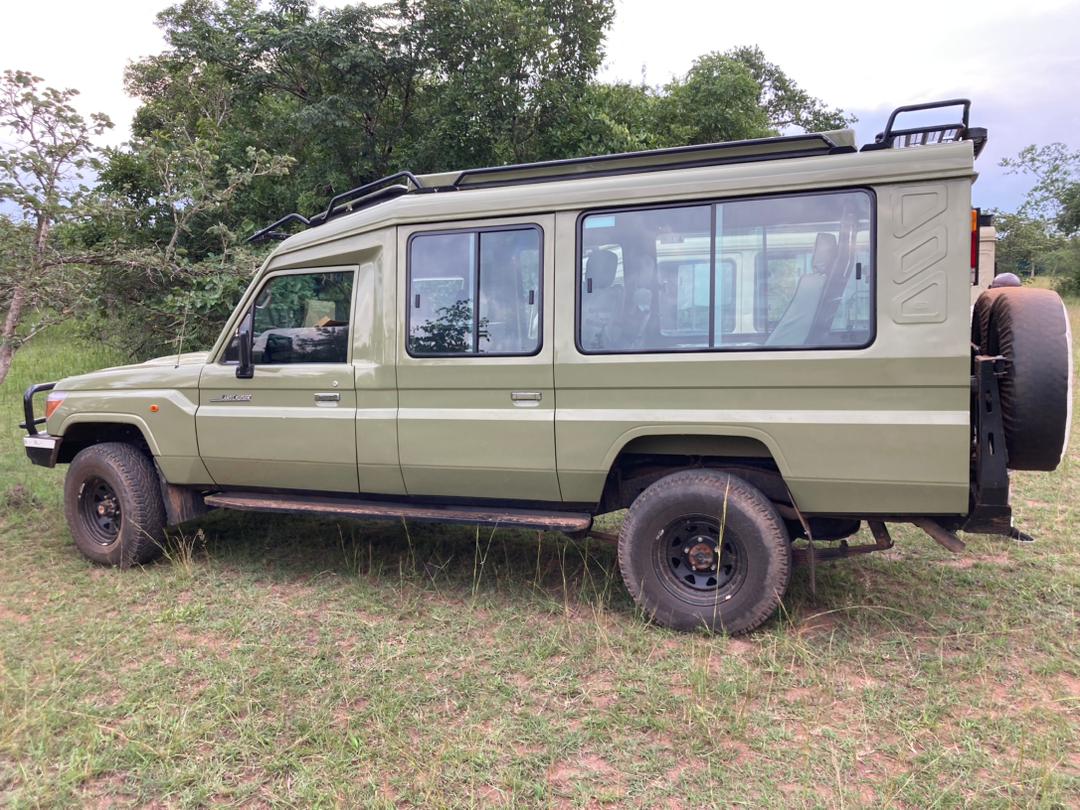
Road safaris are the most economical way to reach Uganda’s gorilla trekking destinations. Most visitors begin their journey from Entebbe or Kampala and travel by private safari vehicle to Bwindi Impenetrable National Park or Mgahinga Gorilla National Park.
The drive typically takes between 8 and 10 hours depending on the trekking sector, road conditions, weather, and traffic. While the journey is lengthy, it offers opportunities to enjoy Uganda’s beautiful countryside, rolling hills, tea plantations, traditional villages, and wildlife along the route.
Road safaris are particularly attractive to budget and mid-range travelers because transportation costs can be shared among multiple participants, significantly reducing the per-person price.
Typical Road Transfer Costs
| Number of Travelers | Estimated Transportation Cost Per Person |
|---|---|
| Solo Traveler | USD 250 – 600 |
| 2 Travelers | USD 150 – 350 |
| 4 Travelers | USD 100 – 250 |
| 6+ Travelers | USD 80 – 200 |
What Road Safari Costs Usually Cover
| Service | Included |
|---|---|
| Private Safari Vehicle | ✓ |
| Fuel | ✓ |
| Professional Driver Guide | ✓ |
| En Route Stops | ✓ |
| Drinking Water | Usually Included |
| Airport Transfers | Often Included |
Advantages of Driving to Bwindi
- Most affordable transportation option
- Excellent for budget travelers
- Opportunity to see more of Uganda
- Flexible sightseeing stops
- Easier to combine with wildlife parks
- Better value for longer itineraries
Challenges of Road Travel
- Long travel hours
- Possible travel fatigue
- Variable road conditions
- Additional overnight stops may be needed
Cost of Domestic Flights
Domestic flights offer a faster and more comfortable alternative to road travel. Flights typically depart from Entebbe and land at airstrips located near the gorilla trekking sectors, significantly reducing travel time.
Instead of spending an entire day on the road, travelers can reach southwestern Uganda in approximately one hour of flight time, followed by a relatively short transfer to their lodge.
Fly-in gorilla trekking safaris are especially popular among luxury travelers, honeymooners, photographers, families with children, older travelers, and visitors with limited vacation time.
Typical Domestic Flight Costs
| Flight Type | Estimated Cost Per Person |
|---|---|
| One-Way Scheduled Flight | USD 300 – 500 |
| Return Scheduled Flight | USD 600 – 1,000 |
| Private Charter Flight | USD 2,000 – 8,000+ |
Additional Fly-In Costs
| Service | Estimated Cost |
|---|---|
| Airstrip Transfer | USD 30 – 150 |
| Excess Baggage Fees | Variable |
| Charter Ground Transfers | Variable |
What Domestic Flight Costs Usually Cover
| Service | Included |
|---|---|
| Scheduled Flight | ✓ |
| Aviation Taxes | Usually Included |
| Baggage Allowance | Limited |
| Airstrip Services | Usually Included |
| Lodge Transfers | Often Included |
Advantages of Domestic Flights
- Significant time savings
- Greater travel comfort
- Less travel fatigue
- More time at the lodge
- Ideal for luxury safaris
- Spectacular aerial views of Uganda
Challenges of Domestic Flights
- Higher overall cost
- Limited luggage allowance
- Weather-related delays possible
- Less opportunity to explore rural Uganda
Pros and Cons of Each Option
Choosing between a road safari and a fly-in safari depends largely on your budget, available time, preferred comfort level, and travel style.
Comparison Table
| Factor | Road Safari | Fly-In Safari |
|---|---|---|
| Cost | Lower | Higher |
| Travel Time | 8–10 Hours | 1–2 Hours |
| Comfort | Moderate | High |
| Scenic Experience | Excellent | Excellent |
| Flexibility | High | Moderate |
| Suitability for Budget Travelers | Excellent | Limited |
| Suitability for Luxury Travelers | Good | Excellent |
| Wildlife Viewing Along Route | Possible | Limited |
| Convenience | Moderate | Excellent |
| Fatigue Level | Higher | Lower |
Road Safari Advantages
| Benefit | Why It Matters |
|---|---|
| Affordability | Reduces overall safari cost |
| Exploration | More exposure to Uganda |
| Flexibility | Easier itinerary adjustments |
| Group Travel Savings | Lower per-person costs |
Fly-In Safari Advantages
| Benefit | Why It Matters |
|---|---|
| Time Efficiency | More time for experiences |
| Luxury Experience | Higher comfort levels |
| Reduced Fatigue | Better overall enjoyment |
| Convenience | Seamless logistics |
Which Option Offers Better Value?
The answer depends on the traveler’s priorities.
For budget-conscious travelers, road safaris almost always provide better financial value. The money saved on transportation can often be used to upgrade accommodation, extend the itinerary, hire a porter, or add activities such as chimpanzee tracking or wildlife safaris.
For travelers with limited time, domestic flights often provide better overall value despite their higher cost. Saving two full days of road travel can significantly enhance the safari experience and allow more time for relaxation and wildlife viewing.
Best Option by Traveler Type
| Traveler Type | Recommended Option |
|---|---|
| Backpackers | Road Safari |
| Budget Travelers | Road Safari |
| Students | Road Safari |
| Families | Either Option |
| Photographers | Either Option |
| Honeymooners | Fly-In Safari |
| Luxury Travelers | Fly-In Safari |
| Senior Travelers | Fly-In Safari |
| Business Travelers | Fly-In Safari |
Value Comparison
| Category | Road Safari | Fly-In Safari |
|---|---|---|
| Cost Efficiency | ★★★★★ | ★★★☆☆ |
| Comfort | ★★★☆☆ | ★★★★★ |
| Time Savings | ★★☆☆☆ | ★★★★★ |
| Scenic Experience | ★★★★★ | ★★★★☆ |
| Overall Convenience | ★★★☆☆ | ★★★★★ |
| Luxury Experience | ★★★☆☆ | ★★★★★ |
Final Cost Comparison Example
| Safari Type | Road-Based Safari | Fly-In Safari |
|---|---|---|
| Budget 3-Day Gorilla Safari | USD 1,200 – 1,700 | Rarely Offered |
| Mid-Range 3-Day Gorilla Safari | USD 1,900 – 3,200 | USD 2,800 – 4,500 |
| Luxury 3-Day Gorilla Safari | USD 4,500 – 6,500 | USD 5,500 – 8,500+ |
For most travelers, road safaris offer the best balance of affordability and adventure. However, for those seeking maximum comfort, convenience, and time efficiency, fly-in gorilla trekking safaris provide an exceptional premium experience that transforms the journey into a seamless luxury adventure. The mountain gorillas remain the same regardless of how you reach them—the choice ultimately comes down to budget, available time, and personal travel preferences.
Group Gorilla Trekking Safari Prices
Group gorilla trekking safaris are among the most cost-effective ways to experience Uganda’s mountain gorillas while enjoying the benefits of professional safari organization. By sharing transportation, guide services, fuel costs, and certain logistical expenses, travelers can significantly reduce the overall cost of their gorilla trekking adventure compared to booking a fully private safari.
Group safaris are available in several formats, ranging from scheduled departures where unrelated travelers join the same trip to private group tours designed exclusively for families, friends, organizations, photography clubs, student groups, or corporate teams.
One of the biggest misconceptions about group gorilla trekking safaris is that the quality of the gorilla experience is reduced. In reality, every participant receives the same gorilla permit and spends the same amount of time with mountain gorillas as travelers on luxury private safaris. The main difference lies in how transportation and safari logistics are organized.
For travelers seeking affordability without sacrificing the quality of the gorilla encounter, group gorilla trekking safaris often provide exceptional value.
Average Group Gorilla Trekking Safari Prices
| Safari Type | Budget | Mid-Range | Luxury |
|---|---|---|---|
| Scheduled Group Safari | USD 950 – 1,500 | USD 1,500 – 2,500 | Rare |
| Private Group Safari | USD 1,100 – 2,000 | USD 1,800 – 3,500 | USD 4,500 – 8,000+ |
| Family Gorilla Safari | USD 1,000 – 2,500 | USD 1,800 – 4,000 | USD 5,000 – 10,000+ |
Scheduled Group Safaris
Scheduled group safaris are organized departures where individual travelers, couples, or small parties join a pre-arranged itinerary with other participants. These safaris follow fixed travel dates and itineraries, allowing operational costs to be shared among all travelers.
Scheduled group tours are particularly popular among solo travelers who wish to avoid the higher costs associated with private transportation and guide services. By joining a group, travelers can access significantly lower prices while still enjoying professional safari services and comfortable accommodation.
The larger the group, the lower the transportation cost per person, making scheduled departures one of the most affordable gorilla trekking options available.
Typical Scheduled Group Safari Costs
| Group Size | Estimated Cost Per Person |
|---|---|
| 4 Travelers | USD 1,200 – 1,600 |
| 6 Travelers | USD 1,100 – 1,500 |
| 8 Travelers | USD 950 – 1,400 |
| 10+ Travelers | USD 900 – 1,300 |
What Scheduled Group Safaris Usually Include
| Service | Included |
|---|---|
| Gorilla Permit | ✓ |
| Shared Transportation | ✓ |
| Accommodation | ✓ |
| Driver Guide | ✓ |
| Meals | ✓ |
| Fuel Costs | ✓ |
| Park Coordination | ✓ |
Advantages of Scheduled Group Safaris
| Benefit | Value |
|---|---|
| Lowest Cost Option | Excellent |
| Shared Expenses | High Savings |
| Social Experience | Excellent |
| Professional Organization | High |
| Suitable for Solo Travelers | Excellent |
Potential Limitations
| Consideration | Impact |
|---|---|
| Fixed Departure Dates | Less Flexible |
| Shared Vehicle | Reduced Privacy |
| Group Timings | Less Customization |
| Variable Group Dynamics | Depends on Participants |
Private Group Safaris
Private group gorilla trekking safaris are organized exclusively for travelers who already know each other, such as families, friends, colleagues, school groups, photography clubs, or special-interest groups.
Unlike scheduled group safaris, private groups enjoy exclusive use of the safari vehicle, personalized schedules, customized itineraries, and greater flexibility throughout the journey.
Although private group safaris are more expensive than scheduled departures, the ability to divide costs among multiple travelers often makes them surprisingly affordable.
Typical Private Group Safari Costs
| Group Size | Estimated Cost Per Person |
|---|---|
| 2 Travelers | USD 1,300 – 2,200 |
| 4 Travelers | USD 1,100 – 1,800 |
| 6 Travelers | USD 1,000 – 1,600 |
| 8 Travelers | USD 950 – 1,500 |
Benefits of Private Group Safaris
| Feature | Advantage |
|---|---|
| Private Vehicle | Full Flexibility |
| Personalized Schedule | Customized Experience |
| Dedicated Guide | Enhanced Service |
| Shared Costs | Reduced Per-Person Price |
| Greater Privacy | Excellent |
| Tailor-Made Activities | Available |
Private vs Scheduled Group Safari Comparison
| Feature | Scheduled Group | Private Group |
|---|---|---|
| Cost | Lower | Moderate |
| Flexibility | Limited | High |
| Privacy | Low | High |
| Customization | Minimal | Extensive |
| Social Interaction | High | Group Dependent |
| Vehicle Exclusivity | No | Yes |
Cost Sharing Benefits
One of the biggest financial advantages of group gorilla trekking safaris is the ability to share major safari expenses. While the gorilla permit cost remains fixed for every traveler, many other costs can be divided among participants.
Transportation, fuel, vehicle hire, guide services, and certain administrative expenses become significantly cheaper when shared among several travelers.
For example, a solo traveler may pay the full daily cost of a private safari vehicle, while a group of four can split the same expense into four equal portions.
Example Cost Sharing Comparison
| Expense Category | Solo Traveler | Group of 4 | Group of 8 |
|---|---|---|---|
| Vehicle Cost | USD 400 | USD 100 Each | USD 50 Each |
| Fuel Cost | USD 150 | USD 37.50 Each | USD 18.75 Each |
| Driver Guide | USD 100 | USD 25 Each | USD 12.50 Each |
| Total Shared Cost | USD 650 | USD 162.50 Each | USD 81.25 Each |
Estimated Savings Through Group Travel
| Group Size | Potential Savings |
|---|---|
| 2 Travelers | 15% – 25% |
| 4 Travelers | 25% – 40% |
| 6 Travelers | 35% – 50% |
| 8+ Travelers | 40% – 60% |
These savings can be substantial, especially on longer itineraries where transportation and guide costs represent a significant portion of the overall safari budget.
Family Gorilla Trekking Safari Prices
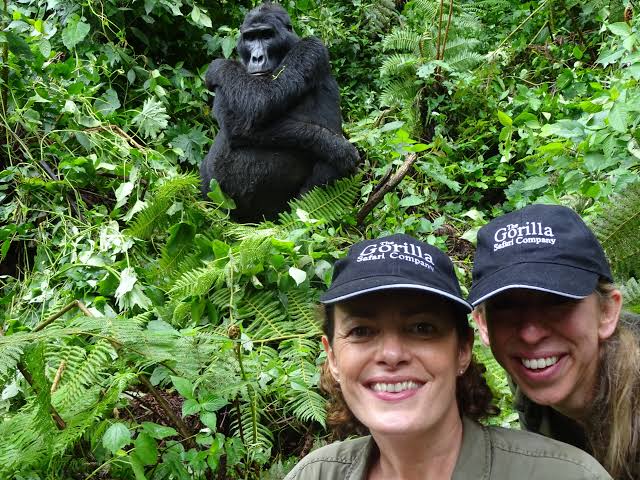
Family gorilla trekking safaris are becoming increasingly popular as more families seek meaningful wildlife experiences that combine conservation, adventure, and education.
While gorilla trekking itself is restricted to visitors aged 15 years and above, many families include a combination of gorilla trekking, wildlife safaris, cultural experiences, and nature activities suitable for all age groups.
Family safaris often provide better value than individual bookings because transportation and guide expenses are shared among multiple family members.
Typical Family Gorilla Safari Costs
| Family Size | Budget Safari | Mid-Range Safari | Luxury Safari |
|---|---|---|---|
| Family of 2 | USD 2,400 – 3,500 | USD 4,000 – 6,000 | USD 9,000 – 15,000+ |
| Family of 4 | USD 4,500 – 6,500 | USD 7,500 – 12,000 | USD 15,000 – 25,000+ |
| Family of 6 | USD 6,000 – 9,000 | USD 10,000 – 16,000 | USD 20,000 – 35,000+ |
Family Safari Inclusions
| Service | Usually Included |
|---|---|
| Gorilla Permits | ✓ |
| Family Accommodation | ✓ |
| Private Vehicle | ✓ |
| Family Guide | ✓ |
| Meals | ✓ |
| Airport Transfers | ✓ |
| Wildlife Activities | Often Included |
| Cultural Experiences | Often Included |
Why Families Often Receive Better Value
| Benefit | Impact |
|---|---|
| Shared Transportation Costs | Significant Savings |
| Family Room Discounts | Reduced Accommodation Costs |
| Private Vehicle Usage | Better Cost Distribution |
| Combined Activities | Improved Overall Value |
| Longer Itineraries | Better Cost Efficiency |
Group Safari Value Comparison
| Traveler Type | Recommended Option | Value Rating |
|---|---|---|
| Solo Traveler | Scheduled Group Safari | Excellent |
| Couple | Private Small Group Safari | Excellent |
| Family | Private Family Safari | Outstanding |
| Friends Traveling Together | Private Group Safari | Outstanding |
| Photography Group | Private Group Safari | Excellent |
| Student Group | Scheduled Group Safari | Excellent |
For travelers looking to reduce costs while still enjoying a world-class gorilla trekking experience, group safaris offer some of the best value available in Uganda. Whether joining a scheduled departure, organizing a private group adventure, or traveling with family, sharing safari expenses can significantly lower costs while preserving the unforgettable experience of encountering mountain gorillas in the wild.
Additional Costs to Consider
When planning a gorilla trekking safari in Uganda, many travelers focus primarily on the gorilla permit, accommodation, and transportation costs. However, several additional expenses can influence the overall budget and should be considered during the planning process.
These costs are often relatively small compared to the price of the gorilla permit, but they can add up over the course of a safari. Being aware of these expenses helps travelers avoid unexpected costs and ensures a smoother travel experience.
Some of these expenses are mandatory, such as visas and travel insurance in certain circumstances, while others are optional but highly recommended, including porter services and gratuities.
Understanding these additional costs allows visitors to budget realistically and enjoy their gorilla trekking safari without financial surprises.
Additional Gorilla Trekking Safari Expenses Overview
| Expense Category | Estimated Cost |
|---|---|
| Uganda Visa | USD 50 – 100 |
| East Africa Tourist Visa | USD 100 |
| Travel Insurance | USD 50 – 300+ |
| Porter Services | USD 15 – 25 |
| Tips and Gratuities | USD 20 – 100+ |
| Souvenirs | USD 10 – 500+ |
| Personal Expenses | Variable |
Uganda Visa Fees
Most international travelers visiting Uganda require a valid visa before entering the country. Visa costs should be factored into the overall safari budget, particularly for visitors combining gorilla trekking with travel in neighboring East African countries.
Uganda offers several visa options depending on nationality, travel plans, and itinerary duration.
The most common option for gorilla trekkers is the standard tourist visa. Travelers planning to visit Uganda alongside Kenya and Rwanda may benefit from the East Africa Tourist Visa, which allows multiple entries between participating countries under a single visa.
Uganda Visa Options
| Visa Type | Cost |
|---|---|
| Single Entry Uganda Tourist Visa | USD 50 |
| East Africa Tourist Visa | USD 100 |
| Transit Visa | USD 50 |
| Multiple Entry Visa | Varies |
What the East Africa Tourist Visa Covers
| Country | Included |
|---|---|
| Uganda | ✓ |
| Rwanda | ✓ |
| Kenya | ✓ |
For travelers combining gorilla trekking in Uganda with wildlife safaris in Kenya or cultural experiences in Rwanda, the East Africa Tourist Visa often provides excellent value.
Visa Budgeting Tips
- Apply before travel whenever possible.
- Verify visa requirements based on nationality.
- Budget for passport photos if required.
- Allow time for processing and approvals.
Travel Insurance
Travel insurance is one of the most important but often overlooked costs associated with gorilla trekking safaris. Although not always mandatory, comprehensive travel insurance is strongly recommended for all visitors.
Gorilla trekking takes place in remote forest environments where medical facilities may be limited. Travel insurance provides financial protection against unforeseen events such as trip cancellations, medical emergencies, evacuation costs, lost baggage, flight disruptions, and personal accidents.
Many safari operators require proof of travel insurance before confirming bookings, especially for luxury or extended itineraries.
Typical Travel Insurance Costs
| Traveler Type | Estimated Cost |
|---|---|
| Budget Traveler | USD 50 – 100 |
| Mid-Range Traveler | USD 100 – 200 |
| Luxury Traveler | USD 200 – 500+ |
Recommended Travel Insurance Coverage
| Coverage Type | Importance |
|---|---|
| Emergency Medical Care | Essential |
| Medical Evacuation | Essential |
| Trip Cancellation | Highly Recommended |
| Lost Baggage | Recommended |
| Flight Delays | Recommended |
| Personal Liability | Recommended |
Why Travel Insurance Matters
Mountain gorilla habitats are located in remote regions where emergency transportation and medical assistance can be expensive. Comprehensive insurance provides peace of mind and financial protection throughout the safari.
Porter Services
Hiring a porter is one of the best investments a traveler can make during gorilla trekking. Although optional, porter services greatly enhance the trekking experience and directly support local communities living around gorilla habitats.
Porters assist trekkers by carrying backpacks, camera equipment, water bottles, walking sticks, and other personal belongings. They also provide valuable support when navigating steep slopes, muddy trails, and challenging forest terrain.
Many porters are former poachers or community members who now earn sustainable livelihoods through conservation tourism.
Porter Service Costs
| Service | Average Cost |
|---|---|
| Standard Porter | USD 15 – 25 |
| Experienced Porter | USD 20 – 30 |
| Additional Assistance | Variable |
| Sedan Chair Support Team | USD 300 – 500+ |
Benefits of Hiring a Porter
| Benefit | Value |
|---|---|
| Reduced Physical Effort | High |
| Better Trekking Experience | High |
| Community Support | Excellent |
| Safety Assistance | High |
| Easier Photography | Excellent |
Is a Porter Worth the Cost
Most travelers who hire a porter consider it one of the best decisions of their safari. The relatively small fee provides substantial assistance while contributing directly to local conservation-linked employment.
Tips for Guides and Lodge Staff
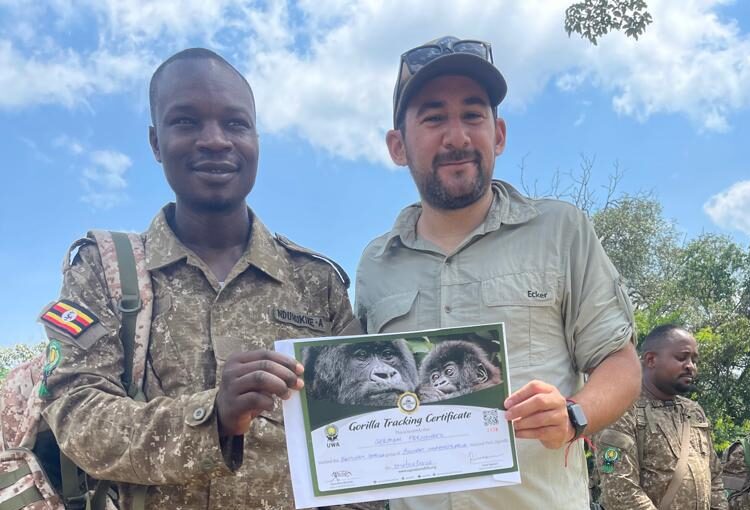
Tipping is not compulsory in Uganda, but it is customary and greatly appreciated within the tourism industry. Guides, porters, lodge staff, drivers, and rangers often rely on gratuities as an important supplement to their income.
The amount given depends on the quality of service received, the length of the safari, and individual preferences.
Many travelers choose to budget separately for tipping to ensure they can appropriately recognize exceptional service throughout their journey.
Recommended Tipping Guidelines
| Service Provider | Suggested Tip |
|---|---|
| Gorilla Ranger Guide | USD 10 – 20 |
| Porter | USD 10 – 20 |
| Driver Guide | USD 10 – 30 Per Day |
| Lodge Staff | USD 5 – 15 Per Day |
| Housekeeping Staff | USD 2 – 5 Per Day |
| Restaurant Staff | USD 2 – 10 Per Meal |
Typical Tipping Budget
| Safari Duration | Suggested Budget |
|---|---|
| 2-Day Safari | USD 30 – 60 |
| 3-Day Safari | USD 50 – 100 |
| 5-Day Safari | USD 80 – 150 |
| Week-Long Safari | USD 100 – 250+ |
Tipping Etiquette
- Tips should reflect service quality.
- Cash is preferred in most cases.
- Small denominations are useful.
- Group tipping can reduce individual costs.
Souvenirs and Personal Expenses
Many travelers choose to purchase souvenirs and locally crafted products during their gorilla trekking safari. These purchases not only create lasting memories but also support local artisans and community development initiatives.
Souvenirs vary widely in price depending on craftsmanship, materials, and origin. Popular purchases include handmade baskets, wood carvings, jewelry, paintings, traditional fabrics, gorilla-themed artwork, and locally produced coffee.
Personal expenses may also include beverages, laundry services, internet access, snacks, photography accessories, and optional activities not included in the safari package.
Common Souvenir Costs
| Item | Typical Price |
|---|---|
| Handmade Bracelet | USD 5 – 15 |
| Traditional Basket | USD 10 – 50 |
| Wood Carving | USD 20 – 100 |
| Local Artwork | USD 30 – 300+ |
| Coffee Products | USD 5 – 30 |
| Cultural Craft Items | USD 10 – 100 |
Other Personal Expenses
| Expense | Estimated Cost |
|---|---|
| Laundry Service | USD 5 – 20 |
| Premium Drinks | USD 5 – 20 |
| Snacks | USD 2 – 10 |
| Internet Charges | Usually Free or Minimal |
| Additional Activities | Variable |
Souvenir Shopping Tips
| Recommendation | Benefit |
|---|---|
| Buy from Community Projects | Supports Local Livelihoods |
| Carry Small Cash Notes | Easier Transactions |
| Check Luggage Allowances | Avoid Excess Baggage Fees |
| Purchase Authentic Crafts | Better Quality and Impact |
Estimated Additional Cost Budget
| Expense Category | Budget Traveler | Mid-Range Traveler | Luxury Traveler |
|---|---|---|---|
| Visa | USD 50 – 100 | USD 50 – 100 | USD 50 – 100 |
| Insurance | USD 50 – 100 | USD 100 – 200 | USD 200 – 500+ |
| Porter | USD 15 – 25 | USD 15 – 25 | USD 15 – 25 |
| Tips | USD 30 – 60 | USD 50 – 150 | USD 100 – 300+ |
| Souvenirs | USD 20 – 100 | USD 50 – 300 | USD 100 – 1,000+ |
| Total Estimated Additional Costs | USD 165 – 385 | USD 265 – 775 | USD 465 – 1,925+ |
Although these expenses represent a relatively small portion of the overall cost of a gorilla trekking safari, planning for them in advance ensures a more enjoyable and stress-free experience. Budgeting for visas, insurance, porter services, gratuities, and personal purchases allows travelers to fully focus on the extraordinary experience of encountering Uganda’s mountain gorillas while supporting conservation and local communities along the way.
Best Time to Get Affordable Gorilla Trekking Safari Prices
One of the most effective ways to reduce the overall cost of a gorilla trekking safari in Uganda is choosing the right time to travel. While gorilla trekking is available throughout the year, seasonal variations can significantly affect accommodation rates, transportation costs, safari package prices, and overall availability.
Many travelers mistakenly believe that gorilla permit prices fluctuate according to the season. In reality, the gorilla permit fee remains constant throughout the year. What changes are the prices of lodges, safari packages, transportation services, and the availability of special offers.
Understanding Uganda’s tourism seasons allows travelers to secure better deals while still enjoying a world-class gorilla trekking experience. In fact, some of the best-value gorilla safaris occur during periods when fewer visitors are traveling, creating opportunities for substantial savings without compromising the quality of the encounter with mountain gorillas.
High Season Pricing
The high season is traditionally considered the most popular time for gorilla trekking in Uganda. These periods generally coincide with the drier months when trekking trails are easier to navigate and wildlife viewing conditions are excellent.
During the high season, demand for gorilla permits, accommodation, transportation, and safari services increases significantly. Many travelers from Europe, North America, Asia, and Australia plan their holidays during these months, resulting in higher occupancy rates across lodges near Bwindi Impenetrable National Park and Mgahinga Gorilla National Park.
Luxury lodges often reach full occupancy months in advance, while popular mid-range properties may also become difficult to secure. Because of this increased demand, accommodation providers generally maintain their highest room rates during these periods.
The peak gorilla trekking seasons typically include June through September and December through February. These months offer favorable weather conditions, lower rainfall, and excellent trekking opportunities, making them particularly attractive to first-time visitors.
Despite the higher prices, many travelers prefer the high season because of the comfortable trekking conditions and the increased likelihood of combining gorilla trekking with other safari activities across Uganda.
However, those seeking the lowest possible safari prices may find better value during other times of the year.
Low Season Discounts
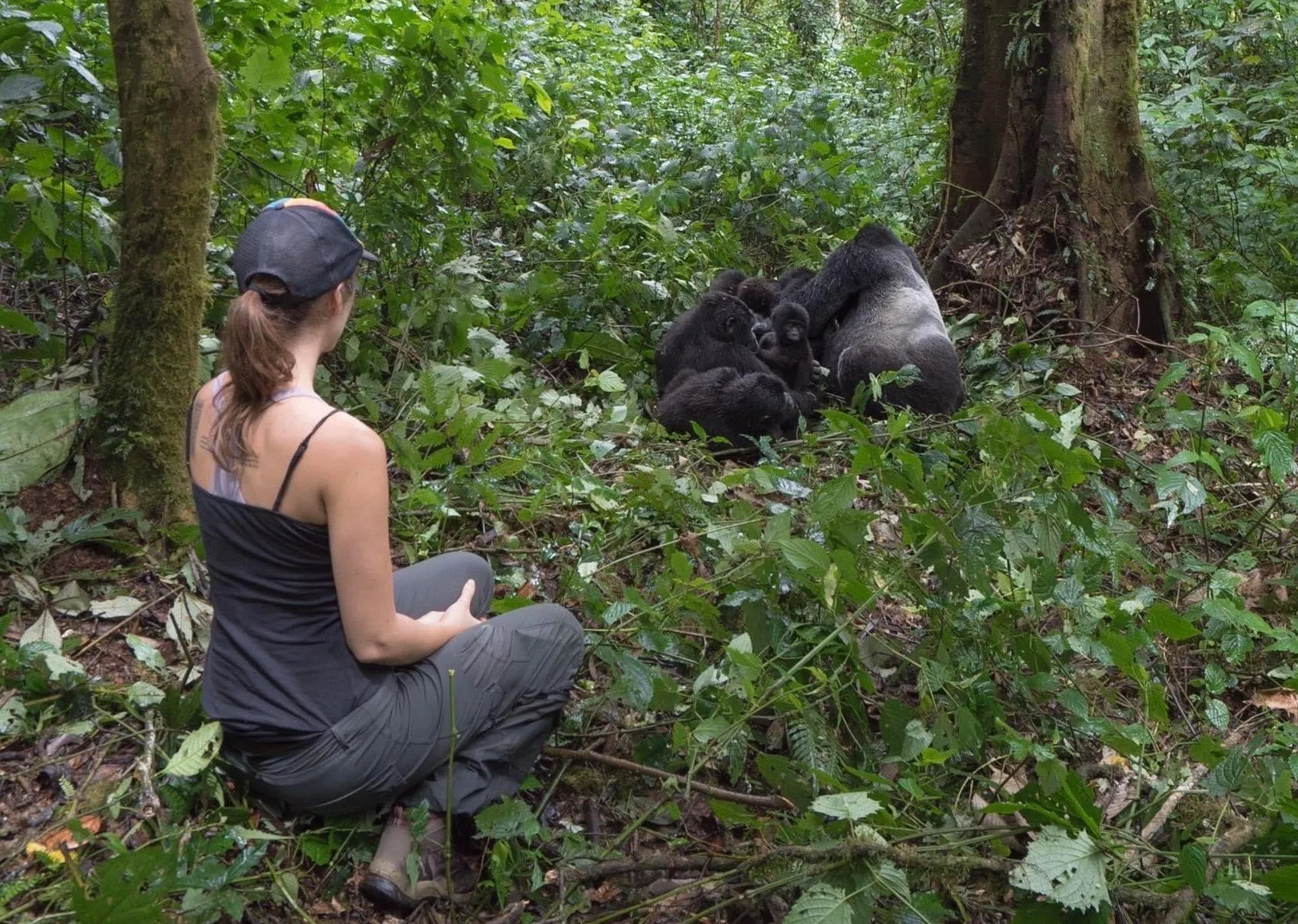
For travelers focused on affordability, the low season often provides the best opportunity to reduce the cost of a gorilla trekking safari. During these periods, visitor numbers decline, creating incentives for lodges and tour operators to offer attractive discounts and promotional packages.
The low seasons generally occur during Uganda’s wetter months, particularly from March to May and October to November. Although rainfall is more frequent during these periods, gorilla trekking remains fully operational, and mountain gorillas can still be tracked every day.
One of the biggest advantages of low-season travel is the substantial reduction in accommodation costs. Many lodges offer discounted rates, complimentary upgrades, free extra nights, or special package promotions that can significantly reduce the total safari budget.
Visitors traveling during these months often enjoy quieter trekking experiences, less crowded lodges, and more personalized service. The forests are also exceptionally lush and beautiful, creating outstanding opportunities for photography and nature enthusiasts.
Importantly, the gorilla experience itself does not change during the low season. Visitors still spend one hour with habituated gorilla families, guided by the same professional rangers and conservation teams.
For travelers willing to accept occasional rain showers, the low season can provide exceptional value and some of the most affordable gorilla trekking safari prices available throughout the year.
Shoulder Season Travel
The shoulder season represents a middle ground between peak travel periods and the low season. These transitional months often provide the ideal balance between favorable weather conditions and affordable safari pricing.
Many experienced safari travelers intentionally target shoulder seasons because they can enjoy relatively good trekking conditions while avoiding the higher accommodation costs associated with peak periods.
During these months, demand is moderate rather than overwhelming, allowing visitors to access a wider range of accommodation choices without paying premium high-season rates.
The shoulder season often delivers some of the best overall value because travelers benefit from lower prices, fewer crowds, improved permit availability, and generally favorable weather. Lodges may still offer seasonal promotions while maintaining excellent service levels and availability.
For visitors seeking both affordability and comfort, shoulder-season gorilla trekking often represents the smartest choice.
Another advantage of shoulder-season travel is the increased flexibility it offers when selecting gorilla trekking sectors, accommodations, and safari itineraries. Travelers may have access to preferred lodges and permit dates that are difficult to secure during the busiest months.
Early Booking Benefits
One of the most overlooked strategies for securing affordable gorilla trekking safari prices is booking well in advance. Early booking not only improves permit availability but can also generate significant financial advantages.
Gorilla permits are limited because only a small number of visitors are allowed to visit each habituated gorilla family per day. As demand increases, particularly during popular travel months, availability becomes increasingly restricted.
Travelers who book several months in advance often enjoy greater flexibility when choosing trekking sectors, lodge options, and safari dates. They are also more likely to secure accommodations at standard rates before demand drives prices upward.
Many tour operators and lodges offer early-booking incentives that may include discounted accommodation rates, complimentary airport transfers, room upgrades, free activities, or favorable payment terms. These benefits can collectively reduce the overall cost of a gorilla trekking safari while improving the quality of the experience.
Early booking is particularly important for luxury travelers because premium lodges near gorilla trekking sectors often have limited room inventories and may sell out long before peak travel periods begin.
Families, groups, photographers, and travelers with specific date requirements also benefit significantly from advance planning, as it provides more options and minimizes the risk of paying premium last-minute prices.
Ultimately, travelers seeking the most affordable gorilla trekking safari prices should combine early booking with careful seasonal planning. By choosing lower-demand travel periods, taking advantage of accommodation promotions, and securing permits well in advance, visitors can substantially reduce costs while still enjoying one of the world’s most extraordinary wildlife experiences.
The mountain gorillas remain just as remarkable throughout the year, and with smart planning, travelers can experience Uganda’s unforgettable gorilla trekking adventure at a price that offers exceptional value for money.
Is Gorilla Trekking in Uganda Worth the Price
For many travelers, the cost of a gorilla trekking safari initially appears expensive. After all, paying hundreds or even thousands of dollars for a single wildlife activity may seem substantial compared to other travel experiences. However, once visitors understand what gorilla trekking involves, where the money goes, and what the experience actually delivers, the question often changes from “Why is gorilla trekking so expensive?” to “Why didn’t I do this sooner?”
Gorilla trekking is not simply another wildlife activity. It is one of the rarest and most exclusive wildlife encounters on Earth. Fewer than two thousand mountain gorillas remain in the wild, and they can only be found in a small region spanning Uganda, Rwanda, and the Democratic Republic of Congo. Unlike traditional safaris where animals may be viewed from a distance, gorilla trekking places visitors within a few meters of these remarkable primates in their natural habitat.
For most travelers, the value of gorilla trekking extends far beyond the price of the permit. It combines conservation, adventure, education, photography, cultural impact, and emotional connection into a single experience that few wildlife encounters can rival.
Conservation Impact
One of the strongest arguments for the value of gorilla trekking in Uganda is its direct contribution to conservation. Every gorilla permit purchased supports the protection of mountain gorillas and the forests they call home.
Unlike many wildlife experiences where tourism revenue may have limited conservation impact, gorilla trekking operates under a carefully managed conservation model. A significant portion of permit revenue contributes directly to the protection of gorilla habitats, ranger patrols, anti-poaching operations, veterinary care, scientific monitoring, and community development initiatives.
This model has helped transform mountain gorillas from a critically endangered species facing severe threats to one of conservation’s greatest success stories. Decades ago, mountain gorilla numbers were declining rapidly. Today, their population has increased due largely to sustained conservation efforts funded in part by responsible tourism.
When travelers purchase a gorilla permit, they are not simply paying for access to wildlife. They are actively supporting conservation programs that help ensure future generations will also have the opportunity to see mountain gorillas in the wild.
Equally important is the impact on local communities surrounding Bwindi Impenetrable National Park and Mgahinga Gorilla National Park. Tourism creates employment opportunities for guides, porters, lodge staff, drivers, artisans, farmers, and community organizations. As local communities benefit financially from gorilla conservation, they become active partners in protecting wildlife and forest ecosystems.
For many visitors, knowing their safari directly contributes to both conservation and community development significantly increases the value of the experience.
Unique Wildlife Experience
The true value of gorilla trekking becomes clear the moment visitors encounter a mountain gorilla family in the forest.
No zoo, wildlife documentary, photography book, or television program can replicate the feeling of standing just a few meters away from a 400-pound silverback as he calmly observes his family. The experience is deeply personal, emotional, and often life-changing.
Mountain gorillas share approximately 98 percent of their DNA with humans, and many visitors are struck by the similarities in behavior, expressions, social interactions, and family dynamics. Watching a mother care for her infant, juveniles play among the vegetation, or a dominant silverback quietly supervise the group creates a connection that is difficult to describe until experienced firsthand.
Unlike game drives where animals may be observed from a distance, gorilla trekking places visitors directly within the gorillas’ environment. Every sound, movement, and interaction becomes part of an intimate wildlife encounter that few people on Earth will ever experience.
Many seasoned travelers who have visited multiple continents and participated in countless safaris consistently rank gorilla trekking among the most extraordinary wildlife experiences of their lives.
The uniqueness of the experience alone makes it difficult to compare with other tourism activities, regardless of cost.
Value Compared to Rwanda Gorilla Trekking
When evaluating whether gorilla trekking in Uganda is worth the price, many travelers naturally compare it with neighboring Rwanda, another premier mountain gorilla destination.
The remarkable reality is that the actual gorilla experience is fundamentally the same. Visitors in both countries spend one hour with habituated mountain gorillas under the supervision of trained guides and conservation staff.
The gorillas themselves do not know whether they are in Uganda or Rwanda.
The primary difference lies in the cost structure and overall safari value.
Uganda generally offers lower gorilla permit prices, a wider range of accommodation options, and more opportunities to combine gorilla trekking with other wildlife experiences. Visitors can easily add chimpanzee tracking, game drives, boat safaris, birdwatching, cultural experiences, and multiple national parks to a single itinerary.
Rwanda’s biggest advantage is convenience. The drive from Kigali to gorilla trekking areas is considerably shorter than the journey from Entebbe to Bwindi. This makes Rwanda particularly attractive to travelers with limited time.
However, for visitors seeking maximum value for money, Uganda frequently emerges as the preferred choice because travelers receive the same gorilla encounter while often spending significantly less on the overall safari.
Many visitors discover that the savings achieved in Uganda can be used to extend their safari, upgrade accommodations, or add additional wildlife experiences.
Value Compared to Congo Gorilla Trekking
The Democratic Republic of Congo offers the least expensive mountain gorilla permits among the three countries where mountain gorillas can be visited. This naturally raises the question of whether Congo offers better value.
From a purely financial perspective, Congo may appear attractive because permit prices are generally lower. However, evaluating value requires considering more than just permit costs.
Travel logistics, infrastructure, accommodation options, security considerations, transportation reliability, and overall tourism services play a significant role in determining the true value of a gorilla trekking destination.
Uganda has developed one of Africa’s most established gorilla tourism industries. Visitors benefit from excellent conservation management, professional guiding standards, extensive accommodation choices, reliable transportation networks, and a mature tourism infrastructure designed specifically around wildlife experiences.
Uganda also offers exceptional safari diversity. Travelers can combine gorilla trekking with chimpanzees, lions, elephants, giraffes, hippos, and hundreds of bird species within a single itinerary.
For many international visitors, the combination of safety, accessibility, conservation success, tourism infrastructure, and safari variety makes Uganda a more attractive overall investment despite the higher permit price compared to Congo.
While Congo remains a fascinating destination for adventurous travelers, Uganda generally provides a more balanced combination of affordability, comfort, conservation impact, and overall safari value.
Lifetime Experience Considerations
Perhaps the strongest argument that gorilla trekking in Uganda is worth the price comes from the experiences of those who have already done it.
Many travelers spend years debating whether the cost is justified. Yet after completing the trek, very few regret the investment. In fact, the overwhelming majority describe gorilla trekking as one of the most memorable experiences of their lives.
Travel budgets are often spent on hotels, flights, shopping, entertainment, and activities that gradually fade from memory. Gorilla trekking is different. It creates memories that remain vivid for decades.
Visitors frequently recall specific moments: the first sight of a silverback emerging through the forest, the playful behavior of young gorillas, the sound of branches moving in the jungle, or the emotional realization that they are witnessing one of the world’s rarest wildlife encounters.
These memories often become defining travel experiences that surpass expectations and remain meaningful long after the safari ends.
The reality is that mountain gorillas can only be seen in a few locations on Earth. The opportunity to observe them in the wild is a privilege that many people dream about but never experience.
When viewed in this context, gorilla trekking is not simply a safari expense. It is an investment in a once-in-a-lifetime wildlife encounter, a contribution to conservation, support for local communities, and participation in one of the greatest conservation success stories of modern times.
For these reasons, most travelers conclude that gorilla trekking in Uganda is not only worth the price—it is one of the best-value wildlife experiences available anywhere in the world.
How to Book a Gorilla Trekking Safari in Uganda at the Best Price
Booking a gorilla trekking safari in Uganda involves much more than simply purchasing a permit. The best-priced safaris are usually the result of careful planning, early reservations, selecting the right tour operator, and choosing an itinerary that matches your travel goals and budget.
Many travelers focus exclusively on finding the cheapest gorilla permit, but the real savings often come from selecting the right safari package, choosing appropriate accommodation, sharing transportation costs, and booking at the right time of year.
A well-planned gorilla trekking safari can provide exceptional value while ensuring a smooth and unforgettable experience. Whether you are traveling on a budget, seeking a comfortable mid-range adventure, or planning a luxury gorilla safari, understanding the booking process can help you maximize both your budget and your overall safari experience.
Booking Through Pieland Gorilla Safaris
One of the easiest ways to secure the best value gorilla trekking safari is by booking through an experienced local tour operator such as Pieland Gorilla Safaris. Working with a specialist company allows travelers to access expert knowledge, permit availability, accommodation recommendations, and customized safari planning.
A professional safari operator can help travelers compare different gorilla trekking sectors, accommodation categories, transportation options, and travel dates to find the most suitable package. Rather than booking permits, hotels, and transportation separately, travelers benefit from a fully coordinated itinerary where all logistics are handled by experienced safari professionals.
Pieland Gorilla Safaris can also assist with securing permits, arranging airport transfers, recommending the most suitable trekking sectors, and combining gorilla trekking with other activities such as chimpanzee tracking, wildlife safaris, birdwatching, and cultural experiences.
Another major advantage of booking through a local safari company is access to current promotions, seasonal offers, group departures, and accommodation partnerships that may not be available through international booking platforms.
Travelers also benefit from local support before, during, and after their safari, ensuring greater flexibility and assistance should travel plans change.
Benefits of Booking Through a Local Gorilla Safari Specialist
- Gorilla permit reservation assistance
- Customized safari planning
- Access to budget, mid-range, and luxury options
- Professional driver-guides
- Local destination expertise
- Airport transfer arrangements
- Accommodation recommendations
- Emergency support during travel
- Competitive package pricing
- Flexible itinerary design
Booking Gorilla Permits Early
One of the most important strategies for securing the best gorilla trekking safari price is booking permits well in advance. Gorilla permits are limited because only a small number of visitors are allowed to visit each habituated gorilla family per day.
Demand for permits is particularly high during peak travel periods, including June to September and December to February. During these months, permits often sell out many months before the travel date.
Booking early provides several important advantages. First, travelers have a greater chance of securing permits in their preferred trekking sector. Second, early reservations allow for better accommodation choices, as popular lodges often fill quickly once permits become limited.
Advance booking also enables travelers to take advantage of early-bird promotions, accommodation discounts, and favorable safari package rates that may not be available closer to departure.
For peak-season travel, booking permits six to twelve months in advance is often recommended. Travelers planning luxury gorilla safaris may benefit from even earlier reservations because both permits and premium lodges have limited availability.
Why Early Permit Booking Saves Money
- Greater lodge availability
- Better accommodation rates
- More trekking sector choices
- Reduced risk of last-minute price increases
- Access to promotional safari packages
- Easier itinerary planning
- Improved flight scheduling options
Choosing the Right Safari Package
Selecting the right safari package is one of the most effective ways to ensure you receive the best value for your money. The cheapest safari is not always the most economical, and the most expensive safari is not necessarily the best fit for every traveler.
The ideal package depends on travel style, comfort expectations, available time, and budget. Some visitors prioritize affordability and choose group departures with budget accommodation, while others prefer mid-range comfort or luxury fly-in experiences.
A carefully designed package should balance transportation, accommodation quality, permit costs, and additional activities without including unnecessary expenses.
Travelers should compare what is included in each quotation rather than focusing solely on the headline price. A package that appears more expensive may actually offer better value if it includes airport transfers, accommodation upgrades, meals, guide services, and additional activities.
Many travelers find that mid-range gorilla trekking safaris offer the best overall value because they combine comfortable accommodation, private transportation, and quality service at a reasonable price.
Questions to Ask Before Booking
- Is the gorilla permit included?
- Are airport transfers included?
- What accommodation category is provided?
- Are meals included?
- Is transportation private or shared?
- Are park fees included?
- What activities are included beyond gorilla trekking?
- Are there any hidden costs?
- What is the cancellation policy?
- Is travel insurance required?
Last-Minute Gorilla Trekking Deals
Although early booking is generally the best strategy, last-minute gorilla trekking deals can occasionally provide excellent value for flexible travelers. These opportunities typically arise when tour operators or lodges have unsold inventory and are looking to fill remaining spaces.
Last-minute deals may include discounted accommodation, reduced transportation costs, complimentary upgrades, or promotional package rates. However, travelers should understand that gorilla permits themselves remain limited, and availability is never guaranteed close to departure dates.
The best last-minute opportunities often occur during lower-demand travel periods when lodges have greater availability and safari operators can offer attractive package discounts.
Flexible travelers who can adjust their travel dates and accommodation preferences sometimes secure significant savings through these offers.
However, relying exclusively on last-minute availability can be risky, especially during high season. Travelers with fixed travel dates, family groups, or specific lodge preferences are generally better served by booking in advance.
When Last-Minute Deals Work Best
- Low-season travel
- Flexible travel dates
- Solo travelers
- Small groups
- Travelers already in East Africa
- Travelers with flexible accommodation preferences
Early Booking vs Last-Minute Booking
While last-minute deals can occasionally produce savings, early booking remains the most reliable way to secure the best gorilla trekking safari price. Advance reservations provide access to more permits, better accommodations, greater itinerary flexibility, and lower risk of disappointment.
For most travelers, the ideal strategy is to book permits early, compare several safari options, select a package that matches their travel style, and work with an experienced operator such as Pieland Gorilla Safaris to maximize value. This approach not only helps secure competitive pricing but also ensures a seamless gorilla trekking experience from arrival to departure.
Ultimately, the best gorilla trekking safari is not simply the cheapest one—it is the safari that delivers the right balance of cost, comfort, conservation impact, and unforgettable encounters with Uganda’s magnificent mountain gorillas.
Frequently Asked Questions About the Price of Gorilla Trekking Safari in Uganda
How much does a gorilla trekking safari in Uganda cost?
The cost of a gorilla trekking safari in Uganda varies depending on the duration of the safari, accommodation category, transportation method, and activities included. Most travelers spend between USD 1,100 and USD 8,000+ per person, with budget, mid-range, and luxury options available.
What is the current gorilla permit price in Uganda?
The current gorilla permit costs USD 800 for foreign non-residents, USD 700 for foreign residents, and UGX 300,000 for East African citizens. The permit allows one hour with a habituated mountain gorilla family.
Why is gorilla trekking so expensive?
Gorilla trekking fees help fund conservation programs, anti-poaching operations, ranger salaries, veterinary care, habitat protection, and community development projects. The cost also reflects the rarity and exclusivity of the experience.
Is the gorilla permit included in safari package prices?
Most safari packages include the gorilla permit, but travelers should always confirm this before booking. The permit often represents the largest portion of the safari cost.
Can I buy a gorilla permit without booking a safari package?
Yes. Travelers can purchase permits separately and organize their own accommodation and transportation. However, many visitors find package tours more convenient and cost-effective.
What is included in the gorilla permit fee?
The permit includes a guided gorilla trek, park access for the trekking activity, ranger services, security support, conservation contributions, and one hour with a habituated gorilla family.
Are there discounts on gorilla permits?
Uganda occasionally offers special permit promotions, but these are not available every year. Most discounts, when available, apply during low seasons or special tourism campaigns.
What is the cheapest gorilla trekking safari in Uganda?
The most affordable gorilla trekking safaris typically start from around USD 1,100 per person for budget group departures, including the permit, accommodation, transportation, and guide services.
Is Uganda cheaper than Rwanda for gorilla trekking?
Yes. Uganda generally offers lower permit costs and a wider range of budget and mid-range accommodation options, making it one of the best-value gorilla trekking destinations in Africa.
Is Uganda more expensive than Congo for gorilla trekking?
Uganda’s permits are usually more expensive than those in Congo. However, Uganda offers stronger tourism infrastructure, greater safari diversity, and a more developed tourism industry.
How much does a luxury gorilla trekking safari cost?
Luxury gorilla trekking safaris generally start around USD 4,500 per person and can exceed USD 15,000 depending on accommodation, flights, and additional experiences.
How much does a budget gorilla trekking safari cost?
Budget gorilla trekking safaris typically range between USD 1,100 and USD 1,800 per person depending on group size and itinerary length.
How much does a mid-range gorilla trekking safari cost?
Mid-range safaris generally cost between USD 1,900 and USD 4,500 per person and offer comfortable accommodation, private transportation, and enhanced services.
Do children pay for gorilla permits?
Only individuals aged 15 years and above are allowed to participate in gorilla trekking. Therefore, permits are not issued to younger children.
What is the minimum age for gorilla trekking?
The minimum age for gorilla trekking in Uganda is 15 years.
How much does gorilla habituation cost?
The Gorilla Habituation Experience costs USD 1,500 for foreign non-residents and allows visitors to spend up to four hours with a semi-habituated gorilla family.
Is gorilla habituation worth the extra cost?
Many wildlife enthusiasts and photographers consider it worthwhile because it provides four times more observation time than standard gorilla trekking.
What additional costs should I budget for?
Additional expenses may include visas, travel insurance, porter services, tips, souvenirs, beverages, laundry, and optional activities.
How much should I budget for porter services?
Porters typically charge between USD 15 and USD 25 per trek and provide valuable assistance on forest trails.
Are tips mandatory during a gorilla trekking safari?
No. Tipping is voluntary but appreciated. Many visitors tip guides, porters, drivers, and lodge staff for exceptional service.
How much should I tip a gorilla trekking guide?
Most travelers tip between USD 10 and USD 20 per person for ranger guides.
Does the time of year affect gorilla trekking prices?
The permit price remains fixed throughout the year, but accommodation and safari package prices may vary depending on travel season.
When is the cheapest time to go gorilla trekking?
The low seasons, generally from March to May and October to November, often provide the best accommodation discounts and package deals.
Are gorilla permits cheaper during the rainy season?
The permit price remains the same, but safari packages may be more affordable because lodges often reduce their rates.
How far in advance should I book a gorilla permit?
Booking six to twelve months in advance is recommended for peak travel periods to ensure availability.
Can I get a last-minute gorilla permit?
Sometimes, but availability is not guaranteed. Last-minute bookings are easier during lower-demand travel periods.
Do solo travelers pay more for gorilla trekking safaris?
Generally, yes. Solo travelers often bear the full cost of transportation and private guide services unless they join a group departure.
Can joining a group reduce safari costs?
Yes. Group safaris significantly reduce transportation and operational costs by sharing expenses among participants.
How much can I save by joining a group safari?
Travelers can often save between 20% and 50% compared to booking a private safari.
Are domestic flights included in gorilla trekking safari packages?
Some luxury packages include domestic flights, while most budget and mid-range packages rely on road transportation.
Is a fly-in gorilla safari worth the additional cost?
For travelers with limited time or those seeking greater comfort, fly-in safaris can offer excellent value despite their higher price.
Which gorilla trekking sector offers the best value?
Rushaga and Ruhija often provide excellent value due to their range of accommodation options and competitive pricing.
Does the trekking sector affect permit prices?
No. Gorilla permits cost the same regardless of the sector where the trek takes place.
How much does accommodation contribute to safari costs?
Accommodation is usually the second-largest safari expense after the gorilla permit and can significantly affect the overall price.
Can I combine gorilla trekking with other safari activities?
Yes. Many visitors combine gorilla trekking with chimpanzee tracking, wildlife safaris, birdwatching, cultural tours, and boat cruises.
Does combining activities increase safari costs?
Yes, but it often improves overall value because travelers experience more of Uganda during a single trip.
Is travel insurance necessary for gorilla trekking?
Travel insurance is strongly recommended because it provides protection against medical emergencies, cancellations, delays, and lost luggage.
How much should I budget for a complete gorilla trekking safari?
Most travelers should budget between USD 1,500 and USD 4,500 per person for a comfortable all-inclusive gorilla trekking experience.
What makes Uganda one of the best-value gorilla trekking destinations?
Uganda combines relatively affordable permits, diverse safari experiences, excellent conservation programs, and a wide range of accommodation options.
Is gorilla trekking in Uganda worth the price?
For most travelers, absolutely. Gorilla trekking offers a once-in-a-lifetime wildlife encounter, supports mountain gorilla conservation, benefits local communities, and provides one of the most extraordinary experiences available anywhere in Africa. Many visitors describe it as the highlight of their travels and one of the best investments they have ever made in a wildlife adventure.
Contact Us today for a gorilla trekking safari in Uganda with the best prices.