
Powerful Truth: Are Safaris Worth the Price? The Ultimate Value Guide

Planning an African safari often comes with one big question—Are Safaris Worth the Price? For many travelers, safaris are viewed as a premium travel experience, and naturally, the cost can raise doubts before booking.
However, the truth is that a safari is not just another holiday. It is a highly coordinated, immersive journey that blends wildlife, culture, landscapes, conservation, and expert logistics into one seamless experience. When you take time to understand what goes into it, the answer to Are Safaris Worth the Price? becomes much clearer and far more compelling.
Are Safaris Worth the Price to Pay for?
To properly answer Are Safaris Worth the Price?, you need to look beyond the surface and understand what is included in a typical safari package.
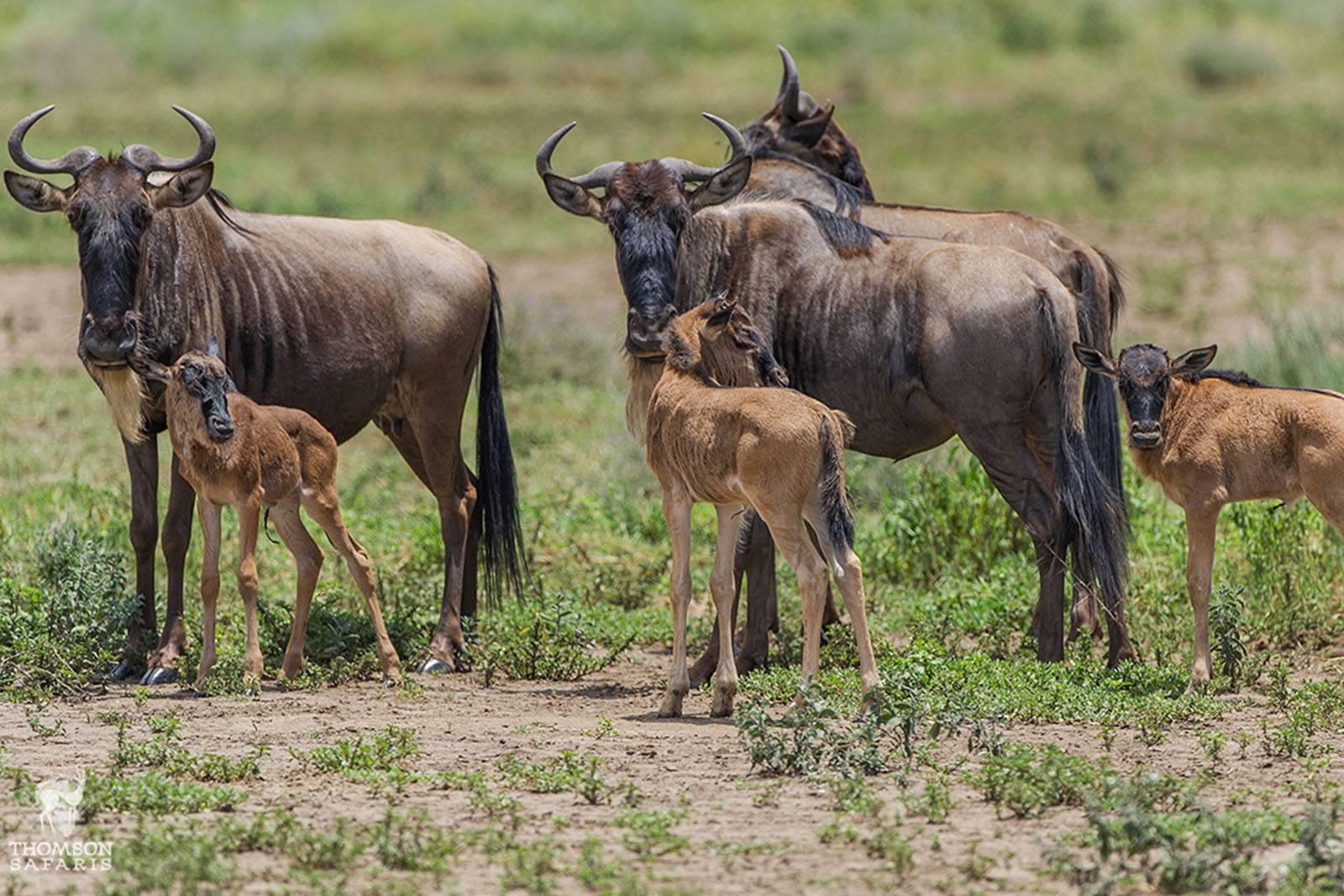
Unlike standard vacations where you may only pay for flights and accommodation, safaris combine multiple high-value services into one experience. These services are not only essential—they are often regulated, limited, and require professional coordination.
A well-designed safari typically includes national park entry fees, professional and highly trained safari guides, private or customized 4×4 safari vehicles, accommodation (often on a full-board basis), and daily wildlife experiences such as game drives. On top of that, certain activities require special permits, which are limited and carefully managed.
For example, visiting Bwindi Impenetrable National Park for gorilla trekking involves purchasing a permit that directly supports conservation efforts and community programs. These permits are issued in limited numbers per day and are strictly regulated, which significantly contributes to the overall safari cost.
In addition to this, the logistics behind a safari are complex. Fuel costs for long-distance travel, maintenance of specialized safari vehicles, trained driver-guides, park regulations, and remote lodge operations all contribute to the pricing structure. Many lodges are located in isolated wilderness areas where everything—from food supplies to building materials—must be transported over long distances.
When you consider all these elements together, it becomes clear that the question Are Safaris Worth the Price? is not about paying for a single service. Instead, you are investing in a fully managed, all-inclusive experience that would be extremely difficult to organize independently.
The Unique Experience You Cannot Replicate
One of the most powerful reasons why Are Safaris Worth the Price? is often answered with a strong yes is the uniqueness of the experience itself.
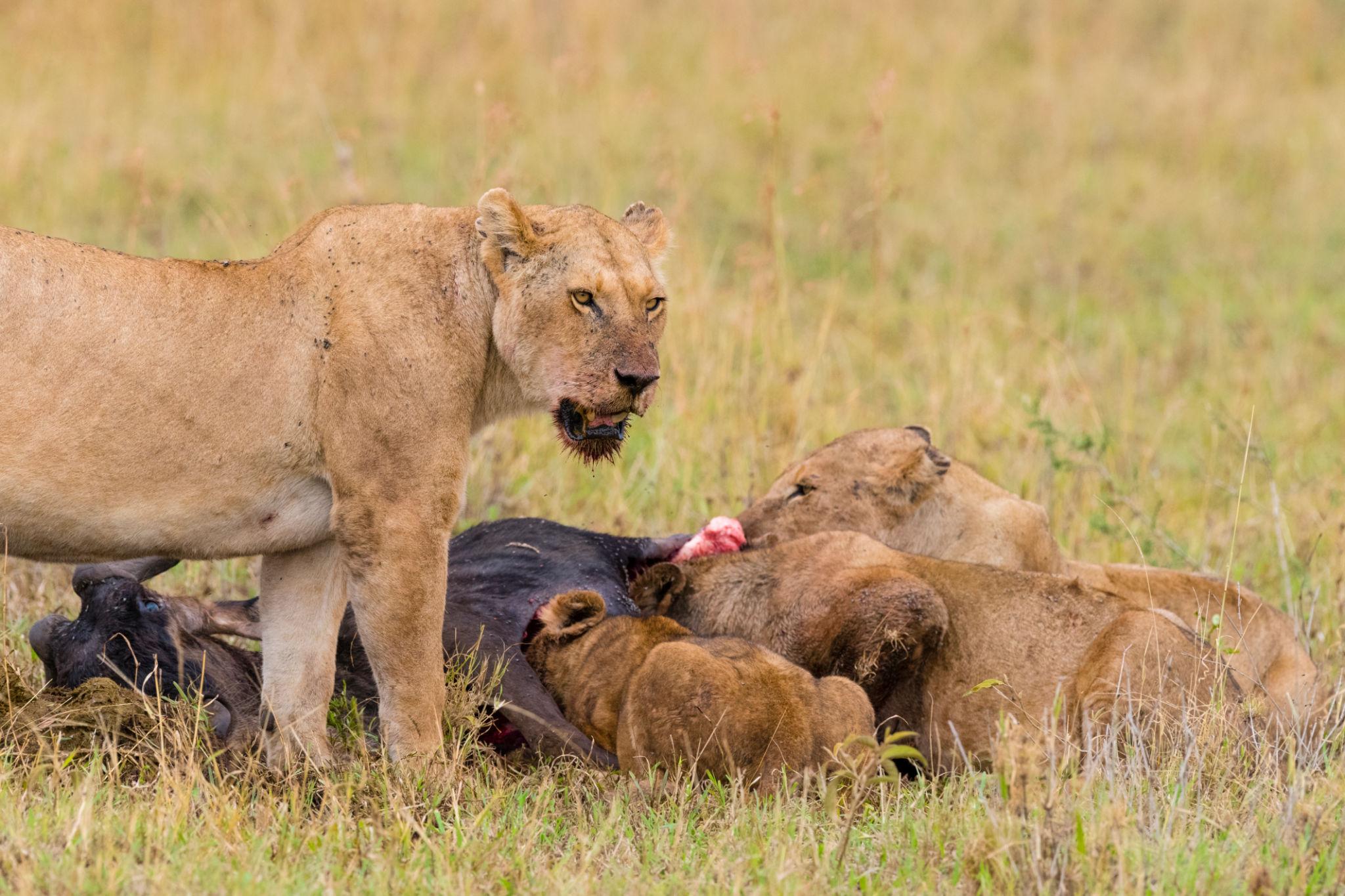
A safari offers moments that simply cannot be recreated anywhere else in the world. Watching wildlife in its natural habitat is fundamentally different from seeing animals in controlled environments. It is raw, unpredictable, and deeply authentic.
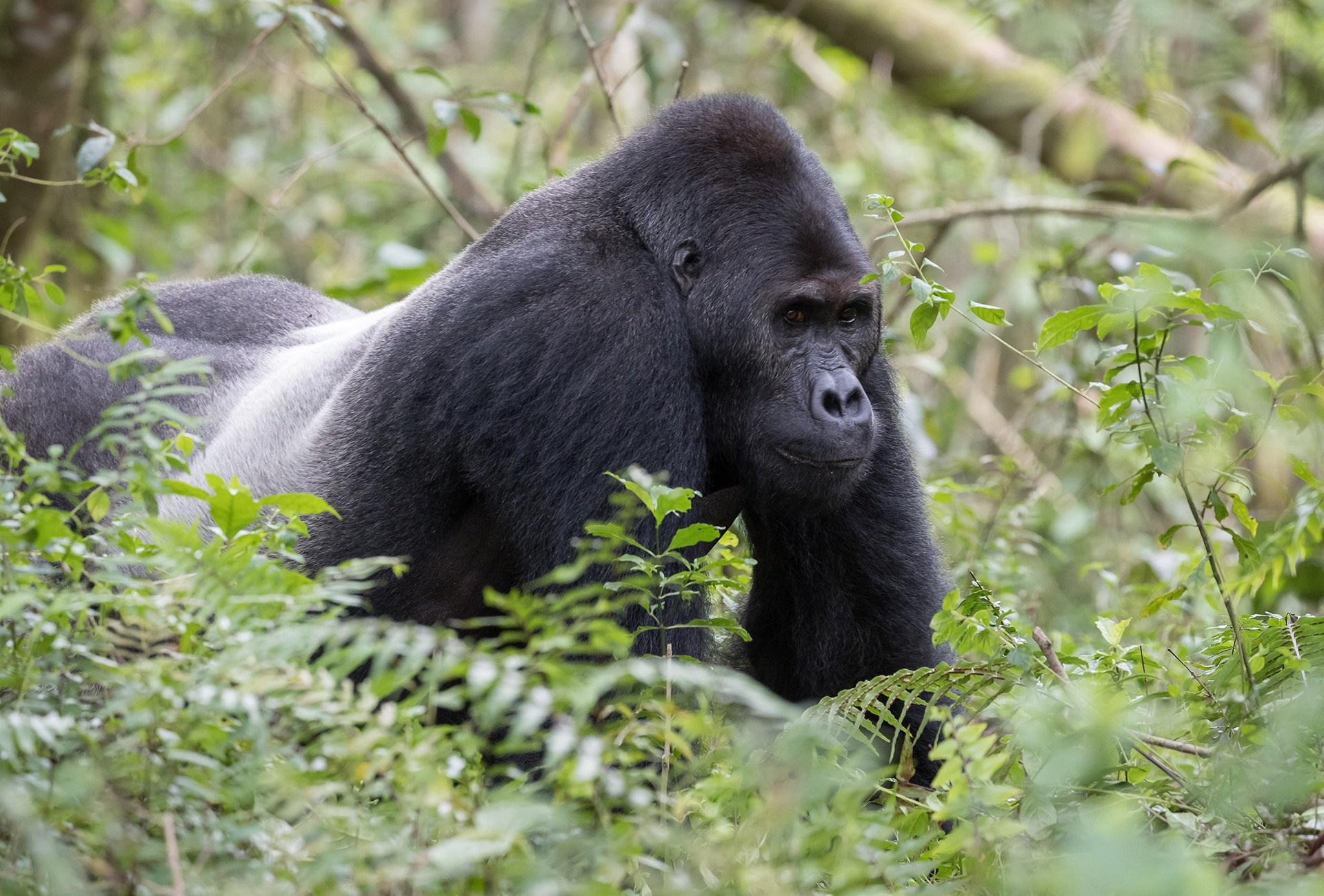
Imagine witnessing a pride of lions at sunrise in Serengeti National Park as they prepare for the day, or quietly standing just a few meters away from a family of mountain gorillas in dense forest. These are not staged encounters—they are real, unscripted moments that connect you directly with nature.
Safaris offer a level of immersion that few other travel experiences can match. You are not just observing wildlife; you are entering their world. The sounds of the savannah, the stillness of the forest, and the vast open landscapes all contribute to a sensory experience that stays with you long after the journey ends.
Beyond wildlife, safaris also provide access to protected ecosystems and remote regions that are otherwise inaccessible. These places are preserved not only for tourism but for conservation, making every visit both exclusive and meaningful.
When travelers look back on their safari, it is often these moments—the unexpected sightings, the quiet encounters, the sheer scale of nature—that define the experience. This is why the question Are Safaris Worth the Price? is rarely about cost after the journey—it becomes about the value of memories that cannot be replaced.
Conservation and Community Impact
Another essential dimension to consider when asking Are Safaris Worth the Price? is the positive impact your safari has on conservation and local communities.
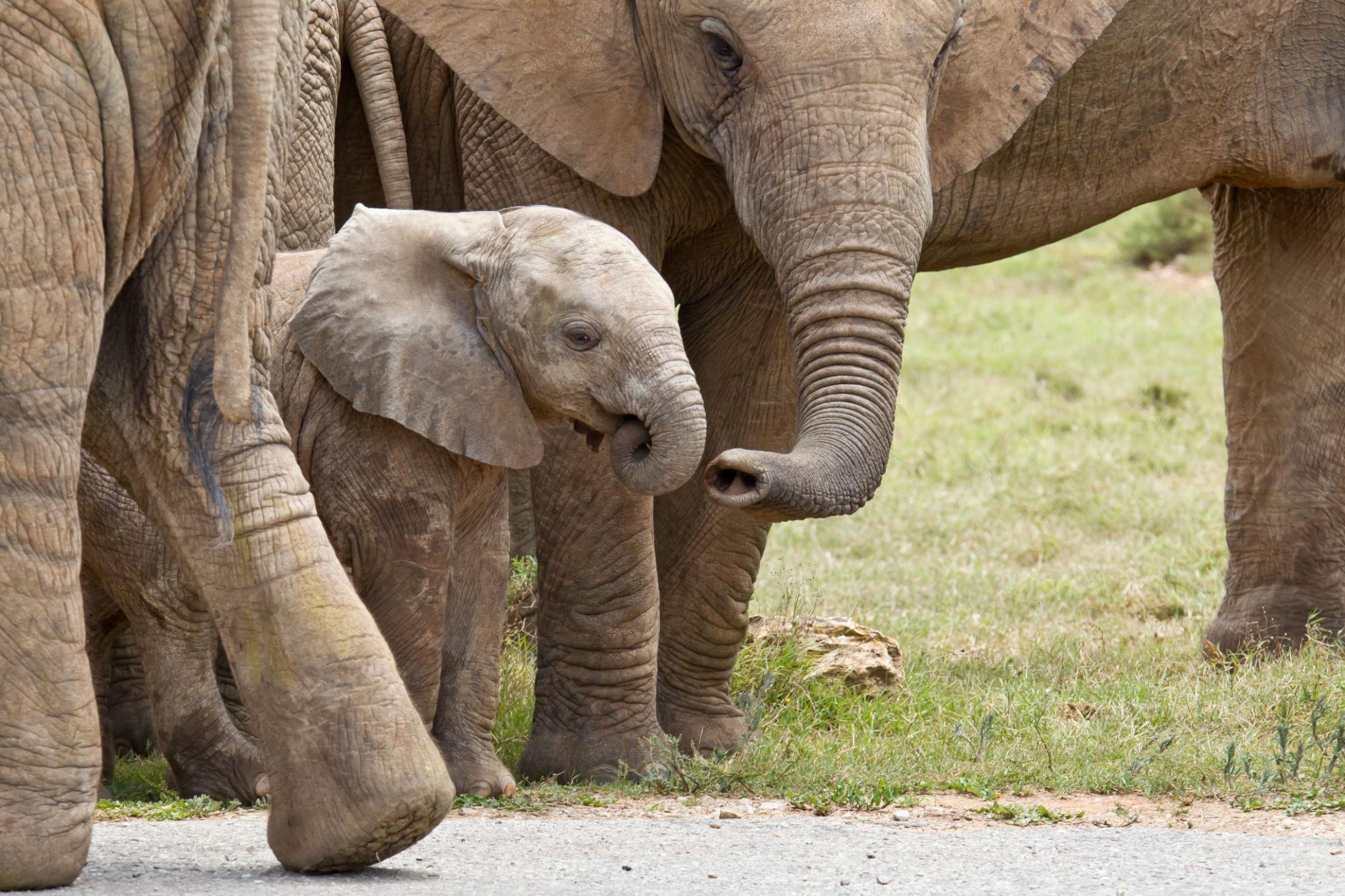
A significant portion of safari revenue is reinvested into protecting wildlife and supporting the people who live alongside it. This includes funding national park operations, maintaining protected areas, and supporting anti-poaching initiatives. Without tourism, many of these conservation efforts would struggle to survive.
Organizations such as the Uganda Wildlife Authority play a vital role in managing parks, protecting endangered species, and ensuring that tourism remains sustainable. Permit fees—especially for activities like gorilla trekking—are a direct contribution to conservation programs.
Beyond wildlife protection, safaris also create economic opportunities for local communities. Lodges employ local staff, guides are trained within the region, and cultural experiences often involve direct interaction with local people. This creates jobs, supports education, and improves livelihoods in rural areas.
In many parts of Africa, tourism is one of the strongest incentives for conservation. When communities benefit from protecting wildlife, it reduces human-wildlife conflict and encourages long-term sustainability.
This means that when you book a safari, you are not just paying for an experience—you are contributing to a larger system that protects ecosystems and supports communities. This adds a deeper layer of meaning to your journey and strengthens the answer to Are Safaris Worth the Price?
Level of Comfort and Service
One of the most surprising aspects for first-time travelers is the level of comfort included in a safari. When people ask Are Safaris Worth the Price?, they often imagine rough travel conditions, but the reality is very different.
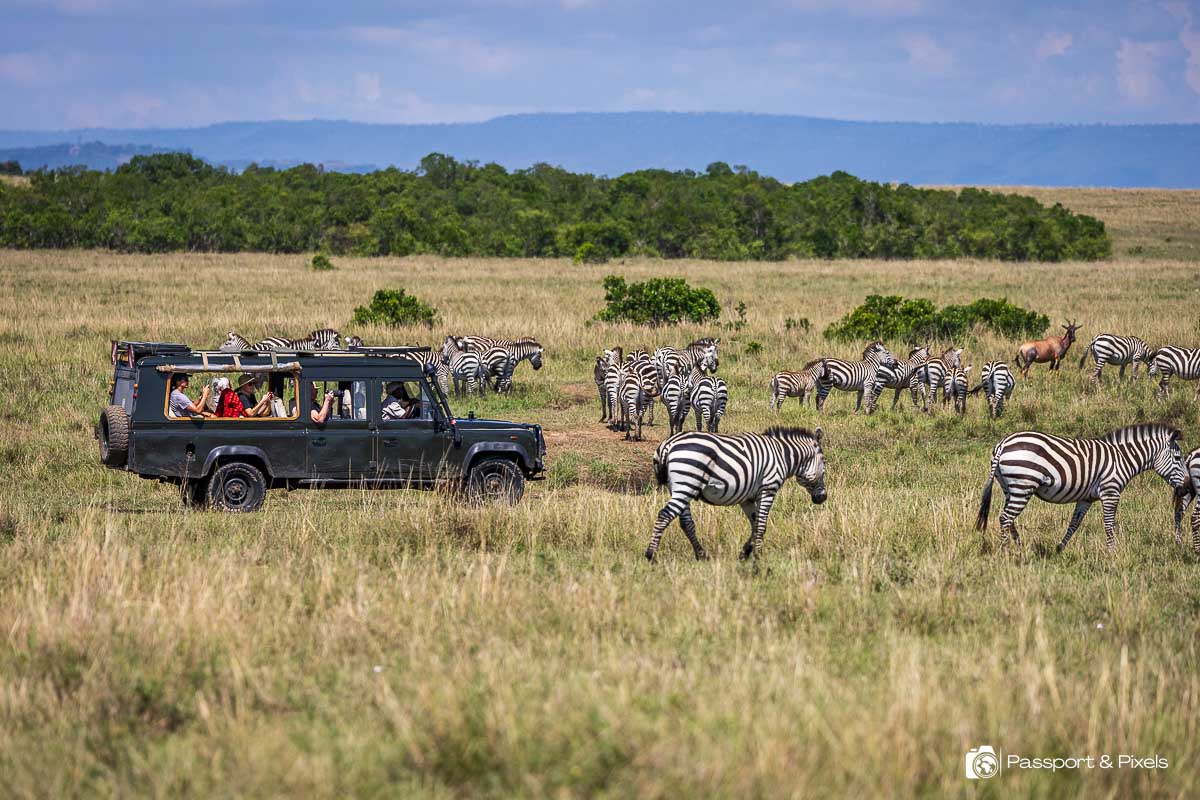
Safaris are designed to balance adventure with comfort, and in many cases, they exceed expectations. Accommodation ranges from well-equipped budget lodges to ultra-luxury safari camps located in breathtaking natural settings. In destinations such as Serengeti National Park or Maasai Mara National Reserve, lodges are often positioned to offer panoramic views of wildlife-rich landscapes, allowing guests to experience nature without sacrificing comfort.
At the higher end, safari lodges offer spacious rooms, en-suite bathrooms, fine dining, and personalized service. Guests may enjoy private decks overlooking rivers or savannahs, infinity pools, and attentive staff who ensure every detail is taken care of. Even in midrange options, the standard of hospitality is remarkably high, with clean, comfortable rooms and well-prepared meals included.
Another key factor is the level of personalization. Many safaris include private or small-group experiences with dedicated guides who tailor the journey to your interests. Whether you are focused on photography, birding, or tracking specific wildlife, your guide adjusts the experience accordingly.
Transport is also part of this comfort. Safari vehicles are specially designed for wildlife viewing, offering ample space, open roofs for photography, and comfortable seating for long game drives. Transfers between destinations are carefully planned to reduce fatigue and maximize enjoyment.
Even budget safaris maintain a strong level of organization. While they may involve shared vehicles or simpler accommodations, they still include professional guides, structured itineraries, and reliable logistics. This consistency ensures that all travelers receive a well-managed experience.
When you consider these elements together, the question Are Safaris Worth the Price? becomes less about cost and more about the level of comfort, service, and seamless coordination provided throughout the journey.
Time Efficiency and Expert Planning
Another critical factor in answering Are Safaris Worth the Price? is the value of time and expertise. Safaris are complex journeys that require careful planning, local knowledge, and precise coordination.
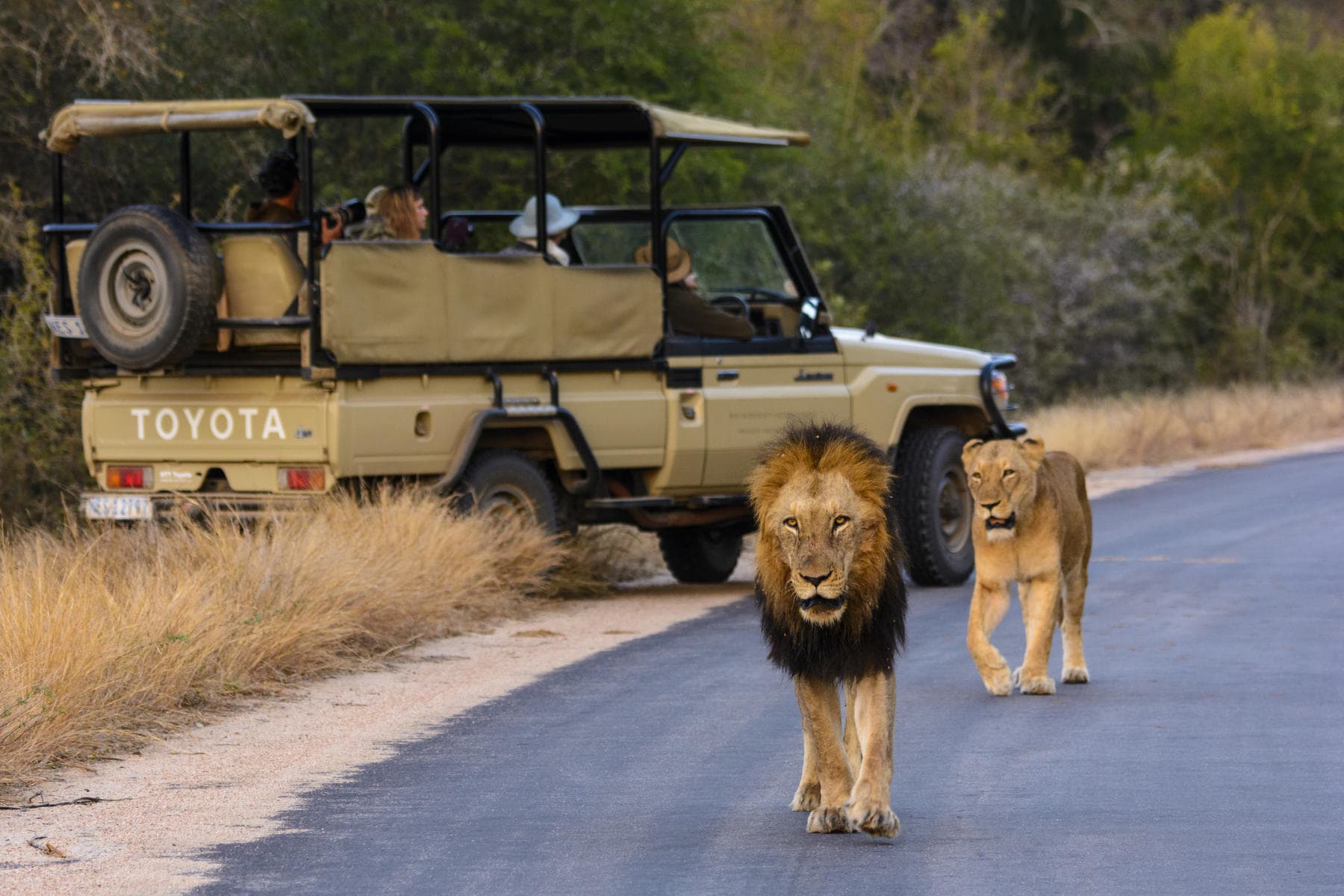
Unlike city travel, where you can easily move from place to place, safari destinations are often remote and governed by strict park regulations. Understanding travel routes, park entry times, wildlife behavior, and seasonal patterns requires experience that most travelers do not have.
A professional safari operator ensures that every part of your journey is optimized. Travel routes are designed to minimize long, unnecessary drives while still allowing you to see multiple destinations. Timing is carefully planned so that you are in the right place at the right time—early mornings and late afternoons when wildlife is most active.
For example, knowing when to visit certain areas of Ngorongoro Crater or how to position a game drive in Queen Elizabeth National Park can significantly improve your chances of seeing wildlife. These details may seem small, but they make a major difference in the overall experience.
Logistics are also handled seamlessly. This includes coordinating airport pickups, managing lodge check-ins, arranging park permits, and ensuring smooth transitions between destinations. Without this level of planning, travelers could easily lose valuable time or miss key experiences.
Expert guides also play a major role. They understand animal behavior, track wildlife, interpret signs in the environment, and share knowledge that enhances every sighting. Their presence transforms a simple drive into an educational and immersive experience.
When all of this is considered, Are Safaris Worth the Price? becomes a question of efficiency and expertise. Instead of spending time navigating complex logistics, travelers can focus entirely on enjoying the journey.
Comparing Safari Costs to Other Luxury Travel
Many travelers evaluate safari pricing by comparing it to other forms of luxury travel. This naturally leads to the question: Are Safaris Worth the Price?
At first glance, safaris may seem expensive. However, when compared to other premium travel experiences, the cost becomes more understandable. High-end beach resorts, ski holidays, and cruise packages often fall within a similar price range, especially when accommodation, meals, and activities are included.

The key difference is the variety of experiences included in a safari. A single safari trip can combine wildlife viewing, cultural encounters, scenic landscapes, and adventure activities. In contrast, many luxury holidays focus on a single experience, such as relaxation at a resort or entertainment on a cruise.
For instance, a stay in Zanzibar may offer beautiful beaches and relaxation, but it does not provide the same level of diversity as a safari that includes game drives, national parks, and cultural interactions. Similarly, ski holidays or cruises may offer comfort and recreation but lack the raw, natural connection that safaris provide.
Another important consideration is that most safari packages are all-inclusive. Meals, transport, park fees, and guided activities are bundled together, making it easier to understand the total cost upfront. This reduces unexpected expenses during the trip.
When viewed in this broader context, the question Are Safaris Worth the Price? becomes easier to answer. Safaris offer a unique combination of experiences that would typically require multiple trips elsewhere, making them highly valuable for travelers seeking depth and diversity.
Are Budget Safaris Worth It?
Not every safari is designed for luxury travelers. Budget and midrange options are widely available, making the question Are Safaris Worth the Price? relevant across different travel styles.
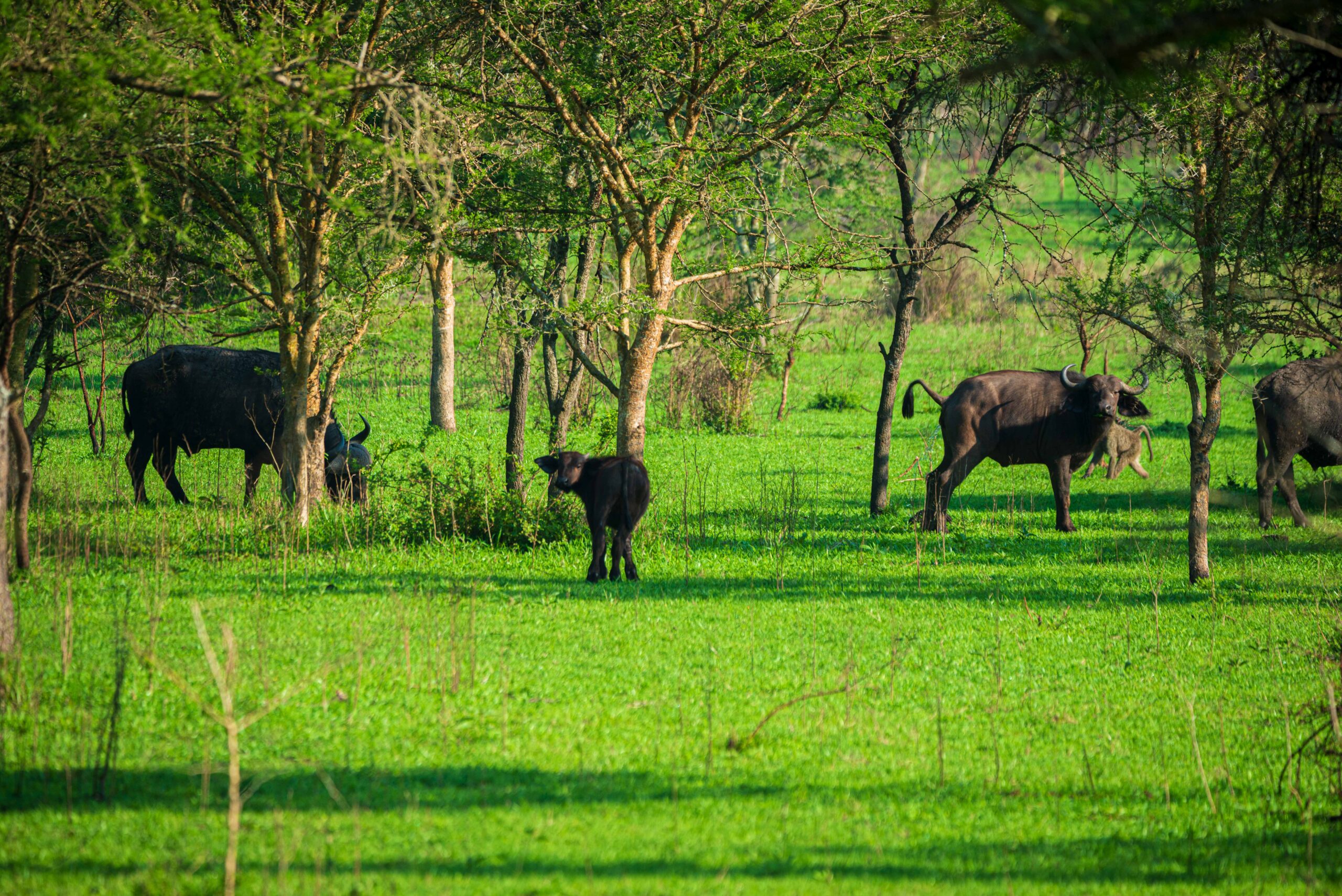
Budget safaris focus on delivering the core safari experience at a more accessible cost. This means travelers still enjoy guided game drives, access to national parks, and opportunities to see wildlife in its natural environment. Accommodation may be simpler, and transport may be shared, but the essence of the safari remains intact.
In destinations like Murchison Falls National Park, budget travelers can still enjoy incredible wildlife sightings, scenic landscapes, and well-organized itineraries. The difference lies mainly in the level of exclusivity rather than the quality of the experience itself.
Midrange safaris offer a balance between comfort and cost. They typically include private or semi-private transport, comfortable lodges, and a higher level of service while remaining more affordable than luxury options.
Luxury safaris, on the other hand, emphasize exclusivity, privacy, and premium service. These experiences may include private villas, fly-in transfers, and personalized itineraries tailored to individual preferences.
The availability of different price levels means that the answer to Are Safaris Worth the Price? depends on your expectations and budget. A well-planned budget safari can still deliver exceptional value, while a luxury safari provides a more refined and exclusive experience.
Ultimately, the value of a safari is not defined by how much you spend, but by how well the experience matches your expectations. When planned correctly, both budget and luxury safaris can provide unforgettable journeys that justify their cost.
When a Safari May Not Feel Worth It
While many travelers confidently say yes to Are Safaris Worth the Price?, it is important to acknowledge that not every experience meets expectations. A safari can feel less valuable when key elements are not properly aligned.
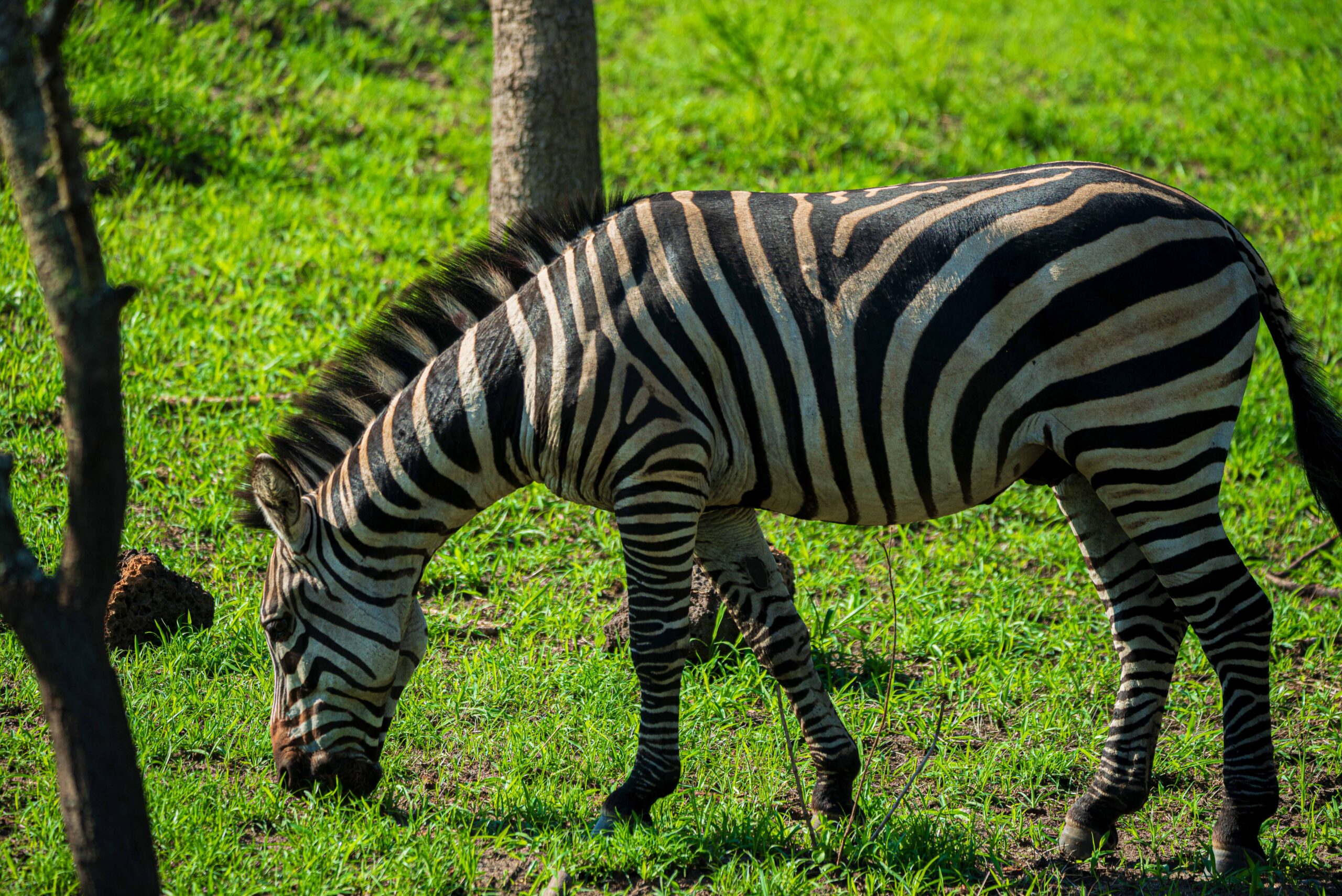
One of the most common reasons is unrealistic expectations. Safaris take place in the wild, which means wildlife sightings are never guaranteed. Expecting constant action or specific animal encounters can lead to disappointment, even in world-class destinations like Masai Mara National Reserve or Kruger National Park
Another factor is poor itinerary design. If travel distances are too long, activities are rushed, or key experiences are not well timed, the safari can feel exhausting rather than enjoyable. For example, poorly planned routes across regions like Queen Elizabeth National Park may result in missed wildlife opportunities or unnecessary travel fatigue.
The experience of the safari operator also plays a major role. An inexperienced operator may fail to secure the best guides, choose suitable lodges, or plan routes efficiently. This can affect everything from wildlife sightings to overall comfort and coordination.
Timing is equally critical. Visiting certain parks during the wrong season can reduce wildlife visibility or affect accessibility. Rainy seasons, migration patterns, and park conditions all influence the outcome of a safari.
These factors explain why some travelers hesitate when asking Are Safaris Worth the Price?. However, they also highlight something important—when the safari is planned correctly, these issues can be avoided. Choosing a knowledgeable operator, setting realistic expectations, and selecting the right time to travel significantly increase the chances of a rewarding experience.
In most cases, a well-designed safari leads to a strong and confident answer to Are Safaris Worth the Price?
Emotional and Lifetime Value
Beyond logistics and cost, one of the most powerful answers to Are Safaris Worth the Price? lies in the emotional value of the experience.
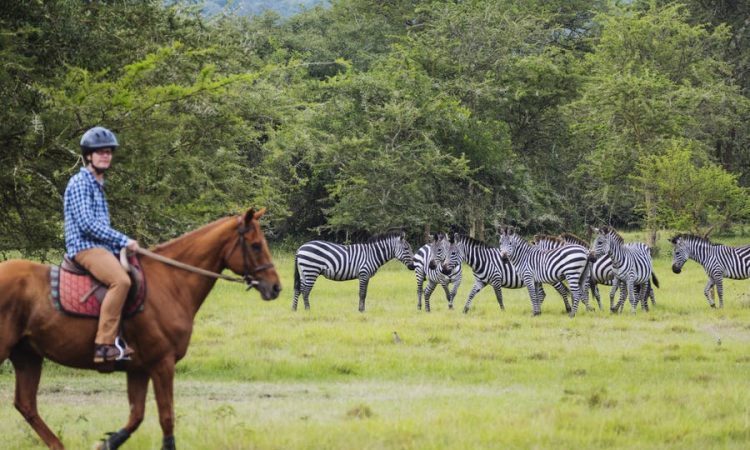
Safaris are not just about seeing animals—they are about feeling connected to nature in a way that is rare in modern life. Standing in the vast African wilderness, listening to the sounds of the wild, and observing animals in their natural habitat creates a sense of perspective that is difficult to find elsewhere.
These experiences often become deeply personal. Watching elephants move quietly across the savannah, seeing a leopard resting in a tree, or encountering mountain gorillas face-to-face can leave a lasting emotional impact. In places like Bwindi Impenetrable National Park, these moments feel intimate and unforgettable.
Safaris create memories that stay with you long after the journey ends. They become stories shared with family and friends, photographs that capture once-in-a-lifetime encounters, and personal milestones that define your travel experiences.
There is also a sense of fulfillment that comes from stepping outside your comfort zone. Traveling through remote landscapes, engaging with local cultures, and experiencing nature up close creates a feeling of achievement and discovery.
When viewed through this lens, the question Are Safaris Worth the Price? becomes less about financial cost and more about the depth of the experience. The emotional return often far exceeds the monetary investment.
Final Verdict: Are Safaris Worth the Price?
So, Are Safaris Worth the Price? The honest and balanced answer is yes—when the experience is properly planned and aligned with your expectations.
A safari is not a simple vacation. It is a comprehensive journey that combines wildlife encounters, cultural insights, conservation impact, and expert planning into a single, immersive experience. Unlike many other forms of travel, it offers both adventure and meaning.
From the logistics behind park access and permits to the expertise of guides and the uniqueness of wildlife encounters, every part of a safari contributes to its overall value. When all these elements come together, the experience becomes far greater than the sum of its parts.
For most travelers, the question Are Safaris Worth the Price? is answered not before the trip, but after it—when they reflect on the memories, the moments, and the connections they made.
Plan Your Safari with Confidence
At Pieland Gorilla Safaris, we understand that planning a safari is a major decision. That is why we focus on creating experiences that truly justify the investment and deliver lasting value.
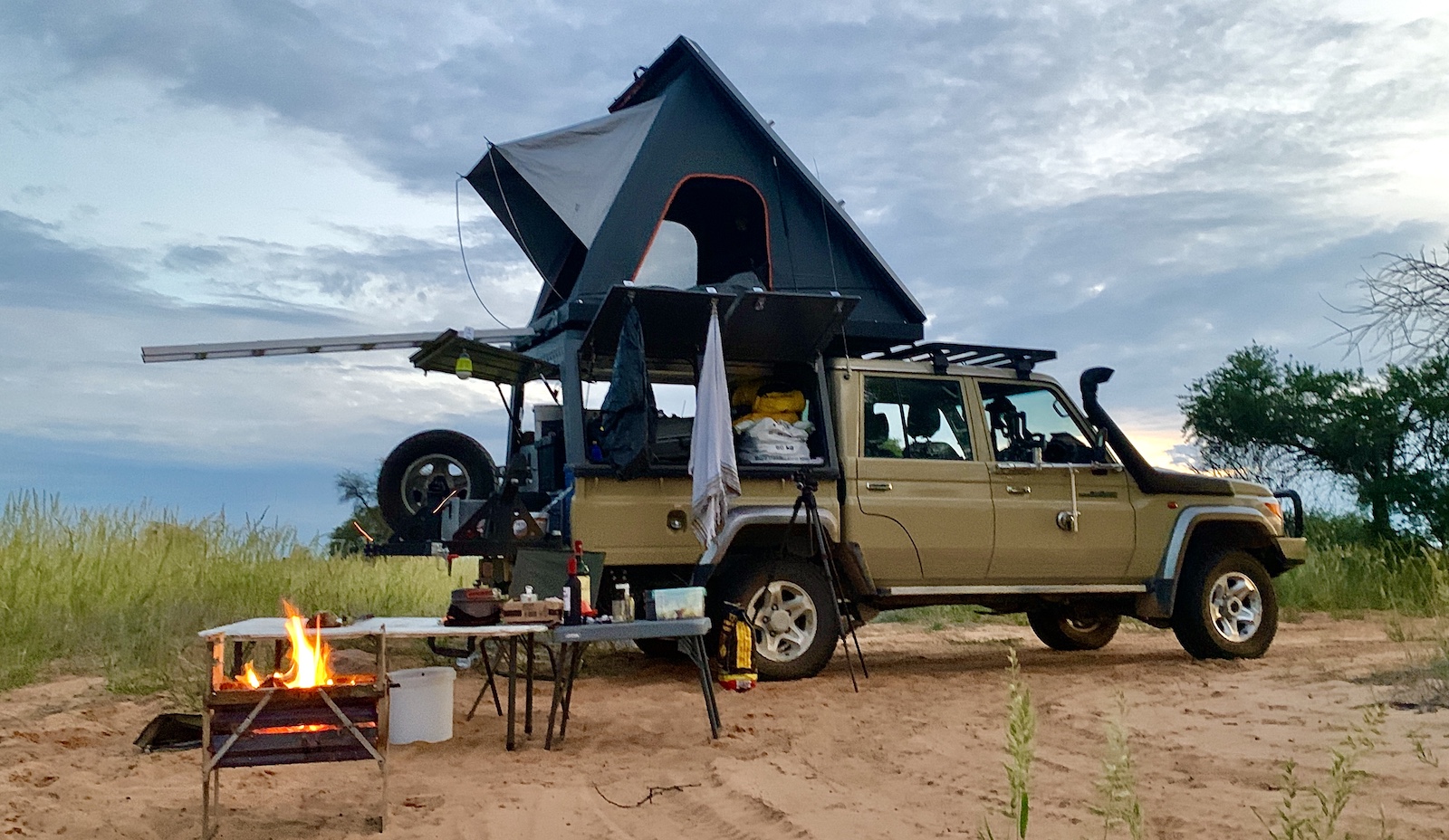
Every itinerary is carefully designed to balance cost, comfort, and unforgettable experiences. From selecting the right destinations to ensuring smooth logistics and expert guidance, every detail is handled with precision and care.
We believe that when a safari is planned properly, the question Are Safaris Worth the Price? no longer feels uncertain—it becomes clear from the very beginning.
With the right planning, trusted expertise, and a commitment to quality, your safari becomes more than just a trip. It becomes a journey that stays with you for a lifetime.