Ultimate Guide: Best Time to Visit Victoria Falls (Water Levels Explained)
The Best Time to Visit Victoria Falls is one of the most important factors to consider when planning your trip to Victoria Falls. Situated between Zimbabwe and Zambia, this iconic destination is one of the largest and most awe-inspiring waterfalls in the world.
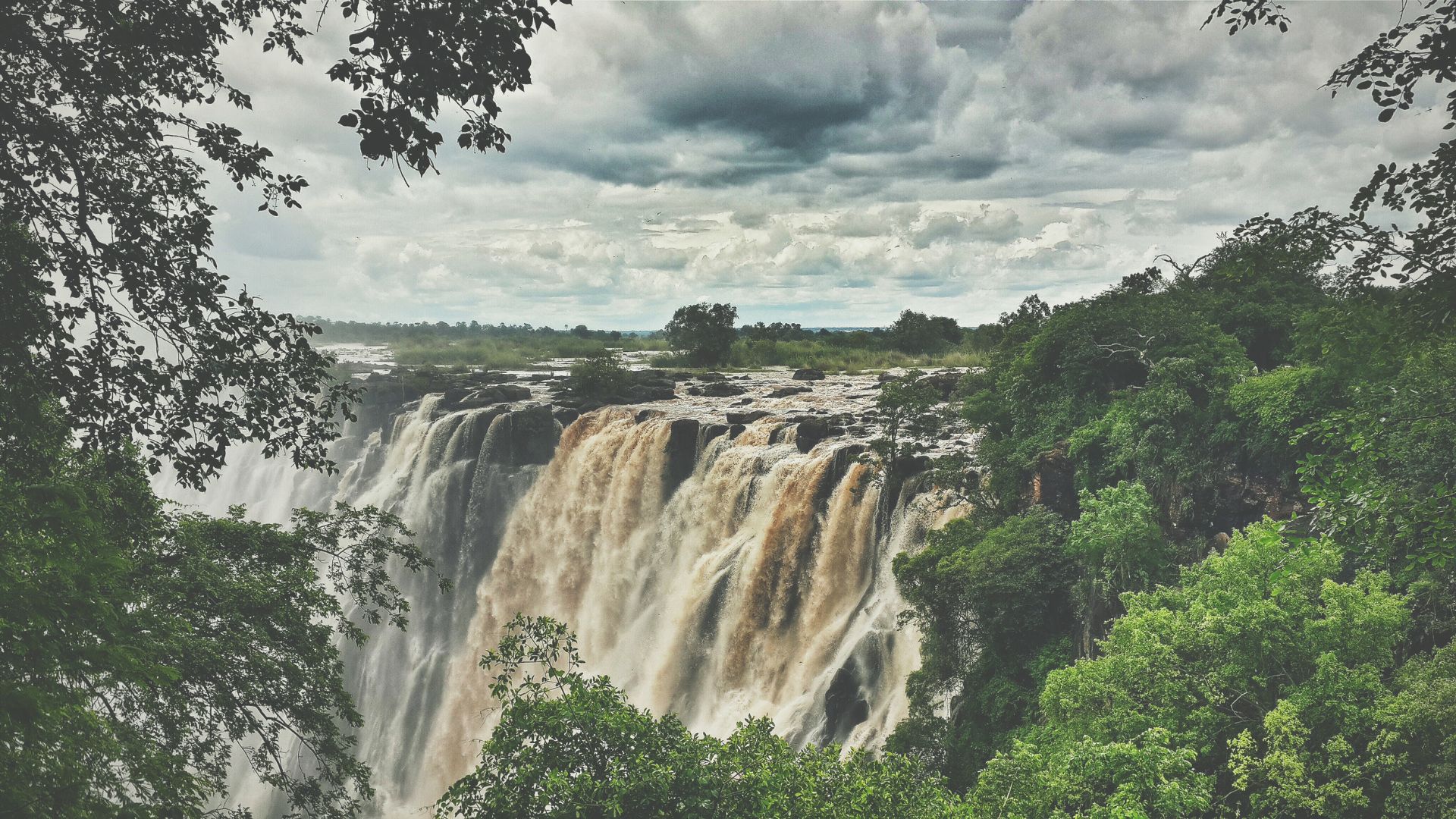
What makes Victoria Falls unique is that its appearance is not constant throughout the year. Instead, it transforms dramatically with the seasons. At certain times, it becomes a massive curtain of roaring water, while at others, it reveals its intricate rock formations and deep gorges.
Because of this variation, understanding the seasonal changes is essential in choosing the Best Time to Visit Victoria Falls. Whether you are seeking powerful scenery, clear photography views, or thrilling activities, timing your visit correctly will define your entire experience.
Best Time to Visit Victoria Falls at a Glance
| Travel Experience | Best Months to Visit | Why It Is the Best Time |
|---|---|---|
| Overall Best Time to Visit Victoria Falls | May to September | Comfortable weather, excellent visibility, fewer rainfall interruptions, and ideal conditions for sightseeing and safari combinations. |
| Best Time to See Victoria Falls at Full Power | March to May | The Zambezi River reaches peak flow, creating the most dramatic waterfalls, heavy mist, rainbows, and the famous “Smoke That Thunders” experience. |
| Best Time for Clear Views of Victoria Falls | August to October | Lower water levels reduce spray, providing clearer views of the waterfall, gorge, and surrounding landscapes. |
| Best Time for Victoria Falls Photography | March to May & August to October | High water creates dramatic waterfall images, while lower water provides clearer landscape photography opportunities. |
| Best Time for Devil’s Pool Experience | August to January | Lower water levels allow guided access to Devil’s Pool and provide unique views over the edge of Victoria Falls. |
| Best Time for Chobe and Victoria Falls Safari | June to October | Dry season conditions attract elephants and other wildlife to rivers, making game drives and boat safaris highly rewarding. |
| Best Time for Wildlife Viewing | June to October | Animals gather around permanent water sources, increasing chances of seeing elephants, buffalo, lions, hippos, and other wildlife. |
| Best Time for Families Visiting Victoria Falls | June to September | Pleasant temperatures, comfortable walking conditions, and excellent availability of family-friendly activities. |
| Best Time for Honeymooners | May to September | Ideal weather for romantic cruises, luxury lodges, helicopter flights, and outdoor experiences. |
| Best Time for Luxury Travel | May to October | Excellent conditions for premium lodges, private tours, exclusive safari extensions, and luxury experiences. |
| Best Budget Time to Visit Victoria Falls | November to March | Lower visitor numbers, better accommodation availability, and more affordable travel options. |
| Best Time for Fewer Crowds | November to March | The rainy season attracts fewer visitors while offering lush green scenery and peaceful experiences. |
Understanding Victoria Falls Water Levels
To truly understand the Best Time to Visit Victoria Falls, it is important to look at how water levels change throughout the year.
Victoria Falls is fed by the mighty Zambezi River, one of Africa’s longest rivers. The river’s flow is directly influenced by rainfall patterns across the region, particularly in upstream countries such as Angola and Zambia.
During the rainy season, which typically runs from November to March, water levels gradually rise. By the time the rains peak and flow downstream, Victoria Falls reaches its highest volume between March and May.
After this peak, water levels slowly decline from June onwards, reaching their lowest point between October and early December before the cycle begins again.
These fluctuations have a major impact on what you see and experience. High water levels create a powerful, misty spectacle, while lower levels reveal geological features and allow for closer interaction with the falls.
This seasonal rhythm is what makes choosing the Best Time to Visit Victoria Falls so important, as no two visits at different times of the year will feel the same.
High Water Season (February to May) – The Most Powerful Experience
The high water season is when Victoria Falls is at its most dramatic and awe-inspiring. This is the period when the Zambezi River is in full flood, sending enormous volumes of water cascading over the edge of the falls.
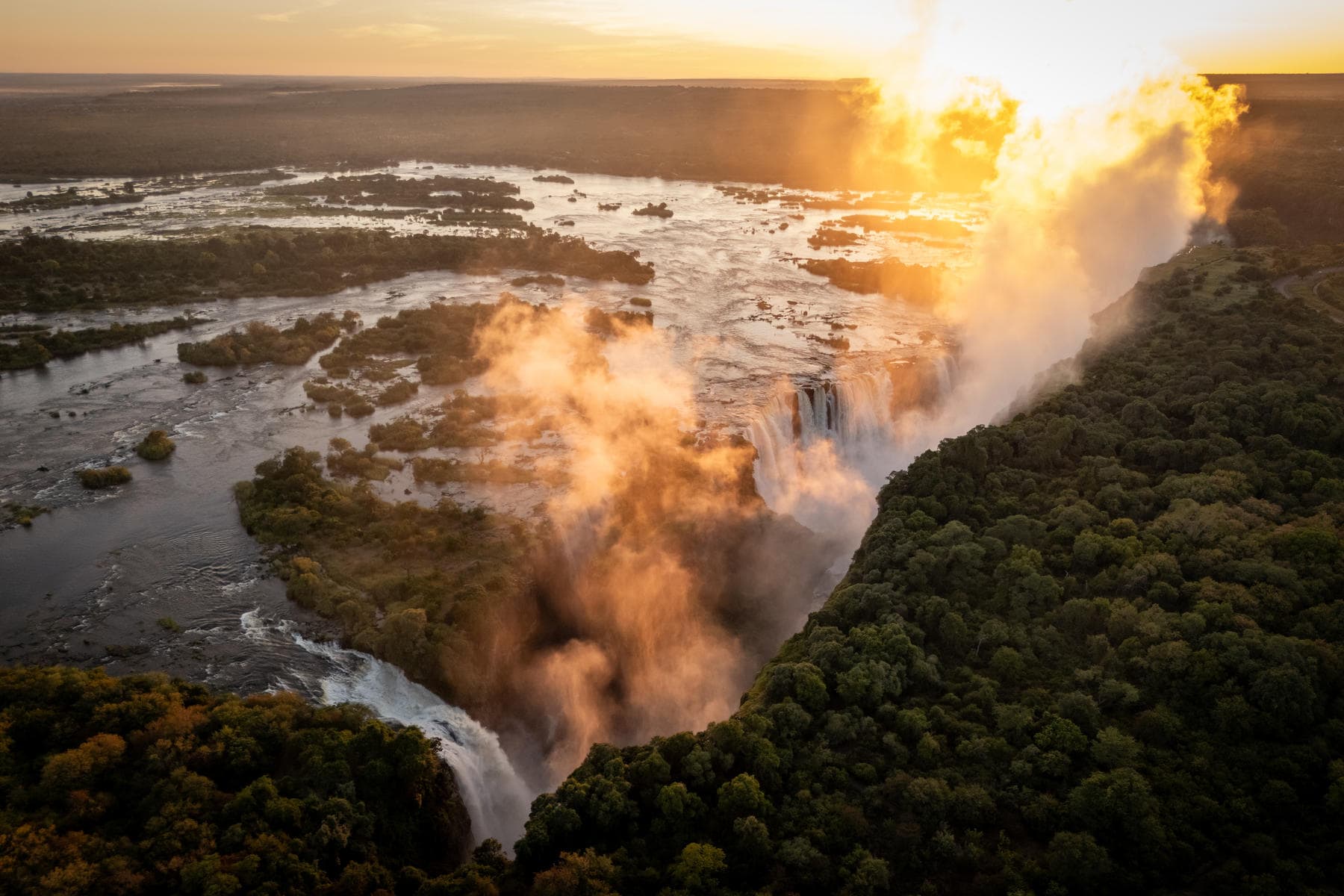
At this time, the waterfall transforms into a continuous wall of water stretching across the entire width. The sound alone is thunderous, often described as a constant roar that can be heard from kilometers away. This is why the local name “Mosi-oa-Tunya,” meaning “The Smoke That Thunders,” feels especially fitting during these months.
The spray created by the falling water rises high into the air, sometimes reaching hundreds of meters. This mist can be seen from a distance and often creates beautiful rainbows, especially in the morning and late afternoon when sunlight hits at the right angle.
For travelers who want to witness the raw power and scale of the falls, this is undoubtedly the Best Time to Visit Victoria Falls. It is an immersive experience that engages all the senses—sight, sound, and even touch, as you will likely get soaked while exploring the viewpoints.
However, there are a few trade-offs. The intense spray can limit visibility, especially on the Zambian side, where large sections may be obscured by mist. Photography can also be challenging due to water droplets and reduced clarity.
Despite this, for those seeking drama, energy, and the full force of nature, the high water season remains one of the most unforgettable times to visit.
Shoulder Season (June to August) – Perfect Balance
As the water levels begin to recede after the peak season, Victoria Falls enters what many consider the ideal period for visiting.
During the shoulder season, the falls still carry a strong and impressive flow, but the reduced volume of water allows for clearer visibility. This creates a perfect balance between power and perspective, making it one of the most recommended times for travelers.
The viewpoints on both the Zimbabwean and Zambian sides become more accessible, and the mist is less overwhelming. This means you can fully appreciate the structure of the falls, the depth of the gorge, and the surrounding landscapes without obstruction.
For photography enthusiasts, this is often the Best Time to Visit Victoria Falls. The combination of strong water flow, clearer air, and better lighting conditions allows for stunning images that capture both the scale and detail of the falls.
Another advantage of this period is the weather. Temperatures are cooler and more comfortable, making it easier to explore the area, go on guided tours, and combine your visit with other activities.
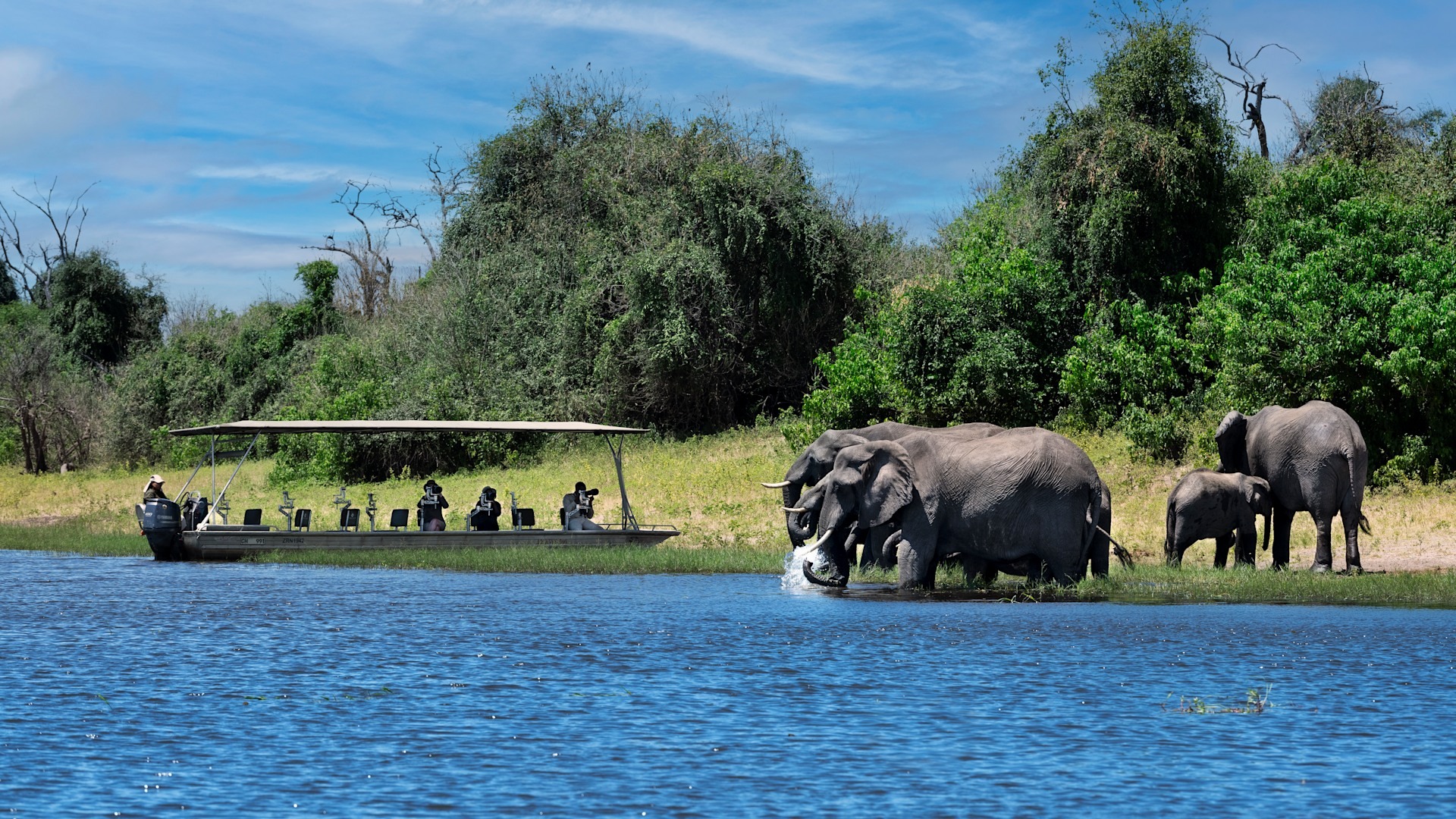
Wildlife viewing in nearby areas also improves during these months, making it an excellent time to combine Victoria Falls with safari experiences in destinations like Chobe National Park.
Overall, the shoulder season offers a well-rounded experience, making it one of the most popular choices when deciding the Best Time to Visit Victoria Falls.
Low Water Season (September to January) – Best for Activities
The low water season marks a completely different phase of Victoria Falls, where the dramatic curtain of water gives way to a more exposed and interactive landscape. During this time, water levels in the Zambezi River drop significantly, especially on the Zambian side, revealing rock formations, channels, and sections of the riverbed that are hidden for most of the year.
Although the falls are less powerful during this period, it is still considered the Best Time to Visit Victoria Falls for travelers seeking adventure and unique experiences. The reduced water flow allows access to activities that are simply not possible during high water months.
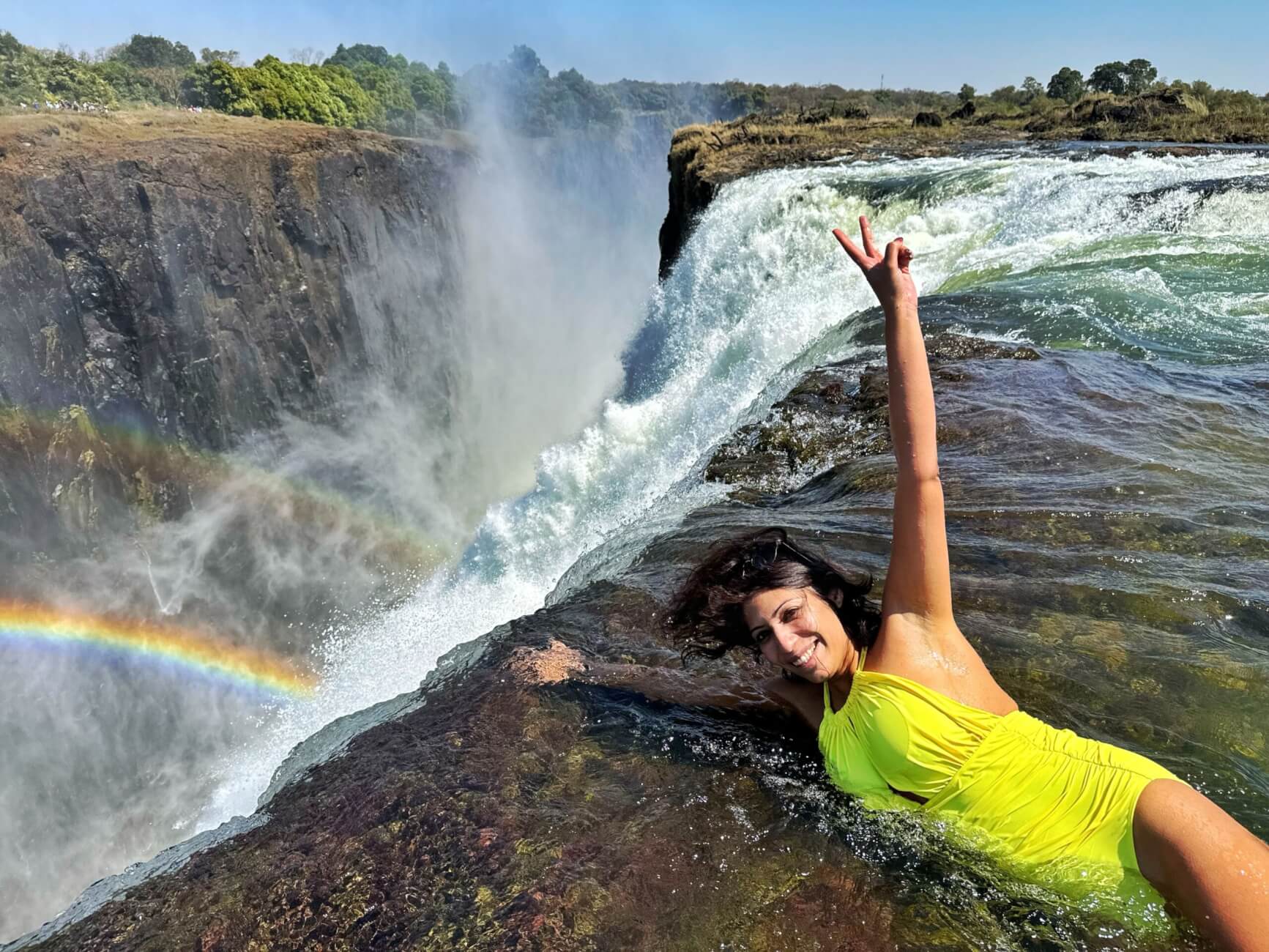
One of the highlights of this season is the famous Devil’s Pool, a natural infinity pool located right at the edge of the falls on the Zambian side. Here, visitors can safely swim just meters from the drop-off, guided by experienced professionals. This is one of the most thrilling and iconic experiences at Victoria Falls.
In addition to Devil’s Pool, visitors can walk along parts of the exposed riverbed, explore rocky islands, and get closer to the edge of the falls than at any other time of year. These experiences provide a completely different perspective, allowing you to see the geological structure and scale of the waterfall up close.
Photography also becomes easier and more rewarding during this season. With minimal spray and clear air, you can capture wide-angle views of the entire gorge, the depth of the falls, and the surrounding landscapes without obstruction.
While the visual intensity of the waterfall is reduced, the level of interaction increases, making this period the Best Time to Visit Victoria Falls for those who want to go beyond viewing and truly engage with the environment.
Zimbabwe vs Zambia: Where to Go Based on Season
Choosing the Best Time to Visit Victoria Falls is closely linked to deciding which side of the falls you will explore—Zimbabwe or Zambia. Each side offers a distinct experience, and the best choice often depends on the season.
The Zimbabwe side is widely regarded as offering the most consistent and panoramic views throughout the year. Approximately 75% of the waterfall can be viewed from this side, making it ideal during high water season when the falls are at their fullest. Even when the spray is intense, the viewpoints are well positioned to provide impressive perspectives.
In contrast, the Zambia side offers a more immersive and adventurous experience. During low water season, this side becomes particularly attractive because access to areas such as Devil’s Pool and Livingstone Island is possible. Visitors can get much closer to the falls, stand at the edge, and explore areas that are otherwise submerged during high water months.
However, during peak water levels, visibility on the Zambian side can be limited due to heavy mist, and some viewpoints may even be inaccessible.
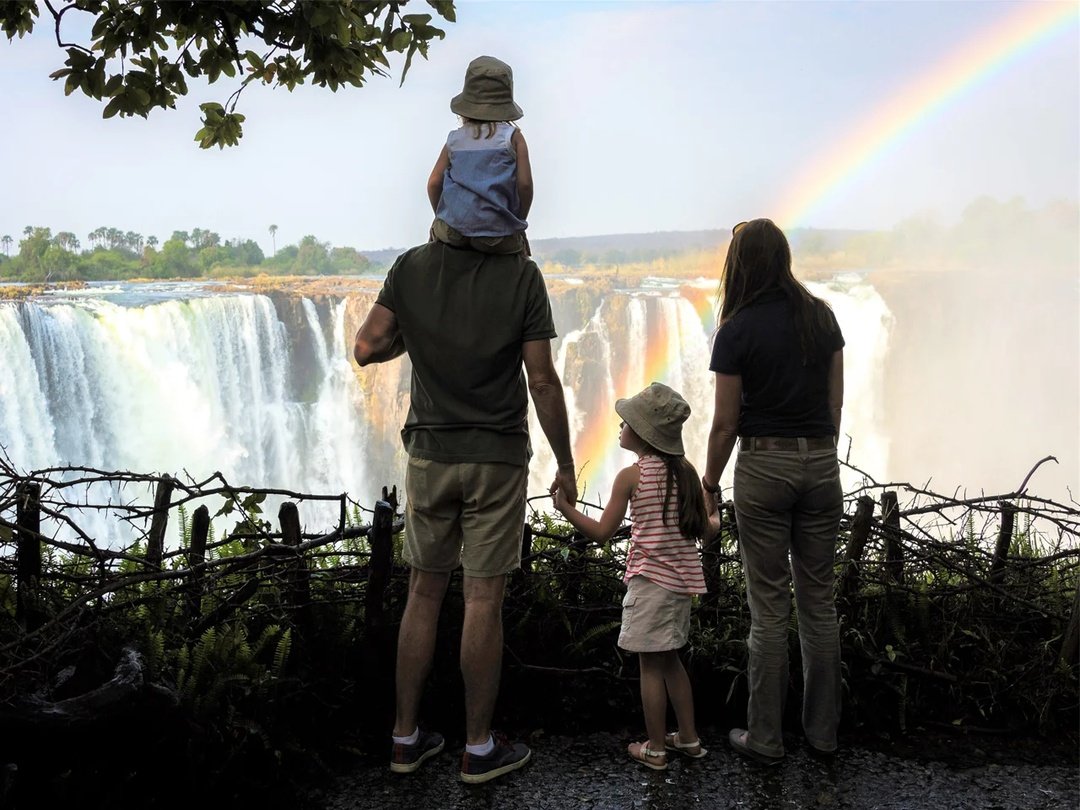
For the most complete experience, many travelers choose to visit both sides. This allows you to enjoy the sweeping views from Zimbabwe and the close-up interactions from Zambia, giving you a well-rounded understanding of the Best Time to Visit Victoria Falls and how the experience changes with location.
Month-by-Month Breakdown
Understanding the monthly changes is key to choosing the Best Time to Visit Victoria Falls, as each period offers something different.
Best Month-by-Month Guide to Visit Victoria Falls
Victoria Falls changes dramatically throughout the year as the Zambezi River responds to seasonal rainfall patterns. Every month offers a different experience, from powerful waterfalls and dramatic mist clouds to clearer views, adventure activities, wildlife encounters, and peaceful moments away from crowds.
Choosing the right month depends on what you want to experience. Some travellers prefer to witness Victoria Falls at its most powerful, while others prefer clear views, excellent photography conditions, adventure activities, or combining their visit with a Chobe National Park safari.
January: Green Landscapes and Rising Water Levels
January is part of the rainy season at Victoria Falls, bringing warm temperatures, fresh vegetation, and increasing water levels along the Zambezi River. The surrounding rainforest becomes lush and vibrant, creating beautiful scenery for nature lovers and photographers.
Although the waterfall has not yet reached its peak flow, the increasing water levels begin transforming the falls into a more powerful spectacle. Rain showers are common, but they often create dramatic skies, fresh landscapes, and excellent opportunities for capturing the beauty of the region.
January is also a rewarding month for birdwatching, as migratory bird species are present and the surrounding environment is full of life. The lower number of visitors means travellers can enjoy a more peaceful experience at viewpoints and attractions.
Best for: Nature lovers, photographers, birdwatchers, and travellers seeking fewer crowds.
Weather: Warm with occasional rainfall
Water levels: Increasing
Crowds: Low
February: Increasing Water Flow and Lush Scenery
February continues the rainy season, and the Zambezi River continues rising towards the peak flood period. Victoria Falls becomes increasingly impressive as more water begins flowing over the different sections of the waterfall.
The surrounding rainforest remains beautifully green, and the increased moisture creates a spectacular natural atmosphere. Visitors can enjoy the dramatic combination of mist, vegetation, and powerful river scenery.
February is a good choice for travellers who want to experience Victoria Falls before the peak flood season while avoiding the larger crowds that arrive during the drier months.
Photography during February can be excellent, especially for travellers interested in capturing the green landscapes and atmospheric conditions created by rainfall.
Best for: Photographers, nature enthusiasts, and travellers looking for a quieter Victoria Falls experience.
Weather: Warm and humid with rainfall
Water levels: High and rising
Crowds: Low
March: Beginning of the Powerful Waterfall Season
March marks the beginning of the spectacular high-water season at Victoria Falls. After months of rainfall across the Zambezi River catchment area, water levels rise significantly, creating a more powerful and dramatic waterfall display.
Visitors during March can experience increasing spray clouds, louder sounds from the falling water, and impressive views from many viewpoints. The famous “Smoke That Thunders” effect becomes more noticeable as more water flows over the falls.
This month provides a balance between increasing waterfall power and manageable visitor numbers. It is an excellent time for travellers who want to witness Victoria Falls becoming more dramatic without the peak crowds of later months.
Best for: Travellers seeking dramatic waterfall scenery, photographers, and first-time visitors.
Weather: Warm with occasional rainfall
Water levels: High and increasing
Crowds: Moderate
April: Victoria Falls at Its Most Powerful
April is one of the best months to witness Victoria Falls at full strength. Following the rainy season, the Zambezi River usually reaches very high levels, creating one of the most impressive natural displays on Earth.
During April, millions of litres of water rush over the waterfall every minute, producing enormous mist clouds, powerful sounds, and spectacular rainbows. The waterfall appears at its most dramatic, making this a favourite period for travellers wanting the classic Victoria Falls experience.
The heavy spray can sometimes make some viewpoints wet and reduce visibility in certain areas, but the atmosphere and power of the waterfall are unforgettable.
For nature lovers, April provides one of the most authentic opportunities to see why Victoria Falls is considered one of the world’s greatest natural wonders.
Best for: First-time visitors, nature lovers, and travellers wanting maximum waterfall power.
Weather: Warm with reduced rainfall compared to earlier months
Water levels: Peak flow
Crowds: Moderate
May: High Water Levels and Improving Weather
May is one of the best overall months to visit Victoria Falls because it combines impressive waterfall conditions with improving weather.
The Zambezi River remains very powerful after the rainy season, while temperatures become more comfortable and rainfall decreases. Visitors can still experience large volumes of water, dramatic spray, and beautiful scenery without the extreme wet conditions of earlier months.
May is also an excellent month for combining Victoria Falls with nearby safari destinations. As the dry season begins, wildlife viewing gradually improves, making it possible to enjoy both the waterfall and wildlife experiences in one journey.
Best for: Overall travellers, couples, safari combinations, and photographers.
Weather: Comfortable and becoming drier
Water levels: Very high
Crowds: Moderate
June: Comfortable Weather and Excellent Visibility
June marks the beginning of the dry season at Victoria Falls. Temperatures become cooler, rainfall is minimal, and conditions are excellent for exploring the waterfall and surrounding attractions.
The combination of comfortable weather and good visibility makes June a popular month for visitors. It is also an excellent time to combine Victoria Falls with a Chobe National Park safari, where wildlife viewing begins improving as animals gather around permanent water sources.
Visitors can enjoy guided waterfall tours, sunset cruises on the Zambezi River, and outdoor activities in comfortable conditions.
Best for: Families, safari travellers, and visitors seeking comfortable weather.
Weather: Cool mornings and pleasant days
Water levels: Still impressive
Crowds: Increasing
July: Peak Travel Season With Ideal Conditions
July is one of the most popular months to visit Victoria Falls because of its excellent travel conditions. The weather is dry and comfortable, making it ideal for sightseeing, photography, and outdoor adventures.
The waterfall remains impressive, although water levels begin gradually decreasing compared with the peak flood months. Visibility improves, allowing visitors to enjoy clearer views of the falls and gorge.
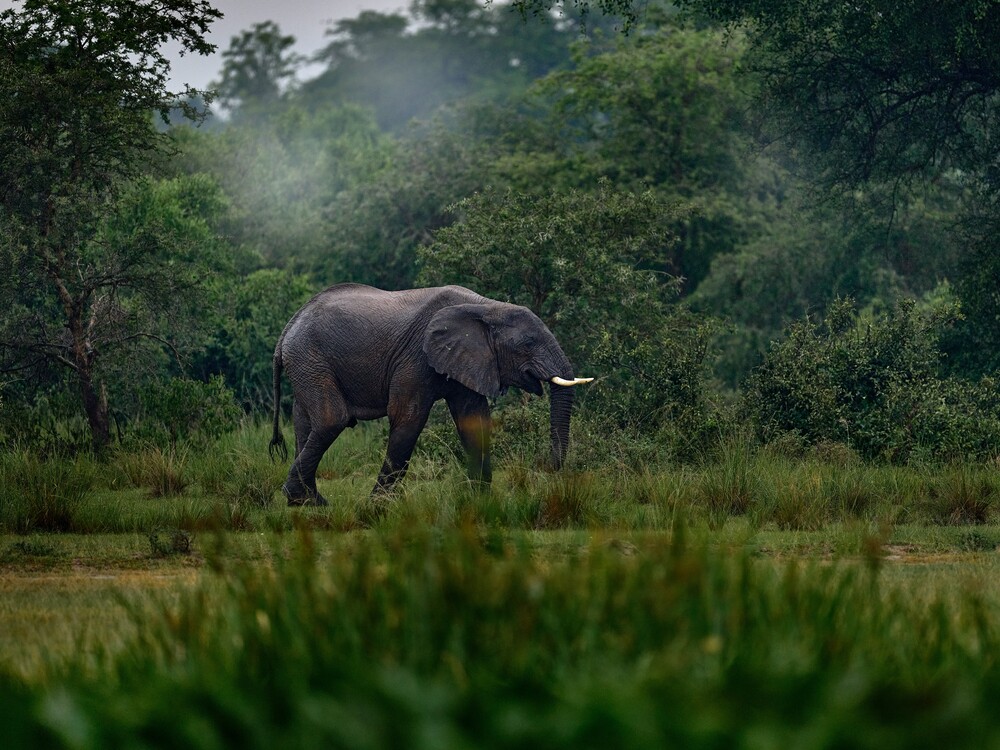
July is also one of the best months for combining Victoria Falls with Chobe National Park, where visitors can enjoy excellent elephant sightings, boat cruises, and game drives.
Best for: Families, luxury travellers, safari enthusiasts, and first-time visitors.
Weather: Dry and comfortable
Water levels: Moderate to high
Crowds: High
August: Clear Views and Adventure Experiences
August is widely considered one of the best months to visit Victoria Falls. The weather is dry, skies are often clear, and temperatures are comfortable for exploring the waterfall and surrounding attractions.
Lower water levels create better visibility, allowing visitors to appreciate the shape of the falls, the cliffs, and the dramatic Batoka Gorge. This period is also favourable for adventure experiences such as Devil’s Pool, depending on water conditions.
August is excellent for combining Victoria Falls with a safari because Chobe National Park offers outstanding wildlife viewing during the dry season.
Best for: Adventure travellers, photographers, safari lovers, and families.
Weather: Dry and pleasant
Water levels: Lower with clearer views
Crowds: High
September: One of the Best Months for Victoria Falls
September offers some of the best overall conditions for visiting Victoria Falls. The weather remains dry, temperatures are comfortable, and wildlife viewing opportunities are excellent.
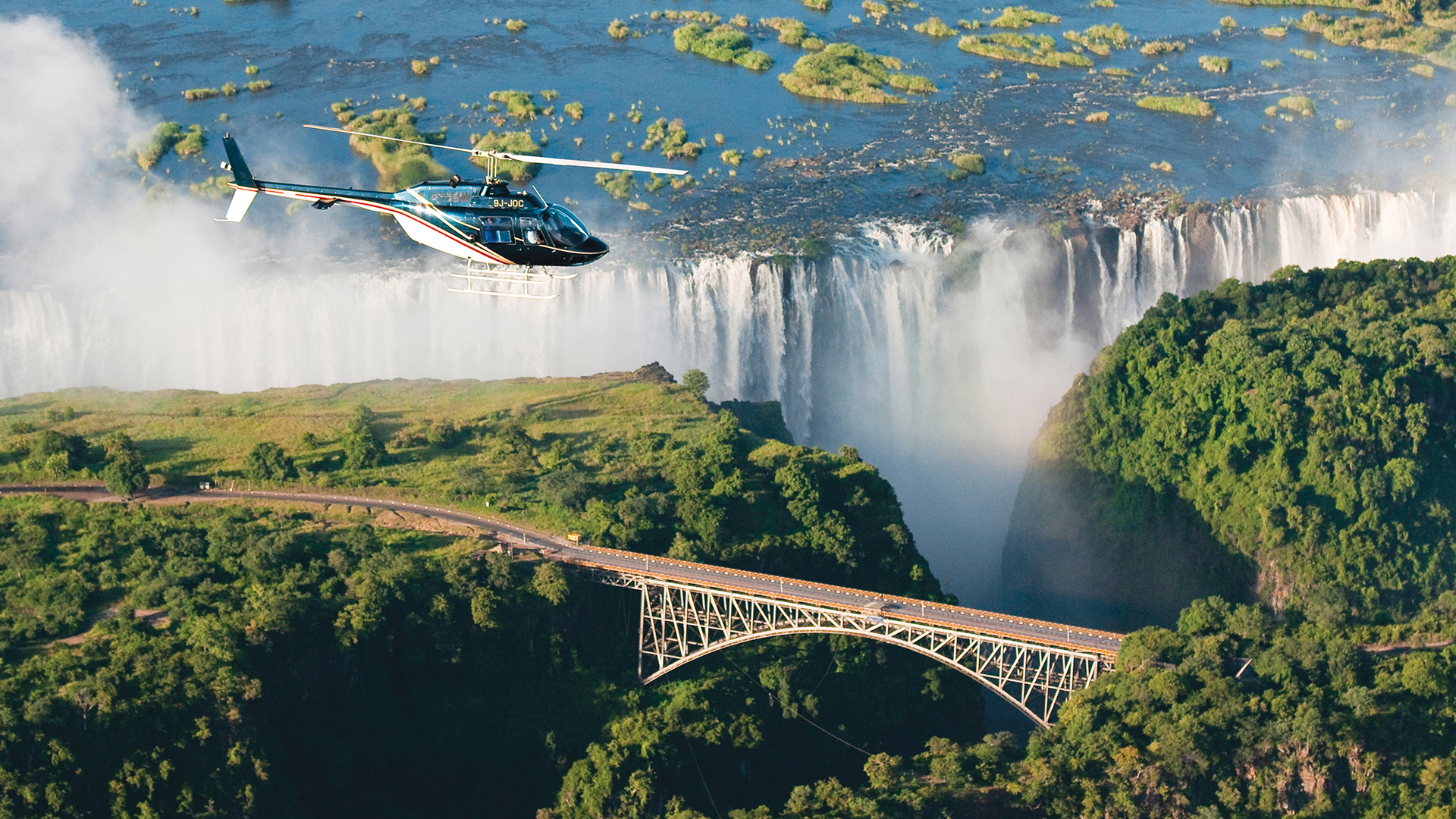
The reduced water levels provide clearer views of the waterfall, making September a favourite month for photography. Visitors can enjoy helicopter flights, sunset cruises, safari experiences, and adventure activities.
For travellers combining Victoria Falls with Botswana’s Chobe National Park, September is especially rewarding because large elephant herds gather around the river.
Best for: Photography, safari combinations, luxury holidays, and adventure travellers.
Weather: Warm and dry
Water levels: Lower with excellent visibility
Crowds: Moderate to high
October: Adventure Season and Clear Waterfall Views
October is one of the warmest months at Victoria Falls, but it offers unique advantages for travellers. Water levels are lower, creating some of the clearest views of the waterfall structure and surrounding gorge.
This month is popular among adventure travellers because activities such as Devil’s Pool are often available depending on water conditions. The warmer temperatures also make early morning and late afternoon activities especially enjoyable.
Wildlife viewing remains excellent as animals gather around remaining water sources before the rains arrive.
Best for: Adventure travellers, photographers, and safari enthusiasts.
Weather: Hot and dry
Water levels: Low with excellent visibility
Crowds: Moderate
November: Transition Between Dry and Wet Seasons
November marks the transition from the dry season to the rainy season. Temperatures remain warm, but the first rains begin bringing fresh life back to the landscape.
This month is ideal for travellers who want fewer crowds and better availability at lodges and activities. The waterfall has lower water levels, allowing clear views, while the surrounding environment begins turning greener.
November can be a rewarding month for travellers seeking a quieter Victoria Falls experience.
Best for: Budget travellers, photographers, and visitors seeking fewer crowds.
Weather: Hot with occasional rainfall
Water levels: Low and beginning to rise
Crowds: Low to moderate
December: Green Landscapes and Peaceful Experiences
December brings the beginning of the rainy season, transforming the Victoria Falls area into a greener and more vibrant destination.
The landscape becomes refreshed, birdlife increases, and the first signs of rising water levels appear along the Zambezi River. While rainfall is more frequent, many showers are short and followed by beautiful clear periods.
December is a good choice for travellers who prefer peaceful experiences, fresh scenery, and fewer visitors compared with the peak season.
Best for: Nature lovers, photographers, and travellers seeking a quieter holiday.
Weather: Warm with rainfall
Water levels: Increasing
Crowds: Low to Moderate
Victoria Falls Peak Season vs Low Season
| Feature | Peak Season | Low Season |
|---|---|---|
| Months | June – October | November – March |
| Weather | Dry and comfortable | Warm with rainfall |
| Crowds | Higher | Lower |
| Accommodation prices | Higher | More affordable |
| Waterfall visibility | Excellent | Depends on rainfall |
| Wildlife viewing | Excellent | Good |
| Photography | Clear landscapes | Green scenery |
Best Time Based on Your Travel Style
Choosing the Best Time to Visit Victoria Falls ultimately depends on what kind of experience you are looking for, as each season offers something unique.
If your priority is witnessing the sheer power and scale of nature, then the high water season from March to May is the Best Time to Visit Victoria Falls. During this period, the falls are at their most dramatic, with immense volumes of water creating a breathtaking spectacle.
If you are interested in photography, scenic views, and a well-balanced experience, the shoulder season from June to August offers the Best Time to Visit Victoria Falls. You will enjoy strong water flow combined with clearer visibility and comfortable weather conditions.
For travelers seeking adventure and unique activities, the low water season from September to January provides the Best Time to Visit Victoria Falls. This is when you can swim in Devil’s Pool, explore the riverbed, and enjoy unobstructed views of the falls.
Each season brings a different perspective, and understanding these differences allows you to choose the Best Time to Visit Victoria Falls that perfectly matches your travel goals.