Congo Safari From Europe
Overview
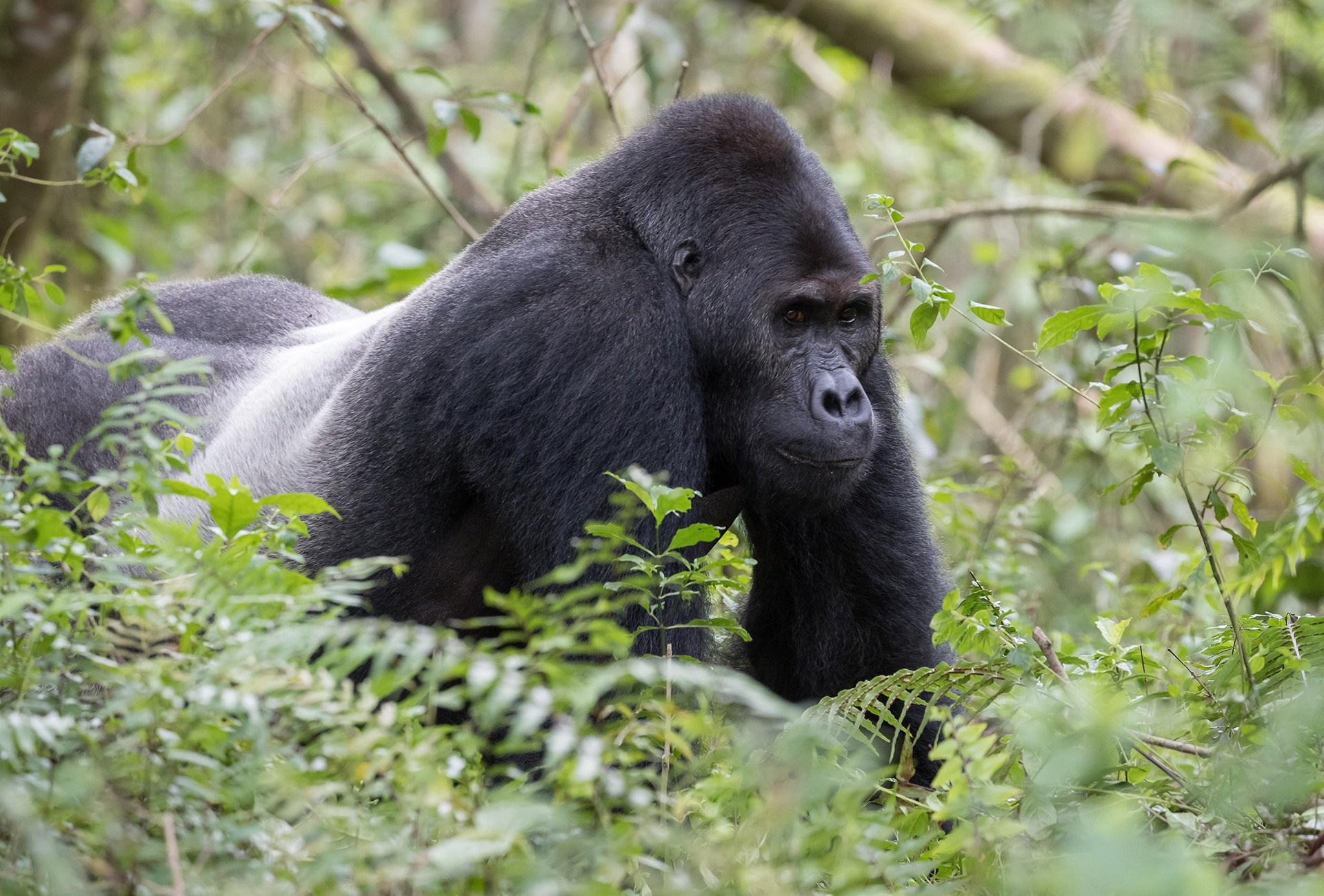
Congo safari from Europe is an unforgettable and immersive adventure to the heart of Africa to experience diverse wildlife and cultural tour.Congo offers one of the continent’s most captivating and untouched safari experiences. For European travelers seeking a unique adventure, Congo serves as a gateway to some of Africa’s most remarkable wildlife and rainforests. This destination is truly exceptional, where lush jungles meet the savannah, and ancient species roam free. Embarking on a Congo safari provides the opportunity to witness rare wildlife such as the endangered mountain gorillas, the elusive eastern lowland gorillas, and a plethora of bird and animal species in their natural habitat. Starting your journey from Europe offers convenience with well-established flight connections and a seamless entry into one of the last wilderness frontiers on Earth. Congo safaris combine both challenging treks and the opportunity to witness eco-tourism in action, making it a top choice for those seeking an authentic African experience.
Why Choose Congo for Your Safari?
Congo’s appeal as an adventure destination lies in its remoteness, biodiversity, and conservation efforts, which make it a unique, untamed escape for thrill-seekers. Unlike other more traveled destinations, Congo remains relatively untouched, offering a rare chance to see species that are not commonly found elsewhere. The dense rainforests and rugged mountains serve as natural habitats for some of the world’s most extraordinary wildlife, including the critically endangered mountain gorillas and the mysterious eastern lowland gorillas.
Additionally, Congo’s commitment to wildlife conservation is evident in its protected national parks, like Virunga and Kahuzi-Biega, where conservation efforts are actively preserving endangered species. These parks not only provide refuge for wildlife but also foster sustainable tourism that benefits both the local communities and the animals. The adventure also lies in the ruggedness of Congo’s terrain, where trekkers must navigate dense forests and challenging landscapes to encounter wildlife, giving you an authentic, off-the-beaten-path experience that’s hard to find anywhere else in Africa.
Contact Us to inquire about Congo safari from Europe.
Best Safari Locations in Congo
Virunga National Park: Mountain Gorilla Trekking and Other Primates
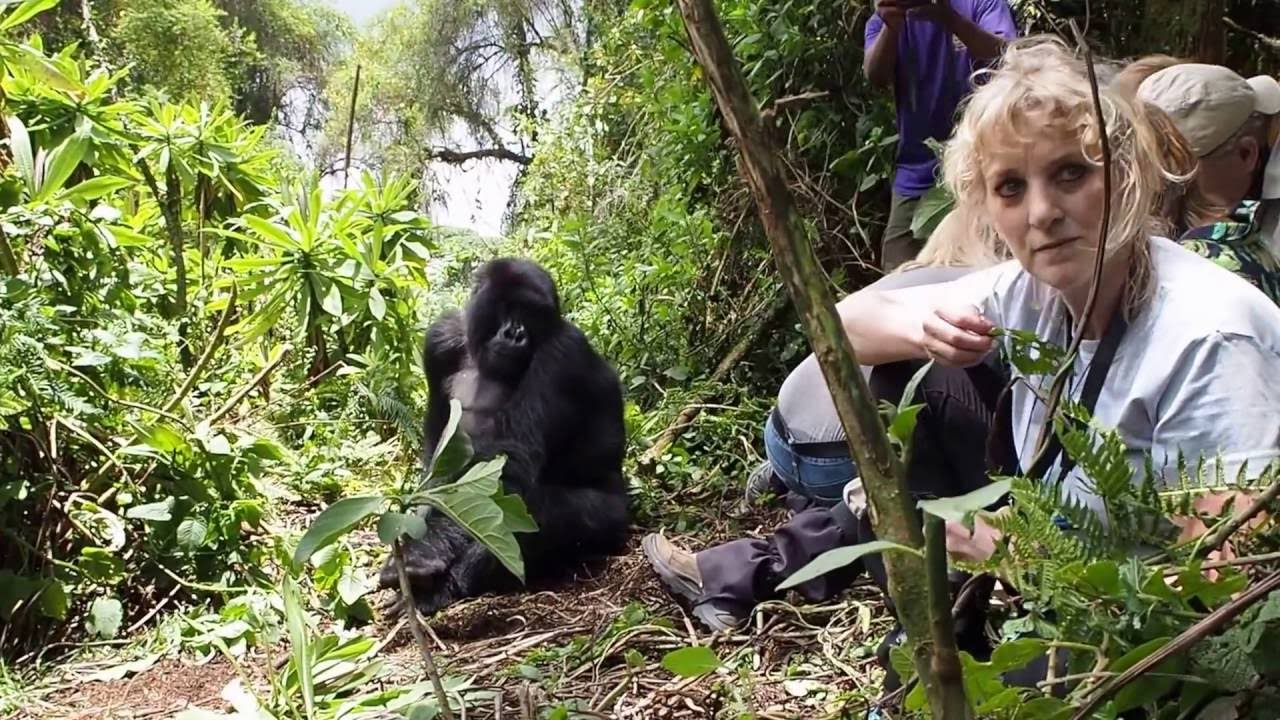
Virunga National Park is a UNESCO World Heritage Site and one of the most biodiverse areas on the planet, making it a must-visit destination for any safari enthusiast. Spanning over 7,800 square kilometers, it’s home to the critically endangered mountain gorillas, with only around 1,000 individuals left in the wild. The park offers an intimate experience with these magnificent creatures, with expert guides leading you through dense forests to observe them in their natural habitat.
Apart from gorillas, Virunga is also home to a range of other primates, including the playful golden monkeys, chimpanzees, and the rare Okapi—an elusive giraffe-like animal found only in Congo. The park’s unique combination of volcanic mountains, savannah, and rainforest ecosystems makes it one of the best places for wildlife photography and birdwatching, with over 700 species of birds. Visitors are encouraged to support sustainable tourism that directly benefits the local communities and helps in the conservation efforts of these endangered species.
Kahuzi-Biega National Park: Eastern Lowland Gorillas and Rainforest Treks
Kahuzi-Biega National Park, located in the eastern part of the Democratic Republic of Congo, is renowned for being home to the eastern lowland gorilla, a subspecies of gorilla that is even more endangered than the mountain gorilla. This park is one of the few places where you can witness the eastern lowland gorillas in their natural habitat. Unlike the mountain gorillas, which are typically found at high altitudes, the eastern lowland gorillas thrive in the park’s lowland rainforests, offering a completely different trekking experience.
The park itself offers diverse ecosystems, ranging from dense tropical rainforests to open savannahs. A visit to Kahuzi-Biega allows you to explore these varied landscapes on foot, accompanied by expert guides who are passionate about the conservation of these gorillas. The trek through the park’s pristine forests provides a great opportunity to see not only gorillas but also a variety of wildlife, including forest elephants, leopards, and a wide array of birds. Kahuzi-Biega is perfect for visitors looking for an off-the-beaten-path experience and a deeper connection with Congo’s wildlife conservation efforts.
Salonga National Park: Congo’s Largest National Park for Birdwatching and Wildlife Experiences
Salonga National Park, also a UNESCO World Heritage Site, is the largest tropical rainforest reserve in Africa, covering over 36,000 square kilometers. The park is largely unexplored by mass tourism, preserving its unique ecosystems and endemic species. Its remote location and challenging access make it a pristine wilderness where you can experience the true wilds of Congo.
Known for its impressive biodiversity, Salonga is a paradise for birdwatchers, with over 400 species recorded, including the rare Congo Peafowl, which is endemic to the park. The park is also home to an array of wildlife, including the elusive Okapi, forest elephants, and an abundant population of primates. Visitors to Salonga are typically accompanied by expert guides who not only share insights into the wildlife but also the cultural history of the region’s indigenous communities. For those seeking a real adventure, Salonga offers a chance to be truly immersed in Congo’s untouched nature, far away from the hustle and bustle of the modern world.
Each of these parks in Congo offers unique experiences, combining challenging treks, extraordinary wildlife encounters, and a deep sense of adventure. Whether you’re trekking with mountain gorillas in Virunga, encountering the elusive eastern lowland gorillas in Kahuzi-Biega, or exploring the vast rainforests of Salonga, Congo guarantees an unforgettable, off-the-beaten-path safari experience that will leave you with lifelong memories.
How to Get to Congo
Reaching Congo from Europe is relatively straightforward, with several international airlines offering flights to both Kinshasa (the capital of the Democratic Republic of Congo) and Goma (a key entry point for Virunga National Park and Kahuzi-Biega National Park). The accessibility of these destinations makes it easy for European travelers to embark on an unforgettable adventure in Congo.
Flight Options from Major European Cities to Kinshasa or Goma
The most common route from Europe to Congo is via Kinshasa, which is well-connected to several major European cities. Some of the airlines that operate flights to Kinshasa include:
Air France: Offers direct flights from Paris Charles de Gaulle (CDG) to Kinshasa N’djili Airport (FIH), making it one of the most convenient options for European travelers. Air France is known for its comfort and reliability, with regular departures to Congo.
Brussels Airlines: Offers direct flights from Brussels Airport (BRU) to Kinshasa, providing another easy connection for those based in Belgium or other European countries. Brussels Airlines is known for its excellent customer service and convenient connections to Congo.
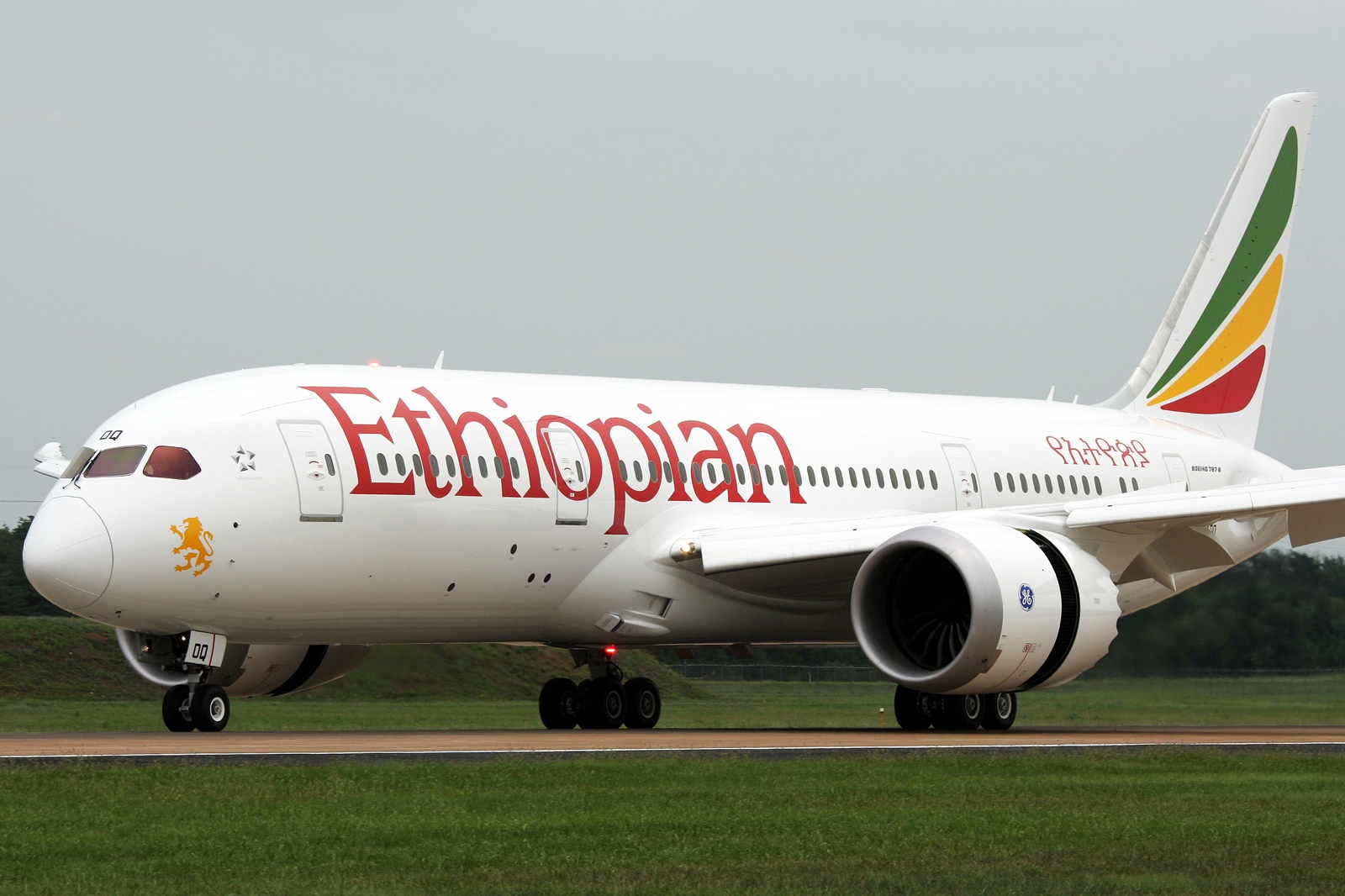
Ethiopian Airlines: A leading African carrier that provides flights from several European hubs, including London Heathrow (LHR), Frankfurt (FRA), and Rome (FCO), with a stopover in Addis Ababa (ADD) before continuing to Kinshasa.
Turkish Airlines: Offers flights from Istanbul (IST) to both Kinshasa and Goma, with a convenient connection via their Istanbul hub, making it a viable option for those traveling from other European destinations.
While Kinshasa is the main international entry point, Goma can be accessed from a variety of African hubs. The most common route is through Nairobi (Kenya Airways) or Addis Ababa (Ethiopian Airlines). From Goma, you can take a domestic flight or drive to nearby safari destinations like Virunga National Park or Kahuzi-Biega National Park.
For visitors traveling to the Virunga region, Goma serves as a convenient entry point. The Goma airport (GOM) is a small international airport that offers daily flights from Rwanda’s Kigali International Airport (KGL), which is often used as a starting point for travelers heading to Congo’s national parks.
Airline Routes and Transfer Options
Once you land in either Kinshasa or Goma, you have a variety of transfer options to get to your safari destination. In Kinshasa, flights from the international airport to local destinations are available, but for travelers heading to Virunga National Park or Kahuzi-Biega, a flight from Kinshasa to Goma is often necessary.
Goma Airport (GOM): Flights from Kigali to Goma are frequent and provide easy access to nearby national parks like Virunga. From Goma, you can take a private vehicle or helicopter transfer to the park. Some tours offer direct pick-up from Goma Airport to your accommodation.
Domestic Flights: Several regional carriers operate domestic flights within Congo, making it easier to reach remote national parks. Carriers like Congo Airways and Transair Congo serve internal routes and offer a great option for reaching your next destination quickly and comfortably.
Helicopter Transfers: For the ultimate convenience and luxury, many tour operators for Congo Safari from Europe offer helicopter transfers from Goma or Kinshasa to the national parks. This is a particularly popular option for Virunga National Park, where you can enjoy a scenic aerial view of the landscape.
Popular Safari Packages in Congo
When booking a Congo Safari from Europe, travelers typically seek well-rounded packages that offer a mix of adventure, wildlife encounters, and cultural experiences. There are several safari options available, each designed to cater to different interests and travel preferences.
Gorilla Trekking & Rainforest Discovery Tour: Overview of a Standard Package
A Gorilla Trekking & Rainforest Discovery Tour is one of the most popular packages for Congo Safari from Europe for travelers seeking an immersive wildlife experience in Congo. This standard package typically includes several days of trekking in Virunga National Park or Kahuzi-Biega National Park, allowing visitors to encounter gorillas in their natural habitats.
Day 1-2: Arrival and Transfer
Upon arrival in Kinshasa or Goma, travelers are greeted and transferred to their accommodation. Depending on the destination, the first days may be spent acclimatizing and exploring the surroundings. Transfers to Virunga or Kahuzi-Biega National Park are typically arranged via road or helicopter.
Day 3-5: Gorilla Trekking Experience
The highlight of the tour is the gorilla trekking experience. Visitors embark on a guided trek through dense forests, with expert rangers leading the way to the gorilla families. Trekking can be challenging, especially in Virunga’s mountainous terrain, but the reward is priceless: spending time with these majestic creatures in their natural environment.
Day 6: Rainforest Discovery and Wildlife Viewing
After the gorilla trek, travelers can enjoy guided rainforest walks to discover Congo’s rich biodiversity, including other primates like chimpanzees and golden monkeys, as well as various bird species and rare mammals. Many tours include additional wildlife experiences, such as boat safaris or visits to nearby lakes and rivers.
Day 7: Cultural Immersion and Departure
The Congo Safari from Europe typically concludes with a cultural visit to a local village, where travelers can learn about the traditions and lifestyle of the Congolese people. Afterward, travelers are transferred back to Kinshasa or Goma for their flight back to Europe.
This package offers a comprehensive experience, combining wildlife encounters, rainforest exploration, and a glimpse into the local culture, all within a week or two.
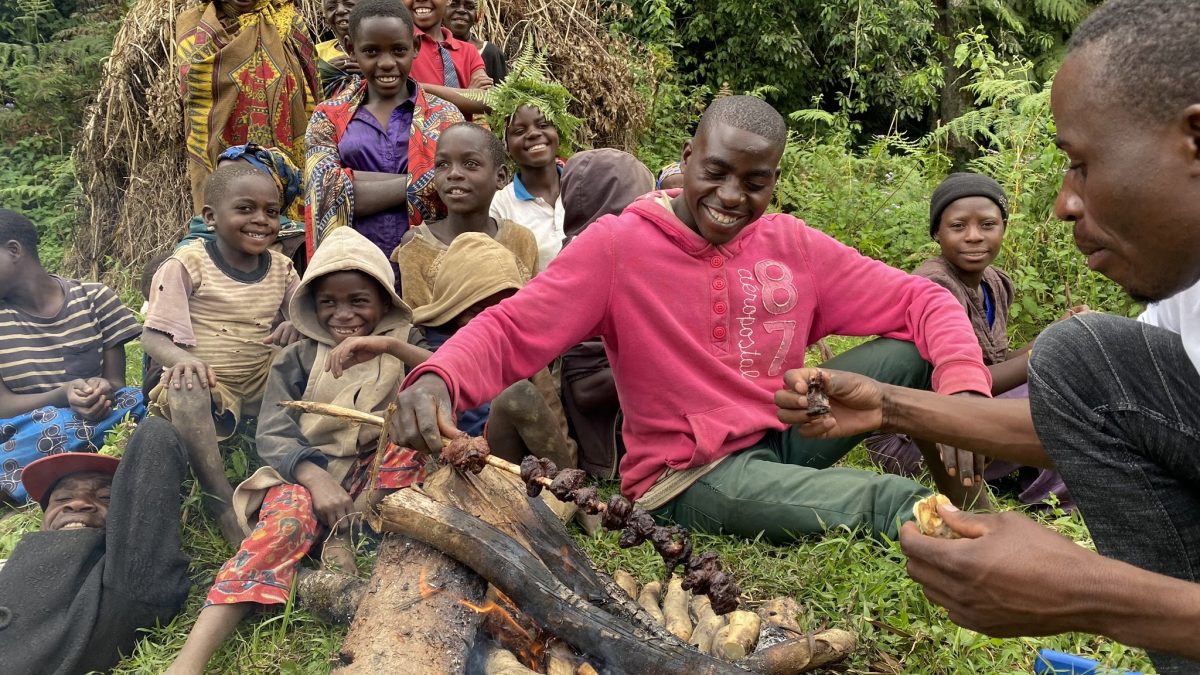
Cultural and Wildlife Expedition: Combining Nature with Cultural Experiences in Local Communities
For those looking to blend wildlife exploration with cultural immersion, the Cultural and Wildlife Expedition offers a well-rounded journey into the heart of Congo’s diverse landscapes and people.
Day 1-2: Arrival and Orientation
Upon arrival, travelers are introduced to their guides and embark on a brief cultural tour of Kinshasa or Goma. Visitors are given a taste of Congolese life, visiting local markets, craft workshops, and historical landmarks that showcase Congo’s vibrant culture and rich history.
Day 3-5: Safari and Wildlife Discovery
The expedition continues with a focus on wildlife in Virunga or Salonga National Park. Travelers will spend the next few days on safaris, exploring Congo’s rainforests and savannahs, while encountering a wide array of wildlife, including gorillas, forest elephants, leopards, and rare birds. Guided walks and game drives are complemented by educational talks on the importance of conservation in Congo.
Day 6: Cultural Immersion with Local Communities
The safari package includes an immersive cultural experience with local communities around the park. Visitors have the opportunity to visit village schools, participate in traditional dances, and interact with local artisans. This gives a deeper understanding of how wildlife conservation and community life are intertwined in Congo.
Day 7-8: Return and Reflection
The tour concludes with a reflection session on the cultural and natural heritage of Congo. Depending on the itinerary, travelers may visit additional cultural sites or take part in conservation discussions before returning to Kinshasa or Goma for their return flight to Europe.
This expedition provides an enriching and well-rounded experience, ideal for travelers interested in both the natural world and cultural exchange. It’s a perfect option for those who want to go beyond wildlife safaris and engage with the local way of life.
These safari packages ensure that travelers can experience Congo’s natural wonders and cultural diversity in depth, whether they’re focused on the awe-inspiring mountain gorillas or exploring the traditions of the local communities. Both packages offer unforgettable experiences, making them ideal for European travelers looking to immerse themselves in the true spirit of Africa.
Luxury Safari Options in Congo
For those seeking an unparalleled Congo Safari from Europe, luxury safari options offer an exclusive, high-end experience that combines comfort, privacy, and extraordinary wildlife encounters. With the Congo safari scene still largely untouched by mass tourism, luxury travelers can enjoy a uniquely intimate and personalized safari experience. These luxury packages are designed for those who appreciate the finer things in life but also want to engage deeply with Congo’s untamed wilderness.
High-End Safari Lodges, Private Tours, and Bespoke Itineraries
Congo offers a selection of luxury safari lodges and exclusive tented camps, set in stunning locations within the country’s most sought-after national parks. These accommodations provide the perfect balance between wilderness and luxury, offering spacious, comfortable lodgings with panoramic views of the landscapes.
Mikeno Lodge (Virunga National Park): Located in the heart of Virunga, Mikeno Lodge offers an ultra-luxury experience for visitors looking to trek with the mountain gorillas. The lodge features cozy stone cottages with private balconies overlooking the Virunga Volcanoes, and gourmet dining that complements the adventure. The tranquil, eco-friendly setting provides a base for high-end travelers before embarking on gorilla trekking expeditions.
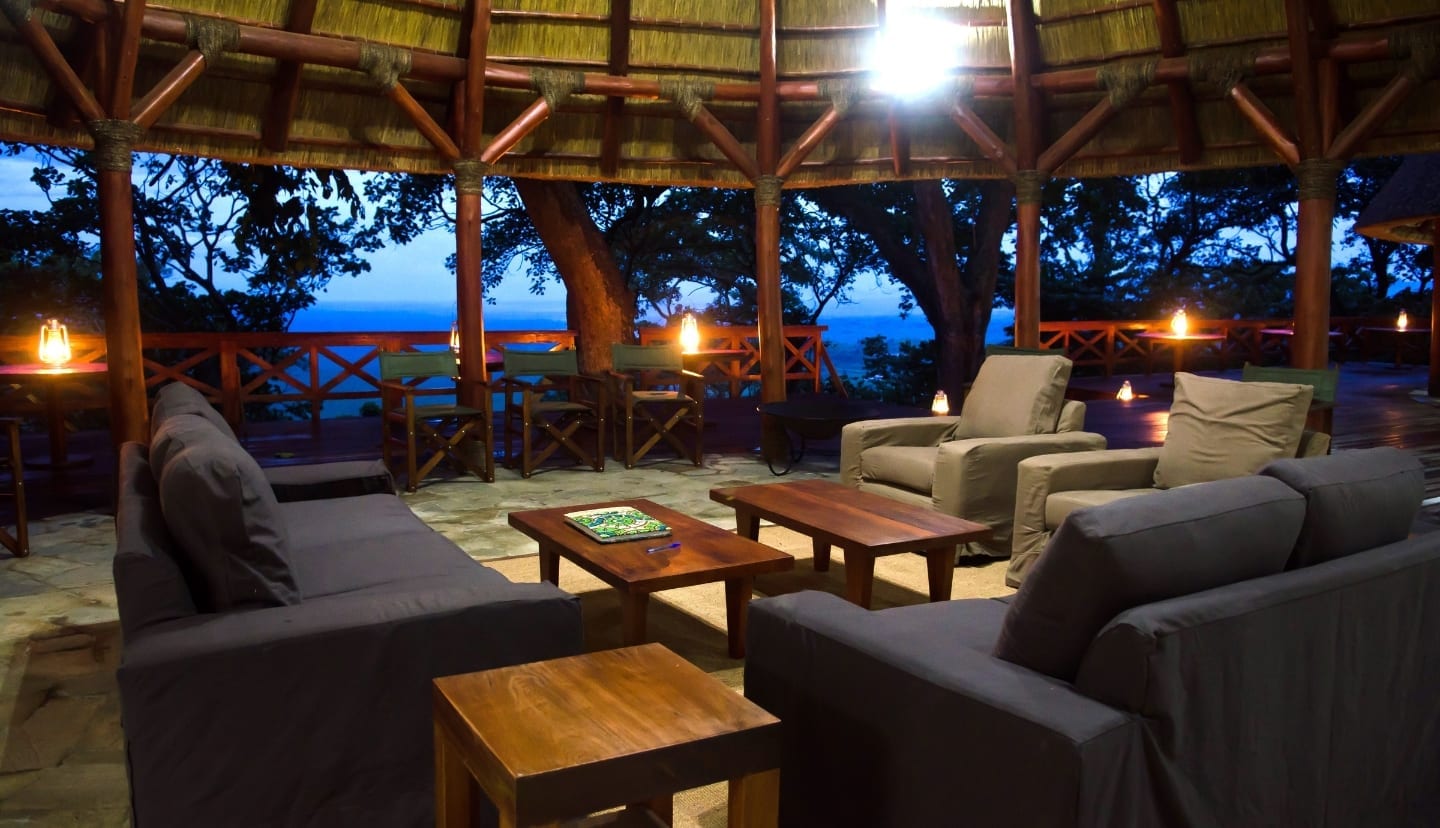
Tented Camps (Kahuzi-Biega National Park): Exclusive, luxury tented camps in Kahuzi-Biega provide a boutique experience, combining the adventure of staying close to nature with the comfort of luxury. These camps offer large, well-appointed tents, fine dining, and intimate wildlife encounters, with guided walks and cultural interactions available on request.
Private safari tours are a significant part of the luxury experience. Instead of joining large group tours, travelers can customize their itineraries, whether they prefer to focus on gorilla trekking, explore remote rainforests, or embark on multi-park journeys. Expert local guides lead these exclusive tours, offering an in-depth understanding of the biodiversity, conservation efforts, and cultural context of the regions.
Benefits of Luxury Services: Private Helicopter Transfers, Exclusive Tours
One of the standout features of luxury safaris in Congo is the private helicopter transfers, which significantly cut down travel time between destinations. For instance, travelers can choose to fly from Kinshasa or Goma to Virunga National Park via helicopter, avoiding long and bumpy road transfers. These scenic helicopter flights offer a unique perspective of the stunning landscapes, including views of the Virunga Volcanoes, dense rainforests, and sprawling savannahs.
Helicopter transfers not only provide a comfortable and efficient way to move between parks but also enhance the overall luxury experience. Travelers can land directly near their lodge or park entrance, skipping long car rides and making the journey feel even more exclusive.
Exclusive private tours are another key element of a luxury safari in Congo. These tours are typically customized to your interests, ensuring that you can spend as much time as you desire with the animals, exploring remote parts of the parks, or learning about local conservation efforts. Depending on your preferences, private guides may offer specialized tours, such as:
Birdwatching tours in Salonga National Park, where you can explore the rare and endemic species that thrive in Congo’s untouched ecosystems.
Cultural immersion experiences, where you meet local tribes like the Pygmies, learn about their traditions, and even participate in local ceremonies or arts and crafts workshops.
Exclusive wildlife photography sessions with the help of expert photographers and guides to capture the beauty of Congo’s unique wildlife in their natural settings.
These services create a seamless and luxurious experience, allowing travelers to focus on the natural beauty and adventure without any of the stress of logistics.
What to Expect on Your Congo Safari
A Congo Safari from Europe promises to be an experience like no other—raw, challenging, and deeply rewarding. This is a journey into one of the world’s most remote and biodiverse regions, where visitors encounter some of the planet’s rarest species and landscapes. Here’s what you can expect:
Trekking Difficulty
Congo is known for its rugged terrain and challenging conditions, which add to the adventure of the safari. The trekking involved, particularly in Virunga National Park and Kahuzi-Biega National Park, can be strenuous. Expect long hours of hiking through dense, tropical rainforests, climbing steep volcanic slopes, and navigating muddy trails to reach the gorilla families.
Mountain gorilla trekking in Virunga can be particularly demanding due to the volcanic slopes that must be traversed. However, the rewards are unmatched: spending time with these critically endangered creatures is an unforgettable experience. Guides and porters are available to assist with the trek, making the journey easier and more accessible, especially for those who may find the physical challenges daunting.
For those embarking on Eastern lowland gorilla trekking in Kahuzi-Biega, the treks are slightly less rigorous but still involve navigating dense forests and undulating landscapes. The vegetation here is often thicker, and the trek may take longer due to the lower altitudes, but this only adds to the authenticity of the experience.
Expected Wildlife Sightings on Congo Safari From Europe
While gorilla trekking is undoubtedly the highlight of any Congo safari, it is not the only wildlife encounter you’ll experience. Congo’s national parks are home to an incredible array of wildlife, and safaris can include sightings of:
Mountain gorillas in Virunga National Park
Eastern lowland gorillas in Kahuzi-Biega National Park
Forest elephants, which roam the rainforests of Salonga and Kahuzi-Biega
Chimpanzees and other primates, including golden monkeys and baboons
Okapis, the forest giraffes found only in the Congo Basin
Birdlife: Congo’s rich bird species, such as the Congo Peafowl, Shoebill, and hundreds of others
Reptiles and amphibians: Including the African rock python and various species of frogs and lizards.
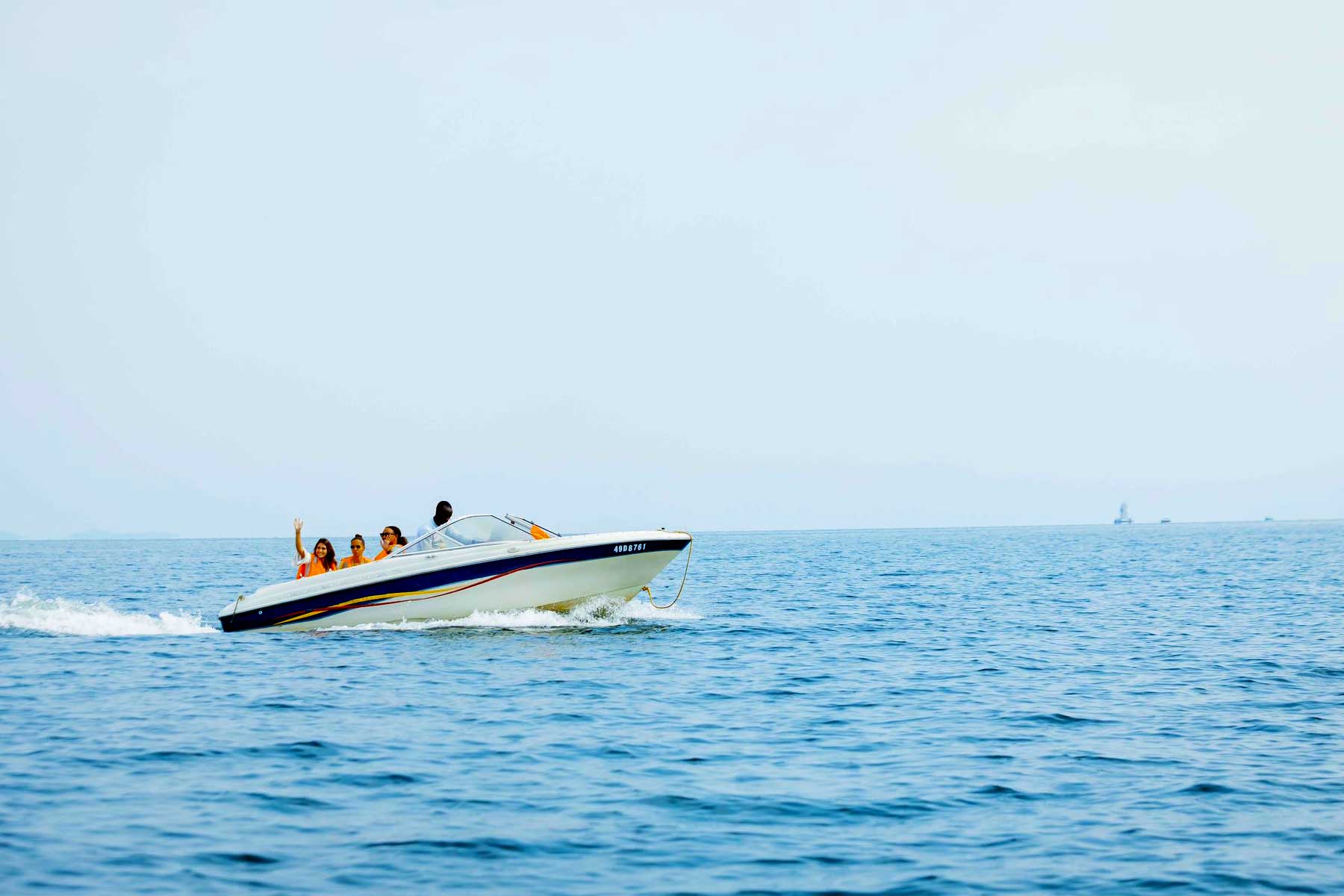
While game drives aren’t as common in Congo as in other safari destinations, boat safaris on Lake Tanganyika or Lake Kivu, as well as walking safaris, offer alternative ways to view the wildlife in their natural environments.
Unique Challenges of Congo Safari
Congo is not a destination for the faint-hearted; its wilderness is raw, often challenging, and largely untouched. Travel logistics in Congo can be demanding due to the country’s underdeveloped infrastructure. Road conditions can be difficult, and there are often limited facilities in remote areas. However, for those willing to embrace the rugged conditions, the rewards are immense.
Additionally, safety and health precautions must be taken seriously. Malaria, yellow fever, and other tropical diseases are prevalent, so it’s crucial to take preventive measures, such as vaccinations, malaria prophylaxis, and mosquito repellent. Also, be prepared for sudden weather changes, as Congo’s climate is often unpredictable, and rainstorms can make trekking challenging.
What to Pack for Congo Safari
Packing for a Congo safari requires careful consideration. While it’s essential to pack light, it’s also important to bring gear that can withstand the tough conditions. Essentials include:
Sturdy trekking boots: Essential for navigating muddy, rugged trails.
Lightweight, moisture-wicking clothing: Breathable, long-sleeve shirts and pants to protect againstmosquitoes and the elements.
Waterproof gear: A good-quality rain jacket and poncho are vital, especially during the rainy season.
Binoculars and camera gear: To capture wildlife and the stunning landscapes.
Health essentials: Any necessary medication, including malaria prophylaxis and anti-diarrheal medicine.
Insect repellent: As mosquitoes can be a concern in the rainforests.
Recommended Health Precautions
Aside from vaccinations for diseases like yellow fever and typhoid, it’s important to bring any medications that you may need, as medical facilities in Congo can be limited. Most safari operators also advise that you have travel insurance that covers medical evacuations, just in case.
A Congo Safari from Europe is an adventure that goes beyond ordinary wildlife tours. With its rugged terrain, diverse wildlife, and rich cultural history, it provides a once-in-a-lifetime opportunity to explore one of the world’s most pristine environments. Whether you’re trekking with mountain gorillas, encountering rare wildlife, or immersing yourself in the culture of local communities, a Congo safari offers an unforgettable and luxurious experience that will stay with you long after you return home.
Safety and Travel Considerations
Traveling to Congo offers a unique and rewarding adventure, but it’s important to be mindful of the challenges posed by the region’s remoteness, limited infrastructure, and the natural elements. The following travel tips and safety measures will help you prepare for a safe and enjoyable experience.
Travel Tips for Congo Safari
Travel Insurance: Ensure you have comprehensive travel insurance that covers medical expenses, trip cancellations, and emergency evacuations. In Congo, healthcare services can be limited, especially in remote areas, and it’s crucial to be covered in case of unforeseen events.
Visa Requirements:European travelers need a visa to visit the Democratic Republic of Congo (DRC). Visas can typically be obtained from Congolese embassies or consulates prior to arrival, though some nationalities may be eligible for an e-visa. It is essential to apply well in advance of your travel dates to avoid last-minute delays.
Local Currency: The currency in the DRC is the Congolese Franc (CDF). While major cities like Kinshasa may have ATMs, rural areas, including the national parks, may not. It’s a good idea to bring sufficient cash in US dollars or Euros, which are widely accepted in tourist areas.
Language: The official language of the DRC is French, although Lingala and Swahili are also spoken widely. Having a basic understanding of French can be helpful, but many safari operators provide English-speaking guides.
Local Regulations and Cultural Sensitivity
Respect for Local Customs: The DRC is home to many indigenous communities, each with unique traditions and customs. It’s important to approach these cultures with respect. Always ask for permission before taking photographs of people, and be aware of local norms related to dress and behavior, particularly in rural or tribal areas.
Wildlife and Conservation Regulations: Congo’s national parks, such as Virunga and Kahuzi-Biega, are protected areas. Visitors must follow strict conservation guidelines, including maintaining a safe distance from wildlife and adhering to the park’s rules. Gorilla trekking permits, for example, are issued in limited numbers to ensure the safety of both the animals and visitors.
Safety Measures for International Travelers
Safety in Cities and Remote Areas: While Kinshasa and Goma are generally safe for tourists, it’s important to exercise caution, especially after dark. In cities, avoid walking alone at night and be cautious with valuables. In remote areas, always stay with your guide and avoid venturing into unfamiliar regions without proper arrangements.
Political Stability: While Congo has made strides in tourism development, certain regions may still experience political instability. Always check with your embassy and local authorities about the security situation before traveling, especially to the eastern parts of the country where conflict may occasionally flare up.
Health Precautions: Congo is in a tropical zone, and health risks include diseases like malaria, yellow fever, and typhoid. It’s essential to:
Vaccinations: Ensure you are up to date on routine vaccines and consider vaccinations for diseases like yellow fever, hepatitis A and B, and typhoid.
Malaria Prophylaxis: Malaria is widespread, so it’s recommended to take antimalarial medications before, during, and after your trip.
Mosquito Protection: Use insect repellent containing DEET, wear long-sleeve shirts and pants, and sleep under a mosquito net.
Water Safety: Always drink bottled or purified water to avoid waterborne diseases.
Emergency Services: Familiarize yourself with local emergency numbers and have the contact details for your safari operator, the nearest embassy, and health services on hand in case of an emergency.
Booking Your Congo Safari
Booking a Congo safari from Europe requires thoughtful planning and research, but with the right guidance, it can be a smooth and straightforward process. Here’s a breakdown of the steps involved in booking your luxury Congo safari:
Step 1: Initial Consultation and Research
Before booking, it’s crucial to have a consultation with an expert who can guide you through the available options. During this stage, your travel agent or tour operator will ask about your preferences, interests, and physical abilities to suggest the best safari options for you. The consultation includes:
Discussing your preferred travel dates and any time constraints.
Determining your safari interests, such as gorilla trekking, cultural immersion, or a wildlife-focused tour.
Advising on local regulations, visa requirements, and health precautions.
Helping you select the best national parks and lodges that fit your luxury travel style.
Step 2: Itinerary Customization
Once the consultation is complete, the itinerary is customized to suit your interests. This may involve:
Safari Package Design: Based on your preferences, the operator will propose a detailed itinerary, covering the number of days, locations to visit (e.g., Virunga, Kahuzi-Biega, Salonga), and activities (e.g., gorilla trekking, boat safaris, cultural visits).
Accommodation Choices: For a luxury safari, your guide will recommend high-end lodges or exclusive tented camps, such as Mikeno Lodge, Tented Camps in Kahuzi-Biega, or private safari villas.
Custom Experiences: You can request bespoke experiences such as private helicopter transfers, specialized wildlife photography tours, or community-based cultural activities.
Travel Logistics: Ensuring smooth transfers between destinations, including flight arrangements from Europe to Congo, internal flights, and ground transportation options.
Step 3: Confirmation and Booking
After finalizing the details, your tour operator will secure the booking. This includes:
Flight arrangements: Booking flights from your European city to Congo, often via direct flights to Kinshasa or connecting through regional hubs like Addis Ababa or Nairobi.
Safari Permits: Purchasing gorilla trekking permits and ensuring that all other national park entry fees and conservation contributions are covered.
Accommodations: Securing reservations at high-end lodges and private camps, ensuring availability for your travel dates.
Transfers: Confirming private vehicle, boat, or helicopter transfers to and from national parks and lodges.
A deposit is usually required to confirm the booking, with the balance paid closer to your departure date.
Step 4: Pre-Trip Preparations
Before departure, your safari operator will provide you with a detailed travel pack that includes:
Travel documents: Visa assistance, flight itineraries, and a checklist of required vaccinations.
Packing guidelines: Recommendations on what to pack, from clothing to health essentials.
Safari Etiquette and Safety: A briefing on local customs, conservation guidelines, and tips for trekking and interacting with wildlife.
Step 5: Final Confirmation and Departure
A few days before your departure, your operator will double-check all arrangements, from accommodation and permits to ground transfers and guides. This ensures a smooth start to your journey. On the day of departure, your operator will provide any last-minute details to ensure you are fully prepared for your Congo safari experience.
Why Book with Pieland Gorilla Safaris for Your Congo Safari
Booking a Congo Safari From Europe with an expert operator who has deep local knowledge and exclusive connections will make all the difference in your experience. Here’s why you should choose Pieland Gorilla Safaris for your Congo adventure:
Local Expertise
Our team has an intimate understanding of the region, its national parks, and its wildlife. We work closely with local guides, conservationists, and park authorities to ensure that every safari is not only enjoyable but also responsible and sustainable. With our local knowledge, you’ll gain access to hidden gems and exclusive experiences that aren’t available to other travelers.
Custom Itineraries for Congo Safari
Whether you’re looking for a luxury gorilla trekking experience, a cultural expedition, or a birdwatching adventure, we offer bespoke itineraries tailored to your specific needs and preferences. From your first inquiry to your return flight, we provide a fully personalized service to ensure your trip is everything you’ve dreamed of and more.
Exclusive Access and VIP Services
We offer exclusive helicopter transfers, private game drives, and one-on-one cultural experiences that cater to those seeking a VIP experience. Our relationships with luxury lodges and local authorities allow us to offer priority bookings and unparalleled access to Congo’s most coveted experiences, including private gorilla trekking permits and exclusive wildlife encounters.
Customer Testimonials
We pride ourselves on delivering exceptional service and unforgettable experiences. Our customers regularly share stories of how we went above and beyond to make their safari dreams come true. With a track record of happy travelers and glowing reviews, we are committed to making your Congo safari a once-in-a-lifetime experience.
Booking your Congo safari with Pieland Gorilla Safaris ensures you’re in expert hands. With our local expertise, tailored itineraries, and exclusive services, your safari will be as luxurious and seamless as it is adventurous. Let us take care of the details while you enjoy a truly unforgettable journey into the heart of nature.
Request a quote about Congo safari from Europe.
FAQs About Congo Safari
Here are detailed answers to some of the most common questions asked by European travelers planning a Congo safari:
What is the best time to go on a Congo safari?
The best time to visit Congo for a safari largely depends on the activities you want to enjoy. The dry season from June to September is ideal for gorilla trekking, as the trails are easier to navigate due to less rain. However, the rainy season from October to May is when the forests are lush and the wildlife is abundant. If you are interested in birdwatching or rainforest trekking, the wet season offers the best conditions. For wildlife in general, the dry season also offers the best visibility, especially for game drives.
How long do gorilla treks in Congo last?
Gorilla trekking in Congo can take anywhere from 1 to 6 hours depending on the location of the gorilla family and the terrain. In Virunga National Park, treks typically take around 4 to 6 hours, including the time spent observing the gorillas once found. The duration of the trek can be longer or shorter, as it depends on factors such as weather, trail conditions, and the distance to the gorillas.
What are the visa requirements for European travelers to Congo?
European travelers need a visa to enter the Democratic Republic of Congo (DRC). Visas can be obtained from the Congolese embassy in your country or through an e-visa system for eligible travelers. The visa application will require:
- A valid passport with at least six months validity.
- A visa application form.
- Proof of accommodation and travel itinerary.
- Recent passport-sized photographs.
- Some travelers may also be required to show yellow fever vaccination certificates.
Can I combine a Congo safari with other African destinations?
Yes, you can easily combine a Congo safari with other African destinations. Many travelers combine Congo with nearby countries such as Rwanda and Uganda for a gorilla trekking tour that spans across these regions. From Congo, you can also fly to Kenya, Tanzania, or South Africa for safaris in renowned game parks like the Masai Mara, Serengeti, and Kruger National Park. Depending on your interests and itinerary, our expert guides can help arrange multi-country safari packages with seamless transfers.
What is the currency used in Congo?
The official currency of the Democratic Republic of Congo is the Congolese Franc (CDF). However, US dollars are widely accepted, especially in major cities and tourist areas. It is recommended to carry both local currency and USD, as most safari accommodations and services prefer cash payments in US dollars.
Are there any health precautions I should take before visiting Congo?
Yes, health precautions are important when visiting Congo. Some recommended health measures include:
- Vaccinations: Yellow fever is required for entry, and other vaccinations may include hepatitis A and B, typhoid, and meningitis.
- Malaria: Malaria is prevalent in Congo, so anti-malarial medications are recommended, and travelers should use mosquito repellent and sleep under mosquito nets.
- Travel Insurance: Comprehensive travel insurance covering medical emergencies and evacuation is highly recommended.
How do I get from Europe to Congo?
There are multiple flight routes from major European cities such as Paris, Brussels, London, and Rome to Kinshasa and Goma. Direct flights are available from Paris (Air France) and Brussels (Brussels Airlines), while other European cities may require a connection via Addis Ababa (Ethiopian Airlines) or Nairobi (Kenya Airways). Once you arrive in Congo, you can travel to national parks by domestic flights, helicopter transfers, or road transfers.
What should I pack for my Congo Safari From Europe?
For a Congo safari, packing light but thoroughly is key. Recommended items include:
- Sturdy trekking boots for hiking in the rainforest.
- Lightweight, long-sleeve shirts and pants to protect against mosquitoes and vegetation.
- Rain gear (waterproof jacket and pants) for sudden downpours.
- Camera gear for wildlife photography.
- Binoculars for birdwatching and wildlife viewing.
- Insect repellent with DEET to ward off mosquitoes.
- Water purification tablets or bottled water.
Is Congo safe for tourists?
Congo offers unique wildlife experiences, but it’s important to be cautious. While Kinshasa and Goma are generally safe for tourists, remote areas can have occasional political instability. Always check the latest travel advisories and follow the safety guidelines provided by your safari operator. Travel with trusted tour guides, and avoid venturing into unknown areas alone.
How far are the parks from the nearest airports?
The main airports for Congo safaris are Kinshasa (N’djili Airport) and Goma. From Kinshasa, travel to Virunga National Park takes around 1 hour by flight to Goma, followed by a 1 to 2-hour road transfer. Alternatively, you can fly directly to Goma if coming from Kigali or Addis Ababa, and from there, access Virunga and other parks.
Can I visit Congo’s parks during the rainy season?
Yes, Congo’s national parks are accessible year-round. However, rainy season (from October to May) makes trekking and road conditions more challenging, and certain trails may become slippery or impassable. For those interested in trekking with the mountain gorillas, visiting during the dry season (June to September) is preferred as trails are more navigable.
Can I take children on a Congo safari From Europe?
Children are allowed on Congo safaris, but there are specific age limits for activities like gorilla trekking. In Virunga, children under 15 years old are not permitted to trek gorillas, but they can participate in cultural tours and wildlife viewing activities. It’s essential to check age requirements and discuss suitability with your safari operator.
What is the typical group size for a Congo safari?
Group sizes for Congo safaris are generally small, as the focus is on personalized experiences. Gorilla trekking groups are usually 8 people or fewer per trek to minimize environmental impact. Luxury safari packages often offer private tours for a more exclusive experience.
Do I need a guide for my Congo safari?
Yes, a local guide is required for all safaris, especially for gorilla trekking. Guides are essential for navigating the rugged terrain and ensuring your safety and that of the wildlife. They also provide in-depth knowledge about the ecosystems, conservation efforts, and the species you encounter.
Are there restrictions on photography during the safari?
Photography is allowed during the safari, but there are strict guidelines. For gorilla trekking, visitors are typically allowed to take photos, but the use of flash photography is prohibited to avoid disturbing the animals. Always follow the instructions of your guide and respect the wildlife.
Is tipping expected while on Congo Safari From Europe?
Tipping is appreciated but not mandatory. It is customary to tip guides and porters who assist with trekking. A general guideline is around $10 to $20 per day for guides and $5 to $10 per day for porters. Tips for lodge staff or drivers can be given at your discretion.
What wildlife will I see on a Congo safari besides gorillas?
Congo is home to an incredibly diverse range of wildlife. Besides gorillas, you may encounter:
- Forest elephants in Salonga and Kahuzi-Biega.
- Chimpanzees, golden monkeys, and other primates.
- Okapis—giraffe-like creatures unique to Congo.
- Leopards, baboons, and a wide variety of birds.
What is the accommodation like in Congo’s national parks?
While on Congo Safari from Europe ,Congo offers a range of accommodations, from luxury lodges like Mikeno Lodge in Virunga to eco-friendly camps in more remote locations. Accommodation is typically basic in some areas, but many high-end safaris offer private tents, luxurious lodges, and glamping-style accommodations that provide comfort amidst nature.
Can I visit Congo’s other parks outside of Virunga?
Yes, you can visit other parks like Kahuzi-Biega National Park for eastern lowland gorilla trekking, or Salonga National Park, Africa’s largest tropical rainforest reserve, for birdwatching and wildlife viewing. Okapi Wildlife Reserve is another UNESCO-listed site worth visiting.
Is Congo Safari From Europe good for solo travelers?
Yes, Congo is suitable for solo travelers who enjoy off-the-beaten-path adventures. However, it’s recommended to travel with an organized safari operator for safety, logistics, and an enriching experience. Solo travelers can benefit from personalized itineraries and private guided tours.
What is the accommodation like in Congo’s national parks?
Congo offers a range of accommodations, from luxury lodges like Mikeno Lodge in Virunga to eco-friendly camps in more remote locations. Accommodation is typically basic in some areas, but many high-end safaris offer private tents, luxurious lodges, and glamping-style accommodations that provide comfort amidst nature.
Can I use my mobile phone in Congo?
While mobile phones generally work in Kinshasa and Goma, network coverage can be limited in more remote areas. It’s a good idea to inform loved ones about your travel plans and consider using satellite communication in remote regions for emergencies.
What’s the difference between mountain and lowland gorilla trekking?
Mountain gorilla trekking occurs in Virunga National Park and involves higher-altitude treks. Lowland gorilla trekking in Kahuzi-Biega is typically in lower-altitude rainforests, with a more relaxed trekking experience.