
Cultural Safaris in Congo
Introduction to Cultural Safaris in Congo
Cultural Safaris in Congo offer travelers a unique opportunity to immerse themselves in the rich traditions, dance, and heritage of DR Congo.These Cultural Safaris allow visitors to experience local communities, witness traditional ceremonies, and explore remote villages while learning about the diverse cultures that have shaped the country over centuries. By joining a Cultural Safari in Congo, travelers not only enjoy an authentic cultural experience but also contribute to supporting local communities and preserving heritage. Whether it is engaging with forest communities, visiting artisan workshops, or enjoying traditional music performances, Cultural Safaris in Congo provide a deeply enriching and memorable adventure for every traveler.
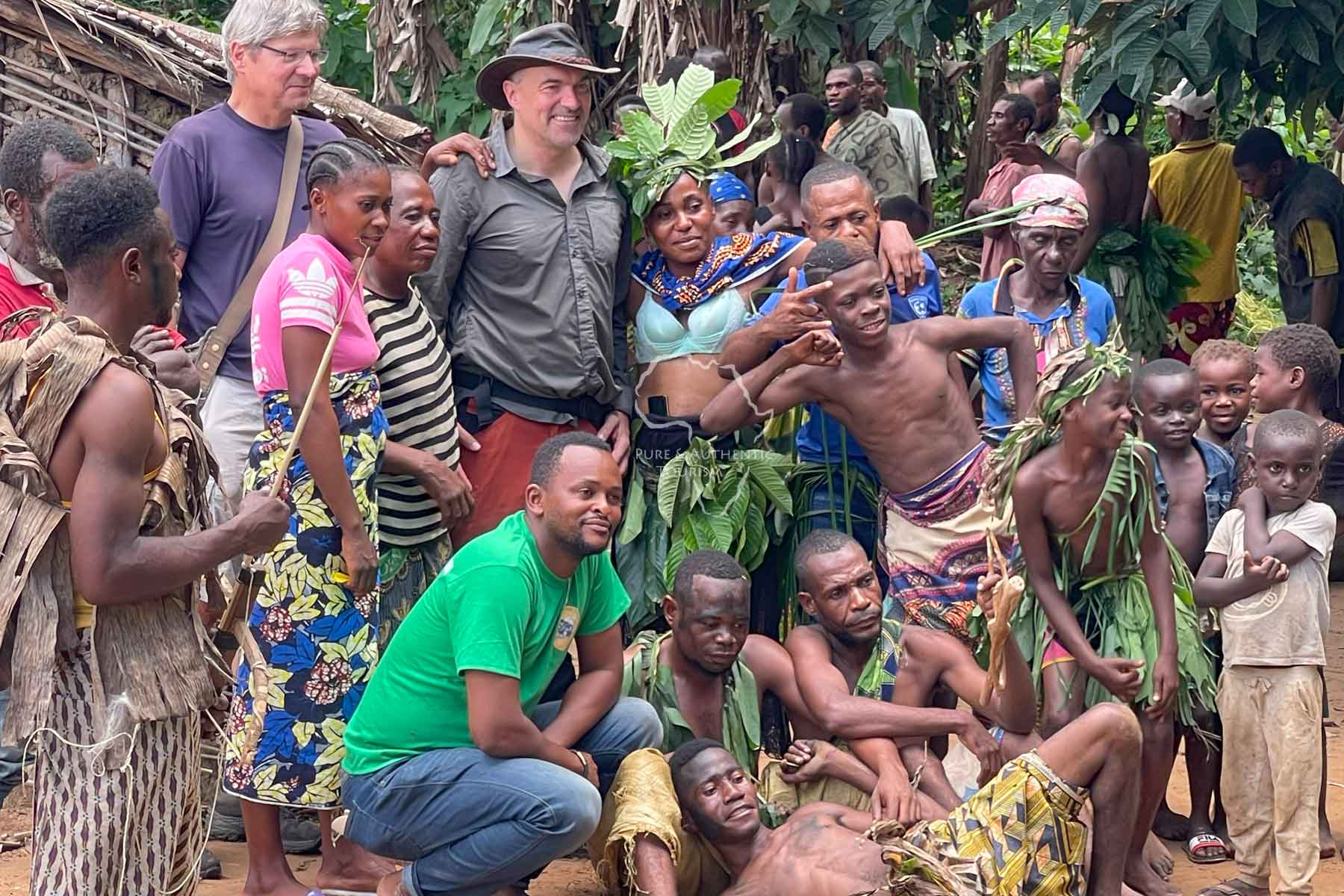
Key Regions & Communities for Cultural Safaris in Congo
Eastern Congo
Eastern Congo is a prime destination for Cultural Safaris, offering a mix of lush landscapes and vibrant local traditions. Visitors on Cultural Safaris in Eastern Congo can explore rural villages, meet the Hunde and Nyanga communities, and participate in traditional ceremonies, dances, and storytelling sessions. These Cultural Safaris often include visits to local markets, opportunities to learn traditional crafts, and engagement with farmers practicing age-old agricultural techniques. Eastern Congo Cultural Safaris provide travelers with an authentic understanding of life in this region while emphasizing respectful and responsible tourism.
North Kivu
North Kivu is another key region known for its rich tribal diversity and active community life. Cultural Safaris in North Kivu take travelers to Nande villages and other local communities where traditional music, dance, and market practices are still vibrant. Guests on Cultural Safaris can witness unique ceremonies, explore artisan workshops, and learn about the history and customs of these communities. North Kivu Cultural Safaris also provide access to both rural and semi-urban cultural experiences, combining forest exploration with visits to local markets and festivals.
Ituri Forest
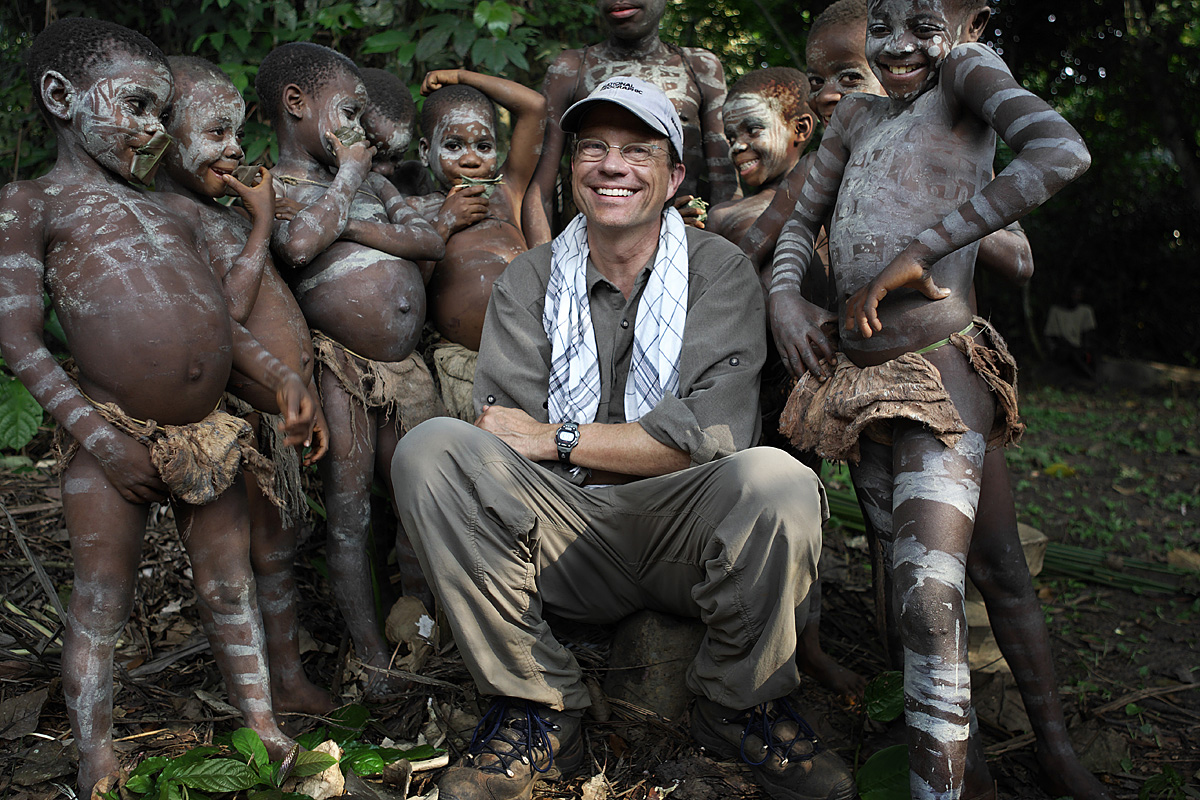
The Ituri Forest is one of the most iconic destinations offering travelers a rare chance to experience the lifestyle of indigenous forest communities. Cultural Safaris in the Ituri Forest focus on immersive interactions with the Mbuti (Pygmy) people, one of Africa’s oldest hunter-gatherer societies. Visitors on these Cultural Safaris learn traditional hunting and tracking techniques, participate in forest walks guided by expert local trackers, and witness storytelling sessions around campfires that preserve centuries of oral history. These Cultural Safaris provide an authentic understanding of forest life, traditional ecological knowledge, and cultural practices that are deeply connected to the environment.
Western Congo
Western Congo is a hub for Cultural Safaris that combine urban, historical, and tribal experiences. Cultural Safaris in Western Congo include visits to Bakongo communities, where travelers can observe mask carving, weaving, and traditional ceremonies. In addition, Cultural Safaris often extend to Kinshasa, where visitors experience modern Congolese music, dance, and art, including the popular ndombolo dance and vibrant street art. These Cultural Safaris provide a perfect blend of rural and urban cultural exploration, allowing travelers to understand both contemporary and traditional Congolese society.
Typical Itinerary for Cultural Safaris in Congo
Day 1–2: Arrival & Orientation
Cultural Safaris in Congo typically begin with arrival in Kinshasa or Goma. On these first days, travelers receive an orientation on local customs, safety guidelines, and cultural etiquette. Participants on Cultural Safaris learn about the regions they will visit, meet their guides, and prepare for village visits and forest excursions.
Day 3–5: Village Visits & Workshops
During these days, Cultural Safaris in Congo focus on immersive village experiences. Travelers visit local villages, meet elders, participate in traditional dance and music sessions, and learn artisanal crafts such as weaving, pottery, and mask carving. Culinary workshops allow guests on Cultural Safaris to prepare traditional dishes like fufu, saka-saka, and grilled fish, offering a hands-on cultural experience.
Day 6–7: Community Projects & Markets
Cultural Safaris in Congo include visits to local markets and community initiatives. Travelers learn about barter traditions, engage with artisans, and may participate in community development projects. These Cultural Safaris emphasize respectful tourism, providing travelers a chance to contribute positively while observing daily life in Congolese communities.
Day 8–9: Forest Communities
In the later part of the Cultural Safari, travelers explore forested regions such as the Ituri Forest. Guided forest walks introduce participants to hunting, tracking, and gathering practices of forest communities. Cultural Safaris in these days highlight storytelling, traditional songs, and rituals that connect the people to their natural environment, offering a truly immersive experience.
Day 10: Wrap‑up & Reflection
Cultural Safaris in Congo conclude with reflection sessions, souvenir shopping, and cultural debriefings with guides. Travelers consolidate their experiences, share stories, and celebrate the cultural knowledge gained during the safari. These final moments ensure that Cultural Safaris in Congo leave a lasting impression of authenticity and connection.
Cultural Experiences & Activities
Cultural Safaris in Congo are designed to immerse travelers in authentic local traditions and hands-on cultural experiences. These Cultural Safaris provide a rare opportunity to engage deeply with the customs, arts, and daily life of Congolese communities, ensuring every visitor gains lasting insights into the country’s vibrant heritage.
Traditional Dance & Music Performances
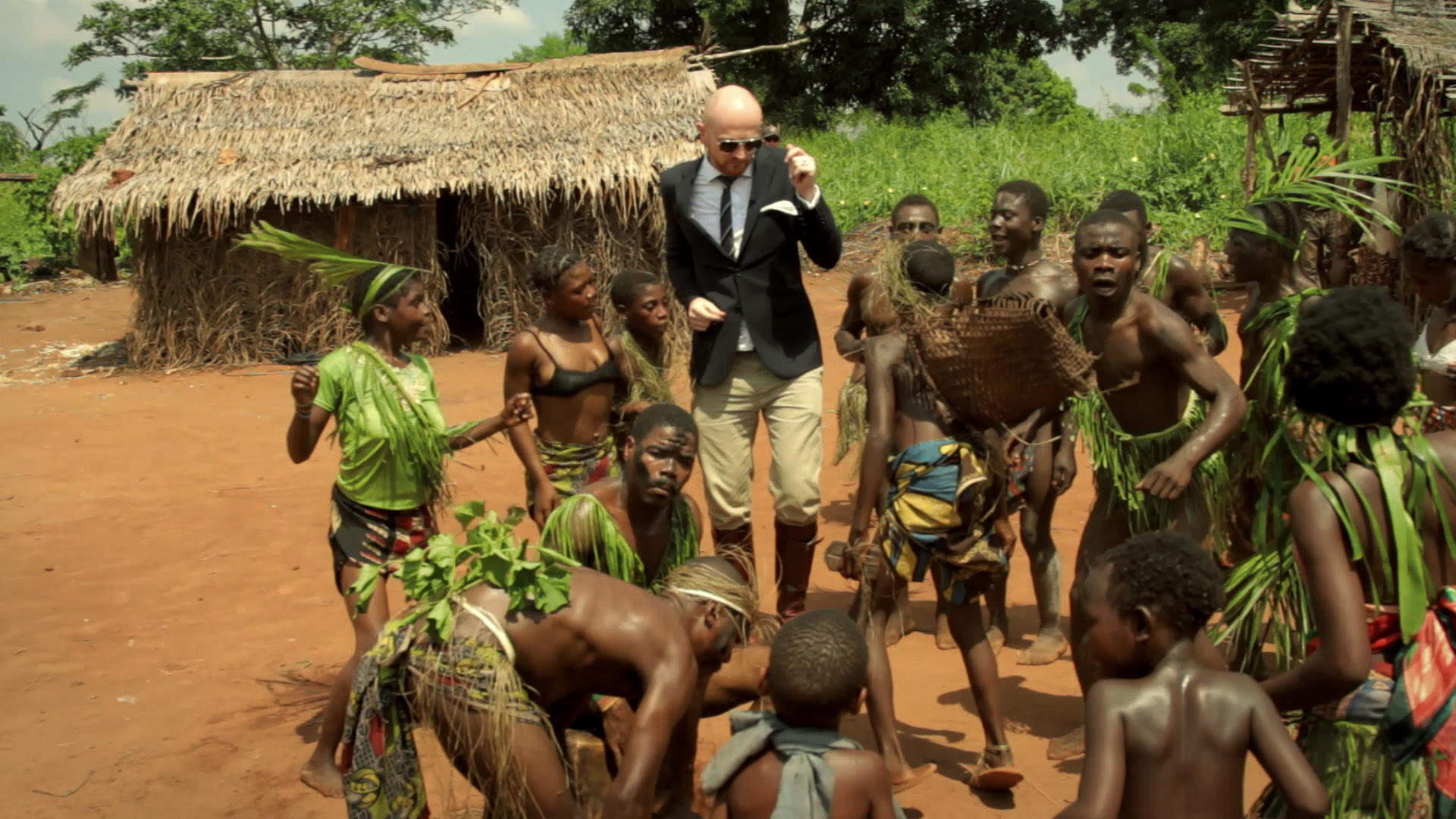
On this safari, traditional dance and music performances are a highlight. Guests can witness ceremonial dances performed by local communities, including drum-led rituals, warrior dances, and festive celebrations. These Cultural Safaris often include interactive sessions, allowing travelers to learn basic rhythms, movements, and the cultural significance behind each performance. From the energetic ndombolo of Kinshasa to the tribal dances of Eastern Congo, Cultural Safaris give travelers an unforgettable sensory experience of Congo’s musical and dance heritage.
Art & Craft Workshops
Artisan crafts are at the heart of Cultural Safaris in Congo. Travelers participate in workshops to learn mask carving, weaving, pottery, and beadwork under the guidance of master artisans. These Cultural Safaris provide hands-on experiences where visitors can create their own pieces while understanding the symbolism and history behind traditional Congolese art. From urban centers to remote villages, Cultural Safaris showcase both the skill and the cultural narratives embedded in each craft.
Culinary Experiences
Cultural Safaris in Congo include immersive culinary experiences that introduce travelers to the country’s traditional cuisine. Guests can prepare and taste local dishes such as fufu, saka-saka, grilled fish, and cassava-based meals. These Cultural Safaris often combine cooking lessons with market visits, allowing travelers to select ingredients and learn about traditional cooking methods. Culinary experiences on Cultural Safaris offer both flavors and stories, connecting food with cultural identity and daily life in Congolese communities.
Storytelling & Oral History
Storytelling is an integral part of Cultural Safaris in Congo, offering visitors insight into local legends, myths, and historical events. Travelers gather with community elders around campfires or village squares to hear tales passed down through generations. These Cultural Safaris highlight the importance of oral history in preserving cultural knowledge, traditional morals, and communal values. Participants not only listen but may also engage in storytelling sessions, sharing their own experiences and learning the art of narrative from Congolese masters.
Market Walks
Market visits are a signature activity on this safari, providing travelers with an authentic glimpse into local commerce and daily life. On these Cultural Safaris, guests explore bustling village and town markets, observing traders selling fresh produce, handcrafted items, spices, and traditional clothing. Travelers learn about barter systems, regional specialties, and cultural norms in purchasing goods. Cultural Safaris often include guided market walks where local guides explain the significance of certain items, introduce visitors to artisans, and offer insight into community trade practices. These interactive experiences make Cultural Safaris in Congo both educational and immersive, connecting travelers with the heartbeat of Congolese culture.
Responsible & Respectful Travel
Cultural Safaris in Congo emphasize sustainable and respectful tourism practices. Visitors are encouraged to engage with local communities thoughtfully, support community-led initiatives, and preserve cultural integrity. Key practices include:
- Always seek permission before taking photos of individuals or sacred sites.
- Support local artisans and purchase crafts directly from communities.
- Respect cultural taboos, ceremonial practices, and traditional customs.
- Participate in community projects without disrupting daily life.
- Leave no trace in natural and cultural sites, preserving the environment for future Cultural Safaris.
Logistics & Practical Info
Effective planning is essential for a smooth and enjoyable safari . The following logistics tips are vital for travelers:
Visas & Entry for Cultural Safaris in Congo
Most travelers require a tourist visa to enter the Democratic Republic of Congo. On Cultural Safaris, guides provide advice on visa application procedures, required documents, and entry regulations. Visitors typically apply online or at consulates, ensuring sufficient processing time before the safari begins. Cultural Safaris also advise travelers to check for any travel advisories, vaccination requirements (including yellow fever), and health documentation to comply with DRC entry rules.
Accommodation for Cultural Safaris in Congo
Cultural Safaris in Congo offer a range of accommodations to suit different traveler preferences while keeping guests close to the cultural and natural experiences. Options on these Cultural Safaris include eco-lodges, community-run guesthouses, and boutique lodges that provide comfort while supporting local economies. Many accommodations are situated near villages or forest communities, allowing travelers to immerse themselves fully in local life. Cultural Safaris often include stays in environmentally conscious lodges that highlight sustainable practices such as solar power, rainwater harvesting, and locally sourced food. Whether in urban centers like Kinshasa or remote forested areas, Cultural Safaris ensure guests enjoy authentic surroundings combined with safe, comfortable lodging.
Transport
Efficient and safe transport is essential for a successful cultural safari. Most Cultural Safaris use 4×4 vehicles to navigate rural roads and reach remote villages or forested areas. River transport may also be used in regions like the Ituri Forest or along the Congo River for cultural excursions. Experienced local guides accompany travelers on Cultural Safaris, ensuring smooth transfers and providing contextual knowledge along the route. In addition, some Cultural Safaris incorporate short flights to access distant regions, reducing travel time while maintaining an immersive experience in the diverse cultural landscape of Congo.
Health & Safety During Cultural Safaris in Congo
Safety and health are a priority for every Cultural Safari in Congo. Travelers are advised to receive recommended vaccinations, including yellow fever, and to take malaria prophylaxis. Cultural Safaris provide guidance on safe drinking water, food hygiene, and emergency procedures. Experienced guides are trained in first aid, risk assessment, and wildlife safety, ensuring that participants can fully enjoy their Cultural Safari with peace of mind. Travelers are also briefed on respectful interaction with communities to maintain both personal safety and cultural integrity.
Why Choose a Cultural Safari in Congo
This safari offers a unique and unparalleled way to experience one of Africa’s most diverse and vibrant cultural landscapes. Travelers choose Cultural Safaris in Congo for several reasons:
- Authenticity: Experience firsthand the daily life, traditions, and ceremonies of Congolese communities.
- Immersion: Participate in arts, crafts, music, dance, culinary activities, and storytelling that go beyond surface-level tourism.
- Diversity: Explore urban, rural, and forested regions, gaining a holistic understanding of Congo’s cultural richness.
- Sustainable Impact: Support local communities through responsible tourism and community-led initiatives.
- Unforgettable Memories: From forest walks with Mbuti Pygmies to lively market explorations, Cultural Safaris in Congo create lasting connections and life-changing experiences.
By joining a Cultural Safari in Congo, travelers gain deep insights into the country’s heritage while contributing positively to the communities they visit.
Frequently Asked Questions About cultural safaris in Congo
What are Cultural Safaris in Congo?
Cultural Safaris in Congo are immersive tours that allow travelers to experience local traditions, music, dance, crafts, and community life.
Which regions in Congo are best for Cultural Safaris?
Eastern Congo, North Kivu, the Ituri Forest, and Western Congo are the most popular regions for Cultural Safaris.
What communities can travelers meet on Cultural Safaris in Congo?
Cultural Safaris often visit the Hunde, Nyanga, Nande, Mbuti (Pygmy), and Bakongo communities.
What is the typical duration of a Cultural Safari in Congo?
Cultural Safaris range from 5 to 12 days, depending on the regions visited and activities included.
What types of accommodations are used during Cultural Safaris?
Eco-lodges, community guesthouses, and boutique lodges close to villages or forests are commonly used on Cultural Safaris.
Are Cultural Safaris in Congo suitable for families?
Yes, Cultural Safaris are family-friendly, offering interactive experiences suitable for children and adults.
What cultural activities are included in these safaris?
Cultural Safaris include traditional dance and music, art and craft workshops, culinary experiences, storytelling, and market visits.
Do Cultural Safaris in Congo support local communities?
Yes, responsible Cultural Safaris contribute to local economies through tourism, craft purchases, and community projects.
When is the best time to go on Cultural Safaris in Congo?
The dry season, typically June to September and December to February, is ideal for Cultural Safaris due to easier travel conditions.
Are Cultural Safaris in Congo safe for travelers?
With experienced guides, adherence to safety guidelines, and health precautions, Cultural Safaris are safe and well-managed.
Do I need a visa for this Safari?
Yes, most travelers need a tourist visa to enter Congo, which can be obtained online or through consulates.
What vaccinations are required for Cultural Safaris in Congo?
Yellow fever vaccination is mandatory, and malaria prophylaxis is highly recommended for Cultural Safaris.
Can I take photographs during Cultural Safaris?
Yes, but always ask for permission before photographing individuals or sacred ceremonies on Cultural Safaris.
Are Cultural Safaris physically demanding?
Most Cultural Safaris involve light to moderate walking; forest walks may require additional stamina.
Can I join a Cultural Safari on a short notice?
Yes, some operators offer last-minute Cultural Safaris, but booking in advance is recommended for full itineraries.
What languages are spoken during Cultural Safaris?
Guides usually speak English or French, while local communities may speak Lingala, Swahili, or regional dialects.
Can I participate in cooking on this safari?
Yes, many Cultural Safaris include culinary workshops to prepare traditional Congolese dishes.
Do Cultural Safaris include forest visits?
Yes, Cultural Safaris often include trips to forest communities such as the Ituri Forest with guided forest walks.
Are Cultural Safaris in Congo eco-friendly?
Responsible Cultural Safaris follow sustainable practices, including eco-lodges, waste reduction, and supporting local conservation.
What is the cost of Cultural Safaris in Congo?
Costs vary depending on duration, accommodations, and activities; packages typically range from midrange to luxury levels.
Can I combine Cultural Safaris with wildlife safaris?
Yes, Cultural Safaris can be combined with wildlife experiences in national parks and forest reserves.
What should I pack for a Cultural Safari?
Pack light clothing, sturdy walking shoes, rain gear, sun protection, insect repellent, and respectful attire for village visits.
Are Cultural Safaris in Congo guided?
Yes, all Cultural Safaris are led by experienced local guides with knowledge of culture, history, and safety.
Can I buy local crafts on Cultural Safaris?
Yes, Cultural Safaris encourage supporting local artisans by purchasing authentic crafts directly from communities.
Do Cultural Safaris include urban cultural experiences?
Yes, some Cultural Safaris incorporate visits to cities like Kinshasa to experience contemporary music, dance, and art.
Is internet or mobile coverage available on Cultural Safaris?
Coverage is limited in remote areas; Cultural Safaris focus on immersion without distractions from technology.
Are Cultural Safaris suitable for solo travelers?
Yes, solo travelers can join group Cultural Safaris or arrange private tours for a personalized experience.
How do Cultural Safaris benefit local communities?
Cultural Safaris support local livelihoods through tourism revenue, community projects, and cultural preservation.
Can children participate in Cultural Safaris?
Yes, many activities on Cultural Safaris, such as workshops and market visits, are suitable for children.
What makes this Safaris so unique?
Cultural Safaris in Congo offer authentic interaction with indigenous communities, forest cultures, and traditional practices rarely experienced elsewhere in Africa.
Would you like to inquire about cultural Congo safari.