Pieland Gorilla Safaris | Best Gorilla Trekking in Africa

Congo Immersive Cultural Experience

Congo Immersive Cultural Experience |Batwa Cultural Tours

 Introduction Congo Immersive Cultural Experience
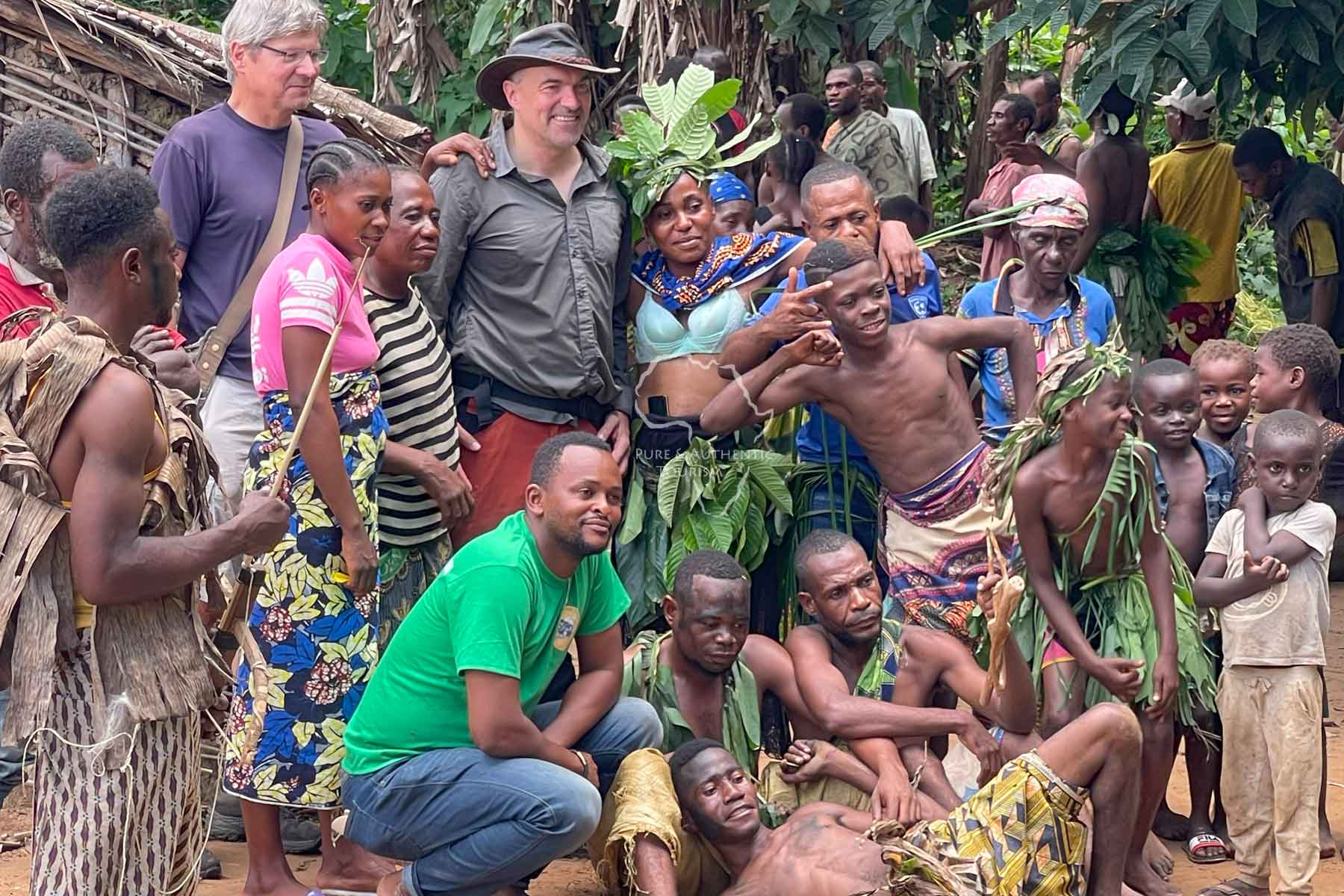
Travelers enjoying the deep cultural tour with Pieland Gorilla Safaris.
Cultural experience in Congo.

Congo Immersive Cultural Experience offers travelers a unique chance to engage deeply with the diverse cultural heritage of Congo. This immersive journey goes beyond typical sightseeing, providing an authentic, hands-on connection with the local communities that have preserved their ancient customs, traditions, and ways of life for centuries. Visitors will explore the country’s rich cultural history through personal interactions with its indigenous tribes, participation in traditional craftsmanship workshops, and deep dives into the myths and folklore that form the backbone of Congo’s identity. The Congo Immersive Cultural Experience emphasizes the importance of authentic engagement, allowing visitors to truly immerse themselves in the heart of Congo’s culture.

Contact Us today to inquire about Congo Immersive Cultural Experience.

Why Choose Congo Immersive Cultural Experience

The Congo Immersive Cultural Experience stands out because of the depth of cultural diversity that Congo offers. With over 200 ethnic groups, Congo is a country of incredible cultural richness, from the Batwa Pygmies to the Banyarwanda and beyond. These groups have preserved their customs through generations, making Congo a truly unique cultural destination. Unlike more commercialized cultural experiences in other regions, Congo offers authenticity and the opportunity to engage with local communities in a way that is both respectful and meaningful. Choosing Congo for a cultural experience means opting for genuine, off-the-beaten-path encounters, where visitors can gain a deeper understanding of a culture that is often overlooked by mass tourism. The Congo Immersive Cultural Experience isn’t just about visiting a place – it’s about becoming part of it, learning from it, and giving back through responsible tourism.

Key Cultural Experiences in Congo

 Engaging with Indigenous Tribes
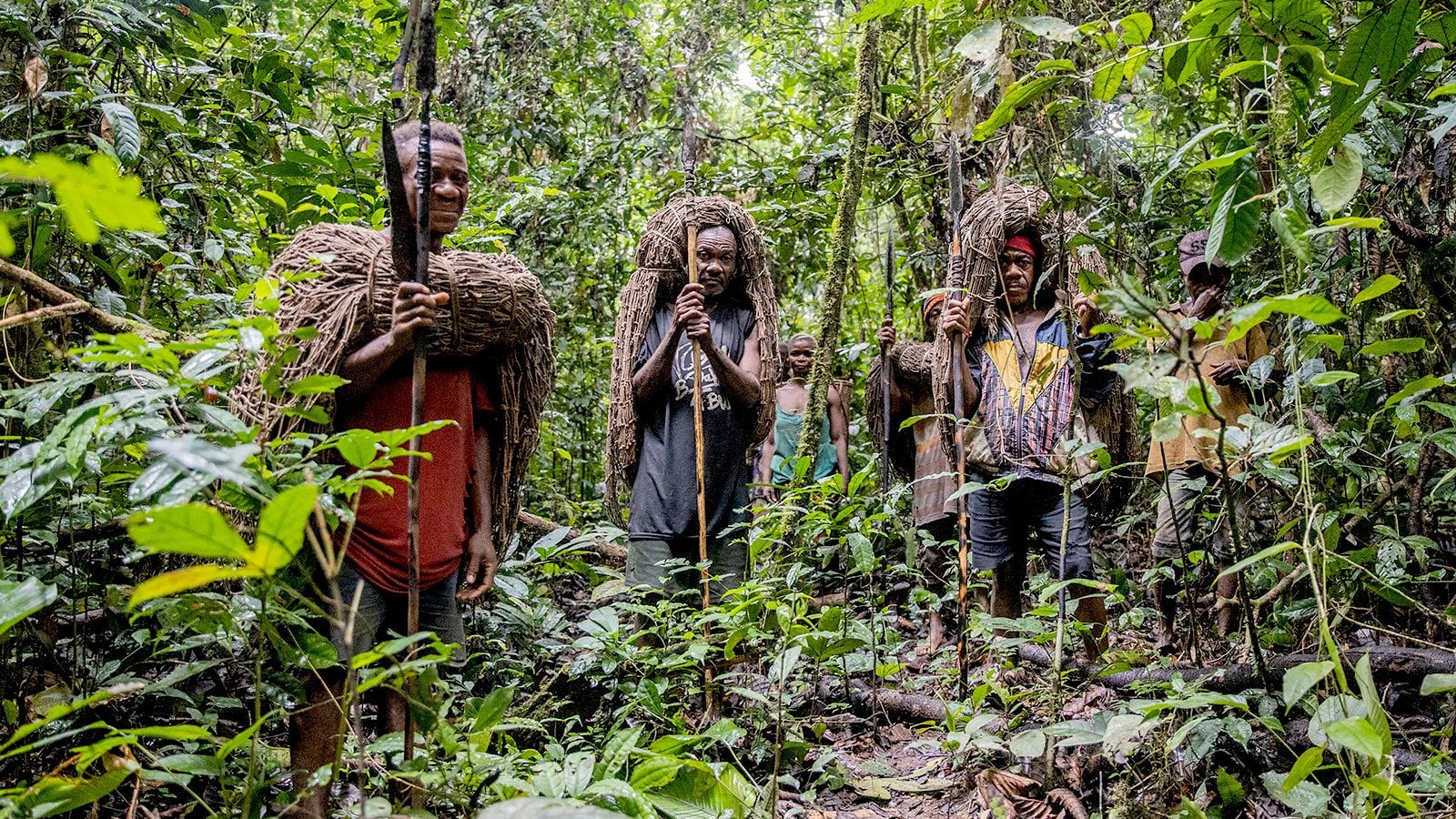
Local tribe encounter in the deep forest on an excursion with Pieland Gorilla Safaris.
Local tribe .

One of the most enriching parts of the Congo Immersive Cultural Experience is the opportunity to engage with indigenous tribes like the Batwa Pygmies and Banyarwanda. These communities have lived in harmony with the land for centuries and offer visitors a chance to learn firsthand about their way of life. You will witness traditional dances, hear ethnic music, and explore local art forms that are passed down through generations. The Batwa Pygmies, in particular, are known for their deep connection with the forests, and a visit to their villages provides a unique glimpse into one of the world’s oldest cultures. The Congo Immersive Cultural Experience makes these encounters not just educational but deeply personal, fostering mutual respect and understanding.

 Learning Traditional Craftsmanship

The Congo Immersive Cultural Experience also includes participation in craft workshops such as pottery, weaving, and basket-making. These ancient crafts are a vital part of daily life for local communities. By learning directly from the artisans, visitors gain insight into how these crafts are woven into the fabric of Congo’s cultural identity. Craftsmanship is not just an art; it’s a way of preserving traditions and passing down valuable skills. These workshops offer a deeper appreciation of the importance of craftsmanship in Congo’s daily life, and visitors leave with a tangible piece of Congo’s heritage.

 Exploring Local Markets and Villages
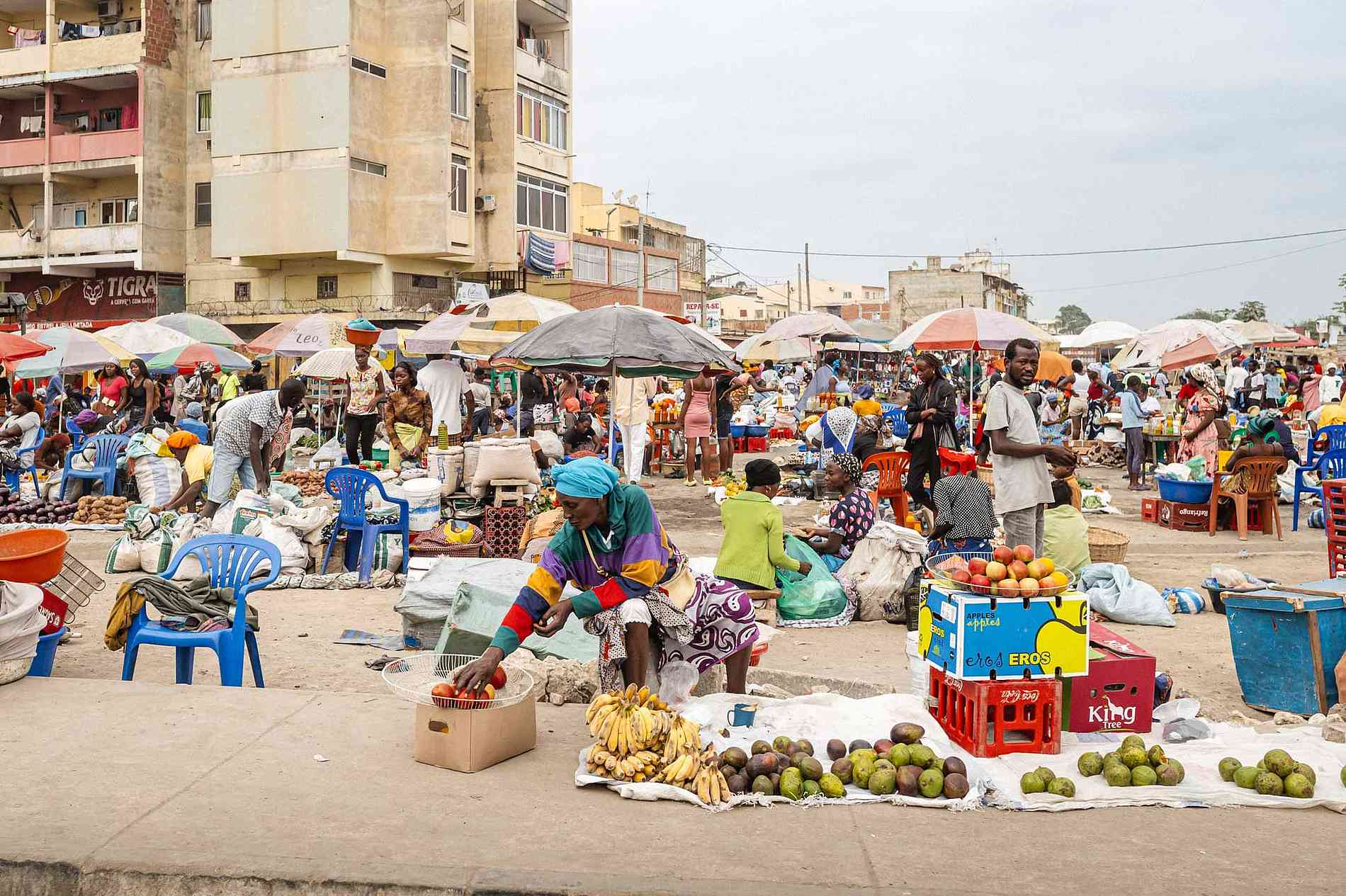
Local market in Congo offer the insights on how locals move on with daily life . This can be encountered by travelling with Pieland Gorilla Safaris.
Local Market in Congo

Exploring local markets and villages is another key part of the Congo Immersive Cultural Experience. These markets are vibrant, bustling places where visitors can interact with local sellers, discover handmade goods, and sample traditional foods. More than just a shopping experience, these markets are a window into the daily lives of the people, offering insight into their customs, agricultural practices, and sense of community. Visiting villages allows travelers to see how local people live and work, offering a unique view of life in the Congo that most tourists never experience. The Congo Immersive Cultural Experience emphasizes the deep connection between the people and the land, providing a unique perspective on Congo’s rural life.

 Cultural Tours and Folklore

Guided cultural tours are an essential part of the Congo Immersive Cultural Experience. Led by local experts, these tours delve into the myths, folklore, and oral traditions that have been passed down through generations. Visitors will hear fascinating stories about Congo’s history, its spiritual beliefs, and its connection to the land. These tours offer an understanding of the symbolism and rituals that shape everyday life in Congo. The opportunity to learn about Congo’s folklore from those who know it best makes the experience more profound and enriching, deepening your connection to the country and its people.

Benefits of Congo Immersive Cultural Experience
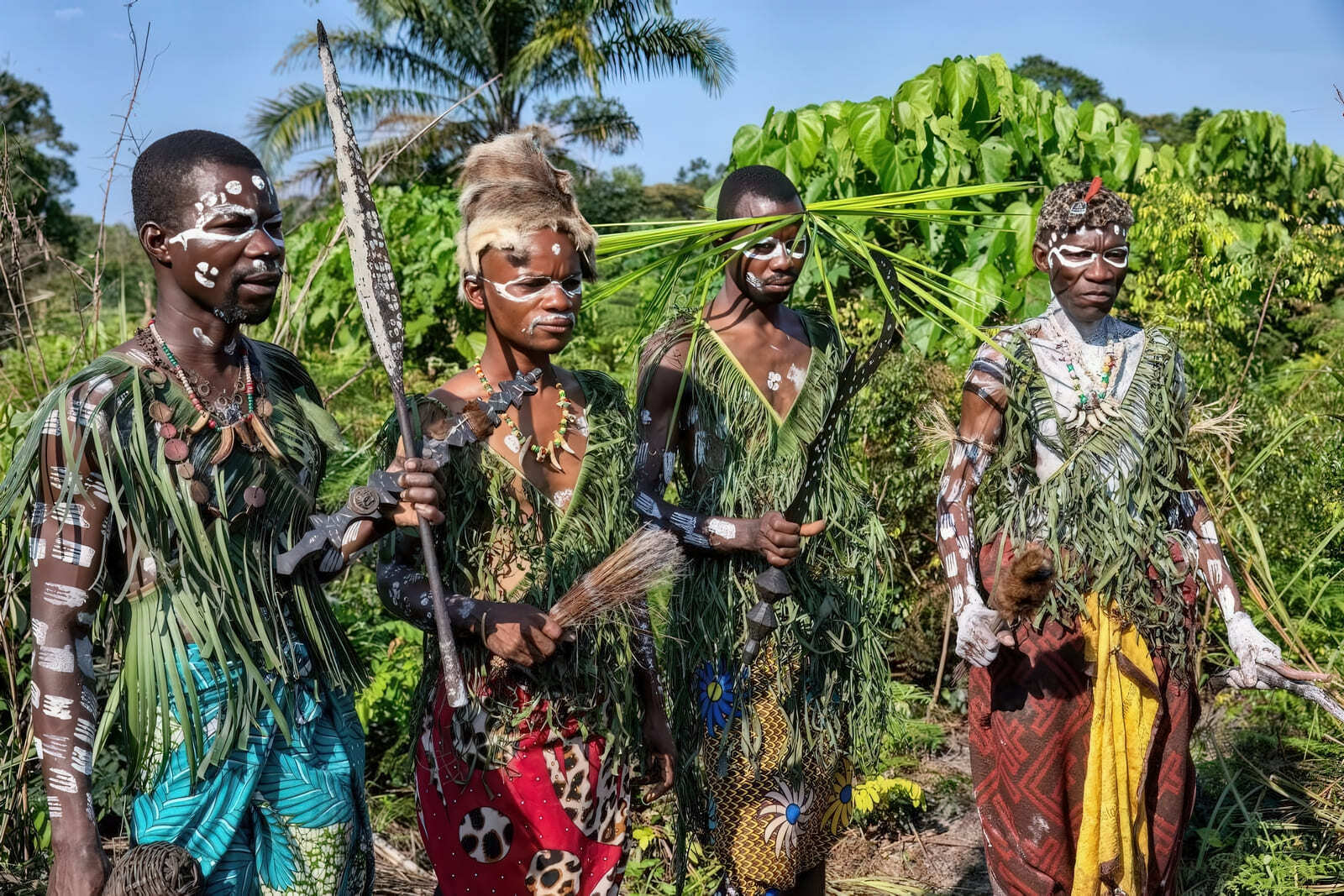
The indigenous tribes of Congo, such as the Batwa Pygmies and Banyarwanda, offer a unique and immersive cultural experience. Through Pieland Gorilla Safaris, visitors have the chance to engage with these tribes, learning about their ancient customs, traditions, and deep connection to the land. Travelers can participate in traditional dances, craft workshops, and hear folklore stories passed down through generations. These authentic encounters with Congo’s indigenous people provide a deeper understanding of the culture and its role in conservation efforts. Pieland Gorilla Safaris ensures respectful interactions, enhancing the cultural and wildlife experience.

Congo Immersive Cultural Experiences offer a truly unique opportunity to build a personal connection with local communities that goes far beyond traditional tourism. Travelers have the chance to engage with indigenous tribes like the Batwa Pygmies and Banyarwanda, learning about their deep cultural roots, daily practices, and spiritual beliefs. These interactions foster mutual respect and provide a more authentic understanding of the region, creating lasting bonds that can’t be replicated in more commercialized, surface-level tourist destinations.

Unlike traditional tours, the Congo Immersive Cultural Experience offers life-changing encounters that challenge visitors to see the world through the eyes of those who live close to nature and preserve their ancient customs. The sense of belonging to a community, even for a short time, makes the experience far richer and more meaningful. It’s not just about sightseeing; it’s about creating lasting memories that will influence how you perceive the world.

Moreover, Congo Immersive Cultural Experiences promote sustainable tourism by supporting local communities and cultural preservation. Instead of contributing to mass tourism, which can sometimes harm local ecosystems, this approach benefits both the environment and the people. The revenue from cultural tours helps ensure that these traditional ways of life are preserved for future generations, while also providing economic support for the local communities. The goal is to create a positive impact, empowering the communities you visit and encouraging responsible tourism that helps protect Congo’s cultural heritage.

Cultural Tours Combined with Gorilla Trekking
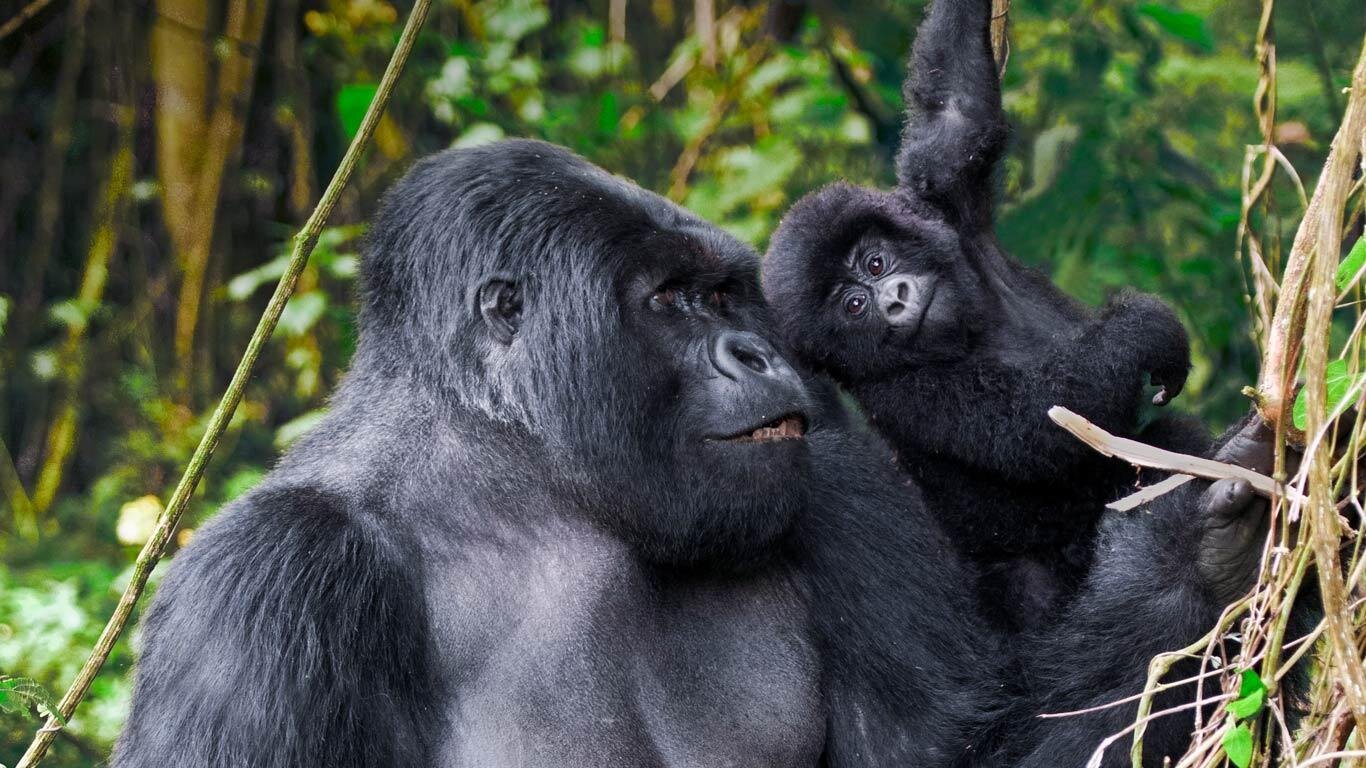
 

Experience the perfect blend of cultural immersion and gorilla trekking with Pieland Gorilla Safaris. This unique journey takes you through Virunga and Kahuzi-Biega National Parks, where you’ll trek to encounter the rare mountain gorillas and Eastern lowland gorillas. Alongside wildlife, immerse yourself in Congo’s rich cultural heritage by visiting indigenous tribes like the Batwa Pygmies and Banyarwanda, learning their traditional dances, crafts, and folklore. Pieland Gorilla Safaris ensures a respectful, enriching experience, combining adventure with cultural discovery while promoting sustainable tourism and wildlife conservation in Congo’s vibrant communities.
Cultural tours with gorlla trekking.

The integration of cultural immersion with gorilla trekking enriches the entire experience. While trekking through dense rainforests to observe the majestic gorillas, travelers also learn about the challenges local communities face in protecting these endangered species. Congo Immersive Cultural Experiences allow visitors to see the close relationship between wildlife conservation and local culture, as communities rely on the health of the environment and its wildlife for their livelihood. It’s a true symbiotic relationship, where cultural preservation and wildlife protection go hand in hand.

By engaging with local communities before or after a trek, visitors gain insight into the traditional knowledge and conservation practices that have been passed down through generations. For example, local guides often share stories about how their ancestors coexisted with wildlife, including gorillas, and how they continue to protect these animals today. This connection between wildlife and culture enriches the trekking experience, making it a more immersive and educational journey.

Cultural tours combined with gorilla trekking also provide a chance to experience Congo’s rich biodiversity from a human perspective. Visitors don’t just see the animals; they understand the context of how local cultures influence wildlife protection. Engaging in this integrated experience helps to make the traveler’s journey even more meaningful, as they realize the important role they play in supporting conservation efforts and cultural preservation through sustainable travel.

Best Time to Congo Immersive Cultural Experience

When planning your Congo Immersive Cultural Experience, choosing the right time to visit is essential for maximizing your experience. The best time to explore Congo’s culture depends on both weather conditions and the cultural events you wish to participate in.

Recommended Seasons for Cultural Tours

Congo experiences a tropical climate, with two main seasons:

The dry season (June to September): This is the ideal time to travel for cultural tours, as the weather is more predictable, with less rainfall. During this time, many cultural activities, like village visits and market explorations, can take place comfortably. The dry season also coincides with peak tourism season, so it’s a great time to visit the parks and enjoy both wildlife and cultural experiences.

The rainy season (October to May): While this season can make traveling more challenging, the lush green landscapes during the rainy months offer a beautiful backdrop for cultural immersion. Cultural festivals such as the Ndombe Dance Festival in January or traditional ceremonies are more commonly held during the rainy season. If you prefer a quieter experience with fewer tourists, the rainy months can provide a more authentic experience with local communities, as many festivals and traditions take place during this time.

Weather Considerations

While Congo is a year-round destination, consider that the humidity can be intense, especially in rainforests like Virunga National Park and Kahuzi-Biega National Park. For cultural tours, pack light, breathable clothing for comfort in the warm weather, but also prepare for possible rain by bringing waterproof gear.

Cultural Events and Festivals
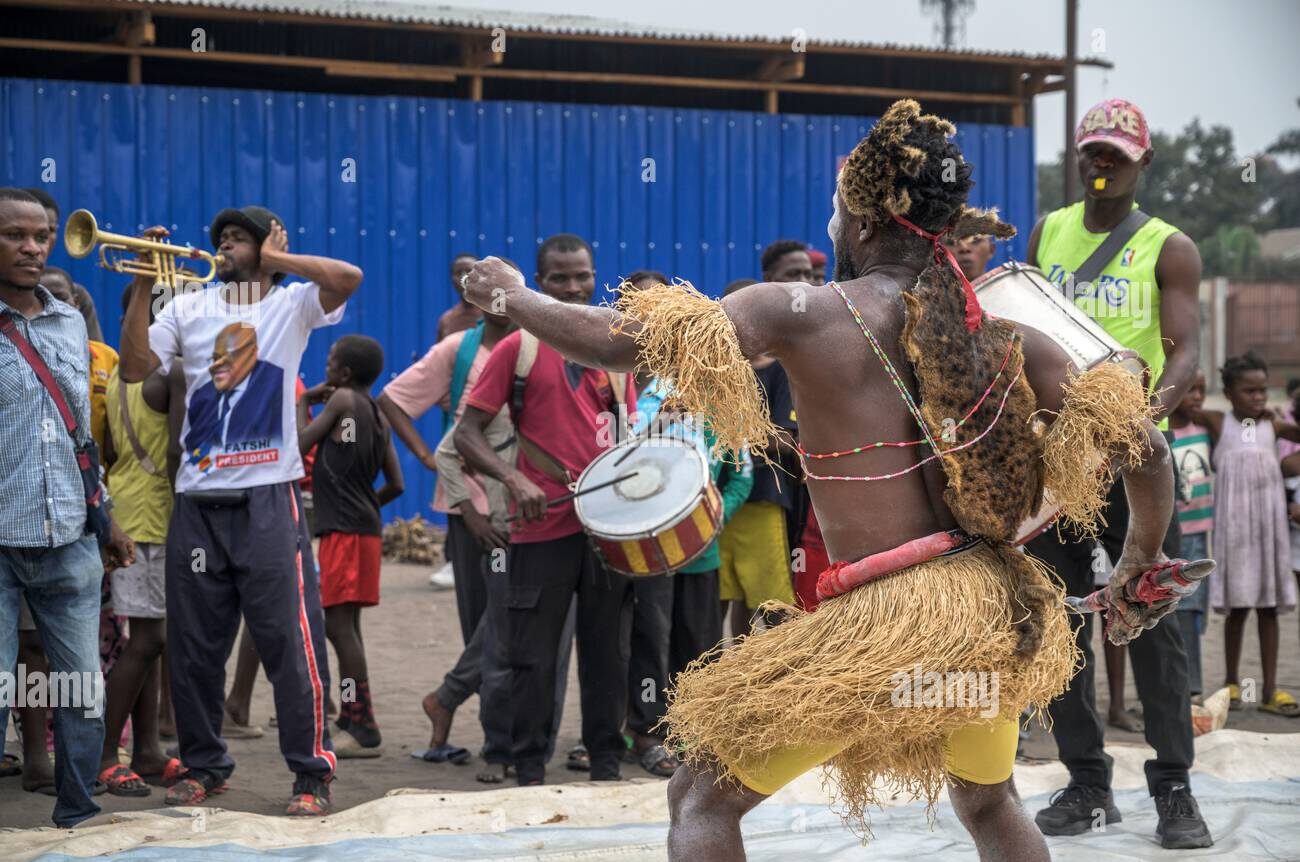
Ndombe dance festival is done to celebrate the Congolese music and this is one of the local encounteres with Pieland Gorilla Safaris .
Ndombe dance festival.

Congo’s cultural landscape is rich with festivals and traditional events that provide an authentic, immersive experience:

  • The Ndombe Dance Festival: Celebrating Congolese music, dance, and storytelling, this event is held in January and offers travelers the chance to experience vibrant performances.
  • The Lualaba Festival: Held in December, it celebrates the traditional cultures and dances of the Lualaba region, offering visitors an in-depth look at the local customs.
  • Independence Day Celebrations (June 30): Celebrations across the country, including parades, music, and traditional performances, provide insight into Congo’s history and national identity.

By timing your visit to coincide with these events, the Congo Immersive Cultural Experience is further enriched, as you’ll not only witness daily life but also be part of vibrant celebrations.

How to Book Your Congo Immersive Cultural Experience

Booking your Congo Immersive Cultural Experience with Pieland Gorilla Safaris is straightforward and flexible, allowing for a highly personalized journey.

Step-by-Step Guide for Booking

Contact Pieland Gorilla Safaris
Visit the Pieland Gorilla Safaris website or reach out via email or phone to inquire about the Congo Immersive Cultural Experience. Provide details about your preferred dates, group size, and any specific cultural activities you’re interested in.

Customize Your Itinerary
Based on your preferences, Pieland Gorilla Safaris will help you create a customizable itinerary that blends cultural tours with other activities like gorilla trekking, wildlife safaris, or hiking Nyiragongo Volcano. Discuss whether you’d prefer a group tour or a more private, exclusive experience.

Confirm Your Booking
Once your itinerary is finalized, a booking confirmation will be sent, which includes details about your cultural activities, accommodation, and transfers. You’ll receive all necessary documentation, including any required permits for gorilla trekking.

Payment and Deposits

A deposit is required to secure your booking. Once confirmed, Pieland Gorilla Safaris will assist with payment and finalizing the details of your cultural experience, including local guides, transportation, and accommodation.

Pre-Trip Consultation
Leading up to your departure, Pieland offers a pre-trip consultation to ensure you are fully prepared. This includes advice on what to pack, understanding the cultural etiquette, and preparing for your trek.

Embark on Your Journey
After all arrangements are made, enjoy your Congo Immersive Cultural Experience with Pieland Gorilla Safaris, led by expert guides and locals who will ensure your trip is seamless, authentic, and unforgettable.

Testimonials and Reviews

The Congo Immersive Cultural Experience has left many visitors with lasting memories of the region’s incredible culture and welcoming people. Here are some testimonials from past travelers who have had enriching experiences with Pieland Gorilla Safaris:

  • John & Sarah – USA
    “Our experience in Congo was nothing short of magical. The opportunity to engage with the Batwa Pygmies and learn their traditions was life-changing. The trek to see the Eastern lowland gorillas in Kahuzi-Biega National Park was a highlight, and the cultural stories shared by our guides added so much depth to the entire journey. Thank you, Pieland, for making it all possible!”
  • Claire – UK
    “The Congo Immersive Cultural Experience was a dream come true. We visited local markets, participated in craft workshops, and heard beautiful stories from the indigenous people. It felt so much more than a typical vacation—this trip truly connected us with Congo’s soul.”
  • Antonio – Italy
    “I can’t recommend Pieland Gorilla Safaris enough. The combination of cultural immersion and gorilla trekking gave us an unforgettable understanding of Congo’s rich culture and wildlife. The team at Pieland took care of everything, ensuring we were comfortable, safe, and fully immersed in the local experience.”

How to Fly to Congo

To travel to the Democratic Republic of the Congo (DRC), you’ll typically fly into one of the main international airports in the country, either in Kinshasa (the capital city) or Goma (a key entry point for tourists heading to Virunga National Park. Here’s how to get there.
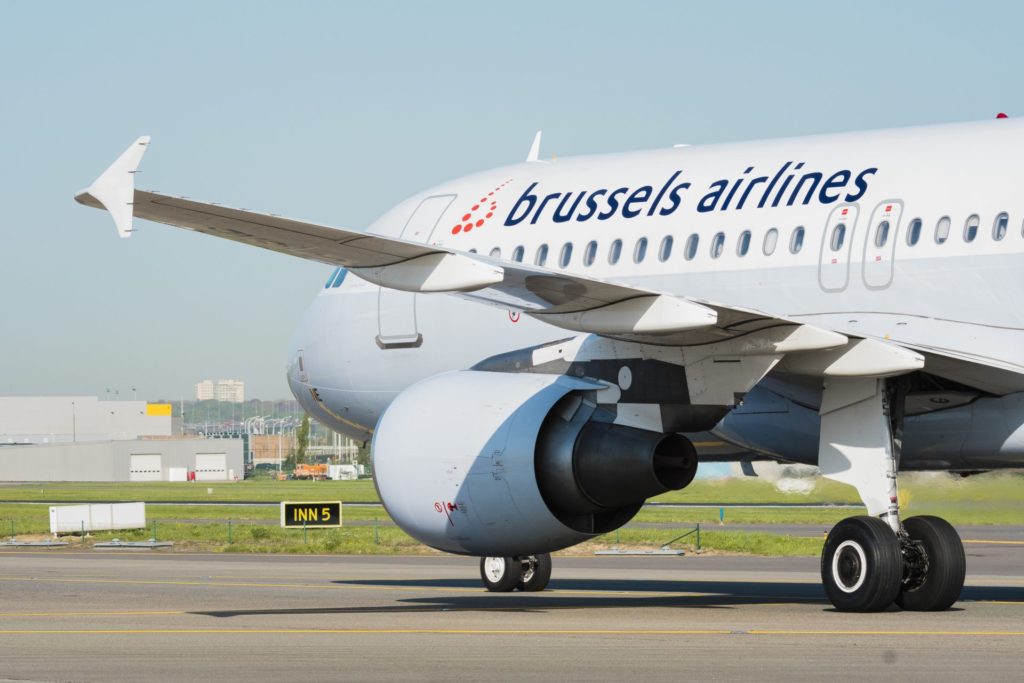
Brussels Airlines flies to Congo which makes it easy to plan your Cultural safari with Pieland Gorilla Safaris.
Brussels Airlines flies to Congo.

Major International Airports: Kinshasa N’djili International Airport (FIH): The primary international airport in Kinshasa, the capital city. Most international flights to the DRC will land here. Other travelers may choose Kigali international airport and cross to Congo by road.

Visit Visa for the Democratic Republic of Congo (DRC)

A Visit Visa for the Democratic Republic of Congo (DRC) is required for travelers who plan to enter the country for tourism, leisure, or short-term visits. This visa allows you to explore Congo’s rich cultural and natural heritage, such as gorilla trekking in Virunga National Park or engaging with local communities during cultural tours.

Application Process:

Required Documents:

    • Valid Passport: Your passport should be valid for at least 6 months from the date of entry into Congo.
    • Completed Visa Application Form: Available at the Congo Embassy or through the eVisa portal (if applicable). Apply for visit visa
    • Passport-sized Photographs: Typically, you need to provide two recent passport-sized photos.
    • Travel Itinerary: A document showing your flight details (round-trip flight bookings) and hotel reservations.
    • Yellow Fever Vaccination Certificate: You must provide proof of Yellow Fever vaccination, which is required for entry into Congo.
    • Visa Fee: The cost of a Visit Visa usually ranges from $50 to $100 USD, depending on your nationality and duration of stay.

Application Method

      • eVisa (Online): For some countries, Congo offers an eVisa service, which you can apply for online. The process is simple and faster, with most applicants receiving their eVisa within 3-5 business days. You’ll need to upload your documents, pay the visa fee, and wait for approval.
      • Embassy Application: If you’re not eligible for the eVisa or prefer to apply in person, you can submit your visa application to a Congo Embassy or Consulate in your country. The embassy will review your documents and process your application.

Processing Time

        • eVisa: Typically processed within 3-5 days.
        • Embassy Application: Processing time can take 5-7 business days, depending on the embassy and the completeness of your documents.

Visa Fees

  • The fee for a Visit Visa generally ranges from $50 to $100 USD, depending on factors such as your nationality, visa duration, and whether the application is handled online or in person.

Entry Requirements:

Upon arrival in Congo, ensure you have the following:

  • Visa: Make sure your visa is stamped in your passport.
  • Yellow Fever Vaccination Certificate: This is a mandatory requirement for entry.
  • Other Documentation: You may be asked to provide additional documents like proof of accommodation or financial means to support your stay.

Extension of Visit Visa:

If you wish to stay in Congo longer than the duration of your Visit Visa, you can apply for an extension at the Immigration Office within the country. Extensions are generally granted for up to 30 days or more, depending on the circumstances.

This Visit Visa is designed for short stays, typically for tourism or cultural exploration. For travelers interested in experiencing Congo’s wildlife and indigenous cultures, obtaining this visa is the first step in what promises to be an unforgettable adventure.

Request a quote for Congo Immersive Cultural Experience.

Frequently Asked Questions Congo Immersive Cultural Experience

What is the Congo Immersive Cultural Experience?
The Congo Immersive Cultural Experience offers travelers the opportunity to engage deeply with Congo’s local cultures. It includes interactions with indigenous tribes, participation in traditional workshops, and exploration of local markets and villages, providing a genuine, hands-on connection with Congo’s rich cultural heritage.

What makes Congo’s cultural experience unique?
Congo’s cultural experience is unique because it offers an authentic, off-the-beaten-path journey into the heart of traditional African cultures. Visitors interact with indigenous communities, participate in age-old customs, and experience life in the wild, making it different from commercialized tourist destinations.

How do I engage with local communities during my cultural tour in Congo?
Engagement with local communities involves direct interaction with tribal members, visiting villages, and participating in traditional practices like dance, music, and crafts. Travelers can also share in the cultural traditions and learn from community elders about local customs and conservation efforts.

What tribes can I interact with during my visit to Congo?
Visitors can engage with tribes like the Batwa Pygmies, Banyarwanda, and the Lokele tribes. These communities offer a rare glimpse into Congo’s deeply rooted cultural heritage, with opportunities to witness traditional dances, music, and rituals.

Can I visit the Batwa Pygmies on a cultural tour in Congo?
Yes, visiting the Batwa Pygmies is one of the highlights of the Congo Immersive Cultural Experience. The Batwa have lived in the forests for centuries, and their cultural practices offer an intimate view into an ancient way of life.

What can I learn from the Batwa Pygmies during a cultural visit?
During a cultural visit, you can learn about the Batwa’s history, their traditional hunting and gathering techniques, their beliefs, and their symbiotic relationship with the forest. Visitors can participate in traditional dances, songs, and even learn their unique craft skills.

How can I engage with the Banyarwanda tribe in Congo?
The Banyarwanda tribe can be engaged through visits to their villages, where you can participate in cultural activities, witness traditional ceremonies, and learn about their agricultural practices, language, and family traditions.

What is the significance of the Batwa Pygmies in Congo’s cultural history?
The Batwa Pygmies are one of the oldest indigenous groups in Central Africa. They have a deep connection to the forests and their knowledge of the forest ecosystem has been passed down for generations. Their way of life offers valuable insight into how humans can coexist with nature in harmony.

Are the Lokele tribe included in cultural tours offered by Pieland Gorilla Safaris?
Yes, the Lokele tribe is included in certain cultural tours. The Lokele are known for their unique traditions and beliefs. Visits to their villages provide travelers with an enriching cultural experience, learning about their customs, food, and lifestyle.

What is the lifestyle of the Lokele tribe like?
The Lokele people have a primarily farming and fishing lifestyle, living in small villages along rivers. They are known for their intricate rituals, dances, and spiritual ceremonies that are deeply tied to the natural environment around them.

How can I visit a Lokele village in Congo?
A visit to a Lokele village is arranged through Pieland Gorilla Safaris. Travelers will be guided to these remote areas to experience the daily lives of the Lokele people, learn about their traditions, and participate in cultural activities.

What are the traditional practices of the Lokele tribe?
The Lokele tribe has rich spiritual rituals, traditional dances, and healing practices that are performed during important ceremonies, such as harvest festivals and rites of passage. They also engage in rituals tied to the land and its seasons.

What kind of traditional music and dances can I experience in Congo?
You can experience a wide range of tribal dances and songs in Congo, each with unique rhythms and instruments, like drums, flutes, and chimes. These dances often tell the stories of the tribe, their ancestors, and their connection to nature.

Are there any specific festivals in Congo that I can participate in during my visit?
Yes, visitors can participate in festivals like the Ndombe Dance Festival and Lualaba Festival. These festivals celebrate traditional music, dance, craftsmanship, and storytelling, offering travelers an immersive experience in Congo’s vibrant cultural life.

What cultural festivals are celebrated in Congo throughout the year?
In addition to the Ndombe Dance Festival (January) and Lualaba Festival (December), other notable events include Independence Day Celebrations (June 30) and local harvest festivals that celebrate the agricultural cycles and traditional beliefs.

How do I prepare for cultural tours with indigenous tribes in Congo?
Preparation includes respecting local customs, bringing appropriate clothing, and understanding the cultural sensitivities of the tribes. Pieland Gorilla Safaris provides travelers with a pre-trip consultation that covers etiquette, local practices, and safety guidelines.

Is it respectful to take photos when interacting with local tribes?
Taking photos is generally acceptable but always ask for permission before photographing individuals or ceremonies. Respecting the privacy of the tribes and their customs is crucial during your visit.

What should I wear during a cultural tour in Congo?
Wear comfortable, lightweight clothing suitable for the tropical climate, and bring sturdy shoes for walking through villages and forests. In some areas, modest clothing is recommended when visiting local communities.

What activities can I participate in during a cultural experience in Congo?
You can participate in traditional dances, craft workshops, cooking classes, market tours, and visit local villages to engage in daily activities such as farming, herding, or hunting (depending on the tribe).

What type of food can I expect to try during my cultural tour in Congo?
Expect to try local dishes such as cassava, plantains, beans, grilled meat, and traditional stews. Visitors often join the community in preparing meals, offering a hands-on approach to Congo’s culinary traditions.

Can I purchase traditional crafts from local communities during my visit?
Yes, visitors can purchase handmade crafts like baskets, pottery, woven textiles, and wood carvings directly from local artisans. Purchasing these items supports the communities and helps preserve their cultural heritage.

How are cultural tours in Congo linked to wildlife conservation efforts?
Cultural tours help support sustainable tourism by providing economic benefits to local communities, who are then incentivized to protect the wildlife around them. Many indigenous groups are actively involved in wildlife conservation, making tourism a key component in preserving Congo’s natural and cultural heritage.

Are there any language barriers when interacting with local tribes in Congo?
While there may be some language barriers, most local guides speak French or Lingala, and many indigenous tribes speak their own languages. Pieland Gorilla Safaris provides local guides who can act as interpreters to ensure smooth communication.

How can I contribute to the community while visiting Congo?
You can contribute by supporting local businesses, purchasing handmade goods, participating in cultural workshops, and donating to local conservation efforts or community projects designed to protect the environment and cultural traditions.

What is the best time of year to visit Congo for cultural experiences?
The dry season from June to September is ideal for cultural tours, as the weather is easier to navigate. However, cultural festivals typically take place during the rainy season, offering a unique opportunity to experience Congo’s vibrant celebrations.

What should I bring with me on a cultural tour in Congo?
Bring comfortable clothing, sturdy shoes, a camera, insect repellent, and personal hygiene items. If you plan to visit tribal villages, it’s respectful to bring small gifts or donations for the community.

How long is a typical cultural tour with Pieland Gorilla Safaris?
Cultural tours can vary from 2-7 days, depending on your itinerary. Some tours combine cultural experiences with wildlife safaris, such as gorilla trekking in Virunga or Kahuzi-Biega National Parks.

Are the cultural experiences in Congo available as private or group tours?
Both options are available. Pieland Gorilla Safaris offers customized private tours for more personalized experiences, or group tours for those who prefer to explore with others.

What’s included in the price of a cultural tour with Pieland Gorilla Safaris?
The price typically includes accommodation, transportation, cultural experiences, guides, and entrance fees to parks and villages. It may also include some meals and local crafts or donations to communities.

Do I need a visa for cultural tours in Congo?
Yes, a visa is required for all travelers visiting Congo. You can apply for an eVisa or visit the nearest Congolese Embassy for more information.

Is it safe to travel in Congo for cultural tours?
Congo is generally safe for tourists, especially when traveling with Pieland Gorilla Safaris. Local guides ensure safety and cultural sensitivity. Always follow the guidance of your tour guides and be mindful of local customs.

What precautions should I take when visiting remote villages in Congo?
Be mindful of health precautions, such as vaccinations and insect protection. Always respect local customs and traditions. It’s also important to follow safety guidelines provided by your guide.

Can I combine a gorilla trek with cultural tours in Congo?
Yes, Pieland Gorilla Safaris offers itineraries that combine gorilla trekking with cultural immersion, giving travelers a unique chance to explore both wildlife and local cultures.

What are the cultural highlights of visiting Virunga National Park in Congo?
Virunga offers a chance to witness mountain gorillas and engage with local communities, experiencing both cultural heritage and wildlife conservation efforts in one of the world’s most biodiverse parks.

How does the local culture affect the gorilla trekking experience in Congo?
The local culture plays a significant role in gorilla conservation efforts. Indigenous communities are actively involved in protecting the gorillas, making cultural interactions an essential part of the trekking experience.

What role do indigenous communities play in gorilla conservation in Congo?
Indigenous communities help protect gorillas by managing eco-tourism, participating in anti-poaching efforts, and using their traditional knowledge to promote sustainable practices.

What is the significance of Congo’s oral traditions and folklore?
Congo’s oral traditions and folklore provide insight into its spirituality and cultural identity, reflecting the deep connection between its people and the natural world.

Can I visit Congo’s local markets and villages during a cultural tour?
Yes, visiting local markets and villages is a key part of the Congo Immersive Cultural Experience. These visits offer a chance to observe daily life and engage with local customs.

What are some must-see cultural landmarks in Congo?
Some must-see cultural landmarks include local villages, traditional temples, and historical sites related to Congo’s colonial history and tribal origins.

Can I experience both wildlife and culture in a single tour in Congo?
Yes, many tours combine gorilla trekking with visits to local communities and cultural sites, offering a holistic experience of both wildlife and cultural heritage.

What kind of activities can I expect in a Batwa Pygmy village?
In a Batwa Pygmy village, you can participate in traditional dances, songs, and crafts, as well as learn about the Batwa’s forest-based way of life and conservation practices.

How does Pieland Gorilla Safaris ensure a respectful and authentic cultural experience?
Pieland ensures a respectful cultural experience by working closely with local tribes, providing trained guides who understand the customs and ensuring ethical travel that respects the rights and dignity of indigenous communities.

Are cultural tours in Congo suitable for families and children?
Yes, cultural tours in Congo can be family-friendly, offering educational experiences suitable for all ages. Children will enjoy learning about traditional music, dancing, and participating in crafts.

What is the best way to respect the traditions of the tribes I visit in Congo?
Respect the local customs by asking for permission before taking photos, adhering to cultural etiquette, and being mindful of tribal values. Engage in conversations with an open mind and a respectful attitude.

How do the people of Congo feel about cultural tourism?
The people of Congo view cultural tourism positively as it provides economic benefits to local communities, helps preserve cultural traditions, and promotes greater awareness of the country’s heritage.

Can I spend time with both the Batwa and Banyarwanda tribes on the same cultural tour?
Yes, with Pieland Gorilla Safaris, you can include both the Batwa and Banyarwanda tribes in your itinerary, allowing for a diverse cultural experience with two distinct tribal traditions.