
Fishing on Lake Albert Uganda
Introduction
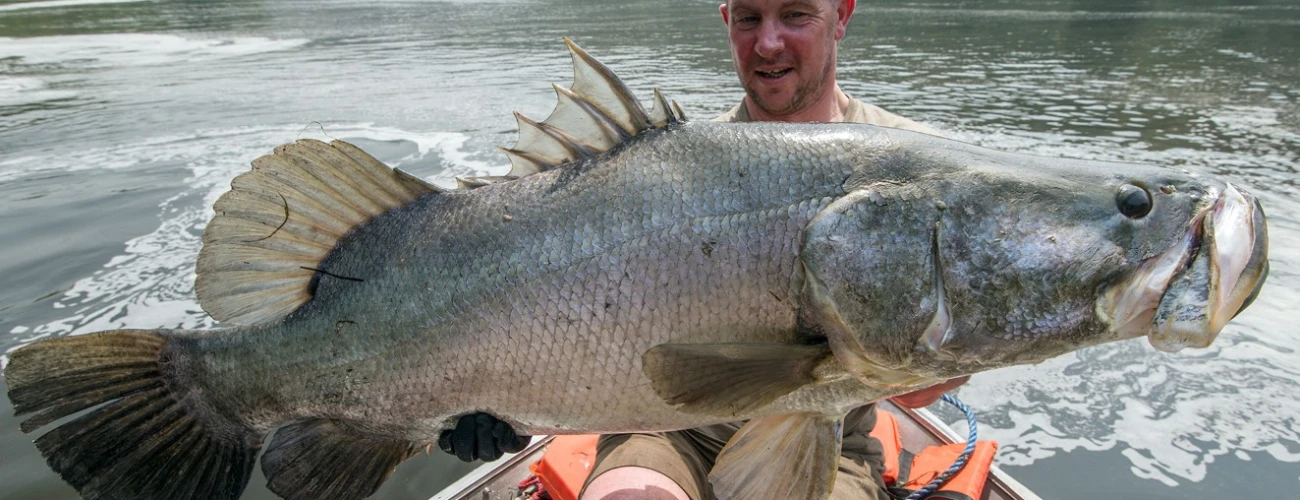
Fishing on Lake Albert Uganda offers a thrilling adventure to catch Nile perch, tilapia, and more while enjoying wildlife, and local culture. This expansive freshwater lake, stretching over 160 kilometers, is part of the Albertine Rift, a region known for its stunning biodiversity and rich ecological significance. With its crystal-clear waters, tranquil surroundings, and diverse array of fish species, Lake Albert offers a unique and unforgettable fishing experience. Whether you’re a seasoned angler or a beginner looking to explore the world of fishing, Lake Albert provides a welcoming environment for all. Its combination of breathtaking views, abundant fish populations, and access to local cultures makes it a top choice for fishing enthusiasts from around the world.
Why Fish on Fishing on Lake Albert Uganda?
Unique Fishing Experience
Fishing on Lake Albert is an experience unlike any other. The lake’s calm waters and pristine environment offer a peaceful and relaxing setting, making it perfect for both leisurely fishing trips and more competitive endeavors. Whether you’re casting a line from a boat or fishing from the shore, the serenity of the lake provides the ideal backdrop for an immersive outdoor experience. The chance to catch some of Africa’s most prized fish species, such as cand tilapia, combined with the beauty of the surrounding landscapes, creates a fishing adventure that is both challenging and rewarding.
Rich Biodiversity in Lake Albert
Lake Albert is home to a rich variety of fish species, making it a paradise for anglers. The lake’s ecosystem supports large populations of Nile perch, tilapia, and catfish, as well as several other species that can be targeted for sport fishing. The lake is part of the larger East African Rift system, which makes it a key site for biodiversity, particularly for migratory birds and aquatic life. This means that fishing on Lake Albert is not just about catching fish; it’s also about being part of an ecosystem that is teeming with life, where each fishing trip offers the opportunity to witness unique wildlife in its natural habitat.
Opportunities for Anglers of All Skill Levels
One of the key attractions of fishing on Lake Albert is that it caters to anglers of all levels. Whether you’re a first-time fisherman or a seasoned pro, Lake Albert offers a variety of fishing opportunities. Novice anglers can enjoy the calm and accessible shores, where shallow waters are perfect for practicing casting and catching smaller fish species. For the more experienced angler, deeper waters and the chance to land larger catches like Nile perch provide an exciting challenge. The diversity of fishing techniques—from trolling to fly fishing—ensures that there is something for everyone. The presence of expert local guides also means that you can enjoy a customized experience, tailored to your skill level, preferences, and interests.
Fishing on Lake Albert offers a diverse, engaging experience for anyone seeking adventure, nature, and the thrill of the catch. Whether you’re drawn to the challenge of landing a trophy-sized Nile perch or simply want to enjoy a tranquil day by the water, Lake Albert is a destination that guarantees a memorable fishing experience.
Best Time to Fish on Fishing on Lake Albert Uganda
Ideal Seasons for Fishing
The best time to fish on Lake Albert largely depends on the region’s seasonal weather patterns, but in general, the prime fishing months are during the dry season, from June to September. During this period, the weather is more predictable with lower humidity and fewer rain interruptions, making the fishing conditions ideal. The dry season allows for easier access to fishing spots, as the lake’s waters are calmer and the trails are less muddy, providing better overall conditions for both boat and shore fishing. It’s also the time when fish are more concentrated around water sources, increasing the chances of a successful catch.
While the dry season offers optimal conditions, fishing on Lake Albert can still be rewarding during the rainy season (March to May and October to December). However, the rainy season brings heavy rainfall, higher humidity, and increased cloud cover, which can make fishing conditions more challenging. Though it is generally less crowded, it can still be an excellent time for experienced anglers, as fish are more likely to be dispersed, requiring greater skill to locate them.
Weather Patterns and Their Effect on Fishing Conditions
Weather plays a significant role in fishing conditions on Lake Albert. The region’s tropical climate can experience both rainy and dry spells, which affect water levels, fish behavior, and accessibility to certain fishing spots. During the rainy season, the increased rainfall can cause water levels to rise, which might temporarily affect certain species’ behavior and distribution. Fish tend to move to different areas in search of food, and the increased turbidity in the water may make them harder to locate.
In contrast, during the dry season, the waters of Lake Albert remain clear, and the fish become more predictable as they concentrate near feeding areas. The mild temperatures and reduced rainfall create a more stable environment for both the fish and the fishermen, making it easier to gauge the best times of day to fish. Early mornings and late afternoons are particularly fruitful for catching larger species like Nile perch, as fish are more active during these cooler hours.
Types of Fish Found on Lake Albert
Nile Perch
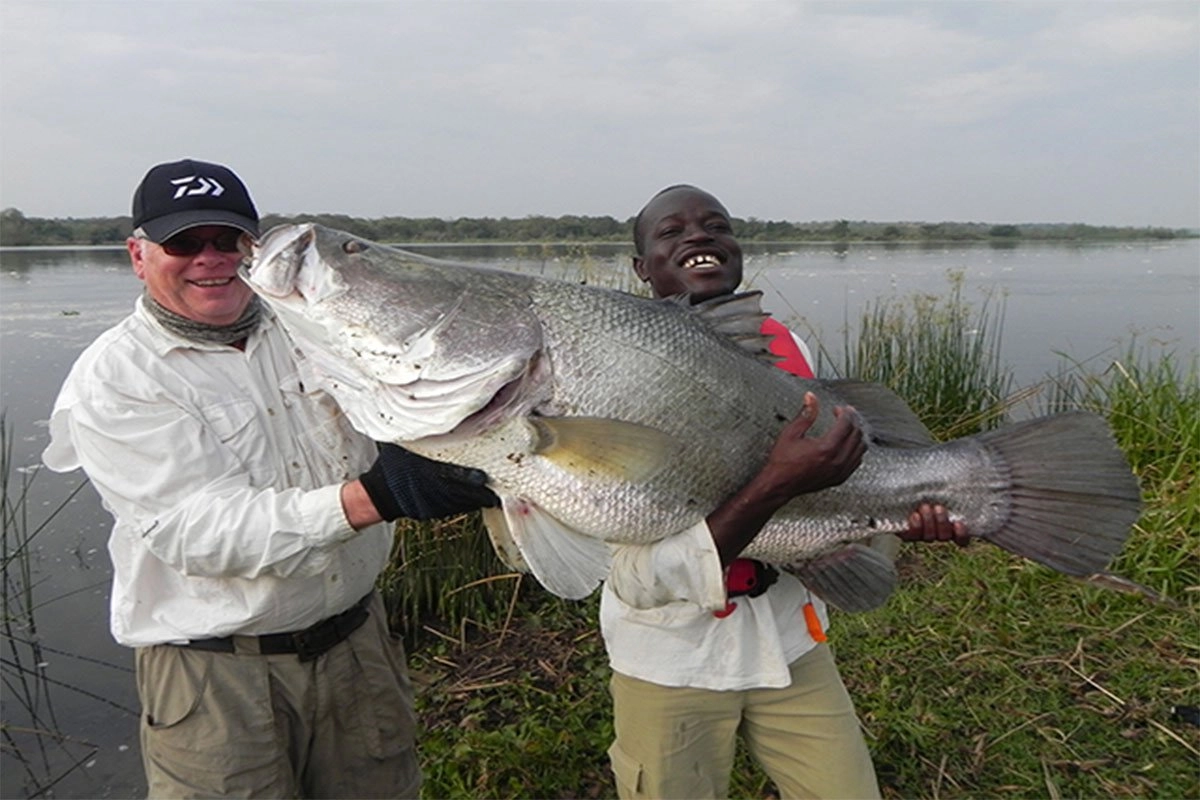
The Nile perch is the crown jewel of Lake Albert’s fishing scene. Known for its immense size and powerful fight, the Nile perch is one of the most sought-after species for both commercial and recreational fishing. These fish can grow to over 100 kilograms, making them a thrilling catch for any angler. Nile perch are typically found in the deeper parts of the lake, though they often move toward the shorelines during certain feeding times. Trolling with live or artificial bait is the most common method for catching Nile perch. The peak fishing seasons for Nile perch coincide with the lake’s dry months, as the water levels stabilize and the fish are more likely to bite.
Tilapia
Tilapia is another popular fish found on Lake Albert Uganda, prized for its delicate flavor and easy catch. Tilapia are typically smaller than Nile perch but still offer a fun challenge for anglers. They tend to prefer shallower waters and can be caught throughout the year using techniques like casting or netting. The abundance of tilapia in Lake Albert provides an excellent opportunity for both beginners and experienced fishermen. These fish are often found in large schools, making it possible to catch multiple fish in a short amount of time.
Catfish and Other Species
Lake Albert is home to several species of catfish, which are well-known for their strength and size. The most commonly found species include the giant catfish, which can grow to large sizes and provide a challenging and exciting experience for anglers. These catfish are typically found in deeper waters, and anglers often use bottom fishing techniques with heavy tackle to land them. The catfish’s ability to fight and its deep habitat make it a rewarding catch for those seeking a more challenging fishing experience.
In addition to Nile perch, tilapia, and catfish, Lake Albert is also home to a variety of other species. These include smallmouth bass, giant catfish, and various types of freshwater sardines. Many of these species are sought after for their unique characteristics and flavors, making the lake a great destination for diverse fishing experiences. Whether you’re a novice angler looking to catch smaller fish or a seasoned fisherman aiming for a record-breaking Nile perch, Lake Albert offers an incredible variety of fish species to target.
Fishing Techniques on Lake Albert
Trolling
Trolling is one of the most popular and effective techniques for fishing on Lake Albert, especially when targeting large species like Nile perch. This technique involves slowly dragging a baited line behind a moving boat, allowing anglers to cover large areas of the lake in search of fish. Trolling is particularly effective in deeper waters where larger fish tend to hunt for prey. The use of bright, attention-grabbing lures or live bait mimicking fish in distress attracts predators like Nile perch and other large species. The method also allows anglers to fish at different depths, adjusting the trolling speed and the weight of the line to target fish at various levels. Trolling on Lake Albert offers an exciting challenge, especially when reeling in a massive Nile perch after a long and thrilling fight.
Casting
Casting is a versatile and hands-on fishing technique that can be used in both shallow and deeper areas of Lake Albert. Anglers cast their line with a lure or bait and reel it in, mimicking the movement of small fish that attract larger predators. This technique is effective for targeting a variety of species, including tilapia and smaller Nile perch. Whether fishing from a boat or the shore, casting allows anglers to actively engage with the fishing process. The thrill of casting in the clear waters of Lake Albert and watching the line tighten as a fish strikes is one of the joys of fishing on the lake. This method is often used in combination with other techniques for a well-rounded fishing experience.
Live Bait Fishing
Live bait fishing is another popular method for targeting larger fish such as Nile perch, catfish, and tilapia. By using live bait, such as small fish, worms, or insects, anglers can mimic the natural diet of the fish they are targeting. This method is particularly effective for attracting predators that are opportunistic feeders. Live bait is often used in deeper waters, where fish are more likely to be found hunting for their next meal. In addition to being highly effective, live bait fishing allows anglers to experience the thrill of watching a fish take the bait and fight it to the surface. This technique is ideal for both novice and seasoned anglers who enjoy the challenge of working with live prey.
Fly Fishing (if applicable)
While not as common as trolling or casting, fly fishing on Lake Albert is growing in popularity, particularly for anglers looking for a more refined and technical approach to catching fish. Fly fishing is often used in the shallower waters of the lake, where species like tilapia are more likely to be found. Anglers use artificial flies that mimic the natural prey of the fish, such as insects, small fish, or crustaceans. Fly fishing on Lake Albert requires a higher level of skill and finesse but offers a unique and rewarding experience. The quiet and graceful nature of fly fishing makes it an appealing choice for those looking for a peaceful yet challenging fishing experience.
Fishing Tours and Packages
Guided Fishing Tours
For anglers looking to maximize their fishing experience on Lake Albert, guided fishing tours are an excellent option. Experienced local guides offer in-depth knowledge of the best fishing spots, seasonal trends, and the most effective techniques. Whether you’re a beginner or an experienced angler, having a guide ensures that you get the most out of your time on the water. Guides can help you navigate the lake, offer tips on fishing methods, and even provide the necessary gear and bait. Some guided tours also include cultural insights, giving you the chance to learn about the local communities and the history of Lake Albert as you fish. Guided fishing tours often come with the added benefit of boat rentals, tackle, and other necessary equipment.
Available Fishing Lodges and Accommodations
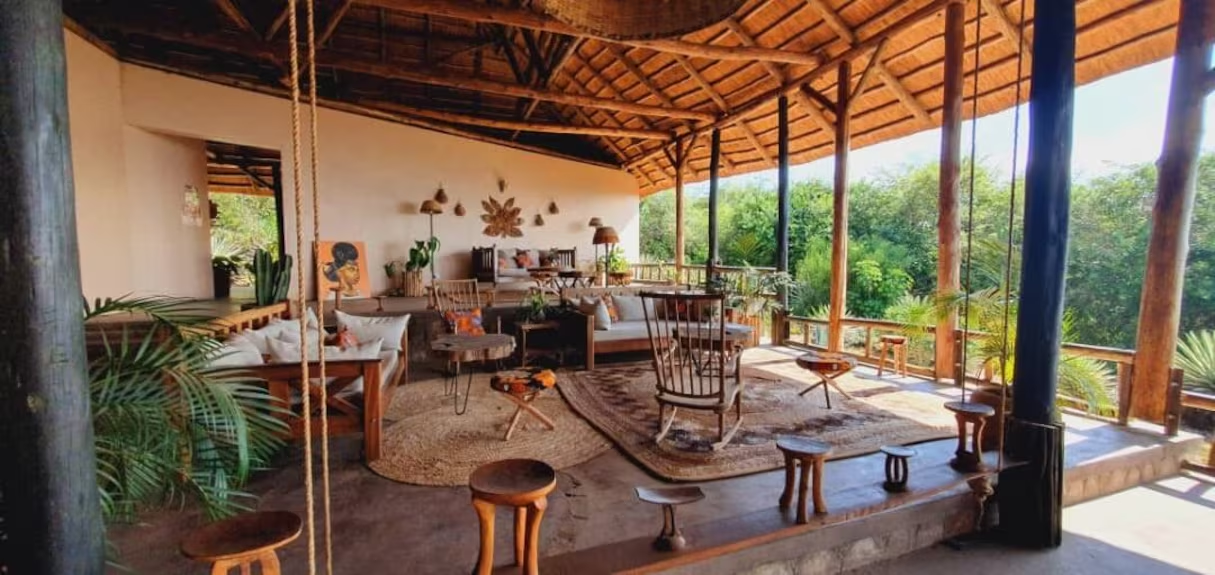
Lake Albert offers a range of accommodations, catering to different tastes and budgets. For those seeking luxury, there are high-end fishing lodges that provide an all-inclusive experience. These lodges offer comfortable rooms, fine dining, private boat services, and a variety of amenities like spas and pools, allowing you to unwind after a day of fishing. Mid-range accommodations are also available, offering comfortable rooms, local cuisine, and easy access to fishing spots. For those looking to immerse themselves more closely in nature, budget-friendly eco-lodges or camping options provide a more rustic experience while still offering basic comforts. Many of these accommodations are located near prime fishing locations, making it easy to start your fishing adventure right from your doorstep.
Customizable Fishing Packages
Fishing on Lake Albert can be tailored to suit your specific interests and preferences with customizable fishing packages. These packages allow you to choose the duration of your stay, the type of fishing experience you want, and the level of accommodation. Whether you’re looking for a short getaway with a focus on Nile perch fishing or a longer, more immersive trip that includes cultural tours and exploration of the lake’s diverse wildlife, there’s a package for every traveler. Some packages also allow for flexibility in fishing techniques, offering options for trolling, casting, and live bait fishing, depending on your skill level and goals. With customizable options, anglers can create the perfect fishing itinerary that aligns with their interests, from family-friendly tours to more specialized, private fishing expeditions.
Overall, fishing on Lake Albert offers not only a chance to catch world-class fish but also an opportunity to experience the beauty of Uganda’s natural landscapes, making it a must-visit destination for any fishing enthusiast. Whether you choose to go it alone with a guide or book a comprehensive tour, the diverse options available ensure a memorable and rewarding fishing adventure.
Fishing Regulations and Permits
Requirements for Fishing Permits
Before embarking on a fishing adventure on Lake Albert, obtaining the appropriate fishing permits is essential to ensure a legal and responsible fishing experience. Uganda’s fisheries regulations require anglers to possess a fishing permit for any commercial or recreational fishing activities within the country’s waters. Fishing permits are typically issued by Uganda’s Ministry of Agriculture, Animal Industry and Fisheries (MAAIF), and can be obtained through local authorities, fishing lodges, or tour operators.
Permits are required for both shore and boat fishing, and they may vary depending on the type of fishing (e.g., recreational or commercial) and the fishing methods used. For tourists, it is best to book a fishing tour package through a licensed operator, as they can assist in obtaining the necessary permits, ensuring all legal requirements are met. Tour operators may offer permits as part of their all-inclusive packages, simplifying the process for visitors.
Catch Limits and Conservation Practices
Sustainable fishing practices are crucial to maintaining the health of Lake Albert’s ecosystem and ensuring that fish populations, particularly the Nile perch, tilapia, and catfish, remain abundant for future generations. Uganda’s fisheries regulations include catch limits that aim to prevent overfishing and ensure the long-term viability of key species. These limits typically vary depending on the species being targeted, the fishing methods used, and the time of year.
In addition to catch limits, conservation practices are implemented around the lake to protect both fish species and the broader environment. This includes prohibiting the use of destructive fishing methods, such as dynamite fishing or fishing with harmful chemicals, which can damage aquatic habitats and decimate fish populations. Anglers are encouraged to practice “catch and release” when targeting species that are particularly endangered or those below the minimum size for harvesting, such as juvenile Nile perch.
Fishing communities around Lake Albert also participate in local conservation initiatives, including habitat restoration projects, the promotion of sustainable fishing techniques, and the implementation of eco-friendly practices. Tourists visiting the lake are urged to follow these regulations and contribute to the ongoing conservation efforts by respecting local guidelines and practicing responsible fishing.
Safety Tips for Fishing on Lake Albert Uganda
Recommended Gear and Equipment
Fishing on Lake Albert requires the right gear to ensure a successful and safe experience. The essential equipment for fishing on the lake includes:
- Fishing Rod and Reel: Depending on the type of fishing, you may need different rod and reel setups. For Nile perch, a heavy-duty rod with strong reels is recommended to handle the size and strength of these fish.
- Bait and Lures: If you’re fishing for Nile perch, live bait such as small fish or worms, or artificial lures like jigs and spinners, are ideal. Tilapia and catfish can be caught using live bait like worms or minnows.
- Fishing Nets and Landing Gear: For landing large fish, like Nile perch, it’s crucial to have a sturdy net, as these fish can be heavy and difficult to reel in.
- Safety Equipment: Always have a life jacket or personal flotation device (PFD) when on the boat, particularly in deeper or fast-moving waters. The water can be unpredictable, and a PFD ensures safety in case of an emergency.
- Sun Protection: Given the tropical climate, it’s important to pack sunblock, sunglasses, and a wide-brimmed hat to protect yourself from the sun’s strong rays.
Safety Measures While Fishing on Lake Albert Uganda
Fishing on Lake Albert can be a thrilling experience, but it is essential to prioritize safety throughout your adventure. Here are some key safety measures to keep in mind:
- Weather Awareness: Always check the weather forecast before heading out on the lake. Sudden storms or strong winds can cause waves and hazardous conditions. Avoid fishing during thunderstorms or high winds to ensure your safety.
- Navigating the Lake: If you are unfamiliar with Lake Albert’s waters, it’s crucial to fish with a licensed guide or operator. They are knowledgeable about the lake’s geography, water currents, and potential hazards. Stay within designated fishing zones and avoid areas where boat traffic may be higher.
- Hydration and Protection: The hot and humid climate of the region can lead to dehydration. Be sure to drink plenty of water and take regular breaks to avoid sunstroke or fatigue. Keep a first aid kit on hand, especially for treating insect bites or cuts.
- Fishing from the Shore: When fishing from the shore, make sure to wear appropriate footwear (like water shoes) to avoid slipping on rocks or uneven ground. Always keep an eye on your surroundings, as some areas around the lake may be more rugged or slippery.
Local Guidelines for a Safe Fishing Experience
Local communities surrounding Lake Albert often have specific guidelines in place to ensure that fishing activities are both safe and respectful of the environment. These guidelines may include:
- Respecting Local Fishing Practices: Be mindful of local fishing customs, such as respecting community-managed zones or fishing only during permitted times of the day.
- Engaging with Local Guides: Many local guides are available to help navigate the lake safely, offer tips on the best fishing spots, and ensure that visitors adhere to conservation and safety practices. Hiring a local guide not only enhances the experience but also helps support the local economy.
- Safety around Wildlife: The waters of Lake Albert are home to various wildlife, including crocodiles and hippos. While these creatures are generally shy, it’s essential to keep a safe distance and avoid approaching them while fishing. Always listen to your guide’s safety instructions to minimize the risk of accidental encounters.
By following these safety tips and regulations, you can ensure a safe and enjoyable fishing experience on Lake Albert, making it a memorable adventure in one of Uganda’s most beautiful and ecologically significant regions.
Cultural and Scenic Experiences Along Lake Albert
Visiting Local Fishing Villages
Lake Albert is home to several vibrant local fishing communities that have lived off the lake’s resources for generations. A visit to these villages offers a unique opportunity to experience the rich cultural heritage of the region. You’ll have the chance to interact with local fishermen, learn about traditional fishing methods passed down through generations, and gain insight into their daily lives. Many fishing villages around Lake Albert also offer tours where you can observe local crafts, sample traditional foods, and hear stories about the community’s history and connection to the lake. These visits not only provide a fascinating cultural experience but also allow visitors to support sustainable tourism and local economies.
In these villages, you may also find markets where local artisans sell handwoven baskets, wood carvings, and other traditional crafts. By purchasing these items, visitors directly contribute to the livelihoods of local artisans and communities, making your trip not just a fun adventure but a meaningful cultural exchange.
Scenic Views and Wildlife Sightings
Fishing on Lake Albert is not only about the thrill of the catch but also about the stunning scenery that surrounds you. As you fish, you’ll be treated to breathtaking views of the lake’s shimmering waters, the distant peaks of the Rwenzori Mountains, and lush green shores dotted with wildlife. The serenity of the environment adds a tranquil aspect to the adventure, making it an ideal place for nature lovers to relax and unwind.
Wildlife sightings are common, especially in the areas near the shores and the wetlands. The lake is home to various bird species, including pelicans, cormorants, and the famous shoebill stork, making it a fantastic location for birdwatching. In addition, animals such as hippos, crocodiles, and elephants are often spotted along the lake’s edges, adding an exciting dimension to your trip. Whether you’re observing wildlife from a boat or along the shore, Lake Albert offers unforgettable scenic beauty combined with ample opportunities for animal encounters.
Cultural Activities to Complement Fishing on Lake Albert Uganda

To enhance your fishing experience, cultural activities around Lake Albert provide an enriching complement to the aquatic adventure. These activities may include:
- Traditional Music and Dance: Many of the local villages around Lake Albert host traditional music and dance performances, giving visitors a taste of the region’s vibrant culture. This can be an immersive experience, as local musicians perform on traditional instruments, and dancers wear colorful costumes to celebrate their heritage.
- Cultural Tours: Guided cultural tours are available that take you deeper into the history and traditions of the communities around the lake. These tours may involve visiting historical landmarks, exploring ancient fishing techniques, and meeting elders who share the oral histories of the region.
- Cooking Classes: Some tour operators offer cooking experiences where you can learn to prepare traditional Ugandan dishes made with fresh, local ingredients. It’s a great way to connect with the culture through its culinary delights.
By combining fishing with cultural exploration, you can enjoy a holistic experience that blends adventure, nature, and immersion in the rich heritage of Lake Albert’s communities.
How to Book Your Fishing Safari on Lake Albert
Contact Information for Booking Tours
Booking your fishing safari on Lake Albert is simple and convenient. Numerous tour operators in Uganda specialize in arranging fishing expeditions on the lake. You can contact these operators directly via their websites, phone numbers, or email addresses. Some popular operators offering fishing tours include:
- Pieland Gorilla Safaris: Known for customized fishing tours on Lake Albert, Pieland offers guided tours, accommodation, and all necessary fishing equipment. Their knowledgeable guides ensure a safe and enjoyable fishing experience.
- Lake Albert Fishing Adventures: Specializes in both recreational and sport fishing, with options for group or private tours.
Pieland Gorilla Safaris often provide all-inclusive packages, including permits, gear, transport, and local guide services. Be sure to inquire about any specific services or experiences that you’d like to add to your package.
Steps to Reserve Your Fishing Experience
To book your fishing on Lake Albert Uganda safari, follow these simple steps:
- Contact Pieland Gorilla Safaris: Begin by selecting Pieland Gorilla Safaris that specializes in Lake Albert fishing tours. Check their website for detailed packages, including the types of fish you can target, fishing techniques used, and the length of the tour.
- Select Your Dates: Depending on the time of year, certain fishing conditions may be better than others. It’s best to book your tour during the dry season for optimal conditions, but if you prefer a quieter experience, the rainy season may also be an option. Discuss availability with the operator, especially if you’re visiting during peak seasons (June to September).
- Book Your Permit: Fishing permits are generally included in most tour packages, but it’s important to confirm this with the operator. If not included, you can purchase your permit directly through the operator or local authorities.
- Confirm Accommodations and Transportation: Depending on your package,Pieland Gorilla Safaris will arrange accommodation near Lake Albert. This can range from luxury lodges to more budget-friendly options. Ensure that transportation (either by road or boat) is included in the package or arrange it with your operator.
- Payment and Confirmation: After selecting your tour dates and package, you’ll be asked to pay a deposit or the full cost upfront. Payment methods vary, but Pieland Gorilla Safaris accepts credit cards, bank transfers, or online payment options. Once confirmed, you’ll receive a booking confirmation, itinerary, and further details about what to bring.
- Prepare for Your Trip: A few weeks before your trip, make sure you’ve completed all the necessary travel arrangements, such as flight bookings to Uganda and visa requirements. Apply for visit visa. Additionally, pack according to the operator’s recommendations, including fishing gear (if not provided), clothing, and any personal items you may need.
Booking your fishing safari on Lake Albert is a straightforward process that ensures you’re prepared for an unforgettable experience in one of Uganda’s most beautiful and biodiverse regions. Whether you’re fishing for Nile perch or simply enjoying the tranquility of the lake, the right operator will ensure that your trip runs smoothly from start to finish.
Request a fishing adventure to Lake Albert .
FAQs About Fishing on Lake Albert Uganda
What are the visa requirements for fishing on Lake Albert?
To visit Uganda and fish on Lake Albert, travelers from most countries, including France, require a tourist visa. This can be obtained either through Uganda’s e-visa portal or at the Ugandan embassy. Ensure your passport is valid for at least 6 months from your planned entry date.
What is the best time of year to fish on Lake Albert?
The dry season, which runs from June to September, is considered the best time to fish on Lake Albert. During this period, the weather is more predictable, with lower humidity and fewer rain interruptions. Wildlife viewing and fishing conditions are ideal as the lake’s waters are calmer, and fish are more active.
Can I fish on Lake Albert during the rainy season?
Yes, fishing is possible during the rainy season (March to May and October to December), though it can be more challenging due to heavy rains, higher humidity, and murkier waters. The rainy season tends to be quieter, and anglers may have more flexibility with fewer tourists, but it requires more preparation for the weather.
What types of fish can I catch on Lake Albert?
Lake Albert is home to several species of fish, including Nile perch, tilapia, catfish, smallmouth bass, and various freshwater sardines. Nile perch are the most sought-after species due to their size and power, often providing a thrilling challenge for anglers.
Is fishing on Lake Albert Uganda suitable for beginners?
Yes, fishing on Lake Albert is suitable for anglers of all skill levels. Beginners can enjoy fishing for tilapia or catfish using simpler techniques like casting, while experienced anglers can target Nile perch with more advanced methods like trolling or live bait fishing.
Do I need a fishing permit for Lake Albert?
Yes, you need a fishing permit to fish on Lake Albert, whether you’re fishing recreationally or commercially. Many tour operators offer all-inclusive packages that include permits, but it’s essential to confirm with your operator before your trip.
What fishing techniques are best for Nile perch on Lake Albert?
Trolling is the most effective technique for targeting Nile perch. This involves dragging baited lines behind a moving boat, covering a larger area of the lake. Nile perch are attracted to the movement of the bait, making this an exciting and productive fishing method.
Can I use live bait for fishing on Lake Albert?
Yes, live bait, such as small fish or worms, is commonly used for fishing on Lake Albert, especially when targeting larger species like Nile perch and catfish. Live bait mimics the natural prey of these fish and increases the likelihood of a successful catch.
What should I bring for a fishing trip on Lake Albert?
You should bring lightweight, moisture-wicking clothing, a hat, sunglasses, and sunscreen. For fishing, bring a durable fishing rod, reel, tackle, and bait (unless provided by your operator). Don’t forget a camera for capturing your big catches, insect repellent, and a good pair of hiking boots or water shoes.
Are fishing guides available on Lake Albert?
Yes, many local fishing operators offer guided tours of Lake Albert. Guides are knowledgeable about the lake’s top fishing spots, the best fishing techniques, and the region’s wildlife. Hiring a guide enhances your chances of success and ensures a safer, more rewarding experience.
What Lodges are available while Fishing on Lake Albert Uganda?
Lake Albert offers a range of accommodations to suit different budgets, from luxury lodges and eco-friendly camps to budget-friendly guesthouses. Many accommodations are located near prime fishing spots, making it easy to start your fishing adventure right from your doorstep.
Can I fish from the shore on Lake Albert?
Yes, shore fishing is popular on Lake Albert, particularly for species like tilapia and smaller Nile perch. The lake’s clear waters provide an excellent environment for casting along the shore, where fish are often found near feeding areas.
Are there any safety precautions I need to consider when fishing on Lake Albert?
Safety is crucial when fishing on Lake Albert. Always wear a life jacket when on a boat, and be cautious of strong winds or sudden weather changes. It’s also important to stay informed about potential wildlife encounters, like hippos and crocodiles, and follow your guide’s advice for staying safe.
What is the fishing season for Nile perch on Lake Albert?
Nile perch fishing is best during the dry season (June to September), when water conditions are more stable, and fish are concentrated in deeper waters. However, Nile perch can be caught year-round, with each season offering different challenges and rewards.
What should I do if I catch a large Nile perch?
If you catch a large Nile perch, it’s important to handle the fish carefully. Many anglers practice catch and release, particularly with large fish, to help conserve the population. Be sure to take photos and gently return the fish to the water if you’re not planning to keep it.
How can I contribute to sustainable fishing practices on Lake Albert?
To promote sustainable fishing, follow local guidelines regarding catch limits, size limits, and fishing techniques. Avoid using destructive fishing methods like dynamite fishing, and always dispose of waste responsibly. Supporting local conservation efforts and eco-friendly tourism helps protect the lake’s ecosystem.
Are there any restrictions on the number of fish I can catch?
Yes, there are fishing regulations in place to prevent overfishing and protect species like Nile perch and tilapia. Most fishing operators and local authorities will set catch limits based on conservation efforts, so it’s important to stay within these limits to ensure the long-term health of the lake’s fish populations.
Is there an age limit Fishing on Lake Albert Uganda?
Fishing on Lake Albert is generally open to people of all ages, though younger anglers may need supervision and guidance from an adult or a professional guide. Many tour operators offer family-friendly fishing tours with activities suitable for children.
Can I fish on Lake Albert without a guide?
While it’s possible to fish independently, hiring a local guide is highly recommended, especially if you’re unfamiliar with the area. Guides know the best fishing spots, local regulations, and can help ensure your safety on the water.
Are there any wildlife or natural hazards I should be aware of?
Lake Albert is home to wildlife such as hippos, crocodiles, and various bird species. While these animals generally keep their distance, it’s important to be cautious, particularly when fishing near the shore. Always follow your guide’s advice and avoid approaching wildlife too closely.
Can I combine a fishing trip on Lake Albert with other activities?
Yes, many operators offer combined packages that allow you to enjoy both fishing and other activities such as wildlife safaris in nearby parks, cultural visits to local villages, and birdwatching excursions. This makes Lake Albert a versatile destination for adventure and relaxation.
What are the benefits of booking a fishing tour with a local operator?
Booking with Pieland Gorilla Safaris for your fishing on Lake Albert Uganda ensures a seamless and authentic experience. They have in-depth knowledge of the best fishing spots, local fishing techniques, and can provide the necessary permits and equipment. Local guides also enhance your cultural experience by offering insights into the community and ecosystem.
Is fishing on Lake Albert safe for solo travelers?
Fishing on Lake Albert Uganda can be safe for solo travelers, especially if you book with a reputable operator. They provide all necessary equipment, safety measures, and guidance, ensuring a smooth and enjoyable fishing experience. It’s always a good idea to let someone know your itinerary and be cautious in unfamiliar areas.