

Kibale National Park
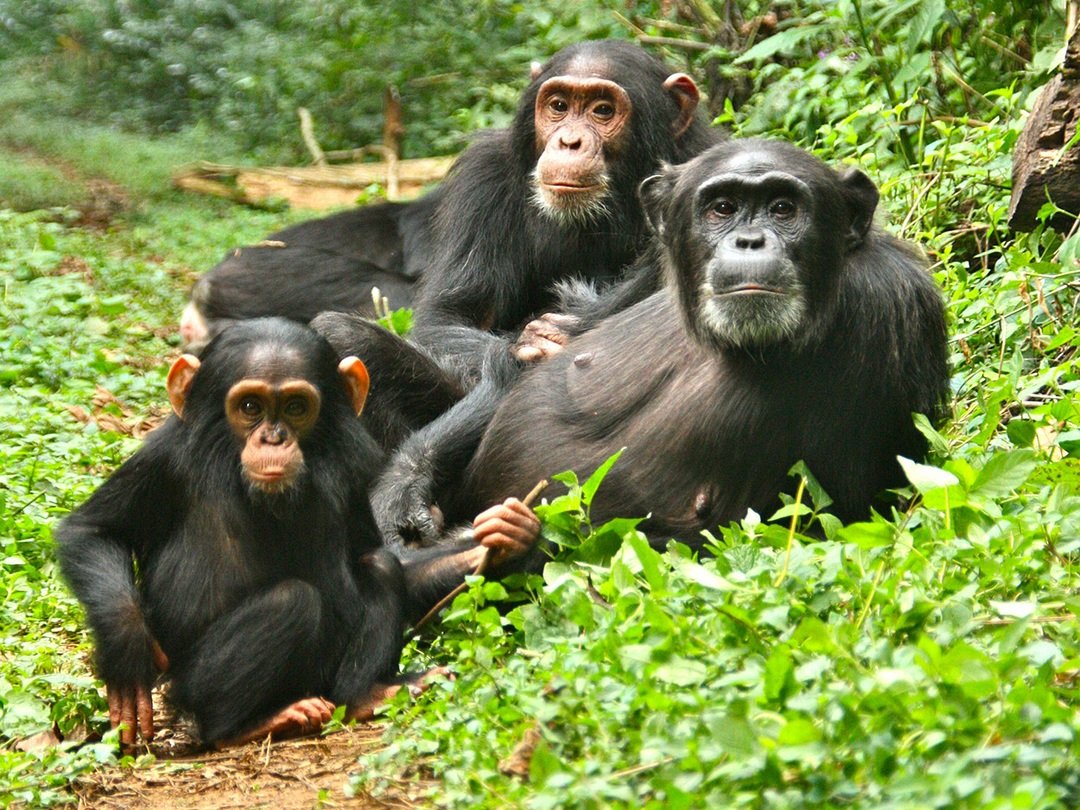
Kibale National Park is a home of habituated chimpanzee families and rich tropical rainforest, this destination is an excellent choice for family and couple safaris in Uganda. Its lush vegetation, diverse primate life and rewarding forest experiences attract travellers from around the world.
Located in western Uganda, approximately six hours by road from Kampala, the area also connects well with other major attractions in the region. The Ndali Kasenda Crater, the Rwenzori Mountains, Semuliki National Park and Queen Elizabeth National Park can all be incorporated into a longer western Uganda safari.
Animals to see in Kibale National Park
The park has over 1,500 chimpanzees, as well as thirteen distinct species of other ape diversity.
Because of these wildlife creatures, Uganda is the best place in Africa, if not the world, to go on a safari. The Kibale National Park is home to colobus as well as monkeys, mangabeys, potto, and olive baboons.
If you’re lucky, you might see rare creatures like leopards, buffaloes, elephants, duikers, and bush pigs. Kibale National Park maximises the safari experience in Uganda.
Hiking in Kibale National Park
Another unique activity in Kibale is trekking through the forest; the Kibale walking trail is ideally situated for walking, stretching approximately twelve kilometres. While on the Kibale hiking tour, you might be fortunate enough to spot some of the best reptiles along the way, including small amphibians and butterflies.
Cultural Tour around Kibale National Park
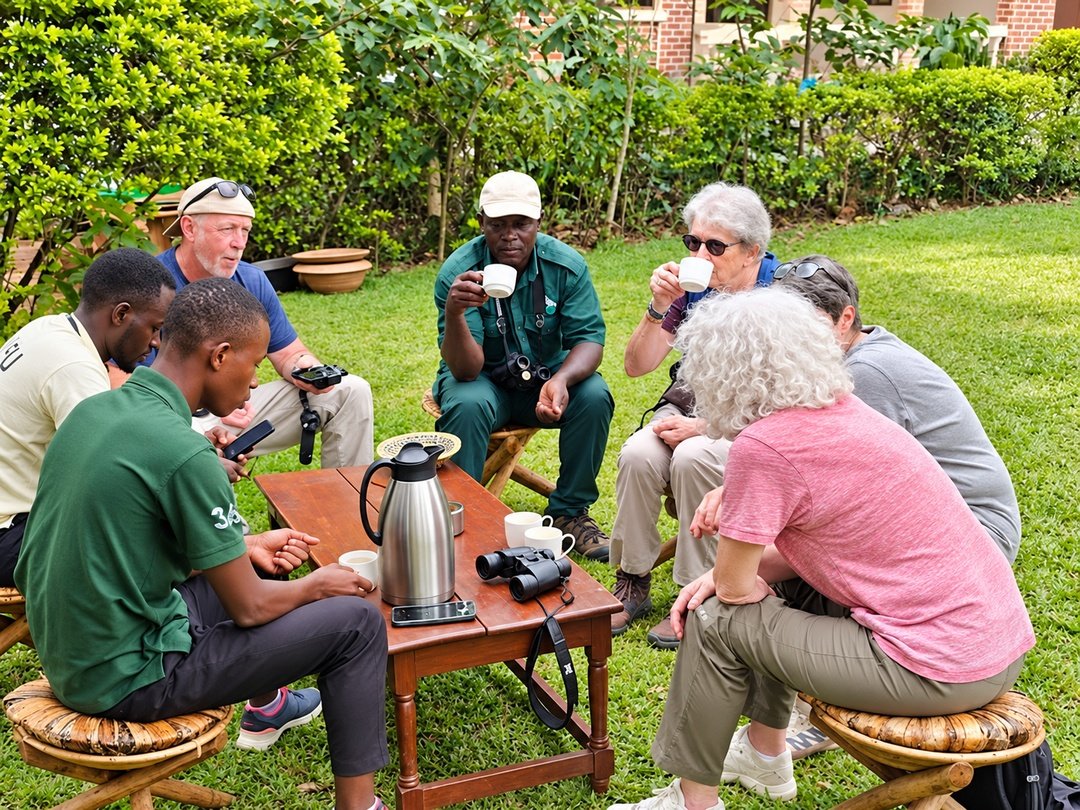
A short cultural exchange is recommended after your chimpanzee tracking safari inside the Kibale National Park. The Batooro people will perform a traditional dance, show you their way of life, visit local churches, meet supernatural healers, and visit local schools. The Kibale is home to both the Bakiga and the Batooro people, making it the best place in Uganda for cultural tours.
Birding Safari in Kibale National Park

With more than 400 recorded bird species, the park is an excellent destination for travellers interested in birding and nature-focused safari experiences in Uganda. Its varied habitats, including tropical forest, wetlands, woodland and open areas, support an impressive diversity of resident and migratory birds. This makes the park rewarding not only for experienced birdwatchers but also for visitors who simply enjoy spotting colourful and unusual species while exploring the forest.
Birding can be enjoyed throughout the year, although the wetter months from March to May can be especially interesting because the vegetation is lush, bird activity is often high and many species are easier to encounter around feeding areas and forest edges. Guided birding walks can take visitors through different habitats, increasing the chances of seeing both common and more specialised forest species.
Some of the notable birds found in the park include the African pitta, Black bee-eater, Black-capped apalis, Blue-breasted kingfisher, Abyssinian ground thrush, little greenbul, lowland masked apalis, Purple-breasted sunbird, White-collared oliveback, White-spotted flufftail and Pin-tailed whydah, among many others. The variety of species makes birding a rewarding addition to chimpanzee trekking, forest walks and other wildlife experiences.
For keen birders, spending extra time in the park can be particularly worthwhile because different species occupy different forest levels and habitats. Early morning walks are often productive, while quieter trails and wetland areas can reveal species that may be missed during shorter visits. The combination of rich birdlife, tropical scenery and primate encounters makes the park one of the most rewarding places for a specialised birding safari in western Uganda.
You can combine the Gorilla Trekking Experience with Chimpanzee Trekking in Kibale National Park or Bwindi Impenetrable National Park with Uganda Wildlife Safari or Kenya and Tanzania Safari tours.
Where to stay in Kibale National Park
You can reserve luxury, midrange, or budget accommodation in Kibale, depending on your budget. There are numerous choices for accommodation both inside and outside of Kibale National Park.
Reputable safari accommodation is available in the park at Kanyanchu. International cuisine and continental breakfast are standard amenities at most lodges and hotels, making them affordable for all budgets. Nkurubat Fort Portal town offers luxurious accommodations. The breathtaking views from the Ndali crater make it a popular choice for accommodation.
Cost of Safari in Kibale National Park
The cost of your safari will depend on a number of factors. For instance, adult non-residents must pay $40 and $20 for entrance, while non-resident adults must pay $250 for chimpanzee permits, $30 for bird watching, and $30 for guided nature walks at Bigodi Swamp. The price of Uganda’s luxurious wildlife safaris will vary greatly depending on the kind of safari lodge.
The park is home to over 1,500 chimpanzees, making it one of Uganda’s most important primate destinations. Chimpanzee trekking permits for Kibale are officially issued and managed by the Uganda Wildlife Authority, which regulates access to the activity and controls the number of visitors allowed to track chimpanzees on a given day.
Best Time to Visit Kibale National Park
The best time to visit Kibale National Park is generally during Uganda’s drier periods, especially from December to February and June to September. During these months, forest trails are usually less muddy and easier to walk, making chimpanzee trekking and chimpanzee habituation more comfortable.
The park can, however, be visited throughout the year. The forest remains green and productive even during wetter months, and chimpanzee encounters are possible in every season. Rainfall is part of Kibale’s tropical forest environment, so travellers should always carry a lightweight rain jacket, waterproof hiking shoes and protection for cameras and other equipment.
The wetter periods, particularly around March to May and October to November, can bring heavier rainfall and more slippery trails. These months can still be rewarding for travellers who do not mind wetter conditions, especially because the forest is exceptionally lush and there may be fewer visitors.
For travellers joining chimpanzee trekking or chimpanzee habituation, the ideal time ultimately depends on permit availability, weather preferences, accommodation availability and the rest of your Uganda safari itinerary. If you are combining Kibale with Bwindi Impenetrable National Park, Queen Elizabeth National Park or other western Uganda destinations, the drier months are often the most convenient for moving between parks and participating in outdoor activities.
Frequently Asked Questions About Kibale National Park
Where is Kibale National Park located?
The park is located in western Uganda, near the town of Fort Portal. The park forms part of Uganda’s western tourism circuit and can easily be combined with Queen Elizabeth National Park, Bwindi Impenetrable National Park and other destinations in the region.
What is Kibale National Park famous for?
The park is best known for its large population of chimpanzees and exceptional primate diversity. It is one of Uganda’s leading destinations for chimpanzee trekking and chimpanzee habituation experiences.
How many chimpanzees live in Kibale National Park?
The park is widely known for having a large chimpanzee population, with estimates commonly placing the number at over 1,500 individuals. This makes the park one of the most important chimpanzee habitats in Uganda.
Can I see chimpanzees in Kibale National Park?
Yes. Kibale is one of the best places in Uganda for seeing chimpanzees in their natural forest habitat. Visitors can join organised chimpanzee trekking or chimpanzee habituation activities led by professional rangers.
What is chimpanzee trekking in Kibale National Park?
Chimpanzee trekking involves entering Kibale Forest with an experienced ranger to search for a habituated chimpanzee community. Once the chimpanzees are located, visitors observe their behaviour while following the rules provided during the pre-trek briefing.
What is chimpanzee habituation in Kibale National Park?
Chimpanzee habituation is a longer and more immersive experience that allows visitors to spend extended time following chimpanzees with rangers, trackers and researchers. It provides more opportunity to observe feeding, travelling, grooming, vocalisations and social interactions.
What is the difference between chimpanzee trekking and chimpanzee habituation?
Chimpanzee trekking is generally a shorter experience focused on locating and observing a habituated chimpanzee community. Chimpanzee habituation allows much more time in the forest and provides deeper insight into chimpanzee behaviour and research.
Who issues chimpanzee permits for Kibale National Park?
Chimpanzee trekking and habituation are issued and managed by the Uganda Wildlife Authority. Travellers should secure the appropriate permit for their confirmed activity date before arriving at the park.
Do I need a permit to see chimpanzees in Kibale?
Yes. Visitors participating in official chimpanzee trekking or habituation activities require a valid permit. Permit availability should be confirmed before finalising accommodation and transport, particularly during popular travel periods.
How early should I book a chimpanzee permit?
It is advisable to book your permit several months in advance when possible, especially if your travel dates are fixed. Early booking gives you a better chance of securing the preferred activity date and makes the rest of the safari easier to organise.
What is the best time to visit Kibale National Park?
Kibale can be visited throughout the year, although the drier periods from approximately December to February and June to September often provide easier walking conditions. Forest trails can become wetter and more slippery during the rainy seasons.
Can I visit Kibale National Park during the rainy season?
Yes. Chimpanzee activities operate during much of the year, including wetter months. You should, however, prepare for muddy trails, rain and changing forest conditions by carrying appropriate waterproof clothing and footwear.
How difficult is chimpanzee trekking in Kibale?
The difficulty depends on the location and movement of the chimpanzees on the day of your trek. Some encounters require relatively moderate walking, while others can involve longer distances as the chimpanzees travel through the forest.
Do I need to be physically fit for chimpanzee trekking?
A reasonable level of fitness is helpful because the activity involves walking on forest trails and sometimes following moving chimpanzees. Regular walking or light exercise before your trip can make the experience more comfortable.
What should I wear for chimpanzee trekking?
Wear long trousers, a long-sleeved shirt and sturdy walking or hiking shoes with good grip. A lightweight waterproof jacket is also recommended because rainfall can occur even during traditionally drier months.
What should I carry during chimpanzee trekking?
Carry drinking water, rain protection, personal medication and camera equipment. A small comfortable backpack is usually sufficient, and waterproof protection for electronics can be particularly useful.
Can I take photographs of chimpanzees?
Yes. Visitors are generally allowed to photograph chimpanzees while following ranger instructions. Because chimpanzees can move quickly and forest lighting can be challenging, patience is important for good photography.
Can I use flash photography around chimpanzees?
Visitors should follow the photography instructions provided by their ranger and avoid actions that could disturb the chimpanzees. Natural light is generally preferable for forest wildlife photography.
Will I definitely see chimpanzees in Kibale National Park?
The chances of encountering chimpanzees during organised activities are generally high, but chimpanzees remain wild animals that move freely through the forest. Wildlife sightings should therefore not be described as absolutely guaranteed.
What happens if it rains during chimpanzee trekking?
Trekking can normally continue during light or moderate rainfall unless rangers determine that conditions are unsafe. Waterproof clothing, suitable footwear and protection for cameras can make the experience more comfortable.
Is chimpanzee trekking safe?
Yes, chimpanzee trekking is generally safe when visitors follow park regulations and ranger instructions. Professional guides accompany participants and explain how to behave around chimpanzees before entering the forest.
Can I touch the chimpanzees?
No. Chimpanzees are wild animals and should never be deliberately touched. Maintaining appropriate distance helps protect both visitors and chimpanzees and reduces the risk of disease transmission.
Can I go chimpanzee trekking if I am sick?
Travellers showing symptoms of contagious illness may not be allowed to participate. Chimpanzees can be vulnerable to some human diseases, so visitors should inform their guide or park authorities if they become unwell.
What other primates live in Kibale National Park?
Kibale is famous for its high primate diversity. In addition to chimpanzees, visitors may encounter several monkey species and other forest primates while exploring the park.
What other wildlife can be found in Kibale National Park?
The park supports a wide variety of forest wildlife beyond primates, including mammals, birds, butterflies and other species. Wildlife sightings vary because much of the park consists of dense tropical forest.
Is Kibale National Park good for bird watching?
Yes. Kibale and the surrounding forest and wetland environments are excellent for bird watching. Visitors interested in birds can combine chimpanzee activities with guided forest or community-based birding excursions.
Can I visit Bigodi Wetland near Kibale National Park?
Yes. Bigodi Wetland Sanctuary is a popular addition to a Kibale safari and offers guided nature walks with opportunities to see birds, monkeys and other wildlife. It works particularly well as an afternoon activity.
How many days should I spend in Kibale National Park?
Two or three days are suitable for many visitors. This normally gives enough time for chimpanzee trekking or habituation, relaxation at the lodge and an optional additional forest or wetland activity.
Can Kibale National Park be visited on a one-day trip?
It may be possible depending on where you are staying, but an overnight stay is usually more comfortable. Chimpanzee activities often begin early, making accommodation near the park more practical.
How far is Kibale National Park from Entebbe?
Kibale is several hours by road from Entebbe, with travel time depending on traffic, road conditions and your exact lodge location. Many travellers include Kibale as part of a wider western Uganda safari instead of visiting it as a standalone trip.
Can I fly to Kibale National Park?
Travellers who want to reduce road travel can use domestic flight options to airstrips serving western Uganda, followed by a road transfer to Kibale. The most suitable routing depends on your wider safari itinerary.
Can I combine Kibale National Park with Queen Elizabeth National Park?
Yes. Queen Elizabeth National Park is one of the easiest destinations to combine with Kibale. This allows you to enjoy chimpanzee experiences in the forest and then continue to game drives and savannah wildlife viewing.
Can I combine Kibale National Park with Bwindi Impenetrable National Park?
Yes. Combining Kibale and Bwindi creates one of Uganda’s best primate safari routes. You can enjoy chimpanzee trekking or habituation in Kibale and then continue south for gorilla trekking or gorilla habituation in Bwindi.
Can I combine Kibale National Park with Murchison Falls National Park?
Yes. Murchison Falls can be added for travellers with more time. This creates a broader safari combining chimpanzees, savannah wildlife, Nile boat experiences and the dramatic Murchison Falls.
Can I combine Kibale National Park with Lake Mburo National Park?
Yes. Lake Mburo can be added before or after Kibale depending on your route. It provides a contrasting savannah environment with plains wildlife and other safari activities.
Is Kibale National Park suitable for photographers?
Yes. Kibale is highly rewarding for wildlife and nature photographers. Chimpanzees, monkeys, forest scenery, birds and changing rainforest light provide a wide range of photographic opportunities.
Is Kibale National Park suitable for solo travellers?
Yes. Solo travellers can visit Kibale with private transport and accommodation while joining official ranger-led chimpanzee activities. It is a good option for travellers interested in primates, photography and forest experiences.
Is Kibale National Park suitable for couples?
Yes. Kibale works very well for couples who enjoy wildlife, nature and active travel. Comfortable forest lodges and primate experiences make it a popular addition to romantic Uganda itineraries.
Where should I stay when visiting Kibale National Park?
There are budget, mid-range and luxury accommodation options around the Kibale and Fort Portal region. The best lodge depends on your budget, preferred comfort level and proximity to the starting point of your chimpanzee activity.
Why should I visit Kibale National Park?
The park is one of Uganda’s most rewarding destinations for travellers interested in primates and tropical forest wildlife. Its large chimpanzee population, exceptional primate diversity, chimpanzee trekking, habituation experiences and easy combination with other western Uganda parks make it an important stop on a Uganda safari.
Plan Your Kibale National Park Safari
Experience the remarkable primate world of Kibale National Park with a carefully planned safari that can include chimpanzee trekking, chimpanzee habituation, forest walks, birding and extensions to other Uganda destinations. Whether you are travelling from Entebbe, Bwindi, Queen Elizabeth National Park or another part of Uganda, your itinerary can be customised around your travel dates, accommodation preference and available time.
Pieland Gorilla Safaris can help organise your chimpanzee permits, accommodation, private 4×4 transport and additional safari experiences, making it easier to enjoy Kibale as part of a complete Uganda journey.
