
Gorilla Trekking Safaris in Uganda 2027–2030
Introduction Gorilla Trekking Safaris in Uganda 2027–2030
Gorilla Trekking Safaris in Uganda 2027–2030 represent the future of immersive wildlife tourism in Africa, where conservation, sustainability, and unforgettable adventure come together in the heart of the continent’s ancient rainforests. Uganda remains the most reliable and rewarding destination for mountain gorilla encounters, offering visitors a rare opportunity to observe endangered gorilla families in their natural habitat. As tourism infrastructure continues to improve and conservation efforts strengthen, the 2027–2030 period is expected to bring even more structured, eco-friendly, and high-value gorilla trekking experiences. From the dense jungles of Bwindi Impenetrable National Park to the volcanic landscapes of Mgahinga, Uganda delivers a deeply authentic and life-changing safari journey.
Why Gorilla Trekking in Uganda Will Dominate 2027–2030 Safari Travel
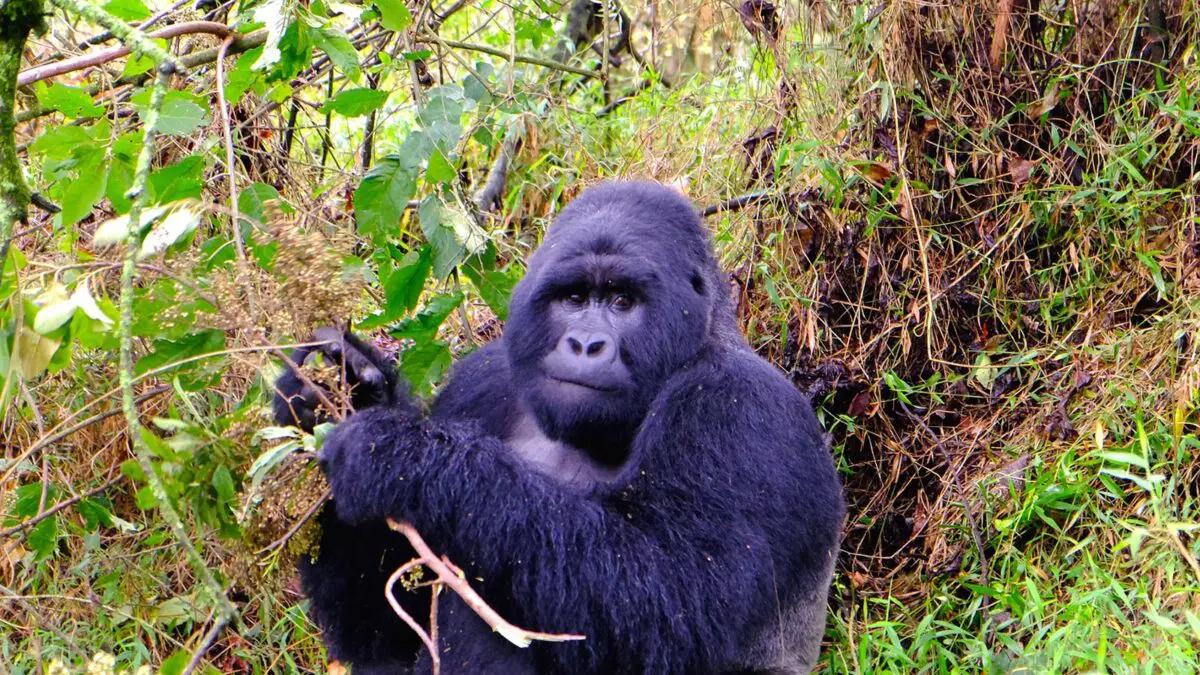
Uganda is expected to remain a global leader in gorilla trekking tourism between 2027 and 2030 due to its unmatched combination of affordability, biodiversity, and conservation success. The country protects the largest population of mountain gorillas in the world, making it the most reliable destination for guaranteed sightings. Increased global demand for sustainable travel is also pushing Uganda to the forefront, as its tourism model strongly emphasizes conservation and community involvement.
During this period, improved park infrastructure, better road access, enhanced eco-lodges, and more trained ranger guides will elevate the overall safari experience. Uganda’s ability to combine gorilla trekking with savannah safaris, chimpanzee tracking, and cultural encounters in a single itinerary also gives it a competitive advantage over other destinations. As travelers increasingly seek meaningful and responsible wildlife experiences, Uganda’s gorilla trekking safaris will continue to dominate Africa’s primate tourism market.
Where to See Gorillas in Uganda 2027–2030
Uganda offers two main destinations for mountain gorilla trekking, each with unique landscapes, ecosystems, and trekking experiences. These parks are carefully protected and managed to ensure sustainable tourism and long-term conservation of gorilla populations.
Bwindi Impenetrable National Park
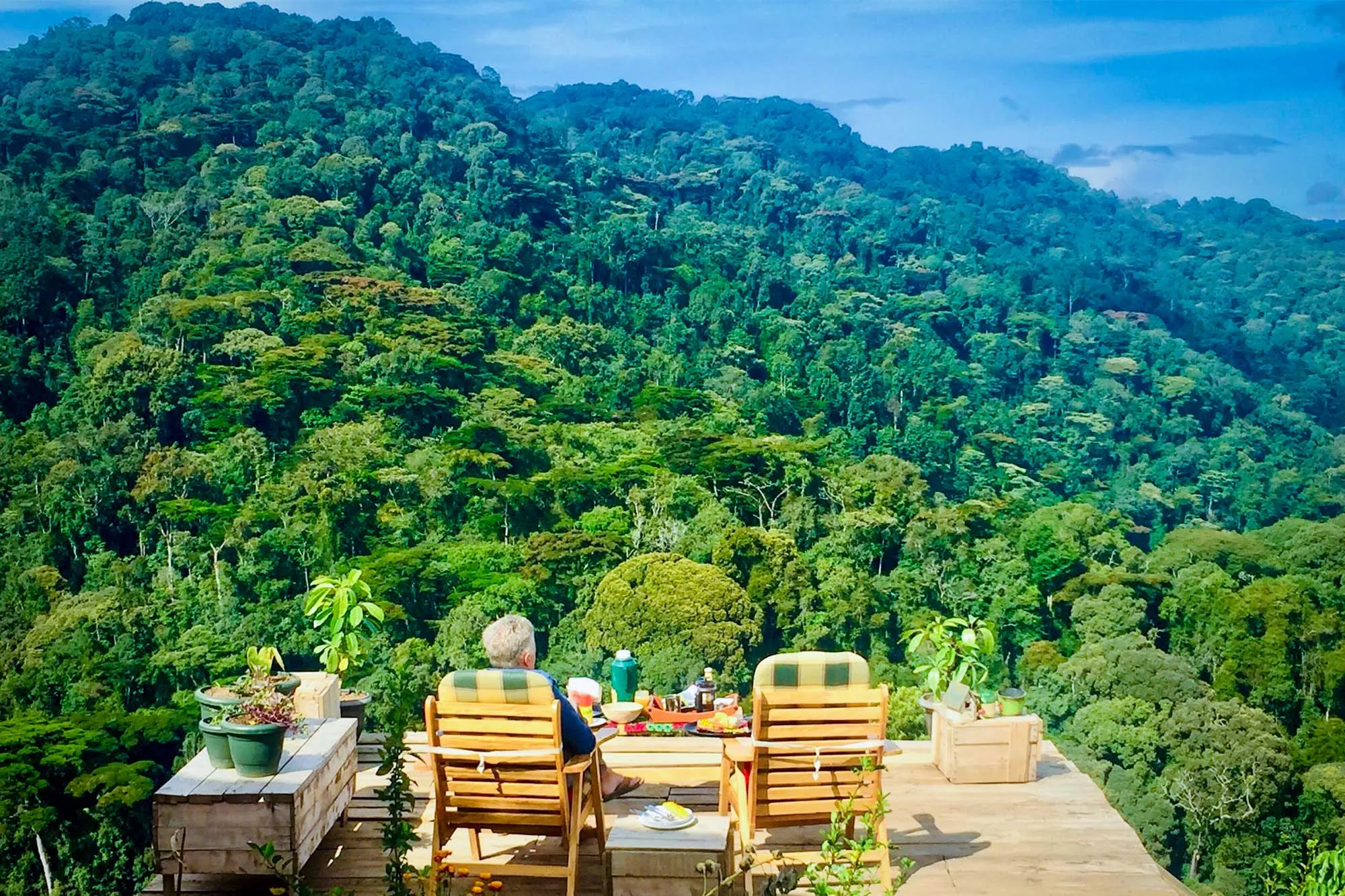
Bwindi Impenetrable National Park is Uganda’s most famous gorilla trekking destination and one of the richest biodiversity hotspots in Africa. Located in southwestern Uganda, this UNESCO World Heritage Site is home to nearly half of the world’s remaining mountain gorillas. The park is covered in thick, ancient rainforest, deep valleys, and steep ridges, creating a challenging but rewarding trekking environment.
Bwindi is known for its high success rate of gorilla sightings, with multiple habituated gorilla families spread across different trekking sectors. Visitors often experience longer treks due to the dense terrain, but the reward is close and intimate encounters with gorilla families feeding, playing, and interacting in the forest. Bwindi also offers excellent birdlife, butterflies, and unique plant species, making it a full ecological experience beyond gorillas alone.
Sectors in Bwindi Impenetrable National Park
Buhoma Sector
Buhoma is the most developed and accessible sector in Bwindi, located in the northern part of the park. It was the first area where gorilla tourism began in Uganda. Buhoma offers relatively easier trekking routes compared to other sectors and is known for well-established lodges and community tourism projects. It is ideal for travelers seeking comfort and convenience alongside gorilla trekking.
Ruhija Sector
Ruhija is located in the eastern part of Bwindi and is known for its scenic high-altitude landscapes and cooler climate. The sector offers a more remote and less crowded trekking experience, making it ideal for travelers seeking solitude and deeper immersion in nature. Gorilla families in Ruhija often move through steep forested areas, offering a more adventurous trekking experience.
Rushaga Sector
Rushaga, located in the southern part of Bwindi, has the highest number of habituated gorilla families, making it one of the most reliable sectors for gorilla trekking permits. It is also the only sector where the Gorilla Habituation Experience is conducted, allowing visitors extended time with semi-habituated gorillas. Rushaga is known for its variety of trekking options and flexible safari planning opportunities.
Nkuringo Sector
Nkuringo is one of the most challenging but rewarding trekking sectors in Bwindi. It is characterized by steep hills, dramatic landscapes, and physically demanding treks. However, it offers some of the most breathtaking views of the Virunga Volcanoes and surrounding forest canopy. Nkuringo provides a highly exclusive and less crowded trekking experience, ideal for adventurous travelers seeking a deeper wilderness connection.
Mgahinga Gorilla National Park
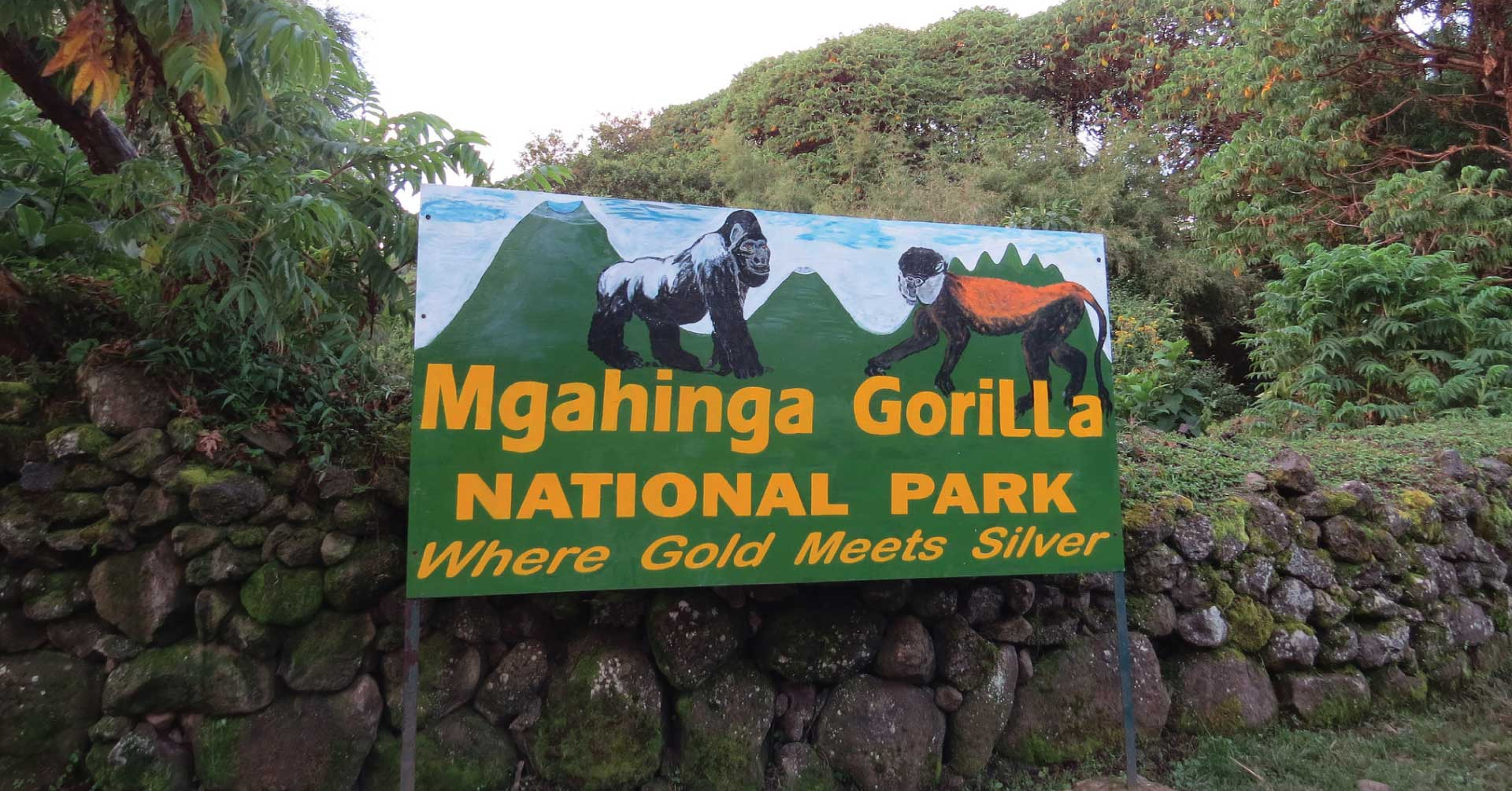
Mgahinga Gorilla National Park is Uganda’s smallest national park but offers one of the most scenic and unique gorilla trekking experiences in Africa. Located in the Virunga Mountains, the park forms part of a larger transboundary conservation area shared with Rwanda and the Democratic Republic of Congo. Mgahinga is defined by its volcanic landscapes, bamboo forests, and dramatic mountain scenery.
The park is home to the Nyakagezi gorilla family, known for its stable movements within Uganda’s borders, making trekking in this area highly reliable. Unlike Bwindi’s dense forest, Mgahinga offers more open terrain, allowing for clearer visibility and a different trekking atmosphere. Visitors often combine gorilla trekking here with golden monkey tracking and volcano hiking, making it a diverse and rewarding destination.
Mgahinga is especially appealing for travelers seeking fewer crowds, scenic volcanic backdrops, and a quieter, more intimate gorilla trekking experience within the broader Virunga ecosystem.
Gorilla Families and Habituation Updates (2027–2030 Outlook)
Between 2027 and 2030, Uganda’s mountain gorilla conservation program is expected to continue strengthening, with increased monitoring, research, and controlled habituation processes. Bwindi Impenetrable National Park remains the core habitat, hosting the majority of Uganda’s habituated gorilla families spread across Buhoma, Ruhija, Rushaga, and Nkuringo sectors. Each family group is carefully monitored by Uganda Wildlife Authority rangers and researchers, ensuring their long-term protection and stable interaction with tourists.
During this period, more gorilla families are expected to become fully habituated, improving trekking availability and reducing permit scarcity in high-demand seasons. The Gorilla Habituation Experience in Rushaga will remain a key conservation activity, allowing visitors to spend extended time with semi-habituated groups while contributing directly to research and adaptation processes. Continuous veterinary support from the Gorilla Doctors team will also enhance gorilla health management, especially in areas with higher tourist movement. This ensures Uganda maintains a stable and growing gorilla population, strengthening its position as Africa’s leading gorilla trekking destination.
Summary Table Showing Gorilla Families in Bwindi and Mgahinga National Parks (2027–2030 Overview)
| Location | Sector / Area | Gorilla Family Name | Group Size (Approx.) | Trekking Experience Type | Notes |
|---|---|---|---|---|---|
| Bwindi Impenetrable National Park | Buhoma | Mubare | 8–10+ | Standard Gorilla Trekking | One of the earliest habituated families, relatively accessible treks |
| Bwindi Impenetrable National Park | Buhoma | Habinyanja | 15–20+ | Standard Gorilla Trekking | Large family with dynamic movement patterns |
| Bwindi Impenetrable National Park | Buhoma | Rushegura | 12–18+ | Standard Gorilla Trekking | Often found near forest edges, stable sightings |
| Bwindi Impenetrable National Park | Ruhija | Oruzogo | 15–25+ | Standard Gorilla Trekking | Active and playful group, scenic trekking routes |
| Bwindi Impenetrable National Park | Ruhija | Bitukura | 10–15+ | Standard Gorilla Trekking | Known for calm behavior and closer encounters |
| Bwindi Impenetrable National Park | Ruhija | Kyaguriro | Research group | Research / Monitoring | Primarily used for conservation research |
| Bwindi Impenetrable National Park | Rushaga | Nshongi | 15–25+ | Standard Gorilla Trekking | One of the largest habituated families |
| Bwindi Impenetrable National Park | Rushaga | Mishaya | 10–15+ | Standard Gorilla Trekking | Moves across multiple forest zones |
| Bwindi Impenetrable National Park | Rushaga | Bweza | 10–15+ | Standard Gorilla Trekking | Stable trekking experience, split from larger group |
| Bwindi Impenetrable National Park | Rushaga | Busingye | 10–20+ | Standard Gorilla Trekking | Frequently moves across steep terrain |
| Bwindi Impenetrable National Park | Rushaga | Kahungye | 15–20+ | Standard Gorilla Trekking | High demand due to good sighting chances |
| Bwindi Impenetrable National Park | Nkuringo | Nkuringo Family | 8–12+ | Challenging Gorilla Trekking | Steep terrain, highly rewarding experience |
| Bwindi Impenetrable National Park | Nkuringo | Bushaho | 10–15+ | Standard Gorilla Trekking | Moves between Nkuringo and Rushaga zones |
| Mgahinga Gorilla National Park | Virunga Volcano Area | Nyakagezi | 8–10+ | Standard Gorilla Trekking | Most stable and predictable gorilla family in the park |
Gorilla Trekking Permits in Uganda (2027–2030)
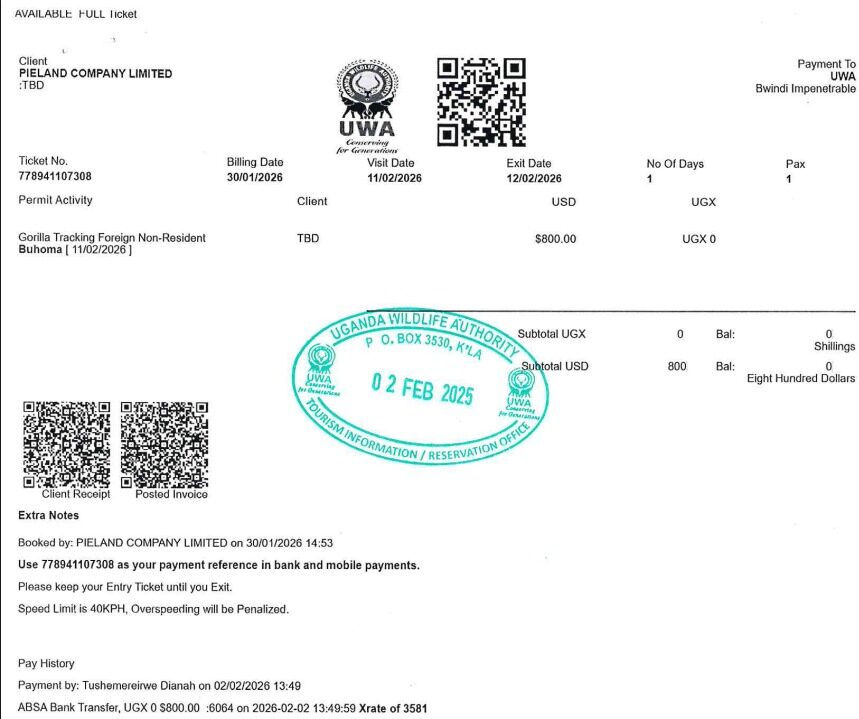
Gorilla trekking permits in Uganda are expected to remain one of the most important components of safari planning between 2027 and 2030 due to high global demand and limited daily visitor numbers per gorilla family. The Uganda Wildlife Authority continues to regulate permits strictly to ensure minimal disturbance to gorillas and maximum conservation impact.
Each permit allows a single visitor to spend one hour with a habituated gorilla family under the guidance of trained rangers and guides. Demand is expected to rise steadily during this period, especially in peak travel seasons, making early booking essential—often several months in advance. Permit allocation will continue to depend on sector availability in Bwindi and Mgahinga, with Rushaga typically offering more flexibility due to its higher number of gorilla families.
Permit systems are also expected to become more digitally streamlined by 2030, improving booking efficiency, real-time availability tracking, and integration with licensed tour operators. Revenue from permits will continue to support conservation, anti-poaching efforts, and community development projects surrounding national parks.
Best Gorilla Trekking Experiences in Uganda
Standard Gorilla Trekking
Standard gorilla trekking remains the most popular and accessible wildlife experience in Uganda. Visitors join a small group of trekkers led by professional Uganda Wildlife Authority rangers who track a specific habituated gorilla family. The experience begins with a detailed briefing covering safety guidelines, trekking expectations, and gorilla behavior interpretation.
The trek can last anywhere from one to several hours depending on the location of the gorilla family. Once located, visitors spend one full hour observing the gorillas as they feed, groom, play, and interact within their natural habitat. This experience is deeply emotional and offers a rare connection with one of the world’s most endangered species in a protected rainforest environment.
Gorilla Habituation Experience
The Gorilla Habituation Experience is a more immersive and extended form of gorilla tourism available exclusively in the Rushaga sector of Bwindi. Unlike standard trekking, this experience allows visitors to spend up to four hours with a semi-habituated gorilla family alongside researchers and rangers.
This process involves observing how wild gorillas gradually become accustomed to human presence, offering a rare behind-the-scenes conservation experience. Travelers witness behavioral adjustments, social dynamics, and daily routines in a more natural and less disturbed state. This product is expected to grow in popularity between 2027 and 2030 as demand increases for longer, more meaningful wildlife encounters.
Luxury Gorilla Safaris
Luxury gorilla safaris in Uganda combine high-end comfort with exclusive wildlife experiences. These safaris typically include fly-in transfers to Bwindi or Mgahinga, private guiding services, and stays in premium forest lodges overlooking the rainforest canopy. Guests enjoy personalized service, gourmet dining, spa treatments, and private trekking arrangements where possible.
Luxury travelers often benefit from tailored itineraries that combine gorilla trekking with other premium experiences such as chimpanzee tracking, scenic flights, and private cultural encounters. Between 2027 and 2030, luxury eco-lodges are expected to expand further, enhancing comfort while maintaining strong conservation principles and minimal environmental impact.
Budget Gorilla Trekking Safaris
Budget gorilla trekking safaris are designed to make Uganda’s iconic wildlife experience accessible to a wider range of travelers without compromising the quality of the encounter. These safaris typically include shared transport, mid-range or budget lodges near national parks, and group trekking arrangements.
Visitors still enjoy the same regulated gorilla trekking experience under Uganda Wildlife Authority guidelines, but with simplified logistics and more cost-effective accommodation options. Budget safaris are expected to remain highly popular between 2027 and 2030 as Uganda continues to position itself as one of Africa’s most affordable gorilla trekking destinations while maintaining strong conservation standards.
Sample Gorilla Trekking Itineraries (2027–2030)
3 Days Bwindi Gorilla Trekking Safari
This short itinerary is designed for travelers seeking a focused gorilla trekking experience in Uganda. It typically starts and ends in Entebbe or Kigali, with a road transfer or fly-in option to Bwindi Impenetrable National Park. The journey includes arrival at the designated trekking sector, a detailed briefing by Uganda Wildlife Authority rangers, and one full gorilla trekking experience. Travelers spend one hour with a habituated gorilla family before returning to their lodge. This itinerary is ideal for quick but powerful wildlife encounters.
4 Days Bwindi Gorilla Trekking and Lake Bunyonyi Experience
This itinerary combines gorilla trekking with relaxation at Lake Bunyonyi, one of Africa’s most scenic lakes. After the gorilla trek in Bwindi, travelers proceed to Lake Bunyonyi for relaxation, canoe rides, and scenic viewpoints. The itinerary balances adventure and leisure, making it popular for honeymooners and photographers seeking diverse landscapes.
5 Days Uganda Gorilla and Wildlife Safari
This mid-range itinerary combines gorilla trekking with classic savannah wildlife experiences. After Bwindi, travelers visit Queen Elizabeth National Park for game drives and a Kazinga Channel boat cruise. This combination offers both forest and savannah ecosystems within one trip, giving a complete Uganda safari experience.
7 Days Uganda Primates and Wildlife Safari
This extended itinerary includes gorilla trekking in Bwindi, chimpanzee tracking in Kibale Forest National Park, and wildlife viewing in Queen Elizabeth National Park. It is designed for travelers who want a deeper exploration of Uganda’s primate and safari circuits, combining multiple national parks in one journey.
Comparison of Cost of Gorilla Trekking & Gorilla Habituation in Uganda (2027–2030)
| Experience Type | Budget Range (Per Person) | Mid-range Range (Per Person) | Luxury Range (Per Person) | What is Included | Best For |
|---|---|---|---|---|---|
| Gorilla Trekking (Standard Experience) | $1,100 – $1,600 (budget safari package incl. permit) | $1,600 – $3,000 | $3,000 – $6,000+ | Gorilla permit ($800), ranger guide, 1-hour gorilla viewing, transport, basic accommodation in budget option | First-time trekkers, short safaris, general wildlife travelers |
| Gorilla Habituation Experience (Rushaga only) | $1,800 – $2,500 | $2,500 – $4,000 | $4,000 – $7,500+ | Gorilla habituation permit ($1,500), 4 hours with semi-habituated gorillas, researchers & rangers, transport, accommodation |
Best Time for Gorilla Trekking in Uganda
The best time for gorilla trekking in Uganda remains the dry seasons, which provide easier trekking conditions and clearer forest trails. The first dry season runs from June to September, while the second occurs from December to February. During these periods, rainfall is minimal, making forest paths less slippery and improving visibility during trekking. Wildlife viewing is also more predictable, and photography conditions are generally better.
However, gorilla trekking is available throughout the year, including the rainy seasons of March to May and October to November. These months offer fewer tourists, greener landscapes, and often more intimate trekking experiences. While trails may be more challenging, gorilla encounters remain highly successful year-round due to Uganda’s stable mountain gorilla populations.
Accommodation for Gorilla Trekking Safaris
Uganda offers a wide range of accommodation options near Bwindi Impenetrable National Park and Mgahinga Gorilla National Park, ensuring comfort for every type of traveler.
Budget Lodges
Budget lodges provide affordable yet comfortable accommodation for travelers seeking value-driven gorilla trekking safaris. These lodges are typically located near park entry points or nearby towns such as Kisoro, Kabale, and Buhoma. They offer basic rooms, local meals, and essential amenities, making them ideal for backpackers and group travelers. Despite their simplicity, they provide convenient access to trekking briefing points and maintain a warm, community-based hospitality experience.
Mid-range Lodges
Mid-range lodges offer a balance between comfort, affordability, and proximity to the national parks. These lodges feature en-suite rooms, private verandas, and forest or mountain views. Many are strategically located within short driving distance of gorilla trekking sectors, reducing early morning transfer times. Guests enjoy restaurant services, cozy lounges, and well-designed safari-style accommodation. This category is the most popular among international travelers due to its value and comfort combination.
Luxury Lodges
Luxury lodges provide high-end safari experiences designed for travelers seeking exclusivity and comfort. These lodges are often located on forested ridges overlooking Bwindi or near Mgahinga’s volcanic landscapes. They feature spacious cottages, personalized service, gourmet dining, spa facilities, and private balconies with panoramic views. Some luxury lodges even offer private butler services and exclusive trekking arrangements. Between 2027 and 2030, this segment is expected to expand further as Uganda continues to grow its premium eco-tourism offerings.
Comparison of Lodge Prices During Gorilla Trekking Safaris in Uganda (2027–2030)
| Lodge Category | Price Range (Per Person Per Night) | Comfort Level | Key Features | Typical Location | Best For |
|---|---|---|---|---|---|
| Budget Lodges | $70 – $150 | Basic | Simple rooms, shared or basic en-suite bathrooms, local meals, limited services | Near Bwindi and Mgahinga entry towns and nearby communities | Backpackers, students, budget travelers |
| Mid-range Lodges | $150 – $400 | Comfortable | Spacious en-suite rooms, hot showers, private balconies, restaurant services, scenic views | Close to Bwindi and Mgahinga trekking sectors | Couples, families, small groups, general safari travelers |
| Luxury Lodges | $400 – $1,500+ | High-end / Exclusive | Private cottages, gourmet dining, spa services, butler service, premium views, high privacy | Forest edges and prime scenic locations near parks | Luxury travelers, honeymooners, high-end safari clients |
What to Pack for Gorilla Trekking
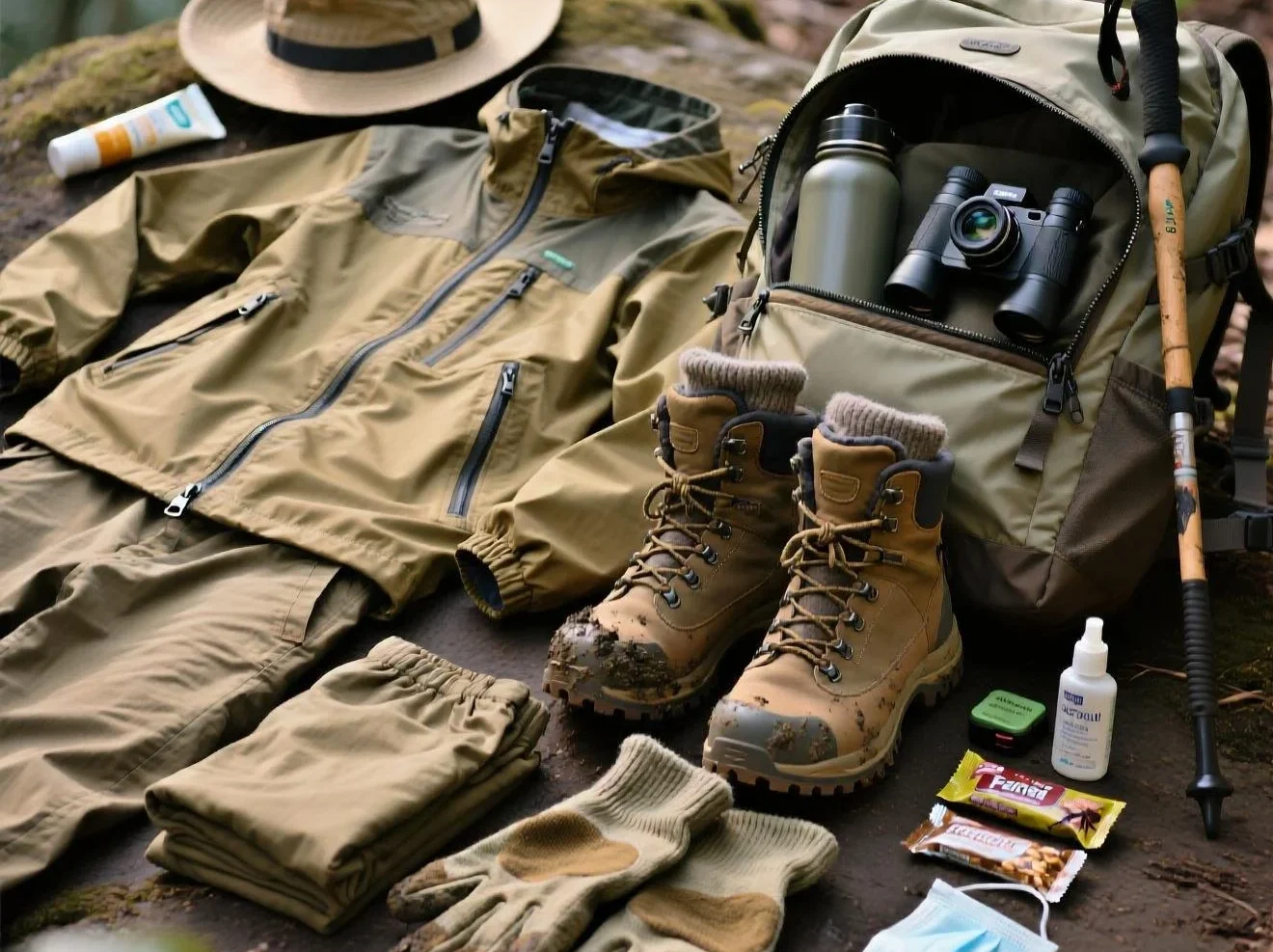
Preparing properly for gorilla trekking in Uganda is essential for comfort, safety, and a successful forest experience. Travelers should pack lightweight, long-sleeved shirts and long trousers to protect against insects, thorny vegetation, and muddy terrain. Waterproof hiking boots with strong grip are highly recommended due to the steep and often slippery forest trails. A rain jacket or poncho is necessary because Uganda’s rainforest weather can change quickly at any time of day.
Other essential items include gardening gloves for handling vegetation during trekking, a small backpack for carrying water and snacks, and enough drinking water to stay hydrated during long hikes. Insect repellent, sunscreen, and a hat also help protect against environmental conditions. A good-quality camera with extra batteries is important for capturing gorilla moments, although flash photography is strictly prohibited. Porters are available at park entry points to assist with carrying luggage, making the trek easier and more enjoyable.
Gorilla Trekking Rules and Regulations
Gorilla trekking in Uganda is strictly regulated by the Uganda Wildlife Authority to ensure the safety of both visitors and mountain gorillas. Each group is allowed a maximum of one hour with a habituated gorilla family to minimize disturbance and stress to the animals. Visitors must maintain a minimum distance of about seven meters from the gorillas, although this may naturally change if gorillas move closer.
Eating, drinking, and smoking near gorillas are prohibited to reduce disease transmission risks. Visitors showing signs of illness are not allowed to participate in trekking activities, as gorillas share close genetic similarities with humans. Flash photography is strictly forbidden, and visitors are advised to keep their voices low throughout the trek. Littering in the forest is not allowed, and all waste must be carried back. These rules ensure sustainable tourism and long-term conservation success between 2027 and 2030.
Conservation and Future of Gorilla Tourism (2027–2030)
The future of gorilla tourism in Uganda between 2027 and 2030 is closely linked to strong conservation efforts and community involvement. Mountain gorilla populations have steadily increased over the years due to strict protection measures, veterinary care, and anti-poaching initiatives. Continued collaboration between Uganda Wildlife Authority, international conservation organizations, and local communities is expected to further strengthen these gains.
Tourism revenue from gorilla permits plays a critical role in funding conservation programs, supporting ranger operations, and improving livelihoods in communities surrounding national parks. This creates a positive cycle where wildlife protection directly benefits local people. By 2030, Uganda is expected to enhance its eco-tourism model through improved sustainability practices, reduced environmental impact, and expanded community-led tourism projects. This ensures that gorilla tourism remains both economically viable and environmentally responsible for future generations.
How to Book Gorilla Trekking Safaris in Uganda (2027–2030)
Booking gorilla trekking safaris in Uganda between 2027 and 2030 requires early planning due to limited permits and increasing global demand. The most reliable way to secure a safari is through Pieland Gorilla Safaris which is a licensed Destination Management Company, registered with the Uganda Tourism Board and Uganda Wildlife Authority.
The booking process typically begins with selecting travel dates, preferred trekking destination (Bwindi or Mgahinga), and safari duration. Once confirmed, the tour operator checks gorilla permit availability and reserves them on behalf of the traveler. After permit confirmation, accommodation, transport, and additional safari activities are arranged to create a complete itinerary. Full payment or deposit is usually required to secure permits, especially during peak seasons. Early booking—often 3 to 12 months in advance—is strongly recommended to avoid last-minute shortages.
Why Choose Uganda for Gorilla Trekking (2027–2030)
Uganda remains one of the best destinations for gorilla trekking in Africa due to its unique combination of affordability, biodiversity, and authentic wilderness experiences. The country hosts the largest population of mountain gorillas in the world, offering higher chances of successful sightings compared to other destinations.
Uganda also provides a more diverse safari experience, allowing travelers to combine gorilla trekking with savannah game drives, chimpanzee tracking, birdwatching, and cultural encounters within a single itinerary. The cost of gorilla permits is generally more competitive compared to neighboring countries, making Uganda a preferred choice for both luxury and budget travelers.
Between 2027 and 2030, Uganda is expected to strengthen its position further through improved infrastructure, eco-lodge development, and enhanced conservation programs. This ensures that gorilla trekking remains not only a once-in-a-lifetime experience but also a sustainable and well-managed adventure that benefits both wildlife and local communities.
Why Book a Gorilla Trekking Safari in Uganda for (2027–2030) with Pieland Gorilla Safaris
Booking a gorilla trekking safari in Uganda with Pieland Gorilla Safaris ensures travelers experience one of Africa’s most iconic wildlife adventures with expert planning, seamless logistics, and personalized service. As a trusted Destination Management Company in Africa, Pieland Gorilla Safaris specializes in tailor-made gorilla trekking itineraries across Bwindi Impenetrable National Park and Mgahinga Gorilla National Park, combining conservation-focused travel with comfort and reliability.
Between 2027 and 2030, gorilla trekking demand is expected to rise significantly, making early and professional booking essential. Pieland Gorilla Safaris secures gorilla permits in advance, organizes expert guides, arranges carefully selected lodges, and provides smooth transport solutions including road and fly-in safaris. Travelers benefit from local expertise, up-to-date conservation knowledge, and well-coordinated safari experiences that reduce uncertainty and maximize wildlife encounters.
The company also offers customized safari extensions such as chimpanzee trekking, savannah game drives, and cultural experiences, ensuring a complete Uganda safari journey. With a strong focus on sustainability and community-based tourism, Pieland Gorilla Safaris supports conservation efforts while delivering unforgettable gorilla trekking experiences. Choosing them guarantees safety, professionalism, and a deeply immersive connection with Uganda’s natural heritage.
Frequently Asked Questions About Gorilla Trekking Safari in Uganda 2027–2030
What is gorilla trekking in Uganda?
Gorilla trekking is a guided forest experience where visitors hike through Bwindi or Mgahinga to observe endangered mountain gorillas in their natural habitat.
Where does gorilla trekking take place in Uganda?
It takes place in Bwindi Impenetrable National Park and Mgahinga Gorilla National Park in southwestern Uganda.
How many gorilla families are available for trekking?
Uganda has multiple habituated gorilla families, with the highest concentration in Bwindi, distributed across four trekking sectors.
Is gorilla trekking safe?
Yes, it is safe when conducted with trained Uganda Wildlife Authority rangers and professional guides who ensure strict safety protocols.
How difficult is gorilla trekking?
The difficulty varies from moderate to challenging depending on terrain, altitude, and gorilla location on the trekking day.
How long does gorilla trekking take?
Treks can last between 2 to 8 hours, depending on how far the gorilla family has moved inside the forest.
How long do visitors stay with gorillas?
Visitors are allowed one hour with a habituated gorilla family once they are located.
What is the best time for gorilla trekking?
The dry seasons from June to September and December to February offer the best trekking conditions.
Can gorilla trekking be done all year round?
Yes, gorilla trekking is available throughout the year, including rainy seasons.
How much does a gorilla trekking permit cost?
Permit prices are set by Uganda Wildlife Authority and may vary depending on residency status and future policy updates.
How far in advance should I book?
Booking 3–12 months in advance is recommended due to high demand and limited permits.
Can I combine gorilla trekking with other safaris?
Yes, it can be combined with wildlife safaris, chimpanzee tracking, and cultural tours.
What should I wear for gorilla trekking?
Long trousers, long-sleeved shirts, hiking boots, rain jackets, and gloves are recommended.
Are children allowed to trek gorillas?
Only visitors aged 15 years and above are permitted to participate.
Why is the age limit 15 years?
This is to ensure safety, maturity, and ability to handle forest trekking conditions.
Are gorillas dangerous?
Mountain gorillas are generally peaceful when respected and observed under ranger supervision.
Can I take photos during gorilla trekking safaris in Uganda?
Yes, photography is allowed but without flash to avoid disturbing the gorillas.
What is a habituated gorilla family?
It is a group of gorillas that has been trained over time to tolerate human presence.
What is the Gorilla Habituation Experience?
It is a special activity where visitors spend up to four hours with semi-habituated gorillas.
Where is the Gorilla Habituation Experience offered?
It is offered in the Rushaga sector of Bwindi Impenetrable National Park.
What happens if I am unfit for trekking?
Porters and easier trekking routes may help, but a basic fitness level is still required.
Are porters available?
Yes, porters are available to help carry bags and assist during trekking.
What is included in a gorilla trekking permit?
It includes park entry, ranger guide services, and one hour with gorillas.
Can I cancel a gorilla permit?
Cancellation policies exist but depend on Uganda Wildlife Authority regulations.
How many people are allowed per gorilla group?
A limited number of visitors are allowed per group each day to protect gorillas.
What should I carry in my backpack?
Water, snacks, camera, rain gear, insect repellent, and personal essentials.
Is tipping required?
Tipping is not mandatory but appreciated for guides, rangers, and porters.
Do I need a guide?
Yes, all treks are conducted with professional Uganda Wildlife Authority guides.
Can I see gorillas in Rwanda or Congo instead?
Yes, but Uganda offers more affordable and diverse trekking options.
How many gorillas are in Uganda?
Uganda is home to a large portion of the world’s remaining mountain gorillas.
Is Uganda safe for tourists?
Yes, Uganda is considered safe for tourism with established safari routes and park security.
What is the best park for gorilla trekking?
Bwindi is the most popular, while Mgahinga offers a quieter experience.
Can I do fly-in gorilla safaris?
Yes, fly-in safaris reduce travel time and increase comfort.
What is the weather like in Bwindi?
It is a tropical rainforest climate with frequent rain and cool temperatures.
Do I need travel insurance?
Yes, travel insurance is highly recommended for safari activities.
Can I trek gorillas more than once?
Yes, but each trek requires a separate permit.
What wildlife can I see besides gorillas?
You may see birds, monkeys, forest elephants, and butterflies.
Is Wi-Fi available in lodges?
Many lodges offer Wi-Fi, though connectivity may be limited in remote areas.
Can I choose my gorilla family?
No, allocation is done by park authorities based on availability and fitness level.
Are gorilla sightings guaranteed?
Yes, sightings are highly successful due to tracking systems.
What is the minimum fitness level required?
Moderate fitness is required due to forest terrain.
Are vaccinations required?
Yellow fever vaccination is required for entry into Uganda.
Can I hire a private guide?
Yes, private guiding services can be arranged through tour operators.
What is the closest airport for gorilla trekking safaris in Uganda?
Entebbe International Airport is the main entry point.
Can I extend my safari after trekking?
Yes, you can add game drives, lake tours, or cultural visits.
What currency is used?
The Ugandan Shilling is the local currency, but USD is widely accepted.
Are there luxury lodges near Bwindi?
Yes, several high-end lodges offer forest views and premium services.
Can I do photography safaris after trekking?
Yes, Uganda offers excellent photography opportunities across parks.
Why book with Pieland Gorilla Safaris for gorilla trekking safaris in Uganda?
Because they provide expert planning, permit handling, and customized safari experiences.
How do I start booking forgorilla trekking safaris in Uganda?
You can contact a licensed tour operator like Pieland Gorilla Safaris to plan and secure your gorilla trekking safari in advance.
Contact Us today for a personalised gorilla trekking safari in Uganda.
Most Visited Destinations in Uganda
Bwindi Impenetrable National Park