Unmissable Rwanda Cultural Villages & Experiences: A Deep Cultural Journey
Rwanda Cultural Villages & Experiences offer travelers a unique opportunity to connect with the heart and soul of Rwanda beyond its landscapes and wildlife. While the country is globally known for gorilla trekking, its cultural richness provides equally powerful and memorable encounters.
In this guide, we explore the most authentic Rwanda Cultural Experiences, designed to immerse you in traditions, history, and daily life across the country.
Why Rwanda Cultural Villages & Experiences Matter
Rwanda Cultural Villages & Experiences are essential for understanding the country’s identity and the values that shape everyday life.
These experiences go far beyond simple observation. They create opportunities for direct interaction with local communities, allowing visitors to engage with traditions that have been preserved and passed down for generations. Through storytelling, music, dance, and shared activities, travelers gain insight into Rwanda’s social structure, beliefs, and cultural continuity.
One of the defining aspects of Rwanda Cultural Villages & Experiences is their immersive nature. Visitors are not just spectators but participants—learning how food is prepared, how crafts are made, and how ceremonies are performed. This level of engagement creates a deeper appreciation of the culture and fosters genuine connections with local people.
In contrast to passive tourism, Rwanda Cultural Villages emphasize authenticity and interaction. They allow travelers to understand not only how people live but also why traditions remain important in modern Rwanda.
This makes your journey more personal, meaningful, and memorable, adding cultural depth to wildlife-focused itineraries.
Visit the Iby’Iwacu Cultural Village
One of the most recognized Rwanda Cultural Villages is visiting the Iby’Iwacu Cultural Village, located near Volcanoes National Park.
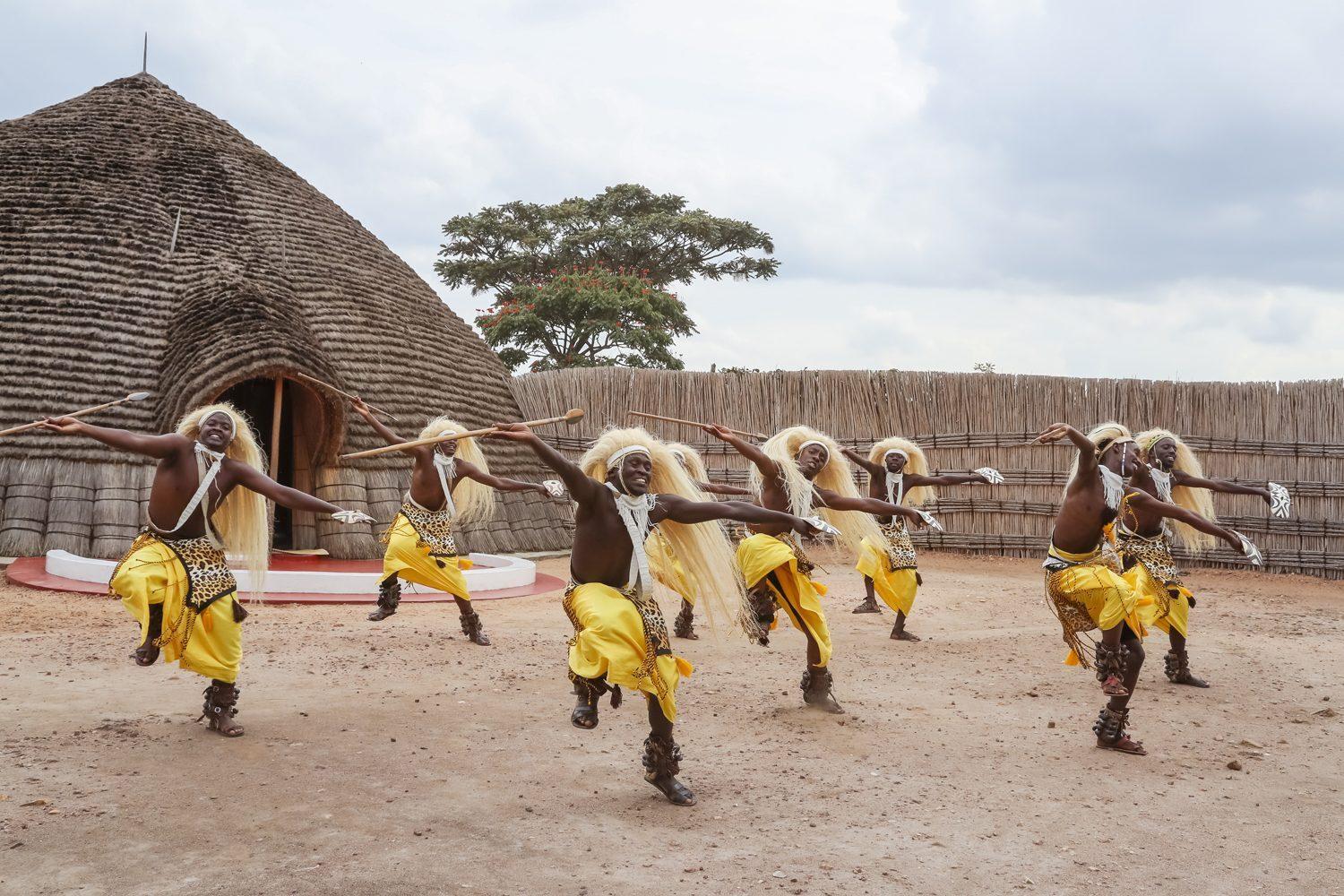
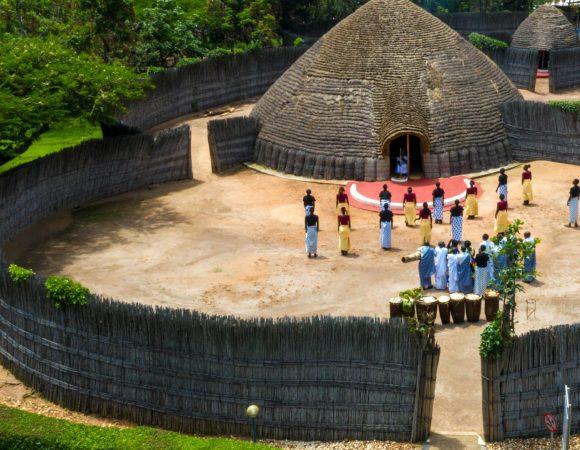
This cultural village is designed to provide a comprehensive and interactive introduction to traditional Rwandan life. It recreates aspects of pre-colonial society, allowing visitors to explore how communities were organized, how leadership structures functioned, and how daily activities were carried out.
A key highlight of Rwanda Cultural Experiences here is the opportunity to participate in hands-on activities. Visitors can learn traditional cooking techniques, try archery as practiced by early hunters, and observe or take part in craft-making processes such as basket weaving and pottery. These activities provide a practical understanding of skills that have sustained communities for generations.
The village also offers insight into Rwanda’s former monarchy. Guests can experience reenactments of royal court life, including traditional ceremonies and roles within the kingdom. This historical perspective adds depth to Rwanda Cultural Villages by connecting cultural practices to governance and social organization.
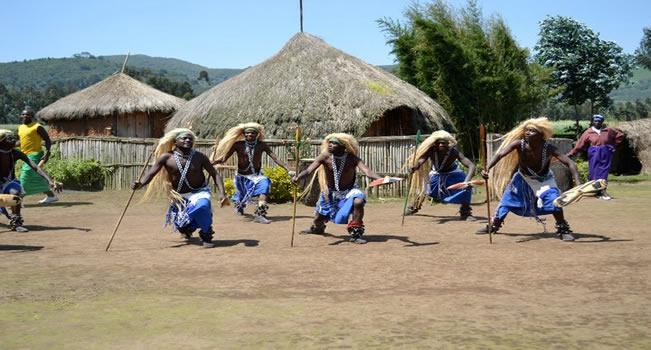
Performances by Intore dancers are among the most memorable elements. These dances, characterized by rhythmic movement, drumming, and symbolic gestures, represent courage, strength, and community pride. They are not only entertaining but also deeply rooted in cultural meaning.
Overall, a visit to Iby’Iwacu transforms Rwanda Cultural Villages & Experiences into a dynamic and engaging journey through history, tradition, and community life.
Explore Cultural Heritage in Kigali
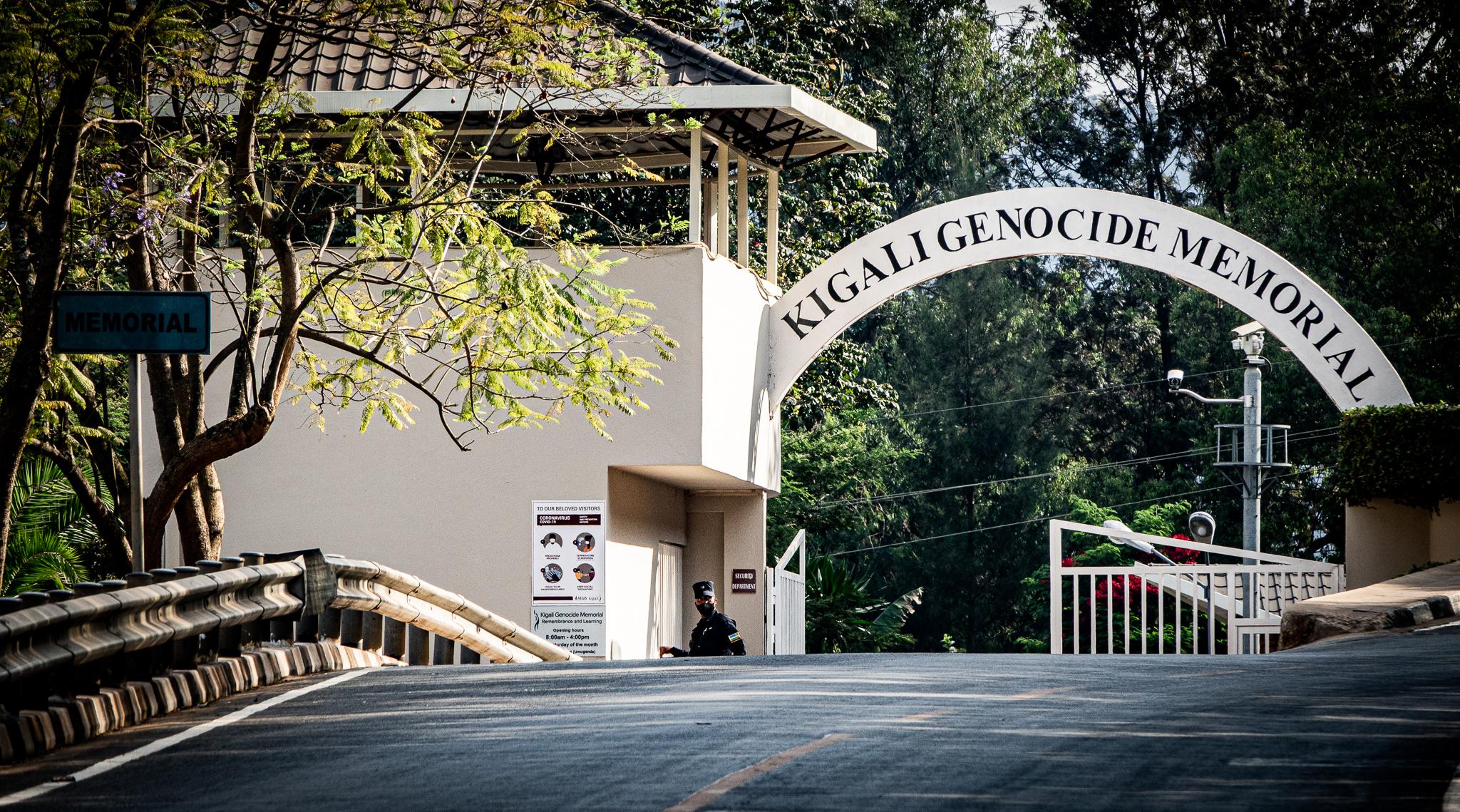
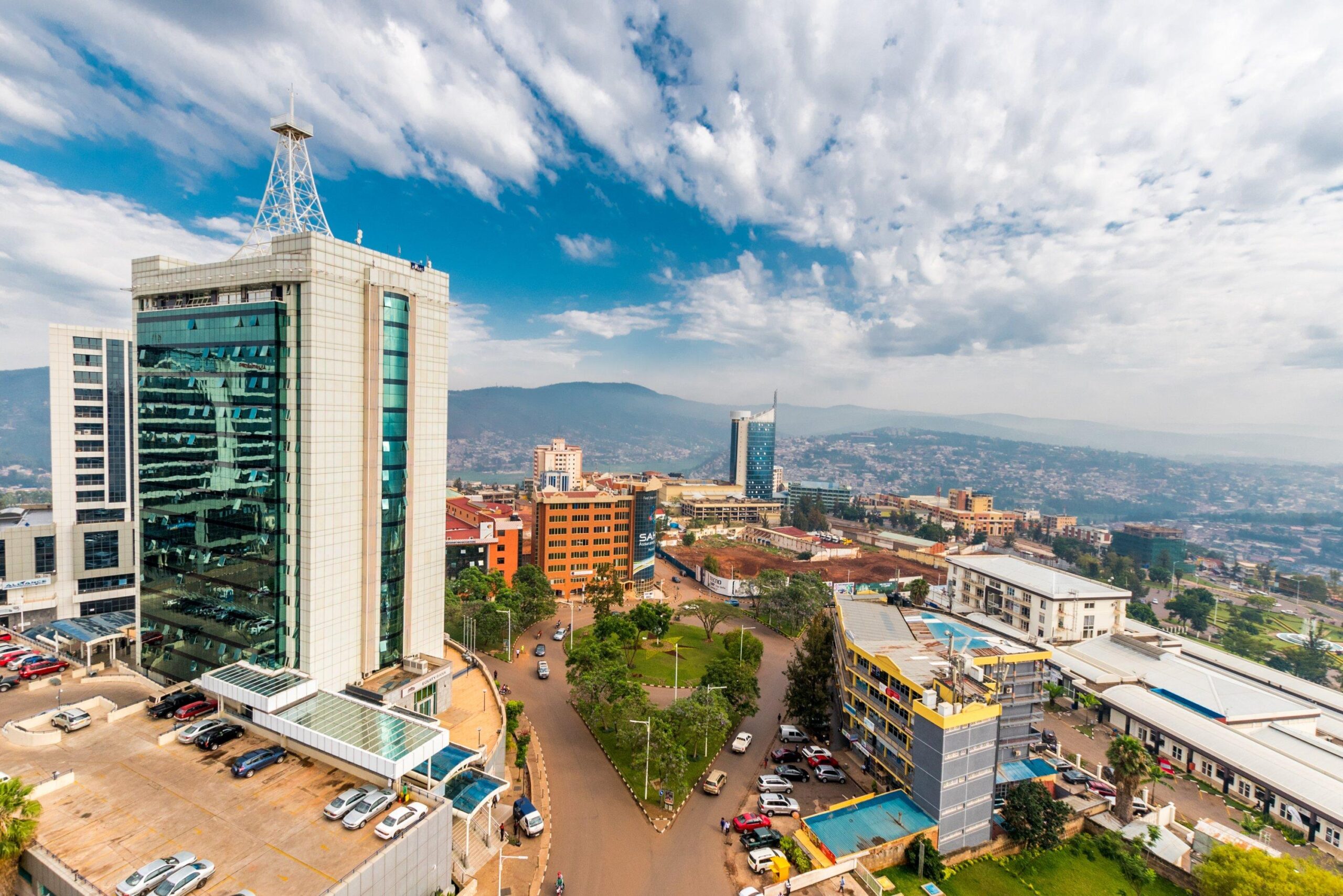
Rwanda Cultural Villages & Experiences are not limited to rural settings. Kigali offers a complementary perspective, showcasing both traditional heritage and modern cultural evolution.
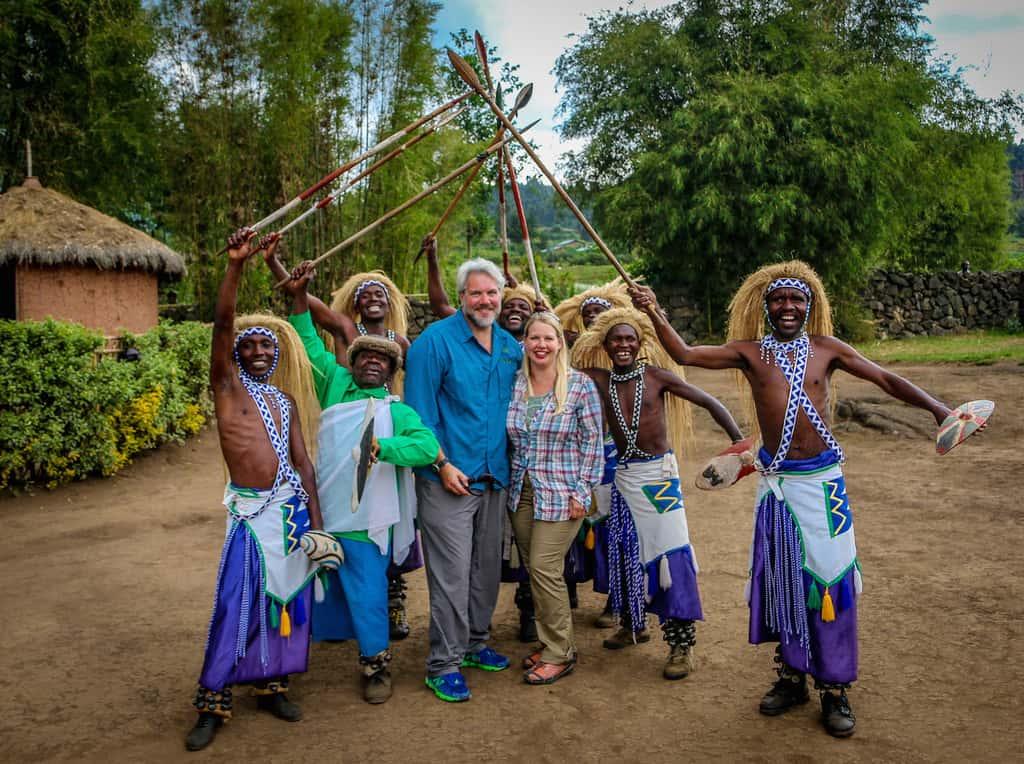
The city is home to a range of museums, galleries, and cultural institutions that present Rwanda’s story from multiple angles. Visitors can explore exhibitions that cover historical events, traditional lifestyles, and the country’s transformation into a modern, forward-looking nation.
Art plays a significant role in Kigali’s cultural landscape. Contemporary galleries feature works by local and regional artists who interpret themes such as identity, resilience, and cultural change. These spaces provide insight into how Rwanda’s past and present are expressed through creativity.
Craft markets and cooperatives are another important aspect of Rwanda Cultural Villages & Experiences in Kigali. Here, visitors can interact directly with artisans who produce handmade goods such as woven baskets, textiles, jewelry, and carvings. These items are not only souvenirs but representations of cultural heritage and craftsmanship.
Urban cultural experiences also include performances, workshops, and guided tours that offer deeper understanding. Visitors may engage in cooking classes, attend cultural shows, or explore neighborhoods that reflect the daily life of Kigali residents.
By combining traditional and modern elements, Kigali enhances Rwanda Cultural Villages & Experiences with a broader cultural perspective. It allows travelers to see how heritage is preserved while also evolving within a contemporary setting.
Traditional Dance, Music, and Storytelling
A defining feature of Rwanda Cultural Villages & Experiences is the strong emphasis on performance, rhythm, and storytelling, which serve as the foundation of cultural expression in Rwandan society.
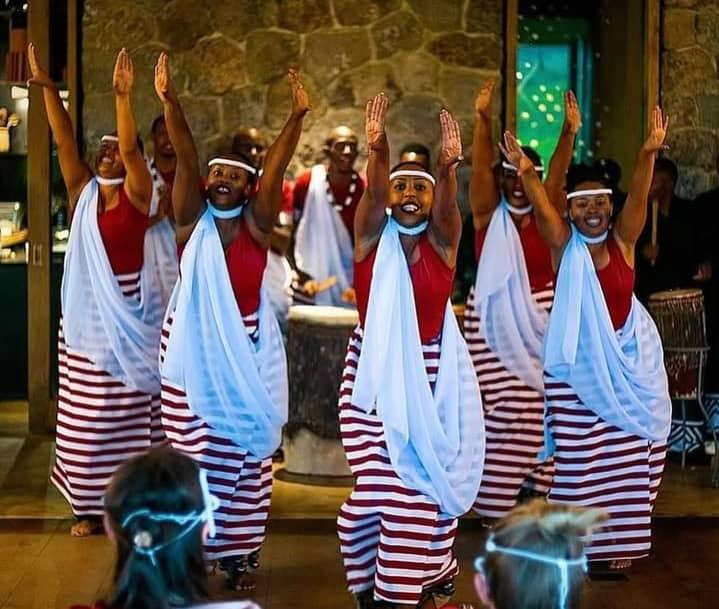
Traditional dance, particularly the Intore dance, plays a central role in these experiences. Known for its elegance, precision, and symbolic movements, the Intore dance was historically performed in royal courts to celebrate warriors and important occasions. Today, it continues to represent values such as bravery, unity, and pride. The choreography, combined with traditional attire and expressive gestures, transforms each performance into a visual narrative of Rwanda’s heritage.
Music is equally significant in Rwanda Cultural Villages & Experiences. Drumming forms the heartbeat of many performances, creating rhythm and energy that guide dancers and engage audiences. Songs often accompany these performances, with lyrics that reflect history, daily life, and community values. The combination of dance, drumming, and singing creates an immersive atmosphere that draws visitors into the cultural experience.
Storytelling adds another important layer. Traditionally passed down orally, stories are used to share wisdom, explain customs, and preserve history. During Rwanda Cultural Villages & Experiences, storytelling sessions may take place around communal settings, where elders or guides recount tales that reveal local beliefs, moral lessons, and social traditions.
These storytelling moments provide emotional depth, helping visitors understand not just what people do, but why they do it. Through performance and narrative, Rwanda Cultural Villages & Experiences become more than entertainment—they become a meaningful cultural exchange that is both engaging and unforgettable.
Hands-On Cultural Activities
Rwanda Cultural Villages & Experiences are distinguished by their interactive nature, allowing visitors to actively participate in daily life rather than simply observe it.
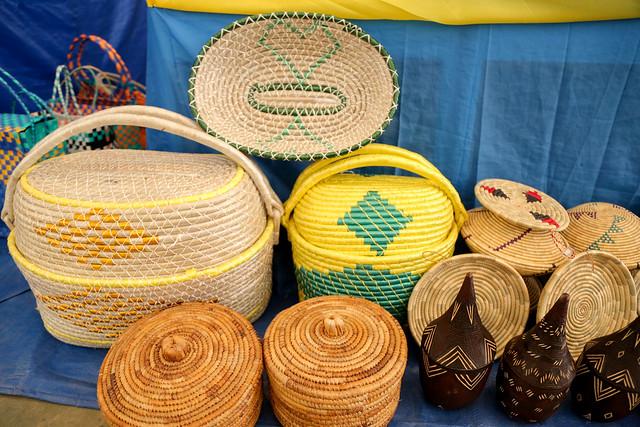
Hands-on activities are designed to give practical insight into traditional skills and community routines. Cooking experiences, for example, introduce guests to local ingredients and preparation methods, often involving the use of traditional tools and techniques. These sessions reveal not only how food is prepared but also its cultural significance within families and communities.
Craft-making is another key component. Visitors may learn basket weaving, pottery, or beadwork—skills that have been practiced for generations and remain important both culturally and economically. These activities require patience and attention to detail, offering a deeper appreciation of the craftsmanship involved.
In some Rwanda Cultural Villages & Experiences, guests can also observe or participate in the preparation of traditional beverages such as banana beer. This process provides insight into local agriculture, resource use, and social traditions, as such beverages are often associated with ceremonies and communal gatherings.
The value of these activities lies in participation. By engaging directly, visitors gain a clearer understanding of how communities function and sustain themselves. This transforms Rwanda Cultural Villages & Experiences into immersive learning opportunities that are both educational and memorable.
Cultural Experiences Near National Parks
Many Rwanda Cultural Villages & Experiences are strategically located near major national parks, making them easy to integrate into wildlife-focused itineraries.
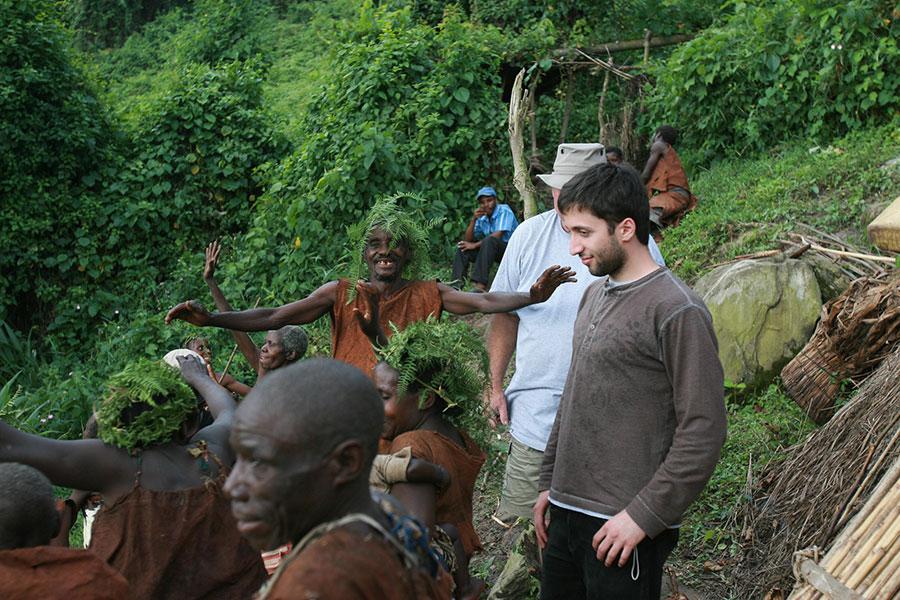
Near Volcanoes National Park, cultural visits provide important context for gorilla trekking. While the park offers extraordinary wildlife encounters, nearby communities offer insight into how people live alongside conservation areas. Visitors can learn about local livelihoods, conservation efforts, and the relationship between communities and protected environments.
In other regions, such as areas surrounding Nyungwe Forest National Park, Rwanda Cultural Villages & Experiences focus on rural life and agricultural practices. These include farming methods, traditional housing, and daily routines that reflect a strong connection to the land.
These cultural interactions add significant depth to safari itineraries. Instead of focusing solely on wildlife, travelers gain a more holistic understanding of Rwanda as a destination where people, culture, and nature are closely interconnected.
By combining cultural visits with national park experiences, Rwanda Cultural Villages & Experiences become a seamless and enriching part of the overall journey.
Community Impact and Sustainable Tourism
Rwanda Cultural Villages & Experiences play a vital role in supporting local communities and promoting sustainable tourism practices.
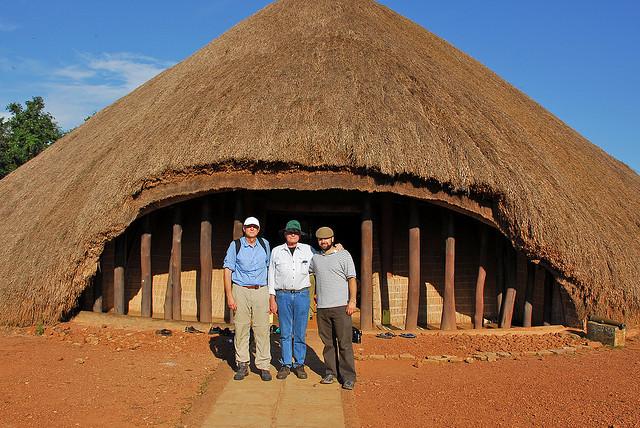
Revenue generated from cultural tourism directly benefits community members, helping to fund essential services such as education, healthcare, and infrastructure. This creates economic opportunities that encourage the preservation of cultural traditions while improving quality of life.
Many Rwanda Cultural Villages & Experiences are community-led or involve strong local participation. This ensures that tourism is inclusive and that benefits are distributed fairly among residents. Visitors are not only observers but contributors to community development.
Sustainability is a central principle. Cultural practices are preserved and shared in a way that respects authenticity while adapting to modern tourism. This balance helps maintain cultural integrity while providing income and exposure.
Additionally, these experiences often support conservation efforts. By offering alternative sources of income, communities are less dependent on activities that may negatively impact the environment, such as poaching or deforestation.
As a result, Rwanda Cultural Villages are not only enriching for travelers but also responsible and impactful. They allow visitors to engage with culture while contributing positively to the communities they visit.