Virunga Gorilla Trekking from Europe:Your Ultimate Travel Guide
Introduction to Virunga Gorilla Trekking
Virunga gorilla trekking from Europe is an extraordinary adventure that combines the thrill of the wild with the serenity of nature. Spanning across Rwanda, Uganda, and the Democratic Republic of Congo (DRC), the Virunga region offers the chance to see mountain gorillas in their natural habitat, making it one of the most sought-after destinations for nature lovers and adventure enthusiasts. For European travelers, the allure of trekking through lush, mist-covered forests and witnessing the gentle giants of the jungle up close is an unforgettable experience.
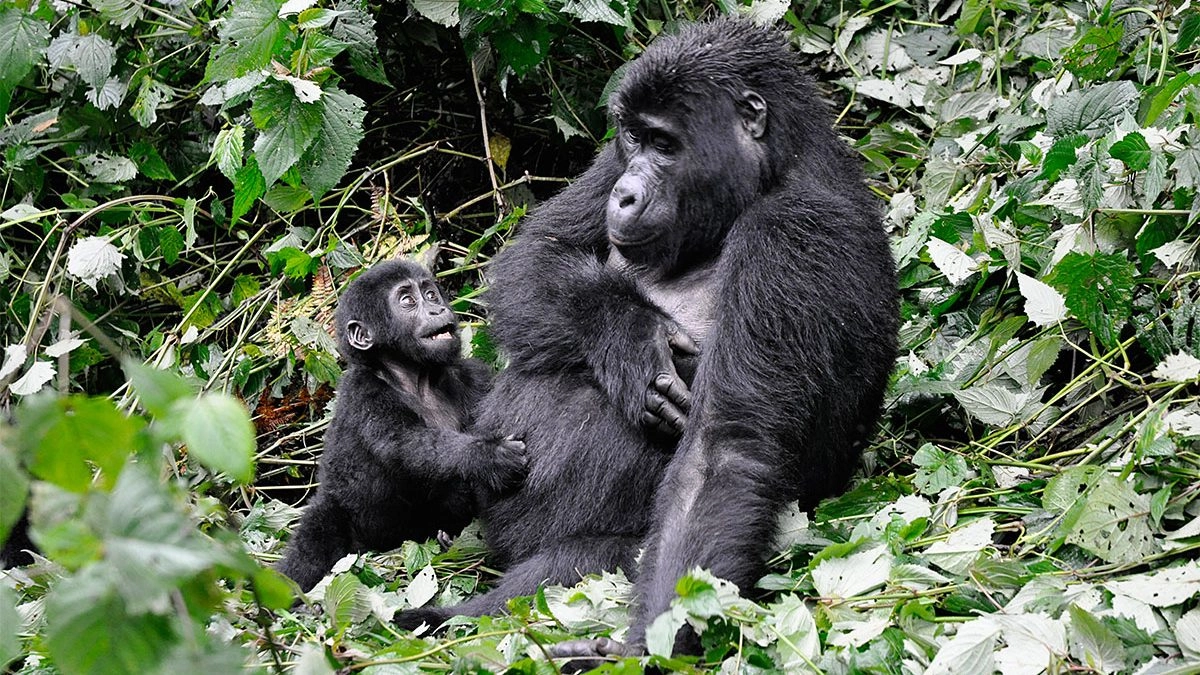
Virunga National Park, one of the oldest and most biodiverse parks in Africa, provides a rare and intimate opportunity to observe the mountain gorillas, a species that was once on the brink of extinction. Despite the region’s turbulent past, efforts to protect these majestic animals have proven successful, and the gorilla population has slowly increased in recent decades, offering a unique and sustainable way for travelers to engage with these animals while supporting conservation efforts.
For many, Virunga is the ultimate African adventure, offering not only an incredible wildlife experience but also a deep connection to the cultures and natural beauty of Central Africa. As a European traveler, the journey to Virunga combines the excitement of a far-flung adventure with the incredible reward of coming face-to-face with the world’s most endangered species.
Why Choose Virunga Gorilla Trekking from Europe?
Virunga National Park stands as the heart of Africa’s mountain gorilla conservation efforts, making it one of the premier destinations for gorilla trekking. Here are several reasons why Virunga should be at the top of your list for an unforgettable trekking experience:
Unmatched Biodiversity
The Virunga region is a UNESCO World Heritage Site and a haven for wildlife enthusiasts. Not only will you encounter mountain gorillas, but you’ll also find a wealth of other wildlife species, including golden monkeys, forest elephants, buffaloes, and a variety of bird species. The rich ecosystems within the park are diverse, ranging from dense rainforests to savannahs, providing a complete African wildlife experience. This diverse range of flora and fauna offers an enriching trekking experience for visitors, blending adventure with the opportunity to appreciate nature in its purest form. This makes the Virunga Gorilla Trekking from Europe the most interesting gorilla trekking activity in Africa.
The Opportunity to Trek with Endangered Mountain Gorillas
Virunga is one of the few places in the world where visitors can see mountain gorillas in the wild, making it a highly sought-after destination. These majestic creatures are critically endangered, and conservation efforts in Virunga have made great strides in protecting them. The opportunity to witness these gentle giants in their natural habitat is a rare and life-changing experience. Being part of a small group of trekkers, you’ll have the privilege of spending an hour observing the gorillas, learning about their behavior, and witnessing the intricate dynamics of their social groups.
Conservation Efforts and Community Support
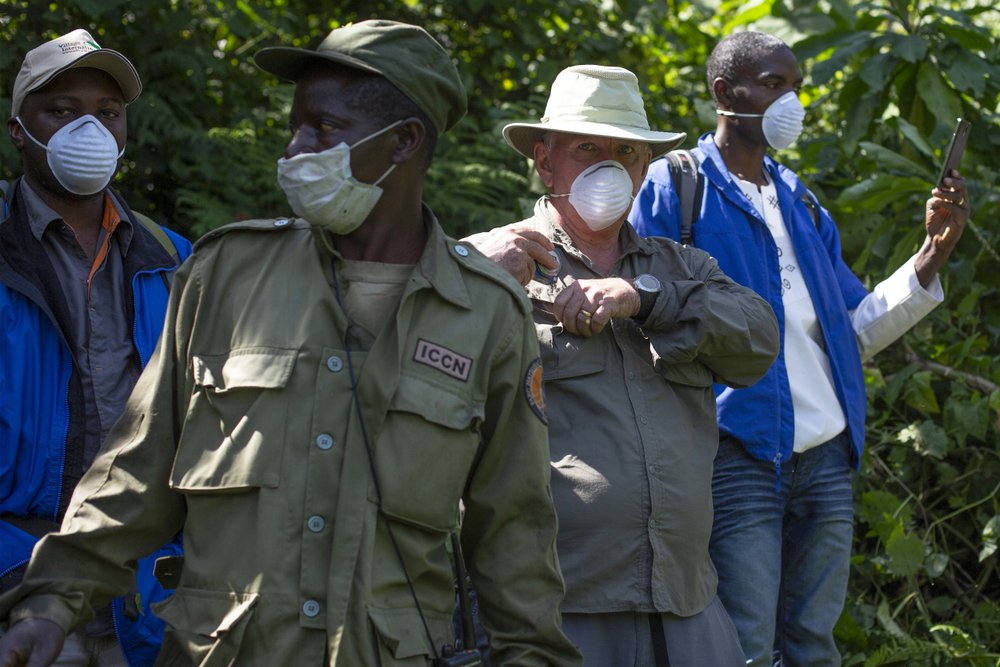
The Virunga National Park is a model of conservation success, where ecotourism plays a crucial role in funding wildlife protection. For years, Virunga has been at the forefront of protecting mountain gorillas from poaching, habitat loss, and human-wildlife conflict. The park’s management works hand-in-hand with local communities to promote sustainable tourism that directly benefits the region. By choosing Virunga for your trekking experience, European travelers are not only enjoying a once-in-a-lifetime adventure but are also contributing to the ongoing preservation of gorillas and the livelihoods of surrounding communities.
A Rich Cultural Experience,
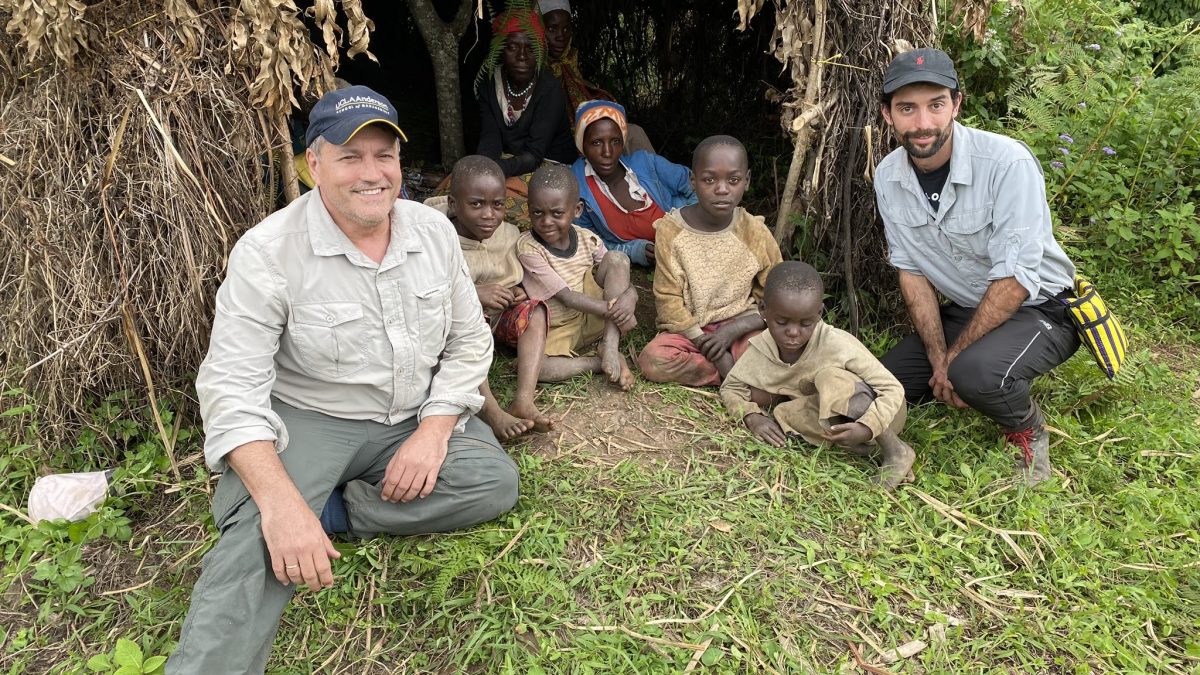
The Virunga region is home to a diverse array of cultures, including the Pygmy people, who have lived in the forests for generations. Trekking through this region offers more than just a wildlife experience; it’s an opportunity to immerse yourself in the vibrant cultures and traditions of the local communities. Many trekking tours include cultural visits, where you can learn about the Batwa’s ancient way of life, their deep connection to the land, and the challenges they face in the modern world. This adds a rich layer to your trekking experience and allows you to engage with the region on a deeper level.
Accessibility and Adventure
For European travelers, getting to Virunga is relatively straightforward. While the park spans three countries, the most common entry points are through Kigali, Rwanda, or Bukavu, DRC. Flights from Europe to Kigali are frequent, with connections to both Rwanda and Uganda, making it a convenient base for your trek. For those looking for an added adventure, there is the option to travel overland from Rwanda to the DRC border, which enhances the sense of exploration and discovery. The trekking itself takes you through lush forests and steep terrains, ensuring that each day is packed with adventure and breathtaking landscapes.
Exclusive and Small-Group Experience
Unlike some other destinations where gorilla trekking can be crowded, Virunga offers an exclusive experience with a limited number of visitors. Small groups, often no more than 8 people, are guided by expert trackers and guides, ensuring a personalized and intimate experience with the gorillas. This small-group setup means that you can enjoy the trek in a more tranquil, less invasive way, while also having the chance to ask questions and learn from your knowledgeable guides.
Contact Us to inquire about Virunga Gorilla Trekking from Europe.
How to Get to Virunga from Europe
Overview of Flight Routes to Virunga (via Kigali, Rwanda, or Bukavu, DRC)
Getting to Virunga from Europe involves flying to one of the key gateways to the Virunga region: Kigali (Rwanda) or Bukavu (Democratic Republic of Congo). Each route offers different advantages depending on your travel preferences and itinerary.
Kigali, Rwanda: Kigali is the most common entry point for international travelers heading to Virunga. The city is served by numerous international airlines, including direct flights from major European hubs such as London, Paris, Brussels, and Amsterdam. These flights typically take around 8-10 hours. Once in Kigali, travelers can easily connect to Virunga National Park via road or by taking a charter flight. The drive from Kigali to the park’s main trekking areas (such as the Bukima Ranger Station or Mikeno Lodge) is about 4-5 hours, depending on the road conditions and the chosen route. For those with limited time or looking for a quicker option, there are also scheduled flights from Kigali to Goma (in the DRC), followed by a short drive to the park.
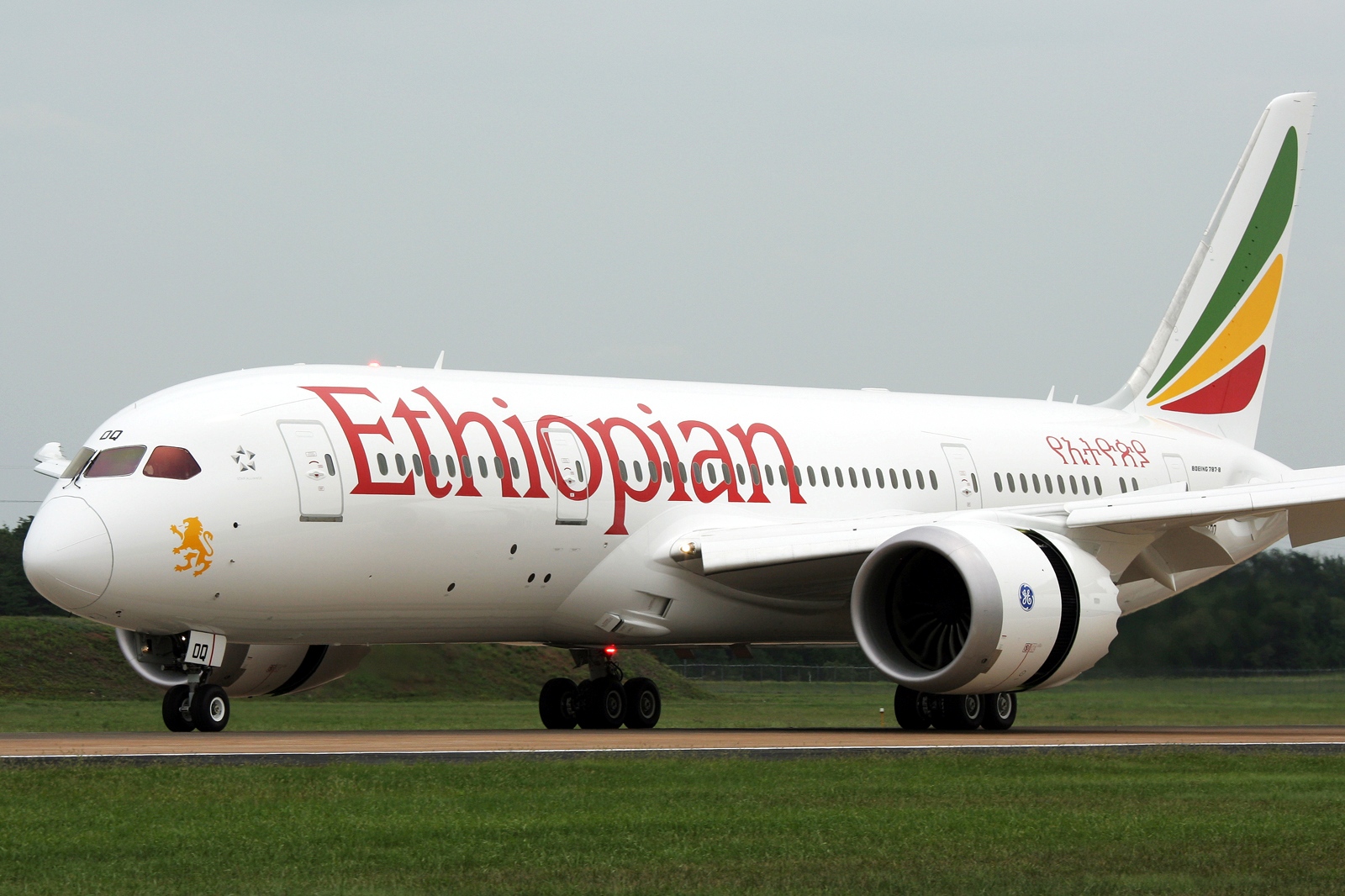
Bukavu, DRC: Bukavu is another option for accessing Virunga, particularly if you’re trekking in the DRC section of the park. Bukavu is a smaller city, and flights from Europe to Bukavu are less frequent. However, travelers can fly into major East African hubs like Nairobi or Addis Ababa and then take connecting flights to Bukavu via airlines such as Ethiopian Airlines. From Bukavu, it’s a 1-2 hour drive to the park, and several tour operators provide transfers to the park’s trekking starting points. If you’re already in the region, Bukavu might be a quicker route into Virunga compared to traveling through Kigali.
Advice on International Flights, Visa Requirements, and Travel Logistics
International Flights: European travelers typically fly into Kigali (Rwanda) or Bukavu (DRC) via major hubs like London, Paris, or Brussels. Booking well in advance can help secure better prices, and many travelers combine their Virunga trekking with a visit to other East African destinations like Rwanda’s Volcanoes National Park or Uganda’s Bwindi Impenetrable Forest for gorilla trekking.
Visa Requirements Virunga Gorilla Trekking from Europe
- Rwanda: European citizens can obtain a tourist visa for Rwanda on arrival at the airport or apply online via the Rwanda Immigration website. Apply for Rwanda tourist Visa.The visa cost is typically around $30 for a single-entry visa, and it is valid for 30 days.
- Democratic Republic of Congo (DRC): Travelers heading to Bukavu and entering through DRC will need to secure a visa before traveling. Appy for DRC tourist Visa. Visas for the DRC can be obtained through the nearest Congolese embassy or consulate. Ensure you apply well in advance, as processing times can vary. The cost of the visa is generally around $100-$200, depending on your nationality and the type of visa.
Make sure to check the specific entry requirements and any travel advisories before your trip, as these can change due to political situations or health concerns.
Health and Safety Considerations: Travelers heading to Virunga should ensure they have the appropriate vaccinations. Common requirements include yellow fever (which is mandatory for entry into Rwanda and DRC), typhoid, hepatitis A and B, and malaria prevention. It is advisable to check with a travel clinic before departure.
Best Time for Virunga Gorilla Trekking from Europe
Ideal Months for Trekking in Virunga
Virunga National Park is a year-round destination, but the ideal months for gorilla trekking depend on the weather and trekking conditions. The best times to visit are during the dry season, which runs from June to September and December to February. These months offer the most favorable trekking conditions, with less rainfall and clearer trails.
Dry Season (June to September):
This is considered the best time for trekking in Virunga. The weather is generally dry, with clear skies, and the trails are easier to navigate. With less rain, the likelihood of mud and slippery terrain is reduced, making the treks more enjoyable and less physically demanding. This is also the peak tourist season, so it’s wise to book well in advance if you’re planning to visit during these months.
Short Dry Season (December to February):
Another excellent time to visit, with moderate rainfall and comfortable trekking conditions. While not as dry as the peak months of June to September, this period still offers relatively good weather, and the park is less crowded, which can provide a more intimate trekking experience.
Rainy Season (March to May):
The rainy season in Virunga can be more challenging for trekking. While you can still see the gorillas during this time, the trails are much more slippery, and the weather is unpredictable, with frequent downpours. However, if you don’t mind the rain and prefer a quieter, less crowded experience, this can still be a rewarding time to visit. The lush green landscape during the rainy season is also a stunning sight, and gorilla sightings are still possible, though the terrain may be more difficult to navigate.
Weather and Trekking Conditions During Different Seasons
Dry Season: The dry season offers the most comfortable trekking conditions. Temperatures during the day range between 20°C to 25°C (68°F to 77°F), and the evenings can be cool. The lower levels of humidity and rainfall make the hikes through the forest much more pleasant. The dry conditions also provide better visibility of the gorillas as they move around the forest.
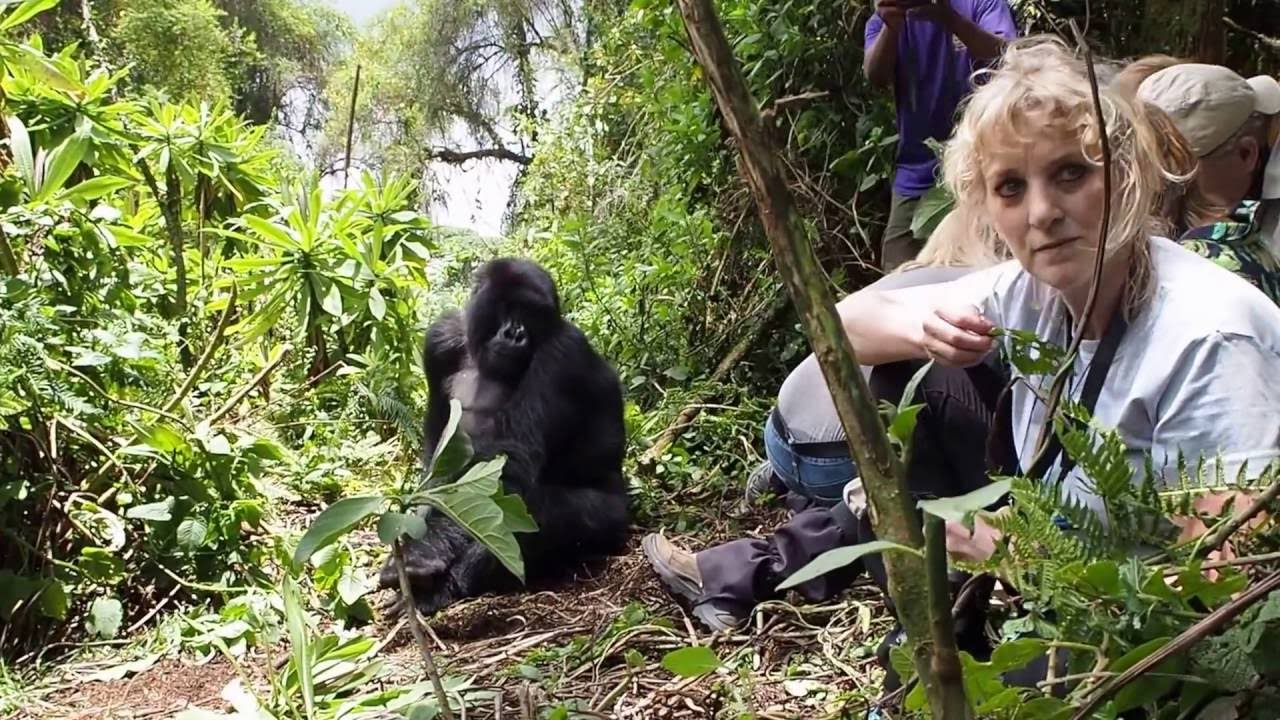
Rainy Season: During the rainy season, expect heavier rainfall, with temperatures ranging from 18°C to 24°C (64°F to 75°F). While the rain can be an inconvenience, it adds to the mystique and beauty of the region, with lush green landscapes and fewer tourists. Trekking conditions can be muddy, which makes the hikes more strenuous, and it is essential to come prepared with waterproof gear and good hiking boots.
What to Expect for Trekking Conditions
Regardless of the season, trekking conditions in Virunga can be challenging. The terrain is steep, and trekkers may need to hike up and down through dense jungle, which requires a reasonable level of fitness. In the dry season, the trails are more accessible, while in the wet season, trekkers will encounter slippery, muddy paths. However, all treks are guided by experienced rangers who assist with navigation and ensure your safety. You should come prepared for both sunny and rainy weather by packing appropriate gear, including waterproof clothing, sturdy footwear, and a hat for sun protection.
What to Expect During Your Virunga Gorilla Trek
Day-by-Day Breakdown of the Trekking Experience
Virunga Gorilla Trekking from Europe is an immersive adventure that offers the chance to see mountain gorillas in their natural habitat. Here’s a typical day-by-day breakdown of the experience:
Day 1: Arrival in Kigali and Transfer to Virunga
You’ll arrive in Kigali, Rwanda (or Bukavu, DRC if entering via the Congo), where your adventure begins.
If you’re flying into Kigali, you’ll take a scenic drive or a short flight to Goma, DRC. From Goma, it’s a 1-2 hour drive to your lodge near the park.
Evening briefing: After checking in to your accommodation, you’ll attend a pre-trek briefing where park rangers will provide safety instructions, discuss the trekking route, and explain what to expect. This is the time to ask any questions and get the necessary equipment.
Day 2: Gorilla Trekking
Early Morning Start: Your day starts early, typically around 6:00 AM, with a hearty breakfast before heading to the park headquarters for registration.
Trekking Groups: Visitors are divided into small groups (usually no more than 8 trekkers per group) based on the gorilla families assigned to that day. Each group is led by a skilled guide and armed rangers for safety.
Trekking: The trek can last anywhere between 1 to 8 hours depending on where the gorillas are located. The terrain can be steep, muddy, and challenging, so expect a strenuous hike. Rangers will help you navigate through dense forest, muddy paths, and sometimes across streams.
Gorilla Sighting: Once you reach the gorilla family, you’ll spend up to 1 hour with them. This time allows you to observe their behavior, take photos (without flash), and enjoy their fascinating social interactions.
Return: After your time with the gorillas, the trek back can take a similar amount of time, depending on the terrain. When you return to your lodge, you can enjoy a relaxing dinner and share your experiences with fellow trekkers.
Day 3: Optional Activities or Departure
Depending on your itinerary and the region you’re visiting, you may choose to engage in additional activities such as a cultural visit to local villages, hiking Mount Nyiragongo (if staying longer), or simply relaxing at your lodge.
Alternatively, if you’re heading home or onto another destination, you’ll be transferred back to Kigali (or Bukavu) for your return flight.
Difficulty Levels, What’s Included in the Trek, and Key Highlights
Difficulty Levels:
The difficulty of the trek can vary greatly depending on the location of the gorilla family that day. Some treks can be relatively easy, while others require navigating steep, rugged terrain. This is a physically demanding experience, so good fitness is recommended. However, the trek is achievable for most people with moderate fitness levels, and porters can be hired to assist with carrying bags.
The rangers are highly skilled and will provide guidance throughout, but you should be prepared for challenging conditions, especially in the rainy season.
What’s Included in the Trek:
- Gorilla trekking permits (for one hour with the gorillas)
- Entry fees to Virunga National Par
- Professional guides and armed rangers
- Park entrance fees
- All transportation from your arrival in Kigali or Bukavu to the trekking site
- Accommodation near the park for the duration of the trek
- Meals (usually full board: breakfast, lunch, and dinner)
- Optional porters for additional assistance (available for an extra cost)
Key Highlights of the Virunga Gorilla Trekking from Europe
Mountain Gorilla Sighting: Spending time with the gorillas is the primary highlight. These creatures are incredible to observe in their natural habitat.
Breathtaking Views: Trekking through the mist-covered forests provides stunning views of the surrounding volcanic mountains.
Local Culture: You may have the opportunity to visit local villages or interact with local communities, learning about their culture and history.
Virunga Gorilla Trekking Permits and Pricing
Permit Costs for Gorilla Trekking in Virunga
The cost of trekking permits for Virunga Gorilla Trekking from Europe varies depending on whether you’re visiting the Rwandan, Ugandan, or Congolese side of the park, and whether the trek is part of a package or booked directly.
Virunga National Park (DRC):
Gorilla trekking permits in the DRC are generally more affordable than in Rwanda and Uganda. The cost is approximately $400 per person for a single permit. This makes Virunga Gorilla Trekking from Europe the most affordable gorilla safari .
These permits are required for all trekkers and grant access to a specific gorilla family.
Rwanda (Volcanoes National Park):
Rwanda is known for having higher permit costs, with $1,500 per person for a trekking permit.
Rwanda’s permit includes access to the mountain gorillas, guided trekking, and all park entrance fees.
Uganda (Bwindi Impenetrable Forest):
In Uganda, permits for gorilla trekking are priced at $700 for foreign residents and $800 for international tourists.
This price includes the trek with one of the habituated gorilla families in Bwindi.
Additional Costs for Activities or Services
While the trek itself includes many services, there are a few additional costs you might incur:
Accommodation: The cost for accommodation can range widely based on the type of lodge or camp you choose. Budget accommodations can start from $50 per night, mid-range options from $150 to $300 per night, and luxury lodges can exceed $500 to $1,500 per night.
Porters: Hiring porters is optional but highly recommended, especially for carrying your gear. This service can cost $20-$30 per porter, and it is a great way to support the local community.
Transportation: Flights to Virunga from Kigali or Bukavu may be extra, with domestic flights averaging between $100 to $300, depending on the route. Private transfers from Kigali to Virunga by car may cost $150 to $200 one way.
Guided Tours: Some trekkers opt for cultural tours or additional wildlife experiences, which can range from $50 to $100 per person.
Permits and Pricing Flexibility
Virunga offers discounts during the rainy season (March to May), and special rates may apply for group bookings or extended stays. It’s advisable to book in advance during peak season (June to September) to secure permits and accommodations.
Where to Stay for your Virunga Gorilla Trekking from Europe
Overview of the Best Accommodation Options Near the Park
There are various options for accommodation near Virunga National Park, ranging from budget-friendly to luxury lodges. Here’s a breakdown of the different categories:
Luxury Lodges:
Mikeno Lodge: This lodge offers an upscale experience with breathtaking views of the Virunga Volcanoes. The lodge features comfortable chalets with en-suite bathrooms, offering a blend of luxury and nature. Prices range from $300 to $500 per night depending on the season.
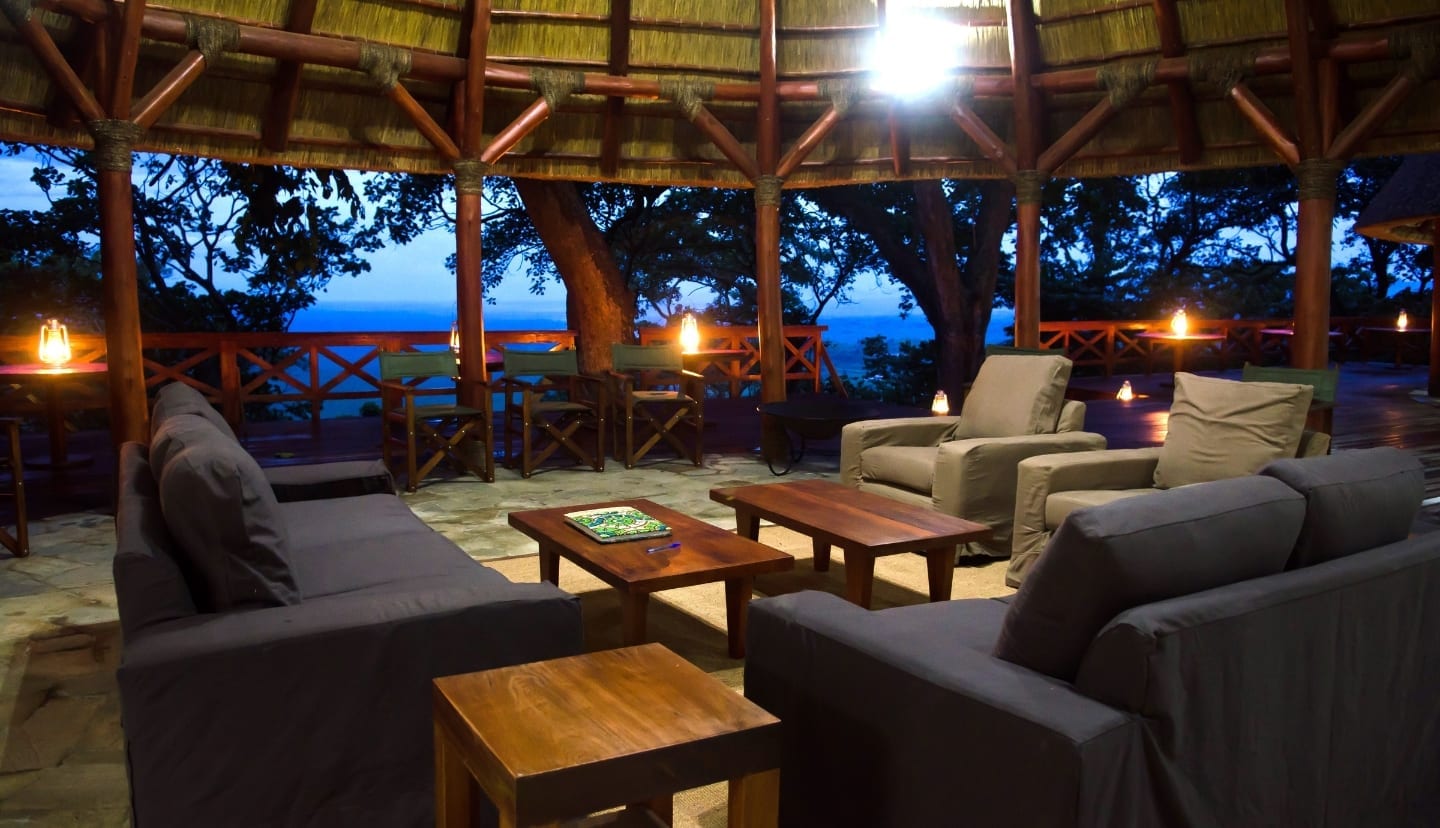
Mountains of the Moon Hotel: Located in Goma, this is a boutique hotel offering a more luxurious experience for trekkers. The hotel offers spacious rooms, excellent dining, and is within driving distance of the park entrance. Rates start at around $250 per night.
Mid-Range Options:
Bukima Lodge: Situated near the park headquarters, this mid-range lodge offers a unique location and a comfortable stay. Rooms are basic but well-maintained and the lodge offers a cozy atmosphere perfect for trekkers. Rates typically range from $100 to $200 per night.
Virunga Lodge (Rwanda): Located just outside the park in Rwanda, Virunga Lodge offers panoramic views of the volcanoes and the surrounding landscape. With modern rooms and good service, it is ideal for those looking for comfort without the high-end price tag. Prices range from $150 to $250 per night.
Budget Accommodations for Virunga Gorilla Trekking from Europe
Umoja Lodge: A great budget-friendly option located in Goma, this lodge offers basic amenities for those who don’t mind simple accommodations. Expect to pay around $50 to $100 per night.
Mushara Lodge: Another affordable option located close to the park entrance, offering clean and comfortable rooms. The cost is typically $50 to $80 per night.
Choosing the Right Accommodation for Your Virunga Trek
When selecting your accommodation, consider factors such as proximity to the park, the type of experience you want (luxury vs. budget), and the season. Booking well in advance, particularly for the more luxurious options, ensures you get the best rates and availability. Additionally, many accommodations offer packages that include meals, transport, and permits, which can simplify the logistics of your trip.
Packing for Your Virunga Gorilla Trek
Essential Gear and Clothing Recommendations for Trekking in Virunga
Preparing for a gorilla trek in Virunga requires specific gear to ensure a safe, comfortable, and enjoyable experience. The rugged terrain, variable weather, and dense forest require careful packing to make the most of your trek. Here’s a detailed packing list:
Sturdy Hiking Boots:
The trails in Virunga can be steep, slippery, and muddy, especially during the rainy season. A pair of sturdy, waterproof hiking boots with good ankle support is crucial for maintaining balance and preventing injuries.
Tip: Make sure your boots are broken in before the trek to avoid blisters.
Waterproof Gear:
Rain Jacket: Weather in the Virunga region can change rapidly, and rain showers are common, even during the dry season. A high-quality, breathable waterproof jacket will keep you dry.
Rain Pants: Waterproof pants will protect you from the mud and rain. They’re especially useful in the wet season.
Poncho or Pack Rain Cover: A waterproof poncho for yourself and a pack cover for your gear will keep you dry during the trek.
Clothing:
Lightweight, Quick-Dry Clothing: Avoid cotton, as it takes too long to dry. Opt for moisture-wicking, breathable fabrics to keep you comfortable.
Long-Sleeve Shirts and Pants: These will protect your skin from stinging nettles, thorny bushes, and insects. Choose light-colored clothing to easily spot insects.
Hat and Sunglasses: A wide-brimmed hat will protect you from the sun, while sunglasses will protect your eyes from glare in the high-altitude environment.
Gloves and Gaiters:
Gloves: Durable gloves are recommended to protect your hands from rough vegetation and to assist with gripping branches.
Gaiters: If you’re trekking in muddy or thorny areas, gaiters will keep your legs clean and free from debris.
Trekking Poles:
Trekking poles are highly recommended for stability when navigating steep or muddy trails. They provide additional support and help distribute weight during the trek.
Backpack and Hydration:
A small, waterproof backpack to carry essentials such as snacks, water, camera, and extra layers.
Water Bottles: Ensure you carry enough water for the trek. Hydration packs or reusable water bottles are ideal, and some lodges offer filtered water for refills.
Camera and Binoculars:
A camera with extra memory cards and a charged battery is essential for capturing memories.
If you wish to see the surrounding wildlife, a pair of compact binoculars can also be helpful.
Personal Items:
Sunscreen and Lip Balm: Protect your skin from the high-altitude sun.
Insect Repellent: Virunga is home to various insects, including mosquitoes. An insect repellent with DEET will protect you from bites, especially in the evenings and during the trek.
Personal Medications: Bring any personal medications you may need, and make sure they’re clearly labeled. A basic first-aid kit with plasters, pain relievers, and any necessary prescription drugs is always a good idea.
Hand Sanitizer and Wet Wipes: Keep your hands clean during breaks and after touching surfaces in the forest.
Health Considerations and Travel Tips
Altitude:
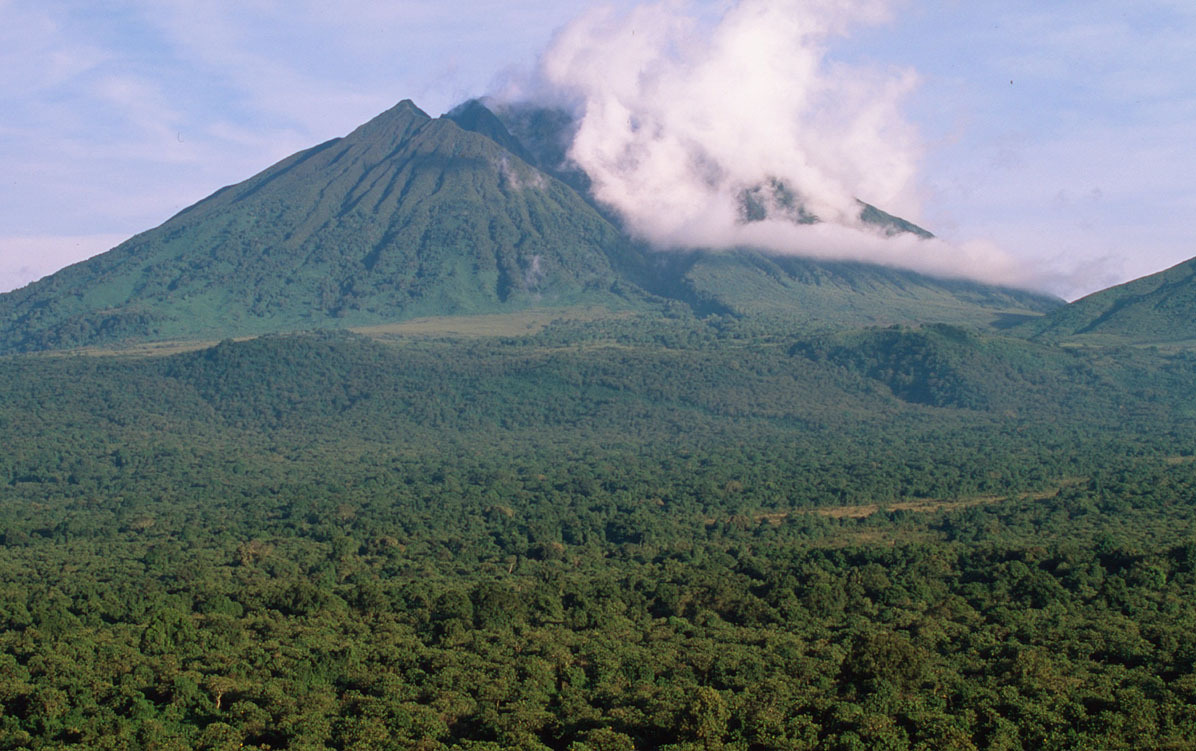
Virunga National Park is located at a high elevation (about 1,500 to 3,500 meters above sea level), so altitude sickness can be a concern for some trekkers. Although the altitude is not extremely high, the thin air may cause mild symptoms like dizziness, shortness of breath, and fatigue.
Tip: Drink plenty of water, take it slow, and avoid overexerting yourself. If you’re concerned, consult a healthcare provider before your trip.
Vaccination Requirements:
Before traveling to Virunga, it’s essential to ensure your vaccinations are up to date. Some required vaccines include:
Yellow Fever: A yellow fever vaccination is mandatory for entry into Rwanda and the DRC. Carry your yellow fever vaccination certificate with you as you’ll need it to enter the park.
Typhoid: Recommended for travel to sub-Saharan Africa.
Hepatitis A & B: Strongly recommended for protection against these diseases.
Malaria Prophylaxis: Depending on the region and time of year, you may be advised to take antimalarial medication.
Routine Vaccinations: Ensure that your routine vaccinations (such as tetanus, diphtheria, and polio) are up to date.
Travel Insurance:Ensure you have comprehensive travel insurance that covers medical emergencies, trip cancellations, and unexpected events. Some operators may also require proof of insurance for activities like trekking.
Safety and Conservation Efforts in Virunga
How Virunga’s Tourism Supports Local Conservation Efforts
Virunga National Park is one of Africa’s most important protected areas, not only for its unique biodiversity but also for the role it plays in conservation efforts for the endangered mountain gorillas. Tourism is a key component in funding these efforts, and you
r visit helps support the park’s protection, including:
Funding for Anti-Poaching Units:
Revenue from trekking permits and tours directly supports anti-poaching initiatives. Virunga has a dedicated and well-equipped ranger force that works tirelessly to protect the gorillas and other wildlife from illegal hunting and trafficking.
Habitat Restoration:
The park is continuously working to restore and protect the habitats of the gorillas, especially in the face of human encroachment and deforestation. Revenue from tourism helps fund reforestation projects and sustainable land-use practices.
Community Engagement:
Virunga’s tourism model includes strong involvement with local communities, ensuring they benefit directly from the park’s success. Many locals are employed as guides, porters, and lodge staff, which provides a stable source of income and incentivizes them to engage in conservation efforts. Additionally, the park offers educational programs to local communities on sustainable farming and wildlife protection.
Gorilla Monitoring and Research:
The park runs continuous research and monitoring programs to track gorilla populations, study their behavior, and ensure that the trekking experience is both safe and educational. This research contributes to global understanding of mountain gorillas and their needs.
Safety Tips for Trekking in the Park and Respecting the Gorillas
Follow Ranger Instructions:
Always follow the instructions of your guide and the rangers. They are highly trained and knowledgeable about the gorillas and the park’s safety protocols. Do not attempt to approach the gorillas without permission.
Maintain a Safe Distance:
The rangers will maintain a safe distance between you and the gorillas. You should remain calm, avoid sudden movements, and respect the gorillas’ space. Gorillas are peaceful, but they can become stressed if they feel threatened. The general rule is to stay at least 7 meters away from the gorillas.
Do Not Touch the Gorillas:
Even though gorillas may seem approachable, you should never touch them. This is not only for your safety but also to avoid transmitting any diseases. Human germs can be harmful to gorillas, and transmission of disease is a significant concern in conservation.
Avoid Making Loud Noises:
While observing the gorillas, speak quietly and avoid making sudden loud noises or clapping. This could frighten the gorillas or disrupt their natural behavior.
Stay on Marked Trails:
Stick to the paths designated by the rangers. Straying from the marked trails could disturb the fragile ecosystem and make your trek more dangerous.
Do Not Feed the Gorillas:
Feeding wildlife, including gorillas, is strictly prohibited. It is essential for gorillas to maintain their natural foraging behavior and not associate humans with food.
Book your trek now.
FAQs on Virunga Gorilla Trekking from Europe
What is the best time to visit Virunga for gorilla trekking?
The best time for gorilla trekking in Virunga is during the dry seasons, which run from June to September and December to February. During these months, the trails are more accessible, and the weather is generally favorable for trekking. However, trekking is possible year-round, even during the rainy season, though it can be more challenging due to muddy and slippery conditions.
How long does a typical gorilla trek in Virunga last?
A typical gorilla trek in Virunga lasts between 1 to 8 hours, depending on the location of the gorilla family you are visiting. Some treks are easier and shorter, while others may involve more strenuous hiking through dense forest. After reaching the gorillas, you will spend one hour observing them.
Do I need to be physically fit for the trek?
While the trek is not overly strenuous for most people, it does require a moderate level of fitness. The terrain can be steep and slippery, especially during the rainy season. Travelers with mobility concerns may want to consider hiring a porter to assist them. The trek can be physically demanding, so it’s important to be prepared.
Is it safe to trek gorillas in Virunga?
Yes, trekking gorillas in Virunga is safe. The park has highly trained rangers and guides who ensure your safety throughout the trek. Armed guards accompany trekkers for added security, and they are well-equipped to handle any potential threats. The guides are also knowledgeable about gorilla behavior and will ensure that you maintain a safe distance.
How do I get to Virunga from Europe?
European travelers can reach Virunga by flying into Kigali (Rwanda) or Bukavu (DRC). Kigali is the most common entry point, with direct flights from major European cities like London, Paris, and Brussels. From Kigali, it’s a 4-5 hour drive to the park. Alternatively, you can fly into Bukavu, which is closer to the park, though flights are less frequent.
What vaccinations do I need before traveling to Virunga?
You will need a yellow fever vaccination to enter Rwanda and the DRC, along with vaccines for hepatitis A, hepatitis B, typhoid, and malaria prophylaxis. It’s important to visit a travel clinic before your trip to ensure you are up-to-date with all recommended vaccines.
What is included in the gorilla trekking permit?
The gorilla trekking permit includes entry to the park, a guided trek to the gorillas, and one hour spent with the gorillas. The permit price also contributes to park conservation efforts and the protection of the gorillas. Meals and accommodations are typically not included in the permit fee.
How much does a gorilla trekking permit cost?
The cost of a trekking permit varies depending on the country and park:
Virunga National Park (DRC): $400 per person
Rwanda (Volcanoes National Park): $1,500 per person
Uganda (Bwindi Impenetrable Forest): $700 to $800 per person, depending on residency
Can I see gorillas in Virunga at any time of the year?
Yes, you can trek to see gorillas year-round in Virunga. However, the best time for trekking is during the dry season, when the trails are less muddy and the weather is more favorable. The rainy season (March to May) can make trekking more difficult but offers a quieter experience with fewer tourists.
Do I need a visa to visit Virunga?
Yes, you will need a visa for both Rwanda and the DRC. Most European nationals can obtain a Rwanda visa on arrival or apply online before travel. For the DRC, you will need to apply for a visa at the nearest Congolese embassy. Be sure to check the latest visa requirements before your trip.
How challenging are the trails in Virunga?
The trails in Virunga can be challenging, as they are often steep, muddy, and rugged. The hike can last anywhere from one to several hours, depending on where the gorillas are located. It’s important to be prepared for the physical demands of trekking in the rainforest.
Can I take children on a gorilla trek in Virunga?
Gorilla trekking is suitable for children over the age of 15, as the trek can be physically demanding and lengthy. However, children under 15 are not permitted to trek to see the gorillas. For families with younger children, there are other ways to experience the park, such as cultural tours and nature walks.
Are there any restrictions for photography during the trek?
Yes, photography is allowed, but there are strict guidelines to protect both the gorillas and the visitors. Flash photography is not permitted, as it can stress the gorillas. You should also keep your distance from the gorillas and follow your guide’s instructions to avoid disrupting their natural behavior.
Is it possible to book a private gorilla trek in Virunga?
Yes, private treks can be arranged in Virunga for an additional fee. Private treks offer a more exclusive and personal experience, allowing you to focus on a specific gorilla family and have more time to interact with the guide. These treks are ideal for those looking for a more intimate experience.
What is the age limit for trekking in Virunga?
The minimum age for trekking in Virunga is 15 years old. There is no upper age limit for trekking, but trekkers should be in good health and reasonably fit to handle the demands of the hike.
Can I combine gorilla trekking with other activities in Virunga?
Yes, Virunga offers various activities in addition to gorilla trekking, such as hiking Mount Nyiragongo (home to one of the world’s most active volcanoes) or visiting the local communities near the park. You can also participate in chimpanzee tracking or wildlife safaris.
How do I book my Virunga Gorilla Trekking from Europe?
You can book your gorilla trekking safari through tour operators that specialize in Virunga. Many operators offer packages that include transportation, permits, accommodations, and additional activities. It’s recommended to book well in advance, especially during peak seasons.
What should I bring for the gorilla trek?
Essential items for the trek include:
- Sturdy hiking boots
- Waterproof jacket and pants
- Hat and sunglasses
- Gloves to protect your hands
- Insect repellent
- Camera (without flash)
- Water bottle and snacks
- Personal medications and a small first-aid kit
Are there any health risks associated with gorilla trekking?
While the risk is minimal, it’s essential to be aware of potential health risks, such as altitude sickness, as Virunga is located at a high elevation. Travelers should also be mindful of the risk of transmitting human diseases to the gorillas. For this reason, trekkers are required to wear masks and maintain a safe distance from the gorillas.
What kind of wildlife will I see during Virunga Gorilla Trekking from Europe?
Apart from mountain gorillas, Virunga is home to a variety of wildlife, including golden monkeys, forest elephants, buffaloes, hyenas, and a wide range of bird species. The park is rich in biodiversity, and your trek may offer glimpses of other animals in the wild.
Is it safe to visit Virunga given the political situation?
Virunga National Park has faced political instability in the past, but it is considered safe for tourists, with proper precautions in place. The park works closely with local authorities to ensure the safety of visitors. Before traveling, it’s always a good idea to check travel advisories and stay updated on the current situation.
Can I trek gorillas in Virunga without a guide?
No, gorilla trekking in Virunga requires the presence of a trained guide and rangers. The park operates with strict regulations to ensure the safety of both visitors and the gorillas. The guides and rangers are experienced and will lead you safely through the forest.
How can I help conserve gorillas in Virunga?
By visiting Virunga and purchasing a trekking permit, you’re directly supporting gorilla conservation. Funds from tourism are reinvested into anti-poaching efforts, habitat restoration, and community development projects. Additionally, travelers can donate to conservation organizations working in the park or participate in awareness campaigns.