
Rwanda to Host Formula 1 African Grand Prix in the Early 2030s
Rwanda is positioning itself for one of the most significant sporting developments in modern African tourism and motorsport, with plans to host a Formula 1 African Grand Prix in the early 2030s. The proposed event would place Rwanda on the global Formula 1 calendar and could mark the long-awaited return of Formula 1 racing to the African continent. For Rwanda, the project represents much more than a motor race. It is expected to strengthen the country’s international profile, support tourism growth, attract investment and introduce a new generation of global travellers to Kigali and the wider attractions of Rwanda.
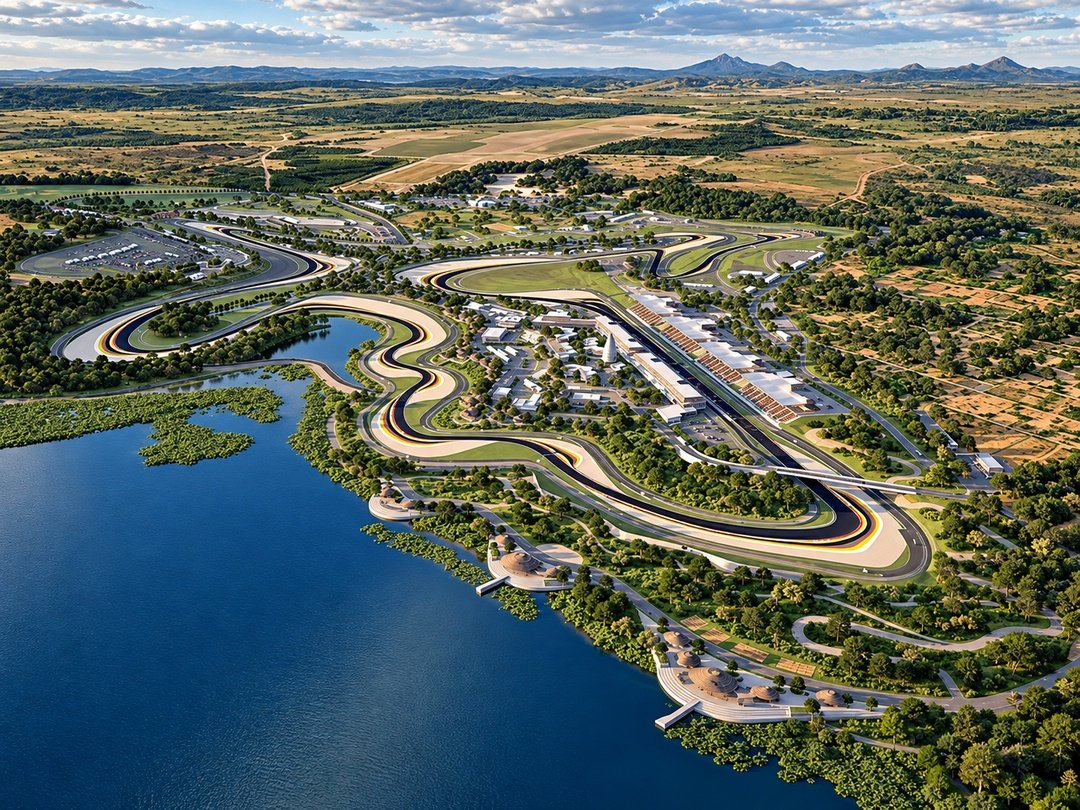
The Rwanda Formula 1 African Grand Prix is expected to be associated with the development of a purpose-built racing circuit in the Bugesera area, south of Kigali. Bugesera has become increasingly important to Rwanda’s long-term infrastructure and tourism plans, making it a strategic location for a major international sporting venue. A modern Formula 1 circuit in this area could place visitors within convenient reach of Kigali while also creating new opportunities for hotels, restaurants, transport companies, event organisers and other tourism businesses serving international race fans.
For Formula 1 supporters, Rwanda could offer something very different from many established Grand Prix destinations. Visitors would be able to combine the excitement of a race weekend with some of Africa’s most memorable wildlife and nature experiences. A traveller could spend several days in Kigali for Formula 1 before continuing to Volcanoes National Park for mountain gorilla trekking, travelling east for wildlife viewing in Akagera National Park, relaxing beside Lake Kivu or extending the journey to Nyungwe Forest for chimpanzee trekking and other forest experiences.
Plan Your Rwanda Formula 1 and Safari Holiday
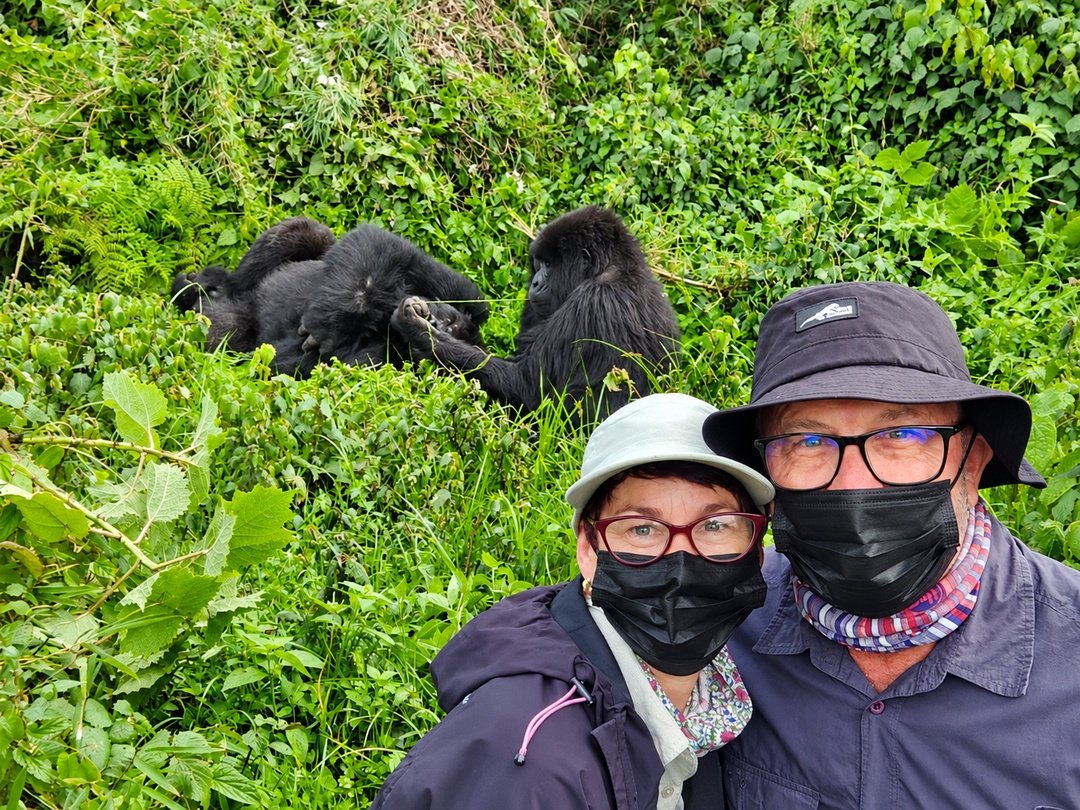
Turn your Rwanda Formula 1 African Grand Prix trip into a complete Rwanda adventure. We can help you combine the race weekend with Kigali accommodation, private transfers, mountain gorilla trekking in Volcanoes National Park, wildlife safaris in Akagera National Park, Lake Kivu and other personalised experiences across Rwanda.
Whether you are travelling as a couple, family, solo traveller or private group, we can customise your itinerary around the official Formula 1 dates once they are confirmed.
Start planning your Rwanda Formula 1 and safari package with us today.
Register Your Interest in Rwanda Formula 1 Travel
This combination of international motorsport and safari tourism could make the Rwanda Formula 1 African Grand Prix particularly attractive to travellers who prefer to turn a sporting event into a complete holiday. Instead of flying into Rwanda only for practice, qualifying and race day, visitors could stay for a week or longer and explore several regions of the country. This creates opportunities for Formula 1 travel packages that combine race attendance with private transfers, accommodation, city experiences, gorilla permits, luxury lodges and personalised safari extensions.
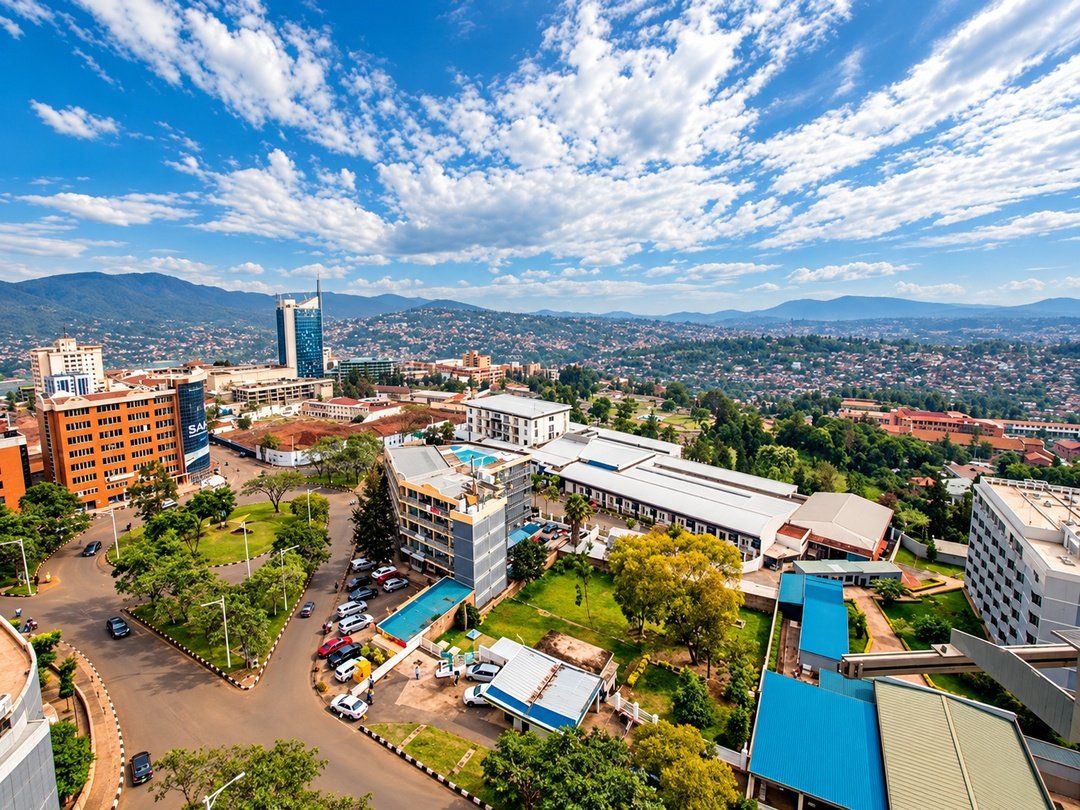
Kigali is also likely to play an important role in the Formula 1 visitor experience. As Rwanda’s capital and main tourism gateway, the city already has an established collection of international hotels, restaurants, conference facilities and transport services. During a future Grand Prix week, Kigali could become the principal accommodation and entertainment base for international fans, teams, sponsors, media representatives and corporate travellers, while Bugesera becomes the centre of the racing action.
The development of Formula 1 in Rwanda could also have a wider impact on African motorsport. Africa has a large and passionate Formula 1 audience, yet the continent has been absent from the championship calendar for many years. A successful Rwanda Grand Prix would therefore carry symbolic importance far beyond the country itself, potentially encouraging greater investment in motorsport infrastructure, driver development, engineering, event management and international sporting partnerships across the region.
However, travellers planning around the future Rwanda Formula 1 African Grand Prix should remember that major sporting projects develop in stages. The final race schedule, ticketing arrangements, circuit completion, transport systems, hospitality packages and exact opening year should always be checked against the latest official announcements as the event approaches. This is especially important for visitors planning international flights, accommodation or safari extensions several years in advance.
Plan Your Rwanda Formula 1 Trip
Rwanda Formula 1 African Grand Prix – What Has Been Announced?
Formula 1 has officially announced a landmark 10-year agreement to bring the FIA Formula One World Championship back to Africa, with the Formula 1 African Grand Prix, presented by Visit Rwanda, expected to join the calendar in the early 2030s. The agreement represents one of the most important motorsport announcements involving Africa in decades and confirms that Rwanda is set to become the continent’s new Formula 1 host once the required infrastructure has been completed.
The first race in Rwanda is expected to take place after completion of a new purpose-built Formula 1 circuit in Bugesera, approximately 40 kilometres south of Kigali. The circuit is planned to meet FIA Grade 1 standards, the level required for Formula 1 racing, and will form part of a wider development involving sport, tourism, infrastructure and commercial investment. The venue is also expected to be positioned close to the new Kigali International Airport, giving international visitors relatively convenient access to the future race destination.
The Bugesera circuit is being planned as more than a temporary race venue. Formula 1 says the development is intended to operate throughout the year and could host international motorsport, conferences, entertainment and other major events outside the Grand Prix weekend. This gives the project a much broader role within Rwanda’s tourism and events strategy and could turn Bugesera into an important new destination for both sport and business travel.
Another important feature of the announcement is the long-term nature of the agreement. A 10-year Formula 1 commitment gives Rwanda the opportunity to build a recognisable annual international event rather than hosting a single Grand Prix. Over time, this could encourage investment in accommodation, transport, restaurants, hospitality facilities, event services and tourism experiences around Kigali and Bugesera.
Formula 1 has also highlighted the significance of returning to Africa for the first time since 1993. The continent already has a very large Formula 1 audience, and Formula 1 reports that more than 100 million fans follow the sport across Africa. The Rwanda Grand Prix is therefore being positioned not only as an event for international visitors but also as an opportunity to bring Formula 1 closer to a large African fan base that has gone more than three decades without a championship race on the continent.
The agreement also connects Formula 1 with Rwanda’s growing reputation for hosting major international sporting and business events. Rwanda has already hosted events such as the UCI Road World Championships, Basketball Africa League competitions, FIA gatherings and major international conferences. The Formula 1 African Grand Prix would significantly raise the scale of this events strategy by placing Rwanda on one of the world’s most watched annual sporting calendars.
For travellers, however, one important detail remains: the exact inaugural race date has not yet been announced. Formula 1 currently says the African Grand Prix will begin in the early 2030s once the Bugesera circuit is completed, while further information about circuit construction milestones, race-week arrangements and the first confirmed race date will be released later. This is why travellers should be cautious about treating 2030 as a guaranteed opening year until Formula 1 publishes the final calendar.
Why Rwanda Was Chosen for Formula 1
Rwanda was selected as the new home of the Formula 1 African Grand Prix because the country presented Formula 1 with a long-term vision rather than simply proposing a single race weekend. Formula 1 has stated that its return to Africa followed years of discussions aimed at finding the right partner, location and development model for a sustainable, world-class Grand Prix. Rwanda emerged from that process with a proposal that combines motorsport with tourism, infrastructure, business development and wider economic opportunities.
One of Rwanda’s biggest advantages is its willingness to invest in major infrastructure around Bugesera. The future Formula 1 circuit is being developed as part of a broader sports, tourism, commercial and infrastructure project rather than as an isolated racetrack. Formula 1 says the new venue will be built to FIA Grade 1 standards, while the surrounding Bugesera area is also being developed around major transport and investment projects, including the new international airport. This gives the Grand Prix the potential to become part of a much larger destination rather than an event that operates only a few days each year.
Rwanda has also built a reputation for using international sport as part of its tourism and investment strategy. Kigali hosted the FIA Awards in 2024, while Rwanda hosted the UCI Road World Championships in 2025, becoming the first African country to stage the event. These events demonstrated Rwanda’s growing interest in hosting high-profile international competitions and helped strengthen its position as a destination capable of organising major global sporting events.
Formula 1 also appears to have been attracted by Rwanda’s long-term development approach. The agreement is for ten years, giving both Formula 1 and Rwanda time to develop the African Grand Prix into a recognisable annual event. Rwanda’s national development strategy already identifies major events, sport tourism, tourism diversification and international Visit Rwanda partnerships as tools for increasing visitor numbers, investment and MICE tourism. Formula 1 fits naturally within that wider strategy.
Another major consideration is Bugesera itself. The proposed circuit location offers natural hills, elevation changes and attractive surrounding landscapes that could help create a distinctive Formula 1 venue. Circuit designers have described the area as particularly suitable because of its topography, with hills and a nearby lake allowing the track to follow the existing landscape rather than relying entirely on an artificial flat layout. Current plans describe a roughly 6-kilometre anti-clockwise circuit with 17 corners and around 197 metres of elevation change, although the final full track layout is still subject to development.
The location also strengthens Rwanda’s case from a transport perspective. Bugesera is close to Kigali and is developing alongside the new international airport. The wider district has been identified by Rwanda as an important future centre for transport, logistics, industry, tourism and modern services. This creates the possibility that international Formula 1 visitors could arrive close to the Grand Prix area while still having convenient access to Kigali’s hotels, restaurants and tourism services.
Rwanda’s tourism appeal is another important part of the Formula 1 proposition. Unlike many race destinations where the Grand Prix itself is the principal reason to visit, Rwanda can offer international fans substantial experiences before and after race weekend. Visitors can stay in Kigali, continue to Volcanoes National Park for mountain gorilla trekking, visit Akagera National Park for wildlife viewing, travel to Lake Kivu or explore Nyungwe Forest. This gives the African Grand Prix the potential to generate tourism spending far beyond the circuit and encourages visitors to remain in the country for longer.
Formula 1 has also emphasised the importance of creating a lasting legacy in Rwanda. The project is intended to support tourism, investment, local skills, business opportunities and employment rather than producing benefits only during the Grand Prix weekend. Rwanda has similarly presented the Bugesera development as an opportunity to create jobs, develop technical skills and establish new commercial activity around the circuit and airport area.
There is also a wider continental reason behind the decision. Formula 1 had been seeking a suitable route back into Africa for many years, and the championship wanted a long-term partner capable of supporting a modern Grand Prix rather than simply adding another temporary event to the calendar. Rwanda’s proposal offered a combination of new infrastructure, political commitment, tourism ambitions and an opportunity to create a purpose-built venue from the beginning. Formula 1 has described the return to Africa as a major strategic objective and sees Rwanda as a platform for reconnecting the championship with millions of African fans.
For Rwanda, hosting Formula 1 therefore fits into a much larger vision. The country is not only seeking international attention from a Grand Prix weekend; it is using sport to support tourism, infrastructure development, investment attraction and its ambition to become a recognised African centre for major international events. That broader strategy appears to be one of the strongest reasons Formula 1 ultimately selected Rwanda for its return to the continent.
Where Will the Rwanda Formula 1 Grand Prix Take Place?
The Rwanda Formula 1 African Grand Prix is planned to take place in Bugesera, in Rwanda’s Eastern Province, approximately 40 kilometres south of Kigali. Formula 1 has confirmed that a new purpose-built circuit will be developed in this area, making Bugesera the centre of Rwanda’s future Grand Prix plans.
Bugesera was selected because it offers enough space for a permanent Formula 1 facility while remaining relatively close to Kigali. Its location also places the circuit next to the new Kigali International Airport, creating the possibility of very convenient access for international visitors, teams, officials, sponsors and media once the airport and circuit are fully operational.
The circuit will not be built as a temporary street track through central Kigali. Instead, Rwanda is developing a dedicated motorsport venue designed to meet FIA Grade 1 standards, which is the certification level required for hosting Formula 1 races. This allows the project to include permanent racing infrastructure, spectator areas, hospitality facilities, paddock buildings, media areas and other features expected at a modern Grand Prix venue.
One of the most interesting features of Bugesera is its natural landscape. Formula 1’s circuit designers have highlighted the hills, valleys and nearby lake as important elements of the venue. Rather than flattening the site and creating a conventional circuit on level ground, the proposed design aims to use the existing topography to create substantial elevation changes and distinctive views across the surrounding landscape.
This could make the Rwanda circuit visually different from many newer Formula 1 venues. Rwanda is widely known as the “Land of a Thousand Hills,” and the Bugesera circuit is being designed to reflect that identity. The planned track is expected to rise and fall across the site, creating a more dramatic driving experience while also giving spectators elevated viewpoints around parts of the circuit.
Current design information indicates that the proposed circuit will be approximately 6 kilometres long, run in an anti-clockwise direction and include around 17 corners. Designers have also discussed roughly 197 metres of elevation change across a lap, although the complete final layout has not yet been publicly released and could still evolve as development progresses.
The Bugesera location is also important because the Formula 1 project forms part of a much larger development rather than being constructed in isolation. Formula 1 says the circuit is included within a wider sports, tourism, infrastructure and commercial development led by the Rwanda Development Board. The intention is for the site to function throughout the year rather than remaining largely unused outside Grand Prix week.
Outside Formula 1, the venue could host other motorsport competitions, major events, conferences and entertainment activities. This year-round approach could encourage the development of hotels, restaurants, business facilities and other tourism services in and around Bugesera, gradually creating a new events district south of Kigali.
For international Formula 1 travellers, staying in Kigali may still be one of the most practical options, especially during the first years of the Grand Prix. Kigali already has the country’s largest concentration of international hotels, restaurants, tourism services and entertainment facilities, while the circuit will be close enough for race-day transfers to Bugesera. As the area develops, however, additional accommodation closer to the circuit could become increasingly important.
The proposed location also creates useful opportunities for travellers who want to combine Formula 1 with a wider Rwanda holiday. Visitors could stay in Kigali for the race weekend and then travel north towards Volcanoes National Park for gorilla trekking, east towards Akagera National Park for a wildlife safari, west towards Lake Kivu or south towards Nyungwe Forest. This means Bugesera can function as both a motorsport destination and an entry point into a much larger Rwanda travel experience.
The final road systems, spectator access points, parking arrangements, race-day shuttles and public transport connections have not yet been announced. These details will become increasingly important as construction progresses and the inaugural Rwanda Formula 1 race approaches. For now, what is confirmed is that Bugesera will be the home of the new purpose-built Rwanda Formula 1 circuit, placing the future African Grand Prix within easy reach of Kigali and the country’s developing international airport.
The New Rwanda Formula 1 Circuit in Bugesera
The new Rwanda Formula 1 circuit in Bugesera is planned as a purpose-built permanent race venue designed specifically to meet the technical and safety requirements of modern Formula 1. Rather than adapting an existing road network or constructing a temporary street circuit, Rwanda is developing a dedicated motorsport facility that will form part of a larger sports, tourism, infrastructure and commercial development south of Kigali. Formula 1 has confirmed that the circuit will be built to FIA Grade 1 standards, the certification required for a venue to host a Formula 1 Grand Prix.
Current plans describe the Bugesera circuit as approximately 6 kilometres long, running in an anti-clockwise direction and featuring about 17 corners. The full final layout has not yet been publicly released, but Formula 1 has confirmed that design work is being carried out by WurzDesign, led by former Formula 1 driver Alex Wurz, together with Tilke Engineers and Architects, one of the best-known circuit design firms in global motorsport.
One of the most distinctive aspects of the Rwanda Formula 1 circuit will be its elevation. The Bugesera landscape naturally rises and falls across hills overlooking a lake, allowing designers to create a track that follows the terrain rather than forcing the circuit onto a flat site. Current design information indicates approximately 197 metres of elevation change across a lap, which could make Bugesera one of the most visually dramatic and technically interesting venues on the Formula 1 calendar.
This elevation is expected to influence both the spectacle for fans and the challenge for drivers. Cars will repeatedly climb and descend through corners, creating braking zones, changes in grip and variations in visibility that could make the circuit feel more like a natural roller-coaster than a conventional modern racing venue. Circuit designers have also discussed the use of banking and cambered corners to improve racing and manage the aerodynamic effects of the circuit’s altitude.
Altitude itself may become another defining characteristic of the Rwanda Grand Prix. Kigali lies at roughly 1,500 metres above sea level, and the Bugesera region is also situated at significant elevation. Formula 1’s designers have acknowledged that thinner air can reduce aerodynamic grip and influence vehicle performance, meaning this factor is already being considered during simulator testing and circuit development. The combination of altitude, major elevation changes and a technically varied layout could give Rwanda a racing identity quite different from flatter modern circuits.
The natural setting is also central to the circuit concept. Designers have described Bugesera as an unusually attractive location because the hills and lake already provide much of the landscape needed for a dramatic racing venue. This allows the circuit to be integrated into its surroundings while creating elevated spectator positions and broad views across different sections of the track. Formula 1 has specifically said the new venue will be designed to work in harmony with the natural landscape while providing strong viewing opportunities for fans.
The new Bugesera circuit is not being planned exclusively for Formula 1. The venue is intended to accommodate different motorsport disciplines and operate throughout the year. Formula 1 has said it could also host international motorsport, major events, conferences and entertainment outside Grand Prix weekends. This approach is important because it gives the circuit a wider economic purpose and avoids creating a facility that becomes active only during one race weekend each year.
Around the track, travellers can expect the future development of infrastructure required for an international Grand Prix. This is likely to include paddock facilities, pit buildings, media areas, hospitality spaces, grandstands, fan zones, parking and event support infrastructure, although the final configuration and capacity have not yet been officially announced. It is therefore better to describe these as expected components of the completed venue rather than fixed features until detailed circuit plans are released.
The circuit’s position beside the new Kigali International Airport could also become one of its greatest practical advantages. International fans, Formula 1 teams and corporate travellers may eventually be able to arrive very close to the Bugesera race area before continuing to Kigali or nearby accommodation. Formula 1 describes the circuit as being adjacent to the new airport and approximately 40 kilometres south of Kigali, placing it within the wider development corridor connecting Rwanda’s capital with Bugesera.
From a tourism perspective, this location creates the possibility of developing Bugesera into a new visitor district rather than simply a racetrack. Hotels, restaurants, entertainment facilities, transport services and corporate hospitality could expand around the venue as the inaugural Grand Prix approaches. Kigali would still remain an important base for many international visitors, but the Formula 1 circuit could gradually stimulate the creation of additional accommodation and tourism infrastructure closer to the race.
The project therefore has the potential to become one of the most distinctive new Formula 1 venues of the next decade. Its combination of natural hills, substantial elevation change, a nearby lake, high altitude and purpose-built infrastructure could give the Rwanda Formula 1 circuit a recognisable identity from its first race. However, the final layout, spectator capacity, Grand Prix configuration and detailed construction schedule are still being developed, so these elements should be updated as Formula 1 and Rwanda release further information.
What Will the Rwanda Formula 1 Circuit Look Like?
The Rwanda Formula 1 circuit in Bugesera is expected to look very different from many of the newer race venues that have joined the championship in recent years. Rather than being built on flat land or following city streets, the proposed circuit will use Rwanda’s natural hills, slopes and surrounding landscape to create a track with significant elevation changes. Formula 1 has described the location as especially suitable because the terrain already provides much of the character designers would normally have to create artificially.
The planned circuit will be approximately 6 kilometres long, run in an anti-clockwise direction and include around 17 corners. Although the final layout has not yet been publicly released, the current design includes about 197 metres of elevation change across a lap, making climbs and descents one of the most important features of the track. Designers are also working with cambered turns and banking to create a circuit that is technically demanding for drivers while still producing opportunities for overtaking and different race strategies.
The landscape around the circuit is expected to become part of the visual identity of the Rwanda Grand Prix. The Bugesera site contains two prominent hills with a lake below, allowing sections of the track to move up and down through the terrain while spectators look across different sections of the circuit. This should create a setting that feels closely connected to Rwanda’s reputation as the Land of a Thousand Hills, rather than making the Grand Prix feel like a generic international racing venue.
For spectators, the elevation could be particularly valuable because elevated positions may provide views across more than one part of the track. The designers have said that spectator experience is central to the project and that fans should feel close to the racing rather than being positioned far away behind extensive run-off areas. The intention is to create a venue where the movement of the cars through the hills can be appreciated visually as well as technically.
The circuit is also expected to have a strong Rwandan architectural identity. Formula 1 has reported that the paddock buildings are being planned with design elements inspired by traditional Rwandan architecture, including a village-style concept and references to the country’s distinctive red-earth landscape. This could help give the venue a recognisable local character instead of using the same style of paddock buildings seen at many other international circuits.
The track itself is being designed with drivers in mind as much as spectators. Former Formula 1 driver Alex Wurz, whose WurzDesign company is involved in the project, has already completed extensive simulator testing of the proposed layout. The combination of elevation, banking, camber changes and long sections is being studied to create a circuit that rewards driver skill while also allowing cars to race closely enough for overtaking opportunities.
Altitude is another factor that could influence how the circuit ultimately feels. Kigali is around 1,500 metres above sea level, and the Bugesera area is also situated at significant elevation. Thinner air can reduce aerodynamic downforce, so the designers are considering how this could affect grip, tyre behaviour and racing performance. Combined with the elevation changes in the track itself, this may give the Rwanda Grand Prix a distinctive technical character that teams will have to prepare for carefully.
The wider venue is also expected to include much more than the Grand Prix circuit itself. Current plans include a karting facility, a driving experience centre and off-road areas, helping the complex support motorsport development beyond Formula 1. These facilities could be important for developing young drivers, training local motorsport professionals and encouraging greater participation in racing throughout Rwanda and the wider African region.
The Bugesera venue is also being planned as a year-round events destination. Outside Formula 1, the site is expected to be capable of hosting other motorsport events, concerts, conferences and entertainment. This means the circuit will likely contain hospitality areas, event spaces and supporting infrastructure designed for continuous use rather than being activated only once a year for the African Grand Prix.
Visually, travellers can therefore expect the future Rwanda Formula 1 circuit to combine modern racing infrastructure with natural scenery rather than separating the two. The hills, lake, elevation changes, Rwandan-inspired architecture and purpose-built motorsport facilities could make Bugesera one of the most distinctive new venues on the Formula 1 calendar.
The first official renderings already suggest a circuit shaped strongly by the landscape, but travellers should remember that the design is still being developed. The exact corner configuration, grandstand locations, paddock layout, hospitality zones and spectator capacity may change before construction is completed. Formula 1 has confirmed that further circuit development milestones will be announced as the project progresses.
When Will Rwanda Host Its First Formula 1 Grand Prix?
Rwanda is expected to host its first Formula 1 African Grand Prix in the early 2030s, but an exact inaugural race year has not yet been officially confirmed. Formula 1 has announced a 10-year agreement with Rwanda and stated that the first race will take place once the new purpose-built circuit in Bugesera has been completed and approved for competition.
This means travellers should be careful about assuming that the first Rwanda Formula 1 race will definitely happen in 2030. The current official wording is broader, referring to the early 2030s and the “next decade.” That gives Rwanda and Formula 1 time to complete the circuit, supporting infrastructure, safety systems, spectator facilities and all of the technical requirements needed for an FIA Grade 1 venue.
The timing of the first race will depend heavily on the progress of the Bugesera circuit. Formula 1 has said that the venue must be completed before Rwanda joins the championship calendar. The project includes not only the racetrack itself but also the paddock, pit facilities, hospitality spaces, spectator infrastructure, transport access and wider commercial development around the site.
Another important part of the timeline is the new Kigali International Airport being developed near the circuit. Formula 1 has described the Bugesera venue as being adjacent to the new airport, and current planning information indicates that the airport is expected to open before the Formula 1 event begins. This could significantly improve international access for race teams, officials, sponsors and visitors travelling to Rwanda for the Grand Prix. Before the inaugural race can take place, the Bugesera circuit will also need to satisfy FIA technical and safety requirements. The venue is being designed to achieve FIA Grade 1 certification, which is the highest circuit classification and is required for Formula 1. This process involves detailed standards covering track design, barriers, run-off areas, medical facilities, race control systems, pit infrastructure and other safety-related components.
Once construction has reached the required stage, testing, inspections and final approvals will be necessary before the circuit can be added to a Formula 1 season calendar. This is one reason Formula 1 has not yet announced a precise race date. The organisers want the infrastructure and operational systems to be ready before confirming the first Grand Prix.
The 10-year agreement is especially important because it shows that Rwanda is not preparing for a one-off Formula 1 event. Once the inaugural race begins, the African Grand Prix is intended to become a recurring event on the Formula 1 calendar for the duration of the agreement.
For travellers, this means there should eventually be multiple opportunities to attend Formula 1 in Rwanda rather than needing to travel for the very first race. However, the inaugural event could attract exceptionally high international interest because it will mark Formula 1’s return to Africa for the first time since the 1993 South African Grand Prix at Kyalami.
Visitors hoping to attend the first Rwanda Formula 1 African Grand Prix should therefore avoid booking non-refundable international flights or hotels based solely on speculative dates. The safest approach will be to wait until Formula 1 officially announces the inaugural race year and publishes the corresponding championship calendar.
As development progresses, further announcements are expected regarding the circuit construction schedule, ticket release, race-week programme, hospitality packages, transport arrangements and spectator capacity. Formula 1 has confirmed that details about the inaugural race date and development milestones will be released in due course.
Will Rwanda Formula 1 Start in 2030?
Rwanda’s Formula 1 project is moving towards an expected launch in the early 2030s, but 2030 itself has not yet been confirmed as the first race year. Formula 1’s current position is that the Rwanda African Grand Prix will begin once the new purpose-built circuit in Bugesera is completed, approved and ready to host a Formula 1 event.
This distinction is important because the year 2030 is likely to attract a great deal of search interest from travellers, motorsport fans and tourism businesses, yet it would be misleading to present it as a guaranteed race date before Formula 1 publishes the official championship calendar. A better way to describe the project is that Rwanda is expected to join the Formula 1 calendar in the early 2030s, with 2030 remaining a possible target rather than a confirmed opening year.
Several important developments must be completed before the first race can take place. The Bugesera circuit must be constructed to FIA Grade 1 standards, the supporting road and transport infrastructure must be ready, spectator and hospitality facilities must be completed, and the venue must pass the necessary technical and safety inspections. The wider Bugesera development, including the new international airport, will also play an important role in how international visitors access the Grand Prix.
Because the circuit is being built as a permanent motorsport venue rather than a temporary street race, the construction programme is substantial. The development involves the racetrack, pit and paddock areas, medical and safety facilities, media infrastructure, hospitality areas, grandstands, fan zones and other supporting services required for a modern Formula 1 event. Any delay in one of these areas could influence the final inaugural race year.
Formula 1 must also decide where the Rwanda Grand Prix fits within the wider championship calendar. The sport already operates across multiple continents, and each new race must be positioned around logistics, freight movement, climate, broadcasting schedules and existing Grand Prix agreements. Even when the circuit itself is ready, the exact race weekend will need to be integrated into the global Formula 1 season.
The inaugural Rwanda Formula 1 Grand Prix is expected to attract particularly high interest because it will represent Formula 1’s return to Africa after a long absence. The last Formula 1 World Championship race held on the continent took place in South Africa in 1993. Rwanda’s first race would therefore be a major sporting moment not only for the country but also for Formula 1 supporters across Africa.
If the first Grand Prix does take place in 2030, demand for accommodation, flights, transport and hospitality could rise very quickly once the date is officially announced. Kigali’s leading hotels may receive substantial early demand, while accommodation closer to Bugesera could become especially valuable for travellers wanting easier access to the circuit.
Safari travel could experience similar demand. Formula 1 visitors interested in extending their holiday may want to combine the Grand Prix with mountain gorilla trekking in Volcanoes National Park, wildlife viewing in Akagera National Park, Lake Kivu or chimpanzee trekking in Nyungwe Forest. Gorilla permits in particular are limited, meaning travellers interested in both Formula 1 and gorilla trekking may need to plan the safari portion of their journey well in advance once the race dates are confirmed.
For tourism businesses, 2030 can therefore be treated as an important planning reference, but it should not yet be advertised as a guaranteed inaugural Formula 1 year. Hotels, safari operators and travellers should continue following official announcements regarding circuit construction and the final Formula 1 calendar.
The most accurate answer to the question “Will Rwanda Formula 1 start in 2030?” is therefore: possibly, but not yet officially confirmed. Rwanda is scheduled to host Formula 1 in the early 2030s, and the exact first race year will depend on the completion and approval of the Bugesera circuit together with Formula 1’s final calendar arrangements.
Why Formula 1 Returning to Africa Is Important
Formula 1 returning to Africa would be one of the most significant developments in modern motorsport because the continent has been absent from the Formula 1 World Championship calendar for decades. Africa has millions of motorsport followers, a rapidly growing young population and increasing interest in international sporting events, yet fans have generally had to travel to Europe, the Middle East, Asia or other regions to experience a Formula 1 race in person. Hosting the African Grand Prix in Rwanda would therefore bring the championship much closer to an audience that has waited many years for a race on the continent.
The importance of the Rwanda Formula 1 African Grand Prix extends beyond motorsport itself. Formula 1 is one of the world’s most internationally recognised sporting championships, attracting television audiences, sponsors, journalists, celebrities and travellers from many countries. A Grand Prix in Rwanda could give Africa a major annual event capable of drawing global attention to the continent and presenting a different image of African tourism, infrastructure and international event management.
For African motorsport, the race could also encourage greater interest in driver development, engineering, karting, circuit management and technical careers. Formula 1 depends on much more than drivers and cars. It involves mechanics, engineers, data specialists, media professionals, event organisers, hospitality teams, medical personnel and many other specialised roles. A permanent motorsport complex in Bugesera could therefore help expose young Africans to industries and career paths that have historically had limited visibility across much of the continent.
The Grand Prix could also create opportunities for regional motorsport communities to become more connected with the international racing industry. Karting competitions, junior racing programmes, driver academies and technical training could potentially benefit from having a major motorsport venue operating in East Africa throughout the year. The value of the project would therefore be much greater if the Bugesera circuit becomes an active motorsport centre rather than a facility used only during Formula 1 weekend.
There is also strong symbolic importance in Formula 1 returning to Africa through Rwanda. The championship describes itself as a global sport, and an African race would strengthen that international character by bringing one of the world’s most watched motorsport series back to a continent with a large and enthusiastic fan base. For many African Formula 1 supporters, attending a race within Africa could be considerably more accessible than travelling internationally to destinations such as Monaco, Silverstone, Singapore or Abu Dhabi.
From a tourism perspective, the Rwanda Grand Prix could encourage Formula 1 fans who have never previously considered travelling to East Africa to visit the region. Some visitors may arrive primarily for the race but then discover opportunities for gorilla trekking, wildlife safaris, cultural experiences and longer regional journeys. This makes the Formula 1 African Grand Prix potentially important not only for Rwanda but also for the wider East African tourism industry.
Has Formula 1 Ever Raced in Africa Before?
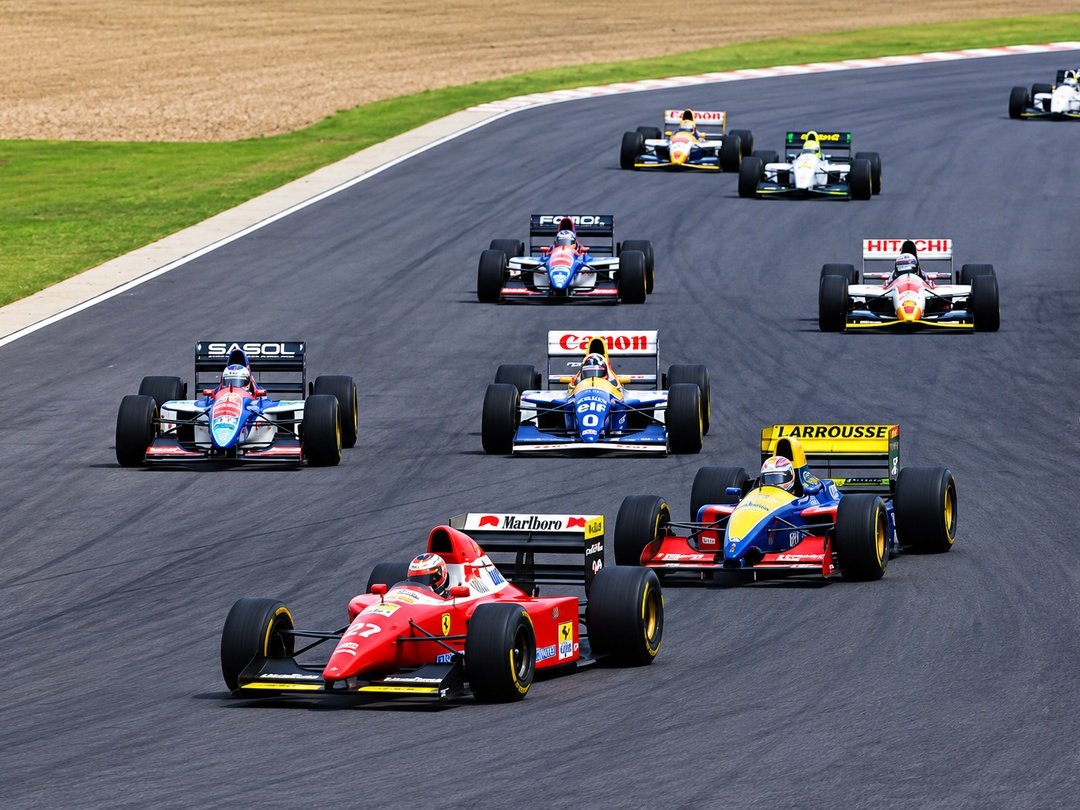
Formula 1 has raced in Africa before, although the continent has been absent from the championship calendar for many years. South Africa became the principal African destination associated with Formula 1, hosting Grand Prix events during different periods of the championship’s history. The Kyalami circuit near Johannesburg became especially well known among motorsport fans and hosted numerous Formula 1 races involving some of the sport’s most famous drivers and teams.
The most recent Formula 1 World Championship race held in Africa took place at Kyalami in 1993. Since then, Formula 1 has expanded significantly into other regions, adding races across Asia, the Middle East and the Americas while Africa remained without a championship event. This long absence has contributed to growing calls from drivers, fans and motorsport organisations for Formula 1 to return to the continent.
Rwanda’s future African Grand Prix would therefore represent much more than the addition of another country to the Formula 1 calendar. It would mark the beginning of a new chapter for the championship in Africa after several decades without a race. It would also make Rwanda a new Formula 1 destination rather than simply returning the championship to one of its former African venues.
The difference between the historical South African races and the future Rwanda Grand Prix is also significant. Rwanda is planning a completely new purpose-built Formula 1 circuit in Bugesera, giving organisers the opportunity to develop the venue around current FIA requirements, modern hospitality expectations and new approaches to spectator experience. The circuit can therefore be designed from the beginning for contemporary Formula 1 rather than adapting an older racing facility.
For travellers interested in motorsport history, the Rwanda Grand Prix could become one of Formula 1’s most anticipated inaugural events. Fans who have followed the long discussion about Formula 1 returning to Africa may view the first Bugesera race as a historic occasion, which could generate exceptionally strong demand for tickets, accommodation and race-week travel packages once the inaugural date is officially announced.
Why Rwanda Could Become a Major Motorsport Destination
Rwanda has the potential to become much more than the location of one annual Formula 1 race. The development of a permanent motorsport complex in Bugesera could establish the country as an important African destination for racing, training, automotive events and international motorsport activities throughout the year.
A permanent circuit creates opportunities that a temporary street race cannot provide as easily. Outside Formula 1 weekend, the venue could potentially host regional racing championships, karting competitions, driving experiences, corporate events, testing programmes and other motorsport activities. Regular use would help build knowledge and technical expertise while allowing local businesses to benefit from visitors throughout the year rather than during only one Grand Prix weekend.
The presence of Formula 1 could also encourage greater participation in motorsport among young people in Rwanda and neighbouring countries. Karting often provides the first step into competitive motor racing, and access to modern facilities can make it easier for young drivers to develop their skills. Over time, partnerships with international motorsport organisations, racing teams and technical institutions could create additional opportunities for driver training and motorsport education.
Rwanda’s geographic position could further strengthen Bugesera’s role as a regional motorsport destination. The country is accessible from several East and Central African markets, while Kigali already functions as an important business and tourism hub. Fans could potentially travel from Uganda, Kenya, Tanzania, Burundi, the Democratic Republic of Congo and other countries for motorsport events without needing to travel outside Africa.
Infrastructure around the circuit could become equally important. Hotels, restaurants, transport companies, event management businesses, hospitality providers and entertainment facilities may develop as international events increase. This creates the possibility of an entire tourism and commercial ecosystem growing around Bugesera rather than the circuit operating as an isolated venue.
If Rwanda successfully hosts Formula 1 over a long period, the country could gradually become recognised internationally as an African motorsport centre. The Grand Prix would remain the flagship event, but the lasting success of the project may ultimately depend on how effectively the circuit is used for motorsport development, tourism and other events throughout the year.
How Formula 1 Could Transform Rwanda Tourism
Formula 1 could have a major influence on Rwanda’s tourism industry because a Grand Prix attracts a different type of international traveller from the traditional safari visitor. Race fans may travel specifically for Formula 1 before discovering that Rwanda also offers mountain gorillas, savannah wildlife, lakes, forests, cultural experiences and luxury accommodation. This gives the country an opportunity to convert event visitors into longer-staying leisure travellers.
Grand Prix visitors could significantly increase demand for hotels in Kigali and around Bugesera. Formula 1 weekends attract racing fans, corporate travellers, sponsors, journalists, team personnel and VIP guests, creating demand across several accommodation categories. Luxury hotels may benefit from corporate and hospitality travellers, while mid-range and budget properties could serve fans looking for more affordable ways to attend the race.
Transport services could experience similar growth. International visitors will require airport transfers, race-day transportation, private drivers and organised shuttles between Kigali and Bugesera. Travellers extending their holidays will also require safari vehicles, domestic transfers and professional guides, creating opportunities for tour operators and destination management companies.
One of the strongest opportunities will be combining Formula 1 with mountain gorilla trekking in Volcanoes National Park. A visitor could attend practice, qualifying and the Grand Prix before travelling north from Kigali for one of Rwanda’s most famous wildlife experiences. This combination could be particularly attractive to international travellers who have already spent heavily on flights to East Africa and want to make the journey more rewarding.
Akagera National Park could provide another important extension. Formula 1 fans who want a traditional African wildlife safari could add game drives and other park experiences after race weekend. Lake Kivu could appeal to visitors looking for relaxation, while Nyungwe Forest could attract travellers interested in chimpanzees, forests and primate tourism.
Formula 1 could also increase Rwanda’s visibility among travellers who might not normally search for African safari holidays. Television coverage, digital media, team content and international reporting could repeatedly show Rwanda to audiences around the world. Even people who never attend the race may become more familiar with Kigali, Bugesera and Rwanda’s tourism attractions as a result of the Grand Prix.
For the strongest tourism impact, Rwanda will need to encourage visitors to stay beyond race weekend. Carefully designed Formula 1 travel packages could combine race tickets, hotels, private transportation and safari extensions into one journey. This could transform the African Grand Prix from a three-day sporting event into a week-long or even two-week Rwanda holiday.
Formula 1 Tourism in Kigali
Kigali is expected to become one of the most important centres of Formula 1 tourism when the Rwanda African Grand Prix begins. Although the circuit itself will be located in Bugesera, Kigali already has the country’s largest concentration of international hotels, restaurants, tourism businesses, shopping areas and event facilities, making it a natural base for many overseas visitors.
During Grand Prix week, the city could become significantly busier as Formula 1 fans, sponsors, media representatives and corporate travellers arrive. Leading hotels may host international visitors associated with racing teams and event partners, while other accommodation throughout Kigali could serve spectators attending the Grand Prix independently.
Staying in Kigali could also give travellers more flexibility outside racing hours. Visitors arriving several days before the event could explore the city, visit important historical and cultural attractions, enjoy local and international restaurants and experience Kigali before travelling to Bugesera for the Formula 1 programme.
Transportation between Kigali and the circuit will therefore become particularly important. Once official race logistics are announced, organised shuttles, private transfers and other transport services are likely to form a major part of the visitor experience. Travellers should eventually choose accommodation not only according to hotel quality but also according to how easily they can reach designated Formula 1 transport routes.
Kigali can also act as the starting point for post-race safari extensions. After the Grand Prix, travellers can continue towards Volcanoes National Park, Akagera National Park, Lake Kivu or Nyungwe Forest without needing to return through another international destination first. This makes Kigali particularly useful for Formula 1 visitors who want the race to become part of a longer Rwanda holiday.
Restaurants, nightlife, entertainment and hospitality businesses could also benefit substantially during race week. Formula 1 events typically create activity beyond the circuit, including private functions, sponsor gatherings, fan events and evening entertainment. Kigali already has an established hospitality sector, giving it a strong foundation from which to develop a distinctive Grand Prix week atmosphere.
For travellers planning a future Rwanda Formula 1 holiday, Kigali is therefore likely to be much more than an arrival city. It could become the social and tourism centre of the Grand Prix experience, connecting the Bugesera circuit with Rwanda’s hotels, culture, restaurants and safari destinations.
Best Areas to Stay for the Rwanda Formula 1 Grand Prix
Choosing where to stay for the Rwanda Formula 1 African Grand Prix will depend largely on whether your priority is convenient circuit access, nightlife and restaurants, luxury accommodation or easy connections with the rest of Rwanda. Because the race will take place in Bugesera while Kigali remains the country’s main tourism and hospitality centre, many international visitors are likely to choose between staying closer to the circuit or basing themselves in Kigali and travelling to Bugesera during race days.
Kigali will probably remain the most practical choice for many Formula 1 visitors, particularly during the first years of the Grand Prix. The capital already has a wide range of luxury hotels, boutique properties, international restaurants, shopping areas and tourism services. Staying in Kigali also allows you to experience the city before and after race sessions rather than spending the entire trip around the circuit.
Areas around Kiyovu, Kimihurura, Nyarutarama, Remera and the wider central Kigali area could be particularly attractive to international visitors because they provide relatively convenient access to restaurants, hotels and other services. Exact race-day transport arrangements have not yet been announced, so travellers should eventually choose accommodation according to the official shuttle routes and road-access plans released closer to the event.
Bugesera itself could become increasingly attractive once hotels and hospitality infrastructure develop around the new Formula 1 circuit and international airport. Staying near the track may appeal to travellers whose main priority is attending practice, qualifying and race day without making repeated transfers from Kigali. Corporate guests, motorsport professionals and visitors purchasing premium hospitality packages may also prefer properties close to the venue.
Another possibility will be staying somewhere between Kigali and Bugesera, particularly if new hotels are developed along the transport corridor connecting the capital with the circuit and airport. These locations could provide a compromise between race access and the broader Kigali experience.
Travellers planning to combine Formula 1 with a safari should also think about what happens after the race. Staying in Kigali may make it easier to continue towards Volcanoes National Park, Akagera National Park, Lake Kivu or Nyungwe Forest. A Formula 1 holiday therefore does not have to be designed only around proximity to the circuit; the accommodation location should fit your complete Rwanda itinerary.
Demand is likely to rise sharply once the inaugural race date is announced. Travellers wanting specific hotels, room categories or luxury properties should therefore consider booking early once official Formula 1 dates are published, especially if they are attending the first Rwanda Grand Prix.
Luxury Hotels for Rwanda Formula 1 Visitors
Luxury accommodation is likely to play an important role during the Rwanda Formula 1 African Grand Prix because major Formula 1 events attract corporate travellers, sponsors, celebrities, motorsport professionals and international visitors looking for premium hospitality. Kigali already has several established high-end hotels that could provide suitable bases for travellers attending the Grand Prix while still enjoying the capital’s restaurants, attractions and business facilities.
Luxury Formula 1 travellers will generally look for more than an attractive room. Private airport transfers, reliable race-day transport, excellent dining, concierge services, secure parking, spa facilities and flexible arrangements will become particularly important during Grand Prix week. Hotels able to coordinate transportation to Bugesera may have a major advantage when visitors begin choosing where to stay.
Properties such as Kigali Serena Hotel are likely to appeal to travellers who want an established upscale hotel in the capital while remaining well positioned for sightseeing and onward safari travel. Other premium hotels and boutique properties around Kigali may also become popular with visitors attending the race, particularly those extending their trip into a luxury Rwanda holiday.
Formula 1 hospitality and luxury safari travel also fit naturally together. A visitor attending the Grand Prix may choose several nights in a premium Kigali hotel before travelling to Volcanoes National Park for luxury gorilla trekking, continuing to Lake Kivu or adding an exclusive wildlife experience in Akagera National Park. This creates the potential for high-end packages combining premium race access with some of Rwanda’s finest lodges and wildlife experiences.
Luxury travellers may also prefer chauffeur-driven transport rather than relying on standard race shuttles. A private vehicle and professional driver can provide greater flexibility for dining, evening functions, sponsor events and sightseeing around Kigali. Once official traffic-control arrangements are published, these services will need to operate within the designated Formula 1 transport system.
Accommodation closer to Bugesera may eventually become another premium option. New hotels could be developed around the circuit and airport as the area grows, allowing visitors to remain closer to the racing while still enjoying a high standard of accommodation. For the first Grand Prix, however, Kigali is likely to remain particularly important because its luxury hospitality infrastructure is already well established.
Travellers interested in the most exclusive Formula 1 experience should therefore consider their hotel, race hospitality and safari extension together rather than booking each component separately. A carefully designed itinerary can move smoothly from premium Grand Prix hospitality into gorilla trekking, wildlife viewing and other luxury experiences across Rwanda.
Mid-Range Hotels for Rwanda Formula 1 Visitors
Mid-range accommodation could become one of the most popular choices during the Rwanda Formula 1 Grand Prix because many international race fans want comfortable and reliable accommodation without paying premium luxury rates. Kigali has a broad selection of hotels in this category, making it possible to stay in the capital while keeping more of the travel budget available for race tickets, transportation and safari extensions.
A good mid-range Formula 1 hotel should provide comfortable en-suite rooms, breakfast, dependable Wi-Fi, secure accommodation and convenient access to transport. Location may become even more important than extensive facilities because race mornings could involve significant traffic movement between Kigali and Bugesera.
Visitors should eventually pay close attention to official race transportation plans. A moderately priced hotel close to an authorised shuttle departure point may prove much more convenient than a more luxurious property located away from the main transport corridors. Once organisers announce race-day park-and-ride facilities, shuttle stations or dedicated transport zones, travellers will be able to choose accommodation more strategically.
Mid-range hotels can be particularly suitable for couples, solo travellers and small groups attending the Grand Prix as part of a longer Rwanda holiday. Instead of spending heavily on accommodation during race week, travellers can allocate additional budget towards gorilla permits, national park experiences or a few nights at a higher-end safari lodge after Formula 1.
Kigali also provides flexibility in this accommodation category because visitors can choose between larger hotels, smaller boutique properties and guesthouses offering more personal service. Travellers staying several nights may prefer accommodation near restaurants and shopping areas so they can enjoy the city without requiring a vehicle every evening.
As Bugesera develops, additional mid-range hotels may also appear closer to the circuit. These could become attractive for visitors who prioritise quick race access over Kigali nightlife and sightseeing. Until the final accommodation landscape around the circuit becomes clearer, Kigali remains the safest area around which to plan a mid-range Formula 1 stay.
Booking early will still be important. Even normally affordable properties can become significantly more expensive when a major international event creates concentrated demand, so Formula 1 travellers should begin comparing options soon after the official race dates are released.
Budget Accommodation for Rwanda Formula 1 Fans
Attending Formula 1 in Rwanda will not necessarily require staying in a luxury hotel. Budget accommodation can make the Grand Prix more accessible to younger travellers, students, backpackers, solo motorsport fans and visitors who would rather spend their money on race tickets and experiences than accommodation.
Kigali already offers guesthouses, smaller hotels, hostels and simple private-room properties across different parts of the city. These options can provide clean and practical accommodation while keeping the overall cost of a Formula 1 trip under control. The most important considerations should be security, transport access, cleanliness and proximity to whatever official race-transfer system is established.
Budget travellers should be particularly careful about location. A cheap room can become less economical if it requires expensive private transportation to and from the circuit every day. Once official shuttle routes are confirmed, accommodation close to one of the main transport points may offer much better value than simply choosing the lowest room rate.
Travelling with friends can also help reduce costs. Small groups may be able to share apartments, family rooms or private transfers, spreading expenses across several travellers. This could make a Rwanda Formula 1 holiday considerably more affordable while still providing access to the full race weekend.
Budget travellers planning a safari extension should also consider how they distribute spending throughout the trip. Gorilla trekking is a premium wildlife experience with a significant permit cost, so choosing simpler accommodation during Formula 1 week can make it easier to include gorilla trekking afterwards without dramatically increasing the total holiday budget.
Another option may be to stay farther from the most expensive central Kigali neighbourhoods while remaining near a practical transport route. This strategy could work particularly well for visitors primarily interested in the race rather than nightlife or luxury dining.
As with every accommodation category, Formula 1 week is likely to create unusually high demand. Budget properties may sell out particularly quickly because many fans will be searching for affordable alternatives. Booking early after official dates are confirmed could therefore be especially important for travellers trying to control costs.
How Far Is Bugesera From Kigali?
Bugesera, where the future Rwanda Formula 1 circuit is planned, is located south of Kigali. The proposed Formula 1 venue is expected to be approximately 40 kilometres from Kigali, although the actual road distance and journey time will depend on the traveller’s starting point in the city, the final circuit entrances and the road network used during Grand Prix week.
Under ordinary conditions, travelling between Kigali and the Bugesera area can be relatively straightforward, but Formula 1 weekend will create a very different traffic environment. Tens of thousands of spectators, event staff, teams, sponsors and service vehicles may be moving towards the circuit at similar times, meaning normal journey times should not be used as a guaranteed estimate for race days.
Organisers are likely to introduce dedicated traffic-management measures as the inaugural Grand Prix approaches. These could include shuttle buses, controlled access routes, designated parking areas, park-and-ride systems and special lanes for authorised vehicles. The exact system has not yet been announced, so travellers should avoid making detailed race-day transport plans until official information is available.
The development of the new international airport close to Bugesera could also significantly change how visitors travel to the area. International Formula 1 visitors may eventually be able to arrive much closer to the circuit than travellers using Rwanda’s existing airport infrastructure. This could make Bugesera particularly convenient for passengers attending the Grand Prix before continuing into Kigali or other destinations.
For travellers staying in Kigali, the distance is short enough to make daily transfers realistic, provided transport is organised properly. This is one reason Kigali is likely to remain a major accommodation base despite the circuit being located outside the city. Visitors can enjoy the wider selection of hotels, restaurants and entertainment in the capital while travelling to Bugesera for Formula 1 sessions.
Those staying closer to the circuit may reduce race-day transfer time but will have less immediate access to Kigali’s broader hospitality and tourism offerings. The better option will depend on whether your priority is the racing itself or combining Formula 1 with a fuller Kigali experience.
For international travellers planning well in advance, the safest approach is therefore to think of Bugesera as roughly 40 kilometres south of Kigali, while waiting for the official Formula 1 transport plan before relying on a specific journey time. Once race-day routes and shuttle systems are announced, visitors will be able to make much more accurate decisions about where to stay and how to reach the circuit.
How to Travel From Kigali to the Rwanda Formula 1 Circuit
Travelling from Kigali to the future Rwanda Formula 1 circuit in Bugesera should be relatively straightforward because the venue is planned approximately 40 kilometres south of the capital. Formula 1 has confirmed that the circuit will sit next to the new Kigali International Airport, placing it within an important transport and infrastructure corridor between Kigali and Bugesera.
For most international visitors staying in Kigali, organised race-day transport is likely to be the most practical option once the Grand Prix begins. Formula 1 and local organisers have not yet published the final transport plan, but a major event of this scale would normally require dedicated traffic-management systems to move large numbers of spectators efficiently between hotels, transport hubs and the circuit.
Private transfers may appeal especially to luxury travellers, corporate visitors and families who want more flexibility. A private vehicle with a professional driver could allow you to leave your hotel at a planned time, travel directly towards the circuit and return after the racing programme. However, even private vehicles will need to follow whatever access restrictions and traffic-management procedures are introduced for Grand Prix weekend.
Official shuttle services are also likely to become important. These could connect major hotels, central Kigali transport points or designated park-and-ride areas with Bugesera. Travellers should therefore wait for the official race-week transport map before choosing accommodation solely according to normal driving distance.
Race-day traffic will be very different from ordinary travel conditions. Even though Bugesera is only around 40 kilometres from Kigali, large crowds could increase travel time considerably, particularly before qualifying and the Grand Prix itself. Visitors should allow generous transfer time and avoid planning other activities immediately before or after important Formula 1 sessions.
For travellers booking through a Rwanda tour operator, race transfers could eventually be incorporated into complete Formula 1 travel packages. This would make it possible to combine airport transfers, Kigali accommodation, race transport and safari extensions under one itinerary rather than organising each part separately.
Flying to Rwanda for the Formula 1 Grand Prix
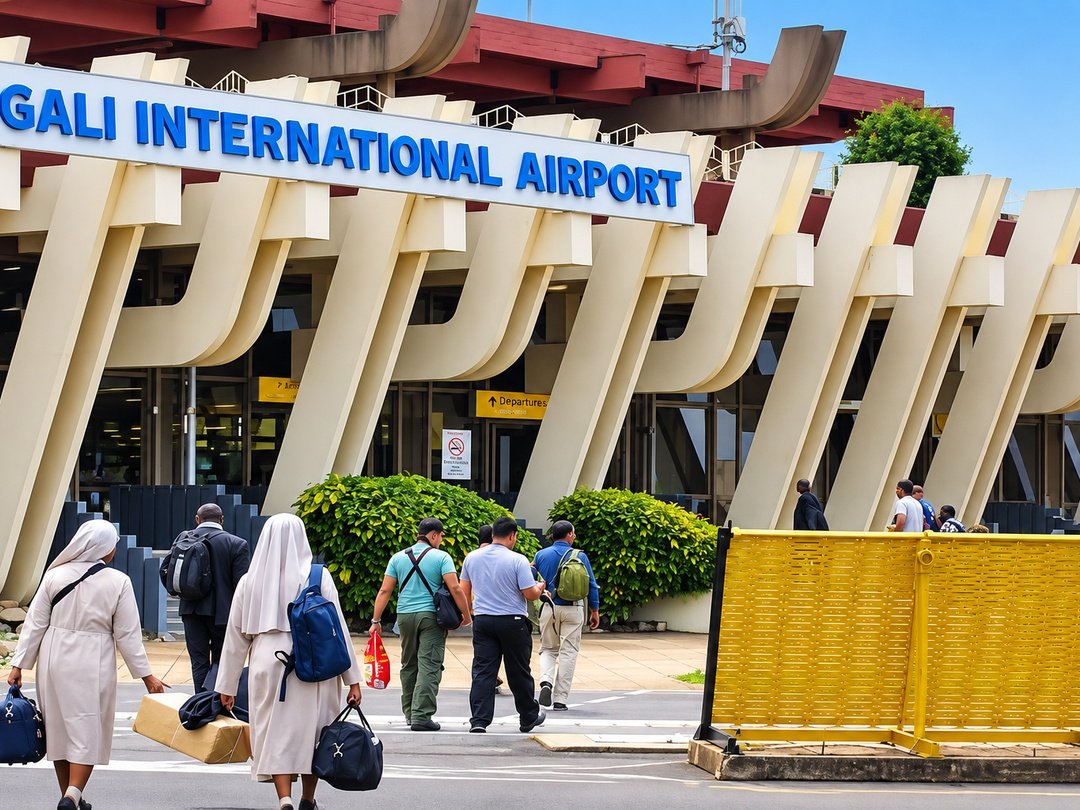
Most international Formula 1 visitors will arrive in Rwanda by air. Kigali already serves as the country’s principal international gateway, and Rwanda’s new airport development in Bugesera is expected to become increasingly important before the African Grand Prix begins.
Formula 1 has confirmed that the future circuit will be located adjacent to the new Kigali International Airport. This proximity could become one of the strongest logistical advantages of the Rwanda Grand Prix because international fans, team personnel, media representatives and corporate visitors may eventually be able to arrive very close to the race venue.
RwandAir is also preparing for future operations connected with the new Bugesera airport. The airline has publicly referred to a planned move to the new airport as part of its growth trajectory, reinforcing the expectation that Bugesera will become a major international aviation hub.
For Formula 1 travellers, flight planning will depend heavily on the final race dates. Once the Grand Prix weekend is officially announced, demand for seats into Rwanda could rise sharply, especially around the inaugural event. Travellers should therefore avoid waiting until the last moment if they want convenient flight schedules or premium cabin availability.
Visitors planning a longer holiday should also consider the direction of their safari after the race. Kigali provides practical road access towards Volcanoes National Park, Akagera National Park, Lake Kivu and Nyungwe Forest, making it relatively easy to turn a Formula 1 trip into a wider Rwanda itinerary.
International travellers should also leave enough time between arrival and the first race session. Arriving one or two days before the main Formula 1 programme can provide a useful buffer for flight delays, baggage issues and travel fatigue while also giving visitors time to explore Kigali.
Will Bugesera International Airport Serve Formula 1 Visitors?
Yes, the new Bugesera airport is expected to play an important role in Formula 1 travel, although the exact passenger arrangements for Grand Prix week have not yet been announced. Formula 1 has specifically described the future circuit as being adjacent to the new Kigali International Airport, showing that airport access forms part of the broader planning for the venue.
Formula 1 reporting indicates that the new airport is expected to open before the first African Grand Prix. That timing would make it particularly useful for the large number of international passengers expected during race week.
Its proximity to the circuit could reduce one of the biggest challenges associated with major international sporting events: moving arriving visitors across a congested city before they reach the venue. Travellers may potentially be able to land near Bugesera and continue either towards accommodation close to the circuit or north towards Kigali.
The airport could also be especially important for Formula 1 logistics. Teams transport substantial amounts of equipment, technical material and personnel between races, while sponsors, broadcasters and hospitality providers also require reliable international connections. A modern airport close to the circuit could therefore support both spectators and the operational side of the Grand Prix.
However, travellers should not yet assume that every international service will immediately move to Bugesera or that direct circuit transfers will automatically be included. Flight schedules, terminal arrangements, airline operations and race-week transport systems will need to be confirmed closer to the inaugural event.
For planning purposes, the key advantage is that Rwanda is developing the Formula 1 circuit and major international airport within the same wider area. This gives the country the opportunity to design the visitor experience more efficiently than many older Grand Prix destinations where the airport and racing venue are located far apart.
Rwanda Formula 1 Tickets
Official tickets for the Rwanda Formula 1 African Grand Prix are not yet on sale. Formula 1 has confirmed the 10-year agreement and the planned early-2030s introduction of the race, but further details concerning the inaugural race date and race-week programme are still to be announced.
Ticket sales are therefore expected only after the first Rwanda Grand Prix has been formally placed on a Formula 1 calendar and organisers are ready to publish spectator arrangements. Travellers should be cautious about websites claiming to offer guaranteed Rwanda Formula 1 tickets years before an official sale begins.
Once tickets become available, visitors can reasonably expect several categories similar to those offered at other Formula 1 races. These may include general admission, grandstand seating, premium viewing areas and hospitality packages, although Rwanda-specific categories have not yet been announced.
Formula 1 operates an official ticketing platform for championship events, including tickets and hospitality-related products. Once Rwanda is added to an official season calendar, travellers should use recognised official channels or authorised travel partners rather than unverified sellers.
Demand for the first African Grand Prix in Rwanda could be especially strong because it will mark Formula 1’s return to the continent after more than three decades. Fans interested in the inaugural event may therefore want to register for official Formula 1 updates once race information begins to be released.
Travellers combining race attendance with a safari should also avoid booking non-refundable gorilla permits, hotels or flights around speculative Grand Prix dates. The safest sequence will be to confirm the official race weekend first and then build the safari itinerary around it.
How Much Could Rwanda Formula 1 Tickets Cost?
No official Rwanda Formula 1 ticket prices have been announced, so any exact figure at this stage would be speculation. The cost will depend on the final seating configuration, grandstand locations, hospitality facilities, circuit capacity and commercial strategy adopted for the inaugural African Grand Prix.
General admission is normally the most affordable way to attend Formula 1, while reserved grandstands usually cost more because they provide a designated seat and a specific view of the circuit. Premium grandstands located near major overtaking zones, the start-finish straight or pit lane can command significantly higher prices.
Hospitality packages are likely to sit at the top of the pricing structure. These may eventually include premium seating, food and beverages, lounges, paddock-related experiences or corporate facilities, but the Rwanda-specific hospitality products have not yet been announced.
The inaugural race could also experience stronger demand than later editions because many fans may want to attend Formula 1’s historic return to Africa. High demand can place additional pressure on both ticket and accommodation availability, particularly for the best grandstands and premium experiences.
Travellers should therefore avoid relying on unofficial estimates when preparing their final budget. It is better to create a flexible Formula 1 travel budget covering race tickets, accommodation, transport, meals and any safari extension, then replace estimated figures with official prices once tickets are released.
For travellers planning a combined Grand Prix and gorilla safari, the complete holiday cost will also depend on the length of stay, hotel category, private transport, gorilla permits and additional national parks visited. A Rwanda Formula 1 holiday can therefore range from a relatively focused race trip to a highly exclusive luxury journey combining premium hospitality with gorilla trekking and other safari experiences.
Rwanda Formula 1 Hospitality Packages
Hospitality is expected to become an important part of the Rwanda Formula 1 African Grand Prix, particularly for corporate travellers, luxury visitors, sponsors and motorsport fans who want a more exclusive race-week experience. However, official Rwanda-specific Formula 1 hospitality packages have not yet been released, and travellers should wait for confirmed products and pricing before making arrangements.
At established Formula 1 races, hospitality normally goes beyond simply providing a seat in a grandstand. Premium experiences can include access to private lounges, high-quality food and beverages, elevated viewing areas, entertainment and additional race-related services. The exact hospitality categories available at the Bugesera circuit will depend on the final design of the venue and the packages eventually released by Formula 1 and the local organisers.
The new Bugesera circuit is being planned as a permanent international motorsport facility, giving developers the opportunity to incorporate premium hospitality spaces from the beginning. Corporate suites, private viewing areas and high-end guest facilities could become important parts of the completed circuit, particularly because Rwanda is positioning the African Grand Prix as both a major sporting event and an international tourism destination.
Luxury Formula 1 visitors may also want hospitality to extend beyond the circuit. A premium Rwanda Grand Prix package could eventually combine airport assistance, private chauffeur transfers, luxury Kigali accommodation, premium race access and a personalised safari after the Grand Prix. This could be especially attractive to travellers visiting Rwanda for the first time and wanting to combine Formula 1 with mountain gorillas or other wildlife experiences.
Corporate travellers may have different requirements. Companies attending the African Grand Prix could require private meeting spaces, group transportation, branded events, hospitality suites and accommodation for employees or clients. Kigali’s existing conference and hotel infrastructure could support this type of travel while Bugesera provides the main Formula 1 venue.
Honeymooners, couples and private luxury travellers may prefer smaller personalised packages rather than large corporate hospitality arrangements. These could include premium race seating followed by a private journey to Volcanoes National Park, Lake Kivu or another destination after race weekend.
Travellers should be cautious about purchasing unofficial VIP packages before the official Rwanda Grand Prix hospitality programme is released. Once Formula 1 confirms the inaugural race calendar and ticketing arrangements, recognised hospitality channels will provide clearer information about inclusions, viewing areas and pricing.
Rwanda Formula 1 Travel Packages
Rwanda Formula 1 travel packages could become one of the easiest ways for international visitors to organise the African Grand Prix because attending the event will involve much more than purchasing a race ticket. Travellers will need accommodation, airport transfers, race-day transportation and potentially additional nights before or after the main Formula 1 weekend.
A simple Formula 1 package could include airport pickup, several nights in Kigali, return transfers between Kigali and the Bugesera circuit and assistance coordinating race tickets once official ticketing opens. This type of package would suit motorsport fans whose main goal is attending the Grand Prix while enjoying a short introduction to Rwanda.
More comprehensive packages could add Kigali sightseeing before the Formula 1 programme. Travellers arriving early could explore the capital, visit important cultural and historical attractions, enjoy local restaurants and recover from their international flight before the busiest race days begin.
The greatest opportunity, however, is combining Formula 1 with a Rwanda safari. Instead of returning home immediately after the Grand Prix, visitors could continue to Volcanoes National Park for mountain gorilla trekking, Akagera National Park for wildlife viewing, Lake Kivu for relaxation or Nyungwe Forest for chimpanzee trekking.
Packages should ultimately be flexible rather than forcing every traveller into the same programme. Some visitors may want only four or five days around Formula 1, while others may want a ten-day or two-week journey through Rwanda. Luxury travellers may request premium hotels and private vehicles, while budget-conscious Formula 1 fans may prefer comfortable mid-range accommodation and a shorter safari extension.
The final cost of a Rwanda Formula 1 travel package will depend heavily on the official ticket category, hotel level, number of travellers and additional activities. Until race tickets are released, tour operators should avoid advertising a final fixed package price that includes unconfirmed ticket costs.
Once the inaugural dates are announced, Formula 1 packages can be built around the exact practice, qualifying and race schedules, allowing visitors to plan their Rwanda holiday without risking conflicts between race sessions and safari activities.
Rwanda Formula 1 Weekend Itinerary
A Rwanda Formula 1 trip should ideally include additional time before and after the main Grand Prix weekend rather than arriving immediately before the race and departing as soon as it finishes. This provides a buffer for international travel while also allowing visitors to experience Kigali and, where time permits, continue into the rest of Rwanda.
Day 1: Arrival in Kigali
Arrive in Rwanda and transfer to your hotel in Kigali. The remainder of the day can be kept relaxed, allowing you to recover from your flight and prepare for the Formula 1 programme.
Day 2: Kigali Experience
Spend the day exploring Kigali. Depending on your interests and available time, you can include cultural, historical and city experiences before returning to your hotel for the evening.
Day 3: Formula 1 Practice Sessions
Travel from Kigali to the Bugesera Formula 1 circuit for the opening race-week activities and practice sessions. Return to Kigali after the programme.
Day 4: Formula 1 Qualifying
Return to Bugesera for qualifying and the day’s supporting activities. Qualifying is likely to be one of the most exciting parts of the weekend as drivers compete for their starting positions for the African Grand Prix.
Day 5: Rwanda Formula 1 African Grand Prix
Attend the main Grand Prix at the Bugesera circuit. After the race, return to Kigali for your final Formula 1 evening or prepare for the next stage of your Rwanda journey.
Day 6: Continue Your Rwanda Safari
Instead of departing immediately, continue towards Volcanoes National Park, Akagera National Park, Lake Kivu or another destination according to your interests.
The exact programme will need to be adjusted once Formula 1 publishes the official Rwanda race-week schedule. Supporting races, concerts, fan activities and hospitality events could eventually add more experiences throughout the weekend.
Travellers with limited time could reduce the itinerary, while visitors travelling from long-haul destinations may benefit from arriving several days earlier. Adding extra time is particularly useful for anyone concerned about flight delays affecting their ability to attend important Formula 1 sessions.
What to Do in Rwanda Before or After the Formula 1 Grand Prix
Attending Formula 1 in Rwanda creates an opportunity to experience far more than the race itself. International travellers will already have made the journey to East Africa, so adding several days before or after the Grand Prix can turn the trip into a much richer holiday.
Kigali is the most natural starting point. Visitors can spend time exploring the city, learning about Rwanda’s history, discovering local culture and enjoying its growing restaurant and hospitality scene. Spending an additional day in Kigali is also useful for international travellers who want to recover after a long flight before beginning a safari.
For wildlife, Akagera National Park provides one of the easiest ways to add a traditional African safari. Travellers can experience open landscapes, wildlife viewing and game drives, creating a dramatic contrast with the speed and atmosphere of Formula 1.
Travellers interested in primates can head north towards Volcanoes National Park, one of Rwanda’s most famous destinations. Mountain gorilla trekking can become the highlight of a Formula 1 holiday, especially for visitors who may never have considered travelling to Rwanda without the Grand Prix.
Lake Kivu offers a completely different experience. After several busy days around the Formula 1 circuit, spending time beside the lake can provide a peaceful conclusion to the journey. Couples and travellers looking for a slower pace may particularly appreciate this option.
Nyungwe Forest can be added for travellers interested in chimpanzees, forest scenery and a longer exploration of Rwanda. This works better for visitors with additional time because travelling across several regions of the country requires a carefully planned itinerary.
A longer holiday can combine several destinations. For example, a visitor could attend Formula 1 in Kigali and Bugesera, continue to Akagera for wildlife, travel north for gorilla trekking and finish beside Lake Kivu. This would transform the Grand Prix into the centrepiece of a much broader Rwanda journey.
Combine Rwanda Formula 1 With Gorilla Trekking
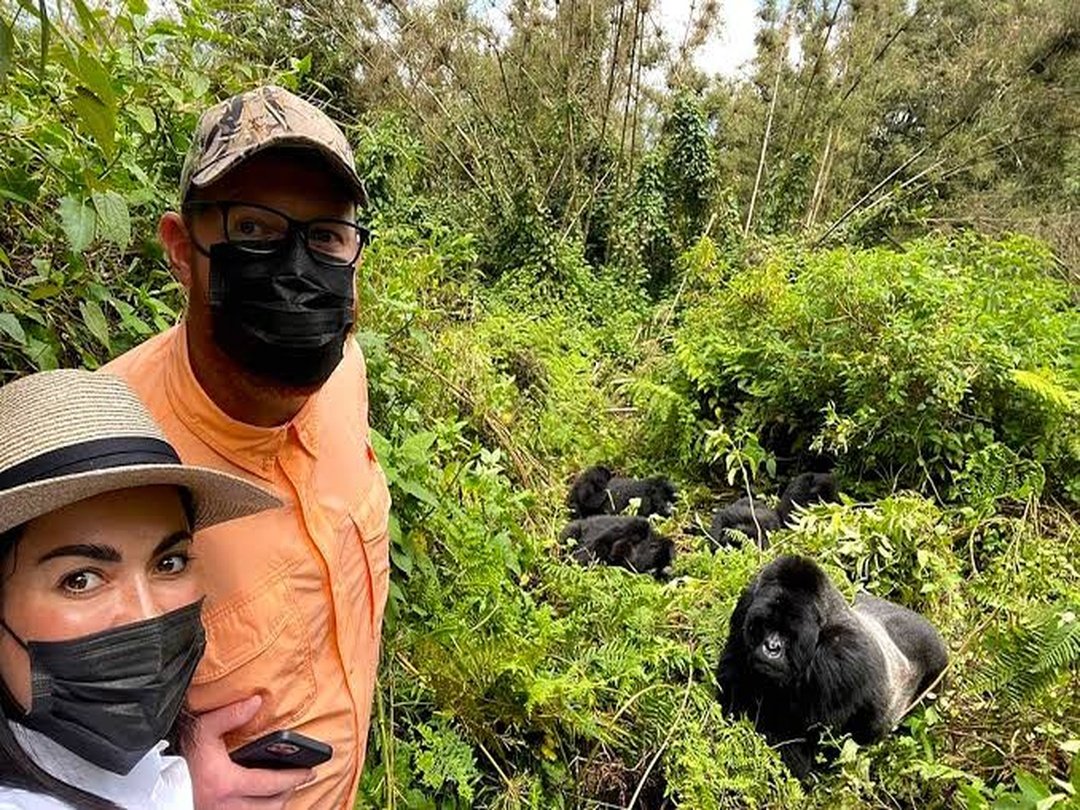
Combining the Rwanda Formula 1 African Grand Prix with mountain gorilla trekking could become one of the most distinctive Formula 1 holidays available anywhere in the world. Few Grand Prix destinations allow visitors to move from a modern international racing circuit to a mountain rainforest and encounter endangered mountain gorillas within the same trip.
The most practical gorilla extension would take visitors from Kigali towards Volcanoes National Park in northern Rwanda. The park is one of the country’s most recognised tourism destinations and provides access to guided mountain gorilla trekking in the Virunga Mountains.
A Formula 1 visitor could attend the full race weekend in Bugesera, spend the night in Kigali after the Grand Prix and then travel to the Volcanoes National Park area the following day. This creates a comfortable transition between the high-energy atmosphere of Formula 1 and the quieter mountain environment surrounding the park.
Travellers should allow at least two nights near Volcanoes National Park if gorilla trekking is being added after the race. This provides time to travel from Kigali, rest before the trek and avoid unnecessary pressure on the morning of the gorilla experience.
Gorilla permits should also be treated separately from Formula 1 tickets. The number of gorilla trekking permits available each day is controlled, so visitors planning a Grand Prix and gorilla combination will need to secure both components according to availability.
Luxury travellers could extend the experience further by staying at one of the high-end lodges around Volcanoes National Park and spending several nights in the region. Additional activities may include golden monkey trekking, cultural experiences or simply enjoying the dramatic Virunga scenery.
A practical combination could look like this:
Day 1: Arrive in Kigali
Day 2: Kigali experience
Day 3: Formula 1 practice
Day 4: Formula 1 qualifying
Day 5: Rwanda Formula 1 African Grand Prix
Day 6: Kigali to Volcanoes National Park
Day 7: Mountain gorilla trekking
Day 8: Return to Kigali or continue to Lake Kivu
Rwanda Formula 1 Hospitality Packages
Hospitality is expected to become an important part of the Rwanda Formula 1 African Grand Prix, particularly for corporate travellers, luxury visitors, sponsors and motorsport fans who want a more exclusive race-week experience. However, official Rwanda-specific Formula 1 hospitality packages have not yet been released, and travellers should wait for confirmed products and pricing before making arrangements.
At established Formula 1 races, hospitality normally goes beyond simply providing a seat in a grandstand. Premium experiences can include access to private lounges, high-quality food and beverages, elevated viewing areas, entertainment and additional race-related services. The exact hospitality categories available at the Bugesera circuit will depend on the final design of the venue and the packages eventually released by Formula 1 and the local organisers.
The new Bugesera circuit is being planned as a permanent international motorsport facility, giving developers the opportunity to incorporate premium hospitality spaces from the beginning. Corporate suites, private viewing areas and high-end guest facilities could become important parts of the completed circuit, particularly because Rwanda is positioning the African Grand Prix as both a major sporting event and an international tourism destination.
Luxury Formula 1 visitors may also want hospitality to extend beyond the circuit. A premium Rwanda Grand Prix package could eventually combine airport assistance, private chauffeur transfers, luxury Kigali accommodation, premium race access and a personalised safari after the Grand Prix. This could be especially attractive to travellers visiting Rwanda for the first time and wanting to combine Formula 1 with mountain gorillas or other wildlife experiences.
Corporate travellers may have different requirements. Companies attending the African Grand Prix could require private meeting spaces, group transportation, branded events, hospitality suites and accommodation for employees or clients. Kigali’s existing conference and hotel infrastructure could support this type of travel while Bugesera provides the main Formula 1 venue.
Honeymooners, couples and private luxury travellers may prefer smaller personalised packages rather than large corporate hospitality arrangements. These could include premium race seating followed by a private journey to Volcanoes National Park, Lake Kivu or another destination after race weekend.
Travellers should be cautious about purchasing unofficial VIP packages before the official Rwanda Grand Prix hospitality programme is released. Once Formula 1 confirms the inaugural race calendar and ticketing arrangements, recognised hospitality channels will provide clearer information about inclusions, viewing areas and pricing.
Rwanda Formula 1 Travel Packages
Rwanda Formula 1 travel packages could become one of the easiest ways for international visitors to organise the African Grand Prix because attending the event will involve much more than purchasing a race ticket. Travellers will need accommodation, airport transfers, race-day transportation and potentially additional nights before or after the main Formula 1 weekend.
A simple Formula 1 package could include airport pickup, several nights in Kigali, return transfers between Kigali and the Bugesera circuit and assistance coordinating race tickets once official ticketing opens. This type of package would suit motorsport fans whose main goal is attending the Grand Prix while enjoying a short introduction to Rwanda.
More comprehensive packages could add Kigali sightseeing before the Formula 1 programme. Travellers arriving early could explore the capital, visit important cultural and historical attractions, enjoy local restaurants and recover from their international flight before the busiest race days begin.
The greatest opportunity, however, is combining Formula 1 with a Rwanda safari. Instead of returning home immediately after the Grand Prix, visitors could continue to Volcanoes National Park for mountain gorilla trekking, Akagera National Park for wildlife viewing, Lake Kivu for relaxation or Nyungwe Forest for chimpanzee trekking.
The final cost of a Rwanda Formula 1 travel package will depend heavily on the official ticket category, hotel level, number of travellers and additional activities. Until race tickets are released, tour operators should avoid advertising a final fixed package price that includes unconfirmed ticket costs.
Once the inaugural dates are announced, Formula 1 packages can be built around the exact practice, qualifying and race schedules, allowing visitors to plan their Rwanda holiday without risking conflicts between race sessions and safari activities.
Rwanda Formula 1 Weekend Itinerary
A Rwanda Formula 1 trip should ideally include additional time before and after the main Grand Prix weekend rather than arriving immediately before the race and departing as soon as it finishes. This provides a buffer for international travel while also allowing visitors to experience Kigali and, where time permits, continue into the rest of Rwanda.
Day 1: Arrival in Kigali
Arrive in Rwanda and transfer to your hotel in Kigali. The remainder of the day can be kept relaxed, allowing you to recover from your flight and prepare for the Formula 1 programme.
Day 2: Kigali Experience
Spend the day exploring Kigali. Depending on your interests and available time, you can include cultural, historical and city experiences before returning to your hotel for the evening.
Day 3: Formula 1 Practice Sessions
Travel from Kigali to the Bugesera Formula 1 circuit for the opening race-week activities and practice sessions. Return to Kigali after the programme.
Day 4: Formula 1 Qualifying
Return to Bugesera for qualifying and the day’s supporting activities. Qualifying is likely to be one of the most exciting parts of the weekend as drivers compete for their starting positions for the African Grand Prix.
Day 5: Rwanda Formula 1 African Grand Prix
Attend the main Grand Prix at the Bugesera circuit. After the race, return to Kigali for your final Formula 1 evening or prepare for the next stage of your Rwanda journey.
Day 6: Continue Your Rwanda Safari
Instead of departing immediately, continue towards Volcanoes National Park, Akagera National Park, Lake Kivu or another destination according to your interests.
The exact programme will need to be adjusted once Formula 1 publishes the official Rwanda race-week schedule. Supporting races, concerts, fan activities and hospitality events could eventually add more experiences throughout the weekend.
Travellers with limited time could reduce the itinerary, while visitors travelling from long-haul destinations may benefit from arriving several days earlier. Adding extra time is particularly useful for anyone concerned about flight delays affecting their ability to attend important Formula 1 sessions.
What to Do in Rwanda Before or After the Formula 1 Grand Prix
Attending Formula 1 in Rwanda creates an opportunity to experience far more than the race itself. International travellers will already have made the journey to East Africa, so adding several days before or after the Grand Prix can turn the trip into a much richer holiday.
Kigali is the most natural starting point. Visitors can spend time exploring the city, learning about Rwanda’s history, discovering local culture and enjoying its growing restaurant and hospitality scene. Spending an additional day in Kigali is also useful for international travellers who want to recover after a long flight before beginning a safari.
For wildlife, Akagera National Park provides one of the easiest ways to add a traditional African safari. Travellers can experience open landscapes, wildlife viewing and game drives, creating a dramatic contrast with the speed and atmosphere of Formula 1.
Travellers interested in primates can head north towards Volcanoes National Park, one of Rwanda’s most famous destinations. Mountain gorilla trekking can become the highlight of a Formula 1 holiday, especially for visitors who may never have considered travelling to Rwanda without the Grand Prix.
Lake Kivu offers a completely different experience. After several busy days around the Formula 1 circuit, spending time beside the lake can provide a peaceful conclusion to the journey. Couples and travellers looking for a slower pace may particularly appreciate this option.
Nyungwe Forest can be added for travellers interested in chimpanzees, forest scenery and a longer exploration of Rwanda. This works better for visitors with additional time because travelling across several regions of the country requires a carefully planned itinerary.
A longer holiday can combine several destinations. For example, a visitor could attend Formula 1 in Kigali and Bugesera, continue to Akagera for wildlife, travel north for gorilla trekking and finish beside Lake Kivu. This would transform the Grand Prix into the centrepiece of a much broader Rwanda journey.
Combine Rwanda Formula 1 With Gorilla Trekking
Combining the Rwanda Formula 1 African Grand Prix with mountain gorilla trekking could become one of the most distinctive Formula 1 holidays available anywhere in the world. Few Grand Prix destinations allow visitors to move from a modern international racing circuit to a mountain rainforest and encounter endangered mountain gorillas within the same trip.
The most practical gorilla extension would take visitors from Kigali towards Volcanoes National Park in northern Rwanda. The park is one of the country’s most recognised tourism destinations and provides access to guided mountain gorilla trekking in the Virunga Mountains.
A Formula 1 visitor could attend the full race weekend in Bugesera, spend the night in Kigali after the Grand Prix and then travel to the Volcanoes National Park area the following day. This creates a comfortable transition between the high-energy atmosphere of Formula 1 and the quieter mountain environment surrounding the park.
Travellers should allow at least two nights near Volcanoes National Park if gorilla trekking is being added after the race. This provides time to travel from Kigali, rest before the trek and avoid unnecessary pressure on the morning of the gorilla experience.
Gorilla permits should also be treated separately from Formula 1 tickets. The number of gorilla trekking permits available each day is controlled, so visitors planning a Grand Prix and gorilla combination will need to secure both components according to availability.
Luxury travellers could extend the experience further by staying at one of the high-end lodges around Volcanoes National Park and spending several nights in the region. Additional activities may include golden monkey trekking, cultural experiences or simply enjoying the dramatic Virunga scenery.
A practical combination could look like this:
Day 1: Arrive in Kigali
Day 2: Kigali experience
Day 3: Formula 1 practice
Day 4: Formula 1 qualifying
Day 5: Rwanda Formula 1 African Grand Prix
Day 6: Kigali to Volcanoes National Park
Day 7: Mountain gorilla trekking
Day 8: Return to Kigali or continue to Lake Kivu
Formula 1, Gorillas and Wildlife Safari in Rwanda
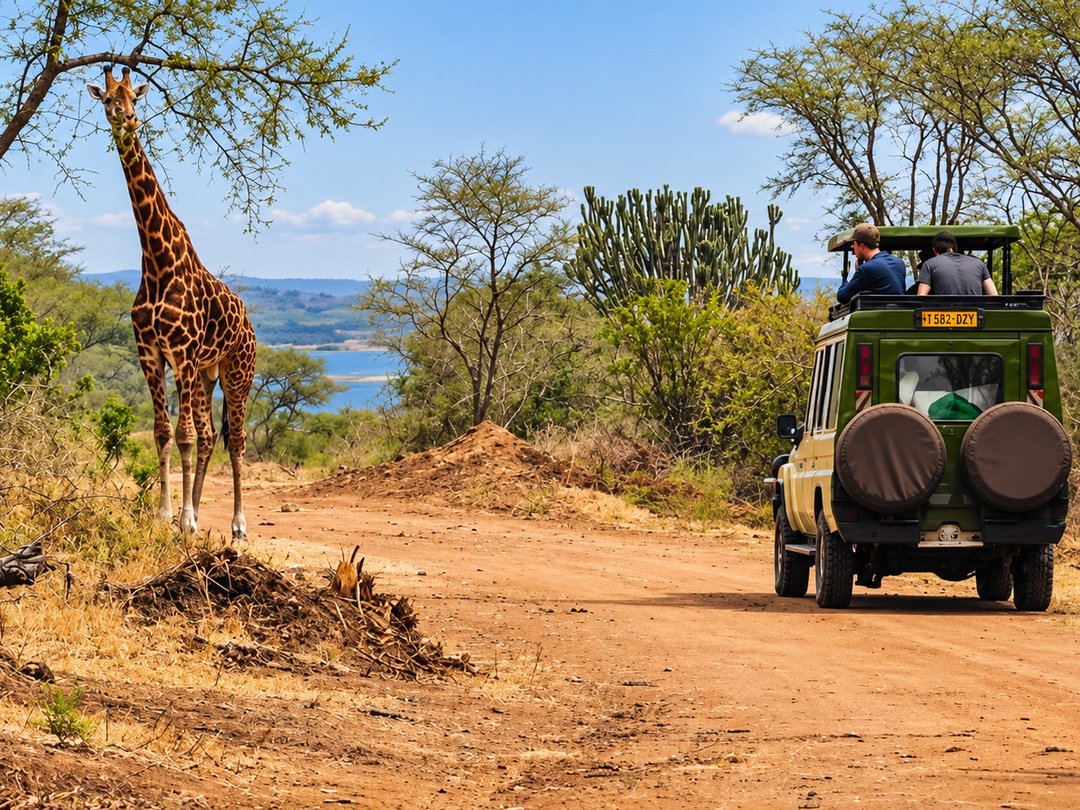
A Rwanda Formula 1 holiday can become much more than a Grand Prix weekend by combining the race with mountain gorilla trekking and a traditional wildlife safari. This is one of the strongest ways to experience Rwanda because it brings together three completely different attractions within one journey: international motorsport in Bugesera, mountain gorillas in Volcanoes National Park and savannah wildlife in Akagera National Park.
The journey can begin in Kigali, where you settle into your hotel and spend time exploring the capital before the Formula 1 programme begins. During race weekend, you travel between Kigali and the Bugesera circuit for practice, qualifying and the Rwanda Formula 1 African Grand Prix. After the final race, the itinerary changes completely as you leave the city and continue into Rwanda’s national parks.
Akagera National Park can provide the wildlife component of the journey. Game drives introduce you to open savannah, woodland and wetland landscapes where you can search for elephants, giraffes, buffaloes, antelopes and predators. This makes Akagera particularly attractive to first-time visitors who want to include a classic African safari alongside Formula 1.
Volcanoes National Park provides the primate highlight. After travelling north towards the Virunga Mountains, you can spend a morning trekking through the forest in search of a habituated mountain gorilla family. The experience creates an extraordinary contrast with Formula 1 because the atmosphere changes from engines, crowds and racing technology to quiet rainforest and close observation of one of Africa’s most remarkable primates.
Travellers with additional time can also include golden monkey trekking, Lake Kivu or cultural experiences around northern Rwanda. This prevents the itinerary from feeling rushed and gives you time to enjoy each destination rather than moving continuously between activities.
A practical route could follow:
Kigali → Formula 1 in Bugesera → Akagera National Park → Volcanoes National Park → Kigali
The order can also be reversed according to race dates, gorilla permit availability and accommodation preferences. Some visitors may prefer completing the safari before Formula 1 so that the Grand Prix becomes the finale of the journey, while others may want the wildlife experiences after the race.
This type of itinerary is particularly suitable for international visitors travelling a long distance to Rwanda. Instead of spending several days in the country solely for Formula 1, you can turn the journey into a complete African holiday centred on sport, wildlife and primates.
5 Days Rwanda Formula 1 and Gorilla Safari
A 5 Days Rwanda Formula 1 and Gorilla Safari works well for travellers who have limited time but want to combine the African Grand Prix with Rwanda’s most famous wildlife experience. The itinerary focuses on Kigali, Formula 1 and Volcanoes National Park without adding long transfers to several additional destinations.
Day 1: Arrival in Kigali
You arrive in Rwanda and transfer to your hotel in Kigali. Depending on your arrival time, the remainder of the day can be spent relaxing or enjoying a short introduction to the city.
Day 2: Rwanda Formula 1 Experience in Bugesera
Travel from Kigali to the Bugesera Formula 1 circuit for the scheduled race-day programme. Depending on the official calendar, this day can be arranged around practice, qualifying or the main Grand Prix. After the circuit activities, return to Kigali.
Day 3: Kigali to Volcanoes National Park
After breakfast, leave Kigali and travel north towards Volcanoes National Park. The journey takes you through Rwanda’s scenic highlands before arriving near the Virunga Mountains. Spend the evening resting and preparing for the following morning’s gorilla trek.
Day 4: Mountain Gorilla Trekking
Begin early with your gorilla trekking briefing before entering Volcanoes National Park with experienced guides and trackers. Once the gorilla family is located, you enjoy the permitted observation time before returning to your lodge.
Day 5: Volcanoes National Park to Kigali and Departure
After breakfast, travel back to Kigali. Depending on your flight schedule, you can continue to the airport or include additional time in the city before departure.
This short itinerary works particularly well for Formula 1 fans who consider gorilla trekking essential but cannot extend their Rwanda visit for a full safari. Once the official race schedule is released, the Formula 1 day can be adjusted to ensure the itinerary includes the sessions most important to the traveller.
7 Days Rwanda Formula 1 and Wildlife Safari
A 7 Days Rwanda Formula 1 and Wildlife Safari allows you to experience the Grand Prix while also including both mountain gorillas and classic savannah wildlife. The additional time makes the itinerary more balanced and avoids trying to fit several major experiences into an overly rushed schedule.
Day 1: Arrival in Kigali
Arrive at the airport and transfer to your Kigali hotel. Spend the remainder of the day resting after your international journey.
Day 2: Kigali and Formula 1 Programme
Travel to Bugesera for the Formula 1 programme according to the official race schedule. You may attend practice, qualifying or associated race-week events before returning to Kigali.
Day 3: Rwanda Formula 1 African Grand Prix
Return to Bugesera for the main Grand Prix. Experience the atmosphere of Formula 1’s African race before returning to Kigali after the event.
Day 4: Kigali to Akagera National Park
Leave Kigali and travel towards Akagera National Park. After arriving and checking into your lodge, you can relax or begin your first wildlife experience depending on the time available.
Day 5: Akagera Wildlife Safari
Spend the day exploring Akagera on a game drive. Search for elephants, giraffes, buffaloes, antelopes and other wildlife while experiencing Rwanda’s savannah landscapes.
Day 6: Akagera to Volcanoes National Park
After breakfast, leave Akagera and travel towards the northern highlands and Volcanoes National Park. Settle into your lodge and prepare for gorilla trekking.
Day 7: Mountain Gorilla Trekking and Return to Kigali
Join the morning gorilla trekking experience in Volcanoes National Park. After completing the trek, continue back towards Kigali according to your onward travel arrangements.
For a more comfortable version, travellers should consider adding an eighth day so that the transfer to Kigali takes place separately from the gorilla trekking day. This is particularly useful for luxury travellers or anyone who prefers a slower pace.
10 Days Rwanda Formula 1 Luxury Safari
A 10 Days Rwanda Formula 1 Luxury Safari allows the Grand Prix to become part of a much broader high-end Rwanda journey. Instead of focusing only on the circuit, the itinerary combines premium accommodation, private transportation, mountain gorillas, wildlife and relaxation.
Day 1: Arrival in Kigali
You are welcomed on arrival and transferred privately to Kigali Serena Hotel. Spend the evening relaxing and preparing for the Formula 1 programme.
Accommodation: Kigali Serena Hotel
Day 2: Kigali Experience and Formula 1 Preparations
Explore Kigali at a relaxed pace before preparing for the first Formula 1 activities. Depending on the confirmed race schedule, you may also attend an evening event or race-related programme.
Accommodation: Kigali Serena Hotel
Day 3: Formula 1 Practice in Bugesera
Travel privately to the Bugesera circuit for Formula 1 practice and associated race-day activities. Return to Kigali after the session.
Accommodation: Kigali Serena Hotel
Day 4: Formula 1 Qualifying
Return to Bugesera for qualifying. Premium hospitality or reserved seating can be incorporated once official Rwanda Formula 1 products become available.
Accommodation: Kigali Serena Hotel
Day 5: Rwanda Formula 1 African Grand Prix
Attend the main Grand Prix at the Bugesera circuit. After the race, return to Kigali for a comfortable final evening in the capital.
Accommodation: Kigali Serena Hotel
Day 6: Kigali to Akagera National Park
Travel privately to Akagera National Park and settle into your luxury safari accommodation. Depending on arrival time, enjoy an afternoon wildlife experience or relax at the lodge.
Day 7: Akagera Luxury Wildlife Safari
Enjoy private wildlife viewing through Akagera’s savannah and wetland landscapes. The day can be designed around your interests, photography requirements and preferred pace.
Day 8: Akagera to Volcanoes National Park
Leave eastern Rwanda and travel towards the Virunga Mountains. Arrive near Volcanoes National Park and settle into a luxury lodge for the evening.
Day 9: Luxury Gorilla Trekking Experience
Join your morning gorilla trekking experience before returning to your lodge for a relaxed afternoon. This becomes one of the major highlights of the journey.
Day 10: Volcanoes National Park to Kigali
Enjoy a relaxed breakfast before travelling back to Kigali for your international departure or continuing with an extension to Lake Kivu.
A luxury version of the journey can also include domestic aviation or helicopter transfers where suitable services are available for the travel dates. The final itinerary should be designed around the official Formula 1 schedule, gorilla permit availability and the traveller’s preferred level of exclusivity.
Rwanda Formula 1 for Luxury Travellers
Rwanda could become particularly attractive to luxury Formula 1 travellers because the country allows a premium Grand Prix experience to be combined with some of Africa’s most exclusive wildlife journeys. Instead of treating Formula 1 and safari travel as separate holidays, international visitors can create one itinerary that moves from premium race hospitality into private gorilla trekking arrangements, refined lodges and personalised touring.
Luxury planning begins with accommodation in Kigali. High-end visitors may prefer established properties such as Kigali Serena Hotel, where they can remain close to the capital’s restaurants, business facilities and tourism services while travelling to Bugesera for the Formula 1 programme.
Private race-day transportation will also be important. Once the official Bugesera traffic system is published, luxury travellers may prefer chauffeur-driven vehicles coordinated around the authorised access arrangements rather than relying entirely on larger public shuttle systems. This can provide greater flexibility for private dinners, corporate events and other race-week commitments.
At the circuit, premium hospitality is likely to be one of the most sought-after products once official packages are released. Luxury visitors may prefer private lounges, superior viewing locations and hospitality facilities rather than conventional grandstand seating. Exact Rwanda Formula 1 hospitality products should only be selected once official packages become available.
After the Grand Prix, the luxury experience can continue into Rwanda’s national parks. Volcanoes National Park is a natural choice because gorilla trekking can be combined with high-end accommodation, private transfers and additional activities. Travellers may spend several nights in the region rather than completing the trek and immediately returning to Kigali.
Akagera National Park can add a private wildlife safari, while Lake Kivu offers a quieter conclusion to the journey. A longer itinerary can also include Nyungwe Forest for chimpanzees and forest experiences, allowing luxury Formula 1 visitors to see several different sides of Rwanda.
The strongest luxury journeys should avoid excessive driving and rushed one-night stays. Where practical, domestic flights, private aviation or helicopter transfers can be considered to reduce travel time, subject to available routes and operating conditions during the visitor’s travel dates.
For luxury travellers, the Rwanda Formula 1 African Grand Prix could therefore become much more than a sporting event. It can form the centrepiece of an exclusive Rwanda holiday combining world-class motorsport, private transportation, premium hospitality, mountain gorillas, wildlife and some of the country’s finest accommodation.
Rwanda Formula 1 for Families
The Rwanda Formula 1 African Grand Prix could be a very exciting event for families, especially those combining motorsport with a broader holiday around Rwanda. Families travelling with children or teenagers may appreciate the opportunity to spend several days around Kigali and Bugesera before continuing into national parks, lakes and cultural destinations.
The main consideration for families will be choosing the right ticket category once official Formula 1 tickets are released. Reserved grandstand seating may be more practical than general admission because it provides a defined place to sit and reduces the amount of time spent searching for viewing space. Families should also pay attention to shade, access to toilets, food areas and walking distances within the circuit.
Accommodation should be selected carefully. Family rooms, interconnecting rooms and hotels with larger communal spaces can make the stay considerably easier. Kigali is likely to offer more family-friendly accommodation options than areas immediately around the circuit, particularly during the early years of the Rwanda Grand Prix.
Race-day transport will also be important. Families may prefer organised private transfers or official hotel shuttles rather than complicated multi-stage transport arrangements. Once the Bugesera circuit transport plan is released, accommodation should ideally be chosen around the easiest authorised race access.
Outside Formula 1, Rwanda offers several experiences that work well for families. Akagera National Park can provide wildlife viewing without demanding long forest treks, while Lake Kivu can offer a more relaxed break after several busy race days. Kigali itself can also be explored at a slower pace before or after the Grand Prix.
Families considering gorilla trekking should remember that minimum-age rules apply. This means younger children may not be eligible for the gorilla experience even if other family members are participating. In such cases, the itinerary can be designed so that eligible travellers trek while younger family members enjoy another suitable activity.
A family Formula 1 holiday can therefore work particularly well when it combines several different experiences rather than focusing exclusively on motorsport. The Grand Prix can become the centre of the journey, with wildlife, relaxation and cultural activities arranged around it.
Rwanda Formula 1 for Solo Travellers
Solo travellers may find the Rwanda Formula 1 African Grand Prix particularly attractive because the event can provide a strong social atmosphere while still allowing the rest of the holiday to remain completely personalised. Formula 1 weekends naturally bring together fans from many countries, making it easier to meet other motorsport enthusiasts even when travelling alone.
Kigali is likely to be the most practical base for many solo visitors because it provides a wider choice of accommodation, restaurants and transport services. A solo traveller can stay in a centrally located hotel, use organised race transfers and return to the city after each Formula 1 session.
Budget will be an important consideration because solo travellers cannot divide hotel or private transport costs between several people. Choosing mid-range accommodation, joining official race shuttles and carefully planning safari extensions can help keep the overall holiday cost under control.
Rwanda Formula 1 ticket choice can also affect the experience. General admission may appeal to independent travellers who enjoy moving around the circuit, while reserved grandstand seating can provide more convenience and a guaranteed viewing location. The better option will depend on the final ticketing system introduced for Bugesera.
After Rwanda Formula 1, solo travellers can continue into Rwanda on a private safari or join certain organised activities where available. Gorilla trekking itself operates within an organised trekking group, so solo visitors do not need to arrive with their own group in order to participate once they have the required permit.
Akagera National Park, Lake Kivu and Volcanoes National Park can all work well for solo visitors. A private vehicle provides maximum flexibility, while carefully planned shared services may reduce costs when available.
For solo Rwanda Formula 1 visitors, the main advantage is flexibility. You can decide how many race sessions to attend, how long to remain in Kigali and whether to build the journey around gorillas, wildlife, photography or relaxation after the Grand Prix.
Rwanda Formula 1 for Couples and Honeymooners
The Rwanda Formula 1 African Grand Prix could become an unusual and memorable holiday option for couples who want to combine motorsport with wildlife and luxury travel. Instead of choosing between an event-focused city break and an African safari, couples can experience both within one carefully designed itinerary.
The trip can begin with several nights in Kigali, giving couples time to enjoy restaurants, comfortable accommodation and the Formula 1 programme in Bugesera. Premium grandstand seating or Formula 1 hospitality may be especially attractive for couples celebrating a honeymoon, anniversary or special occasion.
After the race, the itinerary can become much more private. Volcanoes National Park provides an excellent contrast with the Rwanda Formula 1 environment, allowing couples to move from a busy international sporting event into the quiet scenery of the Virunga Mountains.
Mountain gorilla trekking can form the emotional highlight of the journey. Couples can complete the trek together before returning to a comfortable lodge for a relaxed afternoon and evening. Spending at least two nights around Volcanoes National Park allows the experience to feel less rushed.
Lake Kivu can then provide a romantic final stage. After the physical demands of gorilla trekking and the excitement of Formula 1, a few nights beside the lake can introduce a much slower pace with scenic views and time to relax together.
Akagera National Park can also be added for couples who want a more complete safari. Private game drives, comfortable safari accommodation and quiet evenings in the park can complement the primate and Formula 1 elements of the holiday.
A honeymoon-style journey could therefore follow:
Kigali → Formula 1 in Bugesera → Volcanoes National Park → Lake Kivu → Kigali
This combination offers sport, wildlife, scenery and relaxation without requiring travellers to leave Rwanda during the holiday.
Rwanda Formula 1 for International Motorsport Fans
International motorsport fans planning to attend Rwanda Formula 1, they will need to think about the journey differently from a normal European or city-based Grand Prix weekend. The event can be combined with a complete African holiday, but this requires careful planning around flights, accommodation, race transport and safari arrangements.
The first step should be waiting for the official race dates. Until the Rwanda Grand Prix appears on a confirmed Formula 1 calendar, international visitors should avoid booking non-refundable flights or accommodation based on speculative dates.
Once dates are confirmed, flights should be considered early, particularly for the inaugural event. Formula 1’s return to Africa is likely to generate strong international attention, and convenient flight schedules may become more expensive as race weekend approaches.
Accommodation is another important consideration. Visitors who want restaurants, nightlife and a wider selection of hotels may prefer Kigali, while travellers focused almost entirely on Formula 1 may eventually choose accommodation closer to Bugesera.
Race-day transportation should not be left until arrival. International visitors should check official shuttle systems, authorised transport routes and parking arrangements before choosing where to stay. This can prevent unnecessary complications during the busiest days of the Grand Prix.
Visitors should also consider how much time to spend in Rwanda. Flying long-haul simply for a two- or three-day race weekend may not make the best use of the journey. Adding several days for gorilla trekking, wildlife viewing or Lake Kivu can significantly improve the overall travel experience.
Motorsport fans should also protect themselves from unofficial ticket sellers. Only confirmed Rwanda Formula 1 ticketing channels and recognised authorised partners should be used once Rwanda tickets become available.
The most rewarding approach is therefore to treat the African Grand Prix as the centre of the holiday rather than the entire holiday. Formula 1 can bring you to Rwanda, while the country’s wildlife and landscapes can give you reasons to remain long after the chequered flag.
Best Time to Book a Rwanda Formula 1 Trip
The best time to book a Rwanda Formula 1 trip will be as soon as the official race dates and ticketing arrangements are confirmed, particularly if you want to attend the inaugural African Grand Prix. The first race is likely to attract substantial attention from African Formula 1 fans, international travellers, sponsors, corporate groups and media organisations.
Hotel accommodation may be one of the first areas where availability becomes restricted. Travellers wanting specific luxury properties, family rooms or hotels with convenient Formula 1 transport access should consider reserving early once the calendar is official.
Race tickets should also be purchased promptly after official sales open. The first Rwanda Formula 1 Grand Prix could attract unusually high demand because of the significance of Formula 1 returning to Africa after such a long absence.
Travellers combining Rwanda Formula 1 with gorilla trekking need to think even further ahead. Gorilla permits are limited according to available trekking spaces, meaning a traveller may secure a Formula 1 ticket but still struggle to find a suitable gorilla permit if the safari is left until the last moment.
Flights can also become more expensive as race weekend approaches. Once Rwanda Formula 1 dates are announced, international visitors should compare flight schedules and decide whether to arrive before the race or build the safari around the event.
Luxury travellers may need additional planning because premium race hospitality, high-end hotels and top safari lodges have limited capacity. Coordinating all three elements becomes more difficult as availability decreases.
How Far in Advance Should You Book Rwanda Formula 1 Accommodation?
Travellers planning to attend the Rwanda Formula 1 African Grand Prix should expect accommodation demand to rise sharply once the official race dates are announced. The inaugural event is likely to attract Formula 1 fans from across Africa and other international markets, together with media teams, sponsors, corporate guests and event staff. This means hotels in Kigali and eventually around Bugesera could begin filling much earlier than during an ordinary travel period.
For the first Rwanda Formula 1 Grand Prix, it would be sensible to begin monitoring accommodation as soon as Formula 1 confirms the race calendar. Travellers wanting luxury hotels, family rooms, suites or properties with convenient access to official race transport should be especially proactive because these room categories usually have limited inventory.
Visitors travelling as part of a larger group should also book earlier than solo travellers or couples. Finding several rooms in the same property becomes more difficult once demand increases, particularly if the group wants to stay in one of Kigali’s most convenient neighbourhoods.
Luxury travellers may need to coordinate hotel reservations with premium Rwanda Formula 1 hospitality and safari accommodation. If the trip includes Volcanoes National Park, Akagera National Park or Lake Kivu, the complete journey should ideally be planned together so that one unavailable lodge does not disrupt the entire itinerary.
Travellers should pay close attention to hotel cancellation and payment conditions. Some properties may introduce special Grand Prix rates, minimum-stay requirements or stricter cancellation policies during Rwanda Formula 1 week. These conditions should be reviewed carefully before booking.
The most important factor will eventually be access to race transportation. A hotel that appears convenient on a normal Kigali map may not necessarily be the best option during Formula 1 weekend if official shuttle routes operate from different parts of the city. Once the transport plan is released, travellers should compare their accommodation location with the designated Formula 1 transfer points.
For the inaugural Grand Prix, booking several months in advance could be particularly valuable. Travellers combining Formula 1 with gorilla trekking should plan even more carefully because they are coordinating two limited-capacity experiences within the same holiday.
Rwanda Formula 1 and Kigali Tourism
Formula 1 could significantly increase the number of international travellers spending time in Kigali. Although the Grand Prix itself will take place in Bugesera, Rwanda’s capital is likely to remain the main hospitality, entertainment and tourism centre for many visitors attending the race.
Kigali gives Formula 1 travellers an opportunity to experience Rwanda beyond the circuit before or after race sessions. Visitors arriving several days early can explore different parts of the city, enjoy its restaurants and cafés, visit cultural and historical attractions and become familiar with the country before travelling to Bugesera.
The city’s growing hospitality sector is likely to become an important part of Rwanda Formula 1 Grand Prix week. Hotels, restaurants, bars and entertainment venues may host race-related gatherings, sponsor events, corporate dinners and informal meetings between Formula 1 visitors.
Kigali can also provide a more relaxed environment between race sessions. Formula 1 weekends can involve long days at the circuit, so visitors may appreciate having comfortable restaurants, spas, shopping and hotel facilities available when they return to the city.
Local tourism businesses could develop specialised Formula 1 city experiences. These might include private Kigali tours before practice, evening dining experiences after qualifying or half-day sightseeing for travellers with free time between race activities.
International visitors may also use Kigali as the starting and finishing point for safari extensions. After the Grand Prix, travellers can leave the city for Volcanoes National Park, Akagera, Lake Kivu or Nyungwe before eventually returning for their international departure.
Formula 1 could therefore strengthen Kigali’s role not only as Rwanda’s capital but also as a major international leisure destination. The most successful visitor experience will likely connect the city and Bugesera rather than treating them as completely separate destinations.
Kigali Genocide Memorial During a Rwanda Formula 1 Visit
International visitors attending the Rwanda Formula 1 African Grand Prix may choose to include the Kigali Genocide Memorial in their wider exploration of the capital. The memorial is one of Rwanda’s most important historical sites and provides essential context for understanding the country’s history, remembrance and national recovery.
A visit should be approached respectfully and should not be treated as a casual sightseeing stop between entertainment activities. Travellers should allow enough time to engage with the exhibitions and memorial spaces without rushing directly to another scheduled event.
The memorial experience can be emotionally powerful, particularly for visitors learning about Rwanda’s history for the first time. For this reason, it may be better scheduled on a quieter day before or after the busiest Formula 1 sessions rather than immediately before qualifying or race day.
Including the memorial within a Kigali stay can also help travellers understand the remarkable transformation Rwanda has undergone. Visitors attending a major international sporting event in the country may find it especially meaningful to learn about the difficult history that preceded Rwanda’s present development.
Tour operators planning Rwanda Formula 1 city experiences should present the memorial carefully and accurately. It should not be marketed in the same way as restaurants, nightlife or entertainment, and visitors should be given appropriate time and guidance during the visit.
A broader Kigali itinerary can combine the memorial with other cultural and city experiences while maintaining an appropriate tone. This allows Formula 1 visitors to experience both contemporary Kigali and the historical context that has shaped modern Rwanda.
Economic Impact of Formula 1 in Rwanda
Hosting Rwanda Formula 1 could generate substantial economic activity in Rwanda, particularly during Grand Prix week. International spectators, racing teams, sponsors, broadcasters and corporate visitors will require accommodation, transport, food, entertainment, event services and other forms of local support.
Hotels could be among the most immediate beneficiaries. Formula 1 weekends typically generate concentrated accommodation demand, and visitors may remain in the destination for several nights before and after the main race. This can increase occupancy across luxury, mid-range and budget accommodation categories.
Transport companies could also benefit significantly. Airport transfers, private vehicles, buses, official shuttles and logistics services will all be required to move large numbers of visitors between Kigali, Bugesera and surrounding areas.
Restaurants, cafés and entertainment businesses may experience increased spending as Formula 1 visitors explore Kigali outside race hours. Corporate events and private hospitality functions could create additional business for caterers, event organisers, venues and local suppliers.
The construction and operation of the Bugesera circuit may also create employment opportunities. Technical staff, event personnel, security teams, hospitality workers, maintenance specialists and administrative staff will be required both during Grand Prix week and potentially throughout the year.
Formula 1 can also stimulate investment in infrastructure. Roads, transport systems, telecommunications, accommodation and commercial developments around Bugesera may expand as the area prepares to accommodate international visitors and large-scale events.
However, the longer-term economic value of Rwanda Formula 1 will depend on what happens outside race weekend. A circuit used for other motorsport competitions, conferences, driving experiences and entertainment events throughout the year could generate more sustainable benefits than a venue that becomes quiet after the Grand Prix.
The wider tourism effect may be equally important. Visitors who extend their Rwanda Formula 1 holiday into Rwanda’s national parks will spread spending beyond Kigali and Bugesera, supporting safari lodges, guides, transport companies and communities in other regions.
How Formula 1 Could Benefit Rwanda’s Tourism Industry
Formula 1 could give Rwanda access to a huge international audience that extends far beyond traditional safari travellers. Global television coverage, digital media, Formula 1 team content and social-media activity could expose Rwanda to millions of people who may never previously have considered visiting the country.
This visibility could be particularly valuable because motorsport fans represent a different travel market from conventional wildlife tourists. Some visitors may initially choose Rwanda because of Formula 1 but later discover mountain gorilla trekking, wildlife safaris, Lake Kivu and Nyungwe Forest.
The Grand Prix could therefore function as a gateway product for Rwanda tourism. Instead of attracting only people already interested in African safaris, Rwanda Formula 1 can bring travellers whose first motivation is sport and then encourage them to explore more of the country.
Longer visitor stays would be especially valuable. A Formula 1 spectator staying only three nights contributes far less to the tourism economy than a traveller who adds a week of gorilla trekking, wildlife viewing and lakeside relaxation. Tourism operators will therefore have a strong incentive to create packages that encourage visitors to remain in Rwanda after the race.
Luxury tourism could benefit considerably. Rwanda Formula 1 attracts a substantial premium market, including corporate travellers and visitors accustomed to high-end hospitality. Rwanda’s luxury lodges around Volcanoes National Park and other destinations could appeal naturally to this audience.
Mid-range and budget tourism could grow as well. Rwanda Formula 1 fans travel across many price categories, and visitors looking for affordable race accommodation may later choose similarly priced safari experiences.
The race may also encourage repeat travel. A visitor who first arrives for Rwanda Formula 1 may return later for a longer safari after discovering destinations they did not have enough time to visit during the Grand Prix trip.
Formula 1 and Rwanda’s International Events Strategy
Formula 1 fits naturally into Rwanda’s wider strategy of using major international events to strengthen tourism, investment and global visibility. Over recent years, the country has increasingly positioned itself as a destination for high-profile conferences, sporting competitions and international gatherings, with Kigali playing a central role in that growth.
The future Rwanda Formula 1 African Grand Prix would significantly raise the scale of this strategy. Unlike a one-off conference or short sporting tournament, Formula 1 is a recurring global championship with an enormous international audience and a strong commercial ecosystem built around sponsors, broadcasters, teams, hospitality and tourism.
Rwanda’s existing experience hosting major events gives the country a useful foundation for Formula 1. Kigali already has conference hotels, event venues, international-standard hospitality and transport services that can support large visitor numbers. The new Bugesera circuit and airport development could extend that capacity further by creating a dedicated international events zone south of the capital.
The Grand Prix may also strengthen Rwanda’s profile among corporate travellers. Formula 1 weekends attract executives, sponsors, investors and business guests, creating opportunities for meetings, networking events and commercial partnerships beyond the circuit itself.
This wider events strategy can also support tourism outside race week. International visitors who first become familiar with Rwanda through Formula 1 may later return for conferences, business travel or safari holidays, helping create repeat demand.
The long-term value of Formula 1 will therefore depend partly on how well Rwanda integrates the race into its broader events economy. If the circuit, hotels, airport and tourism services are used throughout the year, the Grand Prix could support a much larger international-events ecosystem rather than functioning only as an annual motorsport spectacle.
Environmental and Sustainability Considerations
Environmental and sustainability issues will be important as Rwanda develops the new Formula 1 circuit in Bugesera. Building a permanent motorsport facility, airport-linked infrastructure and large-scale hospitality services requires careful planning to reduce unnecessary environmental pressure and ensure the development remains suitable for long-term use.
One positive aspect of the Bugesera project is that the circuit is being designed around the existing landscape rather than completely flattening the terrain. The hills and natural contours form part of the track concept, which could help preserve more of the site’s character while also creating a distinctive Formula 1 venue.
Transport will be another major sustainability consideration. Race weekends generate heavy traffic, so efficient shuttle systems, coordinated parking, public transport options and controlled access routes could reduce congestion and limit unnecessary vehicle movement between Kigali and Bugesera.
Year-round use of the circuit will also matter. A facility that hosts multiple motorsport, conference and entertainment events may provide stronger long-term value than one used intensively for only a few days each year.
Waste management, water use, energy supply and event operations will also become important as the venue develops. Formula 1 events require substantial temporary and permanent infrastructure, meaning organisers will need systems capable of handling large crowds without creating avoidable environmental impacts.
Sustainability will also influence the tourism side of the Grand Prix. Visitors extending their stay into Rwanda’s national parks will enter sensitive wildlife environments, so Formula 1 travel packages should continue to respect the conservation rules already used for gorilla trekking, wildlife safaris and forest tourism.
As the circuit moves closer to completion, travellers should expect more detailed information about environmental planning, transport systems and sustainability measures. Until those plans are formally released, it is better to discuss sustainability as an important part of the development rather than claiming specific achievements that have not yet been confirmed.
What Happens Between Now and the First Rwanda Grand Prix?
Before Rwanda hosts its first Formula 1 African Grand Prix, several major stages must be completed. The most obvious is the construction of the new Bugesera circuit, which must meet the technical and safety standards required for Formula 1 competition.
Track construction will involve far more than laying asphalt. The venue will require pit buildings, paddock infrastructure, medical facilities, barriers, run-off areas, race control systems, grandstands, hospitality zones, media facilities and spectator services.
Supporting infrastructure will also need to be developed. Roads, traffic-management systems, parking areas, shuttle points and connections between Kigali, Bugesera and the airport will all be essential for moving large numbers of visitors during race week.
The new international airport is expected to become an important part of this wider development. Its progress will influence how international visitors, teams and event personnel arrive in Rwanda once the Grand Prix begins.
The circuit will then need inspections and approvals before Formula 1 can race there. FIA Grade 1 certification requires the venue to satisfy a detailed set of technical and safety standards, so final approval will only come after construction and testing have reached the required level.
Once the venue is ready, Formula 1 will need to place the Rwanda Grand Prix on an official season calendar. Only then will travellers have a confirmed race weekend around which they can safely book flights, hotels and safari extensions.
Ticketing and hospitality programmes are likely to follow. Organisers will release grandstand categories, general admission arrangements, premium hospitality and other spectator products once the final venue configuration is established.
Tourism businesses will then be able to build complete Formula 1 travel packages around confirmed dates, combining accommodation, race transport, tickets and safari extensions.
Could the Rwanda Formula 1 Grand Prix Be Delayed?
Yes, it is possible that the inaugural Rwanda Formula 1 Grand Prix could be delayed, as can happen with any large international infrastructure project. The event depends on the successful completion of the Bugesera circuit and all of the supporting systems required to host a Formula 1 race safely and efficiently.
Construction schedules can be influenced by engineering challenges, procurement, weather, financing, infrastructure dependencies and changes to the final circuit design. Any of these factors could affect the date when the venue becomes ready for FIA inspection.
The airport and surrounding road infrastructure may also influence the broader timetable. Although the circuit itself is the central requirement, a Formula 1 event of this size needs reliable access, accommodation capacity, security systems and transport management around the venue.
There is also the Formula 1 calendar to consider. Even when the track is technically ready, the championship must decide where the new race fits within a season that already includes events across several continents.
This is why travellers should avoid treating any unofficial year as guaranteed until Formula 1 publishes the inaugural Rwanda race on an official championship calendar.
A delay would not necessarily mean the project is in difficulty. New circuits often require significant testing and refinement before hosting their first Formula 1 weekend, and organisers may prefer to wait rather than open before all operational systems are fully ready.
For travellers, the safest approach is to follow official Formula 1 and Rwanda announcements and avoid making non-refundable travel commitments too far in advance.
Is the Rwanda Formula 1 Grand Prix Confirmed?
Yes, Rwanda’s Formula 1 African Grand Prix has been announced as a confirmed future Formula 1 project under a long-term agreement. What has not yet been confirmed is the exact year and weekend of the inaugural race.
This distinction is important. The agreement means Rwanda is planned to become a Formula 1 host, but the event cannot begin until the new Bugesera circuit is completed, approved and ready for championship racing.
Formula 1 has described the African Grand Prix as part of its future calendar plans and has confirmed a 10-year agreement associated with Rwanda. The circuit itself is being developed specifically with Formula 1 requirements in mind.
Rwanda Formula 1 Latest Updates
The Rwanda Formula 1 African Grand Prix is now a confirmed future Formula 1 project under a 10-year agreement, with the first race planned for the early 2030s once the new purpose-built circuit in Bugesera is completed. Formula 1 officially announced the agreement on 13 October 2026, marking the sport’s planned return to Africa for the first time since 1993.
The latest official information confirms that the new circuit will be developed in Bugesera as part of a wider sports, tourism, infrastructure and commercial project. The venue is being designed to meet FIA Grade 1 standards, which are required for Formula 1 racing, and will sit close to the new international airport being developed in the same area.
Current design plans describe a circuit of roughly 6 kilometres with 17 corners and significant elevation changes across the natural Bugesera landscape. The project is being developed with input from WurzDesign and Tilke Engineering, and Formula 1 has highlighted the hills, lake and natural terrain as defining characteristics of the future venue.
What remains unconfirmed is the exact inaugural race year, the first race weekend, ticket prices, grandstand layout, spectator capacity and hospitality packages. Formula 1 has stated that these details will be announced later as the circuit reaches further development milestones.
Frequently Asked Questions About the Rwanda Formula 1 African Grand Prix
Is Rwanda hosting Formula 1?
Yes. Rwanda is set to host a future Formula 1 African Grand Prix under a long-term agreement, with the event expected to begin in the early 2030s once the new purpose-built circuit in Bugesera is completed and approved. The project is intended to bring Formula 1 back to Africa after a long absence and establish Rwanda as a major international motorsport destination.
When will Rwanda host its first Formula 1 Grand Prix?
The exact inaugural race year has not yet been officially announced. The current expectation is that Rwanda will join the Formula 1 calendar in the early 2030s, after construction, testing and certification of the Bugesera circuit have been completed.
Will the Rwanda Formula 1 Grand Prix start in 2030?
2030 is possible, but it should not yet be presented as a guaranteed first-race year. The safest wording is that the Rwanda Formula 1 African Grand Prix is expected in the early 2030s, with the precise opening year still dependent on circuit completion and the final Formula 1 calendar.
Where will the Rwanda Formula 1 Grand Prix take place?
The race is planned for a new purpose-built Formula 1 circuit in Bugesera, south of Kigali. The venue is being developed as part of a broader sports, tourism, commercial and infrastructure project rather than as a temporary street circuit.
How far is Bugesera from Kigali?
The planned Formula 1 circuit is approximately 40 kilometres south of Kigali. Actual race-day journey times will depend on traffic, road controls, official shuttle systems and the final spectator-access arrangements introduced for the Grand Prix.
Will the Rwanda Formula 1 circuit be a street circuit?
No. The Rwanda Grand Prix is planned for a permanent purpose-built racing circuit in Bugesera. This allows the track to be designed specifically for Formula 1 safety, spectator viewing, hospitality and technical requirements rather than adapting existing city streets.
How long will the Rwanda Formula 1 circuit be?
Current plans describe a circuit of roughly 6 kilometres. The final configuration may still evolve during development, but the proposed layout is expected to include significant elevation changes and a technically varied series of corners.
How many corners will the Rwanda Formula 1 circuit have?
The proposed Bugesera circuit is expected to have around 17 corners. The combination of corners, hills, elevation changes and high-altitude conditions could give the venue a distinctive racing character once the final design is approved.
Will the Rwanda Formula 1 circuit have elevation changes?
Yes. Elevation is expected to be one of the defining features of the Bugesera circuit. The natural hills of the area are being incorporated into the design, creating climbs and descents rather than a flat modern track.
Who is designing the Rwanda Formula 1 circuit?
The circuit project has involved specialist international motorsport design expertise, including WurzDesign and Tilke-related engineering input. The track is being developed to meet the standards required for Formula 1 competition.
What does FIA Grade 1 mean for the Rwanda circuit?
FIA Grade 1 is the highest circuit certification category and is required for Formula 1 racing. It covers major safety and technical standards involving the track, barriers, run-off areas, medical facilities, pit infrastructure, race control and other operational systems.
Is the Rwanda Formula 1 Grand Prix officially confirmed?
The Formula 1 project itself is confirmed as a future Rwanda event under a long-term agreement. What remains unconfirmed is the exact inaugural race date, ticket release schedule and final race-week programme.
How long is Rwanda expected to host Formula 1?
The agreement is intended to cover 10 years of Formula 1 racing in Rwanda. This means the project is designed as a recurring annual international event rather than a one-off Grand Prix.
Has Formula 1 ever raced in Africa before?
Yes. Formula 1 has previously held World Championship races in Africa, particularly in South Africa. The continent has, however, been absent from the championship calendar for several decades.
When was the last Formula 1 race held in Africa?
The last Formula 1 World Championship race in Africa was held in South Africa in 1993. The Rwanda Grand Prix would therefore represent Formula 1’s return to the continent after a very long absence.
Why is Rwanda hosting Formula 1?
Rwanda has been developing its position as a major destination for international sporting events, tourism and investment. Formula 1 fits into this wider strategy by attracting global visitors, corporate travellers, media exposure and long-term infrastructure development.
Why was Bugesera chosen for the Formula 1 circuit?
Bugesera offers enough space for a permanent motorsport complex while remaining within reach of Kigali. The area also has natural hills, open land and major infrastructure development, including the new international airport.
Will the new Bugesera airport serve Formula 1 visitors?
The new international airport in Bugesera is expected to become very important for Formula 1 tourism once operational. Its proximity to the future circuit could make travel easier for spectators, teams, sponsors and international media.
Which airport should Rwanda Formula 1 visitors use?
The most appropriate airport will depend on which airport is handling international traffic when the Grand Prix begins. Travellers should check official aviation and Formula 1 travel information once the inaugural race dates are announced.
Where should visitors stay for the Rwanda Formula 1 Grand Prix?
Kigali is likely to remain one of the most practical accommodation bases because it offers the widest selection of luxury hotels, mid-range properties, restaurants and tourism services. Accommodation closer to Bugesera may also become increasingly important as the circuit area develops.
Can I stay in Kigali and travel to the circuit each day?
Yes. Kigali is close enough to Bugesera for daily race transfers to be practical, provided transport is organised correctly. Official shuttle routes and dedicated race-day traffic systems are expected to influence the best areas to stay.
Will there be hotels close to the Bugesera Formula 1 circuit?
The Bugesera area is expected to attract additional hotel and hospitality development as the Formula 1 project progresses. However, the final accommodation landscape will become clearer closer to the inaugural Grand Prix.
When will Rwanda Formula 1 tickets go on sale?
Official ticket sales have not yet been announced. Tickets are expected to become available after the inaugural race date, spectator capacity and seating arrangements have been confirmed.
How much will Rwanda Formula 1 tickets cost?
No official Rwanda Formula 1 ticket prices have been released. Prices will likely depend on ticket category, viewing location, hospitality level and the final spectator configuration of the Bugesera circuit.
Will there be general admission tickets?
General admission could be available, as it is at many Formula 1 races, but Rwanda-specific ticket categories have not yet been confirmed. Travellers should wait for the official ticketing programme before assuming which products will be offered.
Will there be VIP Formula 1 hospitality in Rwanda?
Premium hospitality is highly likely to form part of the Rwanda Grand Prix experience, but official hospitality products have not yet been released. These may eventually include private lounges, premium viewing areas, dining and corporate services.
Can I book a Rwanda Formula 1 travel package?
Yes, once official dates and tickets are available, travel packages can be built around accommodation, airport transfers, race-day transport, Formula 1 tickets and additional tourism experiences.
Can I combine the Rwanda Formula 1 Grand Prix with gorilla trekking?
Yes. This could become one of the strongest Rwanda Formula 1 travel combinations. After the race, visitors can travel from Kigali to Volcanoes National Park for mountain gorilla trekking in the Virunga Mountains.
How many days do I need for Formula 1 and gorilla trekking in Rwanda?
Around five to seven days can work for a focused Formula 1 and gorilla trip, depending on the final race schedule. Travellers wanting a more relaxed itinerary should allow additional nights in Kigali and near Volcanoes National Park.
Can I combine Formula 1 with Akagera National Park?
Yes. Akagera National Park is an excellent extension for travellers who want classic savannah wildlife after attending Formula 1. A two- or three-day Akagera safari can add game drives and a completely different landscape to the journey.
Can I combine Formula 1 with Lake Kivu?
Yes. Lake Kivu can provide a relaxing ending to a busy Formula 1 holiday, especially after gorilla trekking. Couples, honeymooners and travellers wanting a slower pace may particularly enjoy this combination.
Can I combine Formula 1 with Nyungwe Forest?
Yes. Travellers with more time can continue to Nyungwe for chimpanzee trekking, forest experiences and a broader primate-focused journey through Rwanda.
Is the Rwanda Formula 1 Grand Prix suitable for families?
Yes. Families can attend the race and combine it with Kigali, Akagera and Lake Kivu. Families interested in gorilla trekking should remember that minimum-age rules apply to the gorilla experience.
Is Rwanda Formula 1 suitable for solo travellers?
Yes. Solo travellers can stay in Kigali, use organised race transport and then continue on a private or partially organised Rwanda safari. Formula 1 weekends also naturally create a social environment where fans meet other motorsport enthusiasts.
Is Rwanda Formula 1 suitable for couples and honeymooners?
Yes. Couples can combine premium Formula 1 experiences with luxury accommodation, mountain gorilla trekking, Lake Kivu and private safari travel, creating a journey that includes both excitement and relaxation.
How early should I book accommodation for the Rwanda Grand Prix?
Travellers should consider booking soon after the official race dates are released, especially for the inaugural Grand Prix. Luxury hotels, family rooms and properties close to official shuttle routes may fill quickly.
How early should I book gorilla trekking after Formula 1?
Gorilla trekking should be planned as early as possible once the Formula 1 dates are confirmed because gorilla permits are limited. Travellers should coordinate their race weekend and gorilla dates together rather than leaving the safari portion until the last minute.
Will Rwanda Formula 1 affect hotel prices in Kigali?
Hotel rates could rise significantly during Grand Prix week because demand will increase from spectators, teams, sponsors, corporate travellers and media. Booking early may provide a better choice of properties and room categories.
How will visitors travel from Kigali to Bugesera during race week?
Official transport arrangements have not yet been released, but organised shuttles, private transfers, controlled access routes and park-and-ride systems are likely to play an important role. Visitors should rely on the official race transport plan once published.
Is Rwanda safe for Formula 1 visitors?
Formula 1 travellers should follow the same sensible travel precautions they would use during any major international sporting event. Visitors should follow official guidance, use reliable transport, secure valuables and keep updated on event-specific travel instructions during Grand Prix week.
Book Your Rwanda Formula 1 Safari
Attend the Rwanda Formula 1 African Grand Prix and explore more of Rwanda with a personalised safari covering gorilla trekking, wildlife, Kigali and Lake Kivu.