Virunga National Park Safari Guide
| Gorilla trekking |Hiking | Wildlife Safaris
Introduction to Virunga National Park Safari Guide
A Virunga National Park Safari Guide introduces travelers to one of Africa’s most dramatic, diverse, and adventurous safari destinations. Located in the eastern Democratic Republic of Congo, Virunga National Park is famous for mountain gorilla trekking, volcanic landscapes, tropical forests, savannah plains, lava fields, crater lakes, and rich cultural encounters. It is one of the most unique safari destinations in Africa because it combines primate adventures, volcanic scenery, conservation history, and raw wilderness in one protected area.
A Virunga National Park Safari Guide is useful for travelers who want to understand how to plan a Congo safari, where to go, what to expect, and why Virunga remains one of the most powerful wildlife destinations on the continent. Unlike more commercial safari parks in East Africa, Virunga offers a wilder and more remote experience. Visitors come here for authentic adventure, fewer crowds, dramatic scenery, and the rare opportunity to see mountain gorillas in their natural forest habitat.
Virunga National Park is especially known for its mountain gorillas, which live in the forested slopes of the Virunga Massif. Gorilla trekking in Virunga gives visitors a chance to walk through dense rainforest with trained guides and rangers before spending time near a habituated gorilla family. This experience is emotional, educational, and deeply connected to conservation, making it one of the highlights of any Virunga National Park safari.
Beyond gorillas, Virunga is also known for Mount Nyiragongo, one of Africa’s most iconic volcanoes. For many years, the Nyiragongo hike attracted adventurous travelers who wanted to climb to the crater rim and witness one of the world’s most remarkable volcanic landscapes. The park also protects forests, wetlands, savannahs, rivers, and lakes that support elephants, buffaloes, hippos, chimpanzees, antelopes, birds, and many smaller species.
A well-planned Virunga National Park safari can be combined with Rwanda, Uganda, or other Congo safari destinations. Many travelers access Virunga through Kigali in Rwanda before crossing into Goma, making it possible to combine Rwanda gorilla trekking, Congo gorilla trekking, Lake Kivu, cultural tours, and volcano adventures in one itinerary.
Where Is Virunga National Park Located
Virunga National Park is located in the eastern Democratic Republic of Congo, close to the borders of Rwanda and Uganda. The park lies in North Kivu Province and stretches across a dramatic landscape of forests, mountains, volcanoes, savannahs, wetlands, and lake shores. Its location near the Albertine Rift makes it one of the most biologically rich protected areas in Africa.
Virunga National Park forms part of the greater Virunga Conservation Area, which also includes Volcanoes National Park in Rwanda and Mgahinga Gorilla National Park in Uganda. This region is globally famous for mountain gorillas, volcanic mountains, scenic highlands, and rare Albertine Rift wildlife. Because of this location, Virunga is often included in multi-country gorilla safari itineraries across Congo, Rwanda, and Uganda.
The main access point for many visitors is Goma, a lakeside city near Lake Kivu and the Rwanda border. Travelers often fly into Kigali International Airport in Rwanda and then drive to the border crossing near Goma. This route is popular because Kigali has strong international flight connections and offers a smoother gateway into the Virunga region.
Virunga National Park is located in a highly scenic part of Central Africa. The landscape includes the Rwenzori Mountains to the north, the Virunga volcanoes to the south, Lake Edward, Lake Kivu, forested mountain slopes, and wide open plains. This variety gives the park its extraordinary safari appeal, making it different from classic savannah-only destinations.
History of Virunga National Park
Virunga National Park has one of the richest conservation histories in Africa. It was established in 1925, making it Africa’s oldest national park. Originally created to protect mountain gorillas and the volcanic landscapes of the region, the park later expanded to protect a much wider range of habitats and wildlife.
The park was first known as Albert National Park during the Belgian colonial period. Its early conservation focus centered on protecting mountain gorillas, which had already become one of the most important wildlife species in the region. Over time, the protected area became recognized for far more than gorillas, including volcanoes, forests, savannah wildlife, birds, wetlands, and unique ecosystems.
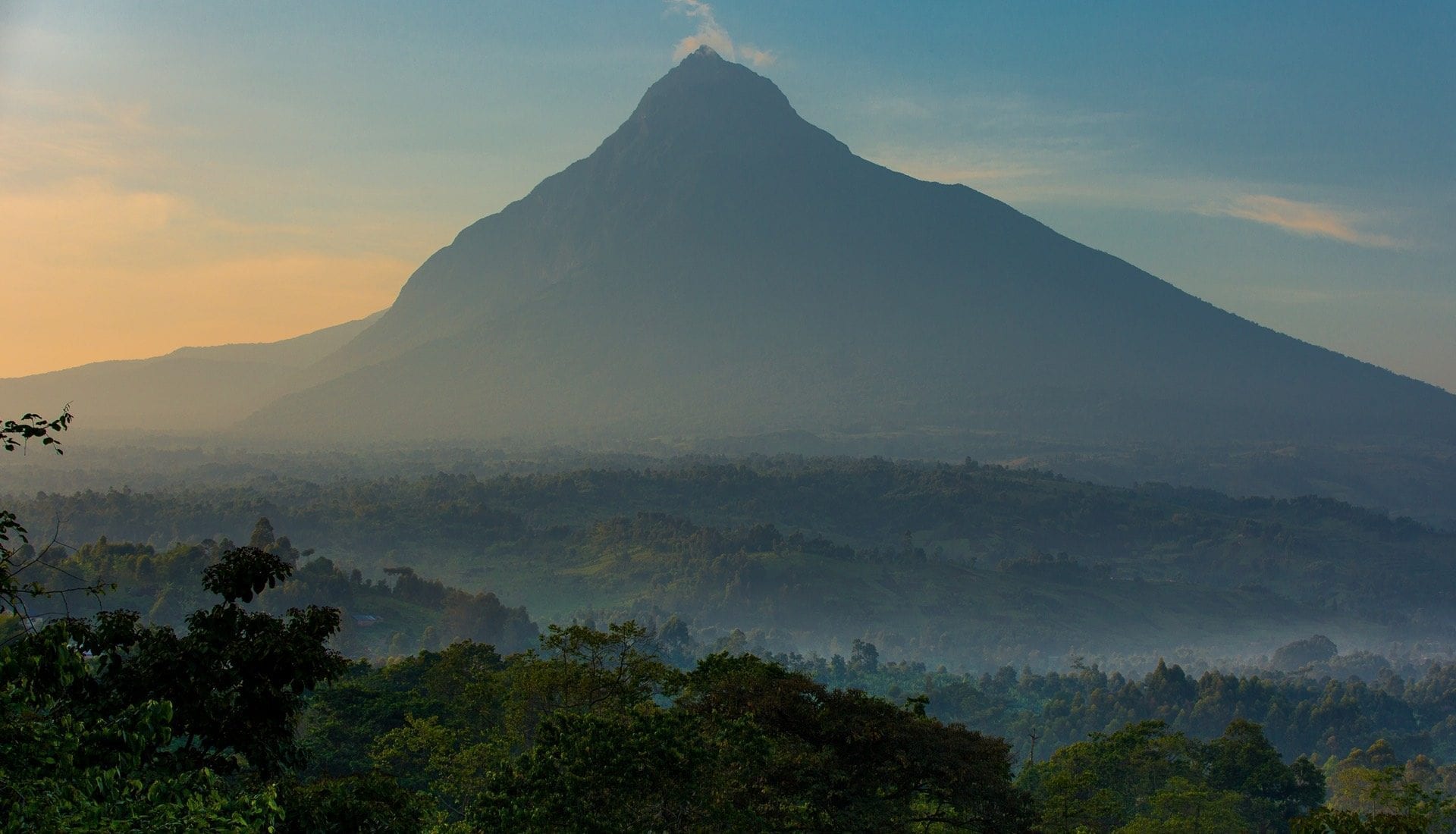
Virunga National Park became a UNESCO World Heritage Site because of its outstanding natural value, biodiversity, and ecological importance. The park protects an incredible range of habitats, from lowland forests and alpine zones to lava plains and wetlands. This diversity makes Virunga one of the most ecologically important national parks in Africa.
However, Virunga’s history has also been shaped by serious conservation challenges. The park has faced pressure from conflict, poaching, illegal resource extraction, habitat loss, and regional instability. Despite these challenges, Virunga remains a powerful symbol of conservation courage. Rangers, conservationists, local communities, and park authorities have worked for decades to protect its wildlife and landscapes.
Today, Virunga National Park represents both natural beauty and conservation resilience. Its history makes a safari here more than a wildlife trip; it becomes a journey into one of Africa’s most important protected landscapes, where tourism can support conservation, ranger protection, and community development.
Why Visit Virunga National Park
Visiting Virunga National Park offers one of the most adventurous safari experiences in Africa. The park is ideal for travelers who want more than a traditional game drive. A Virunga National Park safari combines gorilla trekking, volcanic landscapes, rainforest exploration, cultural encounters, dramatic scenery, and rare wildlife experiences in one destination.
One of the biggest reasons to visit Virunga National Park is mountain gorilla trekking. Seeing gorillas in the wild is one of Africa’s most unforgettable wildlife experiences. The trek takes visitors deep into the forest, where they follow guides and rangers in search of a habituated gorilla family. Once found, the experience of watching gorillas feed, rest, move, and interact is deeply moving.
Another reason to visit Virunga National Park is its raw and untouched atmosphere. Compared to some safari destinations, Virunga feels more remote, wild, and exclusive. Travelers who want fewer crowds and a stronger sense of adventure often find Virunga especially rewarding.
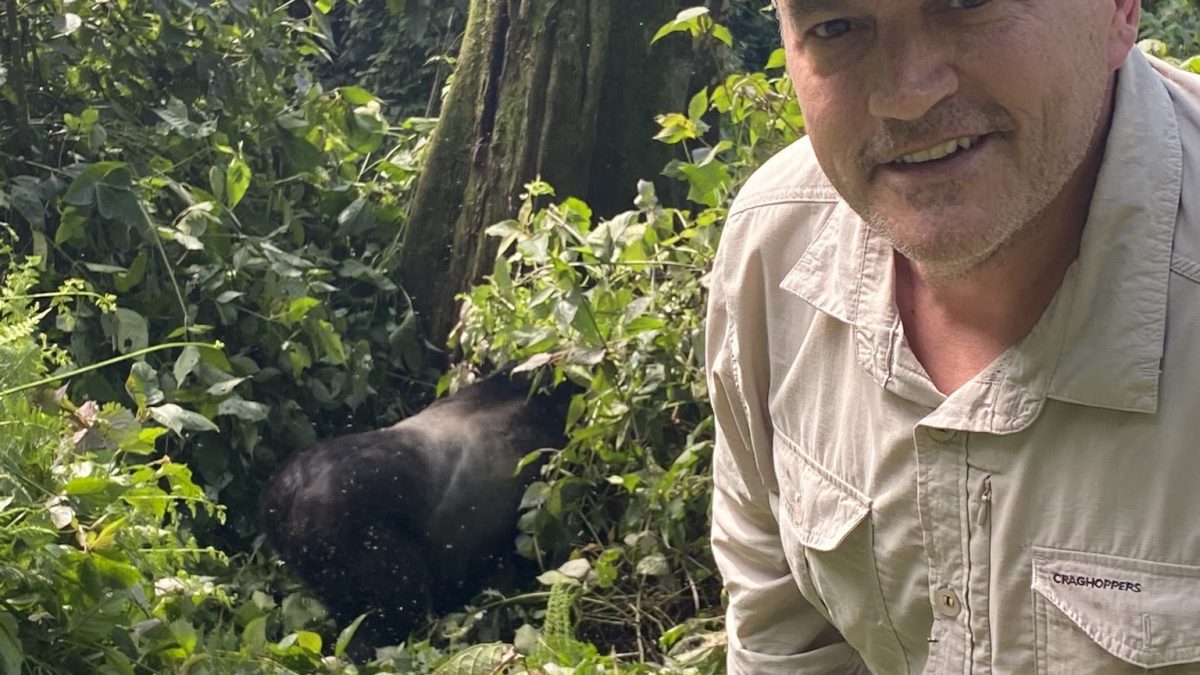
Virunga National Park is also a destination for scenery lovers. The park’s volcanic mountains, forested slopes, lava fields, lakes, valleys, and misty landscapes create some of the most dramatic safari views in Africa. The setting is ideal for photography, nature lovers, and travelers looking for a destination that feels powerful and different.
The park is also important for conservation-focused travel. A Virunga National Park safari supports gorilla protection, ranger work, local employment, and community-based tourism. Travelers who visit responsibly contribute to the long-term protection of one of Africa’s most valuable natural areas.
Virunga is also worth visiting because it can be combined with Rwanda and Uganda. Travelers can start in Kigali, cross into Congo for Virunga, and extend the journey to Volcanoes National Park, Lake Kivu, Bwindi Impenetrable National Park, or Queen Elizabeth National Park. This makes Virunga a strong choice for travelers planning a unique Central and East Africa safari.
Mountain Gorilla Trekking
Mountain Gorilla Trekking is the most famous activity in Virunga National Park and one of the most extraordinary wildlife experiences in Africa. Trekking through the dense forests of Virunga to meet endangered mountain gorillas in their natural habitat creates a deeply emotional and unforgettable safari experience. Visitors walk with trained ranger guides through bamboo forests, volcanic slopes, and thick rainforest while searching for one of the habituated gorilla families living within the park.
Virunga National Park is part of the larger Virunga Massif ecosystem, which protects nearly half of the world’s remaining mountain gorillas. Gorilla trekking in Virunga gives travelers the rare chance to spend time observing these gentle giants as they feed, groom, rest, and interact with one another. Watching silverbacks protect their families, mothers care for infants, and young gorillas play in the forest is one of the highlights of any Congo safari.
The trekking experience usually begins early in the morning with a briefing from park rangers. Visitors are divided into small groups and assigned a gorilla family based on fitness levels and trekking difficulty. Some gorilla families are easier to reach while others require longer hikes through steeper forest terrain. Once the gorillas are located, visitors are allowed one unforgettable hour with the family while maintaining respectful distance and following conservation rules.
Mountain Gorilla Trekking in Virunga National Park attracts travelers looking for adventure, conservation-focused tourism, and authentic rainforest experiences. Compared to some other gorilla destinations, Virunga often provides a more remote and less crowded trekking atmosphere, making the experience feel even more exclusive and personal.
Nyiragongo Volcano Hiking
Nyiragongo Volcano Hiking has long been one of the most adventurous safari activities in Virunga National Park. Mount Nyiragongo is one of the world’s most active volcanoes and is famous for its massive lava lake, steep volcanic slopes, and dramatic mountain scenery. Rising above the forests of eastern Congo, the volcano creates one of the most iconic landscapes in Africa.
The Nyiragongo hike usually begins near the base of the volcano where visitors meet park rangers, guides, and porters before starting the climb. The trail passes through tropical forests, volcanic rock fields, and high-altitude vegetation zones before reaching the summit. Along the way, hikers enjoy spectacular views of Virunga National Park, surrounding volcanoes, and Lake Kivu in the distance.

Reaching the crater rim is one of the greatest rewards of the hike. The glowing lava lake inside the crater creates a breathtaking sight, especially after sunset when the red volcanic glow lights up the night sky. Overnight accommodation at summit shelters allows hikers to experience sunrise over the crater and surrounding mountains before descending the following day.
Nyiragongo Volcano Hiking is ideal for adventurous travelers seeking a unique Congo safari experience beyond gorilla trekking. The hike combines physical challenge, volcanic landscapes, photography opportunities, and dramatic scenery rarely found elsewhere in Africa. Many travelers combine Nyiragongo hiking with Mountain Gorilla Trekking in Virunga National Park for a complete Congo adventure safari.
Wildlife Safaris in Virunga
Wildlife Safaris in Virunga National Park offer visitors the opportunity to explore one of Africa’s most biologically diverse protected areas. Although Virunga is globally known for gorilla trekking, the park also protects savannah plains, forests, rivers, wetlands, and lakes that support a wide variety of wildlife species.
The northern sector of Virunga National Park contains open savannah landscapes where visitors may encounter elephants, buffaloes, antelopes, warthogs, and various smaller mammals. Hippos can often be seen along rivers and lake shores, while primates such as baboons and monkeys inhabit the forested areas. Historically, Virunga supported one of Africa’s largest hippo populations, making the park internationally important for wetland conservation.
Wildlife Safaris in Virunga National Park are unique because they combine classic African safari landscapes with volcanic mountains and rainforest environments. Travelers can move from gorilla trekking in mist-covered forests to exploring open plains and river systems within the same safari itinerary. This variety creates a richer safari experience compared to destinations focused on only one ecosystem.
Game drives, nature walks, boat excursions, and scenic photography are among the activities that make Wildlife Safaris in Virunga rewarding for nature lovers. The park’s dramatic scenery, fewer tourist crowds, and remote atmosphere make every wildlife encounter feel authentic and adventurous.
Virunga’s ecosystems are also important for conservation. The park protects endangered species, migratory birds, wetlands, and critical habitats across Central Africa. Wildlife safaris here contribute directly to conservation efforts, ranger protection, and sustainable tourism projects that support local communities.
Chimpanzee Tracking Experiences
Chimpanzee Tracking Experiences in Virunga National Park offer visitors the chance to observe one of humanity’s closest relatives in the wild. Chimpanzees are intelligent, social, and highly active primates that live within the forests of the Virunga region. Tracking them through the rainforest creates an exciting and educational safari activity for travelers interested in primates and conservation.
Chimpanzee tracking usually begins early in the morning when guides and trackers search for signs of chimpanzee movement within the forest. Visitors follow forest trails while listening for vocal calls, rustling branches, and feeding activity high in the trees. Unlike gorillas, chimpanzees move quickly and are highly energetic, making the tracking experience dynamic and adventurous.
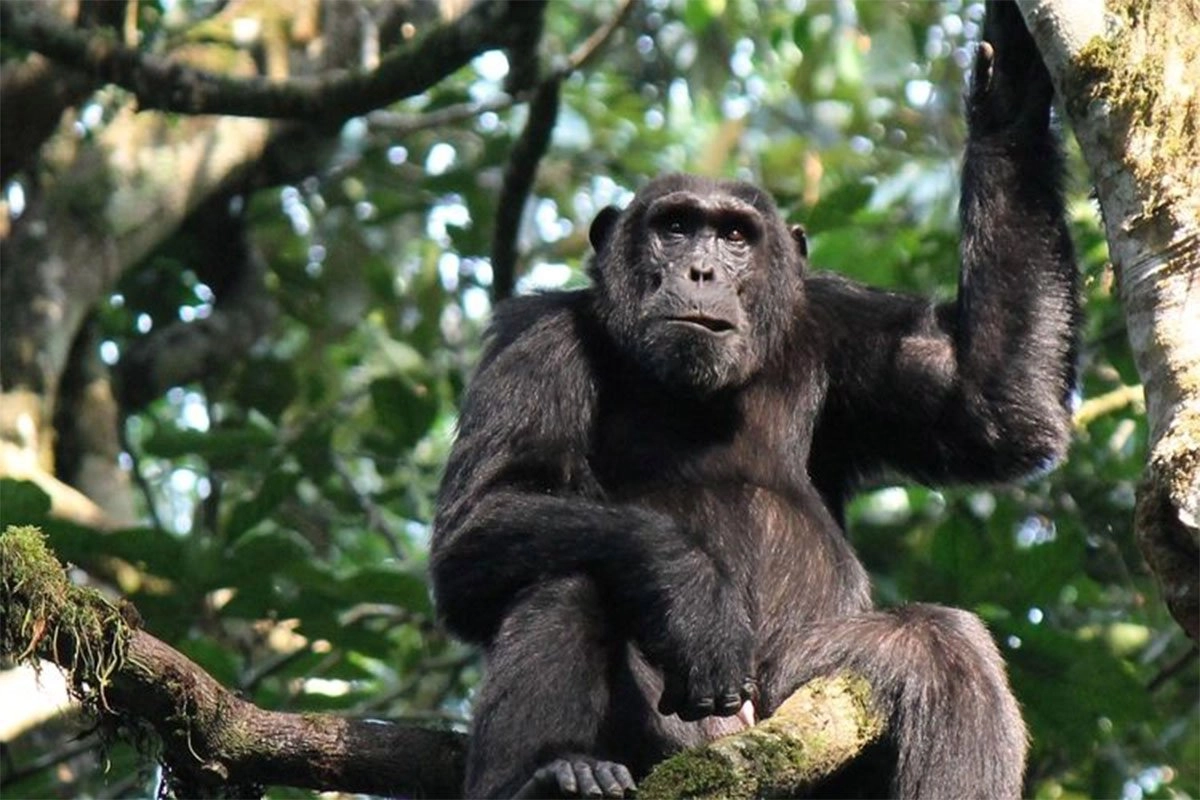
During Chimpanzee Tracking Experiences, visitors may observe chimpanzees feeding on fruits, grooming one another, building nests, or communicating through loud calls and gestures. Their behavior closely resembles human social interaction, making encounters especially fascinating for wildlife enthusiasts and photographers.
Virunga National Park’s forest ecosystems provide suitable habitat for chimpanzees alongside other primates, birds, and forest wildlife. Tracking experiences also allow visitors to appreciate the beauty of Congo’s tropical rainforests, rich biodiversity, and conservation importance.
Chimpanzee Tracking Experiences can be combined with Mountain Gorilla Trekking, wildlife safaris, and volcano adventures to create a diverse Virunga National Park safari itinerary. For travelers seeking a deeper primate safari experience, combining gorilla trekking and chimpanzee tracking in one safari offers an unforgettable Congo wildlife adventure.
Bird Watching in Virunga National Park
Bird Watching in Virunga National Park is one of the most rewarding safari activities for nature enthusiasts and bird lovers visiting Congo. The park’s wide range of habitats, including tropical forests, wetlands, savannahs, volcanic slopes, rivers, and lakeshores, supports an extraordinary diversity of birdlife.
Virunga National Park is located within the Albertine Rift, one of Africa’s most important birding regions. The park is home to hundreds of bird species, including forest birds, wetland birds, migratory species, and several Albertine Rift endemics that are difficult to find elsewhere in Africa. This makes Bird Watching in Virunga National Park especially attractive for serious birders and wildlife photographers.
Bird watching experiences in Virunga often take place during forest walks, gorilla trekking routes, wetland excursions, and savannah safaris. Visitors may encounter colorful turacos, hornbills, sunbirds, weavers, eagles, kingfishers, bee-eaters, and many rare forest species throughout the park’s ecosystems.
The forests of Virunga provide ideal habitat for many endemic bird species associated with the Albertine Rift Mountains. Wetlands and lakes attract waterbirds and migratory species, while open savannah areas support raptors and grassland birds. Because of this ecological diversity, every part of the park offers unique birding opportunities.
Bird Watching in Virunga National Park can easily be combined with Mountain Gorilla Trekking, Chimpanzee Tracking Experiences, and Wildlife Safaris in Virunga, making it an excellent addition to a longer Congo safari itinerary. The peaceful atmosphere, scenic landscapes, and low tourist numbers also create excellent conditions for photography and immersive birding experiences.
Nature Walks and Forest Exploration
Nature Walks and Forest Exploration in Virunga National Park give travelers the opportunity to experience the park beyond traditional safari activities. Walking through the forests, volcanic trails, riverbanks, and scenic landscapes of Virunga allows visitors to connect closely with the environment while discovering the incredible biodiversity of eastern Congo. These guided walks provide a slower, more immersive safari experience where every sound, footprint, plant, and wildlife encounter becomes part of the adventure.
Virunga National Park contains a remarkable variety of ecosystems including tropical rainforests, bamboo forests, montane vegetation, lava fields, wetlands, and savannah landscapes. Nature walks take visitors through these habitats while experienced guides explain the park’s wildlife, conservation efforts, medicinal plants, bird species, and volcanic geography. Unlike vehicle safaris, forest exploration allows travelers to fully experience the atmosphere of the rainforest and appreciate the smaller details of nature.
Nature Walks and Forest Exploration in Virunga National Park are ideal for bird lovers, photographers, primate enthusiasts, and travelers seeking peaceful outdoor experiences. Visitors may encounter monkeys, forest birds, butterflies, reptiles, and smaller mammals while walking through scenic trails surrounded by towering trees and volcanic scenery. Some trails also offer stunning viewpoints overlooking valleys, crater landscapes, and nearby volcanoes.
Forest exploration experiences are especially rewarding for travelers interested in conservation and ecology. The forests of Virunga are among the most important habitats in Central Africa and support endangered species including mountain gorillas and chimpanzees. Walking through these forests helps visitors understand the importance of protecting the ecosystems that sustain wildlife and local communities.
Nature walks can also be combined with Mountain Gorilla Trekking, Chimpanzee Tracking Experiences, Bird Watching in Virunga National Park, and Wildlife Safaris in Virunga, creating a more complete and enriching Congo safari itinerary.
Cultural Experiences Around Virunga
Cultural Experiences Around Virunga allow travelers to discover the traditions, lifestyles, music, food, and daily life of the communities living near Virunga National Park. These experiences add a human connection to the safari and help visitors understand the relationship between local people, conservation, and tourism in eastern Congo.
Communities surrounding Virunga National Park belong to diverse cultural groups with rich traditions and histories. Visitors may explore local villages, interact with artisans, attend traditional dance performances, visit markets, and learn about farming practices and community life. Cultural Experiences Around Virunga often include storytelling, music, drumming, handicraft demonstrations, and opportunities to taste local Congolese cuisine.
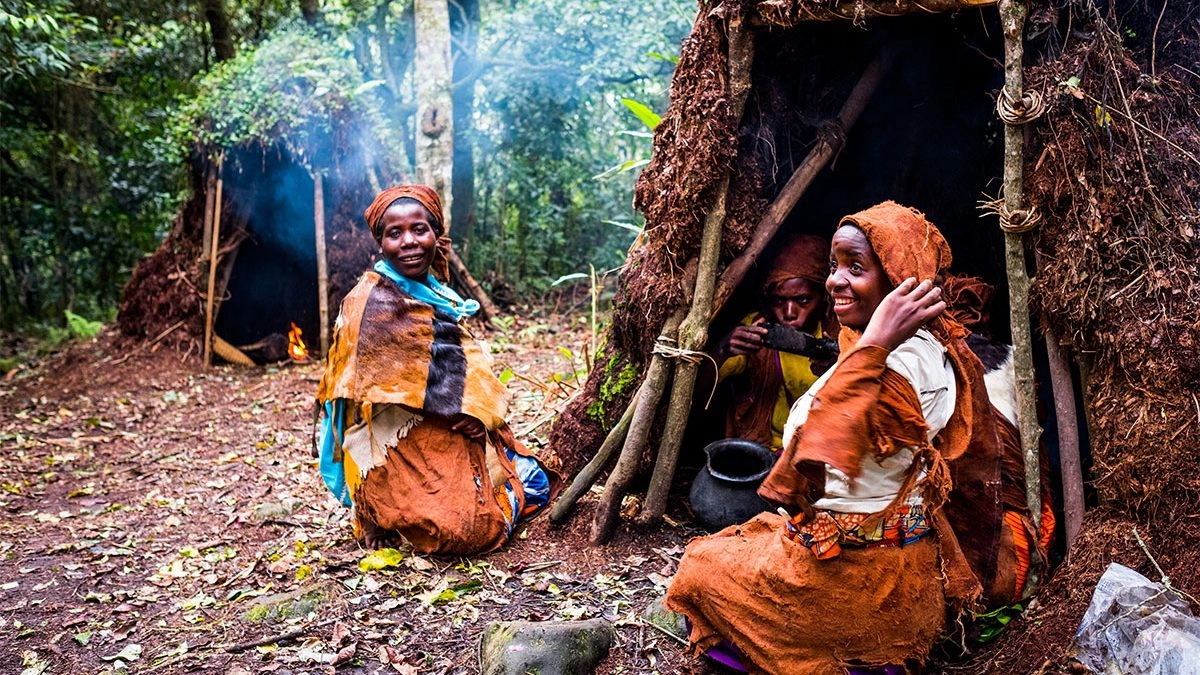
Many cultural activities are community-based tourism initiatives designed to support local livelihoods while promoting conservation awareness. By participating in Cultural Experiences Around Virunga, travelers contribute directly to local economies and community development projects connected to sustainable tourism.
One of the most rewarding parts of these cultural encounters is meeting local people and hearing stories about life near Virunga National Park. Visitors gain deeper insight into how communities coexist with wildlife and how tourism helps create opportunities for education, employment, and conservation support.
Cultural Experiences Around Virunga can easily be added to gorilla trekking safaris, wildlife tours, and volcano adventures. Combining nature and culture creates a more meaningful safari experience that highlights both the natural beauty and human heritage of the Virunga region.
Gorilla Trekking in Virunga National Park
Gorilla Trekking in Virunga National Park is one of the most sought-after wildlife experiences in Africa and the highlight of many Congo safaris. The experience takes visitors deep into the tropical forests of the Virunga Mountains where endangered mountain gorillas live in protected family groups. Trekking through the mist-covered forests of Virunga creates a powerful sense of adventure, discovery, and connection with nature.
Virunga National Park is part of the greater Virunga Massif ecosystem shared by Congo, Rwanda, and Uganda. This region protects one of the world’s last remaining populations of mountain gorillas. Gorilla Trekking in Virunga National Park gives travelers the chance to encounter these gentle primates in a remote and less crowded environment compared to some other gorilla destinations.
The trekking process begins with an early morning briefing from park rangers who explain trekking rules, conservation guidelines, and gorilla behavior. Visitors are grouped according to fitness levels and assigned to a habituated gorilla family. The trek may last from one to several hours depending on the location of the gorillas within the forest.
As visitors hike through bamboo forests, volcanic slopes, and dense vegetation, the anticipation builds until the gorilla family is finally located. Spending one hour with mountain gorillas in their natural habitat is a deeply emotional and unforgettable experience. Visitors watch the gorillas feed, rest, communicate, and interact while guides explain their behavior and social structure.
Gorilla Trekking in Virunga National Park is not only a safari activity but also an important conservation effort. Revenue from tourism helps protect mountain gorillas, supports ranger patrols, and contributes to community development projects around the park.
Gorilla Families in Virunga
Gorilla Families in Virunga National Park are habituated groups of mountain gorillas that visitors can track during gorilla trekking safaris. Each family is led by a dominant silverback who protects and guides the group while maintaining social order within the family. These gorilla families live within the forests and volcanic slopes of the Virunga Mountains where they move in search of food and shelter.
The gorilla families in Virunga vary in size, behavior, and trekking difficulty. Some groups are easier to access and located closer to trekking starting points, while others require longer hikes through steep and densely forested terrain. This variety allows park authorities to match visitors with gorilla families according to fitness levels and trekking preferences.
Each gorilla family has unique personalities and social dynamics. Visitors may observe playful young gorillas climbing trees, mothers caring for infants, juveniles wrestling, and silverbacks calmly monitoring the group. Watching these interactions gives travelers a fascinating insight into gorilla behavior and family life.
Gorilla Families in Virunga National Park are carefully monitored by conservation teams and ranger guides who ensure the safety of both visitors and gorillas. Habituation processes allow gorillas to become comfortable with human presence while maintaining their natural behaviors in the wild.
Tracking different Gorilla Families in Virunga creates unique safari experiences because no two treks are ever exactly the same. The movement of gorillas through the forest, changing weather conditions, and varying landscapes make every gorilla trek a distinct adventure.
Gorilla Trekking Experience
The Gorilla Trekking Experience in Virunga National Park is one of the most emotional and life-changing wildlife encounters in the world. The journey begins early in the morning as visitors gather for a briefing by park rangers before entering the rainforest in search of mountain gorillas. The excitement of walking through the forests while tracking one of the rarest primates on Earth creates an atmosphere of true adventure.
The trekking route passes through dense rainforest, bamboo vegetation, muddy forest trails, and volcanic terrain. Rangers and trackers move ahead to locate the gorilla family while guides explain the surrounding plants, birds, wildlife, and conservation work taking place within the park. The duration of the trek depends on where the gorillas are located and can range from one hour to several hours.
The most unforgettable moment comes when the gorillas are finally located. Visitors are allowed one hour with the gorilla family while maintaining a respectful distance. During this time, travelers observe gorillas feeding, grooming, playing, resting, and interacting naturally within the forest environment.
The Gorilla Trekking Experience often creates strong emotional reactions because of the close resemblance between gorillas and humans. Looking into the eyes of a silverback or watching young gorillas play in the forest creates memories that stay with travelers for a lifetime.
Photography during the Gorilla Trekking Experience is highly rewarding due to the dramatic rainforest scenery and close wildlife encounters. However, visitors are encouraged to experience the moment fully rather than focusing only on cameras.
The Gorilla Trekking Experience in Virunga National Park also highlights the importance of conservation tourism. Every trek contributes to the protection of mountain gorillas, supports ranger teams, and benefits local communities living near the park.
Gorilla Trekking Rules and Regulations
Gorilla Trekking Rules and Regulations are designed to protect both visitors and the endangered mountain gorillas living in Virunga National Park. Because gorillas share a very high percentage of human DNA, they are highly vulnerable to human diseases and environmental disturbance. Following these rules helps ensure that gorilla tourism remains safe, sustainable, and conservation-focused.
Before entering the forest, all trekkers attend a briefing conducted by park rangers and guides. During this session, visitors are informed about trekking behavior, safety measures, and conservation guidelines. Only individuals aged 15 years and above are allowed to participate in Gorilla Trekking in Virunga National Park.
Visitors must maintain a minimum distance of about seven meters from the gorillas. This rule helps reduce stress on the animals and lowers the risk of disease transmission. If a gorilla approaches visitors, trekkers are expected to remain calm, avoid sudden movements, and follow the instructions of the ranger guides.
Photography is allowed during gorilla trekking, but flash photography is strictly prohibited because it may disturb the gorillas. Visitors are also encouraged to keep noise levels low while in the forest. Loud voices, shouting, or aggressive behavior are not permitted during the Gorilla Trekking Experience.
Trekkers who are sick, especially with flu-like symptoms, coughs, or contagious illnesses, may not be allowed to participate in the trek. Mountain gorillas are extremely sensitive to human illnesses, making health precautions one of the most important Gorilla Trekking Rules and Regulations.
Littering inside the park is forbidden, and visitors must respect the natural environment throughout the trek. Eating, smoking, or drinking near the gorillas is also discouraged. By following Gorilla Trekking Rules and Regulations, visitors help protect one of the world’s most endangered primate species while supporting responsible tourism in Virunga National Park.
Gorilla Permit Costs
Gorilla Permit Costs are an important part of planning a Virunga National Park safari. A gorilla permit is mandatory for anyone wishing to participate in Mountain Gorilla Trekking in Virunga National Park. The permit grants visitors access to the park, ranger-guided trekking services, and one hour with a habituated gorilla family in the forest.
As of 2026, Gorilla Permit Costs in Virunga National Park are generally around USD 400 per person, making Virunga one of the most affordable mountain gorilla trekking destinations in Africa. Compared to Rwanda’s gorilla permits at around USD 1,500 and Uganda’s permits at around USD 800, Virunga offers a more budget-friendly gorilla trekking experience for adventurous travelers.
The Gorilla Permit Costs contribute directly to conservation efforts, ranger protection, gorilla monitoring, and community development around Virunga National Park. Tourism revenue plays an important role in supporting the long-term protection of mountain gorillas and their habitats.
Because gorilla permits are limited each day, travelers are encouraged to book well in advance, especially during the peak travel seasons. Gorilla permits are usually arranged through licensed safari operators or directly through official park booking systems.
In addition to Gorilla Permit Costs, travelers should also budget for accommodation, transportation, porter fees, visas, tips, meals, and other safari logistics when planning a Virunga National Park Gorilla Trekking safari.
Best Time for Gorilla Trekking
The Best Time for Gorilla Trekking in Virunga National Park is during the dry seasons when forest trails are less muddy and hiking conditions are easier. The main dry seasons usually occur from June to September and from December to February. During these periods, the weather is generally more favorable for trekking, photography, and forest exploration.
During the dry season, gorilla trekking trails become more accessible because there is less rainfall in the forest. Vegetation is also slightly less dense, improving visibility for photography and wildlife viewing. These months are considered the Best Time for Gorilla Trekking because trekking conditions are usually more comfortable and scenic.
However, Gorilla Trekking in Virunga National Park is possible throughout the year. Even during the rainy seasons, many travelers still enjoy excellent trekking experiences. Rainforests remain green, beautiful, and highly active with wildlife during wetter months. Gorilla sightings are generally reliable year-round because trained trackers locate the gorilla families daily.
The rainy seasons usually occur from March to May and from October to November. During these periods, trekking trails may become muddy, slippery, and physically more demanding. Travelers visiting during the rainy season should prepare for wetter conditions and challenging hikes.
The Best Time for Gorilla Trekking also depends on personal travel preferences. Some travelers prefer dry-season trekking for easier hiking and clearer photography conditions, while others enjoy the quieter atmosphere and lush scenery during the rainy months.
What to Pack for Gorilla Trekking
Knowing What to Pack for Gorilla Trekking is essential for a comfortable and successful safari experience in Virunga National Park. Gorilla trekking takes place in tropical rainforest environments where conditions can change quickly, and proper preparation makes the trek safer and more enjoyable.
One of the most important items to pack is strong waterproof hiking boots. Gorilla trekking often involves steep slopes, muddy trails, slippery vegetation, and uneven forest terrain. Good hiking boots provide stability and comfort during the trek.
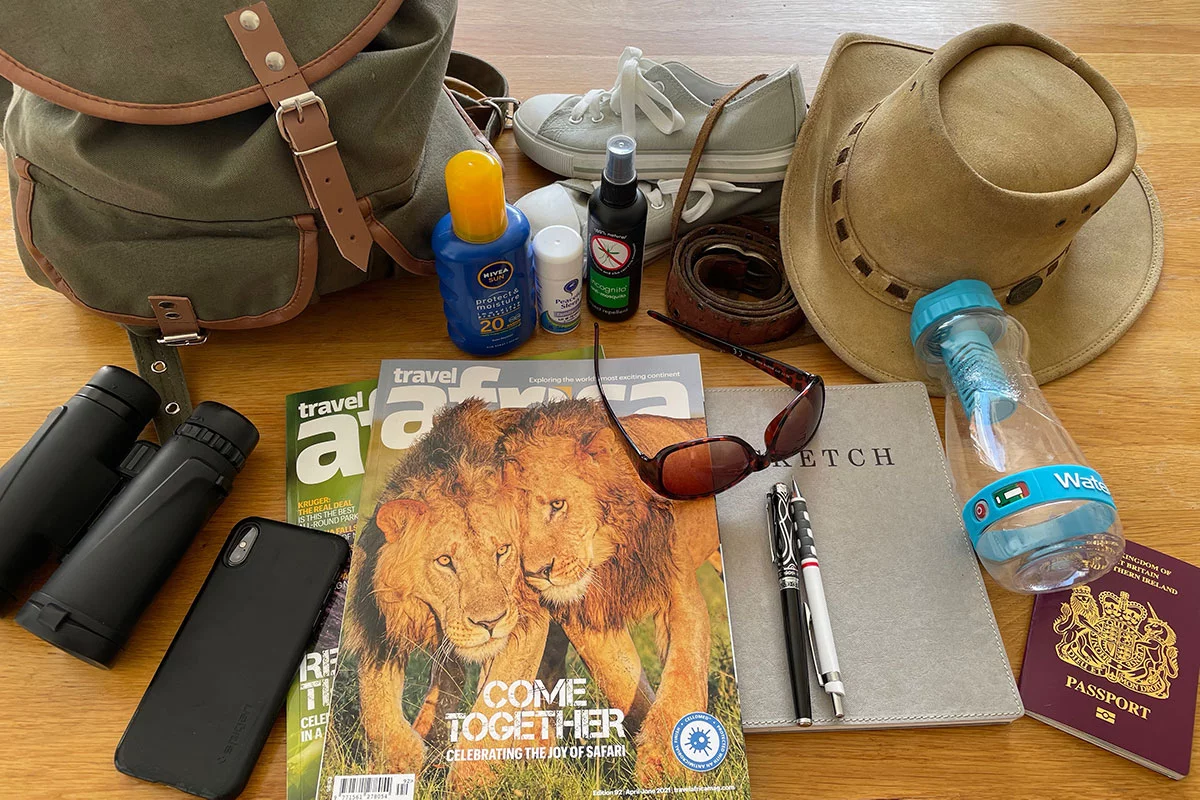
Long-sleeved shirts and long trousers are recommended to protect against insects, thorny plants, and stinging vegetation within the forest. Neutral-colored clothing is usually preferred for wildlife activities because it blends better with the environment.
A waterproof rain jacket is essential because rain can occur unexpectedly in the rainforest even during the dry season. Travelers should also pack lightweight layers because temperatures can vary depending on altitude and weather conditions.
Gardening gloves or trekking gloves are useful when moving through dense vegetation and holding onto branches during steep climbs. A small backpack is recommended for carrying water, snacks, cameras, extra clothing, and personal items during the trek.
Other important items to include when considering What to Pack for Gorilla Trekking are insect repellent, sunscreen, reusable water bottles, cameras, binoculars, energy snacks, and basic personal medications. Many travelers also hire local porters who help carry bags and assist during difficult sections of the trek.
Difficulty Level of Gorilla Trekking
The Difficulty Level of Gorilla Trekking in Virunga National Park varies depending on the location of the gorilla family, weather conditions, forest terrain, and the fitness level of the visitor. Gorilla trekking is considered a moderate to challenging activity because it involves hiking through mountainous rainforest terrain at high altitudes.
Some gorilla families are located relatively close to trekking starting points, while others may require several hours of hiking through steep slopes, muddy trails, thick vegetation, and uneven volcanic terrain. The duration of a trek can range from one hour to more than six hours depending on gorilla movement within the forest.
The Difficulty Level of Gorilla Trekking also increases during the rainy season when trails become slippery and more physically demanding. Trekkers should expect changing weather conditions, high humidity, and occasional steep climbs during the experience.
Despite these challenges, Gorilla Trekking in Virunga National Park can still be completed by many travelers with average fitness levels. Visitors are encouraged to walk at a comfortable pace, stay hydrated, and follow the guidance of ranger teams throughout the trek. Porters are also available to assist visitors by carrying bags and providing support during difficult sections of the hike.
Preparing physically before the safari can improve the Gorilla Trekking Experience. Light hiking practice, walking exercises, and general fitness preparation can help travelers feel more comfortable during the trek.
Although the Difficulty Level of Gorilla Trekking may be demanding at times, the reward of meeting mountain gorillas in their natural habitat makes the effort worthwhile for most visitors. The emotional and unforgettable encounter with gorillas often becomes the highlight of the entire Congo safari adventure.
Nyiragongo Volcano Hike
The Nyiragongo Volcano Hike is one of the most thrilling adventure experiences in Africa and a major highlight of visiting Virunga National Park. Mount Nyiragongo is internationally famous for its active lava lake, dramatic volcanic landscapes, steep mountain slopes, and breathtaking panoramic views over eastern Congo and the surrounding Virunga region. For adventurous travelers, the Nyiragongo Volcano Hike offers a rare opportunity to witness one of the world’s most remarkable volcanic environments.
Located within Virunga National Park, Mount Nyiragongo rises above forests, lava fields, and nearby communities, creating one of the most iconic landscapes in Central Africa. The volcano attracts hikers, photographers, adventure travelers, volcanology enthusiasts, and safari visitors seeking experiences beyond traditional wildlife safaris.
The Nyiragongo Volcano Hike combines physical challenge, volcanic scenery, and overnight mountain adventure. Hikers pass through different vegetation zones ranging from tropical forests to rocky volcanic terrain before reaching the crater rim. Along the route, visitors enjoy views of the Virunga Mountains, surrounding valleys, lava formations, and Lake Kivu in the distance.
One of the most unforgettable moments of the Nyiragongo Volcano Hike is spending the night near the summit while observing the glowing lava lake inside the crater. The combination of darkness, volcanic activity, smoke, and red lava creates one of the most dramatic natural spectacles in Africa.
The Nyiragongo Volcano Hike is often combined with Gorilla Trekking in Virunga National Park, allowing travelers to experience both mountain gorillas and one of Africa’s most active volcanoes during the same Congo safari adventure.
About Mount Nyiragongo
About Mount Nyiragongo begins with understanding its importance as one of the most active and visually impressive volcanoes in the world. Mount Nyiragongo is located within Virunga National Park in eastern Democratic Republic of Congo near the city of Goma and close to the Rwanda border.
The volcano stands at approximately 3,470 meters above sea level and forms part of the Virunga Mountain chain shared by Congo, Rwanda, and Uganda. Mount Nyiragongo is especially famous for its massive lava lake, which has been recognized as one of the largest active lava lakes on Earth.
The mountain has a steep volcanic cone with black lava rock slopes, smoking crater walls, and rugged terrain shaped by centuries of volcanic activity. Eruptions from Mount Nyiragongo have historically affected nearby areas, including Goma, making the volcano both scientifically important and visually dramatic.
Despite its volcanic activity, Mount Nyiragongo remains one of the most popular adventure tourism attractions in Central Africa. Visitors are drawn by its unique landscapes, geological significance, and the opportunity to witness active volcanic activity from the crater rim.
The forests surrounding Mount Nyiragongo also support important wildlife habitats within Virunga National Park. This creates a rare destination where volcanic adventure, rainforest exploration, wildlife conservation, and mountain scenery exist together within the same protected area.
Hiking Experience
The Hiking Experience on Mount Nyiragongo is physically demanding, adventurous, and incredibly rewarding. The hike typically begins at the base of the volcano where visitors register with park authorities, meet ranger guides, and prepare for the ascent. Safety briefings are conducted before the journey begins because Mount Nyiragongo is an active volcanic area.
The trail to the summit passes through several ecological zones. Hikers first move through lower forest areas before reaching rocky lava fields and higher-altitude volcanic terrain. As the climb continues, the scenery becomes increasingly dramatic with black volcanic rock, steam vents, mountain views, and open landscapes replacing the dense vegetation below.
The Hiking Experience requires determination because some sections of the trail are steep and rocky. However, the route is designed with rest points where hikers can recover while enjoying scenic views of Virunga National Park and surrounding volcanoes.
As hikers approach the summit, cooler temperatures and volcanic scenery create a unique mountain atmosphere. Reaching the crater rim is the highlight of the journey. Visitors are rewarded with extraordinary views of the glowing lava lake deep within the volcano crater.
Most hikers spend the night at summit shelters near the crater rim. Watching the lava lake after sunset is one of the most unforgettable moments of the Hiking Experience. The movement of molten lava, rising smoke, and glowing red crater create a dramatic natural spectacle rarely seen elsewhere in the world.
The descent usually takes place the following morning, allowing hikers to enjoy sunrise views over the Virunga region before returning to the base of the volcano.
Nyiragongo Crater Lava Lake
The Nyiragongo Crater Lava Lake is the main attraction of the Nyiragongo Volcano Hike and one of the most spectacular volcanic features in the world. Located deep inside the crater of Mount Nyiragongo, the lava lake contains constantly moving molten lava that creates glowing red waves, bubbling volcanic activity, and dramatic nighttime scenery.
The Nyiragongo Crater Lava Lake changes continuously depending on volcanic activity levels. At times, visitors can observe powerful lava fountains, swirling lava currents, smoke rising from the crater, and intense volcanic glow lighting up the crater walls after dark.
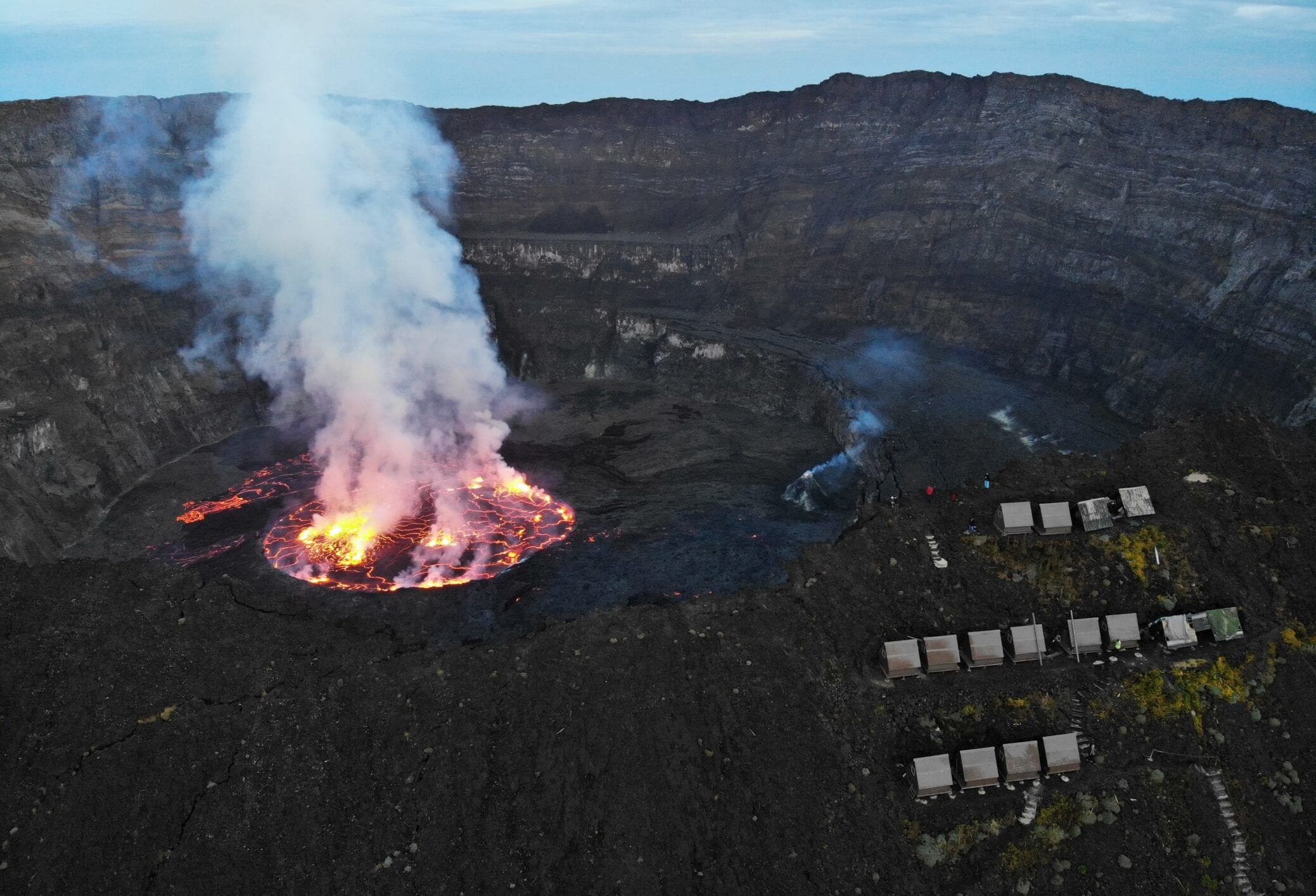
Watching the Nyiragongo Crater Lava Lake at night is considered the most dramatic part of the volcano hike. As darkness falls, the bright orange and red lava becomes more visible, creating extraordinary photography opportunities and unforgettable safari memories.
The lava lake also holds major scientific importance because few active lava lakes exist worldwide. Mount Nyiragongo’s lava lake is closely monitored by volcanologists and conservation authorities due to its geological activity and historical eruptions.
Visitors observing the Nyiragongo Crater Lava Lake are accommodated in summit shelters positioned safely near the crater rim. The overnight experience allows hikers to fully appreciate the changing volcanic colors, smoke movements, and crater atmosphere throughout the evening and early morning hours.
The Nyiragongo Crater Lava Lake adds a completely different dimension to a Virunga National Park safari by combining adventure tourism, geology, mountain scenery, and volcanic exploration within one unforgettable experience.
Hiking Duration and Fitness Levels
Understanding Hiking Duration and Fitness Levels is important when preparing for the Nyiragongo Volcano Hike. The hike is considered physically challenging because of the steep volcanic terrain, high altitude, and rocky trails leading to the summit.
The ascent to the crater rim usually takes between 4 and 7 hours depending on weather conditions, hiking pace, and individual fitness levels. The descent on the following day generally takes about 3 to 5 hours. Hiking Duration and Fitness Levels may vary from one traveler to another because some sections of the trail are steeper and more demanding than others.
The Nyiragongo Volcano Hike involves climbing to high altitude where oxygen levels are lower and temperatures become cooler near the summit. Hikers should be prepared for long walking periods, uneven volcanic rock, and physically demanding sections of the trail.
Moderate to good physical fitness is recommended for the Nyiragongo Volcano Hike. Travelers who regularly participate in walking, hiking, or outdoor activities usually manage the climb more comfortably. However, the hike is still achievable for many adventurous travelers who take their time and maintain a steady pace.
Porters are available to assist hikers by carrying bags and providing support during difficult sections of the climb. Hiring a porter not only makes the Hiking Experience easier but also supports local communities around Virunga National Park.
Travelers preparing for the Nyiragongo Volcano Hike are encouraged to bring proper hiking boots, warm clothing, rain gear, gloves, water, snacks, and personal fitness preparation before attempting the climb. Although challenging, the reward of seeing the Nyiragongo Crater Lava Lake makes the effort worthwhile for most visitors.
What to Pack for Nyiragongo Trek
Knowing What to Pack for Nyiragongo Trek is important for comfort, safety, and successful hiking on Mount Nyiragongo. The volcano hike passes through different climate zones ranging from warm lower forests to cold summit conditions near the crater rim. Proper packing ensures that hikers are prepared for changing temperatures, rocky terrain, and possible rainfall.
One of the most essential items when considering What to Pack for Nyiragongo Trek is strong waterproof hiking boots. The trail contains steep volcanic rocks, loose gravel, muddy sections, and uneven terrain that require sturdy footwear with good ankle support.
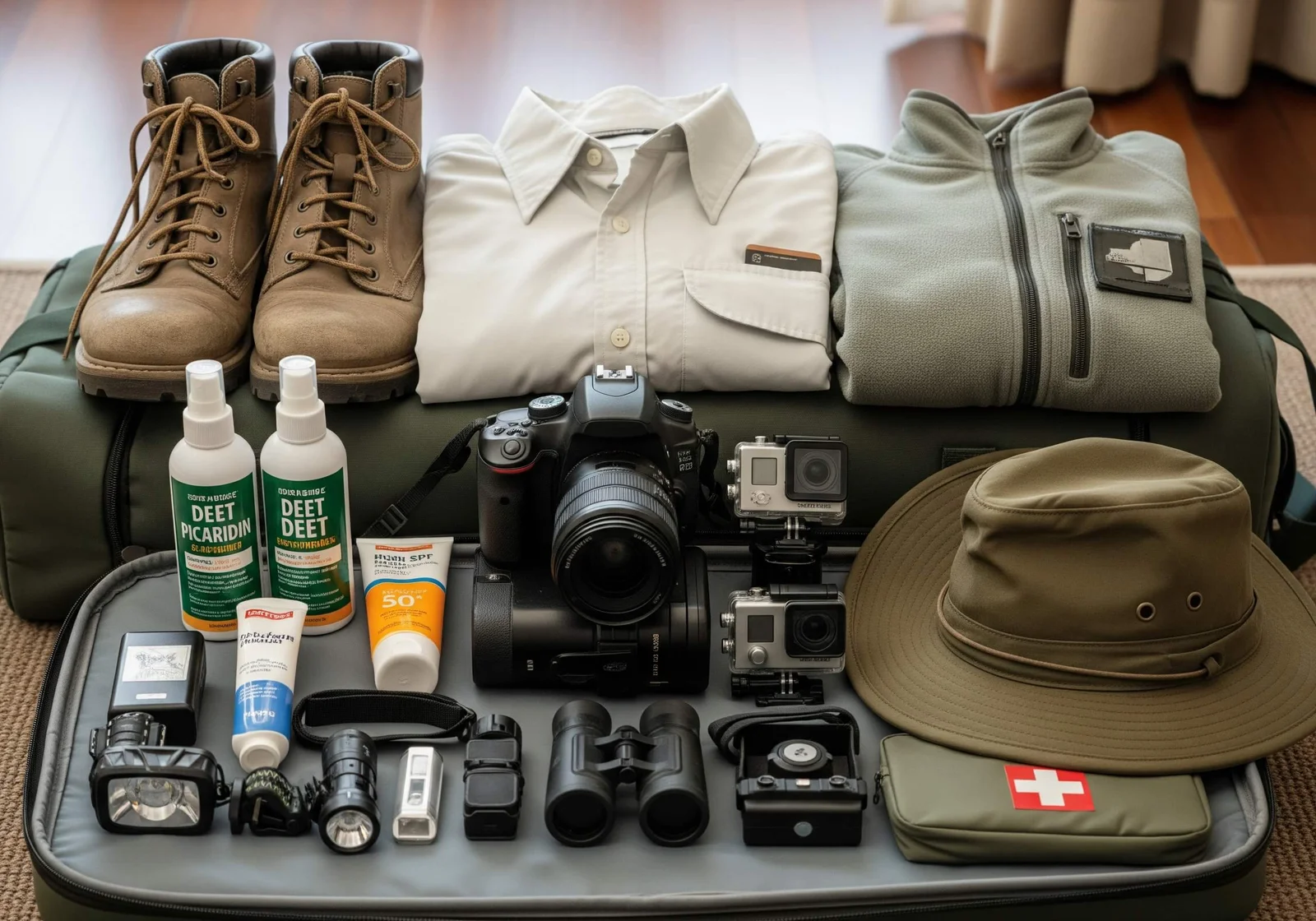
Warm clothing is necessary because temperatures near the summit become cold, especially during the evening and early morning hours. Hikers are advised to pack thermal layers, warm sweaters, gloves, scarves, and a warm hat for overnight stays near the crater rim.
A waterproof rain jacket is also highly recommended because rain can occur unexpectedly during the climb. Even during dry seasons, weather conditions on Mount Nyiragongo can change quickly.
Other important items to include when planning What to Pack for Nyiragongo Trek are:
- Comfortable hiking trousers and long-sleeved shirts
- Lightweight backpack
- Reusable water bottles or hydration packs
- Energy snacks
- Flashlight or headlamp
- Camera equipment
- Sunscreen and sunglasses
- Walking stick or trekking poles
- Personal medications
- Extra socks and clothing layers
Visitors staying overnight at the summit should also carry personal toiletries and sleeping essentials suitable for cold mountain conditions. Proper packing greatly improves the Nyiragongo Volcano Hiking experience and helps hikers remain comfortable throughout the adventure.
Safety During Nyiragongo Hiking
Safety During Nyiragongo Hiking is taken seriously because Mount Nyiragongo is an active volcano located within rugged mountainous terrain. Virunga National Park authorities and ranger teams work carefully to ensure that visitors can safely experience the volcano while following strict safety guidelines.
Before beginning the Nyiragongo Volcano Hike, hikers receive safety briefings from park rangers and guides. These briefings explain hiking procedures, volcanic conditions, emergency protocols, and expected behavior while on the mountain. Visitors are encouraged to follow ranger instructions at all times during the hike.
Safety During Nyiragongo Hiking also involves trekking in organized groups accompanied by armed ranger guides and experienced hiking teams. Rangers monitor the trail conditions and maintain communication throughout the hike to ensure visitor safety.
The volcanic terrain itself requires careful movement because some sections contain loose lava rocks, steep slopes, and slippery surfaces. Hikers are advised to walk slowly, maintain stable footing, and avoid rushing during difficult sections of the trail.
Weather conditions can change rapidly on Mount Nyiragongo. Rain, fog, wind, and cold temperatures may occur unexpectedly, especially near the summit. Wearing appropriate hiking gear and carrying warm waterproof clothing are important safety measures during the climb.
Altitude can also affect some hikers as they approach the crater rim. Visitors are encouraged to stay hydrated, rest when needed, and inform guides if they experience dizziness or discomfort during the hike.
Despite the physical challenge, Safety During Nyiragongo Hiking is well managed when visitors follow ranger guidance, use proper hiking equipment, and prepare adequately before the climb. The organized structure of the hike allows travelers to safely enjoy one of Africa’s most remarkable volcanic adventures.
Wildlife Safaris in Virunga National Park
Wildlife Safaris in Virunga National Park offer visitors the opportunity to explore one of Africa’s most biologically diverse and scenic protected areas. While Virunga is globally famous for Mountain Gorilla Trekking and the Nyiragongo Volcano Hike, the park also supports a remarkable variety of wildlife species across forests, savannah plains, rivers, wetlands, and volcanic landscapes.
Virunga National Park stretches across multiple ecosystems that create ideal habitats for different wildlife species. The northern savannah sectors of the park are known for elephants, buffaloes, antelopes, warthogs, and various smaller mammals. Hippos inhabit rivers and lakes within the park, while forested regions support primates including chimpanzees, monkeys, and mountain gorillas.
Wildlife Safaris in Virunga National Park are unique because they combine classic African safari experiences with dramatic volcanic scenery and rainforest exploration. Visitors can enjoy game drives, nature walks, bird watching, and boat-based wildlife viewing while surrounded by mountains, forests, and lava landscapes.
The park is also internationally important for birdlife. Bird Watching in Virunga National Park attracts birders searching for Albertine Rift endemic species, forest birds, wetland birds, and colorful tropical species found throughout the region.
One of the most rewarding aspects of Wildlife Safaris in Virunga National Park is the feeling of wilderness and adventure. Compared to more commercial safari destinations, Virunga offers fewer crowds and a more remote safari atmosphere, making wildlife encounters feel authentic and exclusive.
Wildlife Safaris in Virunga National Park also contribute to conservation and community development. Tourism revenue supports ranger patrols, habitat protection, anti-poaching programs, and local employment opportunities around the park.
Many travelers combine Wildlife Safaris in Virunga National Park with Gorilla Trekking, Chimpanzee Tracking Experiences, Cultural Experiences Around Virunga, and the Nyiragongo Volcano Hike to create a complete Congo safari adventure filled with wildlife, landscapes, and unforgettable experiences.
Savannah Wildlife Areas
Savannah Wildlife Areas in Virunga National Park offer visitors a completely different safari experience from the park’s famous mountain forests and volcanic slopes. While Virunga is internationally known for Mountain Gorilla Trekking, the northern sections of the park contain wide savannah plains, open grasslands, wetlands, and river systems that support a rich diversity of African wildlife.
These Savannah Wildlife Areas are especially important because they create habitats for large mammals, grazing animals, predators, and numerous bird species. The open landscapes allow visitors to enjoy traditional game-viewing experiences while surrounded by the dramatic scenery of the Virunga region.
The savannah zones of Virunga National Park are characterized by rolling grasslands, scattered acacia vegetation, seasonal wetlands, and riverbanks that attract wildlife throughout the year. Wildlife safaris in these areas often include game drives, nature walks, photography excursions, and bird-watching activities.
Savannah Wildlife Areas in Virunga National Park are also important migration and feeding grounds for many species. The combination of water sources, grasslands, and nearby forest ecosystems creates a balanced environment that supports wildlife diversity across the park.
For travelers looking for a complete Congo safari experience, the Savannah Wildlife Areas add variety to Gorilla Trekking in Virunga National Park and volcano adventures. Visitors can move from rainforest gorilla encounters to open savannah wildlife viewing within the same safari itinerary.
Elephants and Buffaloes
Elephants and Buffaloes are among the largest and most impressive mammals found within Virunga National Park. These iconic African wildlife species inhabit the park’s savannah plains, wetlands, forest edges, and river systems where they move in search of food, water, and shelter.
African elephants in Virunga National Park are important for maintaining the health of the ecosystem. As they move through forests and grasslands, elephants help shape vegetation, disperse seeds, and create pathways used by other wildlife species. Seeing elephants in the wild against the backdrop of Virunga’s volcanic landscapes creates a truly memorable safari experience.
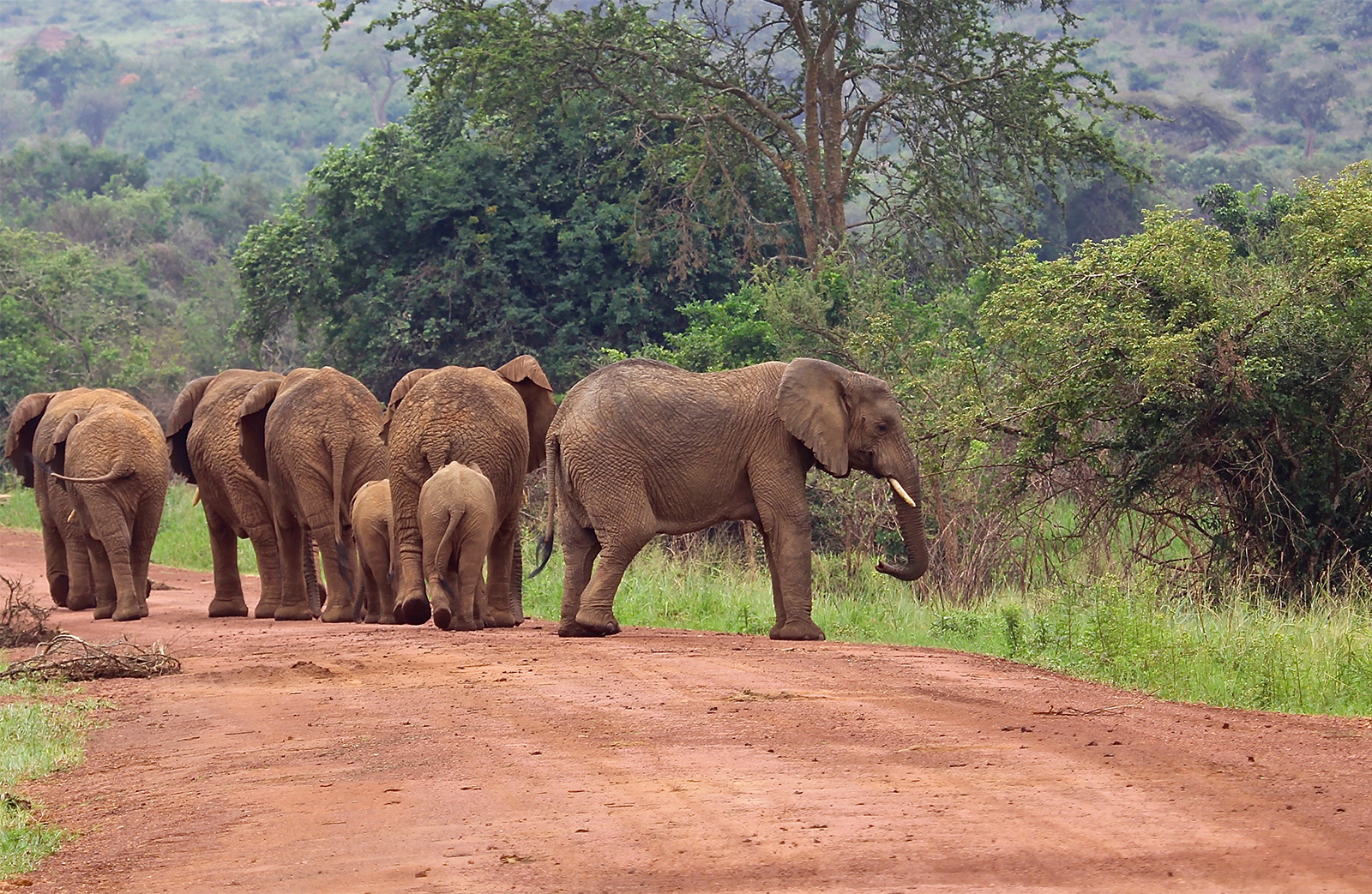
Buffaloes are also commonly found within the park’s savannah regions and wetlands. They often move in herds and can be observed grazing across open plains or resting near water sources during warmer parts of the day. Buffaloes are powerful animals and an important part of the park’s wildlife diversity.
Wildlife Safaris in Virunga National Park provide opportunities to observe Elephants and Buffaloes during game drives and guided safari excursions. The remote nature of the park often creates more intimate and less crowded wildlife encounters compared to some larger safari destinations in Africa.
Protecting Elephants and Buffaloes remains an important conservation priority within Virunga National Park. Tourism helps support anti-poaching efforts, wildlife monitoring, and habitat protection programs designed to preserve these species for future generations.
Hippos Along the Riverbanks
Hippos Along the Riverbanks are one of the remarkable wildlife attractions found within Virunga National Park. The rivers, lakes, and wetlands of the park provide important habitat for hippos, which spend much of their time submerged in water to stay cool during the day.
Historically, Virunga National Park supported one of the largest hippo populations in Africa. Although conservation challenges have affected numbers over time, the park remains an important habitat for these fascinating aquatic mammals.
Visitors exploring Virunga’s waterways may observe hippos resting in groups along riverbanks, partially submerged in lakes, or moving slowly through shallow waters. During evenings and early mornings, hippos often leave the water to graze on surrounding grasslands.
Watching Hippos Along the Riverbanks creates excellent photography and wildlife viewing opportunities, especially when combined with bird watching and scenic safari excursions. The peaceful atmosphere of Virunga’s rivers and wetlands adds to the beauty of these encounters.
Hippos play an important ecological role within the park’s ecosystems by helping maintain aquatic environments and contributing nutrients to water systems. Conservation programs within Virunga National Park continue working to protect wetland habitats that support hippos and many other wildlife species.
For travelers interested in Wildlife Safaris in Virunga National Park, observing Hippos Along the Riverbanks adds another exciting dimension to the safari experience beyond gorillas and volcanoes.
Primates in Virunga
Primates in Virunga National Park are among the most important wildlife attractions in the entire Congo region. The park’s forests and mountainous ecosystems provide habitat for several primate species including mountain gorillas, chimpanzees, baboons, and different monkey species.
Mountain gorillas are the most famous primates in Virunga National Park and the primary reason many travelers visit the region. Gorilla Trekking in Virunga National Park allows visitors to encounter habituated gorilla families living within the dense rainforest and volcanic slopes of the Virunga Mountains.
Chimpanzees are another fascinating primate species found in Virunga. Chimpanzee Tracking Experiences give visitors the opportunity to observe these highly intelligent and social animals moving through the forest canopy, feeding, grooming, and communicating through vocal calls and gestures.
Other Primates in Virunga include blue monkeys, black-and-white colobus monkeys, vervet monkeys, and olive baboons. These species are often seen during forest walks, nature exploration, and wildlife safaris throughout the park.
The forests of Virunga National Park are particularly important because they form part of the Albertine Rift ecosystem, one of Africa’s richest biodiversity regions. Protecting Primates in Virunga supports not only conservation tourism but also scientific research and habitat preservation across Central Africa.
For travelers interested in primate safaris, Virunga National Park offers one of the most diverse and rewarding primate experiences in Africa, combining gorillas, chimpanzees, monkeys, and rainforest adventure within one protected landscape.
Bird Species in Virunga National Park
Bird Species in Virunga National Park make the park one of the most rewarding bird-watching destinations in Central Africa. The park’s incredible diversity of habitats, including tropical forests, wetlands, savannah plains, volcanic slopes, rivers, and lakeshores, supports hundreds of bird species throughout the year.
Virunga National Park lies within the Albertine Rift, a globally important birding region known for rare and endemic species. Bird watchers visiting the park have opportunities to spot colorful forest birds, wetland species, raptors, migratory birds, and several Albertine Rift endemics found only within this part of Africa.
Bird Species in Virunga National Park include hornbills, turacos, sunbirds, kingfishers, weavers, bee-eaters, eagles, herons, and many other tropical species. Forested areas are especially rich in unique birdlife, while wetlands and river systems attract waterbirds and migratory species.
Bird watching activities in Virunga are often combined with Nature Walks and Forest Exploration, Wildlife Safaris in Virunga National Park, Gorilla Trekking, and wetland excursions. The park’s peaceful landscapes and relatively low tourist numbers create excellent conditions for bird photography and quiet observation.
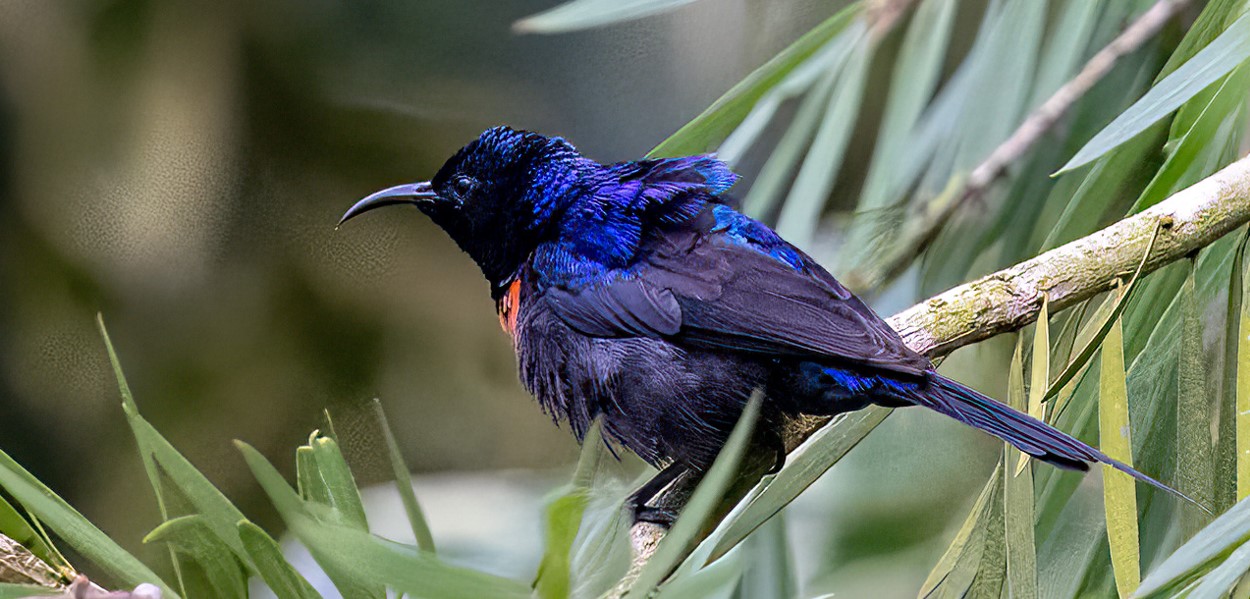
The variety of Bird Species in Virunga National Park reflects the ecological importance of the region. The combination of altitude changes, volcanic landscapes, forests, and water systems creates ideal habitats for many specialized bird species.
For both casual travelers and dedicated birders, Virunga National Park offers a rich and rewarding birding experience that adds depth and diversity to any Congo safari itinerary.
The Best Time to Visit Virunga National Park depends on the type of safari experience travelers are seeking. Virunga National Park can be visited throughout the year, but weather conditions, rainfall patterns, trekking conditions, and wildlife activity often influence the overall safari experience. The park’s diverse landscapes, including rainforests, volcanic mountains, wetlands, and savannah plains, create different experiences during the dry and wet seasons.
For many travelers, the Best Time to Visit Virunga National Park is during the dry seasons from June to September and from December to February. During these months, hiking trails are usually less muddy, wildlife viewing conditions are better, and trekking activities become more comfortable. These periods are especially popular for Gorilla Trekking in Virunga National Park and the Nyiragongo Volcano Hike.
However, the wet seasons also offer unique advantages for visitors interested in lush scenery, photography, bird watching, and quieter safari experiences. Rainforests become greener and more vibrant during wetter months, while the reduced number of tourists creates a more peaceful atmosphere within the park.
The Best Time to Visit Virunga National Park also depends on personal travel interests. Gorilla trekkers often prefer drier months for easier hiking conditions, while bird watchers may enjoy wetter months when migratory birds and forest species are highly active. Adventure travelers planning the Nyiragongo Volcano Hike may also consider seasonal weather conditions before booking their safari.
Because Virunga National Park offers year-round wildlife experiences, travelers can enjoy gorilla trekking, volcano hiking, nature walks, bird watching, chimpanzee tracking, and cultural experiences during any season with proper preparation.
Dry Season Safaris
Dry Season Safaris in Virunga National Park are considered the most popular time for visiting the park because of favorable weather conditions and easier access to trekking trails and safari routes. The main dry seasons generally occur from June to September and from December to February.
During Dry Season Safaris, rainfall is lower, making forest trails less slippery and volcanic hiking routes more manageable. Gorilla Trekking in Virunga National Park becomes more comfortable because visitors can move more easily through the rainforest without heavy mud or excessive rain. Photography conditions also improve due to clearer skies and better natural lighting.
Dry Season Safaris are particularly recommended for travelers planning the Nyiragongo Volcano Hike. The drier conditions reduce trail slipperiness and improve visibility from the crater rim, allowing hikers to enjoy better panoramic views of the surrounding Virunga region and lava lake scenery.
Wildlife viewing in Virunga’s savannah areas can also be rewarding during the dry season because animals often gather near rivers, wetlands, and permanent water sources. Bird watching remains excellent, and nature walks become easier across many sections of the park.
Because Dry Season Safaris are highly popular, travelers are encouraged to book gorilla permits, accommodation, and safari packages in advance, especially during peak travel months when demand for Gorilla Trekking in Virunga National Park is highest.
Wet Season Experiences
Wet Season Experiences in Virunga National Park offer travelers a different but equally rewarding safari atmosphere. The rainy seasons generally occur from March to May and from October to November. During these months, the park receives more rainfall, creating lush green landscapes, mist-covered forests, and dramatic mountain scenery.
One of the biggest advantages of Wet Season Experiences is the beauty of the rainforest environment. The forests become vibrant and alive with fresh vegetation, flowing streams, and active wildlife. Photography enthusiasts often appreciate the rich colors, misty volcano views, and dramatic cloud formations that appear during wetter months.
Wet Season Experiences are also excellent for bird watching because many bird species become highly active during the rainy periods. Migratory birds and forest species can often be seen more frequently in Virunga’s wetlands, forests, and savannah ecosystems.
Although Gorilla Trekking in Virunga National Park continues year-round, trekking during the wet season can be more physically demanding because forest trails become muddy and slippery. Travelers should prepare with proper waterproof hiking gear and strong boots.
The Nyiragongo Volcano Hike is also possible during the rainy season, though hikers may encounter wet trails, fog, and reduced visibility at higher elevations. However, some travelers enjoy the dramatic atmosphere created by mist, clouds, and volcanic scenery during wetter conditions.
Another advantage of Wet Season Experiences is the reduced number of visitors. Travelers seeking quieter safaris and less crowded trekking experiences may find the wet season especially appealing.
Gorilla Trekking Seasons
Gorilla Trekking Seasons in Virunga National Park are generally divided into dry season trekking and wet season trekking. Gorilla trekking takes place throughout the year because mountain gorillas remain within the forest regardless of season, but weather conditions affect trekking difficulty and overall comfort.
The most popular Gorilla Trekking Seasons are during the dry months from June to September and from December to February. During these periods, trekking trails are usually drier, hiking conditions are easier, and visibility within the forest is often better for photography and wildlife viewing.
Dry season Gorilla Trekking Seasons are ideal for travelers seeking more comfortable hiking conditions and clearer forest trails. The reduced rainfall makes it easier to navigate steep slopes, muddy paths, and dense vegetation while searching for gorilla families.
Wet season Gorilla Trekking Seasons occur from March to May and from October to November. During these months, the rainforest becomes wetter, greener, and more humid. Although trekking can be more challenging because of slippery trails and heavy vegetation, gorilla sightings remain excellent year-round.
Some travelers actually prefer wet season Gorilla Trekking Seasons because the forests feel more dramatic and the number of visitors is often lower. The misty rainforest scenery can also create exceptional photography opportunities.
Regardless of season, Gorilla Trekking in Virunga National Park remains one of Africa’s most unforgettable wildlife experiences. Travelers simply need to prepare appropriately for changing weather conditions and varying trekking difficulty levels.
Nyiragongo Hiking Seasons
Nyiragongo Hiking Seasons are important to consider when planning the Mount Nyiragongo Volcano Hike in Virunga National Park. Although the hike can take place throughout the year, seasonal weather conditions significantly affect hiking comfort, visibility, and trail conditions.
The best Nyiragongo Hiking Seasons are usually during the dry months from June to September and from December to February. During these periods, the hiking trails are generally drier and less slippery, making the climb to the summit more manageable and safer for hikers.
Dry season Nyiragongo Hiking Seasons also offer clearer views of the surrounding volcanoes, forests, Lake Kivu, and the dramatic Nyiragongo Crater Lava Lake. Visibility from the crater rim is often better during these months, especially for photography and scenic viewing.
During the rainy seasons from March to May and from October to November, hikers may encounter muddy volcanic trails, fog, rain, and colder summit conditions. Wet rocks and steep sections can make the hike more physically demanding and slower.
However, Nyiragongo Hiking Seasons during the rainy months still attract adventurous travelers who enjoy dramatic landscapes, fewer crowds, and the unique atmosphere created by mist and volcanic scenery.
Regardless of season, hikers preparing for the Nyiragongo Volcano Hike should carry proper hiking boots, waterproof clothing, warm layers, gloves, and essential hiking gear. Good preparation helps ensure a safe and enjoyable volcano adventure in Virunga National Park.
How to Get to Virunga National Park
Knowing How to Get to Virunga National Park is important for planning a smooth and successful Congo safari. Virunga National Park is located in eastern Democratic Republic of Congo near the borders of Rwanda and Uganda. Because of its strategic location within the Virunga Mountains region, the park can be accessed through Rwanda, Goma, or southwestern Uganda depending on the traveler’s itinerary and preferred route.
Most international visitors access Virunga National Park through Rwanda because Kigali International Airport offers the easiest and most reliable gateway into the region. From Kigali, travelers continue by road to the Rwanda–Congo border near Goma before proceeding to Virunga National Park.
Virunga National Park is also accessible through Goma, the nearest major city to the park. Goma acts as the main tourism gateway for gorilla trekking, Nyiragongo Volcano Hiking, wildlife safaris, and other safari activities within Virunga.
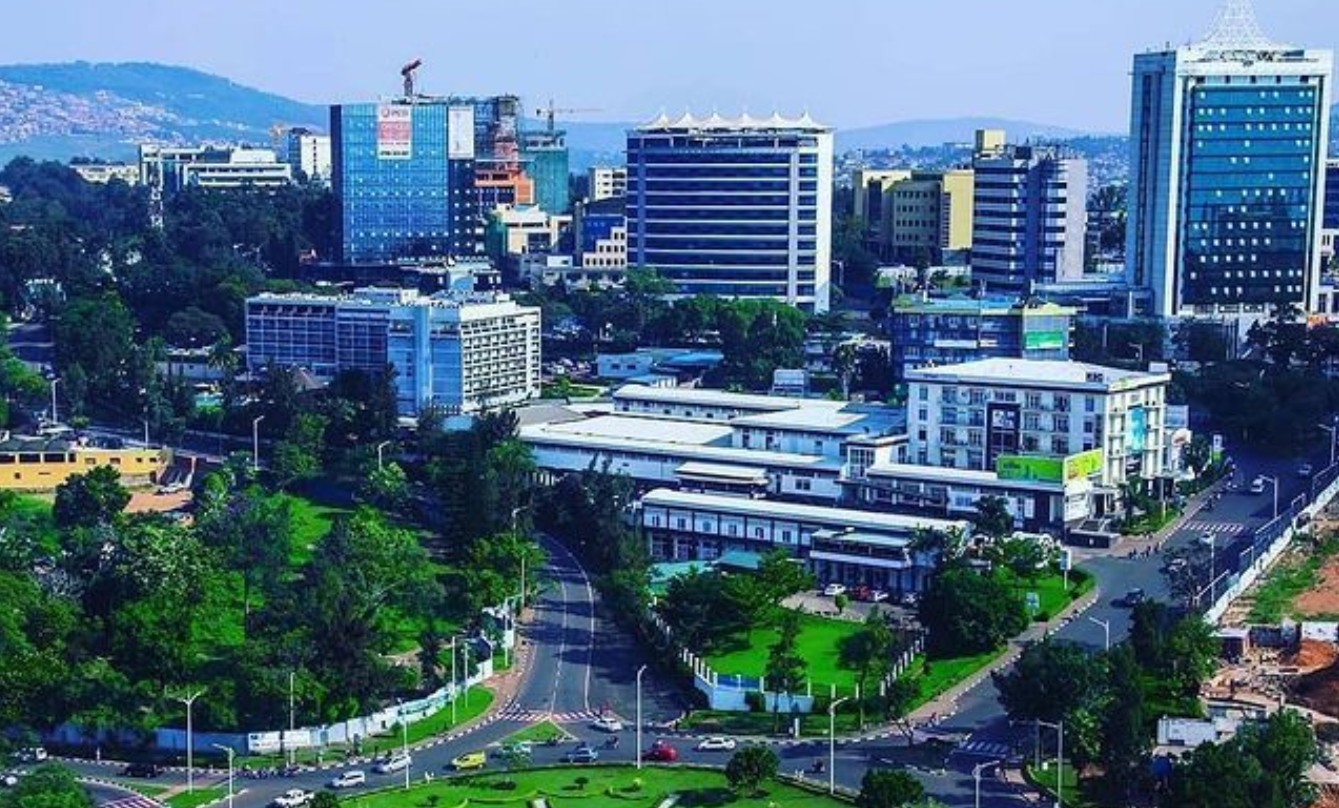
Depending on safari arrangements, visitors may use a combination of international flights, domestic flights, private road transfers, border crossings, and official park transport services to reach the park safely and comfortably.
Access Through Rwanda
Access Through Rwanda is the most common and recommended route for travelers visiting Virunga National Park. Many visitors fly into Kigali International Airport because Kigali offers strong international flight connections and easier regional travel logistics.
From Kigali, travelers drive northwest through Rwanda’s scenic countryside toward the Rwanda–Congo border at Gisenyi and Goma. The road journey from Kigali to the border usually takes about 3 to 4 hours depending on traffic and border procedures.
The drive itself is highly scenic and passes through rolling hills, local villages, tea plantations, and beautiful mountain landscapes often referred to as the “Land of a Thousand Hills.” Many safari travelers enjoy combining their Virunga safari with visits to Rwanda destinations such as Volcanoes National Park or Kigali before crossing into Congo.
After crossing into Goma, visitors are usually met by safari guides or official park transport services that continue to the tourism sectors of Virunga National Park including Bukima, Kibumba, or other safari lodges.
Access Through Rwanda is preferred because it offers shorter transfer times, reliable road conditions, easier flight availability, and the opportunity to combine Rwanda and Congo safari experiences within one itinerary.
Access Through Goma
Access Through Goma provides another important route into Virunga National Park. Goma is the nearest major city to the park and serves as the primary operational gateway for many safari activities in Virunga.
Travelers arriving in Goma may either cross from Rwanda through the Grande Barrière border or fly directly into Goma International Airport using regional or international flights. Ethiopian Airlines has historically operated flights to Goma, helping travelers access Virunga more directly.
From Goma, safari transfers continue by road to different sections of Virunga National Park depending on the planned activities. Gorilla trekking visitors are often transferred toward Bukima, while Nyiragongo hikers proceed toward the volcano hiking starting points.
Access Through Goma is important because it connects travelers directly to the tourism operations of Virunga National Park. Many safari operators coordinate accommodation, security arrangements, permits, and transport services directly from Goma before entering the park.
Because travel conditions and security situations can change in eastern Congo, travelers using Access Through Goma are encouraged to travel with trusted safari operators and stay updated on current travel advisories before departure.
Flights and Road Transfers
Flights and Road Transfers are the two main transport options used to reach Virunga National Park. Most international travelers begin their safari by flying into either Kigali in Rwanda or Goma in eastern Congo before continuing by road to the park.
International flights into Kigali International Airport are the most popular option because Kigali is well connected to major African, European, and Middle Eastern cities. From Kigali, travelers continue by private safari vehicle or organized road transfer to the Rwanda–Congo border near Goma.
Travelers may also use Flights and Road Transfers directly through Goma International Airport before continuing by road into Virunga National Park.
Road transfers within the Virunga region are usually arranged by safari operators or official park tourism services. These transfers connect travelers from airports and border crossings to lodges, gorilla trekking sectors, Nyiragongo hiking points, and other tourism areas within the park.
Many safari itineraries combine Flights and Road Transfers across Rwanda, Uganda, and Congo. Travelers may, for example, fly into Kigali, trek gorillas in Virunga, continue to Bwindi Impenetrable National Park in Uganda, and then fly out through Entebbe.
Border Crossing Information
Border Crossing Information is an important part of planning a safari to Virunga National Park because most visitors enter Congo through Rwanda at the Goma border crossing. The main crossing point used by travelers is the Grande Barrière border between Gisenyi in Rwanda and Goma in Congo.
Visitors entering Congo for Virunga safaris usually require valid passports, Congo visas, yellow fever vaccination certificates, and confirmed safari documentation before crossing the border. Many safari operators assist travelers with visa guidance and border procedures to make the process smoother.
Border Crossing Information may change depending on regional travel regulations, security conditions, and immigration policies. Travelers are advised to confirm visa requirements and border procedures before departure to avoid delays during their safari.
Most safari operators coordinate border pickups and transfers after visitors complete immigration formalities. Travelers are then escorted safely toward Virunga National Park tourism areas according to their safari itinerary.
The Rwanda–Congo border near Goma is commonly used because it provides the fastest and most convenient access to Virunga National Park for gorilla trekking and volcano hiking safaris. Travelers combining Rwanda and Congo experiences often find this cross-border safari route efficient and highly scenic.
Accommodation in Virunga National Park
Accommodation in Virunga National Park ranges from luxury eco-lodges and comfortable midrange safari camps to budget-friendly tented camps designed for gorilla trekkers and adventure travelers. The lodges and camps around Virunga are positioned in scenic locations near forests, volcanoes, gorilla trekking sectors, and Lake Kivu, giving visitors unforgettable views and immersive wilderness experiences.
Most Accommodation in Virunga National Park is closely connected to the park’s main tourism activities including Gorilla Trekking in Virunga National Park, the Nyiragongo Volcano Hike, chimpanzee tracking, bird watching, and wildlife safaris. Some lodges focus on luxury comfort and fine dining, while others provide practical and affordable accommodation for hikers and backpackers exploring eastern Congo.
Many lodges within Virunga also contribute directly to conservation and community development. Tourism revenue supports ranger operations, gorilla protection, local employment, and sustainable tourism initiatives across the park.
Luxury Lodges
Luxury Lodges in Virunga National Park provide high-end safari comfort combined with dramatic volcanic scenery, rainforest settings, and personalized hospitality. These lodges are ideal for travelers seeking premium gorilla trekking experiences, luxury safari accommodation, and peaceful forest retreats within the Virunga region.
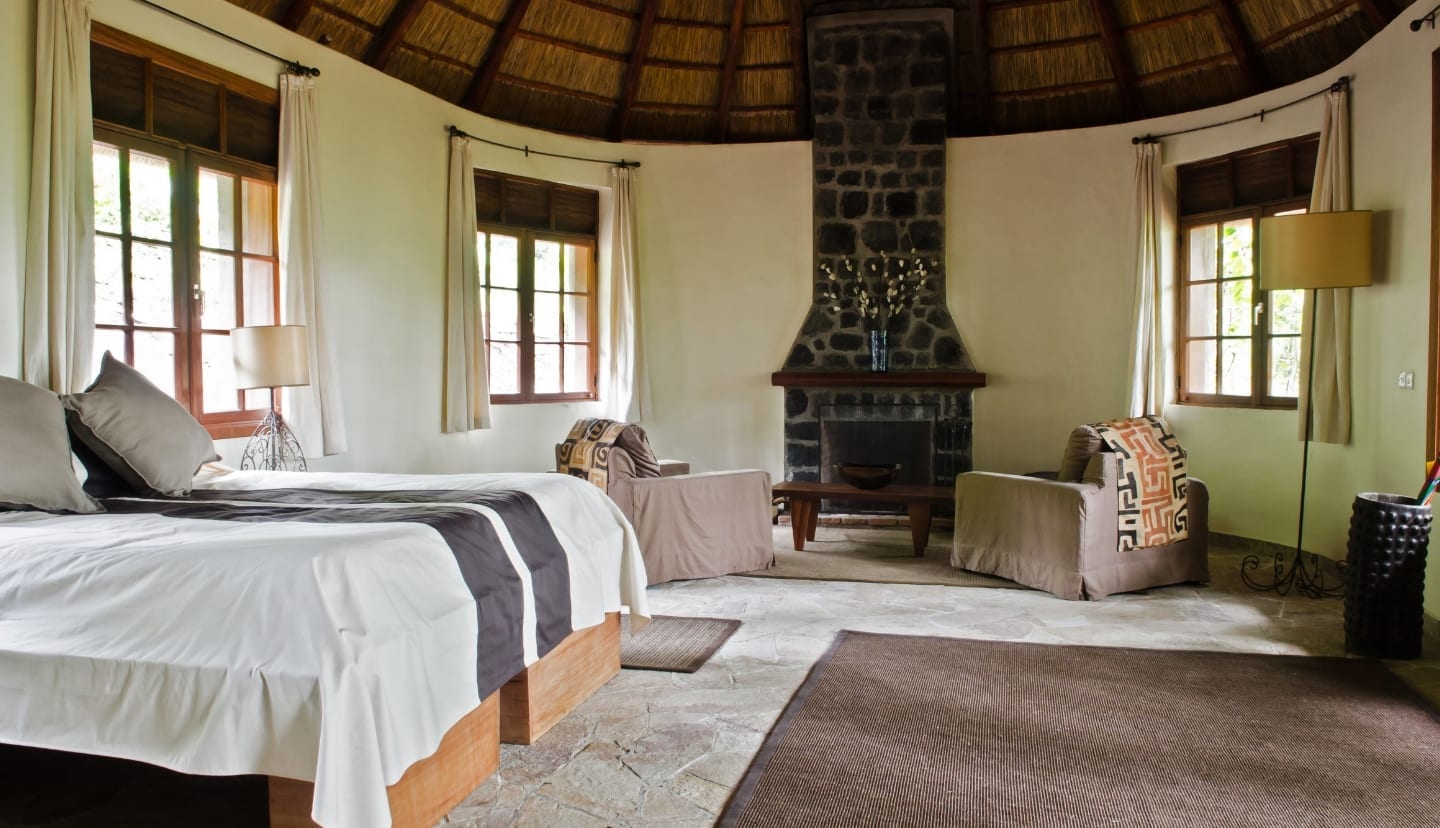
One of the most famous luxury lodges is Mikeno Lodge, located near the Virunga National Park headquarters at Rumangabo. The lodge features elegant private bungalows surrounded by forest with views of the Rift Valley, Mount Nyiragongo, and Mount Mikeno. Guests enjoy fireplaces, spacious en-suite bathrooms, fine dining, forest walks, and close proximity to gorilla trekking sectors.
Luxury Lodges in Virunga National Park are designed to blend comfort with nature. Many use eco-friendly systems including hydroelectric power and sustainable construction methods that support conservation efforts within the park.
Travelers staying in luxury lodges often combine Gorilla Trekking in Virunga National Park with cultural experiences, bird watching, wildlife safaris, and volcano adventures while enjoying personalized safari services and scenic accommodation.
Midrange Safari Lodges
Midrange Safari Lodges in Virunga National Park offer a balance between comfort, affordability, and authentic safari atmosphere. These lodges and tented camps are ideal for travelers who want comfortable accommodation without the high costs associated with luxury safari lodges.
One of the most popular midrange options is Kibumba Tented Camp, located within the gorilla trekking sector of Virunga National Park. The camp provides comfortable safari tents, spectacular volcano views, and direct access to Gorilla Trekking in Virunga National Park.
Another well-known midrange option is Tchegera Island Camp, located on Lake Kivu near Goma. The camp offers peaceful lakeside accommodation with beautiful scenery and easy access to Virunga safari activities.
Midrange Safari Lodges in Virunga National Park are popular among travelers combining gorilla trekking, Nyiragongo Volcano Hiking, and wildlife safaris while maintaining moderate safari budgets. These lodges often provide comfortable rooms, good dining facilities, scenic locations, and organized safari transfers.
Budget Accommodation
Budget Accommodation in Virunga National Park is available for backpackers, adventure travelers, and visitors looking for affordable Congo safari experiences. These accommodations focus on practicality, accessibility, and proximity to the park’s main tourism activities.
Budget camps and guesthouses near the gorilla trekking areas provide basic but comfortable facilities suitable for travelers prioritizing adventure and wildlife experiences over luxury amenities. Some budget options also serve as overnight stops before Gorilla Trekking in Virunga National Park or the Nyiragongo Volcano Hike.
Affordable tented camps within Virunga often include shared dining areas, basic safari tents, hot meals, and organized transfers to trekking starting points. The atmosphere at these camps is usually friendly and social, attracting adventurous travelers from around the world.
Budget Accommodation in Virunga National Park allows more travelers to experience Congo gorilla safaris, volcano hiking, bird watching, and wildlife exploration while keeping safari costs manageable.
Gorilla Trekking Lodges
Gorilla Trekking Lodges in Virunga National Park are specifically positioned near the park’s gorilla trekking sectors to provide convenient access for early morning gorilla tracking excursions. These lodges and camps are designed to accommodate visitors participating in Mountain Gorilla Trekking experiences within the Virunga forests.
The main Gorilla Trekking Lodges in Virunga include Kibumba Tented Camp and Mikeno Lodge. Kibumba Tented Camp is especially known as the primary accommodation for gorilla trekking visitors because of its location on the slopes of Mount Mikeno near the trekking starting points.
Mikeno Lodge is another excellent Gorilla Trekking Lodge offering luxury forest accommodation, beautiful volcanic scenery, and comfortable safari services for gorilla trekkers.
Many Gorilla Trekking Lodges provide early breakfast services, ranger coordination, safari briefings, and packed lunches to support trekking activities. Their strategic locations reduce travel time between accommodation and gorilla trekking briefing points.
Staying at Gorilla Trekking Lodges in Virunga National Park allows travelers to fully immerse themselves in the rainforest atmosphere while enjoying easy access to one of Africa’s most unforgettable wildlife experiences.
Nyiragongo Hiking Accommodation
Nyiragongo Hiking Accommodation is designed for travelers participating in the Mount Nyiragongo Volcano Hike. Accommodation options range from comfortable lodges near the hiking base to summit shelters positioned near the Nyiragongo crater rim.
Many travelers preparing for the Nyiragongo Volcano Hike stay at Mikeno Lodge before or after the hike because of its comfortable facilities and convenient location within Virunga National Park.
The most unique Nyiragongo Hiking Accommodation is the summit shelter system located near the crater rim. These basic mountain shelters allow hikers to spend the night overlooking the famous Nyiragongo Crater Lava Lake. Staying overnight at the summit gives visitors the opportunity to observe the glowing lava lake after sunset and at sunrise.
Travelers may also stay in hotels around Goma before beginning the hike. Options such as Lac Kivu Lodge provide accommodation near the city before transfers to the volcano hiking starting point.
Nyiragongo Hiking Accommodation focuses more on location and access to the volcano rather than luxury alone. The experience of sleeping near one of the world’s most active lava lakes remains one of the most unforgettable adventure travel experiences in Africa.
Safety and Security in Virunga National Park
Safety and Security in Virunga National Park are important considerations for anyone planning a Congo safari. Virunga National Park is located in eastern Democratic Republic of Congo, a region that has experienced periods of political instability and armed conflict over the years. Because of this, park authorities, conservation organizations, ranger teams, and safari operators place strong emphasis on visitor safety and operational security.
Despite the challenges faced in the region, Virunga National Park continues to operate conservation programs, ranger patrols, gorilla monitoring, and tourism activities when conditions are considered safe for visitors. The park has developed organized security systems that include ranger escorts, monitored tourism routes, coordinated transport arrangements, and regular safety assessments.
Travelers planning to visit Virunga National Park are encouraged to stay informed about current travel advisories and book safaris with experienced and reputable operators familiar with the region. Safety conditions may change depending on local developments, and park management may temporarily suspend tourism activities if security concerns arise.
For many visitors, Gorilla Trekking in Virunga National Park and the Nyiragongo Volcano Hike remain highly rewarding experiences when conducted under official park supervision and proper security arrangements.
Park Security Measures
Park Security Measures in Virunga National Park are designed to protect visitors, wildlife, park staff, and local communities. Because the park is located in a sensitive region, security operations are taken very seriously by park authorities and the Congolese Institute for the Conservation of Nature (ICCN).
Virunga National Park operates organized tourism systems that include controlled visitor movements, ranger escorts, security convoys, and monitored tourism sectors. Visitors participating in Gorilla Trekking in Virunga National Park or the Nyiragongo Volcano Hike are usually accompanied by armed ranger teams and trained guides throughout the safari activities.
Park Security Measures also include regular security monitoring and ongoing communication between park management, ranger units, and tourism teams. Tourism routes and safari sectors are assessed continuously before activities are approved for visitors.
The southern tourism sector of Virunga, which includes gorilla trekking and volcano hiking areas, has historically received concentrated security attention because of its importance to conservation tourism.
In some cases, park authorities may temporarily close certain tourism areas if conditions become unstable. These measures are intended to prioritize visitor safety above all other tourism activities.
Ranger Protection
Ranger Protection plays a critical role in the operation and conservation of Virunga National Park. Virunga’s rangers are internationally recognized for their dedication, bravery, and commitment to protecting wildlife, visitors, and park ecosystems under challenging conditions.
Rangers in Virunga National Park are responsible for gorilla protection, anti-poaching patrols, visitor escorts, wildlife monitoring, emergency response, and conservation enforcement across the park’s forests, volcanoes, savannahs, and wetlands.
During Gorilla Trekking in Virunga National Park and Nyiragongo Volcano Hiking, ranger teams accompany visitors throughout the activities to provide guidance, protection, and emergency support when necessary. Their presence helps ensure organized and secure tourism operations within the park.
Virunga National Park has also invested in ranger training, including medical response preparation, conservation management, wildlife monitoring, and tourism safety operations.
The work of Virunga’s rangers is widely respected because many have risked or lost their lives while defending the park, wildlife, and local communities against poaching and insecurity. Their efforts are a major reason why mountain gorilla populations in the Virunga region continue to show signs of recovery.
Travel Advice for Visitors
Travel Advice for Visitors planning a safari to Virunga National Park focuses on preparation, flexibility, safety awareness, and responsible travel practices. Because travel conditions in eastern Congo can change, visitors are encouraged to monitor current updates before departure and remain flexible with safari planning.
One of the most important pieces of Travel Advice for Visitors is to book through trusted and experienced safari operators familiar with Virunga National Park and regional travel logistics. Professional operators help coordinate permits, transport, accommodation, border crossings, and security arrangements.
Visitors should also confirm the operational status of Gorilla Trekking in Virunga National Park and the Nyiragongo Volcano Hike before travel because tourism activities may occasionally be suspended depending on security assessments.
Travel Advice for Visitors also includes:
- Carrying valid passports and required visas
- Having travel insurance that covers adventure activities
- Following ranger instructions at all times
- Avoiding independent travel within restricted areas
- Keeping updated on regional travel advisories
- Respecting local cultures and conservation rules
Most travelers access Virunga through Rwanda because Kigali provides easier international flight connections and organized transfer options into the park.
Visitors are also advised to prepare physically for activities such as Gorilla Trekking and the Nyiragongo Volcano Hike, which can involve challenging terrain and long hiking hours.
Health and Vaccination Requirements
Health and Vaccination Requirements are an important part of planning a Virunga National Park safari. Travelers visiting Congo are usually required to carry valid health documentation before entering the country and participating in safari activities.
A Yellow Fever vaccination certificate is commonly required for entry into Democratic Republic of Congo. Travelers should ensure they receive the vaccination before departure and carry the official certificate during border crossings and immigration procedures.
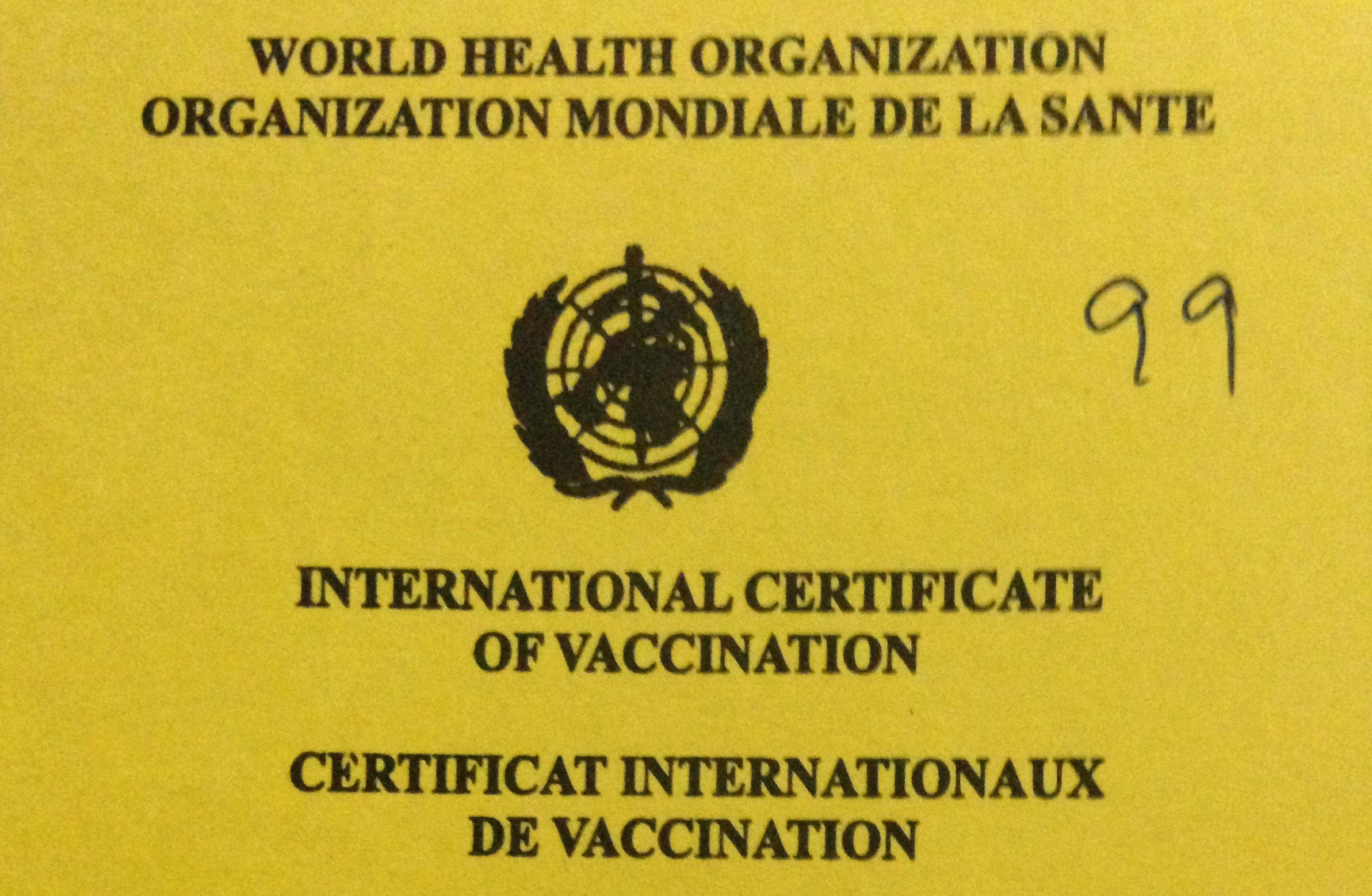
Health and Vaccination Requirements may also include recommended vaccines such as:
- Hepatitis A
- Hepatitis B
- Typhoid
- Tetanus
- Rabies (for extended rural travel)
- Routine travel vaccinations
Because Virunga National Park lies within tropical rainforest regions, malaria prevention is strongly recommended. Travelers are advised to use anti-malaria medication, insect repellent, and protective clothing during their safari.
Visitors participating in Gorilla Trekking in Virunga National Park should avoid trekking if they are experiencing flu symptoms, coughs, fever, or contagious illnesses because mountain gorillas are highly vulnerable to human diseases.
Health screenings and monitoring procedures may occasionally be implemented in response to regional disease outbreaks. Virunga National Park has previously operated health screening stations and emergency response systems during public health situations in the region.
Travelers are encouraged to consult medical professionals or travel clinics before visiting Virunga National Park to ensure they meet all current Health and Vaccination Requirements for Congo safaris.
Virunga National Park Safari Costs
Virunga National Park Safari Costs vary depending on the type of safari experience, accommodation category, transportation method, and activities included in the itinerary. Travelers visiting Virunga National Park usually budget for gorilla permits, Nyiragongo hiking permits, accommodation, transport, meals, visas, and safari guide services.
Compared to many other gorilla safari destinations in Africa, Virunga National Park is often considered one of the more affordable destinations for Mountain Gorilla Trekking and volcano hiking adventures. Travelers can choose from budget safaris, midrange safari packages, or luxury Congo safari experiences depending on their preferences and travel style.
Safari costs also depend on the duration of the trip. Short gorilla trekking packages may last 2 to 4 days, while longer Congo safari itineraries combining Gorilla Trekking in Virunga National Park, Nyiragongo Volcano Hiking, wildlife safaris, and cultural experiences may last 5 to 10 days or more.
Gorilla Permit Prices
Gorilla Permit Prices in Virunga National Park are among the lowest for mountain gorilla trekking in Africa. A standard gorilla trekking permit in Virunga costs approximately USD 400 per person.
The Gorilla Permit Prices include:
- Park entrance fees for gorilla trekking
- Ranger-guided gorilla trekking experience
- One hour with a habituated gorilla family
- Conservation and park support contributions
Compared to Rwanda’s gorilla permits at around USD 1,500 and Uganda’s permits at around USD 800, Virunga offers a more budget-friendly option for travelers seeking mountain gorilla experiences in Africa.
Because gorilla permits are limited daily, travelers are encouraged to book permits well in advance, especially during peak dry seasons.
Nyiragongo Hiking Costs
Nyiragongo Hiking Costs generally start at around USD 300 per person for the official Mount Nyiragongo hiking permit.
The Nyiragongo hiking permit usually includes:
- Guided volcano hike
- Ranger escort services
- Overnight stay in summit shelters near the crater rim
Additional costs may include:
- Porter fees (approximately USD 25 per 15kg bag)
- Hiking gear rental
- Meals and drinks
- Sleeping bags and cold-weather equipment
- Safari transfers from Goma or Virunga lodges
Some safari operators also offer complete Nyiragongo hiking packages that combine accommodation, transport, meals, and guide services.
Safari Package Prices
Safari Package Prices in Virunga National Park depend on the number of days, accommodation standard, and included activities. Gorilla trekking and Nyiragongo hiking packages are the most popular Congo safari options.
Typical Virunga safari package estimates include:
| Safari Package | Estimated Cost Per Person |
|---|---|
| 2 Days Gorilla Trekking Safari | USD 700 – 1,200 |
| 3 Days Gorilla Trekking and Nyiragongo Hike | USD 1,200 – 2,000 |
| 5 Days Virunga Adventure Safari | USD 2,000 – 3,500 |
| Luxury Virunga Gorilla Safari | USD 4,000 – 8,000+ |
Luxury safari packages usually include premium lodges, private transport, exclusive guide services, meals, permits, and personalized safari arrangements.
Budget safari packages often use shared transport, tented camps, and simpler accommodation while still including gorilla trekking permits and ranger services.
Accommodation Costs
Accommodation Costs in Virunga National Park vary from budget camps and guesthouses to luxury eco-lodges with premium safari services. Prices depend on season, room category, and lodge location.
Virunga National Park Accommodation Costs Table
| Accommodation | Category | Approximate Cost Per Night | Notes |
|---|---|---|---|
| Mikeno Lodge | Luxury | USD 330 – 475 | Full board luxury forest lodge |
| Kibumba Tented Camp | Midrange | USD 90 – 150 | Gorilla trekking camp near trekking sector |
| Bukima Tented Camp | Budget/Midrange | USD 90 – 120 | Popular for gorilla trekking safaris |
| Tchegera Island Camp | Midrange | USD 100 – 200 | Scenic Lake Kivu safari camp |
| Nyiragongo Summit Shelters | Hiking Shelter | Included in hike permit | Overnight volcano accommodation |
Accommodation Costs may increase during peak dry seasons from June to September and December to February due to higher safari demand.
Transport Costs
Transport Costs for visiting Virunga National Park depend on the traveler’s route, transfer type, and safari package arrangements. Most visitors access the park through Kigali in Rwanda before crossing into Goma and continuing into Virunga National Park.
Typical Transport Costs include:
| Transport Option | Estimated Cost |
|---|---|
| Kigali to Goma Private Transfer | USD 100 – 300 per vehicle |
| Goma to Virunga Safari Transfer | USD 50 – 150 |
| Airport Transfers in Kigali | USD 30 – 80 |
| Domestic Flights to Goma | Varies by airline and season |
| Private Safari Vehicle with Guide | USD 150 – 350 per day |
Many safari operators include Transport Costs within complete Virunga safari packages, especially for Gorilla Trekking in Virunga National Park and Nyiragongo Volcano Hiking itineraries.
Travelers combining Congo with Rwanda or Uganda safaris may also budget for cross-border transfers, domestic flights, visas, and additional regional transport services.
Virunga National Park Safari Itineraries
Virunga National Park Safari Itineraries offer travelers the opportunity to experience one of Africa’s most adventurous safari destinations through gorilla trekking, volcano hiking, wildlife safaris, rainforest exploration, and cultural encounters. The itineraries can be customized depending on travel time, budget, fitness level, and safari interests.
Most Virunga National Park Safari Itineraries begin through Kigali in Rwanda before crossing into Goma and continuing into Virunga National Park. Travelers often combine Mountain Gorilla Trekking, Nyiragongo Volcano Hiking, chimpanzee tracking, bird watching, and wildlife safaris into one unforgettable Congo safari experience.
Below are some of the most popular Virunga National Park Safari Itineraries for travelers visiting eastern Democratic Republic of Congo.
2 Days Virunga Gorilla Trekking Safari
The 2 Days Virunga Gorilla Trekking Safari is designed for travelers with limited time who want to experience Mountain Gorilla Trekking in Virunga National Park. This short safari focuses mainly on gorilla trekking while still allowing visitors to enjoy the scenic beauty of the Virunga region.
Day 1: Arrival in Kigali and Transfer to Virunga National Park
The safari begins with arrival at Kigali International Airport or hotel pickup in Kigali. Travelers enjoy a scenic road transfer through Rwanda’s rolling hills toward the Rwanda–Congo border at Goma. After border formalities, visitors continue to Virunga National Park and check into a safari lodge or tented camp near the gorilla trekking sector.
Accommodation options may include:
- Mikeno Lodge
- Kibumba Tented Camp
- Bukima Tented Camp
Day 2: Gorilla Trekking and Return to Kigali
Early in the morning, visitors attend a gorilla trekking briefing before entering the rainforest with ranger guides in search of a habituated gorilla family. After spending one unforgettable hour with the gorillas, travelers return to the lodge for lunch before transferring back to Kigali for departure or overnight stay.
The 2 Days Virunga Gorilla Trekking Safari is ideal for travelers seeking a short but highly rewarding primate safari experience.
3 Days Gorilla Trekking and Nyiragongo Hike
The 3 Days Gorilla Trekking and Nyiragongo Hike combines two of Virunga National Park’s most iconic adventures: Mountain Gorilla Trekking and the Mount Nyiragongo Volcano Hike.
Day 1: Arrival and Transfer to Virunga National Park
Travelers arrive in Kigali and transfer by road to Goma before entering Virunga National Park. After check-in at the lodge, visitors relax and prepare for the following day’s gorilla trekking adventure.
Day 2: Gorilla Trekking and Transfer to Nyiragongo Hiking Base
After breakfast, visitors participate in Gorilla Trekking in Virunga National Park. Following the trek and lunch, travelers transfer to the Nyiragongo hiking starting point and begin the ascent to the summit. The overnight stay takes place in summit shelters overlooking the Nyiragongo Crater Lava Lake.
Day 3: Descend Nyiragongo and Return to Kigali
Visitors wake early for sunrise views over the lava lake before descending the volcano. After completing the hike, travelers transfer back through Goma to Kigali for departure.
The 3 Days Gorilla Trekking and Nyiragongo Hike itinerary is one of the most popular Congo safari adventures because it combines wildlife, volcano hiking, and dramatic scenery within a short period.
5 Days Virunga Wildlife Safari
The 5 Days Virunga Wildlife Safari allows travelers to explore the wider ecosystems of Virunga National Park beyond gorilla trekking and volcano adventures.
Day 1: Arrival and Transfer to Virunga National Park
Arrival in Kigali followed by transfer to Goma and Virunga National Park.
Day 2: Gorilla Trekking Experience
Full-day Gorilla Trekking in Virunga National Park with ranger guides and forest exploration.
Day 3: Wildlife Safari and Nature Exploration
Visitors explore the savannah wildlife areas of Virunga National Park while searching for elephants, buffaloes, hippos, primates, and bird species. Nature walks and scenic photography opportunities are included.
Day 4: Chimpanzee Tracking and Cultural Experiences
Chimpanzee Tracking Experiences within the forest sectors followed by Cultural Experiences Around Virunga including village visits and traditional performances.
Day 5: Return to Kigali
Morning relaxation before transfer back to Kigali for departure.
The 5 Days Virunga Wildlife Safari is ideal for travelers seeking a more complete Congo safari experience with wildlife diversity, culture, forests, and volcano scenery.
7 Days Congo Adventure Safari
The 7 Days Congo Adventure Safari offers one of the most comprehensive safari experiences in eastern Congo. This itinerary combines gorilla trekking, volcano hiking, wildlife safaris, bird watching, rainforest exploration, and cultural tourism.
Day 1: Arrival in Kigali
Arrival and overnight stay in Kigali.
Day 2: Transfer to Virunga National Park
Road transfer to Goma and Virunga National Park with scenic stops along the way.
Day 3: Gorilla Trekking in Virunga National Park
Mountain Gorilla Trekking experience within the Virunga forests.
Day 4: Wildlife Safari and Bird Watching
Game drives and bird-watching excursions within Virunga’s savannah and wetland ecosystems.
Day 5: Chimpanzee Tracking and Forest Exploration
Chimpanzee Tracking Experiences combined with Nature Walks and Forest Exploration activities.
Day 6: Nyiragongo Volcano Hike
Ascent of Mount Nyiragongo and overnight stay at summit shelters overlooking the lava lake.
Day 7: Descend Nyiragongo and Return to Kigali
Morning descent and transfer back to Kigali for departure.
The 7 Days Congo Adventure Safari is ideal for adventurous travelers seeking the ultimate Virunga National Park safari experience.
What to Pack for a Virunga National Park Safari
Knowing What to Pack for a Virunga National Park Safari is essential for comfort, safety, and enjoyment during gorilla trekking, volcano hiking, wildlife safaris, and rainforest exploration. Virunga’s climate and terrain vary greatly between forests, volcanoes, and savannah landscapes, making proper preparation important.
Packing should focus on practical safari clothing, trekking equipment, health essentials, and photography gear suitable for outdoor adventure activities.
Clothing Recommendations
Clothing Recommendations for a Virunga National Park Safari should focus on comfort, protection, and adaptability to changing weather conditions.
Recommended clothing includes:
- Long-sleeved shirts
- Lightweight trekking trousers
- Waterproof rain jacket
- Warm sweater or fleece
- Hiking socks
- Sun hat or cap
- Gloves for trekking
- Comfortable safari clothing in neutral colors
Warm clothing is especially important for the Nyiragongo Volcano Hike because temperatures near the summit can become very cold during the night.
Trekking Gear
Trekking Gear is essential for Gorilla Trekking in Virunga National Park and the Nyiragongo Volcano Hike.
Important trekking gear includes:
- Waterproof hiking boots
- Walking stick or trekking poles
- Lightweight backpack
- Headlamp or flashlight
- Reusable water bottles
- Energy snacks
- Rain cover for bags
- Gloves for forest trekking
Good trekking gear improves safety and comfort during challenging hikes through rainforest and volcanic terrain.
Health and Safety Items
Health and Safety Items are highly recommended for all travelers visiting Virunga National Park.
Essential items include:
- Yellow fever vaccination certificate
- Personal medications
- Insect repellent
- Sunscreen
- Hand sanitizer
- First aid kit
- Anti-malaria medication
- Wet wipes
- Rehydration salts
Travel insurance covering adventure activities such as gorilla trekking and volcano hiking is also strongly recommended.
Photography Equipment
Photography Equipment is important because Virunga National Park offers extraordinary opportunities for wildlife, volcano, and landscape photography.
Recommended photography items include:
- DSLR or mirrorless camera
- Zoom lens for wildlife photography
- Extra memory cards
- Spare batteries
- Waterproof camera protection
- Binoculars
- Lightweight tripod for landscape photography
Photography during Gorilla Trekking in Virunga National Park should always follow park regulations, including avoiding flash photography near gorillas.
The dramatic scenery of Mount Nyiragongo, rainforest gorillas, bird species, savannah wildlife, and volcanic landscapes make Virunga National Park one of Africa’s most rewarding safari photography destinations.
Conservation Efforts in Virunga National Park
Conservation Efforts in Virunga National Park play a critical role in protecting one of Africa’s most biologically important and ecologically diverse protected areas. As Africa’s oldest national park and a UNESCO World Heritage Site, Virunga National Park protects endangered mountain gorillas, tropical rainforests, volcanoes, wetlands, savannah ecosystems, and hundreds of wildlife species found within the Albertine Rift region.
Over the years, Virunga National Park has faced numerous conservation challenges including poaching, habitat destruction, illegal resource exploitation, armed conflict, and pressure from growing human populations around the park. Despite these challenges, conservation organizations, park authorities, ranger teams, local communities, and international partners continue working to preserve the park’s wildlife and ecosystems.
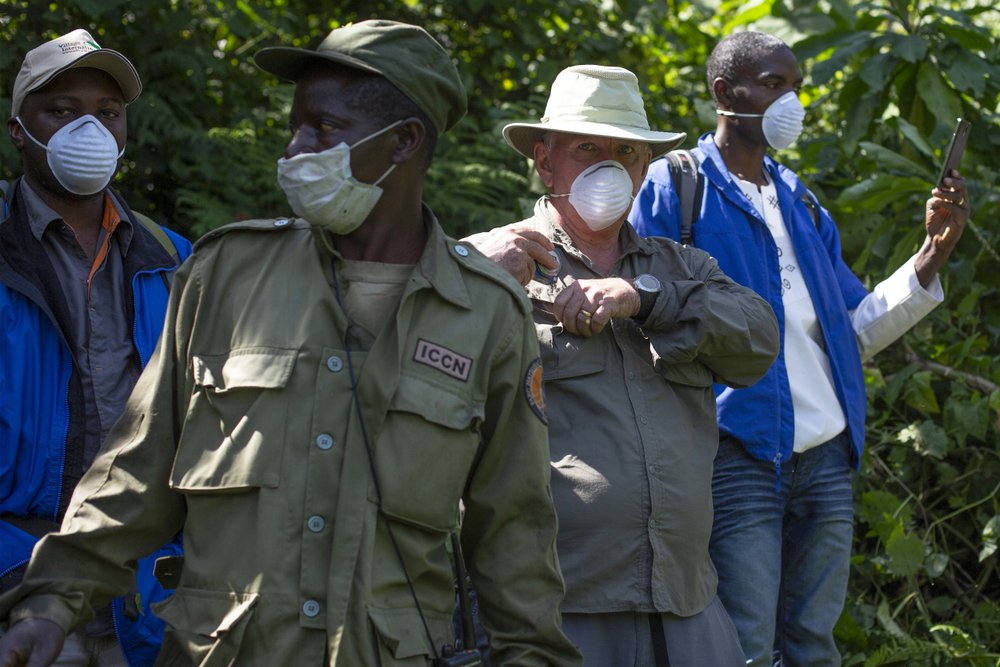
Conservation Efforts in Virunga National Park focus on protecting mountain gorillas, supporting ranger operations, reducing poaching, promoting sustainable tourism, creating employment opportunities, and strengthening community partnerships around the park.
Tourism plays a major role in conservation because revenue generated from Gorilla Trekking in Virunga National Park, Nyiragongo Volcano Hiking, wildlife safaris, and accommodation directly supports conservation projects and local development initiatives.
Gorilla Conservation Projects
Gorilla Conservation Projects are among the most important conservation activities in Virunga National Park. The park forms part of the greater Virunga Massif ecosystem, which protects nearly half of the world’s remaining mountain gorillas.
Mountain gorillas are endangered primates that require constant monitoring and protection. Gorilla Conservation Projects in Virunga focus on gorilla health monitoring, habitat protection, anti-poaching patrols, scientific research, veterinary support, and responsible tourism management.
Ranger teams and gorilla trackers work daily to monitor habituated gorilla families within the forests of Virunga National Park. These conservation teams collect information about gorilla behavior, movements, health conditions, births, and social interactions to help support long-term protection strategies.
Gorilla Conservation Projects also include veterinary intervention programs for injured or sick gorillas. Conservation organizations collaborate with wildlife veterinarians to provide emergency treatment when gorillas are affected by injuries, snares, or disease risks.
Tourism revenue from Gorilla Trekking in Virunga National Park contributes directly to Gorilla Conservation Projects by funding ranger salaries, patrol operations, gorilla monitoring activities, and habitat preservation programs.
The success of mountain gorilla conservation within the Virunga region is considered one of Africa’s greatest conservation achievements, with gorilla populations showing gradual recovery because of continuous protection efforts.
Community Support Programs
Community Support Programs are an essential part of Conservation Efforts in Virunga National Park because local communities play a major role in protecting the park’s ecosystems and wildlife. Conservation authorities recognize that long-term wildlife protection is only possible when nearby communities benefit from tourism and conservation activities.
Community Support Programs around Virunga focus on education, healthcare, employment, clean energy projects, agriculture, water access, and local business development. Tourism revenue helps create jobs for guides, porters, lodge staff, artisans, drivers, and community tourism operators within the Virunga region.
Many local residents are directly employed through Gorilla Trekking in Virunga National Park, wildlife safaris, accommodation services, and volcano hiking operations. These employment opportunities help reduce dependence on illegal activities such as poaching and deforestation.
Community Support Programs also encourage cultural tourism experiences where visitors interact with local communities, learn about Congolese traditions, and support local crafts and businesses.
Some conservation projects within Virunga have also invested in hydroelectric power generation, helping provide electricity to communities surrounding the park while supporting economic development and reducing environmental pressure on forest resources.
By supporting Community Support Programs, tourism contributes to both conservation and improved livelihoods within the Virunga landscape.
Anti-Poaching Efforts
Anti-Poaching Efforts are a major priority within Virunga National Park because poaching remains one of the biggest threats to wildlife conservation in the region. Illegal hunting, wildlife trafficking, and habitat destruction have historically affected many species within the park including elephants, hippos, antelopes, and primates.
Virunga National Park employs highly trained ranger teams that conduct anti-poaching patrols throughout the forests, wetlands, savannahs, and volcanic sectors of the park. Rangers work under difficult and often dangerous conditions to protect wildlife and preserve the park’s ecosystems.
Anti-Poaching Efforts include:
- Ranger patrol operations
- Removal of illegal snares and traps
- Wildlife monitoring
- Intelligence gathering
- Habitat protection
- Community conservation awareness programs
Modern conservation technology such as GPS monitoring, surveillance systems, and aerial observation may also support anti-poaching operations within parts of the park.
The protection of mountain gorillas is one of the most visible successes of Anti-Poaching Efforts in Virunga National Park. Continuous ranger monitoring and tourism management have helped reduce direct threats to habituated gorilla families.
Tourism revenue generated through Gorilla Trekking in Virunga National Park and other safari activities helps finance ranger salaries, patrol equipment, communication systems, and conservation infrastructure that strengthen Anti-Poaching Efforts throughout the park.
Sustainable Tourism in Virunga
Sustainable Tourism in Virunga National Park focuses on balancing conservation, community development, and responsible visitor experiences. Tourism within the park is designed to support wildlife protection while minimizing environmental impact and creating economic opportunities for local communities.
Sustainable Tourism in Virunga includes regulated Gorilla Trekking experiences, controlled visitor numbers, eco-friendly lodges, ranger-guided activities, and community tourism partnerships. By limiting gorilla trekking permits and enforcing conservation rules, park authorities help reduce stress on mountain gorillas and protect sensitive forest ecosystems.
Many safari lodges within Virunga use environmentally responsible systems including solar energy, hydroelectric power, waste management programs, and sustainable building practices. Eco-tourism initiatives help reduce environmental pressure while maintaining high-quality safari experiences for visitors.
Sustainable Tourism in Virunga also supports conservation education and visitor awareness about gorilla protection, rainforest conservation, and responsible travel practices. Visitors are encouraged to respect local cultures, follow trekking regulations, and support community-based tourism initiatives during their safari.
By choosing responsible safari operators and eco-friendly accommodation, travelers contribute directly to the long-term sustainability of Virunga National Park and its conservation goals.
Why Book a Virunga National Park Safari with Pieland Gorilla Safaris
Booking a Virunga National Park Safari with Pieland Gorilla Safaris gives travelers the opportunity to explore Congo’s most adventurous safari destination with experienced safari specialists who understand the region, gorilla trekking logistics, and personalized travel planning.
Pieland Gorilla Safaris specializes in organizing Gorilla Trekking in Virunga National Park, Nyiragongo Volcano Hiking, Congo wildlife safaris, Rwanda and Uganda combination tours, and customized adventure itineraries designed for different travel styles and budgets.
The company focuses on safety, reliable safari planning, professional guiding services, and memorable Congo safari experiences for international travelers seeking authentic African adventures.
Experienced Congo Safari Experts
Pieland Gorilla Safaris works with experienced Congo safari experts who understand the unique logistics, travel requirements, border crossings, and conservation regulations involved in organizing safaris within Virunga National Park and eastern Congo.
Their local knowledge helps travelers navigate gorilla permits, accommodation bookings, transportation, security coordination, and safari activities smoothly and professionally.
Experienced Congo Safari Experts also help travelers combine multiple destinations including Rwanda, Uganda, and Congo into well-organized safari itineraries.
Customized Safari Packages
Pieland Gorilla Safaris offers Customized Safari Packages designed around each traveler’s interests, budget, schedule, and adventure level.
Travelers can customize:
- Gorilla trekking safaris
- Nyiragongo volcano adventures
- Wildlife safaris
- Bird-watching tours
- Cultural experiences
- Luxury gorilla safaris
- Budget Congo safari packages
- Rwanda and Uganda extension tours
Customized Safari Packages allow visitors to create flexible itineraries that match their personal safari goals and travel preferences.
Reliable Gorilla Permit Booking
Reliable Gorilla Permit Booking is one of the most important services offered by Pieland Gorilla Safaris because gorilla permits in Virunga National Park are limited and highly regulated.
The company assists travelers with:
- Gorilla permit reservations
- Permit availability checks
- Safari confirmations
- Border crossing coordination
- Travel documentation guidance
Reliable Gorilla Permit Booking helps travelers secure their preferred trekking dates while simplifying the planning process for Congo gorilla safaris.
Professional Safari Guides
Professional Safari Guides play a major role in creating safe, educational, and enjoyable safari experiences within Virunga National Park.
Pieland Gorilla Safaris works with knowledgeable guides experienced in:
- Gorilla trekking
- Wildlife safaris
- Congo travel logistics
- Volcano hiking
- Bird watching
- Cultural tourism
Professional Safari Guides provide valuable insights into wildlife behavior, conservation, local culture, rainforest ecosystems, and safari safety throughout the journey.
Affordable and Luxury Safari Options
Pieland Gorilla Safaris offers both Affordable and Luxury Safari Options for travelers visiting Virunga National Park.
Budget travelers can enjoy affordable gorilla trekking safaris with comfortable midrange or budget accommodation, while luxury travelers can experience premium eco-lodges, private safari services, luxury transfers, and personalized itineraries.
Affordable and Luxury Safari Options allow travelers of different budgets to experience Gorilla Trekking in Virunga National Park, Nyiragongo Volcano Hiking, wildlife safaris, and Congo adventure travel without compromising safari quality and professional organization.
Frequently Asked Questions About Virunga National Park Safari Guide
Is Virunga National Park open for tourism?
Virunga National Park periodically opens and closes certain tourism sectors depending on security assessments and operational conditions in eastern Democratic Republic of Congo. Gorilla trekking, Nyiragongo Volcano Hiking, and safari activities are only operated when park authorities consider conditions safe for visitors. Travelers are advised to confirm the latest tourism status with official park authorities or trusted safari operators before planning their safari. When tourism is operational, Virunga offers one of Africa’s most adventurous and rewarding wildlife experiences.
How much is gorilla trekking in Virunga National Park?
Gorilla trekking permits in Virunga National Park generally cost around USD 400 per person. The permit includes ranger-guided gorilla trekking and one hour with a habituated mountain gorilla family. Compared to Rwanda and Uganda, Virunga is considered one of the more affordable mountain gorilla trekking destinations in Africa. Additional safari costs may include accommodation, transport, porter fees, visas, and meals.
Is Virunga National Park safe for tourists?
Safety in Virunga National Park depends on current regional conditions and official security assessments. The park uses ranger escorts, monitored tourism routes, and organized safari operations to protect visitors. Travelers are encouraged to book through experienced safari operators, follow ranger instructions, and stay updated on travel advisories before departure. When tourism is open, visitor activities are carefully coordinated by park authorities.
What is the best time to visit Virunga National Park?
The best time to visit Virunga National Park is during the dry seasons from June to September and December to February. During these months, gorilla trekking trails and volcano hiking routes are generally easier to access because conditions are less muddy. However, Virunga can be visited throughout the year, and rainy seasons also offer beautiful green scenery, excellent bird watching, and fewer crowds.
How difficult is gorilla trekking in Virunga?
Gorilla trekking in Virunga National Park is considered moderately challenging. Treks may involve hiking through steep rainforest terrain, muddy trails, and dense vegetation. Some gorilla families are easier to reach than others, and trekking duration can range from one hour to several hours depending on gorilla movement within the forest. Travelers with average fitness levels can usually complete the trek successfully with proper preparation.
Can I combine Nyiragongo and gorilla trekking?
Yes, many travelers combine Gorilla Trekking in Virunga National Park with the Mount Nyiragongo Volcano Hike. The combination is one of the most popular Congo safari itineraries because it allows visitors to experience both endangered mountain gorillas and one of the world’s most active volcanoes within the same trip. A 3-day or 4-day itinerary is commonly recommended for combining these experiences.
How do I get a Congo tourist visa?
Travelers visiting Virunga National Park require a valid Congo visa before entering Democratic Republic of Congo. Many safari visitors apply for tourist visas through Congolese embassies or with assistance from authorized safari operators. Visitors participating in official Virunga tourism activities may also receive guidance regarding visa arrangements and border crossing procedures. Travelers should confirm current visa requirements before travel.
What animals can be seen in Virunga National Park?
Virunga National Park supports a wide variety of wildlife species including mountain gorillas, chimpanzees, elephants, buffaloes, hippos, antelopes, monkeys, baboons, reptiles, and hundreds of bird species. The park’s forests, savannahs, wetlands, and volcanic landscapes create one of the richest biodiversity regions in Africa.
How many gorilla families are in Virunga National Park?
Virunga National Park protects several habituated mountain gorilla families available for tourism and research purposes. The exact number of gorilla families may change over time depending on conservation programs, habituation efforts, and gorilla population dynamics. Ranger teams monitor these families daily to support conservation and tourism management.
What should I pack for a Virunga safari?
Travelers visiting Virunga National Park should pack waterproof hiking boots, long-sleeved clothing, rain jackets, warm layers, gloves, insect repellent, sunscreen, reusable water bottles, cameras, binoculars, and personal medications. Warm clothing is especially important for the Nyiragongo Volcano Hike because temperatures near the summit can become very cold at night.
How long does gorilla trekking take?
Gorilla trekking duration varies depending on the location of the gorilla family being tracked. Some treks may take one to two hours, while others can last several hours through mountainous rainforest terrain. Once the gorillas are located, visitors are allowed one hour to observe and photograph the gorilla family in their natural habitat.
Can children do gorilla trekking in Virunga?
Children under the age of 15 are generally not allowed to participate in Gorilla Trekking in Virunga National Park. This rule helps protect mountain gorillas from disease transmission and ensures visitor safety during challenging forest treks.
Are there luxury lodges in Virunga National Park?
Yes, Virunga National Park offers luxury accommodation options including Mikeno Lodge, which provides high-end safari comfort within a forest setting near the park headquarters. Luxury lodges in Virunga feature private chalets, scenic volcano views, fine dining, eco-friendly design, and personalized safari services for travelers seeking premium gorilla safari experiences.
Is Mount Nyiragongo still active?
Yes, Mount Nyiragongo is one of the world’s most active volcanoes. The volcano is famous for its large lava lake located inside the crater. Although volcanic activity is continuously monitored, hiking activities are only operated when park authorities determine conditions are safe for visitors.
How many days are needed for a Virunga safari?
The ideal length of a Virunga National Park safari depends on the activities included. A short gorilla trekking safari may require only 2 to 3 days, while travelers combining gorilla trekking, wildlife safaris, cultural experiences, and the Nyiragongo Volcano Hike often spend 5 to 7 days exploring the region.
Can I visit Virunga National Park from Rwanda?
Yes, most travelers access Virunga National Park through Rwanda. Visitors usually fly into Kigali International Airport before driving to the Rwanda–Congo border near Goma. This is considered the easiest and most popular access route into Virunga National Park.
What vaccinations are required for Congo safaris?
A Yellow Fever vaccination certificate is commonly required for entry into Democratic Republic of Congo. Travelers are also advised to consult medical professionals regarding recommended vaccinations such as Hepatitis A, Typhoid, Tetanus, and malaria prevention before visiting Virunga National Park.
Are guided safaris mandatory in Virunga National Park?
Yes, most tourism activities in Virunga National Park are conducted with ranger guides or authorized safari guides. Gorilla trekking, Nyiragongo Volcano Hiking, wildlife safaris, and forest walks are all organized under official park supervision to ensure visitor safety and wildlife protection.
Is Virunga National Park worth visiting?
Virunga National Park is considered one of Africa’s most unique and adventurous safari destinations. The combination of Mountain Gorilla Trekking, active volcanoes, rainforest exploration, wildlife safaris, bird watching, and cultural experiences creates an unforgettable travel experience for adventurous safari travelers.
Why book a Virunga safari with Pieland Gorilla Safaris?
Pieland Gorilla Safaris offers professional safari planning, reliable gorilla permit booking, customized Congo safari itineraries, experienced guides, and flexible travel options for visitors exploring Virunga National Park. The company helps travelers organize gorilla trekking safaris, Nyiragongo volcano hikes, wildlife safaris, and multi-country East Africa safari experiences with personalized support and expert local knowledge.
Would like to inquire about visiting Virunga National Park?
Talk to a Congo Safari expert.