
Salonga National Park
The Untouched Wilderness of Salonga National Park
Overview
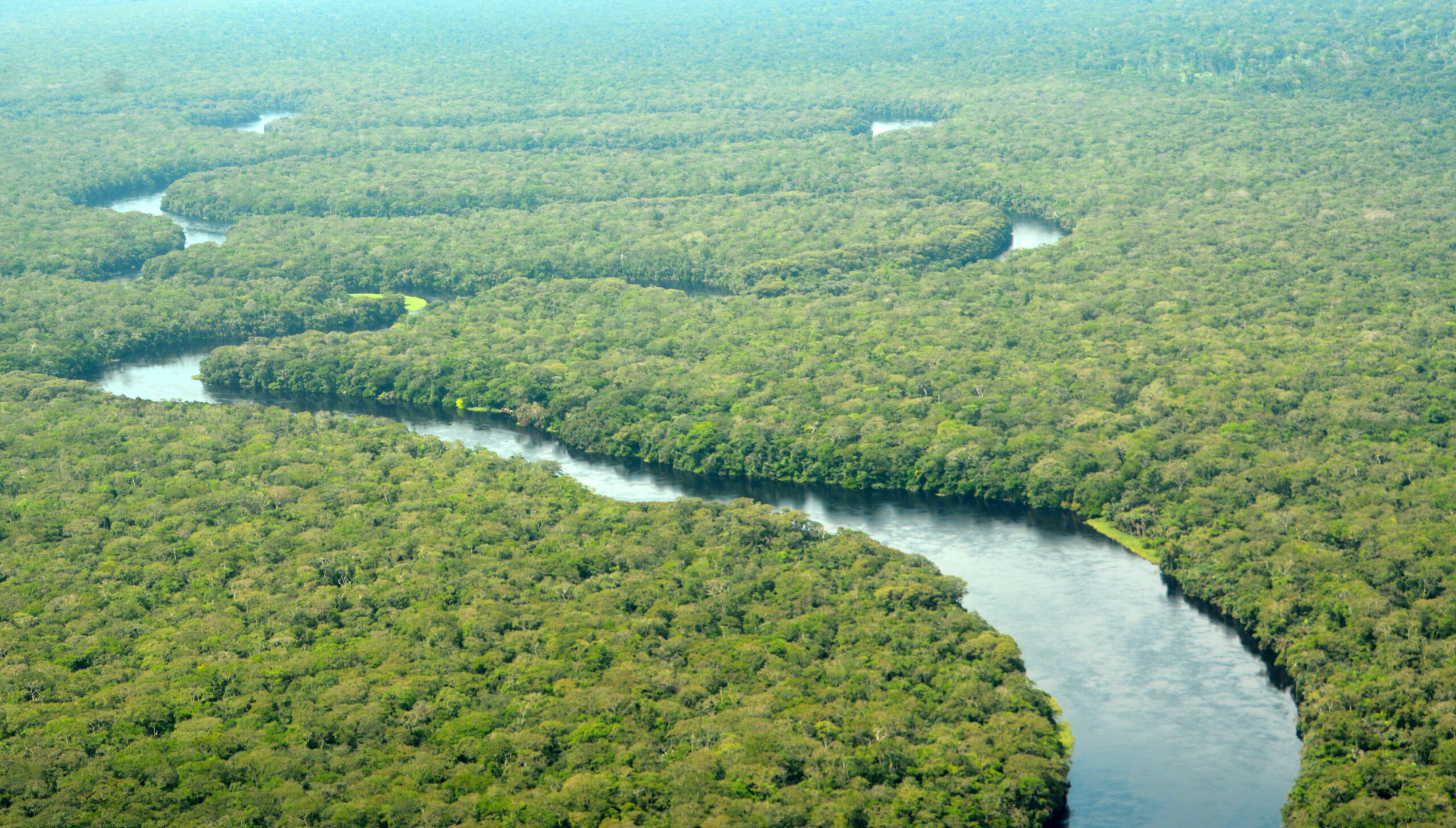
Salonga National Park is the largest tropical rainforest reserve in Africa, covering approximately 36,000 km² in the heart of the DR Congo. Its vast expanse of untouched wilderness makes it one of the most remote and ecologically significant parks on the continent. The park is largely inaccessible by road, giving it a unique status as a largely pristine environment that remains largely unexplored by mainstream tourism. Its dense forests, winding rivers, and swampy areas create a highly biodiverse ecosystem that supports rare and endangered species, offering a truly immersive wilderness experience for researchers, conservationists, and adventurous travelers.
Location and Size of Salonga National Park
Salonga National Park is located in the central Congo Basin, spanning the provinces of Tshuapa, Sankuru, and Équateur. Its sheer size of 36,000 km² makes it the largest continuous rainforest in Africa outside the Amazon. The park’s boundaries are defined by major rivers, including the Luilaka and Busira, which serve as natural transport routes and corridors for wildlife movement. The park’s remote location limits access, requiring river transport or chartered flights, reinforcing its status as an untouched wilderness and one of the last refuges for many endemic species.
UNESCO World Heritage Status
Salonga National Park was designated a UNESCO World Heritage Site in 1984 due to its ecological importance, biodiversity, and cultural significance. It is recognized for harboring unique species such as bonobos, Congo peafowl, and forest elephants. The park’s World Heritage status highlights its global importance for conservation, research, and the preservation of one of the largest intact tropical forests remaining in the world. UNESCO recognition also brings international support for anti-poaching measures, scientific research, and sustainable management initiatives.
Ecosystems and Habitat Types
Salonga National Park features a rich mosaic of ecosystems, ranging from dense lowland rainforests to swamp forests, riverine corridors, and seasonally flooded areas. The park is dominated by primary rainforest, characterized by towering hardwoods, thick undergrowth, and a layered canopy that supports a multitude of animal and plant species. Swamp forests along the Busira and Luilaka rivers provide critical breeding grounds for fish, amphibians, and aquatic birds. Patchy bamboo stands and secondary forests create diverse microhabitats for gorillas, bonobos, and other primates, while the network of rivers and tributaries sustains aquatic life and provides vital water sources for terrestrial animals.
Request a quote to visit Solonga National Park.
Wildlife in Salonga National Park
Bonobo Habitat
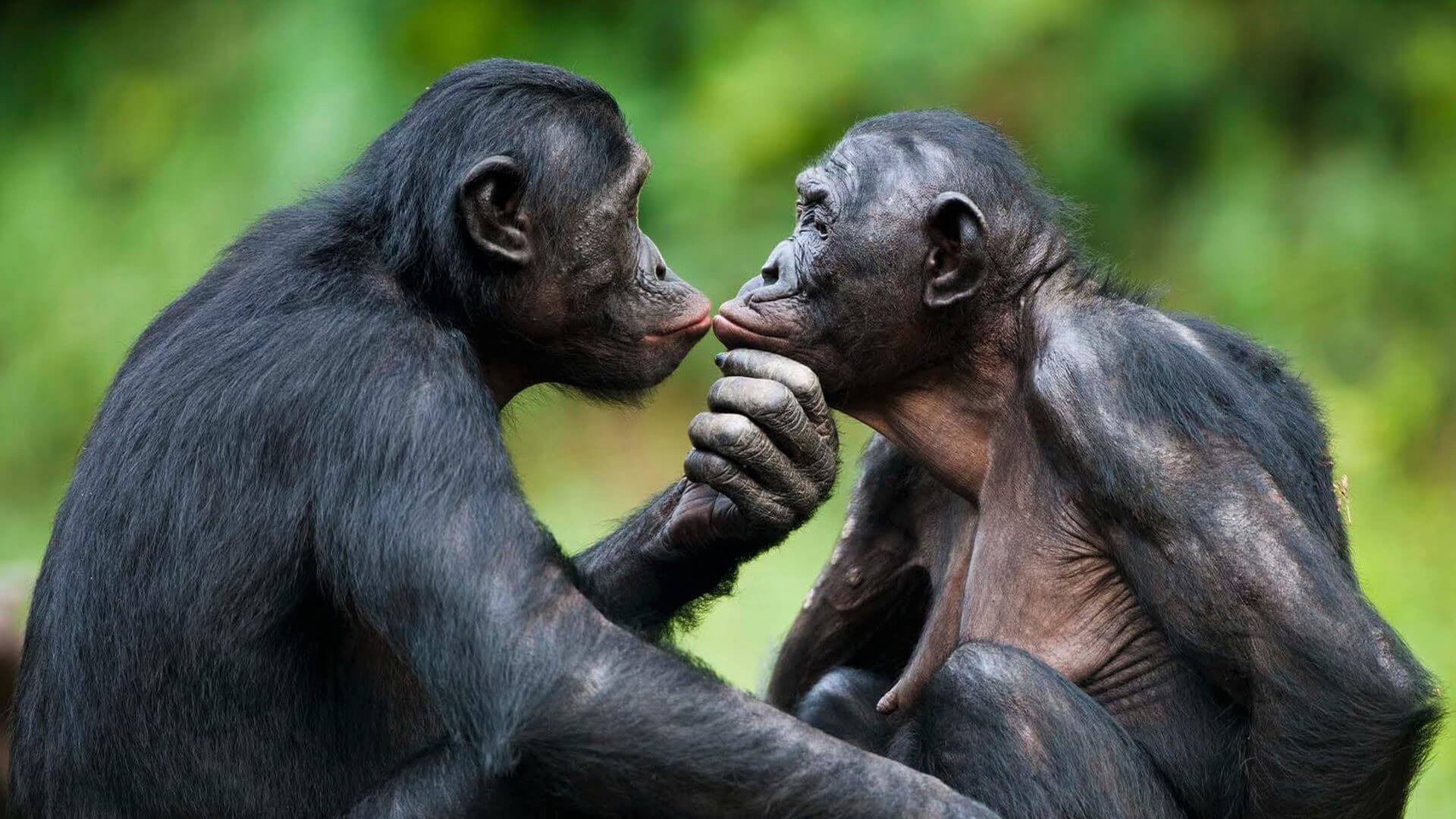
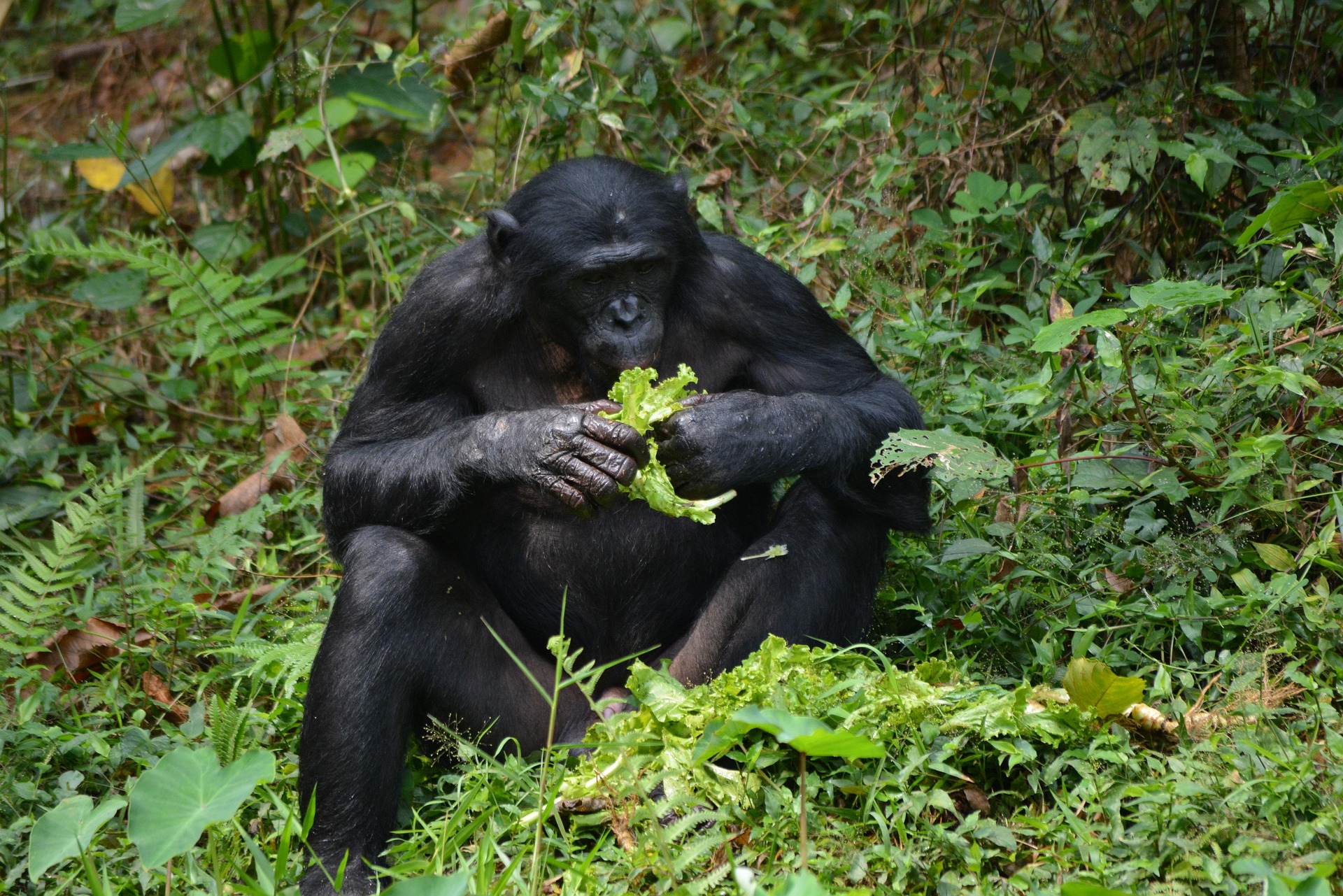
Salonga is globally renowned as one of the few places where wild bonobos thrive. Bonobos are closely related to chimpanzees but are distinguished by their peaceful social structure and highly cooperative behaviors. These primates inhabit dense forest areas and rely on fruiting trees, herbaceous plants, and small animals for food. Bonobo tracking requires skilled guides and patience due to their elusive nature. Encounters offer rare insights into complex primate social dynamics, mating behaviors, and maternal care. The park’s protection of bonobo populations is a key global conservation priority, given that bonobos are classified as endangered.
Other Primates Salonga National Park
Beyond bonobos, Salonga is home to other primates such as black mangabeys, red colobus monkeys, and Allen’s swamp monkeys. These species thrive in different forest layers—from the understory to the canopy—and play essential roles in seed dispersal and forest regeneration. The diversity of primates reflects the ecological richness of the park and offers researchers opportunities to study species interactions, dietary preferences, and social structures.
Mammals and Birds
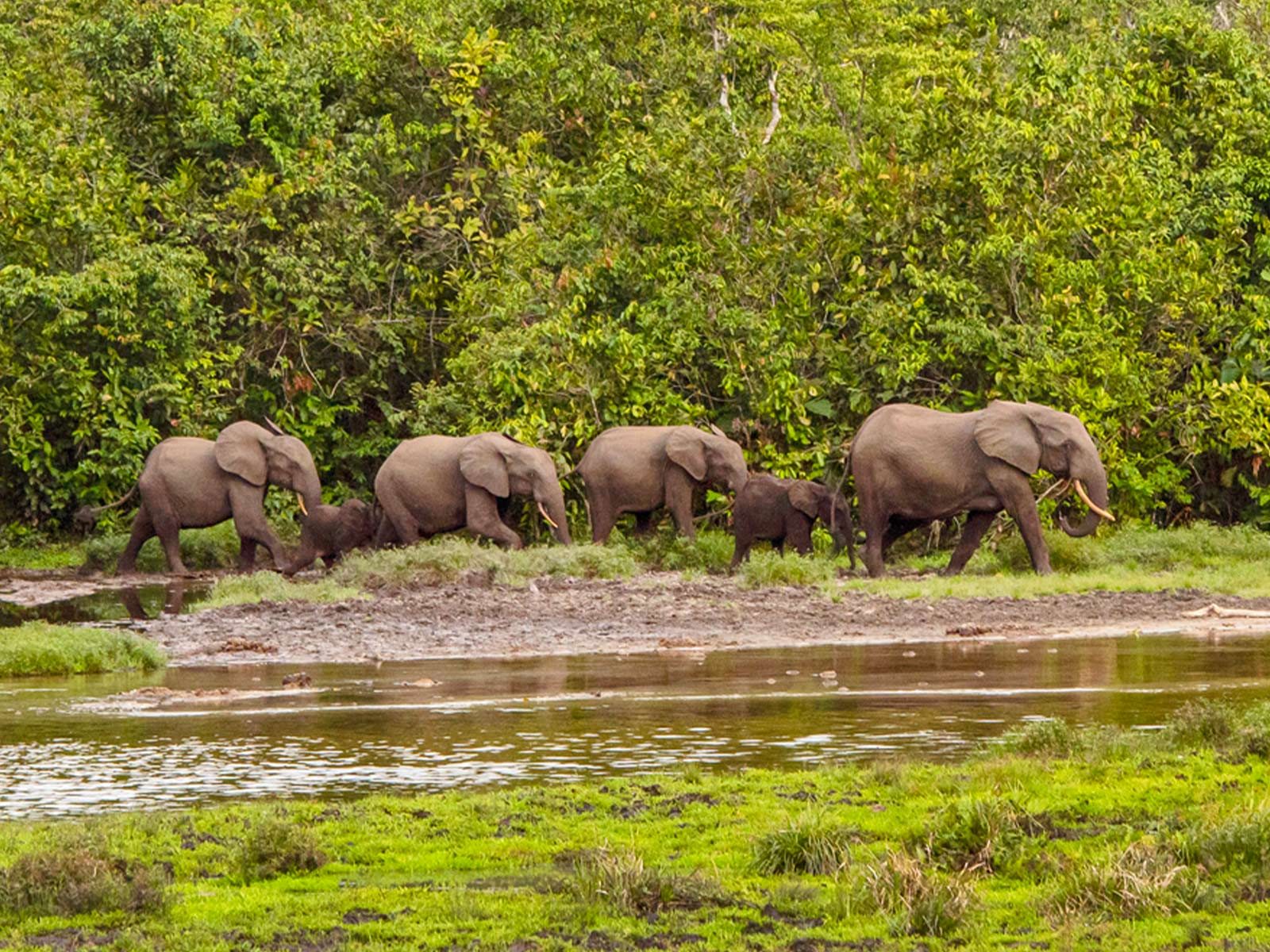
The park supports a wide array of mammals including forest elephants, sitatungas, duikers, and giant pangolins. Aquatic mammals like otters inhabit the river systems. Birdlife is abundant, with over 400 species recorded, including Congo peafowl, parrots, hornbills, and a variety of raptors. These species make Salonga a premier destination for ornithologists and wildlife enthusiasts, offering unparalleled biodiversity in a relatively unexplored environment.
Rare and Endangered Species
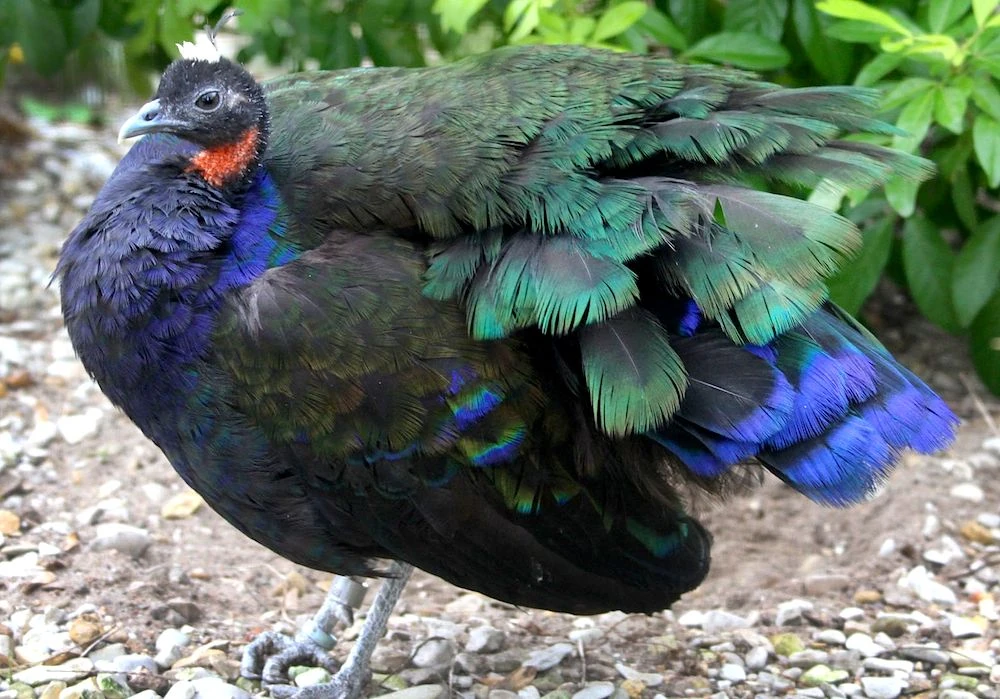
Salonga is a critical refuge for several rare and endangered species, including forest elephants, bonobos, Congo peafowl, and numerous lesser-known mammals and reptiles. Many of these species are highly sensitive to habitat disturbance, making the park’s inaccessibility a protective factor. Conservation initiatives focus on anti-poaching patrols, habitat preservation, and community engagement to safeguard these fragile populations. Sightings of rare wildlife in Salonga are considered a highlight of African biodiversity expeditions, with encounters providing educational and scientific value.
Access and Logistics
Entry Points
Salonga National Park is extremely remote, making access a key part of the adventure. The park has no conventional road network due to its dense rainforest and swampy terrain. Primary access points include riverine entry via the Busira, Luilaka, and Lokoro rivers. These river routes are commonly used by park authorities and tour operators to transport visitors, rangers, and researchers. Some areas of the park can also be reached via small airstrips near villages bordering the park, though air access requires prior arrangement with conservation authorities or authorized operators.
Transportation Methods Salonga National Park
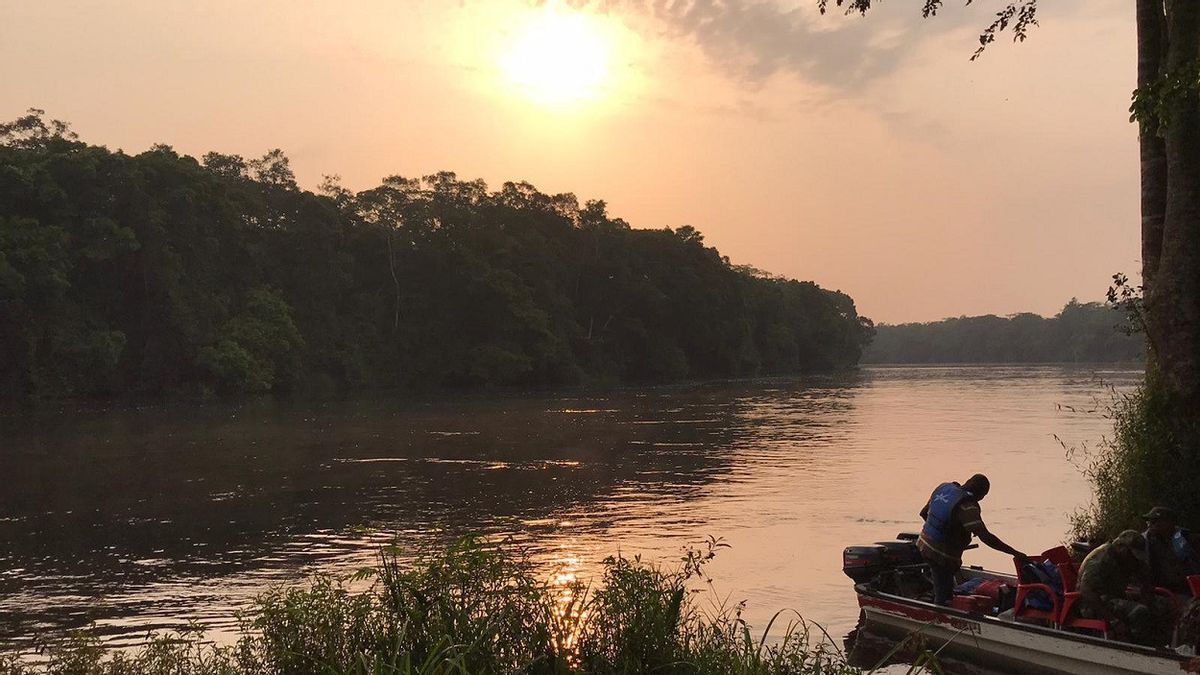
Visitors to Salonga rely on a combination of riverboats, canoes, and chartered light aircraft. River travel allows for scenic views of the dense forest and wildlife along the waterways, including sightings of aquatic birds and forest elephants near riverbanks. Inside the park, all movement is on foot due to the lack of roads, so trekking is the primary mode of exploration. Experienced guides and porters assist with navigating the challenging terrain, including muddy trails, thick undergrowth, and river crossings.
Guided Tours and Tracking Salonga National Park
All wildlife excursions in Salonga are conducted with trained local guides and trackers. Guides are essential for locating elusive species such as bonobos and rare primates, reading signs like nests, feeding traces, and footprints. Guided tours are highly regulated by the park authorities to minimize human impact, maintain safety, and ensure ethical wildlife viewing. Rangers and trackers also provide educational briefings on conservation, local ecology, and animal behavior before each trek, enhancing the visitor experience.
Activities
Bonobo Tracking
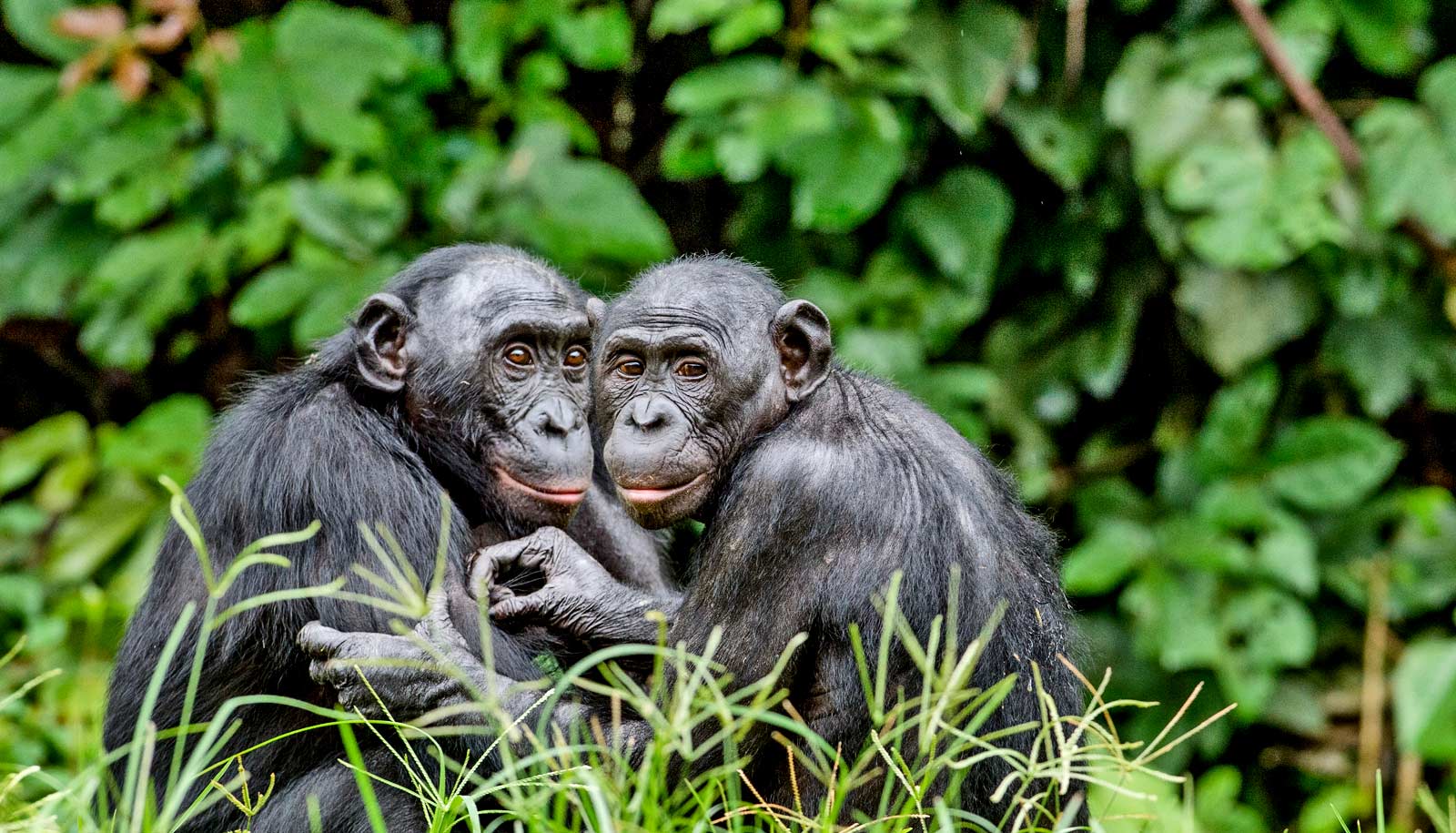
Bonobo tracking is the flagship activity in Salonga National Park. These primates are highly intelligent and social, requiring careful observation and patience. Treks typically begin early in the morning with a briefing from trained guides. Visitors follow trackers who interpret subtle signs in the forest, including broken branches, feeding remnants, and fresh footprints. Trekkers may spend several hours in dense forest tracking bonobo groups, observing behaviors such as grooming, play, and mother-infant interactions. Encounters are conducted at a safe distance to prevent disturbance, offering a rare and unforgettable glimpse into the lives of these endangered primates.
Wildlife Observation in Salonga National Park
Beyond bonobos, the park provides unparalleled opportunities for observing diverse wildlife in a natural setting. Forest elephants, sitatungas, duikers, pangolins, and a variety of bird species inhabit the dense forest. Observation is largely done on foot, with guides pointing out animal signs and hidden species. Early morning and late afternoon excursions increase chances of spotting wildlife as animals are more active during cooler parts of the day. The rich biodiversity also makes the park a prime location for photography and research.
Remote Exploration
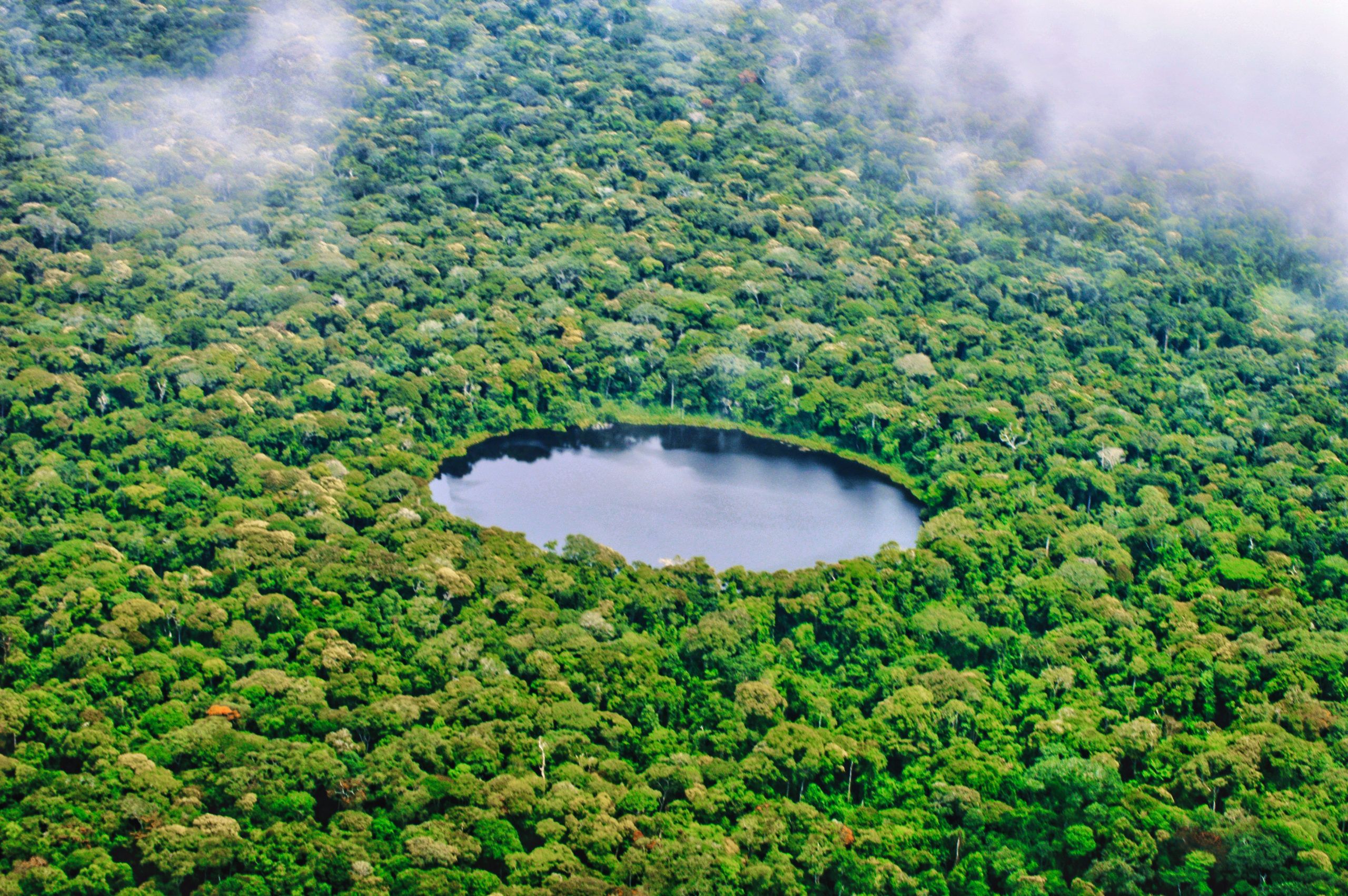
Exploring Salonga goes beyond conventional wildlife viewing—it is an immersive journey into true wilderness. Visitors navigate dense rainforest, cross rivers, and traverse swampy areas under the guidance of experienced trackers. Remote exploration emphasizes adventure, discovery, and environmental education. It provides insight into how wildlife adapts to the forest ecosystem, how rivers shape habitats, and how conservation practices sustain biodiversity. This level of isolation ensures a deeply authentic and rarely replicated safari experience, appealing to researchers, conservationists, and adventurous travelers alike.
Conservation and Research in Salonga National Park
Protection Efforts
Salonga National Park is a global conservation priority due to its critical habitats and endangered species. Protection efforts focus on anti-poaching patrols, forest monitoring, and habitat preservation. Rangers are strategically stationed throughout the park to detect and deter illegal hunting, logging, and fishing. These patrols rely on both traditional tracking skills and modern tools such as GPS mapping, drones, and remote camera traps to monitor wildlife movements and human activity. The park’s isolation helps minimize external threats, but the ongoing presence of dedicated conservation teams ensures the safety of key species like bonobos, forest elephants, and rare birds.
Research Programs
Research in Salonga National Park is integral to understanding and protecting its biodiversity. Scientists conduct long-term studies on bonobo behavior, forest ecology, and population dynamics of rare mammals and birds. Research programs also include habitat mapping, climate impact assessments, and species inventory surveys. These initiatives generate data that guide conservation strategies, inform park management decisions, and contribute to global knowledge on tropical rainforest ecosystems. Collaboration with international universities and conservation organizations enhances the scientific impact of these programs.
Community Involvement
Local communities play a vital role in the park’s conservation framework. Community-based initiatives promote sustainable livelihoods through eco-tourism, guiding, and employment with park authorities. Educational programs raise awareness about the importance of preserving Salonga’s ecosystems and endangered species. Community involvement also helps mitigate human-wildlife conflict by encouraging practices that reduce encroachment into protected areas. By fostering a strong connection between the park and surrounding populations, Salonga ensures long-term sustainability and support for conservation goals.
Accommodation and Facilities
Ranger Stations
Ranger stations are strategically located within Salonga National Park to support conservation and tourism operations. These stations provide housing, communication facilities, and logistical support for park personnel. They also serve as base points for anti-poaching patrols, guided treks, and emergency response. Stations are designed to have minimal environmental impact while ensuring the safety and efficiency of park staff.
Visitor Lodges or Camps in Salonga National Park
Visitor accommodation in Salonga is limited and designed to blend with the remote forest environment. Small camps or eco-lodges are available near key entry points and along major trekking routes. These facilities typically provide basic amenities such as sleeping tents or cabins, communal dining areas, and sanitation facilities. The focus is on immersive experiences, allowing visitors to remain connected to the forest while ensuring comfort and safety. Lodges and camps often employ local staff, providing economic benefits to nearby communities.
Support Infrastructure
Support infrastructure in the park includes boat docks, footbridges, trail markers, and emergency evacuation points. These facilities enable safe navigation of rivers, swamps, and dense forest terrain. Communication systems such as radio networks ensure coordination among rangers, guides, and researchers. Minimal-impact infrastructure helps maintain the park’s pristine character while allowing for responsible tourism, research, and conservation operations.
Best Time to Visit Salonga National Park
Dry Season
The dry season, typically from June to September, is the most favorable period to visit Salonga National Park. During this time, rivers are lower, trails are less muddy, and trekking conditions are more manageable. Wildlife is often more concentrated near water sources, increasing the likelihood of sightings. Bonobo tracking is particularly rewarding in the dry months as fruit availability attracts primates to more predictable locations. The dry season also offers clearer skies, making photography and forest observation more comfortable and enjoyable.
Wet Season
The wet season runs from March to May and October to November. Heavy rainfall transforms the forest, creating lush, vibrant scenery and replenishing rivers and wetlands. While trekking can be physically more demanding due to muddy trails and swollen rivers, the forest is at its ecological peak. Birdwatchers benefit from increased activity, with migratory and resident species thriving in the wet season. Visitors during this period experience fewer crowds, allowing a more intimate and immersive wilderness adventure.
Safety and Travel Tips
Health Precautions
Travelers to Salonga should be prepared for tropical rainforest conditions. Recommended vaccinations include yellow fever, hepatitis A and B, typhoid, and routine immunizations. Malaria prophylaxis is essential, and visitors should carry insect repellent with DEET or other effective ingredients. Proper hydration, high-energy snacks, and light, breathable clothing with long sleeves and pants help protect against insects, sun exposure, and forest hazards.
Wildlife Safety Guidelines
Salonga’s wildlife is largely undisturbed and can be unpredictable. Visitors must always follow guide instructions and maintain a safe distance from animals. Bonobos and other primates should not be fed or touched. Trekking groups are advised to move quietly and avoid sudden movements to prevent startling wildlife. Awareness of river hazards, swampy areas, and slippery trails is critical, and visitors should use provided safety gear such as walking sticks or life vests when necessary.
Booking and Permits
Permit Requirements
Access to Salonga National Park requires permits issued by the Congolese park authorities. Bonobo tracking permits are limited to protect the species and ensure sustainable tourism. Permits must be obtained in advance, often through authorized tour operators, and may include environmental fees to support conservation initiatives. Visitors are required to register with park officials, attend briefings, and comply with park regulations throughout their stay.
Tour Operators and Packages
Due to the park’s remoteness and logistical complexity, guided tours through authorized operators like Pieland Gorilla Safaris are recommended. Tour packages typically include transport to entry points, river or air travel, ranger-led trekking, accommodation, and meals. Operators also provide experienced trackers, porters, and guides who facilitate safe wildlife encounters and enhance educational value. Packages vary in duration and intensity, from short-day excursions to multi-day immersive expeditions that allow visitors to experience the park’s full biodiversity and cultural context.
FAQs About Salonga National Park
Common Visitor Questions
What is the best way to reach Salonga National Park?
The most practical way to access Salonga is by river transport along the Busira, Luilaka, or Lokoro rivers, often combined with chartered flights to nearby airstrips. Guided tours arrange all logistics, including transport to entry points.
Do I need special permits to visit the park?
Yes. Visitors must obtain permits for entry and for specific activities like bonobo tracking. Permits are limited to minimize human impact and can be secured through authorized tour operators or directly from the park authorities.
Is Salonga National Park suitable for first-time safari-goers?
Salonga is ideal for adventurous travelers who are physically fit and enjoy remote wilderness. The park’s dense rainforest and lack of roads make guided treks essential; it may not be suitable for travelers seeking conventional safari comforts.
What kind of accommodation is available?
Accommodation is limited to small eco-lodges or forest camps near entry points. Facilities provide basic comfort while maintaining immersion in the rainforest environment. Ranger stations and support infrastructure help ensure safety and logistics.
How close can I get to bonobos and other wildlife?
Visitors must maintain a safe distance, typically 7–10 meters, from bonobos and other animals. Interaction is strictly prohibited to protect wildlife health and natural behavior.
What should I wear for trekking?
Lightweight, long-sleeved clothing, sturdy hiking boots, waterproof jackets, and hats are recommended. Trekking in wet or muddy conditions may require gaiters and walking sticks.
Are guides and trackers required?
Yes. Due to the park’s challenging terrain and the elusive nature of wildlife, all treks are led by trained guides and trackers who ensure safety, facilitate sightings, and provide ecological education.
What physical condition is needed for trekking?
Moderate to good physical fitness is recommended. Treks involve walking on uneven terrain, climbing hills, crossing rivers, and navigating dense forest trails.
Are children allowed in the park?
Children may be permitted on short, guided excursions depending on age, fitness, and operator rules. Long multi-day treks are generally recommended for older children and adults.
What should I bring on a trek?
Essentials include water, snacks, insect repellent, sunscreen, binoculars, camera, first aid kit, and a daypack. Lightweight waterproof covers and extra layers are advisable during the wet season.
How can I minimize my impact on the park?
Follow ranger instructions, avoid leaving waste, stay on marked trails, do not feed or touch wildlife, and respect restricted areas. Using local guides and eco-conscious operators ensures sustainable tourism practices.
What is the best time of day for wildlife observation?
Early morning and late afternoon are ideal for spotting active wildlife. Bonobos and other primates are most active during cooler hours.
Is photography allowed?
Yes, photography is encouraged but flash photography should be avoided near wildlife. Maintaining distance ensures natural behavior and safety.
Are there any health risks?
Visitors should take malaria prophylaxis, ensure vaccinations are up to date, and protect against insect bites. Drinking clean water and carrying basic medical supplies is advised.
Would you like to visit Salonga National Park?
Contact Us today.