Congo Gorilla Safari Tour
Overview
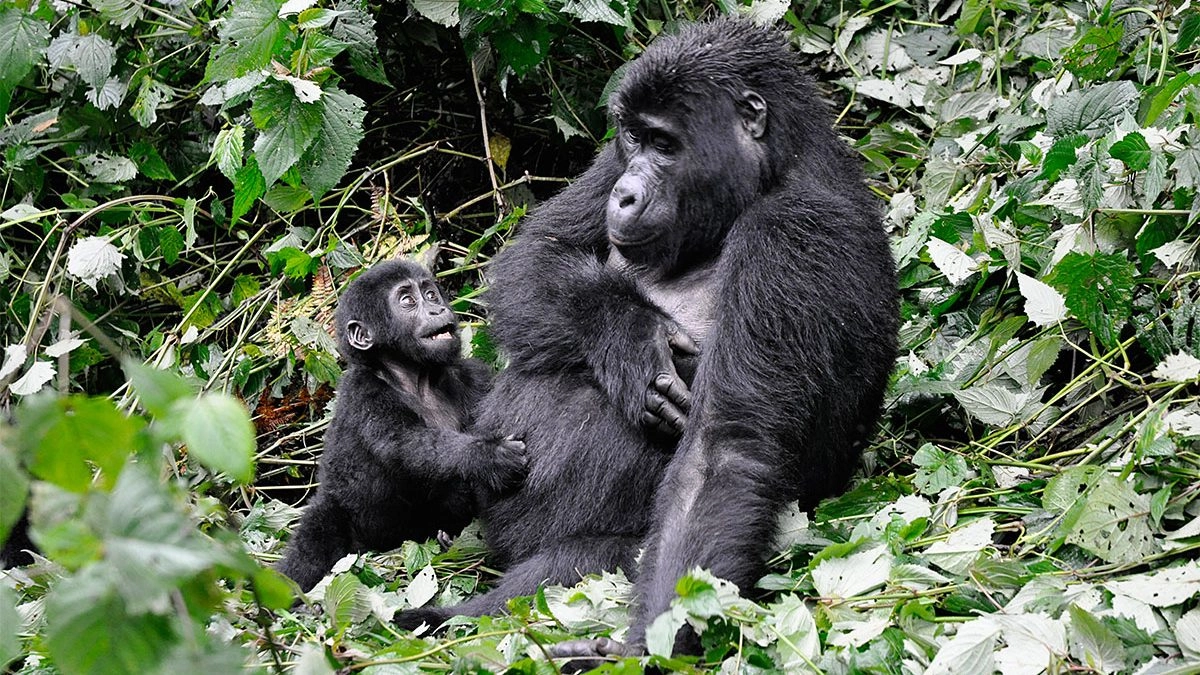
Congo gorilla safari tour offers an extraordinary opportunity to witness one of nature’s most inspiring creatures in their natural habitat. Virunga National Park, a UNESCO World Heritage site, is home to over half of the world’s remaining mountain gorillas, making it a top destination for wildlife enthusiasts. With its rugged terrain, mist-covered mountains, and pristine forests, Congo provides an unparalleled experience for those looking to get up close and personal with these gentle giants.
Why Choose a Congo Gorilla Safari Tour
A Congo Gorilla Safari Tour may not be the first destination that comes to mind when planning a gorilla trekking trip, but it offers a truly unique and exclusive safari experience. Here are some key reasons why a Congo Gorilla Safari Tour should be on every traveler’s bucket list:
Exclusivity and Adventure: A Congo Gorilla Safari Tour offers a sense of exclusivity and adventure that other destinations simply can’t match. Unlike Rwanda and Uganda, where gorilla trekking has become more commercialized, Congo’s trekking routes in Virunga are less crowded, providing a more intimate and personal experience. Trekking through the dense, wild forest, often accompanied by the sounds of rustling leaves and distant calls of wildlife, ensures a unique adventure every time.
Rich Biodiversity and Unspoiled Wilderness: Congo is a country blessed with an extraordinary range of biodiversity, with Virunga National Park at the heart of it. The park not only offers the chance to see gorillas but is also home to a wide variety of other wildlife, including elephants, lions, buffalo, and over 700 species of birds. The park’s diverse ecosystems—spanning savannahs, forests, and volcanic mountains—ensure that you’ll experience the best of African wildlife in its most unspoiled form during your Congo Gorilla Safari Tour.
Unforgettable Mountain Gorilla Encounters: The mountain gorillas in Virunga are some of the most endangered and elusive species on Earth. Trekking to find these majestic animals on a Congo Gorilla Safari Tour is an experience like no other, as you’ll observe them in their natural habitat, interacting with one another, eating, playing, or simply relaxing. The gorillas’ close proximity during the trek makes this a truly once-in-a-lifetime experience, often leaving trekkers feeling deeply connected with the natural world.
Cultural Richness and Local Communities: Beyond the wildlife, Congo is home to rich cultural traditions. The local communities surrounding Virunga National Park play an integral role in gorilla conservation efforts, and many offer visitors a chance to learn about their customs, languages, and way of life. Whether you visit local villages or take part in cultural experiences, these interactions add another layer of depth to your Congo Gorilla Safari Tour, allowing you to connect with the people who help protect these incredible creatures.
Supporting Conservation Efforts: A Congo Gorilla Safari Tour directly contributes to the conservation of the mountain gorillas and the protection of Virunga National Park. Proceeds from the trekking permits and tours help fund anti-poaching efforts, community outreach programs, and conservation research. By visiting Congo, you’re not only experiencing one of the world’s greatest wildlife encounters but also playing a vital role in ensuring the survival of the gorillas for future generations.
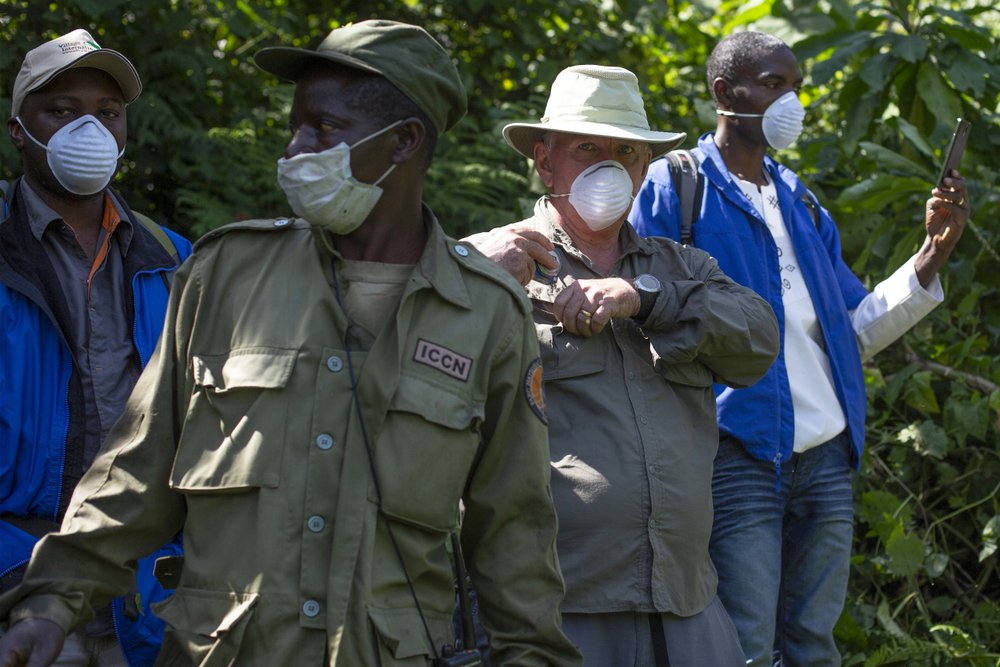
Unique Trekking Experience: Congo offers a variety of trekking options, from easy to challenging. Some of the trekking routes take you deep into the dense, mist-covered forest, offering a physical challenge for adventure seekers. The terrain is diverse, from steep volcanic slopes to lush jungles, which makes each trek feel like a new and exciting journey. The sense of accomplishment and reward after spotting a mountain gorilla, having navigated through difficult conditions, is unmatched on a Congo Gorilla Safari Tour.
Virunga National Park’s Diverse Ecosystems: Virunga National Park is Africa’s oldest national park, covering over 7,800 square kilometers of lush, diverse terrain. Visitors on a Congo Gorilla Safari Tour can explore everything from volcanic craters to savannahs and rainforests. Its unique geography, which includes Mount Nyiragongo, home to one of the world’s most active volcanoes, adds an adventurous twist to any trip. Trekking through the park offers spectacular views, diverse flora and fauna, and access to remote wilderness areas that few others get to experience.
A Congo Gorilla Safari Tour isn’t just a trip; it’s a life-changing journey. Whether you’re drawn by the thrill of seeing gorillas in the wild, the rich biodiversity of Virunga, or the opportunity to contribute to conservation efforts, this adventure promises an unforgettable experience that few other destinations can offer.
Request a quote for Congo gorilla safari tour.
Best Time to Go for a Congo Gorilla Safari
The best time to go for a Congo Gorilla Safari is during the dry seasons, which occur from June to September and December to February. These months offer the most favorable conditions for trekking in Virunga National Park, with clearer skies and less rain, making it easier to navigate the often muddy, steep trails in the dense forests.
Weather Conditions: Congo’s climate is generally tropical, with a lot of rainfall year-round, especially in the rainforest areas around Virunga. The dry months are considered the peak trekking season because the forest paths are less slippery, and visibility is better for observing gorillas. However, even in the dry season, it’s important to prepare for the possibility of light showers as rain can occur unexpectedly.
Trekking Experience: Trekking during the dry season enhances the Congo Gorilla Safari experience, as the trails are more accessible, and the gorillas are generally easier to spot as they move through the forest. The dry months also coincide with the best wildlife viewing conditions, as many animals, including gorillas, are more active.
Off-Peak Season: While the wet months (March to May) see fewer tourists and more affordable prices, they can present challenges for trekking, with slippery conditions making the hikes longer and more difficult. If you don’t mind a bit more rugged trekking and enjoy fewer crowds, this can still be a rewarding time to visit.
Where to Go for Congo Gorilla Safaris
When it comes to Congo Gorilla Safaris, Virunga National Park is the premier and most popular destination for gorilla trekking. However, there are other notable areas where you can track these majestic creatures in the wild.
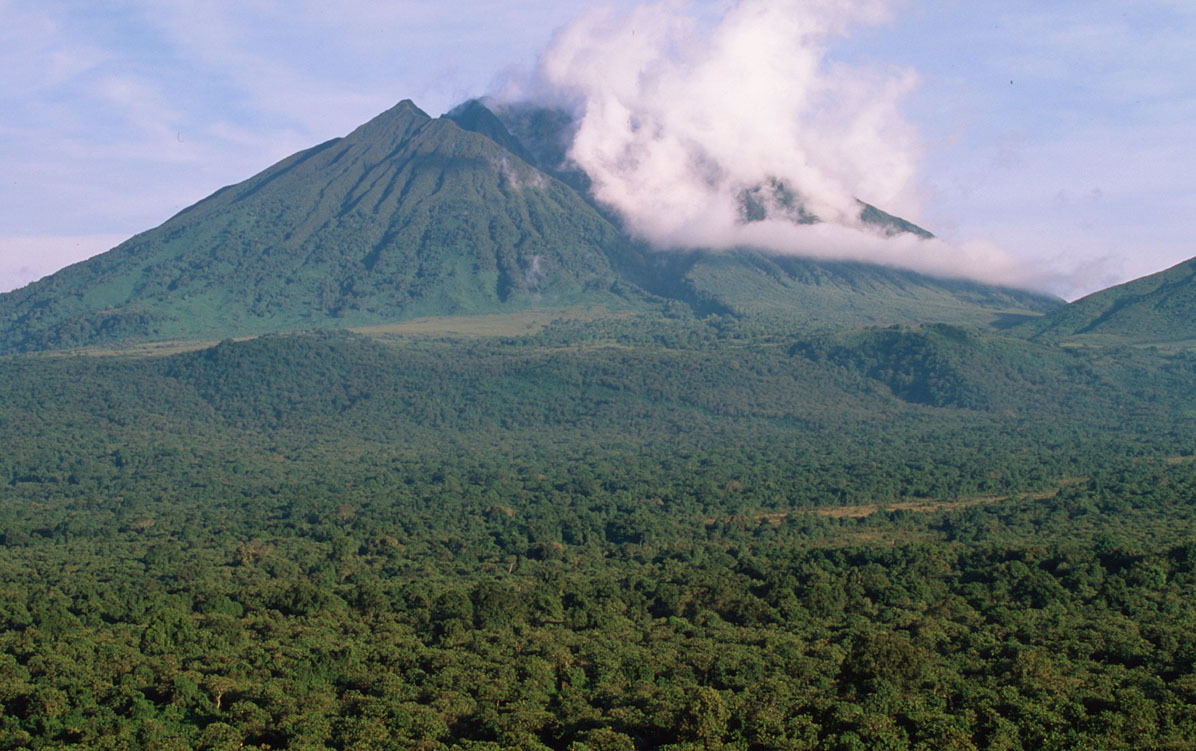
Virunga National Park: Known as Africa’s oldest national park, Virunga is the primary destination for mountain gorilla trekking in Congo. It is home to the famous Nyiragongo Volcano, one of the world’s most active volcanoes, and the critically endangered mountain gorillas. The park’s lush forests, volcanic mountains, and diverse ecosystems make it a one-of-a-kind wildlife experience.
Other Notable Areas:
Kahuzi-Biega National Park: While Virunga is the most well-known park for gorilla trekking, Kahuzi-Biega also offers a unique experience for trekking the eastern lowland gorillas, a different subspecies of gorilla found only in Congo. Located in the eastern part of the country, this park is lesser-known, offering a more tranquil and intimate encounter with gorillas in a stunning, less-traveled landscape.
Salonga National Park: This park is a bit more challenging to access but offers a pristine rainforest setting and is home to a diverse range of wildlife, including the Lowland Gorillas . It’s ideal for travelers seeking an off-the-beaten-path gorilla trekking adventure.
The Gorilla Trekking Experience in Congo
A Congo Gorilla Safari offers a once-in-a-lifetime opportunity to get up close and personal with mountain gorillas in their natural habitat. Here’s what you can expect from the trek:
Trek Process:
Early Start: Your day begins early, usually around 6:00 AM, with a briefing at the park headquarters. Your trekking group will be assigned a gorilla family to visit, and you will be accompanied by an experienced park ranger and a guide.
Hiking: Trekking through Virunga’s dense forests can be challenging. Expect to hike for 2-6 hours through steep volcanic slopes, muddy trails, and lush undergrowth. The terrain can be rugged, and the hikes can be physically demanding. However, the rewarding experience of encountering the gorillas makes the trek worth every step.
Spotting the Gorillas: The rangers use their tracking skills to locate the gorillas, and once you get close, you’ll be able to observe them for a maximum of one hour. Watching the gorillas interact, eat, play, and care for their young is an emotional and awe-inspiring experience.
What to Expect:
Wildlife: In addition to the gorillas, you may encounter a variety of other wildlife, such as forest elephants, chimpanzees, buffalo, and a wealth of bird species. The jungle’s dense vegetation provides a rich habitat for a variety of species, making each trek an adventure full of surprises.
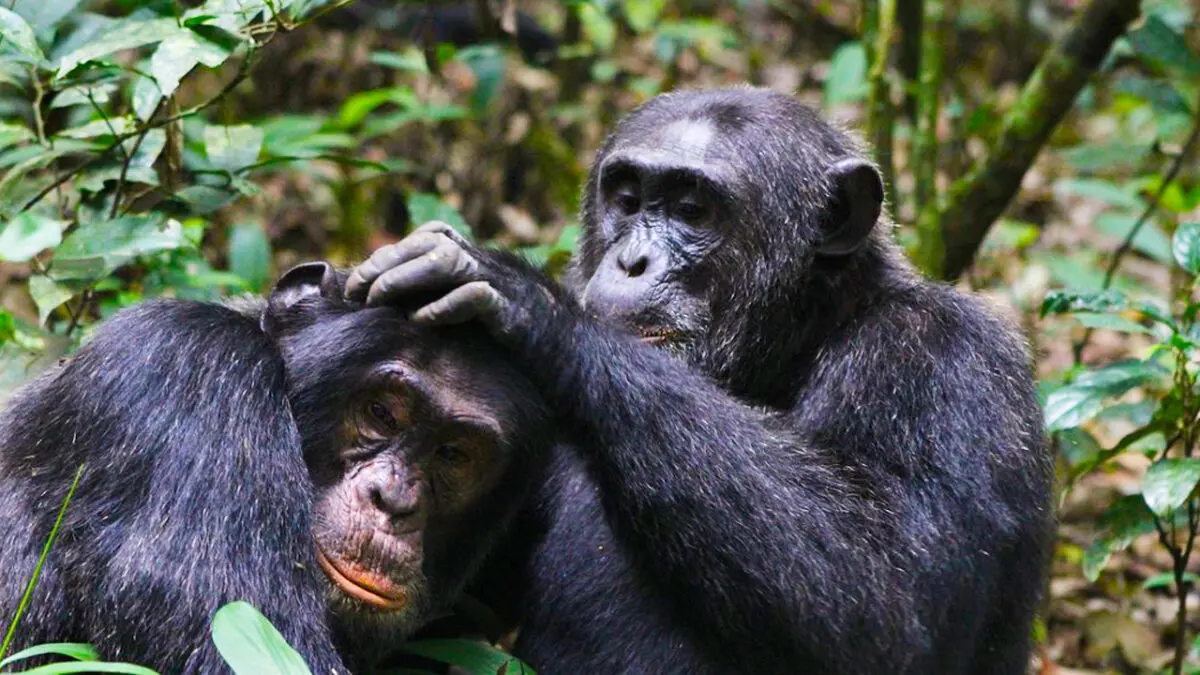
The Gorillas: Expect to see mountain gorillas up close—these gentle giants are known for their calm demeanor and curiosity. Their social structure is fascinating to witness, with gorilla families typically consisting of a silverback (dominant male), females, and their offspring. Spending time observing their behavior in the wild is a privilege, as it helps connect you to the broader mission of conservation.
Difficulty Level and Duration of Treks:
Difficulty: The difficulty of the trek can vary depending on the location of the gorillas. Some treks are easier, while others require navigating steep volcanic slopes and thick vegetation. Trekking in Virunga can be challenging, particularly around Mount Nyiragongo, but it’s all part of the adventure. The rangers are skilled and well-prepared to assist trekkers of all fitness levels.
Duration: Trek durations can range from 2-6 hours, depending on where the gorillas are located. Some treks may involve longer hikes, especially if the gorillas are deep within the park’s dense forests or on the slopes of the volcanoes. Regardless of the duration, it’s important to be prepared for physical exertion, especially when trekking at higher altitudes.
The Congo Gorilla Safari experience is both physically challenging and emotionally rewarding. The encounter with gorillas in their natural environment is a life-changing experience, leaving travelers with a deep appreciation for wildlife conservation efforts and the wonders of Africa’s pristine wilderness.
Gorilla Permits and Pricing
One of the key factors to consider when planning your Congo Gorilla Safari is the cost of the gorilla trekking permit, which is necessary to access the gorillas in the wild. The permit price is a reflection of the conservation efforts that support the protection of the gorillas and their habitat, as well as the maintenance of the parks.
Cost of Permits:
Virunga National Park (Congo): A gorilla trekking permit in Virunga National Park costs around USD 400 per person. This is significantly more affordable compared to neighboring Rwanda, where permits can cost up to USD 1,500. The lower price in Congo is part of the effort to encourage more visitors to support conservation initiatives.
Kahuzi-Biega National Park (Congo): The price for lowland gorilla trekking permits in Kahuzi-Biega is usually slightly lower than in Virunga, typically ranging between USD 200-400.
What’s Included with the Permit:
Guides and Park Rangers: The permit cost includes the services of an expert guide and a park ranger who will lead your trek. These professionals are well-versed in the behavior of the gorillas and the park’s ecosystems, providing you with an enriching and safe experience.
Park Entry Fees: The cost of the permit also covers your entry to the park, where all funds go toward conservation projects, including anti-poaching efforts, park maintenance, and the protection of gorillas and other wildlife.
Trekking Support: The permit includes the support of porters, should you need assistance during the trek, especially for carrying heavy gear or helping with rough terrains. Additionally, the permit ensures that you will have a maximum of one hour with the gorillas during the trek.
Accommodation Options for Congo Gorilla Safari Tours
Accommodation near trekking sites in Congo varies, offering options for luxury, mid-range, and budget travelers. Here’s what you can expect from each:
Luxury Lodges:
Gorilla’s Nest Lodge (Virunga): Located at the base of the park, Gorilla’s Nest offers luxury cottages with stunning views of the surrounding mountains. Guests enjoy exceptional service, gourmet meals, and spa treatments after a long day of trekking.
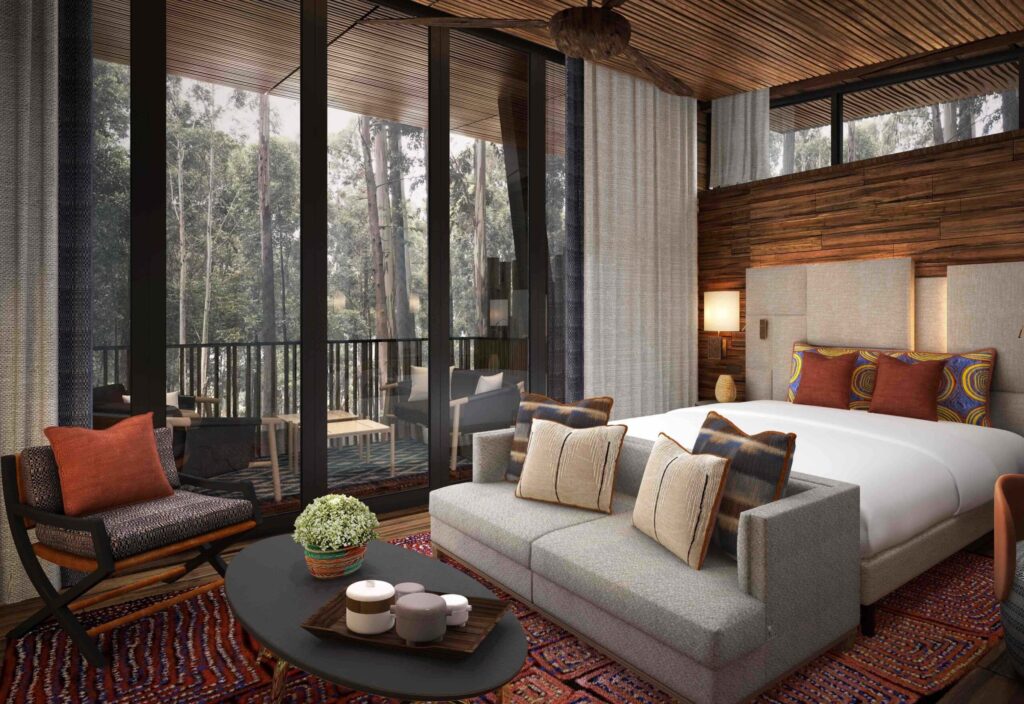
Bukima Lodge (Virunga): This eco-lodge is one of the most luxurious options near Virunga. Bukima Lodge offers luxurious rooms with private balconies, a swimming pool, and breathtaking views of the mountains and forests. After trekking, guests can unwind in the lounge or enjoy a delicious dinner overlooking the jungle.
Mid-Range Accommodation:
Virunga Lodge (Virunga): Offering a great balance of comfort and cost, Virunga Lodge provides comfortable rooms with modern amenities. The lodge is located close to the park, making it convenient for trekkers. The atmosphere is cozy, with a range of activities available, including visits to local villages.
Tchegera Island Lodge (Virunga): Situated on an island in Lake Kivu, Tchegera Island Lodge offers a more affordable option for those looking to stay in a unique setting. It provides beautiful views of the surrounding volcanoes and access to nearby trekking areas.
Budget Accommodation:
Kibumba Tented Camp (Virunga): Situated on the edge of the park, this camp offers budget-friendly camping facilities, including tents with beds and shared washroom facilities. It’s a great option for those who want to experience nature up close while keeping costs low.
How to Get to Congo for a Gorilla Safari
Getting to Congo for a gorilla safari involves international flights and land transfers. The most common routes to reach Virunga National Park and other trekking areas include:
Flight Options:
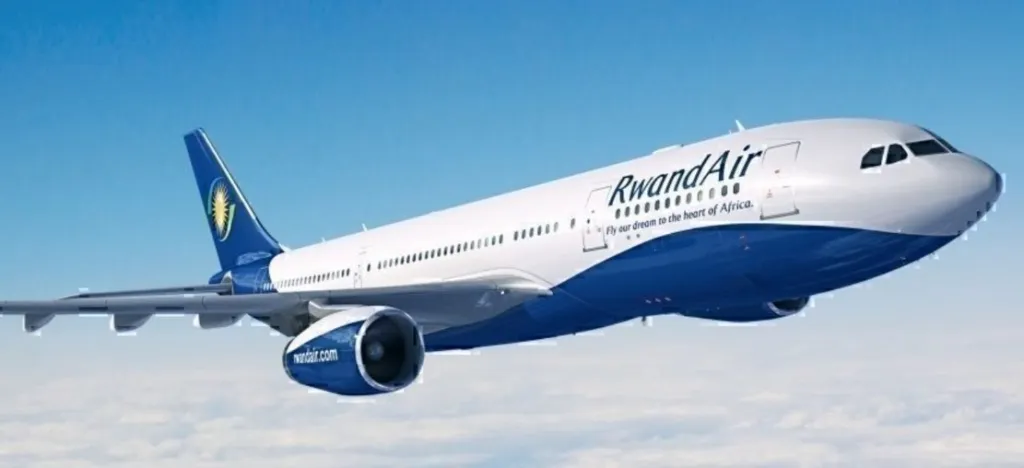
Kigali, Rwanda: Kigali is a common international gateway for visitors traveling to Congo. Major airlines like KLM, Turkish Airlines, and RwandAir operate flights from Europe and other international destinations to Kigali. Once in Kigali, visitors can take a 4-hour drive to the border of Congo or fly directly to Goma via a regional flight (RwandaAir and other local airlines offer this service).
Goma, DRC: If you’re traveling directly to Congo, you can fly into Goma, the nearest city to Virunga National Park. Goma is accessible by flights from Kigali, Nairobi, and Addis Ababa. Goma is located just across the border from Rwanda, and many travelers opt for this entry point to reduce travel time.
Entebbe, Uganda: Some travelers may opt to fly into Entebbe and drive across to Congo, which can be a scenic route if planning to combine Uganda’s gorilla trekking experience with Congo’s.
Transfers:
From Kigali, travelers can either take a private transfer (4-5 hours) to the Congo border or fly into Goma. From Goma, it is a short drive to the Virunga National Park entrance.
For visitors flying directly into Goma, private or shared transfers can take you to the park for your trekking experience. Additionally, some lodges offer pick-up services from Goma airport.
What to Pack for Your Congo Gorilla Safari Tour
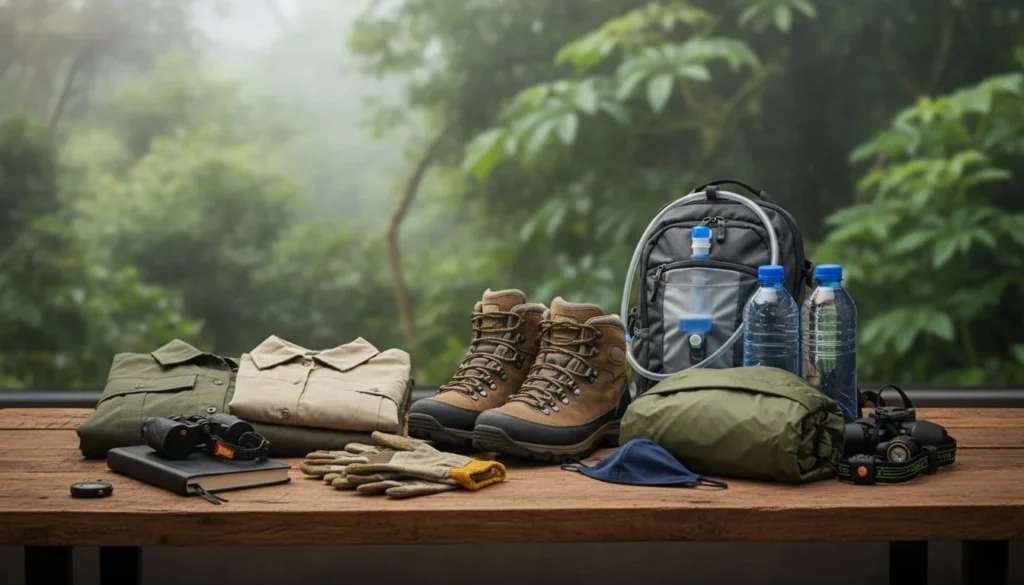
Packing for a Congo Gorilla Safari Tour requires careful consideration to ensure comfort and safety during the trek through Virunga’s rugged terrain. Here’s a detailed list of what to bring:
Trekking Gear:
Sturdy Hiking Boots: Choose waterproof boots with good ankle support. The trails in Virunga can be muddy and steep, so it’s essential to have shoes that can handle rugged terrain.
Lightweight, Long-Sleeve Clothing: For protection against the sun, insects, and dense vegetation, pack lightweight, moisture-wicking long-sleeve shirts and pants. Neutral colors (green, brown) are best to blend with the environment.
Rain Gear: Congo is a tropical region, so pack a rain jacket and waterproof pants to stay dry during unexpected showers.
Gloves and Hat: A good pair of gloves will protect your hands from thorns and branches, while a wide-brimmed hat will shield your face from the sun.
Other Essentials:
Daypack: A lightweight backpack to carry water, snacks, and your personal items during the trek.
Waterproof Bag: Protect electronics, documents, and camera gear from rain and moisture with waterproof bags or cases.
Insect Repellent: To ward off mosquitoes and other insects, especially in the humid, forested areas of Virunga.
Camera: For capturing the unforgettable moments with the gorillas, but be sure to bring a camera with a zoom lens—close contact with the gorillas isn’t always allowed for safety reasons.
Personal Medications: Carry any essential medications, including those for travel-related illnesses (e.g., malaria pills).
Binoculars: For birdwatching and observing wildlife from a distance.
Snacks and Energy Bars: Keep your energy levels up with snacks during the trek.
First-Aid Kit: Pack basic first-aid supplies, including band-aids, antiseptic, and pain relievers.
Travel Documents:
Visa: Ensure you have a valid Congo visa, as most visitors require one to enter the country.
Travel Insurance: It’s advisable to have comprehensive travel insurance that covers trekking and medical emergencies in remote areas.
By packing these essentials and preparing adequately, you’ll ensure that your Congo Gorilla Safari Tour is as comfortable, enjoyable, and safe as possible.
Conservation Efforts and Responsible Travel in Congo
Gorilla trekking in Congo plays a crucial role in the conservation of the mountain gorillas, an endangered species. By participating in a Congo Gorilla Safari, visitors directly contribute to the protection of these incredible animals and their habitats. Here’s how gorilla trekking supports conservation and the best practices for responsible travel:
Supporting Anti-Poaching Efforts: The funds generated from gorilla trekking permits in Virunga National Park are used to support anti-poaching programs, helping to protect the gorillas from illegal hunting and human encroachment. Park rangers and conservation teams are actively engaged in monitoring gorilla populations, maintaining the safety of the park, and preventing threats to the gorillas’ natural habitat.
Sustainable Tourism: Congo’s tourism model for gorilla trekking emphasizes sustainability and environmental stewardship. By carefully managing visitor numbers and maintaining high standards for trekking, the impact on the gorillas and the environment is minimized. The income generated also supports local communities by providing jobs in the park, ranging from guides to porters, which directly benefits local economies.
Protecting Biodiversity: Virunga National Park is home to many endangered species beyond the gorillas, including forest elephants, chimpanzees, and a wealth of bird species. Tourism funds help protect these species and their ecosystems by funding ongoing conservation efforts, including habitat restoration and wildlife monitoring.
Best Practices for Responsible Travel:
Follow the Guidelines: Always adhere to the rules and regulations set by park authorities. For example, maintaining a safe distance from the gorillas (7 meters) is essential for both your safety and theirs.
Minimize Impact: Avoid leaving any litter, disturbing the environment, or touching the gorillas. The trekking paths should be left undisturbed, and no plants should be removed.
Respect the Local Communities: Engage respectfully with local communities, support community-based initiatives, and contribute to sustainable tourism practices. Understanding the local cultures and contributing to the local economy helps ensure that tourism continues to benefit everyone involved.
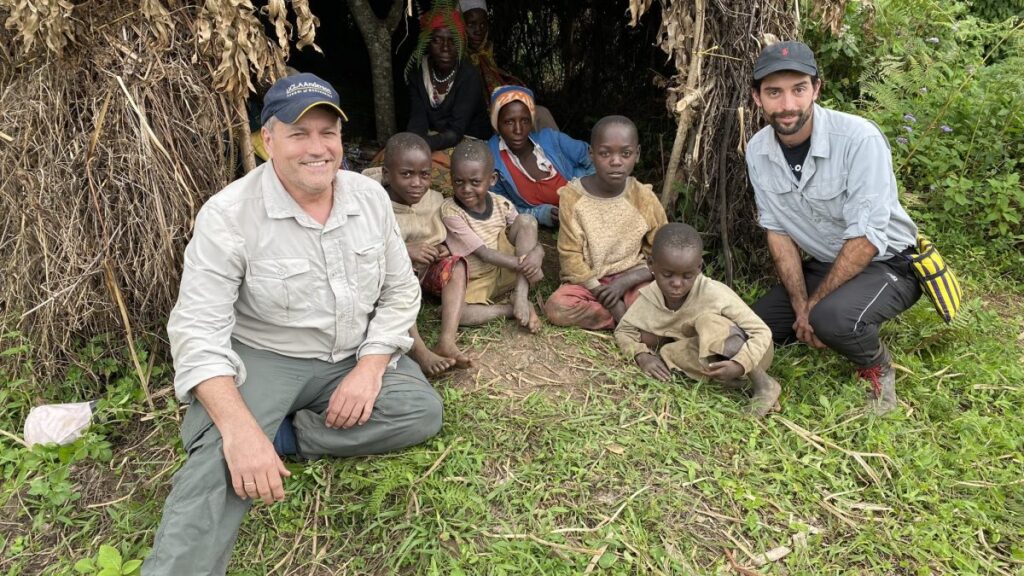
By choosing to travel responsibly, Congo Gorilla Safari visitors are not only providing financial support for conservation but also helping preserve the park’s unique ecosystems for future generations.
Frequently Asked Questions (FAQs)
How hard is the Congo gorilla trek?
The Congo gorilla trek can be physically demanding, as the terrain in Virunga National Park is steep, muddy, and challenging to navigate. Trekkers should be prepared for hiking at higher altitudes, which can make the trek more strenuous. The trek duration can vary, typically lasting between 2-6 hours, depending on where the gorillas are located.
What are the chances of seeing gorillas?
The chances of seeing gorillas during your Congo gorilla safari are very high, especially with the expertise of the park rangers and guides who track the gorillas daily. However, as the gorillas are wild animals, sightings can never be 100% guaranteed. The park’s excellent tracking system ensures that sightings are highly probable.
Can I trek in Congo if I have limited mobility?
Trekking in Congo can be challenging due to the rugged terrain, but if you have limited mobility, it is possible to arrange for alternative assistance such as porters or guided walks along easier routes. It’s best to discuss your needs with the tour operator beforehand to ensure suitable arrangements are made.
What are the safety precautions?
Safety during the trek is paramount. You will be accompanied by expert guides and park rangers throughout the trek. Visitors are also briefed on safety measures before setting out, including how to behave around the gorillas. Maintaining a safe distance (7 meters) from the gorillas is crucial to ensure their safety and minimize the risk of transmission of diseases.
Is there a minimum age for trekking?
Yes, the minimum age for gorilla trekking in Congo is typically 15 years. This is to ensure that trekkers are physically capable of handling the demands of the trek and understand the importance of respecting the wildlife.
What should I wear for the Congo gorilla trek?
Wear long sleeves and long pants to protect yourself from insects and dense vegetation. Sturdy, waterproof hiking boots are essential for navigating the muddy trails. It’s also advisable to bring gloves, a rain jacket, and a hat to protect yourself from the elements.
Do I need a visa to visit Congo?
Yes, most travelers need a visa to enter the Democratic Republic of Congo. Be sure to check the visa requirements for your nationality before traveling, and allow enough time for processing. Visas can be obtained at the Congolese embassy or upon arrival at certain entry points.
How long is the gorilla trekking experience?
The actual time spent with the gorillas is one hour, but the overall trek can last between 2-6 hours depending on the location of the gorilla group. The time spent with the gorillas is regulated to ensure their safety and minimize human impact on their behavior.
What is the best time to go on a Congo gorilla safari?
The best time to visit for trekking is during the dry seasons, from June to September and December to February. These months offer the most favorable conditions for hiking, with less rain and more stable trails.
Can I combine gorilla trekking with other activities?
Yes, many tours offer combined safari packages that include activities like volcano treks, chimpanzee tracking, and cultural tours. You can also explore Nyiragongo volcano, which is one of the most active volcanoes in the world, offering an adventurous extension to your safari.
How do I get to Virunga National Park?
You can fly into Kigali (Rwanda) or Goma (Congo). From Kigali, it is a 4-5 hour drive to the border, followed by a short transfer to the park. Alternatively, you can fly directly into Goma, which is close to Virunga National Park.
Is there mobile phone service in Virunga?
While mobile phone service can be spotty in some areas of Virunga, there is coverage in Goma and the main park areas. Many lodges also offer internet access for guests.
How do I book a Congo Gorilla Safari Tour?
Booking a tour can be done through reputable safari operators. It’s recommended to book your tour well in advance, as permits are limited and can sell out, especially during peak seasons.
What’s included in a Congo gorilla safari tour?
A typical Congo Gorilla Safari Tour includes gorilla trekking permits, accommodation, guides, park entry fees, transportation, and meals. Some tours may also offer additional activities like volcano treks or cultural experiences.
Are there any health precautions I should take?
Yes, it’s recommended to take malaria prevention medication and ensure your vaccinations are up to date. Vaccines for diseases such as yellow fever, hepatitis, and tetanus are recommended for travelers to Congo.
Can I take photos during the trek?
Yes, photography is allowed during the trek, but flash photography is prohibited to avoid disturbing the gorillas. A camera with a zoom lens is recommended to capture close-up shots without getting too close.
How physically fit do I need to be for the trek?
While fitness is important, the trek is suitable for most people who are in average physical condition. The trek can be strenuous, especially if you’re trekking at higher altitudes, so it’s best to prepare by walking or hiking before your trip.
Is it safe to trek in Congo?
Yes, Congo gorilla safaris are generally safe. Tours are led by experienced guides and park rangers, and the government has made substantial efforts to improve security and infrastructure in recent years. However, it’s always a good idea to check the latest travel advisories before booking.
What do I do if I get tired during the trek?
If you need assistance, you can hire a porter to help carry your gear or provide support along the way. The trek can be physically demanding, so it’s important to take regular breaks and pace yourself.
How do I contribute to the local community?
By booking a Congo Gorilla Safari Tour, you are helping fund community projects through the park fees. You can also choose to support local businesses, such as craftspeople and restaurants, in the areas surrounding the park.
Book Your Congo Gorilla Safari Tour
Ready to embark on a Congo Gorilla Safari Tour? Book your adventure today with Pieland Gorilla Safaris and be part of a unique wildlife experience that helps protect endangered species and supports local communities. Contact Us now to plan your trip, and prepare for a life-changing journey into the heart of Africa’s wilderness.