Ultimate Congo Safari Adventure: Gorilla Trekking & Wildlife Experiences
Introduction
Ultimate Congo safari adventure offers an authentic and unparalleled safari experience from Gorilla ,Chimpanzee trekking and wildlife safaris. While many travelers flock to the popular safaris in Kenya or Tanzania, the Democratic Republic of the Congo (DRC) and the Republic of Congo provide an immersive adventure unlike any other. With its dense rainforests, diverse wildlife, and awe-inspiring landscapes, Congo offers a once-in-a-lifetime opportunity to experience the wild heart of Africa.
Overview Ultimate Congo Safari Adventure
Known for its raw and untamed beauty, Congo is home to some of the world’s most unique and endangered wildlife, including the mountain gorilla, eastern lowland gorilla, and the western lowland gorilla. Congo’s national parks, such as Virunga and Odzala-Kokoua, provide visitors with a chance to explore the world’s most biodiverse rainforests and encounter rare species that are found nowhere else on earth.
From gorilla trekking in the Virunga National Park to chimpanzee safaris in the Nouabalé-Ndoki National Park, Congo offers a rich array of wildlife experiences. Despite its rugged terrain and remote nature, Congo is quickly becoming a sought-after destination for wildlife enthusiasts, photographers, and adventure travelers looking for a deeper connection with Africa’s wilderness. This makes an Ultimate Congo safari adventure a lifetime expedition.
Why Choose Ultimate Congo Safari Adventure?
Underrated but Remarkable
While many African safari destinations are well-trodden, Congo remains one of the last true wildernesses, offering the kind of authentic, off-the-beaten-path experiences that travelers today crave. Congo is an emerging gem in the safari world, offering untapped opportunities for exploration. Unlike other safari destinations, the Congo offers a sense of isolation and tranquility, where you can connect with nature on a deeper level. There are few places left in the world where you can experience such unspoiled landscapes and pristine wildlife in their natural habitat.
Congo’s allure lies in its exclusivity. It is a destination that is not overly commercialized, meaning that those who do choose to visit can feel like pioneers, discovering an untouched, wild frontier of Africa. For travelers seeking something beyond the usual wildlife sightings, Congo offers a genuine sense of adventure, with the chance to experience a land of discovery that is far from the crowds.
Pristine Wilderness
Congo is home to some of the most unspoiled rainforests in the world, making it a prime location for eco-tourism and conservation. Virunga National Park, a UNESCO World Heritage Site, is one of the oldest and most biologically diverse parks in Africa, housing a number of endangered species, including the mountain gorilla. The dense jungles, remote valleys, and lush greenery provide an unspoiled backdrop for safari adventures that connect travelers to nature in its purest form.
These pristine environments are also vital to the planet’s ecological health. The Congo Basin is the world’s second-largest tropical rainforest, and its preservation is crucial in the fight against climate change. By traveling to Congo, visitors are directly supporting conservation efforts aimed at protecting these rainforests and the species that call them home.
Congo’s wilderness remains largely untouched by human development, providing a rare opportunity to witness the natural world in its rawest form. From the mist-covered volcanoes of Virunga to the dense canopies of Odzala-Kokoua, Congo offers a safari experience that is both exhilarating and humbling.
Unmatched Wildlife Experiences
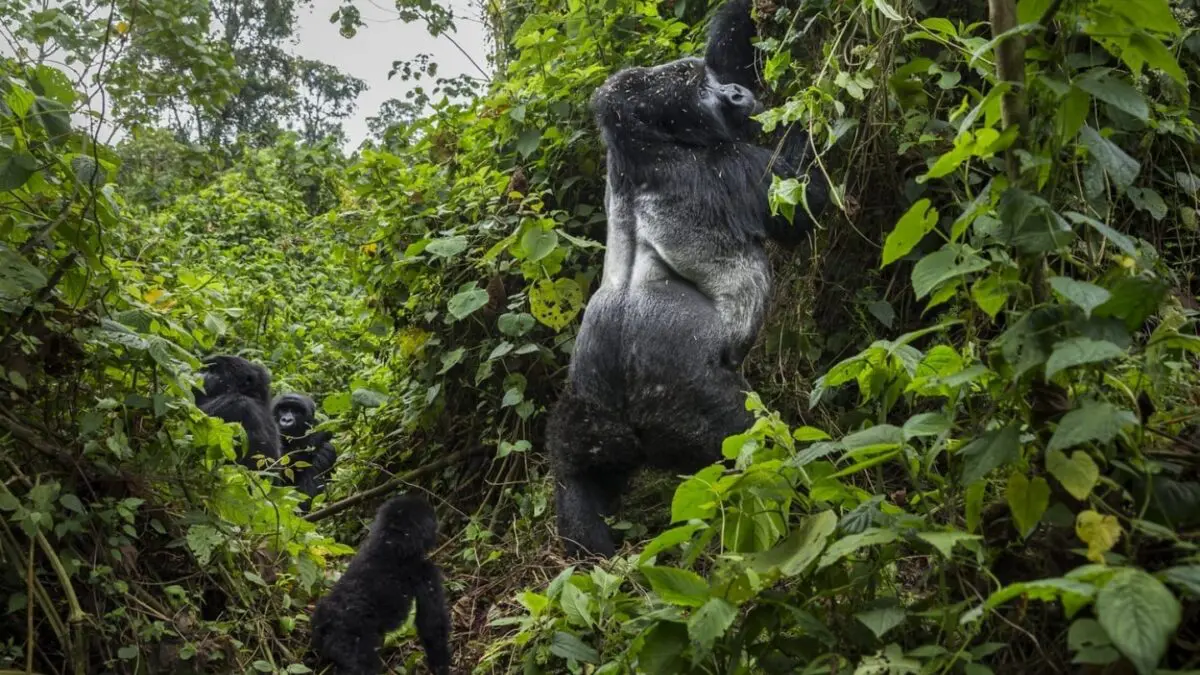
Congo is one of the few places on Earth where travelers can witness some of the most rare and endangered species in their natural habitats. The mountain gorillas of Virunga, which have become a symbol of the country’s conservation efforts, offer a truly once-in-a-lifetime experience. These majestic creatures share 98% of their DNA with humans and create an unforgettable connection with those lucky enough to track them.
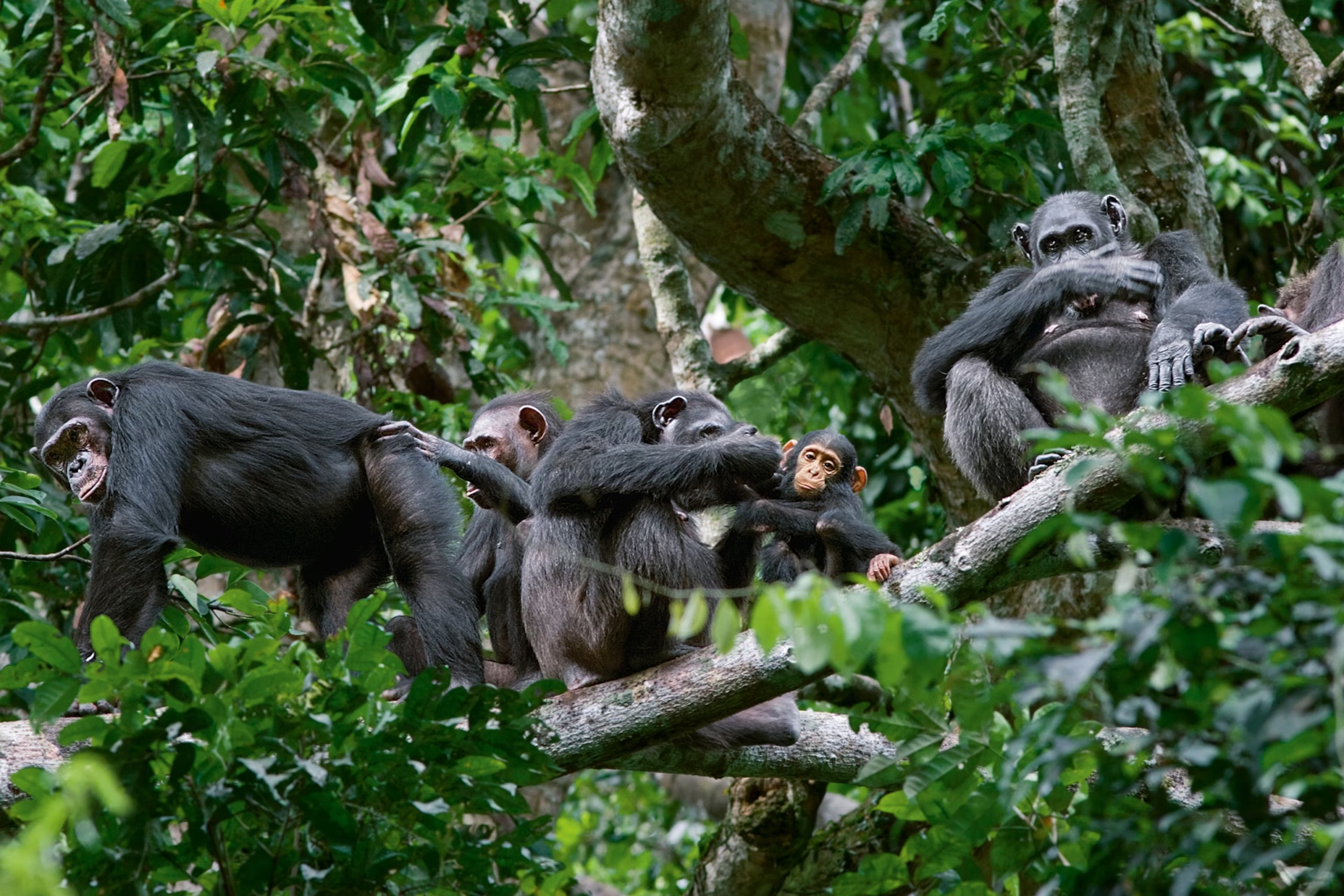
In addition to gorilla trekking, Congo is a haven for other primate species, including chimpanzees, eastern lowland gorillas, and bonobos. The Republic of Congo’s Nouabalé-Ndoki National Park provides opportunities to track and observe chimpanzees in the wild, where they live as they have for thousands of years. Congo is also home to other iconic African wildlife, such as forest elephants, buffaloes, and a vast array of bird species.
The diversity of Congo’s wildlife makes it an ideal destination for animal lovers and photographers. Unlike the more commercialized safari destinations, Congo provides a more intimate and immersive experience, where you can focus on rare species and their habitats without the distraction of large crowds.
For those looking to combine adventure with wildlife, Congo offers treks through pristine rainforests, boat safaris along winding rivers, and cultural experiences with local tribes. These combined experiences provide a deeper understanding of the land, its people, and the animals that inhabit it.
Get a quote about Ultimate Congo safari adventure
Top Ultimate Congo Safari Adventure
Gorilla Trekking in Virunga National Park
Virunga National Park, located in the eastern Democratic Republic of Congo (DRC), is one of the oldest national parks in Africa and a UNESCO World Heritage Site. It is renowned for its breathtaking landscapes, including active volcanoes, lush rainforests, and vast savannas. However, its most famous residents are the endangered mountain gorillas, which have made the park a must-visit destination for wildlife enthusiasts and adventure travelers alike.
Home to about a third of the world’s remaining mountain gorillas, Virunga National Park offers the chance to trek deep into the forest and witness these incredible creatures in their natural habitat. The park’s effort to conserve these gorillas has made it one of the most important sites for gorilla trekking in Africa.
Aside from mountain gorillas, Virunga is also home to a variety of other wildlife, including elephants, buffalo, and various primates. The park’s rugged terrain adds an element of excitement to your trek, making it not only a wildlife adventure but a thrilling exploration of the wild landscapes of the Congo.
What to Expect on Ultimate Congo Safari Adventure
Gorilla trekking in Virunga is an extraordinary experience that takes you into the heart of the forest. Expect to embark on a guided trek led by experienced rangers who are intimately familiar with the park and its gorilla families. The journey begins at the park’s headquarters, where you will receive a briefing on the trekking protocols and the gorilla groups you will be visiting.
The trek itself can range from a few hours to a full day, depending on where the gorillas are located. The path is often steep, muddy, and can be physically demanding, but the reward at the end is well worth the effort. Once you reach the gorillas, you’ll have the rare opportunity to observe them up close in their natural environment. Watching these majestic creatures interact with each other—playfully swinging from trees, feeding, or even gazing curiously at the trekkers—is a life-changing experience.
For an even more immersive adventure, trekkers may also witness other wildlife along the way, such as forest buffalo or unique bird species. The trek itself provides a window into the delicate balance of nature and the vital conservation efforts underway to protect these animals.
Best Time to Go for Ultimate Congo Safari Adventure
The best time to visit Virunga for gorilla trekking on an Ultimate Congo safari adventure is during the dry seasons, which run from June to September and from December to February. During these months, the trails are less muddy, making trekking easier, and wildlife sightings are more frequent as animals gather around watering holes.
While the dry seasons are ideal for easier trekking, it’s important to note that gorillas can be seen year-round in Virunga, and the rainy seasons (from March to May and October to November) have their advantages too. The rainforests are lush and vibrant, offering a different perspective of the park’s ecosystem, although the trails can be more challenging.
It’s worth considering your personal preferences when planning your trek. Dry season provides better trail conditions, but the rainy season brings fewer visitors, offering a more secluded and tranquil experience in the park.
Safety and Regulations
Gorilla trekking in Virunga National Park is a well-regulated activity aimed at both ensuring the safety of trekkers and protecting the gorillas. Only a limited number of permits are issued each day to maintain minimal disturbance to the gorilla families and to ensure a safe, respectful experience. The number of visitors is carefully controlled to reduce the risk of disease transmission and environmental impact.
When trekking, a few important safety guidelines are in place:
- Distance: Visitors are required to maintain a safe distance of at least 7 meters (21 feet) from the gorillas to avoid disturbing them or transmitting diseases.
- Group size: Groups are limited to a maximum of 8 trekkers per gorilla family to minimize stress on the gorillas and allow for better wildlife observation.
- Health checks: All trekkers are required to show proof of good health before going on the trek, as humans can transmit diseases to gorillas.
- Rules on behavior: To protect both trekkers and gorillas, visitors are prohibited from eating, drinking, or smoking while in proximity to the gorillas. If you need to cough or sneeze, it’s important to cover your mouth and face to prevent any potential contamination.
Gorilla trekking can be physically demanding, so it’s essential to be in reasonable health and prepared for the hike. The park provides porter services for trekkers who may need assistance, which is a helpful option for those who are less physically fit or want to minimize fatigue.
Chimpanzee Trekking in Nouabalé-Ndoki National Park
What Makes It Special
Nouabalé-Ndoki National Park, located in the northern part of the Republic of Congo, is a pristine and secluded wildlife haven. It is renowned for offering one of the best chimpanzee trekking experiences in Africa. The park is situated in the heart of the Congo Basin, a biodiversity hotspot that remains largely untouched by human development. The dense forests of Nouabalé-Ndoki are home to several primate species, but it is the chimpanzees that draw the most attention from wildlife enthusiasts.
The park offers a unique experience because of its rare combination of rugged wilderness and close encounters with chimpanzees in their natural environment. Trekking in this remote area provides an unparalleled opportunity to observe the complex social behavior and intelligence of chimpanzees. Unlike more frequented destinations, this park is far from the usual tourist crowds, ensuring a more intimate and immersive wildlife experience.
Trekking through the rich forests, trekkers can see chimpanzees in their natural habitat, often interacting with each other, feeding, or playing. Some visitors may also encounter forest elephants, buffaloes, or other primates that share this stunning habitat.
Conservation Efforts
Nouabalé-Ndoki National Park plays a significant role in the conservation of endangered primates, particularly chimpanzees. The park is a part of the larger Tri-National de la Sangha (TNS) protected area, which spans three countries: the Republic of Congo, Cameroon, and the Central African Republic. The combined efforts of these countries in preserving this area have been recognized as one of the most successful examples of transboundary conservation initiatives in Africa.
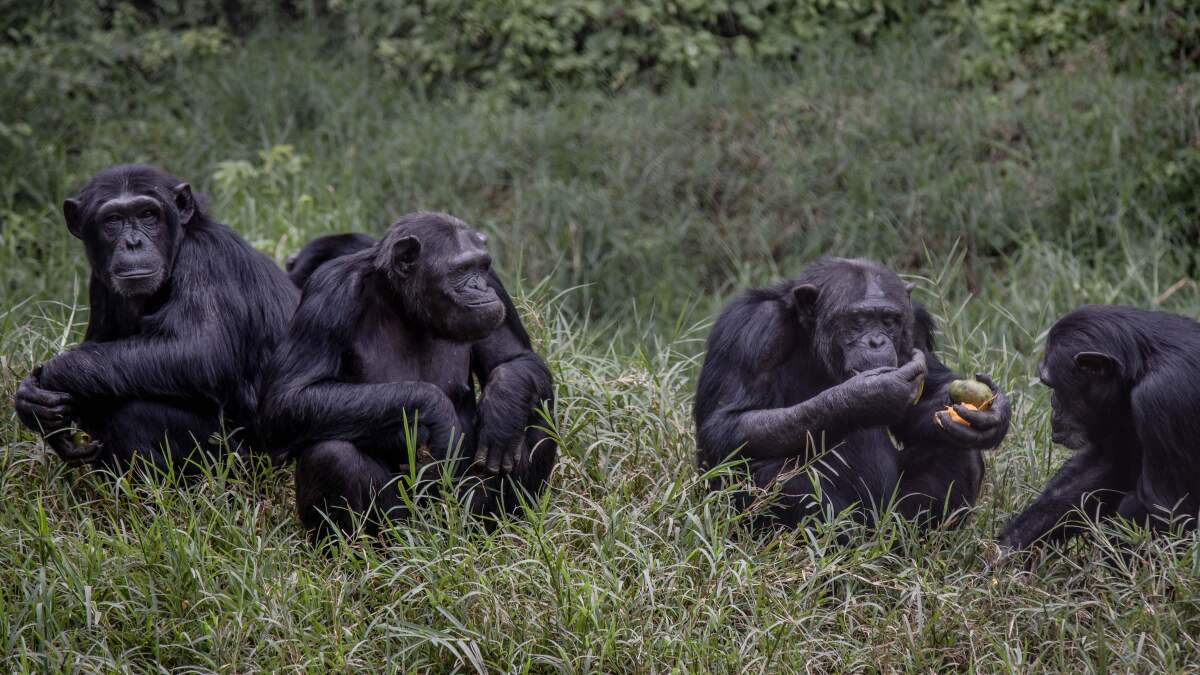
The chimpanzee population in Nouabalé-Ndoki is one of the largest and healthiest in Central Africa, and the park’s conservation initiatives focus heavily on anti-poaching measures, habitat protection, and scientific research. Conservation organizations such as the Wildlife Conservation Society (WCS) work with the local government to monitor chimpanzee populations and protect their natural habitats from deforestation and human encroachment.
By visiting Nouabalé-Ndoki, travelers are supporting sustainable tourism efforts that help fund these conservation projects. Revenues generated from park visits are reinvested into local communities and the continued preservation of the park’s wildlife, ensuring that future generations can experience these remarkable animals.
Wildlife Safari in Odzala-Kokoua National Park
Diverse Animal Sightings
Odzala-Kokoua National Park, located in the Republic of Congo, is one of Africa’s most biologically rich and diverse national parks. The park’s dense rainforests and savannas are home to a remarkable array of wildlife, including some of Africa’s most iconic species. Wildlife sightings here are particularly unique because the park offers a mix of forest and open savanna environments, making it a perfect location to encounter a variety of animals in their natural settings.
One of the park’s highlights is the Western lowland gorilla, which can often be spotted on wildlife safaris. Visitors might also have the chance to encounter forest elephants, the smaller cousins of the African bush elephants. These gentle giants roam the forests and grasslands, and seeing them in their natural habitat is a thrilling experience.
Other notable wildlife in Odzala includes buffalo, sitatunga antelope, and various primate species such as the red colobus monkey and the black-and-white colobus monkey. The park also serves as a sanctuary for numerous species of reptiles and amphibians, including the fascinating Nile crocodile, which is often found in the park’s waterways.
The safaris in Odzala offer the chance to observe these incredible creatures in their untouched habitats, away from the commercialized tourist trails, giving travelers an exclusive and intimate wildlife experience.
Birdwatching
Odzala-Kokoua is also a paradise for birdwatching enthusiasts. The park’s varied ecosystems, ranging from dense rainforests to open savannas, provide an ideal environment for a vast diversity of bird species. Over 400 bird species have been recorded in the park, including a number of rare and endemic species that can’t be found elsewhere in Africa.
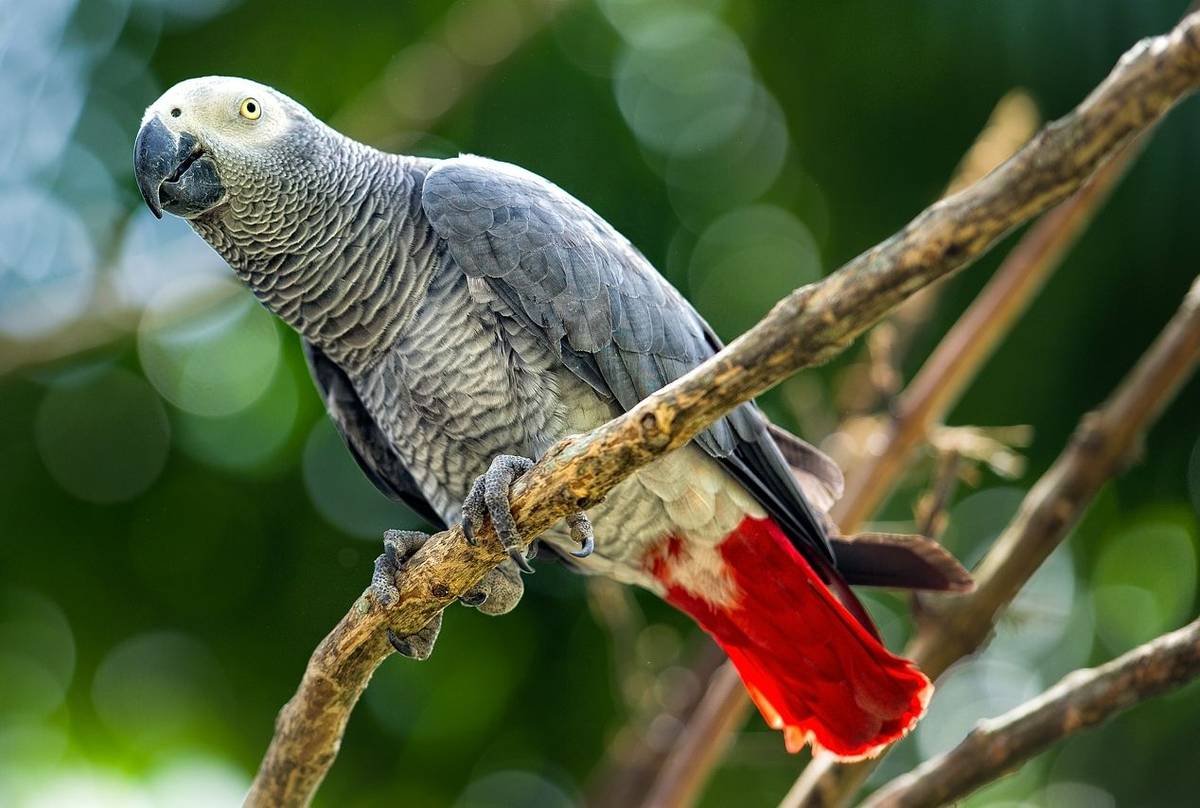
Among the highlights for birdwatchers is the Congo serpent eagle, a rare and elusive species that can be spotted hunting along the forest edges. Other notable species include the African grey parrot, the white-cheeked hornbill, and various sunbirds and kingfishers. The park’s extensive river systems and swampy areas also attract a variety of waterfowl and waders, such as the great white egret and the black-crowned night heron.
For travelers interested in both wildlife and birdwatching, Odzala-Kokoua offers an incredible opportunity to explore the interconnected ecosystems of Congo while spotting rare and beautiful birds. The diverse habitats ensure that each birdwatching safari is a new adventure, with plenty of opportunities for keen-eyed observers to spot unique species.
Odzala-Kokoua National Park, with its diverse animal sightings and rich birdwatching opportunities, offers an authentic African wildlife experience that is often overlooked by mainstream tourism. It provides a unique blend of forest and savanna wildlife, making it a must-visit for anyone interested in exploring the biodiversity of the Congo Basin. Whether you’re tracking gorillas through dense jungles, watching elephants graze on the plains, or spotting rare bird species, Odzala offers a safari experience unlike any other in Africa.
Congo’s Rainforests and Natural Beauty
Explore Untouched Nature
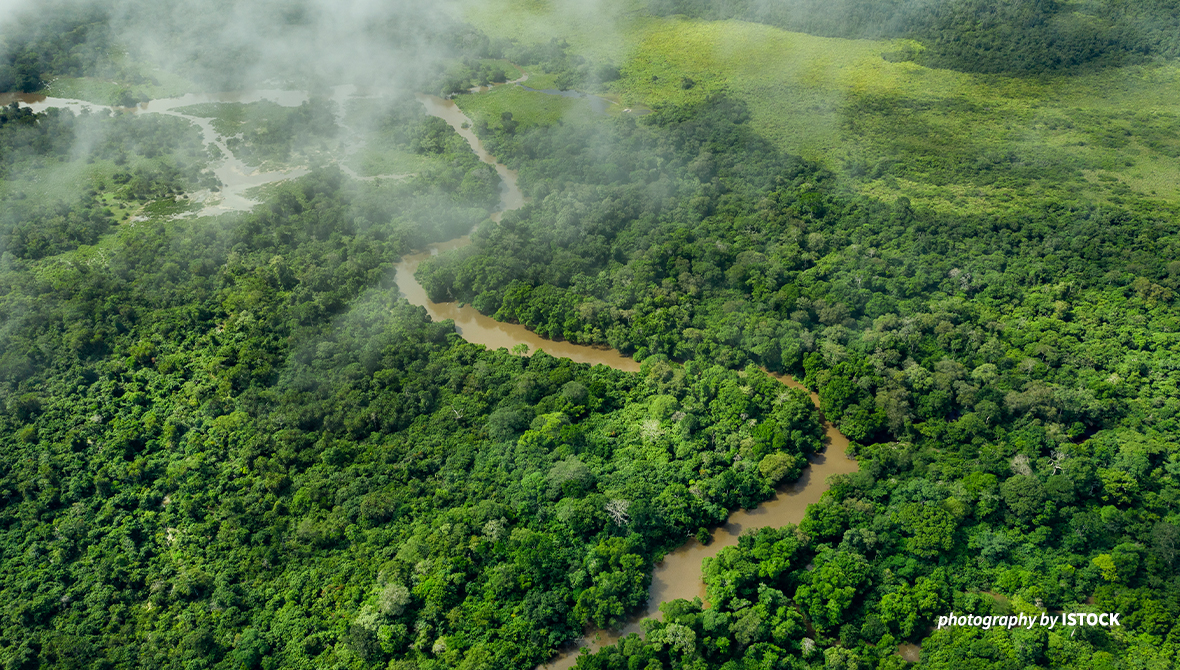
Congo is one of the most biologically diverse regions on the planet, with its vast rainforests, towering volcanoes, and pristine rivers offering unparalleled opportunities for nature lovers to explore unspoiled wilderness. The Congo Basin, which spans across the Republic of Congo, the Democratic Republic of Congo, and other Central African nations, is the second-largest tropical rainforest in the world, after the Amazon. This vast expanse of lush vegetation is teeming with wildlife, much of which is endemic to the region.
The rainforests of Congo are often described as “untouched” due to their isolation and limited human presence, providing a true wilderness experience. These forests are home to extraordinary wildlife, from the rare mountain gorillas of Virunga National Park to the elusive forest elephants that roam the dense undergrowth. Visitors can experience the awe-inspiring sense of immersion as they trek through these ancient forests, listening to the sounds of primates in the trees, the rustling of leaves in the wind, and the distant calls of birds.
Exploring Congo’s rainforests also means discovering diverse ecosystems—from the thick, humid jungles to clear rivers and swampy wetlands. Travelers can witness the dynamic interplay between water and forest, where the Congo River, one of the largest rivers in Africa, winds its way through the heart of the continent, providing rich habitats for both terrestrial and aquatic species.
The untouched nature of Congo is not just about wildlife; it’s about experiencing the serenity and beauty of a land that remains largely unexplored by modern tourism. The region’s rugged landscapes—comprising of volcanic peaks, misty mountains, and deep valleys—offer a sense of tranquility that is hard to find elsewhere in the world.
Adventure Activities
Congo is not only a haven for wildlife but also a paradise for adventure seekers. The combination of rugged terrain, dense forests, and unique ecosystems makes it an ideal destination for a variety of outdoor activities. Here are some of the top adventure activities you can enjoy while exploring Congo’s natural beauty:
Gorilla Trekking: The highlight for many visitors is the opportunity to trek through the forests of Virunga National Park to see mountain gorillas up close. This challenging but rewarding experience allows you to track gorilla families through dense vegetation and rugged paths, offering an unforgettable adventure.
Chimpanzee Trekking: In the remote forests of Nouabalé-Ndoki National Park, you can embark on a chimpanzee trekking expedition, tracking these intelligent primates as they forage, play, and communicate in the wild.
Volcano Trekking: For a truly adventurous experience, trekkers can hike to the summit of Mount Nyiragongo in Virunga National Park, home to one of the world’s most active volcanoes. The hike offers dramatic views of the surrounding landscapes, and reaching the summit rewards you with an unforgettable sight of a glowing lava lake.
River Safaris and Kayaking: Congo’s rivers, such as the Congo River and the Sangha River, provide unique opportunities for water-based activities. River safaris, boat trips, and kayaking offer visitors the chance to explore the forest from a different perspective, passing through dense jungle and spotting wildlife along the way.
Camping and Hiking: For those who love camping and hiking, Congo offers an abundance of trails through its rainforests, where you can camp under the stars and listen to the nocturnal sounds of the wilderness. Whether trekking to the summit of a volcano or following the riverbanks, Congo’s diverse landscapes are perfect for adventurers seeking a deeper connection with nature.
How to Plan Your Ultimate Congo Safari Adventure
Planning a Congo safari requires a thoughtful approach due to the country’s diverse landscapes, varying park conditions, and remote locations. Whether you’re trekking to see gorillas in Virunga, tracking chimpanzees in Nouabalé-Ndoki, or exploring the pristine rainforests of Odzala-Kokoua, careful planning will ensure a smooth and enriching experience.
Best Time to Visit for Ultimate Congo Safari Adventure
Peak Seasons
The best time to visit Congo largely depends on the activities you’re interested in and the specific regions you plan to explore. While Congo can be visited year-round, there are certain seasons that are more favorable for different experiences.
Dry Season (June to September, December to February): The dry season is generally considered the best time for wildlife viewing and trekking. The trails are less muddy and more accessible, especially for gorilla and chimpanzee trekking in Virunga and Nouabalé-Ndoki National Park. Wildlife is more likely to congregate near water sources, making it easier to spot animals like forest elephants and buffaloes. The dry weather also makes hiking and volcano treks (such as those to Mount Nyiragongo) more manageable.
Wet Season (March to May, October to November): While the wet season is less ideal for trekking due to the muddy trails, it has its own advantages. The rainforests are lush and green, offering vibrant landscapes. This season is also less crowded, providing a more serene and secluded experience in the parks. Additionally, the wet season is a great time for birdwatching, as the forests come alive with the sounds of nesting birds.
The dry season is definitely the best time for gorilla and chimpanzee trekking, while the wet season may appeal to those looking for a quieter, more intimate connection with nature.
Weather Considerations
Congo’s weather can be divided into two main patterns: the wet season and the dry season, as previously mentioned. However, the climate can vary significantly depending on the region you are visiting.
Tropical Climate: Most of Congo, especially the rainforests, experiences a humid, tropical climate year-round. Temperatures typically range from 70°F to 85°F (21°C to 29°C), with the highest temperatures generally occurring in the drier months.
High-altitude Areas: If you’re trekking to the volcanoes of Virunga, be prepared for cooler temperatures, especially at higher elevations. At the summit of Mount Nyiragongo, temperatures can drop significantly, so packing warm clothing is essential for these treks.
When planning your safari, always consider the specific activities you wish to engage in and pack accordingly. For trekking and wildlife safaris, lightweight, moisture-wicking clothing, sturdy hiking boots, and a good rain jacket are essential. In the dry season, sunscreen and hats are also recommended due to the direct sunlight in some regions.
By understanding the best time to visit Congo and considering the seasonal weather patterns, you can plan your trip around your interests, whether you’re looking to see gorillas in the dry season or enjoy the peace of the rainy season. Make sure to choose the right time to maximize your wildlife experiences while also factoring in the unique beauty that Congo offers year-round.
Ideal Duration of Your Ultimate Congo Safari Adventure
Gorilla Trekking Duration
Gorilla trekking in Congo is an extraordinary experience, but it does require some planning in terms of time and physical effort. The typical duration for a gorilla trekking adventure in Virunga National Park is 1 to 2 days.
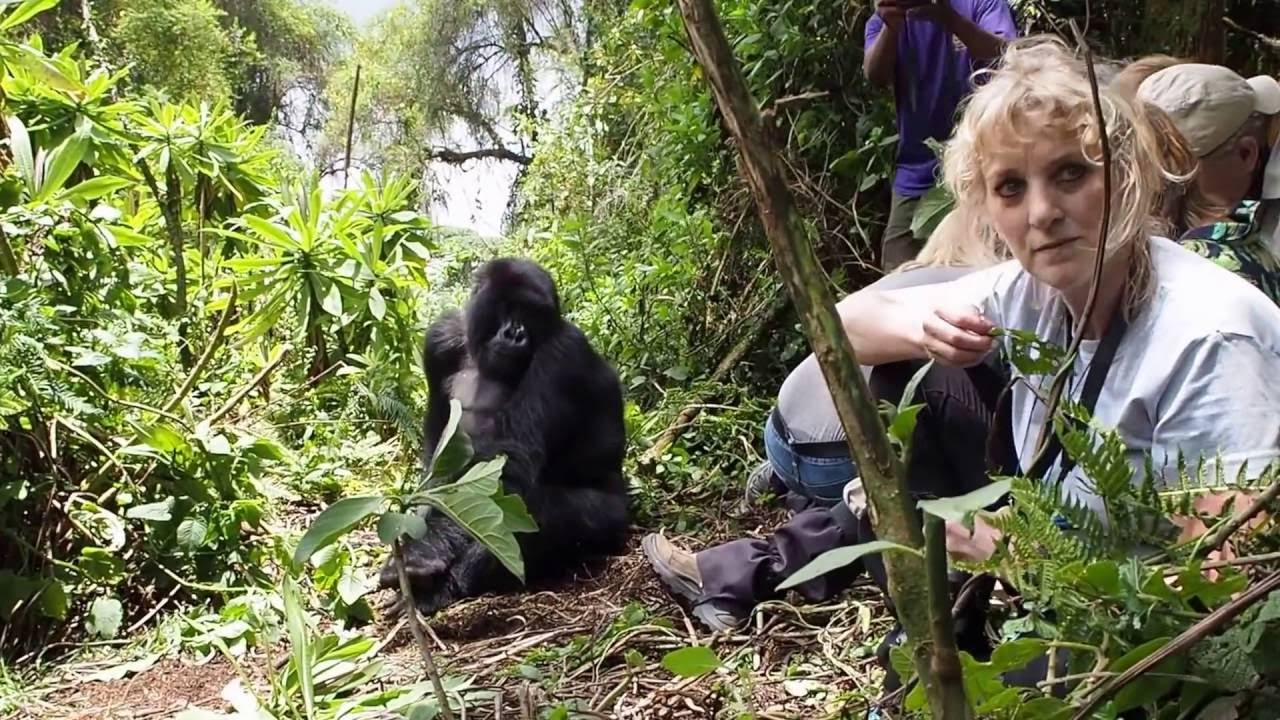
Day 1: The first day usually includes the trek to find a gorilla group, a briefing from your guide, and the actual encounter with the gorillas. Depending on the location of the gorillas, this trek can take anywhere from 2 to 8 hours of walking in sometimes challenging terrain. After meeting the gorillas, visitors typically spend one hour observing them, ensuring minimal disruption to the animals and their environment.
Day 2: If you want to extend the experience, some travelers choose to spend an additional day trekking to visit a different gorilla family or engage in a second trek. This allows for a more in-depth experience, where you can witness varying behaviors and environments.
Rest & Recovery: After a full day of trekking, you may want to take some time to relax and recover, especially if the trek was physically demanding. Most safaris offer rest days between treks, so you can enjoy the scenic beauty and surroundings at your accommodation.
If you’re combining your gorilla trek with other activities such as volcano hiking or chimpanzee trekking, you might want to extend your stay in Virunga or other nearby parks to maximize your experience.
Combinations with Other Activities
A typical Congo safari often includes gorilla trekking as the main activity, but you can easily combine this with other thrilling adventures in the region:
Chimpanzee Trekking: After your gorilla trek in Virunga, head to Nouabalé-Ndoki National Park for chimpanzee trekking. This adds an extra dimension to your safari experience, allowing you to track and observe chimpanzees in the wild.
Volcano Trekking: If you’re adventurous, combine your gorilla trekking with a volcano trek to Mount Nyiragongo. Located in Virunga, this active volcano offers a unique trekking experience where visitors can hike to the summit to witness a glowing lava lake, a rare and exhilarating sight.
Wildlife Safari in Odzala-Kokoua National Park: For a more comprehensive safari experience, consider adding a visit to Odzala-Kokoua National Park. The park is a haven for forest elephants, buffalo, and many primate species. It also provides opportunities for river safaris and birdwatching.
Cultural Experiences: Many tours include opportunities to visit local communities and learn about the cultures surrounding the national parks. These can include visits to indigenous villages or conservation initiatives, offering deeper insight into Congo’s rich heritage and ongoing preservation efforts.
Depending on your interests and time, a Congo safari can range from 3 to 7 days, giving you enough time to explore multiple parks and wildlife encounters.
Safari Logistics for Ultimate Congo Safari Adventure
Transport
Traveling around Congo can be challenging due to the country’s vast size and rugged terrain. Here’s how the logistics of transport typically work for Congo safaris:
Flights: The most common way to reach Congo is by flying into Kinshasa (DRC) or Brazzaville (Republic of Congo). From there, domestic flights are often required to reach more remote regions. For example, there are flights available from Kinshasa to Goma (Virunga) or Owando (for Odzala).
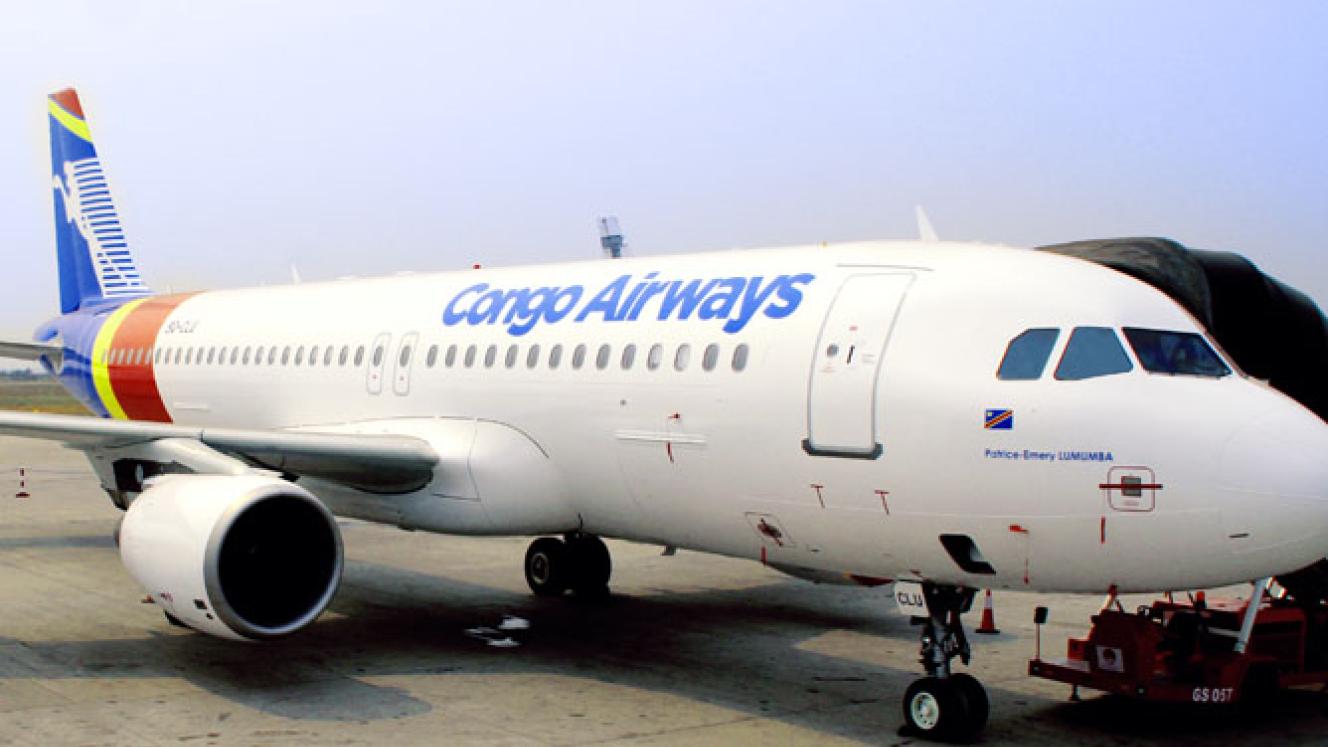
Charter Flights: For more exclusive or remote regions, charter flights may be arranged, especially for travelers visiting Virunga or Odzala-Kokoua. These flights can be organized through your safari provider or local operators like Aerolink Uganda or Congo Airways.
Ground Transfers: Ground transfers are usually provided in 4×4 vehicles, which are necessary to navigate Congo’s rough and muddy roads, especially during the rainy season. For more remote areas, vehicles may be adapted with extended suspensions or larger tires to handle the challenging conditions.
Boat Safaris: Congo’s rivers, like the Sangha River in Odzala-Kokoua National Park, offer a different perspective on the safari experience. Visitors can take boat safaris, often accompanied by expert guides, to explore the wilderness from a water-based vantage point.
Guided Treks: For trekking activities such as gorilla or chimpanzee tracking, guides and porters will accompany you to ensure safety and provide insights into the park’s wildlife and ecosystem.
Accommodation
Congo offers a variety of accommodation options, depending on the region and level of comfort you’re seeking. Accommodations are typically provided near the parks or in remote eco-lodges for a more immersive experience.
Luxury Lodges: For a high-end experience, many travelers opt for luxury lodges that offer comfort and exclusivity, such as Tche Tche Lodge in Virunga National Park. These lodges provide spacious rooms, private service, and gourmet dining, making them the perfect option for those looking for a refined safari experience.
Mid-Range Options: There are also more affordable options, such as simple tented camps or eco-lodges. These often offer a more rustic but still comfortable experience, with local guides and staff providing a welcoming atmosphere.
Camping: For the more adventurous, camping in the wilderness is an option, either in established campsites or as part of a trekking experience. These tend to be more basic but offer a close connection to the forest and its wildlife.
River Camps: In regions like Odzala, there are river camps offering a more intimate and secluded experience. Guests often stay in raised tents or cabins overlooking the river and can enjoy activities like fishing, birdwatching, and wildlife viewing from the comfort of their camp.
Guides
Safari guides are an essential part of your Congo adventure, offering expert knowledge, ensuring your safety, and enhancing your wildlife encounters. Most Congo safaris include the services of local, experienced guides, many of whom have spent years in the forests and have a deep understanding of the ecosystems and wildlife.
Trekking Guides: For gorilla and chimpanzee trekking, specialized guides are required. These guides are trained in wildlife tracking, safety protocols, and how to minimize disturbance to animals. They will lead the trek, inform you about the park’s conservation efforts, and ensure that you maintain the necessary distance from the animals.
Cultural Guides: Some tours offer cultural guides who can introduce you to the indigenous tribes and local communities in and around the parks. These guides provide insights into the culture, history, and traditions of Congo’s diverse population.
Safari Vehicles: For wildlife safaris, the guides are usually accompanied by professional drivers who are skilled in navigating Congo’s rugged roads and locating wildlife. These guides often have deep knowledge of animal behavior and the best spots to visit within the park.
Inclusions & Exclusions
Inclusions
When booking a Congo safari, here’s what you can typically expect to be included in the package:
Park Fees: Most packages cover the necessary entry and permit fees for national parks such as Virunga, Nouabalé-Ndoki, and Odzala-Kokoua.
Accommodations: Accommodation in lodges, camps, or tents is generally included, based on the level of safari chosen.
Meals: Full board is often included at most lodges, which typically covers breakfast, lunch, and dinner. Some packages include packed lunches during trekking days.
Guides & Porters: Professional guides for trekking and wildlife safaris are included, as well as porters to assist with heavy luggage or trekking equipment during hikes.
Transport: Ground transport between parks, including 4×4 vehicles, and any domestic flights for accessing remote regions are included.
Special Permits: For activities like gorilla trekking or chimpanzee trekking, the permits are often included in the package.
Exclusions
While many elements are covered in safari packages, here are some exclusions to be mindful of:
International Flights: Flights to and from Congo (Kinshasa or Brazzaville) are generally not included.
Visa Fees: Depending on your nationality, you may need a visa to enter Congo, and these fees are typically not covered by the tour operator. Apply for Congo tourist visa
Gratuities: Tips for your guides, drivers, and hotel staff are not included and are at your discretion.
Optional Activities: Any additional activities, such as helicopter rides, private excursions, or extra treks, may not be included in the standard safari package.
Personal Expenses: Items like souvenirs, alcohol, laundry services, and personal items are generally not covered.
Travel Insurance: It’s important to arrange travel insurance independently to cover unforeseen circumstances like flight delays, health emergencies, or cancellations.