
2 Day Gorilla Habituation in Bwindi Impenetrable National Park
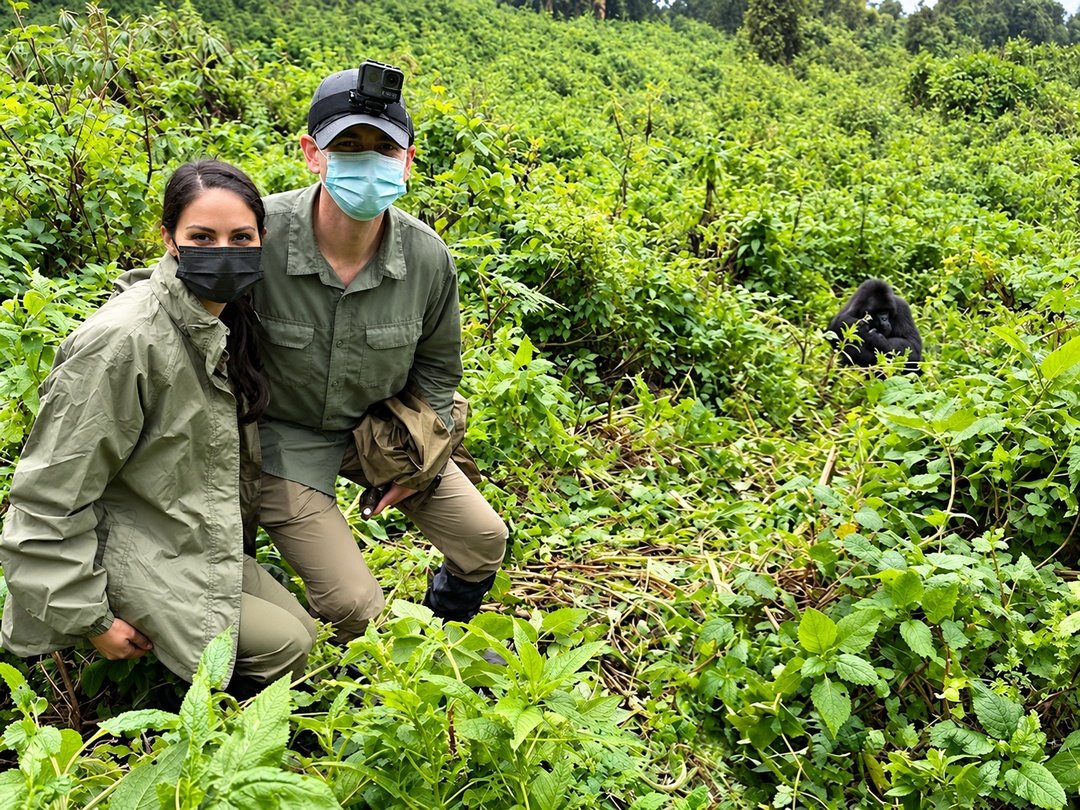
A 2 Day Gorilla Habituation in Bwindi Impenetrable National Park is one of the best short Uganda gorilla safaris for travellers who want more time with mountain gorillas than is available during ordinary gorilla trekking. The itinerary gives you enough time to travel comfortably to southern Bwindi, spend the night close to the gorilla habituation starting point and dedicate the following day to an extended encounter with a mountain gorilla family alongside Uganda Wildlife Authority rangers, trackers and researchers.
Unlike standard gorilla trekking, the gorilla habituation experience is designed around a gorilla family that is still becoming accustomed to carefully controlled human presence. This makes the experience particularly rewarding for wildlife photographers, primate enthusiasts and travellers who want to understand more about mountain gorilla behaviour, conservation and research.
The safari is especially convenient for travellers beginning in Kigali because southern Bwindi can be reached by road through the Rwanda–Uganda border. It can also be arranged from Entebbe or other parts of Uganda, although additional travel time or a domestic flight may be recommended depending on your wider itinerary.
Your 2 Day Gorilla Habituation in Bwindi Impenetrable National Park combines scenic travel through southwestern Uganda with one of the country’s most immersive wildlife experiences, making it an excellent choice for travellers with limited time who still want a meaningful encounter with mountain gorillas.
2 Day Gorilla Habituation in Bwindi Impenetrable National Park Overview
This safari begins with a transfer to the southern region of Bwindi Impenetrable National Park, where you spend the night near Rushaga or another convenient location close to your confirmed gorilla habituation briefing point.
The first day is deliberately relaxed enough to ensure that you arrive near the forest before evening. This is important because gorilla habituation begins early the following morning, and staying close to the starting point eliminates the risk of missing the briefing because of a long transfer.
On the second day, you wake early, have breakfast and travel to the briefing point. Uganda Wildlife Authority rangers explain the rules of the experience before you enter the forest with trackers and researchers.
The search for the gorillas may take anything from a relatively short period to several hours depending on where the family has moved. Once located, you begin the extended gorilla habituation experience, giving you considerably more time to observe the gorillas than during standard trekking.
After leaving the forest, you meet your safari guide and begin your onward transfer to Kigali, Entebbe or another destination depending on your travel plans.
2 Day Gorilla Habituation in Bwindi Impenetrable National Park Trip Summary
Day 1: Transfer to Bwindi Impenetrable National Park – Overnight near Rushaga
Day 2: Gorilla Habituation Experience – Transfer to your onward destination
Destination: Bwindi Impenetrable National Park
Main activity: Gorilla Habituation Experience
Duration: 2 Days / 1 Night
Recommended sector: Rushaga, southern Bwindi
Minimum age: 15 years
Best for: Photographers, primate enthusiasts, couples, solo travellers and travellers seeking an extended gorilla encounter
Accommodation: One night near southern Bwindi
Detailed 2 Day Gorilla Habituation in Bwindi Impenetrable National Park
Day 1: Transfer to Bwindi Impenetrable National Park
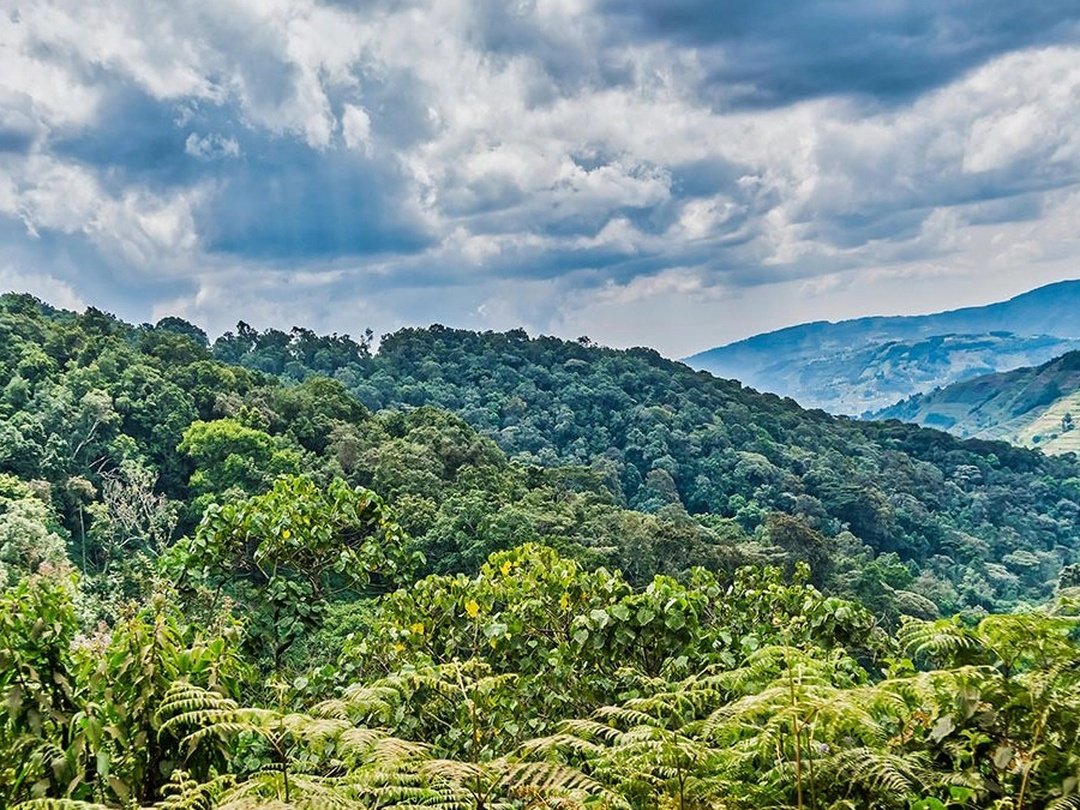
Your 2 Day Gorilla Habituation in Bwindi Impenetrable National Park begins with a scenic transfer towards the southwestern corner of Uganda, where Bwindi’s forested mountains rise close to the borders of Rwanda and the Democratic Republic of Congo.
If you are beginning the safari in Kigali, your guide collects you from your hotel or Kigali International Airport at an agreed time. You then drive through Rwanda’s rolling countryside towards the Uganda border before completing immigration formalities and continuing into southwestern Uganda.
The journey provides a beautiful introduction to the region. You travel through a landscape of terraced hills, small farms, rural communities and increasingly mountainous scenery as you approach Bwindi.
Southern Bwindi is particularly convenient for travellers arriving from Kigali because Rushaga and Nkuringo are considerably closer to Rwanda than many other sectors of the national park.
If your journey begins in Entebbe or Kampala, you should expect a much longer road transfer. Depending on your available time and budget, a domestic flight to southwestern Uganda followed by a road transfer can make the journey considerably more comfortable.
As you approach Bwindi, the landscape becomes greener and more dramatic. Cultivated hillsides gradually give way to dense forest, mist-covered ridges and deep valleys that characterise one of Africa’s most famous mountain gorilla habitats.
You arrive at your lodge near Rushaga or another suitable southern Bwindi location, check in and spend the remainder of the afternoon relaxing.
Your guide will usually confirm the following morning’s departure time and ensure that you are prepared for the gorilla habituation experience. It is advisable to organise your clothing, camera equipment, waterproof jacket, hiking boots and daypack before going to bed because the following morning begins early.
Enjoy dinner at your lodge and settle in for the night surrounded by the cool highland atmosphere of Bwindi.
Accommodation: Lodge near Rushaga or southern Bwindi
Meals: Dinner, depending on your booked meal plan
Day 2: Gorilla Habituation Experience in Bwindi – Transfer to Your Onward Destination
The second day is the highlight of your 2 Day Gorilla Habituation in Bwindi Impenetrable National Park.
You wake early and have breakfast before your guide transfers you to the designated briefing point. Because gorilla habituation requires an early start, staying close to the activity area allows you to reach the meeting point comfortably.
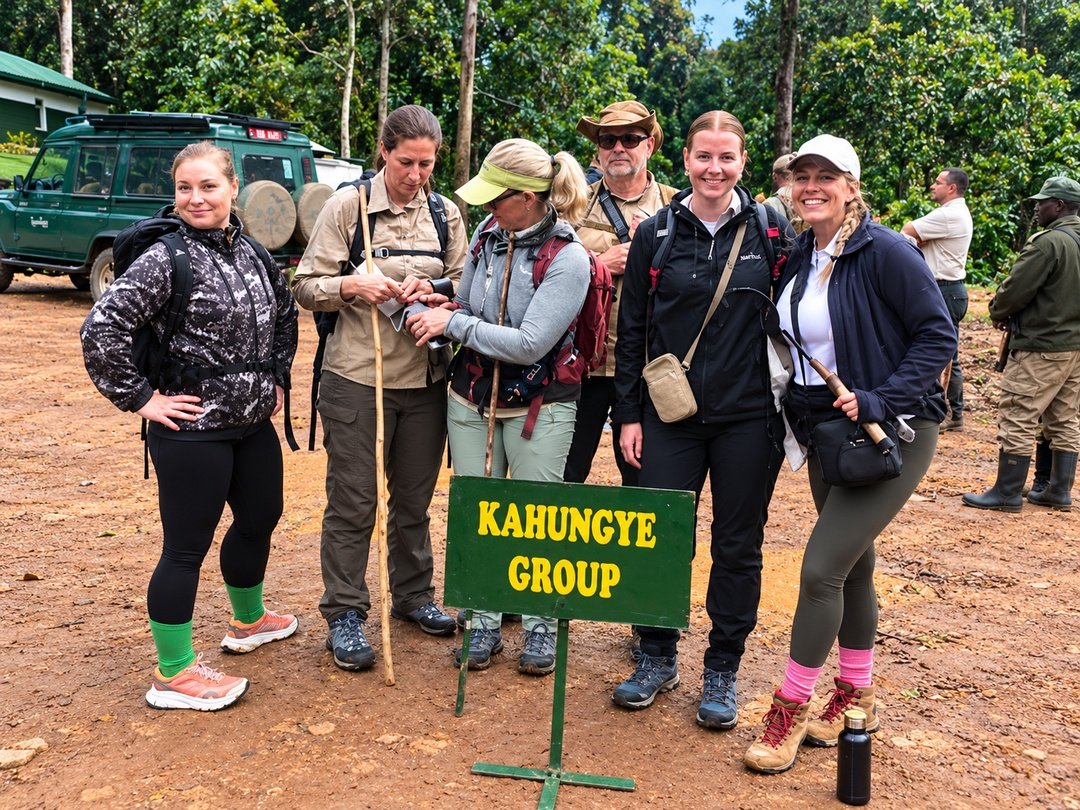
At the briefing, Uganda Wildlife Authority rangers explain how the experience works, the behaviour expected around mountain gorillas and the safety procedures you should follow while in the forest.
You are then introduced to the team accompanying you into Bwindi. Depending on arrangements, this may include trackers, rangers and researchers involved in monitoring the gorilla family.
Entering Bwindi Impenetrable Forest
After the briefing, you begin walking into the forest.
Bwindi is a dense tropical environment characterised by steep slopes, vines, ferns, towering trees and thick undergrowth. The terrain varies considerably, and some sections may be muddy or slippery, particularly after rainfall.
Your ranger team follows signs left by the gorillas, which may include broken branches, feeding remains, nests, dung and other indications of recent movement.
One of the most exciting aspects of gorilla habituation is that the journey itself forms part of the experience. You are not simply walking to a fixed wildlife viewing location. The gorillas move freely through the forest, and your team must interpret signs and track their movements.
The search can therefore take different amounts of time from one day to another.
Finding the Gorilla Family
As you move deeper into the forest, trackers may begin finding fresher signs that indicate the gorillas are nearby.
The atmosphere often becomes quieter as everyone listens for branches breaking, vegetation moving or low gorilla vocalisations.
Eventually, you may see a dark shape moving through the foliage. It could be a silverback feeding quietly, a female carrying an infant or a young gorilla climbing through the vegetation.
Your first close view of a mountain gorilla is often one of the most powerful moments of the entire safari.
You are now standing inside the gorillas’ natural habitat with experienced specialists who have spent significant time understanding the family’s movements and behaviour.
Extended Gorilla Habituation Experience
The major advantage of the 2 Day Gorilla Habituation in Bwindi Impenetrable National Park is the extended period spent around the mountain gorillas.
Instead of concentrating your entire encounter into the shorter observation period associated with ordinary gorilla trekking, habituation gives you considerably more time to watch how individual gorillas behave and interact.
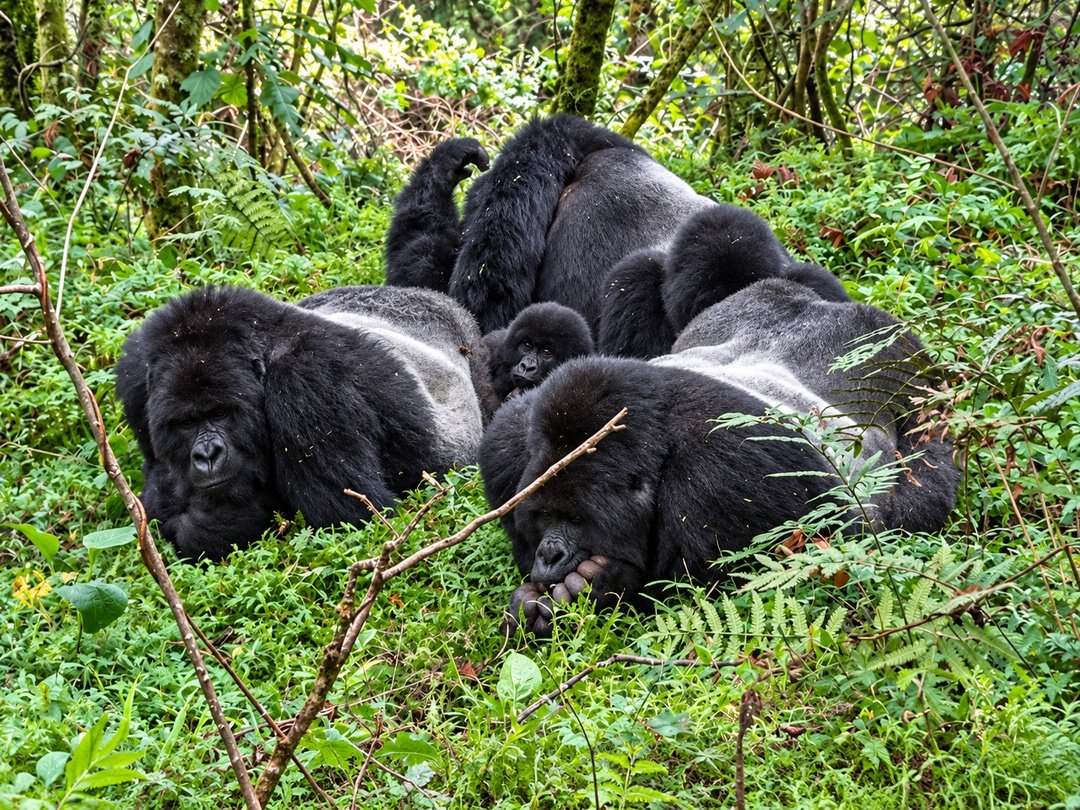
You may observe adults feeding slowly on leaves and stems, mothers caring for infants, juveniles playing, younger gorillas climbing vegetation and the dominant silverback maintaining awareness of the surrounding group.
Not every moment is dramatic, and that is part of what makes the experience valuable.
Gorillas may spend long periods resting quietly. These slower moments allow you to notice subtle facial expressions, grooming behaviour, social relationships and individual personalities that could easily be overlooked during a shorter encounter.
Researchers and trackers may also explain elements of the habituation process and how they recognise individual gorillas.
The animals remain completely wild. Habituation does not mean the gorillas are trained or domesticated. It simply means researchers gradually help a selected family become tolerant of carefully controlled human presence.
Gorilla Photography During Habituation
The experience is particularly rewarding for photographers.
Bwindi’s forest environment can be difficult to photograph because the canopy creates changing light, vegetation frequently obscures the gorillas and the animals may move without warning.
Having an extended observation period gives photographers more opportunities to wait for cleaner compositions, different behaviours and better natural light.
You may be able to photograph a silverback portrait, a mother and infant interaction, juveniles playing or a gorilla framed naturally by dense rainforest vegetation.
Flash photography is not allowed, and you must always follow the instructions provided by your ranger.
Return From the Forest
After your gorilla habituation experience is complete, you begin trekking back through the forest.
Depending on how far the gorillas have moved, the return journey may be relatively short or may involve another substantial walk.
Once back at the briefing area, you meet your safari guide and have time to rest before beginning your onward journey.
If you are returning to Kigali, you continue through southwestern Uganda, complete the border formalities and proceed to Kigali.
Travellers continuing deeper into Uganda can instead transfer towards Lake Bunyonyi, Queen Elizabeth National Park, Kibale National Park or another destination.
Your 2 Day Gorilla Habituation in Bwindi Impenetrable National Park concludes after one of the most immersive primate experiences available in East Africa.
Why Choose a 2 Day Gorilla Habituation in Bwindi Impenetrable National Park?
A two-day safari is particularly suitable for travellers who want the gorilla habituation experience without adding several additional safari days.
The first day provides enough time to reach Bwindi and position yourself close to the activity area. The second day is dedicated almost entirely to the gorillas.
This is significantly more practical than trying to combine a long transfer and gorilla habituation on the same day.
It is also ideal for travellers visiting Rwanda who want to add Uganda’s gorilla habituation experience to a Kigali-based itinerary.
Where Does the 2 Day Gorilla Habituation in Bwindi Impenetrable National Park Take Place?
The gorilla habituation experience is associated with southern Bwindi, particularly the Rushaga region.
Rushaga is one of Bwindi’s major gorilla tourism sectors and has become especially important for travellers interested in the habituation experience.
Your exact starting point should always be confirmed once your permit has been secured.
Because Bwindi is divided into different sectors, booking accommodation close to your assigned activity location is important. Staying too far from Rushaga could result in an unnecessarily long early-morning journey.
Gorilla Habituation Permit
Every participant requires a valid gorilla habituation permit.
Permit availability is limited, so it is advisable to secure your permit before finalising accommodation and transport arrangements.
The cost of permits may change as Uganda Wildlife Authority tariffs are revised. Travellers should therefore confirm the rate applying to their exact travel dates rather than relying on an old published price.
Your permit gives you access to the official ranger-led habituation activity on your confirmed date.
Because permits are limited, travellers planning a 2 Day Gorilla Habituation in Bwindi Impenetrable National Park during busy travel periods should book well in advance.
Gorilla Habituation Permit Price
A valid gorilla habituation permit is required for every traveller joining the 2 Day Gorilla Habituation in Bwindi Impenetrable National Park. Under the Uganda Wildlife Authority permit rates applicable in 2026, a gorilla habituation permit costs USD 1,500 for Foreign Non-Residents, USD 1,000 for Foreign Residents, USD 1,000 for Rest of Africa visitors and UGX 750,000 for East African citizens.
These permit rates are date-sensitive because Uganda Wildlife Authority periodically revises its conservation tariffs. Travellers planning a safari after 2026 should therefore confirm the rate applying to their exact travel dates before making payment. The permit gives access to the official gorilla habituation activity in Bwindi and includes the ranger-led experience on the confirmed date.
Because gorilla habituation permits are limited, it is advisable to secure your permit before finalising accommodation and transport, especially if you are travelling during a busy safari season or have fixed travel dates.
Gorilla Habituation Versus Gorilla Trekking
Gorilla trekking and gorilla habituation both provide opportunities to encounter mountain gorillas, but they are different experiences.
Standard gorilla trekking normally involves visiting a fully habituated gorilla family and spending a shorter period observing it.
Gorilla habituation involves accompanying researchers, trackers and rangers around a family that is still becoming accustomed to controlled human presence.
This creates a longer and more intensive forest experience.
For travellers whose main interest is simply seeing mountain gorillas, ordinary trekking may be sufficient.
For travellers who want more time, photography opportunities and deeper observation, gorilla habituation is often the more rewarding choice.
How Difficult Is the Gorilla Habituation Trek?
The difficulty varies considerably.
Mountain gorillas move freely through Bwindi, meaning the length and difficulty of your trek cannot be predicted precisely before you enter the forest.
Some groups may find the gorillas relatively quickly. Others may need to walk for several hours through steep and uneven terrain.
The forest can also become muddy after rain.
You should therefore prepare for a full day of walking and wear proper hiking footwear.
Hiring a porter is strongly recommended because carrying a backpack for several hours can become tiring. Porters can also assist when crossing streams or climbing slippery slopes.
What to Wear for the 2 Day Gorilla Habituation in Bwindi Impenetrable National Park
Wear long trousers and a comfortable long-sleeved shirt to protect your skin from vegetation and insects.
Waterproof hiking boots with good ankle support and strong grip are among the most important items to bring.
Bwindi receives rainfall throughout the year, so a lightweight waterproof jacket should also be carried.
Gardening gloves can be useful when you need to hold vegetation for support.
Avoid carrying unnecessary clothing or equipment because your daypack should remain light enough for a long forest trek.
What to Carry During 2 Day Gorilla Habituation in Bwindi Impenetrable National Park
Carry sufficient drinking water, a packed lunch, personal medication, camera equipment, rain protection and any identification required for permit verification.
Photographers should consider bringing spare batteries and additional memory cards because the longer viewing period can result in significantly more photographs than ordinary gorilla trekking.
Your camera equipment should also be protected against rain and humidity.
Best Time for 2 Day Gorilla Habituation in Bwindi Impenetrable National Park
The experience can be arranged throughout the year.
Drier periods are generally popular because trails may be easier to walk and road conditions can be more predictable.
However, Bwindi remains a tropical rainforest, and rain is possible at any time.
The wetter periods can make hiking more demanding, but the forest becomes exceptionally lush and atmospheric.
The best time ultimately depends on your preferred travel dates, permit availability, lodge availability and the other destinations you intend to include in your safari.
2 Day Gorilla Habituation in Bwindi Impenetrable National Park From Kigali
Kigali is one of the most convenient starting points for this short safari because southern Bwindi is relatively accessible from Rwanda.
On the first day, you leave Kigali and travel towards the Uganda border before continuing to Rushaga.
You then spend the night close to the forest and undertake gorilla habituation the following morning.
After the activity, you can return to Kigali or continue exploring Uganda.
This route is particularly attractive for international travellers who can find convenient flights into Kigali and want to minimise long road transfers.
2 Day Gorilla Habituation in Bwindi Impenetrable National Park From Entebbe
A two-day itinerary from Entebbe can also be arranged, although road travel is considerably longer.
Travellers who want greater comfort can consider a domestic flight to an airstrip in southwestern Uganda followed by a road transfer to Bwindi.
This reduces travel time and allows more time to enjoy the destination.
If travelling entirely by road, an early departure on Day 1 is necessary.
Who Should Book The 2 Day Gorilla Habituation in Bwindi Impenetrable National Park ?
The 2 Day Gorilla Habituation in Bwindi Impenetrable National Park is particularly suitable for travellers who consider mountain gorillas the main focus of their trip.
Wildlife photographers often prefer habituation because they have more time to wait for different expressions, movements and family interactions.
It is also suitable for solo travellers, couples and small private groups seeking an adventurous short safari.
Repeat visitors who have previously completed ordinary gorilla trekking may also find habituation provides a noticeably different experience.
Safari Inclusions of the 2 Day Gorilla Habituation in Bwindi Impenetrable National Park
- Gorilla habituation permit
- One night’s accommodation
- Professional safari guide
- 4×4 safari transportation
- Meals as stated in the itinerary
- Drinking water during transfers
- Packed lunch for the habituation experience
Safari Exclusions of the 2 Day Gorilla Habituation in Bwindi Impenetrable National Park
- International flights
- Visa fees
- Personal travel insurance
- Tips and gratuities
Why the 2 Day Gorilla Habituation in Bwindi Impenetrable National Park Is Special
Very few wildlife experiences allow travellers to spend such an extended period observing endangered mountain gorillas in their natural habitat.
You walk into an ancient forest rather than viewing animals from a safari vehicle.
You follow trackers who understand how to interpret signs left by the gorillas.
You observe a family as it feeds, rests, moves and interacts naturally.
You also gain a clearer understanding of the work required to prepare selected gorilla groups for carefully managed tourism.
For travellers seeking an experience that goes beyond simply seeing mountain gorillas, the 2 Day Gorilla Habituation in Bwindi Impenetrable National Park offers exceptional depth within a short itinerary.
Combine Your 2 Day Gorilla Habituation in Bwindi Impenetrable National Park With Other Uganda Destinations
Although this itinerary lasts only two days, it can easily form part of a longer Uganda or Rwanda safari.
After Bwindi, you can continue to Queen Elizabeth National Park for game drives and wildlife viewing.
Primate enthusiasts can continue towards Kibale National Park for chimpanzee trekking.
Travellers wanting relaxation can spend time around Lake Bunyonyi before continuing elsewhere.
You can also return to Rwanda and combine the safari with Kigali, Volcanoes National Park or other destinations.
This flexibility makes the 2 Day Gorilla Habituation in Bwindi Impenetrable National Park an excellent building block for a wider East African journey.
Book Your 2 Day Gorilla Habituation in Bwindi Impenetrable National Park
Your gorilla habituation safari can be customised around your preferred starting point, travel dates, accommodation level and onward destination.
We can arrange the gorilla habituation permit, accommodation near Rushaga, private transport and additional safari experiences before or after Bwindi.
Because permits are limited, securing your preferred date early is recommended.
Book My 2 Day Gorilla Habituation Safari
Frequently Asked Questions About 2 Day Gorilla Habituation in Bwindi Impenetrable National Park
What is included in a 2 Day Gorilla Habituation in Bwindi Impenetrable National Park?
A typical 2 Day Gorilla Habituation in Bwindi Impenetrable National Park includes your gorilla habituation permit, private safari transport, the services of a professional driver-guide, one night’s accommodation near the southern Bwindi sector, meals stated in the itinerary and drinking water during transfers. A packed lunch is usually arranged for the habituation day because the activity can keep you in the forest for several hours. Exact inclusions can vary depending on the accommodation category and starting point, so your final safari quotation should clearly show what is covered.
What happens on the first day of the safari?
The first day is mainly used to transfer you to Bwindi Impenetrable National Park and position you close to the gorilla habituation starting point. If you begin in Kigali, you travel through Rwanda’s countryside, cross into Uganda and continue towards southern Bwindi. If you begin in Entebbe or Kampala, the journey is much longer and normally requires an early departure. After reaching your lodge, you check in, relax, have dinner and prepare your trekking gear for the following morning.
What happens on the second day?
The second day is dedicated to the gorilla habituation experience. You have an early breakfast before transferring to the briefing point, where rangers explain the trekking rules, safety procedures and expected behaviour around mountain gorillas. You then enter the forest with trackers, researchers and rangers to search for the assigned gorilla family. After the experience, you return to the briefing area, meet your safari guide and continue to your onward destination.
Where does the gorilla habituation experience take place?
Gorilla habituation is associated with the southern region of Bwindi Impenetrable National Park, especially around the Rushaga sector. This area is one of the most important gorilla tourism zones in Bwindi and provides convenient access for travellers arriving from Kigali. Your exact reporting point should always be confirmed once your permit has been secured, because staying close to the correct sector is essential for the early-morning start.
How long do I spend with the mountain gorillas?
The habituation experience provides a much longer observation opportunity than standard gorilla trekking. The official timing begins according to the instructions of the ranger team once the gorillas have been located and the required conditions are met. This extended period allows you to observe feeding, grooming, resting, social interaction and other behaviours that can be difficult to appreciate during a shorter encounter.
Is gorilla habituation different from gorilla trekking?
Yes. Standard gorilla trekking usually involves visiting a fully habituated gorilla family and spending a shorter period observing it. Gorilla habituation, on the other hand, involves accompanying researchers, trackers and rangers as they follow a gorilla family that is still becoming accustomed to controlled human presence. This makes the experience longer, more immersive and more educational.
Is the 2 Day Gorilla Habituation in Bwindi Impenetrable National Park worth it?
Yes, especially for travellers who want more than a brief gorilla encounter. The experience offers more time with mountain gorillas, greater insight into their behaviour and a closer look at the work of researchers and trackers. It is particularly rewarding for wildlife photographers, primate enthusiasts and travellers who consider gorillas the main focus of their Uganda safari.
How difficult is gorilla habituation?
The difficulty level varies because mountain gorillas move freely through the forest. Some groups may find the gorillas relatively quickly, while others may walk for several hours through steep slopes, thick vegetation, muddy trails and uneven ground. The experience can therefore be physically demanding, but good preparation, proper footwear and a steady pace make a significant difference.
Do I need to be physically fit?
You do not need to be an athlete, but a reasonable level of fitness is strongly recommended. You should be comfortable walking for several hours and dealing with hills, mud and uneven forest paths. Travellers who prepare with regular walking, hiking or light exercise before their safari usually find the trek more manageable.
What is the minimum age for gorilla habituation?
Participants are generally required to be at least 15 years old. The age restriction exists because the activity can be physically demanding and visitors must be able to understand and follow strict safety and behaviour rules around the gorillas. Families travelling with younger children should arrange alternative activities for them.
Can I begin the safari from Kigali?
Yes. Kigali is one of the most convenient starting points for a 2 Day Gorilla Habituation in Bwindi Impenetrable National Park because southern Bwindi is relatively accessible from Rwanda. You normally leave Kigali on the first day, cross into Uganda and continue towards Rushaga. The second day is then devoted to the gorilla habituation experience before returning to Kigali or continuing elsewhere.
Can I begin the safari from Entebbe?
Yes. The safari can start from Entebbe, but the road journey to Bwindi is significantly longer than from Kigali. Travellers should therefore depart very early or consider a domestic flight to southwestern Uganda followed by a road transfer. A fly-in option can make the itinerary more comfortable and reduce the amount of time spent on the road.
Should I stay near Rushaga?
Yes. Staying near Rushaga or another accommodation property close to your confirmed briefing point is strongly recommended. Gorilla habituation begins early in the morning, and staying nearby helps you avoid a long transfer before the activity. It also reduces the risk of arriving late because of poor road conditions or unexpected delays.
Do I need a gorilla habituation permit?
Yes. Every participant must have a valid gorilla habituation permit for the exact date of the activity. The permit controls visitor numbers, provides access to the official ranger-led experience and contributes to the conservation and management of mountain gorillas. You cannot simply arrive in Bwindi and join the activity without a permit.
Should I book the permit early?
Yes. Gorilla habituation permits are limited and can sell out, especially during popular travel periods. Booking several months in advance gives you a better chance of securing your preferred date and allows you to organise accommodation and transport around the confirmed permit.
Can I take photographs?
Yes. Photography is allowed during gorilla habituation, provided you follow the ranger’s instructions. The longer observation time can create excellent opportunities to photograph silverbacks, mothers with infants, juveniles playing and other natural gorilla behaviours. You should always remain aware of the required viewing distance and avoid disturbing the animals.
Is gorilla habituation good for photographers?
Yes. It is one of the best gorilla experiences for serious photographers because you have more time to wait for different behaviours, expressions and better natural light. Bwindi’s forest can be challenging for photography, so the longer encounter can significantly increase your chances of capturing a wide variety of images.
What type of camera should I bring?
A camera with good low-light performance is useful because the forest canopy can make conditions quite dark. A medium telephoto zoom lens can also be practical because it gives you flexibility when the gorillas move. Spare batteries, extra memory cards and a weather-resistant camera bag are highly recommended.
Can I use flash photography?
No. Flash photography should not be used around mountain gorillas because it can disturb or startle them. You should adjust your camera settings for the available natural light and follow the instructions given by the ranger team.
What should I wear?
Wear long trousers, a long-sleeved shirt, waterproof hiking boots and a lightweight rain jacket. Long clothing helps protect your skin from branches, insects and vegetation. Neutral-coloured clothing is generally practical, and bright or delicate clothing is best avoided because the forest can be muddy.
Do I need hiking boots?
Yes. Waterproof hiking boots with good grip and ankle support are strongly recommended. Bwindi’s trails can be steep, muddy and slippery, especially after rain, so proper boots can make the trek safer and more comfortable than ordinary trainers.
Should I hire a porter?
Yes. Hiring a porter is highly recommended, even for travellers who are reasonably fit. A porter can carry your backpack, camera equipment and water while also assisting you on steep or slippery sections of the trail. This allows you to conserve energy and concentrate more on the gorilla experience.
What should I carry in my daypack?
Your daypack should contain drinking water, packed lunch, personal medication, rain protection, camera equipment, spare batteries and any identification required for permit verification. Keep the bag as light as possible because you may carry it for several hours.
Does gorilla habituation operate throughout the year?
Yes. The experience is available throughout the year, subject to permit availability, park operations and wildlife conditions. Mountain gorillas remain in Bwindi year-round, so travellers can plan the experience during both the drier and wetter seasons.
What is the best season for gorilla habituation?
The relatively drier months can make trekking more comfortable because trails may be less muddy and slippery. However, Bwindi is a tropical rainforest, so rain can fall at any time of year. Wetter months can be more physically demanding, but the forest is exceptionally green and atmospheric.
What happens if it rains?
Gorilla habituation usually continues when it rains unless the ranger team decides conditions are unsafe. Rain is a normal part of the Bwindi environment, so travellers should carry a waterproof jacket and protect cameras and other valuables. Good hiking boots are especially important during wet conditions.
Will I definitely see mountain gorillas?
The chances of seeing mountain gorillas are very high because trackers closely monitor their movements. However, the gorillas are wild animals living freely in the forest, so sightings should never be described as absolutely guaranteed. The tracking team uses recent movement information to maximise your chances of finding the family.
Can I touch a mountain gorilla?
No. Mountain gorillas should never be touched. They are wild animals, and physical contact can cause stress and increase the risk of disease transmission. Even if a gorilla moves close to you, remain still and follow the ranger’s instructions.
What happens if a gorilla approaches me?
Remain calm and avoid sudden movements. Do not attempt to touch the gorilla, take a selfie at close range or move towards it. Your ranger will tell you how to respond and where to position yourself.
Can I eat near the gorillas?
No. Eating or drinking during the close gorilla observation period is not permitted. Food can attract wildlife and create unnecessary disturbance. Your ranger will advise when and where you can eat your packed lunch or drink water.
Can I participate if I am sick?
Travellers showing symptoms of contagious illness may not be allowed to join the experience because mountain gorillas are vulnerable to some human diseases. If you feel unwell before the trek, inform your guide or the park authorities immediately so they can advise you appropriately.
Is the experience safe?
Yes, when visitors follow ranger instructions and park regulations. Gorilla habituation is led by experienced professionals who understand mountain gorilla behaviour and forest conditions. Rangers remain with you throughout the activity and guide your movements around the gorillas.
Can elderly travellers participate?
Yes, provided they have sufficient mobility, stamina and overall fitness. Age alone does not necessarily prevent someone from taking part, but the terrain can be demanding. Older travellers should discuss their physical condition before booking and consider hiring a porter.
Is this safari suitable for solo travellers?
Yes. The 2 Day Gorilla Habituation in Bwindi Impenetrable National Park is suitable for solo travellers. You can have private transport and accommodation while joining other permitted participants for the official ranger-led habituation activity.
Is this safari suitable for couples?
Yes. Couples often choose gorilla habituation because it offers a memorable shared wildlife experience. It can also be incorporated into a honeymoon, anniversary safari or wider private journey through Uganda and Rwanda.
Can families book this safari?
Yes. Families can book the safari as long as all members participating in the gorilla habituation activity meet the minimum age requirement and are physically prepared for the trek. Younger children can stay at the lodge or take part in another suitable activity.
Can I combine the safari with Queen Elizabeth National Park?
Yes. Queen Elizabeth National Park combines naturally with Bwindi and is an excellent choice for travellers who want to add game drives, wildlife viewing and other safari experiences. It can be included before or after the gorilla habituation experience.
Can I combine it with chimpanzee trekking?
Yes. A popular primate safari combines gorilla habituation in Bwindi with chimpanzee trekking in Kibale National Park. This gives you the opportunity to experience two of Uganda’s most important primate destinations in one journey.
Can I combine the safari with Lake Bunyonyi?
Yes. Lake Bunyonyi is a good place to relax before or after your gorilla habituation experience. Its peaceful scenery, islands and cooler highland environment make it ideal for travellers who want some downtime after a demanding forest trek.
Can I combine gorilla habituation with Rwanda?
Yes. Southern Bwindi is well positioned for travellers combining Uganda and Rwanda. You can start in Kigali, travel to Bwindi for the habituation experience and then return to Rwanda for Kigali, Volcanoes National Park or other destinations.
How far in advance should I book?
Booking several months in advance is recommended, particularly if your dates are fixed. Early booking gives you a better chance of securing the permit, preferred lodge and transport arrangement that best fits your itinerary.
Is one night in Bwindi enough?
Yes, one night is enough for the basic two-day itinerary if you arrive in Bwindi on Day 1 and complete the habituation experience on Day 2. However, adding another night after the trek creates a more relaxed schedule and gives you time to rest before a long onward journey.
Can I leave Bwindi immediately after the habituation experience?
Yes, you can leave after the activity if timing allows. However, gorilla habituation can be physically demanding and may finish later than expected, so a long evening transfer is not always ideal. Travellers who prefer a more comfortable pace should consider spending another night in Bwindi.
Why choose 2 Day Gorilla Habituation in Bwindi Impenetrable National Park?
This safari is ideal for travellers who want one of Uganda’s deepest primate experiences without committing to a long itinerary. You have time to reach Bwindi comfortably, stay close to the briefing point and dedicate the next day to an extended encounter with mountain gorillas. It combines convenience, adventure, conservation education and unforgettable wildlife viewing in a compact two-day safari.